PrintPartner Hub
A B2B portal for resellers and franchises to white-label plastic card ordering, manage client sub-accounts, and automate pricing, invoicing, and fulfillment.
Understanding the problem PrintPartner Hub solves in the B2B printing ecosystem
In the global printing and card manufacturing industry, plastic card ordering and fulfillment is still surprisingly fragmented. Resellers, franchise networks, and regional print brokers often rely on a mix of spreadsheets, email threads, legacy desktop software, and manual invoicing to manage client orders. This creates operational friction, inconsistent pricing, and poor visibility across sub-accounts.
PrintPartner Hub is designed to solve this exact problem. As a B2B white-label card ordering portal, it enables print resellers and franchises to centralize plastic card production, automate pricing and invoicing, and manage multiple client sub-accounts from a single platform—without exposing the underlying manufacturer.
This article provides a deep, expert-level breakdown of the PrintPartner Hub SaaS opportunity, covering:
- Who the platform is for and why they need it
- Market gaps and competitive weaknesses in existing tools
- Core features and system architecture
- Monetization strategies and pricing models
- Technical implementation considerations
- Risks, mitigations, and defensibility
- Step-by-step guidance for launching and scaling
The primary keyword targeted throughout this article is “white-label plastic card ordering platform”, supported by related semantic keywords such as B2B print portal, reseller print management software, card fulfillment automation, and franchise print ordering system.
Target audience analysis: who needs a white-label plastic card ordering platform?
Understanding user intent is critical. People searching for solutions like PrintPartner Hub are not casual browsers—they are actively trying to reduce operational complexity, protect margins, and scale B2B fulfillment.
Primary audience segments
1. Plastic card resellers and brokers
These businesses sell ID cards, membership cards, loyalty cards, access badges, and gift cards without owning manufacturing equipment.
Key pain points:
- Manual quoting and inconsistent pricing
- Difficulty managing repeat clients
- No self-service ordering for customers
- Exposure of the upstream manufacturer
What they need:
- A white-label portal under their own brand
- Automated pricing rules and markups
- Client-level order history and invoicing
- Seamless handoff to manufacturers
2. Franchise networks and multi-location brands
Franchises often require standardized cards (employee IDs, access cards, gift cards) across hundreds of locations.
Key pain points:
- Lack of centralized control
- Inconsistent branding across locations
- Manual approval workflows
- Complex billing structures
What they need:
- Parent-child account hierarchies
- Role-based access and approvals
- Central pricing with local ordering
- Consolidated or location-level invoicing
3. Regional print shops expanding into card products
Traditional printers increasingly want to add plastic cards without investing in specialized equipment.
Key pain points:
- No integrated card ordering workflow
- Reliance on email-based vendor coordination
- Low margins due to inefficiencies
What they need:
- A modern B2B print portal
- Automated fulfillment routing
- Brand ownership of the client experience
Market opportunity and gap analysis
Why existing solutions fall short
Most existing print management systems focus on paper-based print-on-demand (brochures, flyers, signage). Plastic card production has unique requirements:
- Variable data printing (names, barcodes, QR codes)
- Security features (mag stripes, RFID, holograms)
- Batch-based manufacturing workflows
- Compliance and access control
As a result, many resellers either:
- Use generic eCommerce platforms poorly adapted to B2B needs
- Rely on manufacturer-owned portals that expose the supply chain
- Build expensive custom solutions that are hard to maintain
This creates a clear opportunity for a purpose-built B2B card ordering platform.
Macro trends supporting demand
Several broader trends strengthen the case for PrintPartner Hub:
- Growth of access control and identity cards across healthcare, logistics, education, and corporate environments
- Franchise expansion in retail, fitness, and food services
- Demand for white-label SaaS tools that preserve brand ownership
- Automation of B2B procurement workflows
From an SEO perspective, search intent around “white-label ordering platform”, “B2B print portal software”, and “card fulfillment automation” is increasingly commercial and solution-focused.
Core features of PrintPartner Hub
A successful white-label plastic card ordering platform must balance power, flexibility, and simplicity. Below are the core feature pillars that define PrintPartner Hub.
White-label branding and domain control
At the heart of the platform is full white-labeling:
- Custom logo, colors, and typography
- Custom domain or subdomain per reseller
- Branded emails and invoices
- No manufacturer visibility to end clients
This preserves reseller trust and brand equity.
Multi-level account and sub-account management
PrintPartner Hub supports complex B2B hierarchies:
- Parent reseller account
- Client organizations
- Sub-accounts for locations or departments
- Role-based permissions (admin, approver, viewer)
This is essential for franchises and enterprise customers.
Product configuration and variable data support
Plastic cards are not simple SKUs. The platform must support:
- Card types (PVC, composite, eco-friendly)
- Encoding options (mag stripe, RFID, NFC)
- Variable fields (name, ID number, barcode)
- Artwork uploads and proof approvals
Expert insight
Variable data handling is one of the biggest differentiators between generic eCommerce tools and specialized card ordering platforms. Investing early in a flexible data model pays long-term dividends.
Automated pricing and margin control
Resellers need pricing flexibility without manual intervention:
- Cost-based pricing rules
- Volume discounts
- Client-specific markups
- Minimum order enforcement
This ensures consistent margins at scale.
Invoicing, payments, and tax handling
To reduce back-office workload, PrintPartner Hub includes:
- Automatic invoice generation
- Support for prepaid, postpaid, and credit terms
- Tax calculation (where applicable)
- Export to accounting systems
Fulfillment and manufacturer routing
Orders can be:
- Routed to one or multiple manufacturing partners
- Assigned based on geography, capacity, or cost
- Tracked through production and shipping stages
This abstraction layer is critical to scalability.
Competitive advantage analysis
To rank and convert effectively, it’s important to clearly articulate why PrintPartner Hub is different.
| Feature | Generic eCommerce | Manufacturer portals | Custom-built systems | PrintPartner Hub |
|---|---|---|---|---|
| B2B account hierarchies | ❌ | ✅ | ✅ | ✅ |
| White-label branding | ⚠️ | ❌ | ✅ | ✅ |
| Card-specific workflows | ❌ | ✅ | ✅ | ✅ |
| Time to launch | ✅ | ✅ | ❌ | ✅ |
Unique selling proposition (USP):
PrintPartner Hub delivers enterprise-grade card ordering and fulfillment in a white-label SaaS model, without the cost or risk of custom development.
Recommended technology stack and architecture
Choosing the right tech stack is essential for performance, security, and long-term maintainability.
Frontend
- React – component-driven UI and scalability
https://reactjs.org - Tailwind CSS – rapid UI development and design consistency
https://tailwindcss.com
Trade-off: Tailwind accelerates development but requires design discipline to avoid inconsistency.
Backend
- Node.js with a structured framework (e.g., NestJS-style architecture)
- REST or GraphQL API layer
- Strong role-based access control
Database
- PostgreSQL for relational data integrity
- JSON fields for variable card data
File and asset handling
- Secure object storage for artwork and proofs
- Versioning and audit logs
Infrastructure
- Containerized deployment (Docker)
- Scalable hosting on AWS, GCP, or similar
- Background job processing for order workflows
Security considerations
- Encryption at rest and in transit
- Strict tenant isolation
- Activity logging for compliance
Monetization strategies for PrintPartner Hub
A B2B SaaS platform like this supports multiple revenue streams.
Subscription-based pricing
Common tiers might include:
- Starter (limited clients, basic features)
- Professional (automation and branding)
- Enterprise (custom workflows and integrations)
Transaction-based fees
- Per-order processing fee
- Per-card or per-batch fee
This aligns revenue with customer growth.
Value-added services
- Custom integrations
- Priority support
- Dedicated onboarding
Predictable MRR
Subscription plans create stable, forecastable revenue.
Scalable upside
Transaction fees grow naturally as customers scale.
Low churn potential
Deep workflow integration increases switching costs.
Risks and mitigation strategies
No SaaS idea is without risk. Here are the primary concerns and how to address them.
Risk: Long B2B sales cycles
Mitigation:
- Focus initial go-to-market on small-to-mid resellers
- Provide demos and sandbox environments
- Publish clear ROI calculators
Risk: Complex onboarding
Mitigation:
- Guided setup flows
- Pre-configured templates
- White-glove onboarding for higher tiers
Risk: Manufacturer dependency
Mitigation:
- Support multiple fulfillment partners
- Avoid hardcoding vendor-specific logic
Go-to-market strategy and positioning
PrintPartner Hub should be positioned as:
“The white-label plastic card ordering platform built for resellers and franchises.”
Key acquisition channels:
- SEO-driven content around B2B print workflows
- Direct outreach to resellers and franchise groups
- Partnerships with card manufacturers
- Listings in B2B SaaS directories
Step-by-step implementation roadmap
Using a proven SaaS starter kit like TurboStarter can significantly reduce time-to-market by handling authentication, billing, and core infrastructure out of the box.
Why PrintPartner Hub is a strong long-term SaaS opportunity
PrintPartner Hub sits at the intersection of B2B SaaS, print automation, and white-label commerce—three areas with strong demand and high switching costs.
By solving a real operational pain point for resellers and franchises, the platform builds deep workflow dependency and long-term customer value. With the right execution, it can become the default infrastructure layer for plastic card fulfillment worldwide.
Final thoughts
If you are exploring opportunities in B2B SaaS, PrintPartner Hub stands out as a focused, defensible product with clear market demand. Its success depends not on chasing trends, but on executing exceptionally well on a narrow, high-value problem.
For founders, product managers, or investors evaluating this idea, the takeaway is simple: the future of print fulfillment is automated, white-labeled, and reseller-first—and PrintPartner Hub is well positioned to lead that shift.
More 🏢 B2B Application SaaS ideas
Discover more innovative b2b application SaaS ideas that are trending in 2026. Each idea is AI-generated with market validation and growth potential to help you find your next profitable venture faster than competitors.
Your competitors are building with TurboStarter
Below are some of the SaaS ideas that have been generated and built with our starter kit.
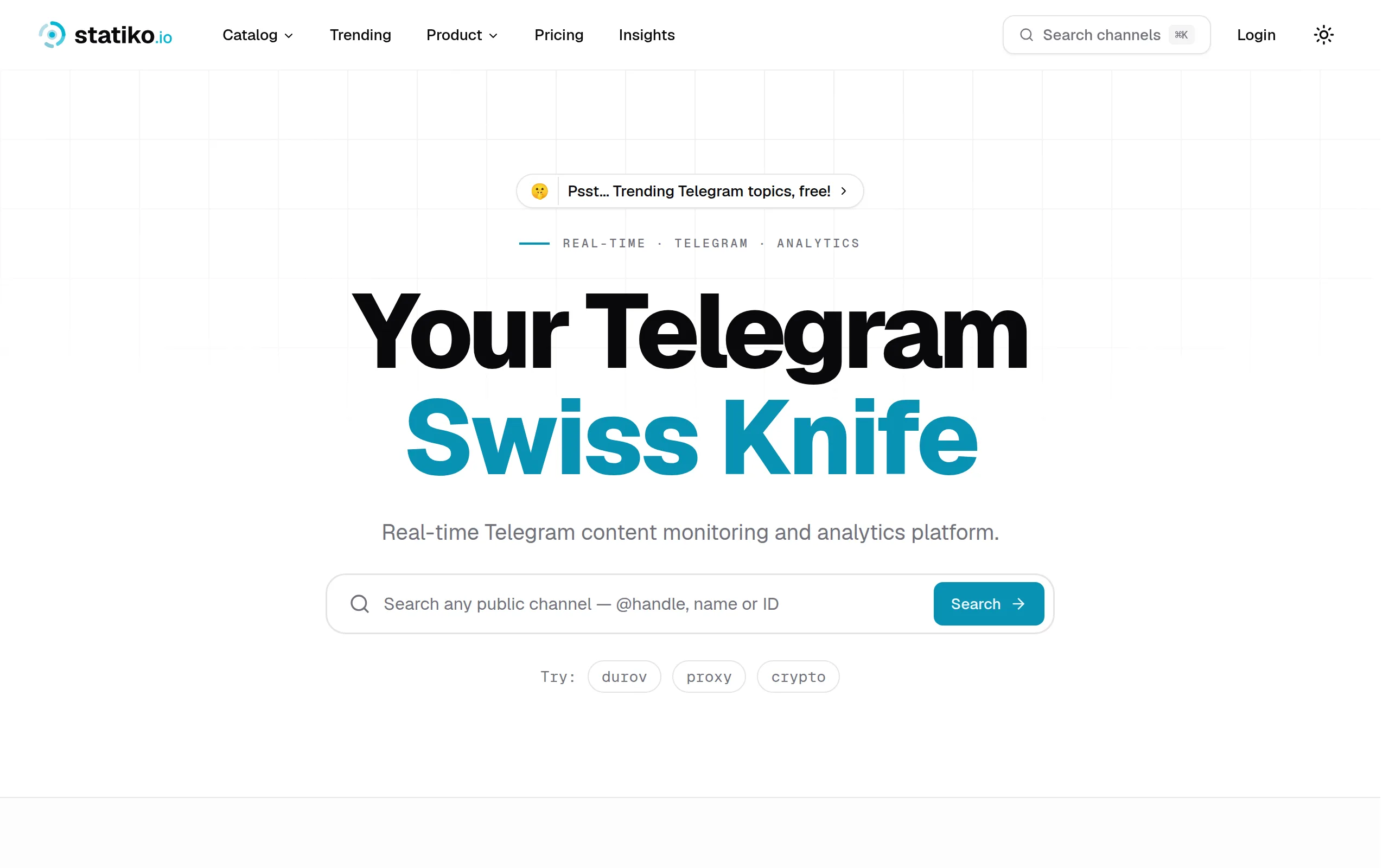
Statiko
Monitor any Telegram channel in real time - track posts, edits, deletions, and growth with AI recaps 📡

Shibui
AI website builder - describe your business, pick a niche template, edit by chatting, and publish instantly ✨
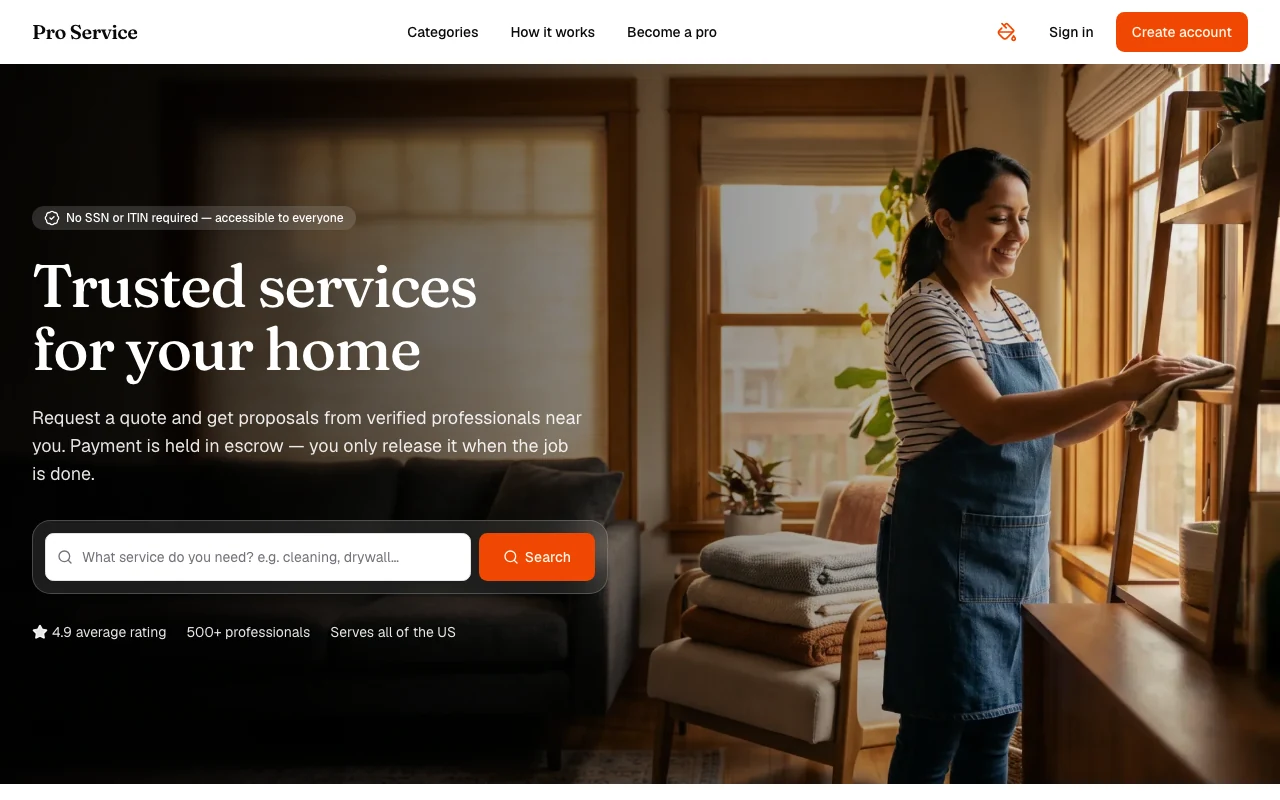
Pro Service
Find verified home service professionals, compare quotes, and pay securely through escrow - built for Brazilians across the US 🏠
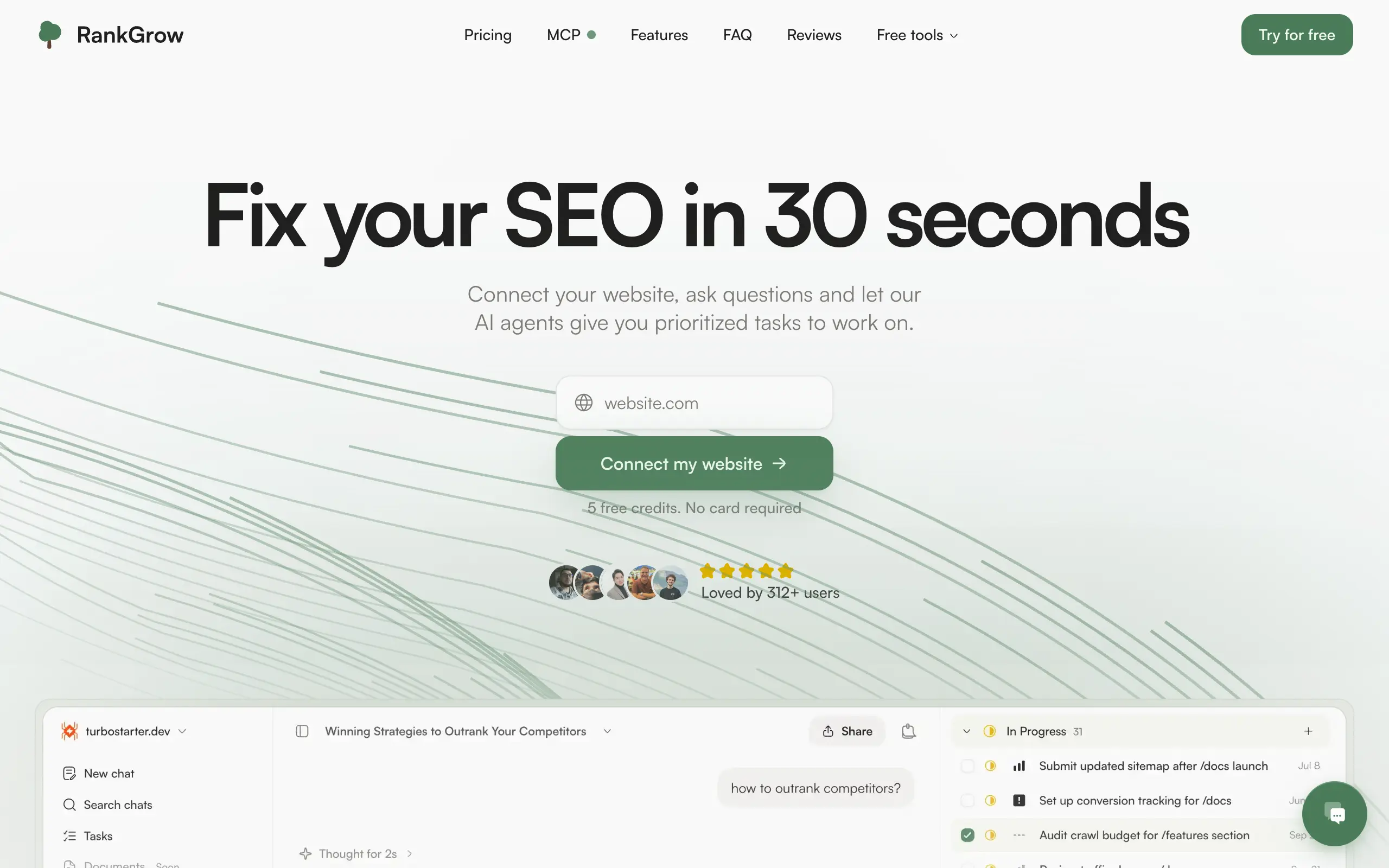
RankGrow
Fix your SEO with AI agents - connect Search Console, get prioritized tasks, and grow organic traffic 📈
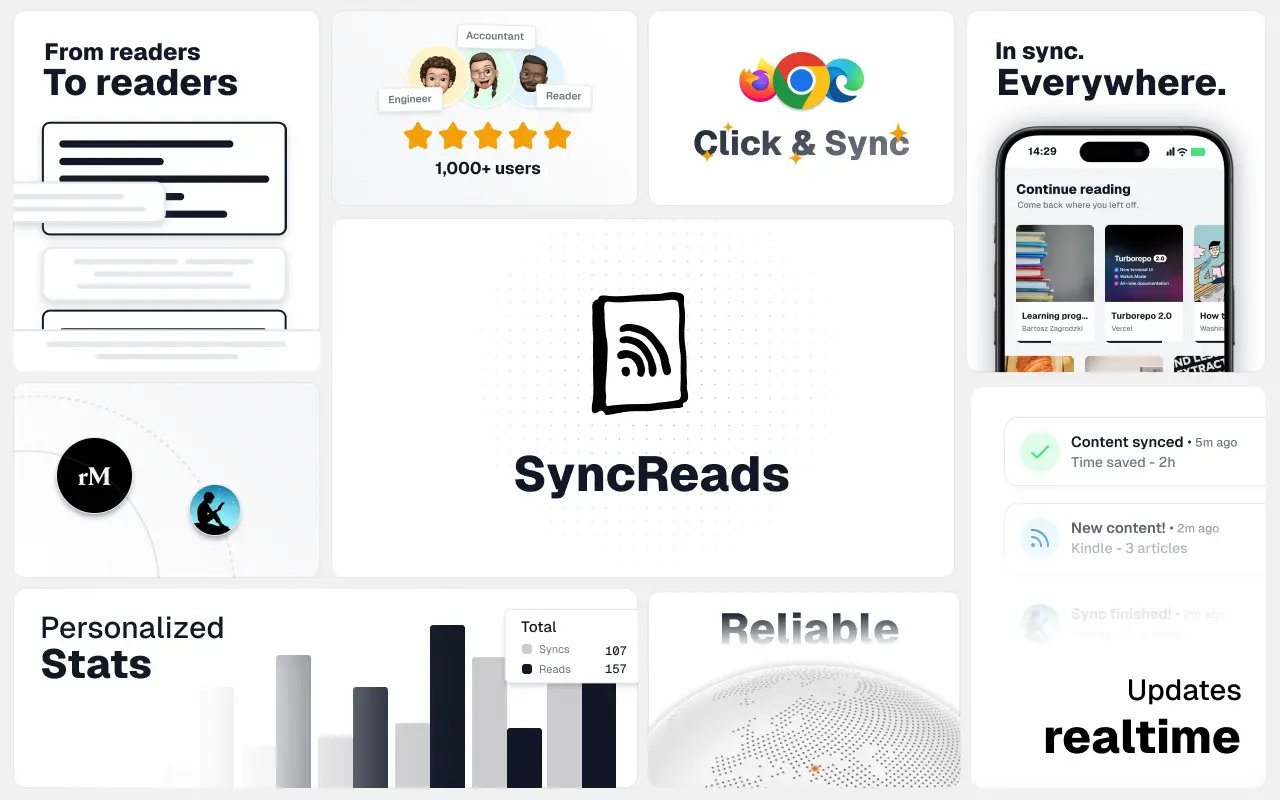
SyncReads
Sync your favorite content for distraction-free reading, save time and replace multiple apps. Anytime, anywhere 🔄
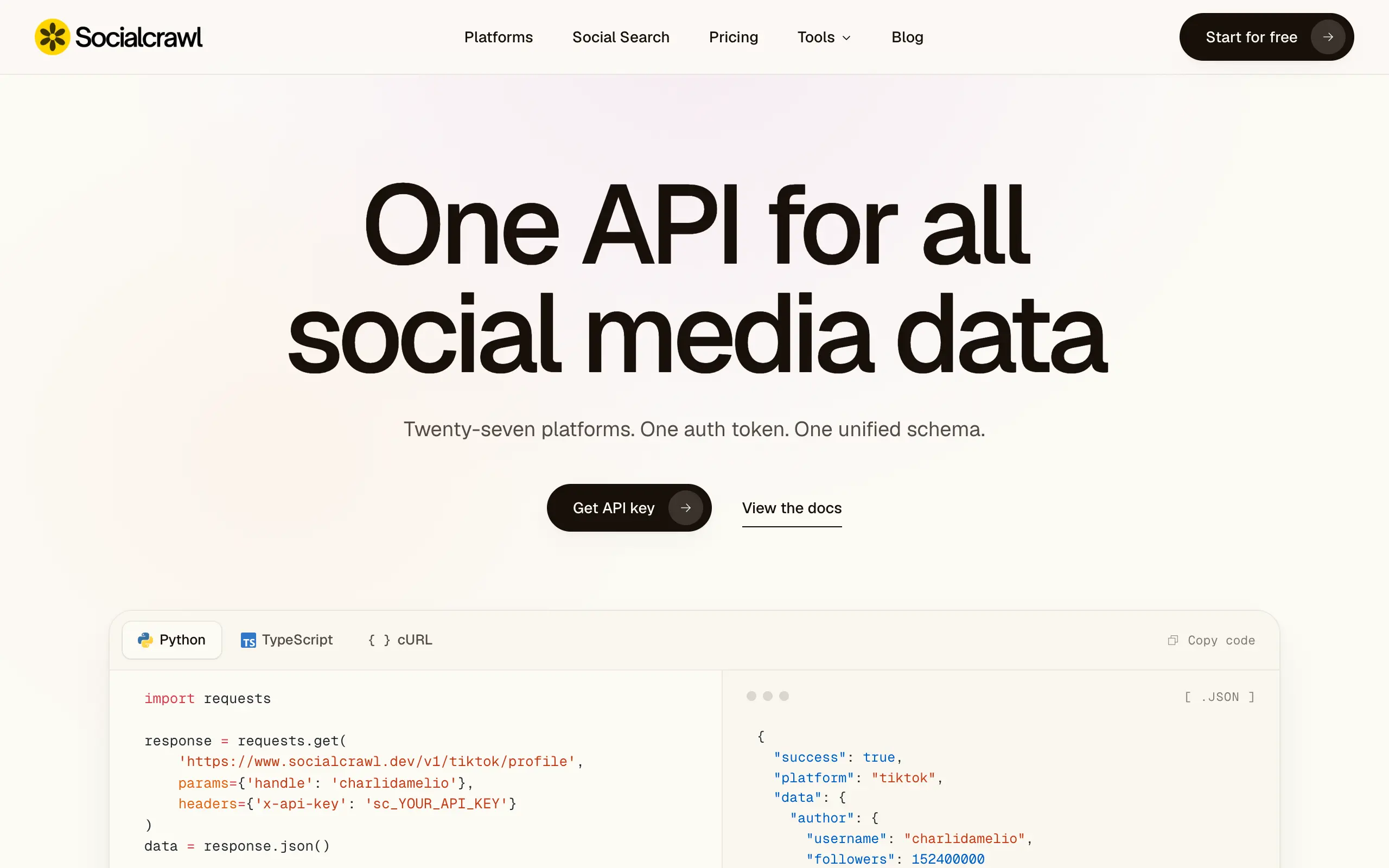
Socialcrawl
Get clean, structured data from 21 platforms like TikTok, Instagram, and YouTube with a single request 📊
Statiko
Monitor any Telegram channel in real time - track posts, edits, deletions, and growth with AI recaps 📡
Shibui
AI website builder - describe your business, pick a niche template, edit by chatting, and publish instantly ✨
Pro Service
Find verified home service professionals, compare quotes, and pay securely through escrow - built for Brazilians across the US 🏠
RankGrow
Fix your SEO with AI agents - connect Search Console, get prioritized tasks, and grow organic traffic 📈
SyncReads
Sync your favorite content for distraction-free reading, save time and replace multiple apps. Anytime, anywhere 🔄
Socialcrawl
Get clean, structured data from 21 platforms like TikTok, Instagram, and YouTube with a single request 📊
Statiko
Monitor any Telegram channel in real time - track posts, edits, deletions, and growth with AI recaps 📡
Shibui
AI website builder - describe your business, pick a niche template, edit by chatting, and publish instantly ✨
Pro Service
Find verified home service professionals, compare quotes, and pay securely through escrow - built for Brazilians across the US 🏠
RankGrow
Fix your SEO with AI agents - connect Search Console, get prioritized tasks, and grow organic traffic 📈
SyncReads
Sync your favorite content for distraction-free reading, save time and replace multiple apps. Anytime, anywhere 🔄
Socialcrawl
Get clean, structured data from 21 platforms like TikTok, Instagram, and YouTube with a single request 📊
Statiko
Monitor any Telegram channel in real time - track posts, edits, deletions, and growth with AI recaps 📡
Shibui
AI website builder - describe your business, pick a niche template, edit by chatting, and publish instantly ✨
Pro Service
Find verified home service professionals, compare quotes, and pay securely through escrow - built for Brazilians across the US 🏠
RankGrow
Fix your SEO with AI agents - connect Search Console, get prioritized tasks, and grow organic traffic 📈
SyncReads
Sync your favorite content for distraction-free reading, save time and replace multiple apps. Anytime, anywhere 🔄
Socialcrawl
Get clean, structured data from 21 platforms like TikTok, Instagram, and YouTube with a single request 📊
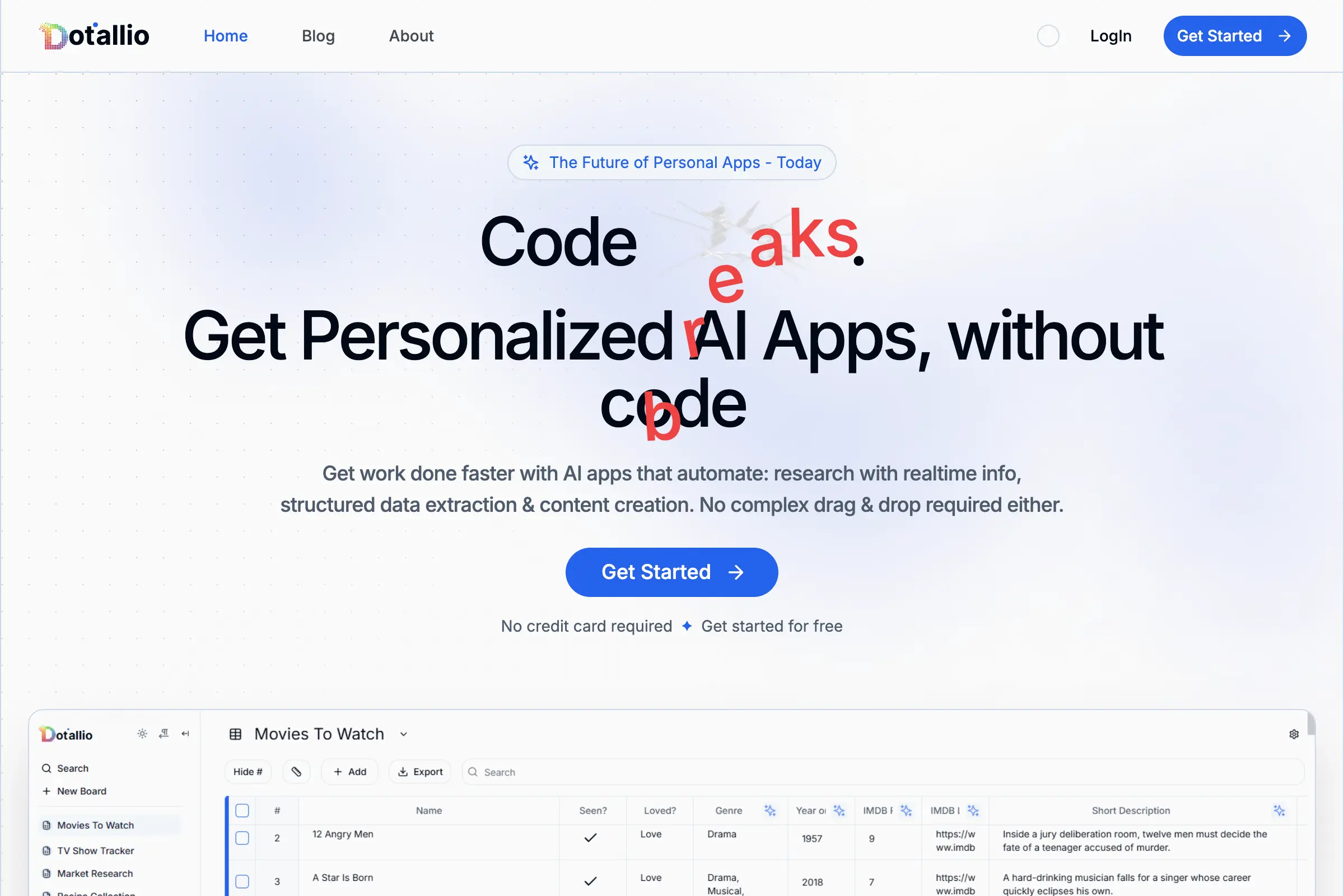
Dotallio
Personalized AI apps that automate research, data extraction, and content creation without code 🤖
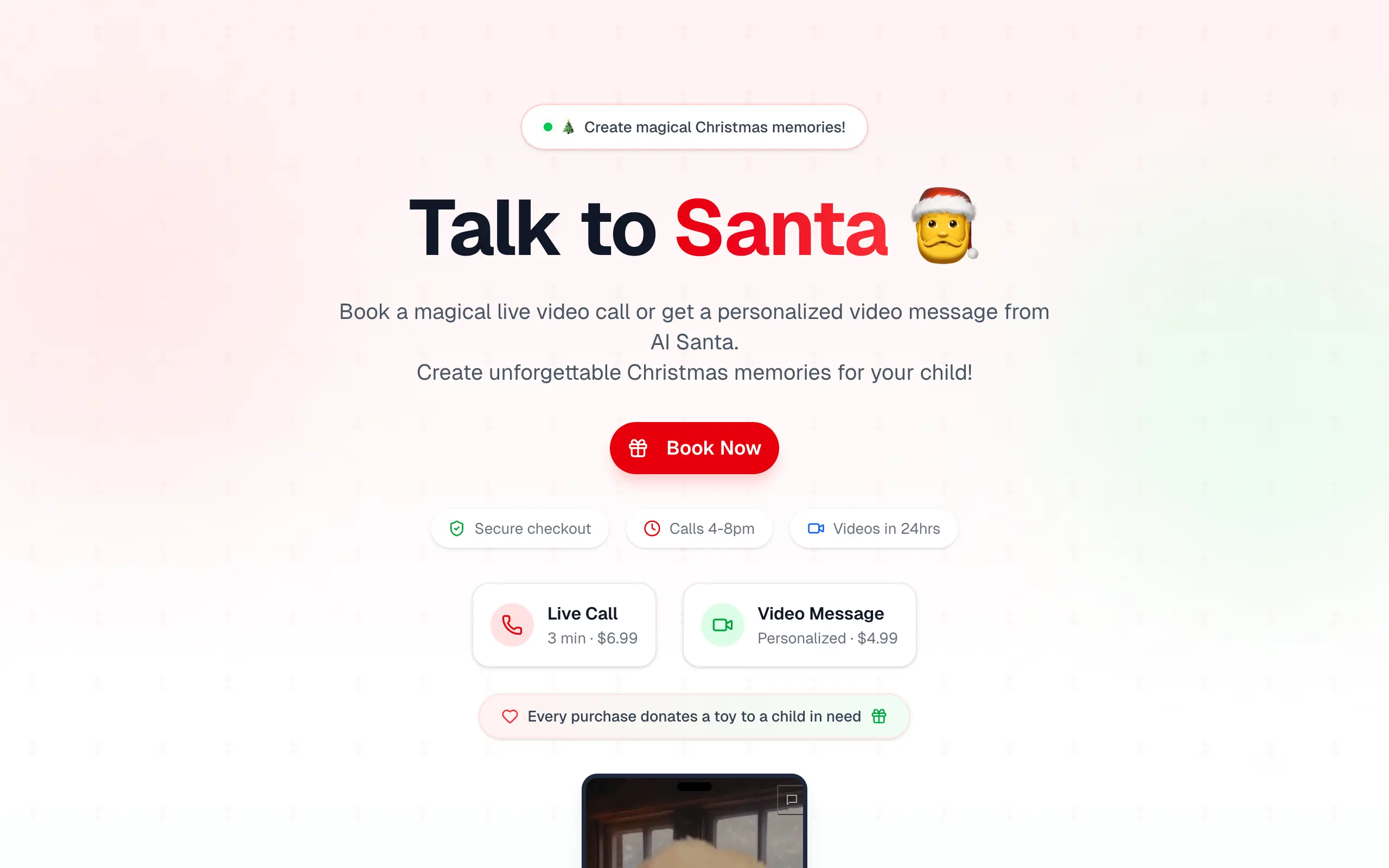
Talk to Santa
Enjoy a magical live video chat or receive a unique AI-generated video greeting from Santa Claus 🎅
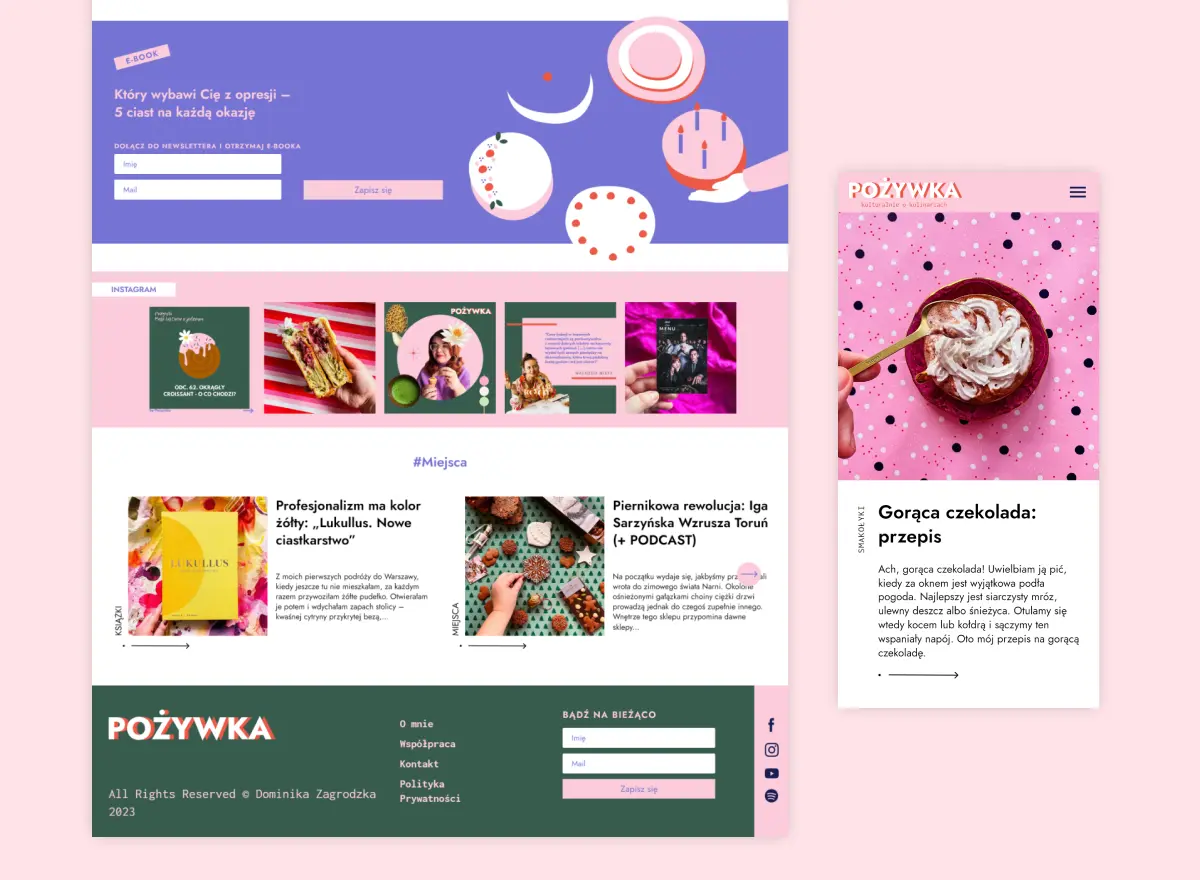
pozywka.pl
Scalable blog for food journalist, focused on performance and user experience 🌭
zagrodzki.me
Personal blog and portfolio of Bart Zagrodzki, where he shares his knowledge and work 💼
TurboStarter
Ship your startup everywhere. In minutes.
HTML to Markdown
Convert HTML to Markdown with ease, directly in your browser 📄
Dotallio
Personalized AI apps that automate research, data extraction, and content creation without code 🤖
Talk to Santa
Enjoy a magical live video chat or receive a unique AI-generated video greeting from Santa Claus 🎅
pozywka.pl
Scalable blog for food journalist, focused on performance and user experience 🌭
zagrodzki.me
Personal blog and portfolio of Bart Zagrodzki, where he shares his knowledge and work 💼
TurboStarter
Ship your startup everywhere. In minutes.
HTML to Markdown
Convert HTML to Markdown with ease, directly in your browser 📄
Dotallio
Personalized AI apps that automate research, data extraction, and content creation without code 🤖
Talk to Santa
Enjoy a magical live video chat or receive a unique AI-generated video greeting from Santa Claus 🎅
pozywka.pl
Scalable blog for food journalist, focused on performance and user experience 🌭
zagrodzki.me
Personal blog and portfolio of Bart Zagrodzki, where he shares his knowledge and work 💼
TurboStarter
Ship your startup everywhere. In minutes.
HTML to Markdown
Convert HTML to Markdown with ease, directly in your browser 📄
Dotallio
Personalized AI apps that automate research, data extraction, and content creation without code 🤖
Talk to Santa
Enjoy a magical live video chat or receive a unique AI-generated video greeting from Santa Claus 🎅
pozywka.pl
Scalable blog for food journalist, focused on performance and user experience 🌭
zagrodzki.me
Personal blog and portfolio of Bart Zagrodzki, where he shares his knowledge and work 💼
TurboStarter
Ship your startup everywhere. In minutes.
HTML to Markdown
Convert HTML to Markdown with ease, directly in your browser 📄
Omichat
Chat with 50+ AI models, including ChatGPT and Claude, in one place - switch models anytime without losing context 🤖
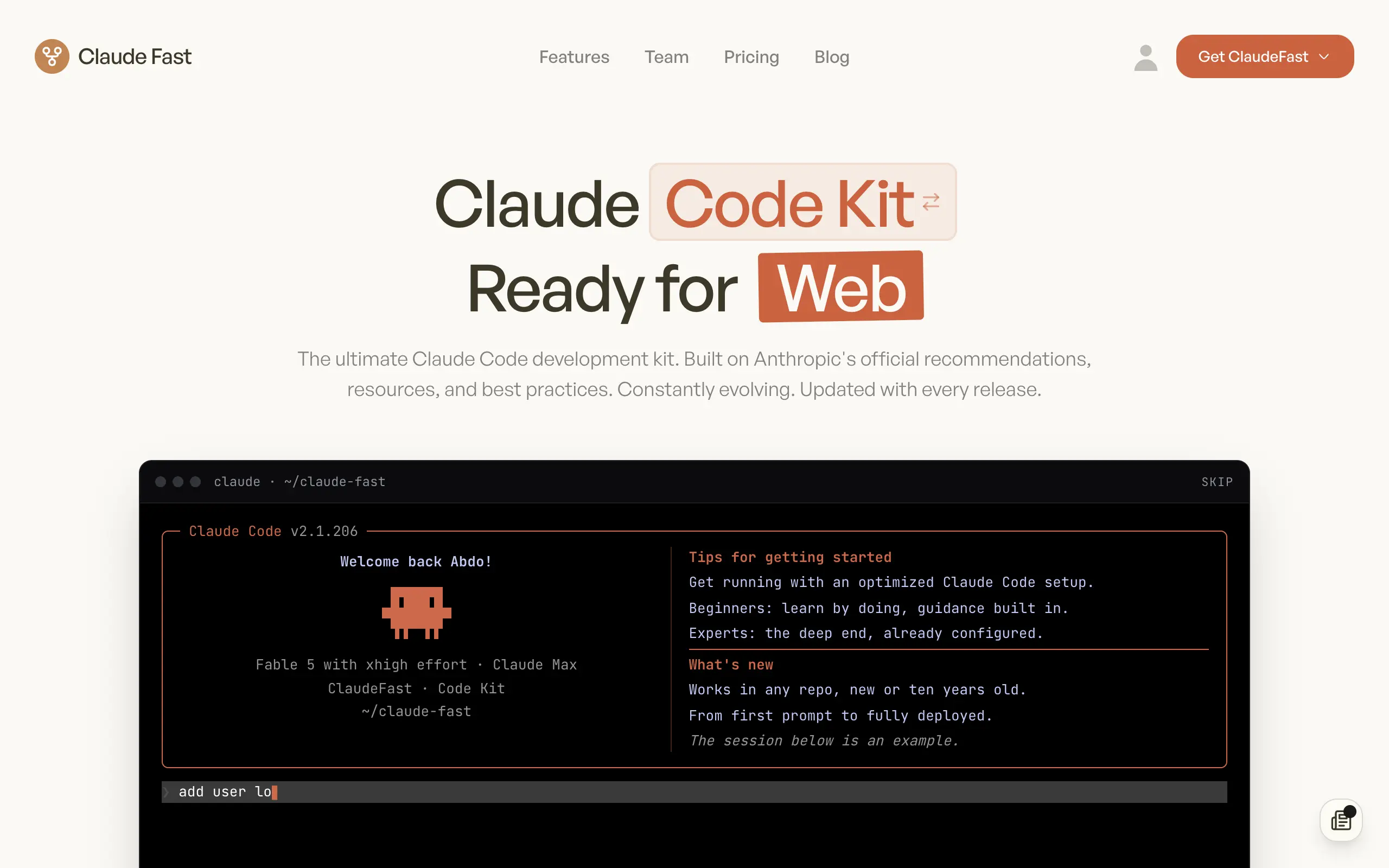
Claude Fast
Supercharge your Claude Code with 6x effective context window and specialized AI agents 🤖
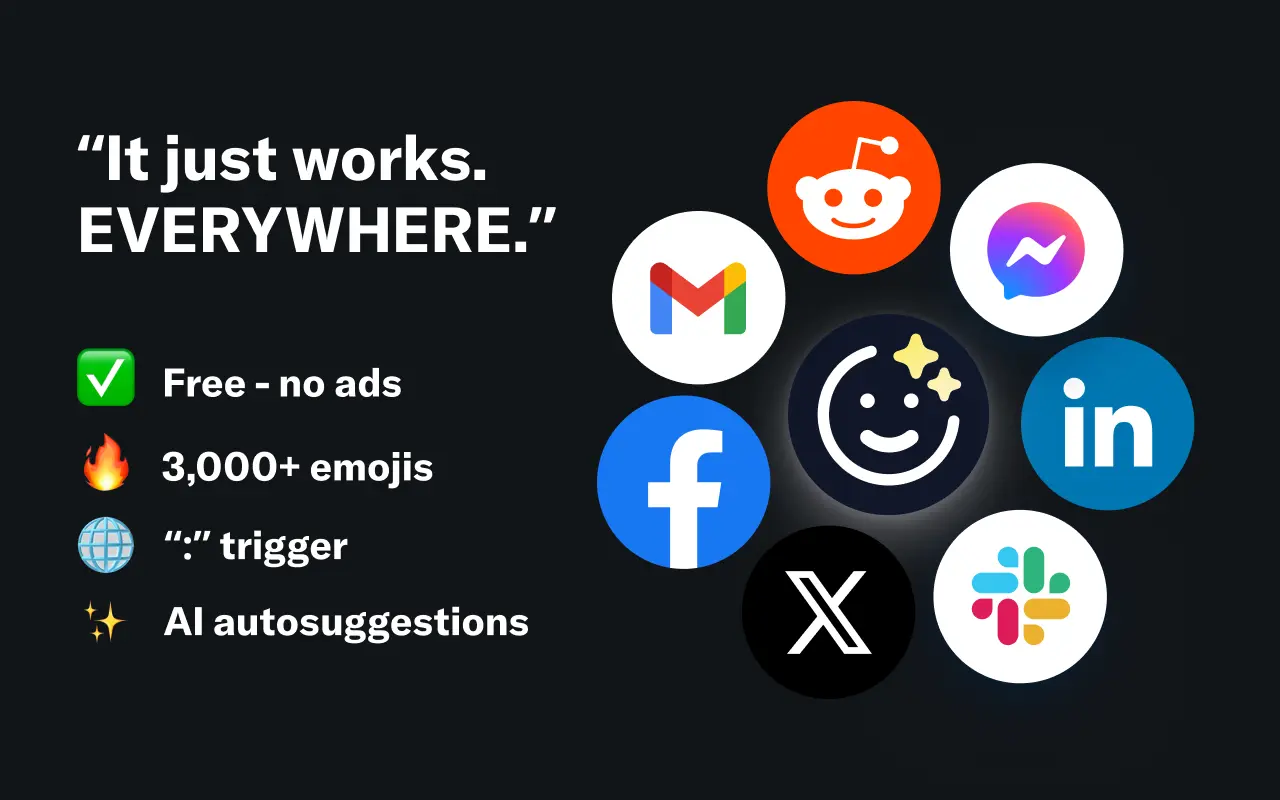
EmojAI
AI-powered emoji picker with smart, context-aware suggestions 🤖
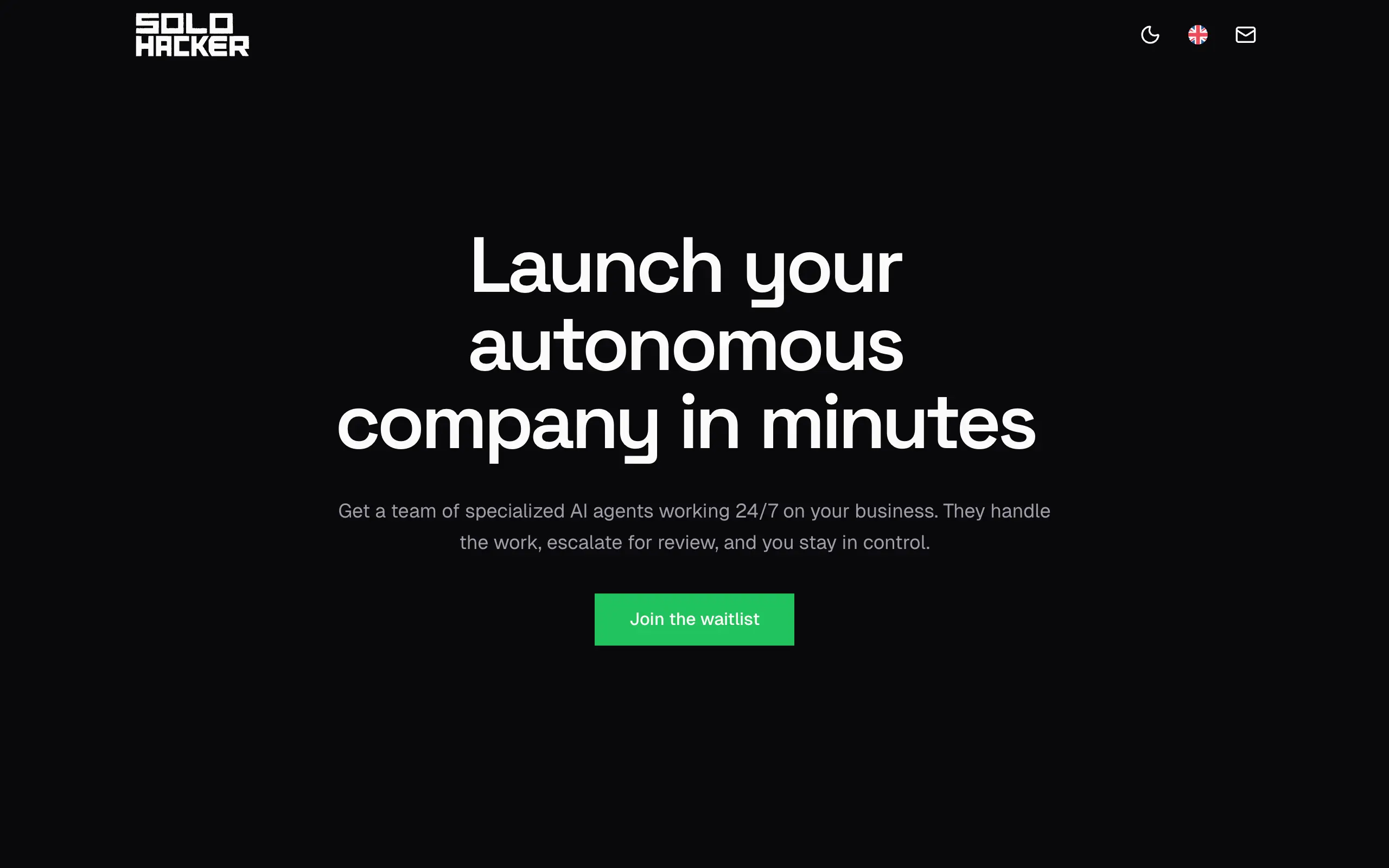
Solohacker
Autonomous company launcher - AI agents work 24/7, escalate what matters, and you stay in control 🤖
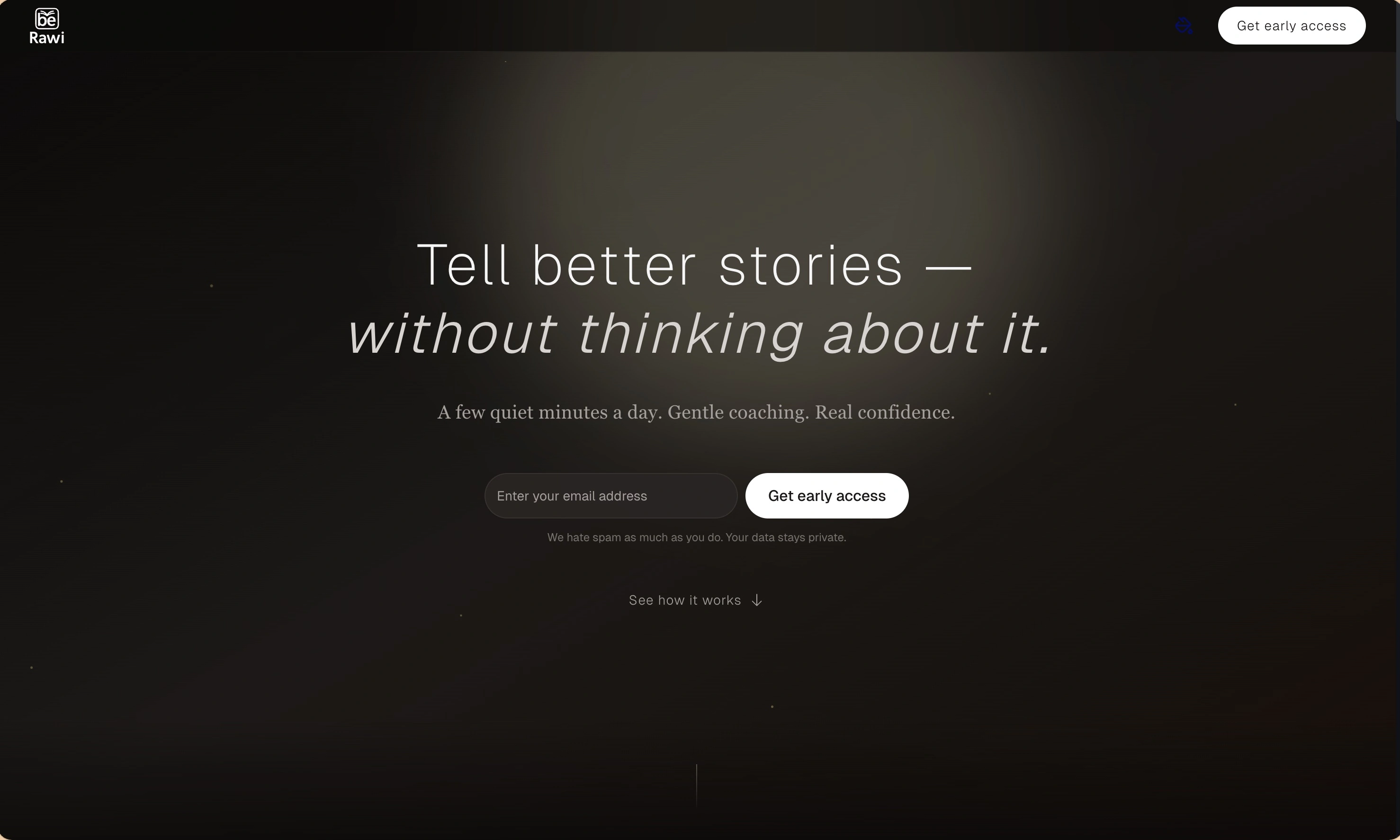
BeRawi: Storytelling Coach
Practice storytelling daily with instant feedback to sound clearer, more engaging, and confident 🎤
Omichat
Chat with 50+ AI models, including ChatGPT and Claude, in one place - switch models anytime without losing context 🤖
Claude Fast
Supercharge your Claude Code with 6x effective context window and specialized AI agents 🤖
EmojAI
AI-powered emoji picker with smart, context-aware suggestions 🤖
Solohacker
Autonomous company launcher - AI agents work 24/7, escalate what matters, and you stay in control 🤖
BeRawi: Storytelling Coach
Practice storytelling daily with instant feedback to sound clearer, more engaging, and confident 🎤
Omichat
Chat with 50+ AI models, including ChatGPT and Claude, in one place - switch models anytime without losing context 🤖
Claude Fast
Supercharge your Claude Code with 6x effective context window and specialized AI agents 🤖
EmojAI
AI-powered emoji picker with smart, context-aware suggestions 🤖
Solohacker
Autonomous company launcher - AI agents work 24/7, escalate what matters, and you stay in control 🤖
BeRawi: Storytelling Coach
Practice storytelling daily with instant feedback to sound clearer, more engaging, and confident 🎤
Omichat
Chat with 50+ AI models, including ChatGPT and Claude, in one place - switch models anytime without losing context 🤖
Claude Fast
Supercharge your Claude Code with 6x effective context window and specialized AI agents 🤖
EmojAI
AI-powered emoji picker with smart, context-aware suggestions 🤖
Solohacker
Autonomous company launcher - AI agents work 24/7, escalate what matters, and you stay in control 🤖
BeRawi: Storytelling Coach
Practice storytelling daily with instant feedback to sound clearer, more engaging, and confident 🎤

Connect with like-minded people
Join our community to get feedback, support, and grow together with 1,000+ builders on board, let's ship it!
Join usShip your startup everywhere. In minutes.
Don't burn tokens on setup and start building features on day one.