PrintSync API
An API-first SaaS that integrates plastic card printing into HR, access control, and event systems, automating bulk orders and recurring reprints.
Understanding the problem: why plastic card printing is still broken in modern systems
Despite the rapid digitization of HR, access control, and event management systems, plastic card printing (employee badges, access cards, membership cards, event passes) remains surprisingly manual and fragmented. Most organizations still rely on:
- CSV exports sent to print vendors
- Email-based back-and-forth for approvals
- Manual reorders when cards are lost, damaged, or roles change
- Disconnected hardware and software ecosystems
This gap creates operational friction, delays onboarding, introduces security risks, and scales poorly as organizations grow.
PrintSync API is designed to solve this exact problem by offering a developer-first, API-driven plastic card printing platform that integrates directly into existing systems.
Instead of treating card printing as a one-off operational task, PrintSync API treats it as a programmable infrastructure layer—similar to how Stripe abstracts payments or Twilio abstracts messaging.
What is PrintSync API?
PrintSync API is a B2B, API-first SaaS that enables software platforms to programmatically:
- Create and manage plastic card print jobs
- Automate bulk printing and recurring reprints
- Sync card data with HR, access control, and event systems
- Handle fulfillment workflows without manual intervention
The core value proposition is simple but powerful:
If your system manages people, access, or attendance, PrintSync API manages their cards.
This makes PrintSync API especially relevant for modern SaaS platforms that want to offer physical credentials without building and maintaining printing infrastructure themselves.
Primary keyword and SEO context
Throughout this article, we focus on the primary keyword:
plastic card printing API
Supporting semantic and LSI keywords include:
- card printing automation
- badge printing API
- access card printing integration
- HR card printing software
- event badge printing API
- API-first printing SaaS
The search intent behind these terms is largely commercial and technical. Users are typically:
- SaaS founders validating an idea
- Product managers evaluating integrations
- Developers researching printing automation
- Enterprises exploring scalable badge printing solutions
This article addresses that intent by providing strategic, technical, and implementation-level clarity.
Target audience analysis: who needs a plastic card printing API?
PrintSync API is not a consumer tool. Its success depends on clearly defined B2B segments where card issuance is mission-critical.
1. HR software platforms
HR systems handle onboarding, offboarding, role changes, and compliance. Physical cards are often required for:
- Employee ID badges
- Office access cards
- Compliance or safety credentials
Pain points today:
- Manual badge creation during onboarding
- Delays in access provisioning
- No automation for lost or damaged cards
How PrintSync API helps:
- Automatically trigger card printing on employee creation
- Reprint cards when roles or access levels change
- Maintain a single source of truth via API sync
2. Access control and physical security vendors
Access control systems rely heavily on physical credentials like RFID or NFC cards.
Challenges:
- Complex card personalization requirements
- Tight coupling between hardware and fulfillment
- Limited flexibility for customers with multiple locations
PrintSync API value:
- Decouples card printing from access logic
- Supports bulk provisioning and replacements
- Enables multi-location fulfillment strategies
3. Event management platforms
Large events, conferences, and exhibitions require thousands of printed badges—often with last-minute changes.
Common issues:
- Manual badge printing queues
- On-site reprints slowing down check-in
- Poor data synchronization between systems
With PrintSync API:
- Pre-print badges in bulk via API
- Handle last-minute reprints automatically
- Integrate directly into registration workflows
4. Membership-based organizations
Gyms, clubs, universities, and associations still rely on plastic cards for identity and access.
Opportunity:
- Subscription-driven recurring card issuance
- Automated renewals and replacements
- White-label printing workflows
Market opportunity and gap analysis
The overlooked infrastructure layer
The global card printing market is large, but software-native APIs are rare. Most vendors focus on:
- Hardware sales
- On-premise solutions
- Enterprise contracts with long sales cycles
What’s missing is a Stripe-like abstraction for plastic card printing.
Key insight
Most SaaS platforms do not want to become print vendors. They want a reliable API they can build on.
Why now?
Several trends make PrintSync API timely:
- API-first SaaS adoption is the norm
- Remote and hybrid work increases distributed fulfillment needs
- Event industry recovery demands scalable badge solutions
- Security compliance requires better access management
These trends suggest a growing demand for automated, integrated card printing workflows.
Core features of PrintSync API
API-first card printing workflows
At its core, PrintSync API exposes RESTful endpoints that allow platforms to:
- Create card templates
- Submit print jobs
- Track fulfillment status
- Manage reprints and replacements
This allows card printing to become part of existing business logic, not a manual afterthought.
Bulk printing and recurring reprints
Bulk operations are essential for:
- New employee cohorts
- Event attendee batches
- Seasonal membership renewals
Recurring reprints handle scenarios like:
- Lost or stolen cards
- Role or access changes
- Expired credentials
Template and personalization engine
Each card can be personalized with:
- Names, IDs, roles
- QR codes or barcodes
- RFID/NFC encoding metadata
Templates ensure brand consistency while still supporting dynamic data injection.
Fulfillment orchestration
PrintSync API abstracts fulfillment by:
- Routing print jobs to supported vendors
- Managing shipping and delivery status
- Handling retries and error states
This shields integrators from operational complexity.
Example API interaction
Below is a simplified TypeScript example showing how a platform might trigger a print job when a new employee is created:
import axios from "axios";

const printCard = async () => {
  await axios.post("https://api.printsyncapi.dev/cards", {
    templateId: "employee-badge-v1",
    recipient: {
      name: "Jane Doe",
      employeeId: "EMP-10293",
      department: "Engineering"
    },
    shipping: {
      address: "123 Market St, San Francisco, CA"
    }
  }, {
    headers: {
      Authorization: `Bearer ${process.env.PRINTSYNC_API_KEY}`
    }
  });
};
This illustrates how card printing becomes just another API call.
Recommended technology stack
PrintSync API is best positioned as a cloud-native SaaS with strong developer ergonomics.
Backend
- Node.js with TypeScript for scalability and developer familiarity
- NestJS or Fastify for structured API development
API layer
- REST for broad compatibility
- Webhooks for async fulfillment updates
Infrastructure
- PostgreSQL for transactional data
- Redis for job queues and rate limiting
- Containerized deployments with Kubernetes
Developer experience
- SDKs for JavaScript and Python
- OpenAPI (Swagger) documentation
Trade-off to consider
Supporting physical fulfillment introduces operational dependencies that pure software APIs don’t face. Clear SLAs and vendor redundancy are critical.
Monetization strategies for PrintSync API
A successful plastic card printing API needs pricing aligned with usage and value delivered.
1. Per-card pricing
Charge per printed card, with volume discounts.
Pros:
- Easy to understand
- Scales with customer success
Cons:
- Margins depend on fulfillment costs
2. Platform subscription + usage
A hybrid model with:
- Monthly platform fee
- Reduced per-card cost
Ideal for HR and access control SaaS vendors.
3. White-label enterprise contracts
For large platforms that want:
- Custom branding
- Dedicated support
- SLA guarantees
Higher ACV but longer sales cycles.
Competitive landscape and differentiation
Existing alternatives
Most competitors fall into two categories:
- Traditional print vendors with limited APIs
- In-house solutions built by large enterprises
Neither is optimized for modern SaaS integration.
Competitive advantage of PrintSync API
| Feature | Traditional vendors | In-house builds | PrintSync API | Developer-first |
|---|---|---|---|---|
| API-first design | ❌ | ✅ | ✅ | ✅ |
| Scalable fulfillment | ✅ | ❌ | ✅ | ✅ |
The unique selling proposition is clear:
PrintSync API lets platforms offer physical credentials without becoming a printing company.
Risks and mitigation strategies
Operational risk
Printing involves physical logistics.
Mitigation:
- Multiple fulfillment partners
- Automated monitoring and retries
Adoption risk
Developers may hesitate to adopt new infrastructure.
Mitigation:
- Excellent documentation
- SDKs and sandbox environments
Margin pressure
Physical goods have lower margins than pure software.
Mitigation:
- Focus on high-volume B2B contracts
- Optimize fulfillment routing
Go-to-market strategy
Start with integrations, not end users
PrintSync API should target:
- HR SaaS platforms
- Access control vendors
- Event management software
This creates embedded distribution rather than selling directly to enterprises.
Developer-led growth
- Clear API docs
- Sample integrations
- Open-source examples
Implementation roadmap
Why PrintSync API is a strong SaaS opportunity
PrintSync API sits at the intersection of software automation and physical infrastructure—a space with high barriers to entry and strong defensibility.
By focusing on:
- API-first design
- Clear developer value
- Embedded B2B distribution
It has the potential to become the default plastic card printing API for modern platforms.
If you’re building this product and want to accelerate development, tooling like TurboStarter can significantly reduce the time needed to launch a production-ready SaaS foundation.
Final thoughts and next steps
Plastic cards aren’t going away anytime soon—but the way we manage them must evolve.
PrintSync API offers a compelling vision: turning card printing into a programmable, reliable service that scales with modern software platforms.
If you’re a founder, product leader, or developer exploring this space, the next step is simple:
- Talk to real integration partners
- Validate workflows before features
- Build for developers first
By doing so, you position PrintSync API not as a vendor—but as critical infrastructure.
More 🏢 B2B Application SaaS ideas
Discover more innovative b2b application SaaS ideas that are trending in 2026. Each idea is AI-generated with market validation and growth potential to help you find your next profitable venture faster than competitors.
Your competitors are building with TurboStarter
Below are some of the SaaS ideas that have been generated and built with our starter kit.
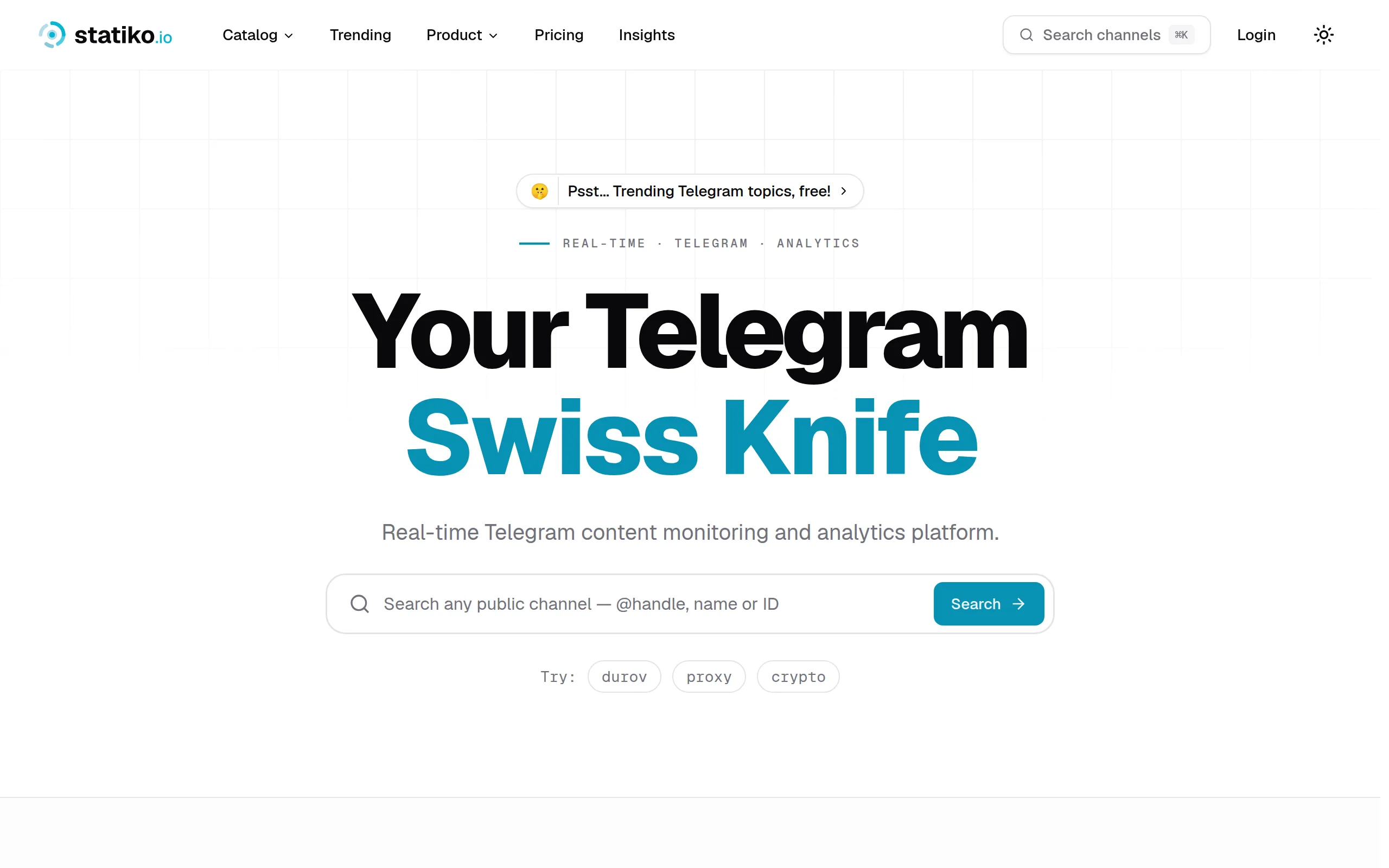
Statiko
Monitor any Telegram channel in real time - track posts, edits, deletions, and growth with AI recaps 📡

Shibui
AI website builder - describe your business, pick a niche template, edit by chatting, and publish instantly ✨

Pro Service
Find verified home service professionals, compare quotes, and pay securely through escrow - built for Brazilians across the US 🏠
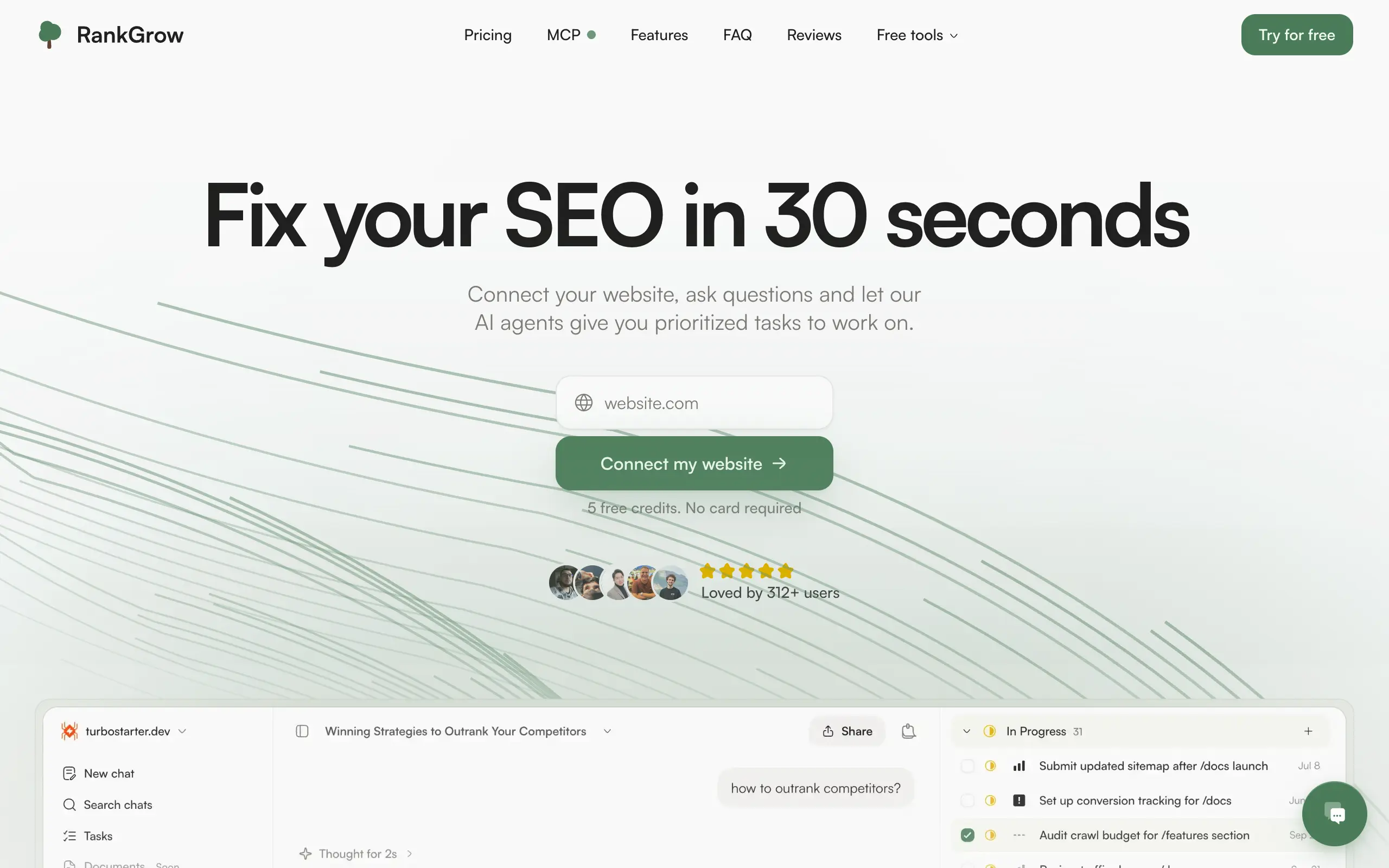
RankGrow
Fix your SEO with AI agents - connect Search Console, get prioritized tasks, and grow organic traffic 📈
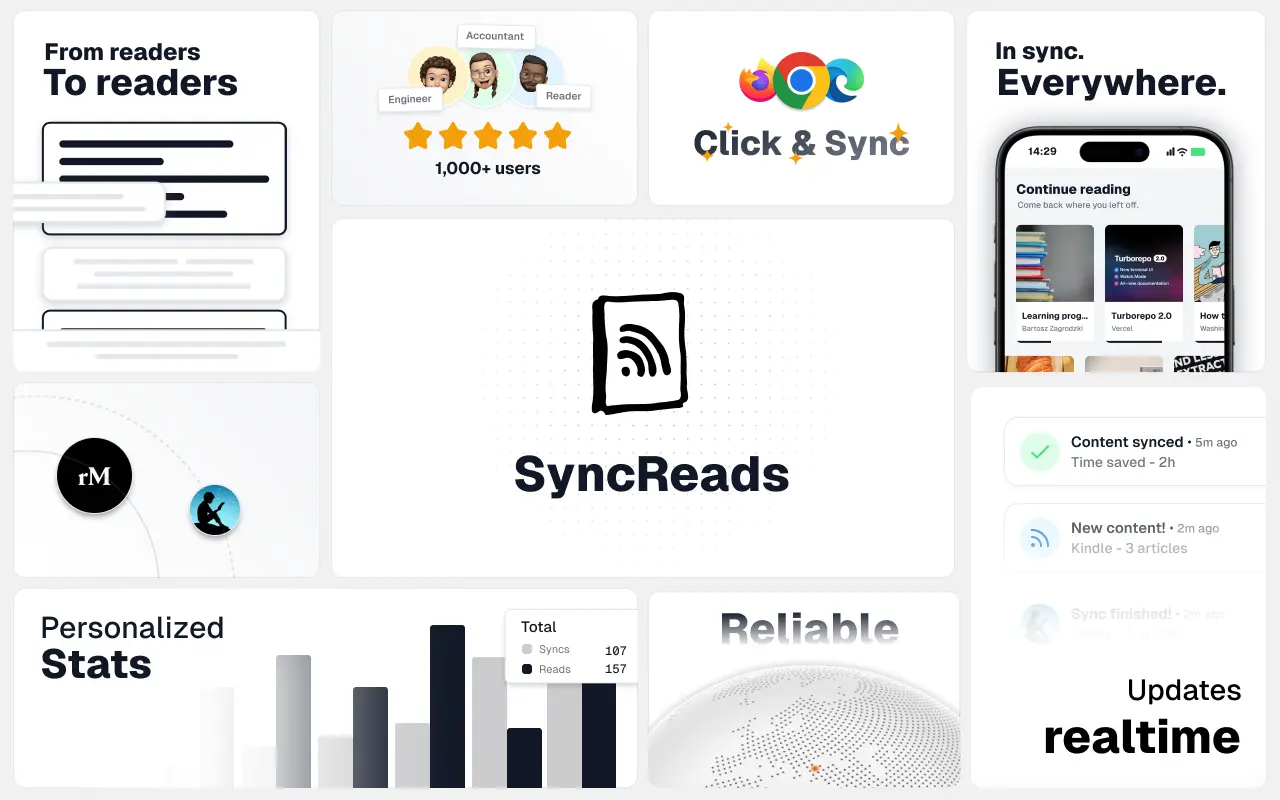
SyncReads
Sync your favorite content for distraction-free reading, save time and replace multiple apps. Anytime, anywhere 🔄
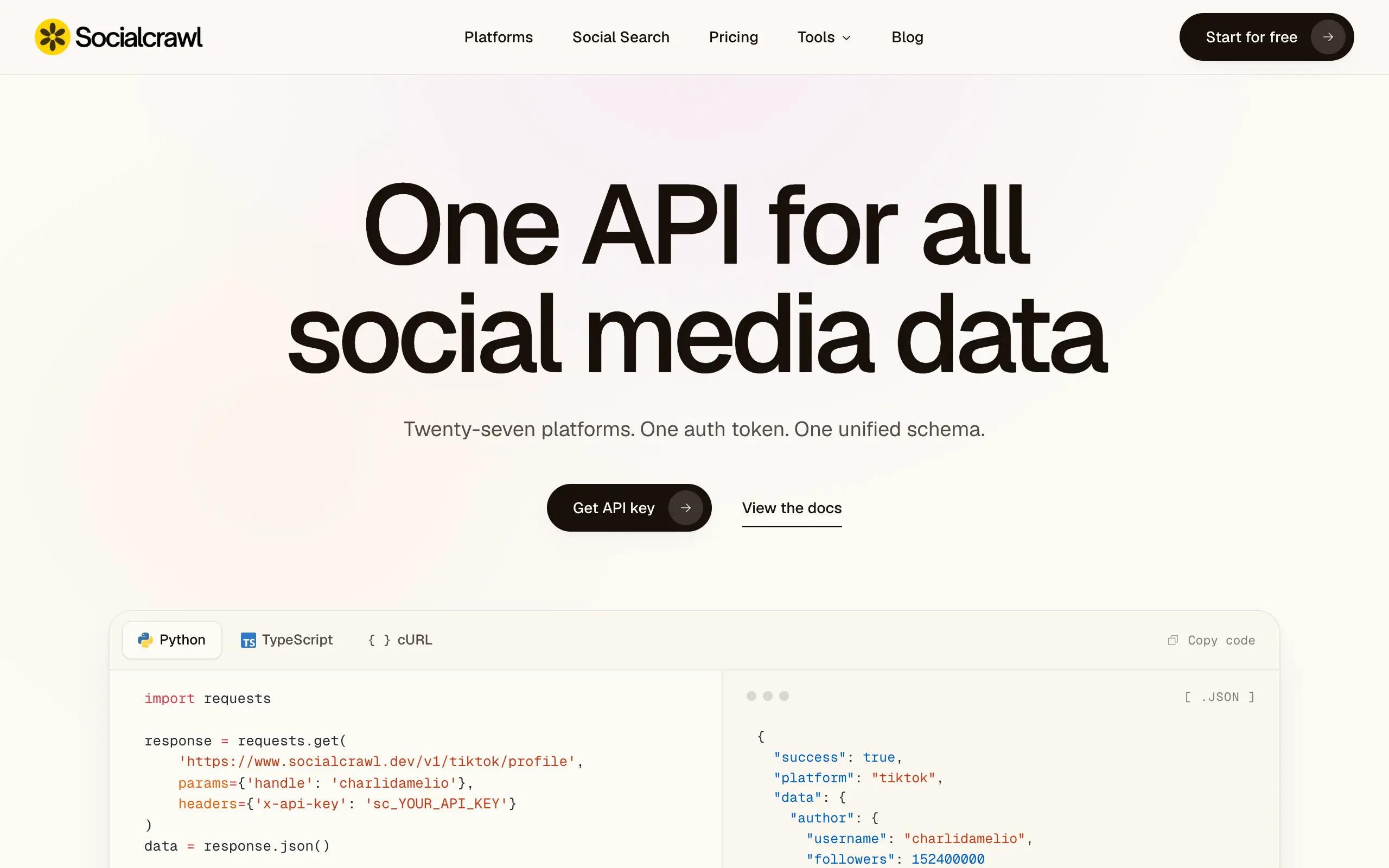
Socialcrawl
Get clean, structured data from 21 platforms like TikTok, Instagram, and YouTube with a single request 📊
Statiko
Monitor any Telegram channel in real time - track posts, edits, deletions, and growth with AI recaps 📡
Shibui
AI website builder - describe your business, pick a niche template, edit by chatting, and publish instantly ✨
Pro Service
Find verified home service professionals, compare quotes, and pay securely through escrow - built for Brazilians across the US 🏠
RankGrow
Fix your SEO with AI agents - connect Search Console, get prioritized tasks, and grow organic traffic 📈
SyncReads
Sync your favorite content for distraction-free reading, save time and replace multiple apps. Anytime, anywhere 🔄
Socialcrawl
Get clean, structured data from 21 platforms like TikTok, Instagram, and YouTube with a single request 📊
Statiko
Monitor any Telegram channel in real time - track posts, edits, deletions, and growth with AI recaps 📡
Shibui
AI website builder - describe your business, pick a niche template, edit by chatting, and publish instantly ✨
Pro Service
Find verified home service professionals, compare quotes, and pay securely through escrow - built for Brazilians across the US 🏠
RankGrow
Fix your SEO with AI agents - connect Search Console, get prioritized tasks, and grow organic traffic 📈
SyncReads
Sync your favorite content for distraction-free reading, save time and replace multiple apps. Anytime, anywhere 🔄
Socialcrawl
Get clean, structured data from 21 platforms like TikTok, Instagram, and YouTube with a single request 📊
Statiko
Monitor any Telegram channel in real time - track posts, edits, deletions, and growth with AI recaps 📡
Shibui
AI website builder - describe your business, pick a niche template, edit by chatting, and publish instantly ✨
Pro Service
Find verified home service professionals, compare quotes, and pay securely through escrow - built for Brazilians across the US 🏠
RankGrow
Fix your SEO with AI agents - connect Search Console, get prioritized tasks, and grow organic traffic 📈
SyncReads
Sync your favorite content for distraction-free reading, save time and replace multiple apps. Anytime, anywhere 🔄
Socialcrawl
Get clean, structured data from 21 platforms like TikTok, Instagram, and YouTube with a single request 📊
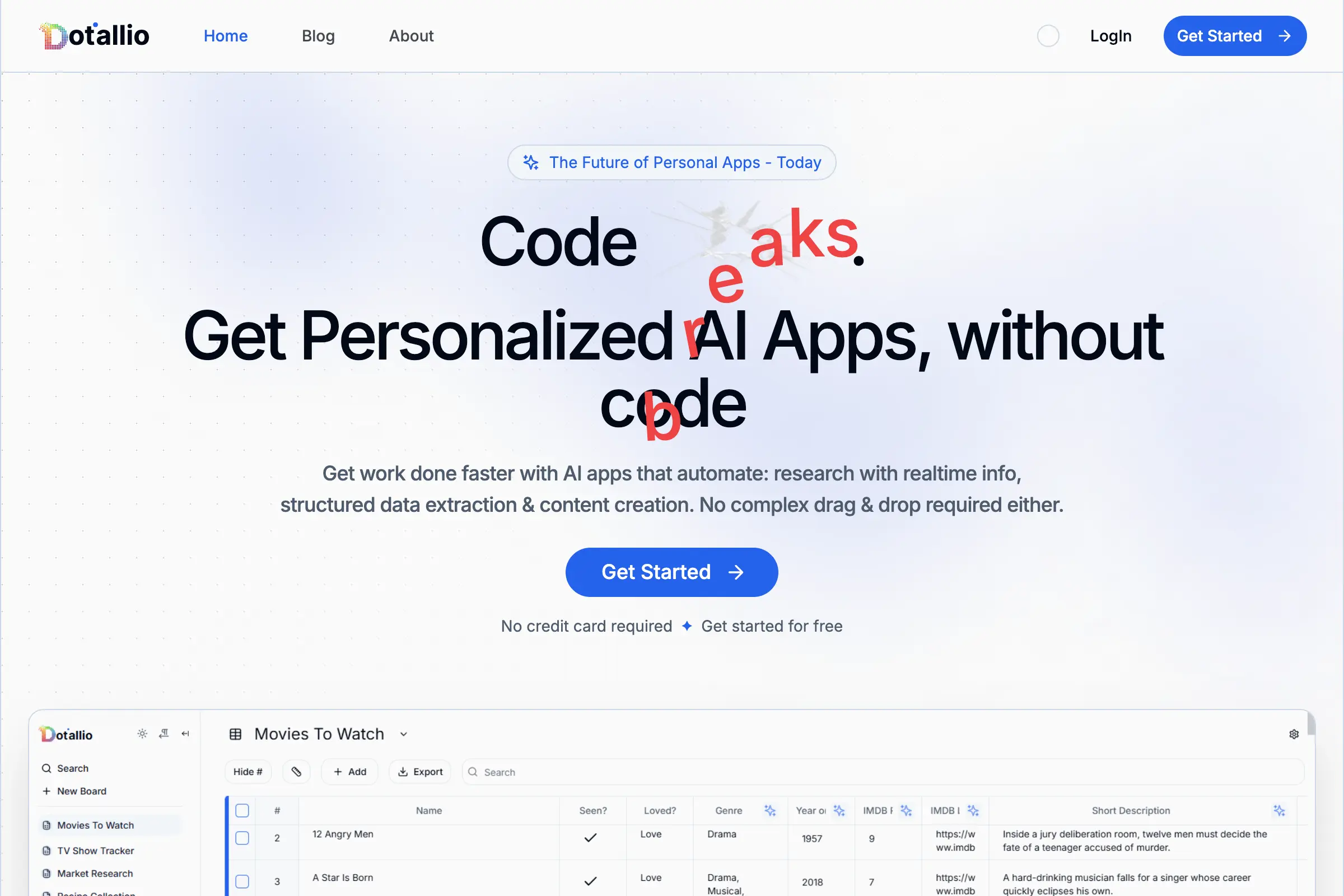
Dotallio
Personalized AI apps that automate research, data extraction, and content creation without code 🤖
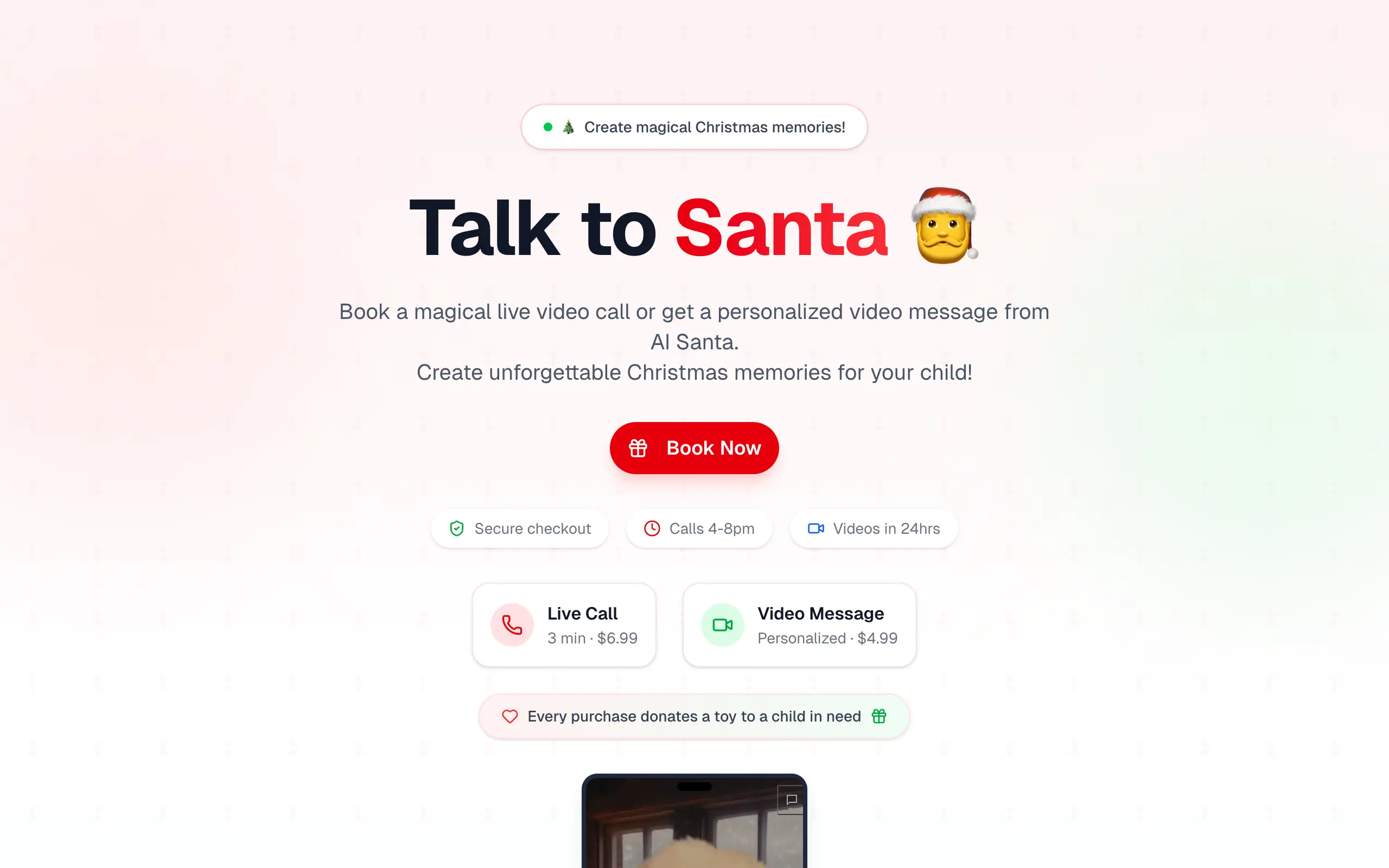
Talk to Santa
Enjoy a magical live video chat or receive a unique AI-generated video greeting from Santa Claus 🎅
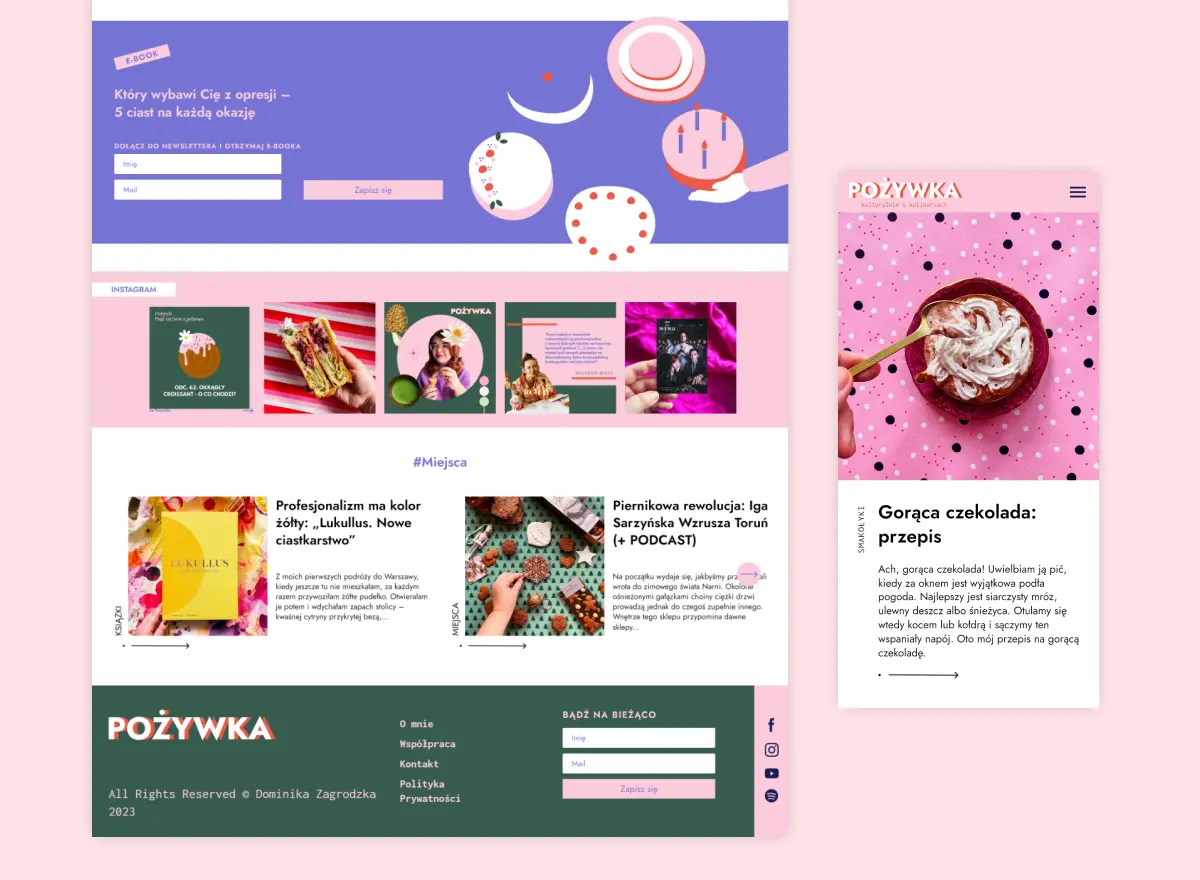
pozywka.pl
Scalable blog for food journalist, focused on performance and user experience 🌭
zagrodzki.me
Personal blog and portfolio of Bart Zagrodzki, where he shares his knowledge and work 💼
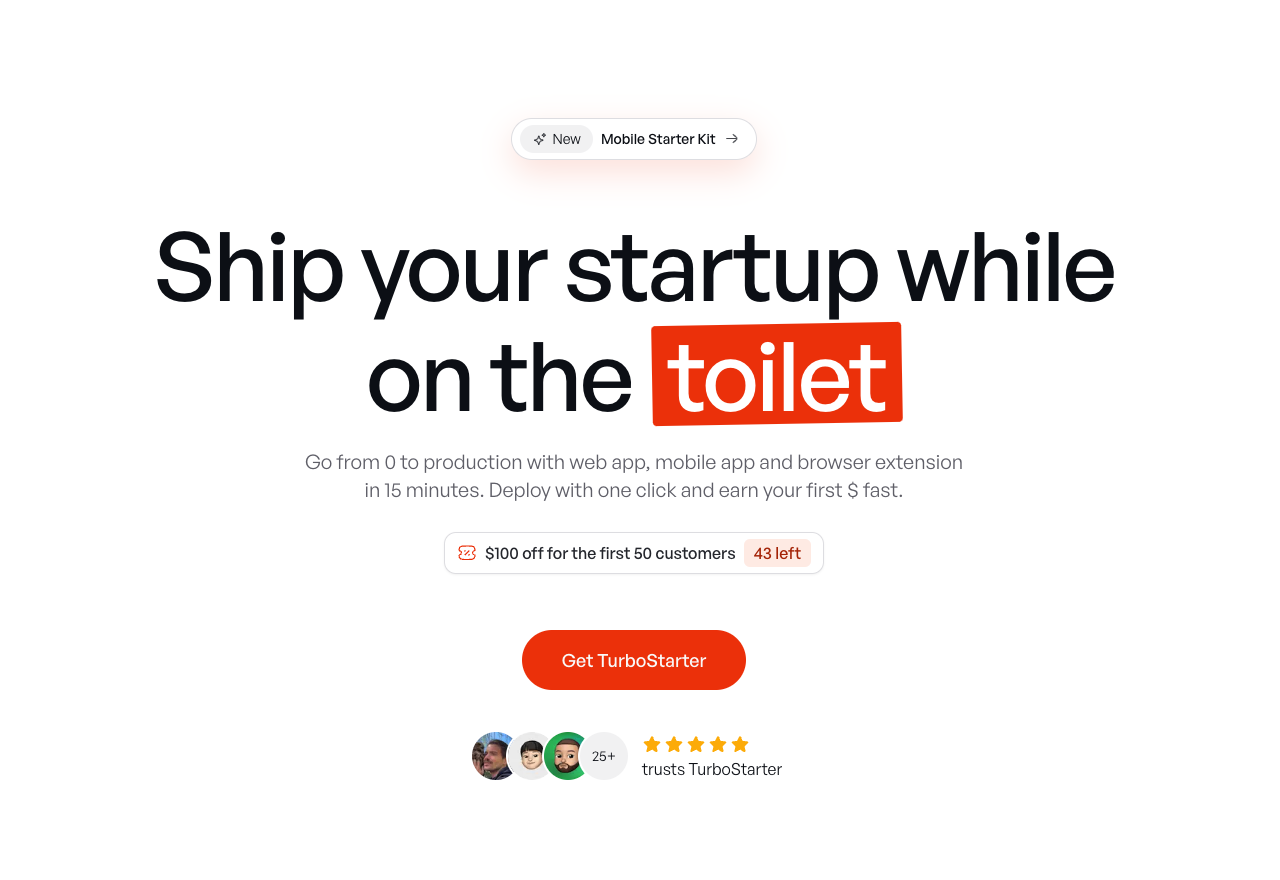
TurboStarter
Ship your startup everywhere. In minutes.
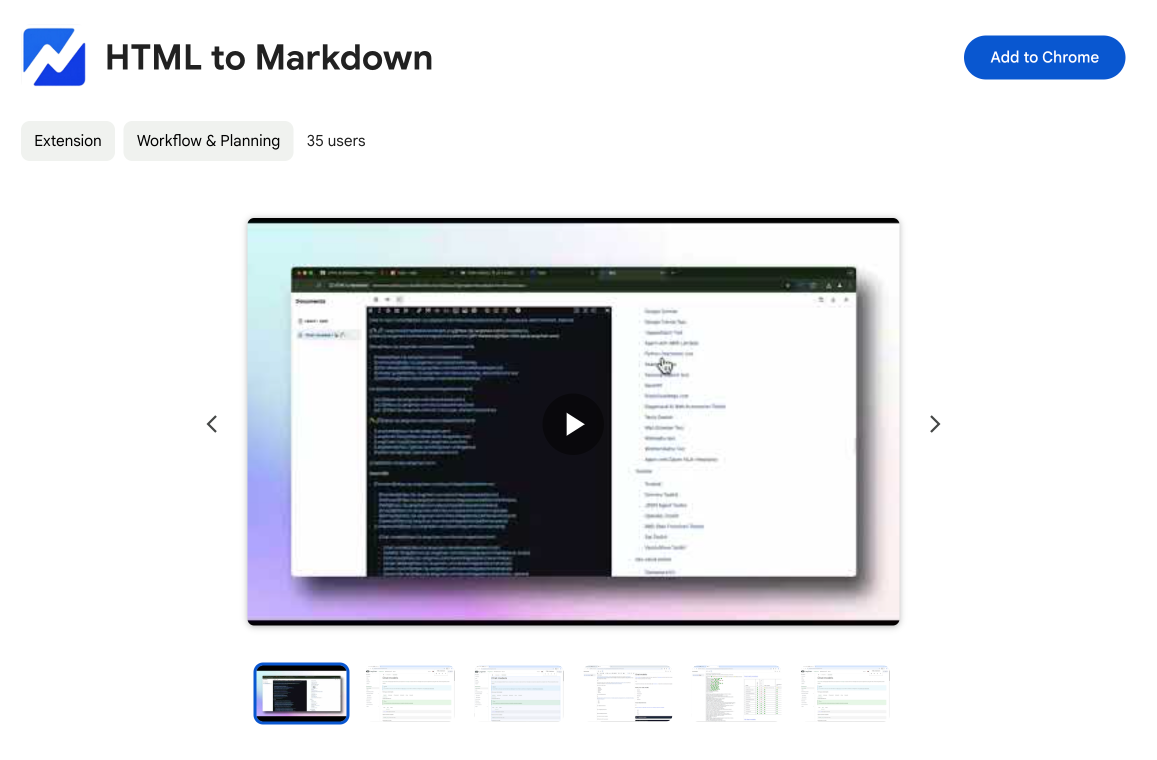
HTML to Markdown
Convert HTML to Markdown with ease, directly in your browser 📄
Dotallio
Personalized AI apps that automate research, data extraction, and content creation without code 🤖
Talk to Santa
Enjoy a magical live video chat or receive a unique AI-generated video greeting from Santa Claus 🎅
pozywka.pl
Scalable blog for food journalist, focused on performance and user experience 🌭
zagrodzki.me
Personal blog and portfolio of Bart Zagrodzki, where he shares his knowledge and work 💼
TurboStarter
Ship your startup everywhere. In minutes.
HTML to Markdown
Convert HTML to Markdown with ease, directly in your browser 📄
Dotallio
Personalized AI apps that automate research, data extraction, and content creation without code 🤖
Talk to Santa
Enjoy a magical live video chat or receive a unique AI-generated video greeting from Santa Claus 🎅
pozywka.pl
Scalable blog for food journalist, focused on performance and user experience 🌭
zagrodzki.me
Personal blog and portfolio of Bart Zagrodzki, where he shares his knowledge and work 💼
TurboStarter
Ship your startup everywhere. In minutes.
HTML to Markdown
Convert HTML to Markdown with ease, directly in your browser 📄
Dotallio
Personalized AI apps that automate research, data extraction, and content creation without code 🤖
Talk to Santa
Enjoy a magical live video chat or receive a unique AI-generated video greeting from Santa Claus 🎅
pozywka.pl
Scalable blog for food journalist, focused on performance and user experience 🌭
zagrodzki.me
Personal blog and portfolio of Bart Zagrodzki, where he shares his knowledge and work 💼
TurboStarter
Ship your startup everywhere. In minutes.
HTML to Markdown
Convert HTML to Markdown with ease, directly in your browser 📄
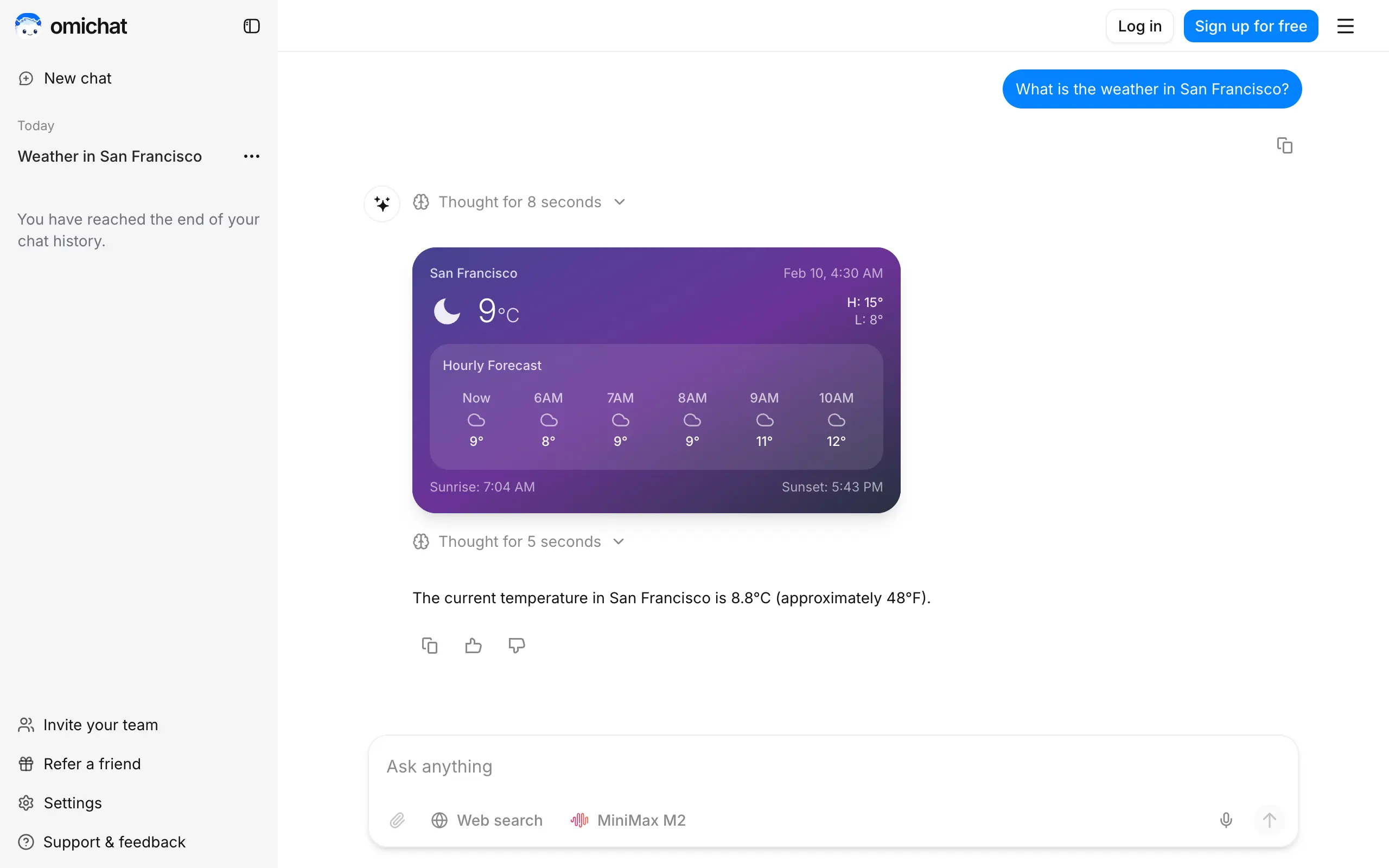
Omichat
Chat with 50+ AI models, including ChatGPT and Claude, in one place - switch models anytime without losing context 🤖
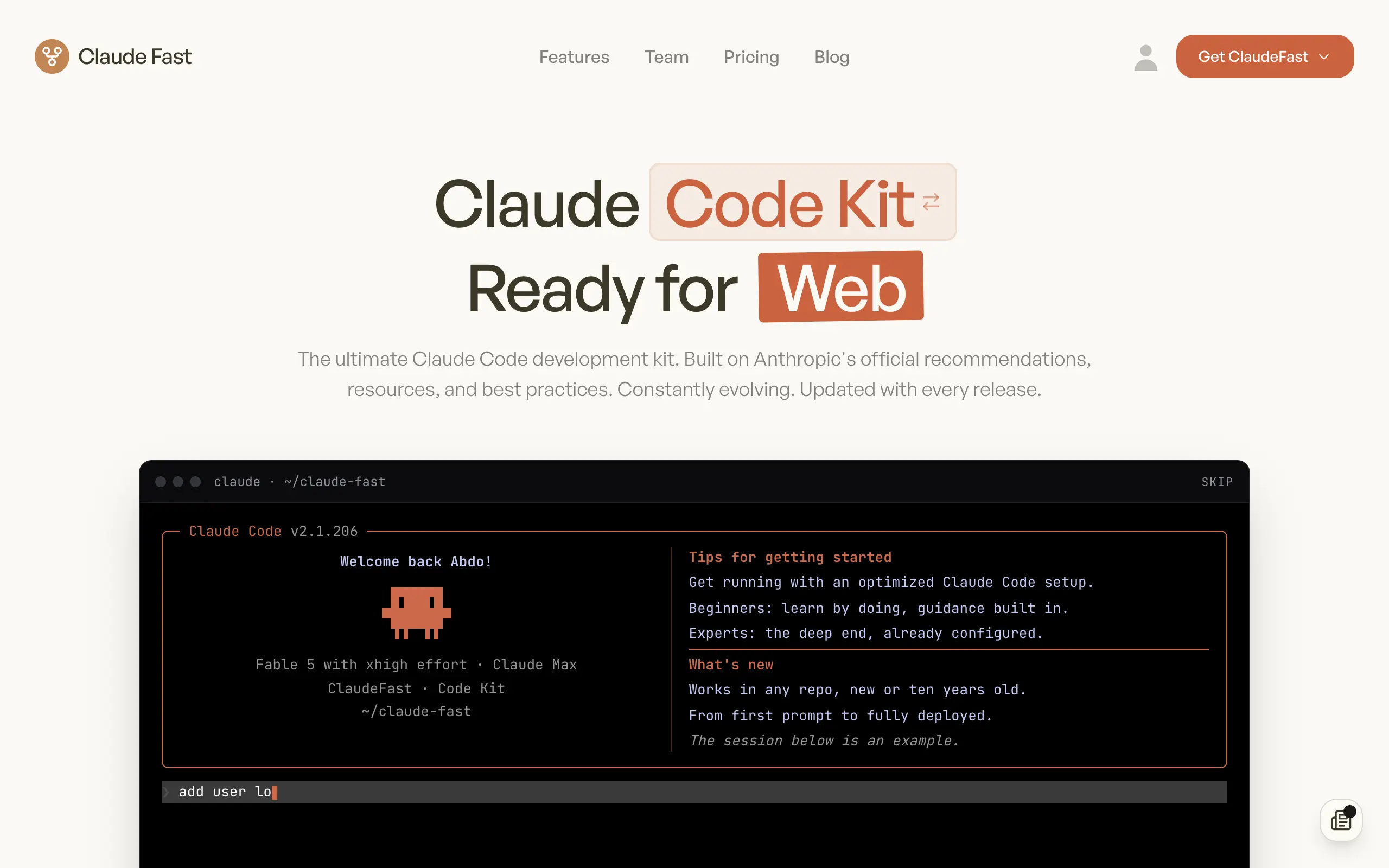
Claude Fast
Supercharge your Claude Code with 6x effective context window and specialized AI agents 🤖
EmojAI
AI-powered emoji picker with smart, context-aware suggestions 🤖
Solohacker
Autonomous company launcher - AI agents work 24/7, escalate what matters, and you stay in control 🤖

BeRawi: Storytelling Coach
Practice storytelling daily with instant feedback to sound clearer, more engaging, and confident 🎤
Omichat
Chat with 50+ AI models, including ChatGPT and Claude, in one place - switch models anytime without losing context 🤖
Claude Fast
Supercharge your Claude Code with 6x effective context window and specialized AI agents 🤖
EmojAI
AI-powered emoji picker with smart, context-aware suggestions 🤖
Solohacker
Autonomous company launcher - AI agents work 24/7, escalate what matters, and you stay in control 🤖
BeRawi: Storytelling Coach
Practice storytelling daily with instant feedback to sound clearer, more engaging, and confident 🎤
Omichat
Chat with 50+ AI models, including ChatGPT and Claude, in one place - switch models anytime without losing context 🤖
Claude Fast
Supercharge your Claude Code with 6x effective context window and specialized AI agents 🤖
EmojAI
AI-powered emoji picker with smart, context-aware suggestions 🤖
Solohacker
Autonomous company launcher - AI agents work 24/7, escalate what matters, and you stay in control 🤖
BeRawi: Storytelling Coach
Practice storytelling daily with instant feedback to sound clearer, more engaging, and confident 🎤
Omichat
Chat with 50+ AI models, including ChatGPT and Claude, in one place - switch models anytime without losing context 🤖
Claude Fast
Supercharge your Claude Code with 6x effective context window and specialized AI agents 🤖
EmojAI
AI-powered emoji picker with smart, context-aware suggestions 🤖
Solohacker
Autonomous company launcher - AI agents work 24/7, escalate what matters, and you stay in control 🤖
BeRawi: Storytelling Coach
Practice storytelling daily with instant feedback to sound clearer, more engaging, and confident 🎤

Connect with like-minded people
Join our community to get feedback, support, and grow together with 1,000+ builders on board, let's ship it!
Join usShip your startup everywhere. In minutes.
Don't burn tokens on setup and start building features on day one.