ProfitPilot AI
AI-driven profit optimization platform that shows SMEs exactly where they lose money and what to fix first to increase margins fast.
Why SMEs struggle with profit optimization (and how AI changes the game)
For most small and medium-sized enterprises (SMEs), revenue is visible. Profit is not.
Founders and finance managers often know their top-line growth, but they struggle to pinpoint:
- Which products truly drive margins
- Which customers silently erode profitability
- Where operational inefficiencies hide
- Which cost centers are ballooning unnoticed
- What to fix first for the fastest impact
This is where an AI-driven profit optimization platform for SMEs becomes transformational.
Instead of relying on static spreadsheets or quarterly accountant reviews, platforms like ProfitPilot AI continuously analyze financial, operational, and sales data to answer one critical question:
Where are we losing money right now — and what should we fix first to increase margins fast?
This article provides a comprehensive breakdown of the market opportunity, target audience, features, tech stack, monetization strategy, competitive landscape, and implementation roadmap for building and scaling a SaaS platform like ProfitPilot AI.
Understanding the search intent behind “AI profit optimization for SMEs”
Users searching for this topic typically fall into three categories:
- SME founders or CFOs looking for tools to improve margins.
- SaaS builders and investors evaluating the viability of a profit optimization SaaS.
- Consultants and finance professionals exploring AI-driven financial analysis tools.
Their core questions include:
- Can AI really improve business margins?
- How is this different from accounting software?
- What data does it need?
- How accurate is it?
- Is there real market demand?
- How do you build such a system?
This guide addresses each of those questions from an expert, strategic perspective.
The market opportunity for AI-driven profit optimization software
The SME profitability problem
Globally, SMEs account for over 90% of businesses and more than 50% of employment (source: World Bank – suggested reference format). Yet:
- Many operate with thin margins.
- Few have dedicated financial analysts.
- Most rely on accounting tools not designed for optimization.
Accounting platforms like QuickBooks or Xero are great at recording transactions, but not at:
- Prioritizing margin improvement actions
- Running predictive profitability scenarios
- Diagnosing operational inefficiencies
- Ranking profit leaks by impact
This gap represents a massive opportunity.
Why now? Key industry trends
Several macro trends make ProfitPilot AI particularly timely:
- AI democratization – With modern LLMs and ML frameworks, advanced analytics are no longer enterprise-only.
- API-first financial ecosystems – Tools like Stripe, Shopify, and QuickBooks provide accessible data APIs.
- Margin pressure – Inflation, supply chain volatility, and rising ad costs are compressing SME margins.
- Data availability – Even small businesses now generate structured data across tools.
The combination of data + AI + margin pressure creates strong demand for profit optimization software.
Target audience analysis
A successful AI profit optimization platform must focus sharply on specific SME segments.
Primary target segments
E-commerce brands
DTC brands with complex COGS, ad spend, shipping costs, and high return rates affecting margins.
Agencies & service businesses
Firms struggling with underpriced retainers, scope creep, and low billable utilization.
SaaS startups (bootstrapped/SMB)
Founders who track MRR but lack deep cohort and cost attribution insights.
Ideal customer profile (ICP)
- Revenue: $500K–$20M annually
- 5–100 employees
- Uses modern SaaS stack (Stripe, Shopify, QuickBooks, HubSpot)
- Feels margin pressure
- Lacks in-house financial analyst
Pain points
- “We’re growing but profit isn’t increasing.”
- “I don’t know which product is actually profitable.”
- “Our costs are creeping up.”
- “We need clarity without hiring a CFO.”
ProfitPilot AI directly addresses these by offering AI-powered profit diagnostics and prioritized action plans.
The core problem: Profit leaks are invisible
Most SMEs suffer from hidden “profit leaks” such as:
- Underpriced products
- High-return customers
- Unoptimized ad spend
- Vendor overpayments
- Excess inventory
- Poor team utilization
- Subscription churn
The challenge isn’t lack of data. It’s lack of intelligent interpretation.
Spreadsheets show numbers.
AI shows what to fix first.
Core features of ProfitPilot AI
A powerful AI-driven profit optimization platform should include the following modules:
1. Unified financial data ingestion
Connects to:
- Accounting software
- Payment processors
- CRM systems
- E-commerce platforms
- Payroll tools
Data is normalized into a unified financial model.
2. AI profit leak detection engine
This is the core differentiation layer.
The system should:
- Detect abnormal cost increases
- Identify negative-margin products
- Flag unprofitable customer segments
- Detect vendor cost inflation
- Analyze return/refund patterns
Using anomaly detection and margin contribution analysis, the engine ranks issues by financial impact.
3. Margin contribution analysis
Break down profitability by:
- Product
- Customer
- Channel
- Campaign
- Geography
- Sales rep
Instead of just revenue reports, show net contribution after full cost attribution.
4. Prioritized action roadmap
This is the killer feature.
Rather than overwhelming users with insights, ProfitPilot AI should:
- Quantify each issue’s potential upside
- Rank fixes by ROI and ease of implementation
- Provide step-by-step guidance
Example output:
- Increase Product A price by 7% → +$92,000/year
- Drop bottom 5% of customers → +$38,000/year
- Renegotiate Vendor X → +$25,000/year
5. Predictive scenario modeling
Allow users to simulate:
- Price changes
- Cost adjustments
- Marketing budget shifts
- Staffing changes
AI estimates expected impact on gross margin, net margin, and cash flow.
6. Executive AI assistant
An AI interface where users ask:
- “Why did margins drop in Q3?”
- “What’s our most profitable channel?”
- “What happens if we cut ad spend by 15%?”
Using LLM + structured financial queries.
How ProfitPilot AI compares to existing solutions
| Feature | Accounting Software | BI Tools | Consultants | ProfitPilot AI |
|---|---|---|---|---|
| Transaction recording | ✅ | ❌ | ❌ | ✅ |
| Automated profit leak detection | ❌ | ❌ | Manual | ✅ |
| AI-driven prioritization | ❌ | ❌ | Partial | ✅ |
| Predictive modeling | ❌ | Limited | Manual | ✅ |
Competitive advantage
ProfitPilot AI’s differentiation lies in:
- Real-time AI insights
- Impact-based prioritization
- SME-focused simplicity
- Action-oriented recommendations
Not just dashboards — decisions.
Recommended tech stack for building ProfitPilot AI
Building an AI-powered profit optimization SaaS requires a modern, scalable stack.
Frontend
Why?
- Fast development
- Excellent ecosystem
- SEO-friendly rendering
- Strong component architecture
Backend
- Node.js or Python (FastAPI)
- PostgreSQL
- Redis for caching
Python is strong for ML-heavy systems. Node.js works well if prioritizing SaaS scalability and team familiarity.
AI & data layer
- LLM API (for conversational interface)
- Scikit-learn or PyTorch for predictive models
- Data warehouse (Snowflake or BigQuery)
Example profit anomaly detection snippet
import pandas as pd
from sklearn.ensemble import IsolationForest

data = pd.read_csv("financials.csv")

model = IsolationForest(contamination=0.05)
data["anomaly"] = model.fit_predict(data[["gross_margin"]])

profit_leaks = data[data["anomaly"] == -1]
print(profit_leaks)
This basic approach can be extended to multi-dimensional financial anomaly detection.
Monetization strategy for ProfitPilot AI
1. Tiered subscription model
- Starter – $99/month (basic insights)
- Growth – $299/month (predictive modeling)
- Pro – $799/month (advanced AI + scenario planning)
2. Value-based pricing
Since the platform identifies direct margin improvements, pricing can be anchored to ROI:
- “If we help you find $100K in profit, $3K/year is negligible.”
3. Add-ons
- CFO advisory add-on
- Custom financial modeling
- Premium integrations
4. Enterprise upsell
For multi-entity organizations:
- Custom onboarding
- Advanced data connectors
- Dedicated support
Risks and mitigation strategies
Key risks to address early
AI in finance requires accuracy, transparency, and trust. Mistakes can damage credibility quickly.
Risk 1: Incorrect financial recommendations
Mitigation:
- Transparent calculation logic
- Audit trail for all insights
- Confidence scoring
Risk 2: Data integration complexity
Mitigation:
- Start with limited integrations
- Focus on 3–5 core tools
- Build strong ETL pipeline early
Risk 3: Trust barriers
Mitigation:
- Show clear methodology
- Provide downloadable reports
- Encourage accountant collaboration
Building trust and authority (E-E-A-T strategy)
To rank and convert effectively:
- Publish case studies with quantified margin improvements.
- Provide detailed whitepapers on methodology.
- Include expert advisory board profiles.
- Share educational content about profit optimization frameworks.
Transparency = trust.
Implementation roadmap for launching ProfitPilot AI
MVP scope recommendation
Start with:
- Revenue vs cost breakdown
- Product-level margin analysis
- AI anomaly detection
- 3 prioritized recommendations
Avoid:
- Overbuilding BI dashboards
- Complex forecasting at first
- Too many integrations
Focus on: Immediate, visible profit gains.
Go-to-market strategy
1. Content-led SEO
Target keywords like:
- AI profit optimization software
- Improve business margins with AI
- SME margin analysis tool
- How to find profit leaks in business
Publish in-depth guides, case studies, and ROI breakdowns.
2. Founder-led outbound
Reach out to:
- E-commerce brands
- Agencies
- Bootstrapped SaaS founders
Offer free profit diagnostics.
3. Partnership channel
Partner with:
- Accounting firms
- Fractional CFOs
- E-commerce consultants
The long-term vision
ProfitPilot AI can evolve into:
- A real-time margin command center
- An autonomous profit advisor
- An AI CFO for SMEs
As AI advances, the platform can shift from recommendation to partial automation:
- Dynamic pricing suggestions
- Automated vendor renegotiation triggers
- Real-time cost anomaly alerts
Why ProfitPilot AI stands out
Most financial tools answer:
“What happened?”
ProfitPilot AI answers:
“What should we fix right now to increase profit?”
That shift from reporting to prescriptive intelligence is the core differentiator.
Action plan to start building today
- Validate with 20 SME interviews.
- Identify top 5 recurring margin problems.
- Design data model for contribution margin.
- Build first anomaly detection pipeline.
- Launch private beta.
- Document measurable profit gains.
- Scale via ROI-driven marketing.
If you're building this as a founder, using a modern SaaS starter framework like TurboStarter can accelerate development with authentication, billing, and dashboard infrastructure already in place.
Final thoughts
AI-driven profit optimization for SMEs is not a trend — it’s an inevitable evolution.
SMEs don’t need more dashboards.
They need clarity.
They need prioritization.
They need confidence.
ProfitPilot AI sits at the intersection of:
- Financial intelligence
- Machine learning
- Practical decision-making
In a world where margins are tightening and competition is intensifying, tools that directly increase profitability — not just visibility — will define the next generation of high-impact B2B SaaS platforms.
The opportunity is significant.
The timing is ideal.
The need is urgent.
And the competitive landscape is still wide open for a focused, execution-driven team to dominate the AI profit optimization space.
More 🏢 B2B Application SaaS ideas
Discover more innovative b2b application SaaS ideas that are trending in 2026. Each idea is AI-generated with market validation and growth potential to help you find your next profitable venture faster than competitors.
Your competitors are building with TurboStarter
Below are some of the SaaS ideas that have been generated and built with our starter kit.

Statiko
Monitor any Telegram channel in real time - track posts, edits, deletions, and growth with AI recaps 📡

Shibui
AI website builder - describe your business, pick a niche template, edit by chatting, and publish instantly ✨

Pro Service
Find verified home service professionals, compare quotes, and pay securely through escrow - built for Brazilians across the US 🏠
RankGrow
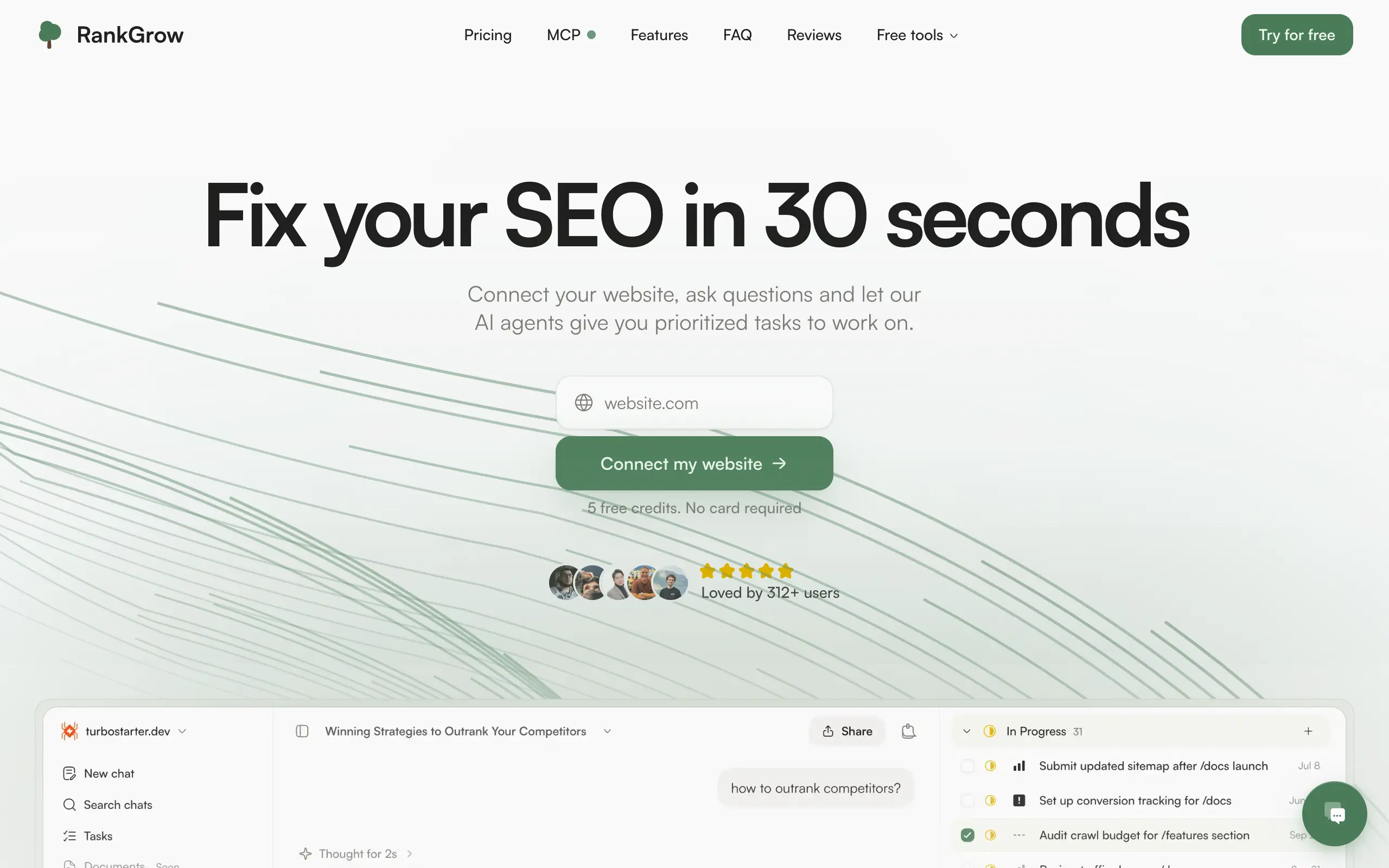
Fix your SEO with AI agents - connect Search Console, get prioritized tasks, and grow organic traffic 📈
SyncReads
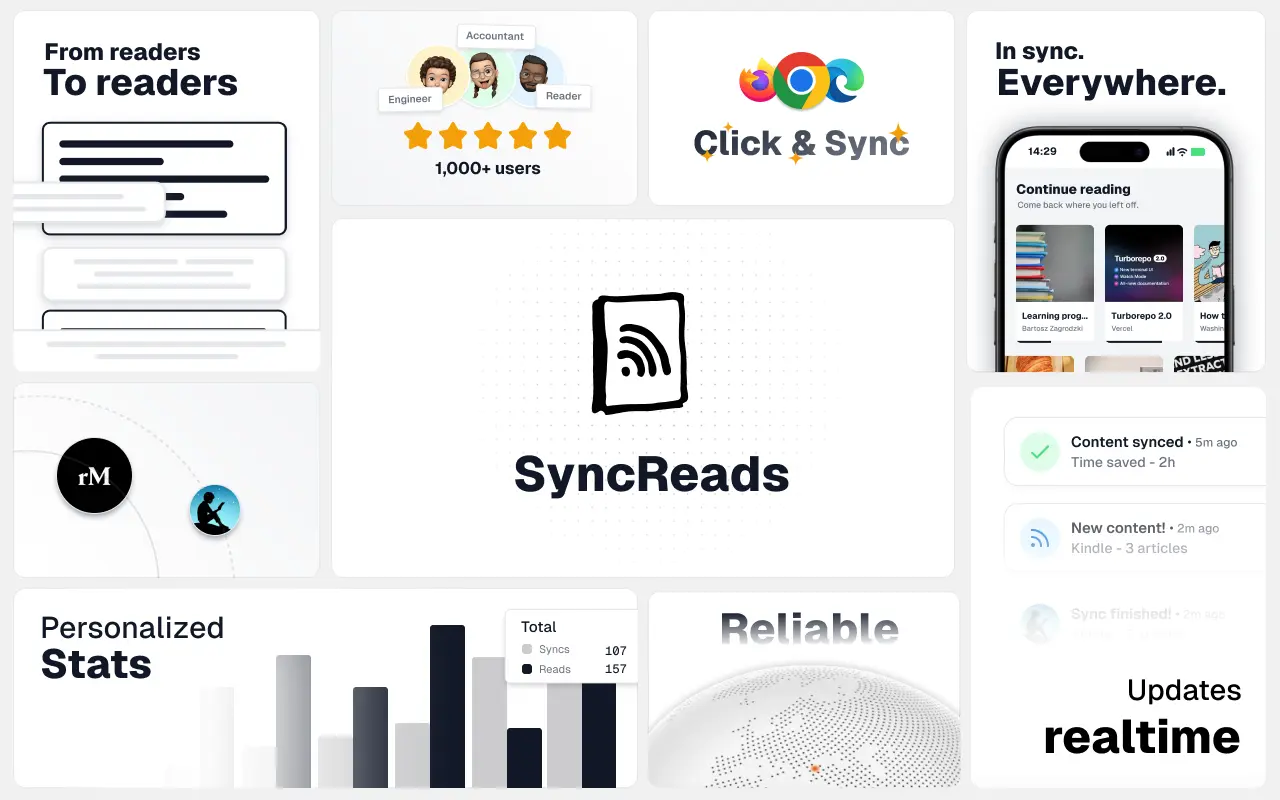
Sync your favorite content for distraction-free reading, save time and replace multiple apps. Anytime, anywhere 🔄
Socialcrawl
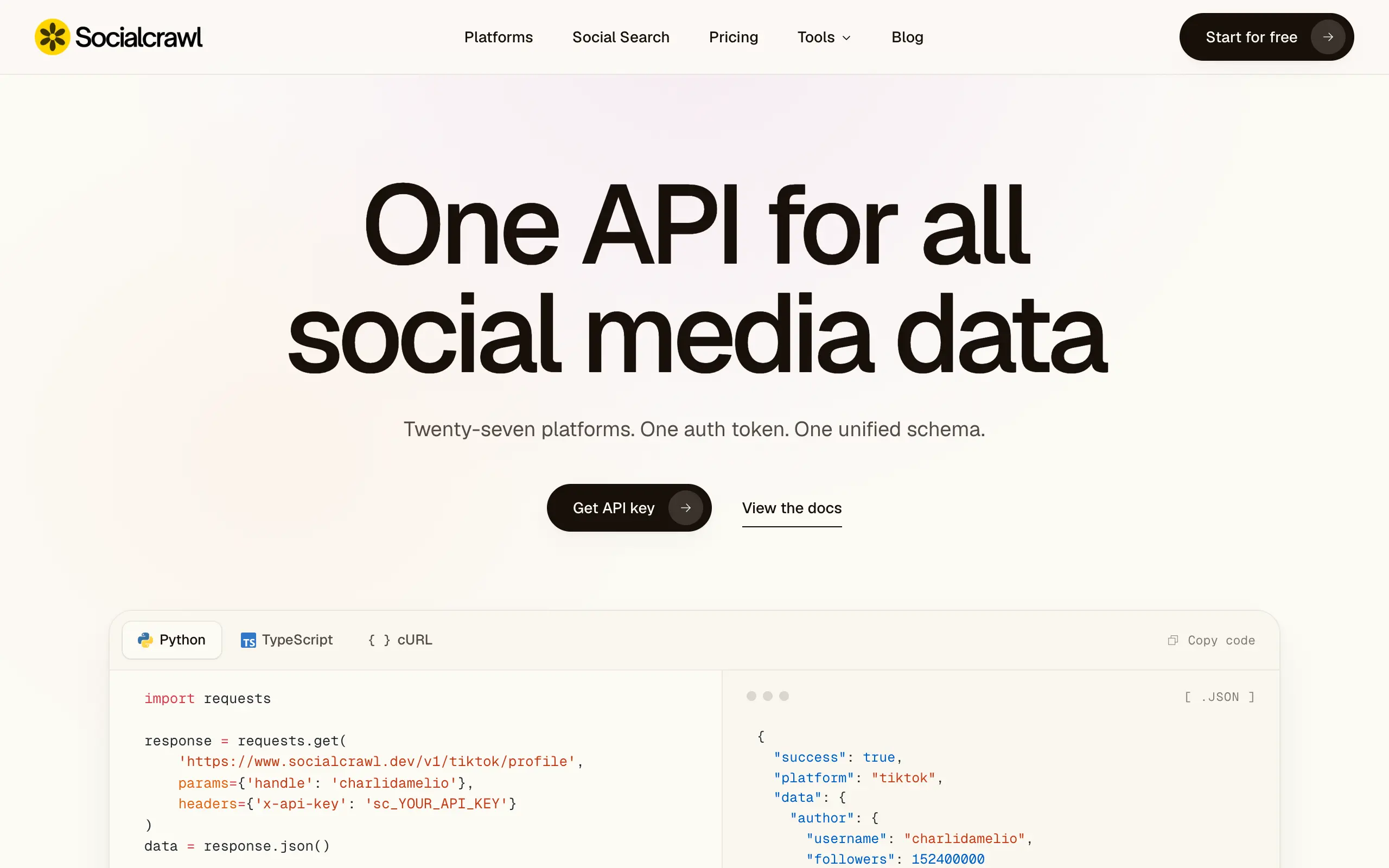
Get clean, structured data from 21 platforms like TikTok, Instagram, and YouTube with a single request 📊
Statiko
Monitor any Telegram channel in real time - track posts, edits, deletions, and growth with AI recaps 📡
Shibui
AI website builder - describe your business, pick a niche template, edit by chatting, and publish instantly ✨
Pro Service
Find verified home service professionals, compare quotes, and pay securely through escrow - built for Brazilians across the US 🏠
RankGrow
Fix your SEO with AI agents - connect Search Console, get prioritized tasks, and grow organic traffic 📈
SyncReads
Sync your favorite content for distraction-free reading, save time and replace multiple apps. Anytime, anywhere 🔄
Socialcrawl
Get clean, structured data from 21 platforms like TikTok, Instagram, and YouTube with a single request 📊
Statiko
Monitor any Telegram channel in real time - track posts, edits, deletions, and growth with AI recaps 📡
Shibui
AI website builder - describe your business, pick a niche template, edit by chatting, and publish instantly ✨
Pro Service
Find verified home service professionals, compare quotes, and pay securely through escrow - built for Brazilians across the US 🏠
RankGrow
Fix your SEO with AI agents - connect Search Console, get prioritized tasks, and grow organic traffic 📈
SyncReads
Sync your favorite content for distraction-free reading, save time and replace multiple apps. Anytime, anywhere 🔄
Socialcrawl
Get clean, structured data from 21 platforms like TikTok, Instagram, and YouTube with a single request 📊
Statiko
Monitor any Telegram channel in real time - track posts, edits, deletions, and growth with AI recaps 📡
Shibui
AI website builder - describe your business, pick a niche template, edit by chatting, and publish instantly ✨
Pro Service
Find verified home service professionals, compare quotes, and pay securely through escrow - built for Brazilians across the US 🏠
RankGrow
Fix your SEO with AI agents - connect Search Console, get prioritized tasks, and grow organic traffic 📈
SyncReads
Sync your favorite content for distraction-free reading, save time and replace multiple apps. Anytime, anywhere 🔄
Socialcrawl
Get clean, structured data from 21 platforms like TikTok, Instagram, and YouTube with a single request 📊
Dotallio
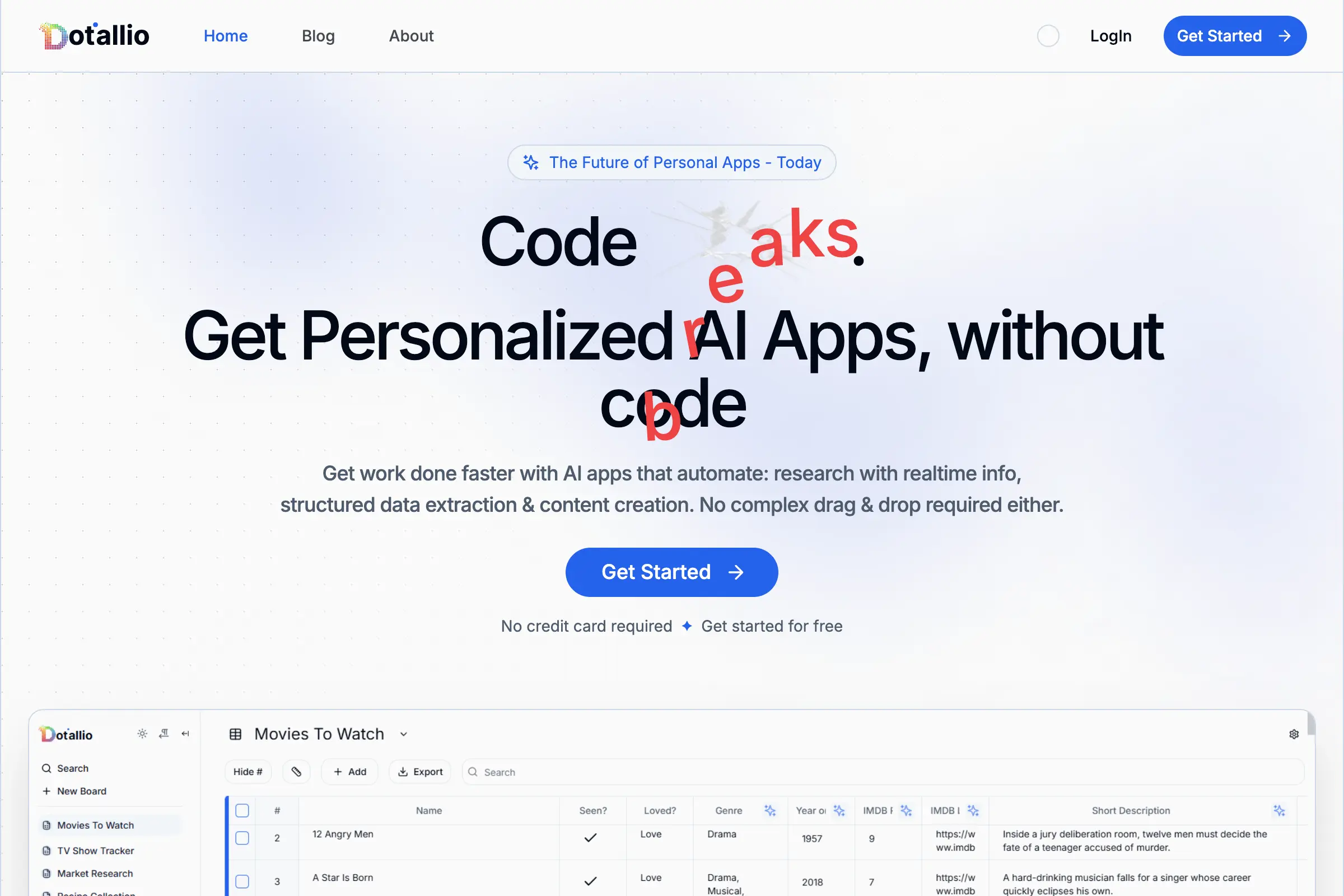
Personalized AI apps that automate research, data extraction, and content creation without code 🤖

Talk to Santa
Enjoy a magical live video chat or receive a unique AI-generated video greeting from Santa Claus 🎅

pozywka.pl
Scalable blog for food journalist, focused on performance and user experience 🌭
zagrodzki.me
Personal blog and portfolio of Bart Zagrodzki, where he shares his knowledge and work 💼
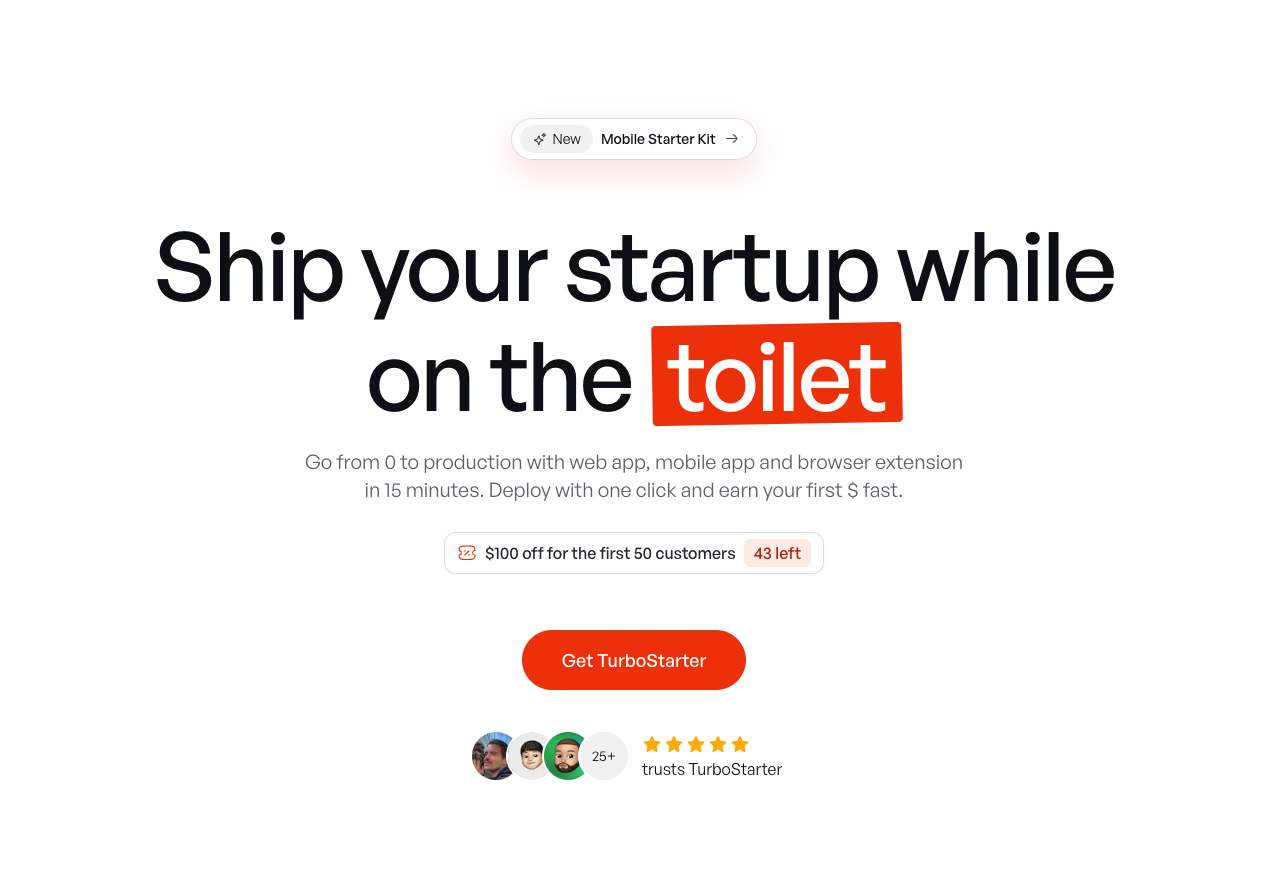
TurboStarter
Ship your startup everywhere. In minutes.
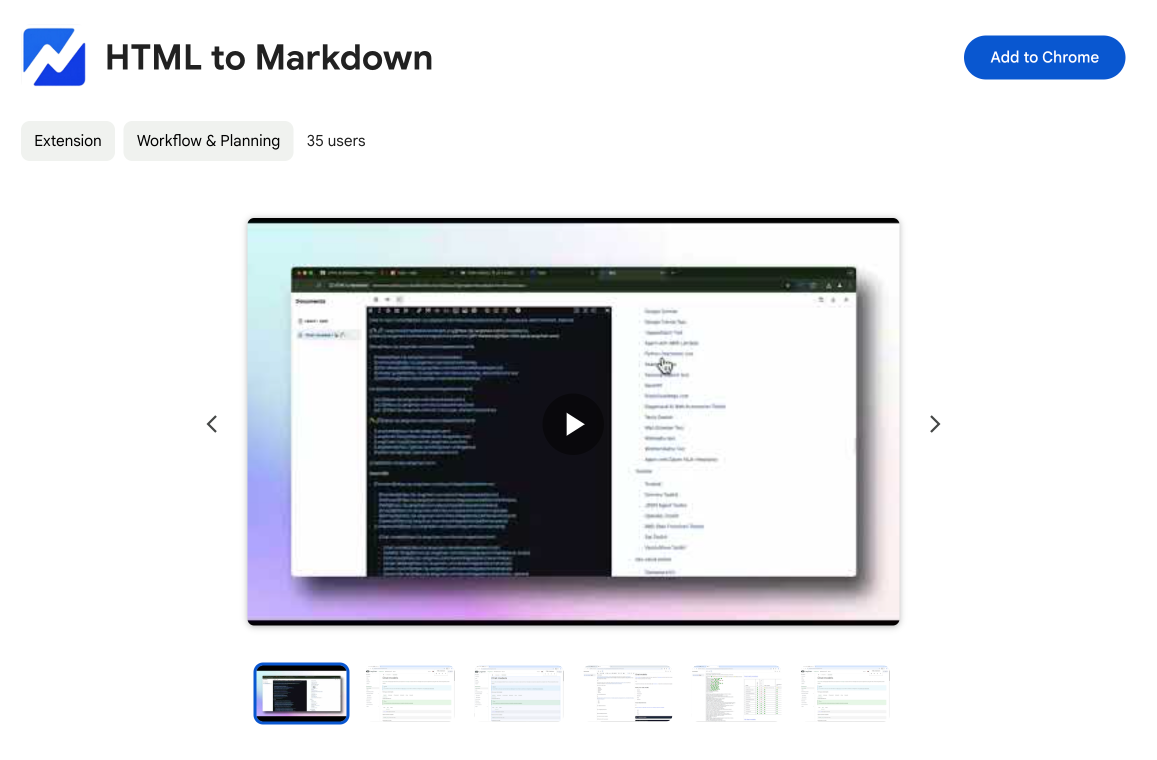
HTML to Markdown
Convert HTML to Markdown with ease, directly in your browser 📄
Dotallio
Personalized AI apps that automate research, data extraction, and content creation without code 🤖
Talk to Santa
Enjoy a magical live video chat or receive a unique AI-generated video greeting from Santa Claus 🎅
pozywka.pl
Scalable blog for food journalist, focused on performance and user experience 🌭
zagrodzki.me
Personal blog and portfolio of Bart Zagrodzki, where he shares his knowledge and work 💼
TurboStarter
Ship your startup everywhere. In minutes.
HTML to Markdown
Convert HTML to Markdown with ease, directly in your browser 📄
Dotallio
Personalized AI apps that automate research, data extraction, and content creation without code 🤖
Talk to Santa
Enjoy a magical live video chat or receive a unique AI-generated video greeting from Santa Claus 🎅
pozywka.pl
Scalable blog for food journalist, focused on performance and user experience 🌭
zagrodzki.me
Personal blog and portfolio of Bart Zagrodzki, where he shares his knowledge and work 💼
TurboStarter
Ship your startup everywhere. In minutes.
HTML to Markdown
Convert HTML to Markdown with ease, directly in your browser 📄
Dotallio
Personalized AI apps that automate research, data extraction, and content creation without code 🤖
Talk to Santa
Enjoy a magical live video chat or receive a unique AI-generated video greeting from Santa Claus 🎅
pozywka.pl
Scalable blog for food journalist, focused on performance and user experience 🌭
zagrodzki.me
Personal blog and portfolio of Bart Zagrodzki, where he shares his knowledge and work 💼
TurboStarter
Ship your startup everywhere. In minutes.
HTML to Markdown
Convert HTML to Markdown with ease, directly in your browser 📄
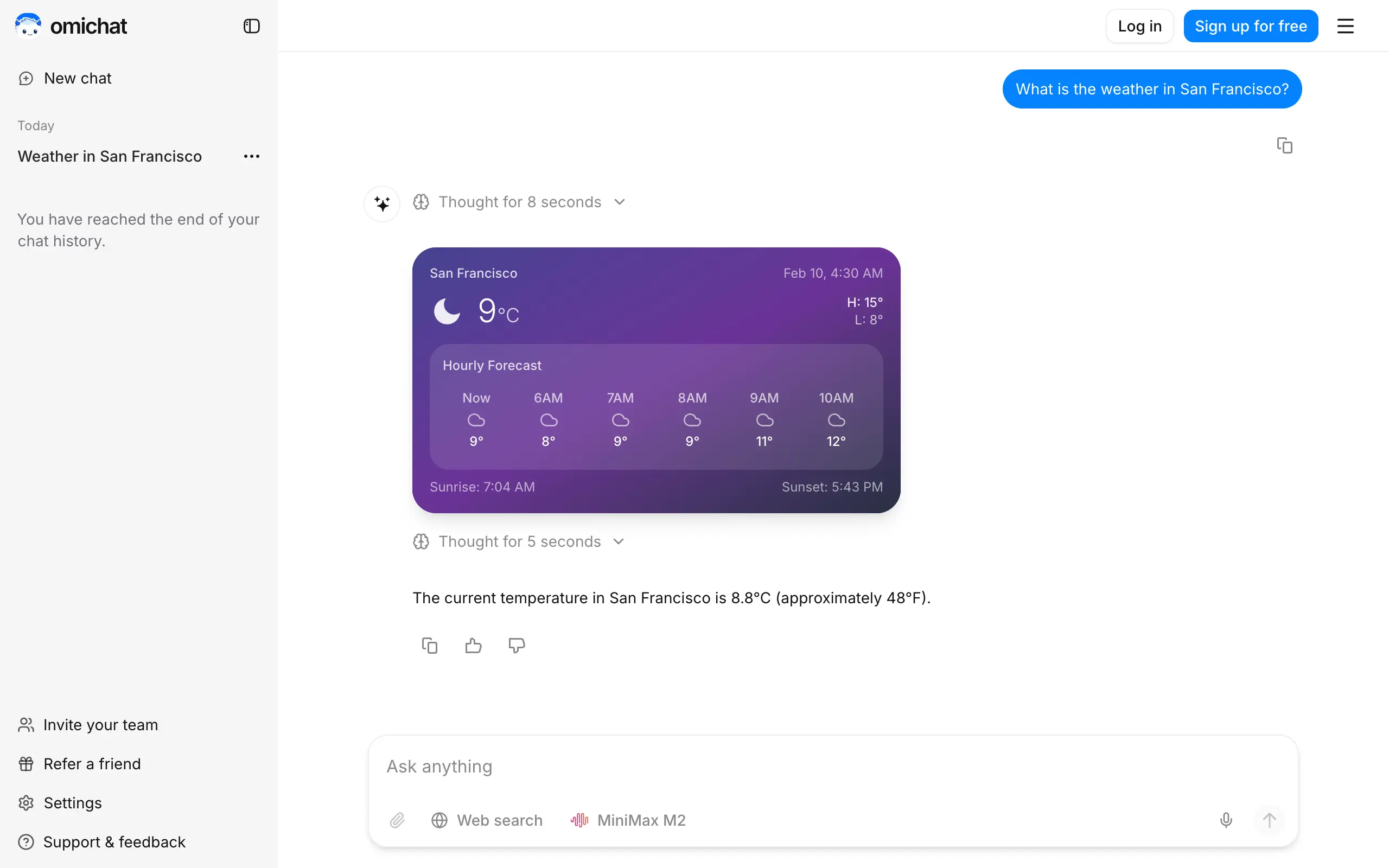
Omichat
Chat with 50+ AI models, including ChatGPT and Claude, in one place - switch models anytime without losing context 🤖
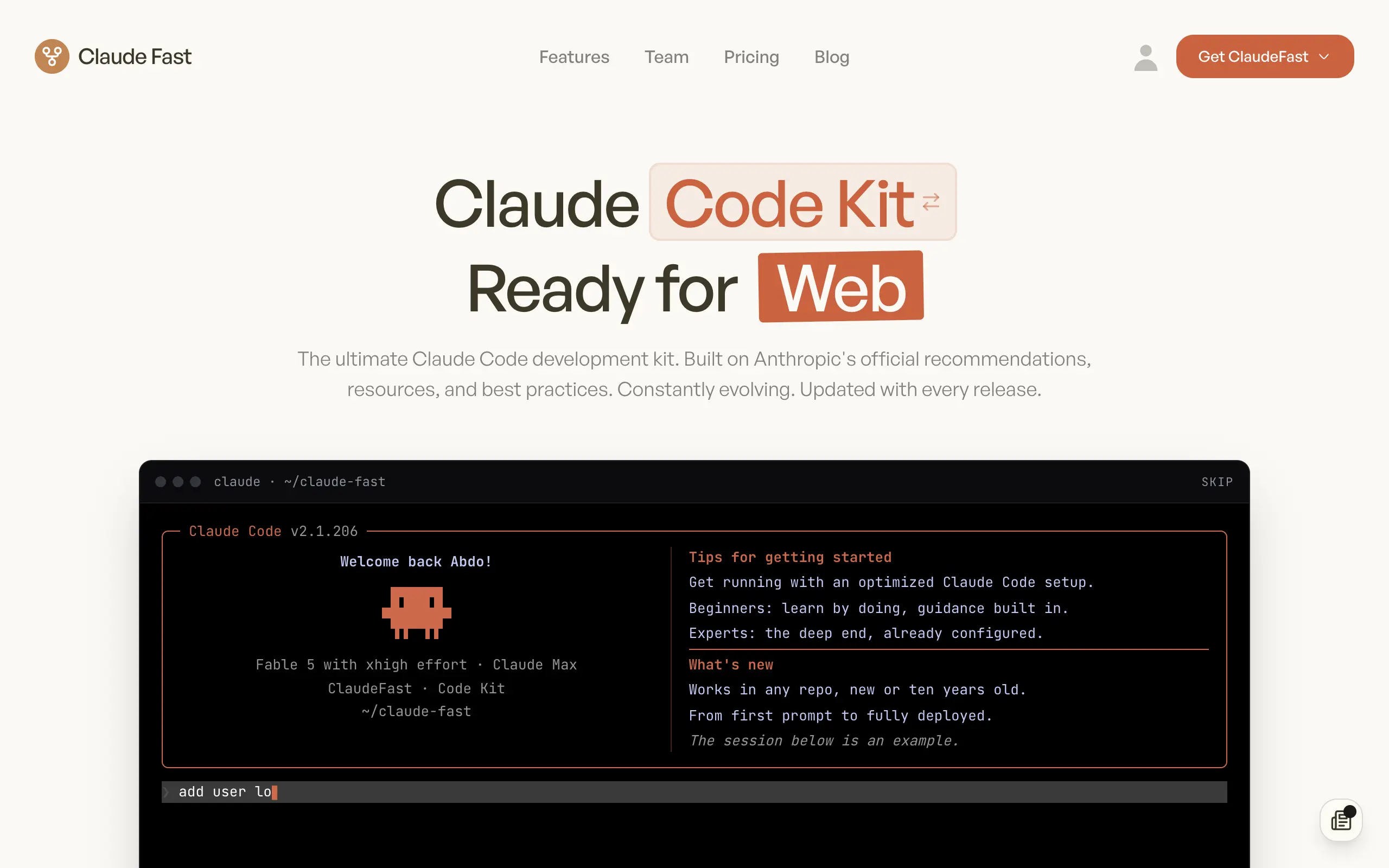
Claude Fast
Supercharge your Claude Code with 6x effective context window and specialized AI agents 🤖
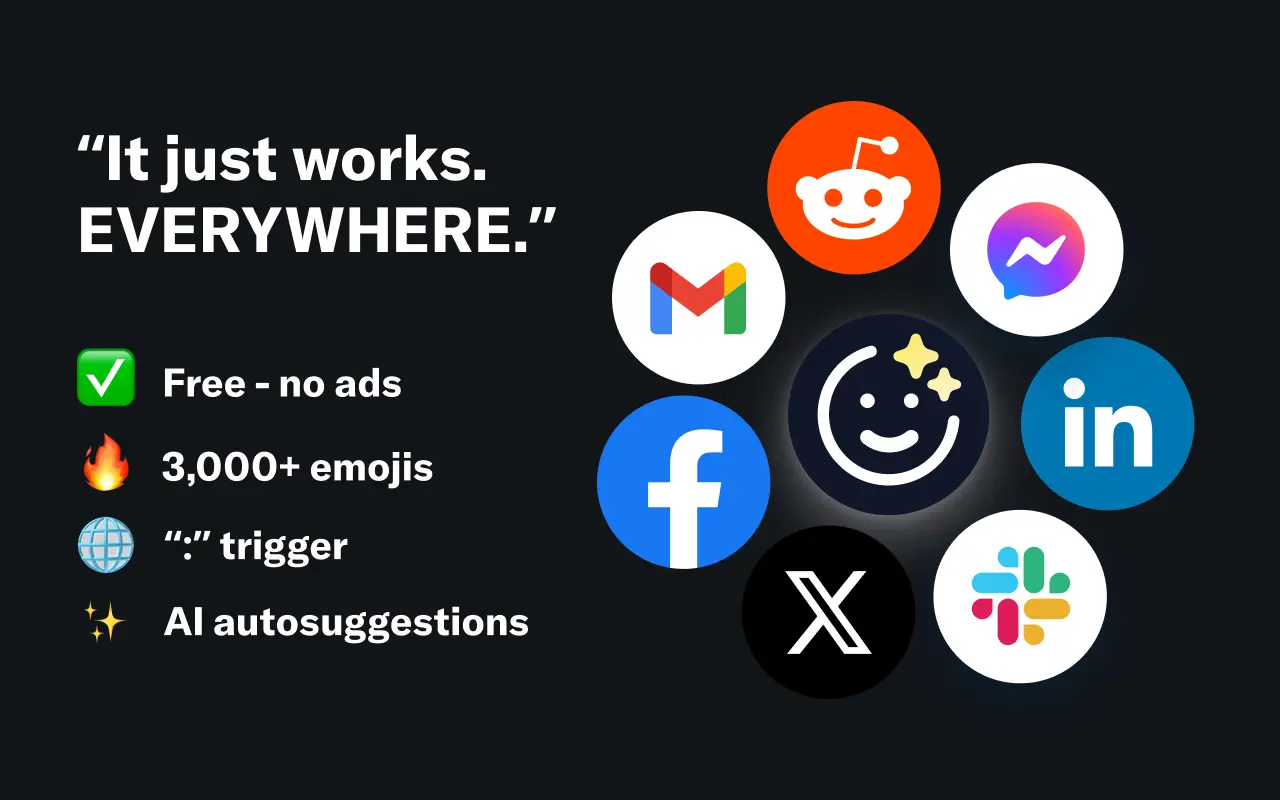
EmojAI
AI-powered emoji picker with smart, context-aware suggestions 🤖
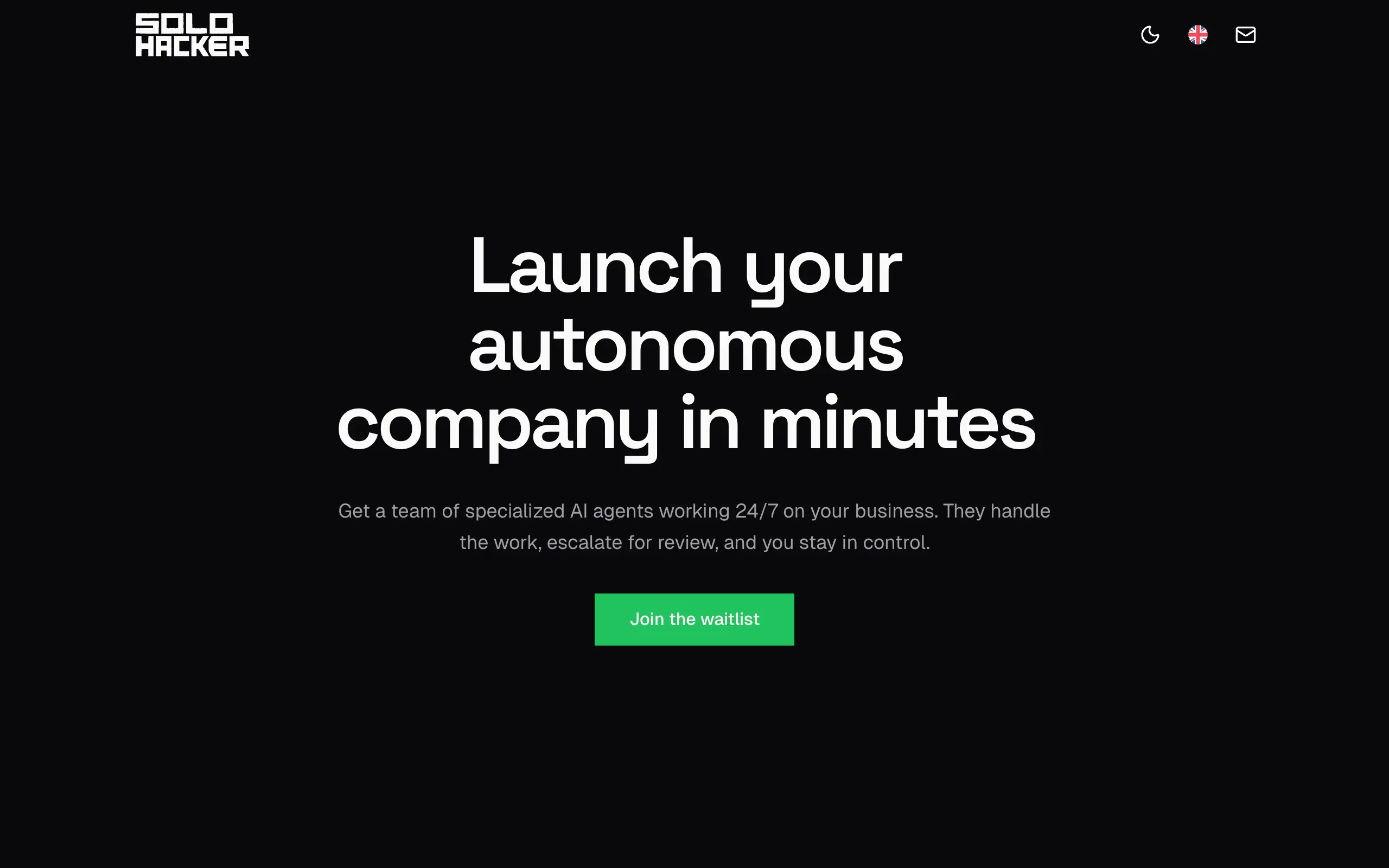
Solohacker
Autonomous company launcher - AI agents work 24/7, escalate what matters, and you stay in control 🤖

BeRawi: Storytelling Coach
Practice storytelling daily with instant feedback to sound clearer, more engaging, and confident 🎤
Omichat
Chat with 50+ AI models, including ChatGPT and Claude, in one place - switch models anytime without losing context 🤖
Claude Fast
Supercharge your Claude Code with 6x effective context window and specialized AI agents 🤖
EmojAI
AI-powered emoji picker with smart, context-aware suggestions 🤖
Solohacker
Autonomous company launcher - AI agents work 24/7, escalate what matters, and you stay in control 🤖
BeRawi: Storytelling Coach
Practice storytelling daily with instant feedback to sound clearer, more engaging, and confident 🎤
Omichat
Chat with 50+ AI models, including ChatGPT and Claude, in one place - switch models anytime without losing context 🤖
Claude Fast
Supercharge your Claude Code with 6x effective context window and specialized AI agents 🤖
EmojAI
AI-powered emoji picker with smart, context-aware suggestions 🤖
Solohacker
Autonomous company launcher - AI agents work 24/7, escalate what matters, and you stay in control 🤖
BeRawi: Storytelling Coach
Practice storytelling daily with instant feedback to sound clearer, more engaging, and confident 🎤
Omichat
Chat with 50+ AI models, including ChatGPT and Claude, in one place - switch models anytime without losing context 🤖
Claude Fast
Supercharge your Claude Code with 6x effective context window and specialized AI agents 🤖
EmojAI
AI-powered emoji picker with smart, context-aware suggestions 🤖
Solohacker
Autonomous company launcher - AI agents work 24/7, escalate what matters, and you stay in control 🤖
BeRawi: Storytelling Coach
Practice storytelling daily with instant feedback to sound clearer, more engaging, and confident 🎤

Connect with like-minded people
Join our community to get feedback, support, and grow together with 1,000+ builders on board, let's ship it!
Join usShip your startup everywhere. In minutes.
Don't burn tokens on setup and start building features on day one.