PromoPatch
Help local shops and tutors turn one offer into a ready-to-share campaign with branded posters, social graphics, and WhatsApp copy. Built for fast, affordable promotion.
PromoPatch is a local marketing campaign generator for shops, tutors, and other small businesses that need to promote an offer but do not have the time, budget, or design skills to build a campaign from scratch. A business owner enters the basics of an offer and gets a set of ready-to-share assets: a branded poster, social graphics, and WhatsApp copy.
The opportunity is not simply to make another poster maker. It is to connect the pieces of a local promotion into one quick, affordable workflow. PromoPatch can help a business go from “I have an offer” to “I can share this campaign today” without juggling a designer, a copywriting tool, and multiple design applications.
What PromoPatch does
PromoPatch takes a promotion—such as a weekend sale, a tutoring trial, or a seasonal service—and turns it into a small campaign package. The user supplies information such as the business name, offer, dates, audience, location, and brand preferences. PromoPatch then helps produce consistent marketing materials suitable for print and digital channels.
A practical campaign package might include:
- A printable promotional poster
- Square and vertical social graphics
- A caption or short social post
- A WhatsApp message the business can copy and send
- A simple campaign summary with the offer, dates, and call to action
The product’s promise should be easy to explain: create a branded local promotion in minutes, then share it where your customers already are.
That positioning matters. Many small businesses do not need a complex campaign management suite. They need a straightforward way to make one timely offer look professional and communicate it clearly.
Who PromoPatch should serve first
“Local businesses” is a broad market, so PromoPatch should begin with a focused audience. Different business types have different campaign rhythms, vocabulary, and design needs. Serving one or two segments well will make onboarding, templates, and marketing more effective.
Independent shops
Small retailers often promote new arrivals, seasonal sales, clearance events, holiday hours, and in-store activities. Their marketing work may be handled by an owner or employee who has other responsibilities and little time for design.
PromoPatch can help these shops create materials that communicate:
- The offer and its end date
- Store location and opening hours
- Whether an offer applies in-store, online, or both
- A clear action, such as visiting the shop or messaging the business
A poster generator is especially useful when a shop wants to promote an offer in its window, at a nearby community venue, or on a social account without paying for a custom design each time.
Tutors and small education providers
Tutors promote trial lessons, exam preparation, group classes, holiday courses, and new term enrolment. Their campaigns have different requirements from retail promotions. They may need to explain age groups, subjects, availability, lesson format, and how parents can enquire.
A generic advertising template can feel awkward for education. PromoPatch can stand out by offering tutor-specific prompts and layouts, such as:
- Subject and student age range
- Online or in-person lesson format
- Trial-session details
- Availability or enrolment deadlines
- A parent-friendly call to action
This vertical also offers opportunities for reusable campaigns. A tutor may want to update dates or class availability while keeping the same visual identity and message structure.
Other potential local-business segments
Once the initial audience is understood, PromoPatch could test adjacent groups such as salons, fitness instructors, repair services, cafés, and independent professionals. These are possible expansion markets, not assumptions that all users share the same needs.
Before broadening the product, interview potential customers and examine the work they currently do. The key question is not whether they promote their business. It is whether they would pay to make a particular promotion faster, more coherent, or easier to share.
A practical early-adopter profile
An ideal first customer is likely to:
- Run a small business with limited marketing support
- Create or share offers several times a year
- Use messaging apps and social platforms to reach customers
- Find design tools time-consuming or intimidating
- Need materials quickly, often for a specific date
- Be willing to pay for convenience if the output looks credible
This profile helps define product decisions. A user who needs one campaign this afternoon values speed, clear defaults, and export reliability more than a large library of advanced design controls.
The market opportunity and product gap
Small businesses have access to many design and marketing tools, but access does not automatically make promotion easy. A user may still need to decide what to say, choose a layout, adapt the design for several channels, check the dates and contact details, and prepare each file. PromoPatch’s opportunity is to reduce that fragmented work.
The job customers are trying to complete
The customer’s job is not “use an AI design app.” It is closer to:
“Help me announce this offer clearly and professionally to local customers, using the channels I already have.”
That job includes several connected tasks:
- Clarify the offer and who it is for.
- Write a concise, appealing message.
- Make the promotion recognizable as belonging to the business.
- Adapt the message and artwork for different formats.
- Share or print the result without technical friction.
A product that addresses only one task may be less valuable than a focused workflow that handles all five in a consistent way.
Why general-purpose tools leave room for a specialized product
General design software can be powerful, but it often expects users to make many decisions. A blank canvas can create friction for an owner who needs a poster, not a new design hobby. Generic AI writing tools can produce copy, but they do not necessarily generate a coordinated set of campaign assets with accurate business details.
PromoPatch can bridge that gap through guided creation. It should provide enough control for useful customization while making the most common decisions easy. Users should be able to start with a campaign type, enter the offer, select a style, and review a finished set of assets.
The local context is part of the product
A local campaign has practical details that a generic content generator can overlook. The business may need to include a physical address, a neighbourhood, a phone number, a booking instruction, or an offer restriction. A campaign can look polished and still fail if a customer cannot tell when the promotion applies or how to use it.
PromoPatch should therefore treat business information and offer terms as structured data, not as incidental text. That can reduce omissions and make it easier to update a campaign without rebuilding every asset.
Core features for a useful first release
The first version should test whether customers want to create and share campaign packages—not attempt to replace every design, publishing, and customer relationship tool.
1. A guided campaign brief
The brief should collect only the information needed to create a useful promotion. A short, well-designed form is preferable to a long questionnaire.
Core fields might include:
- Business name and category
- Offer or announcement
- Start and end dates, when relevant
- Target audience
- Location or service area
- Contact details or booking method
- Brand colours, logo, and preferred visual style
- Any terms or restrictions
The form can use conditional questions. A tutor campaign may ask about subject and age group, while a retail promotion may ask about product categories or in-store availability.
2. Brand setup and reuse
A business should not have to re-enter its logo and colours for every campaign. A basic brand profile can store:
- Logo files
- Brand colours
- Business name and contact information
- Website or social handle
- Preferred tone and visual style
For the MVP, keep brand setup forgiving. Users may not have a formal brand kit, so PromoPatch should offer a sensible default and let them improve it over time.
3. Campaign copy generation
Copy should be useful, specific, and easy to edit. PromoPatch can generate a headline, supporting text, a call to action, a social caption, and WhatsApp copy from the same brief.
The generated copy should preserve facts supplied by the user. It should not invent prices, availability, qualifications, savings, or guarantees. A review step should make the important details visible before the user downloads or shares anything.
4. Branded posters and social graphics
The product should generate several carefully designed formats rather than an overwhelming template library. Useful starting formats include a print-ready poster, a square social post, and a vertical graphic suitable for mobile-first sharing.
Templates should support variation without compromising legibility. Users need clear typography, strong contrast, sensible spacing, and prominent offer details. A flexible but constrained template system can make it harder to produce a broken design.
5. WhatsApp-ready messaging
WhatsApp copy is a distinctive part of PromoPatch’s value proposition. The user should be able to copy a short, conversational message that includes the offer, relevant dates, and a clear next step. The product should avoid implying that it can send messages or access contacts unless those capabilities are actually implemented.
A good default is to let the customer review and copy the message themselves. That approach reduces implementation complexity and keeps the business in control of its communication.
6. Editing, previews, and exports
Users should be able to correct copy, update dates, and preview each format before export. Exports should be clearly labelled by intended use, with print and digital files separated where appropriate.
A useful flow is:
- Enter campaign details.
- Review suggested copy.
- Choose a design direction.
- Preview all campaign assets.
- Edit essential details.
- Download or copy the materials.
7. Campaign history and duplication
Small businesses often repeat promotions. Saving previous campaigns lets a user duplicate a successful campaign, update the offer or dates, and create a fresh package more quickly. This feature can improve retention without requiring complex collaboration or analytics in the first release.
Competitive advantage: the campaign package, not the canvas
PromoPatch’s strongest potential advantage is campaign consistency across formats, designed for local businesses and quick execution. It should not compete only on the number of templates or the sophistication of a design editor.
A customer should be able to start with one offer and receive a coherent set of materials that share the same core details and visual identity. That is a more focused promise than “make anything,” and it gives the product a clear reason to exist alongside broader creative tools.
| Product approach | Main strength | Common limitation | PromoPatch opportunity | Strategic implication |
|---|---|---|---|---|
| General design software | Flexible creative control | Can require design decisions and manual adaptation | Guided campaign creation | Make the default path fast, with editing available |
| AI writing tools | Quick draft copy | Often separate from finished visual assets | Pair copy with campaign graphics | Keep facts consistent across all outputs |
| Social publishing tools | Scheduling and distribution | May not create print-ready promotion materials | Serve campaign preparation before publishing | Focus on creation and sharing first |
| Freelance design services | Custom, human-made work | May be slower or costly for frequent small offers | Offer affordable self-serve assets | Position as a practical option, not a replacement for bespoke work |
| PromoPatch | One brief becomes a branded local campaign package | Needs strong templates and trustworthy output | Own the simple local-promotion workflow | Specialize by audience and campaign type |
The table describes product categories, not a claim that every tool in a category has the same capabilities. PromoPatch should validate its differentiation through customer interviews and repeated usage, not rely on positioning alone.
Recommended technology stack and trade-offs
The first architecture should support fast product iteration, reliable file generation, and secure handling of business assets. Avoid building an elaborate system before the product’s core workflow is validated.
Front end and application framework
A React-based application using Next.js is a reasonable choice for a SaaS product that needs a responsive interface, account pages, and public marketing pages. React provides a mature component model for building the campaign editor and previews.
The trade-off is that a framework adds conventions and deployment decisions. For a small team, that is usually manageable if the team already knows the ecosystem. The more important choice is to keep the campaign workflow understandable and testable.
Styling and UI
Tailwind CSS can help a small team build and refine a consistent interface quickly. Design tokens for spacing, colours, and typography should be established early, even if the first product has only a handful of screens.
The design editor should not inherit the complexity of a professional layout application. Use product-specific controls and carefully designed templates to guide customers toward good results.
Data, authentication, and storage
A managed database and authentication platform such as Supabase can reduce the operational burden for an early-stage SaaS product. Store structured campaign data separately from uploaded files, and use access rules so one customer cannot retrieve another customer’s brand assets or campaigns.
Trade-offs include dependence on a managed platform’s pricing, features, and operational model. Review data export options, backup practices, and access controls before storing customer content at scale.
Design rendering and file exports
Keep templates data-driven where possible. A template can be defined as a layout with editable fields, then populated with campaign content and brand settings. This makes it easier to update a design system and generate several aspect ratios from a single campaign brief.
File generation needs deliberate testing. Check:
- Text wrapping and clipping
- Logo scaling and transparent backgrounds
- Print dimensions and margins
- Font availability and licensing
- Export quality on common mobile devices
- Consistency between preview and downloaded files
A sophisticated editor is not necessary for the MVP. A small set of dependable templates can be more valuable than a large set of inconsistent ones.
Payments and subscriptions
Stripe is one option for handling recurring subscriptions and one-time purchases. Whichever provider is chosen, the payment flow should clearly explain plan limits, billing frequency, cancellation, and what happens to saved campaigns after a plan changes.
A simple free tier can help customers understand the output before paying. A paid plan can unlock more campaigns, saved brand profiles, premium templates, or team access. Avoid placing a payment wall before a user has seen enough of the product to judge its value.
AI services and privacy
If PromoPatch uses language or image-generation APIs, treat them as replaceable services behind a server-side layer. Avoid exposing secret keys in the browser, and do not send more customer information to an external provider than the feature requires.
Use AI where it removes meaningful effort, such as drafting alternative headlines or adapting a message to a shorter format. Keep user review central, especially for dates, prices, claims, and business contact information. The product should make clear that generated text is a draft, not a substitute for checking the campaign.
For a fast, integrated starting point, TurboStarter can help accelerate common SaaS foundations. Evaluate any starter kit against PromoPatch’s actual needs, including account management, billing, data ownership, and maintainability.
Monetization strategies for PromoPatch
PromoPatch should test willingness to pay around a measurable outcome: the time and effort saved when preparing a campaign. Several models are possible, and the best fit depends on how often each customer promotes their business.
Freemium with paid plans
A free plan can let users create a limited number of campaigns or try a small template set. Paid plans might add more campaigns, brand profiles, premium formats, or saved campaign history.
This approach supports self-serve adoption, but the free plan must be useful enough to demonstrate quality without making the paid option irrelevant. Set limits around features that correlate with ongoing value rather than adding arbitrary restrictions.
Pay per campaign
A one-time purchase can suit businesses that promote occasionally and do not want another monthly subscription. It may also be an effective way to test demand before introducing recurring plans.
The challenge is predictable revenue. A customer who pays once may not return unless the workflow is useful for future promotions.
Subscription for regular promoters
A subscription can make sense for shops, tutors, and service providers that run recurring offers. Possible paid features include campaign duplication, multiple brand profiles, more monthly exports, and shared access for staff.
Make the value easy to understand. Businesses should be able to see what they can create and how frequently they can use the product before they subscribe.
Templates or vertical-specific packs
Specialized packs—for example, for tutors, cafés, or seasonal retail—could be an add-on or part of higher-priced plans. Such packs should solve real workflow differences, not simply repackage the same generic layout with a new label.
A sensible pricing validation process
Rather than selecting a price based only on competitor comparisons, test it with real users:
- Ask what they currently spend in money and time to create a promotion.
- Show a working campaign package, not just a concept screen.
- Test a few clear pricing structures with target customers.
- Track paid conversion, repeat usage, and cancellation reasons.
- Adjust plan limits based on observed usage patterns.
Do not assume that a low price alone will attract small businesses. Reliability, clarity, and professional-looking output may matter more than a small difference in monthly cost.
Risks and how to reduce them
A focused product still faces meaningful risks. Addressing them early can prevent avoidable rework and protect customer trust.
Generic or low-quality creative output
If the designs look generic or the copy feels formulaic, users may not share the results. Start with a small library of polished templates and test them with real businesses. Measure whether users download and use the materials, not just whether they say the designs look appealing.
Incorrect campaign details
A wrong date, price, address, or offer term can cause confusion and damage a business’s credibility. Keep factual fields structured, make them easy to review, and show a final confirmation view before export. AI-generated content should not silently alter factual inputs.
Crowded product positioning
PromoPatch may be compared with design software, AI tools, social tools, or local marketing services. A broad claim such as “all-in-one marketing” would be difficult to substantiate. Lead with the specific use case: turning one local offer into a ready-to-share campaign package.
Low repeat usage
Some businesses promote only occasionally. If users do not return, subscriptions may be difficult to sustain. Campaign duplication, seasonal prompts, saved brand settings, and relevant vertical templates can increase repeat value. Test whether these features correspond to actual customer habits.
Channel and platform changes
Social platforms and messaging apps can change their formats, policies, and sharing behaviour. Avoid building the product around a single platform integration too early. Exportable assets and copy that customers can use across channels provide more resilience.
Privacy, security, and content ownership
Business logos, contact details, and campaign drafts are customer data. Use appropriate access controls, secure file storage, clear retention practices, and transparent privacy disclosures. Explain how external AI providers may process submitted content if those services are used.
Accessibility and legibility
A promotional graphic can be visually attractive yet difficult to read. Provide strong contrast, sensible font sizes, and layouts that remain usable on small screens. Consider accessibility principles when designing the application and campaign templates. Users should be able to review important information without relying on decorative effects.
Do not overpromise automation
Generated copy and designs need human review. PromoPatch should help customers create and adapt promotional materials, but it should not imply that an asset will guarantee sales, reach, or campaign performance.
Metrics that show whether the idea is working
Early product metrics should reflect completion and customer value, not just sign-ups. A large number of visitors does not prove that the campaign workflow solves a real problem.
Useful metrics include:
- Time to first campaign: how long it takes a new user to produce a campaign package
- Campaign completion rate: the share of started campaigns that reach preview or export
- Asset export rate: whether users download or copy what they create
- Repeat campaign rate: whether customers return to create another promotion
- Template performance: which layouts customers choose and export
- Paid conversion: whether users pay after experiencing the product
- Retention and cancellation reasons: whether the service remains useful over time
- Correction frequency: how often users need to fix generated copy or layout problems
For customer interviews, ask people to walk through their current process. Watch where they hesitate, what they leave out, and which tools they switch between. Direct observation often reveals more than asking whether someone “likes the idea.”
Actionable implementation steps
A disciplined launch should prove the workflow before investing in advanced integrations, a large template marketplace, or a complex design editor.
Choose one initial customer segment. Start with independent shops or tutors, not every local business at once. Interview owners and observe how they currently create an offer, prepare artwork, and share it.
Define the smallest valuable campaign package. Decide which assets are essential for the selected segment. A concise poster, a social graphic, and a WhatsApp message may be enough to test the core promise.
Prototype the guided brief and review flow. Test whether users can enter the necessary information without help. Include a clear review stage for business name, offer, dates, contact details, and terms.
Build a small set of high-quality templates. Create a few designs for the chosen segment and test their readability, export quality, and fit across mobile and print use cases.
Launch a working MVP with manual support. Let early customers create real campaigns. When something fails, help them directly and record the obstacle. This is often more informative than adding automation before the workflow is understood.
Measure usage and willingness to pay. Track campaign completion, export behaviour, repeat creation, and payment decisions. Interview users who stop using the product as well as those who return.
Expand based on evidence. Add new business categories, formats, integrations, and plan tiers only when customer behaviour demonstrates a need. Keep the product’s core promise easy to explain.
Why PromoPatch can stand out
PromoPatch has a clear opportunity if it stays focused on a specific, frustrating task: helping a small business turn one offer into coordinated promotional materials without a drawn-out design process.
Its strongest product choices will be practical ones:
- Ask for enough information to create a relevant campaign, but not so much that setup feels like work.
- Build reliable templates before expanding the design editor.
- Treat business facts as structured, reviewable information.
- Make WhatsApp copy and local campaign details first-class parts of the workflow.
- Let customers repeat and adapt campaigns without starting over.
- Make pricing and product limits straightforward.
The long-term advantage will not come from generating a poster alone. It will come from understanding the recurring promotion workflows of a defined group of local businesses and making those workflows consistently easier. If early users can create, review, and share a campaign package quickly—and return when they have another offer—PromoPatch will have evidence of a product worth expanding.
More 🏢 B2B Application SaaS ideas
Discover more innovative b2b application SaaS ideas that are trending in 2026. Each idea is AI-generated with market validation and growth potential to help you find your next profitable venture faster than competitors.
Your competitors are building with TurboStarter
Below are some of the SaaS ideas that have been generated and built with our starter kit.
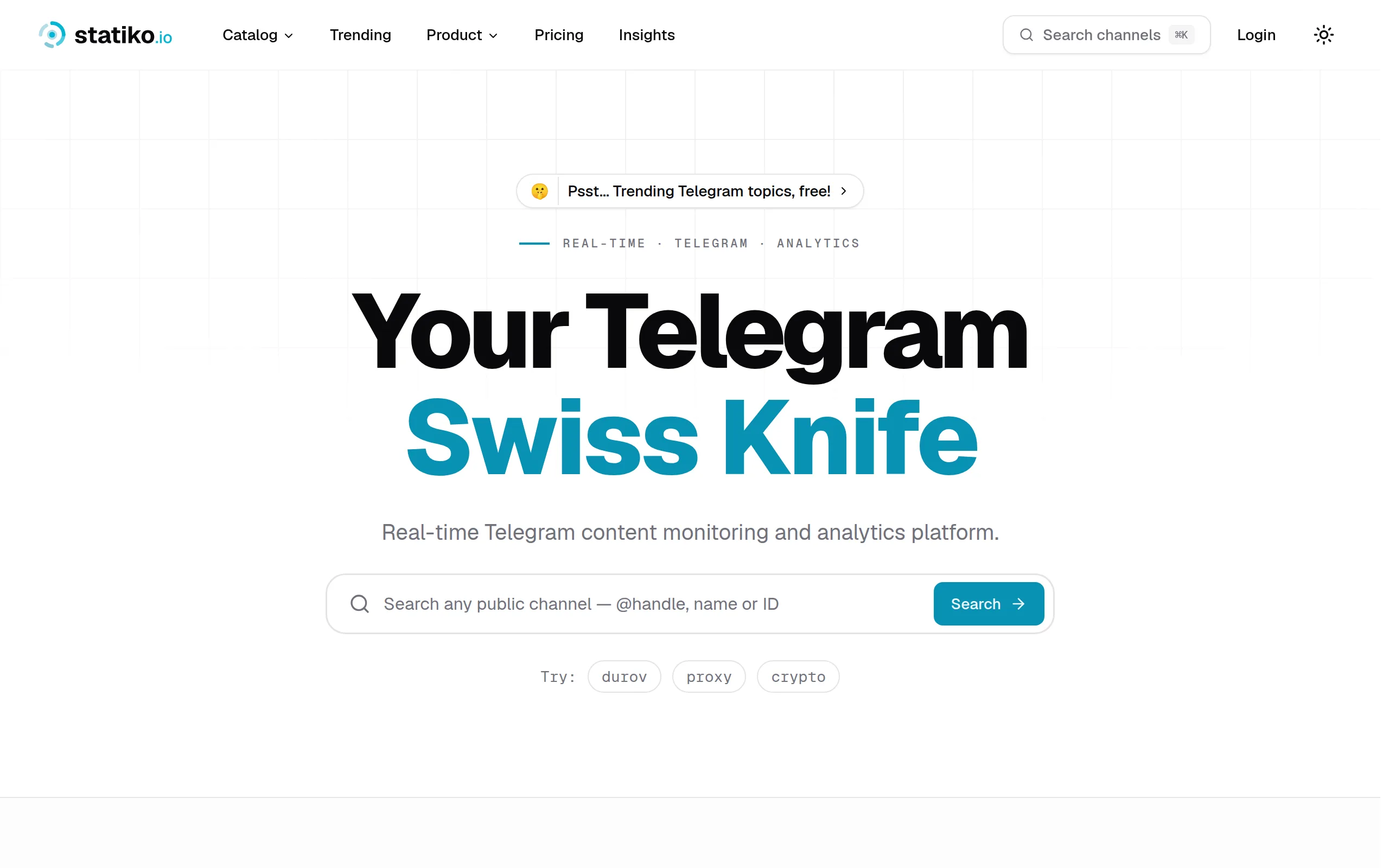
Statiko
Monitor any Telegram channel in real time - track posts, edits, deletions, and growth with AI recaps 📡
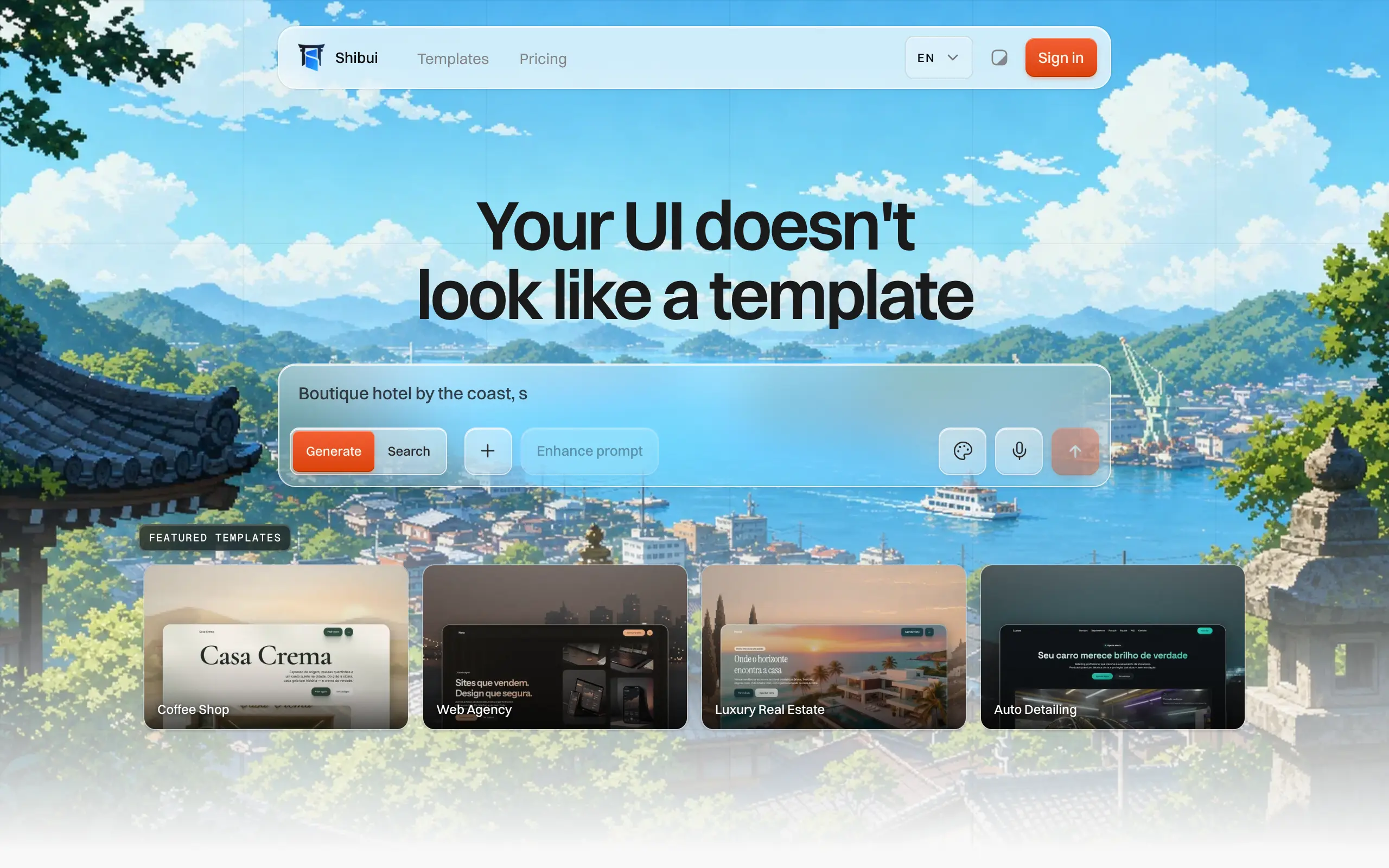
Shibui
AI website builder - describe your business, pick a niche template, edit by chatting, and publish instantly ✨
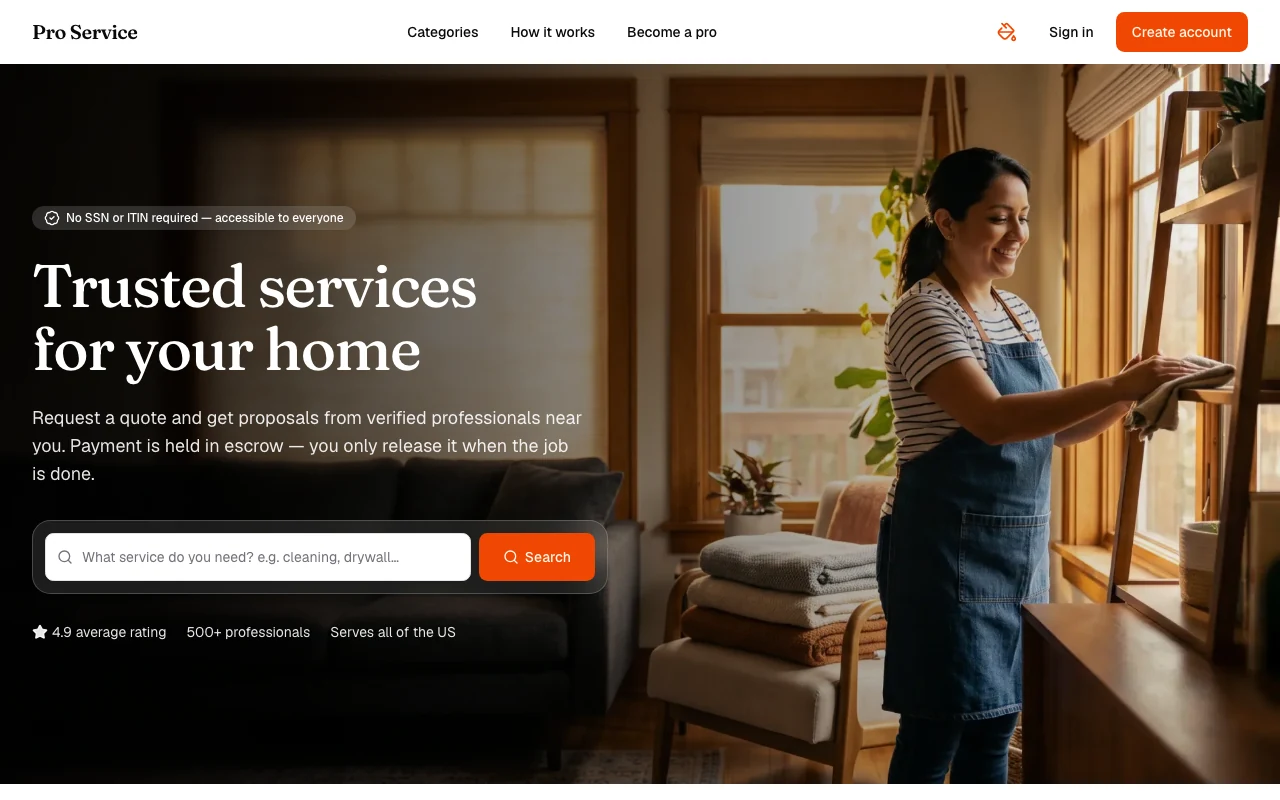
Pro Service
Find verified home service professionals, compare quotes, and pay securely through escrow - built for Brazilians across the US 🏠
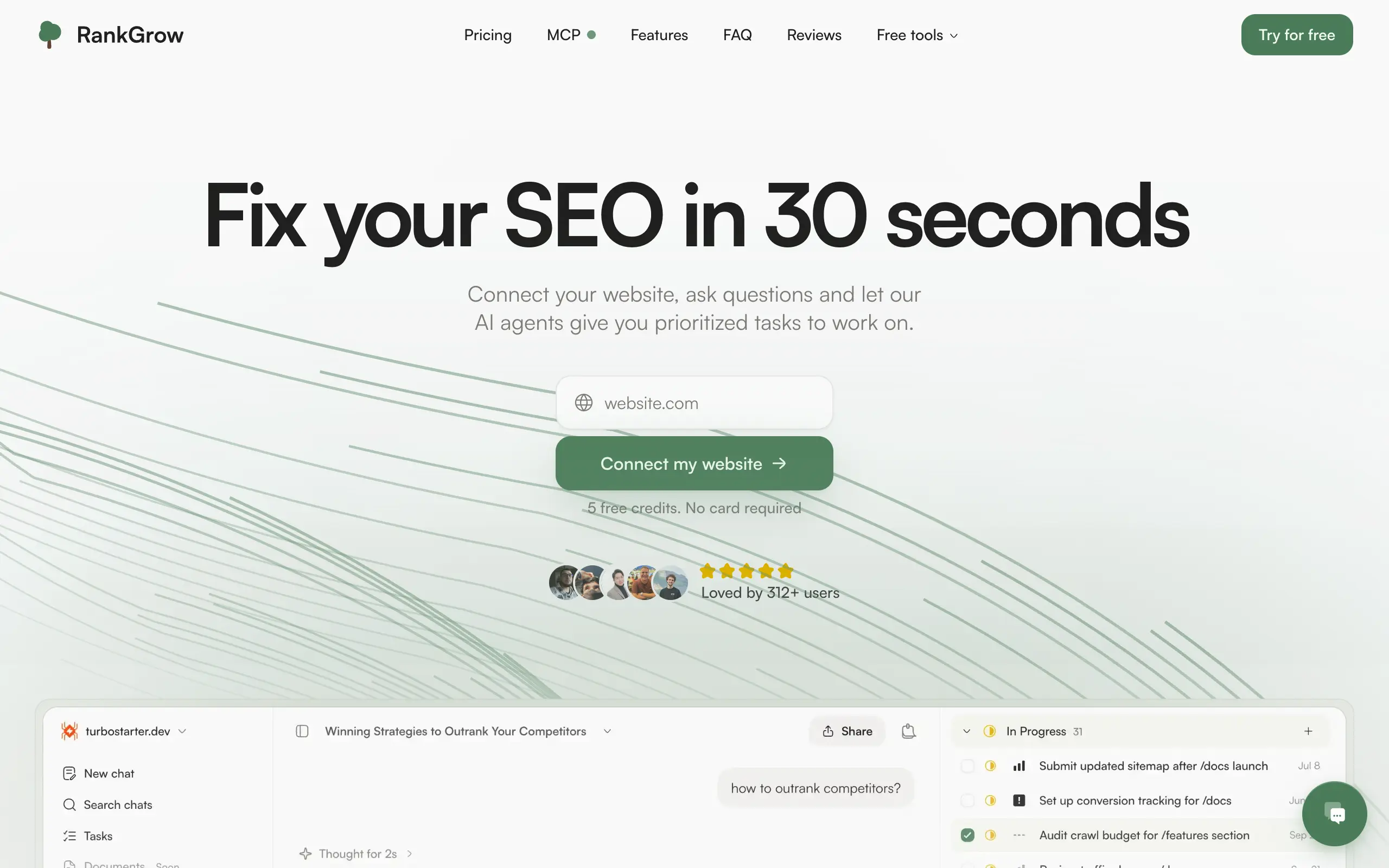
RankGrow
Fix your SEO with AI agents - connect Search Console, get prioritized tasks, and grow organic traffic 📈
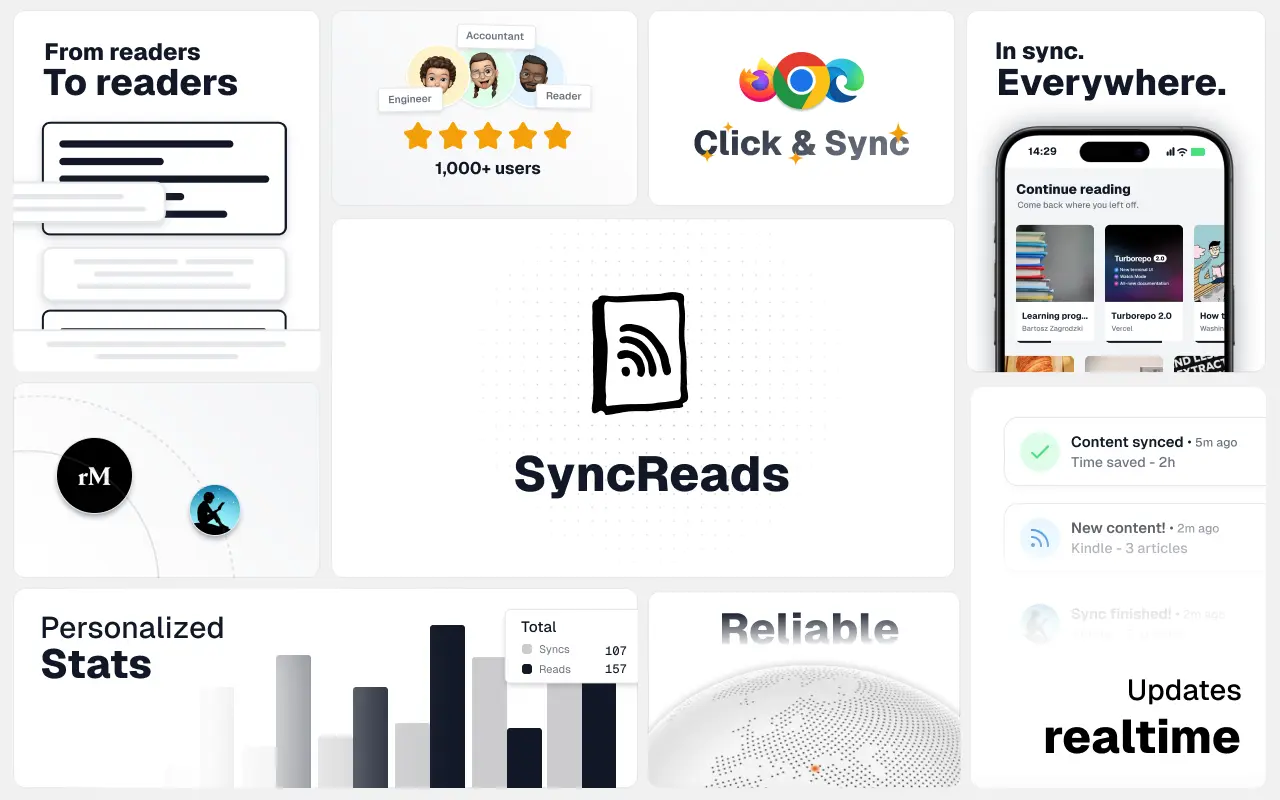
SyncReads
Sync your favorite content for distraction-free reading, save time and replace multiple apps. Anytime, anywhere 🔄
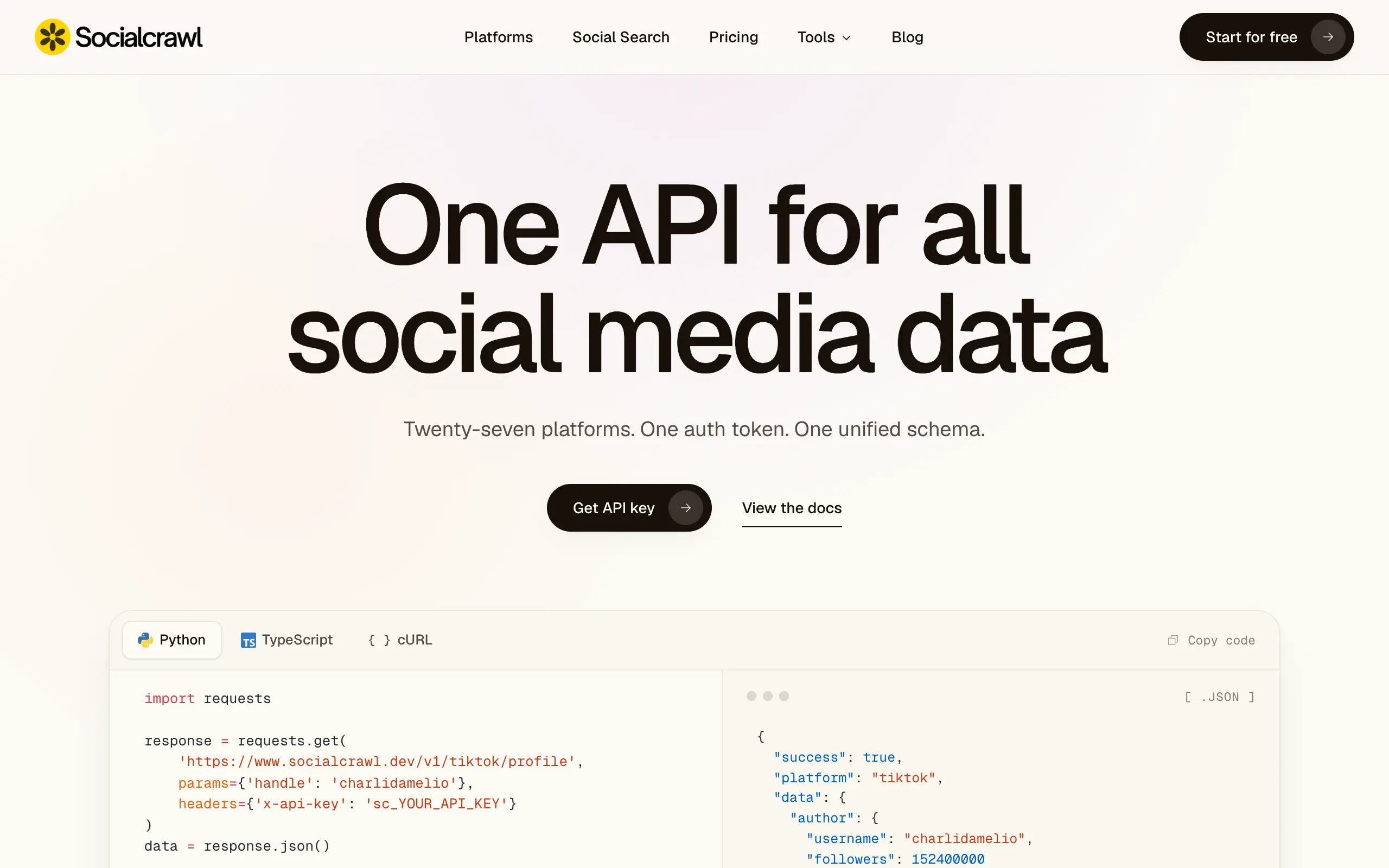
Socialcrawl
Get clean, structured data from 21 platforms like TikTok, Instagram, and YouTube with a single request 📊
Statiko
Monitor any Telegram channel in real time - track posts, edits, deletions, and growth with AI recaps 📡
Shibui
AI website builder - describe your business, pick a niche template, edit by chatting, and publish instantly ✨
Pro Service
Find verified home service professionals, compare quotes, and pay securely through escrow - built for Brazilians across the US 🏠
RankGrow
Fix your SEO with AI agents - connect Search Console, get prioritized tasks, and grow organic traffic 📈
SyncReads
Sync your favorite content for distraction-free reading, save time and replace multiple apps. Anytime, anywhere 🔄
Socialcrawl
Get clean, structured data from 21 platforms like TikTok, Instagram, and YouTube with a single request 📊
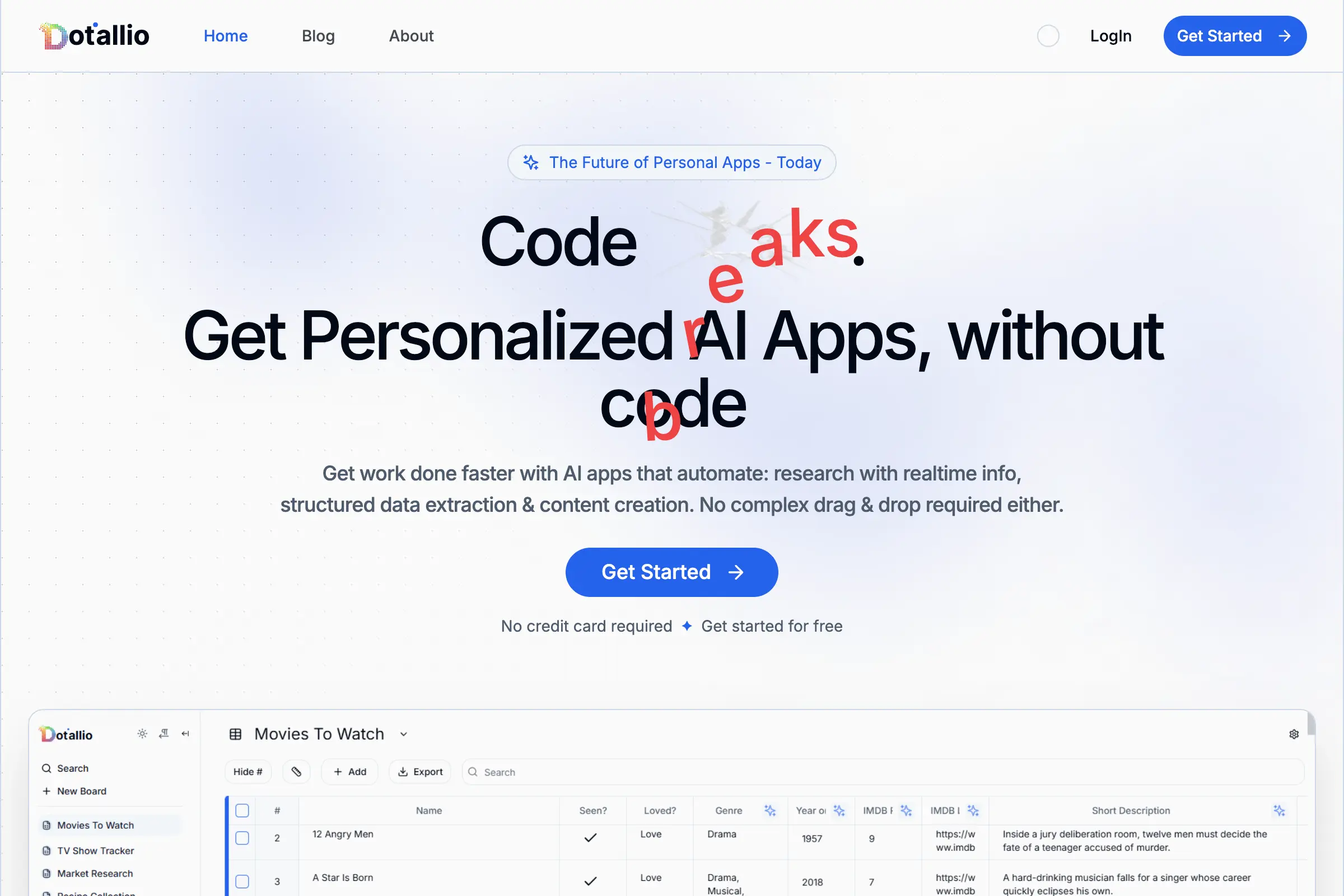
Dotallio
Personalized AI apps that automate research, data extraction, and content creation without code 🤖
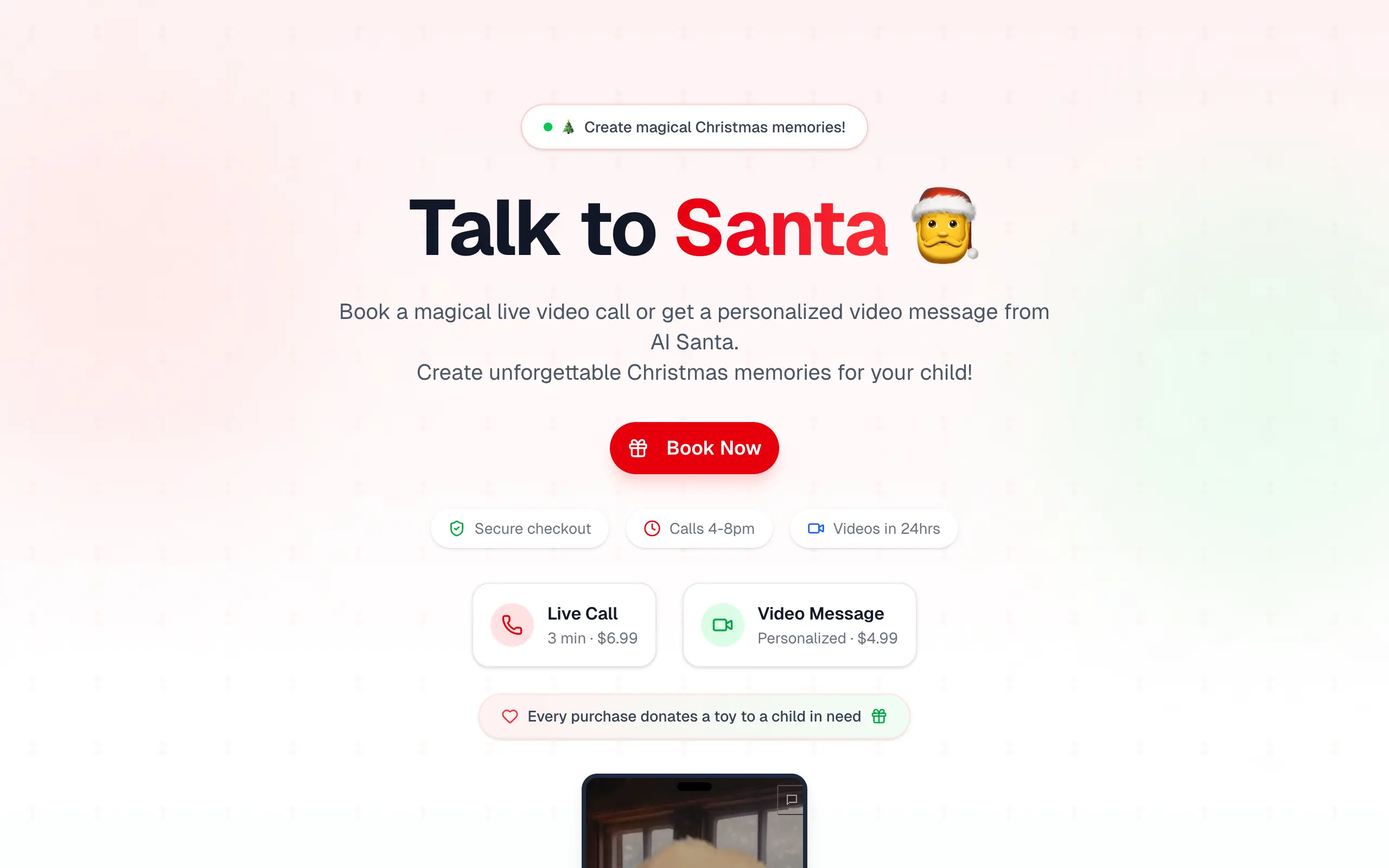
Talk to Santa
Enjoy a magical live video chat or receive a unique AI-generated video greeting from Santa Claus 🎅
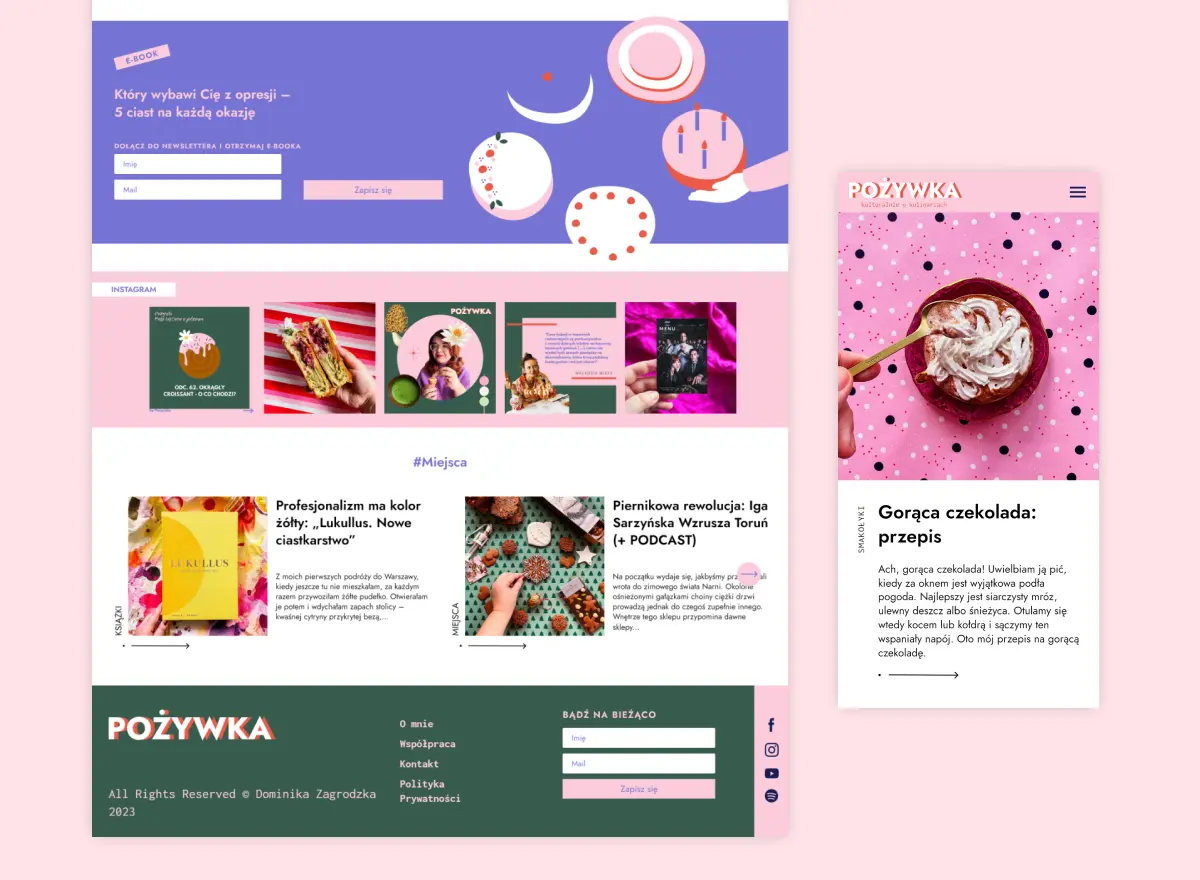
pozywka.pl
Scalable blog for food journalist, focused on performance and user experience 🌭
zagrodzki.me
Personal blog and portfolio of Bart Zagrodzki, where he shares his knowledge and work 💼
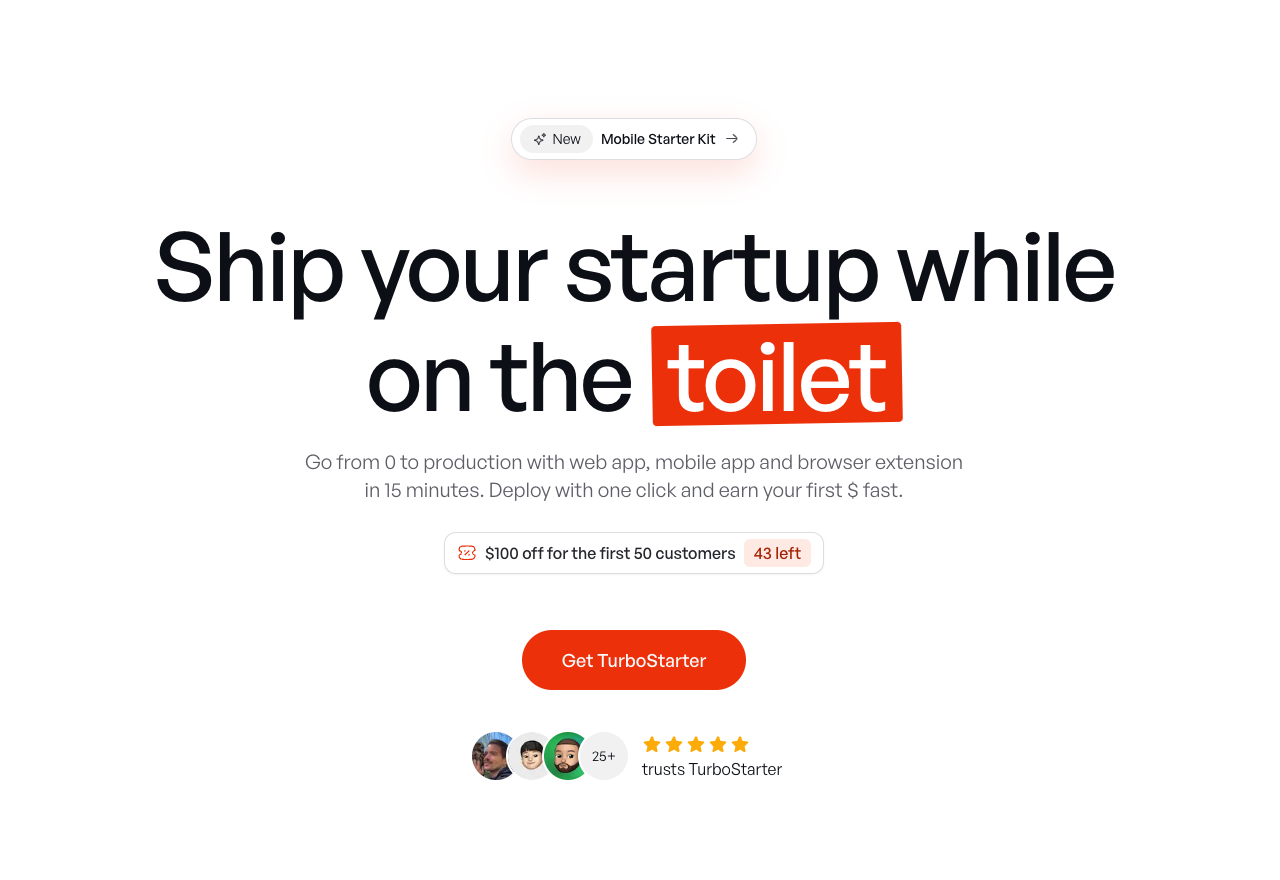
TurboStarter
Ship your startup everywhere. In minutes.
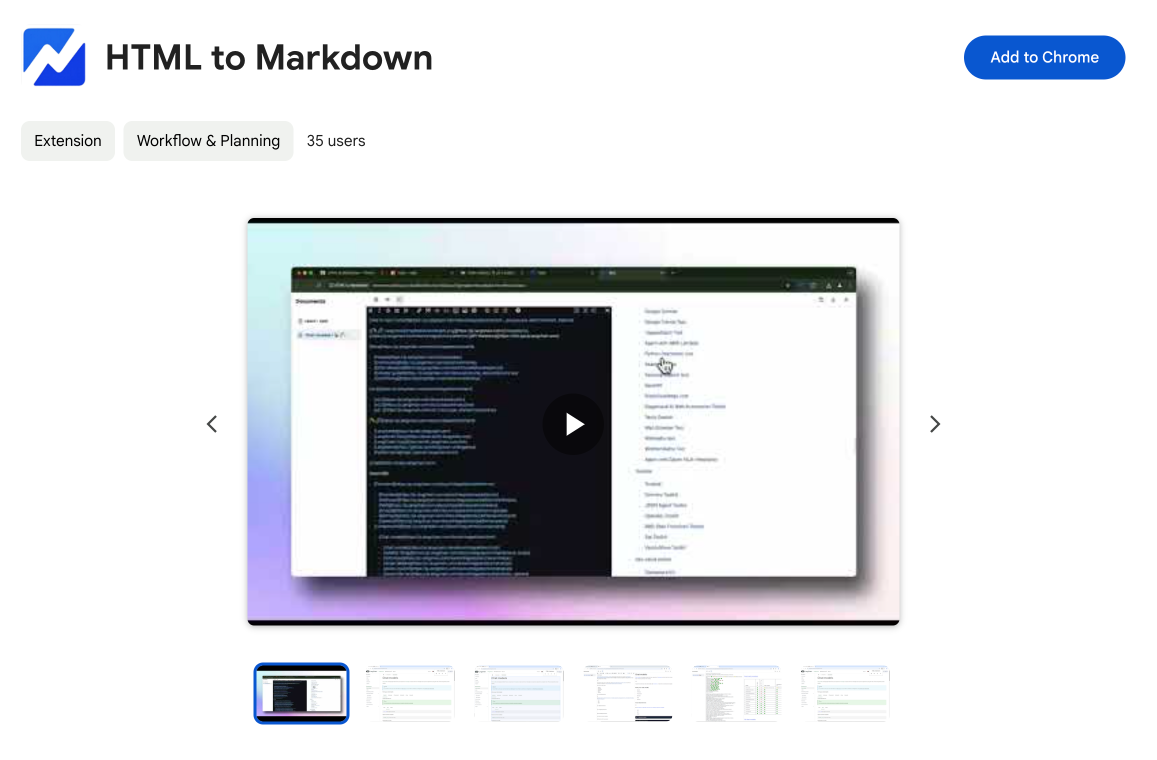
HTML to Markdown
Convert HTML to Markdown with ease, directly in your browser 📄
Dotallio
Personalized AI apps that automate research, data extraction, and content creation without code 🤖
Talk to Santa
Enjoy a magical live video chat or receive a unique AI-generated video greeting from Santa Claus 🎅
pozywka.pl
Scalable blog for food journalist, focused on performance and user experience 🌭
zagrodzki.me
Personal blog and portfolio of Bart Zagrodzki, where he shares his knowledge and work 💼
TurboStarter
Ship your startup everywhere. In minutes.
HTML to Markdown
Convert HTML to Markdown with ease, directly in your browser 📄
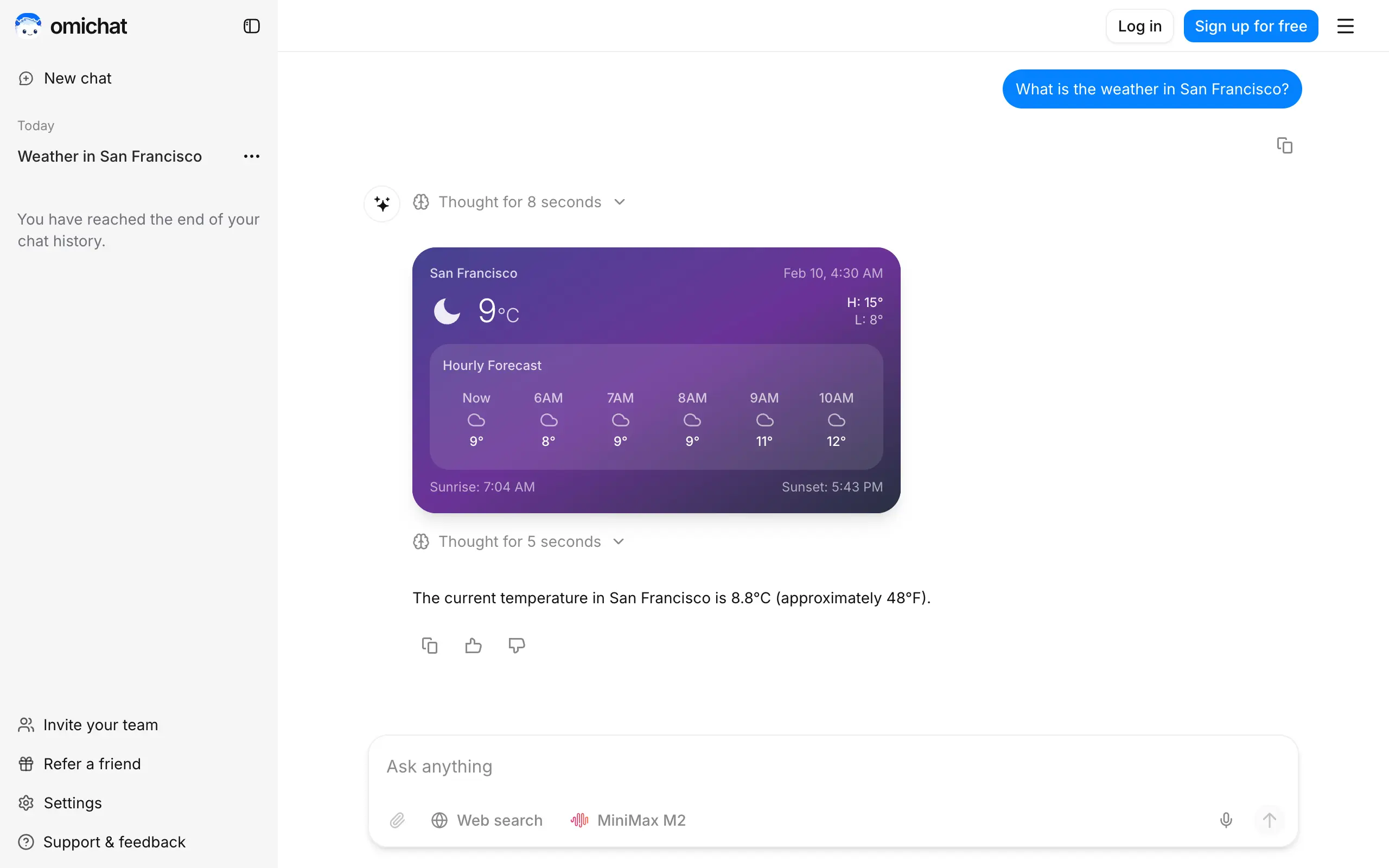
Omichat
Chat with 50+ AI models, including ChatGPT and Claude, in one place - switch models anytime without losing context 🤖
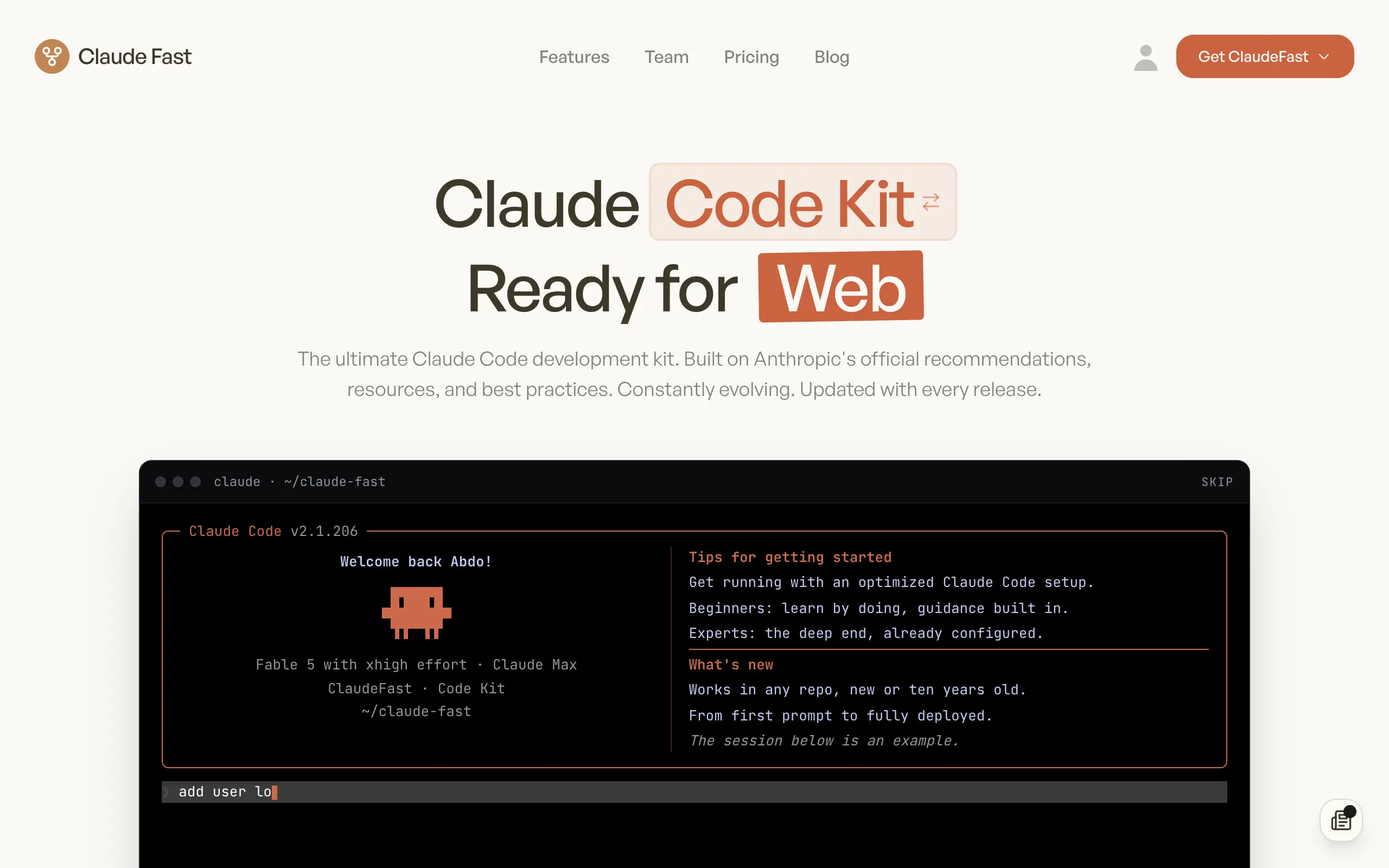
Claude Fast
Supercharge your Claude Code with 6x effective context window and specialized AI agents 🤖
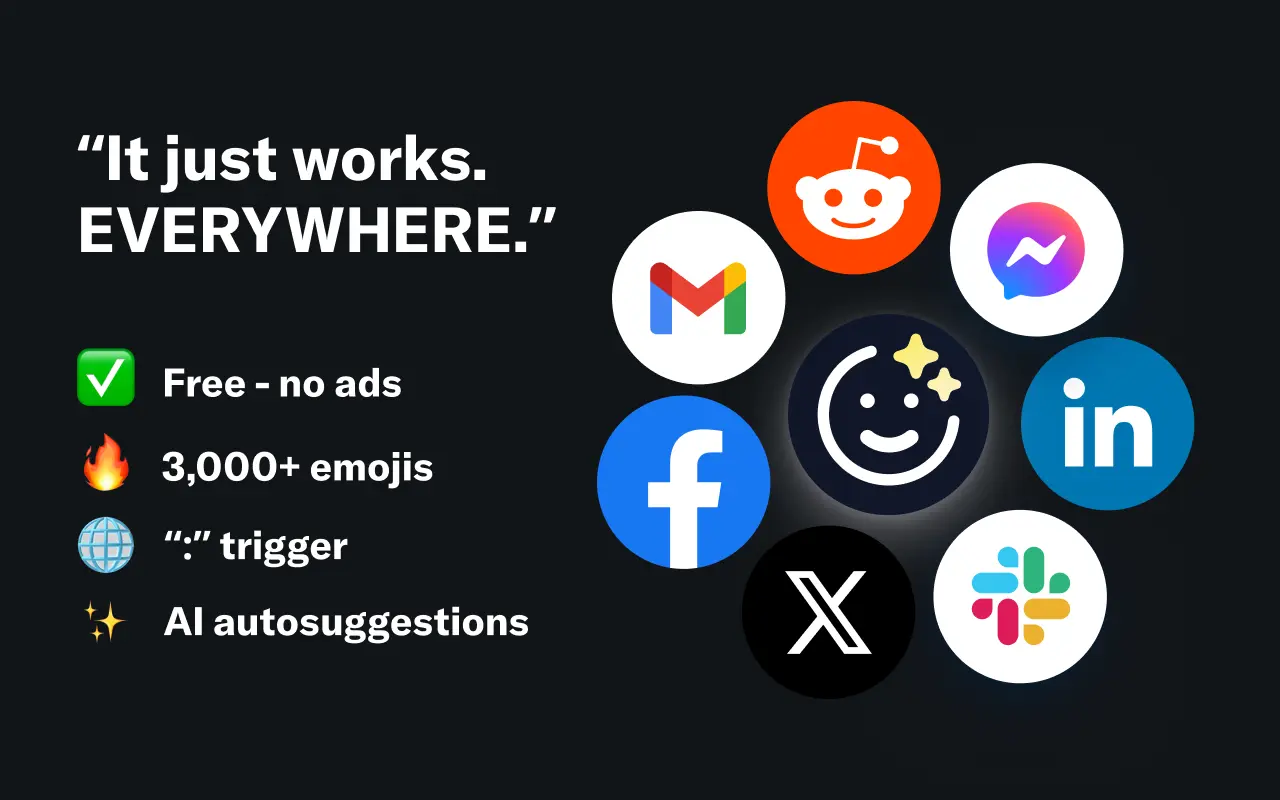
EmojAI
AI-powered emoji picker with smart, context-aware suggestions 🤖
Solohacker
Autonomous company launcher - AI agents work 24/7, escalate what matters, and you stay in control 🤖
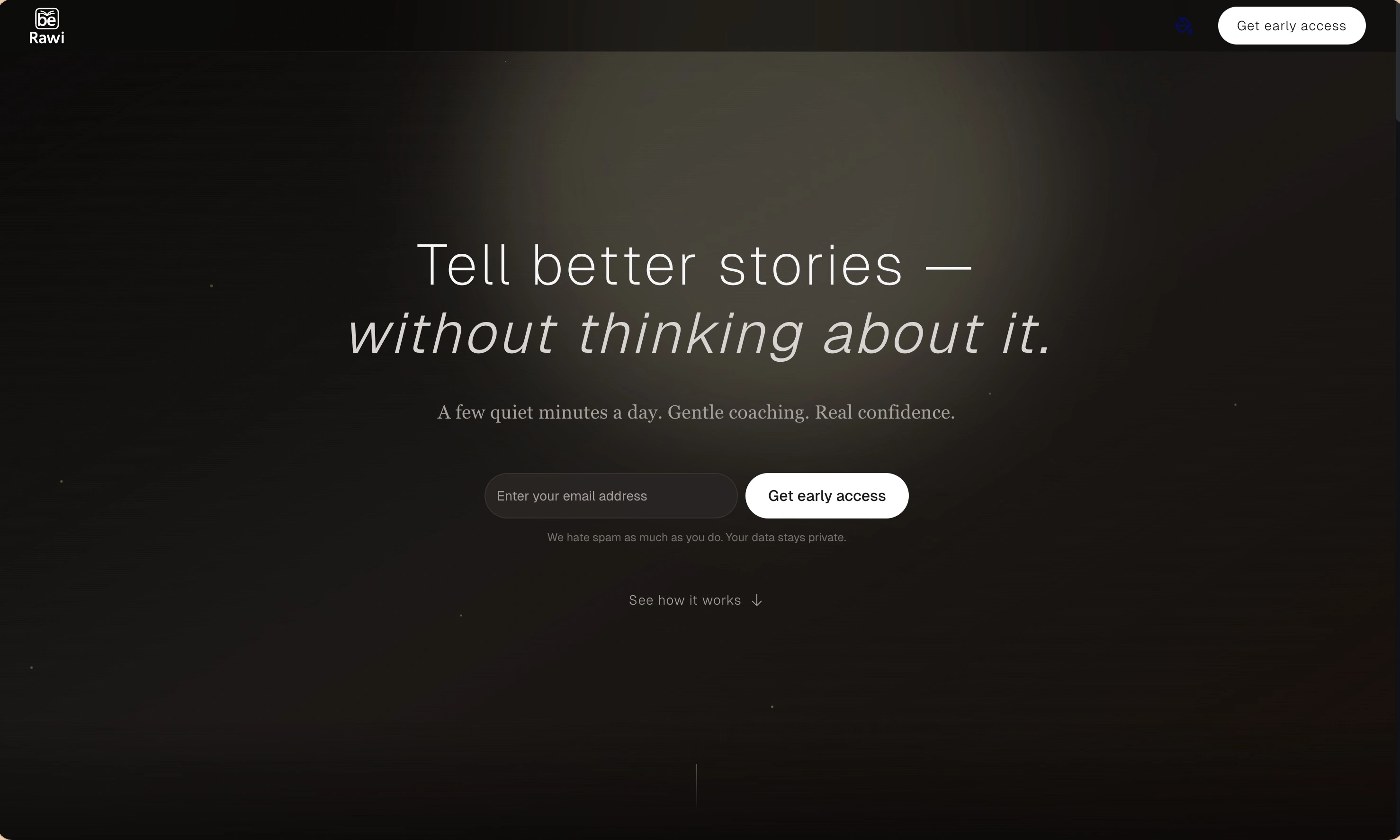
BeRawi: Storytelling Coach
Practice storytelling daily with instant feedback to sound clearer, more engaging, and confident 🎤
Omichat
Chat with 50+ AI models, including ChatGPT and Claude, in one place - switch models anytime without losing context 🤖
Claude Fast
Supercharge your Claude Code with 6x effective context window and specialized AI agents 🤖
EmojAI
AI-powered emoji picker with smart, context-aware suggestions 🤖
Solohacker
Autonomous company launcher - AI agents work 24/7, escalate what matters, and you stay in control 🤖
BeRawi: Storytelling Coach
Practice storytelling daily with instant feedback to sound clearer, more engaging, and confident 🎤

Connect with like-minded people
Join our community to get feedback, support, and grow together with 1,000+ builders on board, let's ship it!
Join usShip your startup everywhere. In minutes.
Don't burn tokens on setup and start building features on day one.