ProofLedger
A lightweight compliance evidence hub that automatically collects audit proof from SaaS tools for growing companies pursuing SOC 2 or ISO 27001.
What ProofLedger solves for growing compliance teams
ProofLedger is a lightweight compliance evidence hub for growing companies working toward SOC 2, ISO 27001, or similar security assurance frameworks. Its core job is straightforward but high value: automatically collect, organize, map, and preserve audit evidence from the SaaS tools teams already use.
For startups and mid-market companies, preparing for an audit is rarely difficult because leaders do not understand the controls. The real operational problem is evidence collection.
Security, engineering, HR, finance, IT, and legal teams often store the required proof across dozens of systems:
- Identity and access evidence in an identity provider
- Employee onboarding records in HR software
- Change-management history in source control and ticketing platforms
- Vendor approvals in procurement tools or shared drives
- Security monitoring records in cloud platforms
- Policy acknowledgements in learning or HR systems
- Incident response documents in knowledge bases
- Screenshots, exports, and spreadsheets scattered across folders
By audit time, a compliance owner may be chasing screenshots, requesting exports, checking dates, and attempting to prove that controls operated consistently over months. This creates a high-stress, manual process that is especially painful for teams without a dedicated GRC department.
ProofLedger addresses that gap with a focused promise: turn recurring compliance evidence collection into an automated, reviewable operating system.
Rather than trying to be an all-in-one enterprise governance, risk, and compliance suite on day one, ProofLedger can differentiate by making evidence readiness fast, continuous, and accessible for teams that need audit confidence without enterprise complexity.
The strategic opportunity
The strongest positioning is not “another compliance platform.” It is “the evidence layer that keeps your SOC 2 or ISO 27001 audit ready between audits.”
Why the compliance evidence hub market is attractive
The market demand for compliance automation is supported by several converging trends. Customers, enterprise buyers, insurers, and partners increasingly expect software vendors to demonstrate mature security controls before signing contracts. SOC 2 remains a common buyer requirement in North America, while ISO 27001 has broad international relevance.
A useful market thesis for ProofLedger is that many organizations have moved beyond asking whether compliance matters. They now ask how to maintain it without creating a large internal compliance operation.
The audit readiness problem is recurring, not one-time
SOC 2 and ISO 27001 efforts are often treated as projects. In practice, they are recurring operating responsibilities.
A company may initially gather evidence for a Type I audit, then need to demonstrate ongoing control operation during the Type II observation period. ISO 27001 similarly requires continuing evidence that an information security management system is being maintained, reviewed, and improved.
This means teams need more than a folder of documents. They need a repeatable way to answer questions such as:
- Was multi-factor authentication enabled throughout the review period?
- Were terminated employees removed from access promptly?
- Did production changes follow an approved process?
- Were vulnerabilities reviewed and remediated on schedule?
- Were vendors assessed before sensitive data was shared?
- Did employees acknowledge required security policies?
- Can an auditor inspect evidence from the relevant period without relying on screenshots created today?
A compliance evidence hub should preserve evidence context, collection time, source system, control mapping, and review history. That creates a more defensible audit trail than ad hoc manual uploads.
Growing companies are underserved by enterprise GRC tooling
Large GRC platforms are powerful, but they can be expensive, implementation-heavy, and difficult for a lean security team to administer. At the other end of the spectrum, spreadsheets and shared drives are inexpensive but fragile.
ProofLedger can serve the middle market:
- B2B SaaS companies with 25 to 500 employees
- Startups preparing for their first SOC 2 Type I or Type II report
- Companies expanding into enterprise sales
- Security teams that need continuous audit readiness
- Consultants managing several client compliance programs
- Operations leaders who own compliance as one responsibility among many
These buyers often value speed, clarity, and reduced administrative burden more than exhaustive risk-management modules.
A growing number of SaaS systems create evidence sprawl
Modern businesses rely on a fragmented stack. A typical company may use Google Workspace or Microsoft 365, GitHub, Jira, AWS, Slack, Okta, Rippling, Notion, CrowdStrike, and a cloud ticketing system. Each platform can contain audit-relevant records, but each has different APIs, permissions, retention rules, and export formats.
That fragmentation makes a dedicated automated evidence collection product valuable. ProofLedger should become the central place where distributed evidence becomes structured audit proof.
For current market data, the product team should cite credible research from sources such as analyst firms, annual security reports, audit firms, and official framework guidance. Avoid relying on unsupported market-size claims in sales materials. A well-sourced benchmark around time spent on audit preparation or the cost of manual compliance work can significantly strengthen the go-to-market narrative.
Target audience for ProofLedger
ProofLedger should not market to every organization that has compliance obligations. Its ideal customer profile is specific enough to support focused product development, onboarding, and sales messaging.
Primary customer profile
The best early customers are cloud-native B2B SaaS companies that already have meaningful enterprise sales pressure but lack a large internal compliance team.
Common characteristics include:
- 50 to 300 employees
- A recurring-revenue software business
- Sensitive customer, employee, or business data
- Existing use of common SaaS and cloud tools
- A target SOC 2, ISO 27001, or customer security review deadline
- A security, IT, operations, or finance leader assigned to manage compliance
- A preference for fast implementation over a lengthy consulting engagement
These companies understand the commercial value of a security report. They are more likely to have budget urgency because delayed compliance can delay enterprise revenue.
Core buyer personas
Security or IT leader
Needs visibility into controls, fewer repetitive evidence requests, and a reliable audit trail without adding headcount.
Compliance manager
Needs a control-centric workspace for assigning owners, tracking evidence freshness, and preparing auditors efficiently.
Founder or COO
Needs to unlock enterprise deals, reduce audit surprises, and avoid buying an oversized GRC platform too early.
Compliance consultant
Needs a scalable way to manage evidence requests and readiness work across multiple client accounts.
Jobs to be done
A strong product strategy starts with the practical jobs customers are trying to complete.
ProofLedger users want to:
- Know which controls have sufficient evidence and which do not.
- Automatically collect proof from the systems where work already happens.
- Reduce the number of manual screenshots and recurring employee requests.
- Keep evidence current throughout an audit period.
- Give auditors controlled access to organized, source-linked documentation.
- Demonstrate ownership and review of every important control.
- Identify evidence gaps before an auditor identifies them.
- Reuse a single evidence set across SOC 2, ISO 27001, customer questionnaires, and internal reviews.
The product should frame itself around outcomes such as “be audit ready every week” rather than around generic document storage.
The market gap: evidence automation without platform bloat
ProofLedger’s market opportunity lies in a narrow but valuable gap between lightweight task tracking and full-scale GRC platforms.
Many compliance products provide a broad collection of services: control libraries, risk registers, vendor management, policy templates, penetration testing coordination, trust centers, employee training, and auditor marketplaces. Those capabilities can be useful, but they may overwhelm smaller teams whose immediate bottleneck is collecting valid, timely proof.
ProofLedger can win by treating evidence as a first-class product domain.
The unique selling proposition
The ProofLedger USP can be expressed as:
A lightweight compliance evidence hub that automatically turns activity from your existing SaaS stack into organized, reviewable audit proof.
That proposition has four distinct elements:
- Lightweight implementation that avoids months of configuration
- Automated collection from systems teams already use
- Evidence-first workflows instead of generic compliance checklists
- Continuous readiness rather than a last-minute audit scramble
The best version of ProofLedger does not ask customers to change how engineering, HR, IT, or finance work. It quietly captures the proof those teams already produce and highlights the places where human follow-up is actually required.
Where ProofLedger can create a defensible advantage
The most durable product advantage is not merely having integrations. Integration directories are easy to copy. The defensible layer is the intelligence and trust model around collected evidence.
ProofLedger should build differentiation through:
- Evidence provenance showing exactly where each item came from
- Immutable collection timestamps and event history
- Control-to-evidence mapping that is understandable to auditors
- Evidence freshness scoring based on each control’s review cadence
- A normalized evidence model across many source systems
- Smart gap detection that explains why a control lacks sufficient proof
- Auditor-ready exports and read-only portals
- Minimal-permission integrations that reduce security review friction
- Framework crosswalks that let one artifact support several obligations
A source-linked, time-bounded evidence record is more useful than a generic “completed” checkbox. This is the distinction that should appear throughout product messaging, demos, and sales enablement.
Core ProofLedger features for an effective MVP
The MVP should focus on the shortest path to a meaningful customer outcome: a company connects its core tools, sees evidence mapped to controls, identifies gaps, and exports a credible audit package.
Control library and framework mapping
ProofLedger needs a practical control library covering the most common SOC 2 and ISO 27001 evidence requests. The library should not attempt to replace professional audit advice. Instead, it should provide operational mappings.
Each control should include:
- Plain-language control objective
- Applicable framework references
- Suggested evidence types
- Expected collection frequency
- Default evidence owner
- Review instructions
- Test-period expectations
- Related policies and procedures
- Status and confidence indicators
For example, an access-control item may point to identity provider settings, user-access reports, HR termination events, periodic access reviews, and MFA configuration evidence.
The control library should be customizable. Auditors and companies interpret control descriptions differently, and customers need the ability to adapt mappings without losing the benefits of standardized templates.
SaaS integrations for automated evidence collection
Early integrations should prioritize systems with high evidence density and broad adoption.
A practical initial integration roadmap includes:
| Integration category | Examples of evidence collected | Initial priority | Why it matters |
|---|---|---|---|
| Identity providers | MFA policies, user lists, group membership, sign-in settings | High | Supports access control and identity governance |
| Cloud providers | Configuration settings, account inventory, logging status, IAM records | High | Critical for infrastructure and security controls |
| Source control | Pull request history, branch protection, review records | High | Supports change management and secure development |
| Ticketing platforms | Change tickets, approvals, incident records, remediation tasks | High | Provides workflow evidence across multiple controls |
| HR systems | Onboarding, offboarding, policy acknowledgement records | High | Helps prove workforce control operation |
| Endpoint and security tools | Device posture, alerts, patch status, security configurations | Medium | Valuable for technical safeguards |
| Knowledge bases | Policies, procedures, meeting minutes, risk records | Medium | Captures documents and governance artifacts |
For integrations, start with the most commonly requested evidence and the clearest API permissions. It is better to support ten high-value evidence flows reliably than to launch fifty shallow connectors.
Evidence ledger and chain of custody
The “ledger” concept should be central to the product experience.
Every evidence artifact should record:
- Original source system
- Source object identifier
- Collection method
- First collection date
- Most recent sync date
- Relevant evidence period
- Associated control or controls
- Reviewer and reviewer decision
- Version history
- Integrity checksum where appropriate
- Retention and deletion status
- Notes, exceptions, and remediation links
This evidence chain of custody gives ProofLedger a stronger trust story. Auditors do not simply want documents. They want confidence that the documents reflect real control operation during the audit period.
A screenshot uploaded by a user can still be supported, but it should be clearly labeled as manual evidence and carry uploader, upload date, and review metadata.
Evidence freshness and gap detection
A dashboard should do more than show green, yellow, and red control statuses. It should explain what action is needed.
Useful signals include:
- Evidence that has not been refreshed within its required cadence
- Controls with no assigned owner
- Controls with incomplete evidence types
- Failed connector syncs
- Evidence linked to the wrong review period
- Manual evidence awaiting verification
- Upcoming annual or quarterly review tasks
- Exceptions that require documented remediation
- Controls that are ready for auditor review
Instead of saying “Control incomplete,” the interface should say something like: “Branch protection evidence was collected 94 days ago. The configured monthly review period requires a current collection.”
That level of specificity reduces user confusion and makes the platform operationally useful.
Evidence requests and owner workflows
Not all evidence can be automated. Board meeting minutes, exception approvals, physical security documentation, vendor contracts, and certain training records may still require a person to provide or verify proof.
ProofLedger should include structured evidence requests with:
- A clear request description
- Linked control and framework context
- Due date and escalation rules
- Recommended upload format
- Assigned owner and backup owner
- Commenting and reviewer feedback
- Approval status
- Automatic reminders
- Audit log history
This turns manual collection from a chaotic email workflow into an accountable queue.
Auditor portal and exports
Auditor experience matters because a clean evidence package can reduce back-and-forth during fieldwork.
An auditor portal should provide read-only, least-privilege access to selected controls and evidence. It should support:
- Evidence filtering by framework, control, period, and status
- Comments or request-for-information workflows
- Downloadable evidence packages
- Time-limited access
- Access logs
- Watermarked exports where appropriate
- Clear separation between customer workspaces
For customers who prefer traditional delivery, provide exports with a control index, evidence inventory, collection timestamps, and source references.
Do not overpromise automated compliance
Automation can collect and organize evidence, but it does not guarantee SOC 2 or ISO 27001 certification. Customers still need appropriately designed controls, internal ownership, and independent audit or certification processes.
Recommended tech stack for a compliance evidence hub
ProofLedger handles sensitive configuration data, identity metadata, audit artifacts, and potentially customer-adjacent security records. The stack must balance development speed with strong isolation, observability, and data-protection controls.
Product application and user interface
A modern TypeScript web application is a good fit for a B2B compliance SaaS product.
Recommended components include:
- Next.js for the application framework, server rendering, routing, and API capabilities
- React for interactive evidence review and dashboard interfaces
- TypeScript for safer domain models and integration contracts
- Tailwind CSS for a fast, consistent admin interface
- PostgreSQL for relational control, evidence, user, workspace, and audit-log data
- Prisma or a similarly mature ORM for typed database access and migrations
PostgreSQL is especially appropriate because compliance data is relational. An evidence object may link to a workspace, source connection, control, framework reference, request, reviewer, audit period, and immutable activity history.
A document database can work for raw connector payloads, but it should not replace a relational system of record for compliance workflows.
Background jobs and connector architecture
Evidence collection is asynchronous. API syncs can fail, rate limits can apply, and larger customers may have many records to process.
Use a background job architecture for:
- Scheduled connector synchronization
- Webhook processing
- Evidence normalization
- File scanning and metadata extraction
- Reminder notifications
- Export generation
- Freshness recalculation
- Retry and backoff handling
A queue such as BullMQ can support early-stage workloads when paired with Redis. As volume and workflow complexity increase, managed workflow systems or cloud-native queues may offer better operational reliability.
The connector layer should be modular. Each integration should implement a consistent contract:
type EvidenceRecord = {
  sourceId: string;
  sourceType: string;
  collectedAt: string;
  effectiveDate?: string;
  title: string;
  summary: string;
  controlMappings: string[];
  rawPayloadLocation?: string;
  integrityHash?: string;
};

interface Connector {
  validateConnection(): Promise<void>;
  collectEvidence(input: {
    workspaceId: string;
    since?: Date;
  }): Promise<EvidenceRecord[]>;
}
This approach makes it easier to add integrations without changing the core evidence model each time.
File storage, encryption, and data isolation
Store uploaded files and large exports in private object storage, such as Amazon S3, with encryption at rest and strict tenant-aware access controls.
Key requirements include:
- Tenant isolation at the database and storage layers
- Encryption in transit using TLS
- Encryption at rest using managed key services
- Short-lived signed URLs for file access
- Malware scanning for uploaded files
- Retention policies configurable by workspace
- Secure deletion workflows
- Backups with tested restoration procedures
- Access logging for sensitive downloads
For multi-tenant architecture, row-level security can be valuable, but it should be implemented carefully and validated through automated tests. Application-layer authorization alone is often insufficient for a product that stores audit artifacts across many customers.
Authentication and authorization
ProofLedger should support:
- Email and password authentication with secure password hashing
- Single sign-on for higher-tier customers
- Multi-factor authentication
- Role-based access control
- Workspace-level permission boundaries
- Auditor-specific, read-only roles
- Session management and device/session revocation
- Detailed administrative audit logs
Roles may include workspace owner, compliance manager, evidence contributor, reviewer, auditor, and integration administrator. Keep permissions understandable. Excessively granular permission systems slow early development and confuse customers.
AI features and their boundaries
AI can add real value to a compliance evidence hub, but only when it improves review speed without making unsupported compliance decisions.
Appropriate AI-assisted capabilities include:
- Summarizing large evidence artifacts
- Suggesting likely control mappings
- Extracting metadata from policy documents
- Drafting evidence-request descriptions
- Detecting possible duplicates
- Highlighting missing dates or unclear approvals
- Generating a plain-language audit readiness summary
AI should not autonomously mark controls as compliant. The platform must preserve human review and make AI suggestions clearly identifiable.
For sensitive customers, offer controls around AI processing, data retention, model-provider usage, and opt-in behavior. These settings will become important during customer security reviews.
Start with a modular monolith, PostgreSQL, private object storage, scheduled jobs, and a small set of high-value integrations. This minimizes operational overhead and speeds customer learning.
As customers grow, isolate connector workloads, introduce region-aware storage, add SSO and SCIM, strengthen observability, and formalize data residency options. Build this evolution based on demonstrated customer demand.
Monetization strategy for ProofLedger
ProofLedger should use a pricing model that aligns with the value of reduced audit effort and lower compliance risk. Charging only by seats may underprice a product whose value comes from integrations, frameworks, evidence volume, and audit readiness.
Recommended pricing structure
A tiered SaaS model is practical.
- Starter plan for early-stage companies preparing for a first audit
- Growth plan for teams managing recurring SOC 2 or ISO 27001 evidence
- Scale plan for companies needing multiple frameworks, SSO, and advanced controls
- Consultant plan for advisory firms managing several client workspaces
- Enterprise plan for advanced isolation, procurement requirements, custom retention, and dedicated support
Potential pricing dimensions include:
- Number of connected systems
- Number of active frameworks
- Number of employees or managed identities
- Evidence volume or storage
- Auditor portal access
- Advanced workflow automation
- Multi-workspace management
- SSO and SCIM availability
- Premium onboarding or implementation support
Avoid pricing that punishes customers for adding evidence contributors. Broad participation makes compliance programs healthier. Instead, use workspace, integration, and feature-based limits.
Services as an early growth lever
A lightweight software product can be paired with optional services during the earliest stage.
Possible paid services include:
- Framework setup and control mapping
- Connector configuration assistance
- Evidence migration from spreadsheets or shared drives
- Audit-readiness assessment
- Custom integration development
- Consultant-led managed evidence reviews
Services should accelerate onboarding, not become the core business model. The long-term goal is productized, repeatable evidence automation.
Competitive advantage analysis
ProofLedger will compete indirectly with spreadsheets, compliance consultants, enterprise GRC tools, broad compliance automation platforms, and internal scripts.
Its advantage must be clear at the point of evaluation.
| Approach | Setup speed | Evidence automation | Audit traceability | Operational complexity |
|---|---|---|---|---|
| Spreadsheets and shared drives | High | Low | Low | Low initially, high at audit time |
| Enterprise GRC suite | Low | Medium to high | High | High |
| Broad compliance automation platform | Medium | High | High | Medium |
| ProofLedger | High | High for core systems | High | Low to medium |
How to avoid becoming a commodity connector product
The risk of focusing only on integrations is that larger vendors can eventually match connector coverage. ProofLedger should use connector data to create unique workflow value.
The most compelling competitive capabilities are:
- Evidence quality scoring that evaluates freshness, provenance, completeness, and review state.
- Cross-framework reuse that shows how one artifact supports multiple SOC 2 and ISO 27001 controls.
- Auditor collaboration that reduces requests for information and accelerates fieldwork.
- Evidence intelligence that translates source-system events into clear control-level context.
- Fast time to value through opinionated setup flows for common SaaS stacks.
- Transparent trust architecture that demonstrates strong handling of the sensitive data customers connect.
The product should measure and market time-to-first-evidence, percentage of controls with automated coverage, evidence freshness, and reduction in manual requests. These outcome metrics are more persuasive than a long feature list.
Key risks and mitigation strategies
Building compliance software requires a realistic approach to legal, technical, and go-to-market risk.
ProofLedger should clearly explain that it supports readiness and evidence collection, while independent auditors and certification bodies determine audit outcomes. Product language, contracts, and onboarding should avoid promising certification.
Use least-privilege OAuth scopes, encrypt tokens, separate customer tenants, log access, rotate credentials, and conduct regular security testing. Publish clear documentation explaining what each connector reads and why.
Build configurable control templates, human review workflows, auditor feedback loops, and evidence-quality indicators. Partner with experienced compliance practitioners to validate default mappings.
Win on focus, ease of implementation, evidence transparency, and a better workflow for lean teams. Avoid chasing every GRC category before proving the evidence-hub wedge.
Implement connector health monitoring, versioned schemas, retry queues, alerting, regression tests, and clear customer notifications. A failed sync must become an actionable task, not a silent gap.
Trust is a product feature
Because ProofLedger stores sensitive security and operational records, buyers will assess the platform using the same scrutiny they apply to their own vendors.
From the beginning, establish a security baseline:
- Maintain a public security overview
- Document access-control practices
- Perform regular vulnerability management
- Use secure software development practices
- Maintain incident response procedures
- Log administrative and evidence access events
- Review subprocessors and data flows
- Define data retention and deletion commitments
- Complete an independent security assessment when commercially appropriate
A practical trust center and clear security questionnaire responses can materially shorten sales cycles.
Go-to-market strategy for a compliance evidence hub
The most effective initial channel is likely a combination of content-led inbound demand and compliance-partner distribution.
Content that matches buyer intent
Target search intent across the full compliance journey.
Top-of-funnel topics can include:
- SOC 2 evidence checklist
- ISO 27001 evidence examples
- How to automate audit evidence collection
- SOC 2 Type II evidence requirements
- Access review evidence for SOC 2
- Change management evidence for auditors
- How to prepare for a SOC 2 audit
- Compliance evidence management best practices
Middle-of-funnel content should compare approaches:
- Spreadsheet versus compliance evidence software
- Manual evidence collection versus automated evidence collection
- When a startup needs a GRC platform
- How to choose SOC 2 compliance automation software
Bottom-of-funnel pages should focus on the product’s operational edge:
- ProofLedger integrations
- ProofLedger auditor portal
- ProofLedger SOC 2 evidence automation
- ProofLedger ISO 27001 evidence hub
- ProofLedger alternatives for lean compliance teams
Every article should include practical examples, framework caveats, source recommendations, and a clear next action. This supports E-E-A-T by demonstrating genuine operational knowledge rather than repeating generic compliance definitions.
Partner-led acquisition
Compliance consultants, virtual CISOs, audit firms, and security advisory firms are strong referral partners because they experience evidence collection pain repeatedly across clients.
A consultant workspace can become a major growth loop. Give partners a way to:
- Create and manage client workspaces
- Apply framework templates
- Monitor evidence gaps
- Assign client owners
- Standardize evidence requests
- Export audit packages
- Maintain appropriate tenant separation
Be thoughtful about channel conflict. Partners should see ProofLedger as a force multiplier for their expertise, not as software that replaces their advisory role.
Actionable implementation plan
The fastest path is to validate whether customers will pay for automated evidence collection before building a broad compliance suite.
Interview 20 to 30 security leaders, compliance owners, and consultants. Focus on their last audit, the evidence they chased most often, source systems involved, and what made requests difficult.
Choose one narrow initial use case, such as SOC 2 access-control and change-management evidence for B2B SaaS companies using an identity provider, cloud provider, source control platform, and ticketing tool.
Design a normalized evidence data model with provenance, timestamps, control mappings, reviewer decisions, and immutable activity history before building many connectors.
Build the first workflow around connection, collection, evidence review, gap detection, and auditor-ready export. Do not start with a full risk register or policy-management suite.
Run design-partner pilots with five to ten companies. Measure setup time, automated evidence coverage, manual request reduction, reviewer time, and audit-preparation hours saved.
Use pilot feedback to improve evidence sufficiency rules, control templates, and connector reliability. Ask auditors and consultants where the evidence package still causes questions.
Package repeatable onboarding, publish framework-focused content, and introduce a paid growth plan once customers achieve a measurable readiness outcome.
For a rapid launch, use a production-oriented SaaS foundation rather than spending months rebuilding billing, authentication, teams, emails, and application infrastructure. TurboStarter can help founders accelerate the surrounding SaaS architecture so the product team can concentrate on ProofLedger’s differentiated evidence model, integrations, and audit workflows.
Final perspective on ProofLedger
ProofLedger has a credible opportunity because compliance evidence collection is a persistent operational burden, not a temporary inconvenience. Growing companies need to prove that security controls operate over time, but they often lack the staff and appetite for heavyweight GRC software.
The winning product will not merely collect screenshots or display a checklist. It will create trustworthy, source-linked, time-aware evidence records that make control operation easier to review for internal stakeholders and auditors.
Start with the evidence workflows that cause the most recurring pain. Build exceptional integrations for a focused SaaS stack. Preserve provenance. Make gaps understandable. Keep the product lightweight. If ProofLedger becomes the place where a company can confidently answer “show me the proof,” it can become an essential part of continuous SOC 2 and ISO 27001 readiness.
More 🏢 B2B Application SaaS ideas
Discover more innovative b2b application SaaS ideas that are trending in 2026. Each idea is AI-generated with market validation and growth potential to help you find your next profitable venture faster than competitors.
Your competitors are building with TurboStarter
Below are some of the SaaS ideas that have been generated and built with our starter kit.
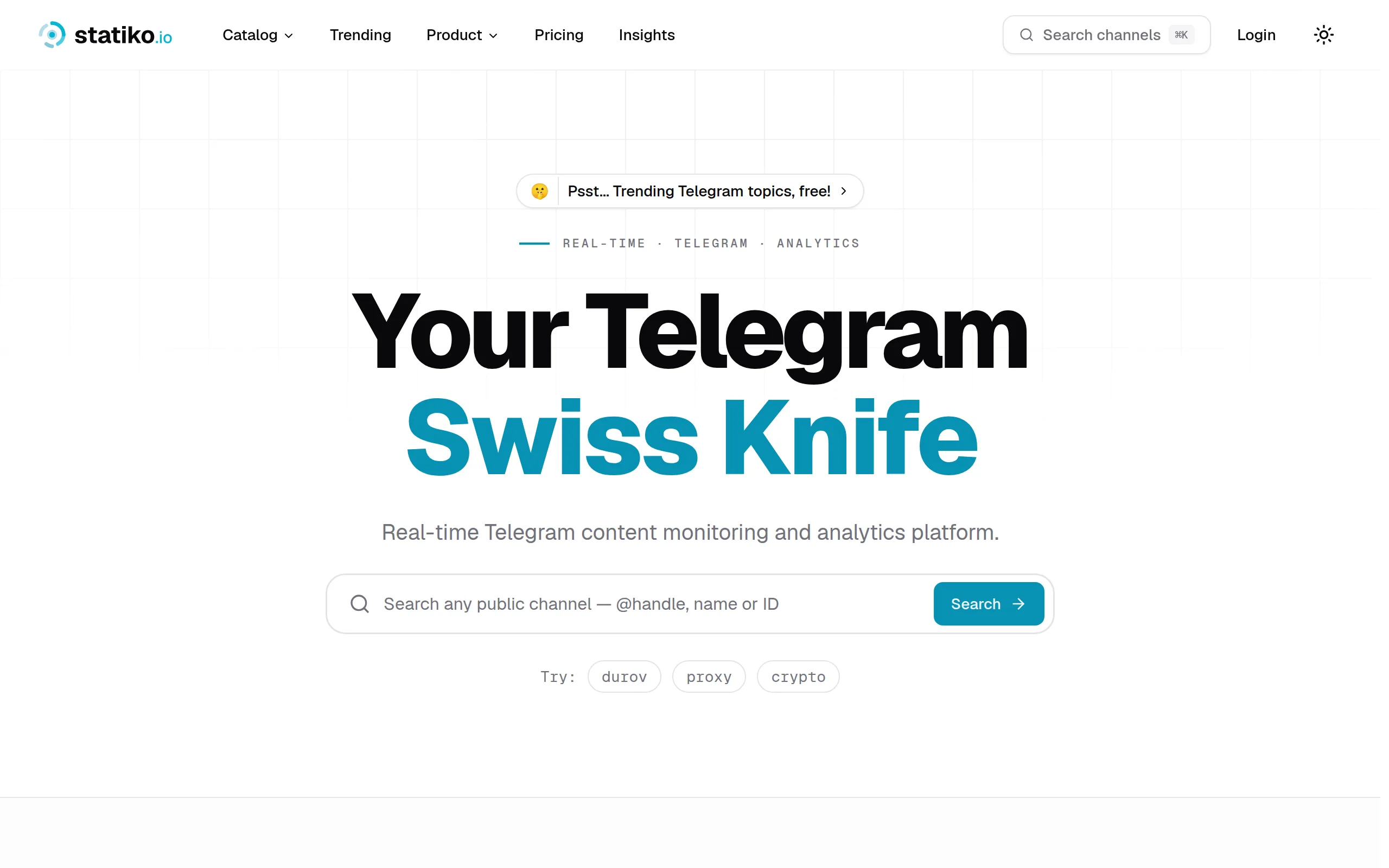
Statiko
Monitor any Telegram channel in real time - track posts, edits, deletions, and growth with AI recaps 📡
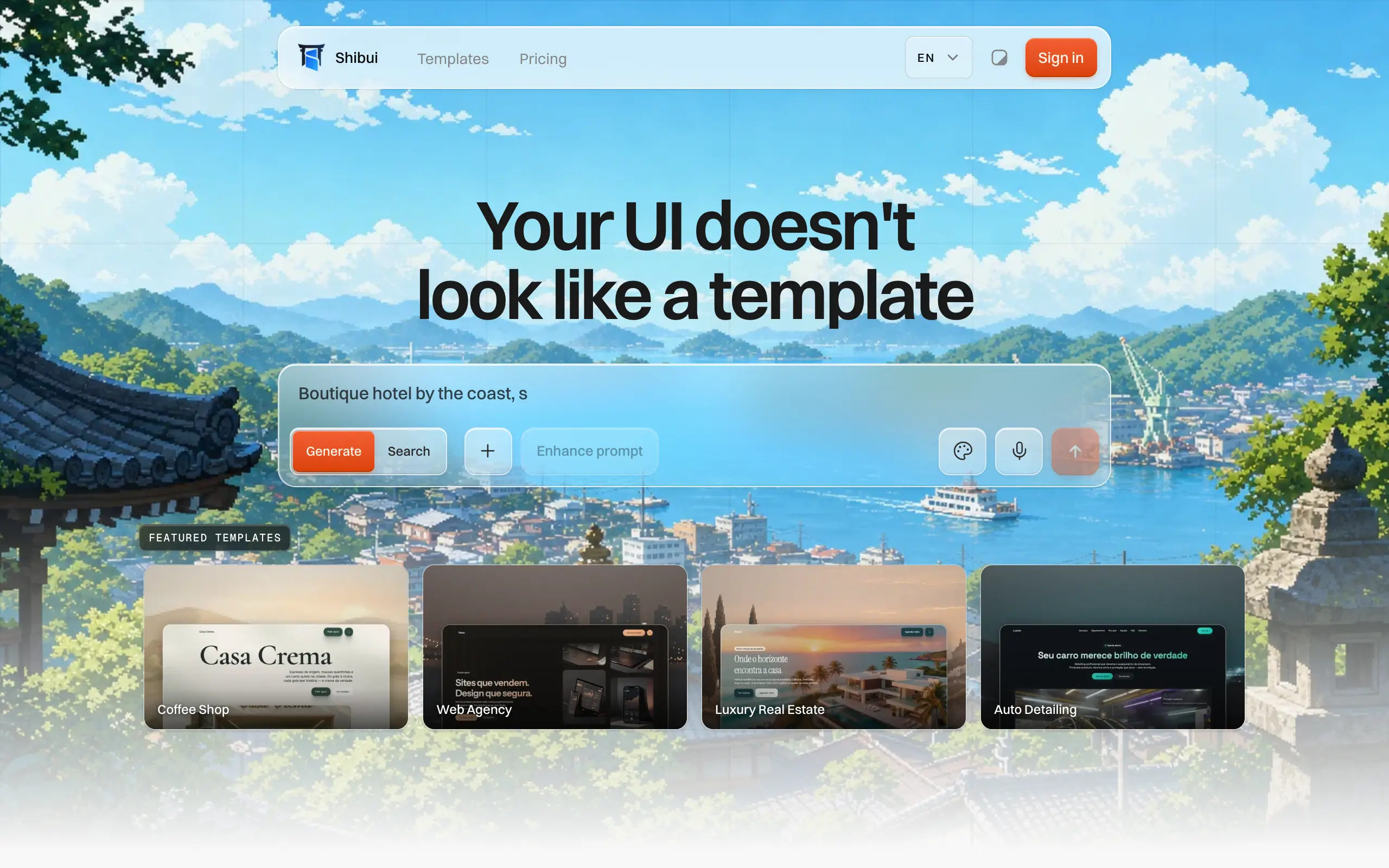
Shibui
AI website builder - describe your business, pick a niche template, edit by chatting, and publish instantly ✨

Pro Service
Find verified home service professionals, compare quotes, and pay securely through escrow - built for Brazilians across the US 🏠
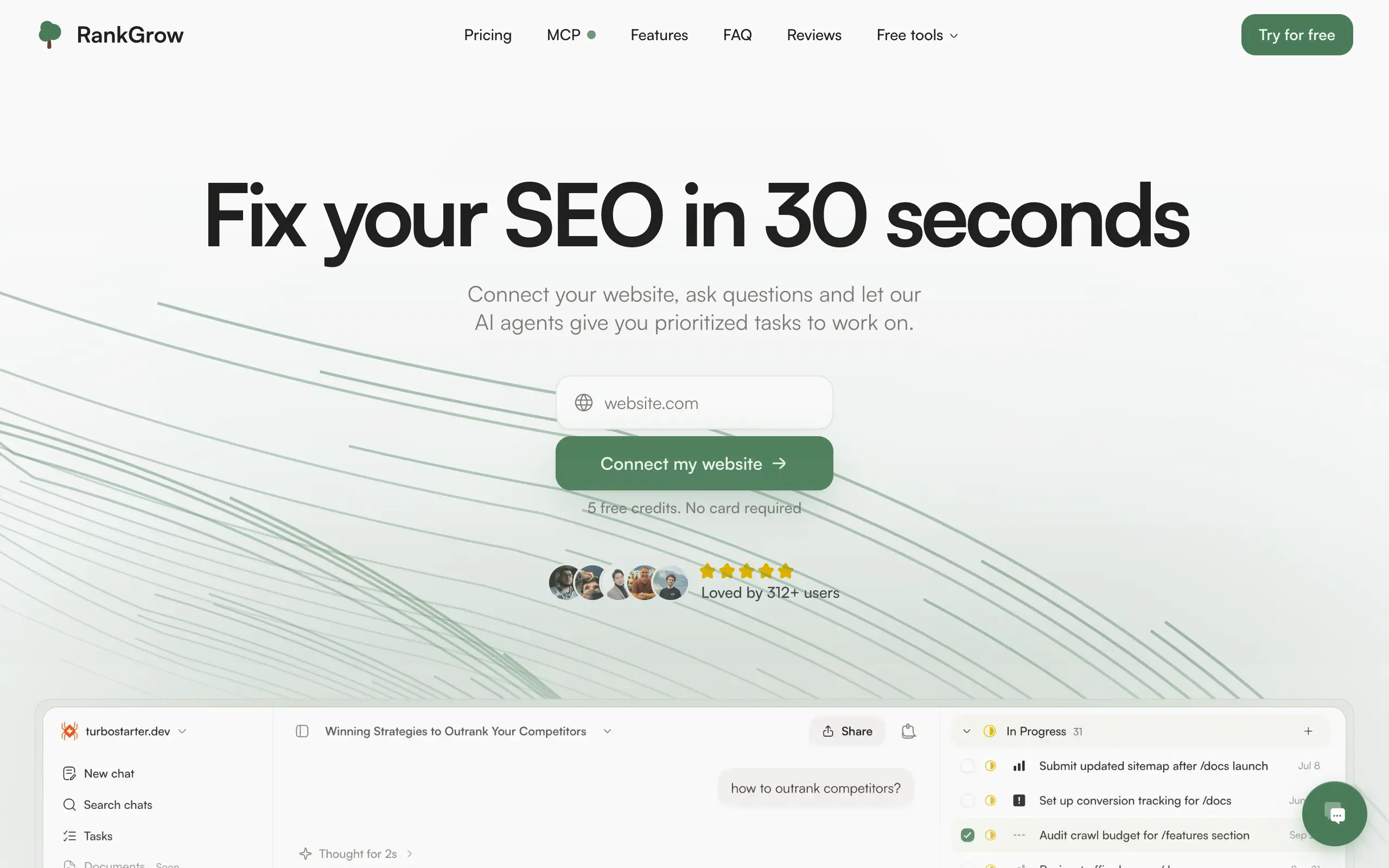
RankGrow
Fix your SEO with AI agents - connect Search Console, get prioritized tasks, and grow organic traffic 📈
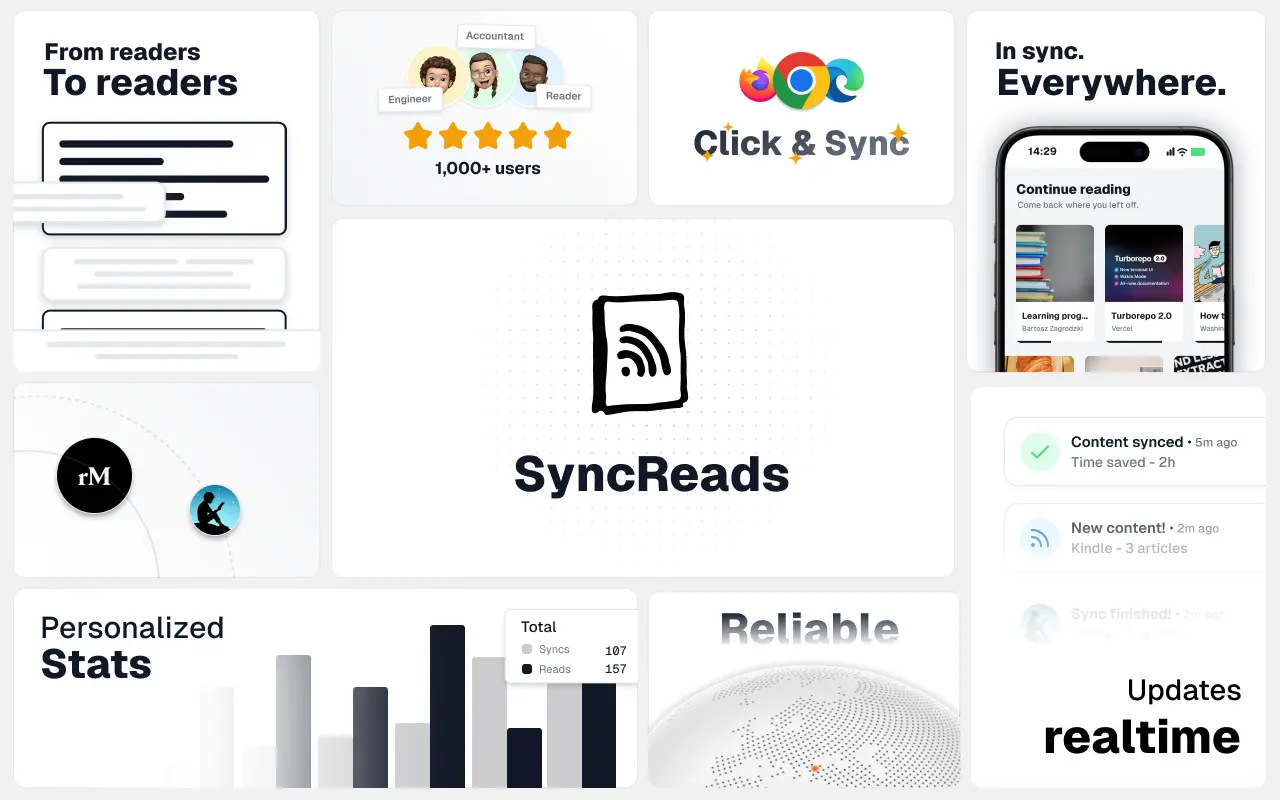
SyncReads
Sync your favorite content for distraction-free reading, save time and replace multiple apps. Anytime, anywhere 🔄
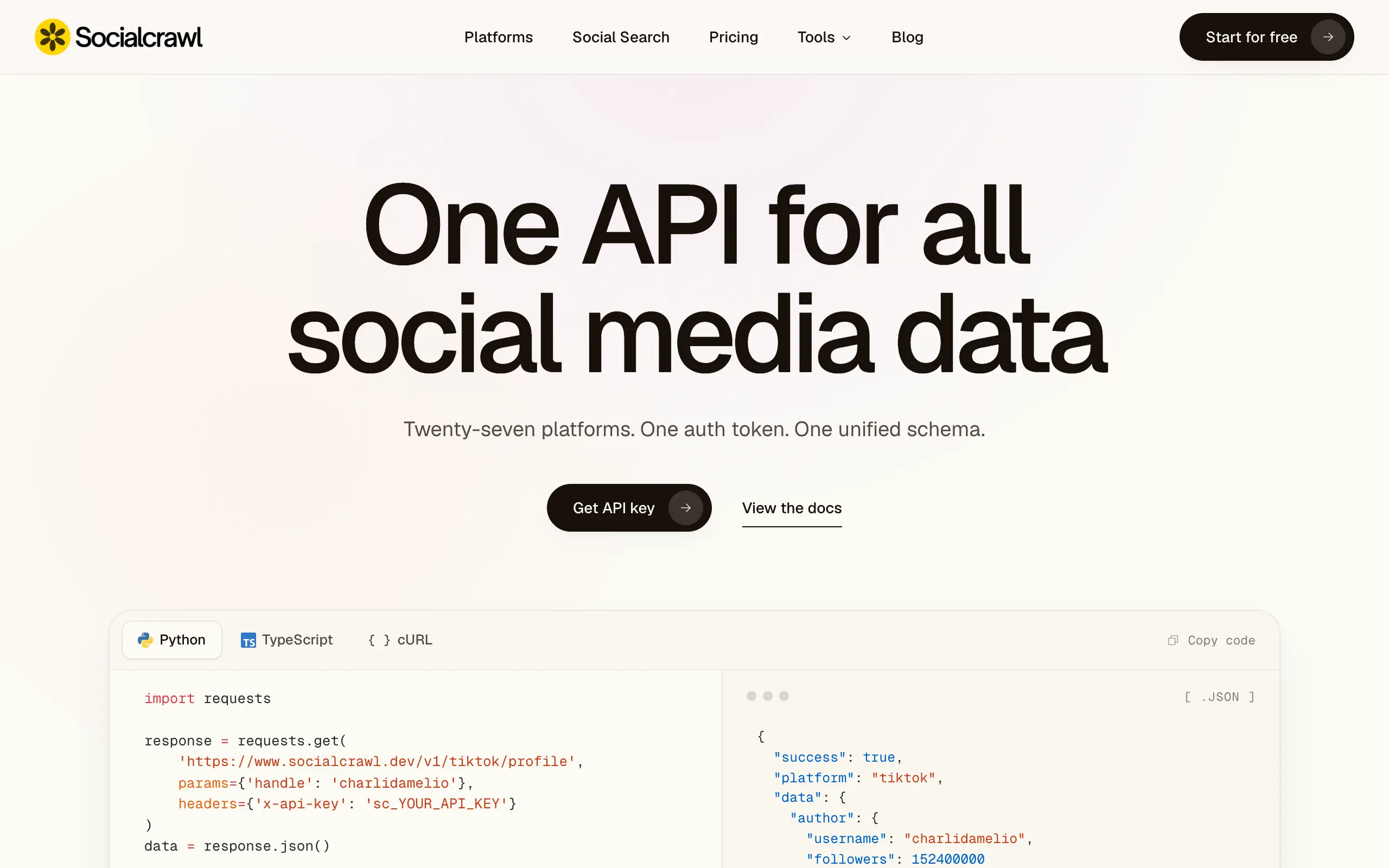
Socialcrawl
Get clean, structured data from 21 platforms like TikTok, Instagram, and YouTube with a single request 📊
Statiko
Monitor any Telegram channel in real time - track posts, edits, deletions, and growth with AI recaps 📡
Shibui
AI website builder - describe your business, pick a niche template, edit by chatting, and publish instantly ✨
Pro Service
Find verified home service professionals, compare quotes, and pay securely through escrow - built for Brazilians across the US 🏠
RankGrow
Fix your SEO with AI agents - connect Search Console, get prioritized tasks, and grow organic traffic 📈
SyncReads
Sync your favorite content for distraction-free reading, save time and replace multiple apps. Anytime, anywhere 🔄
Socialcrawl
Get clean, structured data from 21 platforms like TikTok, Instagram, and YouTube with a single request 📊
Statiko
Monitor any Telegram channel in real time - track posts, edits, deletions, and growth with AI recaps 📡
Shibui
AI website builder - describe your business, pick a niche template, edit by chatting, and publish instantly ✨
Pro Service
Find verified home service professionals, compare quotes, and pay securely through escrow - built for Brazilians across the US 🏠
RankGrow
Fix your SEO with AI agents - connect Search Console, get prioritized tasks, and grow organic traffic 📈
SyncReads
Sync your favorite content for distraction-free reading, save time and replace multiple apps. Anytime, anywhere 🔄
Socialcrawl
Get clean, structured data from 21 platforms like TikTok, Instagram, and YouTube with a single request 📊
Statiko
Monitor any Telegram channel in real time - track posts, edits, deletions, and growth with AI recaps 📡
Shibui
AI website builder - describe your business, pick a niche template, edit by chatting, and publish instantly ✨
Pro Service
Find verified home service professionals, compare quotes, and pay securely through escrow - built for Brazilians across the US 🏠
RankGrow
Fix your SEO with AI agents - connect Search Console, get prioritized tasks, and grow organic traffic 📈
SyncReads
Sync your favorite content for distraction-free reading, save time and replace multiple apps. Anytime, anywhere 🔄
Socialcrawl
Get clean, structured data from 21 platforms like TikTok, Instagram, and YouTube with a single request 📊
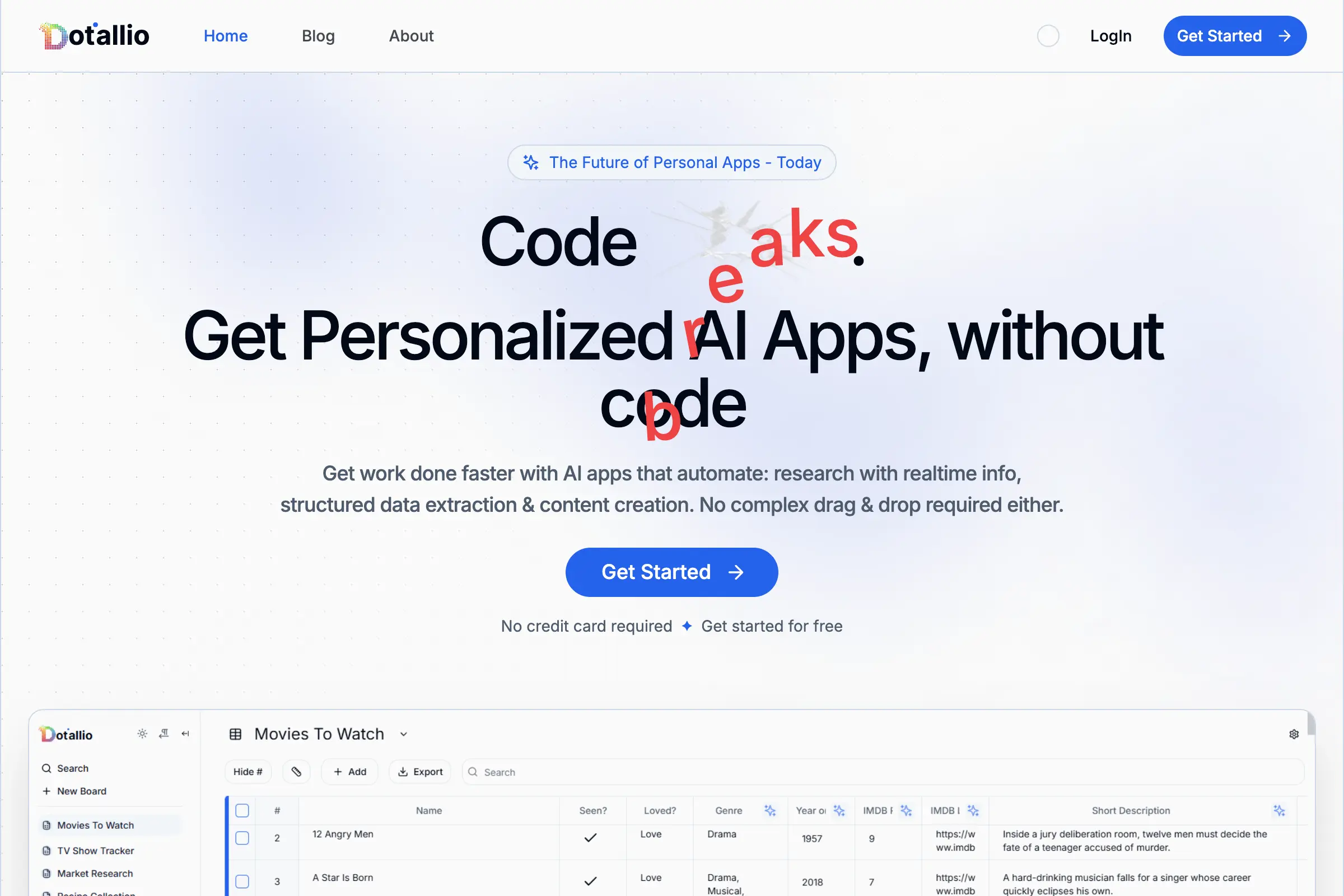
Dotallio
Personalized AI apps that automate research, data extraction, and content creation without code 🤖
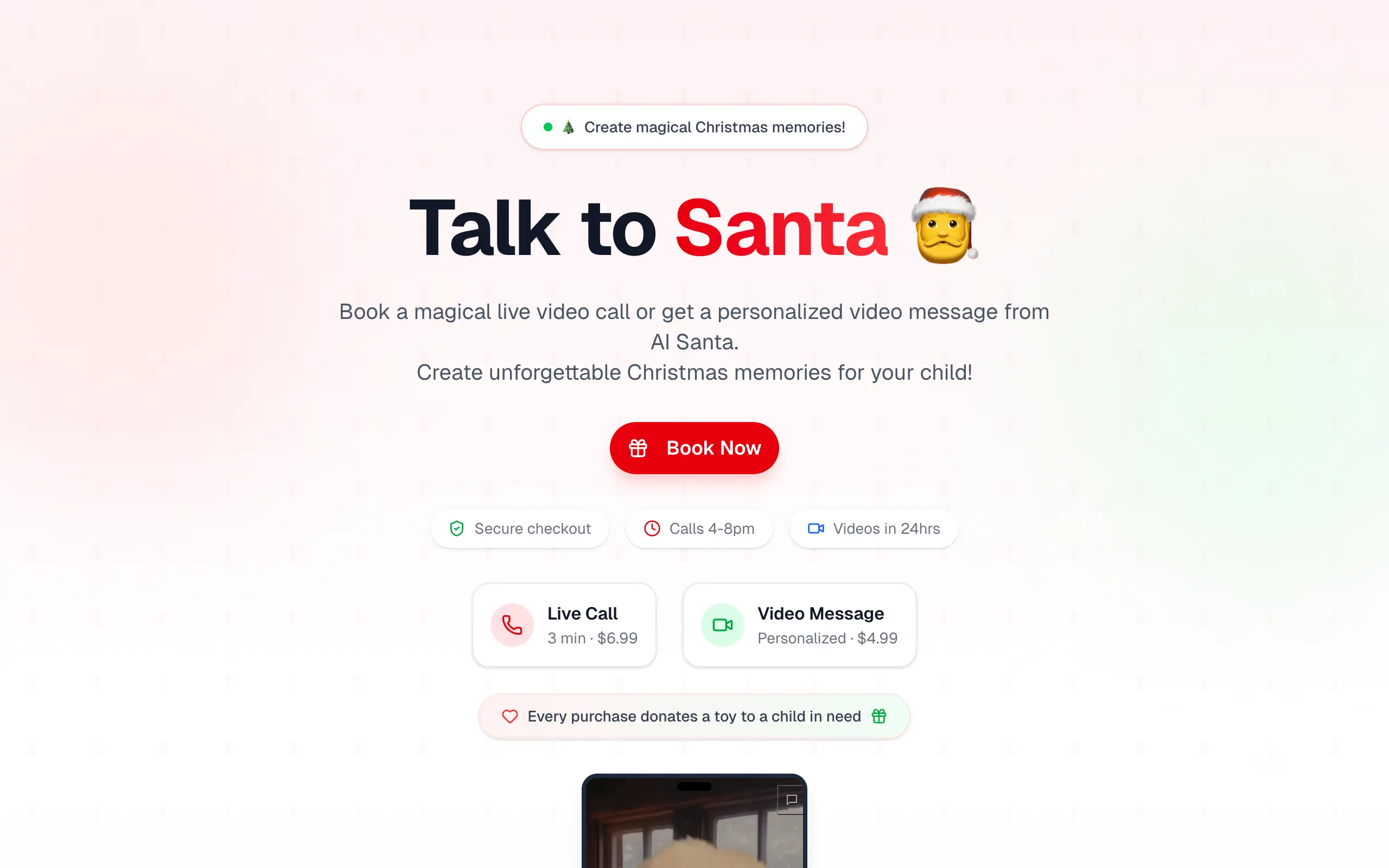
Talk to Santa
Enjoy a magical live video chat or receive a unique AI-generated video greeting from Santa Claus 🎅

pozywka.pl
Scalable blog for food journalist, focused on performance and user experience 🌭
zagrodzki.me
Personal blog and portfolio of Bart Zagrodzki, where he shares his knowledge and work 💼
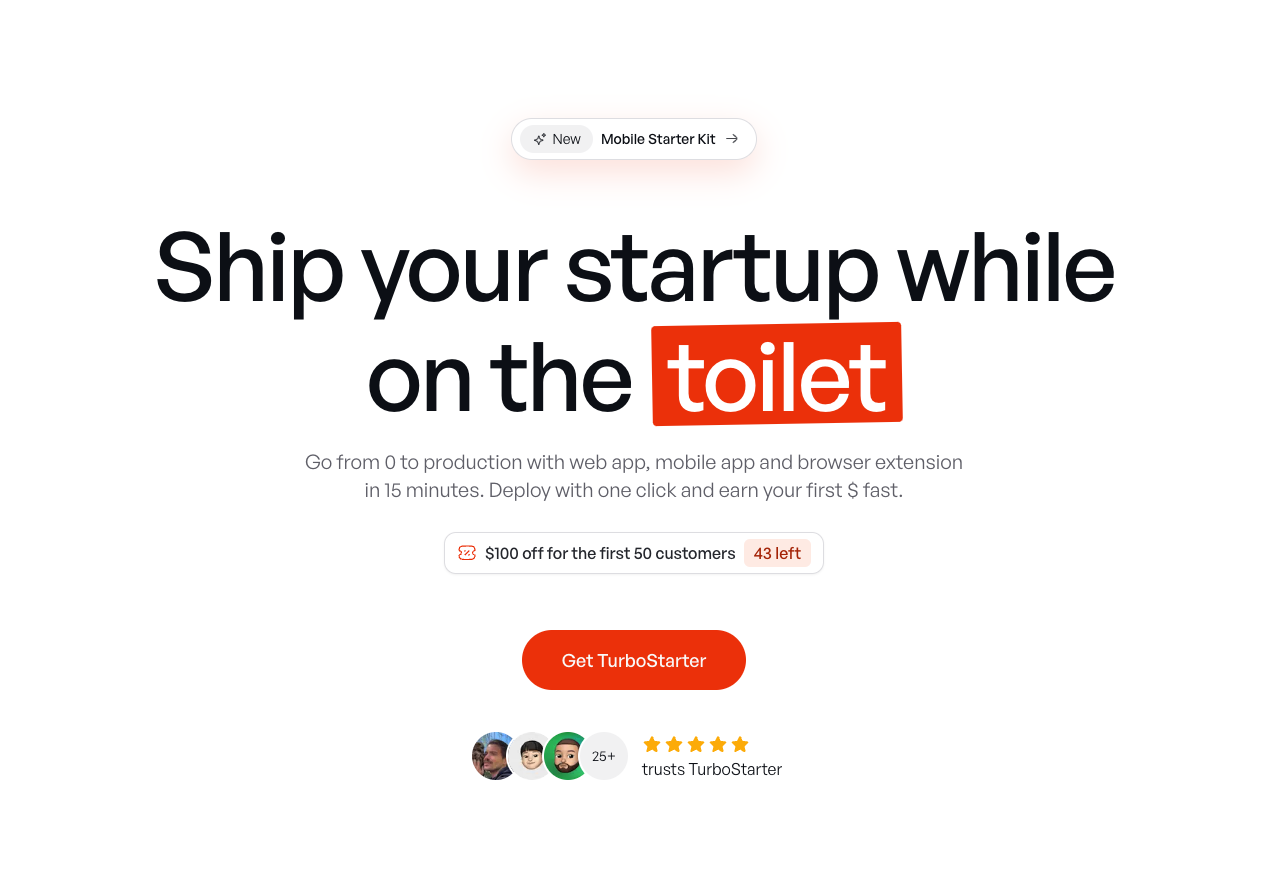
TurboStarter
Ship your startup everywhere. In minutes.
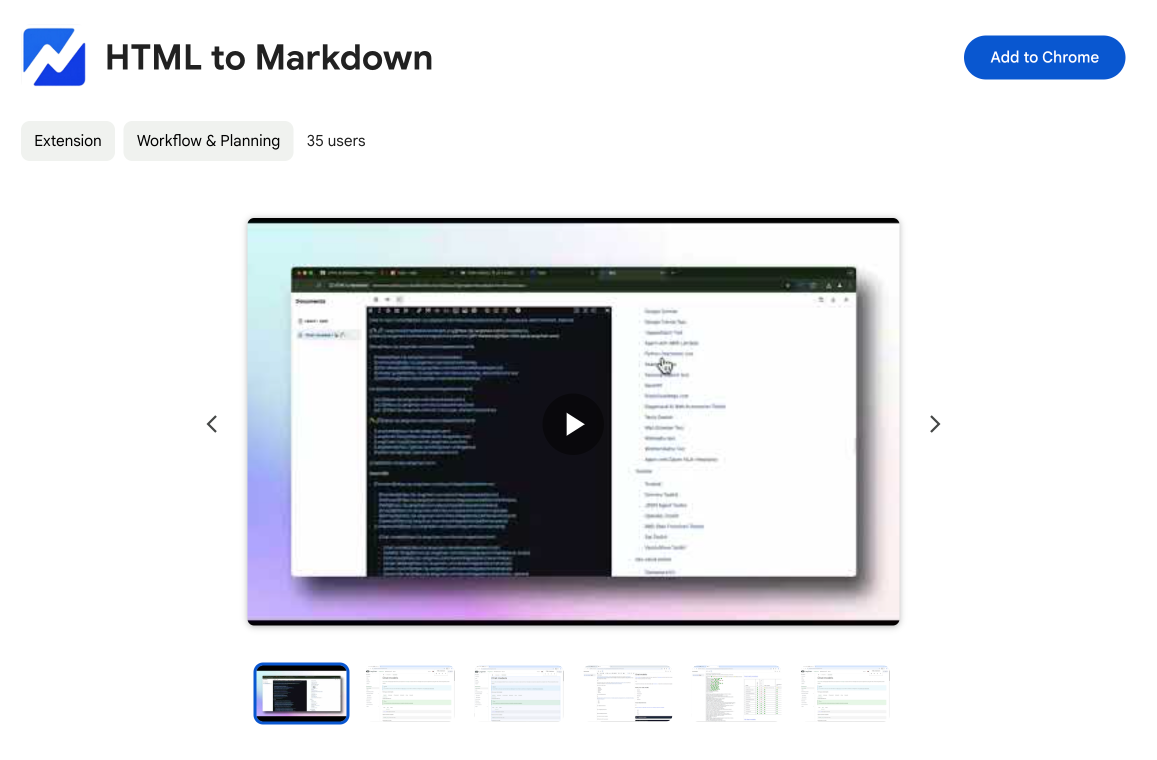
HTML to Markdown
Convert HTML to Markdown with ease, directly in your browser 📄
Dotallio
Personalized AI apps that automate research, data extraction, and content creation without code 🤖
Talk to Santa
Enjoy a magical live video chat or receive a unique AI-generated video greeting from Santa Claus 🎅
pozywka.pl
Scalable blog for food journalist, focused on performance and user experience 🌭
zagrodzki.me
Personal blog and portfolio of Bart Zagrodzki, where he shares his knowledge and work 💼
TurboStarter
Ship your startup everywhere. In minutes.
HTML to Markdown
Convert HTML to Markdown with ease, directly in your browser 📄
Dotallio
Personalized AI apps that automate research, data extraction, and content creation without code 🤖
Talk to Santa
Enjoy a magical live video chat or receive a unique AI-generated video greeting from Santa Claus 🎅
pozywka.pl
Scalable blog for food journalist, focused on performance and user experience 🌭
zagrodzki.me
Personal blog and portfolio of Bart Zagrodzki, where he shares his knowledge and work 💼
TurboStarter
Ship your startup everywhere. In minutes.
HTML to Markdown
Convert HTML to Markdown with ease, directly in your browser 📄
Dotallio
Personalized AI apps that automate research, data extraction, and content creation without code 🤖
Talk to Santa
Enjoy a magical live video chat or receive a unique AI-generated video greeting from Santa Claus 🎅
pozywka.pl
Scalable blog for food journalist, focused on performance and user experience 🌭
zagrodzki.me
Personal blog and portfolio of Bart Zagrodzki, where he shares his knowledge and work 💼
TurboStarter
Ship your startup everywhere. In minutes.
HTML to Markdown
Convert HTML to Markdown with ease, directly in your browser 📄
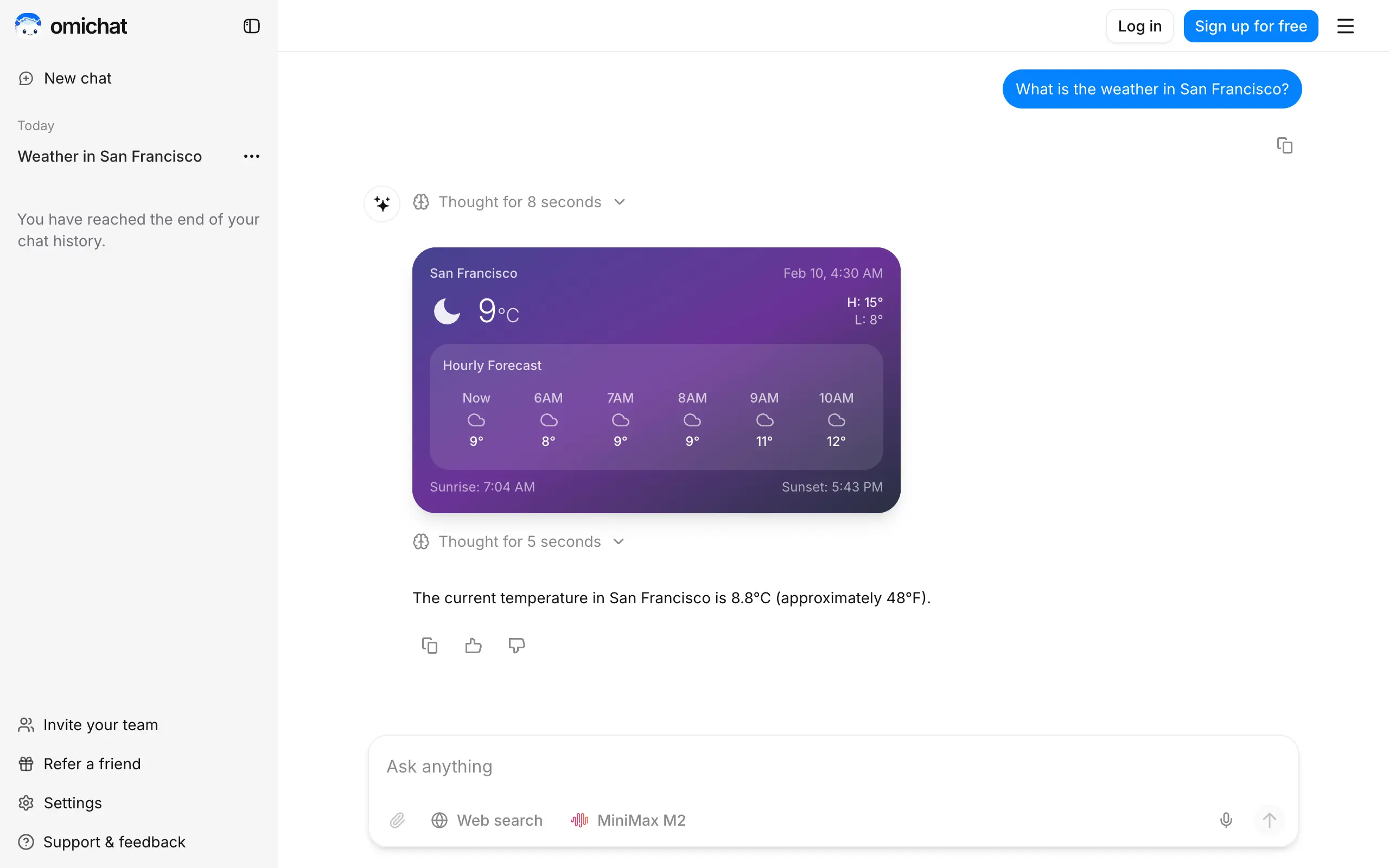
Omichat
Chat with 50+ AI models, including ChatGPT and Claude, in one place - switch models anytime without losing context 🤖
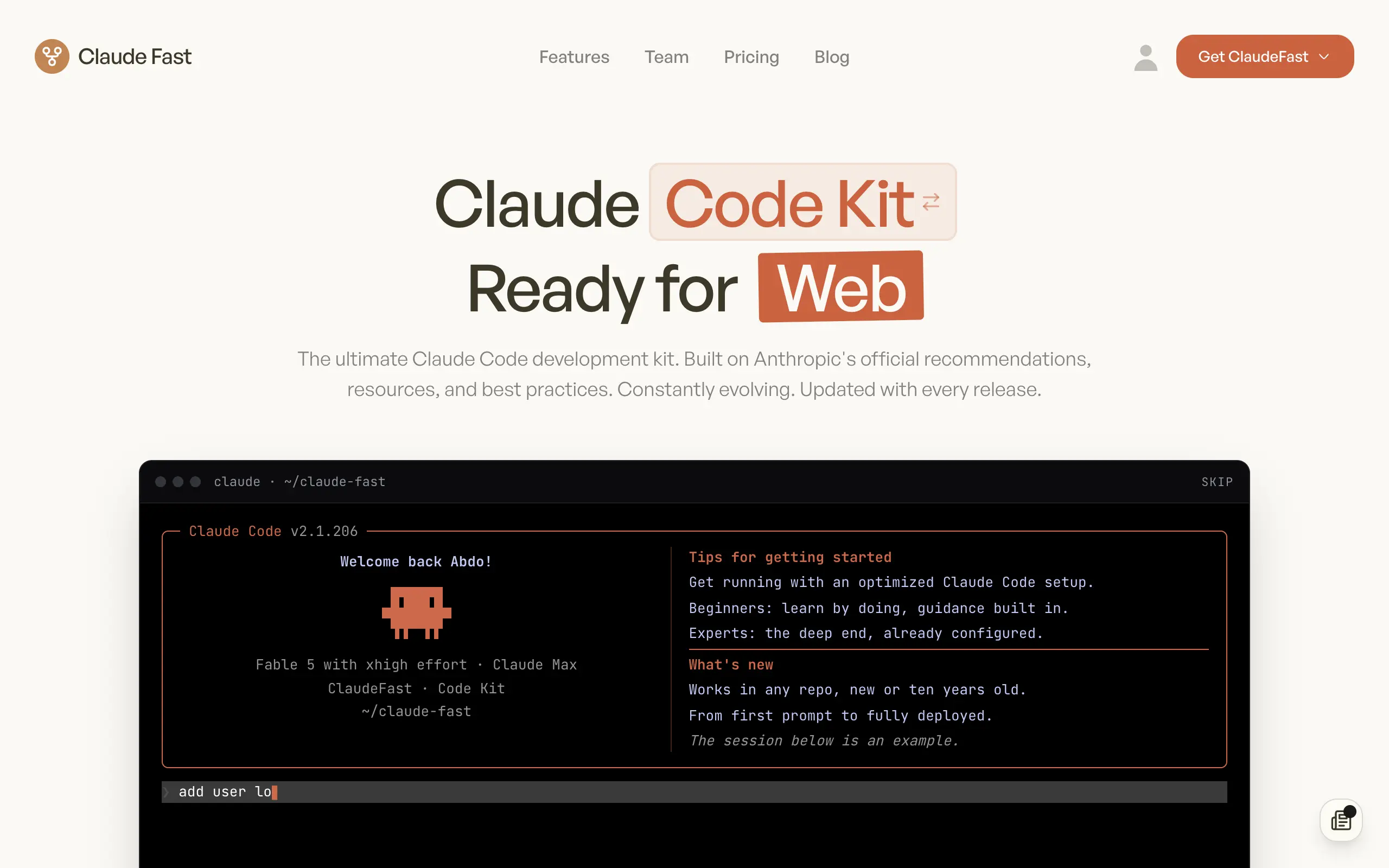
Claude Fast
Supercharge your Claude Code with 6x effective context window and specialized AI agents 🤖
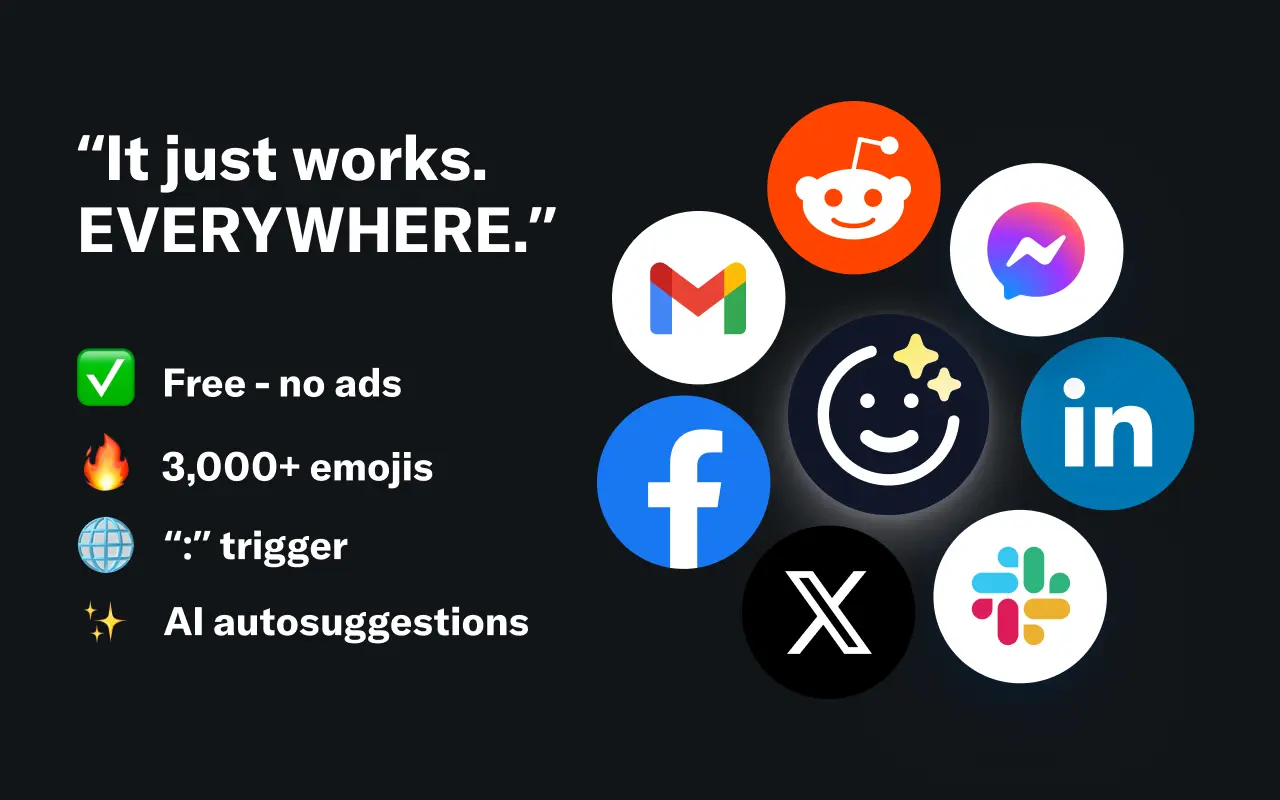
EmojAI
AI-powered emoji picker with smart, context-aware suggestions 🤖
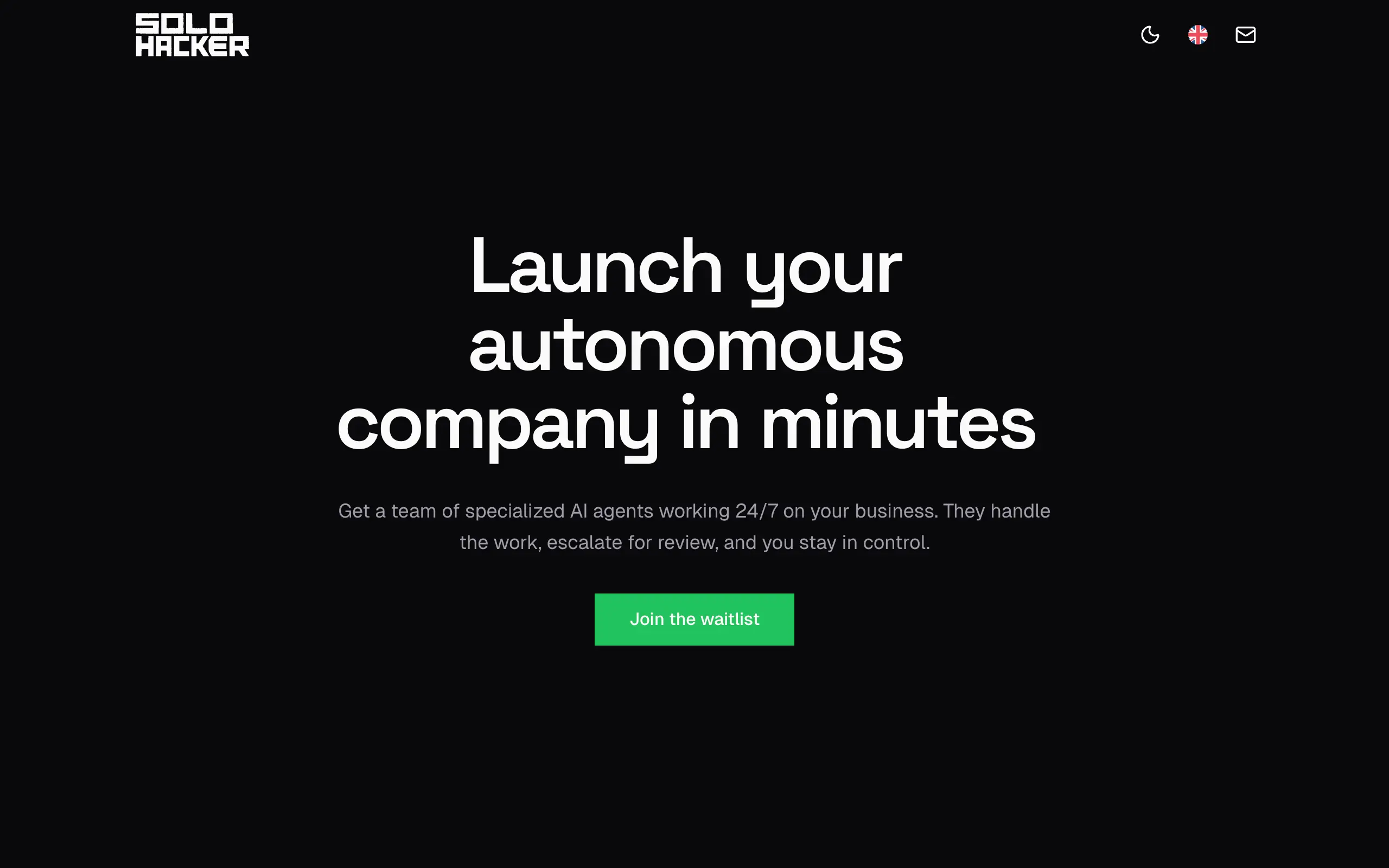
Solohacker
Autonomous company launcher - AI agents work 24/7, escalate what matters, and you stay in control 🤖
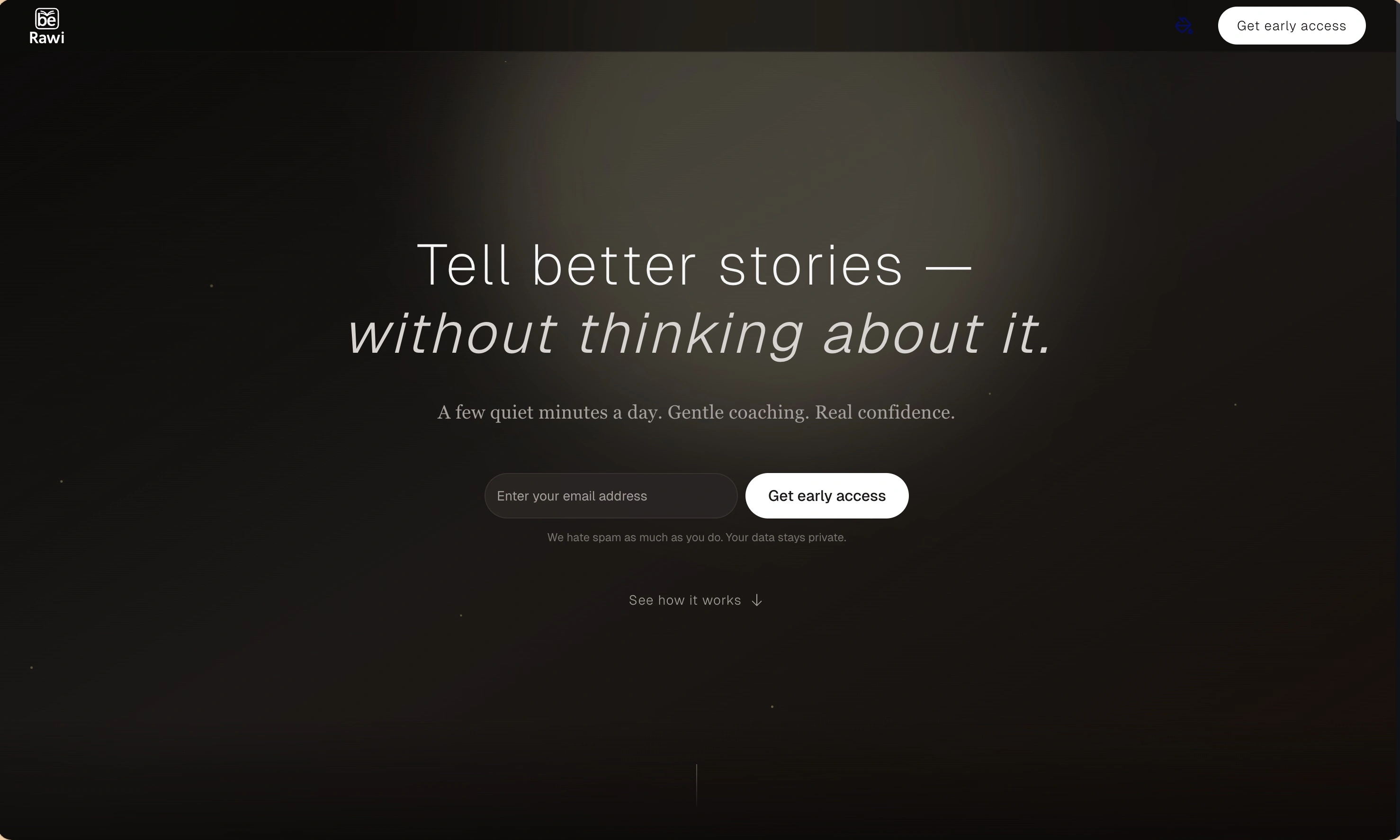
BeRawi: Storytelling Coach
Practice storytelling daily with instant feedback to sound clearer, more engaging, and confident 🎤
Omichat
Chat with 50+ AI models, including ChatGPT and Claude, in one place - switch models anytime without losing context 🤖
Claude Fast
Supercharge your Claude Code with 6x effective context window and specialized AI agents 🤖
EmojAI
AI-powered emoji picker with smart, context-aware suggestions 🤖
Solohacker
Autonomous company launcher - AI agents work 24/7, escalate what matters, and you stay in control 🤖
BeRawi: Storytelling Coach
Practice storytelling daily with instant feedback to sound clearer, more engaging, and confident 🎤
Omichat
Chat with 50+ AI models, including ChatGPT and Claude, in one place - switch models anytime without losing context 🤖
Claude Fast
Supercharge your Claude Code with 6x effective context window and specialized AI agents 🤖
EmojAI
AI-powered emoji picker with smart, context-aware suggestions 🤖
Solohacker
Autonomous company launcher - AI agents work 24/7, escalate what matters, and you stay in control 🤖
BeRawi: Storytelling Coach
Practice storytelling daily with instant feedback to sound clearer, more engaging, and confident 🎤
Omichat
Chat with 50+ AI models, including ChatGPT and Claude, in one place - switch models anytime without losing context 🤖
Claude Fast
Supercharge your Claude Code with 6x effective context window and specialized AI agents 🤖
EmojAI
AI-powered emoji picker with smart, context-aware suggestions 🤖
Solohacker
Autonomous company launcher - AI agents work 24/7, escalate what matters, and you stay in control 🤖
BeRawi: Storytelling Coach
Practice storytelling daily with instant feedback to sound clearer, more engaging, and confident 🎤

Connect with like-minded people
Join our community to get feedback, support, and grow together with 1,000+ builders on board, let's ship it!
Join usShip your startup everywhere. In minutes.
Don't burn tokens on setup and start building features on day one.