ProofPack
Help service firms collect project evidence, client approvals, and outcomes automatically to build stronger renewal cases.
Service firms rarely lose renewals because they delivered no value. They lose because the value was never captured, verified, organized, or presented in a way that makes the renewal decision easy for the client.
ProofPack is a client renewal proof software concept for agencies, consultancies, managed service providers, IT service firms, and professional services teams. It automatically gathers project evidence, approval records, delivery milestones, and measurable outcomes into a structured renewal case.
Instead of scrambling through email threads, project management tools, dashboards, and shared drives during renewal season, account teams can produce a credible, client-ready proof pack that answers the question every buyer asks:
“What did we achieve together, and why should we continue investing?”
This article explores the market opportunity, ideal customers, product requirements, technical architecture, monetization paths, risks, competitive positioning, and a practical route to launching ProofPack as a B2B SaaS business.
Why client renewal proof software matters
Recurring service revenue depends on more than a signed contract. It depends on the client’s continuing belief that the provider is delivering outcomes worth paying for.
For many service firms, that belief is fragile because the evidence is distributed across disconnected systems:
- Project plans and tasks live in tools such as Asana, Jira, or Monday.com.
- Client approvals are trapped in email, chat messages, proposal software, or e-signature platforms.
- Results are stored in analytics dashboards, spreadsheets, CRM records, or internal reporting tools.
- Positive feedback appears in meeting notes, survey responses, or informal messages.
- Account managers carry important context in their heads, rather than in a repeatable customer success process.
The result is a familiar renewal workflow. A customer success manager or account director spends days assembling a retrospective. They manually search for evidence, request performance numbers, chase internal stakeholders, and attempt to make a compelling narrative from incomplete data.
That process creates several expensive problems:
- Teams miss renewal opportunities because proof is hard to retrieve.
- Clients receive generic reports that focus on activity rather than outcomes.
- Leadership lacks a consistent view of account health and delivered value.
- Account managers cannot easily identify expansion opportunities.
- Knowledge disappears when a key client-facing employee leaves.
- Teams over-rely on annual reporting instead of reinforcing value continuously.
ProofPack’s core opportunity is to turn fragmented delivery data into a trusted, ongoing system of value evidence.
Rather than behaving like another project management platform or generic reporting dashboard, ProofPack should become the system of record for client-facing proof. Its job is to collect signals from the work already happening, connect them to commitments, validate them where necessary, and make them useful at renewal time.
The strongest product framing
ProofPack should not promise to “automate renewals.” Renewal decisions involve relationships, budgets, strategy, and executive priorities. It should promise to make delivered value visible, credible, and easy to present.
The target audience for ProofPack
The best early customers are not all B2B service firms. ProofPack should initially focus on organizations with recurring client engagements, measurable deliverables, and a meaningful financial consequence when accounts churn.
Primary audience: agency and consultancy account teams
The most natural initial audience includes digital agencies, growth marketing agencies, product studios, design agencies, SEO consultancies, paid media firms, and strategic consultancies.
These businesses often have:
- Retainers renewed quarterly, biannually, or annually.
- Multiple stakeholders on both the provider and client sides.
- A mix of quantitative and qualitative outcomes.
- A need to prove work quality beyond a list of completed tasks.
- Account managers who are expected to defend renewals and identify expansion potential.
A performance marketing agency, for example, may need to show approved campaigns, reporting milestones, lead-quality trends, strategic recommendations, campaign launches, and client feedback in one renewal narrative. A standard analytics report alone cannot capture that complete picture.
Secondary audience: managed service providers and IT service firms
Managed service providers, cybersecurity consultancies, cloud specialists, and IT support firms are another strong segment. Their evidence may include ticket resolution patterns, uptime, security improvements, completed implementations, risk mitigation activity, and client approvals.
This segment is attractive because service delivery often produces structured data. However, it may demand more sophisticated integrations, compliance controls, role-based access, and data retention options than smaller agencies.
Tertiary audience: professional services firms
Recruitment firms, accounting practices, legal service providers, HR consultancies, and operational advisory firms can also benefit from client outcome tracking. The renewal model may be less standardized in some of these categories, so their workflows should be approached after the core use case is validated.
Buyer, user, and champion roles
A strong go-to-market strategy recognizes that the product’s daily user may not be the economic buyer.
| Role | Primary concern | How ProofPack helps | Likely product usage | Buying influence |
|---|---|---|---|---|
| Account director | Protecting renewals and growing accounts | Creates credible renewal stories quickly | High | High |
| Customer success manager | Demonstrating continuous value | Tracks milestones, approvals, and outcomes | High | Medium |
| Agency owner | Retention, margins, and predictable revenue | Standardizes account reporting across teams | Medium | High |
| Operations leader | Reliable process and visibility | Reduces manual reporting work | Medium | High |
| Client stakeholder | Confidence that investment is justified | Reviews transparent evidence and outcomes | Low | Indirect |
Ideal customer profile for an initial launch
The most focused initial ICP is likely a 10 to 100 person agency or consultancy with 20 to 150 active recurring client accounts.
This profile works well because these firms generally have:
- Enough accounts to feel reporting and renewal preparation pain.
- A repeatable delivery process, even if it is not perfectly documented.
- Leadership that can make purchasing decisions quickly.
- Existing use of common SaaS tools that can be integrated.
- A clear economic incentive to improve retention.
Very small freelancers may not have enough renewal complexity. Large enterprise professional services firms may have stronger budgets, but they also introduce long procurement cycles, security reviews, complex data structures, and demanding integration expectations.
The market gap: delivery tools do not create renewal evidence
ProofPack competes indirectly with several software categories, but none fully owns the renewal proof workflow.
Project management platforms track activity
Platforms such as ClickUp, Asana, and Jira are designed to organize work. They excel at tasks, due dates, assignments, workflows, and delivery visibility.
However, a completed task is not automatically proof of client value.
A task may show that a campaign launched, a website page shipped, or an audit was completed. It does not necessarily explain why that work mattered, whether the client approved it, what changed afterward, or how it supported the original commercial objective.
CRM platforms track relationships and revenue
Customer relationship management systems such as HubSpot and Salesforce can record contracts, account notes, renewal dates, and opportunity values.
But CRM records usually depend on manual updates. They are optimized for pipeline and customer relationship management, not for assembling detailed evidence from day-to-day service delivery.
Reporting tools visualize metrics
Business intelligence and analytics tools can display performance data. Yet a dashboard often lacks context. It may reveal a change in conversion rate or ticket volume without connecting that result to the work performed, the client’s original goals, the strategic decision made, or the approval that enabled action.
Customer success tools focus on health, not proof
Customer success platforms can support health scoring, playbooks, adoption monitoring, and risk management. These are valuable capabilities. The gap is that account health is often an internal prediction, while renewal proof is a client-facing body of evidence.
ProofPack should bridge this distinction:
- Internal teams need signals that predict risk and opportunity.
- Clients need a clear, trustworthy record of what was delivered and what it achieved.
The overlooked workflow
Most firms treat renewal reporting as an event. It happens shortly before a contract end date.
ProofPack should treat it as a continuous evidence capture process. Every approval, milestone, result, testimonial, decision, and client acknowledgement becomes a reusable proof asset as it happens.
That shift is meaningful because evidence is most accurate when it is captured close to the event. It also changes the renewal meeting from a retrospective defense into a strategic conversation about the next period.
The ProofPack product concept and unique selling proposition
ProofPack’s unique selling proposition is straightforward:
It transforms scattered service-delivery activity into verified, client-ready proof packs that strengthen renewal and expansion conversations.
The product should be built around a structured evidence model. Each account receives an evolving record that links four elements:
- Commitments such as agreed goals, scope items, success metrics, and strategic priorities.
- Delivery evidence such as completed milestones, documents, tasks, meeting notes, and approved outputs.
- Verification signals such as client approvals, stakeholder feedback, signed acceptance, or review requests.
- Outcomes such as performance changes, cost savings, risk reduction, adoption, revenue impact, or operational improvements.
This is more valuable than a polished PDF generator. A document is only the final format. The defensible product asset is the underlying, organized, and auditable evidence graph.
Evidence collection
Bring delivery signals from existing tools into an account-level evidence timeline.
Client verification
Request lightweight approvals and feedback while context is fresh.
Outcome storytelling
Connect work delivered to measurable or validated business impact.
Renewal readiness
Generate a living renewal case instead of starting from a blank page.
Core features for a client renewal proof platform
A useful MVP needs depth in the main workflow rather than superficial coverage of every adjacent category.
Account evidence timeline
The account timeline should be ProofPack’s central interface. It collects evidence items in chronological order and allows users to categorize them by goal, initiative, service line, reporting period, and evidence type.
Evidence could include:
- Completed project milestones.
- Shared deliverables and final files.
- Client approval events.
- Key meeting decisions.
- Before-and-after metrics.
- Client feedback and testimonials.
- Risk mitigations or incidents resolved.
- Strategic recommendations implemented.
- Screenshots, links, documents, and supporting attachments.
Each item should preserve source metadata. If an item came from a project tool, users should be able to see where it originated and when it was synchronized. This improves confidence and reduces the risk of presenting unverifiable claims.
Goal and outcome mapping
A renewal proof platform must distinguish between outputs and outcomes.
An output is “we launched the new onboarding sequence.” An outcome is “the sequence improved activation,” “the sequence was approved by the client’s executive sponsor,” or “the sequence reduced support requests.”
During onboarding, users should define each account’s objectives. These may be financial, operational, strategic, technical, or qualitative.
Examples include:
- Increase qualified pipeline.
- Improve website conversion.
- Reduce security exposure.
- Improve system uptime.
- Launch a new market segment.
- Decrease time spent on manual operations.
- Improve employee adoption of a new system.
ProofPack can then prompt teams to associate evidence with a relevant objective. This creates the basis for a renewal narrative that is anchored in client priorities rather than a list of agency activities.
Approval and validation workflows
Client approval is one of the most persuasive forms of evidence. Yet it is commonly buried in email or chat.
ProofPack should offer lightweight approval requests that make validation easy. A client stakeholder receives a secure link, reviews a statement or deliverable, and can approve, request a revision, or provide contextual feedback.
The design must avoid creating friction. Clients should not need to become full users of the platform to validate an item.
Useful approval options include:
- “Approved as delivered” confirmation.
- Outcome confirmation with editable language.
- Stakeholder quote request.
- Rating or satisfaction prompt.
- Confirmation that a milestone was completed.
- Confirmation that a business result is accurate.
- Permission to use an outcome as a case study, with separate consent controls.
Outcome tracking and metric connectors
Not every service outcome can be expressed as a single metric, but many can be supported by measurable indicators.
ProofPack should start with flexible metric tracking:
- Manually entered metrics with source notes.
- Spreadsheet imports.
- CSV uploads.
- Links to dashboards or reports.
- Simple integrations with common analytics and CRM tools.
- Period-over-period comparisons.
Over time, the platform can add connectors to services where clients frequently hold performance data. The key product principle is not to imply causation automatically. ProofPack should help users document evidence and context, while making room for professional judgment.
For example, the platform can say:
“Organic traffic increased 22% during the engagement period, alongside the completed technical SEO and content initiatives listed below.”
It should avoid asserting:
“The agency caused a 22% traffic increase.”
unless the firm has sufficient evidence and is comfortable making that claim.
Renewal pack builder
The renewal pack builder is the client-facing output layer. It should allow account teams to create a professional, branded review without manually copying information between tools.
A good renewal pack should include:
- Original goals and scope.
- Highlights from the reporting period.
- Key deliverables and milestones.
- Validated approvals and client feedback.
- Outcomes and supporting metrics.
- Challenges identified and addressed.
- Strategic recommendations for the next period.
- Expansion opportunities, where appropriate.
- A concise renewal recommendation.
The output should be shareable as a secure web page and exportable as a PDF when required. A web-based format is especially useful because it can show engagement analytics, support live updates, and allow controlled access.
Renewal readiness score
A renewal readiness score can help account teams prioritize work, but it should never become a black-box prediction.
The score should be explainable and based on visible components:
- Evidence coverage against account goals.
- Number of recent validated client approvals.
- Recency of demonstrated outcomes.
- Stakeholder engagement with proof packs.
- Contract renewal date proximity.
- Missing metrics or unresolved risks.
- Account team confidence, captured manually.
A simple score is more trustworthy when users can see exactly why it changed and what actions can improve it.
AI-assisted narrative drafting
AI can help turn evidence into a draft renewal summary, but it should be used carefully.
The best AI feature is not “write a persuasive report from nothing.” It is “summarize the verified evidence already in the account record.”
Helpful AI capabilities include:
- Clustering similar evidence items by objective.
- Identifying missing proof categories.
- Drafting executive summaries from selected evidence.
- Converting technical work into business-friendly language.
- Highlighting recurring themes in client feedback.
- Suggesting questions before a renewal meeting.
- Creating account-specific QBR agendas.
Every AI-generated statement should remain editable and should include traceability back to its supporting items. Human review is essential, especially when discussing commercial performance, regulated data, or client-specific claims.
Do not let AI invent client outcomes
Generative AI should assist with synthesis, organization, and wording. It should not create unverified performance claims, infer approvals that did not happen, or turn correlation into causation.
Recommended tech stack for ProofPack
ProofPack needs a modern SaaS stack that supports multi-tenancy, integrations, auditability, document generation, secure sharing, and AI-assisted workflows.
For a fast, maintainable launch, a TypeScript-first architecture is a sensible choice.
Frontend and application framework
Use Next.js with React for the application interface.
Next.js supports server-rendered pages, API routes or route handlers, authentication patterns, and a strong deployment ecosystem. React remains a practical choice for complex account interfaces such as evidence timelines, filters, editors, and renewal pack builders.
Use Tailwind CSS for rapid, consistent UI development. A utility-first design system can help a small product team build polished workflows while keeping visual decisions standardized.
A starter kit such as TurboStarter can reduce setup work for common SaaS fundamentals, allowing the founding team to spend more time on the differentiated evidence workflow.
Database and multi-tenant architecture
Use PostgreSQL as the core relational database. The ProofPack data model is relationship-heavy:
- Organizations have multiple users.
- Organizations have multiple client accounts.
- Accounts have goals, contracts, stakeholders, evidence items, approvals, and proof packs.
- Evidence may be connected to multiple goals and renewal periods.
- Audit events must remain queryable.
PostgreSQL supports strong relational integrity, flexible JSON fields for integration payloads, full-text search options, and mature operational tooling.
For ORM and type-safe database access, Prisma is a strong option. The primary trade-off is that complex analytical queries or highly specialized SQL can require dropping down to raw SQL. That trade-off is acceptable for most early-stage SaaS products.
Authentication and permissions
Use a mature identity provider such as Clerk or Auth0, depending on enterprise needs.
ProofPack requires more than simple login functionality. It needs role-based permissions at multiple levels:
- Organization administrators.
- Internal account team members.
- Read-only internal users.
- Client reviewers.
- External stakeholder links with specific expiration rules.
A secure client review process should use scoped tokens, optional email verification, expiration dates, revocation controls, and a complete access log.
File storage and document handling
Use object storage such as Amazon S3 for uploaded files, exported PDFs, and attachment previews.
Files should not be treated as unstructured clutter. Each file needs metadata that connects it to an account, evidence type, source, permissions, and retention policy.
For PDF generation, use a server-side rendering approach that can reliably preserve branding and layout. The trade-off is that pixel-perfect PDFs can become expensive to maintain. Prioritize a clean web-based proof pack first, then offer PDF export as a secondary output.
Background jobs and integrations
Evidence synchronization should happen asynchronously. Use a durable workflow or job system such as Inngest or Trigger.dev.
Background jobs are important for:
- Scheduled integration syncs.
- Webhook processing.
- Report generation.
- Client reminder emails.
- Expiring shared-link alerts.
- Data cleanup and retention workflows.
- AI document processing.
The product should begin with a limited integration set. Supporting every project management and analytics tool too early creates an expensive maintenance burden.
A practical first set might include:
- Email forwarding or BCC ingestion.
- CSV and spreadsheet import.
- Slack notifications or selected-message capture.
- HubSpot account and renewal-date synchronization.
- One project management integration based on customer demand.
AI and search layer
For AI-assisted summaries, use a reputable large language model provider with appropriate data-processing terms and configurable retention controls. Keep the architecture provider-agnostic where possible.
Use retrieval-augmented generation principles:
- Select only the relevant, permission-checked account evidence.
- Pass that evidence to the model with a constrained prompt.
- Require citations or evidence identifiers in the generated draft.
- Store generation metadata for auditing.
- Require human approval before external sharing.
For semantic search, a vector capability can be added later. Do not make it a launch dependency unless users truly need to search large collections of unstructured evidence.
Example evidence record model
type EvidenceItem = {
  id: string;
  organizationId: string;
  clientAccountId: string;
  objectiveIds: string[];
  type: "milestone" | "approval" | "metric" | "feedback" | "deliverable";
  title: string;
  summary: string;
  source: "manual" | "integration" | "email" | "upload";
  sourceUrl?: string;
  occurredAt: Date;
  verifiedAt?: Date;
  verifiedBy?: string;
  visibility: "internal" | "client-shareable";
  createdAt: Date;
};
The important architectural decision is that evidence remains structured and attributable. A generic notes database will not be sufficient for long-term reporting quality.
Monetization strategy for ProofPack
ProofPack should use a subscription model aligned with the amount of client-account value it helps protect.
Charging solely per user may discourage broader adoption among account teams. Charging only by client account can be easier for service firms to understand because accounts are directly related to retained revenue.
Recommended pricing model
A hybrid pricing model is likely best:
- A base platform fee for the organization.
- Included active client accounts.
- Usage tiers based on active accounts or published proof packs.
- Add-ons for premium integrations, advanced AI, white labeling, and enterprise security.
Possible packaging could look like this:
Designed for small agencies validating a repeatable renewal process. Include a limited number of client accounts, manual evidence collection, core proof pack templates, and secure sharing.
Designed for established service firms. Add integrations, approval workflows, renewal readiness reporting, custom branding, scheduled reminders, and more active client accounts.
Designed for larger consultancies and managed service providers. Add advanced permissions, SSO, audit exports, custom retention settings, implementation support, and priority integration options.
Value-based pricing rationale
A product that helps save even one meaningful retainer can justify a substantial annual subscription. However, pricing claims should be grounded in customer discovery rather than optimistic assumptions.
During interviews, ask prospects:
- How much recurring revenue is at risk in the next 12 months?
- How many hours does a renewal review currently take?
- How often does the team fail to capture useful client feedback?
- What is the financial impact of a single preventable churn event?
- How much does leadership value a standardized renewal process?
The answers will show whether ProofPack should position primarily around time savings, retention protection, expansion revenue, operational consistency, or executive reporting.
Competitive advantage and defensibility
ProofPack’s most important advantage is focus. Generic project management, CRM, document, and reporting tools are horizontal systems. They are not designed around the specific moment when a service provider must defend the value of an ongoing engagement.
ProofPack’s competitive edge
- Evidence-first workflow that captures proof continuously rather than reconstructing it later.
- Approval-native design that turns client validation into a reusable commercial asset.
- Goal-to-outcome mapping that helps teams tell a strategic story rather than list completed tasks.
- Client-ready presentation layer that turns internal data into a credible renewal artifact.
- Renewal-specific intelligence that identifies missing proof before a contract decision.
- Service-firm templates that reflect agency, consultancy, and MSP operating realities.
Building a product moat over time
The defensible asset is not simply the renewal pack template. Competitors can copy a template.
A stronger moat develops as ProofPack accumulates structured patterns about what evidence is most effective for particular service categories, account types, and renewal motions. With customer permission and robust privacy protections, the platform could eventually provide benchmarks such as:
- Which evidence categories are commonly missing before renewal.
- Which client stakeholder roles engage with proof packs.
- Which objective types correlate with strong account confidence.
- Which delivery milestones are most frequently validated.
- Which renewal narrative structures work best for certain service models.
This must be handled ethically. Customer data should never be exposed or used for benchmarking without clear contractual permission, anonymization, and aggregation safeguards.
Risks and mitigation strategies
A credible SaaS plan should address the reasons the idea could fail.
Risk: evidence collection becomes another manual chore
If teams must manually enter every milestone, ProofPack could become one more system people neglect.
Mitigation
- Integrate selectively with tools customers already use.
- Make evidence capture lightweight through browser extensions, email forwarding, and quick-add workflows.
- Use reminders based on meaningful events, not arbitrary daily prompts.
- Allow account teams to assign evidence capture responsibilities.
- Show immediate value through account completeness and renewal readiness.
Risk: clients do not want another portal
Client stakeholders may ignore portals that require login, training, or repeated effort.
Mitigation
- Use secure, minimal-friction approval links.
- Make client actions short and specific.
- Allow email-based response capture where appropriate.
- Ensure every client request clearly explains why feedback is useful.
- Keep client-facing pages polished, fast, and brandable.
Risk: outcome claims create trust or legal issues
Service firms may overstate results, and AI-generated summaries could make this worse.
Mitigation
- Separate observed metrics from interpreted outcomes.
- Require source links or notes for important claims.
- Show verification status visibly.
- Include review controls before publishing.
- Add language controls and disclaimers where needed.
- Maintain an audit log of changes, approvals, and published versions.
Risk: integration scope expands too quickly
Integrations are powerful but costly. Every external API introduces authentication, maintenance, data mapping, rate-limit, and support requirements.
Mitigation
- Start with the highest-value integrations validated in discovery.
- Build a flexible import and API architecture.
- Offer CSV, email, and URL-based capture as universal fallback methods.
- Avoid promising deep bi-directional synchronization before it is necessary.
- Use integration demand as a pricing and roadmap signal.
Risk: customers see it as a reporting tool rather than a retention system
If ProofPack is perceived as “another report builder,” it may face low willingness to pay.
Mitigation
- Position the product around renewal readiness and proof of delivered value.
- Measure client adoption through renewal workflow outcomes.
- Make proof collection continuous, not just report generation.
- Include approval, risk, and objective mapping features that generic reporting tools lack.
- Use sales messaging focused on commercial confidence, not visual dashboards.
How to validate the ProofPack SaaS idea before building deeply
Validation should begin with the workflow, not with code.
The goal is to determine whether service firms feel enough pain around renewal evidence that they will change behavior and pay for a dedicated system.
Customer discovery questions
Interview agency owners, customer success leaders, account directors, operations managers, and managed service providers. Ask for real examples from their latest renewal cycle.
Useful questions include:
- “Walk me through the last renewal that was difficult.”
- “Where did you look for evidence of value?”
- “Which information was hardest to find?”
- “What did the client ask that you were not prepared to answer?”
- “How do you currently collect approvals and positive feedback?”
- “What is included in your quarterly business review process?”
- “When do you realize an account lacks enough proof?”
- “Would a shared client proof pack change the renewal conversation?”
- “Which tools would ProofPack need to connect with first?”
- “What would make you trust an AI-generated renewal summary?”
Avoid leading questions such as “Would you use this?” People often say yes to abstract product ideas. Ask about recent behavior, current tools, time spent, missed opportunities, and budget ownership.
Concierge MVP approach
Before building complete integrations and AI features, offer a concierge version of the service.
For a small group of design partners:
- Collect account materials manually.
- Build a structured proof pack using a repeatable template.
- Identify which evidence was available and which was missing.
- Facilitate client approval requests.
- Deliver the renewal-ready output.
- Measure whether the customer used it in a renewal or QBR.
- Ask what they would pay to repeat the process across accounts.
This manual phase is valuable because it reveals the real evidence taxonomy, the most useful templates, the common data sources, and where automation matters most.
Actionable implementation roadmap
A disciplined roadmap can prevent ProofPack from becoming a broad, unfocused customer success platform.
The first version should answer one question exceptionally well:
“Can an account manager assemble a trustworthy, compelling renewal case in a fraction of the time it takes today?”
If the answer is yes, ProofPack has a strong foundation. If the product instead tries to replace CRM, project management, customer success, analytics, document management, and contract management at once, it will lose the clarity that makes the idea valuable.
Final perspective
ProofPack addresses a persistent but under-served problem in B2B services. Service firms do valuable work every day, yet they often fail to preserve the proof required to retain and expand client relationships.
The winning version of this client renewal proof software will not merely create prettier reports. It will create a dependable operating system for evidence:
- Capture proof as work happens.
- Connect evidence to client objectives.
- Verify important claims with stakeholders.
- Turn outcomes into a clear commercial narrative.
- Reveal renewal risk before the final weeks of a contract.
- Give account teams confidence in high-stakes client conversations.
For agencies, consultancies, and managed service providers, stronger renewal proof can become a meaningful competitive advantage. The firms that consistently show clients what changed, why it mattered, and what should happen next will be better positioned to protect recurring revenue and earn long-term trust.
More 🏢 B2B Application SaaS ideas
Discover more innovative b2b application SaaS ideas that are trending in 2026. Each idea is AI-generated with market validation and growth potential to help you find your next profitable venture faster than competitors.
Your competitors are building with TurboStarter
Below are some of the SaaS ideas that have been generated and built with our starter kit.
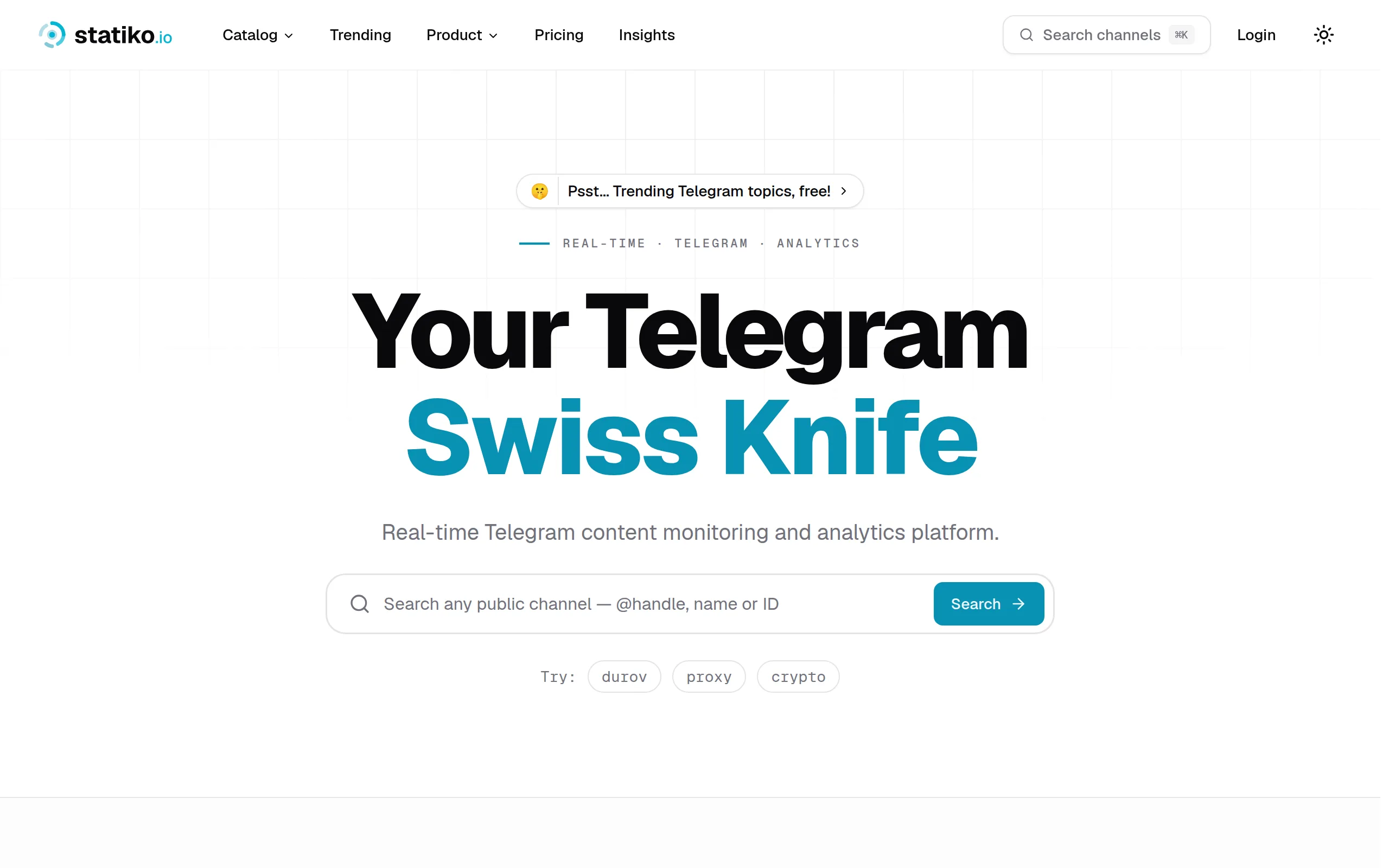
Statiko
Monitor any Telegram channel in real time - track posts, edits, deletions, and growth with AI recaps 📡

Shibui
AI website builder - describe your business, pick a niche template, edit by chatting, and publish instantly ✨

Pro Service
Find verified home service professionals, compare quotes, and pay securely through escrow - built for Brazilians across the US 🏠
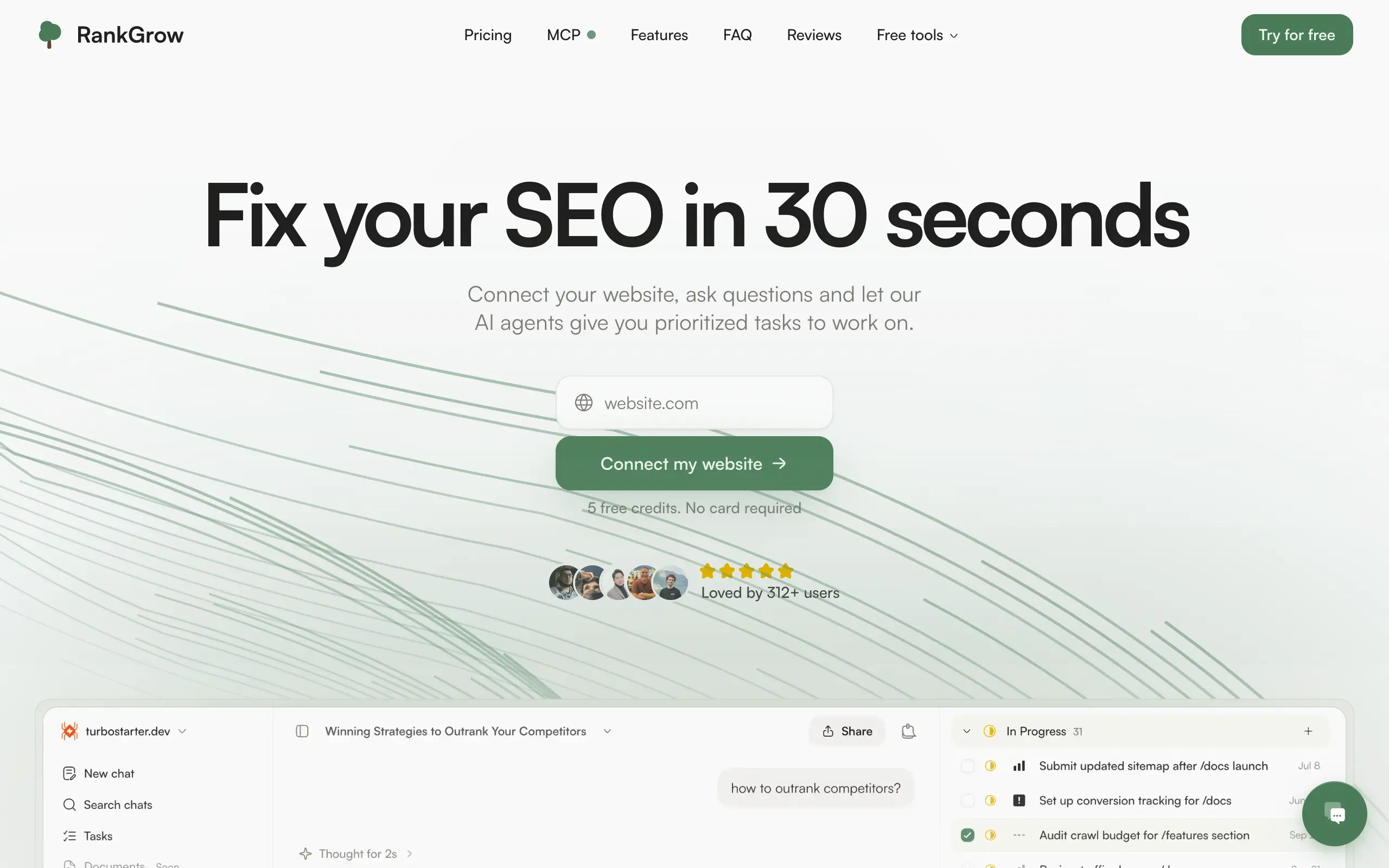
RankGrow
Fix your SEO with AI agents - connect Search Console, get prioritized tasks, and grow organic traffic 📈
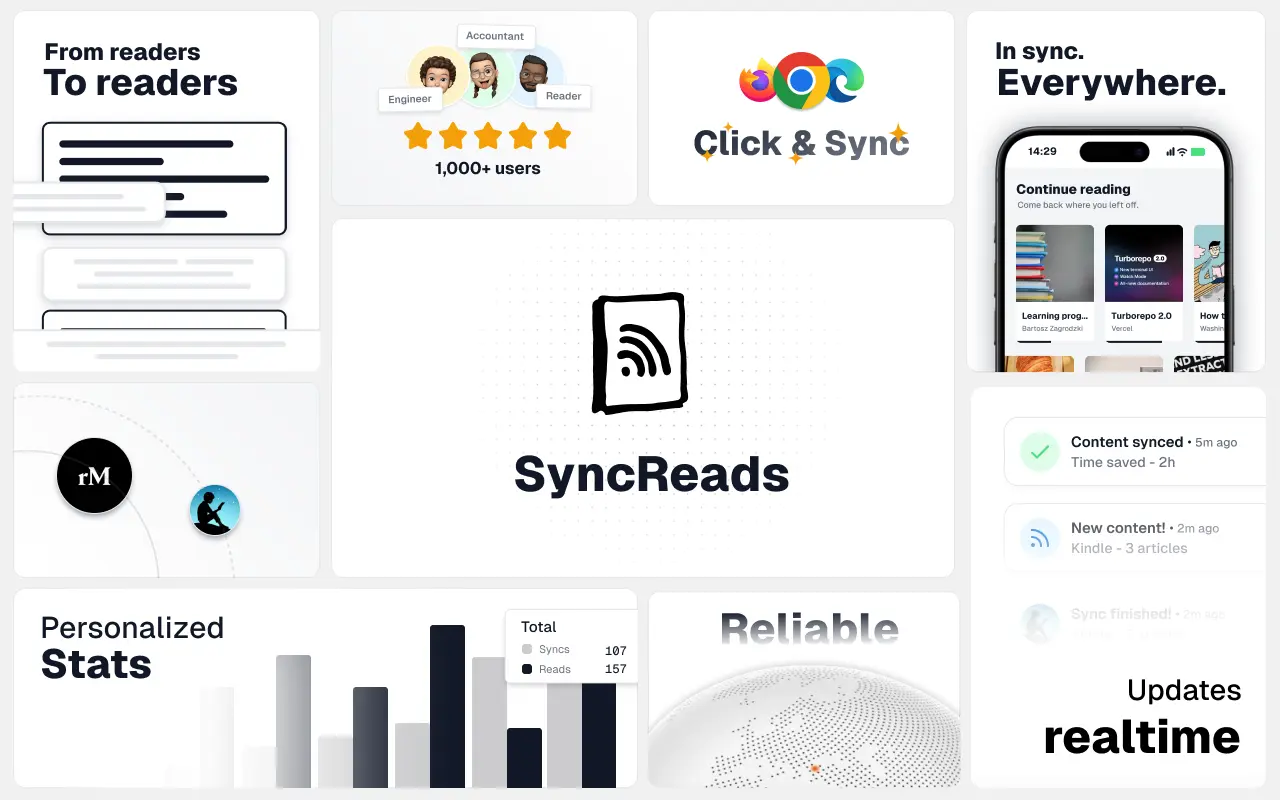
SyncReads
Sync your favorite content for distraction-free reading, save time and replace multiple apps. Anytime, anywhere 🔄
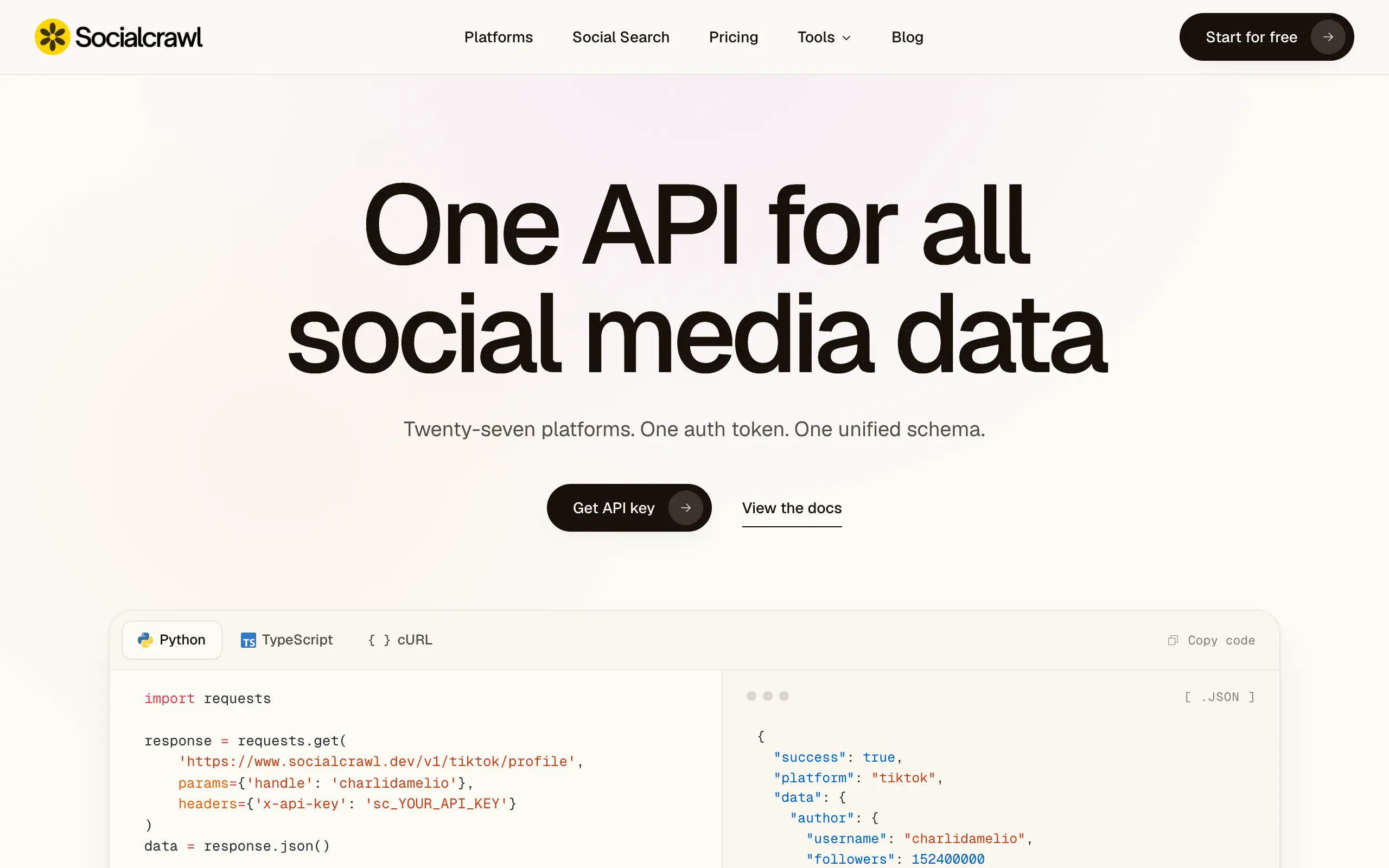
Socialcrawl
Get clean, structured data from 21 platforms like TikTok, Instagram, and YouTube with a single request 📊
Statiko
Monitor any Telegram channel in real time - track posts, edits, deletions, and growth with AI recaps 📡
Shibui
AI website builder - describe your business, pick a niche template, edit by chatting, and publish instantly ✨
Pro Service
Find verified home service professionals, compare quotes, and pay securely through escrow - built for Brazilians across the US 🏠
RankGrow
Fix your SEO with AI agents - connect Search Console, get prioritized tasks, and grow organic traffic 📈
SyncReads
Sync your favorite content for distraction-free reading, save time and replace multiple apps. Anytime, anywhere 🔄
Socialcrawl
Get clean, structured data from 21 platforms like TikTok, Instagram, and YouTube with a single request 📊
Statiko
Monitor any Telegram channel in real time - track posts, edits, deletions, and growth with AI recaps 📡
Shibui
AI website builder - describe your business, pick a niche template, edit by chatting, and publish instantly ✨
Pro Service
Find verified home service professionals, compare quotes, and pay securely through escrow - built for Brazilians across the US 🏠
RankGrow
Fix your SEO with AI agents - connect Search Console, get prioritized tasks, and grow organic traffic 📈
SyncReads
Sync your favorite content for distraction-free reading, save time and replace multiple apps. Anytime, anywhere 🔄
Socialcrawl
Get clean, structured data from 21 platforms like TikTok, Instagram, and YouTube with a single request 📊
Statiko
Monitor any Telegram channel in real time - track posts, edits, deletions, and growth with AI recaps 📡
Shibui
AI website builder - describe your business, pick a niche template, edit by chatting, and publish instantly ✨
Pro Service
Find verified home service professionals, compare quotes, and pay securely through escrow - built for Brazilians across the US 🏠
RankGrow
Fix your SEO with AI agents - connect Search Console, get prioritized tasks, and grow organic traffic 📈
SyncReads
Sync your favorite content for distraction-free reading, save time and replace multiple apps. Anytime, anywhere 🔄
Socialcrawl
Get clean, structured data from 21 platforms like TikTok, Instagram, and YouTube with a single request 📊
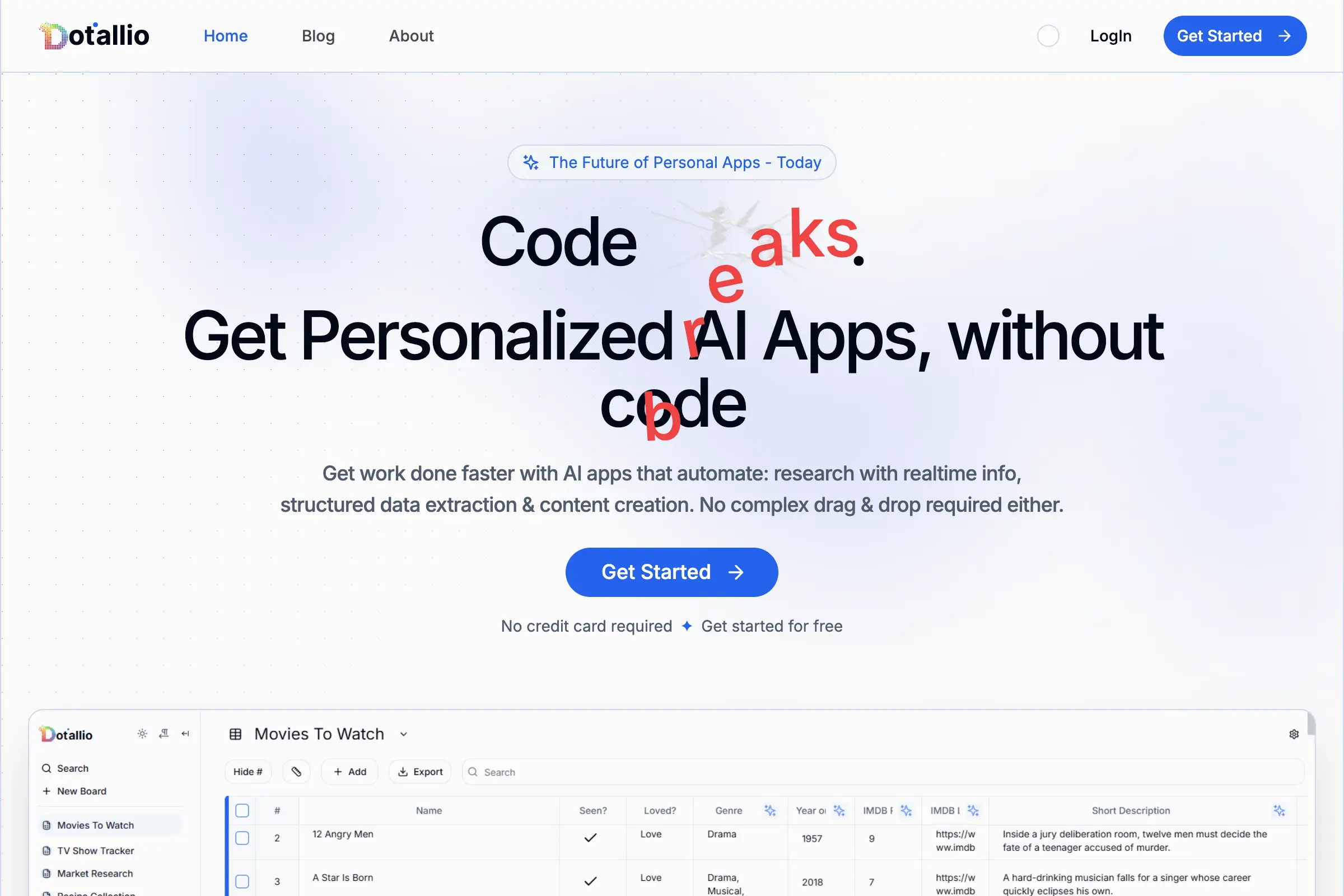
Dotallio
Personalized AI apps that automate research, data extraction, and content creation without code 🤖

Talk to Santa
Enjoy a magical live video chat or receive a unique AI-generated video greeting from Santa Claus 🎅

pozywka.pl
Scalable blog for food journalist, focused on performance and user experience 🌭
zagrodzki.me
Personal blog and portfolio of Bart Zagrodzki, where he shares his knowledge and work 💼
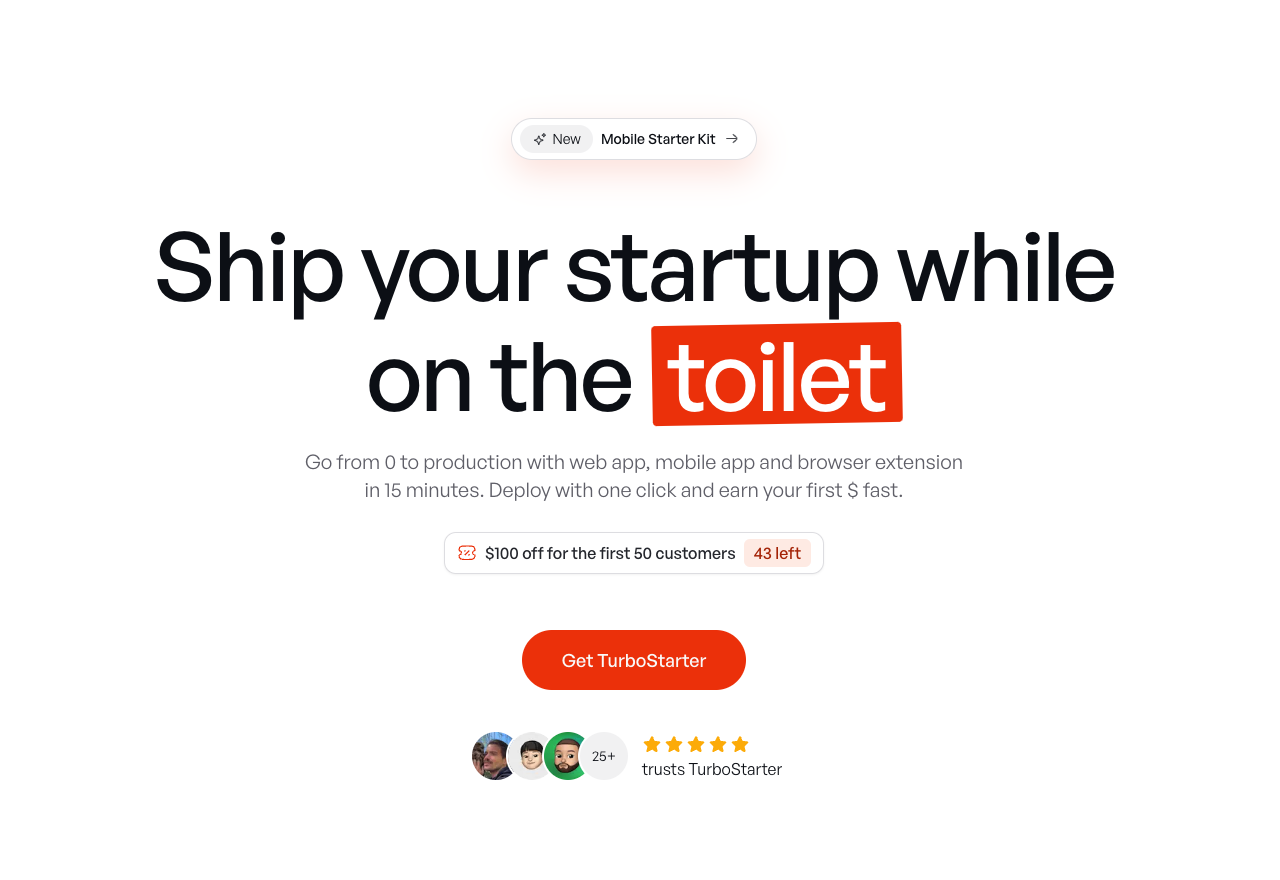
TurboStarter
Ship your startup everywhere. In minutes.
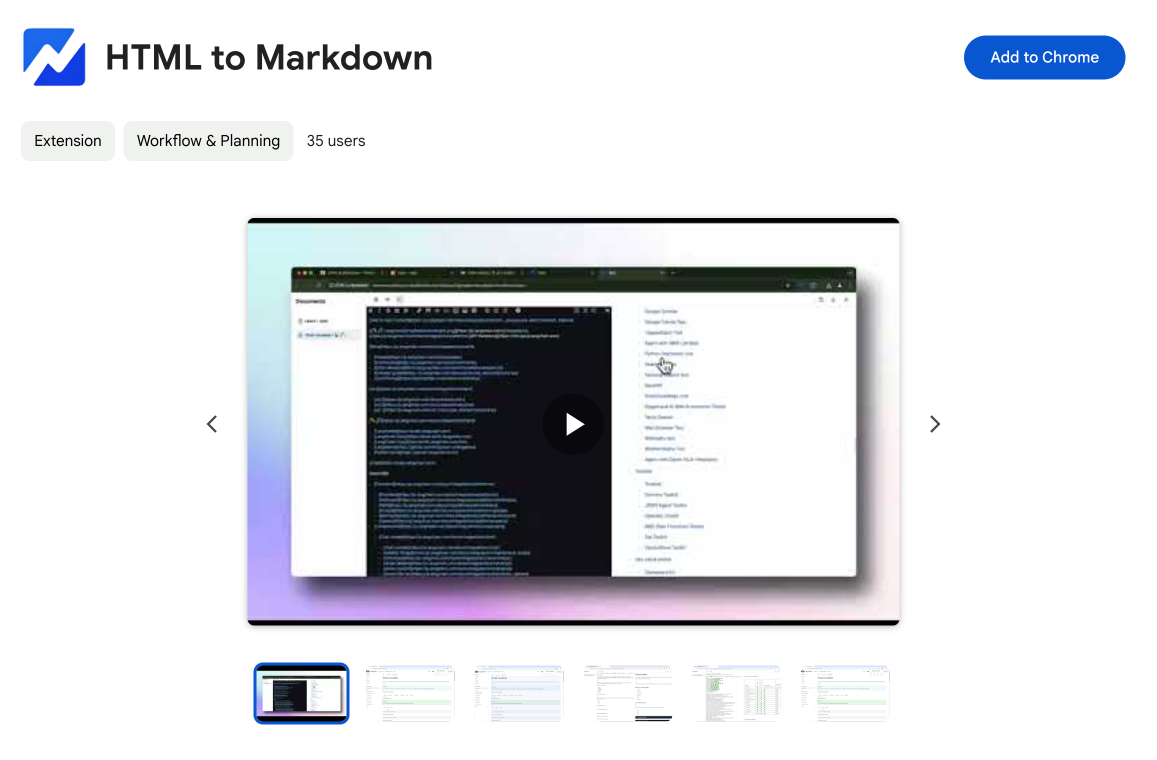
HTML to Markdown
Convert HTML to Markdown with ease, directly in your browser 📄
Dotallio
Personalized AI apps that automate research, data extraction, and content creation without code 🤖
Talk to Santa
Enjoy a magical live video chat or receive a unique AI-generated video greeting from Santa Claus 🎅
pozywka.pl
Scalable blog for food journalist, focused on performance and user experience 🌭
zagrodzki.me
Personal blog and portfolio of Bart Zagrodzki, where he shares his knowledge and work 💼
TurboStarter
Ship your startup everywhere. In minutes.
HTML to Markdown
Convert HTML to Markdown with ease, directly in your browser 📄
Dotallio
Personalized AI apps that automate research, data extraction, and content creation without code 🤖
Talk to Santa
Enjoy a magical live video chat or receive a unique AI-generated video greeting from Santa Claus 🎅
pozywka.pl
Scalable blog for food journalist, focused on performance and user experience 🌭
zagrodzki.me
Personal blog and portfolio of Bart Zagrodzki, where he shares his knowledge and work 💼
TurboStarter
Ship your startup everywhere. In minutes.
HTML to Markdown
Convert HTML to Markdown with ease, directly in your browser 📄
Dotallio
Personalized AI apps that automate research, data extraction, and content creation without code 🤖
Talk to Santa
Enjoy a magical live video chat or receive a unique AI-generated video greeting from Santa Claus 🎅
pozywka.pl
Scalable blog for food journalist, focused on performance and user experience 🌭
zagrodzki.me
Personal blog and portfolio of Bart Zagrodzki, where he shares his knowledge and work 💼
TurboStarter
Ship your startup everywhere. In minutes.
HTML to Markdown
Convert HTML to Markdown with ease, directly in your browser 📄
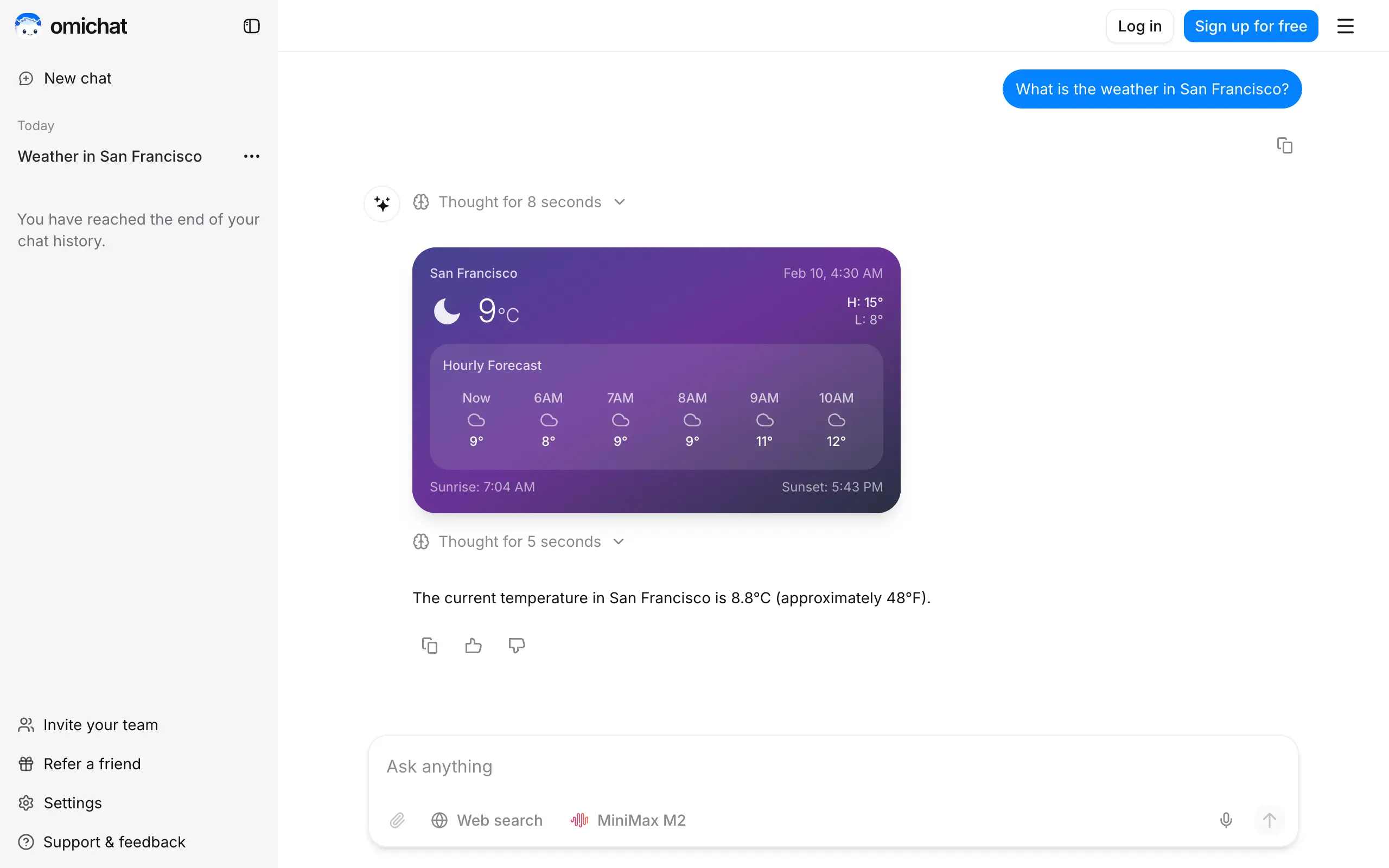
Omichat
Chat with 50+ AI models, including ChatGPT and Claude, in one place - switch models anytime without losing context 🤖
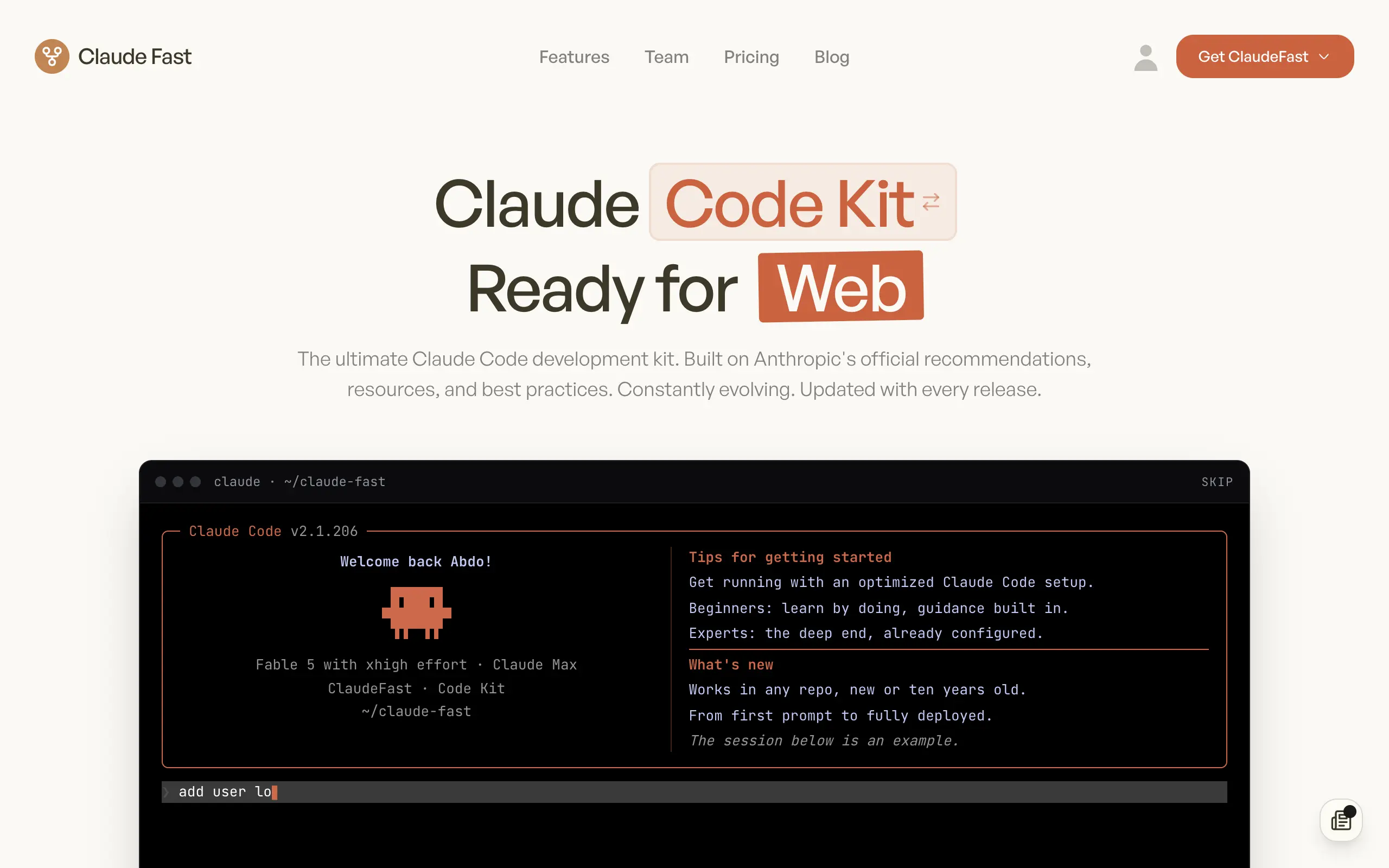
Claude Fast
Supercharge your Claude Code with 6x effective context window and specialized AI agents 🤖
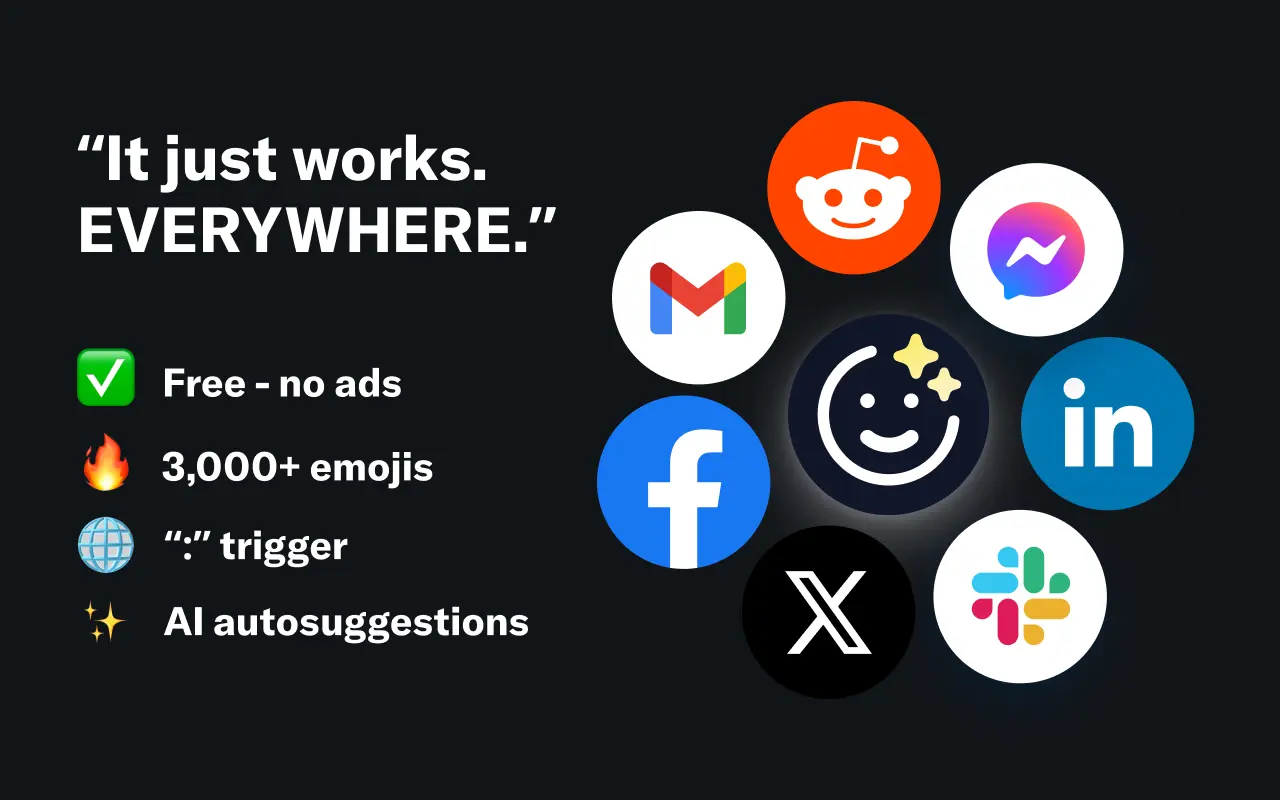
EmojAI
AI-powered emoji picker with smart, context-aware suggestions 🤖

Solohacker
Autonomous company launcher - AI agents work 24/7, escalate what matters, and you stay in control 🤖

BeRawi: Storytelling Coach
Practice storytelling daily with instant feedback to sound clearer, more engaging, and confident 🎤
Omichat
Chat with 50+ AI models, including ChatGPT and Claude, in one place - switch models anytime without losing context 🤖
Claude Fast
Supercharge your Claude Code with 6x effective context window and specialized AI agents 🤖
EmojAI
AI-powered emoji picker with smart, context-aware suggestions 🤖
Solohacker
Autonomous company launcher - AI agents work 24/7, escalate what matters, and you stay in control 🤖
BeRawi: Storytelling Coach
Practice storytelling daily with instant feedback to sound clearer, more engaging, and confident 🎤
Omichat
Chat with 50+ AI models, including ChatGPT and Claude, in one place - switch models anytime without losing context 🤖
Claude Fast
Supercharge your Claude Code with 6x effective context window and specialized AI agents 🤖
EmojAI
AI-powered emoji picker with smart, context-aware suggestions 🤖
Solohacker
Autonomous company launcher - AI agents work 24/7, escalate what matters, and you stay in control 🤖
BeRawi: Storytelling Coach
Practice storytelling daily with instant feedback to sound clearer, more engaging, and confident 🎤
Omichat
Chat with 50+ AI models, including ChatGPT and Claude, in one place - switch models anytime without losing context 🤖
Claude Fast
Supercharge your Claude Code with 6x effective context window and specialized AI agents 🤖
EmojAI
AI-powered emoji picker with smart, context-aware suggestions 🤖
Solohacker
Autonomous company launcher - AI agents work 24/7, escalate what matters, and you stay in control 🤖
BeRawi: Storytelling Coach
Practice storytelling daily with instant feedback to sound clearer, more engaging, and confident 🎤

Connect with like-minded people
Join our community to get feedback, support, and grow together with 1,000+ builders on board, let's ship it!
Join usShip your startup everywhere. In minutes.
Don't burn tokens on setup and start building features on day one.