ProofPort
Collects, verifies, and continuously monitors supplier insurance, certifications, and security evidence in one audit-ready portal.
Why supplier evidence management has become a board-level problem
Supplier risk is no longer limited to price, delivery dates, and service quality. Procurement teams, security leaders, compliance officers, and legal departments increasingly need reliable proof that every supplier meets the organization’s requirements.
That proof may include:
- Insurance certificates and policy limits
- Industry certifications
- Data protection agreements
- Security questionnaires
- Penetration test summaries
- SOC 2 reports
- ISO 27001 certificates
- Business continuity plans
- Background screening records
- Environmental, social, and governance documentation
- Licenses, permits, and regulatory attestations
The operational challenge is not simply collecting files. It is making sure the evidence is current, authentic, complete, and easy to retrieve during an audit, customer review, renewal, incident, or procurement decision.
ProofPort is a supplier compliance management platform designed to collect, verify, organize, and continuously monitor supplier insurance, certifications, and security evidence in a single audit-ready portal.
Its core value proposition is straightforward: replace fragmented supplier compliance workflows with a living evidence system that helps organizations know which suppliers are compliant, which documents are expiring, and which risks require action.
For organizations managing dozens, hundreds, or thousands of suppliers, this is more than administrative convenience. It is a way to reduce third-party risk, shorten vendor onboarding cycles, improve audit readiness, and create accountable compliance operations.
Primary market insight
The strongest positioning for ProofPort is not generic document storage. It is continuous supplier evidence management for organizations that need verified, time-bound, audit-ready proof of third-party compliance.
Who needs supplier compliance management software
The ideal customer profile for ProofPort is a business with meaningful supplier exposure, recurring compliance obligations, and a workflow that currently depends on spreadsheets, shared drives, email follow-ups, or disconnected vendor management systems.
The platform should initially focus on segments where expired or missing documentation creates an immediate commercial, regulatory, operational, or security risk.
Procurement and vendor management teams
Procurement teams are often responsible for onboarding suppliers, collecting vendor documentation, and ensuring approved vendors meet internal requirements. In many companies, procurement still relies on manual reminders and shared folders.
These teams need a simple way to answer questions such as:
- Which suppliers are cleared to work with us?
- Which insurance policies expire in the next 30, 60, or 90 days?
- Which vendors have not completed their required documentation?
- Which suppliers need security review before contract renewal?
- Can a business stakeholder use this supplier today?
ProofPort can give procurement teams a supplier status dashboard, standardized evidence requests, automated follow-ups, and clear approval workflows.
Security and third-party risk teams
Security teams need more than a signed questionnaire. They need evidence that a supplier’s security controls are appropriate for the data, systems, and services involved.
A third-party risk management workflow often requires:
- SOC 2 Type II reports
- ISO 27001 certifications
- Data processing agreements
- Security policies
- Incident response plans
- Business continuity documentation
- Penetration testing evidence
- Subprocessor lists
- Security questionnaires
- Proof of cyber insurance
Security teams are a strong target audience because the consequences of incomplete vendor due diligence can be severe. Yet they are frequently forced to operate in inboxes, spreadsheets, ticketing systems, and document repositories that were not designed for continuous evidence monitoring.
Compliance, legal, and internal audit leaders
Compliance and legal teams need defensible processes. They must be able to demonstrate that suppliers were assessed against defined requirements and that exceptions were documented, reviewed, and approved.
Internal audit teams need to trace:
- The requirement assigned to a supplier.
- The evidence submitted by that supplier.
- The person who reviewed the evidence.
- The approval, rejection, or remediation outcome.
- The ongoing monitoring history.
- The exception or risk acceptance record, if one exists.
This audit trail is a major opportunity for ProofPort. A strong audit-ready portal should preserve timestamps, reviewer decisions, evidence versions, request histories, and user activity logs.
Regulated and risk-sensitive industries
ProofPort is especially relevant for companies operating in industries with extensive vendor oversight requirements.
Healthcare and life sciences
Supplier insurance, privacy evidence, business associate agreements, quality certificates, and security documentation often need close review.
Financial services and fintech
Third-party risk, cybersecurity, resilience, and regulatory oversight create a need for repeatable supplier evidence controls.
Construction and property management
Contractor insurance certificates, licenses, safety records, and compliance documentation are essential before work begins.
Enterprise SaaS and technology
Customer security reviews create pressure to demonstrate disciplined vendor risk management and current supplier controls.
Suppliers and vendors themselves
Suppliers are secondary users, but their experience matters. If submitting documents is frustrating, supplier adoption will suffer and internal teams will return to email.
A supplier portal should help vendors understand:
- What evidence is required
- Why the evidence is requested
- Which file formats are accepted
- When documents expire
- What has been approved
- What needs correction
- Who to contact with questions
The best supplier compliance software creates a low-friction experience without weakening evidence standards.
The market gap ProofPort can address
The supplier compliance and third-party risk market contains established governance, risk, and compliance platforms, procurement suites, document repositories, certificate-of-insurance tools, and security questionnaire products.
However, many organizations still face a practical gap between these categories.
Traditional enterprise GRC platforms can be powerful, but implementation may be expensive, slow, and overly complex for mid-market teams. Generic document storage platforms can hold files, but they do not inherently verify documents, trigger renewals, apply supplier-specific requirements, or create an evidence-based compliance status.
Security questionnaire platforms often focus on assessment workflows but may not adequately manage insurance certificates, operational licenses, quality certifications, and recurring supplier documentation.
Certificate tracking products may serve insurance-heavy workflows well but can lack broader security and compliance evidence management.
ProofPort can occupy a valuable position by becoming the operational system of record for supplier proof.
The core market problem
Most supplier compliance processes fail in predictable ways:
- Evidence is collected once during onboarding and never revisited.
- Teams cannot identify expiring documents early enough.
- Supplier requirements vary by risk level, geography, service category, or contract value.
- Review decisions are hidden in email threads.
- Security evidence lives separately from insurance and certification records.
- Files are stored without structured metadata.
- No one owns follow-up when a supplier becomes non-compliant.
- Audit preparation becomes a manual scramble.
The result is a false sense of control. A company may have a folder containing supplier files, yet still be unable to prove whether those files are valid, current, complete, or appropriate.
The strategic opening for ProofPort
ProofPort should focus on the intersection of three urgent needs:
- Evidence collection that is easy for suppliers to complete.
- Evidence verification that is structured, reviewable, and defensible.
- Continuous monitoring that catches expirations, changes, gaps, and outstanding remediation work.
That combination creates a more compelling product category than “vendor document management.” It positions ProofPort as supplier compliance management software for continuous assurance.
| Capability | Shared drive | Spreadsheet | Enterprise GRC suite | ProofPort opportunity |
|---|---|---|---|---|
| Central evidence storage | ✅ | ❌ | ✅ | ✅ |
| Expiry monitoring | ❌ | Manual | ✅ | ✅ |
| Supplier self-service portal | ❌ | ❌ | Varies | ✅ |
| Audit-ready decision trail | Limited | Limited | ✅ | ✅ |
| Fast mid-market deployment | ✅ | ✅ | Often difficult | ✅ |
Core ProofPort features that solve the real workflow
A credible supplier compliance platform should not start with a feature checklist. It should begin with the actual lifecycle of supplier evidence, from requirement creation to ongoing monitoring.
Supplier profiles and risk tiers
Every supplier should have a centralized profile containing legal entity information, service category, country, business owner, contract status, risk tier, review history, and associated evidence.
Risk tiering is essential because not every supplier needs the same review depth. A low-risk catering vendor does not require the same security evidence as a cloud hosting provider that processes customer data.
ProofPort should enable configurable supplier tiers such as:
- Low-risk supplier
- Standard supplier
- High-risk supplier
- Critical supplier
- Regulated supplier
- Data-processing supplier
- On-site contractor
Each tier can trigger a different evidence requirement set. This avoids overwhelming vendors with irrelevant requests while ensuring high-risk suppliers receive the scrutiny they require.
Configurable evidence requirements
The product should let administrators create evidence requirements by supplier type, risk tier, location, business unit, or contract category.
Examples include:
- General liability insurance
- Professional indemnity insurance
- Workers’ compensation coverage
- Cyber liability insurance
- SOC 2 Type II report
- ISO 27001 certification
- ISO 9001 quality certification
- Data processing agreement
- Business continuity plan
- Sanctions attestation
- Modern slavery statement
- Health and safety certificate
- Professional license
- Privacy impact assessment
Each requirement should support structured fields, including document type, issuing organization, coverage limit, effective date, expiration date, named insured, control scope, reviewer notes, and status.
This structured approach is what transforms files into usable compliance evidence.
Supplier evidence request portal
A supplier should receive a branded, secure request link or portal invitation. The portal should clearly state the requested item, deadline, accepted format, and current status.
The workflow should support:
- Secure file uploads
- Questionnaire responses
- Attestations
- Supporting comments
- Document replacement
- Delegated supplier contacts
- Reminder notifications
- Multi-language guidance where needed
- Mobile-friendly upload flows
A supplier portal is not just a convenience feature. It directly affects completion rates and the cost of vendor onboarding.
Document extraction and validation
Document intelligence is a key differentiator, particularly for insurance certificates and certifications with clear dates and issuer information.
ProofPort can use optical character recognition and AI-assisted extraction to identify fields such as:
- Policy number
- Insurance carrier
- Coverage type
- Limit amount
- Effective date
- Expiration date
- Certificate holder
- Issuing body
- Certification number
- Certification expiry date
However, automation must be positioned carefully. AI can extract and flag information, but it should not silently make final compliance decisions on ambiguous documents.
A better model is human-in-the-loop verification. The platform can prefill fields, highlight missing details, compare extracted information to requirements, and route uncertain cases to a reviewer.
Avoid overpromising AI verification
An uploaded certificate can be readable yet still invalid, altered, out of scope, or insufficient for a contractual requirement. ProofPort should distinguish automated extraction, rule-based validation, reviewer approval, and issuer verification.
Review workflows and approval controls
Evidence must move through a clear review lifecycle. At minimum, the platform should support statuses such as:
- Requested
- Submitted
- Under review
- Approved
- Rejected
- Expiring soon
- Expired
- Waived
- Exception approved
Reviewers should be able to approve a document, request clarification, reject it with a reason, or escalate it to another approver.
For higher-risk requirements, ProofPort should support two-person review, legal approval, security sign-off, or time-limited exception approval.
A defensible workflow records who made each decision, when they made it, what they reviewed, and why an exception was accepted.
Continuous monitoring and automated renewals
Continuous monitoring is the feature that turns ProofPort from a one-time onboarding tool into a recurring compliance platform.
The product should automatically trigger notifications based on document expiration dates, supplier status, outstanding remediation, and evidence changes.
Useful monitoring rules include:
- Notify supplier 90 days before expiration.
- Notify internal owner 60 days before expiration.
- Escalate to procurement 30 days before expiration.
- Mark supplier as restricted when critical evidence expires.
- Create a remediation task when a required document is rejected.
- Reopen a review when a supplier changes its service scope.
- Require an annual security reassessment for high-risk suppliers.
Administrators should configure escalation rules based on the business impact of the requirement. An expired low-risk certificate may need a reminder. An expired cyber insurance certificate for a critical data processor may need immediate escalation.
Audit-ready reporting and evidence packs
ProofPort should make audit preparation dramatically easier by generating evidence packs for a supplier, requirement category, business unit, or reporting period.
A useful audit report could show:
- Supplier identity and risk classification
- Required evidence inventory
- Submission dates
- Approval dates
- Expiration dates
- Current compliance status
- Reviewer decisions
- Open remediation items
- Exception approvals
- Complete activity history
Export options should include PDF, CSV, and machine-readable formats where relevant. The product should also preserve the original uploaded file alongside structured metadata and review history.
A differentiated product strategy for ProofPort
The strongest competitive advantage is not merely having a supplier portal or sending expiration reminders. Many products can do those things.
ProofPort should differentiate through proof quality, continuous assurance, and cross-functional usability.
Make evidence reliability visible
Most dashboards show whether a document has been uploaded. ProofPort should show whether the evidence is trustworthy and sufficient.
A proprietary Proof Score could combine factors such as:
- Evidence completeness
- Document freshness
- Review status
- Issuer credibility
- Requirement fit
- Supplier responsiveness
- Open remediation items
- Exception age
- Risk tier
This score should never replace expert judgment. Instead, it should help teams prioritize supplier reviews and identify records that appear complete but carry hidden risk.
For example, a vendor could have uploaded a cyber insurance certificate, but the policy limit may be below the organization’s minimum requirement. The document exists, yet the requirement is not satisfied.
Unite insurance, certification, and security evidence
The category-spanning nature of ProofPort is a meaningful USP. Organizations often manage these proof types in separate systems, each owned by a different function.
ProofPort can offer a shared evidence layer where:
- Procurement monitors onboarding readiness.
- Security reviews security documentation.
- Legal verifies contractual obligations.
- Compliance tracks certifications and attestations.
- Finance or risk teams monitor insurance adequacy.
- Internal audit reviews the full history.
This supports a more complete view of third-party compliance without forcing every team to abandon its own specialized processes.
Deliver enterprise controls without enterprise friction
Large governance platforms frequently require long implementations, extensive consulting, and dedicated administrators. ProofPort can win mid-market and upper-mid-market customers by providing opinionated templates, fast setup, and a user-friendly supplier experience.
The product should offer prebuilt requirement libraries for common use cases while allowing customization for sophisticated customers.
Potential templates include:
- SaaS vendor security review
- Contractor insurance verification
- Healthcare supplier compliance
- Financial services third-party assessment
- ISO certification monitoring
- Data processor due diligence
- Construction subcontractor onboarding
The strategic message is clear: serious compliance control without a heavyweight GRC implementation.
Recommended tech stack for building ProofPort
ProofPort handles sensitive supplier records, business-critical workflows, and potentially large volumes of documents. The recommended architecture should prioritize security, auditability, background processing, and scalability.
Frontend and application framework
A strong starting point is Next.js with React and TypeScript.
This stack supports a responsive customer portal, server-rendered pages, secure backend routes, and a broad ecosystem of deployment and authentication options.
Tailwind CSS is well suited for building consistent dashboards, supplier portals, requirement forms, review queues, and responsive tables quickly.
Suggested frontend components include:
- Internal compliance dashboard
- Supplier self-service portal
- Evidence upload and replacement flow
- Reviewer workspace
- Requirement template builder
- Reporting and exports area
- Administrative role management
Backend, database, and storage
A relational database such as PostgreSQL is the best core datastore for ProofPort. Supplier requirements, users, approvals, exceptions, audit events, and document metadata all have relationships that benefit from strong transactional integrity.
Use an object storage service compatible with Amazon S3 for encrypted document storage. Store only metadata and object references in the database rather than file binaries.
For background jobs, use a durable queue system to handle:
- Email reminders
- Expiration scans
- OCR processing
- Malware scanning
- Evidence extraction
- Report generation
- Integration syncs
- Escalation workflows
AI and document intelligence architecture
AI-enabled document extraction should be modular. This prevents vendor lock-in and makes it easier to test accuracy, cost, latency, and privacy implications.
A practical processing pipeline looks like this:
type EvidenceStatus =
  | "requested"
  | "submitted"
  | "under_review"
  | "approved"
  | "rejected"
  | "expired";

async function processEvidenceUpload(evidenceId: string) {
  await scanForMalware(evidenceId);

  const extractedFields = await extractDocumentFields(evidenceId);

  const validation = await validateAgainstRequirement({
    evidenceId,
    extractedFields,
  });

  await updateEvidenceRecord(evidenceId, {
    status: validation.requiresReview ? "under_review" : "submitted",
    extractedFields,
    validationFlags: validation.flags,
  });

  if (validation.isCritical) {
    await notifyComplianceOwner(evidenceId);
  }
}
The important design principle is to preserve a distinction between extracted data and approved data. Every AI-derived field should be traceable to the source document and editable by an authorized reviewer.
Authentication and authorization
ProofPort requires robust role-based access control because internal employees, suppliers, auditors, brokers, and external reviewers may all need different permissions.
Recommended roles include:
- Organization administrator
- Procurement manager
- Compliance reviewer
- Security reviewer
- Legal reviewer
- Business owner
- Read-only auditor
- Supplier administrator
- Supplier contributor
Authorization should operate at both organization and supplier scope. A supplier user must only access their own organization’s evidence and requests. Internal users may need access limited by department, region, or assigned vendor portfolio.
Integration strategy
Integrations can become a strong expansion lever after the core workflow is validated.
Priority integrations may include:
- Procurement systems
- Contract lifecycle management tools
- Identity providers through SAML or single sign-on
- Security rating platforms
- GRC tools
- Ticketing platforms
- HR and contractor management systems
- Customer relationship management platforms
- Insurance broker systems
An API-first design makes it easier for larger customers to synchronize supplier lists, risk tiers, contract dates, and approval outcomes.
Start with a modular monolith using Next.js, PostgreSQL, encrypted object storage, background jobs, role-based access control, and an email provider. This approach reduces operational complexity and accelerates learning.
Introduce dedicated document-processing workers, event-driven workflows, advanced search, data warehouse exports, SSO, SCIM provisioning, and integration services as customer volume and enterprise requirements increase.
Monetization options for supplier evidence management software
ProofPort should use pricing that reflects customer value while remaining easy to understand during procurement.
A subscription model based on active suppliers is likely the most intuitive approach. Organizations with more suppliers generate more evidence requests, documents, reminders, reviews, and risk-management value.
Recommended pricing model
A tiered SaaS model could include:
- Starter plan for smaller teams managing a limited supplier portfolio
- Growth plan for companies needing configurable workflows and automated monitoring
- Business plan for cross-functional teams with advanced reporting and integrations
- Enterprise plan for SSO, SCIM, custom retention, audit exports, dedicated support, and contractual controls
Usage limits can be based on active suppliers, internal reviewer seats, document volume, or monthly evidence requests. The cleanest primary value metric is generally active suppliers.
High-value paid add-ons
ProofPort can expand average revenue per account with optional capabilities:
- AI-assisted document extraction
- Managed evidence verification
- Insurance certificate verification
- Advanced supplier risk scoring
- Custom integrations
- White-label supplier portals
- Premium onboarding
- Dedicated compliance analyst support
- Regional data residency
- Advanced audit report packs
- Vendor remediation workflows
Managed verification may be particularly attractive. Many customers do not simply need a system to hold documents. They need qualified people or trusted processes to help validate them.
Free trial versus concierge onboarding
A self-serve free trial may work for smaller companies, but the main buyer often has a complex supplier ecosystem and requires configuration support.
For the mid-market, a better go-to-market motion may be:
- Offer a guided product demo.
- Run a supplier evidence maturity assessment.
- Configure a pilot with one supplier category.
- Measure document collection and renewal efficiency.
- Expand across business units.
This approach turns implementation into part of the value proposition.
Risks and mitigation strategies
Supplier compliance software must earn trust. A poorly designed platform could introduce privacy issues, create overreliance on automation, or fail to meet the expectations of risk-sensitive customers.
Risk around document authenticity
A supplier can upload a forged, outdated, or incomplete document. OCR alone cannot guarantee authenticity.
Mitigation approaches include:
- Require human review for high-risk evidence.
- Add issuer verification workflows where possible.
- Record document hashes and file metadata.
- Flag suspicious inconsistencies between document fields and supplier data.
- Track prior document versions.
- Require supplier attestations.
- Store reviewer decisions and rationale.
- Provide clear status labels that distinguish uploaded from verified.
Risk around sensitive information
Insurance certificates, security reports, contracts, and compliance records can contain confidential information.
Mitigation approaches include:
- Encrypt data in transit and at rest.
- Enforce role-based access controls.
- Support single sign-on for enterprise accounts.
- Maintain immutable audit logs.
- Use short-lived secure upload links.
- Scan every uploaded file for malware.
- Implement retention and deletion policies.
- Isolate tenant data carefully.
- Conduct regular penetration testing.
- Publish a transparent security and privacy posture.
Security claims should be backed by documented controls, third-party testing where appropriate, and a clear shared-responsibility model. Avoid vague claims such as “bank-grade security” unless the organization can define and substantiate them.
Risk around configuration complexity
Compliance requirements differ across industries, regions, contracts, and supplier categories. Excessive flexibility can make the product difficult to set up.
Mitigation approaches include:
- Start with opinionated templates.
- Offer a simple requirement builder.
- Separate basic and advanced configuration modes.
- Provide implementation checklists.
- Include example policies and evidence libraries.
- Make rule inheritance visible.
- Offer professional services for complex deployments.
Risk around feature sprawl
ProofPort could be tempted to become a complete procurement suite, full GRC platform, contract management tool, and cybersecurity rating service all at once.
That would dilute the product.
The product should remain focused on a specific promise: collect, verify, and continuously monitor supplier proof. Integrate with adjacent systems rather than rebuilding every adjacent category.
How ProofPort can establish authority and trust
To rank and convert effectively, ProofPort needs content that demonstrates genuine expertise in supplier compliance, third-party risk, insurance tracking, audit readiness, and evidence verification.
The content strategy should answer high-intent questions that procurement, compliance, security, and legal leaders actively search for.
Examples include:
- What is supplier compliance management?
- How do you track supplier insurance certificates?
- What documents should vendors provide during onboarding?
- How do you prepare for a third-party risk audit?
- How often should supplier certifications be reviewed?
- What is the difference between vendor onboarding and vendor monitoring?
- How do you manage expiring certificates of insurance?
- What evidence is required for SaaS vendor due diligence?
- How do you create an audit trail for supplier compliance?
Build E-E-A-T through practitioner-led content
Strong content should include real operational insights, not generic marketing language.
For example, publish articles that explain:
- Why a submitted certificate is not the same as verified coverage
- How to define evidence requirements by supplier risk tier
- Which documents commonly expire without notice
- How to design an exception approval workflow
- How security, procurement, and legal teams can share supplier evidence
- How to reduce vendor onboarding delays without reducing due diligence
When citing market size, breach statistics, regulatory enforcement figures, or survey data, reference the original report from a recognized source. Suitable source categories include regulatory agencies, recognized standards bodies, established analyst firms, and reputable cybersecurity research organizations.
Avoid inventing statistics or using unsupported claims such as “companies reduce risk by 80%.” Instead, explain the operational mechanism by which ProofPort helps customers improve control.
A practical MVP roadmap for ProofPort
The minimum viable product should prove that customers will pay to replace manual supplier evidence tracking with a centralized, monitored workflow.
The first release does not need every integration or advanced AI feature. It needs to solve the most painful and recurring workflow reliably.
Phase one: establish the evidence system of record
The MVP should include:
- Organization and user management
- Supplier profiles
- Supplier risk tiers
- Requirement templates
- Evidence request workflows
- Secure file uploads
- Document metadata capture
- Manual reviewer approval and rejection
- Expiration date tracking
- Automated email reminders
- Supplier compliance dashboard
- Audit activity log
- Basic exports
This version can serve procurement, compliance, and contractor management teams that are already struggling with spreadsheets and inbox-driven follow-up.
Phase two: automate the highest-friction tasks
After validating the workflow, add:
- OCR document extraction
- Requirement-specific validation rules
- Escalation workflows
- Supplier portal improvements
- Bulk supplier imports
- Evidence pack generation
- Exception and waiver approvals
- Slack or Microsoft Teams notifications
- API access
- Core procurement integrations
Phase three: build continuous assurance differentiation
Once the platform has reliable supplier and evidence data, add advanced capabilities:
- Proof Score and risk prioritization
- Annual reassessment campaigns
- Evidence change detection
- Managed verification services
- Issuer validation integrations
- Predictive renewal risk alerts
- Cross-supplier reporting
- Executive risk dashboards
- Benchmarking by supplier category
A production-ready SaaS foundation can accelerate this work significantly. TurboStarter can help teams move faster with common application foundations, allowing more engineering effort to be focused on ProofPort’s supplier evidence workflows, audit controls, and differentiated risk intelligence.
Final recommendation
ProofPort has a strong B2B SaaS opportunity because supplier compliance is a persistent operational problem with clear financial and risk implications. Organizations do not need another generic file repository. They need a trusted system that tells them whether each supplier has provided the right evidence, whether that evidence has been reviewed, and whether it remains valid today.
The winning version of ProofPort should be positioned as supplier compliance management software for continuous evidence assurance.
Its most defensible differentiators are:
- A unified portal for insurance, certifications, and security evidence
- Structured requirements tied to supplier risk
- Clear distinction between uploaded, validated, and approved evidence
- Automated expiration monitoring and escalations
- Audit-ready histories and exportable evidence packs
- A low-friction supplier experience
- Enterprise-grade controls without enterprise-grade implementation burden
By starting with a focused vertical or supplier category, proving measurable value in a paid pilot, and expanding from evidence collection into continuous monitoring, ProofPort can become a critical operating layer for procurement, compliance, security, and audit teams.
More 🏢 B2B Application SaaS ideas
Discover more innovative b2b application SaaS ideas that are trending in 2026. Each idea is AI-generated with market validation and growth potential to help you find your next profitable venture faster than competitors.
Your competitors are building with TurboStarter
Below are some of the SaaS ideas that have been generated and built with our starter kit.

Statiko
Monitor any Telegram channel in real time - track posts, edits, deletions, and growth with AI recaps 📡

Shibui
AI website builder - describe your business, pick a niche template, edit by chatting, and publish instantly ✨

Pro Service
Find verified home service professionals, compare quotes, and pay securely through escrow - built for Brazilians across the US 🏠
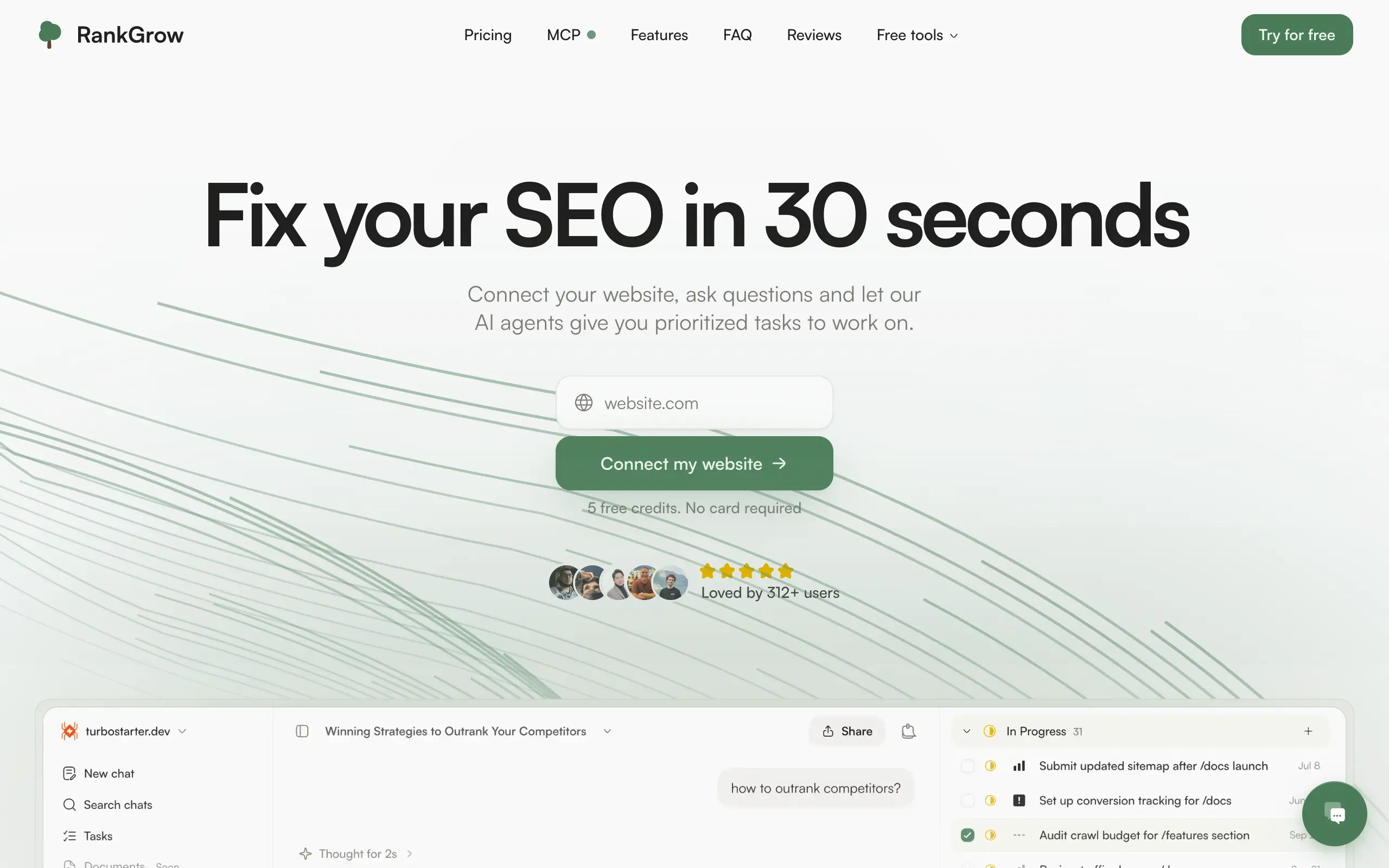
RankGrow
Fix your SEO with AI agents - connect Search Console, get prioritized tasks, and grow organic traffic 📈
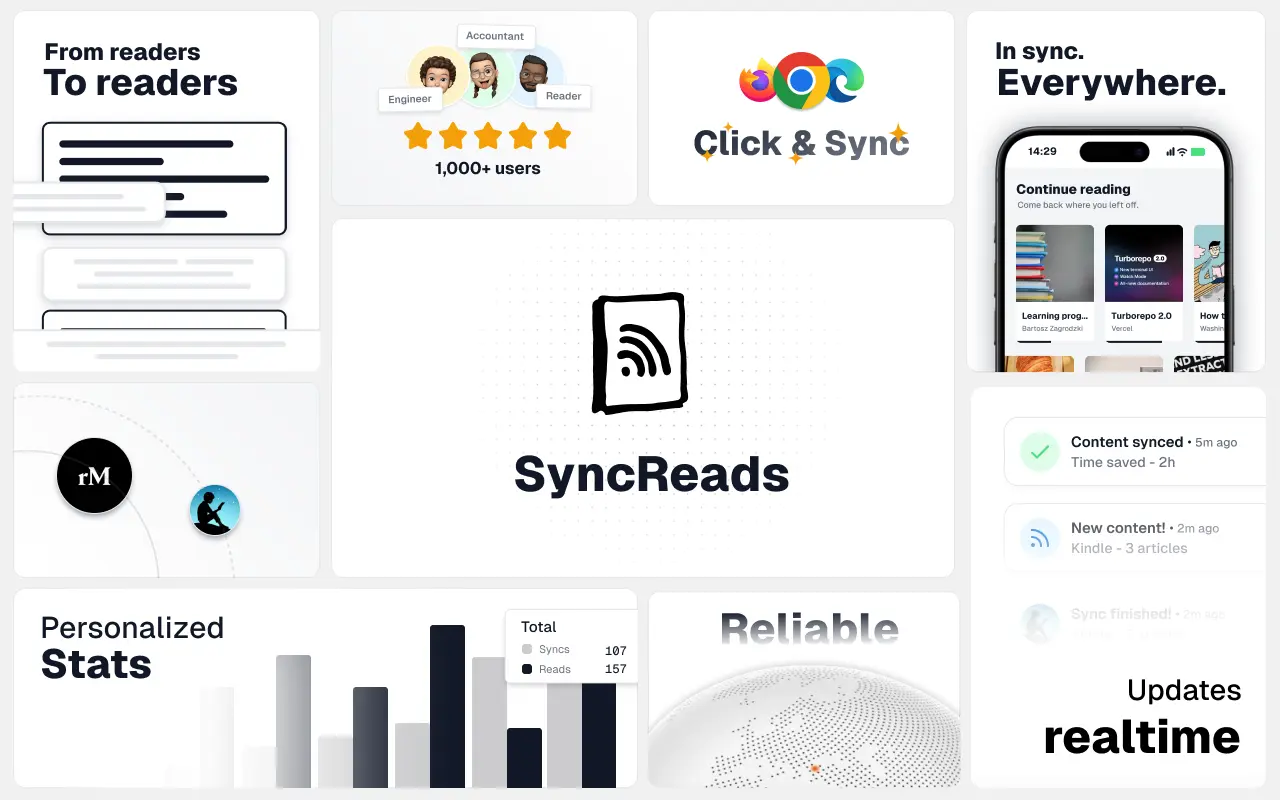
SyncReads
Sync your favorite content for distraction-free reading, save time and replace multiple apps. Anytime, anywhere 🔄
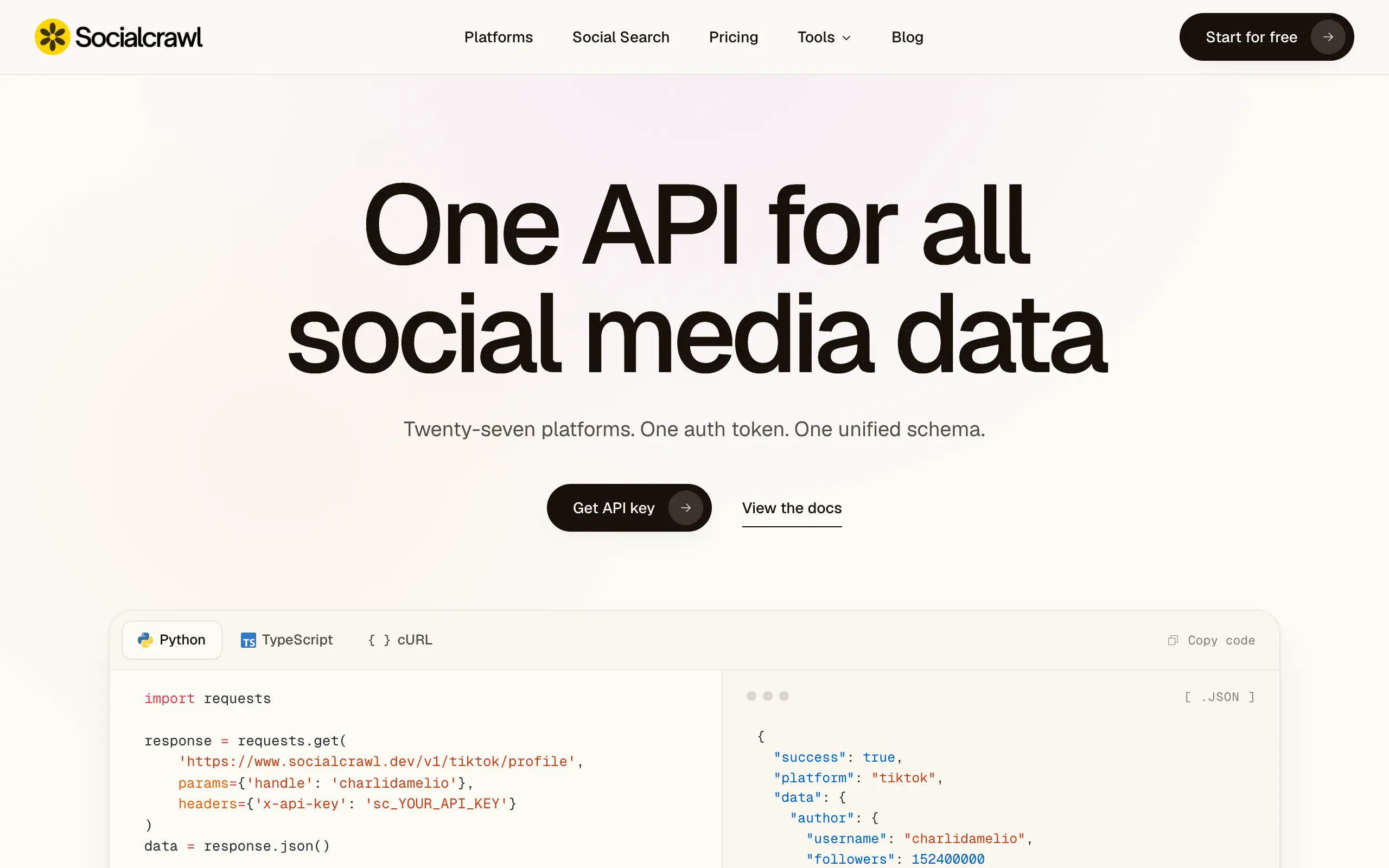
Socialcrawl
Get clean, structured data from 21 platforms like TikTok, Instagram, and YouTube with a single request 📊
Statiko
Monitor any Telegram channel in real time - track posts, edits, deletions, and growth with AI recaps 📡
Shibui
AI website builder - describe your business, pick a niche template, edit by chatting, and publish instantly ✨
Pro Service
Find verified home service professionals, compare quotes, and pay securely through escrow - built for Brazilians across the US 🏠
RankGrow
Fix your SEO with AI agents - connect Search Console, get prioritized tasks, and grow organic traffic 📈
SyncReads
Sync your favorite content for distraction-free reading, save time and replace multiple apps. Anytime, anywhere 🔄
Socialcrawl
Get clean, structured data from 21 platforms like TikTok, Instagram, and YouTube with a single request 📊
Statiko
Monitor any Telegram channel in real time - track posts, edits, deletions, and growth with AI recaps 📡
Shibui
AI website builder - describe your business, pick a niche template, edit by chatting, and publish instantly ✨
Pro Service
Find verified home service professionals, compare quotes, and pay securely through escrow - built for Brazilians across the US 🏠
RankGrow
Fix your SEO with AI agents - connect Search Console, get prioritized tasks, and grow organic traffic 📈
SyncReads
Sync your favorite content for distraction-free reading, save time and replace multiple apps. Anytime, anywhere 🔄
Socialcrawl
Get clean, structured data from 21 platforms like TikTok, Instagram, and YouTube with a single request 📊
Statiko
Monitor any Telegram channel in real time - track posts, edits, deletions, and growth with AI recaps 📡
Shibui
AI website builder - describe your business, pick a niche template, edit by chatting, and publish instantly ✨
Pro Service
Find verified home service professionals, compare quotes, and pay securely through escrow - built for Brazilians across the US 🏠
RankGrow
Fix your SEO with AI agents - connect Search Console, get prioritized tasks, and grow organic traffic 📈
SyncReads
Sync your favorite content for distraction-free reading, save time and replace multiple apps. Anytime, anywhere 🔄
Socialcrawl
Get clean, structured data from 21 platforms like TikTok, Instagram, and YouTube with a single request 📊
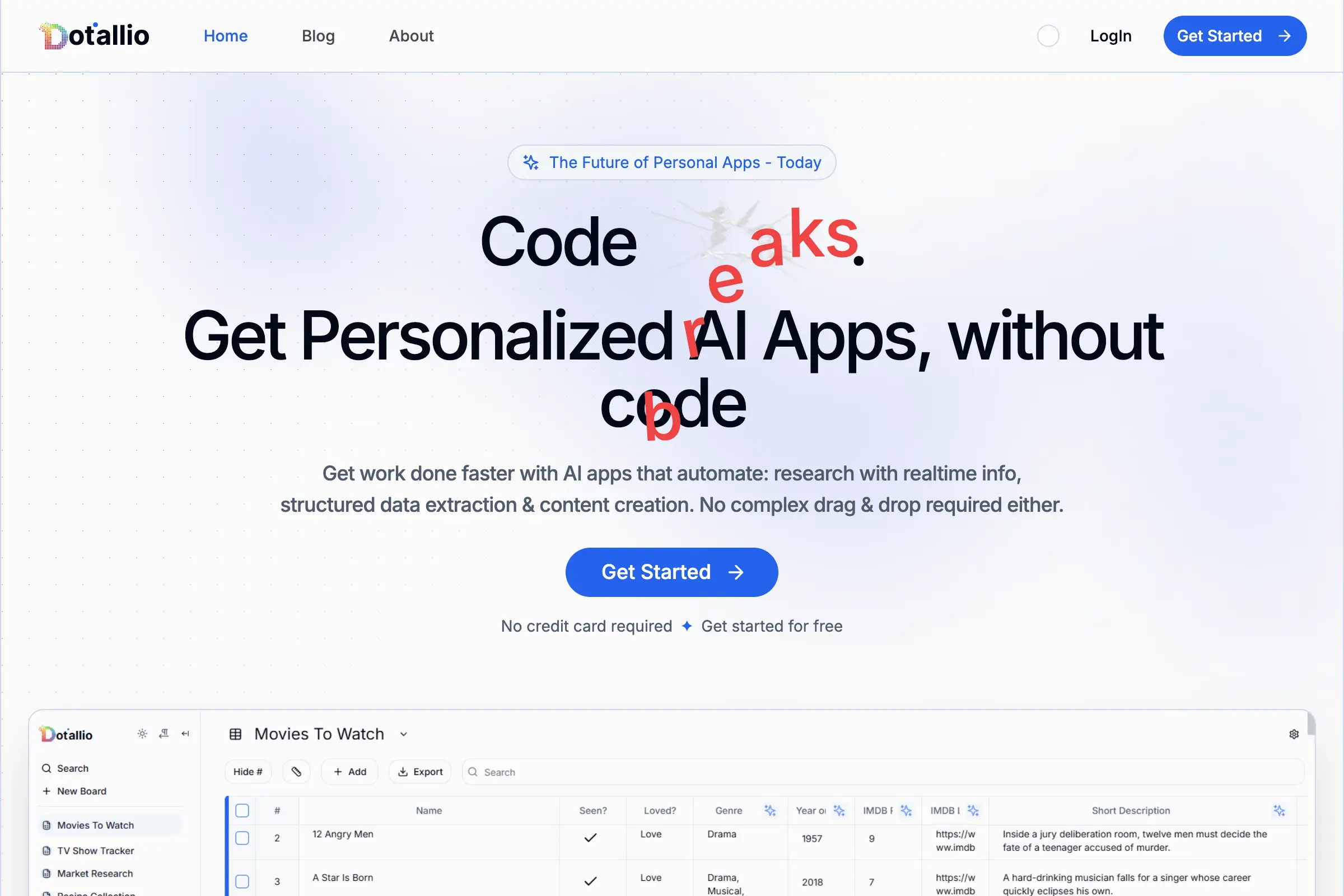
Dotallio
Personalized AI apps that automate research, data extraction, and content creation without code 🤖

Talk to Santa
Enjoy a magical live video chat or receive a unique AI-generated video greeting from Santa Claus 🎅

pozywka.pl
Scalable blog for food journalist, focused on performance and user experience 🌭
zagrodzki.me
Personal blog and portfolio of Bart Zagrodzki, where he shares his knowledge and work 💼
TurboStarter
Ship your startup everywhere. In minutes.
HTML to Markdown
Convert HTML to Markdown with ease, directly in your browser 📄
Dotallio
Personalized AI apps that automate research, data extraction, and content creation without code 🤖
Talk to Santa
Enjoy a magical live video chat or receive a unique AI-generated video greeting from Santa Claus 🎅
pozywka.pl
Scalable blog for food journalist, focused on performance and user experience 🌭
zagrodzki.me
Personal blog and portfolio of Bart Zagrodzki, where he shares his knowledge and work 💼
TurboStarter
Ship your startup everywhere. In minutes.
HTML to Markdown
Convert HTML to Markdown with ease, directly in your browser 📄
Dotallio
Personalized AI apps that automate research, data extraction, and content creation without code 🤖
Talk to Santa
Enjoy a magical live video chat or receive a unique AI-generated video greeting from Santa Claus 🎅
pozywka.pl
Scalable blog for food journalist, focused on performance and user experience 🌭
zagrodzki.me
Personal blog and portfolio of Bart Zagrodzki, where he shares his knowledge and work 💼
TurboStarter
Ship your startup everywhere. In minutes.
HTML to Markdown
Convert HTML to Markdown with ease, directly in your browser 📄
Dotallio
Personalized AI apps that automate research, data extraction, and content creation without code 🤖
Talk to Santa
Enjoy a magical live video chat or receive a unique AI-generated video greeting from Santa Claus 🎅
pozywka.pl
Scalable blog for food journalist, focused on performance and user experience 🌭
zagrodzki.me
Personal blog and portfolio of Bart Zagrodzki, where he shares his knowledge and work 💼
TurboStarter
Ship your startup everywhere. In minutes.
HTML to Markdown
Convert HTML to Markdown with ease, directly in your browser 📄
Omichat
Chat with 50+ AI models, including ChatGPT and Claude, in one place - switch models anytime without losing context 🤖
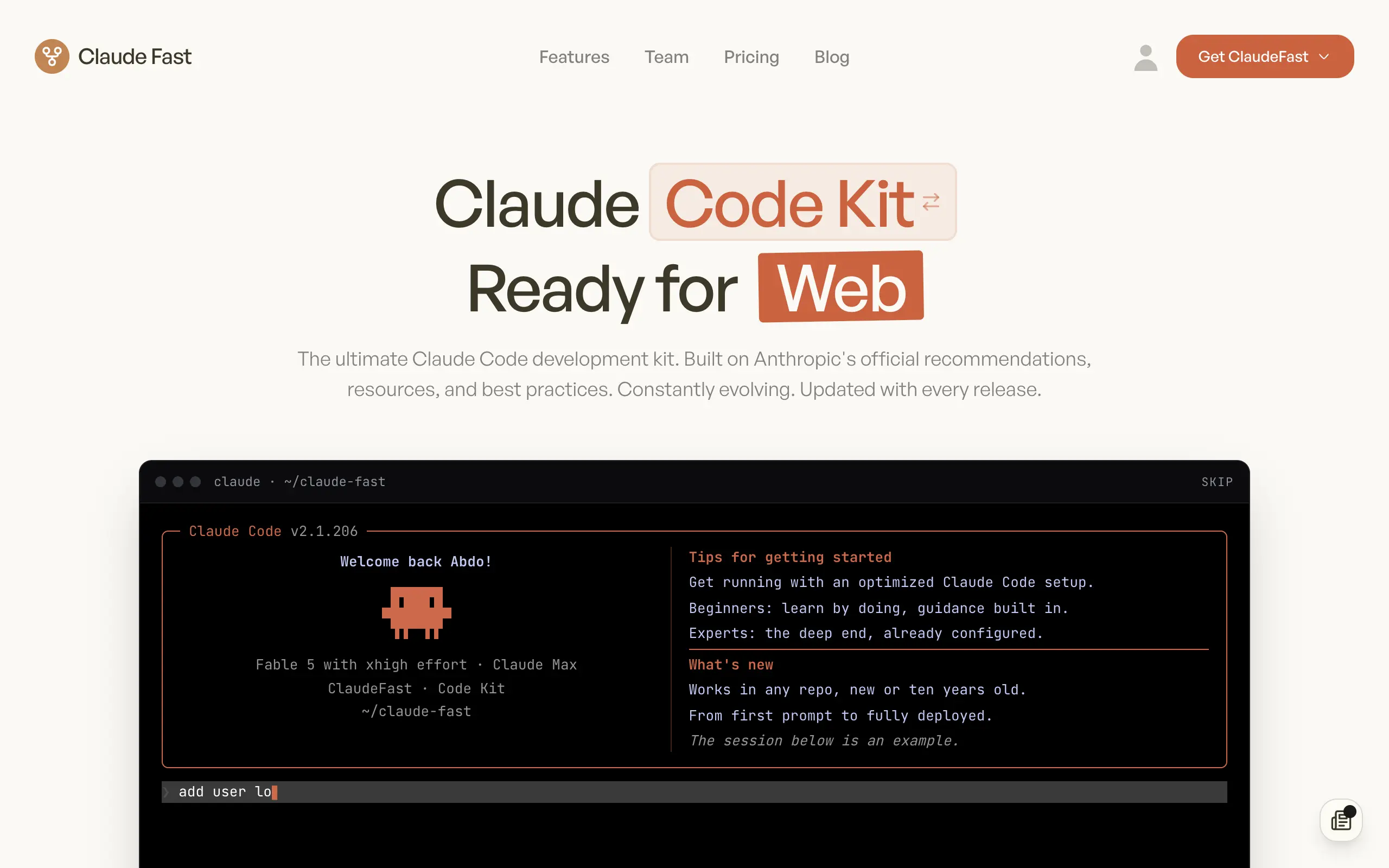
Claude Fast
Supercharge your Claude Code with 6x effective context window and specialized AI agents 🤖
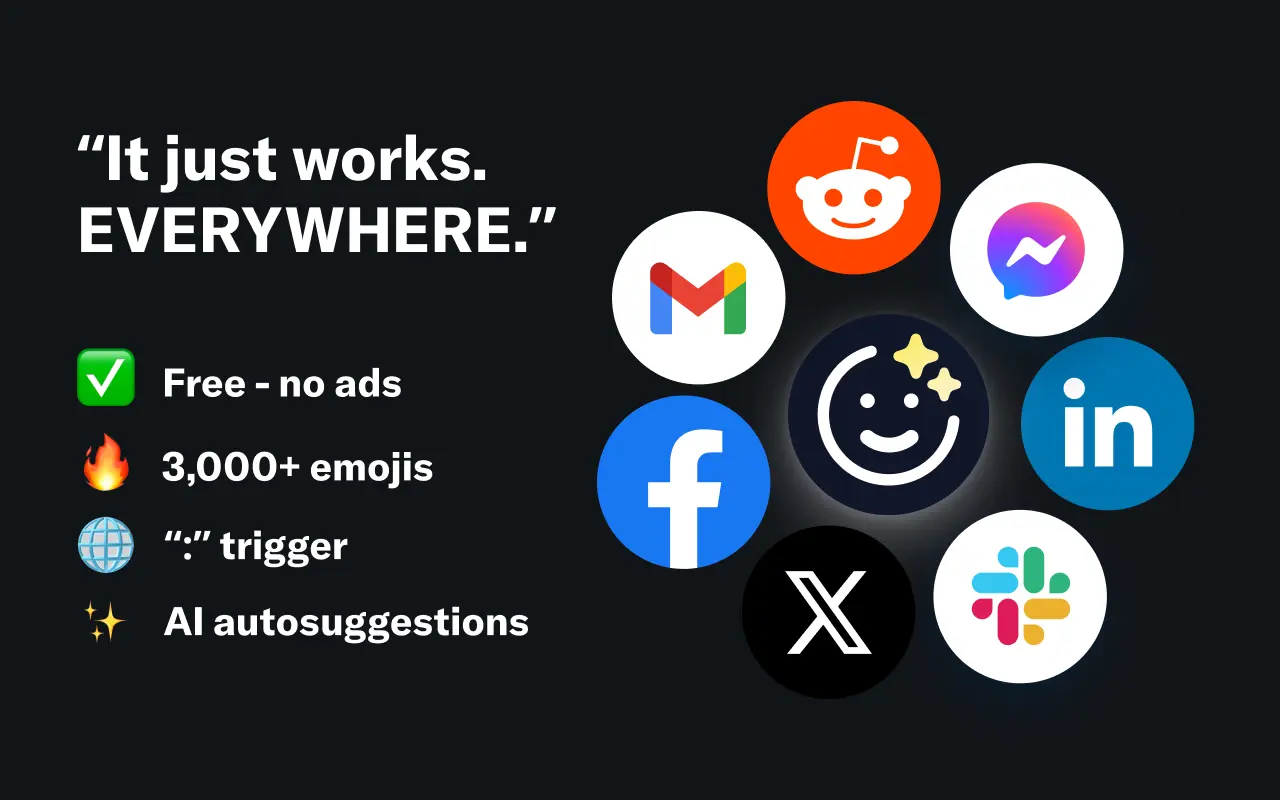
EmojAI
AI-powered emoji picker with smart, context-aware suggestions 🤖

Solohacker
Autonomous company launcher - AI agents work 24/7, escalate what matters, and you stay in control 🤖

BeRawi: Storytelling Coach
Practice storytelling daily with instant feedback to sound clearer, more engaging, and confident 🎤
Omichat
Chat with 50+ AI models, including ChatGPT and Claude, in one place - switch models anytime without losing context 🤖
Claude Fast
Supercharge your Claude Code with 6x effective context window and specialized AI agents 🤖
EmojAI
AI-powered emoji picker with smart, context-aware suggestions 🤖
Solohacker
Autonomous company launcher - AI agents work 24/7, escalate what matters, and you stay in control 🤖
BeRawi: Storytelling Coach
Practice storytelling daily with instant feedback to sound clearer, more engaging, and confident 🎤
Omichat
Chat with 50+ AI models, including ChatGPT and Claude, in one place - switch models anytime without losing context 🤖
Claude Fast
Supercharge your Claude Code with 6x effective context window and specialized AI agents 🤖
EmojAI
AI-powered emoji picker with smart, context-aware suggestions 🤖
Solohacker
Autonomous company launcher - AI agents work 24/7, escalate what matters, and you stay in control 🤖
BeRawi: Storytelling Coach
Practice storytelling daily with instant feedback to sound clearer, more engaging, and confident 🎤
Omichat
Chat with 50+ AI models, including ChatGPT and Claude, in one place - switch models anytime without losing context 🤖
Claude Fast
Supercharge your Claude Code with 6x effective context window and specialized AI agents 🤖
EmojAI
AI-powered emoji picker with smart, context-aware suggestions 🤖
Solohacker
Autonomous company launcher - AI agents work 24/7, escalate what matters, and you stay in control 🤖
BeRawi: Storytelling Coach
Practice storytelling daily with instant feedback to sound clearer, more engaging, and confident 🎤

Connect with like-minded people
Join our community to get feedback, support, and grow together with 1,000+ builders on board, let's ship it!
Join usShip your startup everywhere. In minutes.
Don't burn tokens on setup and start building features on day one.