ProofPulse
Capture timestamped web evidence from changing pages, including screenshots, source text, and hashes, for compliance, disputes, and research.
The rising need for automated proof-of-reserve and on-chain transparency
The collapse of major centralized crypto platforms in recent years fundamentally changed how institutional investors evaluate counterparty risk. Events like the FTX bankruptcy highlighted a painful truth: opaque balance sheets and manual audits are too slow and too fragile for crypto markets that operate 24/7.
Institutional allocators, family offices, hedge funds, and OTC desks now demand something more robust than quarterly attestations or PDF audit reports. They want:
- Real-time proof-of-reserves
- On-chain solvency verification
- Transparent liabilities tracking
- Continuous monitoring dashboards
- Cryptographic verification instead of trust-based reporting
This is exactly where an automated proof-of-reserve platform like ProofPulse creates a powerful market opportunity.
ProofPulse is positioned as a B2B SaaS platform for crypto funds and OTC desks, delivering automated proof-of-reserve systems and on-chain transparency dashboards that help institutional clients verify solvency in real time—without relying solely on manual audits.
In this in-depth guide, we’ll analyze:
- Target audience and market gap
- Core features and product architecture
- Technical stack recommendations
- Monetization strategy
- Competitive advantage
- Risks and mitigation
- Step-by-step implementation roadmap
If you're validating, building, or investing in a crypto transparency SaaS, this article is your blueprint.
Understanding the target audience for proof-of-reserve software
ProofPulse is a B2B solution. That means precision targeting is critical. The product must serve high-value institutional clients with clear compliance and trust needs.
Primary target segments
Crypto hedge funds
Need transparent reporting for LPs and regulators. Require automated reserve and asset verification.
OTC trading desks
Manage large-volume off-exchange trades and need counterparty solvency assurance.
Crypto asset managers
Require investor-grade dashboards to demonstrate asset custody and risk exposure.
Centralized exchanges (mid-tier)
Seek to differentiate with transparent on-chain proof-of-reserve reporting.
Secondary stakeholders
- Institutional allocators
- Family offices
- Compliance officers
- Auditors
- Risk committees
- Custodians
- Regulators (indirectly)
What they’re searching for
From an SEO and user-intent perspective, decision-makers are searching for terms like:
- “proof of reserves crypto software”
- “real-time crypto solvency dashboard”
- “automated on-chain transparency”
- “institutional crypto risk monitoring”
- “crypto fund transparency tools”
- “verify exchange reserves on-chain”
Their intent is primarily:
- Validation (Is this fund solvent?)
- Risk reduction (How do we prevent another FTX scenario?)
- Compliance alignment
- Investor reporting enhancement
- Operational efficiency
ProofPulse must directly answer these needs with automation, cryptographic rigor, and enterprise-grade UX.
Market opportunity and gap analysis
Why manual audits are insufficient
Traditional financial audits operate on:
- Quarterly or annual cycles
- Snapshot-based reporting
- Off-chain ledger reliance
- Manual reconciliation processes
Crypto markets, by contrast:
- Operate 24/7
- Have transparent on-chain data
- Enable real-time wallet visibility
- Require constant collateral monitoring
This mismatch creates a major opportunity.
The post-FTX transparency shift
After high-profile collapses, investors increasingly demand:
- Merkle-tree-based liabilities proofs
- Wallet-level reserve verification
- Public address transparency
- Automated solvency ratios
Some exchanges introduced partial proof-of-reserves. However, most solutions today are:
- One-time attestations
- Marketing-driven dashboards
- Not continuous
- Not standardized
- Not institutionally integrated
The gap: There is no widely adopted, automated, enterprise-grade proof-of-reserve SaaS tailored for crypto funds and OTC desks.
That’s the niche ProofPulse can dominate.
What is automated proof-of-reserve software?
Automated proof-of-reserve software continuously:
- Aggregates on-chain wallet balances
- Verifies liabilities via cryptographic methods (e.g., Merkle trees)
- Calculates solvency ratios
- Presents transparent dashboards
- Generates auditable verification reports
Unlike static PDFs, this system:
- Updates in near real time
- Integrates APIs and node data
- Uses cryptographic verification
- Reduces manual reconciliation
Core value proposition of ProofPulse
“Institutional-grade real-time solvency verification without manual audits.”
That’s powerful positioning.
Core features of ProofPulse
Below is a structured breakdown of high-impact features.
1. Real-time on-chain reserve tracking
- Multi-chain support (Ethereum, Bitcoin, Solana, etc.)
- Direct node integration or trusted indexing APIs
- Wallet clustering and labeling
- Cold vs hot wallet segmentation
2. Automated liability verification
- Merkle tree generation for client balances
- Cryptographic inclusion proofs
- Customer self-verification portals
- Zero-knowledge proof extensions (future roadmap)
3. Solvency ratio engine
Automatically calculate:
- Total assets (on-chain)
- Total liabilities (off-chain ledger input)
- Net solvency ratio
- Collateralization percentage
4. Transparency dashboards
- Custom-branded dashboards for funds
- Shareable institutional links
- Role-based access control
- Historical solvency charts
5. Compliance and audit integration
- Exportable reports
- Audit-friendly structured data
- API endpoints for regulators or third-party auditors
6. Risk alerts and monitoring
- Wallet movement alerts
- Sudden reserve drops
- Abnormal liability growth
- Collateral threshold triggers
How ProofPulse differs from competitors
Most existing proof-of-reserve efforts are:
- One-off attestations
- Exchange-led marketing initiatives
- Not independently automated
- Not designed for funds or OTC desks
Let’s compare:
| Feature | Manual Audit | Exchange Self-Report | Basic Explorer | ProofPulse | Spreadsheets |
|---|---|---|---|---|---|
| Real-time updates | ❌ | ❌ | ❌ | ✅ | ❌ |
| Automated solvency ratio | ❌ | ❌ | ❌ | ✅ | ❌ |
Unique selling proposition (USP)
ProofPulse combines:
- Continuous automation
- Cryptographic liability verification
- Multi-chain asset aggregation
- Institutional-grade dashboards
All delivered as a plug-and-play B2B SaaS platform.
That positioning creates strong defensibility.
Recommended tech stack for building ProofPulse
Building a real-time proof-of-reserve platform requires both blockchain expertise and enterprise SaaS engineering.
Frontend
- React for UI
- Next.js for server-side rendering and performance
- TailwindCSS for scalable design systems
- WebSocket integration for real-time updates
Backend
- Node.js (TypeScript)
- Rust services for heavy cryptographic operations
- Merkle tree libraries
- ZK-proof libraries (optional advanced tier)
Blockchain data layer
Options:
Trade-offs:
- Running nodes = maximum trust and reliability
- Third-party APIs = faster deployment, lower infra complexity
Database
- PostgreSQL for structured data
- Redis for real-time caching
- Time-series DB (e.g., TimescaleDB) for solvency metrics
Infrastructure
- Kubernetes for scaling
- Cloud providers (AWS, GCP, Azure)
- HSM or secure key management for cryptographic operations
Security stack
- SOC 2 compliance roadmap
- Encrypted secrets management
- Role-based access control
- Audit logs
Example: Merkle tree generation (simplified TypeScript)
import { createHash } from "crypto";

function hash(data: string): string {
  return createHash("sha256").update(data).digest("hex");
}

function generateMerkleRoot(leaves: string[]): string {
  if (leaves.length === 1) return leaves[0];

  const nextLevel = [];
  for (let i = 0; i < leaves.length; i += 2) {
    const left = leaves[i];
    const right = leaves[i + 1] || left;
    nextLevel.push(hash(left + right));
  }

  return generateMerkleRoot(nextLevel);
}
In production, this must include:
- Deterministic ordering
- Salting strategies
- Inclusion proof generation
- Cryptographic audits
Monetization strategy for ProofPulse
ProofPulse operates in a high-ticket B2B niche.
1. Tiered SaaS pricing
- Limited chains
- Basic dashboards
- Monthly reports
- Email support
- Multi-chain support
- Real-time updates
- API access
- Branded dashboards
- Custom integrations
- Dedicated node infrastructure
- ZK-proof add-ons
- SLA guarantees
2. Usage-based pricing
- Per wallet tracked
- Per asset supported
- Per API call volume
3. Enterprise compliance add-ons
- Custom audit reports
- Regulator API endpoints
- SOC 2 support packages
Average contract values (ACVs) could range from:
- $15,000/year (mid-tier funds)
- $50,000–$250,000/year (large OTC desks and exchanges)
This creates strong revenue scalability.
Competitive advantage strategy
ProofPulse should focus on defensibility in three layers:
1. Data network effects
The more funds use ProofPulse:
- The more standardized proof-of-reserve becomes
- The stronger its reputation
- The more institutional investors expect it
2. Compliance integration moat
By aligning with:
- Regulatory frameworks
- Auditor workflows
- Institutional reporting standards
ProofPulse becomes embedded in compliance processes.
3. Trust brand positioning
Transparency platforms win on trust.
Strategies:
- Publish methodology whitepapers
- Commission third-party audits
- Obtain security certifications
- Engage with regulators
Authority = adoption.
Risks and mitigation strategies
Key risks to address early
Crypto transparency platforms operate in high-risk environments. Security and credibility are non-negotiable.
1. Incorrect solvency calculations
Mitigation:
- Independent cryptographic audits
- Formal verification of core algorithms
- Redundant calculation engines
2. Security breaches
Mitigation:
- SOC 2 compliance
- Penetration testing
- Strict role-based access
3. Regulatory shifts
Mitigation:
- Flexible compliance architecture
- Legal advisory board
- Region-based reporting modules
4. Market downturns
Mitigation:
- Diversify beyond exchanges
- Serve custodians and funds
- Offer risk analytics extensions
Go-to-market strategy
Phase 1: Design partner model
- Recruit 3–5 crypto funds
- Offer discounted pilot
- Co-develop feature set
- Publish joint transparency case studies
Phase 2: Thought leadership
- Publish educational content on proof-of-reserve standards
- Speak at crypto compliance conferences
- Release transparency benchmark reports
Phase 3: Institutional outbound
- Direct outreach to hedge funds
- Partnerships with crypto custodians
- Integration with fund admin platforms
Implementation roadmap
Accelerating development
To reduce time-to-market:
- Use a modern SaaS starter infrastructure
- Implement pre-built auth, billing, and dashboard systems
- Focus engineering resources on cryptographic core
Platforms like TurboStarter can significantly accelerate foundational SaaS setup, allowing you to focus on blockchain integration and institutional features.
Long-term expansion opportunities
ProofPulse can expand into:
- On-chain risk scoring
- Cross-platform exposure analysis
- Custody risk monitoring
- DeFi protocol solvency tracking
- Real-time liquidation risk analytics
This evolves the platform from proof-of-reserve software into a comprehensive institutional crypto risk infrastructure layer.
Why ProofPulse is strategically positioned for 2026 and beyond
Crypto markets are maturing.
Institutional participation is increasing.
Regulators are tightening requirements.
Investors demand transparency.
Proof-of-reserve is no longer optional—it’s becoming a competitive requirement.
ProofPulse sits at the intersection of:
- Blockchain transparency
- Institutional compliance
- Real-time analytics
- Cryptographic verification
This convergence makes it not just a SaaS product—but potentially a new industry standard for crypto solvency verification.
Final thoughts
Automated proof-of-reserve platforms represent one of the most important infrastructure layers in the next phase of crypto’s evolution.
ProofPulse’s opportunity lies in:
- Delivering continuous, automated solvency verification
- Replacing manual audits with cryptographic systems
- Providing institutional-grade transparency dashboards
- Becoming the trusted third-party standard for funds and OTC desks
The market is primed. The regulatory climate favors transparency. The technology is ready.
The remaining question is execution.
If built correctly—with rigorous cryptographic integrity, enterprise-grade UX, and strong compliance alignment—ProofPulse can become the backbone of institutional crypto trust.
More 🏢 B2B Application SaaS ideas
Discover more innovative b2b application SaaS ideas that are trending in 2026. Each idea is AI-generated with market validation and growth potential to help you find your next profitable venture faster than competitors.
Your competitors are building with TurboStarter
Below are some of the SaaS ideas that have been generated and built with our starter kit.
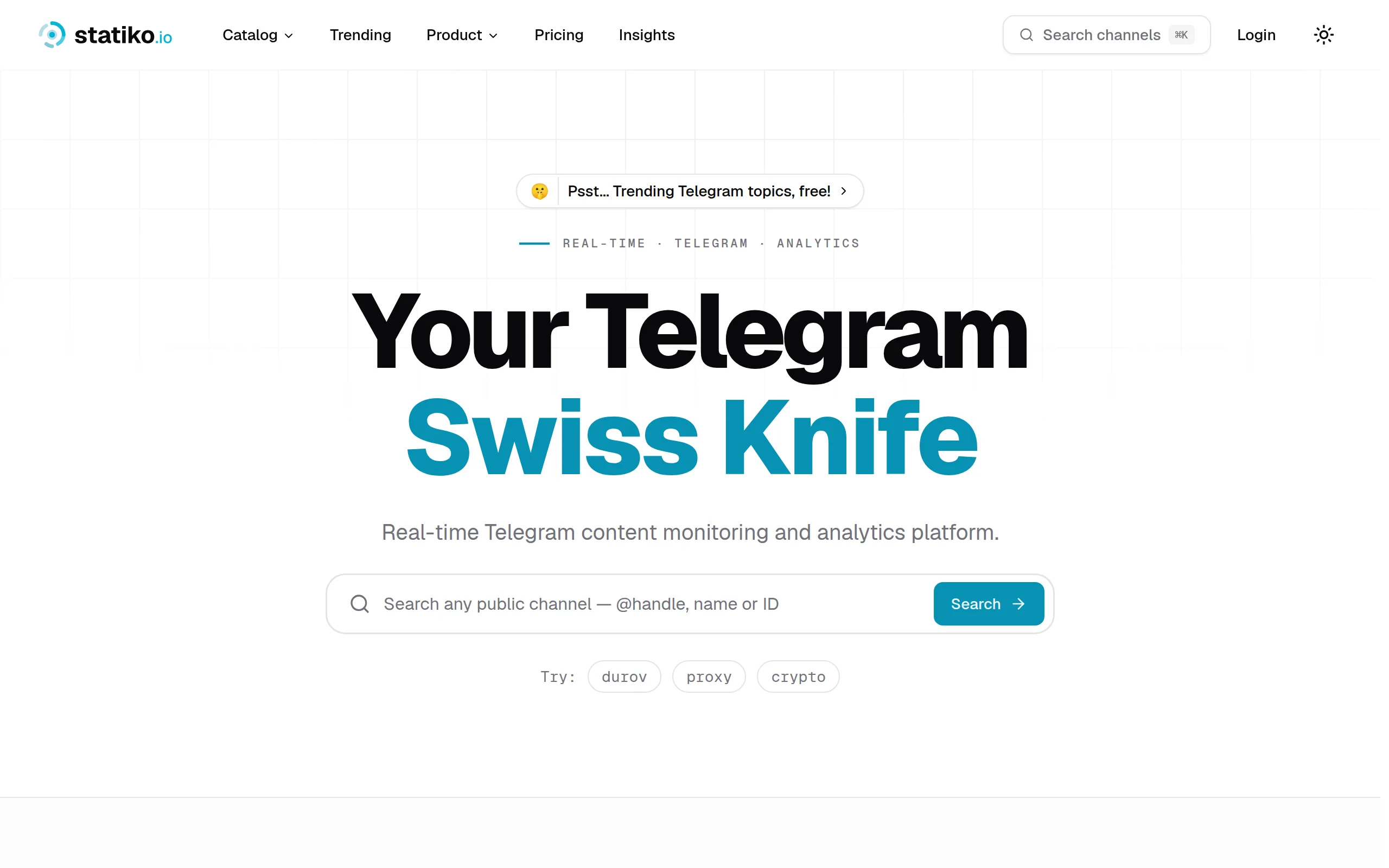
Statiko
Monitor any Telegram channel in real time - track posts, edits, deletions, and growth with AI recaps 📡

Shibui
AI website builder - describe your business, pick a niche template, edit by chatting, and publish instantly ✨

Pro Service
Find verified home service professionals, compare quotes, and pay securely through escrow - built for Brazilians across the US 🏠

RankGrow
Fix your SEO with AI agents - connect Search Console, get prioritized tasks, and grow organic traffic 📈
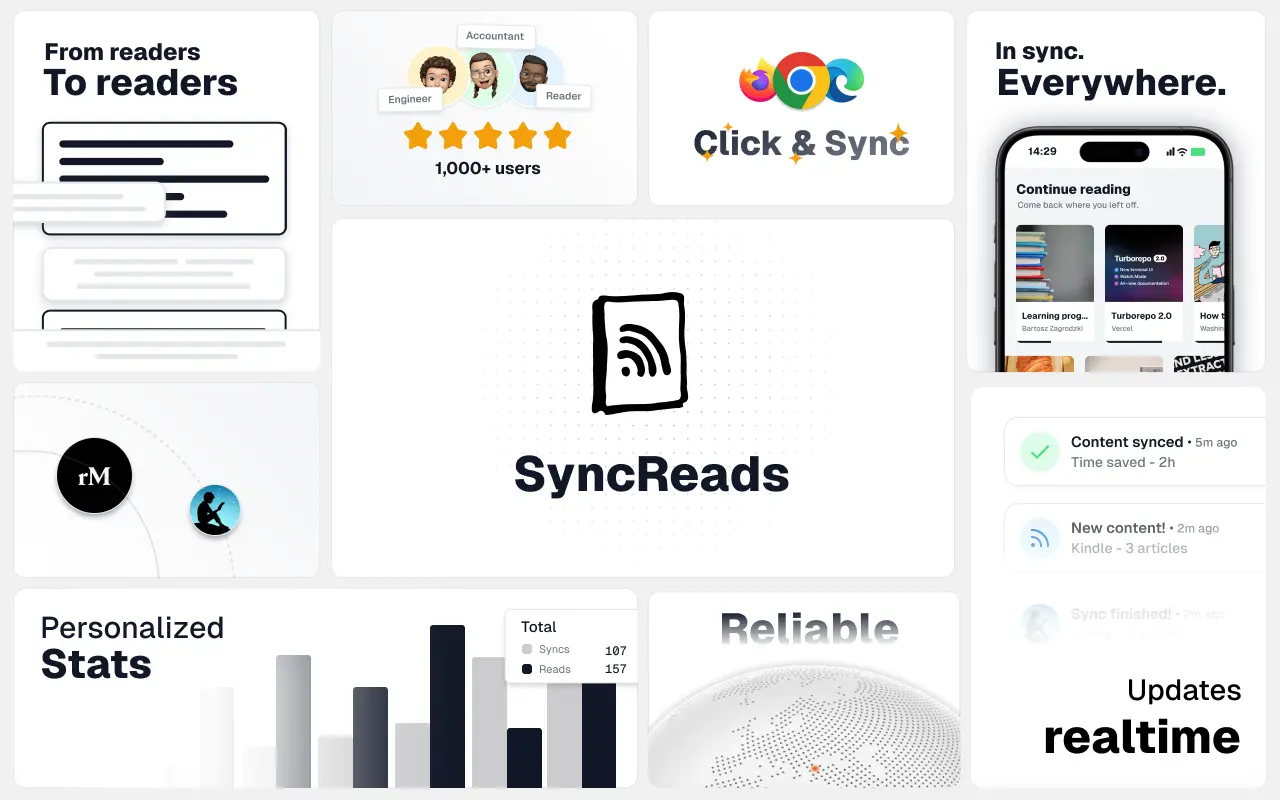
SyncReads
Sync your favorite content for distraction-free reading, save time and replace multiple apps. Anytime, anywhere 🔄
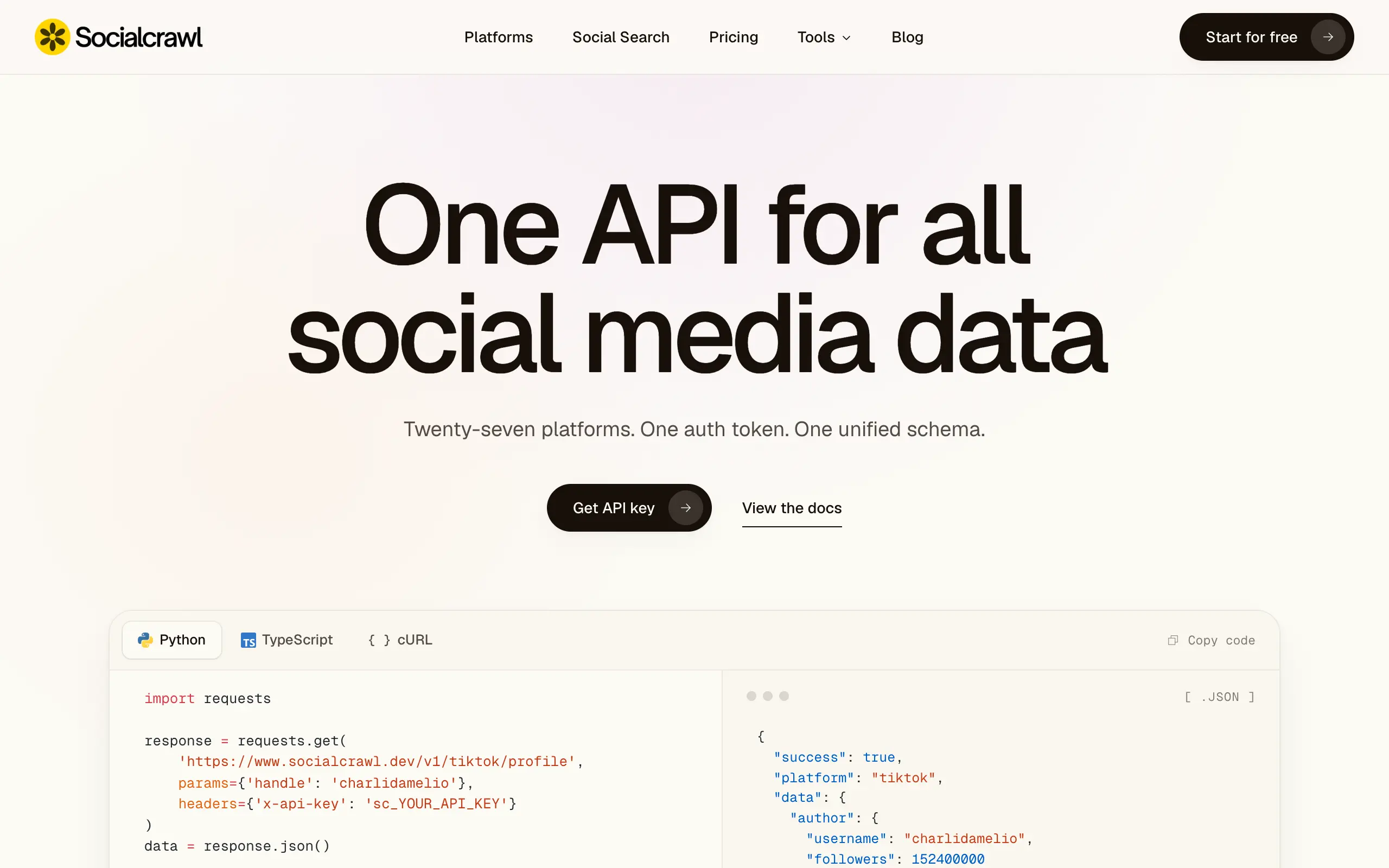
Socialcrawl
Get clean, structured data from 21 platforms like TikTok, Instagram, and YouTube with a single request 📊
Statiko
Monitor any Telegram channel in real time - track posts, edits, deletions, and growth with AI recaps 📡
Shibui
AI website builder - describe your business, pick a niche template, edit by chatting, and publish instantly ✨
Pro Service
Find verified home service professionals, compare quotes, and pay securely through escrow - built for Brazilians across the US 🏠
RankGrow
Fix your SEO with AI agents - connect Search Console, get prioritized tasks, and grow organic traffic 📈
SyncReads
Sync your favorite content for distraction-free reading, save time and replace multiple apps. Anytime, anywhere 🔄
Socialcrawl
Get clean, structured data from 21 platforms like TikTok, Instagram, and YouTube with a single request 📊
Statiko
Monitor any Telegram channel in real time - track posts, edits, deletions, and growth with AI recaps 📡
Shibui
AI website builder - describe your business, pick a niche template, edit by chatting, and publish instantly ✨
Pro Service
Find verified home service professionals, compare quotes, and pay securely through escrow - built for Brazilians across the US 🏠
RankGrow
Fix your SEO with AI agents - connect Search Console, get prioritized tasks, and grow organic traffic 📈
SyncReads
Sync your favorite content for distraction-free reading, save time and replace multiple apps. Anytime, anywhere 🔄
Socialcrawl
Get clean, structured data from 21 platforms like TikTok, Instagram, and YouTube with a single request 📊
Statiko
Monitor any Telegram channel in real time - track posts, edits, deletions, and growth with AI recaps 📡
Shibui
AI website builder - describe your business, pick a niche template, edit by chatting, and publish instantly ✨
Pro Service
Find verified home service professionals, compare quotes, and pay securely through escrow - built for Brazilians across the US 🏠
RankGrow
Fix your SEO with AI agents - connect Search Console, get prioritized tasks, and grow organic traffic 📈
SyncReads
Sync your favorite content for distraction-free reading, save time and replace multiple apps. Anytime, anywhere 🔄
Socialcrawl
Get clean, structured data from 21 platforms like TikTok, Instagram, and YouTube with a single request 📊
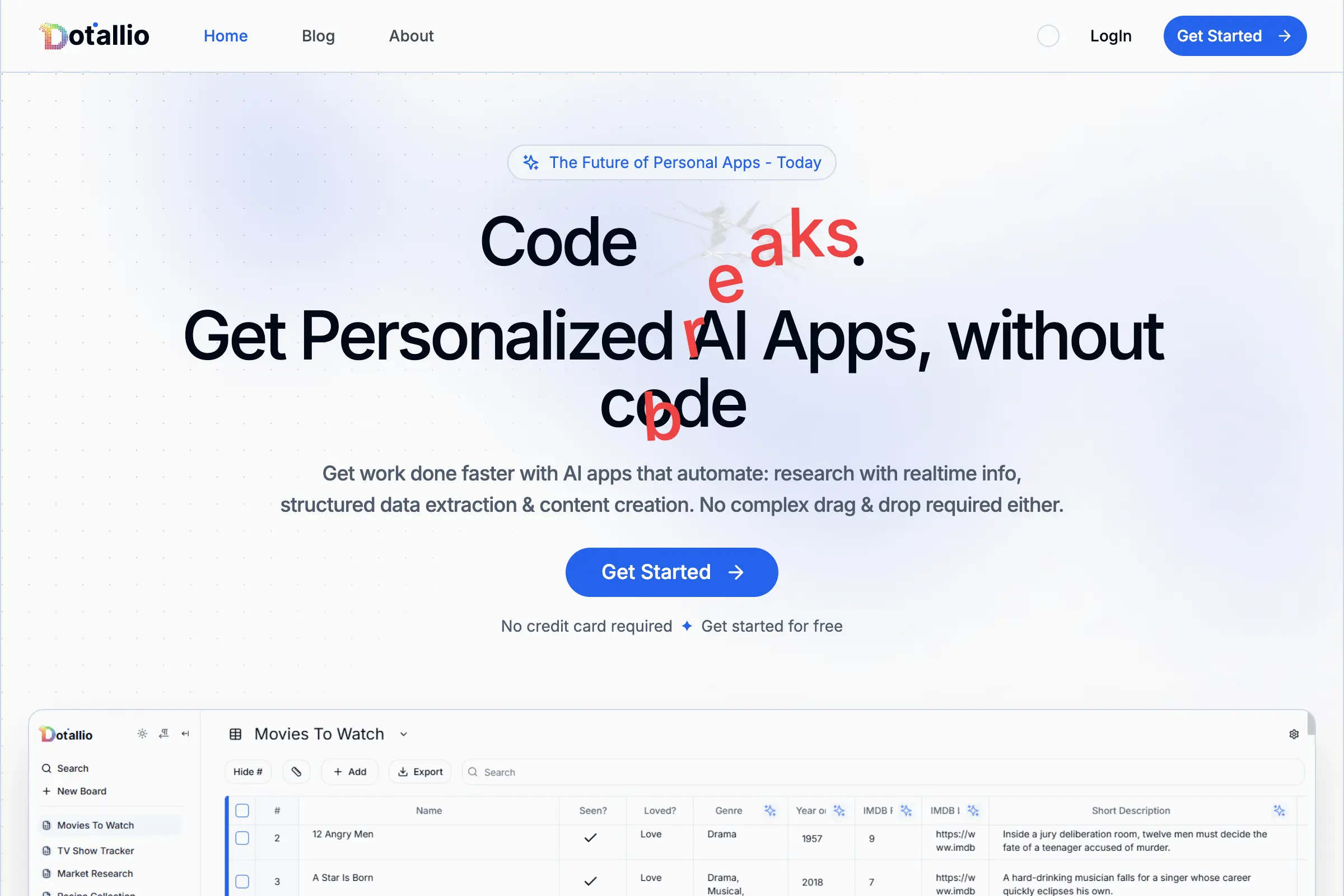
Dotallio
Personalized AI apps that automate research, data extraction, and content creation without code 🤖

Talk to Santa
Enjoy a magical live video chat or receive a unique AI-generated video greeting from Santa Claus 🎅

pozywka.pl
Scalable blog for food journalist, focused on performance and user experience 🌭
zagrodzki.me
Personal blog and portfolio of Bart Zagrodzki, where he shares his knowledge and work 💼
TurboStarter
Ship your startup everywhere. In minutes.
HTML to Markdown
Convert HTML to Markdown with ease, directly in your browser 📄
Dotallio
Personalized AI apps that automate research, data extraction, and content creation without code 🤖
Talk to Santa
Enjoy a magical live video chat or receive a unique AI-generated video greeting from Santa Claus 🎅
pozywka.pl
Scalable blog for food journalist, focused on performance and user experience 🌭
zagrodzki.me
Personal blog and portfolio of Bart Zagrodzki, where he shares his knowledge and work 💼
TurboStarter
Ship your startup everywhere. In minutes.
HTML to Markdown
Convert HTML to Markdown with ease, directly in your browser 📄
Dotallio
Personalized AI apps that automate research, data extraction, and content creation without code 🤖
Talk to Santa
Enjoy a magical live video chat or receive a unique AI-generated video greeting from Santa Claus 🎅
pozywka.pl
Scalable blog for food journalist, focused on performance and user experience 🌭
zagrodzki.me
Personal blog and portfolio of Bart Zagrodzki, where he shares his knowledge and work 💼
TurboStarter
Ship your startup everywhere. In minutes.
HTML to Markdown
Convert HTML to Markdown with ease, directly in your browser 📄
Dotallio
Personalized AI apps that automate research, data extraction, and content creation without code 🤖
Talk to Santa
Enjoy a magical live video chat or receive a unique AI-generated video greeting from Santa Claus 🎅
pozywka.pl
Scalable blog for food journalist, focused on performance and user experience 🌭
zagrodzki.me
Personal blog and portfolio of Bart Zagrodzki, where he shares his knowledge and work 💼
TurboStarter
Ship your startup everywhere. In minutes.
HTML to Markdown
Convert HTML to Markdown with ease, directly in your browser 📄
Omichat
Chat with 50+ AI models, including ChatGPT and Claude, in one place - switch models anytime without losing context 🤖
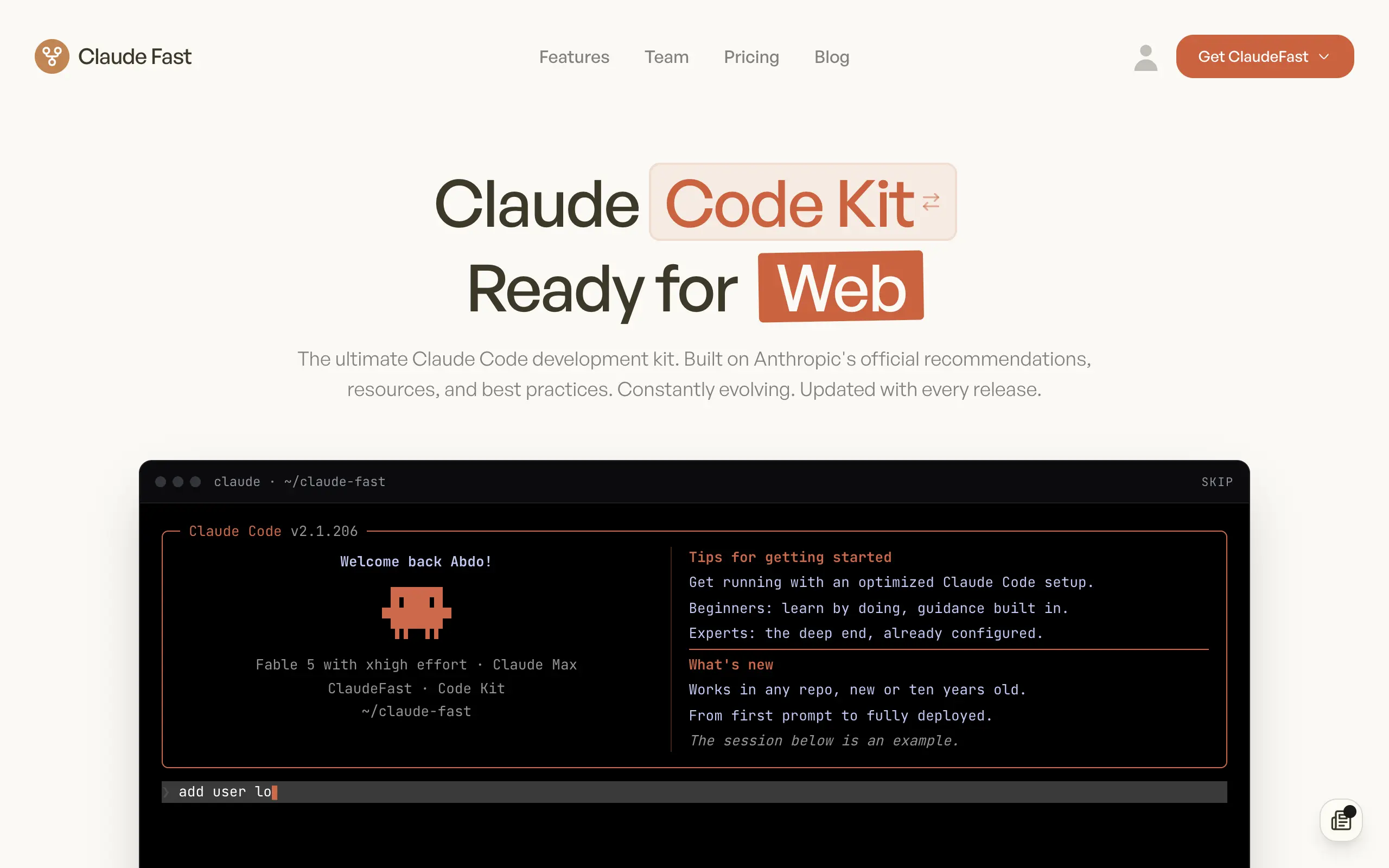
Claude Fast
Supercharge your Claude Code with 6x effective context window and specialized AI agents 🤖
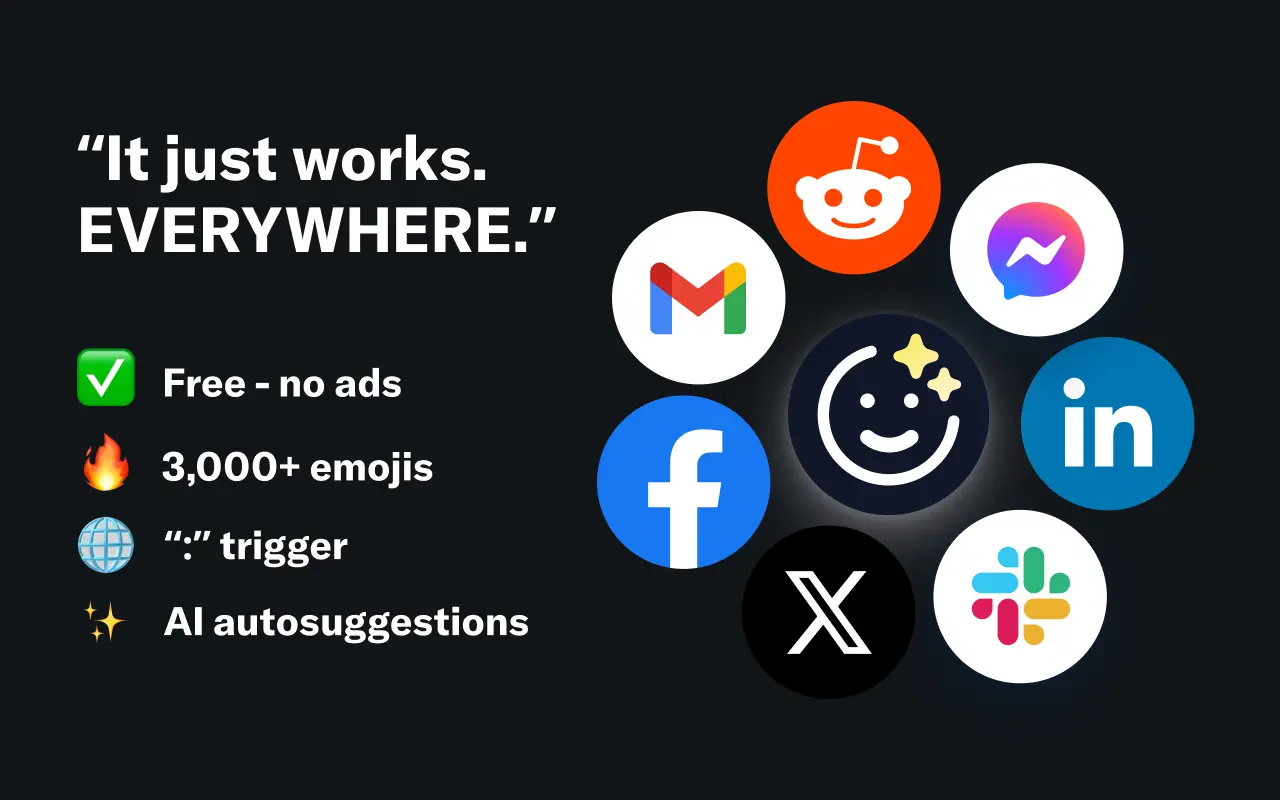
EmojAI
AI-powered emoji picker with smart, context-aware suggestions 🤖

Solohacker
Autonomous company launcher - AI agents work 24/7, escalate what matters, and you stay in control 🤖

BeRawi: Storytelling Coach
Practice storytelling daily with instant feedback to sound clearer, more engaging, and confident 🎤
Omichat
Chat with 50+ AI models, including ChatGPT and Claude, in one place - switch models anytime without losing context 🤖
Claude Fast
Supercharge your Claude Code with 6x effective context window and specialized AI agents 🤖
EmojAI
AI-powered emoji picker with smart, context-aware suggestions 🤖
Solohacker
Autonomous company launcher - AI agents work 24/7, escalate what matters, and you stay in control 🤖
BeRawi: Storytelling Coach
Practice storytelling daily with instant feedback to sound clearer, more engaging, and confident 🎤
Omichat
Chat with 50+ AI models, including ChatGPT and Claude, in one place - switch models anytime without losing context 🤖
Claude Fast
Supercharge your Claude Code with 6x effective context window and specialized AI agents 🤖
EmojAI
AI-powered emoji picker with smart, context-aware suggestions 🤖
Solohacker
Autonomous company launcher - AI agents work 24/7, escalate what matters, and you stay in control 🤖
BeRawi: Storytelling Coach
Practice storytelling daily with instant feedback to sound clearer, more engaging, and confident 🎤
Omichat
Chat with 50+ AI models, including ChatGPT and Claude, in one place - switch models anytime without losing context 🤖
Claude Fast
Supercharge your Claude Code with 6x effective context window and specialized AI agents 🤖
EmojAI
AI-powered emoji picker with smart, context-aware suggestions 🤖
Solohacker
Autonomous company launcher - AI agents work 24/7, escalate what matters, and you stay in control 🤖
BeRawi: Storytelling Coach
Practice storytelling daily with instant feedback to sound clearer, more engaging, and confident 🎤

Connect with like-minded people
Join our community to get feedback, support, and grow together with 1,000+ builders on board, let's ship it!
Join usShip your startup everywhere. In minutes.
Don't burn tokens on setup and start building features on day one.