ProposalForge
Smart proposal automation software for agencies and B2B sales teams that generates branded, data-driven proposals that close deals faster.
The rise of smart proposal automation for modern B2B teams
In today’s hyper-competitive B2B landscape, speed and personalization win deals. Agencies and B2B sales teams are under constant pressure to respond faster, tailor proposals more precisely, and demonstrate measurable ROI — all while managing multiple stakeholders and complex pricing structures.
Proposal automation software has emerged as a critical category in the modern sales stack. But many existing tools focus primarily on document formatting or e-signatures. They lack true intelligence, data connectivity, and performance optimization.
This is where smart proposal automation software like ProposalForge stands out: a platform designed to generate branded, data-driven proposals that close deals faster.
This article provides a comprehensive strategic breakdown of ProposalForge — including target audience analysis, market opportunity, core features, tech stack recommendations, monetization strategies, risks, competitive positioning, and actionable implementation steps.
Understanding the user search intent behind proposal automation
Before diving into product strategy, it’s important to understand the primary user search intents around keywords like:
- “proposal automation software”
- “agency proposal software”
- “B2B proposal generator”
- “automated sales proposals”
- “proposal management platform”
These users are typically looking for:
- Ways to reduce proposal creation time
- Higher win rates
- Better branding and personalization
- Data-driven insights into proposal performance
- Workflow integration with CRM and sales tools
The intent is transactional and solution-oriented. They are not researching abstract concepts — they are actively looking for a better system.
ProposalForge must therefore position itself as:
- Faster than manual proposal writing
- Smarter than template-based tools
- More revenue-focused than generic document builders
Target audience analysis: who needs ProposalForge most?
ProposalForge targets agencies and B2B sales teams, but within that umbrella are distinct buyer personas.
1. Digital marketing agencies
Pain points:
- Repetitive proposal building
- Custom pricing for each client
- Time-consuming ROI forecasting
- Inconsistent branding across teams
What they need:
- Dynamic pricing calculators
- Auto-generated strategy sections
- Branded templates
- Performance case studies injected automatically
2. SaaS sales teams
Pain points:
- Complex product tiers
- Multi-stakeholder approvals
- Enterprise deal customization
- Long sales cycles
What they need:
- CRM-integrated proposal generation
- Usage-based pricing logic
- Embedded ROI calculators
- Proposal tracking and analytics
3. Consulting firms
Pain points:
- Custom scopes per client
- Resource allocation modeling
- Justifying high-ticket retainers
What they need:
- Structured scoping modules
- Cost-to-deliver forecasting
- Scenario-based pricing outputs
4. Enterprise B2B sales organizations
Pain points:
- Brand compliance
- Legal approval workflows
- Version control
- Collaboration friction
What they need:
- Approval routing
- Audit logs
- Enterprise security
- Role-based access control
Key insight
The primary buyer is often a Head of Sales, Revenue Operations Manager, or Agency Founder — not necessarily the individual account executive. Messaging should address strategic ROI, not just productivity.
Market opportunity and competitive gap
The current landscape
The proposal software market overlaps with:
- Document automation tools
- E-signature platforms
- CRM add-ons
- Sales enablement tools
Major players include tools like PandaDoc, Proposify, and HubSpot proposals. While established, they often fall into one of two categories:
- Document-focused platforms (formatting + e-signature)
- Template-based generators
The gap lies in:
- True AI-assisted proposal intelligence
- Data-driven dynamic pricing
- Embedded ROI modeling
- Conversion analytics
Why now?
Several macro trends create strong tailwinds:
- Increased B2B competition post-2020 digital acceleration
- Rise of RevOps and data-driven sales
- AI advancements enabling structured content automation
- Buyers expecting personalization
According to publicly available industry research from firms like Gartner and McKinsey (suggest citing latest reports), B2B buyers now complete most of their decision process before engaging sales. That means proposals must be:
- Highly tailored
- Immediately persuasive
- Quantitatively justified
ProposalForge capitalizes on this shift.
Core value proposition of ProposalForge
ProposalForge is not just proposal automation software.
It is:
A smart proposal automation platform that generates branded, data-driven proposals optimized to close deals faster.
The differentiation lies in:
- AI-assisted content generation
- Dynamic pricing engines
- CRM data ingestion
- Performance analytics
Core features and solution architecture
1. AI-powered proposal generation
- Structured content blocks
- Industry-specific language models
- Tone customization
- Brand voice training
Example workflow:
- Pull client data from CRM
- Select proposal type
- Choose scope modules
- Auto-generate draft
- Review and send
2. Dynamic pricing builder
Instead of static pricing tables, ProposalForge should offer:
- Tiered pricing logic
- Add-on modules
- Usage-based calculators
- Margin tracking
This makes proposals both faster and more profitable.
3. CRM integrations
Integration with:
This ensures:
- No manual data entry
- Real-time client information
- Automated updates
4. Data-driven ROI modeling
Embedded ROI blocks that calculate:
- Cost savings
- Revenue uplift
- Time savings
- Payback period
These modules drastically improve close rates.
5. Proposal analytics dashboard
Track:
- Open rate
- Time spent per section
- Drop-off points
- Engagement heatmaps
This turns proposals into measurable revenue assets.
6. Approval workflows
Enterprise-ready features:
- Role-based permissions
- Internal approvals
- Legal review routing
- Version history
Feature comparison snapshot
| Feature | Basic Templates | E-Signature Tools | Generic Proposal Software | ProposalForge |
|---|---|---|---|---|
| AI-generated content | ❌ | ❌ | Limited | ✅ |
| Dynamic pricing engine | ❌ | ❌ | ❌ | ✅ |
| CRM auto-sync | ❌ | ❌ | ✅ | ✅ |
| ROI modeling | ❌ | ❌ | ❌ | ✅ |
Recommended tech stack for building ProposalForge
Building a scalable B2B SaaS platform requires careful technical decisions.
Frontend
Why:
- Component-based UI
- SEO-friendly rendering
- Fast development cycles
Backend
- Node.js with NestJS or Express
- PostgreSQL for relational data
- Redis for caching
- OpenAI API for AI generation
Infrastructure
- Vercel (frontend)
- AWS or Google Cloud (backend)
- Docker-based deployment
- CI/CD via GitHub Actions
Example architecture snippet
// Simplified proposal generation flow
async function generateProposal(clientId: string) {
  const clientData = await crmService.fetchClient(clientId);
  const pricing = await pricingEngine.calculate(clientData.scope);

  const aiDraft = await aiService.generate({
    industry: clientData.industry,
    goals: clientData.goals,
    pricing
  });

  return proposalService.buildDocument(aiDraft, pricing);
}
Trade-offs in tech decisions
AI model hosting
Option A: Use external APIs
Pros: Faster to launch
Cons: Ongoing cost, data privacy concerns
Option B: Fine-tuned private models
Pros: Better performance, privacy control
Cons: Higher infrastructure cost
Multi-tenant vs single-tenant
- Multi-tenant: Lower cost, faster scaling
- Single-tenant (enterprise tier): Higher security, premium pricing
Monetization strategy options
ProposalForge should adopt a tiered SaaS model.
1. Subscription tiers
- Starter (small agencies)
- Growth (mid-size teams)
- Enterprise (custom pricing)
2. Usage-based add-ons
- AI generation credits
- Advanced analytics
- API access
3. Annual contracts
Offer:
- 15–20% discount for annual payment
Improves cash flow and retention.
4. Enterprise onboarding fees
White-glove implementation:
- CRM integration
- Custom template building
- Brand setup
Pricing psychology considerations
- Anchor high with Enterprise tier
- Emphasize ROI (e.g., “Close 20% more deals”)
- Showcase time saved (e.g., “Reduce proposal time by 70%”)
B2B buyers care about revenue impact, not software cost alone.
Competitive advantage and defensibility
ProposalForge must build moats beyond features.
1. Data network effects
Over time:
- Collect anonymized proposal performance data
- Identify high-converting structures
- Suggest optimizations
This creates a feedback loop competitors cannot easily replicate.
2. Vertical specialization
Instead of generic templates, offer:
- Marketing agency modules
- SaaS sales modules
- Consulting modules
This builds domain authority.
3. Integration ecosystem
Deep CRM integrations create switching costs.
4. Brand positioning
Position as:
- “Revenue-optimized proposal automation” Not:
- “Proposal template tool”
Potential risks and mitigation strategies
Risk 1: AI hallucination
Mitigation:
- Structured templates
- Controlled prompt frameworks
- Human review workflows
Risk 2: Data security concerns
Mitigation:
- SOC 2 compliance
- Encryption at rest
- Enterprise-grade hosting
Risk 3: Market saturation
Mitigation:
- Narrow ICP focus
- Clear differentiation
- Performance analytics edge
Risk 4: Overcomplex product
Mitigation:
- Modular UI
- Progressive feature unlock
- Clear onboarding
Go-to-market strategy
Phase 1: Niche domination
Focus on:
- Digital marketing agencies (1–50 employees)
Why:
- High proposal frequency
- Clear ROI
- Strong word-of-mouth
Phase 2: SaaS sales teams
Leverage:
- CRM integrations
- Case studies
- ROI metrics
Phase 3: Enterprise expansion
Introduce:
- Compliance features
- Custom onboarding
- Dedicated support
Marketing channels
- SEO targeting “proposal automation software”
- LinkedIn outbound to agency founders
- Partnership with CRM consultants
- Webinars on “increasing proposal win rates”
Content strategy:
- Publish proposal benchmarks
- Case studies with conversion lift data
- ROI calculators
Actionable implementation roadmap
How to accelerate development
Building a SaaS platform from scratch is complex. Using a production-ready SaaS starter kit can drastically reduce development time.
You can leverage TurboStarter to:
- Launch faster
- Implement authentication
- Set up billing
- Manage multi-tenant architecture
This reduces months of engineering time and allows you to focus on differentiation — especially AI logic and proposal intelligence.
Long-term vision for ProposalForge
The future of proposal automation is not document generation.
It is:
- Predictive deal intelligence
- Conversion optimization
- Revenue analytics
Eventually, ProposalForge could evolve into:
- A “proposal operating system”
- A sales intelligence layer
- A deal performance predictor
Imagine:
- Predicting win probability before sending
- Suggesting pricing adjustments
- Recommending case studies based on industry
That’s defensible, high-value software.
Final strategic summary
ProposalForge addresses a clear and growing need in the B2B market:
- Faster proposal creation
- Higher win rates
- Data-backed persuasion
- Workflow automation
Its strength lies in:
- AI-driven generation
- Dynamic pricing
- CRM integration
- Performance analytics
The opportunity is strong — but execution must focus on:
- Niche specialization
- Measurable ROI
- Seamless UX
- Security and trust
By building a revenue-optimized proposal automation platform — not just another template tool — ProposalForge can carve out a defensible, scalable position in the B2B SaaS ecosystem.
More 🏢 B2B Application SaaS ideas
Discover more innovative b2b application SaaS ideas that are trending in 2026. Each idea is AI-generated with market validation and growth potential to help you find your next profitable venture faster than competitors.
Your competitors are building with TurboStarter
Below are some of the SaaS ideas that have been generated and built with our starter kit.
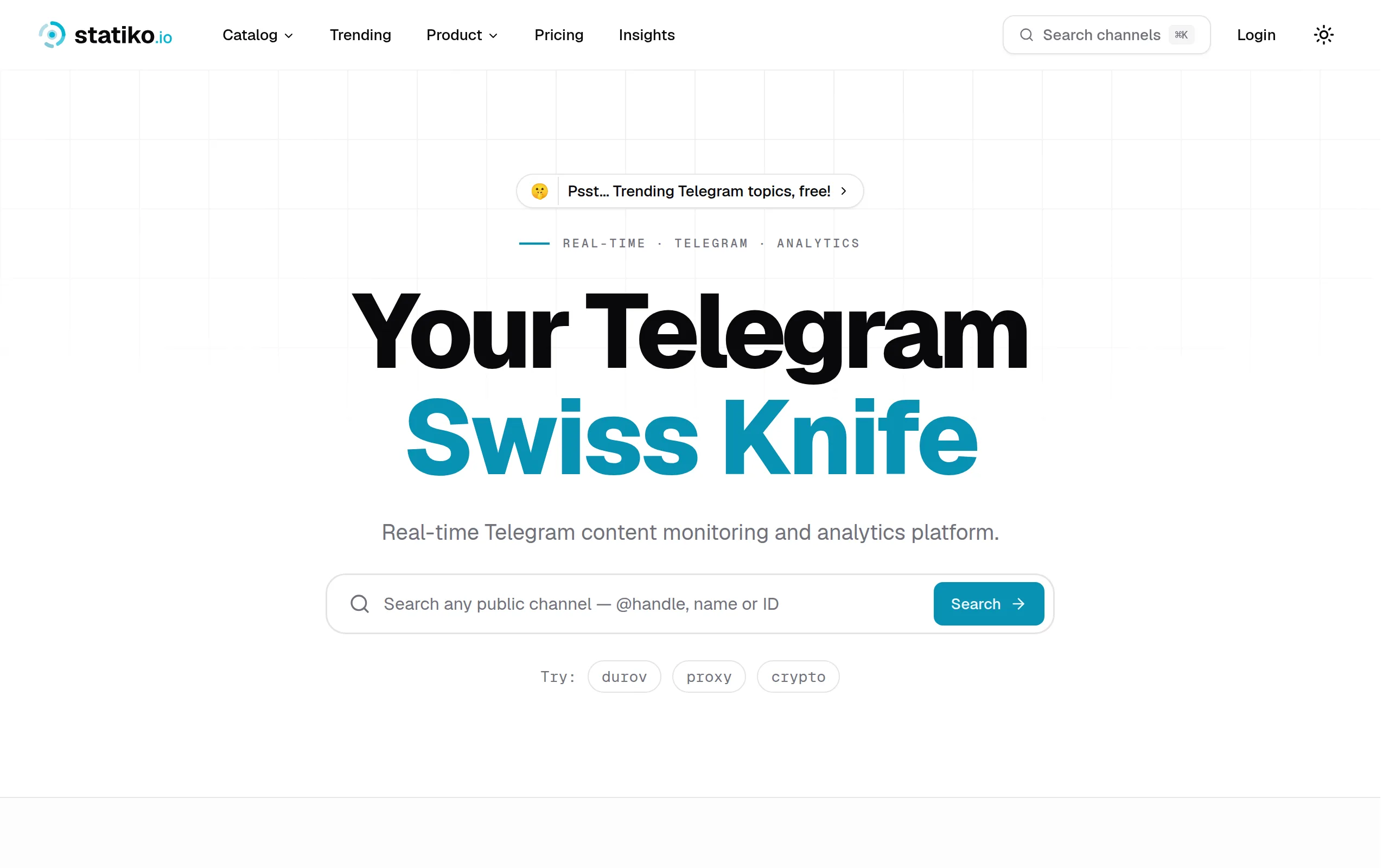
Statiko
Monitor any Telegram channel in real time - track posts, edits, deletions, and growth with AI recaps 📡
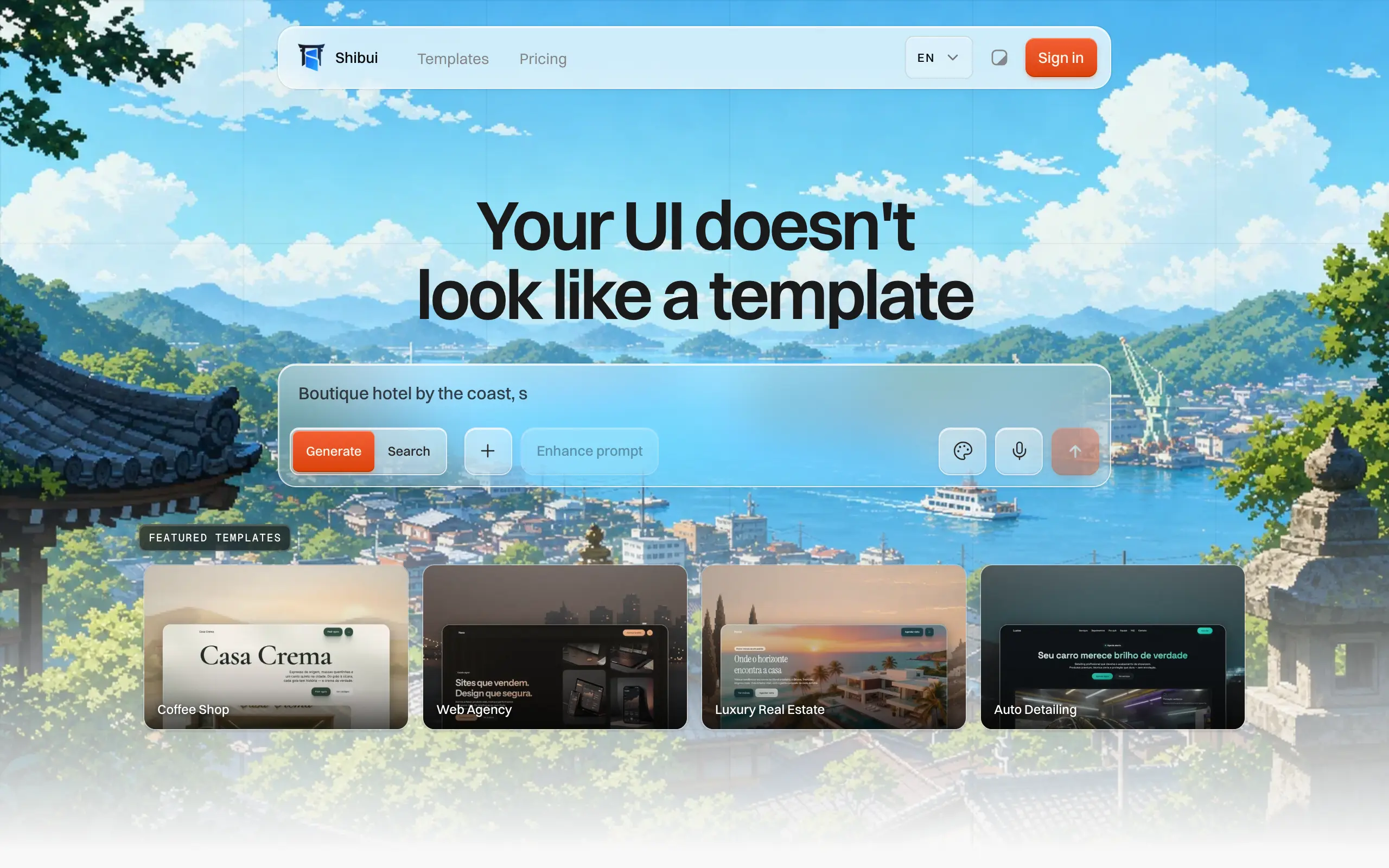
Shibui
AI website builder - describe your business, pick a niche template, edit by chatting, and publish instantly ✨

Pro Service
Find verified home service professionals, compare quotes, and pay securely through escrow - built for Brazilians across the US 🏠
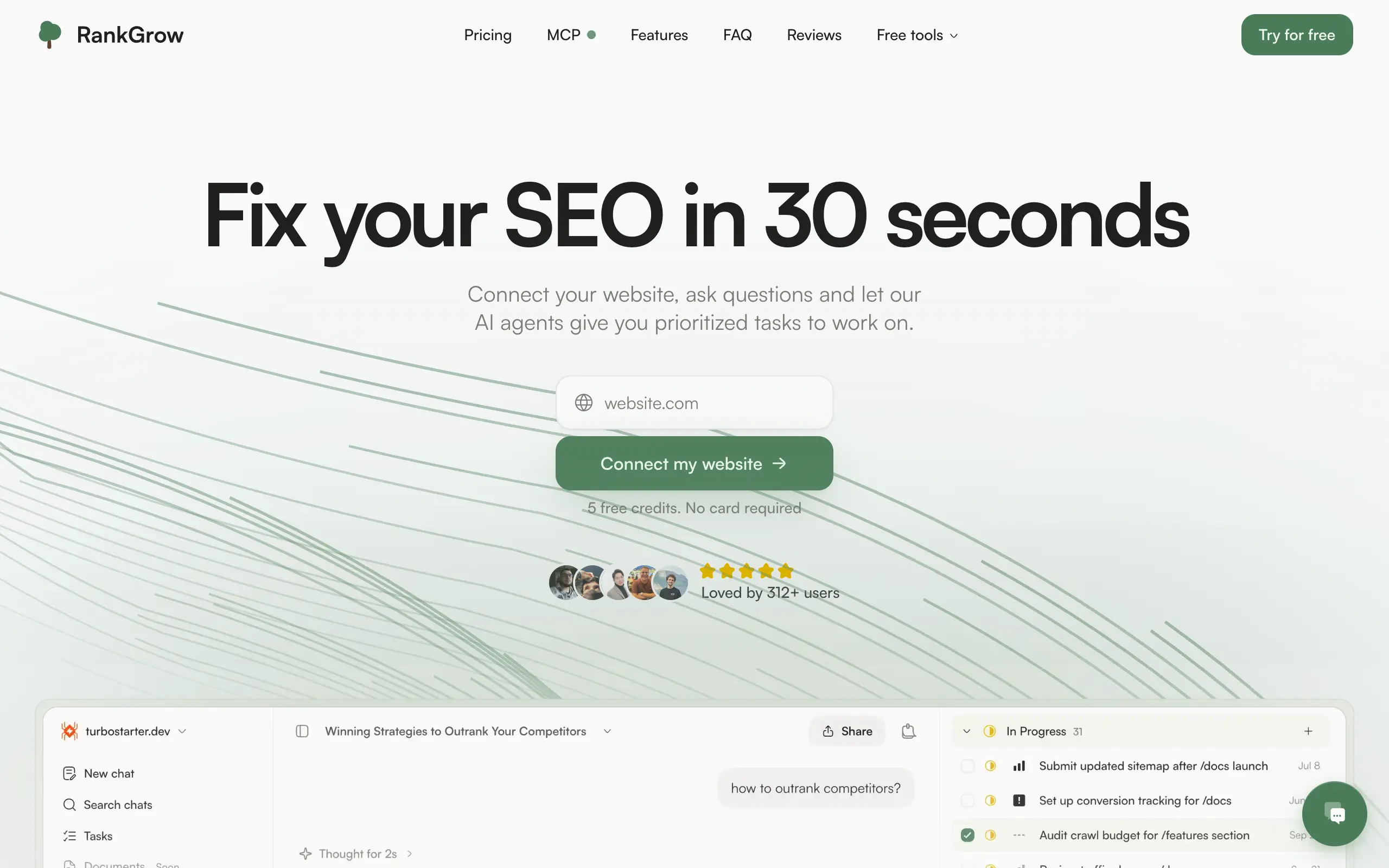
RankGrow
Fix your SEO with AI agents - connect Search Console, get prioritized tasks, and grow organic traffic 📈
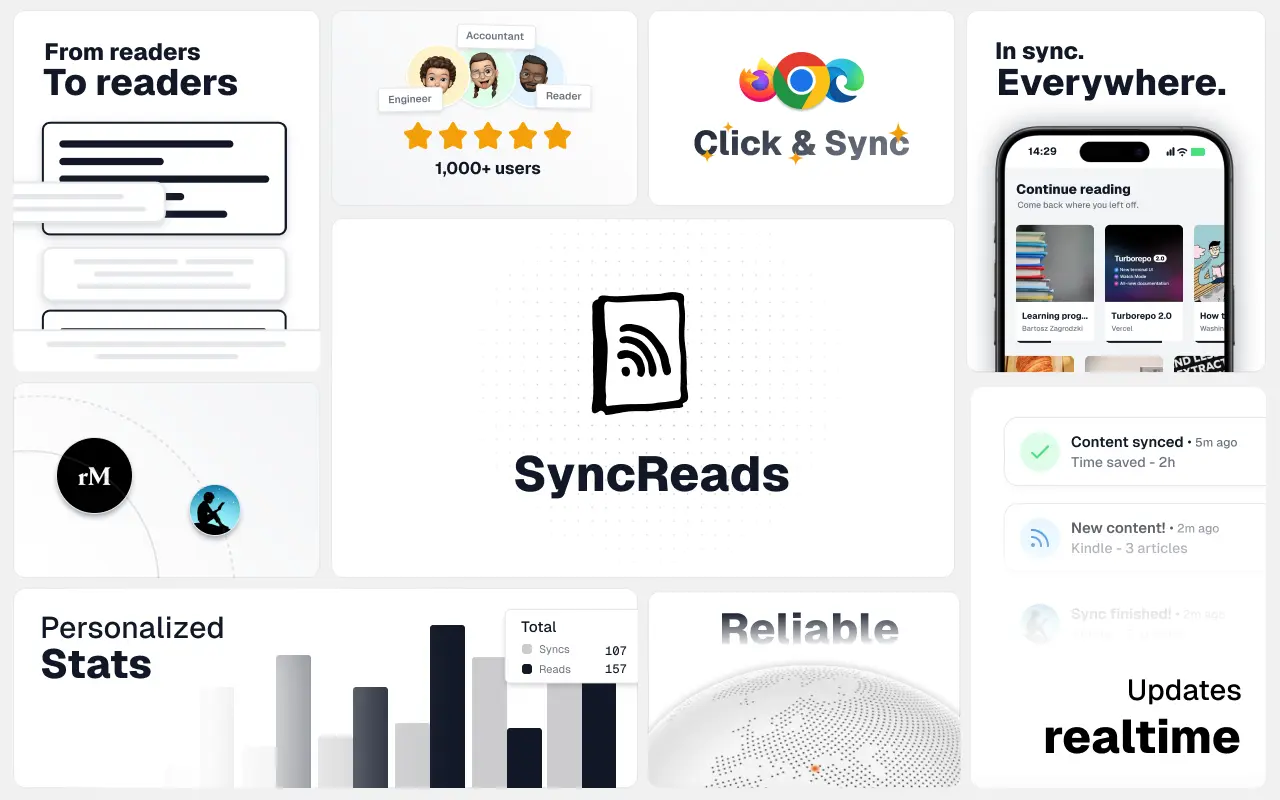
SyncReads
Sync your favorite content for distraction-free reading, save time and replace multiple apps. Anytime, anywhere 🔄
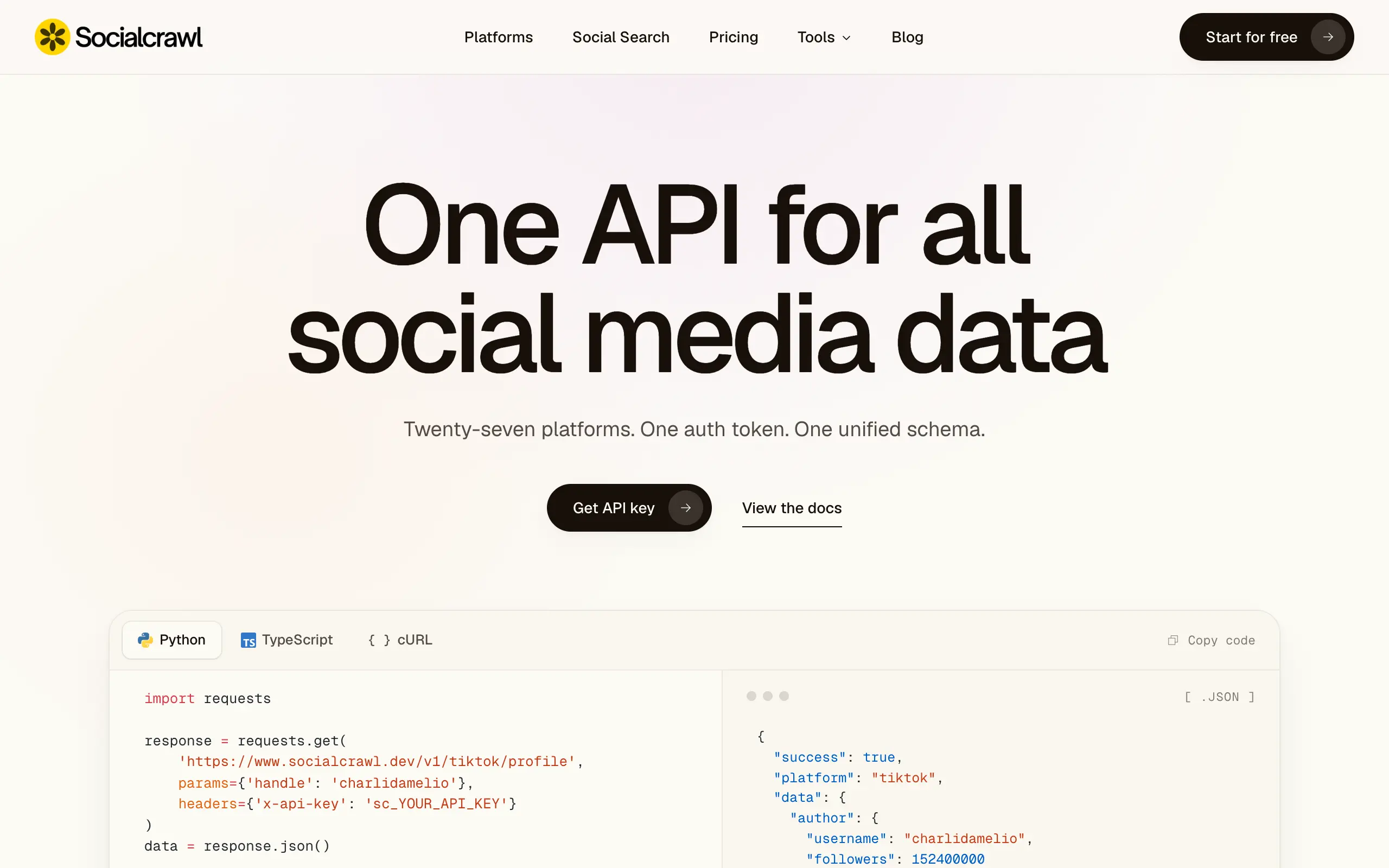
Socialcrawl
Get clean, structured data from 21 platforms like TikTok, Instagram, and YouTube with a single request 📊
Statiko
Monitor any Telegram channel in real time - track posts, edits, deletions, and growth with AI recaps 📡
Shibui
AI website builder - describe your business, pick a niche template, edit by chatting, and publish instantly ✨
Pro Service
Find verified home service professionals, compare quotes, and pay securely through escrow - built for Brazilians across the US 🏠
RankGrow
Fix your SEO with AI agents - connect Search Console, get prioritized tasks, and grow organic traffic 📈
SyncReads
Sync your favorite content for distraction-free reading, save time and replace multiple apps. Anytime, anywhere 🔄
Socialcrawl
Get clean, structured data from 21 platforms like TikTok, Instagram, and YouTube with a single request 📊
Statiko
Monitor any Telegram channel in real time - track posts, edits, deletions, and growth with AI recaps 📡
Shibui
AI website builder - describe your business, pick a niche template, edit by chatting, and publish instantly ✨
Pro Service
Find verified home service professionals, compare quotes, and pay securely through escrow - built for Brazilians across the US 🏠
RankGrow
Fix your SEO with AI agents - connect Search Console, get prioritized tasks, and grow organic traffic 📈
SyncReads
Sync your favorite content for distraction-free reading, save time and replace multiple apps. Anytime, anywhere 🔄
Socialcrawl
Get clean, structured data from 21 platforms like TikTok, Instagram, and YouTube with a single request 📊
Statiko
Monitor any Telegram channel in real time - track posts, edits, deletions, and growth with AI recaps 📡
Shibui
AI website builder - describe your business, pick a niche template, edit by chatting, and publish instantly ✨
Pro Service
Find verified home service professionals, compare quotes, and pay securely through escrow - built for Brazilians across the US 🏠
RankGrow
Fix your SEO with AI agents - connect Search Console, get prioritized tasks, and grow organic traffic 📈
SyncReads
Sync your favorite content for distraction-free reading, save time and replace multiple apps. Anytime, anywhere 🔄
Socialcrawl
Get clean, structured data from 21 platforms like TikTok, Instagram, and YouTube with a single request 📊
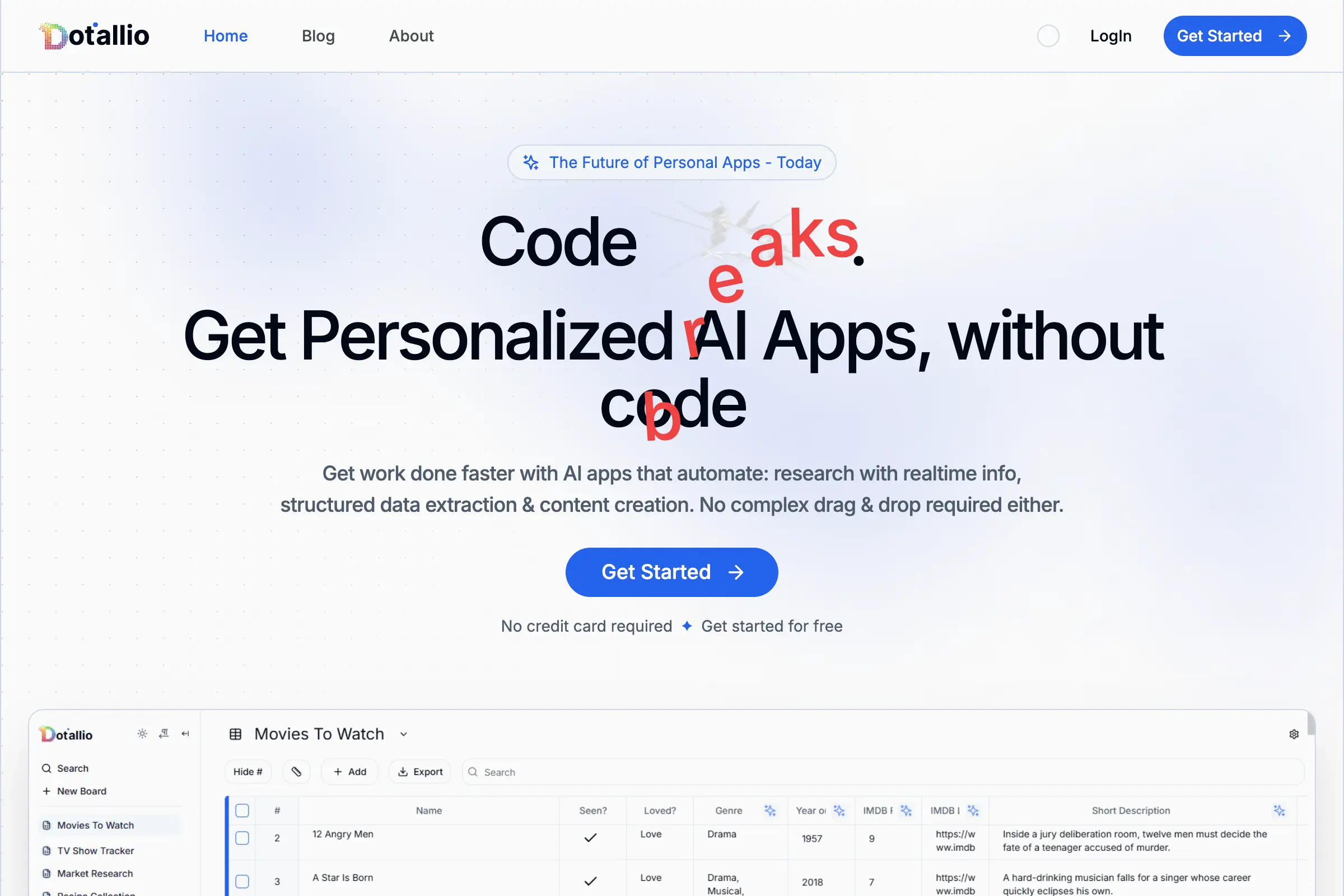
Dotallio
Personalized AI apps that automate research, data extraction, and content creation without code 🤖

Talk to Santa
Enjoy a magical live video chat or receive a unique AI-generated video greeting from Santa Claus 🎅
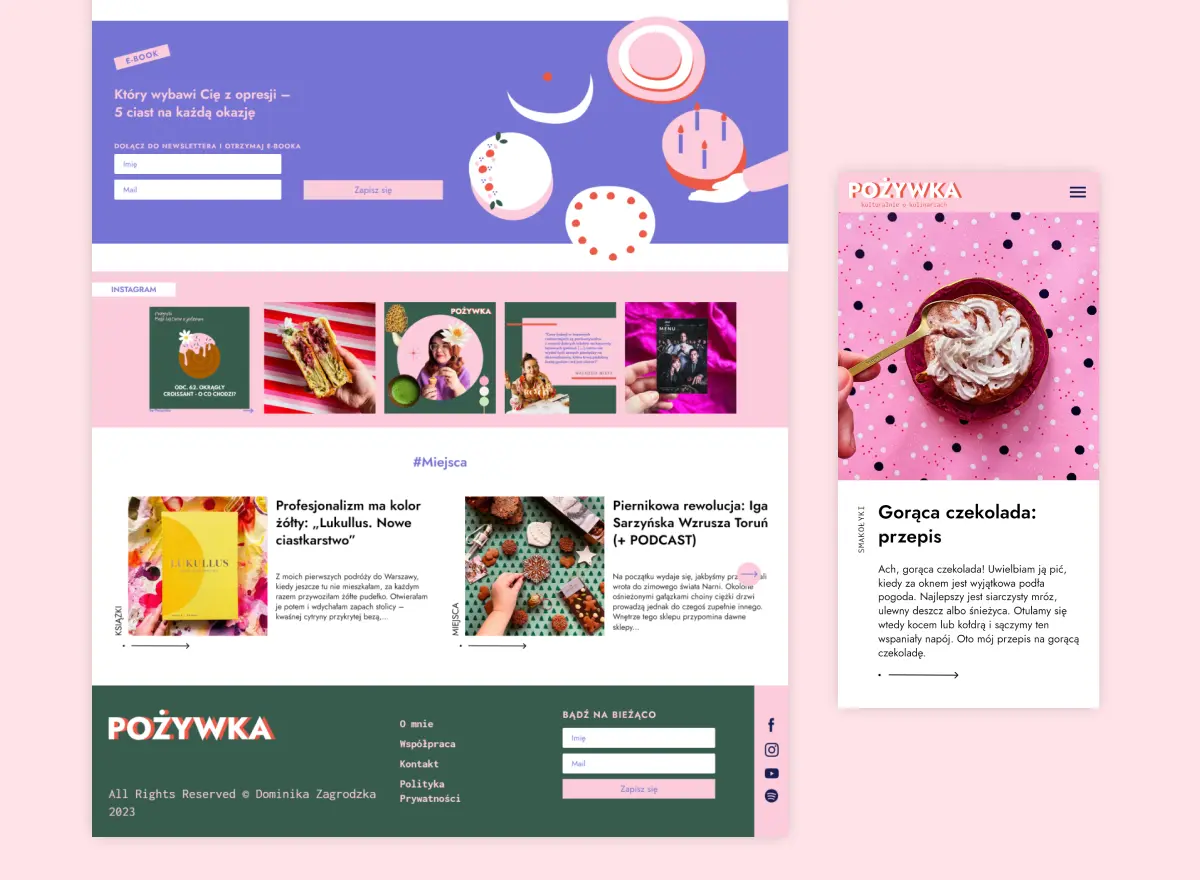
pozywka.pl
Scalable blog for food journalist, focused on performance and user experience 🌭
zagrodzki.me
Personal blog and portfolio of Bart Zagrodzki, where he shares his knowledge and work 💼
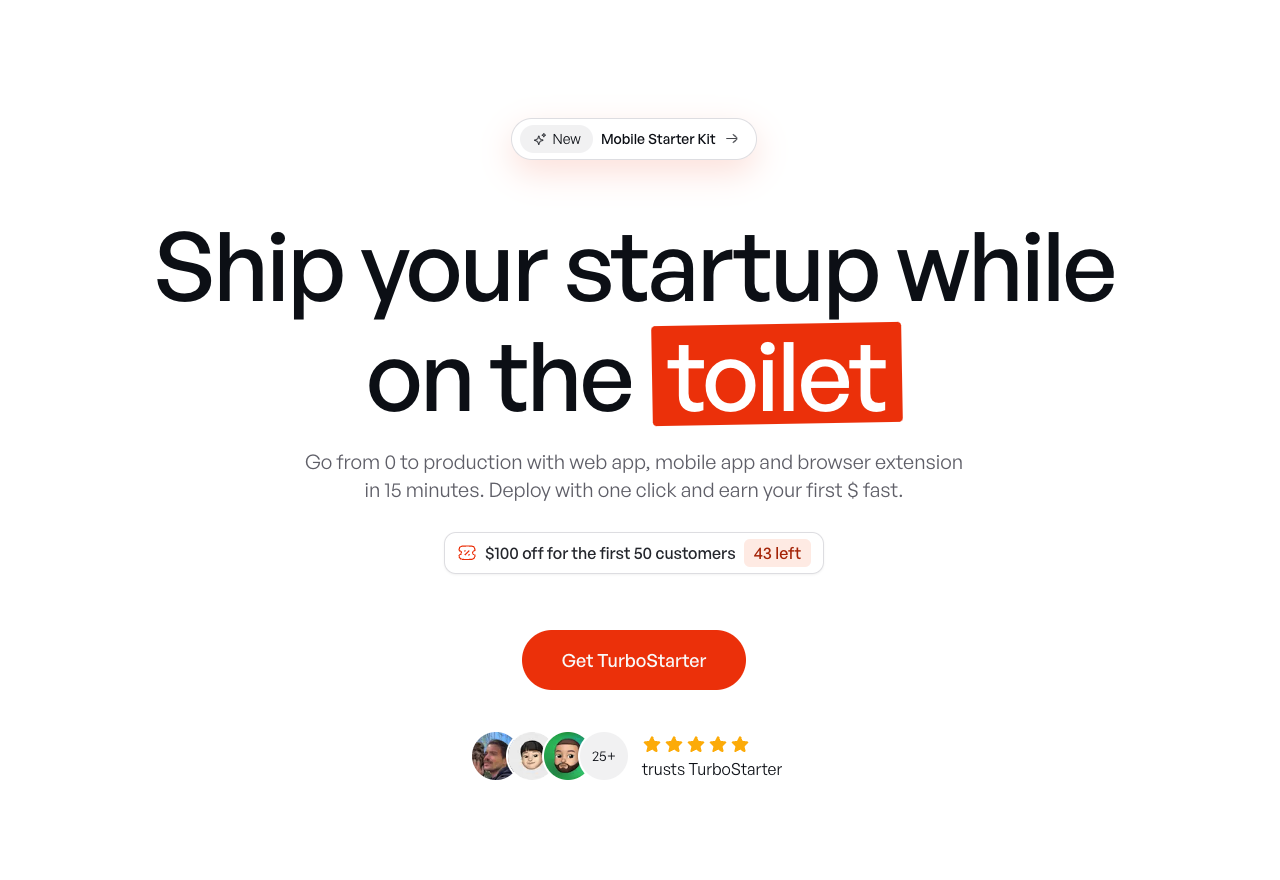
TurboStarter
Ship your startup everywhere. In minutes.
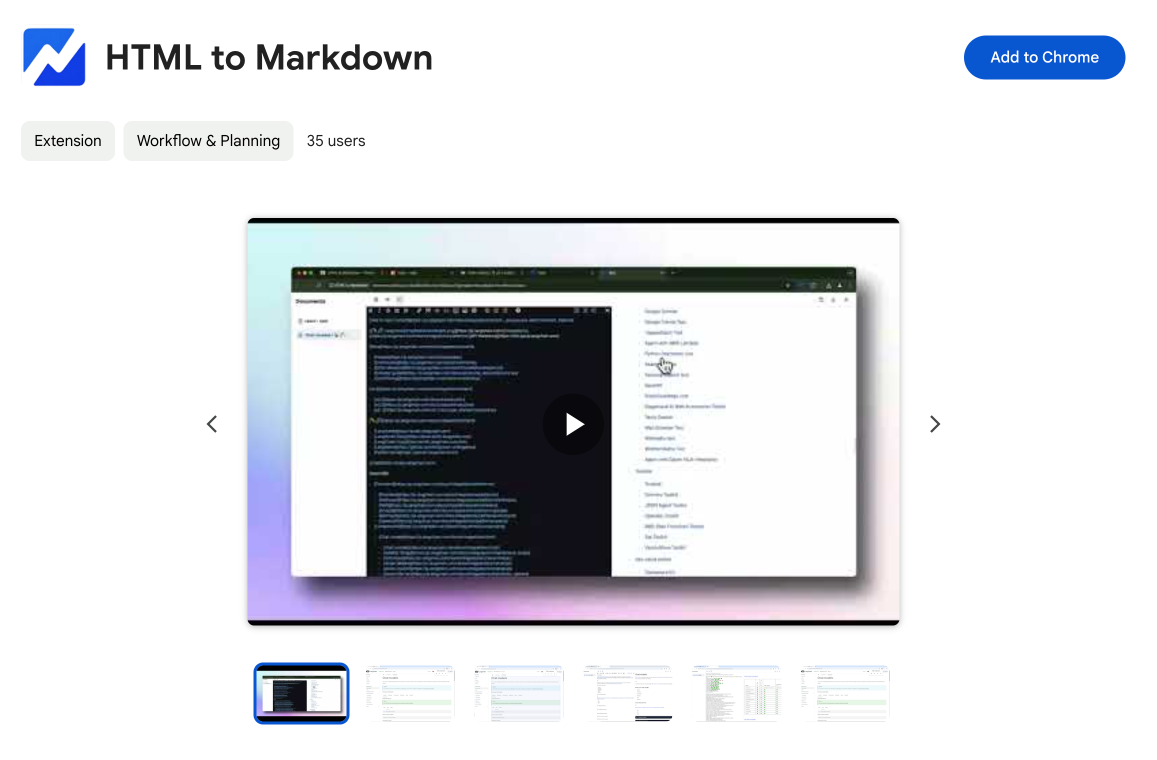
HTML to Markdown
Convert HTML to Markdown with ease, directly in your browser 📄
Dotallio
Personalized AI apps that automate research, data extraction, and content creation without code 🤖
Talk to Santa
Enjoy a magical live video chat or receive a unique AI-generated video greeting from Santa Claus 🎅
pozywka.pl
Scalable blog for food journalist, focused on performance and user experience 🌭
zagrodzki.me
Personal blog and portfolio of Bart Zagrodzki, where he shares his knowledge and work 💼
TurboStarter
Ship your startup everywhere. In minutes.
HTML to Markdown
Convert HTML to Markdown with ease, directly in your browser 📄
Dotallio
Personalized AI apps that automate research, data extraction, and content creation without code 🤖
Talk to Santa
Enjoy a magical live video chat or receive a unique AI-generated video greeting from Santa Claus 🎅
pozywka.pl
Scalable blog for food journalist, focused on performance and user experience 🌭
zagrodzki.me
Personal blog and portfolio of Bart Zagrodzki, where he shares his knowledge and work 💼
TurboStarter
Ship your startup everywhere. In minutes.
HTML to Markdown
Convert HTML to Markdown with ease, directly in your browser 📄
Dotallio
Personalized AI apps that automate research, data extraction, and content creation without code 🤖
Talk to Santa
Enjoy a magical live video chat or receive a unique AI-generated video greeting from Santa Claus 🎅
pozywka.pl
Scalable blog for food journalist, focused on performance and user experience 🌭
zagrodzki.me
Personal blog and portfolio of Bart Zagrodzki, where he shares his knowledge and work 💼
TurboStarter
Ship your startup everywhere. In minutes.
HTML to Markdown
Convert HTML to Markdown with ease, directly in your browser 📄
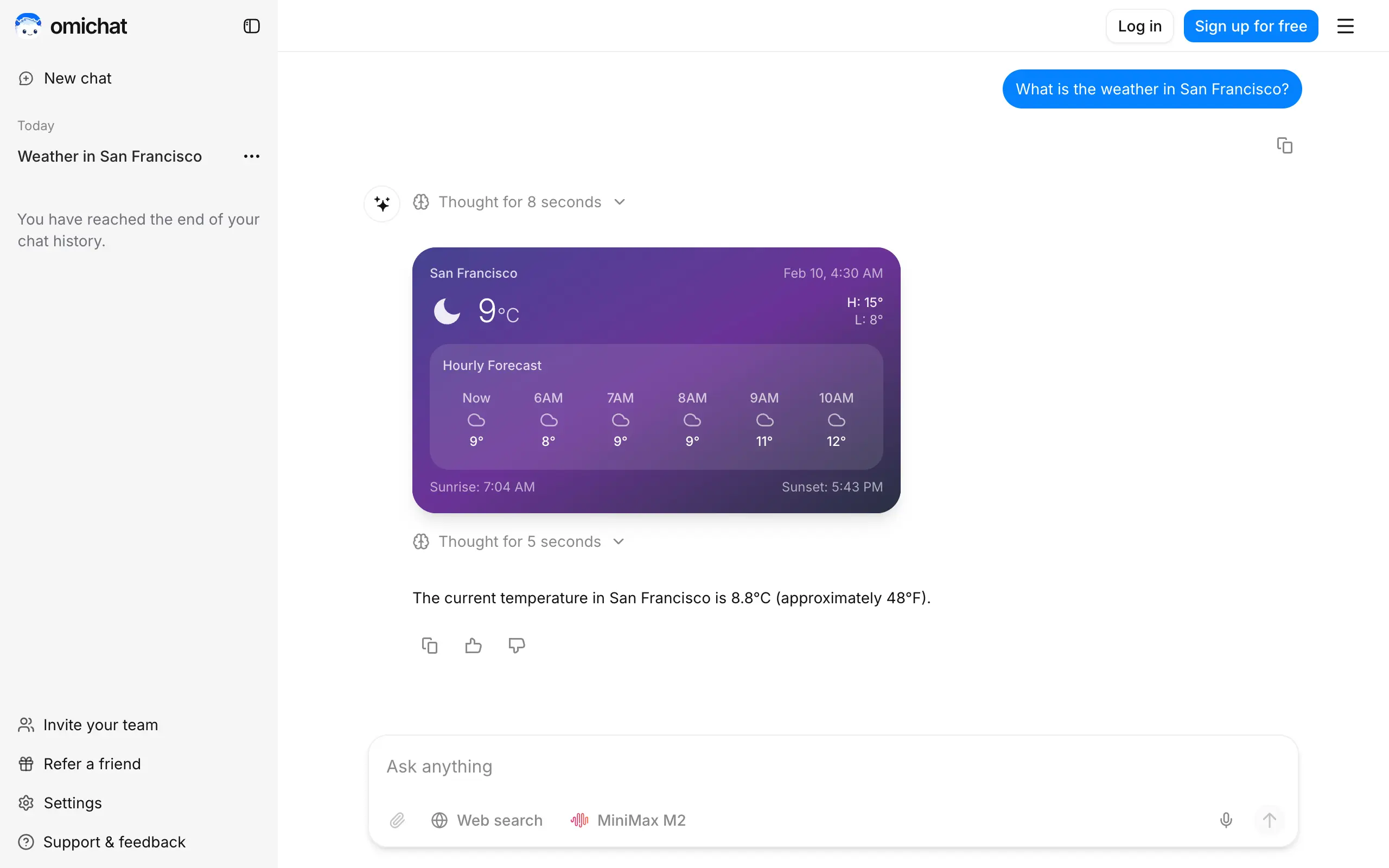
Omichat
Chat with 50+ AI models, including ChatGPT and Claude, in one place - switch models anytime without losing context 🤖
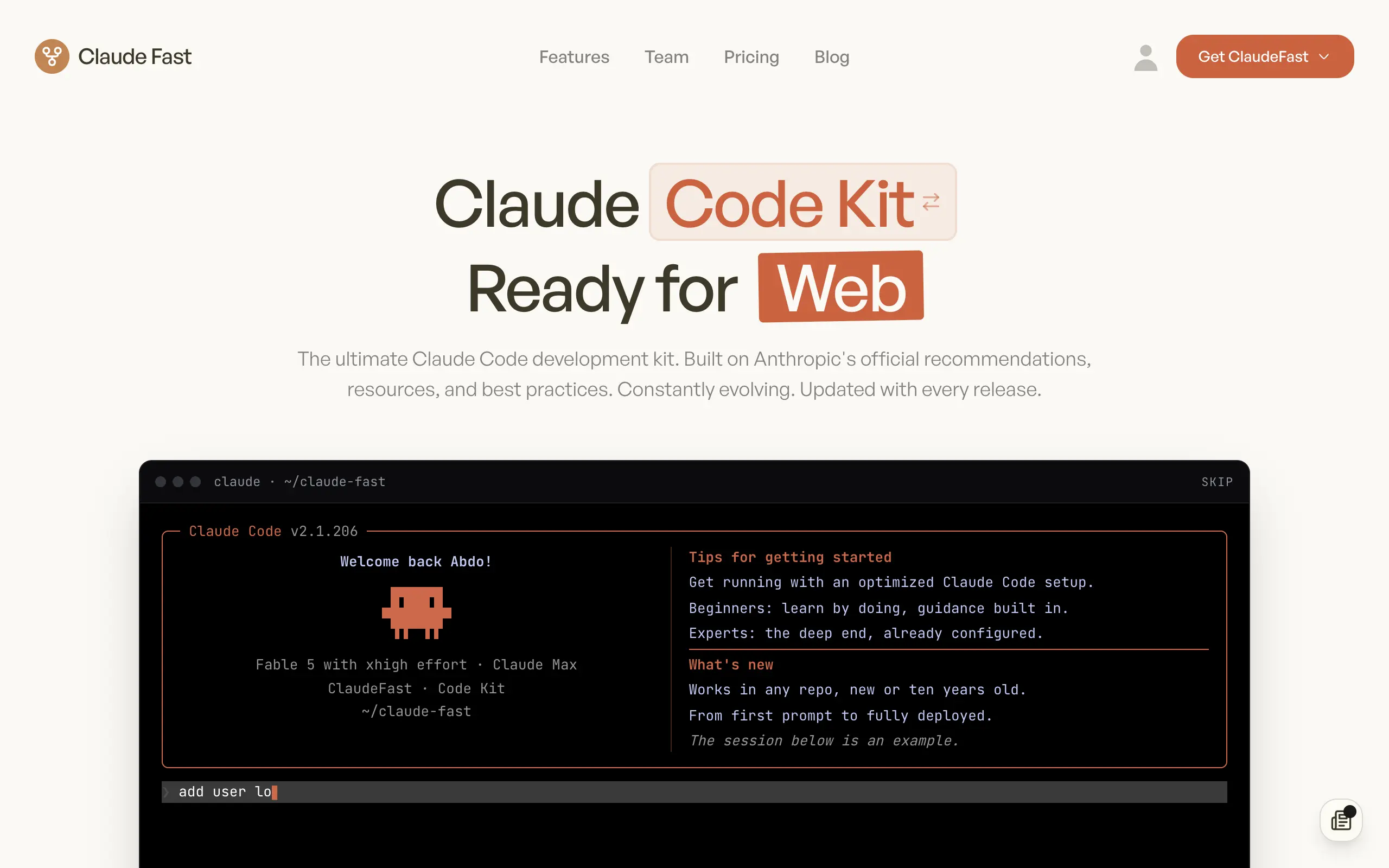
Claude Fast
Supercharge your Claude Code with 6x effective context window and specialized AI agents 🤖
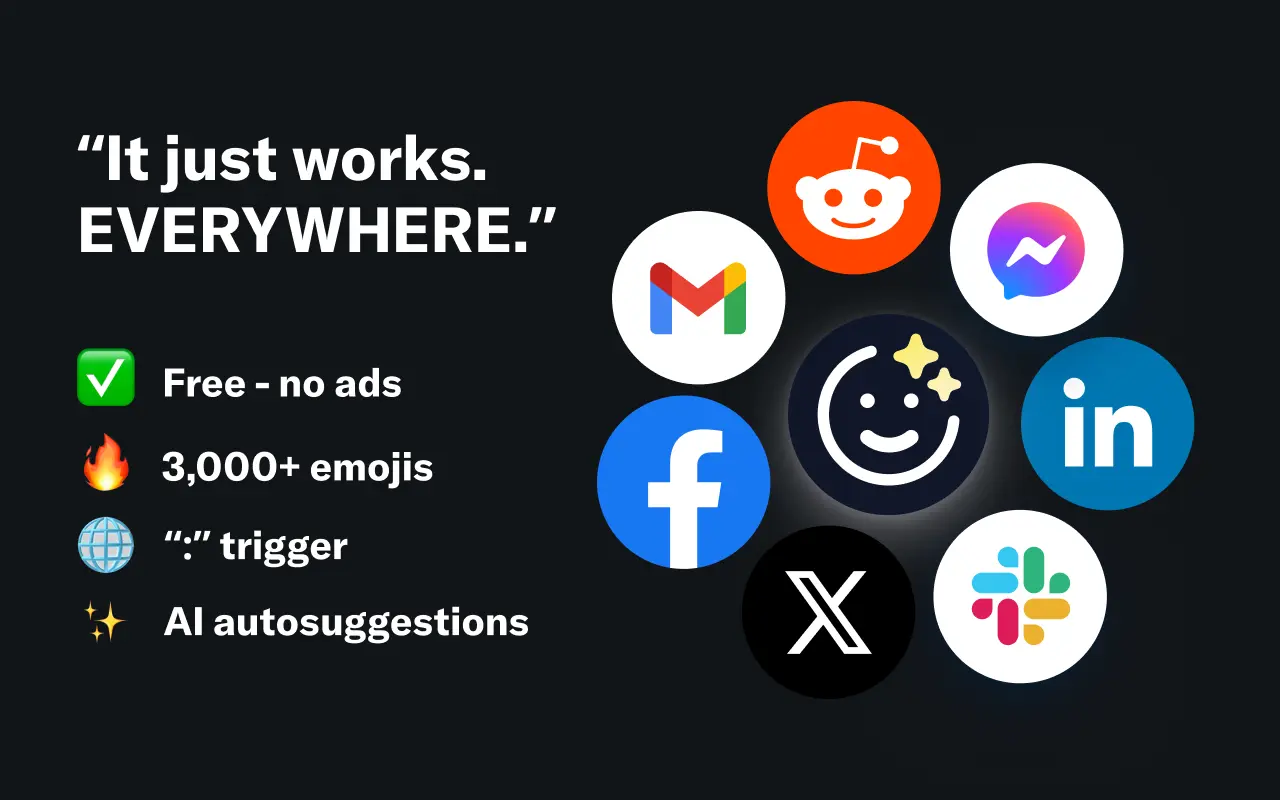
EmojAI
AI-powered emoji picker with smart, context-aware suggestions 🤖
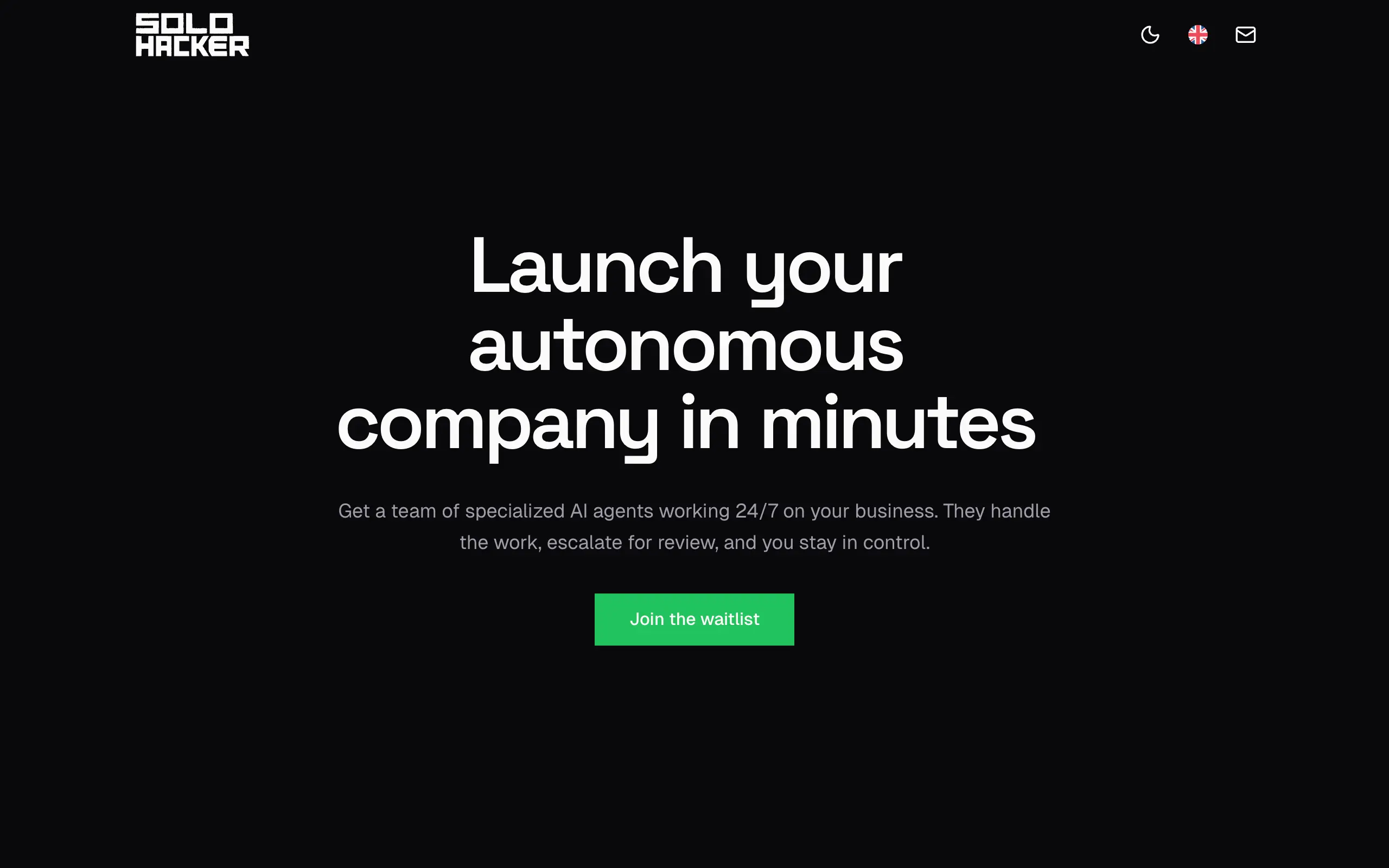
Solohacker
Autonomous company launcher - AI agents work 24/7, escalate what matters, and you stay in control 🤖
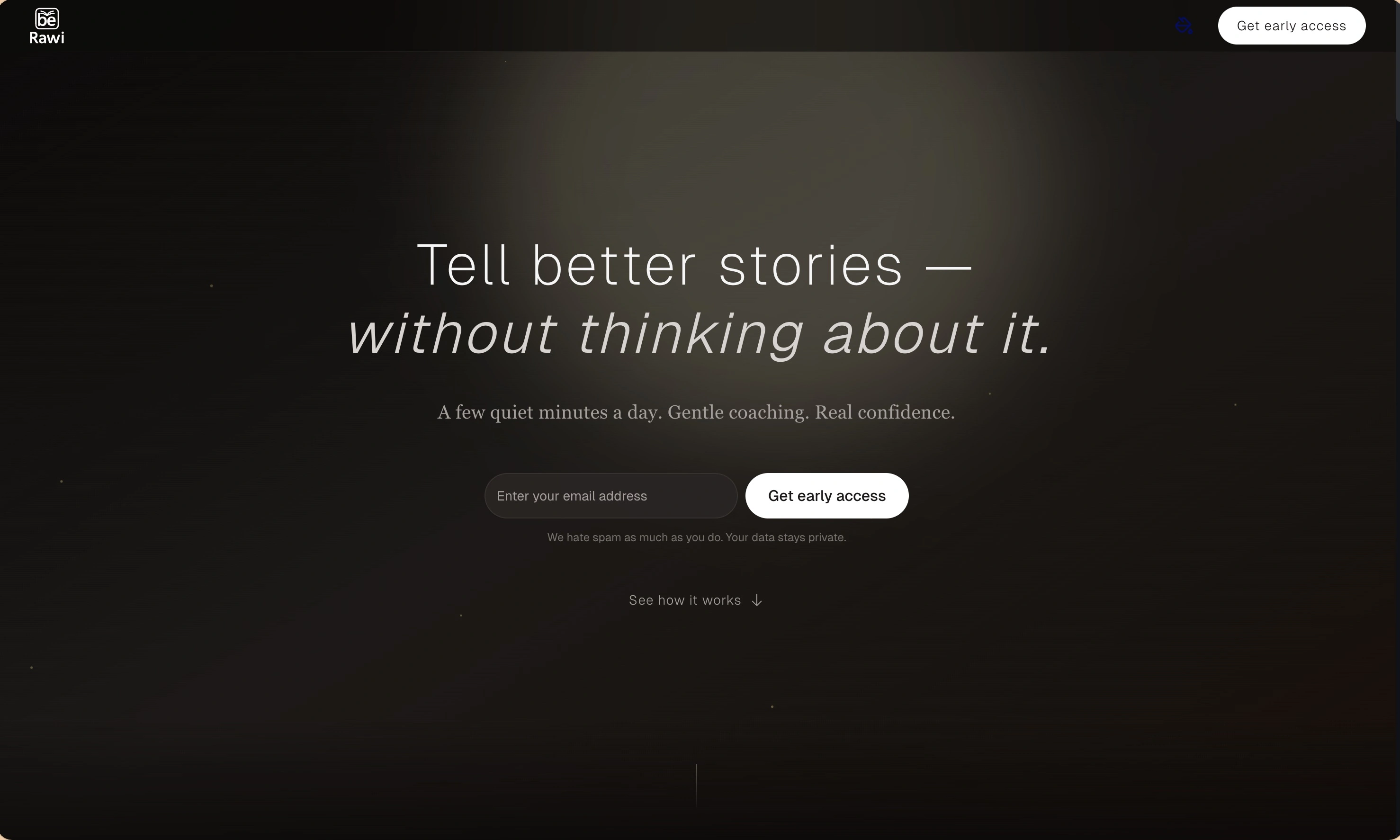
BeRawi: Storytelling Coach
Practice storytelling daily with instant feedback to sound clearer, more engaging, and confident 🎤
Omichat
Chat with 50+ AI models, including ChatGPT and Claude, in one place - switch models anytime without losing context 🤖
Claude Fast
Supercharge your Claude Code with 6x effective context window and specialized AI agents 🤖
EmojAI
AI-powered emoji picker with smart, context-aware suggestions 🤖
Solohacker
Autonomous company launcher - AI agents work 24/7, escalate what matters, and you stay in control 🤖
BeRawi: Storytelling Coach
Practice storytelling daily with instant feedback to sound clearer, more engaging, and confident 🎤
Omichat
Chat with 50+ AI models, including ChatGPT and Claude, in one place - switch models anytime without losing context 🤖
Claude Fast
Supercharge your Claude Code with 6x effective context window and specialized AI agents 🤖
EmojAI
AI-powered emoji picker with smart, context-aware suggestions 🤖
Solohacker
Autonomous company launcher - AI agents work 24/7, escalate what matters, and you stay in control 🤖
BeRawi: Storytelling Coach
Practice storytelling daily with instant feedback to sound clearer, more engaging, and confident 🎤
Omichat
Chat with 50+ AI models, including ChatGPT and Claude, in one place - switch models anytime without losing context 🤖
Claude Fast
Supercharge your Claude Code with 6x effective context window and specialized AI agents 🤖
EmojAI
AI-powered emoji picker with smart, context-aware suggestions 🤖
Solohacker
Autonomous company launcher - AI agents work 24/7, escalate what matters, and you stay in control 🤖
BeRawi: Storytelling Coach
Practice storytelling daily with instant feedback to sound clearer, more engaging, and confident 🎤

Connect with like-minded people
Join our community to get feedback, support, and grow together with 1,000+ builders on board, let's ship it!
Join usShip your startup everywhere. In minutes.
Don't burn tokens on setup and start building features on day one.