PulseBoard
Real-time employee sentiment analytics platform for HR teams, using AI to detect trends, burnout risks, and engagement issues from internal communications.
PulseBoard is a real-time employee sentiment analytics platform powered by AI, designed to help HR teams identify trends, prevent burnout, and boost engagement—especially across distributed teams. In this comprehensive guide, we’ll explore the market need, target audience, core features, technology stack, monetization strategies, risks, and actionable steps to bring PulseBoard to life. Whether you’re an HR leader, SaaS founder, or product manager, this article will equip you with expert insights and practical guidance.
Understanding the target audience for PulseBoard
A successful SaaS product starts with a deep understanding of its users. PulseBoard’s primary audience includes:
- HR professionals and People Operations teams in mid-sized to large organizations
- Remote-first and hybrid companies managing distributed teams
- C-level executives (CHROs, CTOs, CEOs) seeking data-driven insights into workforce well-being
- Team leads and department managers responsible for employee engagement and retention
What are their pain points?
- Lack of real-time visibility into employee sentiment, especially in remote or hybrid settings
- Difficulty identifying early signs of burnout or disengagement before they impact productivity
- Manual, time-consuming surveys that yield low participation and delayed insights
- Fragmented data from multiple HR tools, making it hard to see the big picture
- Pressure to improve retention and foster a positive company culture
Why real-time sentiment matters
Traditional annual or quarterly surveys are no longer sufficient. Distributed teams require continuous feedback loops to stay connected and engaged. Real-time analytics empower HR to act proactively, not reactively.
Market opportunity and gap analysis
The global HR analytics market is projected to reach $6.29 billion by 2027, driven by the rise of remote work and the need for data-driven decision-making. Yet, most existing solutions fall short in several ways:
- Delayed feedback: Many platforms rely on periodic surveys, missing real-time shifts in sentiment.
- Limited AI capabilities: Few tools leverage advanced AI for nuanced sentiment analysis and predictive insights.
- Poor integration: Siloed data makes it hard to correlate sentiment with other HR metrics (e.g., turnover, absenteeism).
- Generic dashboards: Lack of actionable, tailored recommendations for HR teams.
Key trends shaping the market
- Remote and hybrid work is here to stay. Companies need tools that work across time zones and cultures.
- Employee well-being is a top priority. Burnout and disengagement are costly, both financially and culturally.
- AI adoption in HR is accelerating. Organizations want smarter, more automated insights.
PulseBoard addresses these gaps by offering real-time, AI-powered sentiment analytics tailored for distributed teams.
Core features and solution details
PulseBoard’s unique value lies in its combination of real-time data collection, advanced AI analytics, and actionable insights. Here’s a breakdown of its core features:
1. Real-time sentiment tracking
- Continuous pulse surveys delivered via Slack, Microsoft Teams, or email
- Anonymous feedback to encourage honesty
- Micro-interactions (emoji reactions, quick polls) for high participation
2. AI-powered sentiment analysis
- Natural Language Processing (NLP) to interpret open-text feedback
- Emotion detection beyond simple positive/negative scoring
- Trend identification to spot emerging issues or improvements
3. Burnout and engagement prediction
- Predictive analytics flagging at-risk teams or individuals
- Customizable thresholds for alerts and interventions
- Integration with productivity tools (e.g., calendar, project management) for richer context
4. Actionable dashboards and reporting
- Role-based dashboards for HR, managers, and executives
- Drill-down capabilities by team, department, or location
- Automated recommendations for boosting engagement or addressing issues
5. Seamless integrations
- HRIS and payroll systems (e.g., Workday, BambooHR)
- Collaboration platforms (Slack, Teams, Zoom)
- APIs for custom workflows
6. Privacy and compliance
- GDPR and CCPA compliance out of the box
- Data anonymization and secure storage
Real-time pulse surveys
Quick, frequent check-ins via chat platforms to maximize participation.
AI-driven insights
Advanced NLP and emotion detection for nuanced understanding.
Burnout prediction
Proactive alerts and recommendations to prevent disengagement.
Customizable dashboards
Role-based views and deep-dive analytics for every stakeholder.
Recommended tech stack for PulseBoard
Building a robust, scalable, and secure sentiment analytics platform requires a modern tech stack. Here’s a recommended architecture, with trade-offs explained:
Frontend
- React (reactjs.org): Popular, component-based UI library with a large ecosystem.
- TypeScript (typescriptlang.org): Adds type safety, reducing bugs and improving maintainability.
- Tailwind CSS (tailwindcss.com): Utility-first CSS framework for rapid, consistent styling.
Backend
- Node.js (nodejs.org): High-performance, event-driven server environment.
- Express (expressjs.com): Minimalist web framework for building APIs.
- Python (python.org) for AI/NLP microservices: Leverage libraries like spaCy or NLTK for sentiment analysis.
Database
- PostgreSQL (postgresql.org): Reliable, scalable relational database with strong support for analytics.
- Redis (redis.io): In-memory data store for caching and real-time analytics.
AI/ML
- spaCy or NLTK for NLP tasks
- TensorFlow (tensorflow.org) or PyTorch (pytorch.org) for custom models
Integrations
- Slack API (api.slack.com), Microsoft Teams API (docs.microsoft.com/en-us/microsoftteams/platform/)
- Zapier (zapier.com) for no-code integrations
Hosting & DevOps
- AWS (aws.amazon.com), GCP (cloud.google.com), or Azure (azure.microsoft.com): Scalable cloud infrastructure.
- Docker (docker.com) for containerization and easy deployment.
- Kubernetes (kubernetes.io) for orchestration (if scaling to enterprise level).
Rapid prototyping with TurboStarter
For founders and teams looking to accelerate development, TurboStarter offers pre-built SaaS boilerplates, authentication, and integrations—ideal for quickly validating PulseBoard’s core features.
Trade-offs to consider
- Python vs. Node.js for AI: Python excels at AI/ML, but Node.js is better for real-time APIs. A microservices approach lets you use both.
- Self-hosted vs. managed cloud: Managed services reduce ops overhead but may limit customization.
- Custom NLP vs. third-party APIs: Building your own models offers control and privacy, but APIs like Google Cloud Natural Language can speed up MVP development.
Monetization strategy options
PulseBoard’s B2B SaaS model lends itself to several proven monetization strategies:
1. Subscription-based pricing
- Tiered plans based on number of employees, integrations, and advanced features
- Monthly or annual billing for predictable revenue
2. Usage-based pricing
- Charge based on the volume of surveys, analytics reports, or API calls
3. Enterprise licensing
- Custom contracts for large organizations with advanced needs (e.g., on-premise deployment, custom integrations)
4. Add-ons and upsells
- Premium AI analytics modules
- Advanced reporting or benchmarking against industry peers
| Subscription | Usage-based | Enterprise | Add-ons | Freemium |
|---|---|---|---|---|
| ✅ | ❌ | ❌ | ✅ | ❌ |
| ✅ | ❌ | ✅ | ✅ | ❌ |
A freemium model (limited features for small teams) can drive adoption and viral growth, but may increase support costs.
Potential risks and mitigation strategies
Launching a real-time employee sentiment analytics platform comes with challenges. Here’s how to address them:
1. Data privacy and compliance
- Risk: Mishandling sensitive employee data can lead to legal and reputational issues.
- Mitigation: Implement strong encryption, anonymization, and comply with GDPR/CCPA. Regularly audit data practices.
2. Low employee participation
- Risk: If employees don’t engage, insights will be incomplete or biased.
- Mitigation: Use micro-surveys, gamification, and transparent communication about data use.
3. AI bias and accuracy
- Risk: Inaccurate sentiment analysis can lead to misguided HR actions.
- Mitigation: Continuously train and validate models on diverse datasets. Allow manual overrides and feedback loops.
4. Integration complexity
- Risk: Difficulty connecting with existing HR tools can slow adoption.
- Mitigation: Offer robust APIs, pre-built connectors, and white-glove onboarding for enterprise clients.
5. Market competition
- Risk: Established HR analytics vendors may respond aggressively.
- Mitigation: Focus on unique differentiators (real-time, AI-driven, distributed team focus) and rapid iteration.
PulseBoard uses end-to-end encryption, anonymizes all feedback, and is fully compliant with GDPR and CCPA. Regular security audits and transparent privacy policies build trust with users.
PulseBoard leverages micro-interactions and integrates with daily workflows (e.g., Slack) to maximize participation. HR teams can customize frequency and incentives.
Competitive advantage analysis
PulseBoard stands out in a crowded HR tech market by focusing on:
- Real-time analytics: Most competitors offer only periodic surveys.
- AI-powered, nuanced sentiment detection: Goes beyond basic scoring to understand emotions and context.
- Designed for distributed teams: Optimized for remote/hybrid workforces, with integrations into modern collaboration tools.
- Actionable, role-based insights: Not just dashboards—PulseBoard delivers tailored recommendations for every stakeholder.
- Privacy-first architecture: Builds trust with employees and organizations alike.
How does PulseBoard compare to alternatives?
- Real-time, continuous feedback
- Advanced AI/NLP for sentiment
- Deep integrations with Slack/Teams
- Predictive burnout alerts
- Privacy by design
- Annual or quarterly surveys
- Basic analytics, slow feedback
- Limited integrations
- No predictive features
- Privacy varies
- Focus on HRIS data (turnover, payroll)
- Limited sentiment analysis
- Siloed dashboards
- Not tailored for distributed teams
- Privacy depends on vendor
Actionable implementation steps
Ready to bring PulseBoard to market? Here’s a step-by-step roadmap:
Conclusion: Why PulseBoard is the future of employee sentiment analytics
PulseBoard is uniquely positioned to help organizations thrive in the era of distributed work. By combining real-time feedback, advanced AI, and actionable insights, it empowers HR teams to proactively boost engagement, prevent burnout, and build a resilient culture.
Whether you’re an HR leader seeking better data, a SaaS founder exploring the HR tech space, or a developer looking for your next project, PulseBoard offers a compelling opportunity. With the right strategy, tech stack, and go-to-market plan, you can build a platform that truly makes a difference.
Frequently asked questions
While PulseBoard is optimized for mid-sized and large organizations, small teams can benefit from its real-time feedback and AI insights—especially if they’re distributed.
All responses are anonymized and encrypted. Only aggregated insights are shared with HR and managers, protecting individual privacy.
Yes, PulseBoard offers robust APIs and pre-built connectors for popular HRIS, payroll, and collaboration platforms.
PulseBoard’s real-time, AI-driven approach, focus on distributed teams, and privacy-first design set it apart from traditional survey and analytics platforms.
By following this guide, you’ll be well-equipped to validate, build, and launch a next-generation employee sentiment analytics platform that meets the evolving needs of modern organizations.
More 🏢 B2B Application SaaS ideas
Discover more innovative b2b application SaaS ideas that are trending in 2026. Each idea is AI-generated with market validation and growth potential to help you find your next profitable venture faster than competitors.
Your competitors are building with TurboStarter
Below are some of the SaaS ideas that have been generated and built with our starter kit.
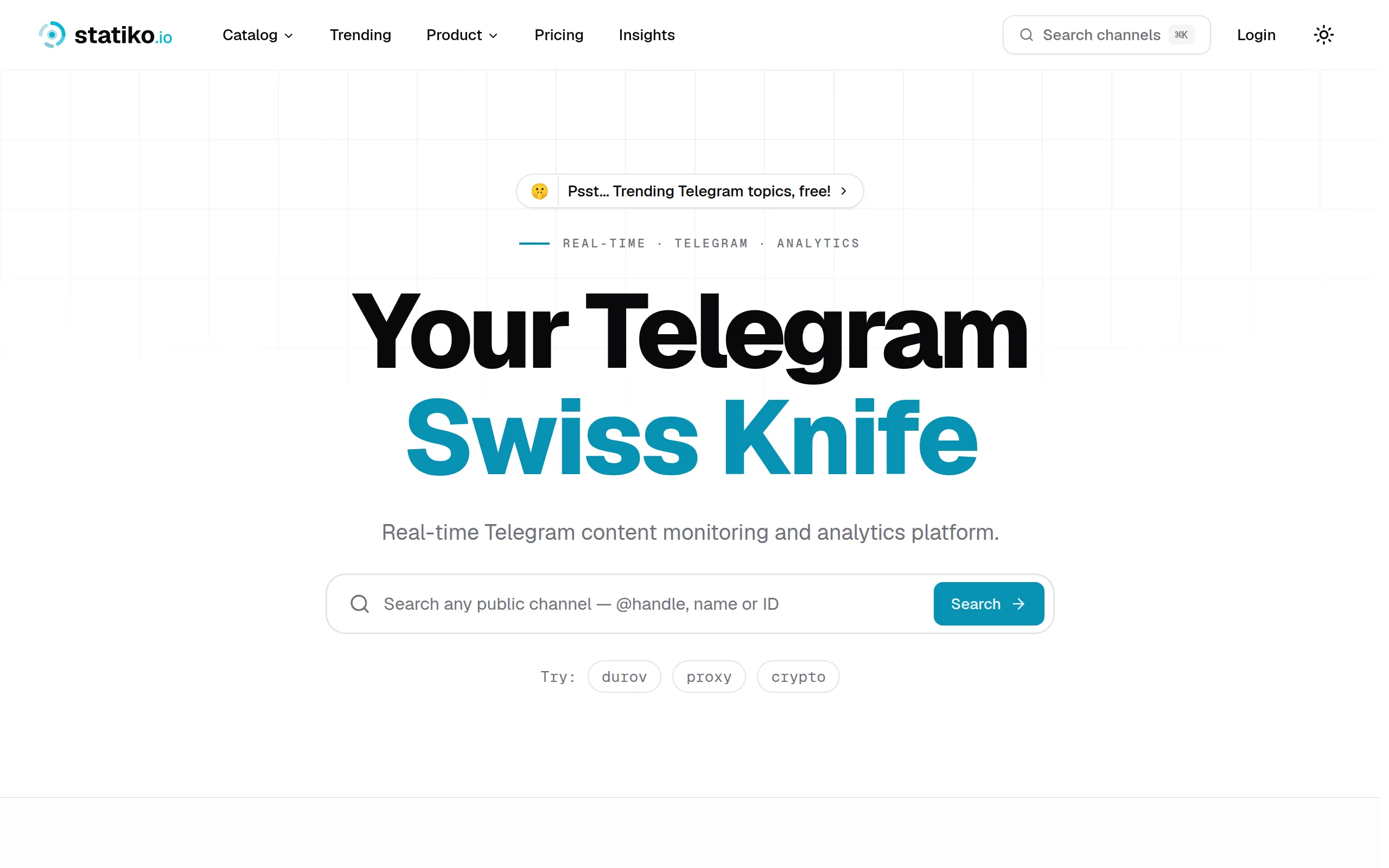
Statiko
Monitor any Telegram channel in real time - track posts, edits, deletions, and growth with AI recaps 📡

Shibui
AI website builder - describe your business, pick a niche template, edit by chatting, and publish instantly ✨

Pro Service
Find verified home service professionals, compare quotes, and pay securely through escrow - built for Brazilians across the US 🏠
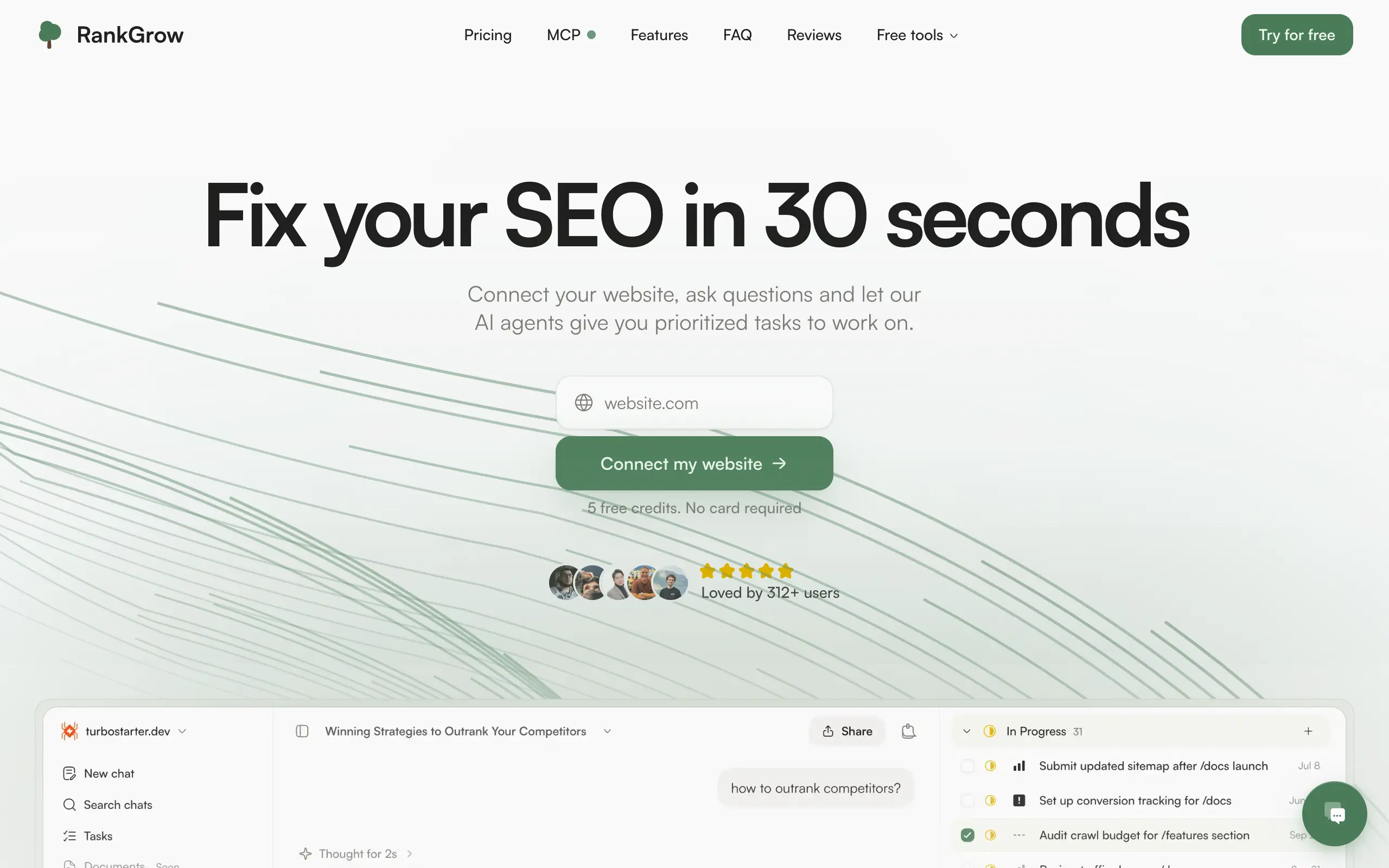
RankGrow
Fix your SEO with AI agents - connect Search Console, get prioritized tasks, and grow organic traffic 📈
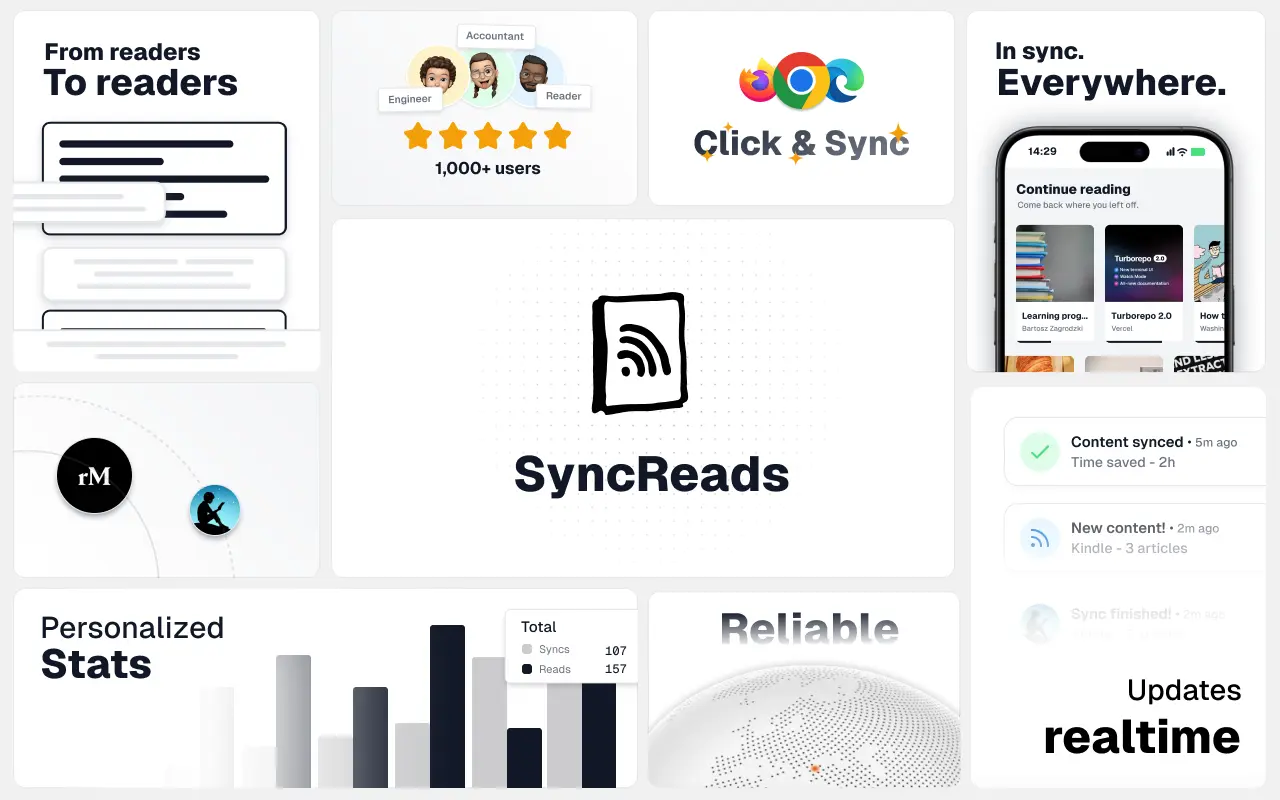
SyncReads
Sync your favorite content for distraction-free reading, save time and replace multiple apps. Anytime, anywhere 🔄
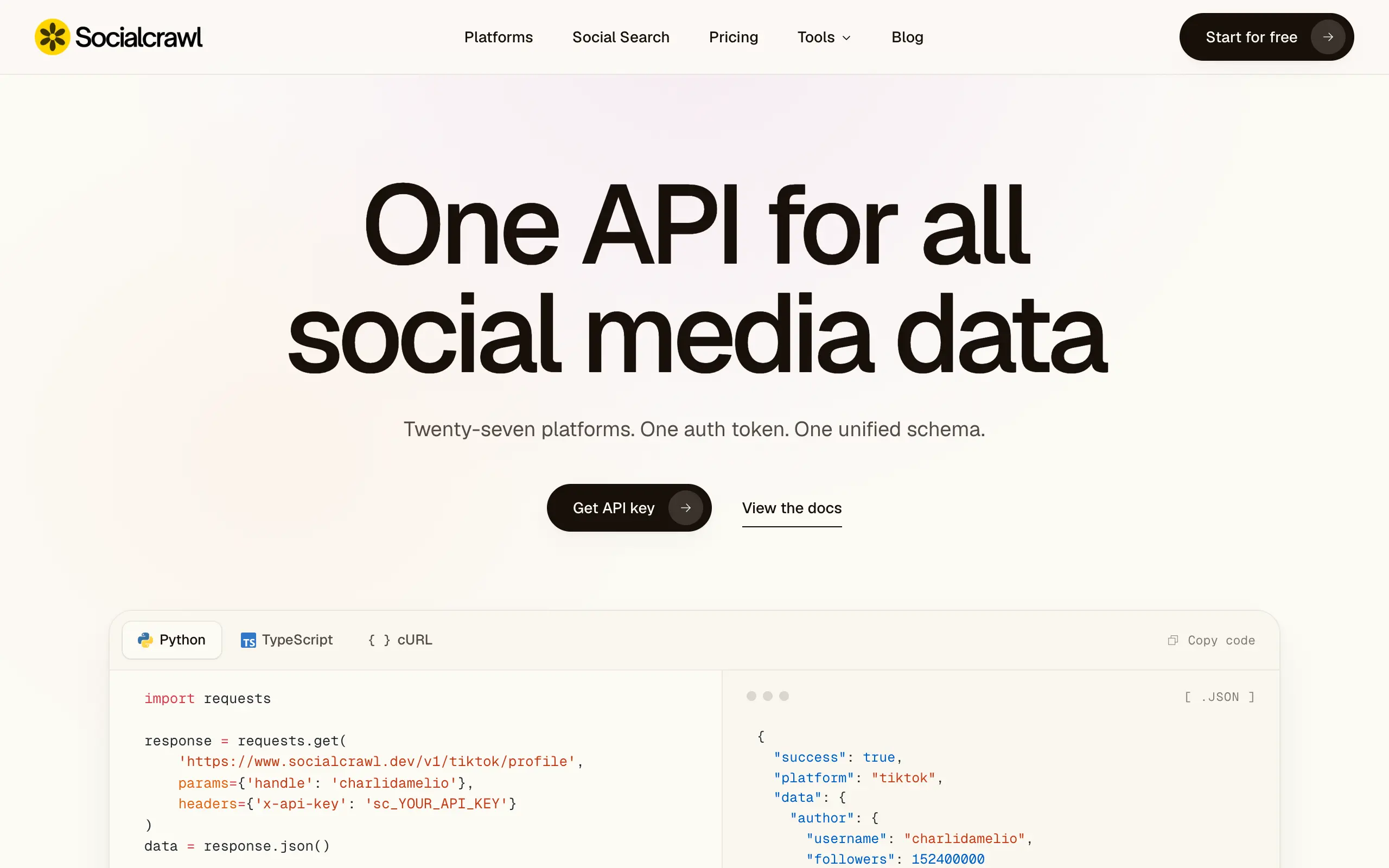
Socialcrawl
Get clean, structured data from 21 platforms like TikTok, Instagram, and YouTube with a single request 📊
Statiko
Monitor any Telegram channel in real time - track posts, edits, deletions, and growth with AI recaps 📡
Shibui
AI website builder - describe your business, pick a niche template, edit by chatting, and publish instantly ✨
Pro Service
Find verified home service professionals, compare quotes, and pay securely through escrow - built for Brazilians across the US 🏠
RankGrow
Fix your SEO with AI agents - connect Search Console, get prioritized tasks, and grow organic traffic 📈
SyncReads
Sync your favorite content for distraction-free reading, save time and replace multiple apps. Anytime, anywhere 🔄
Socialcrawl
Get clean, structured data from 21 platforms like TikTok, Instagram, and YouTube with a single request 📊
Statiko
Monitor any Telegram channel in real time - track posts, edits, deletions, and growth with AI recaps 📡
Shibui
AI website builder - describe your business, pick a niche template, edit by chatting, and publish instantly ✨
Pro Service
Find verified home service professionals, compare quotes, and pay securely through escrow - built for Brazilians across the US 🏠
RankGrow
Fix your SEO with AI agents - connect Search Console, get prioritized tasks, and grow organic traffic 📈
SyncReads
Sync your favorite content for distraction-free reading, save time and replace multiple apps. Anytime, anywhere 🔄
Socialcrawl
Get clean, structured data from 21 platforms like TikTok, Instagram, and YouTube with a single request 📊
Statiko
Monitor any Telegram channel in real time - track posts, edits, deletions, and growth with AI recaps 📡
Shibui
AI website builder - describe your business, pick a niche template, edit by chatting, and publish instantly ✨
Pro Service
Find verified home service professionals, compare quotes, and pay securely through escrow - built for Brazilians across the US 🏠
RankGrow
Fix your SEO with AI agents - connect Search Console, get prioritized tasks, and grow organic traffic 📈
SyncReads
Sync your favorite content for distraction-free reading, save time and replace multiple apps. Anytime, anywhere 🔄
Socialcrawl
Get clean, structured data from 21 platforms like TikTok, Instagram, and YouTube with a single request 📊
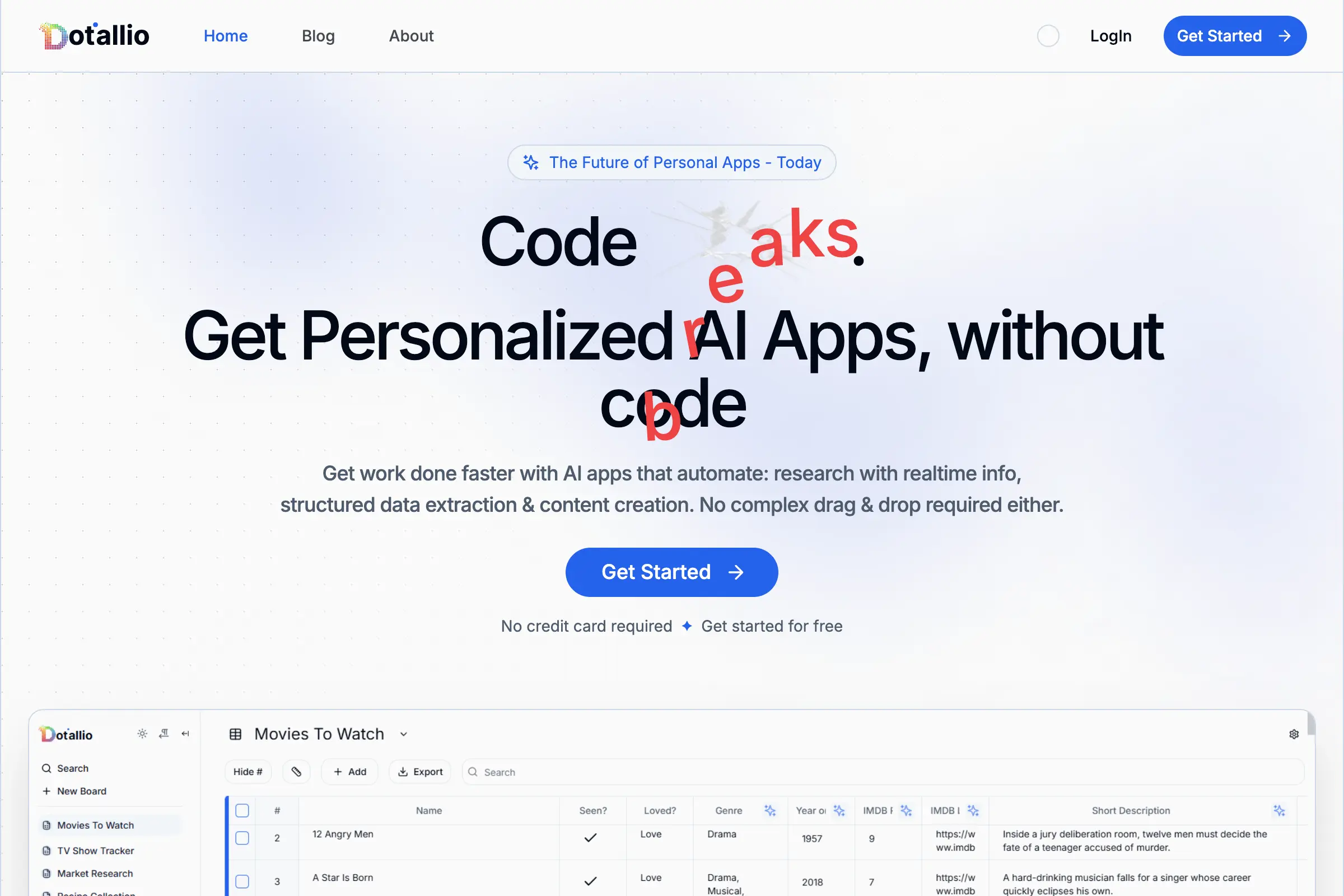
Dotallio
Personalized AI apps that automate research, data extraction, and content creation without code 🤖

Talk to Santa
Enjoy a magical live video chat or receive a unique AI-generated video greeting from Santa Claus 🎅
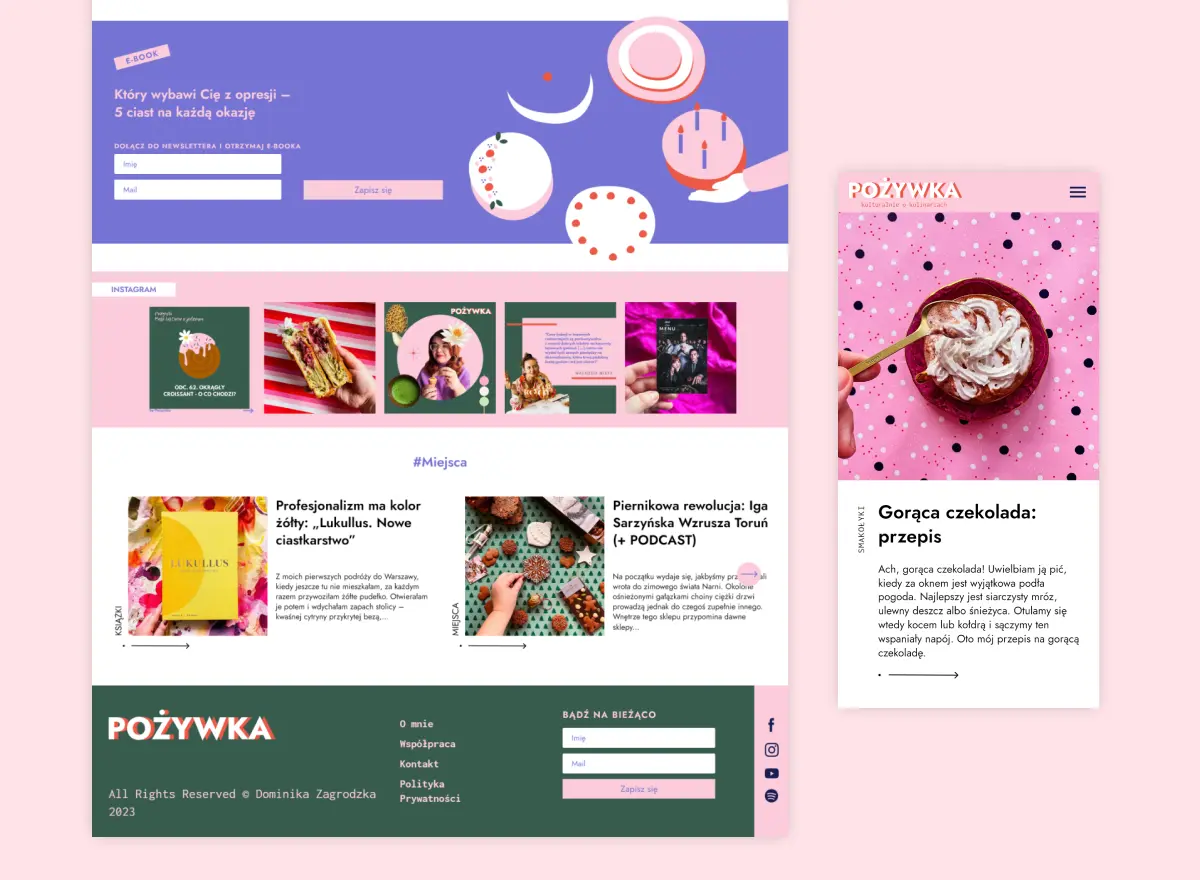
pozywka.pl
Scalable blog for food journalist, focused on performance and user experience 🌭
zagrodzki.me
Personal blog and portfolio of Bart Zagrodzki, where he shares his knowledge and work 💼
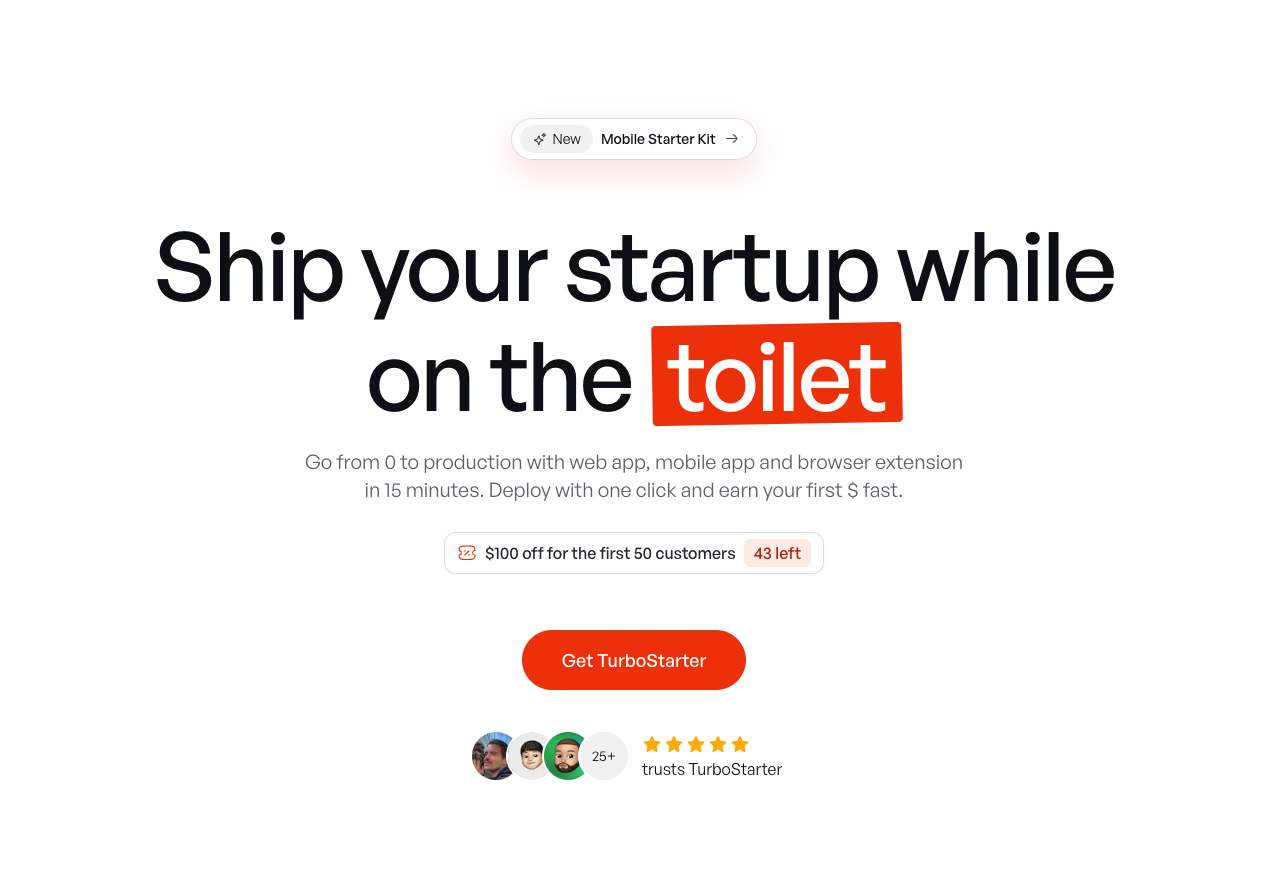
TurboStarter
Ship your startup everywhere. In minutes.
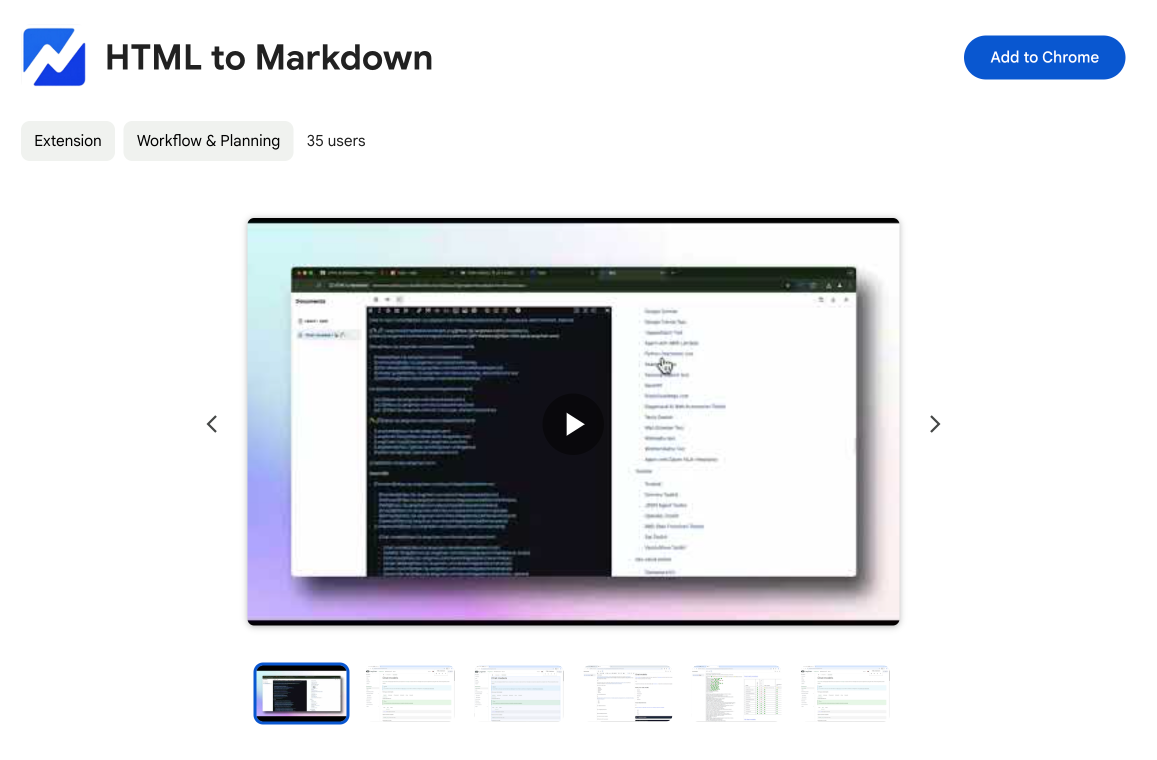
HTML to Markdown
Convert HTML to Markdown with ease, directly in your browser 📄
Dotallio
Personalized AI apps that automate research, data extraction, and content creation without code 🤖
Talk to Santa
Enjoy a magical live video chat or receive a unique AI-generated video greeting from Santa Claus 🎅
pozywka.pl
Scalable blog for food journalist, focused on performance and user experience 🌭
zagrodzki.me
Personal blog and portfolio of Bart Zagrodzki, where he shares his knowledge and work 💼
TurboStarter
Ship your startup everywhere. In minutes.
HTML to Markdown
Convert HTML to Markdown with ease, directly in your browser 📄
Dotallio
Personalized AI apps that automate research, data extraction, and content creation without code 🤖
Talk to Santa
Enjoy a magical live video chat or receive a unique AI-generated video greeting from Santa Claus 🎅
pozywka.pl
Scalable blog for food journalist, focused on performance and user experience 🌭
zagrodzki.me
Personal blog and portfolio of Bart Zagrodzki, where he shares his knowledge and work 💼
TurboStarter
Ship your startup everywhere. In minutes.
HTML to Markdown
Convert HTML to Markdown with ease, directly in your browser 📄
Dotallio
Personalized AI apps that automate research, data extraction, and content creation without code 🤖
Talk to Santa
Enjoy a magical live video chat or receive a unique AI-generated video greeting from Santa Claus 🎅
pozywka.pl
Scalable blog for food journalist, focused on performance and user experience 🌭
zagrodzki.me
Personal blog and portfolio of Bart Zagrodzki, where he shares his knowledge and work 💼
TurboStarter
Ship your startup everywhere. In minutes.
HTML to Markdown
Convert HTML to Markdown with ease, directly in your browser 📄
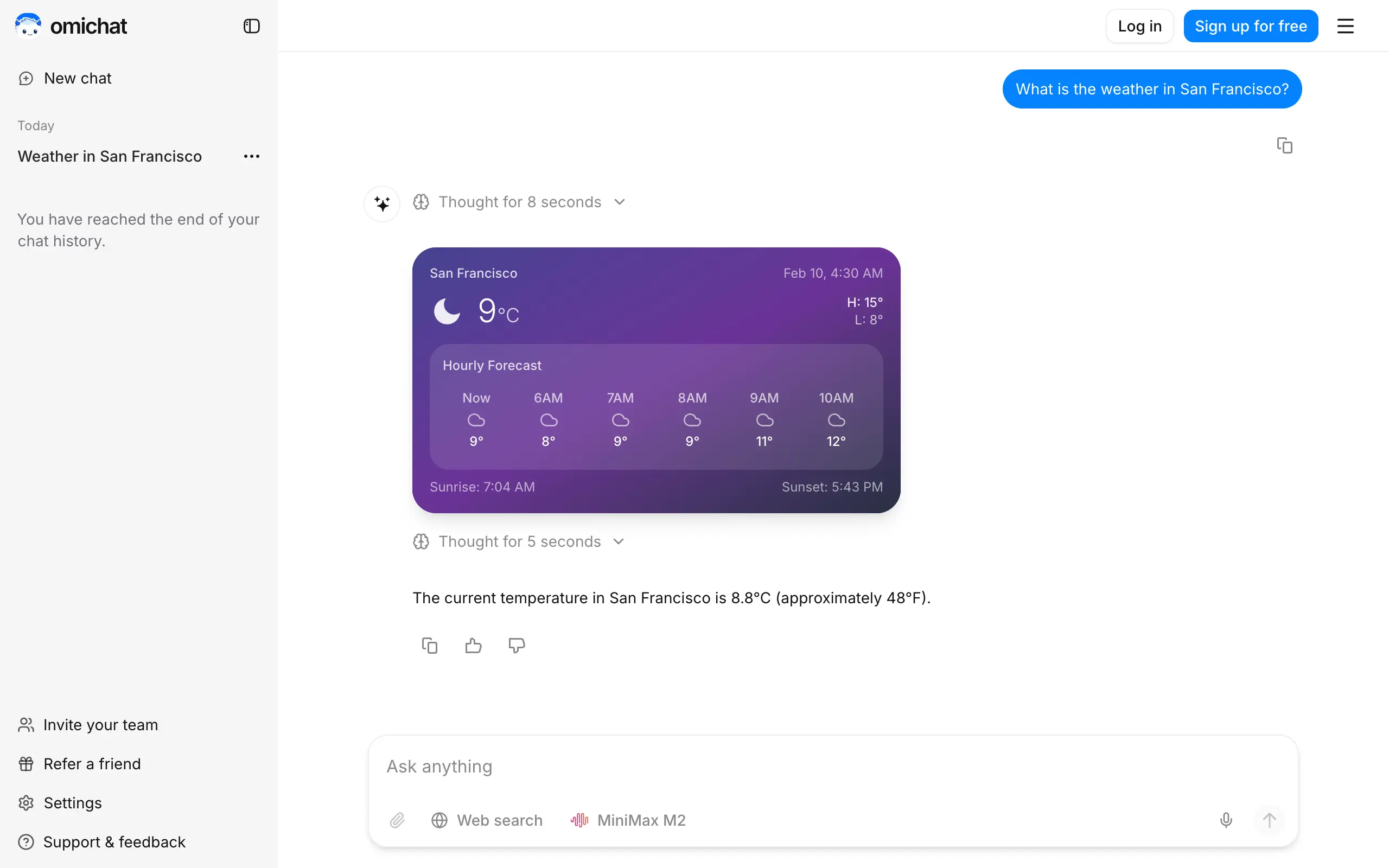
Omichat
Chat with 50+ AI models, including ChatGPT and Claude, in one place - switch models anytime without losing context 🤖
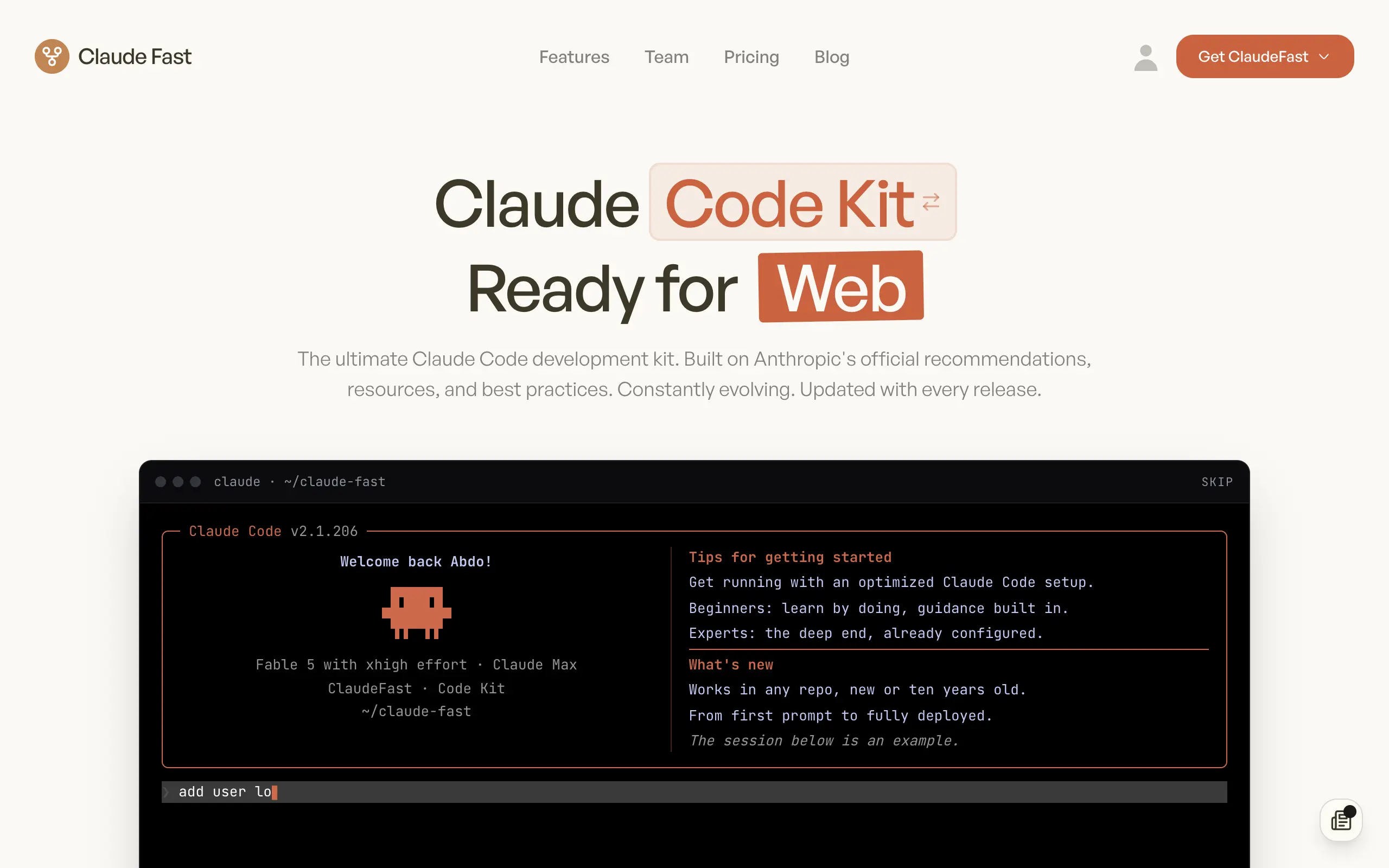
Claude Fast
Supercharge your Claude Code with 6x effective context window and specialized AI agents 🤖
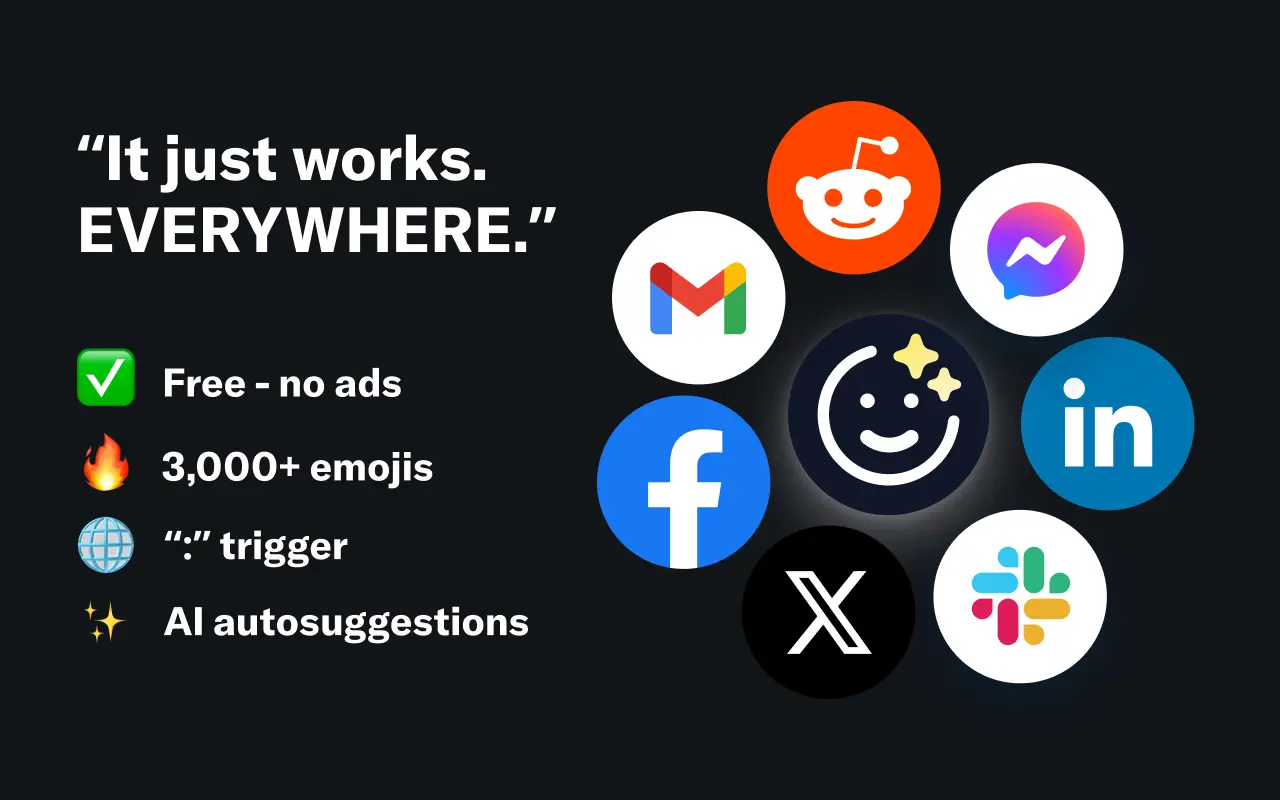
EmojAI
AI-powered emoji picker with smart, context-aware suggestions 🤖
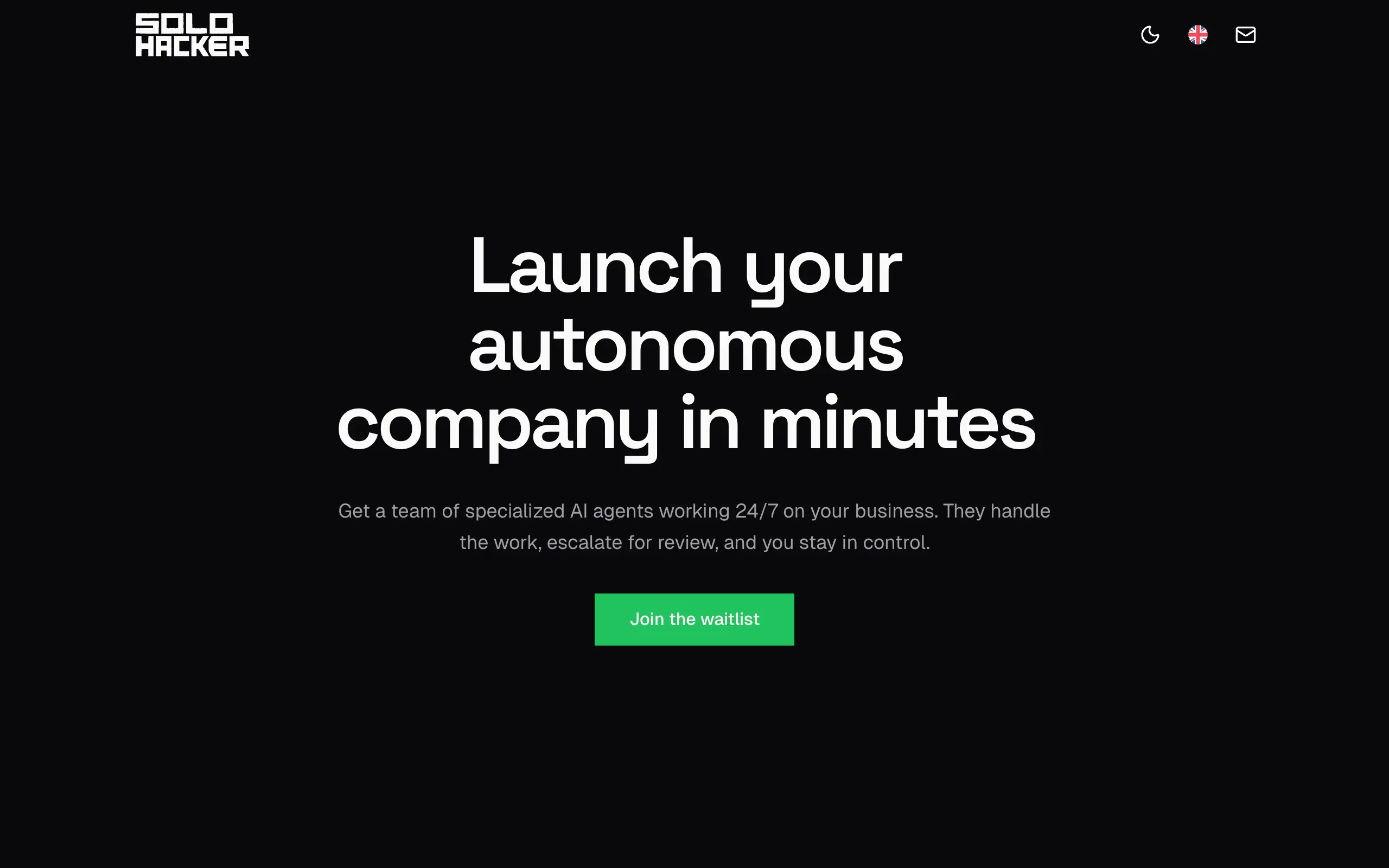
Solohacker
Autonomous company launcher - AI agents work 24/7, escalate what matters, and you stay in control 🤖
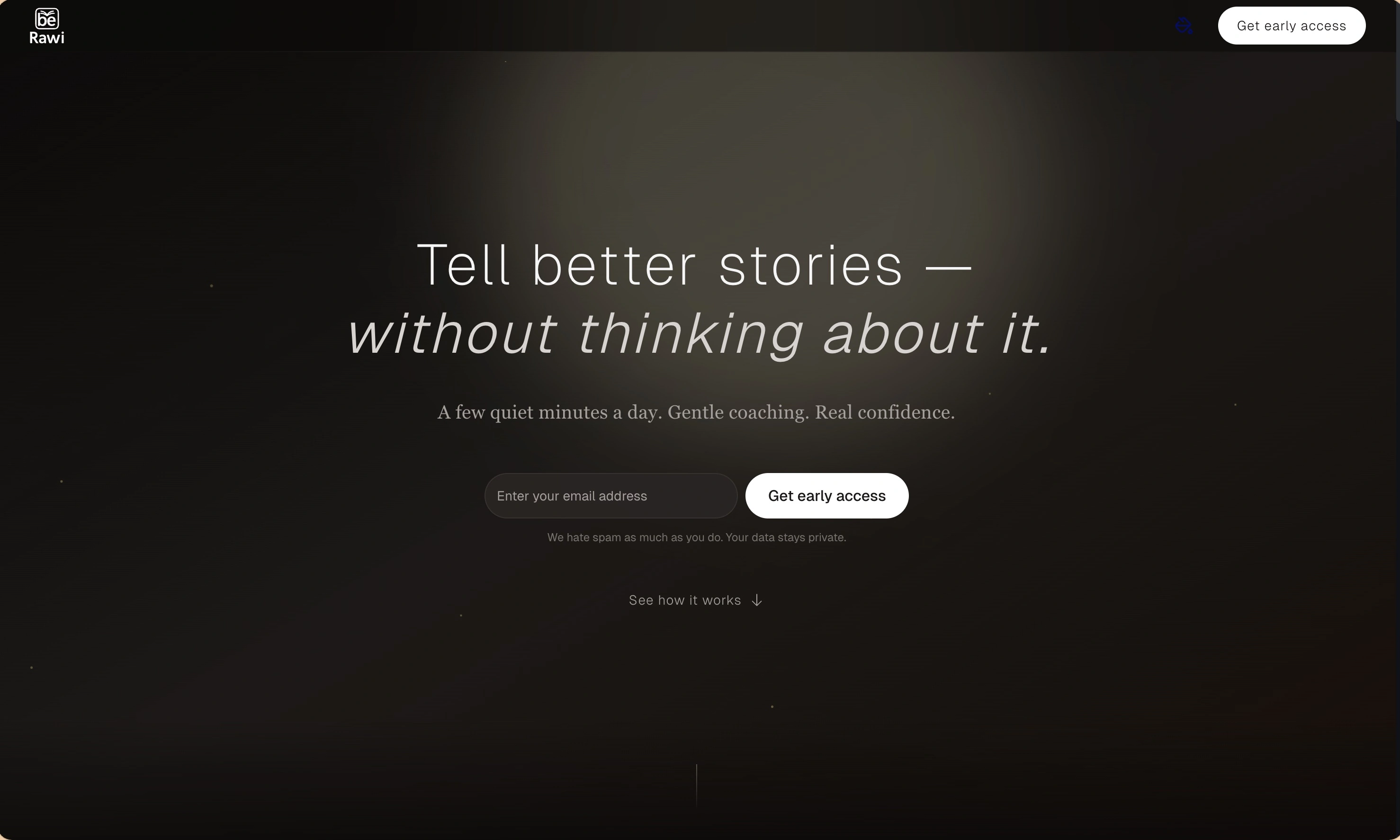
BeRawi: Storytelling Coach
Practice storytelling daily with instant feedback to sound clearer, more engaging, and confident 🎤
Omichat
Chat with 50+ AI models, including ChatGPT and Claude, in one place - switch models anytime without losing context 🤖
Claude Fast
Supercharge your Claude Code with 6x effective context window and specialized AI agents 🤖
EmojAI
AI-powered emoji picker with smart, context-aware suggestions 🤖
Solohacker
Autonomous company launcher - AI agents work 24/7, escalate what matters, and you stay in control 🤖
BeRawi: Storytelling Coach
Practice storytelling daily with instant feedback to sound clearer, more engaging, and confident 🎤
Omichat
Chat with 50+ AI models, including ChatGPT and Claude, in one place - switch models anytime without losing context 🤖
Claude Fast
Supercharge your Claude Code with 6x effective context window and specialized AI agents 🤖
EmojAI
AI-powered emoji picker with smart, context-aware suggestions 🤖
Solohacker
Autonomous company launcher - AI agents work 24/7, escalate what matters, and you stay in control 🤖
BeRawi: Storytelling Coach
Practice storytelling daily with instant feedback to sound clearer, more engaging, and confident 🎤
Omichat
Chat with 50+ AI models, including ChatGPT and Claude, in one place - switch models anytime without losing context 🤖
Claude Fast
Supercharge your Claude Code with 6x effective context window and specialized AI agents 🤖
EmojAI
AI-powered emoji picker with smart, context-aware suggestions 🤖
Solohacker
Autonomous company launcher - AI agents work 24/7, escalate what matters, and you stay in control 🤖
BeRawi: Storytelling Coach
Practice storytelling daily with instant feedback to sound clearer, more engaging, and confident 🎤

Connect with like-minded people
Join our community to get feedback, support, and grow together with 1,000+ builders on board, let's ship it!
Join usShip your startup everywhere. In minutes.
Don't burn tokens on setup and start building features on day one.