PunchZero
Reduce punch list overload with structured, real-time defect tracking and ownership workflows tailored for EPC and mechanical projects.
Understanding the problem: why punch list management is broken
In large-scale EPC (Engineering, Procurement, and Construction) and mechanical projects, the “punch list” phase is where timelines quietly collapse.
Despite being one of the final stages before project completion, punch list management is often:
- Fragmented across spreadsheets, PDFs, and messaging apps
- Lacking clear ownership and accountability
- Delayed due to poor real-time visibility
- Prone to duplication, missed defects, and disputes
This is where PunchZero—a structured, real-time defect tracking and ownership workflow platform—creates a meaningful shift.
Instead of treating punch lists as static documents, PunchZero transforms them into live, collaborative workflows, designed specifically for EPC and mechanical environments.
What is PunchZero?
PunchZero is a B2B SaaS platform for real-time punch list management, designed to reduce overload, streamline defect tracking, and enforce accountability across project stakeholders.
At its core, PunchZero focuses on:
- Structured defect logging
- Real-time collaboration across teams
- Clear ownership assignment
- Automated status tracking
- Field-to-office synchronization
This isn't just another checklist tool—it’s a workflow engine tailored for construction execution and project closeout.
Who is PunchZero for?
PunchZero targets a very specific but high-value audience within the construction ecosystem.
Primary users
- EPC contractors managing large-scale infrastructure projects
- Mechanical contractors handling installation and commissioning
- Project managers overseeing multi-vendor environments
- QA/QC teams responsible for inspection and compliance
- Site engineers coordinating field execution
Secondary stakeholders
- Owners and operators requiring transparency
- Consultants and inspectors validating completion
- Subcontractors responsible for defect resolution
The real market gap in punch list management
Most construction tech solutions focus on planning (e.g., scheduling tools) or documentation (e.g., BIM platforms). But execution-phase tools—especially punch list systems—are still underdeveloped.
Current alternatives and their limitations
| Tool Type | Real-Time Sync | Ownership Tracking | Workflow Automation | Field Usability |
|---|---|---|---|---|
| Excel / Sheets | ❌ | ❌ | ❌ | ✅ |
| Generic PM Tools | ✅ | ⚠️ | ⚠️ | ❌ |
| Construction Suites | ✅ | ✅ | ⚠️ | ⚠️ |
| PunchZero | ✅ | ✅ | ✅ | ✅ |
Key gap PunchZero addresses
- Lack of real-time, field-friendly punch tracking
- No clear accountability per defect
- Weak integration between inspection and resolution workflows
- Poor visibility into progress and bottlenecks
Why now? Industry trends driving demand
Several trends make PunchZero particularly relevant today:
1. Digital transformation in construction
The construction industry is rapidly adopting digital tools, but execution workflows remain underserved.
According to industry reports (e.g., McKinsey construction productivity studies), digitization can improve productivity by up to 15–20%.
PunchZero directly targets one of the least optimized stages: project closeout.
2. Increasing project complexity
Modern EPC projects involve:
- Multiple subcontractors
- Tight deadlines
- Regulatory compliance requirements
This complexity amplifies the need for structured defect tracking systems.
3. Accountability and risk management
Disputes over incomplete work or delays often arise due to:
- Lack of documentation
- Unclear ownership
- Delayed updates
PunchZero provides audit-ready tracking, reducing legal and financial risks.
Core features of PunchZero
1. Structured defect logging
PunchZero standardizes how defects are captured:
- Location tagging (zone, system, equipment)
- Categorization (mechanical, electrical, safety, etc.)
- Priority levels
- Photo/video attachments
This eliminates ambiguity and ensures consistency.
2. Real-time collaboration
Field teams and office teams operate in sync:
- Instant updates across devices
- Mobile-first interface for site engineers
- Offline mode with sync capability
3. Ownership assignment and accountability
Each defect is assigned to:
- A responsible party
- A deadline
- A verification authority
This ensures no task “falls through the cracks.”
4. Workflow automation
PunchZero introduces structured workflows:
- Logged → Assigned → In Progress → Resolved → Verified → Closed
- Automated status transitions
- Notifications for delays or inactivity
- Submission → Review → Approval → Rework (if needed) → Final closure
- Multi-level approvals for critical defects
5. Real-time dashboards and analytics
Project managers gain visibility into:
- Open vs closed defects
- Bottlenecks by contractor
- SLA adherence
- Completion trends
6. Field-first mobile experience
Unlike many enterprise tools, PunchZero prioritizes usability on-site:
- Fast input with minimal typing
- Voice-to-text support (optional)
- QR or asset-based tracking
How PunchZero stands out (USP)
PunchZero’s unique selling proposition lies in its laser focus on execution-stage workflows.
Key differentiators
- Built specifically for EPC and mechanical projects
- Combines defect tracking + workflow automation
- Emphasizes ownership and accountability
- Designed for field usability first, not retrofitted desktop tools
Core insight
Most tools treat punch lists as static records. PunchZero treats them as dynamic workflows.
Recommended tech stack
Building PunchZero requires balancing performance, offline capability, and real-time sync.
Frontend
- React for UI flexibility
- TailwindCSS for rapid styling
- React Native or Expo for mobile apps
Backend
- Node.js with NestJS or Express
- GraphQL for flexible data querying
- WebSockets for real-time updates
Database
- PostgreSQL for structured data
- Redis for caching and real-time state
File storage
- AWS S3 or equivalent for media attachments
Offline support
- IndexedDB or SQLite (mobile)
- Sync engine for conflict resolution
Example: real-time defect update (simplified)
// WebSocket update handler
socket.on("defect:update", (data) => {
  setDefects((prev) =>
    prev.map((d) => (d.id === data.id ? { ...d, ...data } : d))
  );
});
Monetization strategy
PunchZero operates best as a subscription-based SaaS model.
Pricing tiers
- Starter: Small contractors
- Pro: Mid-size EPC firms
- Enterprise: Large multi-project organizations
Pricing variables
- Number of active projects
- Number of users
- Storage usage (media-heavy apps)
Additional revenue streams
- Implementation and onboarding services
- Custom integrations (ERP, BIM tools)
- White-label solutions for large firms
Competitive landscape
PunchZero competes with:
- Procore
- Autodesk Construction Cloud
- Fieldwire
- PlanGrid
However, most of these platforms are broad construction management tools, not specialized punch list systems.
Competitive advantage analysis
Niche focus
Dedicated to punch list workflows, not general project management.
Field-first UX
Designed for on-site usability with minimal friction.
Workflow automation
Structured lifecycle replaces manual tracking.
Accountability engine
Ownership tracking reduces delays and disputes.
Potential risks and mitigation strategies
1. Resistance to adoption
Construction teams often resist new tools.
Mitigation:
- Provide simple onboarding
- Offer offline capability
- Mirror familiar workflows
2. Competition from large platforms
Established players may add similar features.
Mitigation:
- Focus on depth, not breadth
- Build best-in-class UX
- Integrate rather than compete head-on
3. Data fragmentation
Projects involve multiple stakeholders using different systems.
Mitigation:
- Offer API integrations
- Support CSV imports/exports
- Enable cross-platform syncing
4. Field connectivity issues
Job sites often lack stable internet.
Mitigation:
- Offline-first architecture
- Background sync mechanisms
Implementation roadmap
Phase 1: MVP (3–4 months)
Phase 2: Workflow automation
- Add lifecycle stages
- Introduce notifications and alerts
- Implement approval flows
Phase 3: Advanced features
- Analytics dashboards
- Integration with BIM/ERP tools
- AI-assisted defect categorization
Phase 4: Scaling
- Multi-project management
- Enterprise-grade permissions
- White-label capabilities
Go-to-market strategy
Initial traction channels
- Direct outreach to EPC firms
- Partnerships with consultants
- Industry events and trade shows
Content marketing
Target keywords:
- punch list management software
- construction defect tracking tool
- EPC project closeout software
- mechanical punch list solution
Sales strategy
- High-touch sales for enterprise clients
- Free trials for smaller contractors
- Case studies demonstrating ROI
Measuring success (KPIs)
Key metrics to track:
- Time to close defects
- Number of defects per project
- User adoption rates
- Customer retention (MRR growth)
Future opportunities
PunchZero can expand into:
- Predictive analytics for defect patterns
- AI-based image recognition for defects
- Integration with digital twins
- Compliance and audit reporting
Final thoughts: why PunchZero is a strong SaaS opportunity
PunchZero sits at the intersection of:
- High-value industry (construction)
- Clear inefficiency (punch list chaos)
- Strong ROI potential (time + cost savings)
Its strength lies in solving a narrow but critical problem extremely well.
Actionable next steps
If you’re building or validating PunchZero:
Build faster with the right foundation
Developing a SaaS product like PunchZero requires speed, scalability, and a solid architecture from day one.
Instead of building everything from scratch, you can accelerate development using tools like TurboStarter, which provides a production-ready foundation for modern SaaS applications.
Frequently asked questions
No. While it’s optimized for EPC environments, smaller contractors can also benefit from structured defect tracking and workflow automation.
Excel lacks real-time updates, ownership tracking, and workflow automation. PunchZero transforms static lists into dynamic, collaborative systems.
Yes. A well-designed API layer allows integration with ERP, BIM, and project management systems.
Yes. Offline-first architecture ensures usability even in low-connectivity environments.
More 🏢 B2B Application SaaS ideas
Discover more innovative b2b application SaaS ideas that are trending in 2026. Each idea is AI-generated with market validation and growth potential to help you find your next profitable venture faster than competitors.
Your competitors are building with TurboStarter
Below are some of the SaaS ideas that have been generated and built with our starter kit.
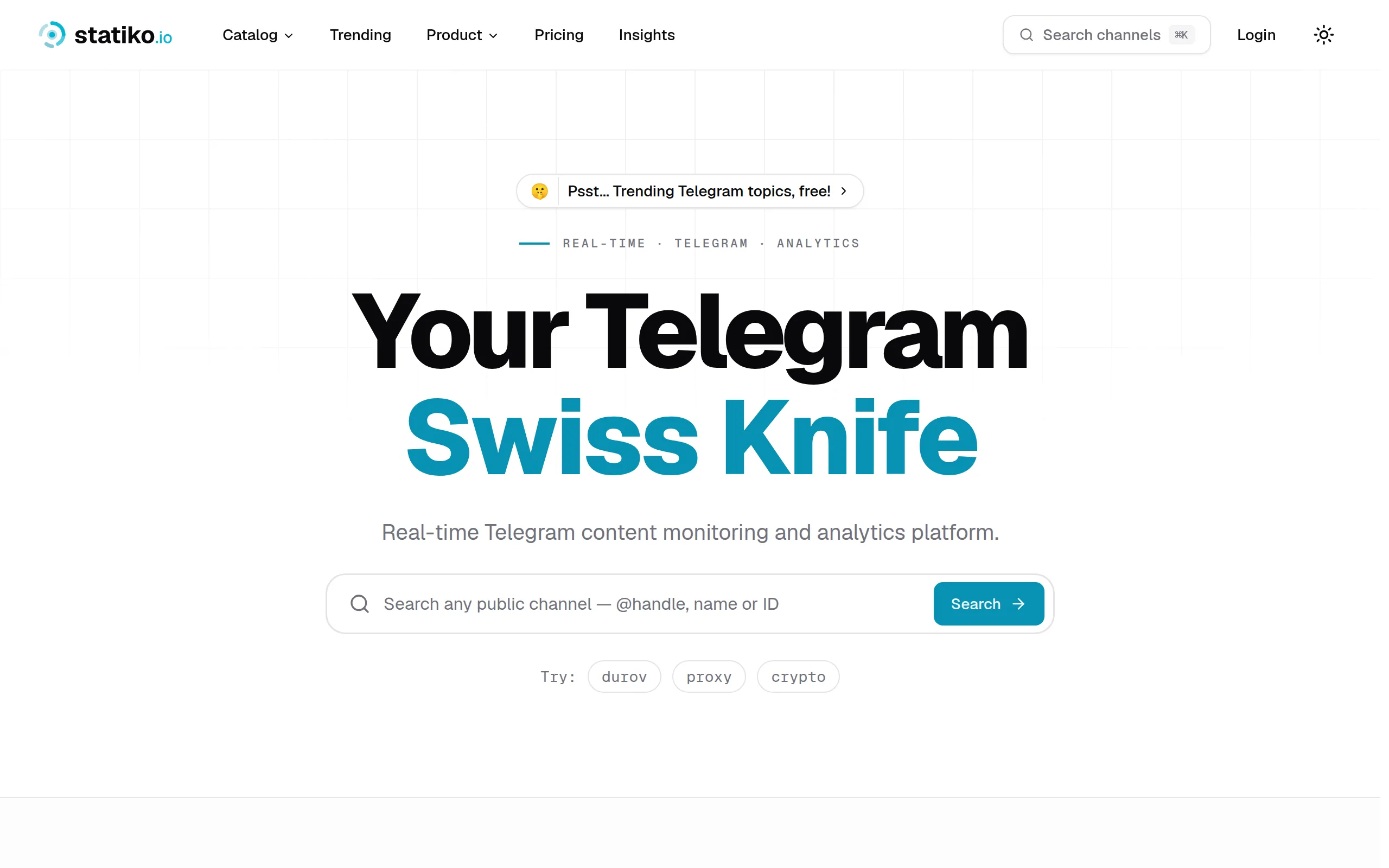
Statiko
Monitor any Telegram channel in real time - track posts, edits, deletions, and growth with AI recaps 📡

Shibui
AI website builder - describe your business, pick a niche template, edit by chatting, and publish instantly ✨

Pro Service
Find verified home service professionals, compare quotes, and pay securely through escrow - built for Brazilians across the US 🏠
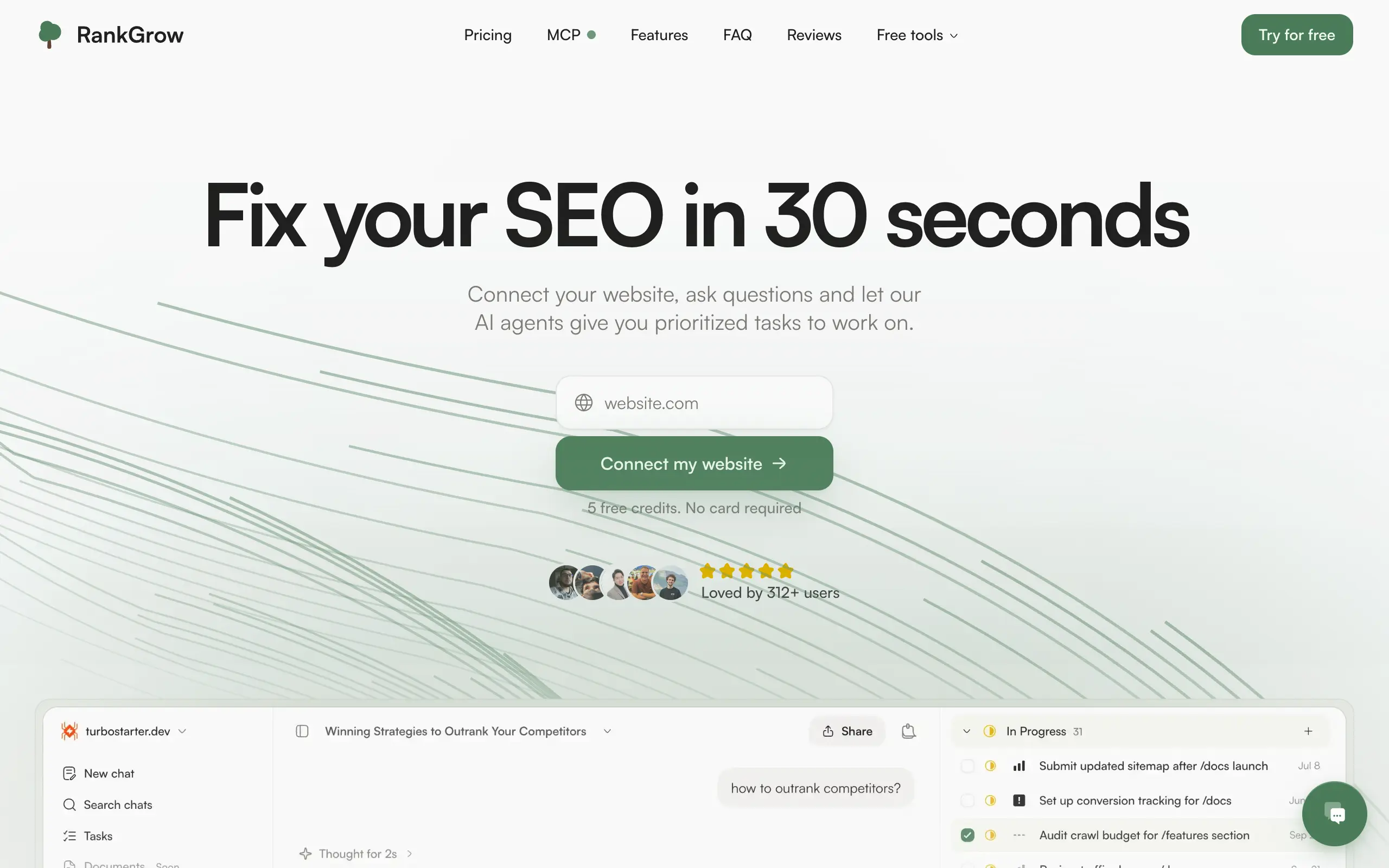
RankGrow
Fix your SEO with AI agents - connect Search Console, get prioritized tasks, and grow organic traffic 📈
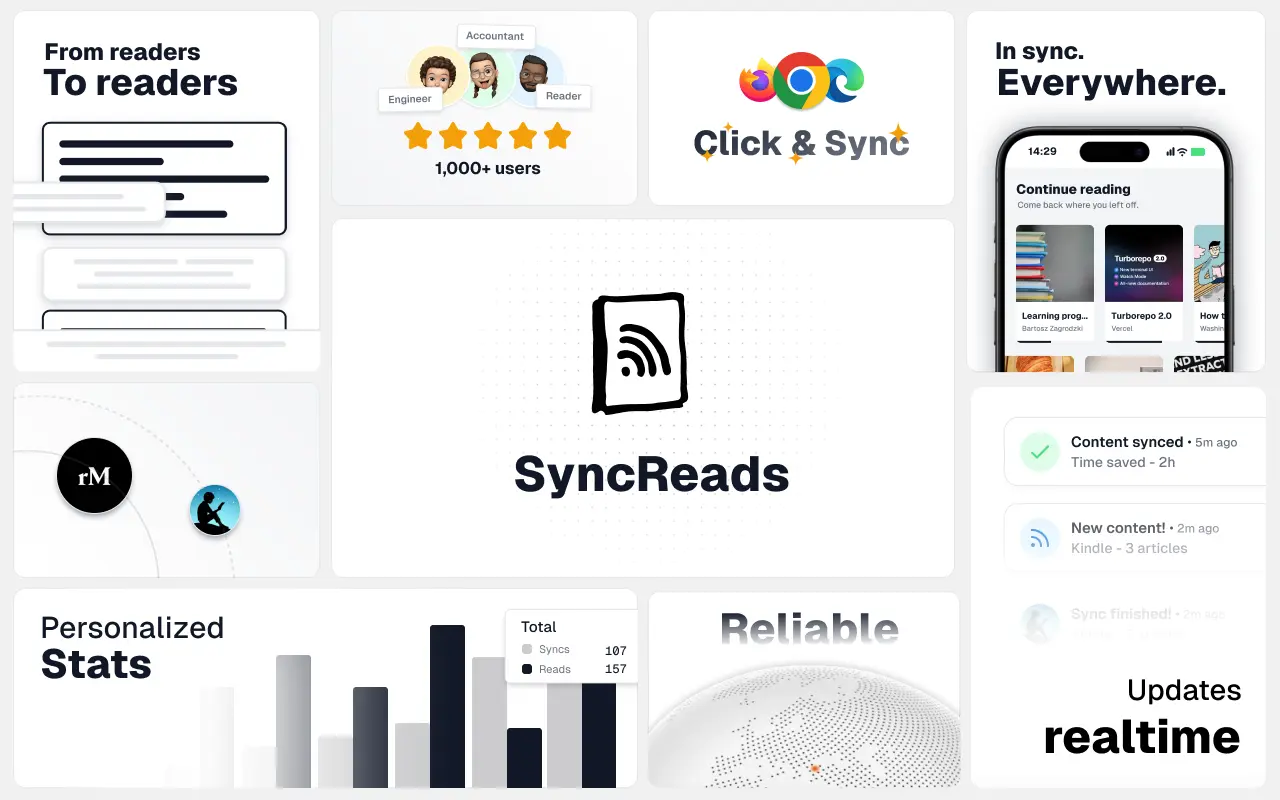
SyncReads
Sync your favorite content for distraction-free reading, save time and replace multiple apps. Anytime, anywhere 🔄
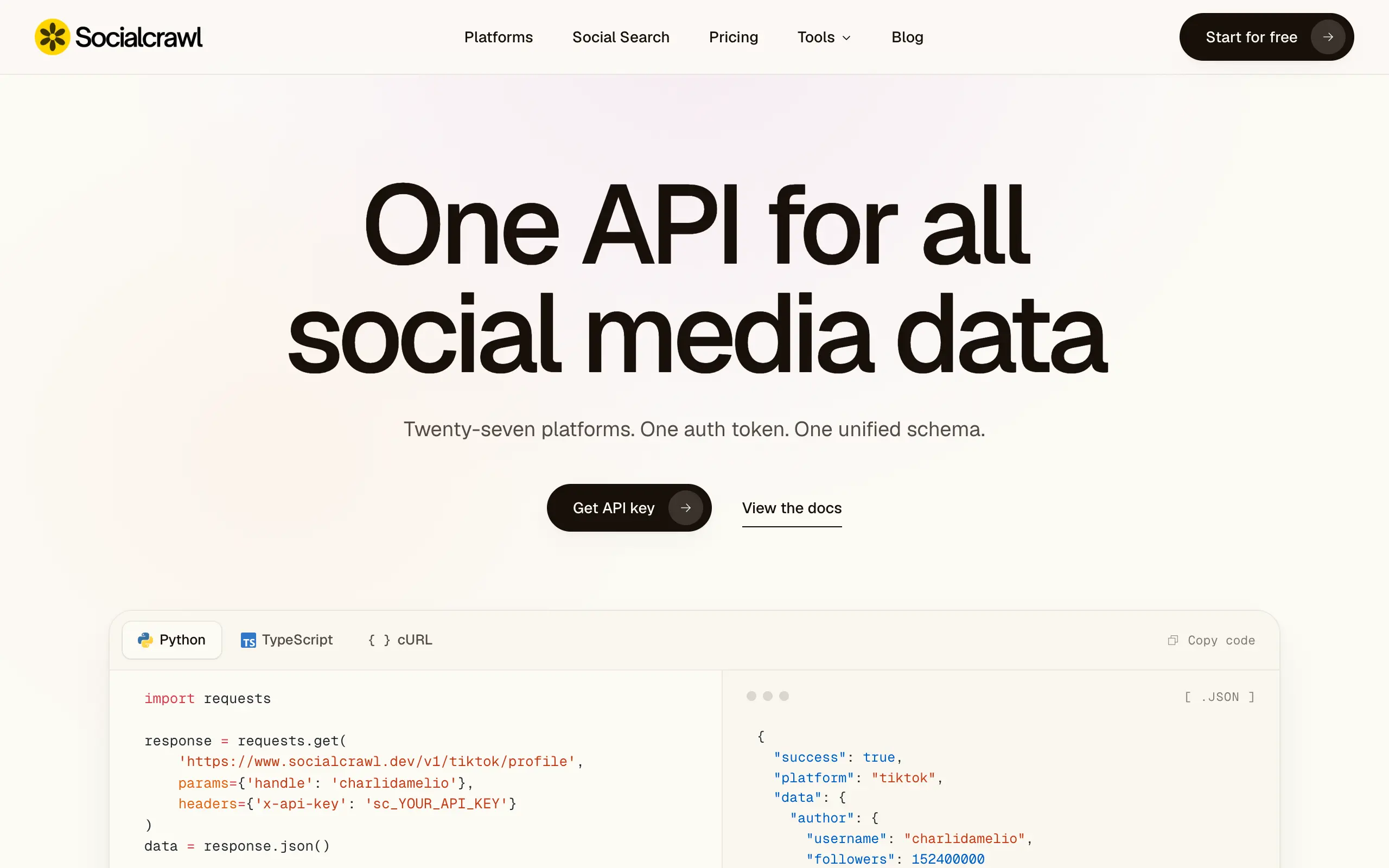
Socialcrawl
Get clean, structured data from 21 platforms like TikTok, Instagram, and YouTube with a single request 📊
Statiko
Monitor any Telegram channel in real time - track posts, edits, deletions, and growth with AI recaps 📡
Shibui
AI website builder - describe your business, pick a niche template, edit by chatting, and publish instantly ✨
Pro Service
Find verified home service professionals, compare quotes, and pay securely through escrow - built for Brazilians across the US 🏠
RankGrow
Fix your SEO with AI agents - connect Search Console, get prioritized tasks, and grow organic traffic 📈
SyncReads
Sync your favorite content for distraction-free reading, save time and replace multiple apps. Anytime, anywhere 🔄
Socialcrawl
Get clean, structured data from 21 platforms like TikTok, Instagram, and YouTube with a single request 📊
Statiko
Monitor any Telegram channel in real time - track posts, edits, deletions, and growth with AI recaps 📡
Shibui
AI website builder - describe your business, pick a niche template, edit by chatting, and publish instantly ✨
Pro Service
Find verified home service professionals, compare quotes, and pay securely through escrow - built for Brazilians across the US 🏠
RankGrow
Fix your SEO with AI agents - connect Search Console, get prioritized tasks, and grow organic traffic 📈
SyncReads
Sync your favorite content for distraction-free reading, save time and replace multiple apps. Anytime, anywhere 🔄
Socialcrawl
Get clean, structured data from 21 platforms like TikTok, Instagram, and YouTube with a single request 📊
Statiko
Monitor any Telegram channel in real time - track posts, edits, deletions, and growth with AI recaps 📡
Shibui
AI website builder - describe your business, pick a niche template, edit by chatting, and publish instantly ✨
Pro Service
Find verified home service professionals, compare quotes, and pay securely through escrow - built for Brazilians across the US 🏠
RankGrow
Fix your SEO with AI agents - connect Search Console, get prioritized tasks, and grow organic traffic 📈
SyncReads
Sync your favorite content for distraction-free reading, save time and replace multiple apps. Anytime, anywhere 🔄
Socialcrawl
Get clean, structured data from 21 platforms like TikTok, Instagram, and YouTube with a single request 📊
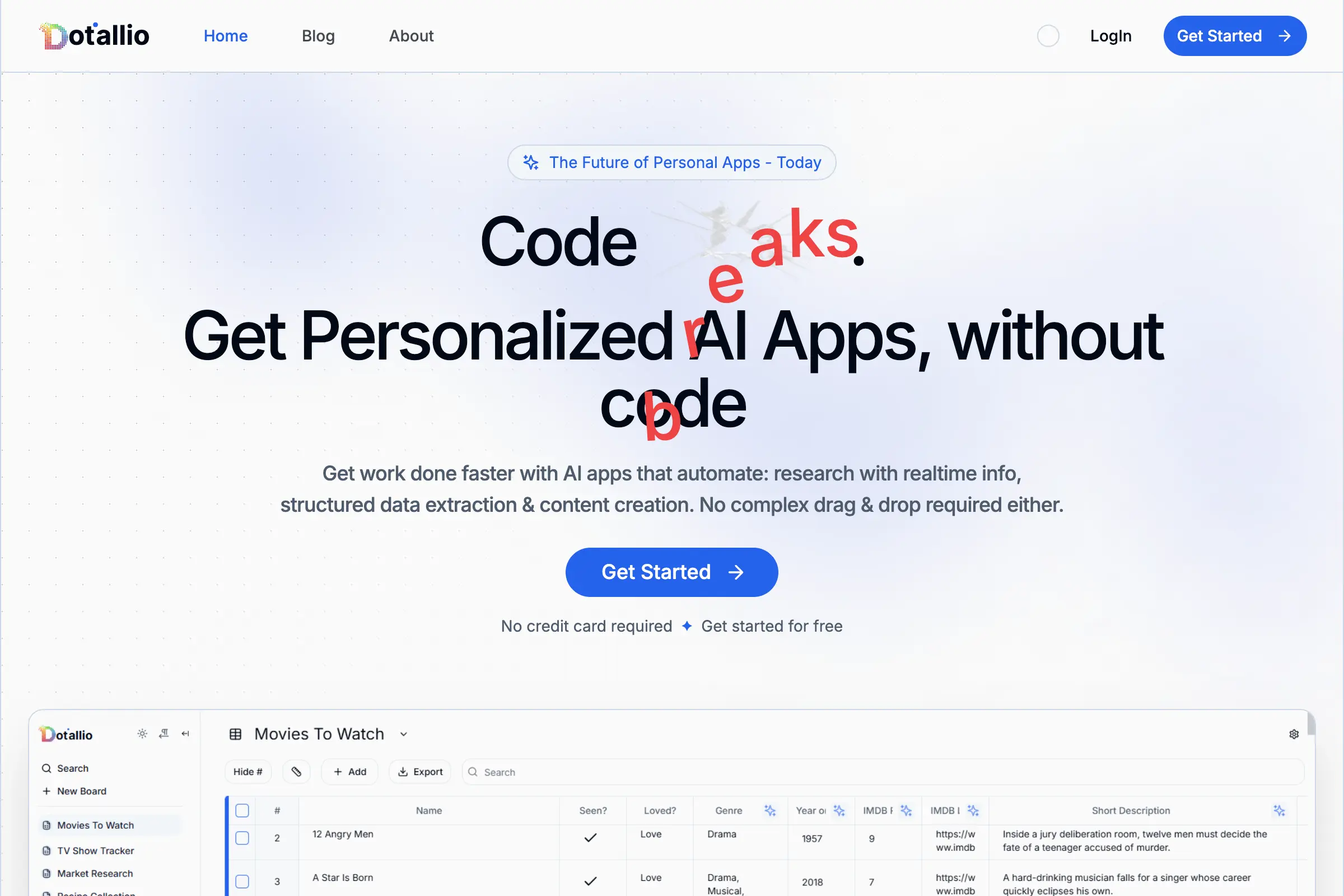
Dotallio
Personalized AI apps that automate research, data extraction, and content creation without code 🤖
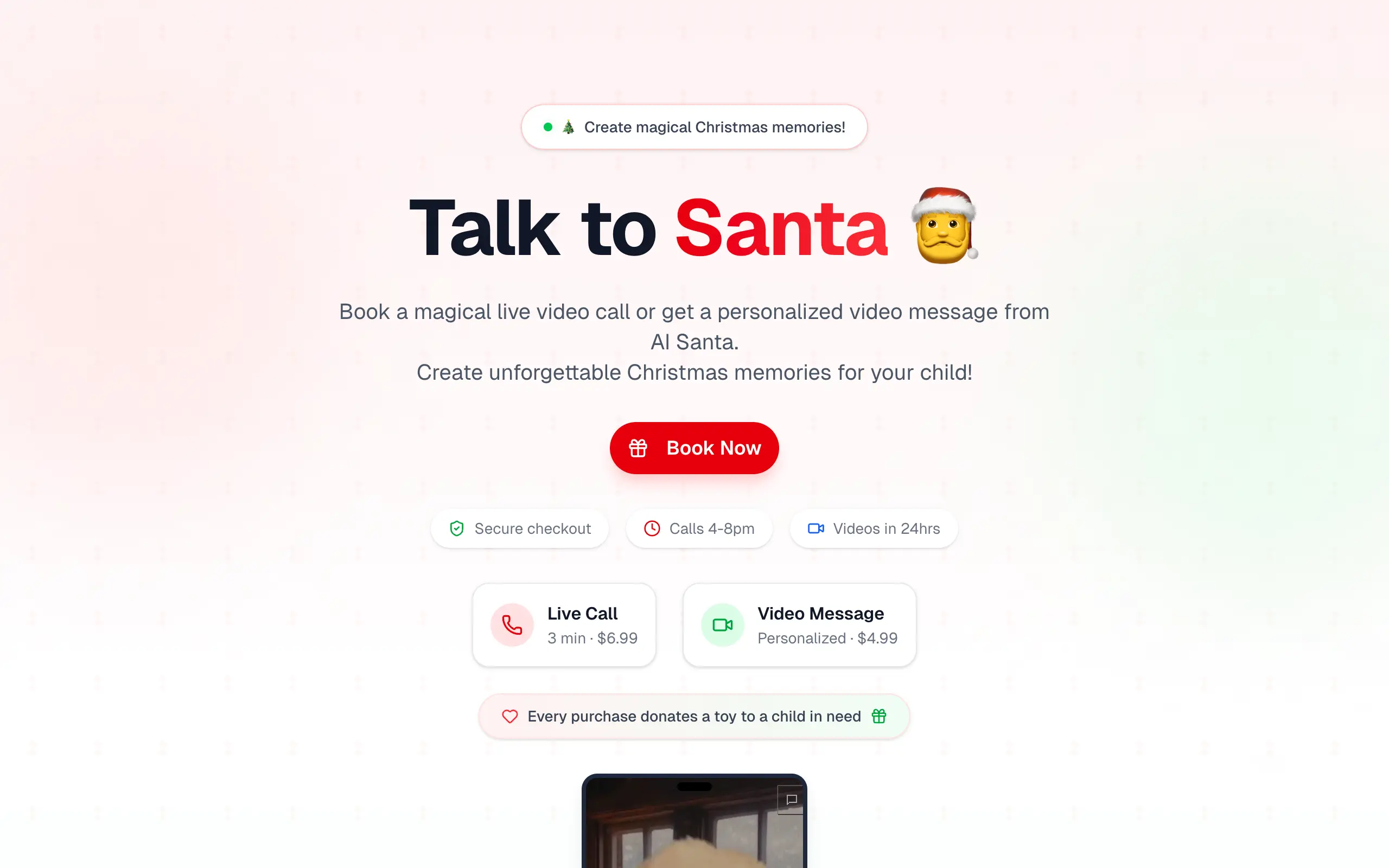
Talk to Santa
Enjoy a magical live video chat or receive a unique AI-generated video greeting from Santa Claus 🎅

pozywka.pl
Scalable blog for food journalist, focused on performance and user experience 🌭
zagrodzki.me
Personal blog and portfolio of Bart Zagrodzki, where he shares his knowledge and work 💼
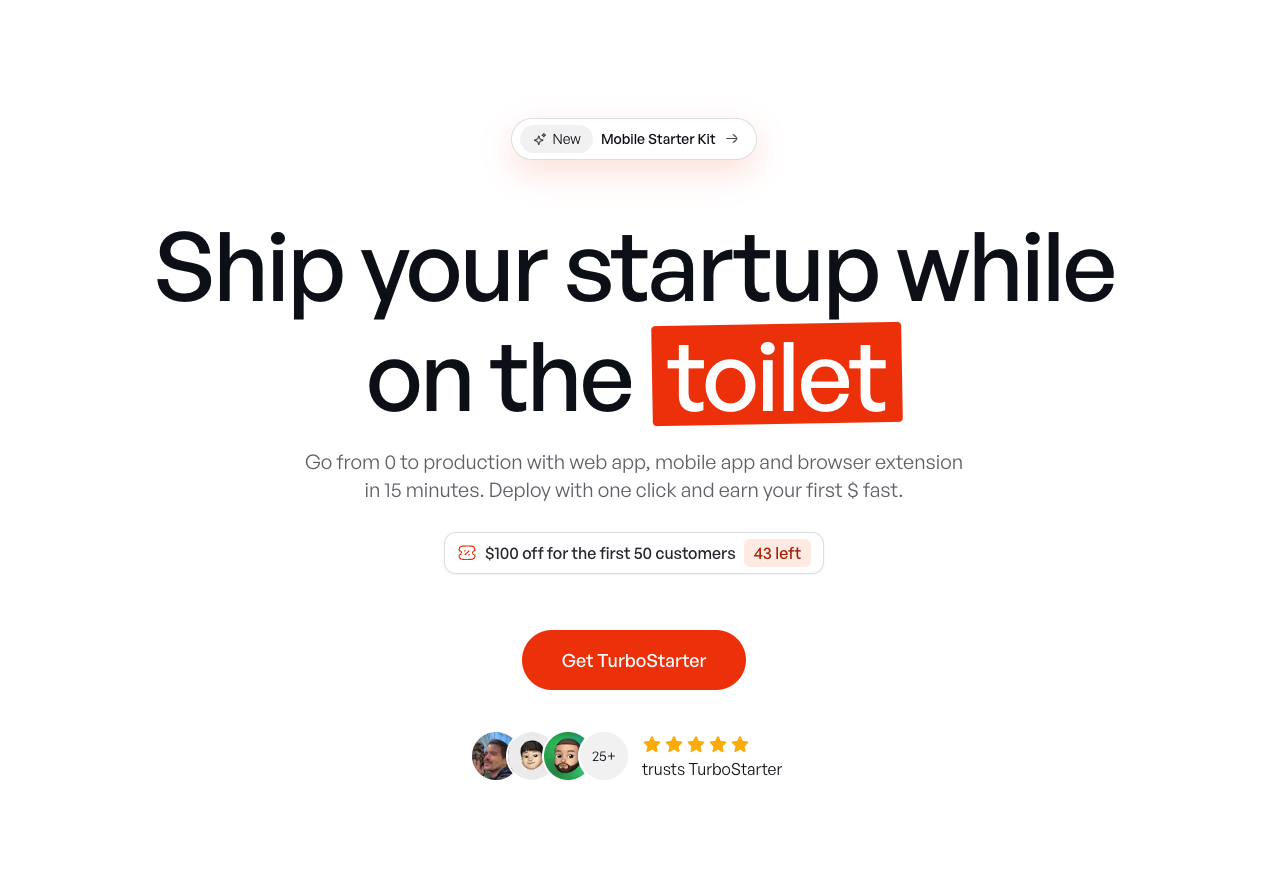
TurboStarter
Ship your startup everywhere. In minutes.
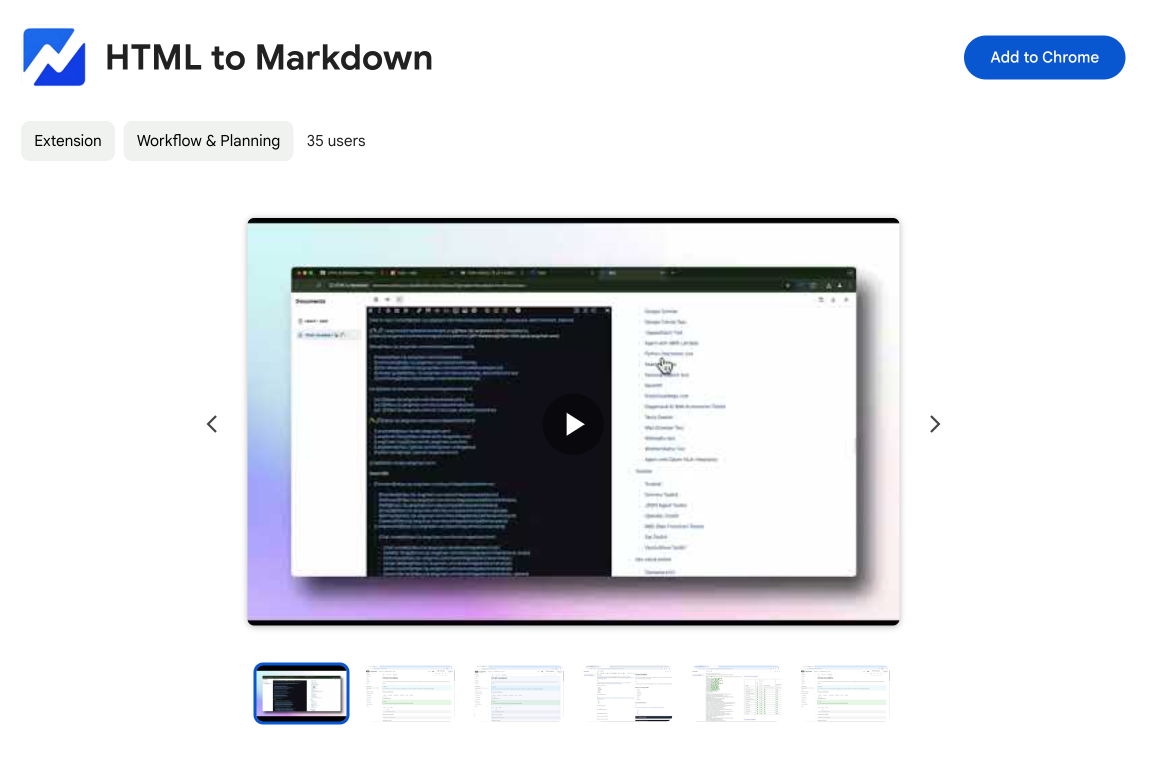
HTML to Markdown
Convert HTML to Markdown with ease, directly in your browser 📄
Dotallio
Personalized AI apps that automate research, data extraction, and content creation without code 🤖
Talk to Santa
Enjoy a magical live video chat or receive a unique AI-generated video greeting from Santa Claus 🎅
pozywka.pl
Scalable blog for food journalist, focused on performance and user experience 🌭
zagrodzki.me
Personal blog and portfolio of Bart Zagrodzki, where he shares his knowledge and work 💼
TurboStarter
Ship your startup everywhere. In minutes.
HTML to Markdown
Convert HTML to Markdown with ease, directly in your browser 📄
Dotallio
Personalized AI apps that automate research, data extraction, and content creation without code 🤖
Talk to Santa
Enjoy a magical live video chat or receive a unique AI-generated video greeting from Santa Claus 🎅
pozywka.pl
Scalable blog for food journalist, focused on performance and user experience 🌭
zagrodzki.me
Personal blog and portfolio of Bart Zagrodzki, where he shares his knowledge and work 💼
TurboStarter
Ship your startup everywhere. In minutes.
HTML to Markdown
Convert HTML to Markdown with ease, directly in your browser 📄
Dotallio
Personalized AI apps that automate research, data extraction, and content creation without code 🤖
Talk to Santa
Enjoy a magical live video chat or receive a unique AI-generated video greeting from Santa Claus 🎅
pozywka.pl
Scalable blog for food journalist, focused on performance and user experience 🌭
zagrodzki.me
Personal blog and portfolio of Bart Zagrodzki, where he shares his knowledge and work 💼
TurboStarter
Ship your startup everywhere. In minutes.
HTML to Markdown
Convert HTML to Markdown with ease, directly in your browser 📄
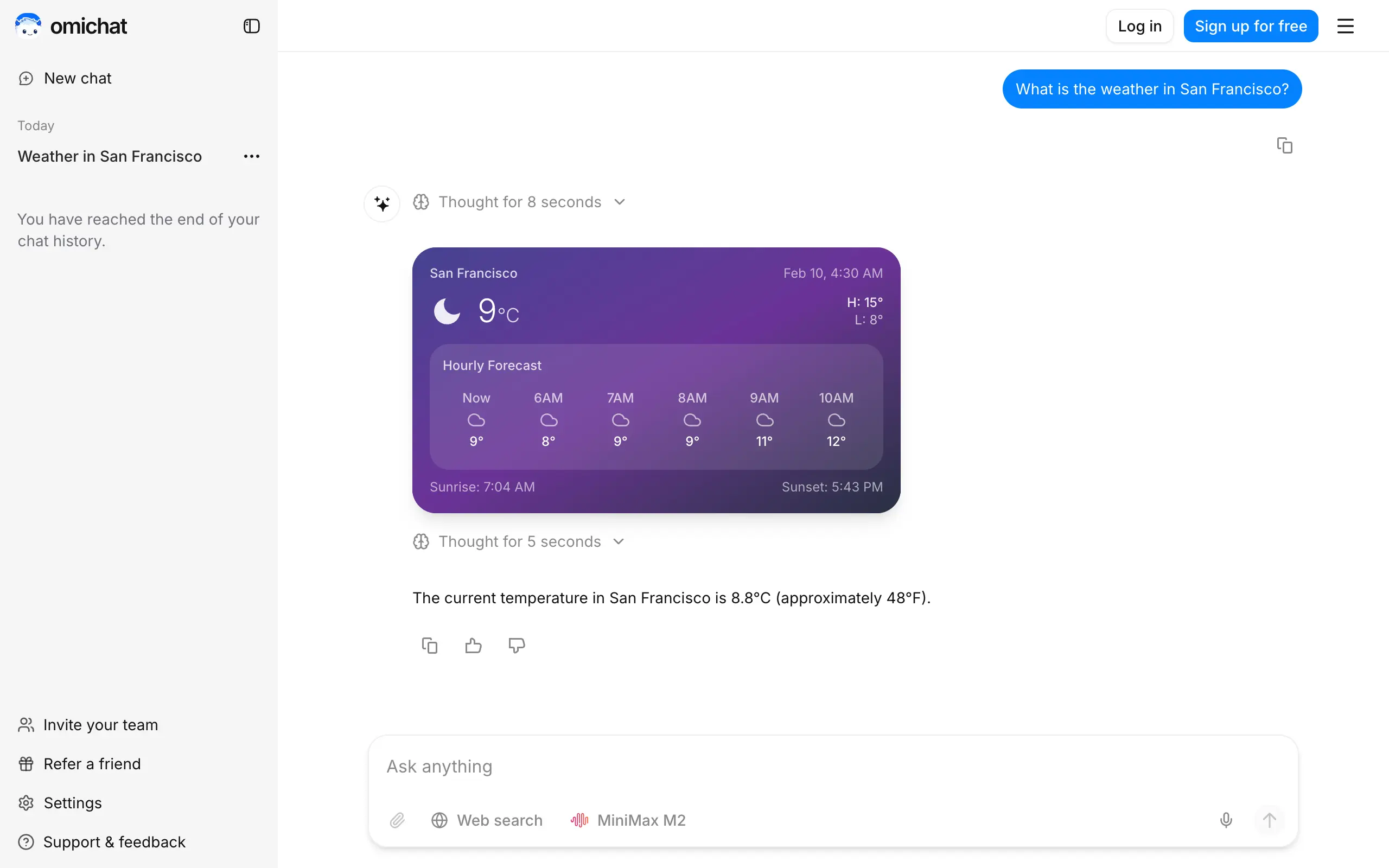
Omichat
Chat with 50+ AI models, including ChatGPT and Claude, in one place - switch models anytime without losing context 🤖
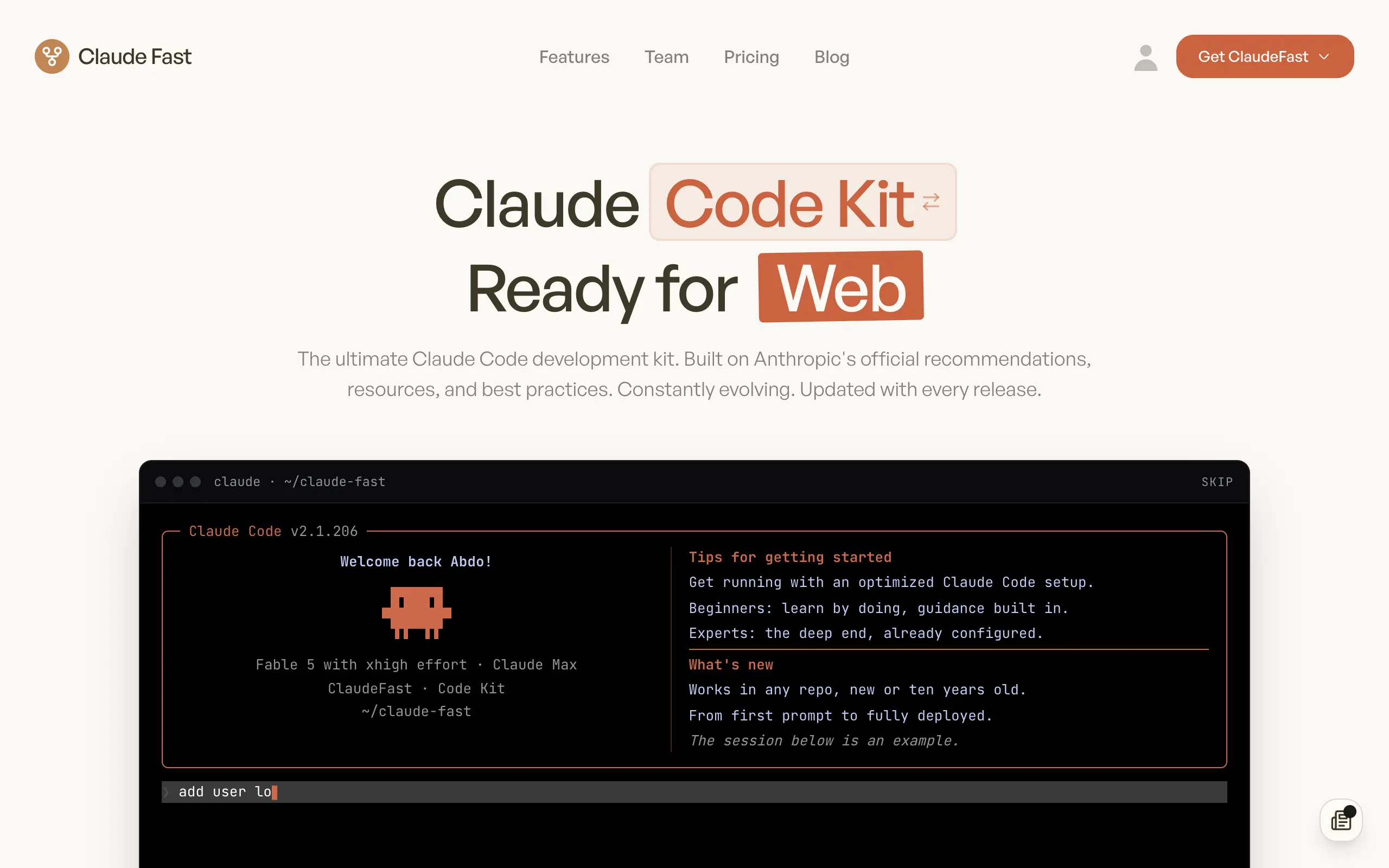
Claude Fast
Supercharge your Claude Code with 6x effective context window and specialized AI agents 🤖
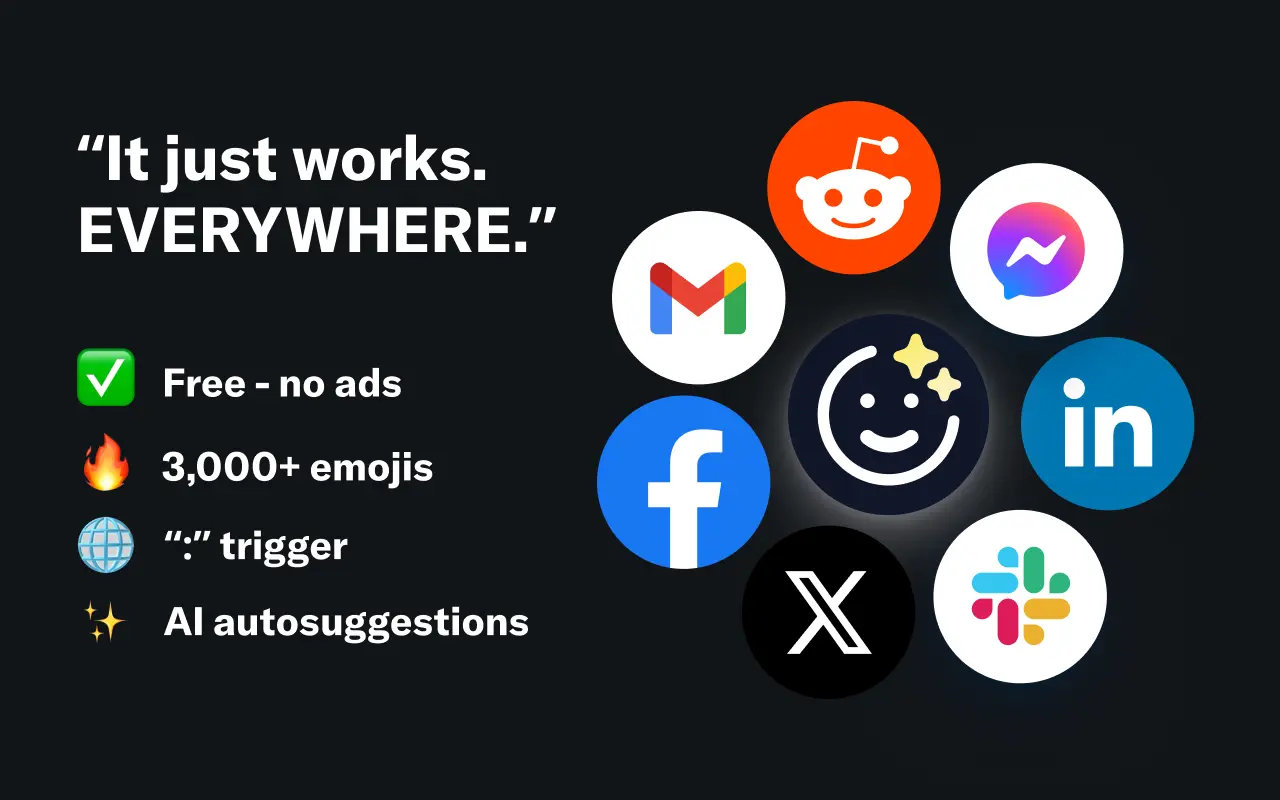
EmojAI
AI-powered emoji picker with smart, context-aware suggestions 🤖
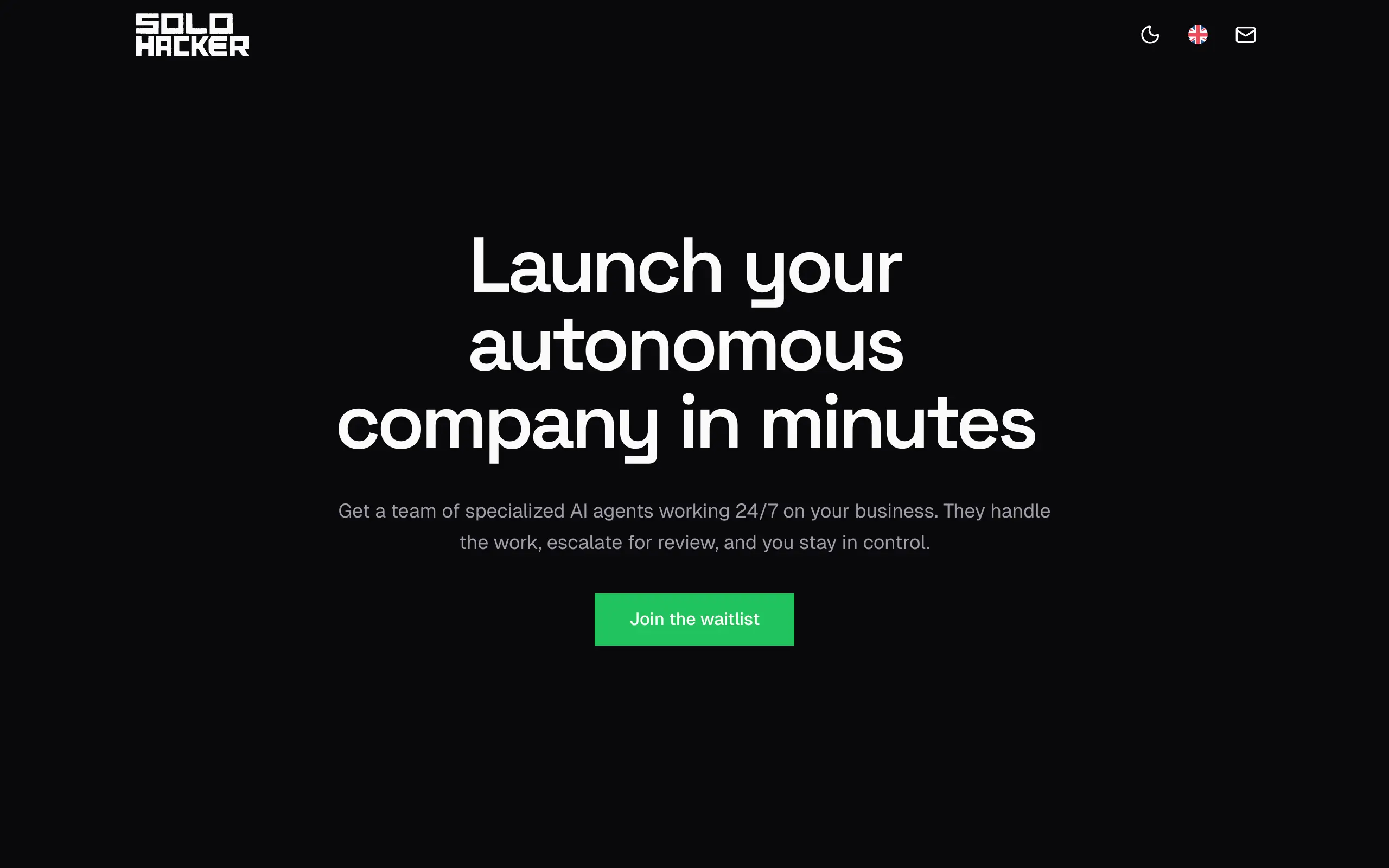
Solohacker
Autonomous company launcher - AI agents work 24/7, escalate what matters, and you stay in control 🤖
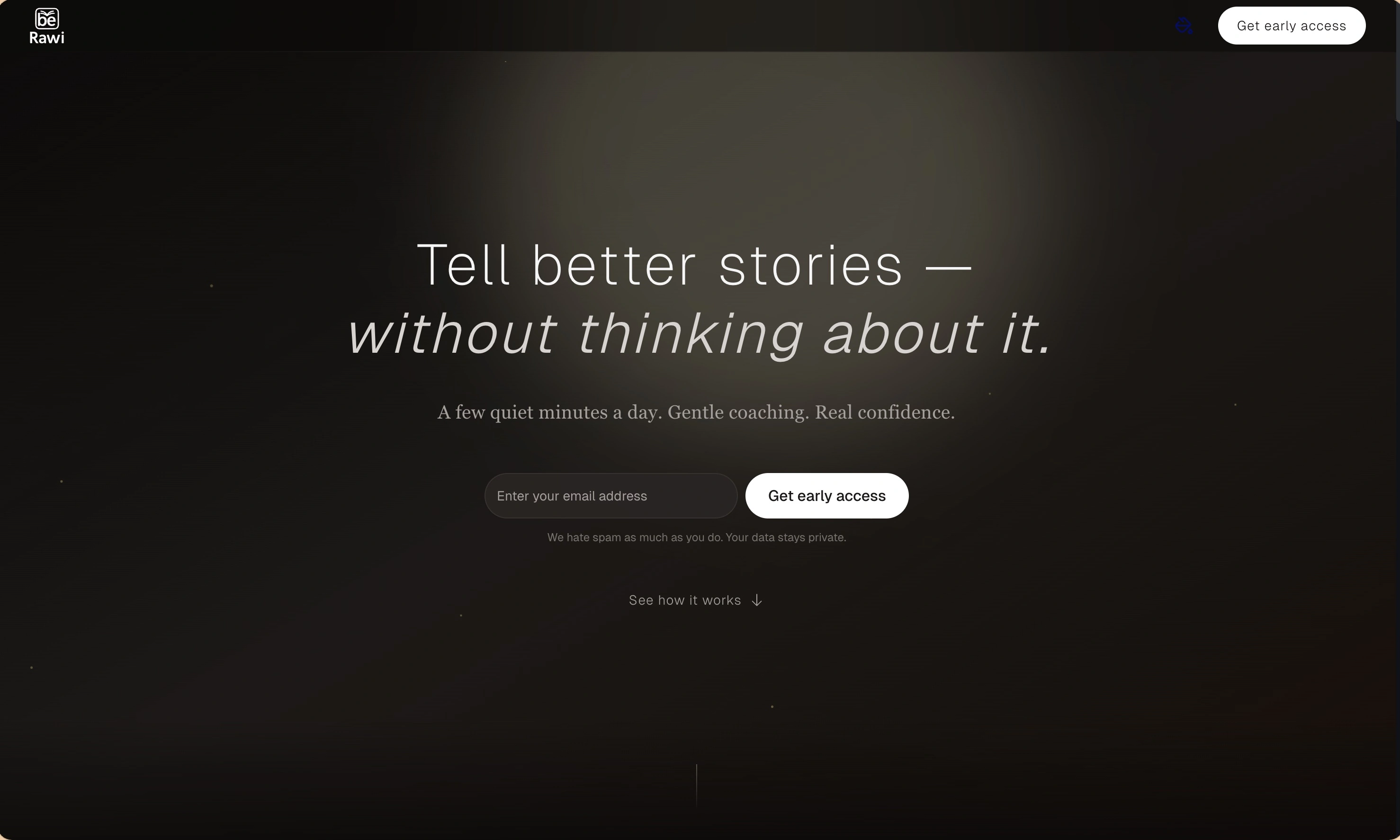
BeRawi: Storytelling Coach
Practice storytelling daily with instant feedback to sound clearer, more engaging, and confident 🎤
Omichat
Chat with 50+ AI models, including ChatGPT and Claude, in one place - switch models anytime without losing context 🤖
Claude Fast
Supercharge your Claude Code with 6x effective context window and specialized AI agents 🤖
EmojAI
AI-powered emoji picker with smart, context-aware suggestions 🤖
Solohacker
Autonomous company launcher - AI agents work 24/7, escalate what matters, and you stay in control 🤖
BeRawi: Storytelling Coach
Practice storytelling daily with instant feedback to sound clearer, more engaging, and confident 🎤
Omichat
Chat with 50+ AI models, including ChatGPT and Claude, in one place - switch models anytime without losing context 🤖
Claude Fast
Supercharge your Claude Code with 6x effective context window and specialized AI agents 🤖
EmojAI
AI-powered emoji picker with smart, context-aware suggestions 🤖
Solohacker
Autonomous company launcher - AI agents work 24/7, escalate what matters, and you stay in control 🤖
BeRawi: Storytelling Coach
Practice storytelling daily with instant feedback to sound clearer, more engaging, and confident 🎤
Omichat
Chat with 50+ AI models, including ChatGPT and Claude, in one place - switch models anytime without losing context 🤖
Claude Fast
Supercharge your Claude Code with 6x effective context window and specialized AI agents 🤖
EmojAI
AI-powered emoji picker with smart, context-aware suggestions 🤖
Solohacker
Autonomous company launcher - AI agents work 24/7, escalate what matters, and you stay in control 🤖
BeRawi: Storytelling Coach
Practice storytelling daily with instant feedback to sound clearer, more engaging, and confident 🎤

Connect with like-minded people
Join our community to get feedback, support, and grow together with 1,000+ builders on board, let's ship it!
Join usShip your startup everywhere. In minutes.
Don't burn tokens on setup and start building features on day one.