QuietBrief
A listening dashboard for web agencies that tracks client industries, competitor moves, and local conversations to surface pitch-ready insights.
Why web agencies need a client intelligence dashboard
Web agencies are expected to bring more than design, development, and campaign execution to every client conversation. Clients increasingly want their agency to understand their market, recognize competitor activity, identify customer concerns, and recommend proactive next steps before a problem becomes obvious.
That expectation creates a major operational challenge.
Most agencies have valuable strategic insights scattered across newsletters, sales calls, competitor websites, review platforms, social channels, local publications, search results, and account manager notes. The information exists, but it rarely reaches the right person at the right time in a format that can be used in a client meeting.
QuietBrief is a client intelligence dashboard for web agencies designed to solve that problem. It listens to the public web, tracks relevant market changes, monitors local conversations, and turns fragmented signals into concise, pitch-ready insights.
Instead of asking account managers to manually research every client before a quarterly business review, agency teams can use QuietBrief to answer practical questions such as:
- What are this client’s competitors launching or promoting?
- Which customer concerns are appearing repeatedly in their market?
- Are local conversations revealing a new service opportunity?
- Has a competitor updated its website, pricing, positioning, or conversion flow?
- What recommendation can the agency bring to the next client call?
The central value proposition is simple. QuietBrief helps agencies move from reactive delivery partner to proactive strategic advisor.
The agency intelligence gap QuietBrief can fill
A typical web agency has access to a large amount of information but a limited ability to operationalize it. Strategy teams may perform research during onboarding or before a redesign project, but continuous intelligence often stops once the contract is signed.
That creates a gap between the agency’s initial strategic promise and its ongoing client relationship.
The current research process is too manual
Without a dedicated listening dashboard, client intelligence is usually gathered through ad hoc methods:
- Account managers search Google before a meeting.
- Strategists manually review competitor websites.
- Team members browse social media and local news feeds.
- Client feedback is collected in meetings but not structured for analysis.
- SEO teams monitor rankings without connecting them to competitor positioning.
- Sales teams notice market trends, but delivery teams may never see them.
This approach is time-consuming, inconsistent, and dependent on individual initiative. One account manager may be excellent at spotting opportunities, while another may be overloaded with project delivery and have little time for research.
The result is uneven client value.
A web agency may have strong creative and technical capabilities, yet still appear reactive because it does not consistently bring new insights to the table.
Clients do not want more reports
Many agencies make the mistake of solving this challenge by generating longer reports. But clients rarely need another 30-page deck filled with generic market commentary.
They need specific, relevant, actionable observations.
A useful agency insight should answer three questions:
- What changed in the client’s market?
- Why does that change matter to the client?
- What should the agency recommend next?
QuietBrief can make this easier by transforming raw monitoring data into a clear opportunity brief. The product should prioritize signal quality over volume, helping teams surface the few developments that can support an upsell, retention conversation, campaign recommendation, website improvement, or new strategic engagement.
The strategic opportunity
A client intelligence dashboard should not try to replace agency strategy. Its role is to reduce research friction, preserve institutional knowledge, and give strategists stronger evidence for their recommendations.
Target audience for a web agency listening dashboard
QuietBrief is a B2B SaaS product, but it should not treat “agencies” as one homogeneous customer segment. The best early customers will share a specific operational need: they manage multiple accounts, want to increase strategic value, and struggle to keep up with client market changes.
Primary audience: small and mid-sized web agencies
The strongest initial customer profile is likely a web agency with roughly 5 to 75 employees that serves recurring clients in a few verticals.
These agencies often have enough clients to make manual monitoring painful, but they may not have a dedicated market intelligence team or enterprise budget for complex competitive intelligence platforms.
They also have a powerful commercial motivation. Retaining existing clients and expanding account value is usually more efficient than continuously replacing churned revenue with new business.
A QuietBrief customer in this segment may offer:
- Website design and development
- Search engine optimization services
- Paid media management
- Branding and positioning
- Content marketing
- Conversion rate optimization
- Local SEO services
- Ongoing website support retainers
Key users inside an agency
QuietBrief should be designed around several distinct user roles, each with different jobs to be done.
Agency owner or principal
Wants stronger retention, better client differentiation, and a scalable way to show strategic value across accounts.
Account manager
Needs concise talking points, timely opportunities, and proof that the agency understands each client's market.
Strategist or SEO lead
Needs source-backed signals that can support campaigns, website recommendations, and quarterly planning.
Business development lead
Needs relevant prospect research and market context that can make discovery calls more credible.
High-value verticals for an early launch
QuietBrief should initially focus on industries where local conversations, reputation, competitive movement, and web presence have a direct impact on revenue.
Potential agency client verticals include:
- Healthcare practices and multi-location providers
- Home services companies
- Legal firms
- Real estate businesses
- Hospitality and restaurants
- Automotive dealerships and repair shops
- Financial advisors and local professional services
- Education providers and training organizations
- Regional retailers
- B2B services companies with defined local markets
These sectors are attractive because a competitor’s new location, service line, reputation issue, website change, seasonal campaign, or local news mention can create a clear and timely recommendation.
For example, if a dental practice competitor begins promoting same-day appointments and local conversations show increased demand for urgent care, the agency can recommend a landing page, paid search campaign, appointment flow update, or service page expansion.
That is far more valuable than telling a client that “their website could use improvements.”
The market opportunity for QuietBrief
The market opportunity is not simply “social listening for agencies.” That category is crowded and often centered on brand monitoring, social publishing, and engagement workflows.
QuietBrief’s more defensible position is agency client intelligence software. It combines market monitoring, competitor tracking, local insight discovery, and account strategy enablement.
Why existing tools leave a gap
Many tools solve part of the underlying problem:
- Social listening platforms monitor mentions and social conversations.
- SEO platforms track rankings, backlinks, and search visibility.
- Review monitoring platforms help businesses manage customer feedback.
- Competitive intelligence tools track market changes and competitor activity.
- CRM platforms store account data and sales activity.
- Project management tools track delivery work.
However, agencies often need to stitch these tools together manually. A strategist may need to check competitor websites, local news, reviews, search trends, and social discussions across separate products before turning findings into a useful client recommendation.
That fragmented workflow is the market gap.
QuietBrief can create value by serving as the layer that answers, “What should we tell this client this week or this month?”
A differentiated market position
The product should avoid positioning itself as a generic alert tool. Generic alerting creates noise, notification fatigue, and low retention.
Instead, QuietBrief should position itself around three outcomes:
- Client retention through more proactive account management
- Account expansion through evidence-backed recommendations
- Strategic efficiency through repeatable intelligence workflows
This positioning makes the product relevant to agency owners, client service leaders, and strategists rather than only technical SEO specialists.
| Capability | Manual research | Traditional social listening | SEO platform | QuietBrief opportunity |
|---|---|---|---|---|
| Competitor monitoring | Inconsistent | Limited | Strong for search | Cross-channel and client-ready |
| Local conversation discovery | Slow | Often broad | Limited | Vertical and geography focused |
| Pitch-ready recommendations | Manual | Rarely included | Rarely included | Core workflow |
| Multi-client account view | Fragmented | Brand centered | Keyword centered | Designed for agencies |
Trends that support the opportunity
Several market trends make a client intelligence dashboard increasingly relevant.
First, agencies are under pressure to prove measurable business value. As website production becomes more accessible through templates, AI-assisted tools, and no-code platforms, agencies need stronger strategic differentiation.
Second, generative AI has made content production faster, but it has not made market judgment automatic. Agencies still need context about what competitors are doing, what buyers care about, and where a client can differentiate.
Third, local search and reputation signals continue to influence purchase decisions in many service-based industries. Monitoring local conversations can reveal concerns and demand patterns that keyword research alone may miss.
Fourth, agency teams are managing more channels per client. A single account may include organic search, paid media, content, analytics, web development, email, and reputation work. A unified intelligence layer can create shared context across these disciplines.
When publishing data-driven claims about these trends, cite primary or authoritative sources. Useful reference formats include annual industry research from recognized analyst firms, platform transparency reports, trusted digital marketing surveys, and public datasets from government or industry bodies.
Core QuietBrief features and product workflow
The strongest version of QuietBrief is not a feed of raw alerts. It is a system that captures signals, scores relevance, adds context, and helps agencies take action.
Client workspace and intelligence profile
Every client should have a dedicated workspace with a structured intelligence profile.
The profile can include:
- Client name, industry, service area, and locations
- Primary website and social profiles
- Core services or products
- Target customer segments
- Priority marketing goals
- Known competitors
- Strategic keywords and topics
- Local geography definitions
- Existing agency services
- Brand messaging and differentiation notes
This setup gives QuietBrief the context required to filter irrelevant information. A law firm in Austin should not receive broad national alerts about every legal trend. It needs intelligence about its practice areas, competitors, locations, buyer concerns, and local market conditions.
Competitor website change tracking
Competitor monitoring is one of the most immediately valuable features for web agencies.
QuietBrief can track meaningful changes on competitor websites, including:
- New service pages
- Updated home page positioning
- New offers and promotions
- Pricing or package changes
- New locations
- Changes to calls to action
- New lead magnets
- Updated testimonials or case studies
- New hiring pages that suggest expansion
- Fresh blog themes and content clusters
- New conversion flows or booking experiences
The key is to distinguish meaningful changes from harmless technical updates. Monitoring every CSS change or timestamp update would quickly destroy trust in the product.
A useful system should summarize the change in business language. For example:
Competitor A added an emergency plumbing service page and placed a 24/7 call button above the fold. This may indicate an effort to capture high-intent after-hours searches in your shared service area.
That insight is more useful than a raw diff report.
Local conversation monitoring
The “quiet” in QuietBrief should represent the overlooked signals that are easy to miss but commercially meaningful.
Local conversation monitoring could include publicly available sources such as:
- Local news coverage
- Community forums where permitted
- Public social discussions
- Public review trends
- Local event announcements
- Chamber of commerce updates
- Business openings and closures
- Public job postings
- Government or planning announcements
- Neighborhood development updates
- Industry association news
The product should focus on trend detection rather than monitoring individual people. For agencies, the value lies in recognizing patterns such as increased discussion around wait times, demand for a new service, a regional construction boom, customer frustration with a competitor, or concern about a changing regulation.
AI-assisted insight generation
Artificial intelligence can be useful in QuietBrief, but it must be used carefully.
The product should not present generated commentary as unquestionable fact. Instead, it should use AI to summarize source material, cluster related signals, suggest hypotheses, and draft client-ready briefs with clear source attribution.
A high-quality insight card could contain:
- A concise summary of the observed signal
- Why the signal matters for the client
- Supporting source references
- A confidence indicator
- Suggested agency actions
- Related competitor activity
- An option to convert the insight into a client note, task, or pitch brief
Trust depends on evidence
AI-generated recommendations should always link back to source material inside the product. Agency teams need to review the evidence before sharing an insight with a client.
Opportunity scoring and signal prioritization
The product’s long-term retention will depend heavily on prioritization.
An agency does not need 100 alerts. It needs the three to five insights most likely to matter.
QuietBrief can calculate an opportunity score using factors such as:
- Relevance to the client’s industry
- Proximity to the client’s geography
- Connection to stated business goals
- Competitor overlap
- Recency of the signal
- Source credibility
- Frequency of related conversations
- Estimated commercial impact
- Confidence in the classification
A transparent scoring model is important. Users should be able to understand why an item has been prioritized, adjust weights, and mute irrelevant topics.
Pitch-ready brief generator
The pitch-ready brief is the feature that turns QuietBrief from a monitoring product into an agency growth tool.
A strong brief template should include:
- The market observation
- Supporting evidence
- Implication for the client
- Recommended agency action
- Estimated effort or service category
- Suggested meeting talking points
- Optional client-facing language
For example, an agency might generate a brief recommending a new local landing page, paid search campaign, conversion optimization sprint, seasonal content campaign, or reputation response program.
The product should make it easy to export this information into a presentation, email, CRM note, or project management task.
Agency portfolio view
Agency leaders need a cross-client perspective.
The portfolio view should help them identify:
- Accounts with the highest number of opportunities
- Clients receiving little strategic attention
- Industries experiencing rapid change
- Competitor activity spikes
- High-value expansion opportunities
- Accounts at potential retention risk
- Insights that can be reused across similar clients
This is especially useful for agencies with multiple clients in related verticals. A recurring trend in one local healthcare market may become a strategic prompt for multiple healthcare accounts, while still requiring tailored recommendations for each client.
How QuietBrief creates competitive advantage
QuietBrief’s competitive advantage comes from combining agency workflow design with contextual intelligence.
A generic monitoring product may collect data. A generic AI tool may summarize it. An SEO tool may reveal search changes. QuietBrief can stand out by connecting those inputs to the commercial realities of agency account management.
The unique selling proposition
The core USP can be expressed as:
QuietBrief turns competitor activity and local market conversations into source-backed, pitch-ready client opportunities for web agencies.
This is specific enough to differentiate the product from social listening dashboards, marketing analytics suites, generic competitive intelligence software, and AI content tools.
Defensibility through workflow and data structure
The product should build defensibility through more than data collection. Public information is often accessible to many companies. The defensible layer is how QuietBrief structures the information and integrates it into agency decision-making.
Potential moats include:
- Industry-specific monitoring templates
- Agency-specific client profile data
- Historical insight and recommendation archives
- Feedback loops from accepted or dismissed insights
- Custom competitor maps
- Reusable opportunity playbooks
- Team collaboration patterns
- Source credibility scoring
- Vertical-specific language models and taxonomies
- Integrations that embed insights in agency workflows
Over time, QuietBrief can learn which signals lead to agency actions, client approvals, expanded scopes, and positive outcomes. That feedback loop can make prioritization increasingly useful.
Recommended tech stack for QuietBrief
The technology stack should support fast iteration, reliable background processing, source traceability, multi-tenant security, and AI-assisted analysis.
For an early-stage SaaS product, the goal should be to launch a useful workflow quickly without creating infrastructure complexity that the team cannot maintain.
Frontend and product application
A modern TypeScript-based application is a practical choice.
Recommended frontend technologies include:
- React for the user interface
- Next.js for full-stack application delivery
- Tailwind CSS for fast and consistent UI development
- TypeScript for stronger type safety
- TanStack Query for server-state management
Next.js is particularly useful for a SaaS dashboard because it supports server rendering, API routes, authentication patterns, and performance optimization in one ecosystem.
Backend, data, and background jobs
QuietBrief will require more than a standard CRUD application. It needs scheduled monitoring, source ingestion, deduplication, summarization, classification, and alert delivery.
A recommended architecture can include:
- PostgreSQL for relational product data
- Prisma for type-safe database access
- Redis for caching and job coordination
- A managed queue or workflow engine for background jobs
- Object storage for archived source snapshots where appropriate
- A vector search layer only when semantic retrieval creates clear user value
The system should keep a durable record of every source, extraction timestamp, processing result, and generated summary. This is essential for trust, debugging, and customer support.
AI and retrieval layer
Large language models can help classify, summarize, and draft recommendations. However, the product should use deterministic rules and structured data wherever possible.
For example:
- Use rules for competitor URL matching and website change detection.
- Use structured extraction for page titles, headings, prices, calls to action, and location names.
- Use embeddings for semantic clustering of conversations.
- Use language models for summarization and recommendation drafts.
- Require cited sources for all generated claims.
The most important design principle is retrieval before generation. QuietBrief should generate a recommendation from the evidence it collected, not from a model’s general assumptions about an industry.
Data source trade-offs
Data collection is one of the most sensitive technical and legal areas of the product.
| Source approach | Strength | Trade-off | Recommended use |
|---|---|---|---|
| Official APIs | More reliable and compliant | Coverage and rate limits may be restricted | Use whenever available |
| RSS feeds and newsletters | Low cost and transparent | Inconsistent formatting | Ideal for local news and industry monitoring |
| Public web crawling | Useful for website change tracking | Requires careful policy and rate-limit controls | Use for permitted competitor page monitoring |
| Third-party data providers | Faster access to broad datasets | Higher cost and vendor dependency | Use after validating customer demand |
Do not build the product around scraping sources that prohibit automated access. The company should review source terms, respect robots directives where relevant, rate limit crawling, and seek legal guidance on data collection practices before scaling.
Starting faster with a SaaS boilerplate
The first version of QuietBrief should spend engineering effort on its proprietary intelligence workflow, not on repeatedly rebuilding common SaaS foundations.
TurboStarter can accelerate work on common requirements such as authentication, billing, team accounts, dashboard foundations, database setup, and production-ready application patterns.
That approach can shorten time to validation and help the founding team focus on client workspaces, signal processing, competitor tracking, opportunity scoring, and pitch-ready insight generation.
Monetization strategy for QuietBrief
QuietBrief should use pricing that reflects agency portfolio value rather than charging purely per seat. Agencies may have a small internal team managing a large number of clients, so seat-based pricing can create friction without aligning to customer value.
Recommended pricing model
A client-account-based subscription model is likely the best starting point.
Possible pricing dimensions include:
- Number of monitored client accounts
- Number of competitors per client
- Monitoring frequency
- Number of source categories
- Number of team seats
- AI insight generation volume
- White-label reporting capabilities
- CRM and project management integrations
- Historical data retention
A simple tier structure could look like this:
- Starter for small agencies testing the workflow with a limited client portfolio
- Growth for agencies managing dozens of accounts and needing more competitor tracking
- Scale for larger agencies needing collaboration, custom templates, and API access
- Enterprise for multi-office agencies with advanced security, custom data sources, and service-level requirements
Expansion revenue opportunities
QuietBrief can also create revenue through add-ons that have clear agency value.
Potential add-ons include:
- White-label client briefing exports
- Advanced local market monitoring
- Custom competitor monitoring packages
- Additional data source connectors
- Branded strategic opportunity templates
- CRM integrations
- Agency benchmark reports
- Done-for-you market intelligence setup
- Vertical-specific intelligence packs
The product should avoid making essential features confusing add-ons. The core experience must be useful at every plan level. Add-ons should enhance scale, automation, or customization.
Risks and mitigation strategies
A client intelligence SaaS platform has meaningful product, legal, and commercial risks. Addressing them early will improve trust and reduce expensive rework.
Risk: alert fatigue and low signal quality
If QuietBrief sends too many weak alerts, users will ignore the platform. This is perhaps the biggest product risk.
Mitigation should include:
- Relevance scoring based on each client profile
- Confidence indicators
- A limited digest format instead of constant notifications
- User feedback controls for useful and not useful signals
- Topic muting
- Source quality weighting
- Human review workflows for premium plans
- Clear separation between raw signals and recommended actions
The product should measure insight usefulness directly. Ask users whether an insight was shared with a client, converted into a task, used in a meeting, or dismissed as irrelevant.
Risk: inaccurate AI summaries
AI hallucinations could damage agency credibility if an account manager shares an inaccurate market claim with a client.
Mitigation should include:
- Source citations on every generated insight
- Conservative language when confidence is low
- No unsupported numerical claims
- Human approval before export or client sharing
- A visible distinction between observation and recommendation
- Evaluation datasets for recurring verticals
- Audit logs for generated content
Risk: data rights and compliance
Monitoring public conversations does not automatically mean every data source can be collected or reused without restriction.
Mitigation should include:
- Prefer official APIs and licensed sources
- Review platform terms and data-use policies
- Avoid collecting unnecessary personal data
- Store only what is required for the product’s purpose
- Implement data deletion and retention controls
- Document subprocessors and security practices
- Obtain legal review for high-risk source categories
Risk: unclear ROI for agencies
An agency may like the concept but cancel if it cannot tie QuietBrief to retained revenue, expanded scope, or time saved.
Mitigation should include ROI-focused product reporting.
Useful metrics include:
- Number of insights reviewed
- Number of client meetings supported
- Number of opportunities created
- Number of recommendations accepted
- Estimated pipeline influenced
- Hours saved on research
- Client accounts receiving proactive outreach
- Retention or expansion indicators
Risk: broad competition from established platforms
Large SEO, CRM, analytics, or social listening vendors could add similar features.
QuietBrief should avoid competing feature-for-feature with enterprise platforms. Its advantage should be a simpler, agency-native workflow that makes strategic intelligence usable for client teams.
The product wins when an account manager can open it on Monday morning and leave with three credible client conversations to have that week.
Go-to-market strategy for an agency intelligence SaaS
The best initial go-to-market motion is likely founder-led sales combined with agency community validation.
Start with design partners
Recruit 10 to 20 agency design partners that match the ideal customer profile. Prioritize agencies that already sell strategic retainers, SEO, local marketing, or recurring web support.
In exchange for discounted access or hands-on onboarding, ask design partners to provide:
- Their existing client research workflow
- Examples of past upsell opportunities
- Competitor lists and target industries
- Feedback on signal relevance
- Permission to measure time saved
- Feedback on what they would share with clients
Do not begin by building every source integration. Start with the smallest set of sources that creates repeatable client value in a narrow vertical.
Build vertical playbooks
A generic dashboard is difficult to sell. A focused use case is easier.
Examples of vertical playbooks include:
- Local healthcare competitor monitoring
- Home services seasonal demand monitoring
- Law firm reputation and competitor service tracking
- Hospitality local event opportunity monitoring
- Multi-location retail market change monitoring
Each playbook can include recommended sources, common competitor signals, strategic themes, prompt templates, and suggested agency actions.
Use content marketing to capture search intent
QuietBrief can attract relevant agency buyers through educational content around topics such as:
- How agencies can use competitor monitoring to retain clients
- How to prepare better quarterly business reviews
- Local market intelligence for web agencies
- Client retention strategies for digital agencies
- Competitive intelligence workflows for account managers
- How to turn local conversations into marketing opportunities
- Agency upsell ideas based on competitor website changes
The strongest content should not simply promote the product. It should teach agencies how to build a proactive account management system.
This creates trust before a demo request and supports E-E-A-T by demonstrating clear operational expertise.
Actionable implementation roadmap
The right implementation plan is not to launch a massive listening platform. It is to validate the highest-value workflow quickly.
The minimum viable product
The first QuietBrief MVP should focus on one job to be done:
Help an agency account manager find one credible, useful, client-specific opportunity before a scheduled check-in.
An MVP can include:
- Agency workspace creation
- Client account setup
- Competitor URL tracking
- Basic website change detection
- Local news and industry feed monitoring
- AI summaries with visible source references
- Weekly opportunity digest
- Saved insight and client brief export
- User feedback on insight relevance
Avoid building a complex social publishing suite, full SEO analytics platform, or enterprise-grade custom data connector marketplace before proving that the insight-to-pitch workflow delivers value.
Product metrics that matter
QuietBrief should track behavior that reflects real agency outcomes rather than vanity metrics.
Strong early metrics include:
- Percentage of active clients with at least one useful insight per month
- Insight save rate
- Insight-to-brief conversion rate
- Brief-to-client-meeting usage rate
- Insight dismissal rate
- Weekly active account managers
- Time from signal detection to agency action
- Number of expansion opportunities identified
- Retention rate by agency cohort
The key question is whether agency teams will use QuietBrief insights in real client conversations. A dashboard may look impressive, but recurring value only exists when it helps an agency make a better recommendation, protect a relationship, or identify revenue opportunities.
No. A narrow initial segment is more effective. Start with agencies serving a small number of high-signal verticals, then expand once the monitoring model and opportunity scoring process are proven.
Position AI as an assistant that organizes evidence and drafts strategic talking points. Do not position it as a replacement for agency judgment. Source-backed recommendations and human review are essential for trust.
Final takeaway
QuietBrief has the potential to become a valuable agency client intelligence dashboard because it addresses a persistent and expensive agency problem: teams know they should be proactive, but they do not have a consistent system for discovering and delivering relevant market insights.
The opportunity is strongest when the product focuses on outcomes rather than monitoring volume. Agencies do not need more alerts, more tabs, or more generic AI summaries. They need reliable evidence that helps them start better client conversations.
By combining competitor website tracking, local conversation monitoring, source-backed AI summaries, opportunity scoring, and pitch-ready briefs, QuietBrief can help agencies become more strategically indispensable.
The most effective path forward is to validate the workflow with a narrow group of design partners, prove that insights create measurable account value, and then expand the product around the agency processes that drive retention and growth.
More 🏢 B2B Application SaaS ideas
Discover more innovative b2b application SaaS ideas that are trending in 2026. Each idea is AI-generated with market validation and growth potential to help you find your next profitable venture faster than competitors.
Your competitors are building with TurboStarter
Below are some of the SaaS ideas that have been generated and built with our starter kit.
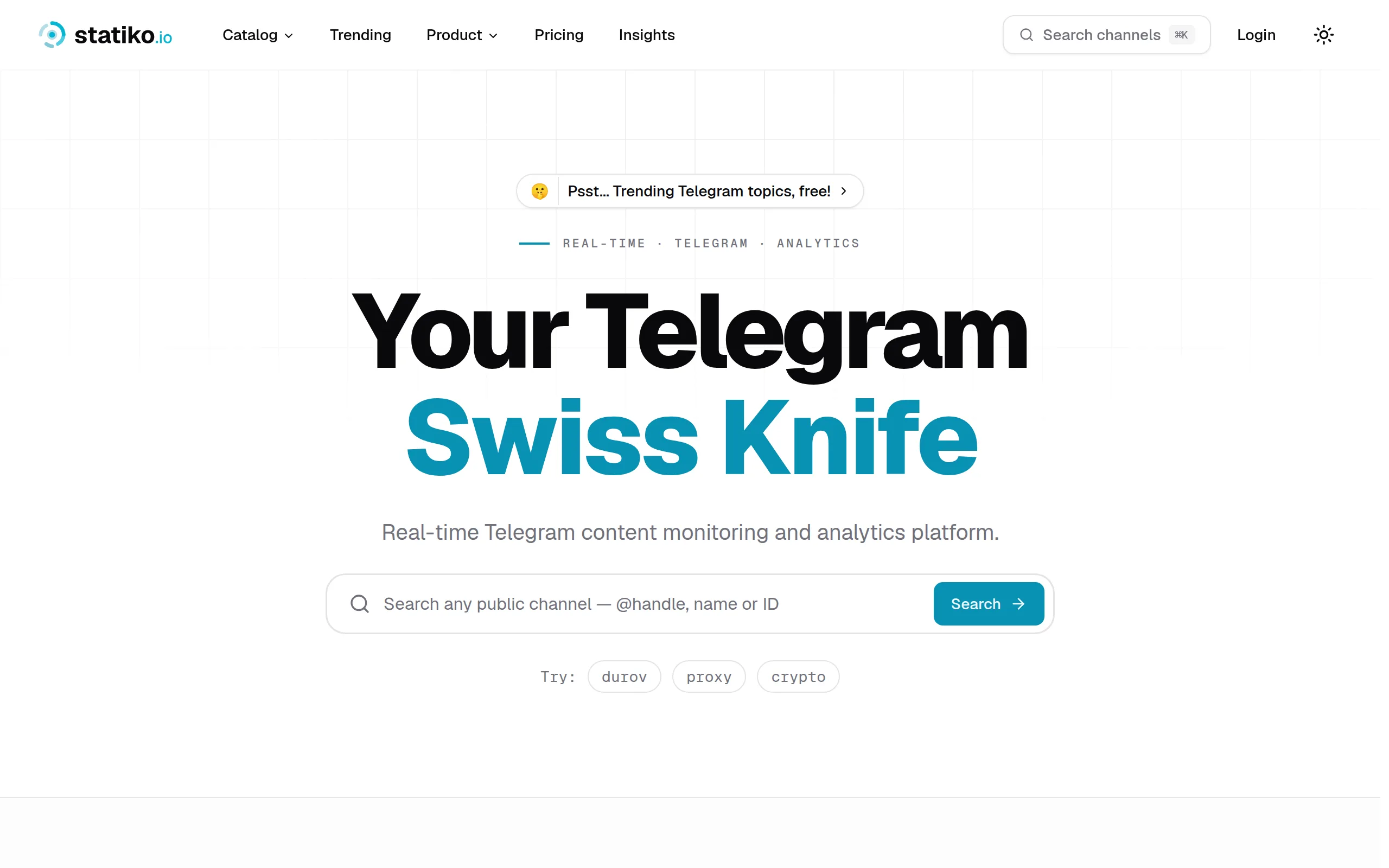
Statiko
Monitor any Telegram channel in real time - track posts, edits, deletions, and growth with AI recaps 📡

Shibui
AI website builder - describe your business, pick a niche template, edit by chatting, and publish instantly ✨

Pro Service
Find verified home service professionals, compare quotes, and pay securely through escrow - built for Brazilians across the US 🏠
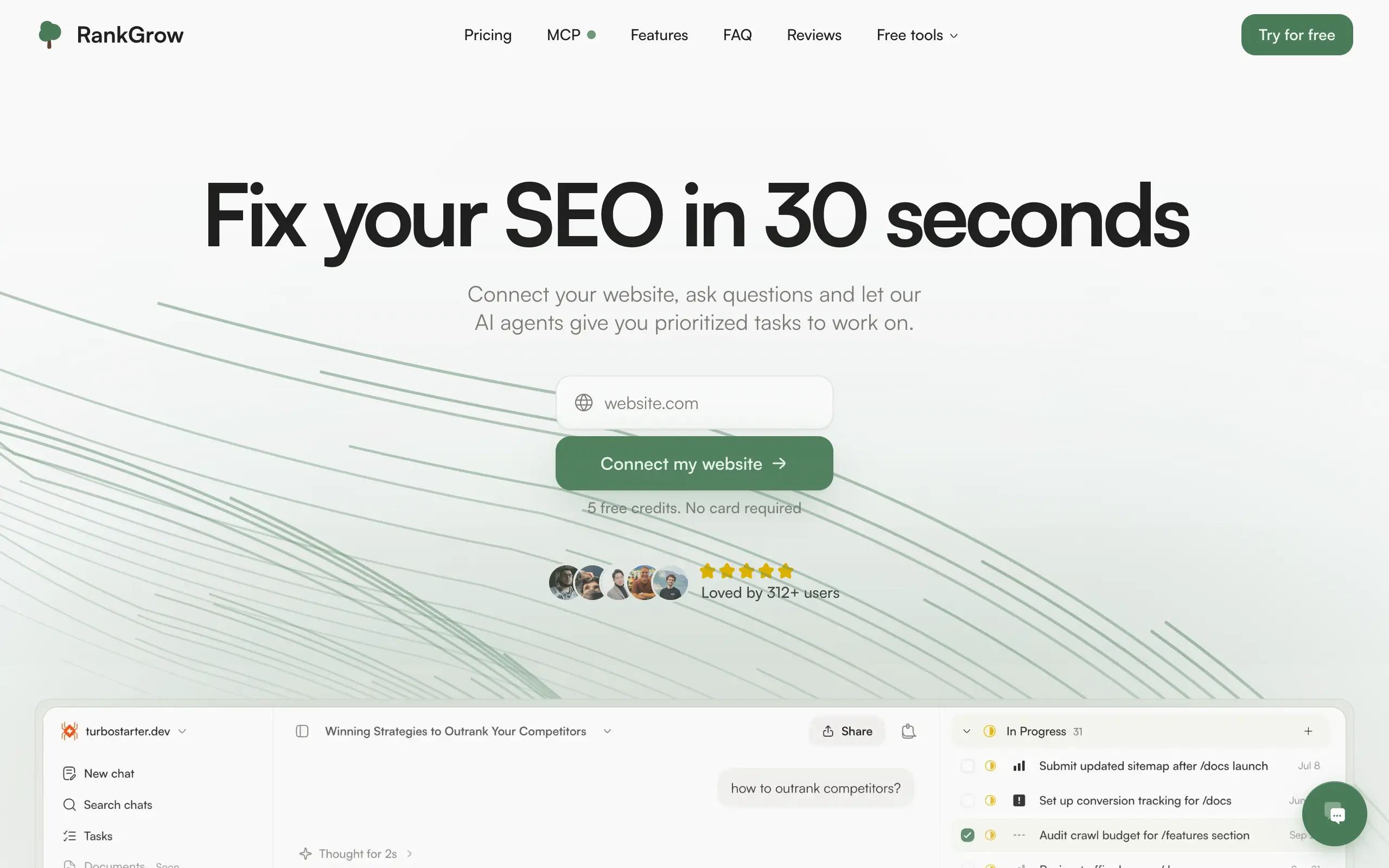
RankGrow
Fix your SEO with AI agents - connect Search Console, get prioritized tasks, and grow organic traffic 📈
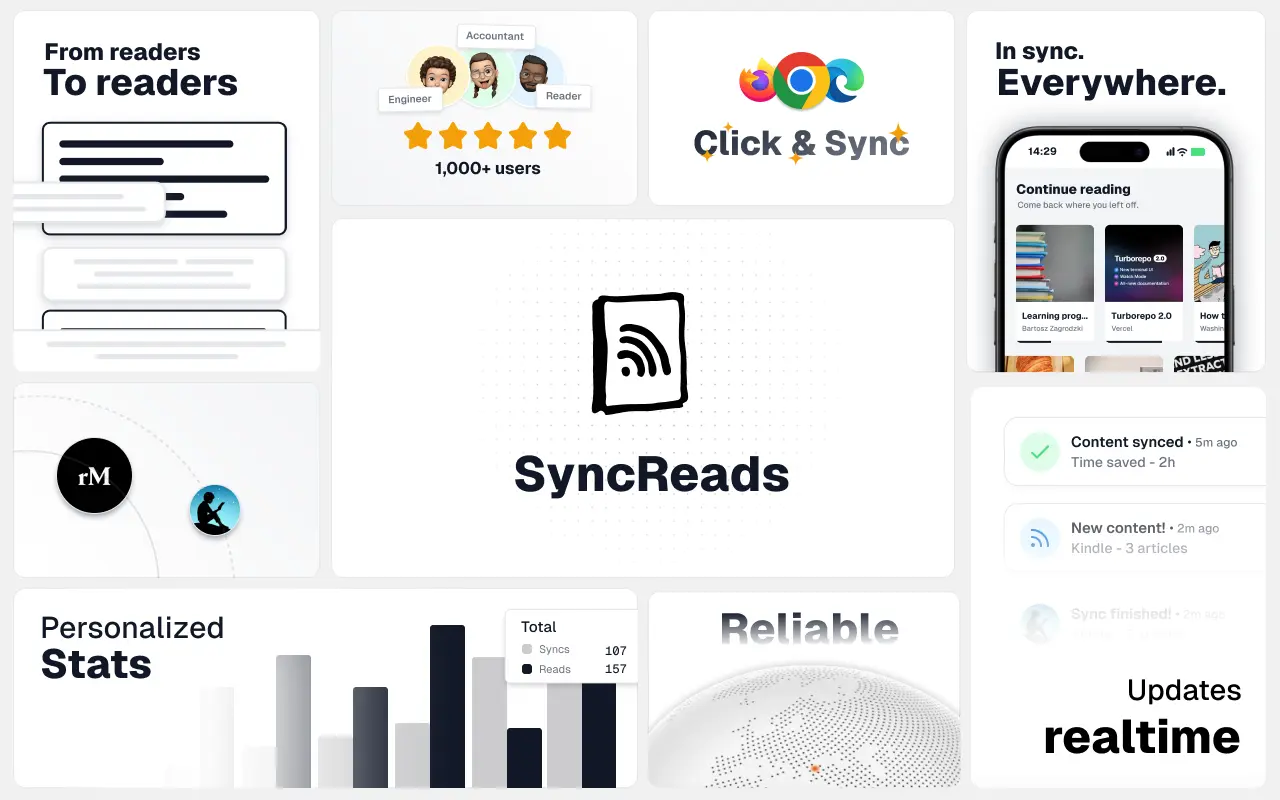
SyncReads
Sync your favorite content for distraction-free reading, save time and replace multiple apps. Anytime, anywhere 🔄
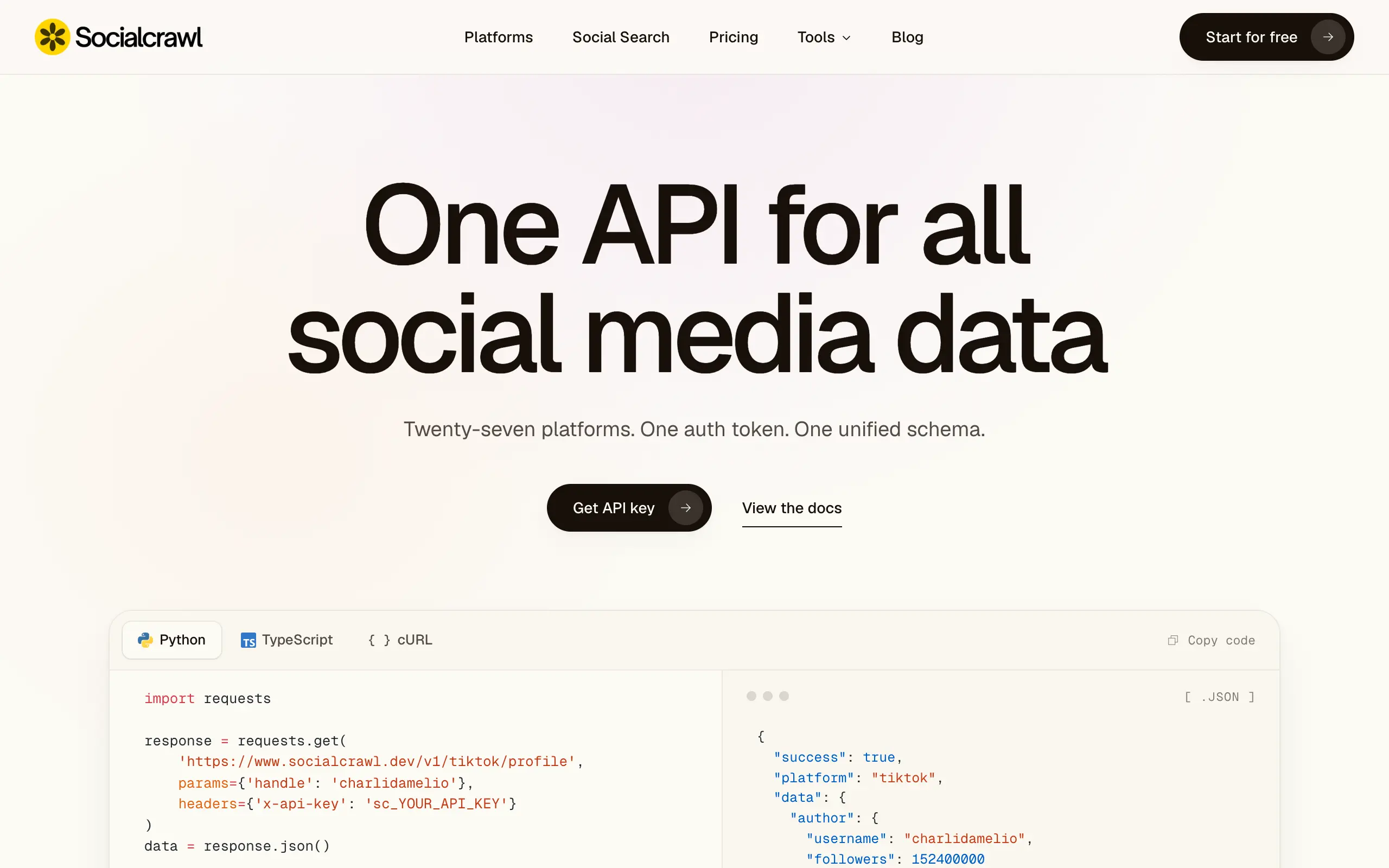
Socialcrawl
Get clean, structured data from 21 platforms like TikTok, Instagram, and YouTube with a single request 📊
Statiko
Monitor any Telegram channel in real time - track posts, edits, deletions, and growth with AI recaps 📡
Shibui
AI website builder - describe your business, pick a niche template, edit by chatting, and publish instantly ✨
Pro Service
Find verified home service professionals, compare quotes, and pay securely through escrow - built for Brazilians across the US 🏠
RankGrow
Fix your SEO with AI agents - connect Search Console, get prioritized tasks, and grow organic traffic 📈
SyncReads
Sync your favorite content for distraction-free reading, save time and replace multiple apps. Anytime, anywhere 🔄
Socialcrawl
Get clean, structured data from 21 platforms like TikTok, Instagram, and YouTube with a single request 📊
Statiko
Monitor any Telegram channel in real time - track posts, edits, deletions, and growth with AI recaps 📡
Shibui
AI website builder - describe your business, pick a niche template, edit by chatting, and publish instantly ✨
Pro Service
Find verified home service professionals, compare quotes, and pay securely through escrow - built for Brazilians across the US 🏠
RankGrow
Fix your SEO with AI agents - connect Search Console, get prioritized tasks, and grow organic traffic 📈
SyncReads
Sync your favorite content for distraction-free reading, save time and replace multiple apps. Anytime, anywhere 🔄
Socialcrawl
Get clean, structured data from 21 platforms like TikTok, Instagram, and YouTube with a single request 📊
Statiko
Monitor any Telegram channel in real time - track posts, edits, deletions, and growth with AI recaps 📡
Shibui
AI website builder - describe your business, pick a niche template, edit by chatting, and publish instantly ✨
Pro Service
Find verified home service professionals, compare quotes, and pay securely through escrow - built for Brazilians across the US 🏠
RankGrow
Fix your SEO with AI agents - connect Search Console, get prioritized tasks, and grow organic traffic 📈
SyncReads
Sync your favorite content for distraction-free reading, save time and replace multiple apps. Anytime, anywhere 🔄
Socialcrawl
Get clean, structured data from 21 platforms like TikTok, Instagram, and YouTube with a single request 📊
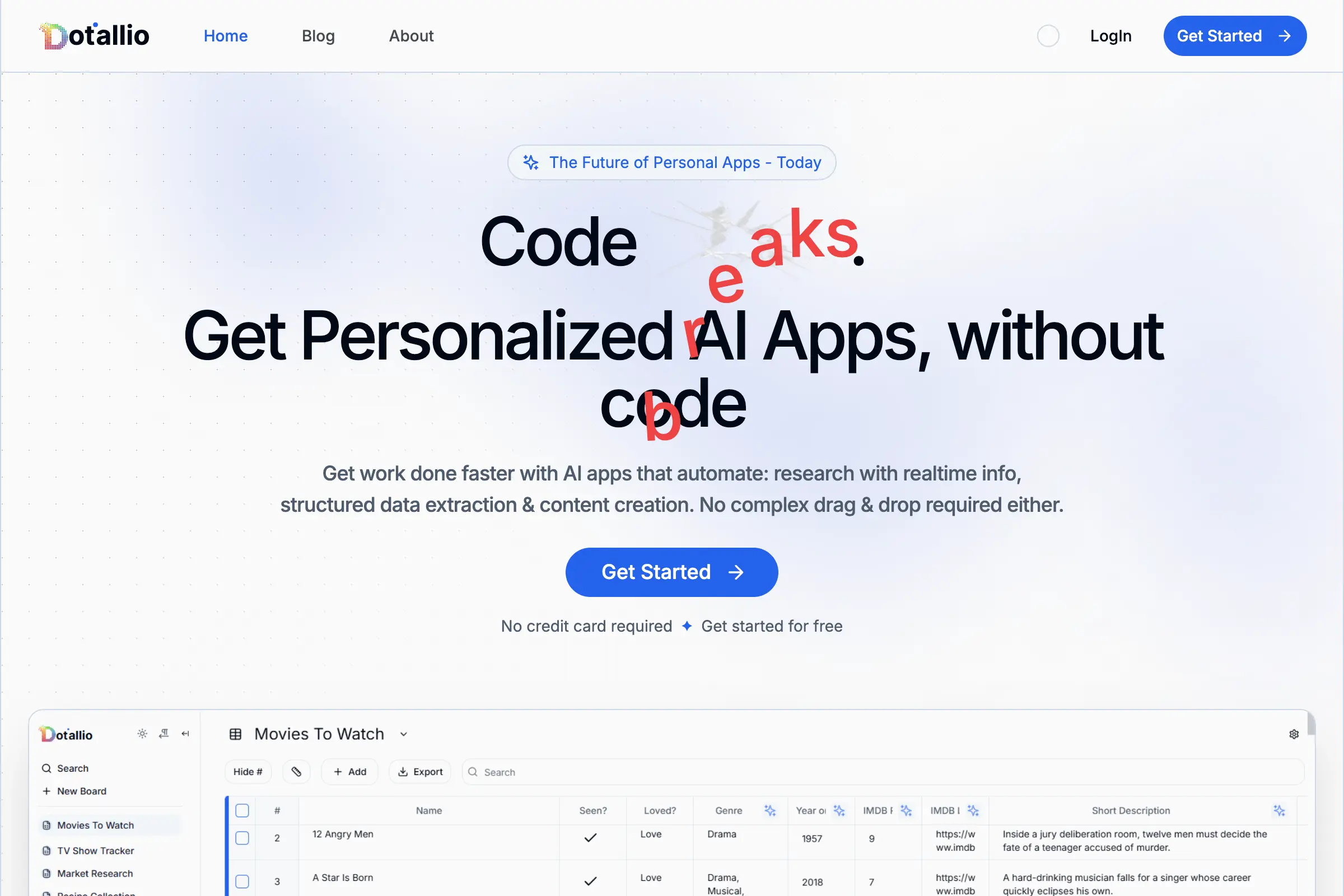
Dotallio
Personalized AI apps that automate research, data extraction, and content creation without code 🤖
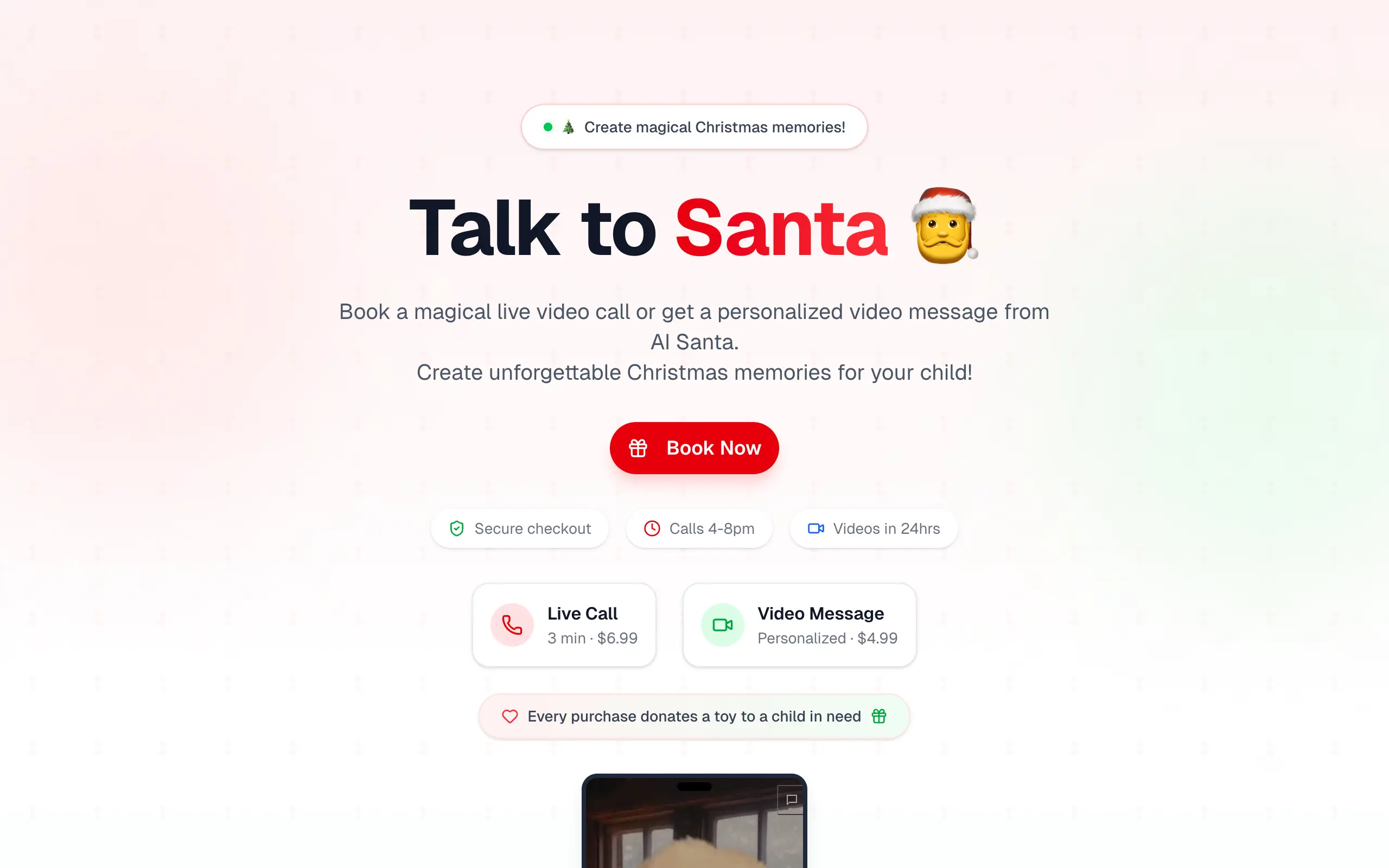
Talk to Santa
Enjoy a magical live video chat or receive a unique AI-generated video greeting from Santa Claus 🎅
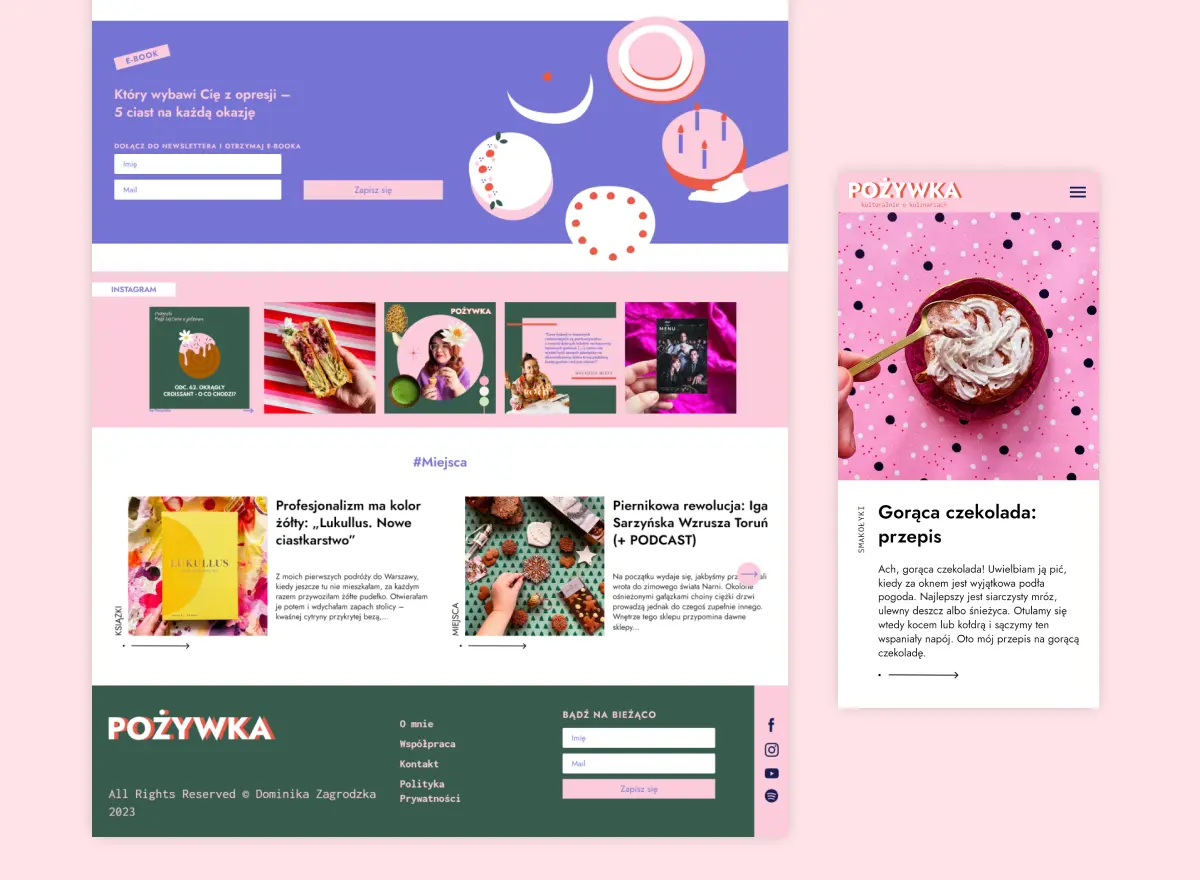
pozywka.pl
Scalable blog for food journalist, focused on performance and user experience 🌭
zagrodzki.me
Personal blog and portfolio of Bart Zagrodzki, where he shares his knowledge and work 💼
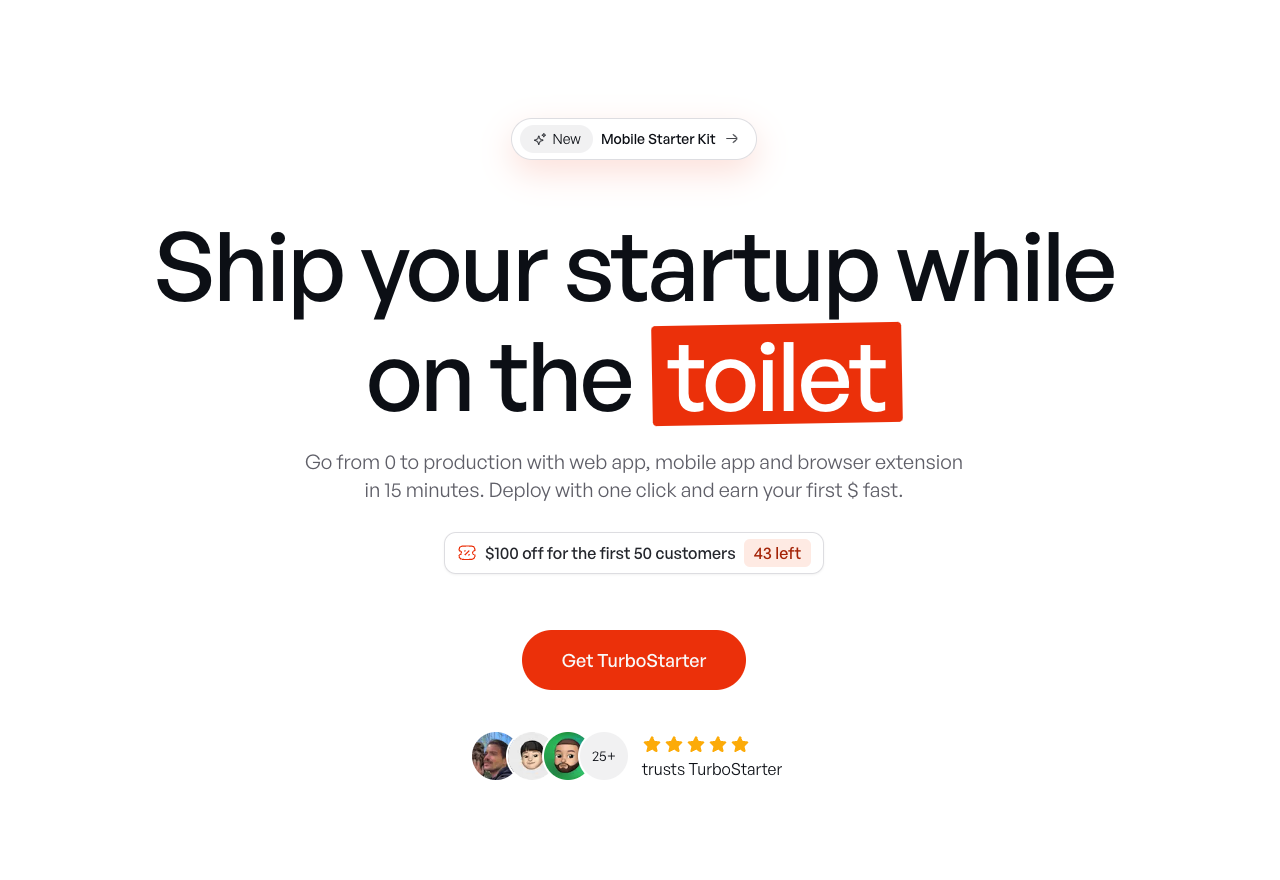
TurboStarter
Ship your startup everywhere. In minutes.
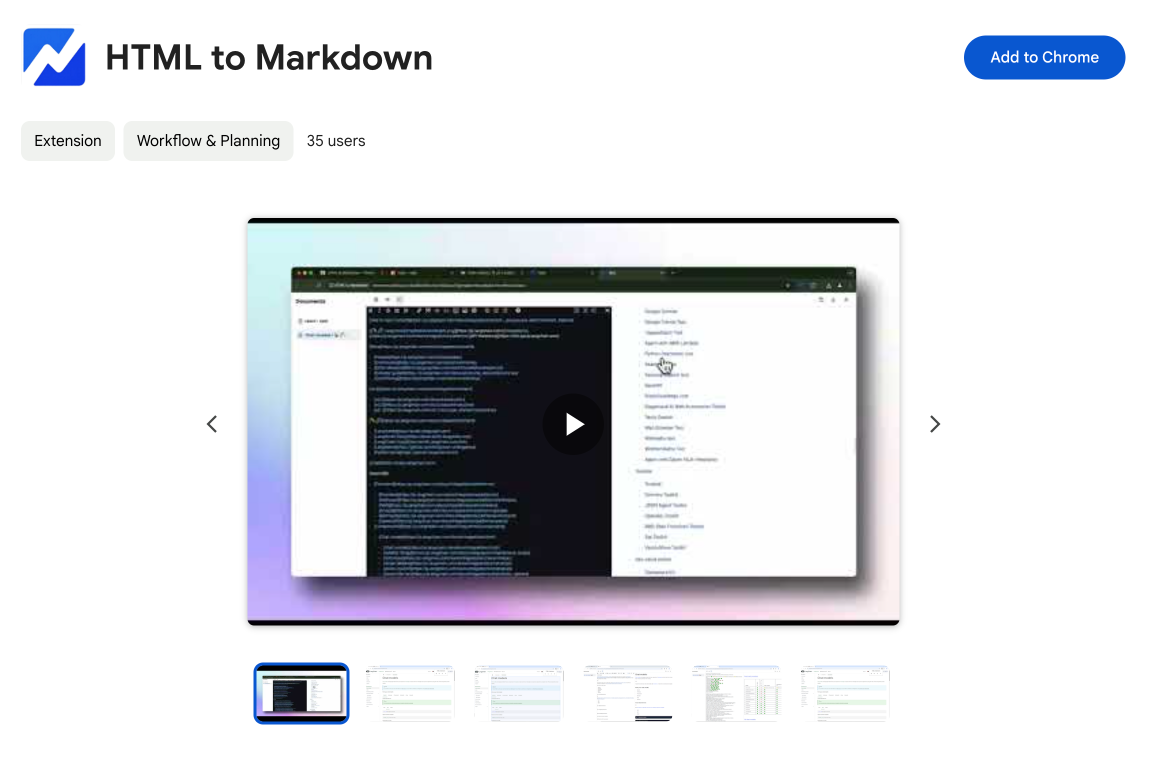
HTML to Markdown
Convert HTML to Markdown with ease, directly in your browser 📄
Dotallio
Personalized AI apps that automate research, data extraction, and content creation without code 🤖
Talk to Santa
Enjoy a magical live video chat or receive a unique AI-generated video greeting from Santa Claus 🎅
pozywka.pl
Scalable blog for food journalist, focused on performance and user experience 🌭
zagrodzki.me
Personal blog and portfolio of Bart Zagrodzki, where he shares his knowledge and work 💼
TurboStarter
Ship your startup everywhere. In minutes.
HTML to Markdown
Convert HTML to Markdown with ease, directly in your browser 📄
Dotallio
Personalized AI apps that automate research, data extraction, and content creation without code 🤖
Talk to Santa
Enjoy a magical live video chat or receive a unique AI-generated video greeting from Santa Claus 🎅
pozywka.pl
Scalable blog for food journalist, focused on performance and user experience 🌭
zagrodzki.me
Personal blog and portfolio of Bart Zagrodzki, where he shares his knowledge and work 💼
TurboStarter
Ship your startup everywhere. In minutes.
HTML to Markdown
Convert HTML to Markdown with ease, directly in your browser 📄
Dotallio
Personalized AI apps that automate research, data extraction, and content creation without code 🤖
Talk to Santa
Enjoy a magical live video chat or receive a unique AI-generated video greeting from Santa Claus 🎅
pozywka.pl
Scalable blog for food journalist, focused on performance and user experience 🌭
zagrodzki.me
Personal blog and portfolio of Bart Zagrodzki, where he shares his knowledge and work 💼
TurboStarter
Ship your startup everywhere. In minutes.
HTML to Markdown
Convert HTML to Markdown with ease, directly in your browser 📄
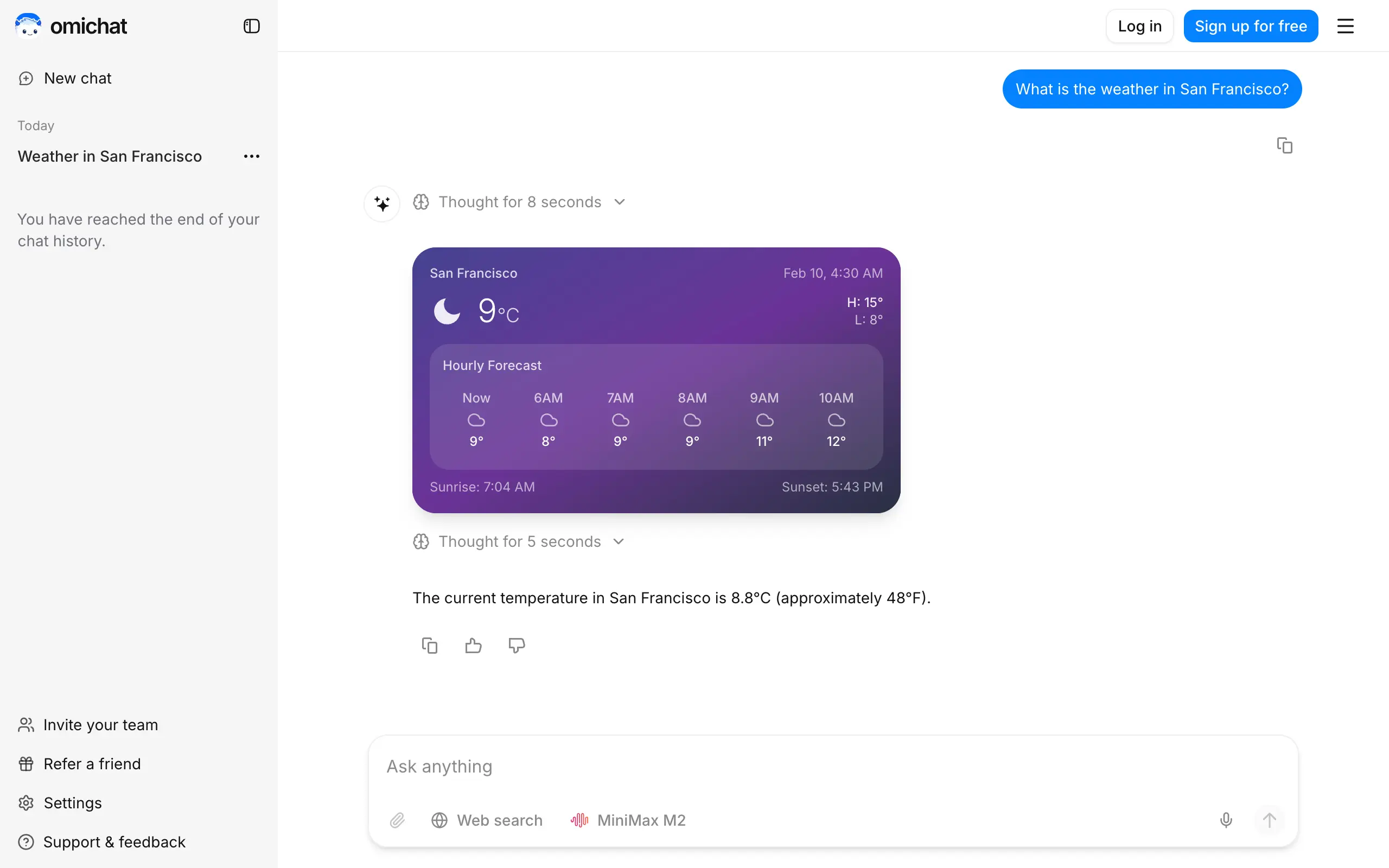
Omichat
Chat with 50+ AI models, including ChatGPT and Claude, in one place - switch models anytime without losing context 🤖
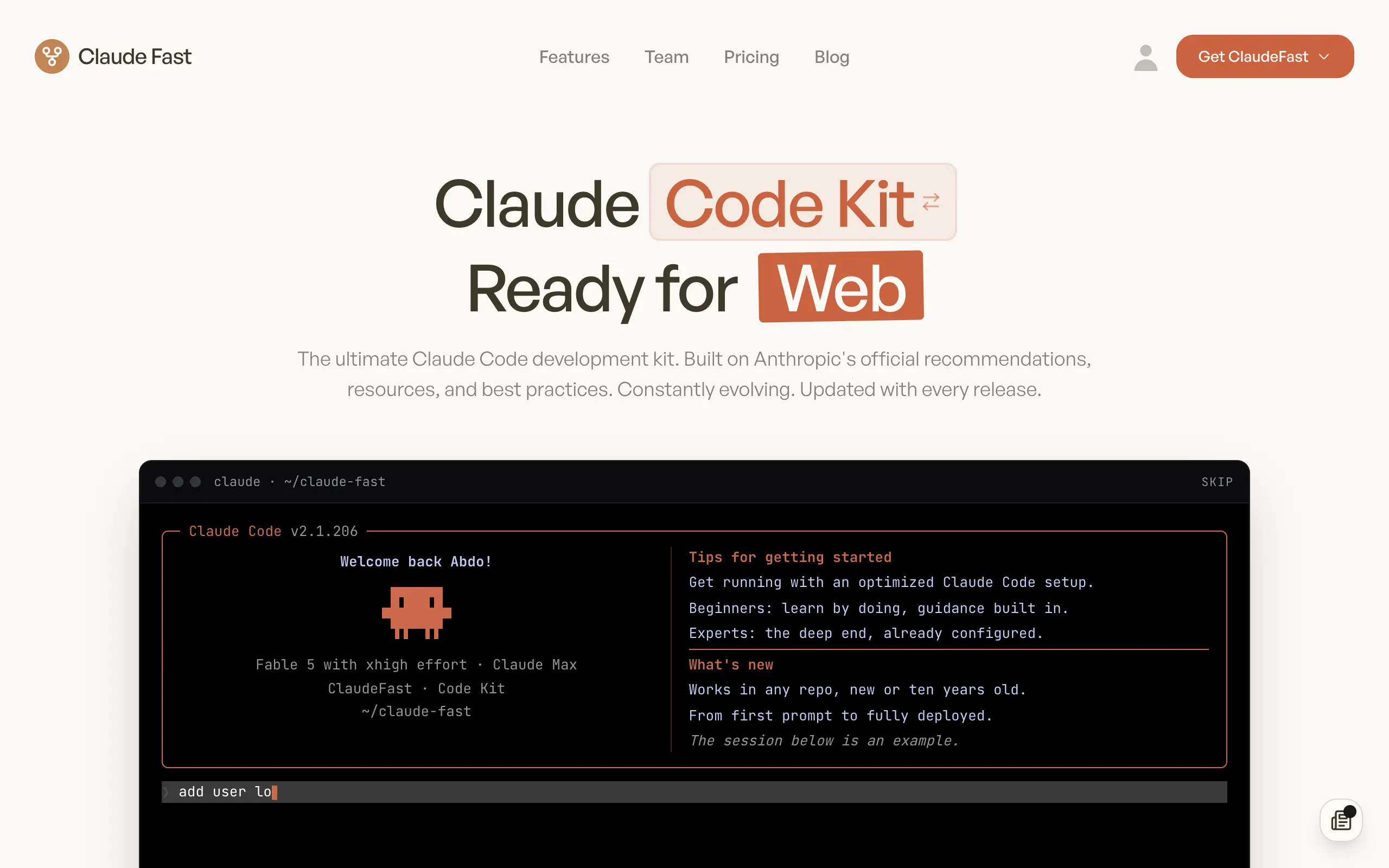
Claude Fast
Supercharge your Claude Code with 6x effective context window and specialized AI agents 🤖
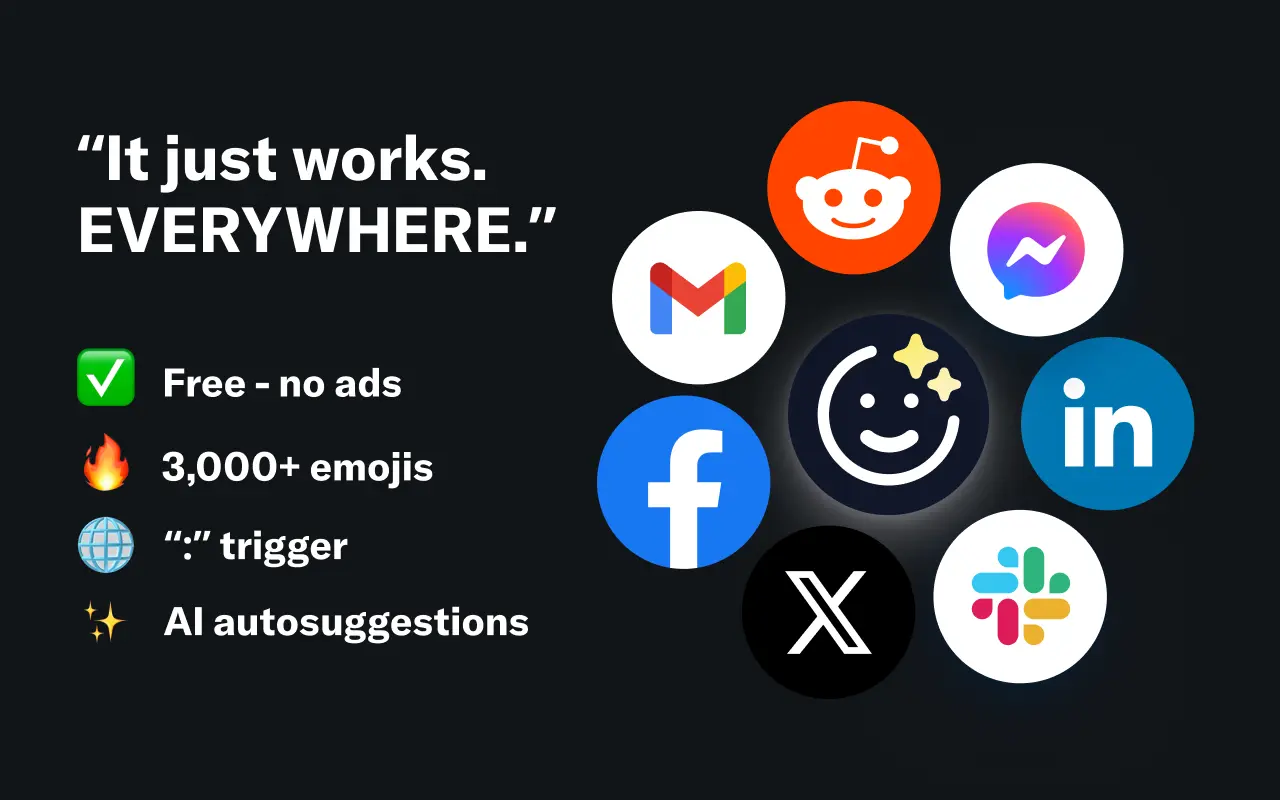
EmojAI
AI-powered emoji picker with smart, context-aware suggestions 🤖
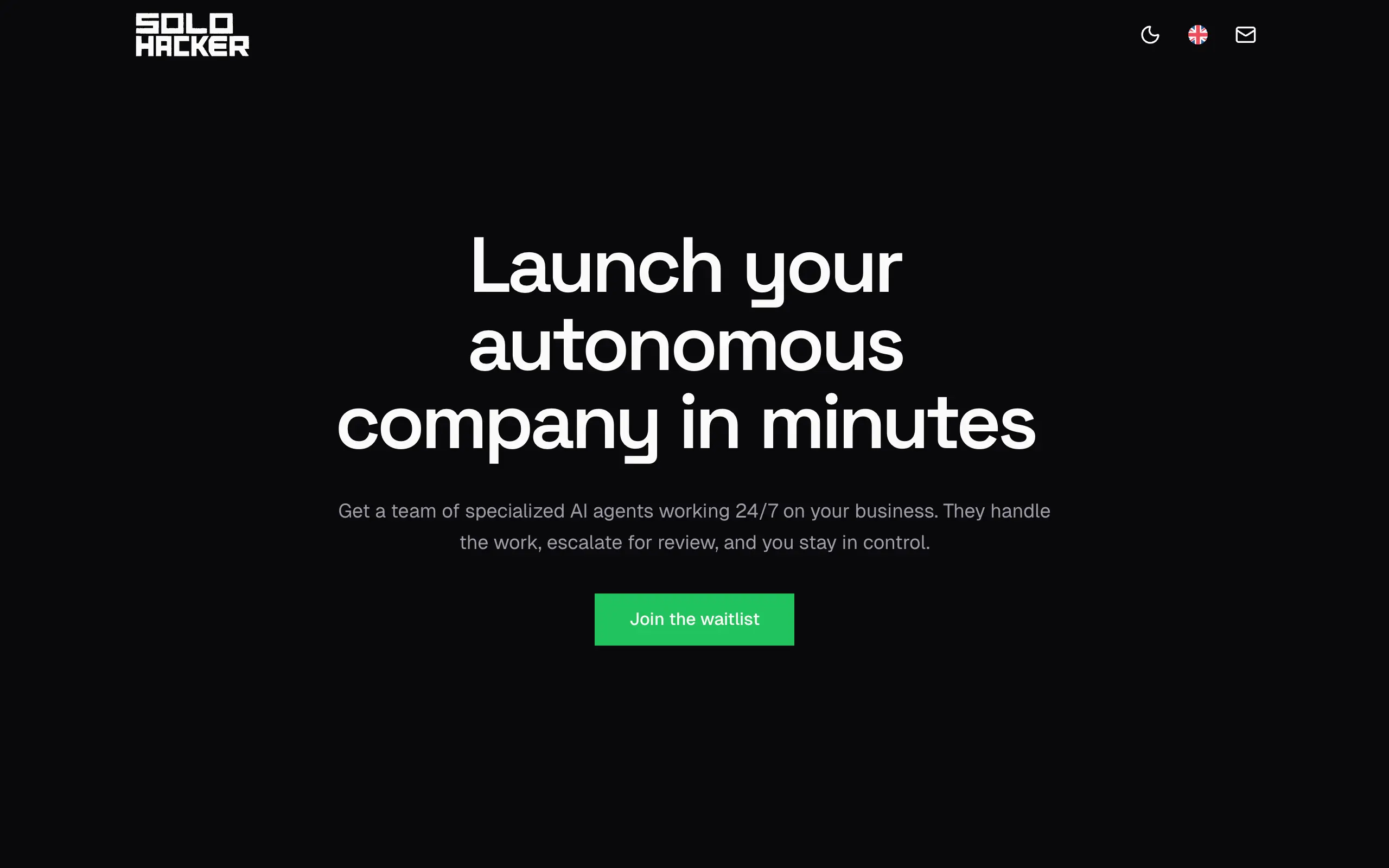
Solohacker
Autonomous company launcher - AI agents work 24/7, escalate what matters, and you stay in control 🤖
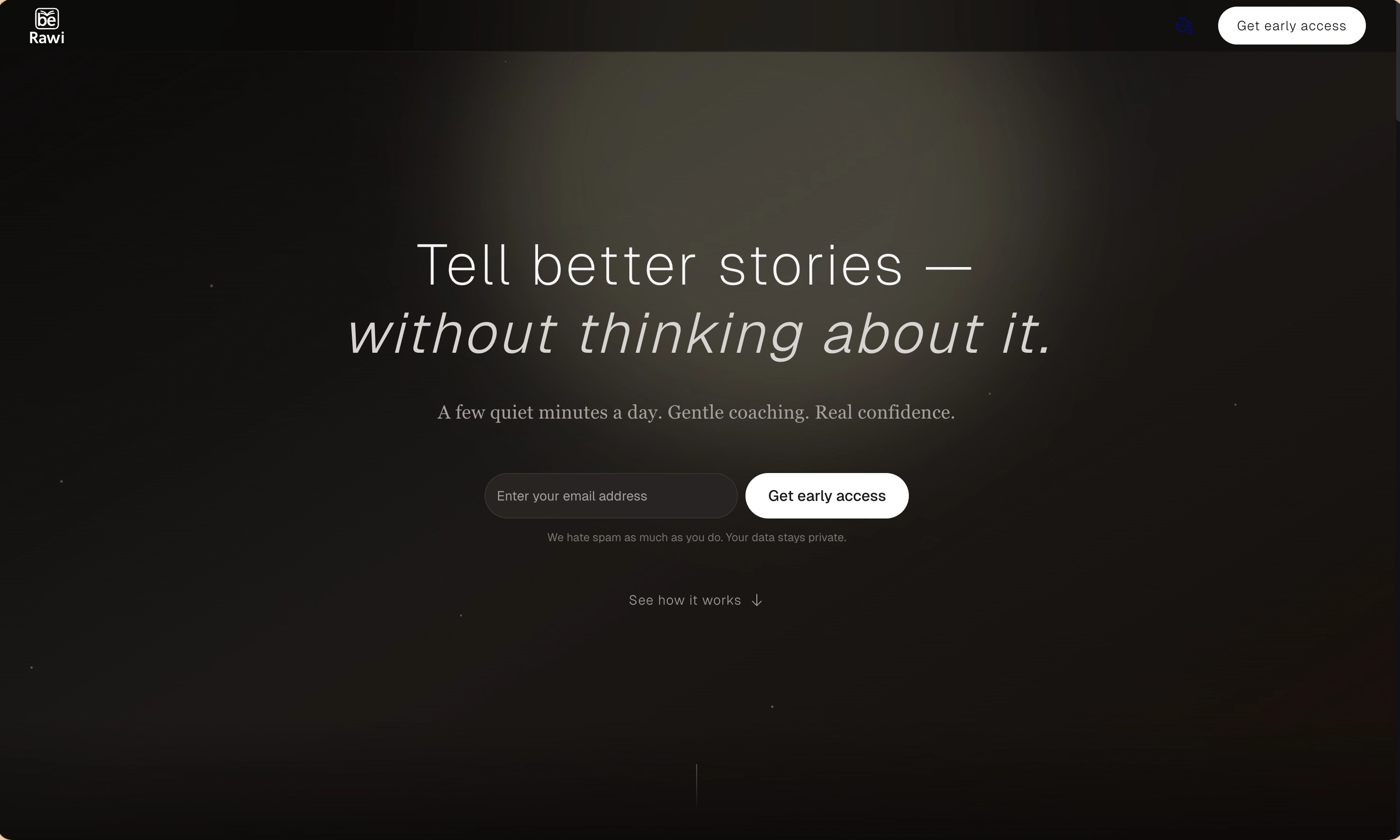
BeRawi: Storytelling Coach
Practice storytelling daily with instant feedback to sound clearer, more engaging, and confident 🎤
Omichat
Chat with 50+ AI models, including ChatGPT and Claude, in one place - switch models anytime without losing context 🤖
Claude Fast
Supercharge your Claude Code with 6x effective context window and specialized AI agents 🤖
EmojAI
AI-powered emoji picker with smart, context-aware suggestions 🤖
Solohacker
Autonomous company launcher - AI agents work 24/7, escalate what matters, and you stay in control 🤖
BeRawi: Storytelling Coach
Practice storytelling daily with instant feedback to sound clearer, more engaging, and confident 🎤
Omichat
Chat with 50+ AI models, including ChatGPT and Claude, in one place - switch models anytime without losing context 🤖
Claude Fast
Supercharge your Claude Code with 6x effective context window and specialized AI agents 🤖
EmojAI
AI-powered emoji picker with smart, context-aware suggestions 🤖
Solohacker
Autonomous company launcher - AI agents work 24/7, escalate what matters, and you stay in control 🤖
BeRawi: Storytelling Coach
Practice storytelling daily with instant feedback to sound clearer, more engaging, and confident 🎤
Omichat
Chat with 50+ AI models, including ChatGPT and Claude, in one place - switch models anytime without losing context 🤖
Claude Fast
Supercharge your Claude Code with 6x effective context window and specialized AI agents 🤖
EmojAI
AI-powered emoji picker with smart, context-aware suggestions 🤖
Solohacker
Autonomous company launcher - AI agents work 24/7, escalate what matters, and you stay in control 🤖
BeRawi: Storytelling Coach
Practice storytelling daily with instant feedback to sound clearer, more engaging, and confident 🎤

Connect with like-minded people
Join our community to get feedback, support, and grow together with 1,000+ builders on board, let's ship it!
Join usShip your startup everywhere. In minutes.
Don't burn tokens on setup and start building features on day one.