Referral Sadaqah
A referral platform for values-led businesses that rewards introductions with discounts or charitable donations, without interest-based incentives.
What is a Sadaqah referral platform?
A Sadaqah referral platform helps values-led businesses turn customer and partner introductions into an ethical growth channel. Instead of rewarding a successful referral solely with cash, points, or interest-like financial incentives, it gives participants a choice between a business benefit, such as a discount or account credit, and a charitable donation made on their behalf.
Referral Sadaqah is positioned as a B2B platform for companies that want referral marketing to reflect their values. Its core proposition is simple:
When a customer introduces a qualified new customer, both the referrer and the new customer can receive a benefit, while the referrer may also direct a reward toward a verified charitable cause.
This model is especially compelling for businesses serving Muslim consumers, faith-conscious communities, social enterprises, ethical finance providers, halal brands, educational organizations, and purpose-driven service businesses. However, the opportunity is broader than one faith or audience. Many customers increasingly want their spending, loyalty, and word-of-mouth recommendations to support real-world impact.
A well-designed referral and sadaqah platform does more than process discounts and donations. It creates a transparent, measurable, compliant, and brand-aligned system for:
- Acquiring customers through trusted introductions
- Rewarding advocacy without compromising business values
- Supporting charitable giving at the moment of conversion
- Giving customers agency over where referral value goes
- Measuring referral performance and social impact in one dashboard
The strongest version of this product is not simply “referral software with donations.” It is an ethical customer acquisition platform that helps businesses make referral growth more meaningful, auditable, and emotionally resonant.
Why ethical referral marketing is a growing opportunity
Traditional referral programs usually optimize for conversion volume. A customer shares a link, a new customer buys, and the referrer earns cash, credits, points, or a discount. That structure can work, but it often feels transactional and interchangeable.
For values-led businesses, the standard playbook creates several problems:
- It may not align with the company’s religious, social, or ethical positioning.
- It gives customers little choice beyond receiving a personal reward.
- It can encourage low-quality sharing when rewards are overly aggressive.
- It rarely connects growth spending with the brand’s impact commitments.
- It does not always explain how rewards, donations, eligibility, and attribution work.
A Sadaqah referral platform addresses these gaps by treating referrals as an act of trust. The referrer is putting their personal reputation behind a recommendation. In return, the business should provide a reward structure that feels fair, clear, and aligned with the community.
The market opportunity is reinforced by several broader trends:
- Rising customer acquisition costs make owned and word-of-mouth channels more valuable.
- Trust-based buying behavior makes recommendations from friends, peers, and respected communities particularly influential.
- Purpose-driven consumption encourages buyers to support organizations that demonstrate responsible practices.
- Impact reporting expectations are increasing among consumers, partners, and institutional buyers.
- First-party data strategies are becoming more important as businesses rely less on third-party advertising signals.
- Ethical finance and halal commerce continue to create demand for software that respects specific operating principles.
For market sizing, fundraising, or investor materials, founders should cite recent reports from authoritative sources such as industry research firms, national charity regulators, payment providers, or well-known customer experience studies. Avoid using old referral benchmarks without checking their methodology, geography, and sample size.
The key market insight
The differentiator is not charitable giving alone. The business value comes from combining high-trust acquisition, referral attribution, customer choice, and verified impact reporting in one workflow.
Who needs a referral and sadaqah platform?
The ideal customer is not every business that runs referrals. The best early adopters are organizations where community trust, repeat transactions, and mission alignment already matter.
Primary audience: values-led small and midsize businesses
Small and midsize businesses often have strong customer relationships but limited capacity to build custom referral infrastructure. They need a practical way to run ethical referral campaigns without stitching together spreadsheets, discount codes, payment tools, charity records, and manual customer support.
High-potential segments include:
- Halal e-commerce brands
- Islamic education platforms and tutoring businesses
- Modest fashion and lifestyle retailers
- Ethical travel and Umrah-related service providers
- Muslim-friendly wellness providers
- Community-focused subscription businesses
- Values-led agencies and professional services firms
- Social enterprises with recurring customer relationships
- Ethical fintech products that have appropriate regulatory approvals
- Charities and nonprofit partners offering supporter referral campaigns
These teams usually need simple implementation, reliable tracking, flexible reward rules, and evidence that the program produces qualified customers rather than vanity referrals.
Secondary audience: larger brands with ESG and community goals
Larger organizations may have referral tools already, but they can struggle to deliver a culturally relevant, community-specific experience. A Sadaqah referral platform can become a specialized layer for campaigns involving donations, local partnerships, seasonal giving, or faith-aligned customer communities.
Potential enterprise use cases include:
- Ramadan customer referral campaigns
- Eid gifting programs with a charitable option
- Employer partner referral programs
- Ambassador initiatives for community leaders
- Cause-based loyalty programs
- Regional campaigns with different charity partners
- Social impact reporting for marketing and ESG teams
Enterprise buyers will expect stronger security, role-based access, audit logs, data processing documentation, service-level commitments, and integrations with their existing customer relationship management and commerce systems.
End users: referrers, referred customers, and administrators
The product must serve three distinct user groups.
Referrers
Customers, partners, or ambassadors who need an easy sharing flow, clear reward eligibility, and meaningful reward choices.
Referred customers
New buyers who need a simple redemption experience without confusing codes, hidden conditions, or unnecessary friction.
Business administrators
Marketing, growth, finance, and support teams that need campaign controls, fraud prevention, reporting, and reconciliation.
A common product mistake is building only for the marketing manager. The referral experience must also feel trustworthy to the person making the recommendation. If referrers cannot understand whether their introduction was successful, when a donation was made, or what impact occurred, the emotional value of the program quickly disappears.
The market gap Referral Sadaqah can own
The current referral software market has mature tools for discounts, coupon codes, affiliate tracking, and ambassador programs. Charity fundraising platforms also exist. The gap lies between them.
Most conventional referral platforms treat donations as a peripheral integration, if they support them at all. Most donation platforms are designed for fundraising organizations rather than commercial brands trying to reward customer advocacy responsibly.
Referral Sadaqah can occupy a differentiated category by unifying five components:
- Referral attribution that identifies qualified introductions and successful conversions.
- Flexible ethical rewards that let participants choose discounts, store credit, or a charitable contribution.
- Donation routing that supports approved charitable partners and transparent fund allocation.
- Campaign governance that allows businesses to define eligibility, caps, messaging, and approvals.
- Impact reporting that connects growth results with charitable outcomes.
The platform’s unique selling proposition is clear:
Referral Sadaqah lets values-led businesses grow through trusted introductions while turning referral rewards into customer-chosen acts of giving.
This differs from a generic referral widget because the ethical choice is built into the program architecture, not added as a marketing afterthought.
Why the “choice” model matters
A donation-only referral program may be appealing to some customers but too restrictive for others. A discount-only program may convert well but fail to express the brand’s mission. Giving the referrer a choice creates inclusivity and autonomy.
For example, after a referral converts, a customer could choose one of the following:
- Receive a 10% discount on a future purchase
- Receive store credit within the business ecosystem
- Direct a fixed donation to an approved charity
- Split the reward between personal credit and a donation
- Automatically donate all future referral rewards to a selected cause
This approach also lets merchants test reward designs without abandoning their values. A business can measure whether a £10 store credit, a £10 donation, or a mixed reward drives the best balance of conversion, retention, cost, and impact.
Core features for an ethical referral platform
The minimum viable product should focus on the complete referral journey rather than launching with a long list of disconnected features.
Referral links, codes, and invitation flows
Every referrer needs a unique method for sharing an invitation. The platform should support:
- Personalized referral links
- Short, memorable referral codes
- Email invitations
- Copy-and-share messages for messaging apps
- QR codes for in-person referrals
- Social sharing templates that businesses can customize
- Optional referral landing pages for high-value campaigns
The referred customer should land on a page that clearly explains the offer, any eligibility requirements, the brand’s cause partner, and the next step to redeem.
A good referral landing page avoids exaggerated language. It should communicate the actual terms, such as “Your friend receives 15% off their first order. Once their order is completed and passes the return window, you may choose a £10 donation or account credit.”
Reward rules and campaign configuration
Businesses need enough flexibility to match their economics without turning setup into a technical project.
Key campaign settings include:
- "Reward trigger": purchase, subscription activation, completed appointment, approved application, or milestone event
- "Qualification rules": minimum order value, first-time customer status, eligible product category, or payment completion
- "Validation period": immediate, after a cancellation window, or after manual approval
- "Reward type": percentage discount, fixed credit, donation, gift, or mixed option
- "Referral cap": total rewards per person, campaign, month, or account
- "Budget cap": maximum donation liability or total campaign spend
- "Geographic restrictions": jurisdictions, delivery regions, or charity availability
- "Expiry policy": reward validity and reminders before expiration
The platform should show admins the estimated financial exposure before a campaign goes live. This is important because a campaign that goes viral can create an unexpected discount or donation obligation.
Charity partner directory and donation routing
Donation handling is the trust layer of the product. Businesses should be able to select from a curated directory of approved charitable organizations or connect their own verified partners.
At a minimum, the platform should record:
- Charity name and registration details where applicable
- Supported causes and regions
- Donation currency
- Any administration or processing fees
- Funding restrictions
- Donation status and confirmation date
- Recipient organization receipt or confirmation reference
- Public-facing impact statement where available
The product should never imply that a donation has been completed when it is merely reserved. Use precise statuses such as pending validation, approved for payout, sent, and confirmed by charity.
Trust depends on donation clarity
Do not pool funds into an unspecified “charity wallet” without explaining the destination, timing, fees, and process. Customers should be able to understand what happened to the value created by their referral.
Referral fraud prevention
Referral fraud is one of the largest operational risks in customer advocacy programs. Bad actors may create duplicate accounts, self-refer, use disposable email addresses, exploit coupon stacking, or coordinate fake transactions.
Referral Sadaqah should include a fraud framework from the start:
- Device and browser signal checks
- IP and location anomaly detection
- Duplicate email, phone, address, or payment pattern alerts
- Self-referral detection
- Velocity limits for links, codes, and redemptions
- Configurable manual review queues
- Automatic reward delays during return or cancellation periods
- Rule-based risk scoring
- Audit logs for staff decisions
- Reward reversal workflows for invalidated transactions
The goal is not to punish legitimate customers. It is to protect the sustainability of the program and preserve fairness for real advocates.
Reporting for growth and impact teams
A standard referral dashboard should report on more than clicks and coupon redemptions. It should help businesses understand business performance and social impact together.
Useful metrics include:
- Total referral invitations sent
- Referral link clicks and landing-page conversion rate
- Qualified referrals
- Referred customer conversion rate
- Revenue attributed to referrals
- Average order value from referred customers
- Cost per acquired customer
- Reward redemption rate
- Donation selection rate versus discount selection rate
- Donation amount committed and completed
- Donation amounts by charity, cause, campaign, or geography
- Fraud flags and rejected rewards
- Repeat purchase rate for referred customers
- Lifetime value cohorts for referred customers
A robust reporting experience helps marketing teams justify spend, finance teams reconcile liabilities, and leadership teams communicate impact credibly.
Integrations and API access
For an MVP, integrations matter more than a large feature catalogue. The platform should prioritize the systems target customers already use.
High-value integration categories include:
- E-commerce platforms
- Subscription billing systems
- Payment processors
- Customer relationship management platforms
- Email and marketing automation tools
- Analytics tools
- Help desk software
- Accounting exports
- Charity partner data feeds
An API-first foundation is especially valuable for B2B buyers that need referral events to fit into an existing order, subscription, or customer data architecture.
A recommended technology stack for Referral Sadaqah
The recommended stack should optimize for speed, maintainability, data accuracy, and secure integrations. Because this is a referral attribution and payment-adjacent product, the database and event architecture deserve more attention than the landing-page animation.
A practical SaaS stack could include the following.
| Layer | Recommended option | Why it fits | Trade-off | Priority |
|---|---|---|---|---|
| Web app | Next.js and React | Strong SaaS ecosystem and server rendering | Requires disciplined server and client boundaries | High |
| Database | PostgreSQL | Reliable relational data and reporting queries | Schema design needs care early | High |
| Payments | Stripe | Webhooks and mature payment tooling | Availability varies by market and use case | High |
| Jobs | Queue worker architecture | Reliable reward validation and payout processing | More operational complexity than synchronous flows | High |
| Analytics | Event tracking plus warehouse exports | Supports attribution and cohort analysis | Needs a clear event taxonomy | Medium |
For the product interface, React and Next.js offer a mature environment for building a responsive admin dashboard, merchant-facing configuration screens, and referral landing pages. Tailwind CSS can accelerate consistent design implementation, particularly for a lean founding team.
For payment collection and webhook-driven order events, Stripe can be useful where it is available and appropriate for the merchant’s business model. However, Referral Sadaqah should not assume one processor will cover every geographic market, payment method, or charity disbursement requirement. The architecture should preserve a payment-provider abstraction layer.
Architecture principles that reduce future risk
The product should use an event-driven model. Referral actions are not one-time database updates; they are a sequence of events that can change status.
A typical lifecycle might be:
type ReferralStatus =
  | "created"
  | "clicked"
  | "signup_detected"
  | "purchase_pending"
  | "qualified"
  | "under_review"
  | "reward_available"
  | "donation_pledged"
  | "donation_sent"
  | "reversed";

const canReleaseReward = (order: {
  paid: boolean;
  refunded: boolean;
  riskScore: number;
  daysSincePurchase: number;
}) => {
  return (
    order.paid &&
    !order.refunded &&
    order.riskScore < 50 &&
    order.daysSincePurchase >= 14
  );
};
The platform should retain immutable event logs where possible. If an order is refunded or a donation payout fails, administrators must be able to see the original qualification event, the decision rule applied, the staff member who intervened, and the final outcome.
Other architectural principles include:
- Separate merchant data by tenant with strict authorization checks
- Verify all inbound webhooks cryptographically
- Make reward payout jobs idempotent to prevent duplicate donations
- Store financial amounts in minor currency units, not floating-point values
- Keep personal data separate from aggregate impact analytics when feasible
- Define data retention policies early
- Create export tools for merchants responding to customer data requests
- Use feature flags for high-risk campaign rule changes
- Maintain a full audit trail for charity and payout changes
Monetization options for Referral Sadaqah
The monetization model should align with customer value while avoiding incentives that create distrust around charitable funds.
A straightforward model is recurring SaaS pricing with usage tiers.
Subscription tiers
A three-tier model can work well:
- Starter for small businesses launching one or two campaigns
- Growth for brands needing multiple campaigns, integrations, fraud controls, and advanced reporting
- Enterprise for larger merchants requiring custom contracts, single sign-on, API access, dedicated onboarding, and security review
Pricing can be based on one or more of the following:
- Monthly referred orders
- Monthly active referrers
- Referral revenue attributed
- Number of active campaigns
- Number of charity partners
- Admin seats
- Integration access
Usage-based pricing should be transparent. Merchants should know how qualified referrals are counted and whether reversed orders reduce their billable usage.
Ethical revenue design for donations
The product should avoid unclear deductions from donation funds. A safer approach is to charge the business directly for platform access and, where applicable, clearly disclosed payment processing or payout fees.
Possible structures include:
- Subscription fee paid by the merchant
- Per-qualified-referral platform fee
- Optional managed charity-payout fee paid by the merchant
- Enterprise implementation fee
- Premium reporting and impact-reporting package
- White-label referral portal fee
If the platform charges any fee related to donation administration, it should be visibly disclosed to merchants and reflected accurately in customer-facing donation confirmations.
Competitive advantage and positioning
Referral Sadaqah should avoid competing head-on as a generic alternative to every referral program tool. Its advantage comes from serving a specific, underserved job to be done.
The customer is not just asking, “How do I create a referral code?”
They are asking:
“How do we grow through customer advocacy while giving our community a reward experience that reflects our values and creates credible social impact?”
That framing changes the competitive landscape.
Referral Sadaqah’s defensible advantages
- Purpose-built reward logic for donation, discount, credit, and hybrid outcomes
- Charity verification workflows rather than generic coupon management
- Impact reporting integrated with acquisition metrics
- Faith- and values-aware messaging that businesses can customize responsibly
- Transparent donation status tracking for customer trust
- Fraud controls designed around reward and donation liability
- Campaign templates for seasonal, community, and mission-led use cases
- Merchant education around ethical referral program design
The most valuable moat may become operational rather than technical. A trusted network of vetted charity partners, clear compliance processes, reliable payout records, and merchant case studies can be difficult for generic referral vendors to replicate quickly.
Competitive alternatives customers may consider
Customers may compare Referral Sadaqah with:
- Generic referral software
- Affiliate marketing platforms
- Loyalty programs
- Manual discount-code campaigns
- In-house referral workflows
- Donation platforms
- Customer relationship management automations
- No formal referral program at all
The product must explain why a spreadsheet plus a charity donation page is not equivalent. Manual systems create attribution gaps, delayed rewards, inconsistent customer communication, limited fraud protection, poor reporting, and substantial administrative burden.
Risks and mitigation strategies
A credible SaaS strategy acknowledges that this product operates at the intersection of marketing, payments, charity operations, data privacy, and values-based communication.
Charity verification and misrepresentation risk
If the platform lists a charity inaccurately or suggests funds have reached an organization when they have not, trust can be severely damaged.
Mitigation steps include:
- Verify organizational identity and registration status where applicable
- Maintain written agreements with payout partners
- Record payout references and confirmations
- Display clear donation statuses
- Set a documented process for partner suspension or removal
- Have legal counsel review claims made on donation receipts and landing pages
Regulatory and tax complexity
Donation rules, tax treatment, fundraising regulations, payment requirements, and data privacy laws differ across countries. A platform should not assume that a donation made by a merchant, customer, or platform has the same legal and tax treatment in every market.
Mitigation steps include:
- Launch in a focused geography first
- Use jurisdiction-specific terms and disclosures
- Distinguish between a merchant-funded donation and a customer donation
- Avoid tax-deductibility claims unless supported by qualified advice
- Work with legal and compliance professionals before expanding
- Provide merchants with clear responsibilities in the platform agreement
This content is a product strategy perspective, not legal, tax, financial, or religious guidance. Referral Sadaqah should obtain qualified advice from professionals in each market it serves.
Referral fraud and reward abuse
Fraud can make an otherwise successful campaign unprofitable and can unfairly divert funds from intended charitable outcomes.
Mitigation steps include:
- Start with conservative reward caps
- Require completed payment and expiry of a return window
- Use manual review for high-value referrals
- Monitor unusual referral velocity
- Build merchant-configurable risk rules
- Audit refund and chargeback events continuously
Cultural and religious sensitivity
Sadaqah is meaningful to many people. Superficial language, ambiguous fund handling, or promotional messaging that appears to exploit charitable giving can undermine the product’s purpose.
Mitigation steps include:
- Consult diverse advisors with relevant community and operational expertise
- Let businesses tailor terminology to their audience
- Avoid making religious rulings in product copy
- Center transparency, consent, and customer choice
- Ensure charities are not used as decorative branding without substantive partnership
Dependence on third-party integrations
A referral platform can break if e-commerce, payment, email, or customer data integrations change behavior.
Mitigation steps include:
- Use signed webhooks and retry logic
- Build monitoring for failed events
- Provide manual reconciliation tools
- Support CSV import and export for recovery
- Keep a documented integration versioning policy
- Avoid making a single third-party system a hard dependency for all merchants
Go-to-market strategy for the first 12 months
The fastest path is to focus on a narrow ideal customer profile instead of trying to serve every values-led organization.
A compelling initial segment could be direct-to-consumer halal and ethical e-commerce brands with:
- At least several hundred monthly orders
- A repeat-purchase customer base
- Existing customer interest in charitable causes
- A marketing team that already uses discounts or loyalty initiatives
- A strong need to lower paid acquisition dependence
The first offer should be highly specific. For example:
Launch a referral program that gives customers the choice of a store reward or a verified charitable donation, with campaign reporting that shows both referred revenue and social impact.
Early distribution channels can include:
- Partnerships with halal commerce agencies
- E-commerce consultants serving ethical brands
- Charity partnerships and ecosystem introductions
- Founder-led webinars on ethical referral program design
- Case studies from pilot merchants
- Content targeting terms such as “ethical referral program,” “charity referral software,” and “sadaqah referral platform”
- Community sponsorships that prioritize genuine long-term participation over one-off promotion
Seasonal campaigns around Ramadan and Eid could be powerful, but the business should avoid becoming seasonal-only. The product needs year-round use cases around customer advocacy, cause selection, educational giving, community rewards, and retention.
Actionable implementation roadmap
The best way to validate Referral Sadaqah is to launch a focused MVP with a small number of design partners. Do not begin by building a massive charity marketplace or complex international payout system.
For a fast and scalable SaaS foundation, TurboStarter can help teams reduce time spent on common application infrastructure and focus their engineering effort on the differentiated referral, donation, and reporting workflows.
Final perspective
Referral Sadaqah has the potential to define a distinct category in referral marketing: one where customer acquisition, trust, and charitable impact reinforce each other.
The opportunity is strongest when the platform remains disciplined. It should not try to be every kind of loyalty tool, donation processor, affiliate network, or charity marketplace from day one. Its core job is to help values-led businesses reward trusted introductions in a way that is transparent, flexible, operationally reliable, and genuinely meaningful to customers.
If Referral Sadaqah can prove three things consistently, it can earn durable market credibility:
- It helps merchants acquire better customers through referrals.
- It gives referrers clear, respectful, and values-aligned reward choices.
- It makes every charitable outcome traceable, explainable, and trustworthy.
That combination offers more than a referral incentive. It creates a growth system that customers can feel good about sharing.
More 🏢 B2B Application SaaS ideas
Discover more innovative b2b application SaaS ideas that are trending in 2026. Each idea is AI-generated with market validation and growth potential to help you find your next profitable venture faster than competitors.
Your competitors are building with TurboStarter
Below are some of the SaaS ideas that have been generated and built with our starter kit.
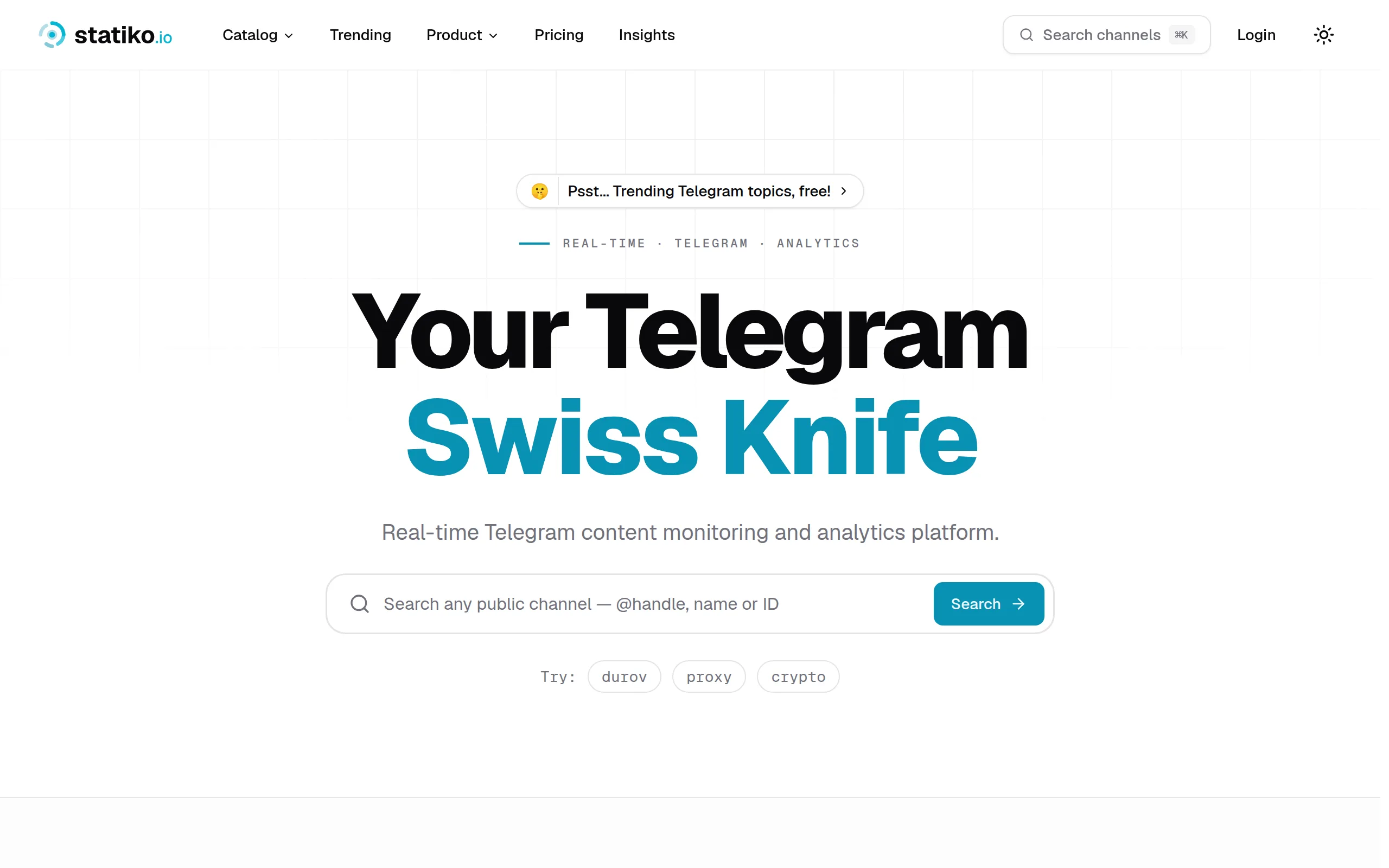
Statiko
Monitor any Telegram channel in real time - track posts, edits, deletions, and growth with AI recaps 📡

Shibui
AI website builder - describe your business, pick a niche template, edit by chatting, and publish instantly ✨

Pro Service
Find verified home service professionals, compare quotes, and pay securely through escrow - built for Brazilians across the US 🏠
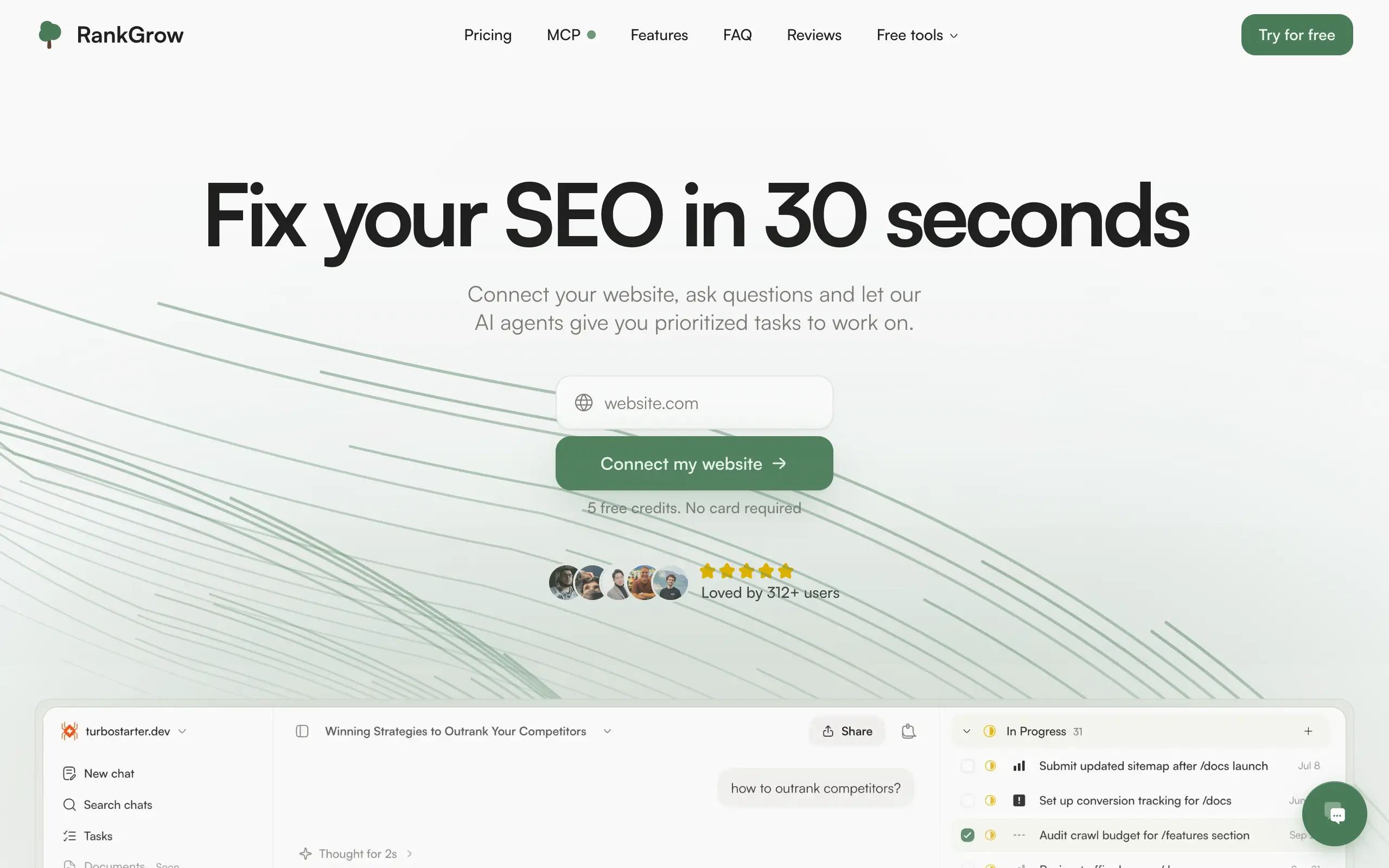
RankGrow
Fix your SEO with AI agents - connect Search Console, get prioritized tasks, and grow organic traffic 📈
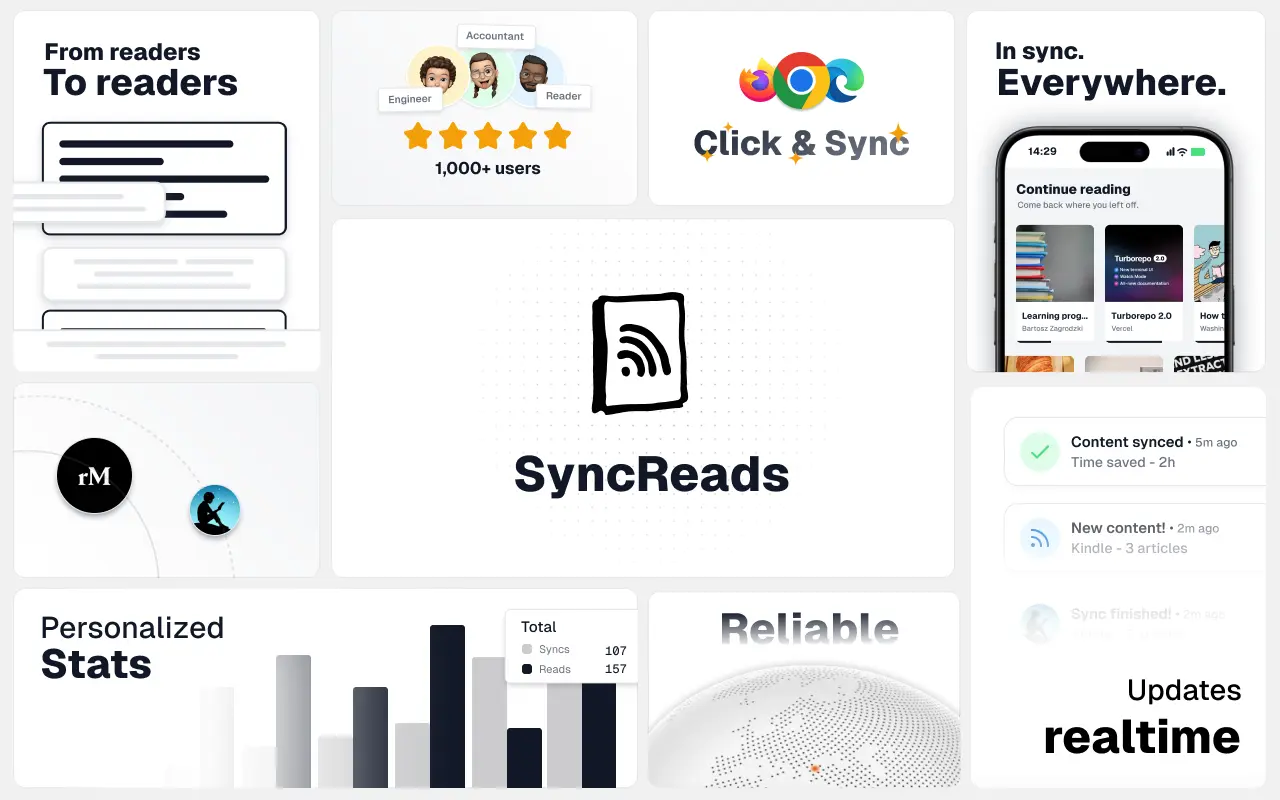
SyncReads
Sync your favorite content for distraction-free reading, save time and replace multiple apps. Anytime, anywhere 🔄
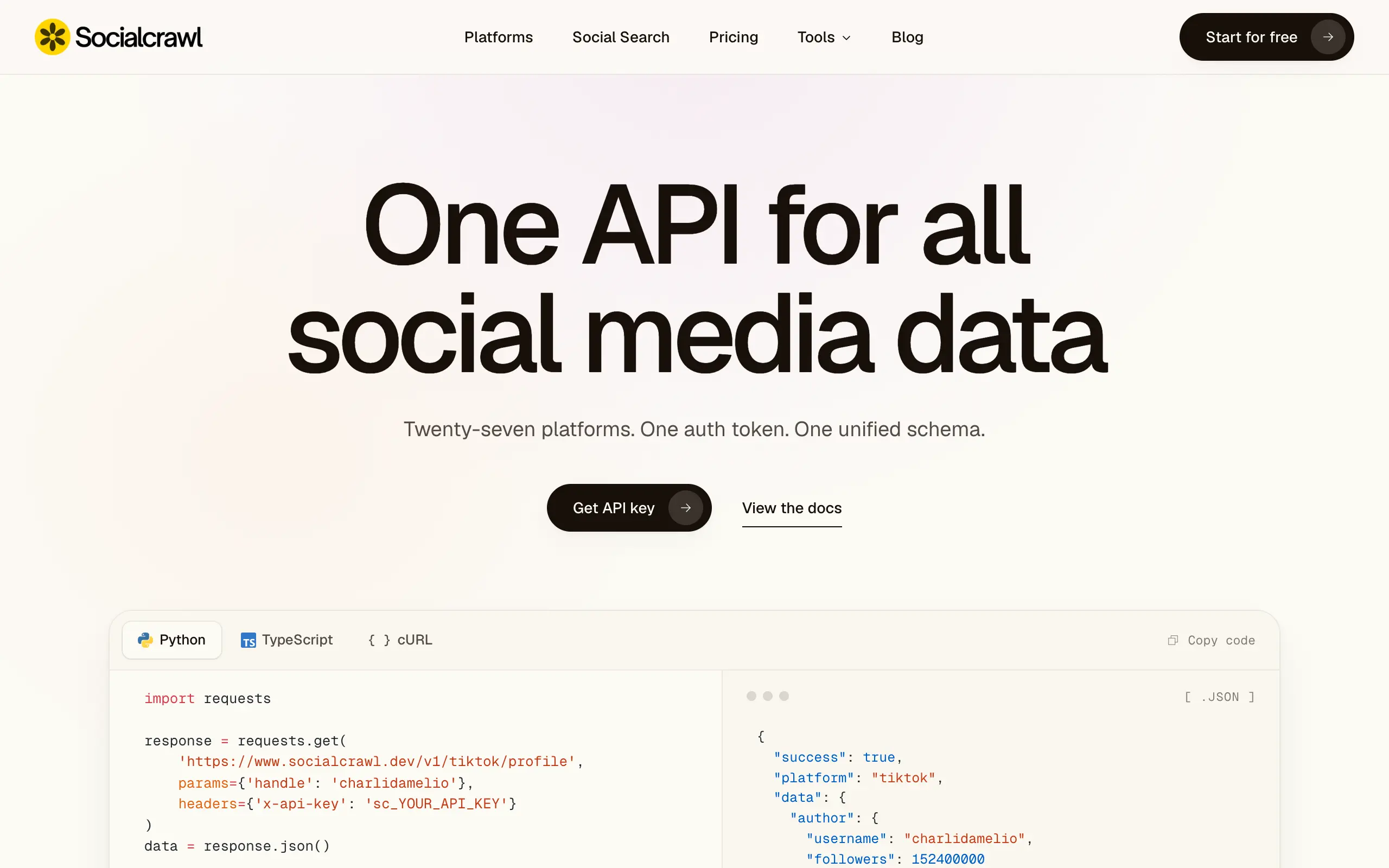
Socialcrawl
Get clean, structured data from 21 platforms like TikTok, Instagram, and YouTube with a single request 📊
Statiko
Monitor any Telegram channel in real time - track posts, edits, deletions, and growth with AI recaps 📡
Shibui
AI website builder - describe your business, pick a niche template, edit by chatting, and publish instantly ✨
Pro Service
Find verified home service professionals, compare quotes, and pay securely through escrow - built for Brazilians across the US 🏠
RankGrow
Fix your SEO with AI agents - connect Search Console, get prioritized tasks, and grow organic traffic 📈
SyncReads
Sync your favorite content for distraction-free reading, save time and replace multiple apps. Anytime, anywhere 🔄
Socialcrawl
Get clean, structured data from 21 platforms like TikTok, Instagram, and YouTube with a single request 📊
Statiko
Monitor any Telegram channel in real time - track posts, edits, deletions, and growth with AI recaps 📡
Shibui
AI website builder - describe your business, pick a niche template, edit by chatting, and publish instantly ✨
Pro Service
Find verified home service professionals, compare quotes, and pay securely through escrow - built for Brazilians across the US 🏠
RankGrow
Fix your SEO with AI agents - connect Search Console, get prioritized tasks, and grow organic traffic 📈
SyncReads
Sync your favorite content for distraction-free reading, save time and replace multiple apps. Anytime, anywhere 🔄
Socialcrawl
Get clean, structured data from 21 platforms like TikTok, Instagram, and YouTube with a single request 📊
Statiko
Monitor any Telegram channel in real time - track posts, edits, deletions, and growth with AI recaps 📡
Shibui
AI website builder - describe your business, pick a niche template, edit by chatting, and publish instantly ✨
Pro Service
Find verified home service professionals, compare quotes, and pay securely through escrow - built for Brazilians across the US 🏠
RankGrow
Fix your SEO with AI agents - connect Search Console, get prioritized tasks, and grow organic traffic 📈
SyncReads
Sync your favorite content for distraction-free reading, save time and replace multiple apps. Anytime, anywhere 🔄
Socialcrawl
Get clean, structured data from 21 platforms like TikTok, Instagram, and YouTube with a single request 📊
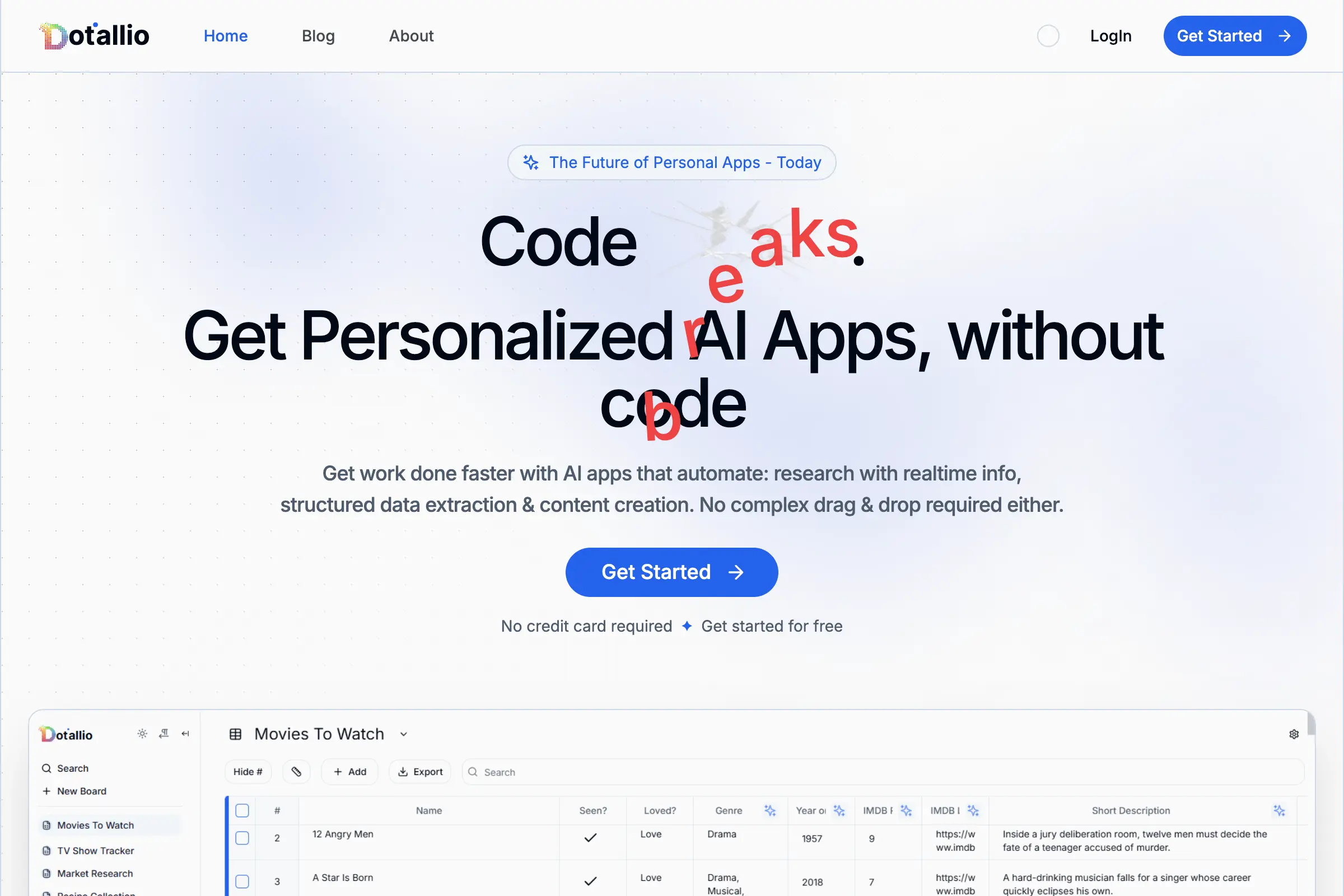
Dotallio
Personalized AI apps that automate research, data extraction, and content creation without code 🤖
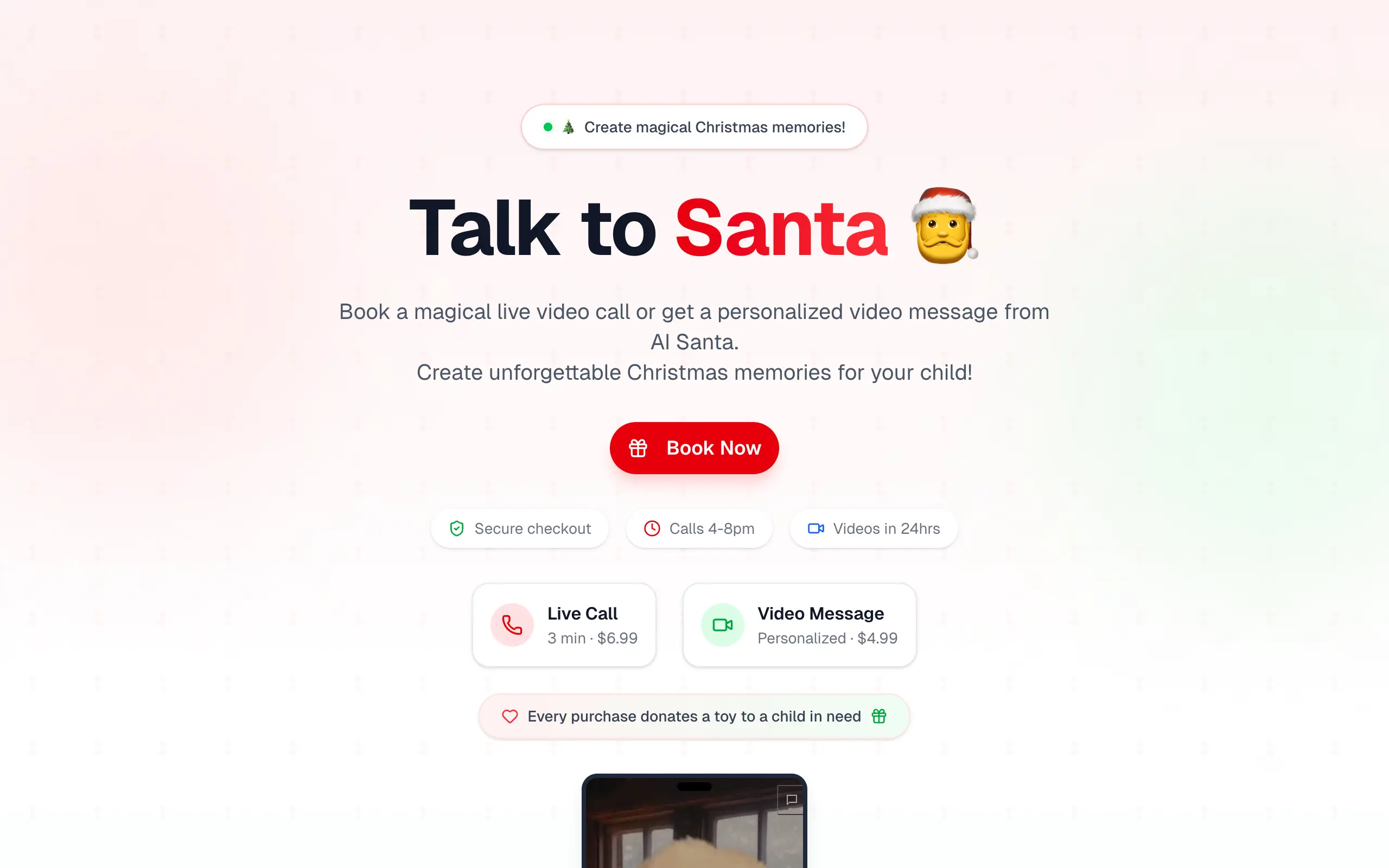
Talk to Santa
Enjoy a magical live video chat or receive a unique AI-generated video greeting from Santa Claus 🎅
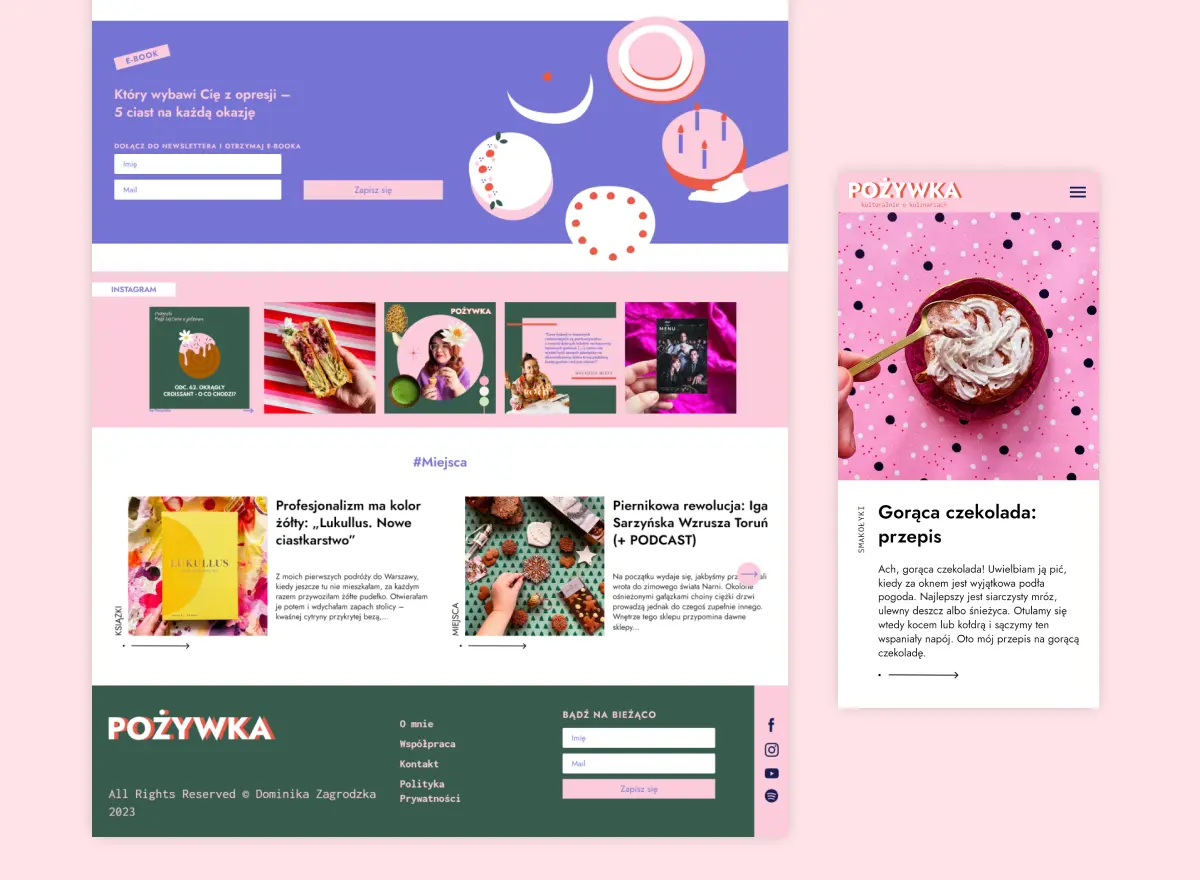
pozywka.pl
Scalable blog for food journalist, focused on performance and user experience 🌭
zagrodzki.me
Personal blog and portfolio of Bart Zagrodzki, where he shares his knowledge and work 💼
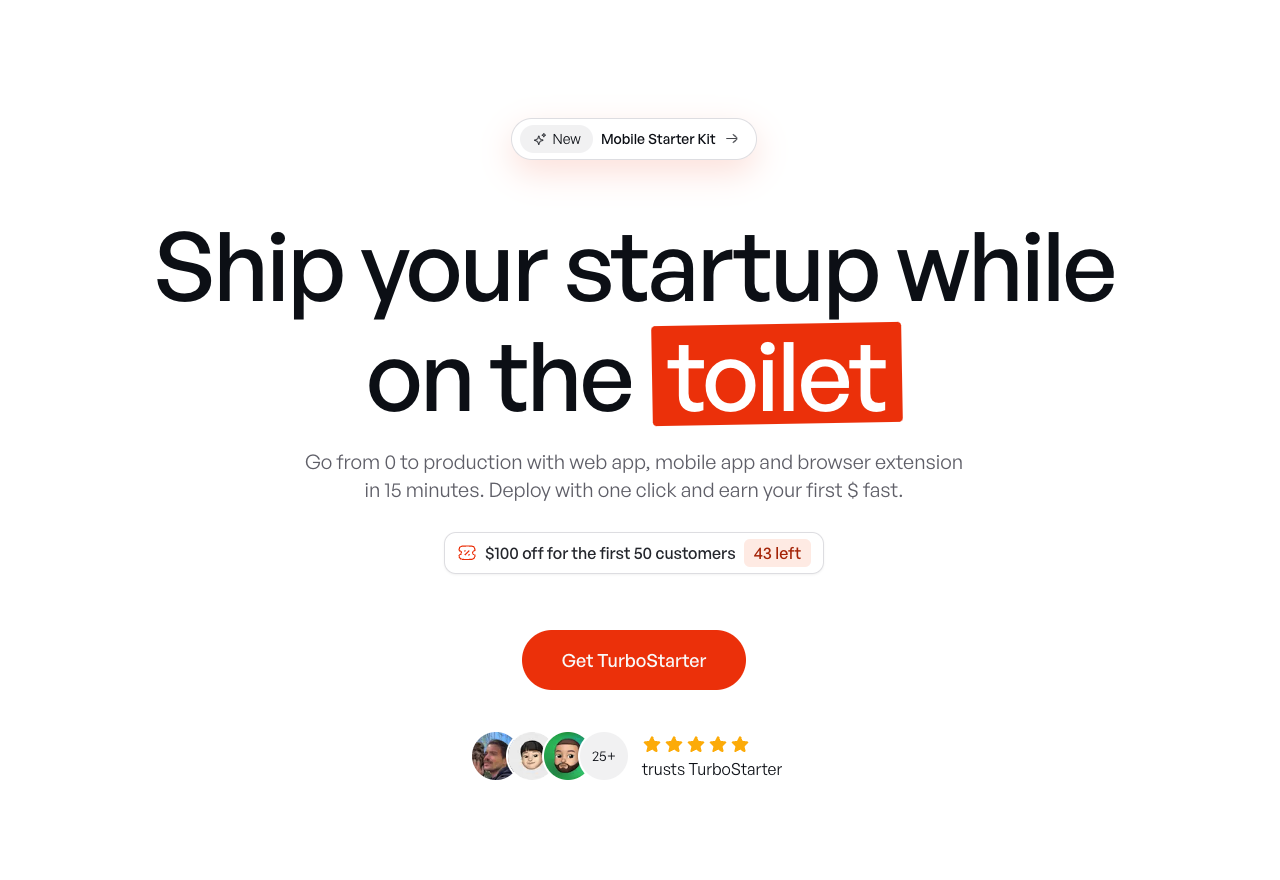
TurboStarter
Ship your startup everywhere. In minutes.
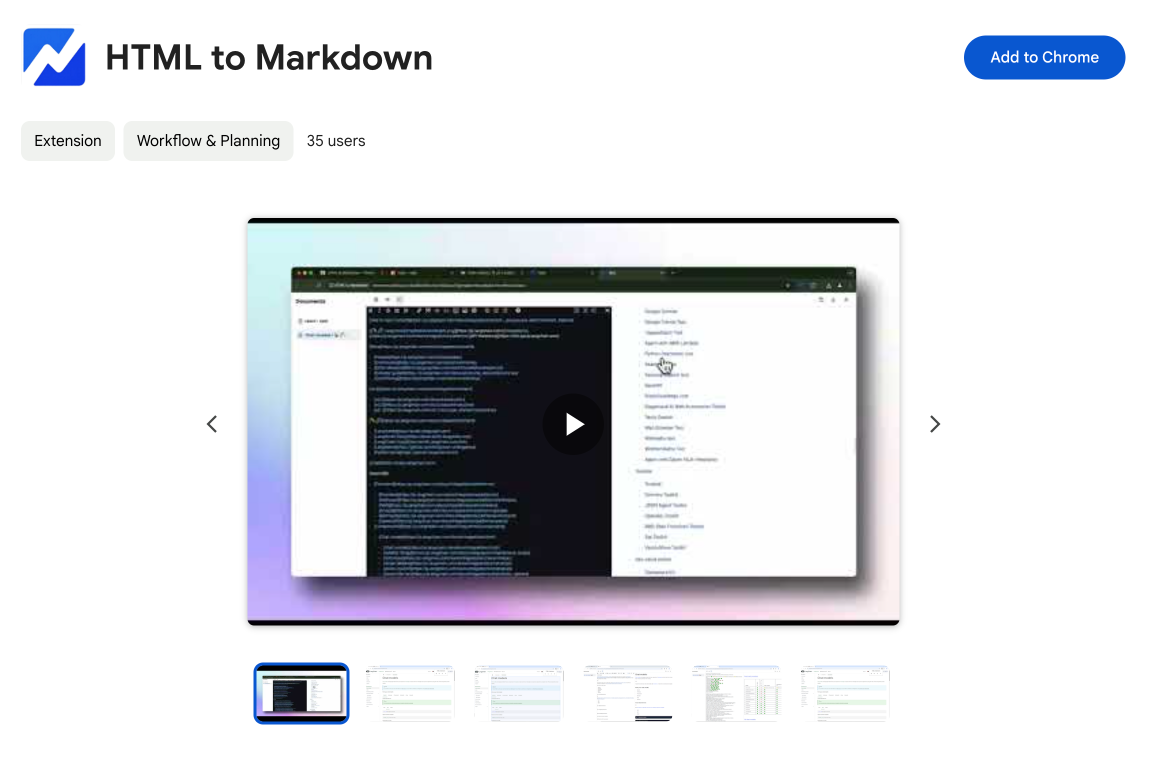
HTML to Markdown
Convert HTML to Markdown with ease, directly in your browser 📄
Dotallio
Personalized AI apps that automate research, data extraction, and content creation without code 🤖
Talk to Santa
Enjoy a magical live video chat or receive a unique AI-generated video greeting from Santa Claus 🎅
pozywka.pl
Scalable blog for food journalist, focused on performance and user experience 🌭
zagrodzki.me
Personal blog and portfolio of Bart Zagrodzki, where he shares his knowledge and work 💼
TurboStarter
Ship your startup everywhere. In minutes.
HTML to Markdown
Convert HTML to Markdown with ease, directly in your browser 📄
Dotallio
Personalized AI apps that automate research, data extraction, and content creation without code 🤖
Talk to Santa
Enjoy a magical live video chat or receive a unique AI-generated video greeting from Santa Claus 🎅
pozywka.pl
Scalable blog for food journalist, focused on performance and user experience 🌭
zagrodzki.me
Personal blog and portfolio of Bart Zagrodzki, where he shares his knowledge and work 💼
TurboStarter
Ship your startup everywhere. In minutes.
HTML to Markdown
Convert HTML to Markdown with ease, directly in your browser 📄
Dotallio
Personalized AI apps that automate research, data extraction, and content creation without code 🤖
Talk to Santa
Enjoy a magical live video chat or receive a unique AI-generated video greeting from Santa Claus 🎅
pozywka.pl
Scalable blog for food journalist, focused on performance and user experience 🌭
zagrodzki.me
Personal blog and portfolio of Bart Zagrodzki, where he shares his knowledge and work 💼
TurboStarter
Ship your startup everywhere. In minutes.
HTML to Markdown
Convert HTML to Markdown with ease, directly in your browser 📄
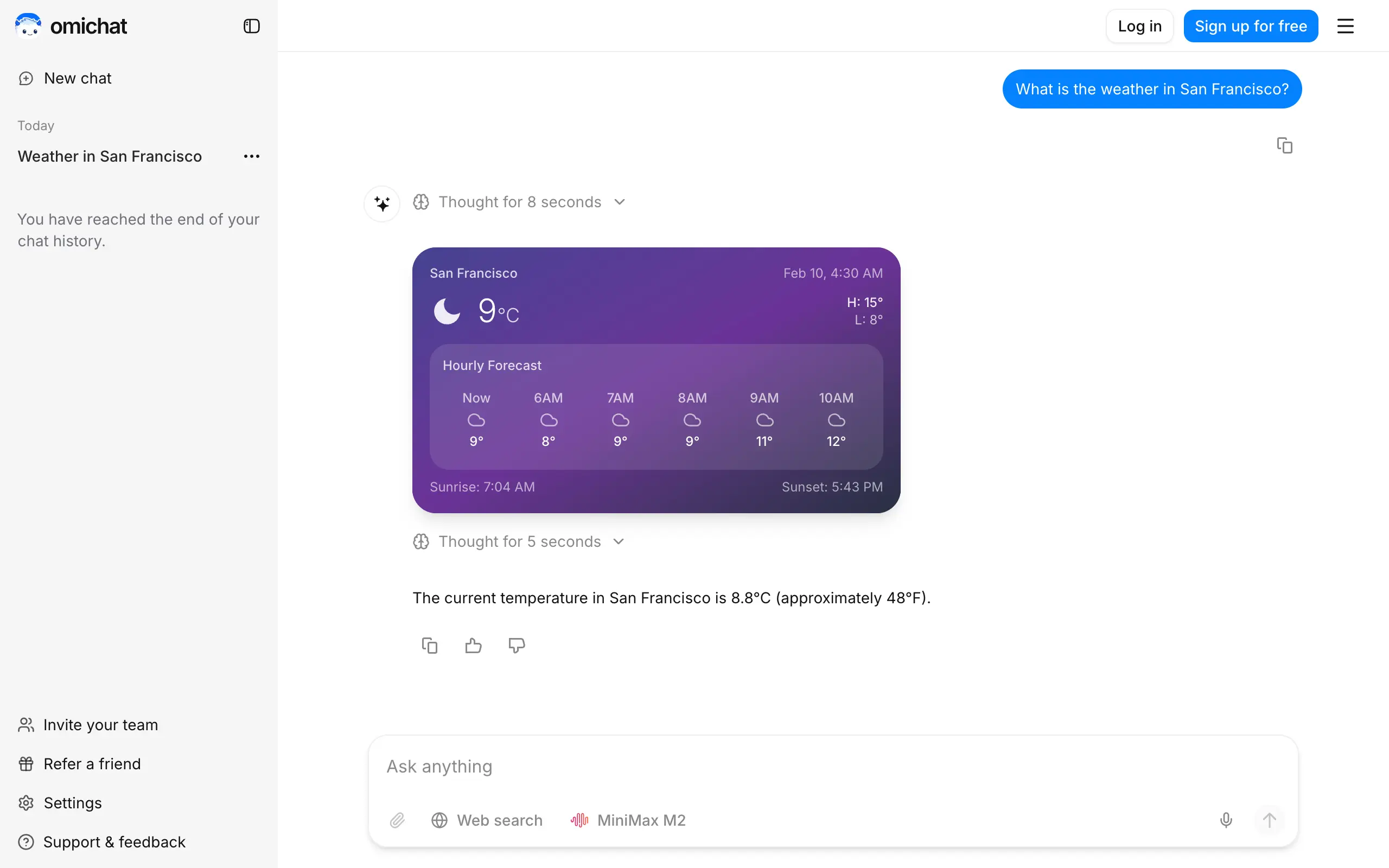
Omichat
Chat with 50+ AI models, including ChatGPT and Claude, in one place - switch models anytime without losing context 🤖
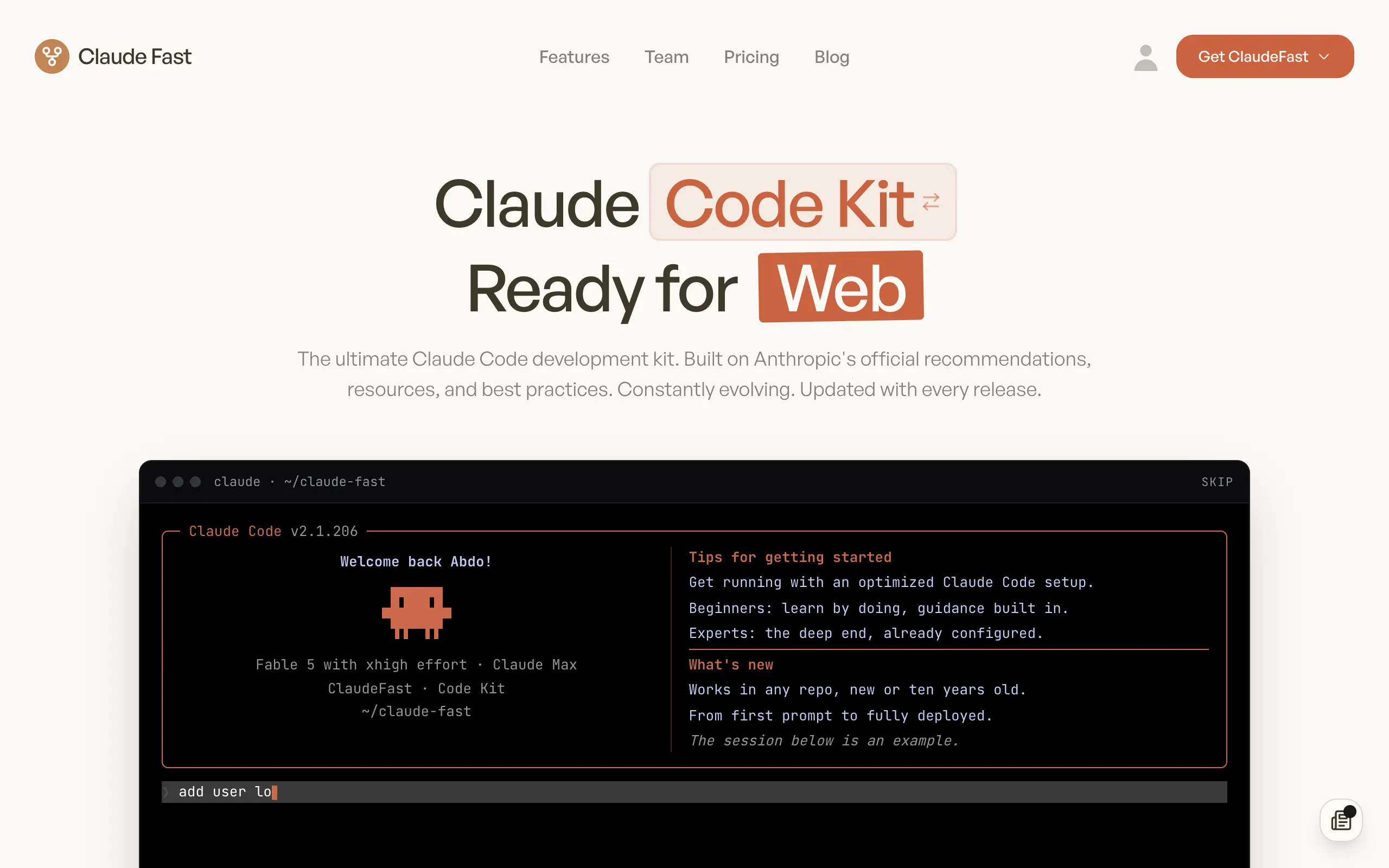
Claude Fast
Supercharge your Claude Code with 6x effective context window and specialized AI agents 🤖
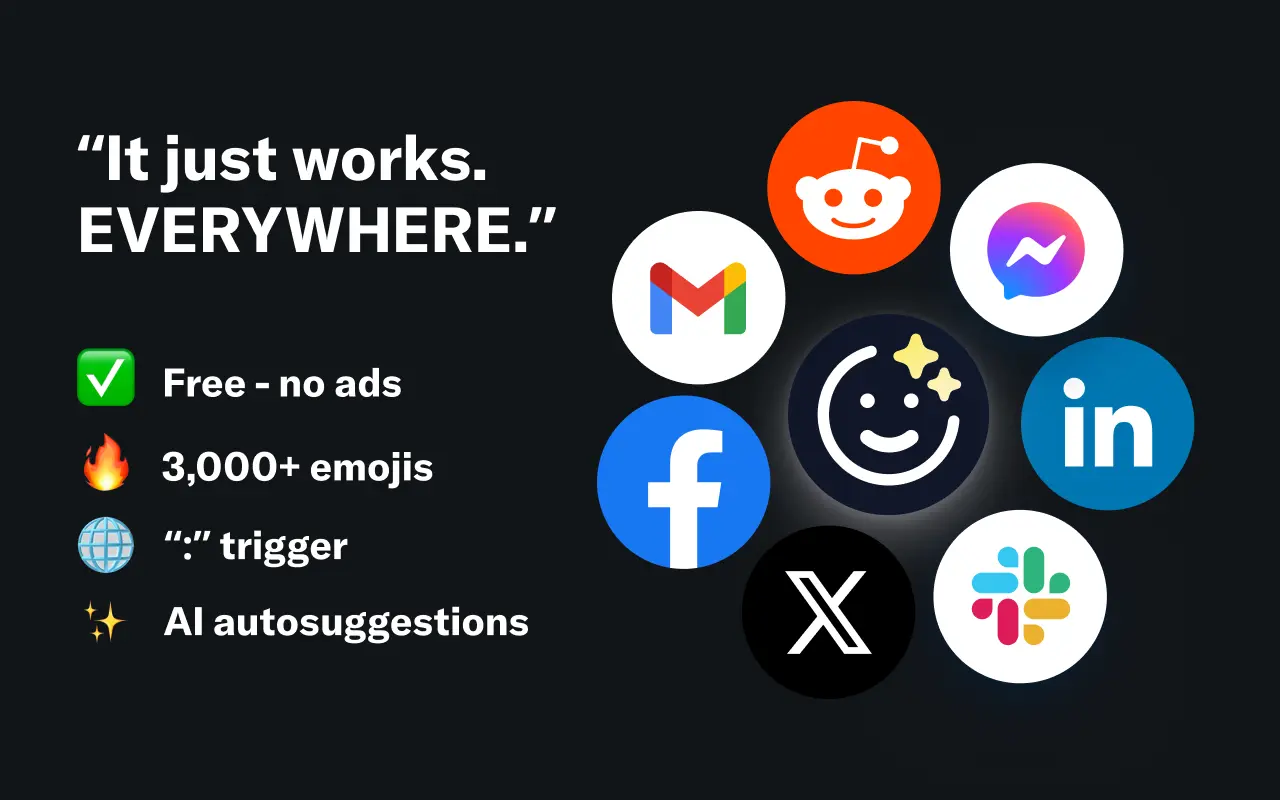
EmojAI
AI-powered emoji picker with smart, context-aware suggestions 🤖
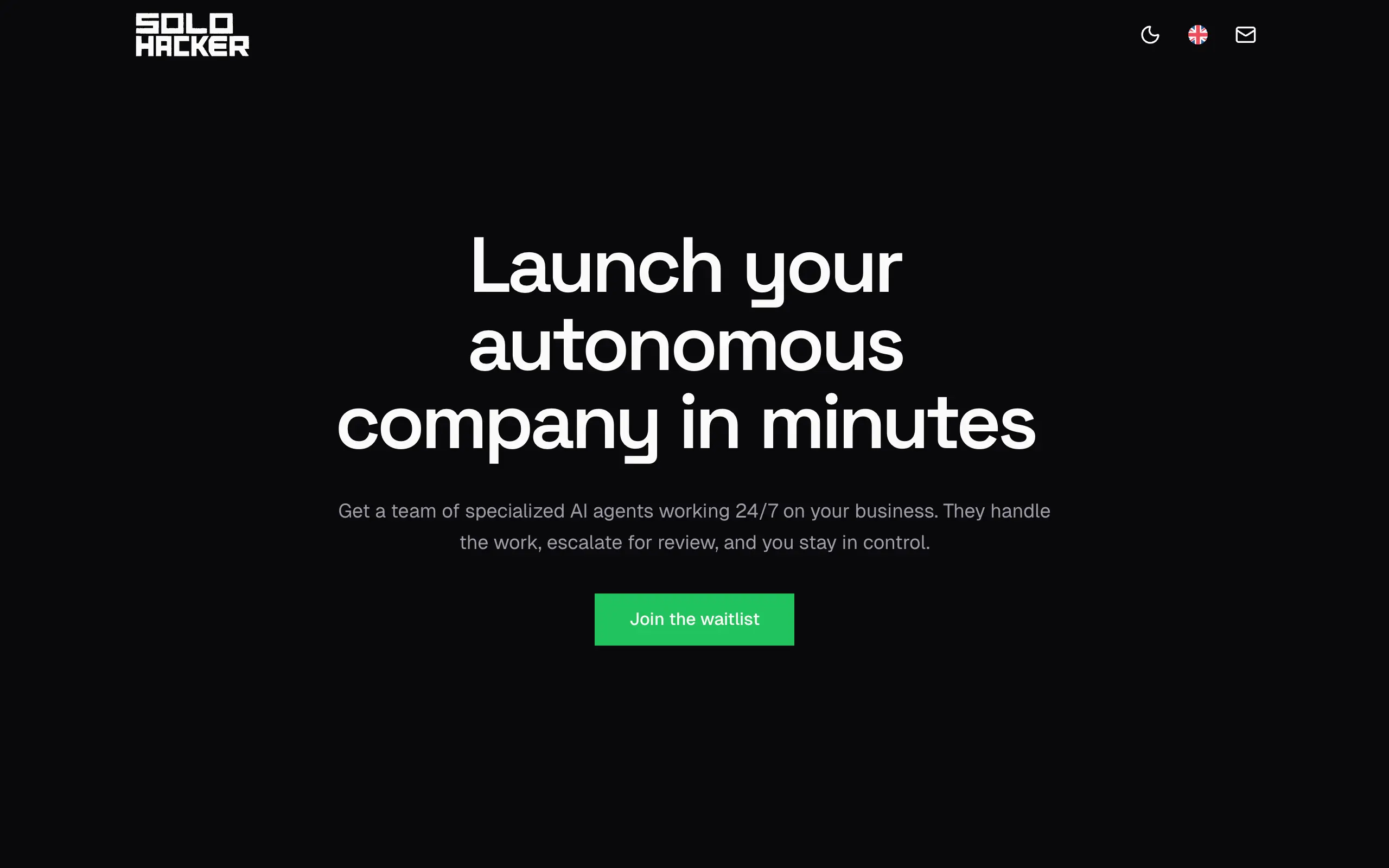
Solohacker
Autonomous company launcher - AI agents work 24/7, escalate what matters, and you stay in control 🤖

BeRawi: Storytelling Coach
Practice storytelling daily with instant feedback to sound clearer, more engaging, and confident 🎤
Omichat
Chat with 50+ AI models, including ChatGPT and Claude, in one place - switch models anytime without losing context 🤖
Claude Fast
Supercharge your Claude Code with 6x effective context window and specialized AI agents 🤖
EmojAI
AI-powered emoji picker with smart, context-aware suggestions 🤖
Solohacker
Autonomous company launcher - AI agents work 24/7, escalate what matters, and you stay in control 🤖
BeRawi: Storytelling Coach
Practice storytelling daily with instant feedback to sound clearer, more engaging, and confident 🎤
Omichat
Chat with 50+ AI models, including ChatGPT and Claude, in one place - switch models anytime without losing context 🤖
Claude Fast
Supercharge your Claude Code with 6x effective context window and specialized AI agents 🤖
EmojAI
AI-powered emoji picker with smart, context-aware suggestions 🤖
Solohacker
Autonomous company launcher - AI agents work 24/7, escalate what matters, and you stay in control 🤖
BeRawi: Storytelling Coach
Practice storytelling daily with instant feedback to sound clearer, more engaging, and confident 🎤
Omichat
Chat with 50+ AI models, including ChatGPT and Claude, in one place - switch models anytime without losing context 🤖
Claude Fast
Supercharge your Claude Code with 6x effective context window and specialized AI agents 🤖
EmojAI
AI-powered emoji picker with smart, context-aware suggestions 🤖
Solohacker
Autonomous company launcher - AI agents work 24/7, escalate what matters, and you stay in control 🤖
BeRawi: Storytelling Coach
Practice storytelling daily with instant feedback to sound clearer, more engaging, and confident 🎤

Connect with like-minded people
Join our community to get feedback, support, and grow together with 1,000+ builders on board, let's ship it!
Join usShip your startup everywhere. In minutes.
Don't burn tokens on setup and start building features on day one.