RegisKits
Efficiently onboard patients and register self-test kits through a white-labeled portal designed for healthtech startups seeking rapid deployment and data security.
Efficient digital onboarding and self-test kit registration are two of the most pressing operational challenges for modern healthtech startups. Manual registration often leads to delays, data errors, security concerns, and a fragmented patient experience. RegisKits sets out to solve these issues by offering a white-labeled portal that streamlines the onboarding process, optimizes self-test kit registration, and supports rapid deployment—all with a focus on compliance and data security. Let’s dive deep into what makes RegisKits the ideal SaaS solution for ambitious B2B healthtech organizations.
Understanding the target audience for RegisKits
Before choosing an onboarding solution, it’s crucial to identify who benefits most from a product like RegisKits. The platform is built primarily for healthtech startups—but what does that really entail, and are there additional audiences who stand to gain?
Primary user segments RegisKits targets
- Early-stage healthtech startups: Teams developing digital health platforms, telemedicine, digital therapeutics, or remote patient monitoring who need reliable infrastructure fast.
- Emerging diagnostics and test kit providers: Companies offering at-home diagnostic tests seeking HIPAA-compliant ways for patients to register kits, log results, and connect with care teams.
- Healthcare SaaS resellers & agencies: Agencies or technology consultants looking to build new branded patient flows for multiple clients without rebuilding core infrastructure.
- Medical device manufacturers: Particularly those expanding into self-administered diagnostics who need a user-friendly, branded web interface for onboarding and registration.
- Labs and clinical partners: Who offer B2B or B2B2C diagnostic solutions and require seamless patient data intake and integration.
What problems are these audiences aiming to solve?
- Reducing manual data entry & errors.
- Minimizing time-to-market, especially for MVPs launching new digital health services.
- Ensuring compliance with healthcare data regulations (HIPAA, GDPR, etc.).
- Offering a seamless, branded patient journey to increase engagement and trust.
- Integrating onboarding flows with existing EHRs, LIS, and health platforms.
Market opportunity: Why does RegisKits matter now?
Digital health and at-home diagnostics have exploded. According to a Rock Health report, U.S. digital health funding hit $15 billion in 2023 alone, with remote monitoring and at-home testing comprising a significant share. Startups face mounting competitive pressure to launch seamlessly, securely, and quickly. That translates to urgent demand for specialized infrastructure solutions that don’t require reinventing the wheel.
Gaps in current B2B onboarding and self-test registration solutions
While generic onboarding tools and generic form builders exist, few solutions address:
- Security and regulatory specifics of health data intake (HIPAA, GDPR, country-specific protocols).
- Brand customization (white-labeling) for startups who want patients to trust their brand—not a third party.
- Integrated test kit registration—most onboarding portals don’t directly accommodate medical device or lab kit flow requirements.
- Rapid deployability without heavy, ongoing developer intervention.
- Robust analytics and export features tailored for healthtech priorities.
Industry insight
Self-test kit registration isn’t just a technical step. Accelerating this process improves patient engagement and adherence, optimizing outcomes and supporting better public health monitoring.
Core RegisKits features and solution architecture
The strength of RegisKits lies in the intersection of usability, security, and adaptability. Let’s break down the core modules and functionalities that define its value proposition.
White-labeled onboarding portal
- Custom branding: Startups can fully configure logos, color schemes, and digital assets for a seamless, non-generic experience.
- Multi-language support: Crucial for startups expanding globally or serving diverse patient populations.
- Responsive, user-centric UI: Ensures a smooth experience across devices—mobile, tablet, or desktop.
Self-test kit registration system
- QR code / barcode scanning support: Patients register their kits instantly by scanning codes, minimizing manual input and errors.
- Integrated ID verification: Optional two-factor authentication or ID checks for regulatory compliance where required.
- Automated data validation: Inbuilt checks flag invalid entries before they reach downstream systems.
Security, compliance, and data privacy
- End-to-end encryption: All PHI (protected health information) and personal data transit over secure, encrypted channels.
- Role-based access controls: Fine-tuned permissions for clinical staff, regulators, patients, and partner labs.
- Regulatory compliance management: Preconfigured workflows and data storage compliant with HIPAA, GDPR, and other key frameworks.
Rapid setup & integration
- No-code / low-code deployment: Healthtech teams can launch a branded workflow without deep technical know-how.
- API and webhook support: Enables easy data sync and integration with EHRs, Laboratory Information Systems, or analytics dashboards.
- Prebuilt analytics: Real-time insights into onboarding conversion rates, registration errors, and patient engagement metrics.
Administration dashboard
- Bulk user & kit management: For support teams or clinical coordinators.
- Activity logs & audit trails: To support regulatory readiness and incident investigation.
- Export tools: Export data in standard healthcare formats (FHIR, HL7, CSV).
Feature comparison: RegisKits vs. generic onboarding tools
How does RegisKits measure up against common alternatives? Here’s a comparison to clarify the unique value:
| Specialized for Healthcare | White-label Branding | Self-test Kit Registration | Rapid Setup (No-code/Low-code) | Regulatory Compliance |
|---|---|---|---|---|
| ✅ | ❌ | ❌ | ✅ | ❌ |
| ✅ | ❌ | ✅ | ✅ | ❌ |
Only RegisKits reliably delivers all five axes, specifically customized for the healthcare B2B SaaS market.
Analyzing key industry trends and innovation drivers
Recent advances in digital health, patient-centric care, and privacy legislation are shaping requirements for onboarding and registration solutions:
- Growth in at-home diagnostics and decentralized trials: Patients increasingly expect kits and registration to “just work”—any delay leads to drop-off.
- Tighter data laws and penalties: Non-compliance is becoming existentially risky; startups need out-of-the-box, audit-ready options from day one.
- Democratization of branding: Startups want a strong brand presence throughout the patient journey, refusing to let generic portals erode their identity.
- API-first architectures: Both EHRs and LIS providers are opening their systems, fueling demand for highly integrable SaaS modules.
- Rise of rapid prototyping and MVP launches: Healthtech startups need infrastructure that grows with them, not platforms that force a major rewrite six months in.
Don’t overlook compliance
Choosing a non-specialized onboarding tool can put your company at risk for regulatory violations, which can lead to heavy fines and loss of customer trust.
Recommended tech stack for RegisKits
Selecting technology that’s secure, customizable, and scalable is essential. Here’s a modern stack for B2B health SaaS—and the tradeoffs at each layer.
Frontend technologies
- React: Dominates as the library of choice for building interactive, component-driven UIs. Its ecosystem supports rapid iteration and robust testing.
- Next.js: Adds production-grade server-side rendering and static site optimization with seamless API integration for React apps.
- TailwindCSS: Enables teams to iterate on design and branding quickly via a utility-first approach.
Tradeoff: React has more learning resources than emergent frameworks like Svelte, and enjoys deeper integrations with healthcare analytics and form libraries.
Backend and middleware
- Node.js: Handles high-concurrency workloads, suited for API handling and custom business logic.
- Express.js or Fastify: For building RESTful endpoints between the portal and other healthcare systems.
- TypeScript: Ensures type safety and reduces production bugs in sensitive healthcare contexts.
Tradeoff: Node.js offers community-tested HIPAA practices, though Java/Spring Boot is occasionally favored for very large health enterprise integrations.
Database & data security
- PostgreSQL: Battle-tested, ACID-compliant relational database—handles sensitive patient and registration data with native encryption extensions.
- MongoDB: For faster prototyping and schemaless kit log storage, but only if security extensions are fully configured.
- Redis: For caching non-personal data and optimizing API performance.
Tradeoff: While some startups consider Firebase for simplicity, compliance with healthcare regulatory requirements is often smoother on self-hosted, VPC-based PostgreSQL setups.
Additional technologies
- Docker: Containers for isolated, repeatable deployments.
- Kubernetes or managed container orchestration: Promotes scalability, especially under rapid patient onboarding spikes.
- OAuth2 / OpenID Connect: Industry standard for secure identity and SSO integration.
Monetization strategies for RegisKits
How can RegisKits generate reliable, scalable B2B SaaS revenue while offering value at different stages of client growth? Here are several viable options:
Subscription tiers
- Startup plan: Entry-level SaaS subscription for MVPs/early-stage teams (limited branding/customization).
- Growth plan: Adds advanced kit registration, analytics, and integrations.
- Enterprise plan: Full regulatory compliance, audit logs, priority SLA/white-glove onboarding.
Usage-based pricing
- Per onboarded patient/kit: Highly scalable for startups, discourages “shelfware,” and aligns cost with patient volume.
- API call overages: Allows for predictable baseline costs with expansion revenue for high-traffic startups.
Additional channels
- White-label setup fee: For deep branding customization.
- Professional services: Revenue from implementation or regulatory compliance consulting.
- Marketplace plugins: Monetize third-party integrations or compliance modules.
Most successful SaaS in healthcare pursue a mix of recurring and usage-based pricing to align incentives and maintain predictable MRR (monthly recurring revenue).
Potential risks and mitigation plans
Launching and scaling a health SaaS targeting onboarding and self-test kit registration involves unique risks. Here’s a summary and how RegisKits can proactively address them.
Mitigation: Invest in ongoing HIPAA, GDPR, and local regulatory audits. Use compliance toolkits and regularly updated legal templates. Maintain clear data retention, consent, and breach reporting policies.
Mitigation: Prioritize user experience, accessibility (WCAG compatibility), and multi-language options. Regularly A/B test patient-facing flows and reduce unnecessary registration friction.
Mitigation: Offer robust API docs, sandbox environments, and plug-and-play connectors for major EHRs/LIS. Provide sample code for common use cases and dedicated integration support.
Mitigation: Ensure end-to-end white-labeling (including on transactional emails/SMS). Maintain strict incident response protocols and transparent communications if issues arise.
Mitigation: Use redundant infrastructure (multi-region deployments), regular failover drills, and transparent SLAs for uptime and support.
RegisKits’ competitive advantage: What sets it apart?
In a crowded digital health landscape, RegisKits’ sharp focus on the intersection of speed, security, and customization makes it an indispensable asset for healthtech startups.
Unique selling propositions (USPs)
- Purpose-built for health startups: Not a generic form tool—every workflow is engineered around regulatory and patient journey nuances.
- White-label from day one: No compromises on branding; your users see only your name and design.
- API-first, integration-friendly: Built to fit into existing digital health infrastructure, not force teams to rip and replace.
- Simple deployment, serious compliance: Even teams without full-stack engineering capacity can deliver audit-grade security.
- Analytics that matter: Live dashboards tracking onboarding funnel conversion, registration completion, and drop-off—metrics that drive clinical and growth outcomes.
Faster go-to-market
Launch branded, HIPAA-compliant onboarding and registration in days, not months.
End-to-end compliance
Proven safeguards against regulatory risk, ready for audits from day one.
Patient trust at every step
A seamless, branded interface builds loyalty and increases test kit engagement.
Implementation steps: How to launch RegisKits in your stack
Getting started with RegisKits is straightforward, whether you’re piloting with 100 patients or scaling to 100,000.
Define your patient journey: Map each touchpoint—onboarding triggers, kit registration, notifications, and support—so that RegisKits can mirror your clinical workflows.
Customize your portal: Use the admin dashboard to upload brand assets, configure language/localization, and set data fields for intake forms.
Integrate with core health systems: Securely connect your EHR, LIS, or other platforms using RegisKits’ documented APIs and webhooks.
Set access controls and compliance flags: Assign role-based permissions, configure regulatory mode (HIPAA/GDPR), and review consent flows.
Pilot, analyze, and iterate: Conduct a limited rollout. Monitor analytics and patient feedback, then tune onboarding and registration flows for optimal engagement.
Conclusion: Forging the next wave of digital health onboarding
RegisKits positions itself as the specialist white-labeled portal for patient onboarding and self-test kit registration—a space underserved by generic SaaS alternatives. For healthtech startups racing to market, its rapid implementation, uncompromising security, and deep brand customization form a compelling foundation. The future of digital health will belong to startups that blend speed, trust, and regulatory excellence—and RegisKits delivers that with clarity.
For teams seeking an even faster technical start, TurboStarter can help lay the developer foundation and integrate RegisKits seamlessly with modern SaaS best practices.
By investing in expert solutions like RegisKits, modern healthtech startups can transform onboarding and self-test experience from a hurdle into a competitive advantage—empowering better patient outcomes and stronger business growth.
More 🏢 B2B Application SaaS ideas
Discover more innovative b2b application SaaS ideas that are trending in 2026. Each idea is AI-generated with market validation and growth potential to help you find your next profitable venture faster than competitors.
Your competitors are building with TurboStarter
Below are some of the SaaS ideas that have been generated and built with our starter kit.
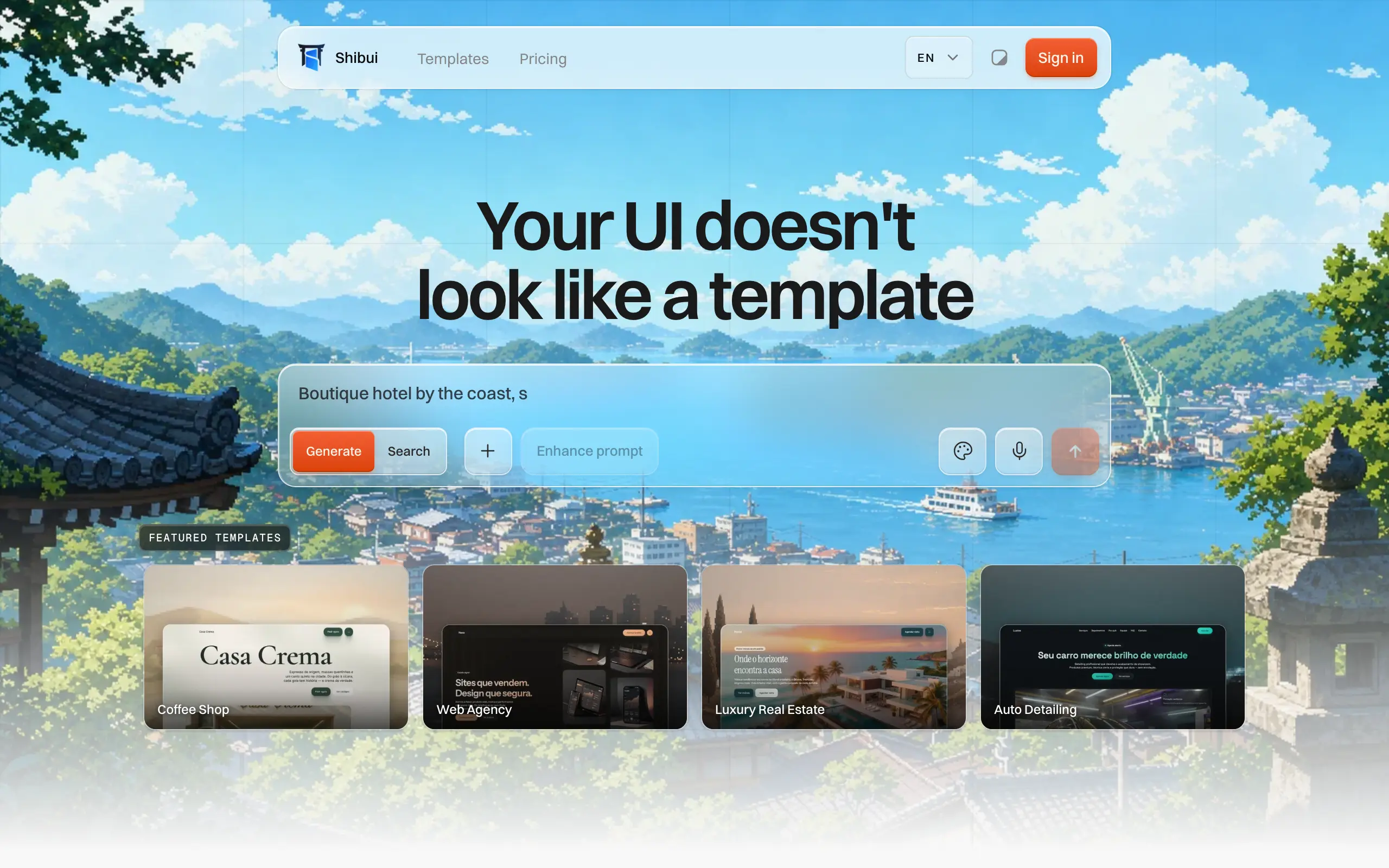
Shibui
AI website builder - describe your business, pick a niche template, edit by chatting, and publish instantly ✨

Pro Service
Find verified home service professionals, compare quotes, and pay securely through escrow - built for Brazilians across the US 🏠
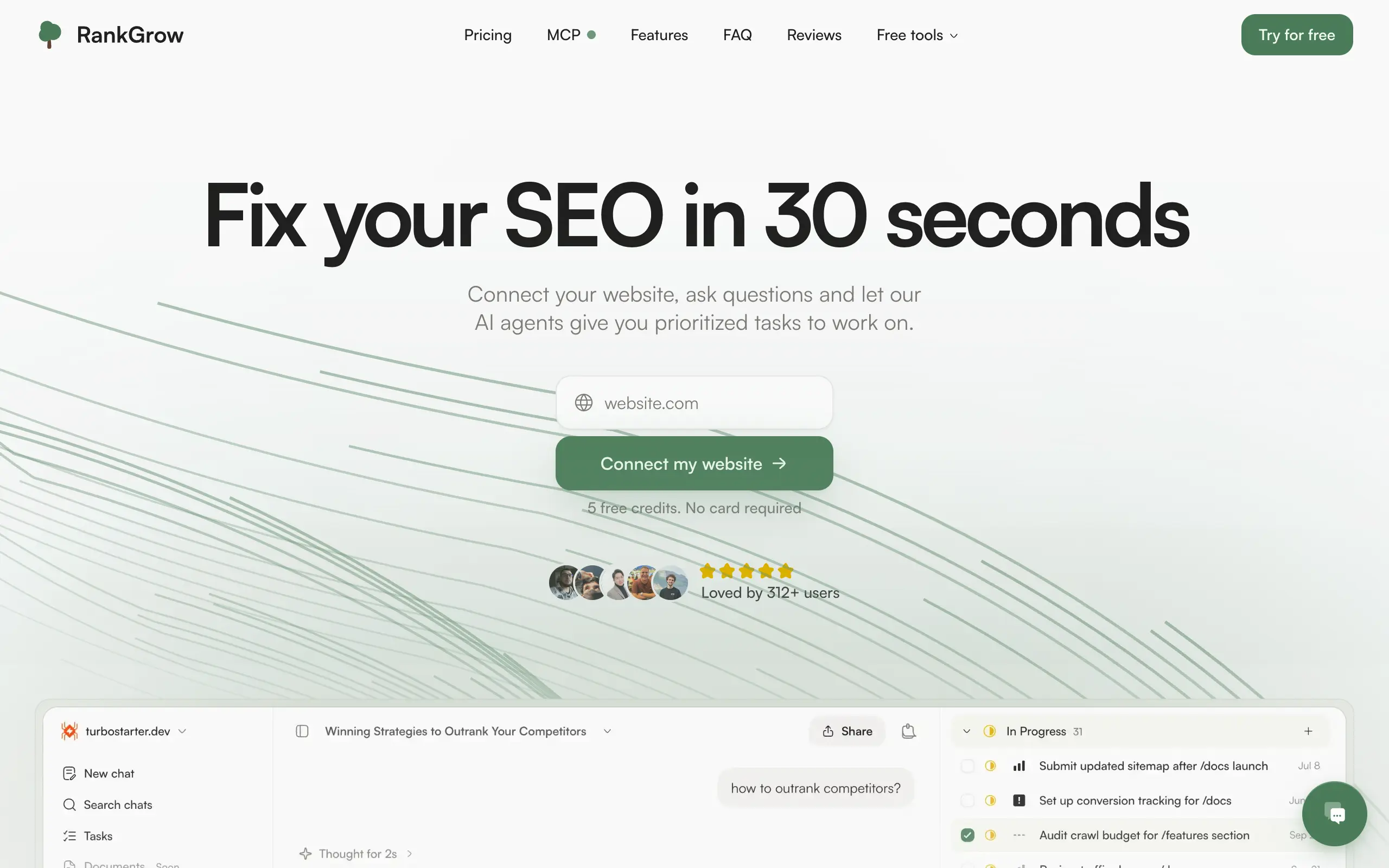
RankGrow
Fix your SEO with AI agents - connect Search Console, get prioritized tasks, and grow organic traffic 📈
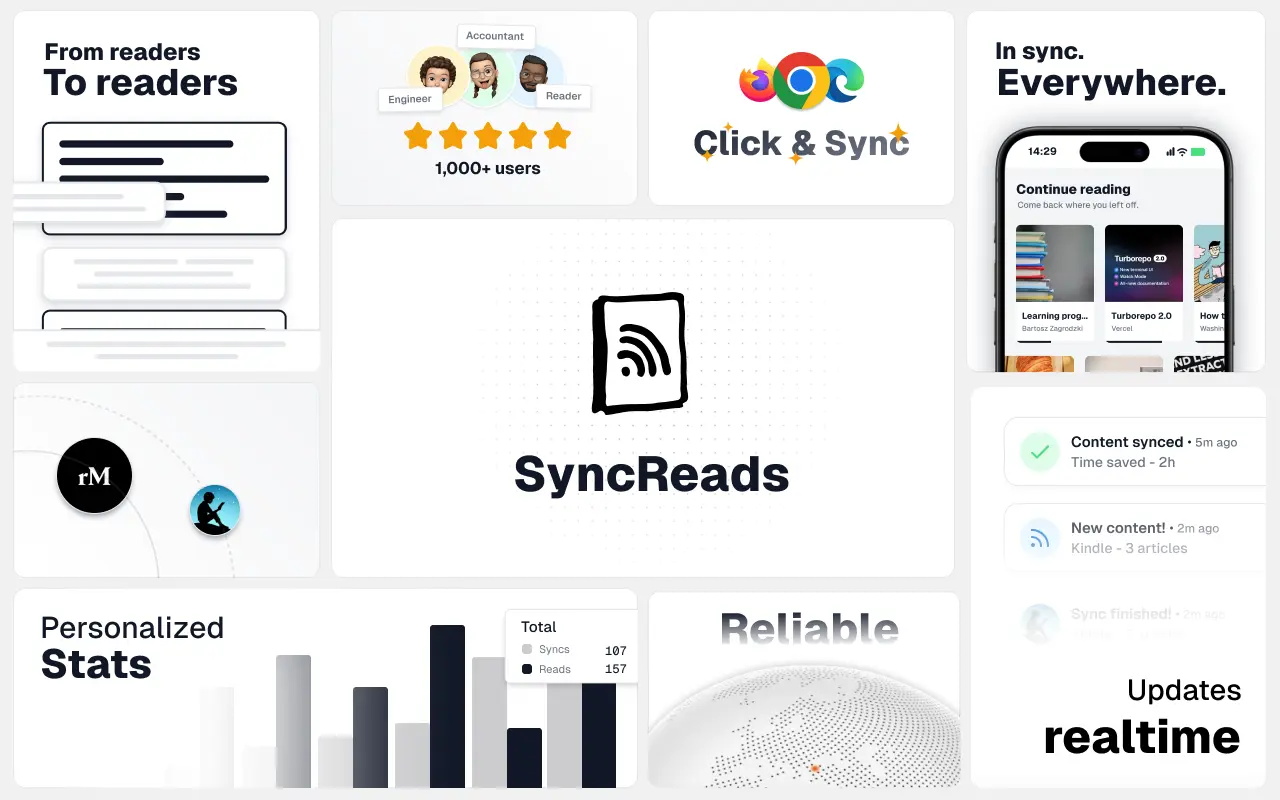
SyncReads
Sync your favorite content for distraction-free reading, save time and replace multiple apps. Anytime, anywhere 🔄
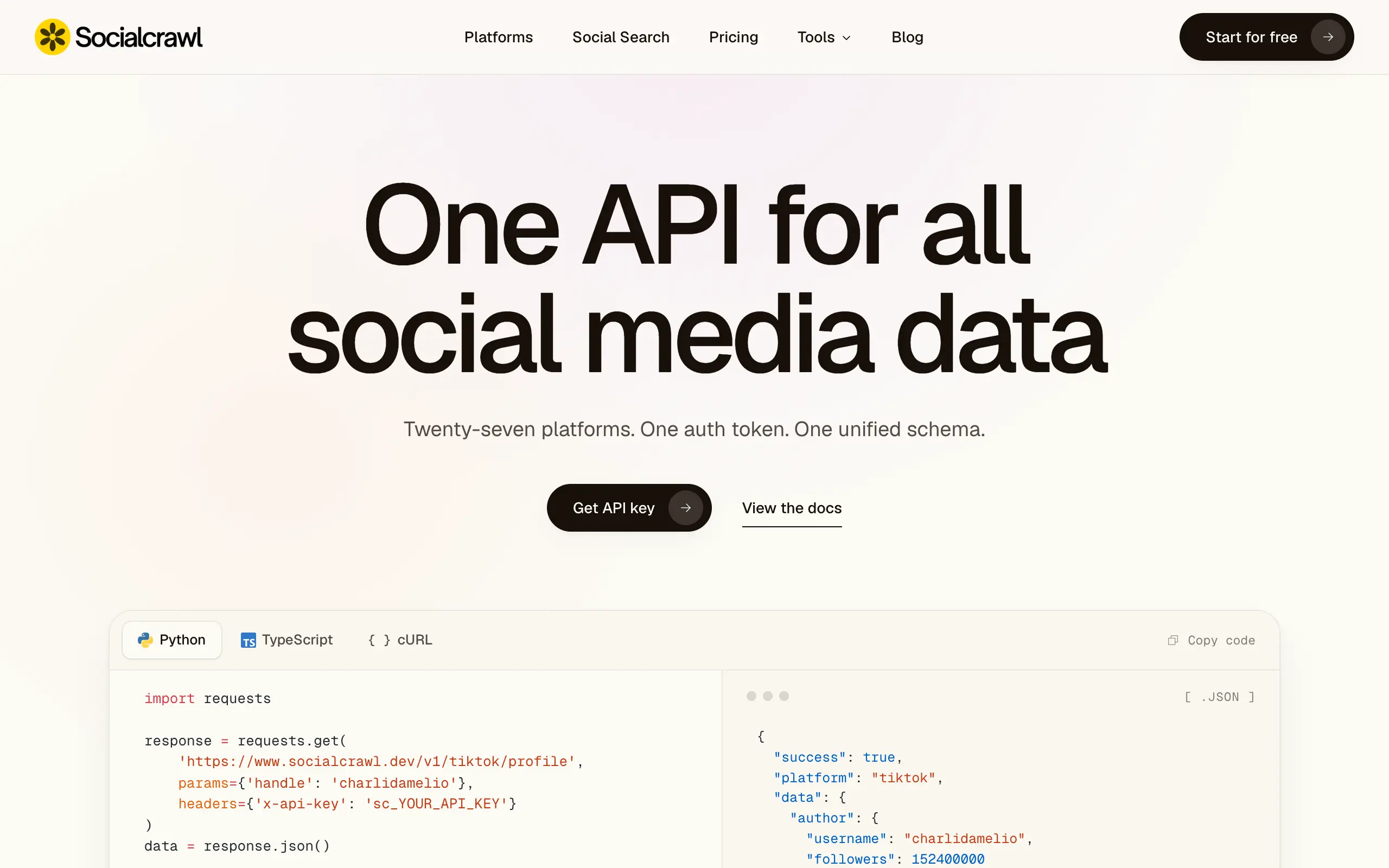
Socialcrawl
Get clean, structured data from 21 platforms like TikTok, Instagram, and YouTube with a single request 📊
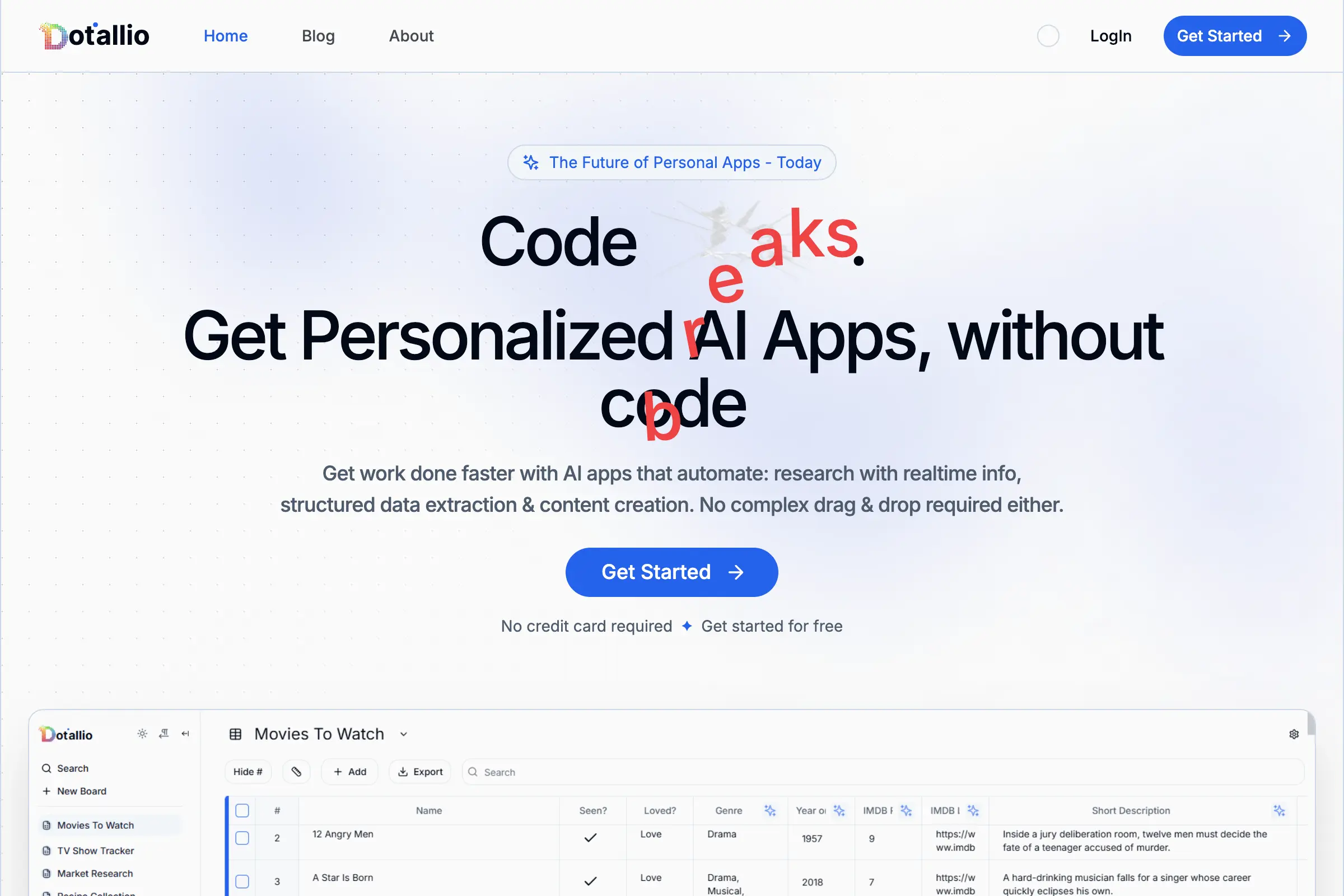
Dotallio
Personalized AI apps that automate research, data extraction, and content creation without code 🤖
Shibui
AI website builder - describe your business, pick a niche template, edit by chatting, and publish instantly ✨
Pro Service
Find verified home service professionals, compare quotes, and pay securely through escrow - built for Brazilians across the US 🏠
RankGrow
Fix your SEO with AI agents - connect Search Console, get prioritized tasks, and grow organic traffic 📈
SyncReads
Sync your favorite content for distraction-free reading, save time and replace multiple apps. Anytime, anywhere 🔄
Socialcrawl
Get clean, structured data from 21 platforms like TikTok, Instagram, and YouTube with a single request 📊
Dotallio
Personalized AI apps that automate research, data extraction, and content creation without code 🤖
Shibui
AI website builder - describe your business, pick a niche template, edit by chatting, and publish instantly ✨
Pro Service
Find verified home service professionals, compare quotes, and pay securely through escrow - built for Brazilians across the US 🏠
RankGrow
Fix your SEO with AI agents - connect Search Console, get prioritized tasks, and grow organic traffic 📈
SyncReads
Sync your favorite content for distraction-free reading, save time and replace multiple apps. Anytime, anywhere 🔄
Socialcrawl
Get clean, structured data from 21 platforms like TikTok, Instagram, and YouTube with a single request 📊
Dotallio
Personalized AI apps that automate research, data extraction, and content creation without code 🤖
Shibui
AI website builder - describe your business, pick a niche template, edit by chatting, and publish instantly ✨
Pro Service
Find verified home service professionals, compare quotes, and pay securely through escrow - built for Brazilians across the US 🏠
RankGrow
Fix your SEO with AI agents - connect Search Console, get prioritized tasks, and grow organic traffic 📈
SyncReads
Sync your favorite content for distraction-free reading, save time and replace multiple apps. Anytime, anywhere 🔄
Socialcrawl
Get clean, structured data from 21 platforms like TikTok, Instagram, and YouTube with a single request 📊
Dotallio
Personalized AI apps that automate research, data extraction, and content creation without code 🤖
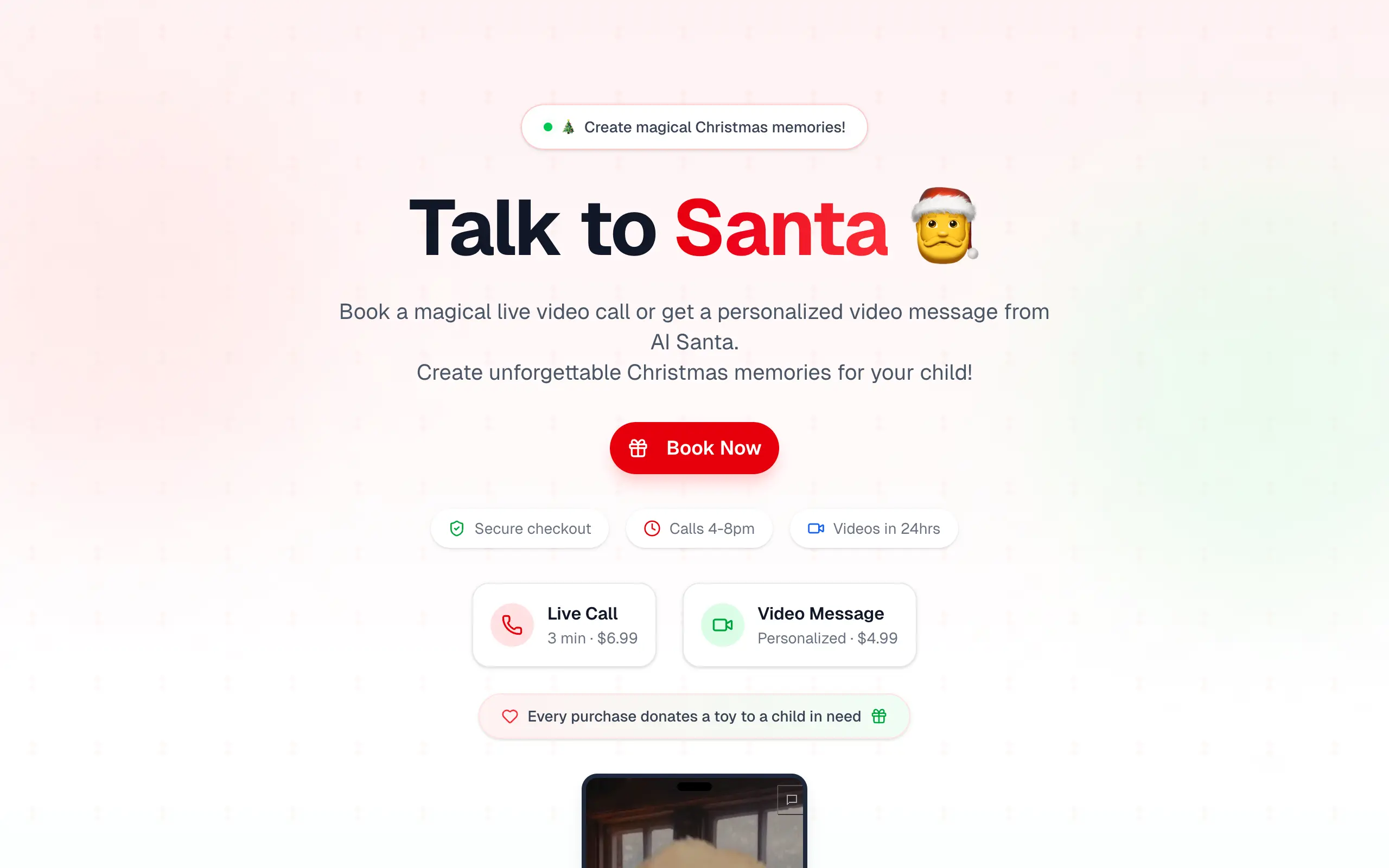
Talk to Santa
Enjoy a magical live video chat or receive a unique AI-generated video greeting from Santa Claus 🎅
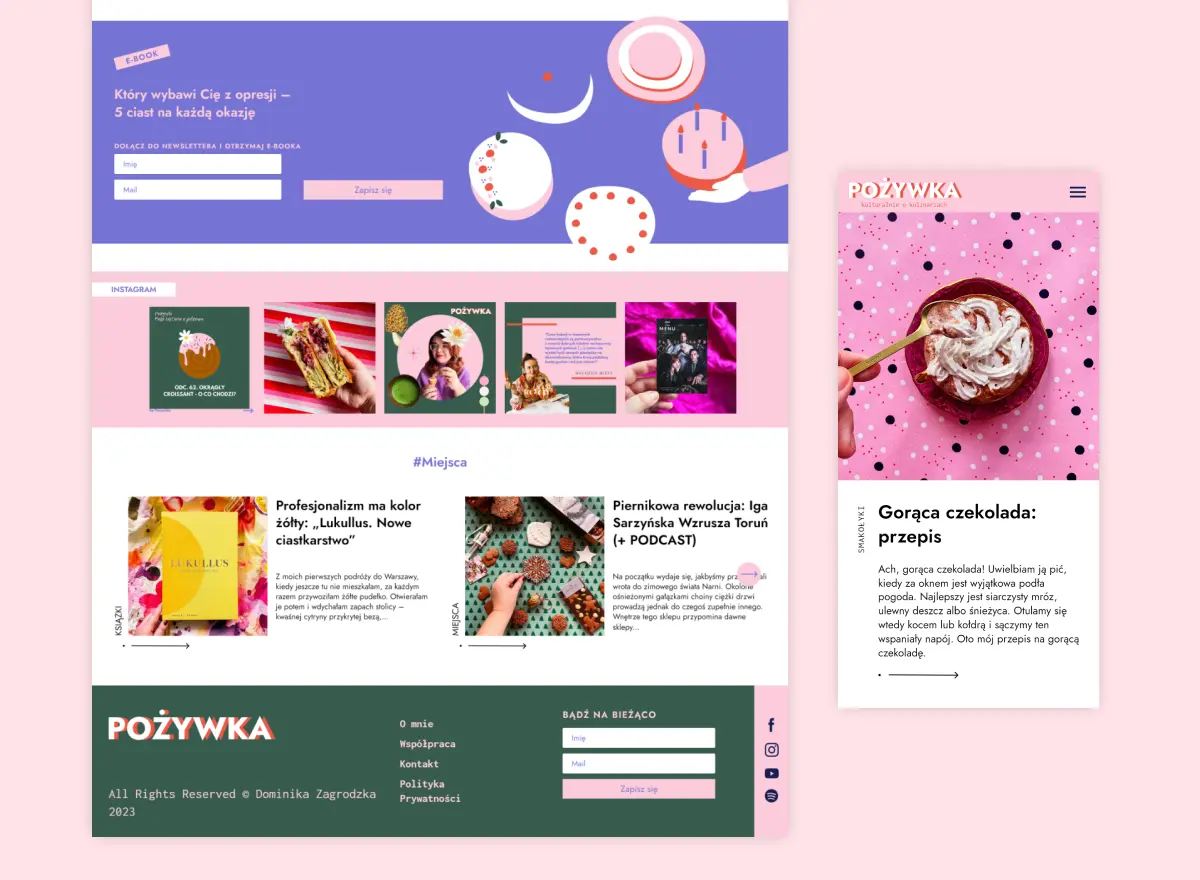
pozywka.pl
Scalable blog for food journalist, focused on performance and user experience 🌭
zagrodzki.me
Personal blog and portfolio of Bart Zagrodzki, where he shares his knowledge and work 💼
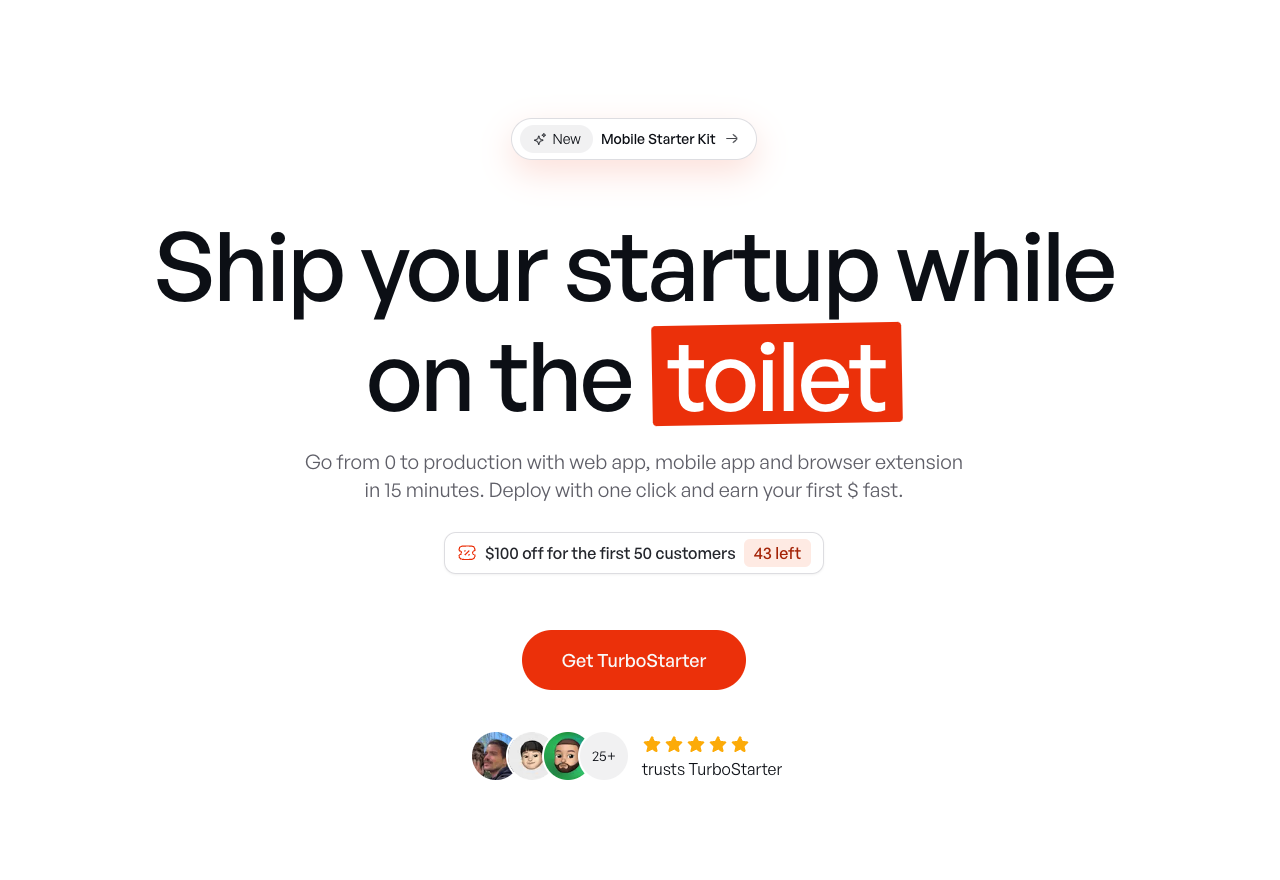
TurboStarter
Ship your startup everywhere. In minutes.
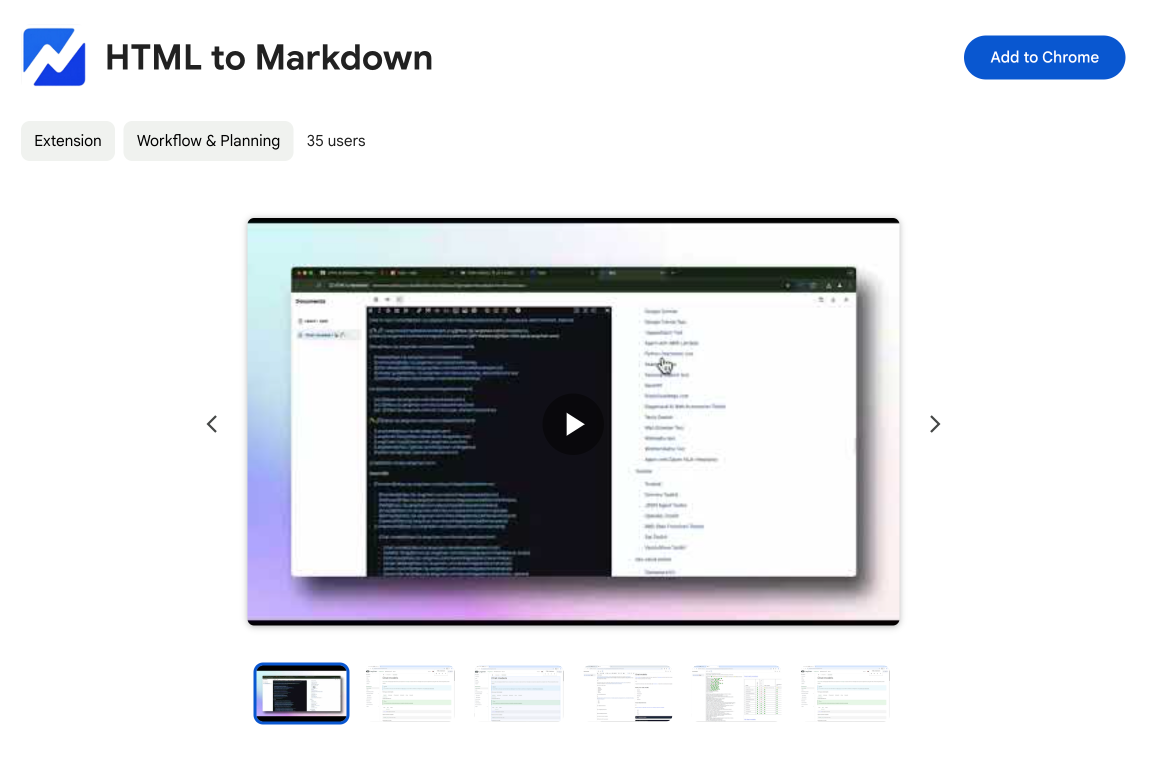
HTML to Markdown
Convert HTML to Markdown with ease, directly in your browser 📄
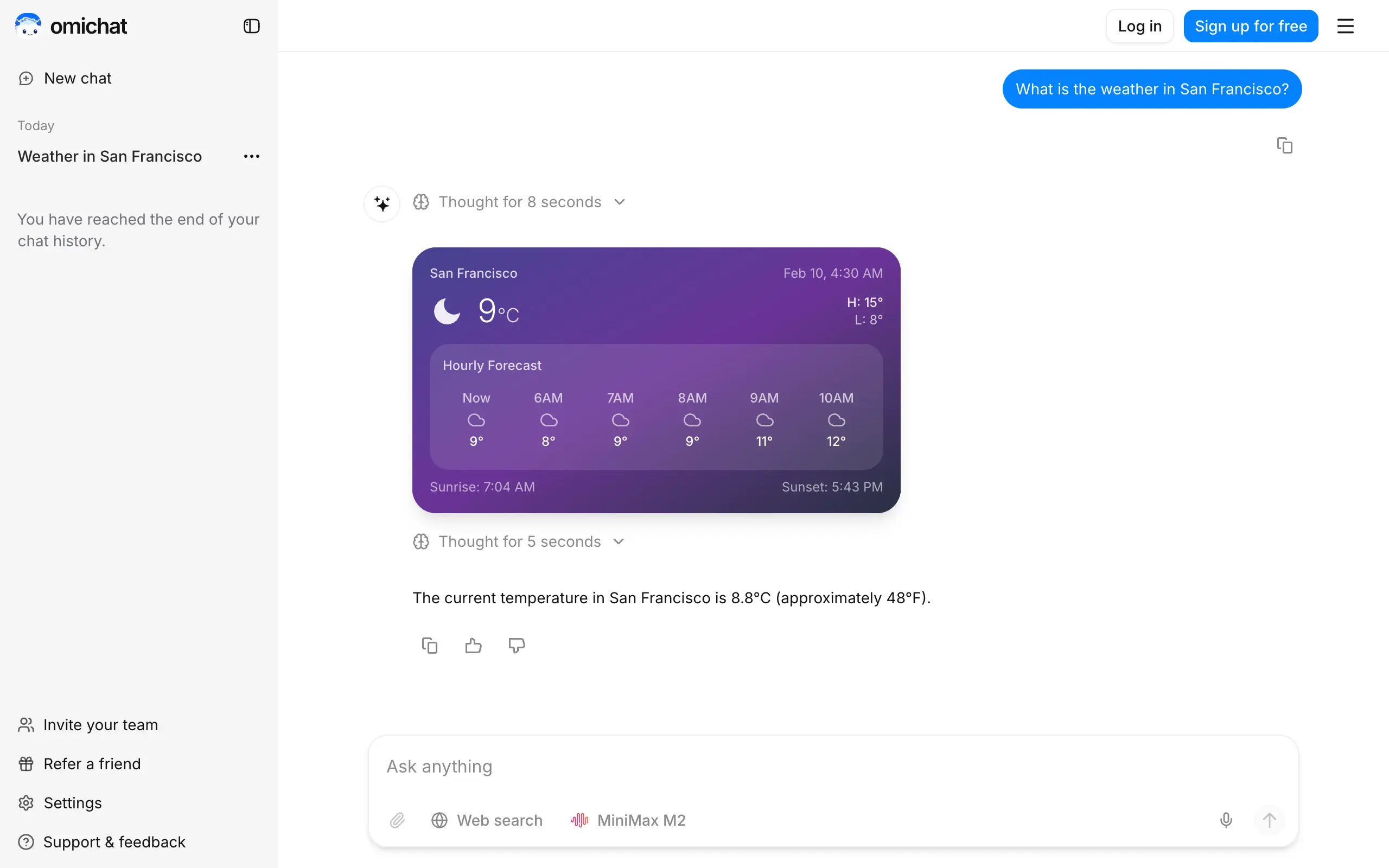
Omichat
Chat with 50+ AI models, including ChatGPT and Claude, in one place - switch models anytime without losing context 🤖
Talk to Santa
Enjoy a magical live video chat or receive a unique AI-generated video greeting from Santa Claus 🎅
pozywka.pl
Scalable blog for food journalist, focused on performance and user experience 🌭
zagrodzki.me
Personal blog and portfolio of Bart Zagrodzki, where he shares his knowledge and work 💼
TurboStarter
Ship your startup everywhere. In minutes.
HTML to Markdown
Convert HTML to Markdown with ease, directly in your browser 📄
Omichat
Chat with 50+ AI models, including ChatGPT and Claude, in one place - switch models anytime without losing context 🤖
Talk to Santa
Enjoy a magical live video chat or receive a unique AI-generated video greeting from Santa Claus 🎅
pozywka.pl
Scalable blog for food journalist, focused on performance and user experience 🌭
zagrodzki.me
Personal blog and portfolio of Bart Zagrodzki, where he shares his knowledge and work 💼
TurboStarter
Ship your startup everywhere. In minutes.
HTML to Markdown
Convert HTML to Markdown with ease, directly in your browser 📄
Omichat
Chat with 50+ AI models, including ChatGPT and Claude, in one place - switch models anytime without losing context 🤖
Talk to Santa
Enjoy a magical live video chat or receive a unique AI-generated video greeting from Santa Claus 🎅
pozywka.pl
Scalable blog for food journalist, focused on performance and user experience 🌭
zagrodzki.me
Personal blog and portfolio of Bart Zagrodzki, where he shares his knowledge and work 💼
TurboStarter
Ship your startup everywhere. In minutes.
HTML to Markdown
Convert HTML to Markdown with ease, directly in your browser 📄
Omichat
Chat with 50+ AI models, including ChatGPT and Claude, in one place - switch models anytime without losing context 🤖
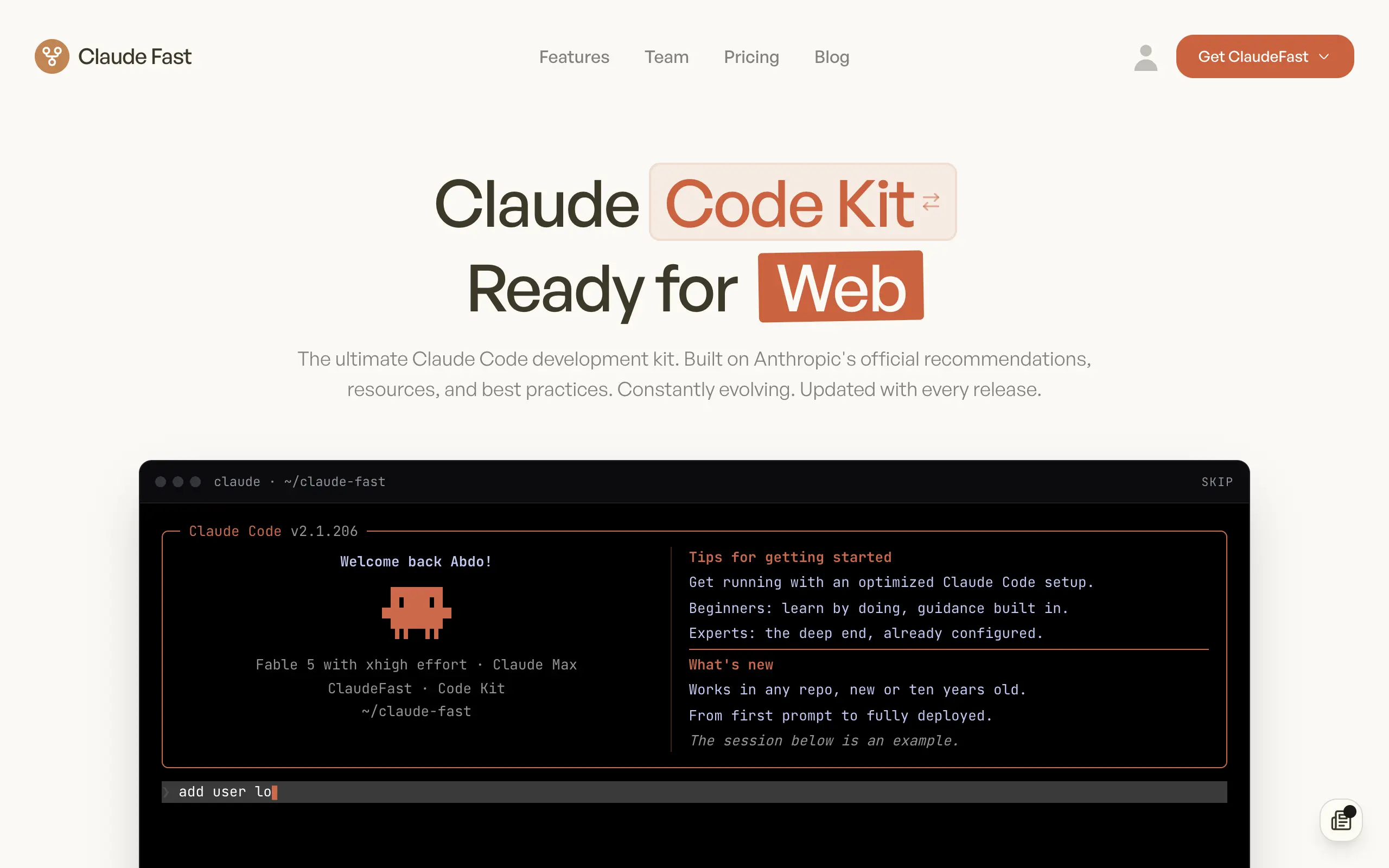
Claude Fast
Supercharge your Claude Code with 6x effective context window and specialized AI agents 🤖
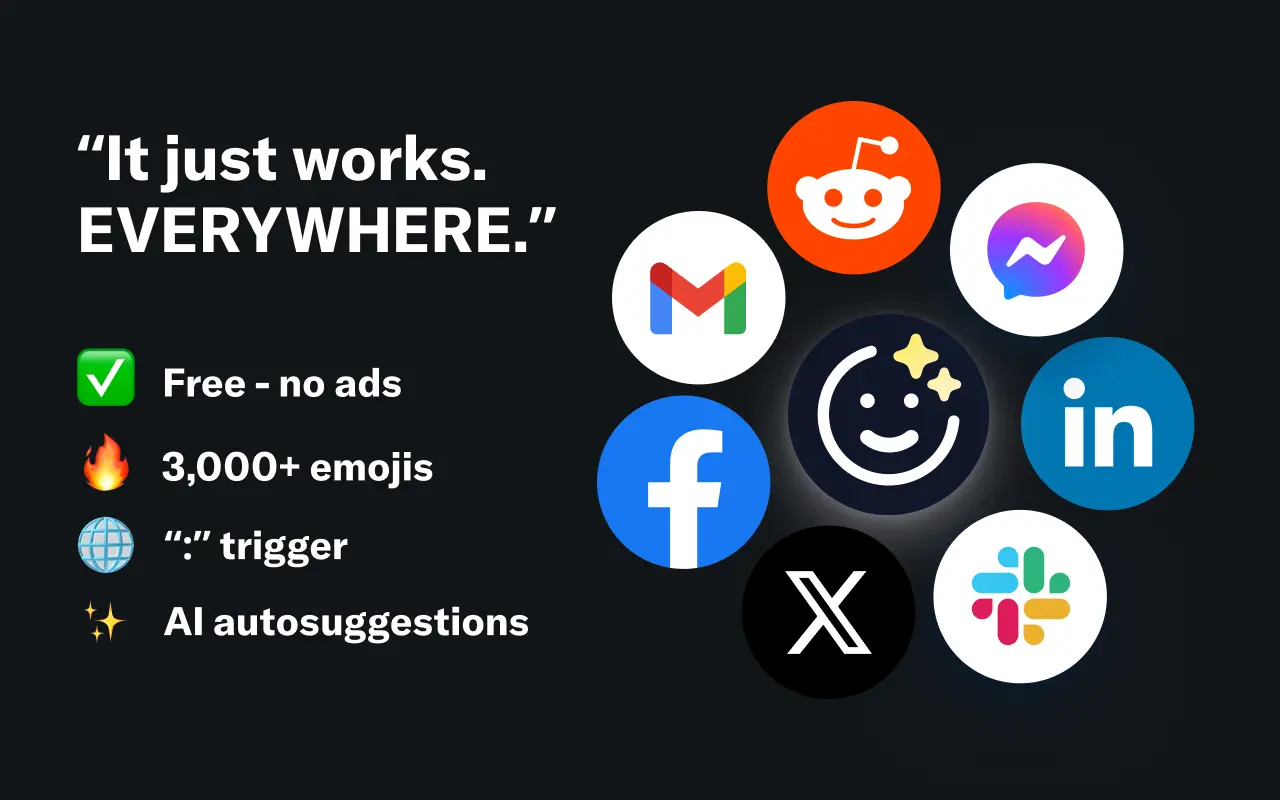
EmojAI
AI-powered emoji picker with smart, context-aware suggestions 🤖
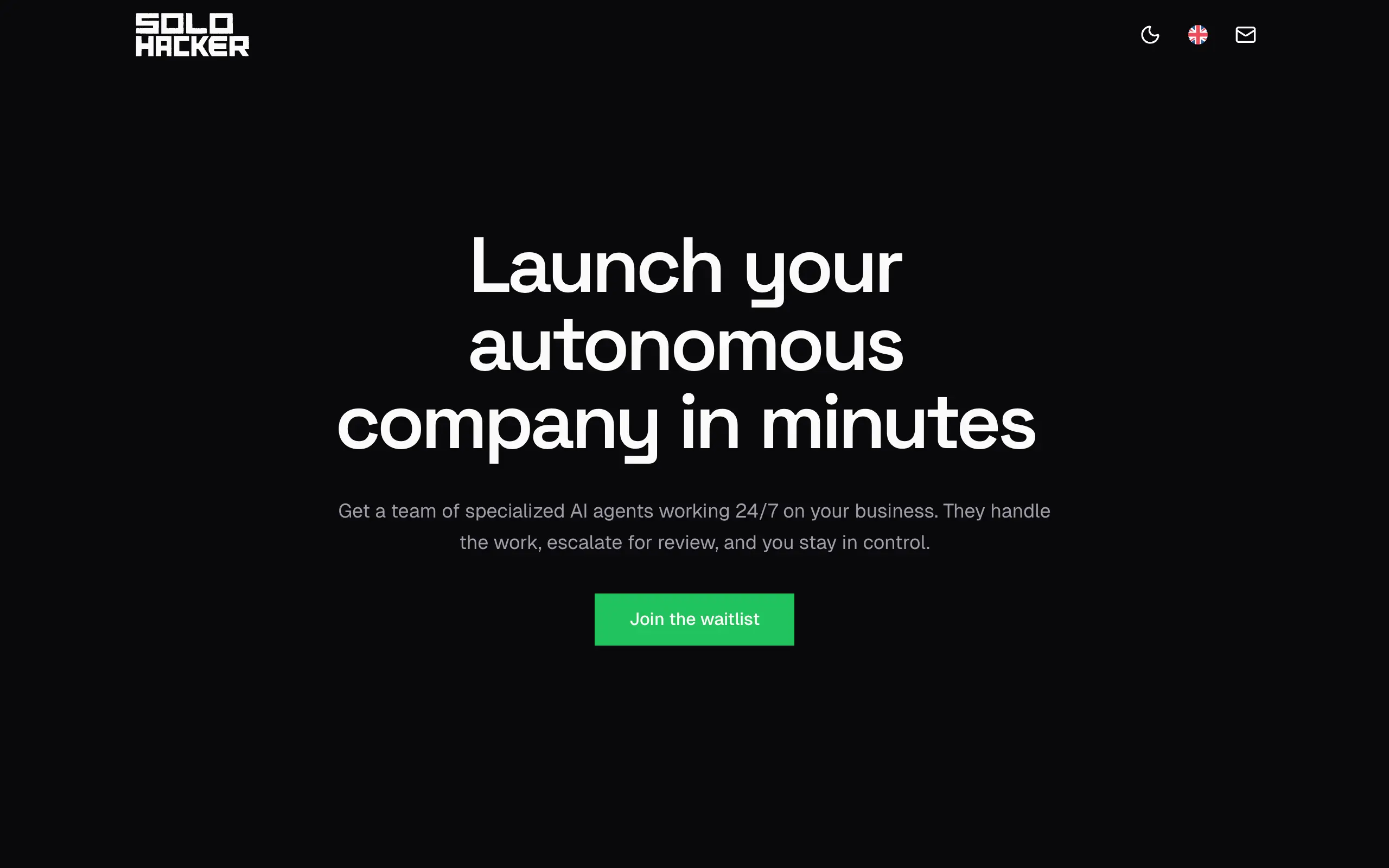
Solohacker
Autonomous company launcher - AI agents work 24/7, escalate what matters, and you stay in control 🤖
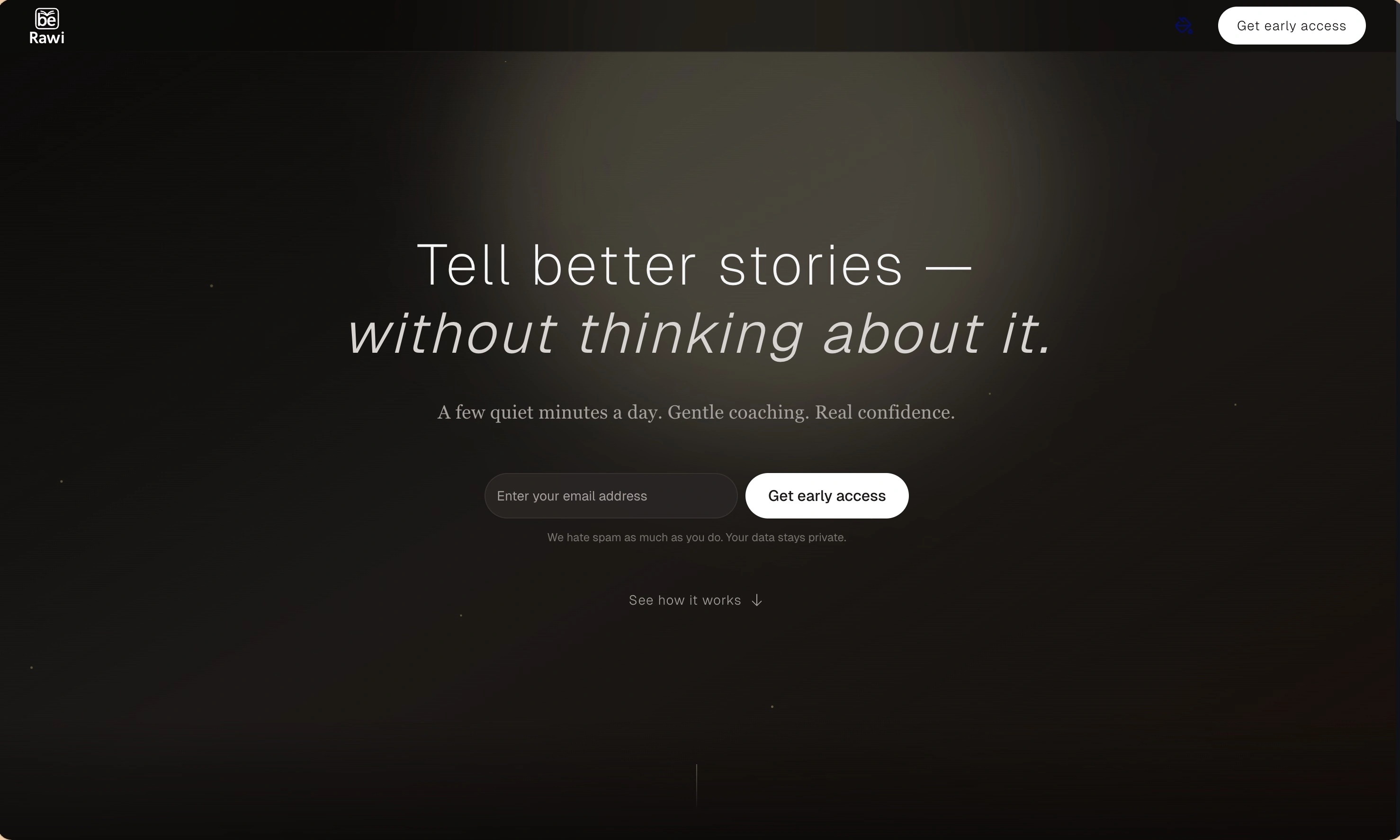
BeRawi: Storytelling Coach
Practice storytelling daily with instant feedback to sound clearer, more engaging, and confident 🎤
Claude Fast
Supercharge your Claude Code with 6x effective context window and specialized AI agents 🤖
EmojAI
AI-powered emoji picker with smart, context-aware suggestions 🤖
Solohacker
Autonomous company launcher - AI agents work 24/7, escalate what matters, and you stay in control 🤖
BeRawi: Storytelling Coach
Practice storytelling daily with instant feedback to sound clearer, more engaging, and confident 🎤
Claude Fast
Supercharge your Claude Code with 6x effective context window and specialized AI agents 🤖
EmojAI
AI-powered emoji picker with smart, context-aware suggestions 🤖
Solohacker
Autonomous company launcher - AI agents work 24/7, escalate what matters, and you stay in control 🤖
BeRawi: Storytelling Coach
Practice storytelling daily with instant feedback to sound clearer, more engaging, and confident 🎤
Claude Fast
Supercharge your Claude Code with 6x effective context window and specialized AI agents 🤖
EmojAI
AI-powered emoji picker with smart, context-aware suggestions 🤖
Solohacker
Autonomous company launcher - AI agents work 24/7, escalate what matters, and you stay in control 🤖
BeRawi: Storytelling Coach
Practice storytelling daily with instant feedback to sound clearer, more engaging, and confident 🎤

Connect with like-minded people
Join our community to get feedback, support, and grow together with 600+ builders on board, let's ship it!
Join usShip your startup everywhere. In minutes.
Don't burn tokens on setup and start building features on day one.