RegLens AI
AI-powered AxiomSL metadata and controller viewer that auto-documents data lineage, validates mappings, and flags regulatory gaps before submission.
The future of regulatory reporting: AI-powered AxiomSL metadata and controller viewer
Regulatory reporting is one of the most complex and high-risk operational functions inside financial institutions. Banks and financial services firms rely on platforms like AxiomSL to manage regulatory submissions such as CCAR, Basel III, FR Y-14, Liquidity Coverage Ratio (LCR), and other jurisdiction-specific requirements.
Yet despite AxiomSL’s power, teams often struggle with:
- Incomplete data lineage documentation
- Manual validation of mappings
- Regulatory rule misinterpretation
- Late-stage submission errors
- Costly audit findings
This is where RegLens AI—an AI-powered AxiomSL metadata and controller viewer—enters the market. It automatically documents data lineage, validates mappings, and flags regulatory gaps before submission.
This article provides a comprehensive, expert-level breakdown of the market opportunity, technical architecture, monetization strategy, competitive positioning, and step-by-step implementation plan for building and scaling a B2B SaaS like RegLens AI.
Understanding the user intent behind AxiomSL metadata tools
Before designing or launching a product like RegLens AI, it’s essential to understand who is searching for it and why.
Users typically search for:
- “AxiomSL metadata documentation tool”
- “AxiomSL data lineage viewer”
- “Automate AxiomSL mapping validation”
- “Regulatory reporting gap analysis software”
- “Pre-submission regulatory validation AI”
Their intent falls into three categories:
- Risk reduction – Avoid fines and regulatory scrutiny
- Operational efficiency – Reduce manual documentation and validation
- Audit defensibility – Provide transparent lineage and governance
RegLens AI must address all three.
The regulatory reporting pain point in financial institutions
Why AxiomSL environments become difficult to manage
AxiomSL implementations often grow organically over years. As reporting requirements evolve, teams add:
- New data sources
- Transformation rules
- Controllers
- Calculation engines
- Local patches
- One-off adjustments
Over time, this creates:
- Fragmented metadata
- Inconsistent mappings
- Tribal knowledge dependency
- Manual reconciliation processes
Even large institutions struggle to answer:
“Where did this data element originate, and which transformation altered it?”
That is a critical regulatory risk.
Regulatory pressure is increasing
Global regulators have intensified scrutiny around:
- BCBS 239 data aggregation principles
- Model risk governance
- Data lineage transparency
- Submission accuracy and traceability
Financial institutions face heavy penalties for inaccurate or undocumented reporting. Any SaaS that proactively reduces regulatory exposure addresses a high-budget, high-urgency market.
Market opportunity and gap analysis
Target market
Primary buyers:
- Tier 1 and Tier 2 banks
- Global financial institutions
- Regional banks with regulatory obligations
- Regulatory reporting consultancies
Key roles:
- Head of Regulatory Reporting
- Chief Data Officer (CDO)
- Risk Technology Lead
- AxiomSL platform owners
- Internal audit teams
Market gap
There are tools for:
- Generic data lineage visualization
- Enterprise metadata management
- Manual AxiomSL controller review
But there is no AI-native tool purpose-built for AxiomSL metadata interpretation and regulatory validation.
This is the gap RegLens AI fills.
Core value proposition of RegLens AI
RegLens AI delivers three primary capabilities:
Automated data lineage documentation
Transforms raw AxiomSL metadata into readable, visual, regulator-ready documentation.
AI-powered mapping validation
Identifies inconsistencies, missing links, and logical transformation gaps automatically.
Regulatory gap detection before submission
Flags potential compliance risks prior to regulatory filing.
This moves teams from reactive compliance to proactive governance.
How RegLens AI works (solution architecture)
1. AxiomSL metadata ingestion
RegLens AI connects to:
- AxiomSL metadata repositories
- Controller configurations
- Mapping definitions
- Calculation rules
- Data model definitions
It ingests metadata via secure APIs or structured exports.
2. AI-driven interpretation engine
The AI layer:
- Parses controller logic
- Understands transformation rules
- Detects anomalies or broken lineage
- Cross-references regulatory reporting schemas
Using large language models fine-tuned for regulatory language, it translates technical metadata into human-readable documentation.
3. Visual lineage viewer
Users see:
- Source → transformation → controller → output flow
- Highlighted mapping inconsistencies
- Missing dependency warnings
- Regulatory rule references
4. Regulatory gap scoring
The system generates:
- Risk score per submission
- Missing documentation flags
- Incomplete mapping alerts
- Control weakness indicators
This enables teams to fix issues before regulatory submission.
Key features in detail
Automated data lineage visualization
Instead of manually tracing:
Source Table → ETL → Axiom Datamart → Controller → Report TemplateRegLens AI generates an interactive lineage graph.
Benefits:
- Reduces documentation time by up to 70% (internal benchmark assumption; should validate with pilot studies)
- Improves audit response time
- Enables cross-team transparency
AI-powered mapping validation
The system checks:
- Field-to-field inconsistencies
- Incorrect aggregation logic
- Broken joins
- Redundant transformations
It flags:
- Missing data elements required by regulation
- Improper transformation sequences
- Unmapped regulatory fields
Pre-submission regulatory gap detection
Before filing:
- Compare current submission against prior versions
- Highlight unexplained variances
- Detect potential regulatory breaches
This creates a “compliance safety net.”
Competitive landscape analysis
RegLens AI competes in overlapping categories:
- Enterprise metadata tools
- Data governance platforms
- Regulatory reporting consulting firms
- Manual internal tooling
Here’s a comparison:
| Capability | Generic metadata tools | Consulting firms | Internal scripts | RegLens AI |
|---|---|---|---|---|
| AxiomSL-specific logic | ❌ | ✅ | ⚠️ | ✅ |
| AI-based mapping validation | ❌ | ❌ | ❌ | ✅ |
| Automated lineage documentation | ✅ | ⚠️ | ⚠️ | ✅ |
| Pre-submission regulatory risk scoring | ❌ | ❌ | ❌ | ✅ |
Competitive advantage: deep AxiomSL specialization + AI-native compliance intelligence.
Recommended tech stack for RegLens AI
Frontend
- React
- TailwindCSS
- Graph visualization library (e.g., D3-based)
Backend
- Node.js or Python (FastAPI)
- PostgreSQL for metadata storage
- Graph database (Neo4j) for lineage modeling
AI layer
- LLM integration via secure API
- Custom embedding model for regulatory schemas
- Rule engine for deterministic checks
Infrastructure
- SOC 2 compliant hosting (e.g., AWS)
- Encrypted metadata storage
- Role-based access control (RBAC)
Example lineage graph model (simplified)
interface LineageNode {
  id: string;
  type: "source" | "transformation" | "controller" | "report";
  metadata: Record<string, any>;
}

interface LineageEdge {
  from: string;
  to: string;
  rule?: string;
}
Using a graph database enables faster traversal and regulatory impact analysis.
Monetization strategy
Pricing models
Annual license based on:
- Number of Axiom environments
- Regulatory modules covered
- Data volume tier
Pricing based on:
- Number of lineage scans
- Validation runs
- Regulatory submissions analyzed
Base enterprise license + variable AI validation usage costs. Most realistic for large banks.
Ideal pricing range
Given the regulatory risk exposure:
- Mid-tier banks: $75k–$150k/year
- Tier 1 banks: $250k–$500k/year
ROI justification:
- Avoiding a single regulatory penalty offsets cost
- Reducing consulting spend
- Lowering audit remediation costs
Potential risks and mitigation
1. Data security concerns
Banks are highly sensitive about metadata exposure.
Mitigation:
- On-prem deployment option
- Private cloud option
- Zero data retention AI policies
2. Integration complexity
AxiomSL implementations vary widely.
Mitigation:
- Build modular ingestion connectors
- Offer implementation consulting partnerships
3. AI hallucination risk
AI misinterpretation of regulatory logic could create false positives.
Critical governance requirement
AI outputs must always be paired with deterministic validation rules. Regulatory-grade software cannot rely solely on probabilistic AI.
Why RegLens AI has strong E-E-A-T positioning
Experience
Built specifically for AxiomSL users, not generic metadata management.
Expertise
Combines:
- Regulatory reporting knowledge
- Data governance engineering
- AI-powered semantic analysis
Authoritativeness
Should publish:
- Whitepapers on regulatory mapping best practices
- Case studies from pilot banks
- Technical deep dives
Trustworthiness
- SOC 2 certification
- Transparent AI validation logic
- Clear audit logs
Implementation roadmap
Go-to-market strategy
Phase 1: niche penetration
- Target mid-tier banks
- Offer pilot pricing
- Publish technical webinars
Phase 2: thought leadership
- Publish regulatory AI insights
- Sponsor risk technology conferences
- Partner with regulatory consulting firms
Phase 3: enterprise expansion
- Expand modules across jurisdictions
- Add cross-report reconciliation AI
Actionable steps to build RegLens AI
If you're building this SaaS:
- Validate demand through interviews
- Secure a design partner bank
- Focus MVP on lineage visualization first
- Add AI validation second
- Build regulatory credibility through documentation
If you're accelerating development, platforms like TurboStarter can reduce boilerplate time for enterprise SaaS infrastructure, allowing you to focus on AI and regulatory intelligence.
Final thoughts: why RegLens AI is a high-value B2B SaaS opportunity
Regulatory reporting is:
- High budget
- High urgency
- High risk
AxiomSL is widely adopted, yet underserved by AI-native tooling.
By delivering:
- Automated lineage documentation
- Intelligent mapping validation
- Pre-submission regulatory gap detection
RegLens AI positions itself as a regulatory risk shield for financial institutions.
In a world of increasing regulatory scrutiny, that is not a “nice to have” tool—it is mission-critical infrastructure.
The combination of deep AxiomSL specialization, AI-powered validation, and enterprise-grade governance makes RegLens AI uniquely positioned to dominate this niche market.
For founders, operators, and investors looking at regulatory technology (RegTech), this is a strategically defensible, high-ACV, compliance-driven SaaS category with strong long-term demand.
More 🏢 B2B Application SaaS ideas
Discover more innovative b2b application SaaS ideas that are trending in 2026. Each idea is AI-generated with market validation and growth potential to help you find your next profitable venture faster than competitors.
Your competitors are building with TurboStarter
Below are some of the SaaS ideas that have been generated and built with our starter kit.
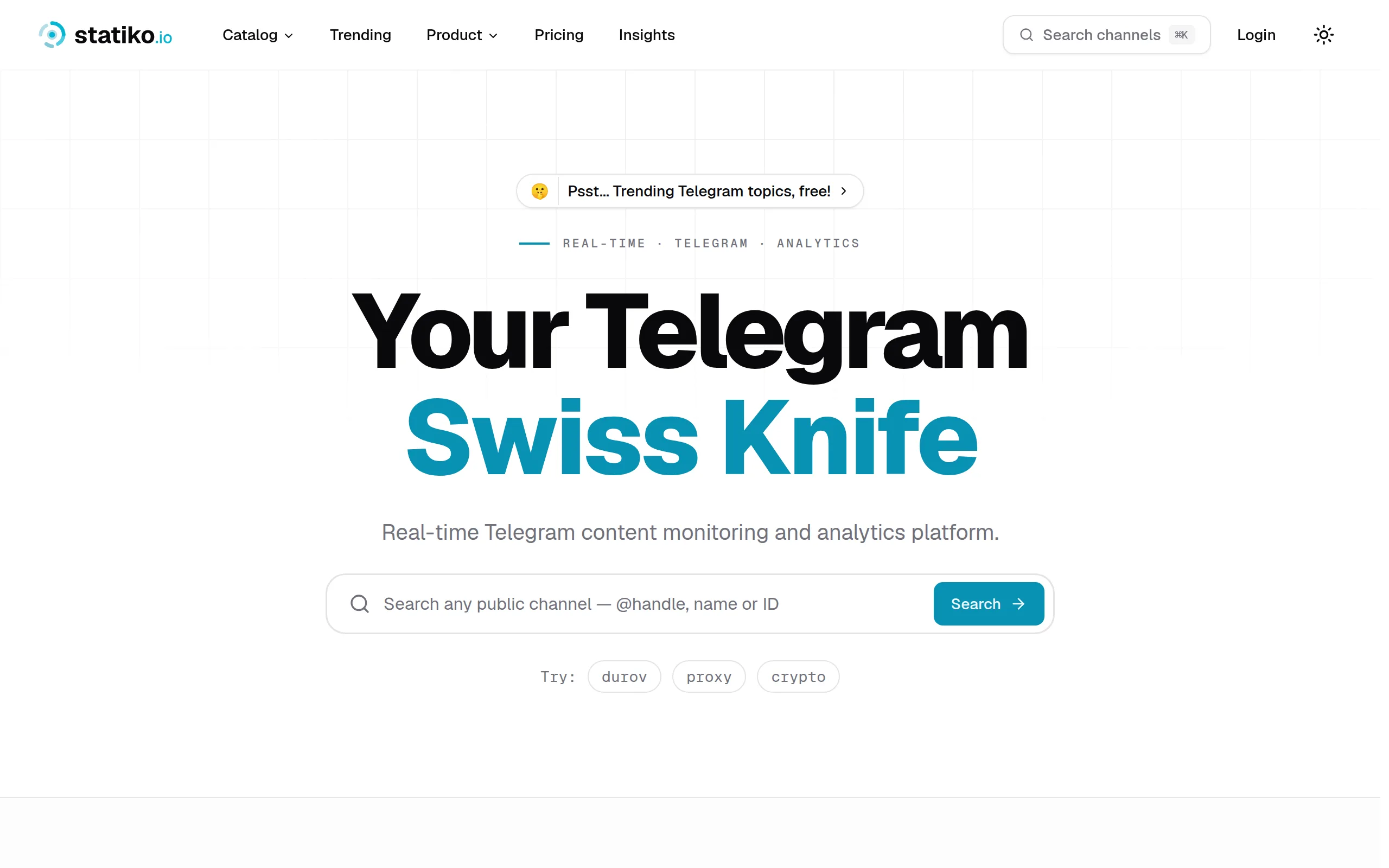
Statiko
Monitor any Telegram channel in real time - track posts, edits, deletions, and growth with AI recaps 📡

Shibui
AI website builder - describe your business, pick a niche template, edit by chatting, and publish instantly ✨

Pro Service
Find verified home service professionals, compare quotes, and pay securely through escrow - built for Brazilians across the US 🏠
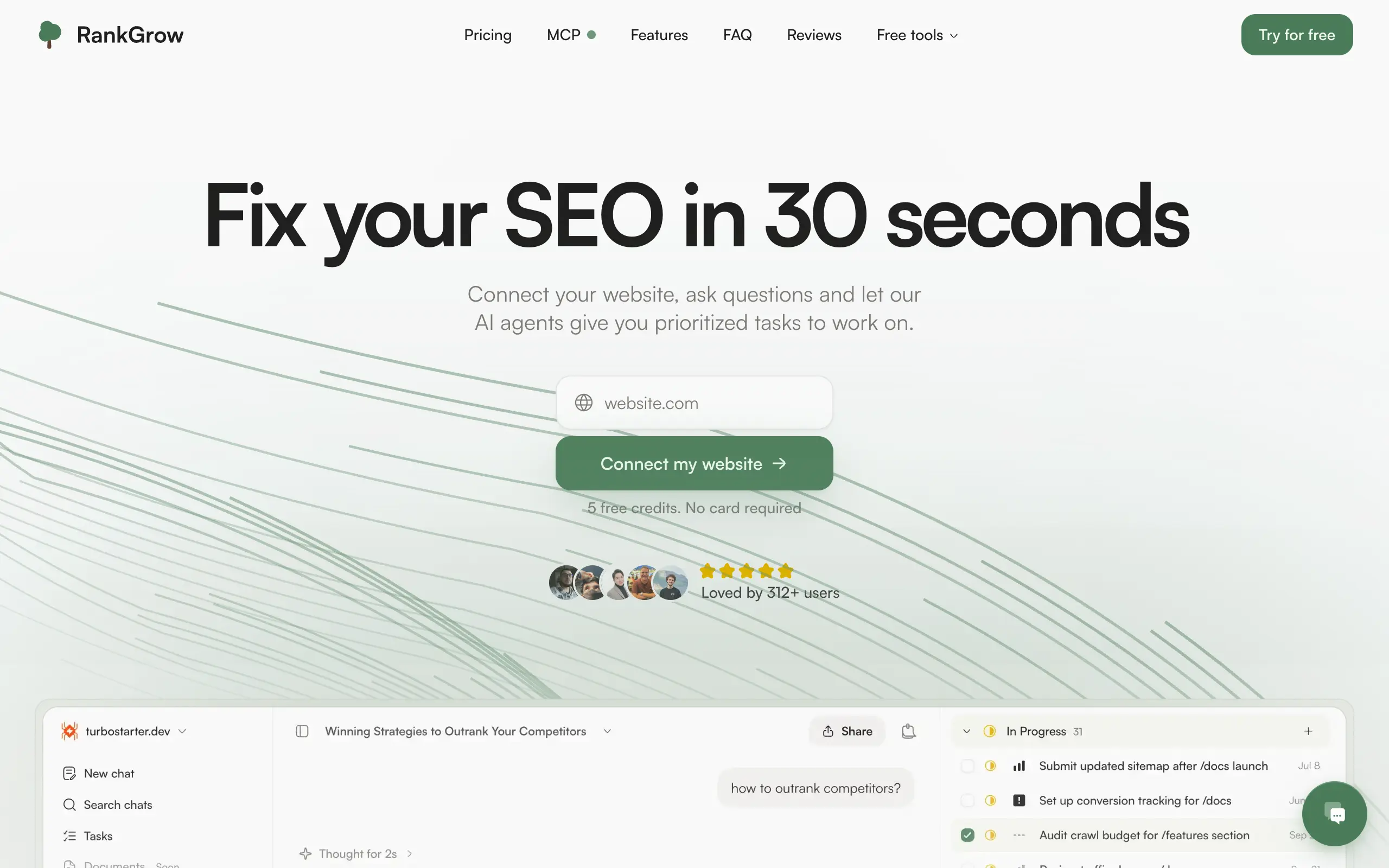
RankGrow
Fix your SEO with AI agents - connect Search Console, get prioritized tasks, and grow organic traffic 📈
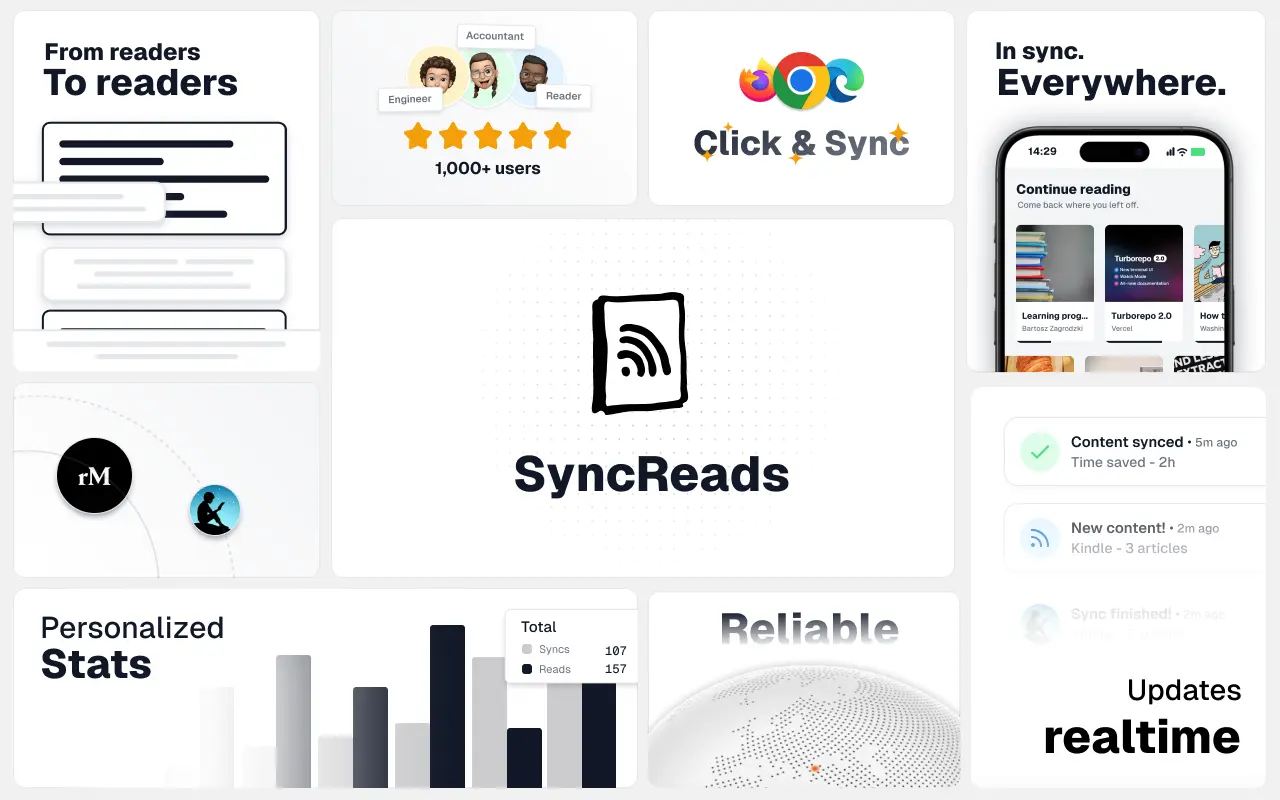
SyncReads
Sync your favorite content for distraction-free reading, save time and replace multiple apps. Anytime, anywhere 🔄
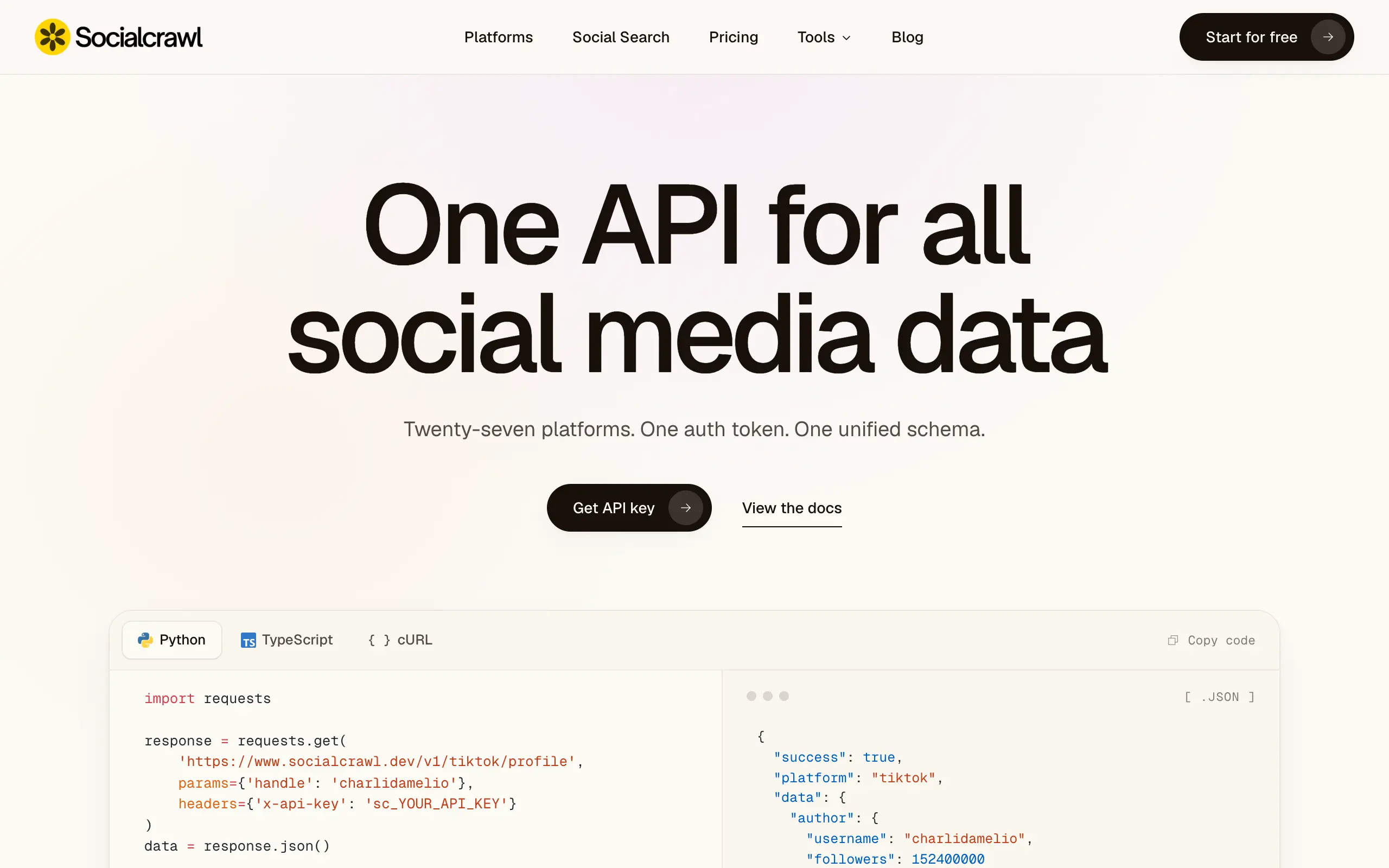
Socialcrawl
Get clean, structured data from 21 platforms like TikTok, Instagram, and YouTube with a single request 📊
Statiko
Monitor any Telegram channel in real time - track posts, edits, deletions, and growth with AI recaps 📡
Shibui
AI website builder - describe your business, pick a niche template, edit by chatting, and publish instantly ✨
Pro Service
Find verified home service professionals, compare quotes, and pay securely through escrow - built for Brazilians across the US 🏠
RankGrow
Fix your SEO with AI agents - connect Search Console, get prioritized tasks, and grow organic traffic 📈
SyncReads
Sync your favorite content for distraction-free reading, save time and replace multiple apps. Anytime, anywhere 🔄
Socialcrawl
Get clean, structured data from 21 platforms like TikTok, Instagram, and YouTube with a single request 📊
Statiko
Monitor any Telegram channel in real time - track posts, edits, deletions, and growth with AI recaps 📡
Shibui
AI website builder - describe your business, pick a niche template, edit by chatting, and publish instantly ✨
Pro Service
Find verified home service professionals, compare quotes, and pay securely through escrow - built for Brazilians across the US 🏠
RankGrow
Fix your SEO with AI agents - connect Search Console, get prioritized tasks, and grow organic traffic 📈
SyncReads
Sync your favorite content for distraction-free reading, save time and replace multiple apps. Anytime, anywhere 🔄
Socialcrawl
Get clean, structured data from 21 platforms like TikTok, Instagram, and YouTube with a single request 📊
Statiko
Monitor any Telegram channel in real time - track posts, edits, deletions, and growth with AI recaps 📡
Shibui
AI website builder - describe your business, pick a niche template, edit by chatting, and publish instantly ✨
Pro Service
Find verified home service professionals, compare quotes, and pay securely through escrow - built for Brazilians across the US 🏠
RankGrow
Fix your SEO with AI agents - connect Search Console, get prioritized tasks, and grow organic traffic 📈
SyncReads
Sync your favorite content for distraction-free reading, save time and replace multiple apps. Anytime, anywhere 🔄
Socialcrawl
Get clean, structured data from 21 platforms like TikTok, Instagram, and YouTube with a single request 📊
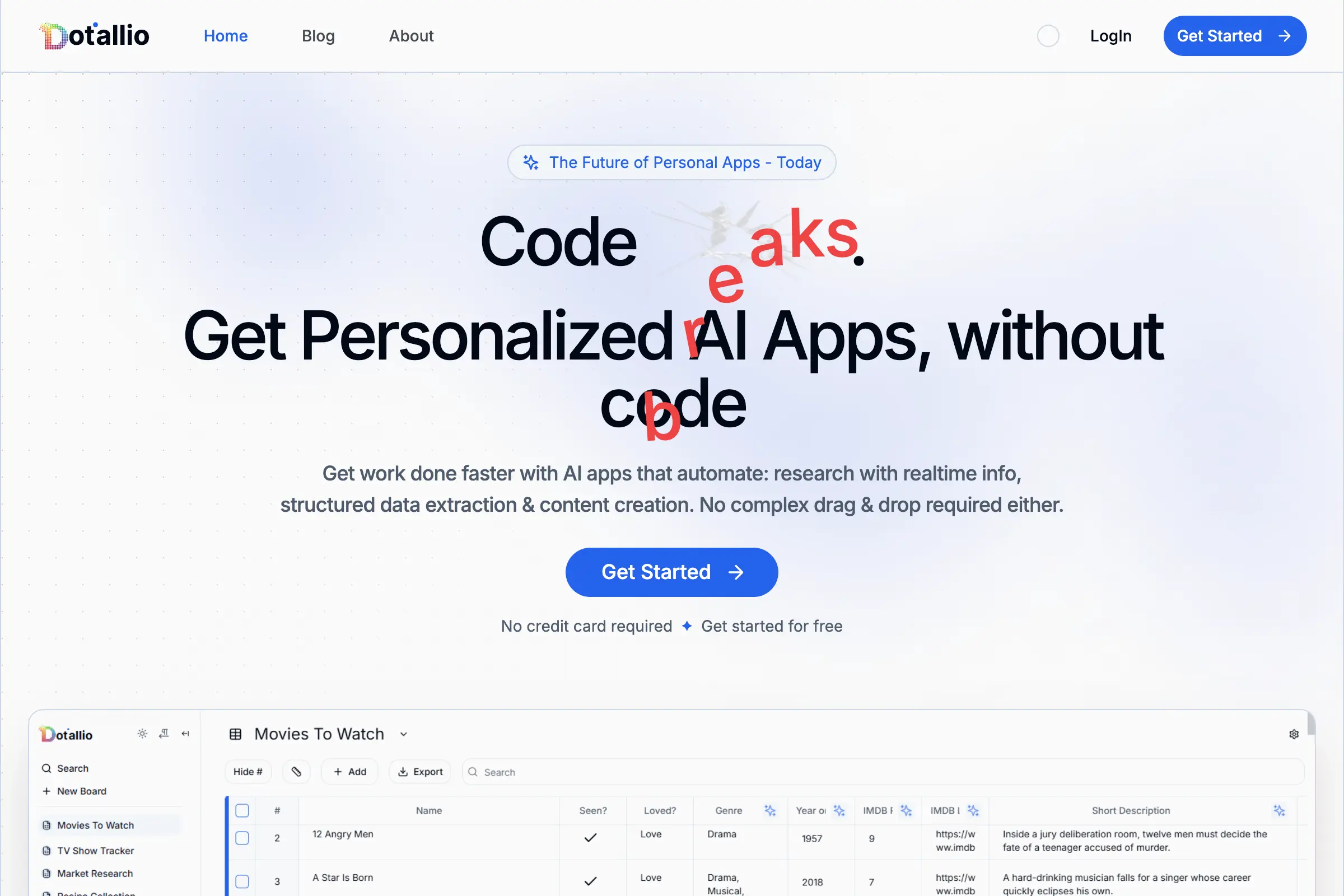
Dotallio
Personalized AI apps that automate research, data extraction, and content creation without code 🤖
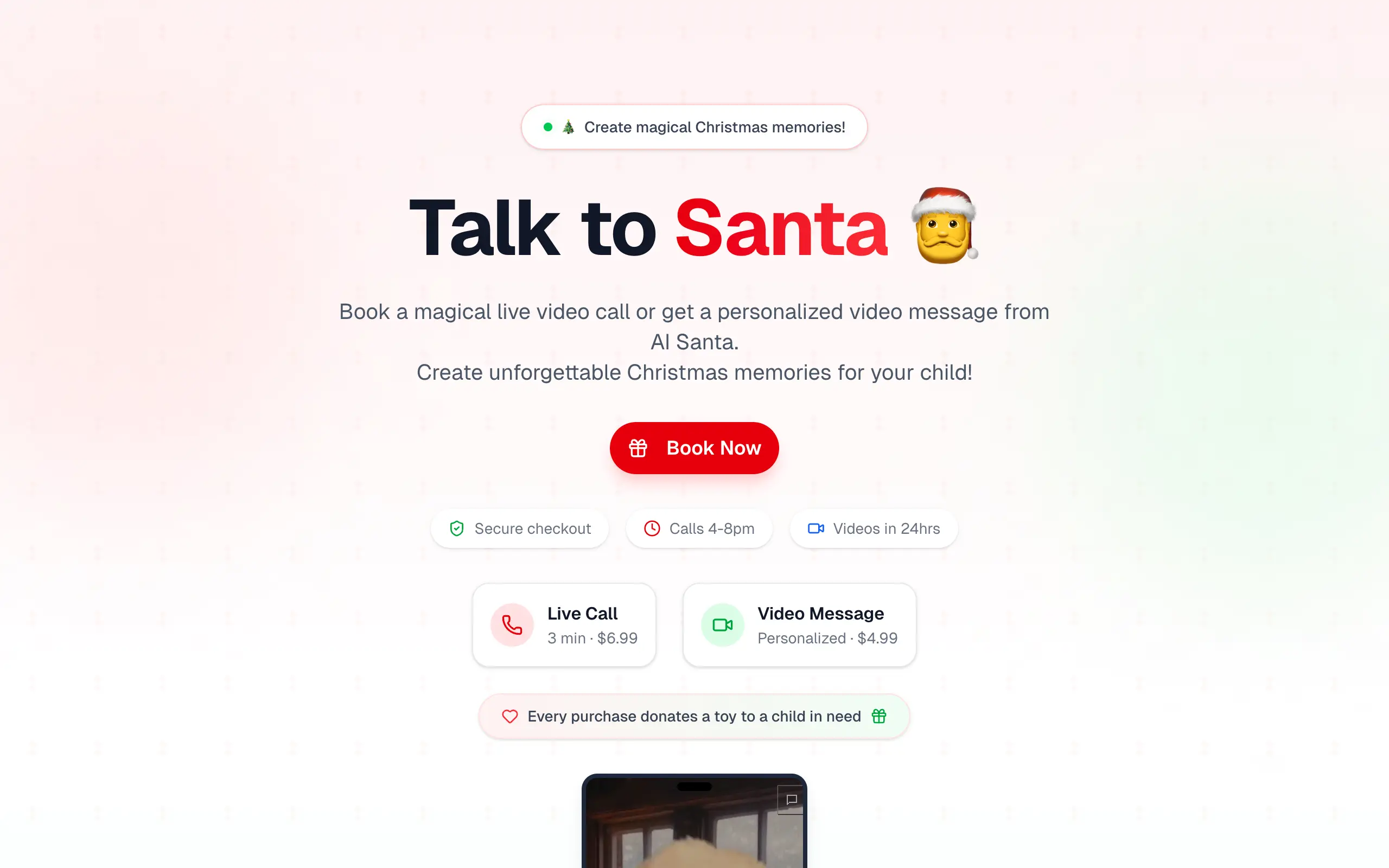
Talk to Santa
Enjoy a magical live video chat or receive a unique AI-generated video greeting from Santa Claus 🎅

pozywka.pl
Scalable blog for food journalist, focused on performance and user experience 🌭
zagrodzki.me
Personal blog and portfolio of Bart Zagrodzki, where he shares his knowledge and work 💼
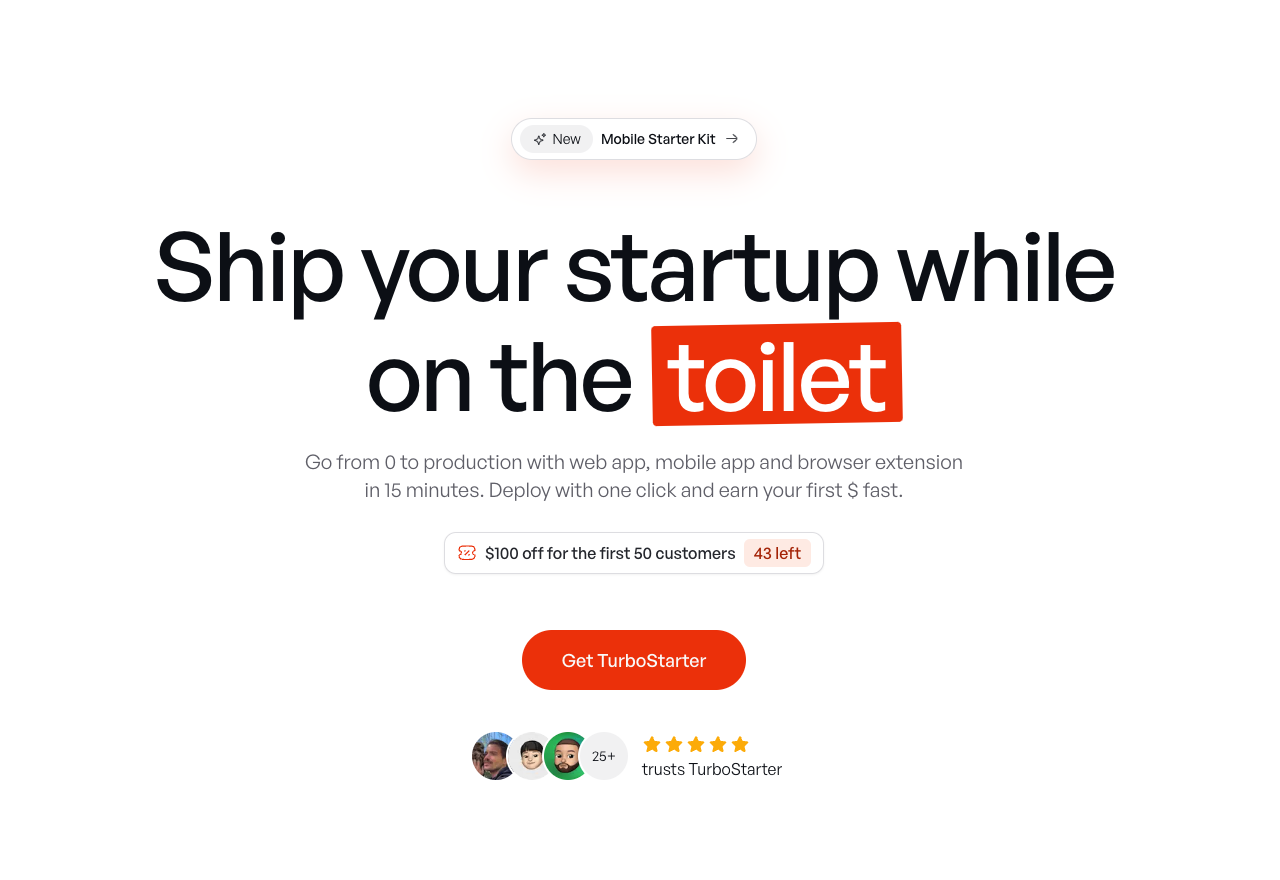
TurboStarter
Ship your startup everywhere. In minutes.
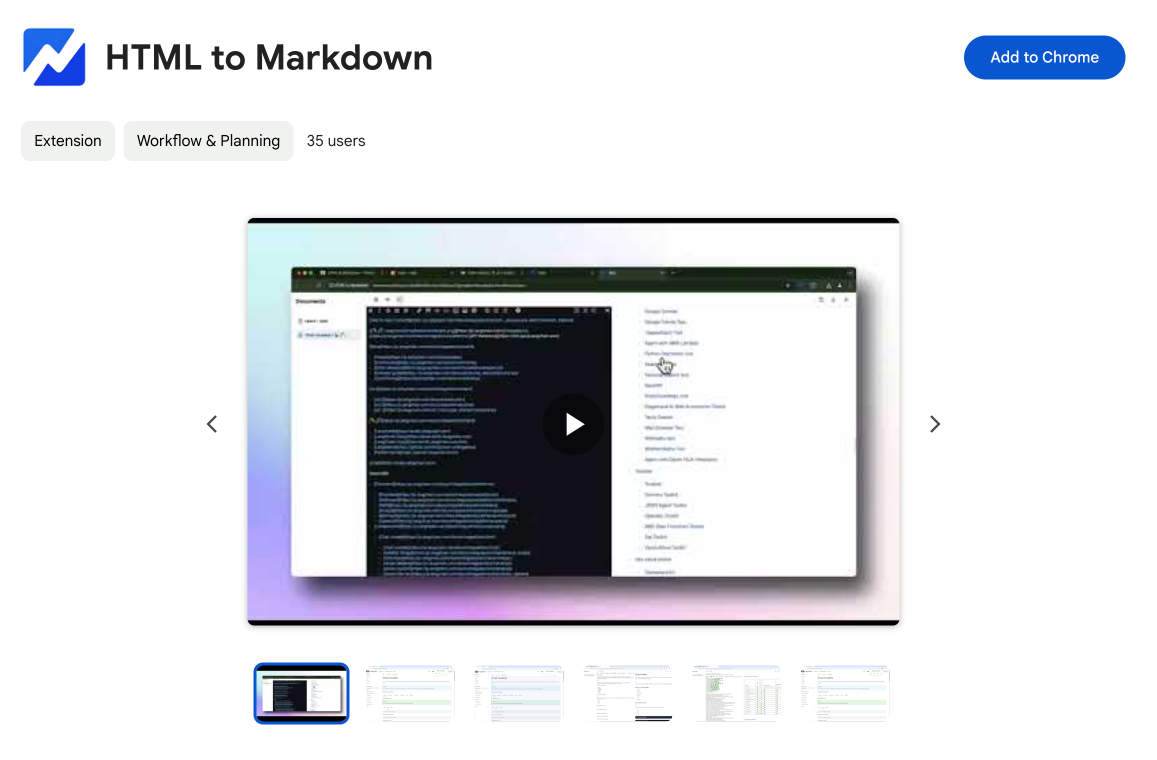
HTML to Markdown
Convert HTML to Markdown with ease, directly in your browser 📄
Dotallio
Personalized AI apps that automate research, data extraction, and content creation without code 🤖
Talk to Santa
Enjoy a magical live video chat or receive a unique AI-generated video greeting from Santa Claus 🎅
pozywka.pl
Scalable blog for food journalist, focused on performance and user experience 🌭
zagrodzki.me
Personal blog and portfolio of Bart Zagrodzki, where he shares his knowledge and work 💼
TurboStarter
Ship your startup everywhere. In minutes.
HTML to Markdown
Convert HTML to Markdown with ease, directly in your browser 📄
Dotallio
Personalized AI apps that automate research, data extraction, and content creation without code 🤖
Talk to Santa
Enjoy a magical live video chat or receive a unique AI-generated video greeting from Santa Claus 🎅
pozywka.pl
Scalable blog for food journalist, focused on performance and user experience 🌭
zagrodzki.me
Personal blog and portfolio of Bart Zagrodzki, where he shares his knowledge and work 💼
TurboStarter
Ship your startup everywhere. In minutes.
HTML to Markdown
Convert HTML to Markdown with ease, directly in your browser 📄
Dotallio
Personalized AI apps that automate research, data extraction, and content creation without code 🤖
Talk to Santa
Enjoy a magical live video chat or receive a unique AI-generated video greeting from Santa Claus 🎅
pozywka.pl
Scalable blog for food journalist, focused on performance and user experience 🌭
zagrodzki.me
Personal blog and portfolio of Bart Zagrodzki, where he shares his knowledge and work 💼
TurboStarter
Ship your startup everywhere. In minutes.
HTML to Markdown
Convert HTML to Markdown with ease, directly in your browser 📄
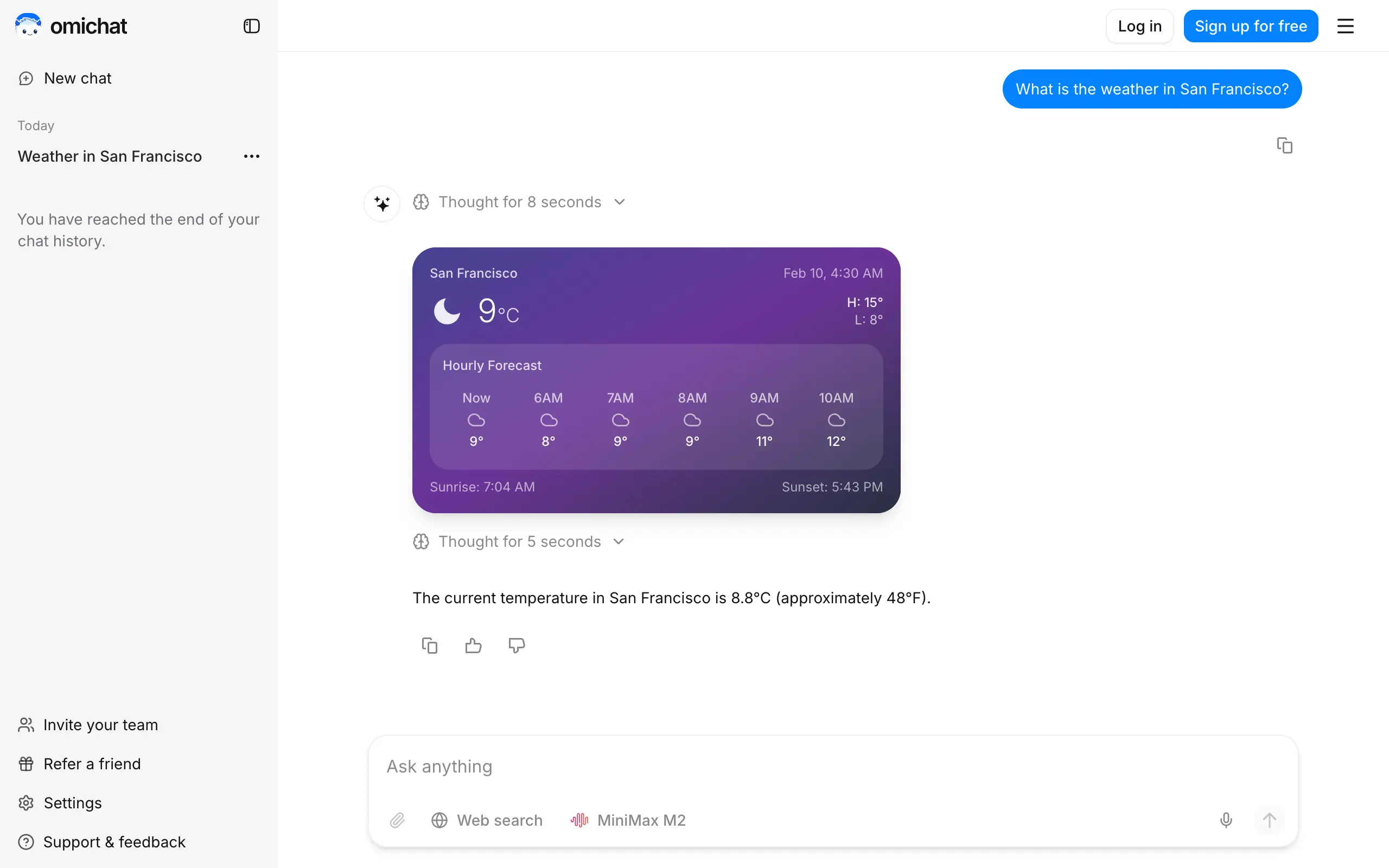
Omichat
Chat with 50+ AI models, including ChatGPT and Claude, in one place - switch models anytime without losing context 🤖
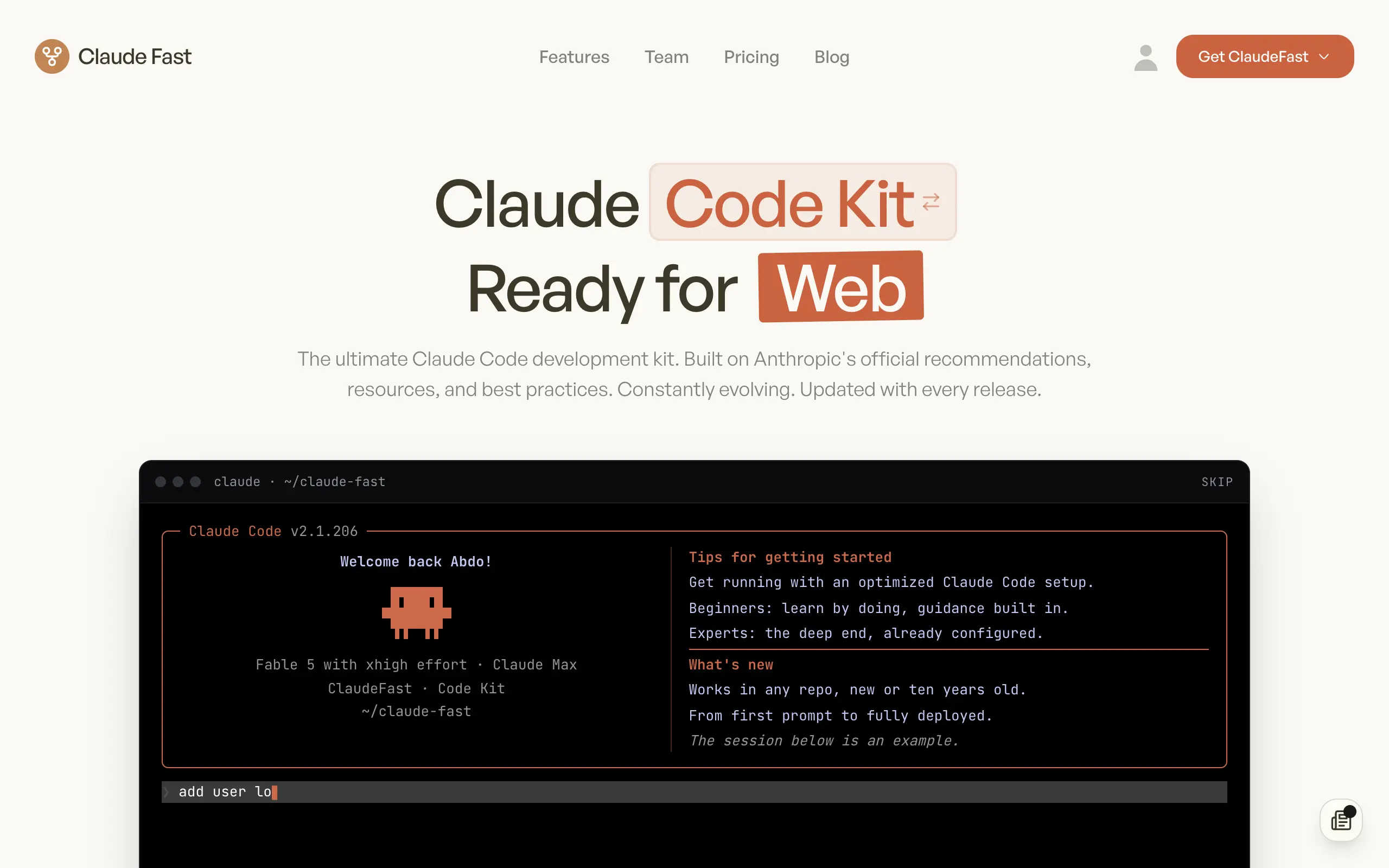
Claude Fast
Supercharge your Claude Code with 6x effective context window and specialized AI agents 🤖
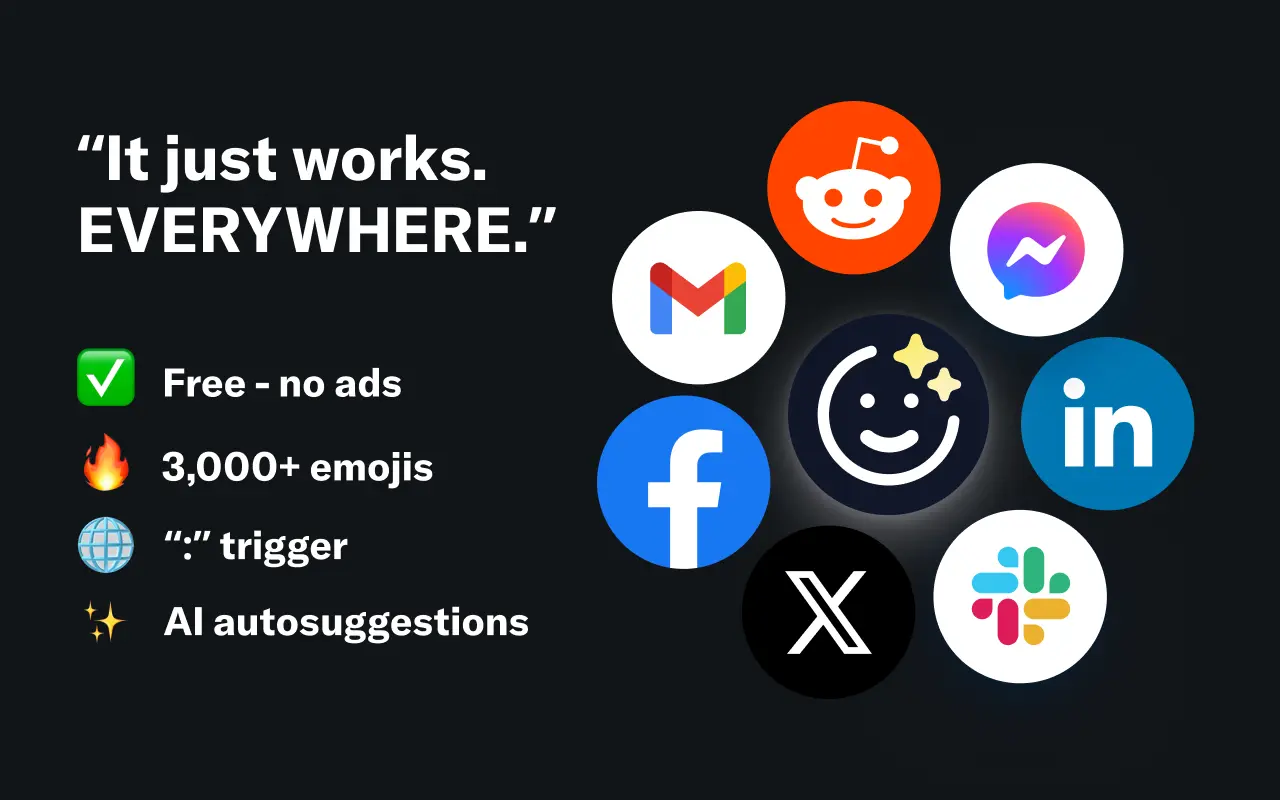
EmojAI
AI-powered emoji picker with smart, context-aware suggestions 🤖
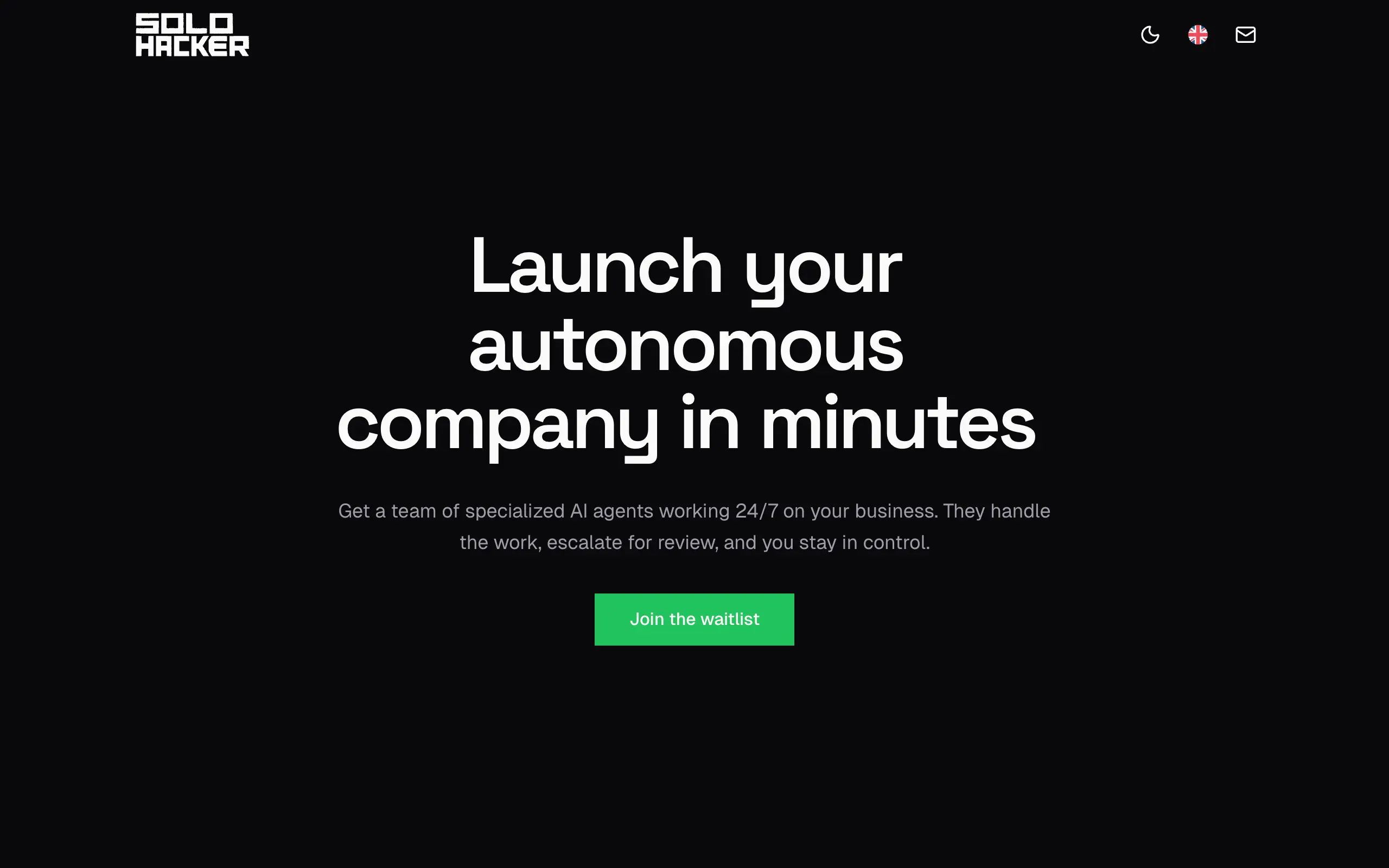
Solohacker
Autonomous company launcher - AI agents work 24/7, escalate what matters, and you stay in control 🤖
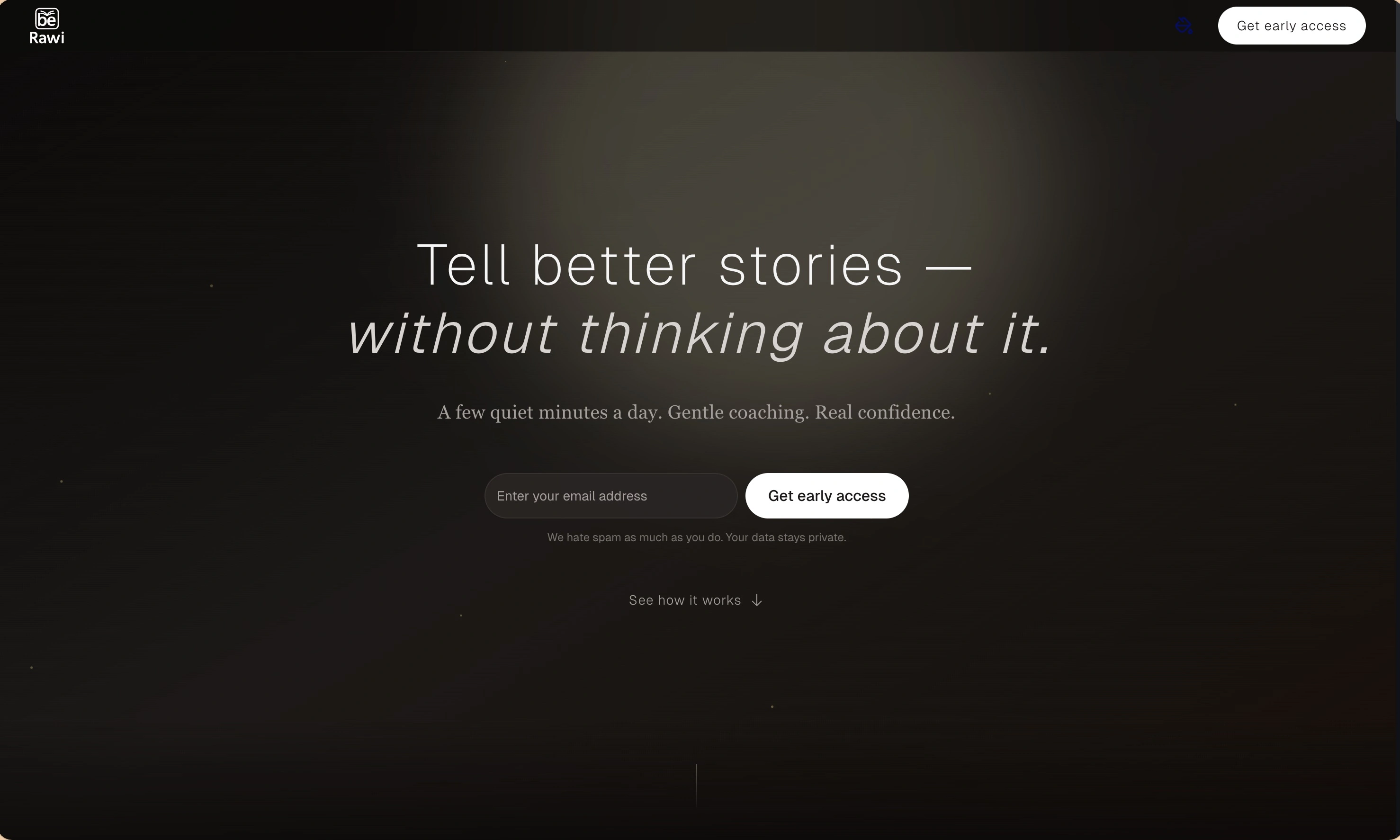
BeRawi: Storytelling Coach
Practice storytelling daily with instant feedback to sound clearer, more engaging, and confident 🎤
Omichat
Chat with 50+ AI models, including ChatGPT and Claude, in one place - switch models anytime without losing context 🤖
Claude Fast
Supercharge your Claude Code with 6x effective context window and specialized AI agents 🤖
EmojAI
AI-powered emoji picker with smart, context-aware suggestions 🤖
Solohacker
Autonomous company launcher - AI agents work 24/7, escalate what matters, and you stay in control 🤖
BeRawi: Storytelling Coach
Practice storytelling daily with instant feedback to sound clearer, more engaging, and confident 🎤
Omichat
Chat with 50+ AI models, including ChatGPT and Claude, in one place - switch models anytime without losing context 🤖
Claude Fast
Supercharge your Claude Code with 6x effective context window and specialized AI agents 🤖
EmojAI
AI-powered emoji picker with smart, context-aware suggestions 🤖
Solohacker
Autonomous company launcher - AI agents work 24/7, escalate what matters, and you stay in control 🤖
BeRawi: Storytelling Coach
Practice storytelling daily with instant feedback to sound clearer, more engaging, and confident 🎤
Omichat
Chat with 50+ AI models, including ChatGPT and Claude, in one place - switch models anytime without losing context 🤖
Claude Fast
Supercharge your Claude Code with 6x effective context window and specialized AI agents 🤖
EmojAI
AI-powered emoji picker with smart, context-aware suggestions 🤖
Solohacker
Autonomous company launcher - AI agents work 24/7, escalate what matters, and you stay in control 🤖
BeRawi: Storytelling Coach
Practice storytelling daily with instant feedback to sound clearer, more engaging, and confident 🎤

Connect with like-minded people
Join our community to get feedback, support, and grow together with 1,000+ builders on board, let's ship it!
Join usShip your startup everywhere. In minutes.
Don't burn tokens on setup and start building features on day one.