RenewalRadar
Revenue intelligence for B2B customer success teams that detects renewal risk from support, usage, and stakeholder activity before accounts churn.
RenewalRadar is a focused vendor renewal management software concept for finance, procurement, IT, legal, and operations teams that need to prevent unwanted contract renewals before money leaves the business.
The problem is familiar in subscription-heavy companies. A software contract renews automatically because nobody noticed a 60-day cancellation clause. A vendor increases pricing at renewal because historical rate cards are buried in a shared drive. A former employee is still listed as the product owner, so the company cannot confirm whether the tool is actively used. By the time someone finds the agreement, the notice window has closed.
A renewal command center solves this workflow gap by turning disconnected contract documents, stakeholder knowledge, usage signals, and renewal dates into a clear, prioritized action plan.
The strongest positioning for RenewalRadar is not simply “contract management.” It is renewal risk intelligence. The product should help teams answer a practical question every day:
Which vendor contracts require action now, who owns the decision, and what happens if we do nothing?
Core positioning
RenewalRadar should be positioned as vendor renewal management software for teams that want to avoid auto-renewal surprises, identify price creep, and establish clear accountability before critical notice deadlines pass.
Why vendor renewal management software is needed now
Most organizations have more recurring vendor relationships than their procurement process was designed to manage. SaaS subscriptions, cloud platforms, data providers, agency retainers, security tools, equipment leases, and professional services agreements often renew on different timelines and under different contractual rules.
A spreadsheet can work for a handful of vendors. It becomes unreliable as the company grows because the information changes constantly:
- Contract terms are amended or renewed.
- Legal entities change.
- Internal owners leave or change roles.
- Pricing shifts after a promotional period.
- Product usage declines without a formal offboarding process.
- Cancellation notice periods vary by vendor.
- Procurement, legal, finance, and IT each own a different part of the process.
Traditional contract lifecycle management platforms often focus on contract creation, approval workflows, signature collection, and document storage. Those capabilities matter, but they do not always answer the renewal operator’s immediate question: What needs intervention before the next deadline?
RenewalRadar can fill the gap between a document repository and an operational decision system.
The market opportunity is especially strong among companies that have crossed the point where decentralized buying creates material financial risk but have not yet adopted an enterprise-grade procurement suite. These businesses need structure without the implementation burden, cost, and administrative overhead associated with larger contract lifecycle management platforms.
The target audience for RenewalRadar
A strong SaaS product begins with a narrow understanding of the people experiencing the problem. RenewalRadar should not initially market to “every company with contracts.” It should focus on teams with clear renewal complexity, fragmented ownership, and measurable savings potential.
Primary audience: procurement and finance leaders
Procurement managers, finance directors, CFOs, and spend management leaders are likely the primary economic buyers.
They care about:
- Preventing avoidable vendor spend
- Avoiding auto-renewal commitments
- Forecasting upcoming cash obligations
- Creating a reliable approval trail
- Negotiating from a position of preparation
- Reducing duplicate or underused software subscriptions
- Reporting savings to executive leadership
For this audience, RenewalRadar should emphasize financial control and decision readiness. A dashboard with deadlines is useful, but a dashboard that quantifies exposure, identifies renewal risk, and shows accountable owners is more valuable.
A finance leader does not want to sort through 400 contracts. They want to know which ten upcoming renewals represent the largest financial or operational risk.
Secondary audience: IT, security, and SaaS operations teams
IT leaders and SaaS operations managers are frequently responsible for software inventory, access management, vendor security reviews, and internal application ownership. They often discover renewal problems after finance asks why a tool is still being paid for.
Their priorities include:
- Matching vendor contracts to actual application ownership
- Finding orphaned subscriptions
- Identifying tools with low adoption
- Ensuring security reviews are current
- Confirming data processing and compliance requirements
- Coordinating application offboarding when a contract ends
For IT teams, RenewalRadar should combine renewal workflow with product ownership and system context. The platform becomes more compelling when it can show that a vendor is due to renew soon, has no active internal owner, and has not completed its latest security review.
Supporting audience: legal and operations teams
Legal teams care about contract terms, notice provisions, renewal language, indemnity, data processing obligations, and amendment history. Operations teams care about continuity, internal coordination, and making sure business-critical tools do not lapse accidentally.
RenewalRadar should not try to replace legal review. Instead, it should make legal involvement timely and targeted by flagging contracts where terms, risk, or pricing warrant attention.
Finance leaders
Need clear spend exposure, forecastable obligations, savings opportunities, and audit-ready renewal decisions.
Procurement teams
Need a repeatable process for negotiation, vendor evaluation, stakeholder approvals, and notice-window control.
IT and SaaS operations
Need application ownership, usage context, security alignment, and a path to eliminate orphaned tools.
The market gap: contract storage is not renewal intelligence
The central market gap is simple. Many companies store contracts, but far fewer manage renewal decisions proactively.
A shared drive, contract repository, or enterprise resource planning system may contain the agreement. Yet the information needed to act often remains incomplete or hidden:
- The latest signed document might not be attached.
- The termination deadline may not be extracted.
- The vendor’s increase may not be compared with the prior term.
- The internal business owner may be out of date.
- The decision-maker may not know the product is still used.
- The legal reviewer may not be notified until it is too late.
- The finance team may not see the financial impact until the invoice arrives.
This creates an important distinction.
| Capability | Shared spreadsheet | Document repository | CLM platform | RenewalRadar |
|---|---|---|---|---|
| Stores agreements | ✅ | ✅ | ✅ | ✅ |
| Tracks notice deadlines | Manual | Limited | ✅ | ✅ |
| Flags price creep | Rarely | ❌ | Variable | ✅ |
| Detects stakeholder gaps | ❌ | ❌ | Variable | ✅ |
| Prioritizes action by risk | ❌ | ❌ | Limited | ✅ |
The unique selling proposition is therefore clear:
RenewalRadar turns passive contract records into a prioritized renewal action system that catches price creep, missed notice windows, and missing stakeholders before an auto-renewal becomes an expensive commitment.
This positioning can resonate with mid-market organizations that need measurable savings and better control without purchasing a broad, complex procurement transformation platform.
Core RenewalRadar features and solution design
The initial product should focus on the workflows that create immediate value. Avoid building every contract lifecycle management feature before validating whether teams use the renewal command center weekly.
A centralized vendor renewal calendar
The foundation is a normalized vendor record with critical lifecycle dates and contract metadata.
Every vendor record should support:
- Vendor name and legal entity
- Contract start and end dates
- Renewal date
- Non-renewal notice deadline
- Notice period length
- Renewal type, such as auto-renew, month-to-month, or manual
- Current annual contract value
- Billing frequency
- Currency
- Internal business owner
- Procurement owner
- Legal owner
- Security owner
- Contract documents and amendments
- Status, such as review, negotiate, renew, cancel, or completed
The renewal calendar should not merely display dates. It should group contracts by urgency and make the next required action obvious.
Useful dashboard views include:
- Contracts with notice deadlines in the next 30, 60, 90, and 120 days
- High-value contracts without an assigned owner
- Renewals with unresolved pricing discrepancies
- Contracts awaiting legal or security review
- Contracts that have crossed a decision deadline
- Upcoming renewals by department, region, or cost center
Notice-window detection and deadline alerts
Missing a notice date is one of the clearest and most expensive renewal failures. RenewalRadar should calculate the latest safe action date based on contract language and configured internal buffers.
For example, a contract that renews on December 31 with a 60-day termination clause should not simply show a deadline of November 1. The system should encourage action earlier by using an internal preparation policy, such as 30 additional days for review and negotiation.
That produces a practical timeline:
- The contract enters the review queue 120 days before renewal.
- The owner confirms use and business need.
- Procurement reviews commercial terms.
- Legal checks notice and amendment requirements.
- Stakeholders choose renew, renegotiate, downsize, or cancel.
- The system tracks whether notice was delivered and acknowledged.
Alerting should be multi-channel, but not noisy. Email, Slack, Microsoft Teams, and in-app notifications should be configurable by severity and ownership.
Avoid alert fatigue
A renewal reminder without ownership, financial context, and a clear next step becomes another ignored notification. Every alert should identify the contract, deadline, risk level, accountable stakeholder, and recommended action.
Price creep detection and commercial benchmarking
Price creep detection is a defining feature because it transforms RenewalRadar from a reminder tool into a financial intelligence product.
Price creep can occur through:
- Annual uplift clauses
- Promotional pricing ending
- New platform or support fees
- Seat count increases
- Currency changes
- Add-on purchases that become embedded in the renewal baseline
- Unit price increases hidden in a revised order form
- Billing changes from monthly to annual commitments
The product should compare the current proposal against prior contract terms and flag meaningful changes. It should support both percentage and absolute thresholds because a small percentage increase can still be material on a large vendor relationship.
For each renewal, RenewalRadar can calculate:
- Current annualized spend
- Prior annualized spend
- Absolute increase
- Percentage increase
- Price per seat or usage unit
- Contracted versus currently used quantity
- Estimated savings from right-sizing
- Estimated exposure if the renewal proceeds unchanged
A useful renewal summary might say:
Proposed renewal is 14% above the prior annualized commitment. Seat count increased by 20%, but active-user data indicates 31% of licensed seats have not been used in the last 90 days. Review before the notice deadline.
This is more actionable than showing an invoice total alone.
Over time, RenewalRadar can add benchmarking features using anonymized customer data. This must be handled carefully. Aggregated benchmarks should avoid exposing identifiable vendor or customer information and should be transparent about sample size, market segment, contract duration, and data freshness.
Stakeholder gap detection
A contract is risky when no current employee can make a decision about it. Stakeholder gap detection should identify vendor records that lack assigned or recently confirmed owners.
Signals might include:
- The assigned owner has left the company.
- The owner has not acknowledged a renewal task.
- The owner has not logged in recently.
- The linked cost center no longer exists.
- No procurement or legal contact is assigned for high-value contracts.
- The vendor has no identified security owner.
- The business owner and invoice approver disagree.
- A department has multiple overlapping tools with unclear ownership.
Integrations with identity providers and HR systems can improve this feature. If a user account is deactivated in an identity system, RenewalRadar can flag every contract assigned to that person for reassignment.
This is especially valuable in fast-growing organizations, where organizational changes create silent renewal failures.
Renewal decision workflows
A renewal is not complete when someone receives a reminder. It is complete when the company records and executes a decision.
RenewalRadar should provide configurable workflows with structured decision states:
- Review required
- Usage validation in progress
- Negotiation in progress
- Legal review required
- Security review required
- Approved to renew
- Approved to renegotiate
- Approved to downsize
- Approved to cancel
- Notice sent
- Vendor acknowledgement received
- Completed
Each state should have an owner, due date, activity log, and supporting evidence. This creates accountability while preserving a simple operational interface.
For more mature customers, workflow templates can be customized by spend threshold, vendor category, risk tier, or regulatory requirement.
Document extraction and contract intelligence
Contract ingestion can begin with manual metadata entry, CSV imports, and document uploads. The long-term experience should use AI-assisted extraction to identify renewal clauses, payment terms, notice periods, renewal dates, and pricing data from agreements.
However, contract extraction must be designed as an assistive workflow, not an unquestioned source of truth. Legal language varies, scanned files may have errors, and amendments can override earlier terms.
The product should show:
- Extracted values
- Source document references
- Confidence indicators
- The contract text or page associated with the extracted clause
- A required human verification option for high-risk records
This is a major trust feature. Users should be able to see why RenewalRadar believes a notice deadline is accurate.
Start with contract records, renewal and notice-date tracking, stakeholder assignments, risk scoring, reminders, document uploads, renewal decision workflows, and CSV import. These features solve the immediate operational problem without requiring deep integrations on day one.
Add it after the core renewal workflow is validated. AI extraction can accelerate onboarding, but inaccurate dates can erode trust. Build human verification and source references into the experience before making extraction a central promise.
Initially, no. Position it as a renewal intelligence layer that can coexist with document storage and CLM tools. Integrations will reduce switching friction and make the product easier to adopt.
How to build a reliable renewal risk score
A renewal risk score should help teams prioritize attention. It should never pretend to replace judgment.
The scoring model should be explainable. Users need to understand why a contract appears at the top of the dashboard and what they can do to reduce the risk.
A practical first version can combine five dimensions:
- Deadline risk based on days until the notice period closes
- Financial exposure based on annual contract value and projected increase
- Ownership risk based on missing, inactive, or unresponsive stakeholders
- Operational risk based on vendor criticality, security classification, or business dependency
- Data confidence risk based on missing documents, unverified extraction, or conflicting dates
The score should include human-readable reasons rather than only a number. For example:
High risk because the contract has a $180,000 annual value, the notice deadline is in 18 days, the original owner is inactive, and the renewal proposal is 11% above the prior term.
This explanation is vital for adoption. Procurement leaders need a rationale to escalate an item; executives need concise evidence to make a decision.
A basic scoring function might look like this:
type RenewalRiskInput = {
  daysUntilNoticeDeadline: number;
  annualContractValue: number;
  priceIncreasePercent: number;
  hasActiveOwner: boolean;
  contractTermsVerified: boolean;
};

export function calculateRenewalRisk(input: RenewalRiskInput) {
  let score = 0;

  if (input.daysUntilNoticeDeadline <= 30) score += 35;
  else if (input.daysUntilNoticeDeadline <= 60) score += 20;

  if (input.annualContractValue >= 100000) score += 25;
  else if (input.annualContractValue >= 25000) score += 12;

  if (input.priceIncreasePercent >= 10) score += 20;
  else if (input.priceIncreasePercent >= 5) score += 10;

  if (!input.hasActiveOwner) score += 15;
  if (!input.contractTermsVerified) score += 10;

  return Math.min(score, 100);
}
The numbers should be configurable by customer segment. A $25,000 contract may be high exposure for one business and routine for another. Enterprise customers may also want category-specific rules for security vendors, infrastructure providers, or regulated data processors.
Recommended tech stack for a renewal management SaaS
RenewalRadar needs strong workflow reliability, permissions, auditability, document handling, and integration capacity. It does not require an overly exotic architecture at launch.
A practical SaaS stack could include React and Next.js for the application layer, TypeScript for safer development, and Tailwind CSS for efficient UI implementation.
Application and frontend stack
Use Next.js for a full-stack web application because it supports server-rendered experiences, route handling, API endpoints, and a mature deployment ecosystem. A responsive browser-based application is the best starting point because renewal work frequently involves document review, dashboards, comments, and approvals.
Use React for the interface and TypeScript to reduce errors in data-heavy workflows. Contract dates, currencies, roles, workflow states, and permissions are exactly the kinds of domains where strong typing pays off.
Use Tailwind CSS for a consistent design system. The product interface should favor high information density without becoming overwhelming. Priority indicators, deadline states, filters, and contextual drawers need consistent visual conventions.
Data, authentication, and storage
A relational database such as PostgreSQL is an excellent fit for structured contracts, vendors, users, roles, workflows, audit events, and relationships among those entities.
Key data-modeling considerations include:
- Tenant isolation for multi-tenant SaaS
- Immutable audit events for important actions
- Date normalization across time zones
- Currency storage in minor units where appropriate
- Historical contract versions and amendments
- Soft deletion and retention controls
- Row-level access policies for sensitive contracts
For authentication, use a provider that supports single sign-on, multi-factor authentication, organization management, and SCIM provisioning as the product matures. Enterprise buyers will expect strong identity and user-lifecycle controls.
Store uploaded contracts in secure object storage, with encryption at rest and access controls that prevent one tenant from accessing another tenant’s documents.
Background jobs and integrations
Renewal deadlines, scheduled alerts, data synchronization, and document processing should run through a durable background job system. Do not rely only on web-request execution for these tasks.
The key trade-off is complexity. A simple cron job may be enough for an early product, while a dedicated workflow engine becomes valuable as notification reliability, retry logic, and integration volume increase.
Integration priorities should include:
- Slack and Microsoft Teams for actionable reminders
- Google Workspace and Microsoft 365 for calendar and identity context
- CSV import for rapid onboarding
- Accounting and spend systems for invoice and spend context
- SSO and directory providers for owner-status checks
- CLM and document repositories for contract synchronization
- SaaS management platforms for usage and license data
The right integration sequence should be driven by customer interviews. Teams may say they need an ERP integration, but their immediate implementation blocker could be importing a clean vendor spreadsheet.
AI and document extraction trade-offs
AI-assisted document extraction can speed onboarding and enrich records. It can identify likely renewal language, deadlines, payment schedules, and vendor names.
The trade-off is accuracy and trust. An incorrect auto-renewal deadline could cause real financial harm. For that reason, RenewalRadar should use AI in a reviewable workflow:
- Extract likely clauses and values
- Show source text and document page references
- Assign confidence levels
- Require verification for critical deadlines
- Retain the original document as the authoritative reference
- Log who approved or changed extracted fields
For research on trustworthy AI system design, cite a recognized source such as the NIST AI Risk Management Framework in supporting content and product documentation.
Monetization strategy for RenewalRadar
RenewalRadar should use pricing that aligns with the amount of vendor complexity the product manages. Pricing only by seats may discourage broad stakeholder participation, even though participation is essential for renewal workflows.
A hybrid model is likely best.
Recommended pricing structure
Offer tiers based on managed vendor contracts, renewal volume, and advanced capabilities.
- Starter plan for small teams managing a limited vendor portfolio, with calendar tracking, reminders, document storage, and basic workflows.
- Growth plan for scaling companies that need price creep detection, Slack or Teams alerts, custom fields, multiple departments, and reporting.
- Business plan for organizations that need advanced approvals, directory integrations, custom risk scoring, audit logs, and priority support.
- Enterprise plan for single sign-on, SCIM, security requirements, API access, custom integrations, data residency needs, and dedicated onboarding.
Use optional implementation or data-migration fees for customers with messy contract libraries. This creates service revenue while protecting the product team from unlimited onboarding work.
Value-based pricing is defensible because the product can help prevent a single unwanted renewal or reduce an oversized vendor commitment. The sales conversation should quantify avoidable exposure, not just compare the software cost with spreadsheet software.
Metrics that prove customer value
RenewalRadar should make value visible in every customer account.
Key metrics include:
- Spend reviewed before renewal
- Contracts with confirmed owners
- Notice windows successfully acted on
- Potential price increases flagged
- Savings from downsizing or negotiation
- Contracts canceled before auto-renewal
- Average days of renewal preparation
- Percentage of renewals completed on time
Be careful with savings claims. The product should distinguish between verified savings, avoided spend, negotiated reductions, and estimated opportunity. Clear definitions improve trust with finance teams.
Competitive advantage and differentiation
RenewalRadar will face alternatives that include spreadsheets, procurement suites, contract lifecycle management tools, SaaS management platforms, and finance workflow software.
Its advantage should come from focus.
The product should not claim to do every procurement task. Instead, it should own the high-stakes window between “a contract exists” and “a commitment is made.”
Its differentiation can rest on five pillars:
- Renewal-first workflow that starts with upcoming commitments instead of document administration
- Actionable risk intelligence that combines deadlines, spend, price changes, ownership, and confidence signals
- Stakeholder accountability that identifies missing owners and follows decisions through to completion
- Transparent contract evidence that lets users verify extracted terms against source documents
- Fast adoption path through imports, lightweight integrations, and a clear command-center interface
This is especially compelling for mid-market buyers who are underserved by both ends of the market. Spreadsheets are too manual, while enterprise systems can be too expensive or too broad for a focused renewal-control initiative.
Risks and mitigation strategies
A credible vendor renewal management SaaS must address operational and commercial risks early.
Data accuracy risk
Incorrect dates, terms, or pricing comparisons can damage user trust and create real business consequences.
Mitigation should include human verification, source document links, confidence indicators, editable fields, version history, and audit trails. High-risk deadlines should never be treated as fully automated truth without a clear verification workflow.
Low adoption from busy stakeholders
Department owners may ignore renewal tasks because they see them as procurement administration.
Mitigate this by making requests concise and contextual. Ask stakeholders to answer targeted questions:
- Is this tool still required?
- Is the assigned seat count accurate?
- Is there an approved replacement?
- Should procurement negotiate, renew, or cancel?
Integrate where people already work, especially Slack, Teams, and email. Escalate only when action is overdue.
Integration complexity
Enterprise prospects may request integrations with identity, finance, CLM, and SaaS management systems before buying.
Mitigate this with a well-documented API, CSV imports, flexible custom fields, and a phased integration roadmap. Do not build every connector before validating which systems block adoption most often.
Security and compliance concerns
Contracts may contain sensitive commercial, personal, and security information. Buyers will assess access controls, encryption, auditability, retention, and incident response.
Mitigation should include least-privilege permissions, tenant separation, encryption, secure document storage, audit logs, vulnerability management, and a clear security documentation process. As the customer base grows, formal compliance programs may become a sales requirement.
Long sales cycles
Finance, procurement, IT, and legal may all influence the purchase. This can slow decisions.
Mitigate the sales cycle by offering a clear pilot. A prospect should be able to upload a contract list, identify upcoming deadlines, and surface ownership gaps quickly. The first value moment should happen in days, not months.
A practical implementation roadmap
The best way to launch RenewalRadar is to solve the workflow manually before automating every part of it. Early customers will reveal which signals are actually trusted and which integrations matter.
For founders who want to accelerate the product build, TurboStarter can provide a practical foundation for launching a production-ready SaaS application with less setup work.
The path to a defensible renewal intelligence product
RenewalRadar has a compelling SaaS opportunity because vendor renewals are both recurring and expensive. The problem is not that organizations lack documents. The problem is that they lack a dependable process for turning those documents into timely, accountable commercial decisions.
The winning product will help teams see risk before it becomes irreversible. It will tell them which contracts are approaching a notice deadline, where pricing has increased, which stakeholders are missing, and what decision must happen next.
Start with a focused promise: prevent missed renewal windows and make every meaningful vendor renewal visible, owned, and actionable.
Then earn trust through accurate data, transparent calculations, source-backed contract intelligence, strong security controls, and workflows that respect how finance, procurement, IT, and legal teams actually work.
More 🏢 B2B Application SaaS ideas
Discover more innovative b2b application SaaS ideas that are trending in 2026. Each idea is AI-generated with market validation and growth potential to help you find your next profitable venture faster than competitors.
Your competitors are building with TurboStarter
Below are some of the SaaS ideas that have been generated and built with our starter kit.
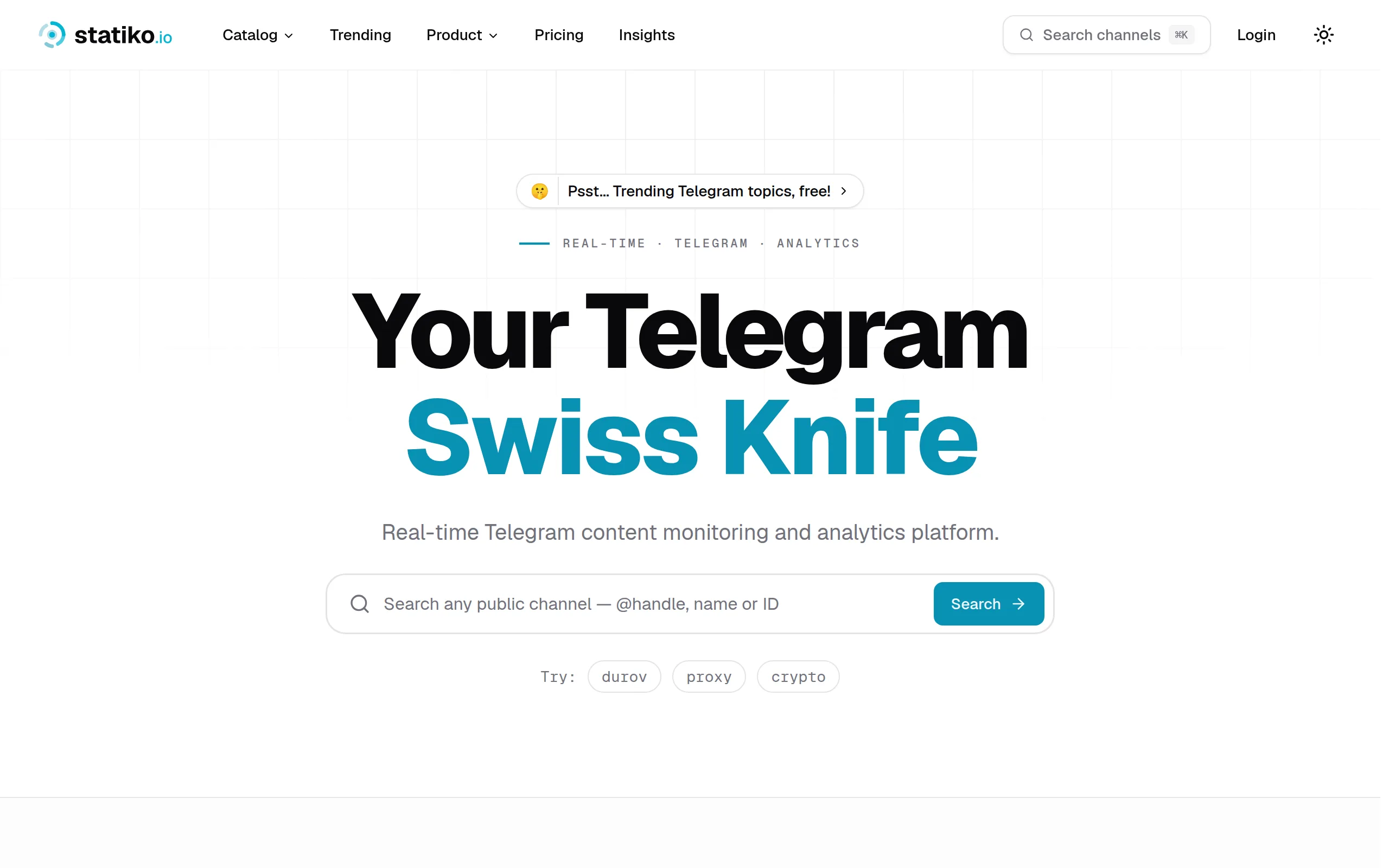
Statiko
Monitor any Telegram channel in real time - track posts, edits, deletions, and growth with AI recaps 📡

Shibui
AI website builder - describe your business, pick a niche template, edit by chatting, and publish instantly ✨

Pro Service
Find verified home service professionals, compare quotes, and pay securely through escrow - built for Brazilians across the US 🏠
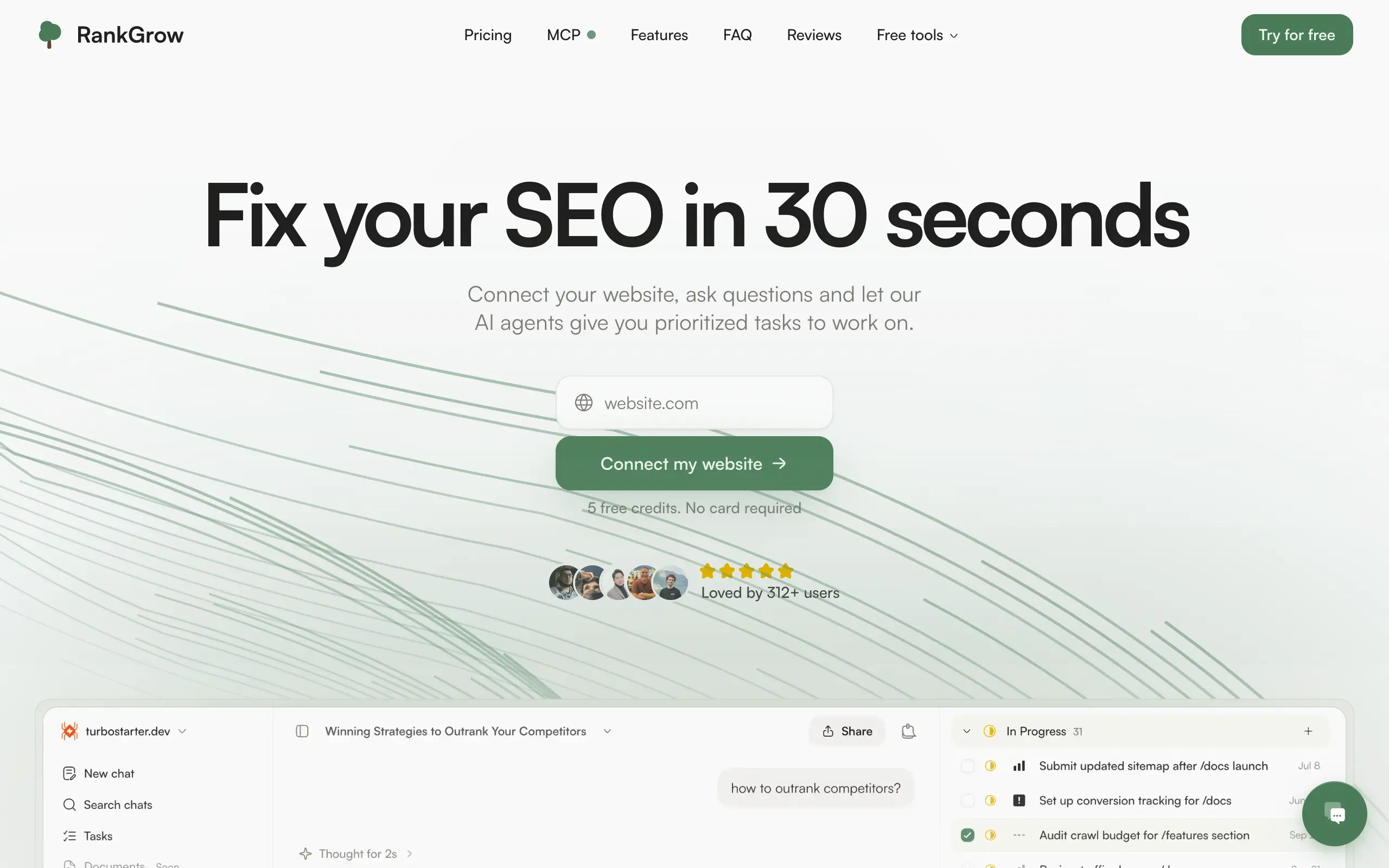
RankGrow
Fix your SEO with AI agents - connect Search Console, get prioritized tasks, and grow organic traffic 📈
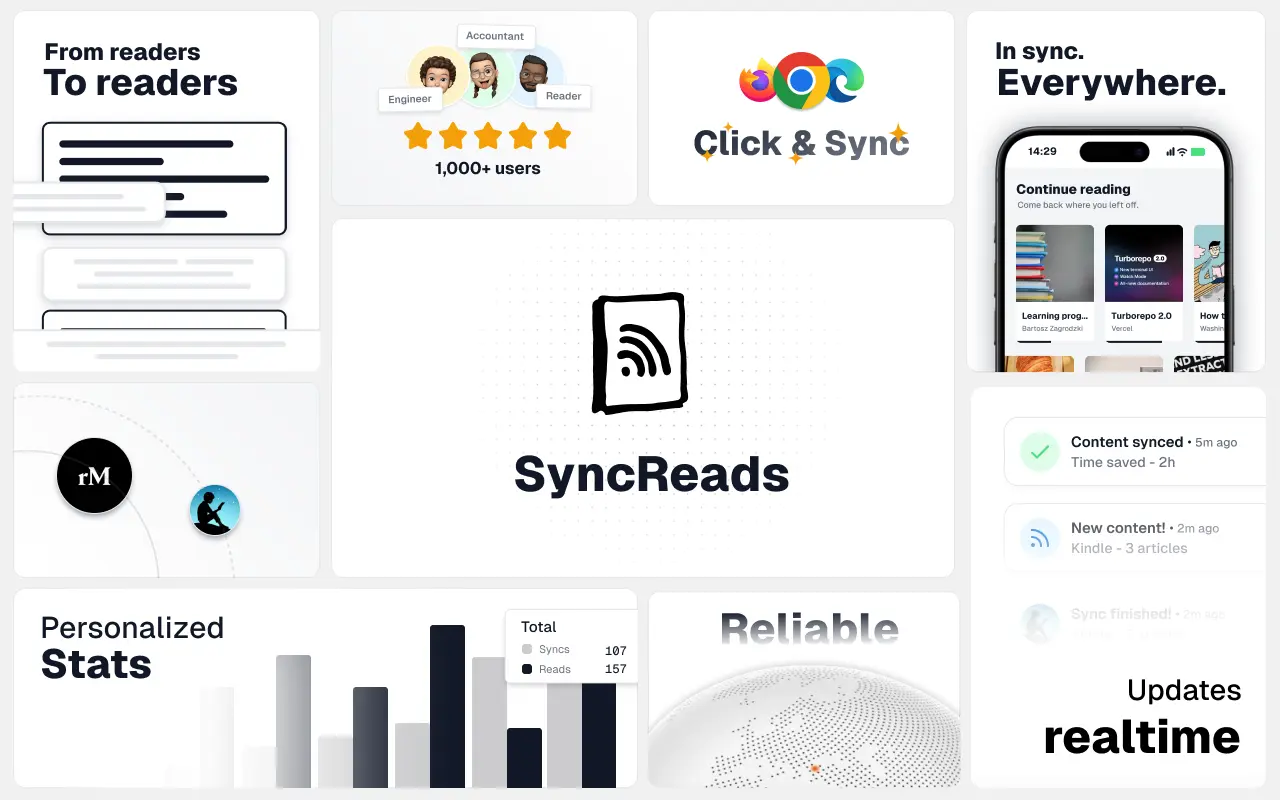
SyncReads
Sync your favorite content for distraction-free reading, save time and replace multiple apps. Anytime, anywhere 🔄
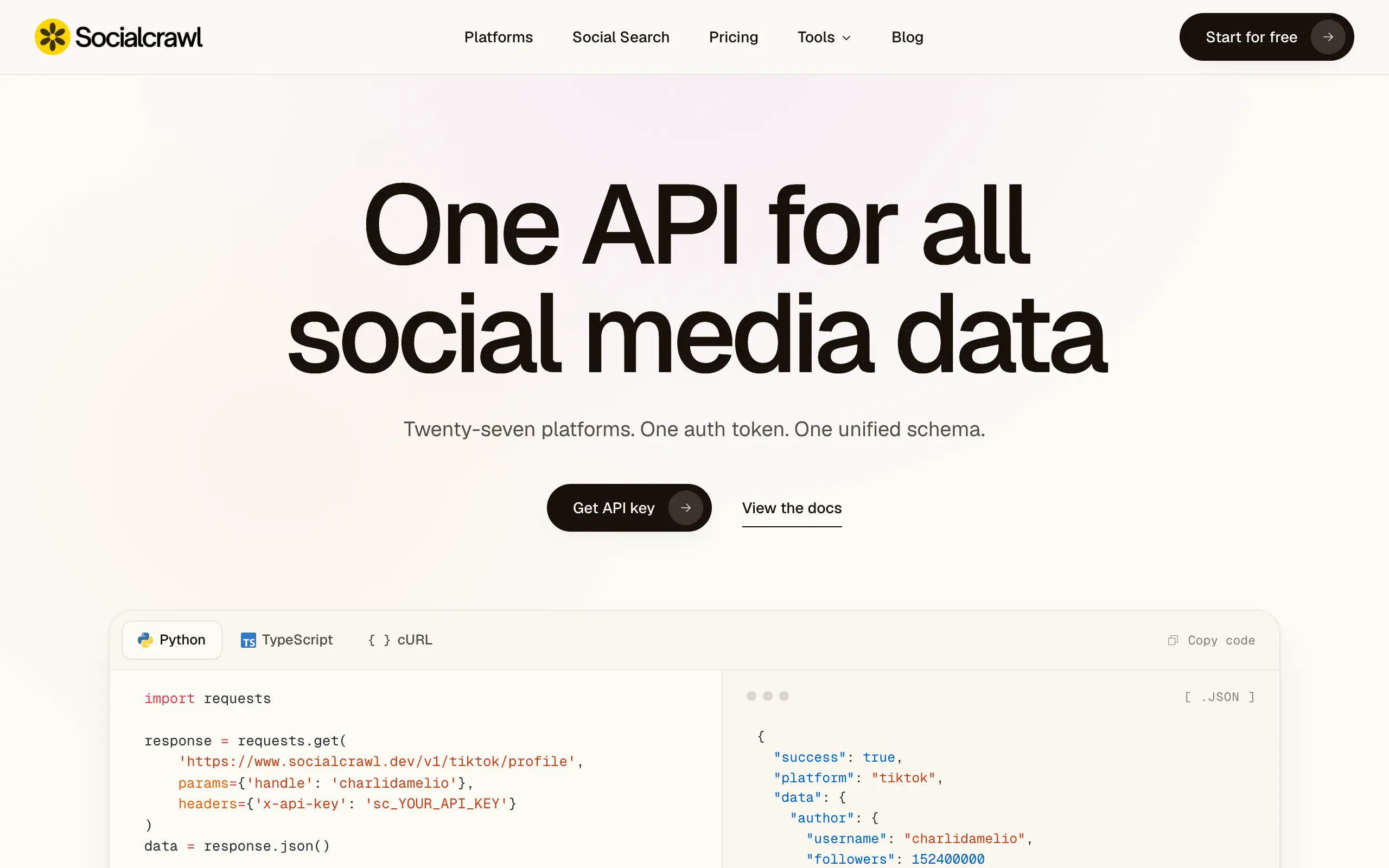
Socialcrawl
Get clean, structured data from 21 platforms like TikTok, Instagram, and YouTube with a single request 📊
Statiko
Monitor any Telegram channel in real time - track posts, edits, deletions, and growth with AI recaps 📡
Shibui
AI website builder - describe your business, pick a niche template, edit by chatting, and publish instantly ✨
Pro Service
Find verified home service professionals, compare quotes, and pay securely through escrow - built for Brazilians across the US 🏠
RankGrow
Fix your SEO with AI agents - connect Search Console, get prioritized tasks, and grow organic traffic 📈
SyncReads
Sync your favorite content for distraction-free reading, save time and replace multiple apps. Anytime, anywhere 🔄
Socialcrawl
Get clean, structured data from 21 platforms like TikTok, Instagram, and YouTube with a single request 📊
Statiko
Monitor any Telegram channel in real time - track posts, edits, deletions, and growth with AI recaps 📡
Shibui
AI website builder - describe your business, pick a niche template, edit by chatting, and publish instantly ✨
Pro Service
Find verified home service professionals, compare quotes, and pay securely through escrow - built for Brazilians across the US 🏠
RankGrow
Fix your SEO with AI agents - connect Search Console, get prioritized tasks, and grow organic traffic 📈
SyncReads
Sync your favorite content for distraction-free reading, save time and replace multiple apps. Anytime, anywhere 🔄
Socialcrawl
Get clean, structured data from 21 platforms like TikTok, Instagram, and YouTube with a single request 📊
Statiko
Monitor any Telegram channel in real time - track posts, edits, deletions, and growth with AI recaps 📡
Shibui
AI website builder - describe your business, pick a niche template, edit by chatting, and publish instantly ✨
Pro Service
Find verified home service professionals, compare quotes, and pay securely through escrow - built for Brazilians across the US 🏠
RankGrow
Fix your SEO with AI agents - connect Search Console, get prioritized tasks, and grow organic traffic 📈
SyncReads
Sync your favorite content for distraction-free reading, save time and replace multiple apps. Anytime, anywhere 🔄
Socialcrawl
Get clean, structured data from 21 platforms like TikTok, Instagram, and YouTube with a single request 📊
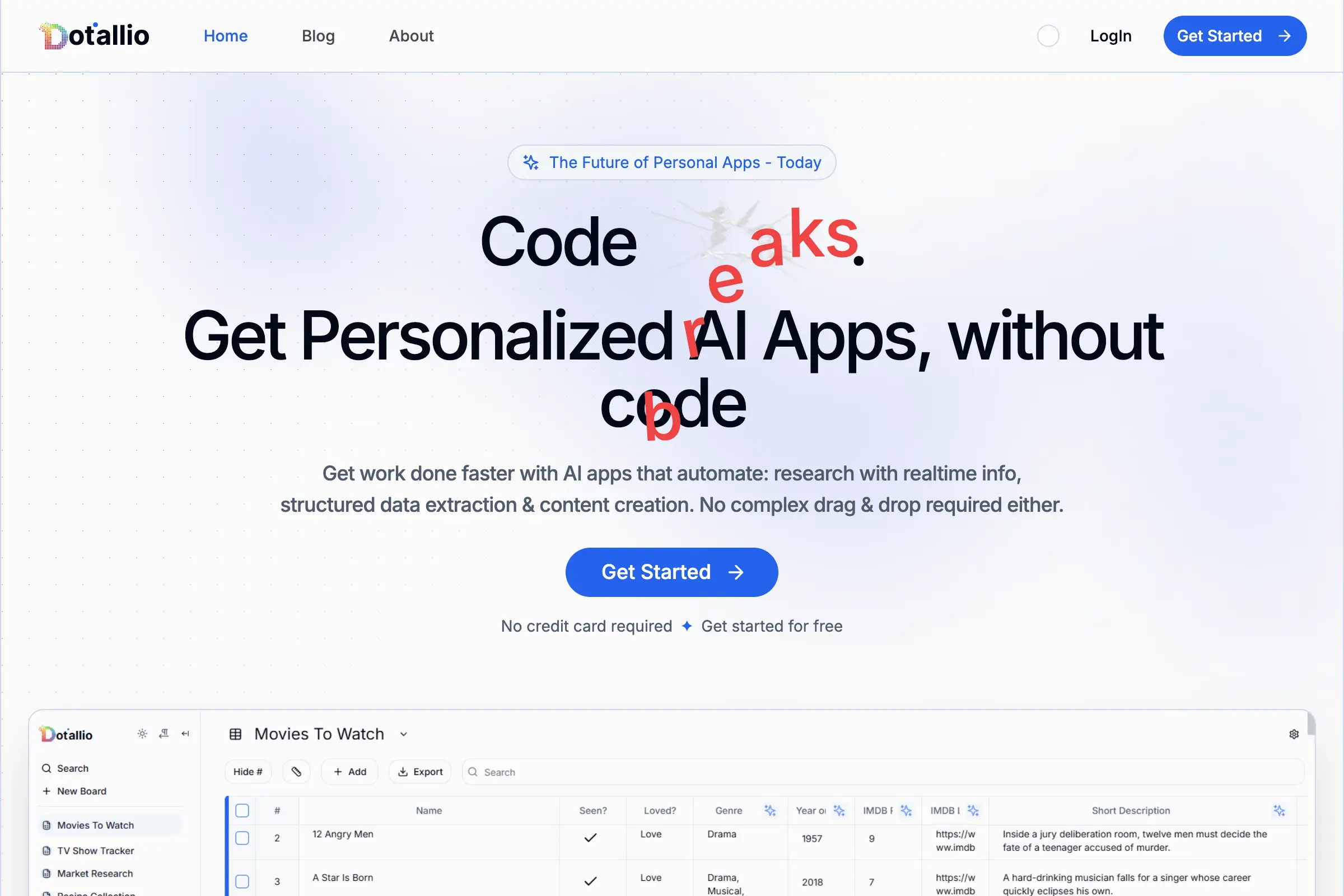
Dotallio
Personalized AI apps that automate research, data extraction, and content creation without code 🤖

Talk to Santa
Enjoy a magical live video chat or receive a unique AI-generated video greeting from Santa Claus 🎅

pozywka.pl
Scalable blog for food journalist, focused on performance and user experience 🌭
zagrodzki.me
Personal blog and portfolio of Bart Zagrodzki, where he shares his knowledge and work 💼
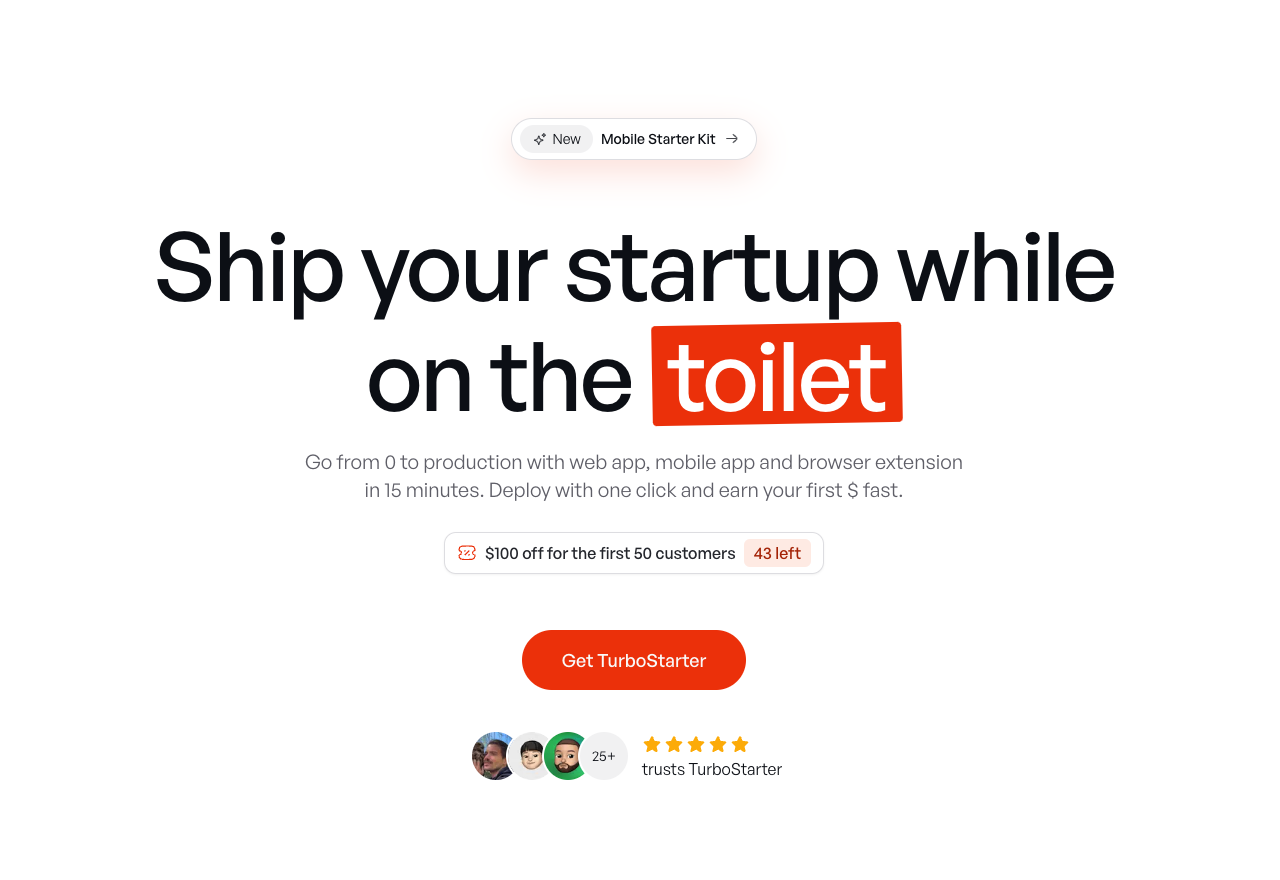
TurboStarter
Ship your startup everywhere. In minutes.
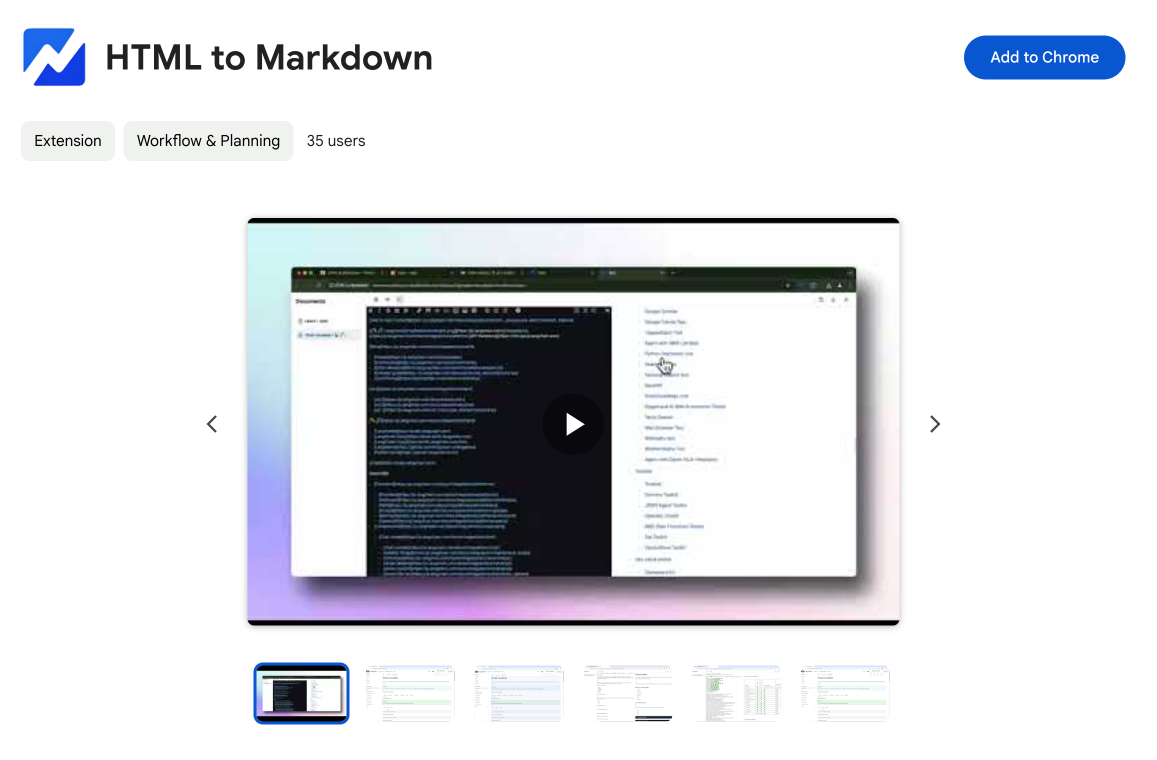
HTML to Markdown
Convert HTML to Markdown with ease, directly in your browser 📄
Dotallio
Personalized AI apps that automate research, data extraction, and content creation without code 🤖
Talk to Santa
Enjoy a magical live video chat or receive a unique AI-generated video greeting from Santa Claus 🎅
pozywka.pl
Scalable blog for food journalist, focused on performance and user experience 🌭
zagrodzki.me
Personal blog and portfolio of Bart Zagrodzki, where he shares his knowledge and work 💼
TurboStarter
Ship your startup everywhere. In minutes.
HTML to Markdown
Convert HTML to Markdown with ease, directly in your browser 📄
Dotallio
Personalized AI apps that automate research, data extraction, and content creation without code 🤖
Talk to Santa
Enjoy a magical live video chat or receive a unique AI-generated video greeting from Santa Claus 🎅
pozywka.pl
Scalable blog for food journalist, focused on performance and user experience 🌭
zagrodzki.me
Personal blog and portfolio of Bart Zagrodzki, where he shares his knowledge and work 💼
TurboStarter
Ship your startup everywhere. In minutes.
HTML to Markdown
Convert HTML to Markdown with ease, directly in your browser 📄
Dotallio
Personalized AI apps that automate research, data extraction, and content creation without code 🤖
Talk to Santa
Enjoy a magical live video chat or receive a unique AI-generated video greeting from Santa Claus 🎅
pozywka.pl
Scalable blog for food journalist, focused on performance and user experience 🌭
zagrodzki.me
Personal blog and portfolio of Bart Zagrodzki, where he shares his knowledge and work 💼
TurboStarter
Ship your startup everywhere. In minutes.
HTML to Markdown
Convert HTML to Markdown with ease, directly in your browser 📄
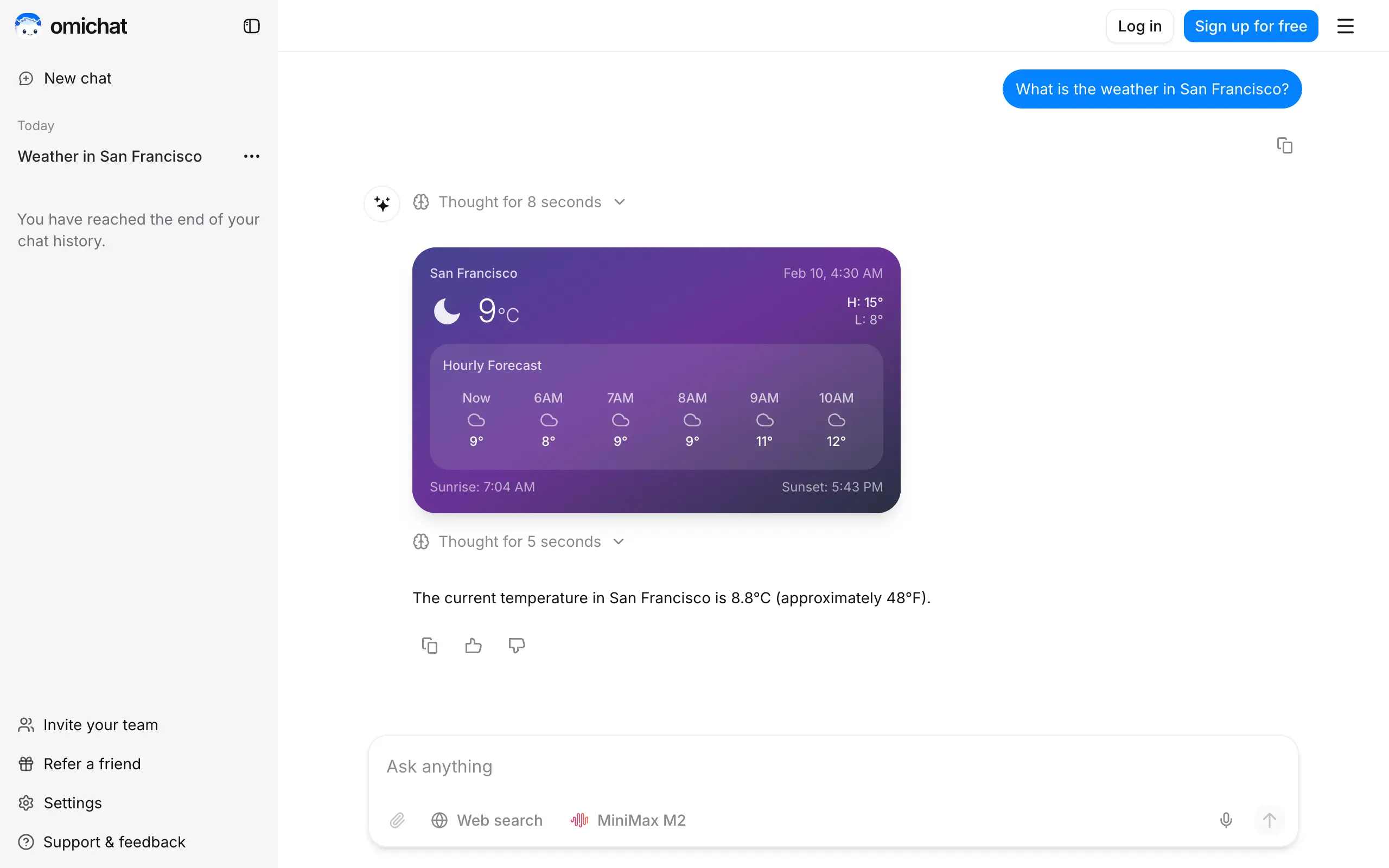
Omichat
Chat with 50+ AI models, including ChatGPT and Claude, in one place - switch models anytime without losing context 🤖
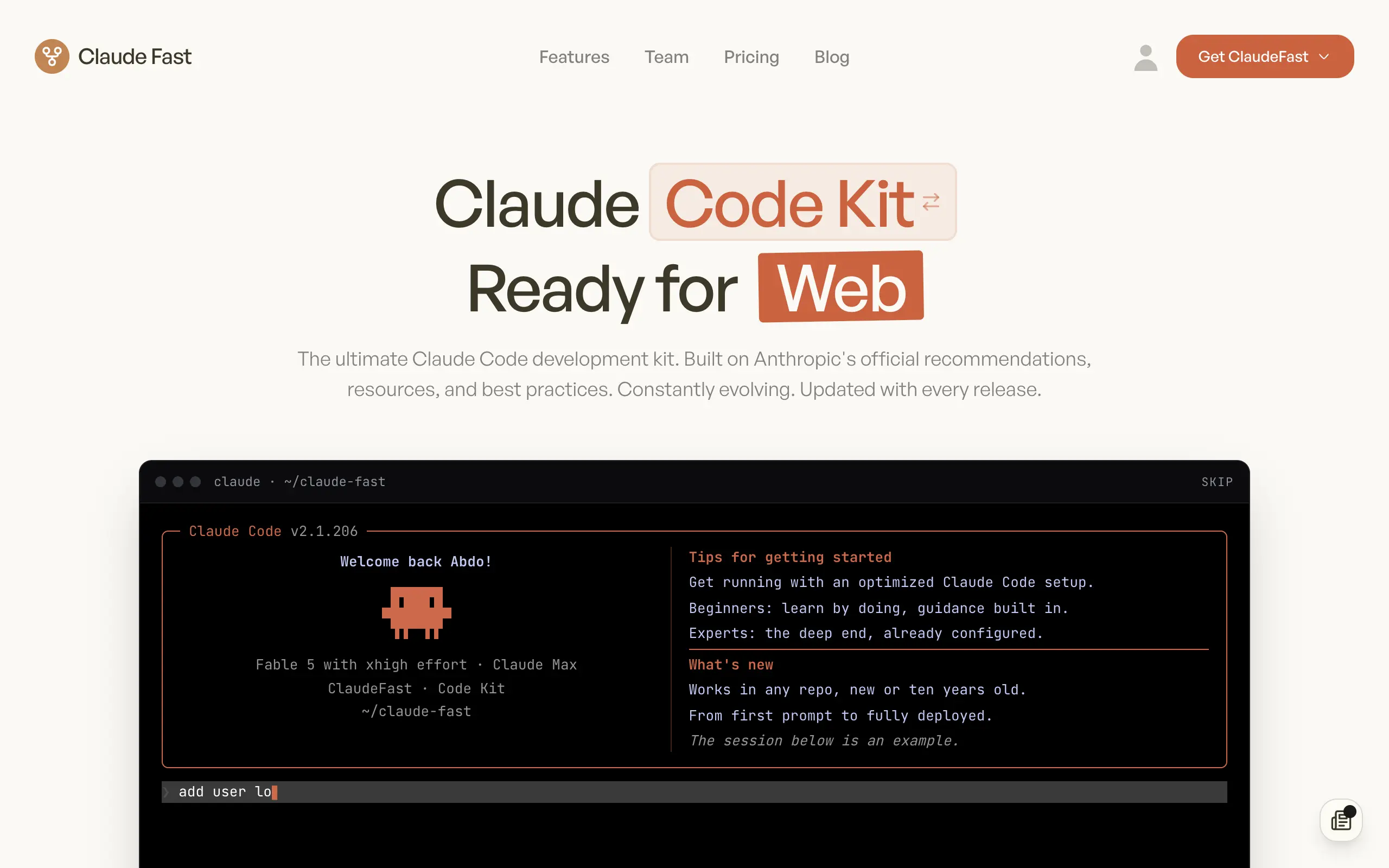
Claude Fast
Supercharge your Claude Code with 6x effective context window and specialized AI agents 🤖
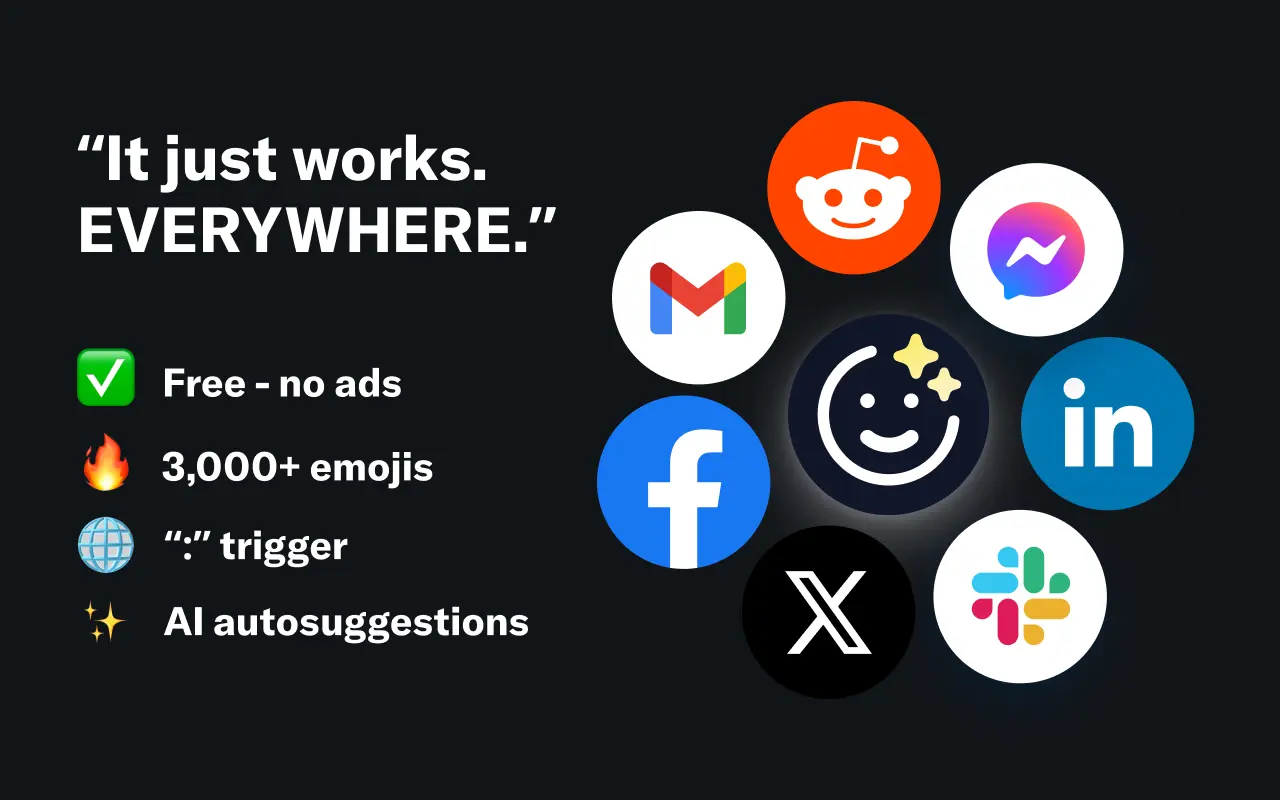
EmojAI
AI-powered emoji picker with smart, context-aware suggestions 🤖
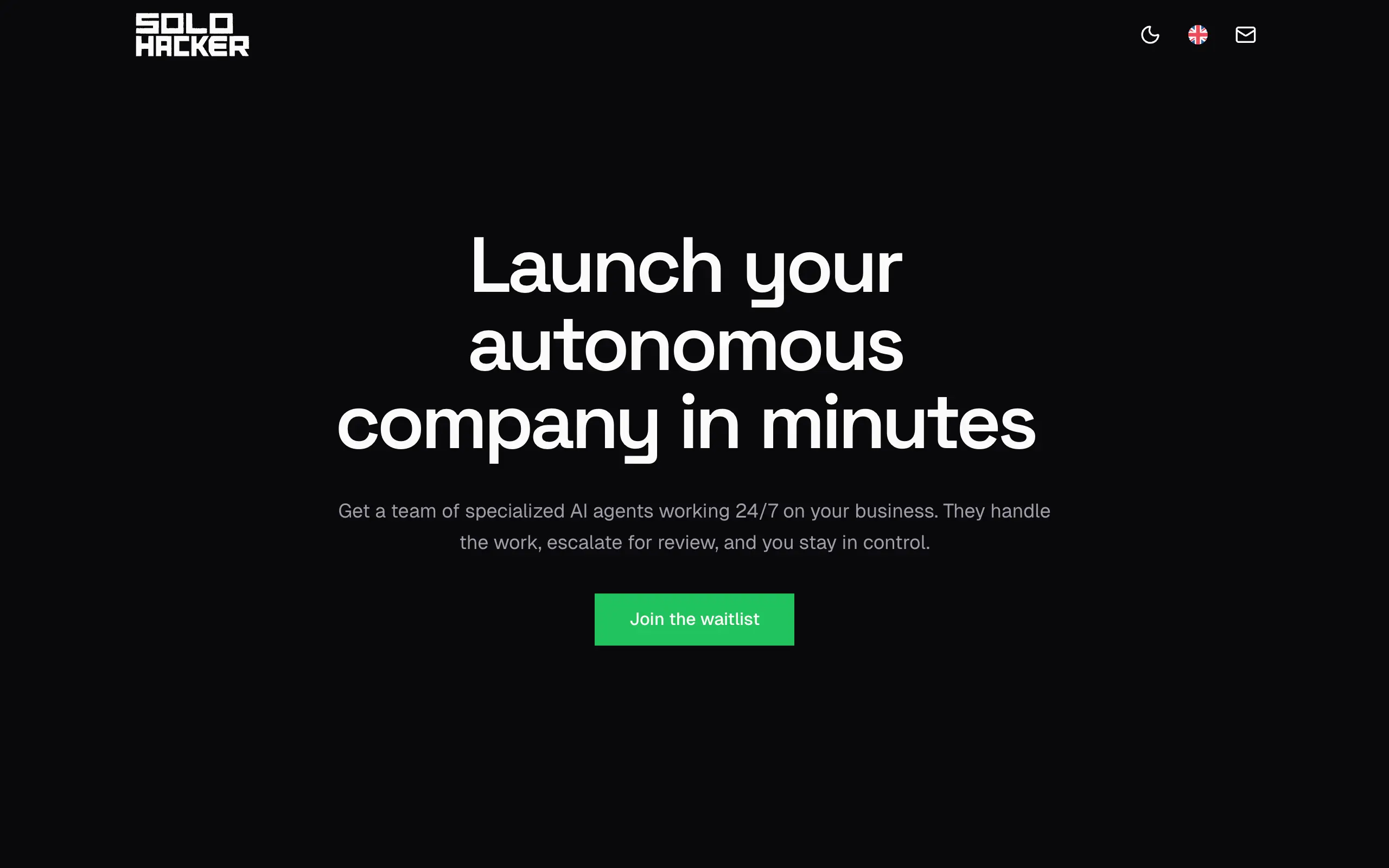
Solohacker
Autonomous company launcher - AI agents work 24/7, escalate what matters, and you stay in control 🤖
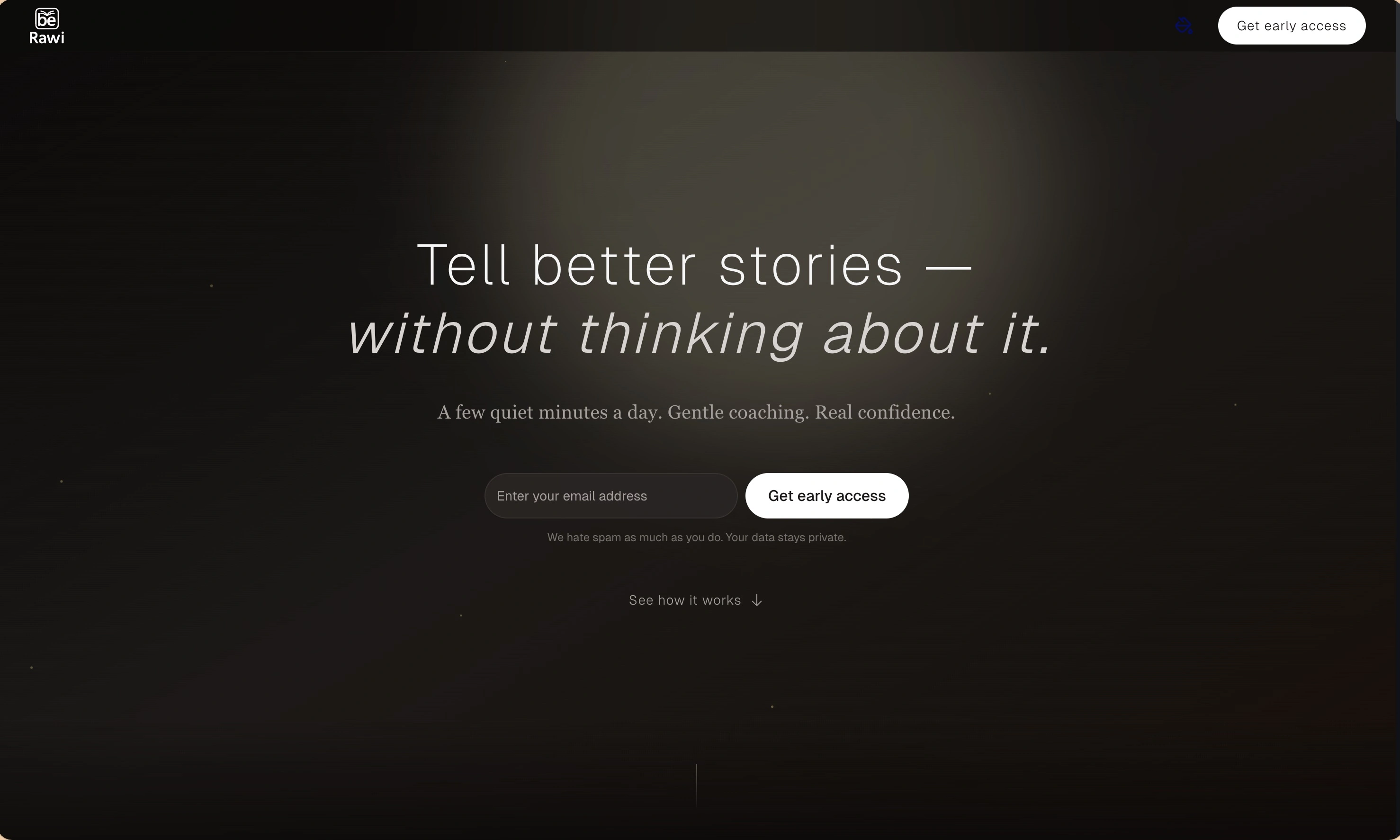
BeRawi: Storytelling Coach
Practice storytelling daily with instant feedback to sound clearer, more engaging, and confident 🎤
Omichat
Chat with 50+ AI models, including ChatGPT and Claude, in one place - switch models anytime without losing context 🤖
Claude Fast
Supercharge your Claude Code with 6x effective context window and specialized AI agents 🤖
EmojAI
AI-powered emoji picker with smart, context-aware suggestions 🤖
Solohacker
Autonomous company launcher - AI agents work 24/7, escalate what matters, and you stay in control 🤖
BeRawi: Storytelling Coach
Practice storytelling daily with instant feedback to sound clearer, more engaging, and confident 🎤
Omichat
Chat with 50+ AI models, including ChatGPT and Claude, in one place - switch models anytime without losing context 🤖
Claude Fast
Supercharge your Claude Code with 6x effective context window and specialized AI agents 🤖
EmojAI
AI-powered emoji picker with smart, context-aware suggestions 🤖
Solohacker
Autonomous company launcher - AI agents work 24/7, escalate what matters, and you stay in control 🤖
BeRawi: Storytelling Coach
Practice storytelling daily with instant feedback to sound clearer, more engaging, and confident 🎤
Omichat
Chat with 50+ AI models, including ChatGPT and Claude, in one place - switch models anytime without losing context 🤖
Claude Fast
Supercharge your Claude Code with 6x effective context window and specialized AI agents 🤖
EmojAI
AI-powered emoji picker with smart, context-aware suggestions 🤖
Solohacker
Autonomous company launcher - AI agents work 24/7, escalate what matters, and you stay in control 🤖
BeRawi: Storytelling Coach
Practice storytelling daily with instant feedback to sound clearer, more engaging, and confident 🎤

Connect with like-minded people
Join our community to get feedback, support, and grow together with 1,000+ builders on board, let's ship it!
Join usShip your startup everywhere. In minutes.
Don't burn tokens on setup and start building features on day one.