ResolveAI
Leverage AI to predict and resolve customer issues before they escalate. Tailored for enterprises looking to reduce churn and enhance customer loyalty.
Target Audience for Enterprise Solutions
Enterprises looking to reduce customer churn and boost loyalty have long struggled with reactive support systems. The conventional model focuses on fixing issues after customers report them. This approach often leads to frustrated customers and the potential loss of valuable business. Instead, imagine a system that accurately predicts potential issues before they escalate—and automatically resolves them. This solution resonates with large enterprises and B2B organizations that must ensure customer satisfaction while operating with efficiency.
- Enterprise IT Teams: Optimizing internal workflows and ensuring customers enjoy seamless experiences.
- Customer Support Departments: Delivering proactive service and reducing the volume of high-priority escalations.
- Data-Driven Decision Makers: Executives who appreciate actionable insights delivered by artificial intelligence to drive strategy.
- Innovation Leaders: Professionals who are constantly searching for the next breakthrough in SaaS technology to maintain their competitive edge.
The target audience is not just about departments but about perspective. These are organizations that prize data transparency, speed, and an innovative edge. They have recognized that traditional reactive approaches are not sufficient in today’s competitive market.
Market Opportunity and Business Growth
The landscape of customer experience is evolving rapidly. Today's customers expect immediate problem resolution and personalized experiences. Companies that adapt by leveraging advanced predictive capabilities can not only reduce customer churn but also build stronger, lasting relationships. Here are some key points that highlight the market opportunity:
- Rising Demand for Proactive Solutions: With customer expectations at an all-time high, businesses are increasingly leaning towards technology that preempts issues rather than merely reacting.
- Scalability: AI-driven platforms scale effortlessly to manage larger volumes of interactions across multiple channels, making them ideal for enterprises with an extensive customer base.
- Cost Efficiency: Automation reduces the need for extensive manual intervention, thereby lowering operational costs.
- Global Expansion: Businesses that deploy proactive AI solutions have the potential to disrupt global markets by providing superior service levels that are not bound by time zones or manual limitations.
The integration of machine learning and predictive analytics in resolving support issues upfront sets a new standard in customer service. Enterprises can significantly reduce the risks associated with customer dissatisfaction, ultimately driving loyalty while tapping into a vast market opportunity.
Insight
Leveraging AI for preemptive customer support is not just an operational upgrade—it's a strategic shift that can revolutionize the entire customer service paradigm.
Technology Stack and Development Acceleration
In order to create an AI-powered platform that predicts and resolves customer issues, selecting the right technology stack is crucial. Every element must be robust, scalable, and flexible enough to support evolving customer demands. Here are some key components in the tech stack:
- Backend Technologies: Languages like Node.js, Python, or even Go can be utilised to ensure speedy execution of background tasks and real-time processing.
- Machine Learning Libraries: TensorFlow, Scikit-learn, and PyTorch offer powerful toolkits that can be harnessed to build accurate predictive models.
- Frontend Frameworks: React, Vue.js, or Angular can ensure a responsive and interactive user interface that stakeholders appreciate.
- Cloud Infrastructure: AWS, Google Cloud, or Microsoft Azure provide scalable solutions that support vast data processing capabilities and secure storage options integration.
- Integration & APIs: RESTful APIs or GraphQL for seamless integration with existing business tools and CRM systems.
When keen on rapid prototyping and development, using pre-built starter kits like TurboStarter can drastically reduce the time to market. TurboStarter provides a comprehensive framework for web, mobile, and browser extension development, making it easier to integrate the AI components with minimal hassle.
Here’s a quick look at how a backend function might be structured:
const processCustomerData = async (customerData) => {
  try {
    // Predict future issues based on historical data
    const prediction = await predictIssues(customerData);
    // Log the predictive results
    console.log("Predicted issues:", prediction);
    return prediction;
  } catch (error) {
    console.error("Error processing customer data:", error);
  }
};
This snippet illustrates the essence of integrating a predictive function within a larger application framework. Such modular coding practices help teams achieve agility while ensuring robust performance.
The backend ensures seamless data ingestion and processing, handling everything from predictive analytics to resolving potential issues.
The frontend provides an intuitive interface that abstracts complex operations into easily interpretable visuals, empowering non-technical users.
Monetization Strategy and Revenue Streams
For an AI-driven customer support solution, the monetization strategy is as critical as the technology itself. Enterprises are ready to invest in innovations that reduce costs related to customer churn and improve overall user satisfaction. Consider these potential revenue models:
- Subscription-Based Models: Offer tiered subscriptions that provide different levels of functionality. Premium plans could include advanced predictive features, real-time alerts, and dedicated support services.
- Usage-Based Pricing: Charge customers based on the volume of interactions or the number of predictive analyses processed. This flexible pricing model aligns costs directly with the value delivered.
- Enterprise Licensing: A licensing model for large organizations ensures that they can integrate the solution into their existing systems while enjoying customizable features tailored to their needs.
- Consultation Services: Supplement the technology offering with professional services, such as custom integrations, data analysis, and tailored AI model enhancements.
- Freemium Models: Offer a basic version of the tool to attract early adopters, with the potential to upgrade as their needs scale.
Each of these revenue streams has its merits. The subscription model ensures predictable recurring revenue, while usage-based pricing appeals to organizations with variable support needs. By offering a combination of these strategies, enterprises can choose what best suits their operational load, while the platform can adapt to various financial models in the market.
Subscriptions provide steady revenue and ongoing customer relationships essential for continuous improvement.
Charging based on actual usage aligns costs with value, ensuring customers only pay for the support they utilize.
Risks and Mitigation
No innovative solution comes without risks. When introducing transformative technology into business ecosystems, it is important to identify potential pitfalls and develop robust mitigation strategies. Here are a few possible risks and suggestions on how to address them:
- Data Privacy & Security: Handling sensitive customer data brings inherent risks regarding data breaches or misuse.
- Mitigation: Employ advanced encryption methods and comply with GDPR, CCPA, and other relevant data protection regulations.
- Model Accuracy: The reliability of AI predictions is paramount. If models fail to accurately predict issues, customer trust might erode.
- Mitigation: Regularly update and fine-tune machine learning models based on new data. Implement rigorous testing frameworks.
- Integration Challenges: Large enterprises often have complex infrastructures that might be difficult to integrate with.
- Mitigation: Ensure compatibility through robust API designs and offer customization in deployment options.
- Market Adoption: Resistance to change is common in established enterprises, making adoption a challenge.
- Mitigation: Provide comprehensive training, onboarding services, and robust customer support to ease the transition.
- Operational Downtime: Over-reliance on automated systems can be risky if system failures occur.
- Mitigation: Establish fallback procedures and a dedicated manual override to ensure continuous service during unexpected downtimes.
Consideration
While innovation drives change, it also requires a change in mindset. Ensure stakeholders are prepared for a shift from reactive to proactive customer service models.
Competitive Advantages and Unique Selling Points
Standing out in a competitive marketplace requires a blend of technological excellence and a clear understanding of what differentiates your product from others. This AI solution offers several significant competitive advantages:
- Proactive Support: Unlike traditional customer service tools that focus solely on reactive support, this solution predicts issues before they occur, providing companies a unique opportunity to impress customers.
- Robust Analytics: With predictive analytics at its core, enterprises can make informed decisions supported by data. This feature is invaluable in fine-tuning strategic operations.
- Customization: The flexibility in deployment allows companies to customize the solution to their unique needs, whether integrating with existing CRM systems or tailoring alert systems to match operational needs.
- Cost Efficiency: By automating routine support tasks and reducing the need for extensive manual intervention, organizations save both time and budget.
- Future-Proofing: As subscription models and usage-based pricing structures become industry standards, adopting innovative technology positions companies to remain competitive in the long run.
In addition to the above points, the platform is designed with a modular architecture, ensuring that as new challenges or opportunities arise, adjustments can be made rapidly without a complete overhaul of the system. This agile nature is essential for enterprises that need to continuously evolve and maintain an edge over their competitors.
Feature highlight
Leverage AI-driven insights to anticipate and prevent customer issues before they occur, reducing overall support costs while enhancing loyalty.
Scaling and Future Integrations
While the current implementation revolves around proactive customer support, the underlying architecture is designed for scalability. Here are some future integrations and scaling strategies that could add even more value:
- Cross-Channel Integration: Integrate with multiple support channels, including chatbots, email, and social media, ensuring a consistent customer experience.
- Advanced Reporting Dashboards: Provide enterprise-grade insights and customizable dashboards that allow decision makers to drill down into metrics.
- Voice & Chatbot Interfaces: Incorporate natural language processing (NLP) to handle conversational interfaces that can simulate human interaction and resolve issues on the spot.
- Multi-Language Support: Cater to global enterprises by offering support in various languages, thereby expanding the market significantly.
The key is ensuring the platform remains flexible enough to adapt to new technologies and integration opportunities, making it not only a valuable asset today but also a future-proof solution for customer-centered enterprises.
The Role of Artificial Intelligence in Today's Enterprise
Artificial Intelligence (AI) is transforming the business landscape, and the use of predictive analytics in customer support is just one example of its potential. By integrating sophisticated AI models, companies can shift from a reactive to a proactive stance, foreseeing customer challenges and resolving them before they escalate. Some key points include:
- Reduced Human Error: Automated systems can handle repetitive tasks with minimal error, freeing up human resources for more complex problem-solving tasks.
- Enhanced Personalization: AI tailors responses based on historical data and real-time interactions, resulting in a more personalized customer experience.
- Continuous Learning: Machine learning models continuously improve, ensuring that the predictions become more accurate over time.
- Business Agility: Quick adaptations in response to new trends or demands come from AI-enhanced insights, making the business agile and responsive.
The fusion of high-tech engineering and customer-centric design offers a mutually reinforcing cycle: as AI learns from customer data, service becomes more efficient; as customer satisfaction improves, data quality increases, further refining the AI model.
Overcoming Operational Challenges
Implementing AI at scale requires more than just technological excellence—it demands an operational framework that supports continuous improvement. Enterprises might face several challenges during integration:
- Legacy Systems: Existing legacy systems may not be designed for AI integration.
- Solution: Adopt a microservices architecture, which allows gradual integration and decoupling of legacy systems.
- User Resistance: Employees accustomed to traditional support methods might be skeptical about an AI-driven approach.
- Solution: Provide comprehensive training sessions, demos, and gradual rollouts to foster acceptance.
- Data Silos: Data spread across different departments can hinder the reliability of predictive models.
- Solution: Implement centralized data management practices that encourage seamless data sharing across the organization.
Adopting an agile methodology helps to address these operational challenges. Iterative development and continuous feedback loops are vital for refining processes while addressing any issues in real-time.
Detailed steps for transitioning from traditional support methods to an AI-enhanced ecosystem include pilot programs, regular review sessions, and robust quality assurance measures.
Monetization and Long-Term Financial Planning
Establishing a sustainable revenue model is crucial not just to cover operational costs, but also for scaling and continuous innovation. By offering different pricing plans tailored to varied enterprise needs, companies can ensure that their investment in advanced AI remains justified. Furthermore, the long-term financial planning should consider potential future enhancements such as:
- Analytics-Driven Upselling: Use customer data to identify additional services or upgrades that could benefit the client.
- Performance-Based Incentives: Introduce metrics to track the performance of the AI solution and base part of the revenue on achieved milestones.
- Integration Premiums: Larger businesses might require deeper integration with their existing tools—a service that can be monetized separately with consulting fees integrated.
The diversity in revenue approaches not only reduces the risk associated with dependency on a single revenue stream but also opens up multiple avenues for profitable growth.
Competitive Landscape and Differentiation
Standing out in a competitive market requires not only a distinct value proposition but also continuous innovation. Here’s how this proactive AI solution distinguishes itself:
- Predictive Algorithms: By leveraging state-of-the-art machine learning, the platform reduces the need for reactive support.
- Customization and Modularity: Enterprises can tailor the deployment to their specific organizational needs, ensuring seamless integration with existing systems.
- Scalability: The system is designed to handle everything from small-scale operations to enterprise-level demands without compromising on performance.
- User-Centric Design: The interface prioritizes intuitive design, ensuring that both technical and non-technical users can seamlessly navigate its features.
In today’s competitive environment, few platforms offer both the predictive capabilities of AI and the deep integration potential required by large enterprises. By constantly refining and automating its processes, this solution provides a clear competitive edge over traditional customer support systems.
Conclusion and Implementation Steps
Transforming the customer support model from reactive to proactive using AI not only represents a technological advancement but also a paradigm shift in customer engagement strategy. Enterprises can mitigate risk, reduce costs, and gain actionable insights into customer behavior while providing unparalleled service quality.
Below are the key implementation steps to transition to this innovative system:
The shift to this proactive, AI-driven approach is both an investment in future-proofing customer support and a strategic move towards reducing operational inefficiencies. As each phase is executed, the organization stands to gain not only through cost savings but also by delivering a superior customer experience that fosters loyalty and long-term growth.
By following these steps—coupled with a deep understanding of market dynamics, technical requirements, and user-centric design—the transformation from reactive to predictive support can be achieved smoothly. This provides a sustainable competitive edge in the modern business landscape, ultimately leading to increased customer satisfaction, reduced churn, and a strong foundation for future innovation.
The journey to deploying an AI-powered customer support system is challenging but immensely rewarding. With a clear strategy, robust tech stack, and a dedication to continuous improvement, enterprises can not only meet—but exceed—the expectations of today’s increasingly demanding market.
More 🏢 B2B Application SaaS ideas
Discover more innovative b2b application SaaS ideas that are trending in 2026. Each idea is AI-generated with market validation and growth potential to help you find your next profitable venture faster than competitors.
Your competitors are building with TurboStarter
Below are some of the SaaS ideas that have been generated and built with our starter kit.
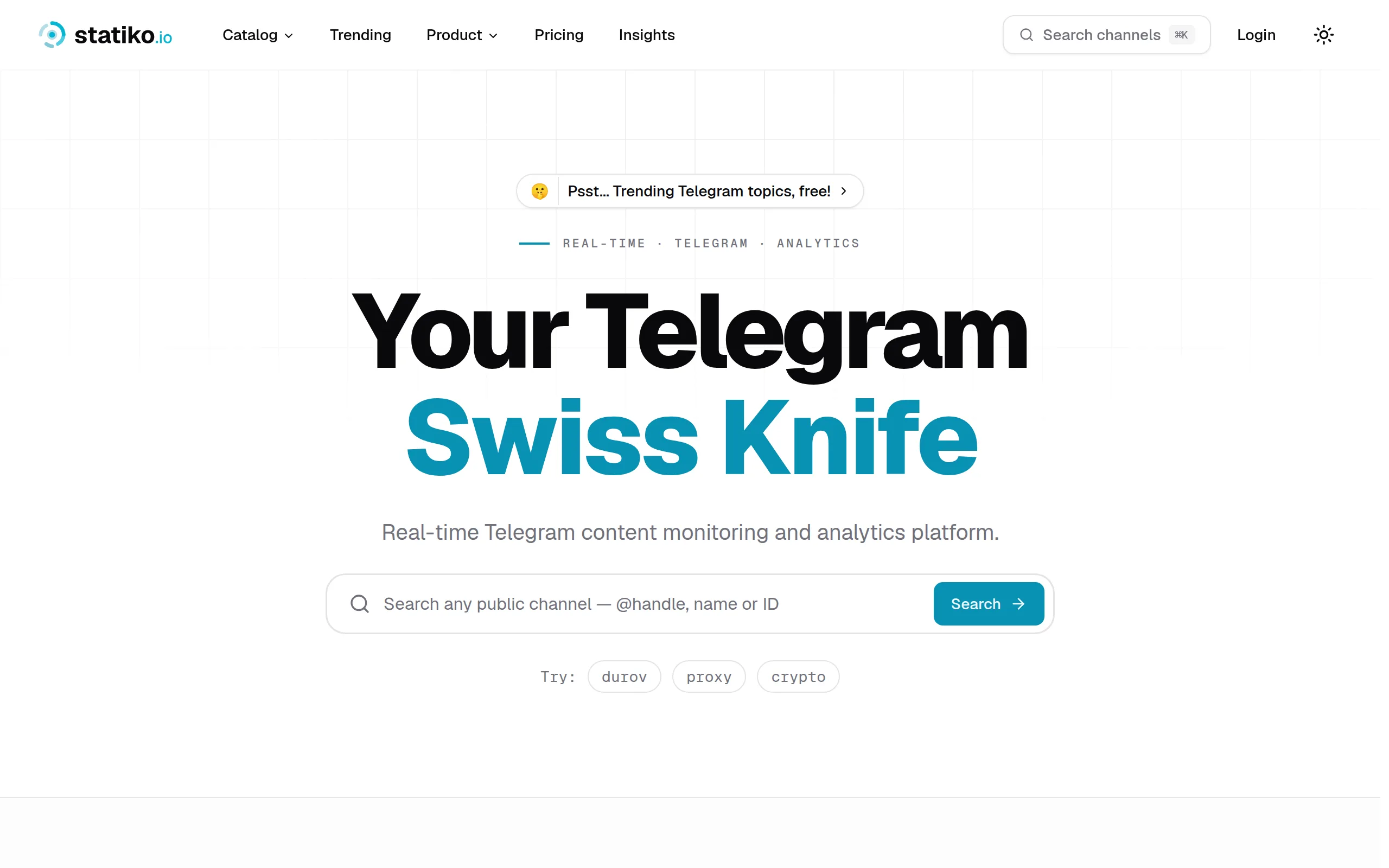
Statiko
Monitor any Telegram channel in real time - track posts, edits, deletions, and growth with AI recaps 📡

Shibui
AI website builder - describe your business, pick a niche template, edit by chatting, and publish instantly ✨

Pro Service
Find verified home service professionals, compare quotes, and pay securely through escrow - built for Brazilians across the US 🏠
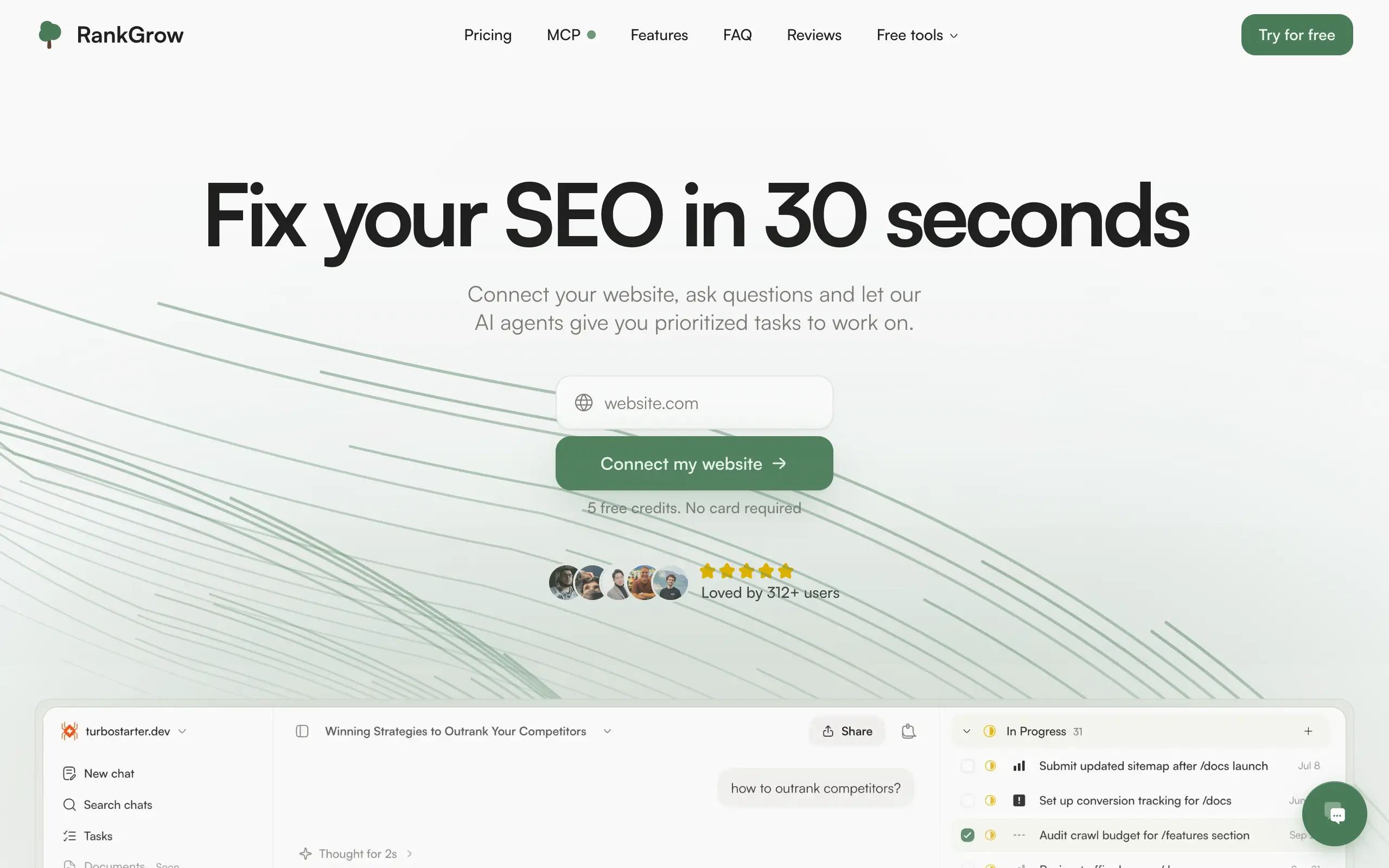
RankGrow
Fix your SEO with AI agents - connect Search Console, get prioritized tasks, and grow organic traffic 📈
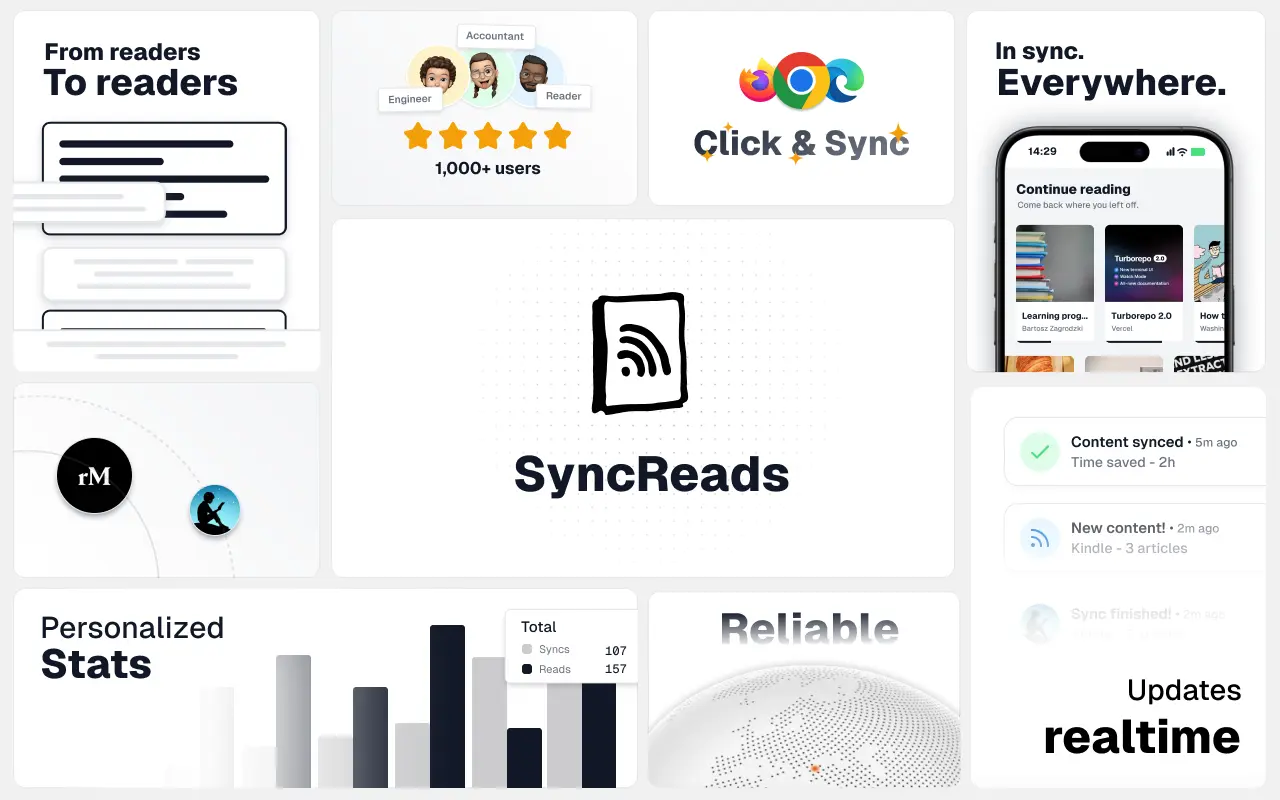
SyncReads
Sync your favorite content for distraction-free reading, save time and replace multiple apps. Anytime, anywhere 🔄
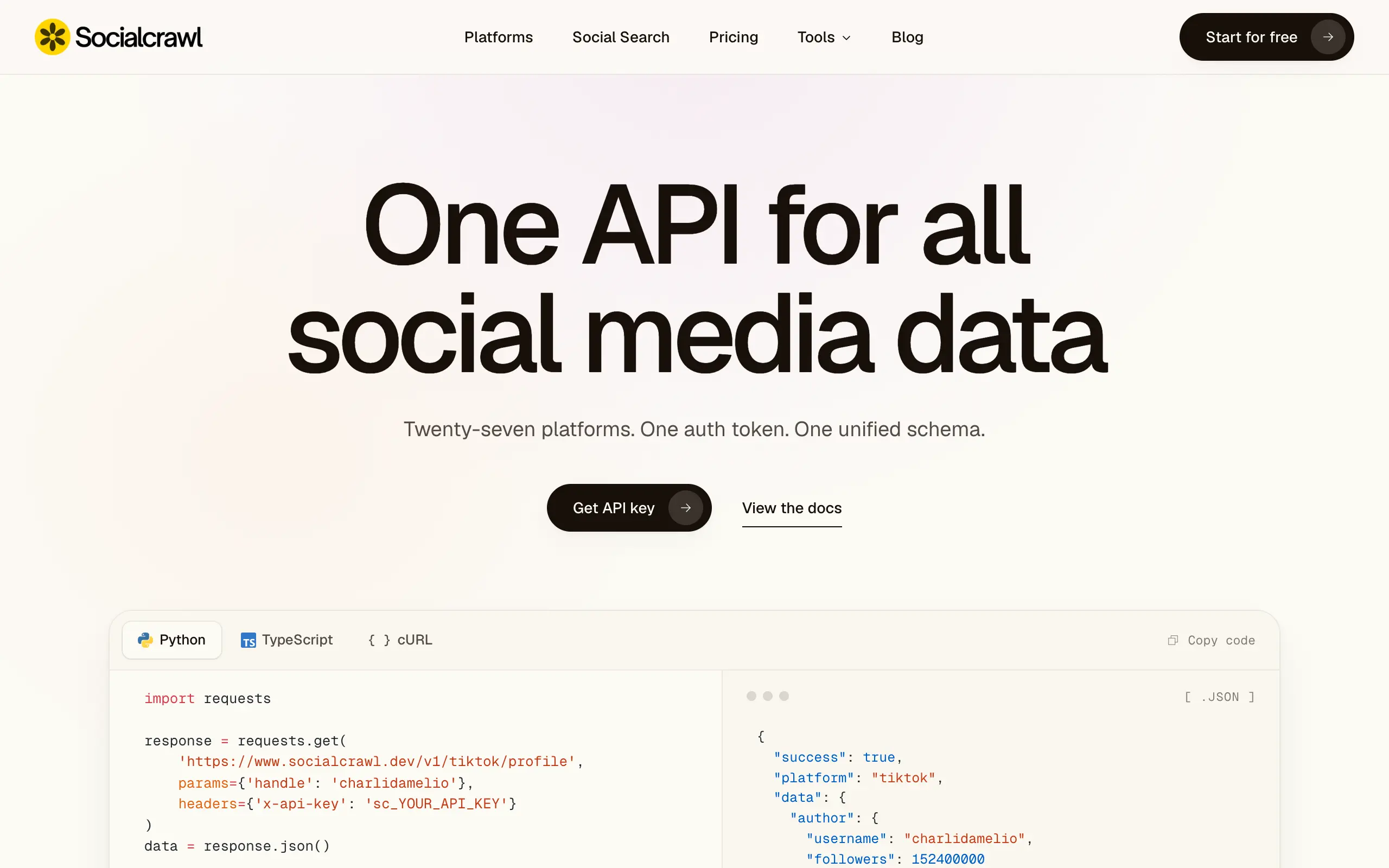
Socialcrawl
Get clean, structured data from 21 platforms like TikTok, Instagram, and YouTube with a single request 📊
Statiko
Monitor any Telegram channel in real time - track posts, edits, deletions, and growth with AI recaps 📡
Shibui
AI website builder - describe your business, pick a niche template, edit by chatting, and publish instantly ✨
Pro Service
Find verified home service professionals, compare quotes, and pay securely through escrow - built for Brazilians across the US 🏠
RankGrow
Fix your SEO with AI agents - connect Search Console, get prioritized tasks, and grow organic traffic 📈
SyncReads
Sync your favorite content for distraction-free reading, save time and replace multiple apps. Anytime, anywhere 🔄
Socialcrawl
Get clean, structured data from 21 platforms like TikTok, Instagram, and YouTube with a single request 📊
Statiko
Monitor any Telegram channel in real time - track posts, edits, deletions, and growth with AI recaps 📡
Shibui
AI website builder - describe your business, pick a niche template, edit by chatting, and publish instantly ✨
Pro Service
Find verified home service professionals, compare quotes, and pay securely through escrow - built for Brazilians across the US 🏠
RankGrow
Fix your SEO with AI agents - connect Search Console, get prioritized tasks, and grow organic traffic 📈
SyncReads
Sync your favorite content for distraction-free reading, save time and replace multiple apps. Anytime, anywhere 🔄
Socialcrawl
Get clean, structured data from 21 platforms like TikTok, Instagram, and YouTube with a single request 📊
Statiko
Monitor any Telegram channel in real time - track posts, edits, deletions, and growth with AI recaps 📡
Shibui
AI website builder - describe your business, pick a niche template, edit by chatting, and publish instantly ✨
Pro Service
Find verified home service professionals, compare quotes, and pay securely through escrow - built for Brazilians across the US 🏠
RankGrow
Fix your SEO with AI agents - connect Search Console, get prioritized tasks, and grow organic traffic 📈
SyncReads
Sync your favorite content for distraction-free reading, save time and replace multiple apps. Anytime, anywhere 🔄
Socialcrawl
Get clean, structured data from 21 platforms like TikTok, Instagram, and YouTube with a single request 📊
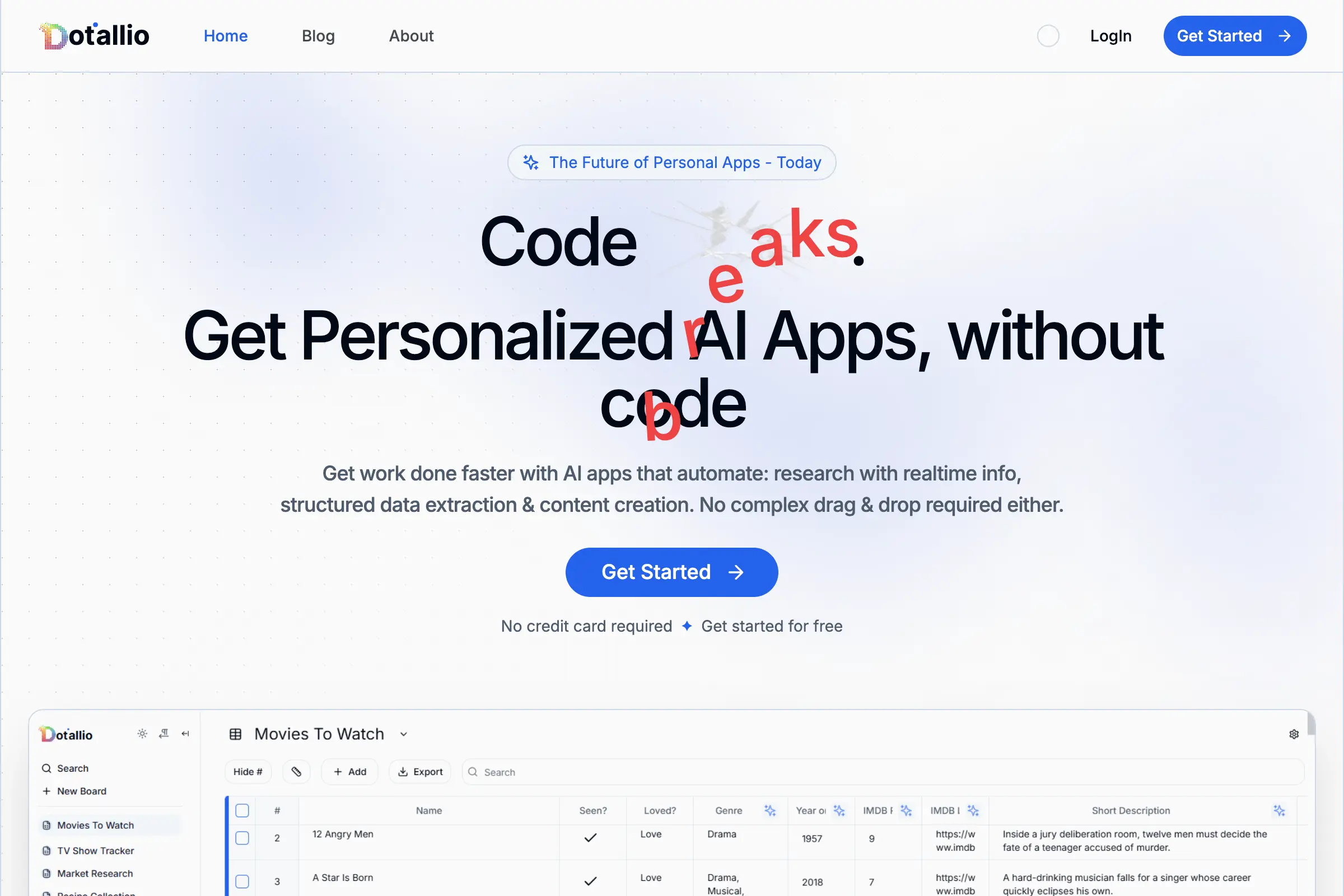
Dotallio
Personalized AI apps that automate research, data extraction, and content creation without code 🤖

Talk to Santa
Enjoy a magical live video chat or receive a unique AI-generated video greeting from Santa Claus 🎅
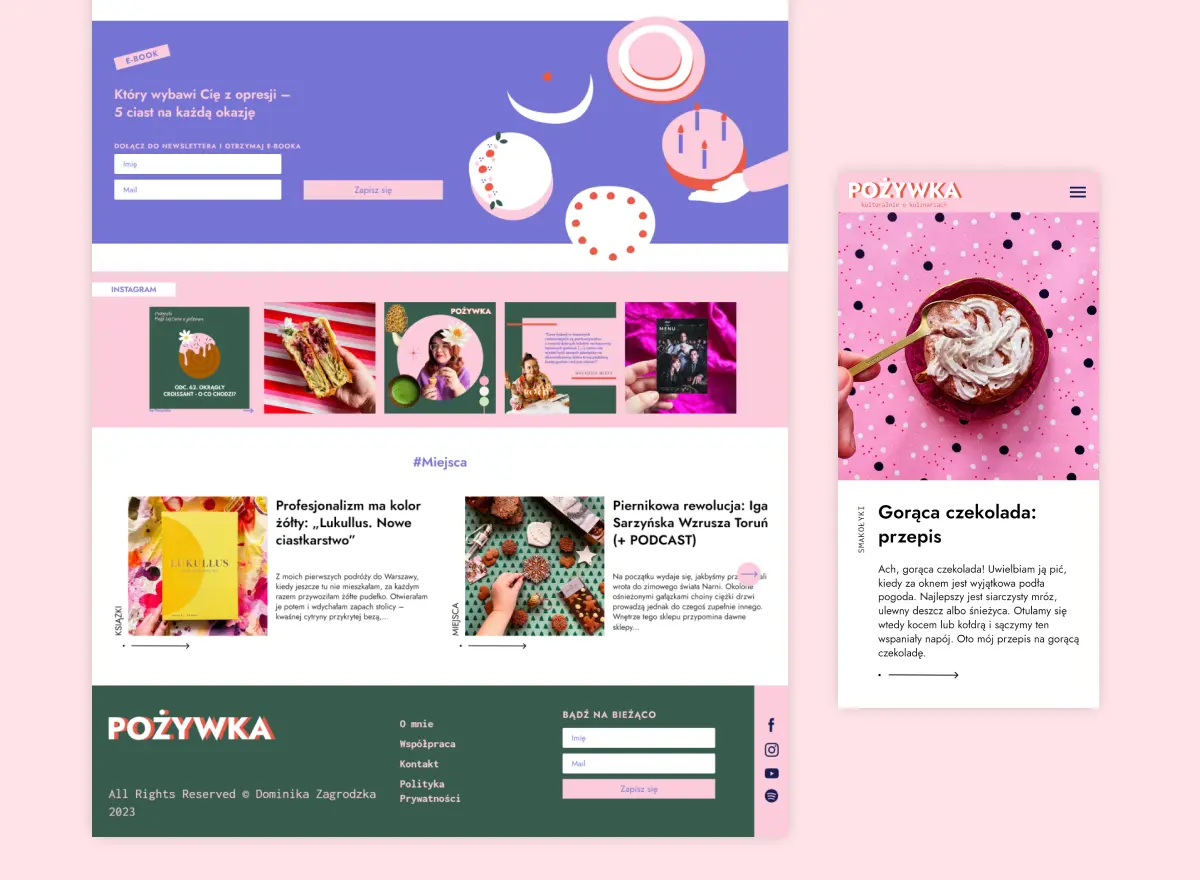
pozywka.pl
Scalable blog for food journalist, focused on performance and user experience 🌭
zagrodzki.me
Personal blog and portfolio of Bart Zagrodzki, where he shares his knowledge and work 💼
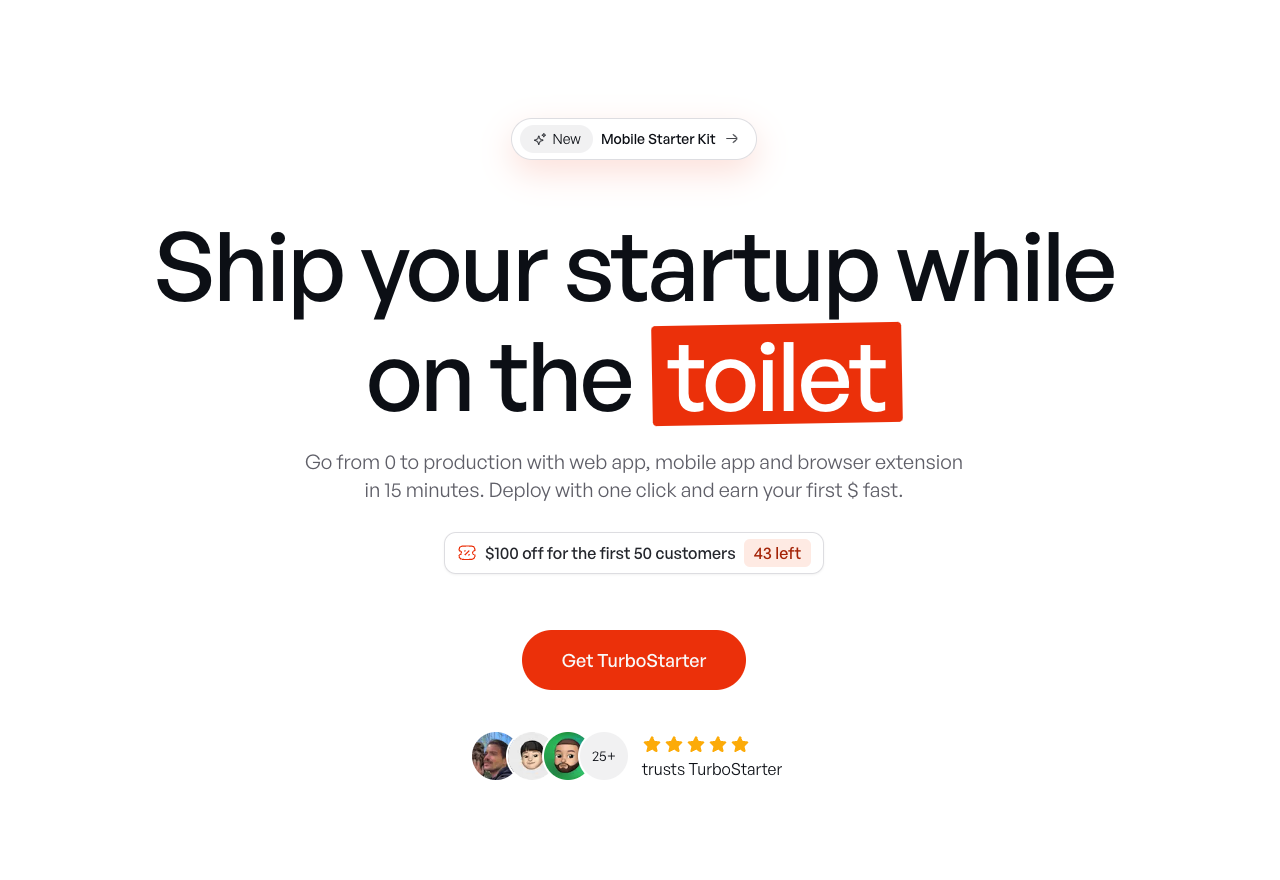
TurboStarter
Ship your startup everywhere. In minutes.
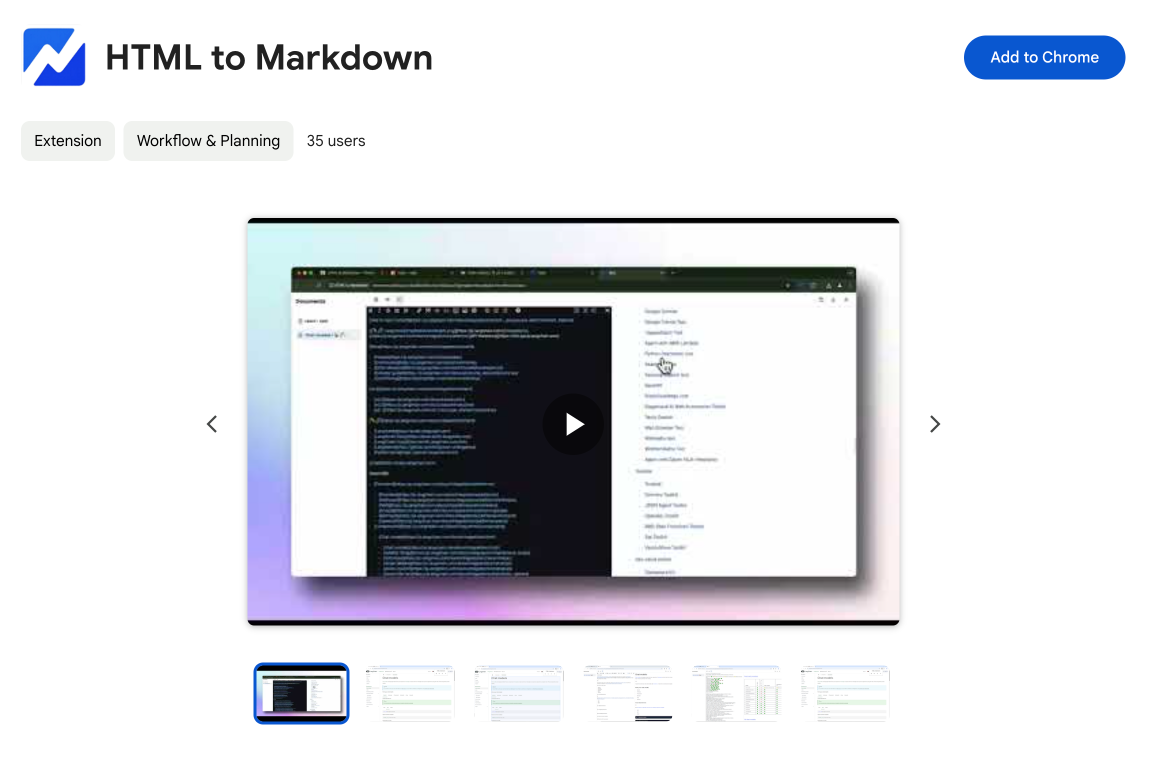
HTML to Markdown
Convert HTML to Markdown with ease, directly in your browser 📄
Dotallio
Personalized AI apps that automate research, data extraction, and content creation without code 🤖
Talk to Santa
Enjoy a magical live video chat or receive a unique AI-generated video greeting from Santa Claus 🎅
pozywka.pl
Scalable blog for food journalist, focused on performance and user experience 🌭
zagrodzki.me
Personal blog and portfolio of Bart Zagrodzki, where he shares his knowledge and work 💼
TurboStarter
Ship your startup everywhere. In minutes.
HTML to Markdown
Convert HTML to Markdown with ease, directly in your browser 📄
Dotallio
Personalized AI apps that automate research, data extraction, and content creation without code 🤖
Talk to Santa
Enjoy a magical live video chat or receive a unique AI-generated video greeting from Santa Claus 🎅
pozywka.pl
Scalable blog for food journalist, focused on performance and user experience 🌭
zagrodzki.me
Personal blog and portfolio of Bart Zagrodzki, where he shares his knowledge and work 💼
TurboStarter
Ship your startup everywhere. In minutes.
HTML to Markdown
Convert HTML to Markdown with ease, directly in your browser 📄
Dotallio
Personalized AI apps that automate research, data extraction, and content creation without code 🤖
Talk to Santa
Enjoy a magical live video chat or receive a unique AI-generated video greeting from Santa Claus 🎅
pozywka.pl
Scalable blog for food journalist, focused on performance and user experience 🌭
zagrodzki.me
Personal blog and portfolio of Bart Zagrodzki, where he shares his knowledge and work 💼
TurboStarter
Ship your startup everywhere. In minutes.
HTML to Markdown
Convert HTML to Markdown with ease, directly in your browser 📄
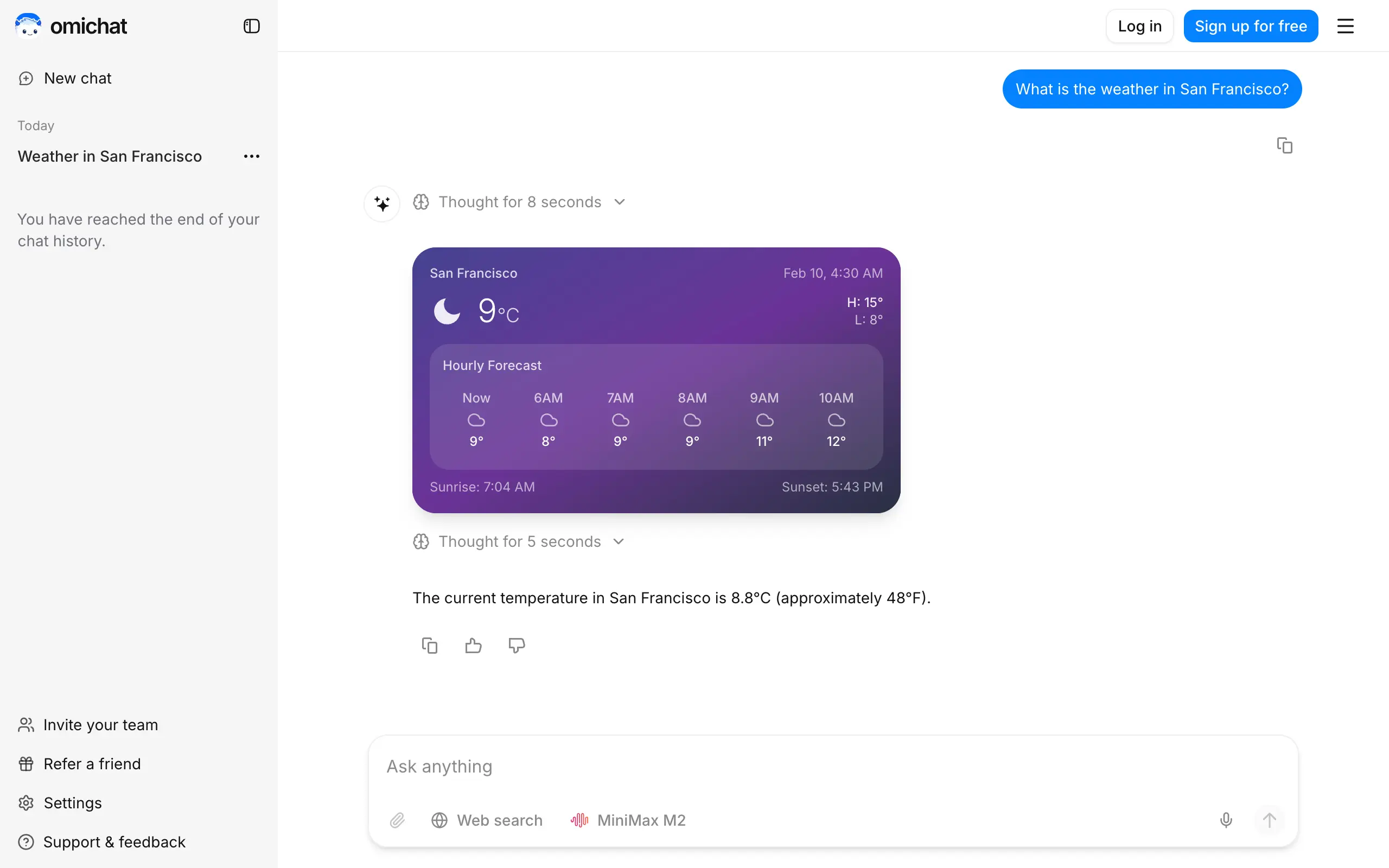
Omichat
Chat with 50+ AI models, including ChatGPT and Claude, in one place - switch models anytime without losing context 🤖
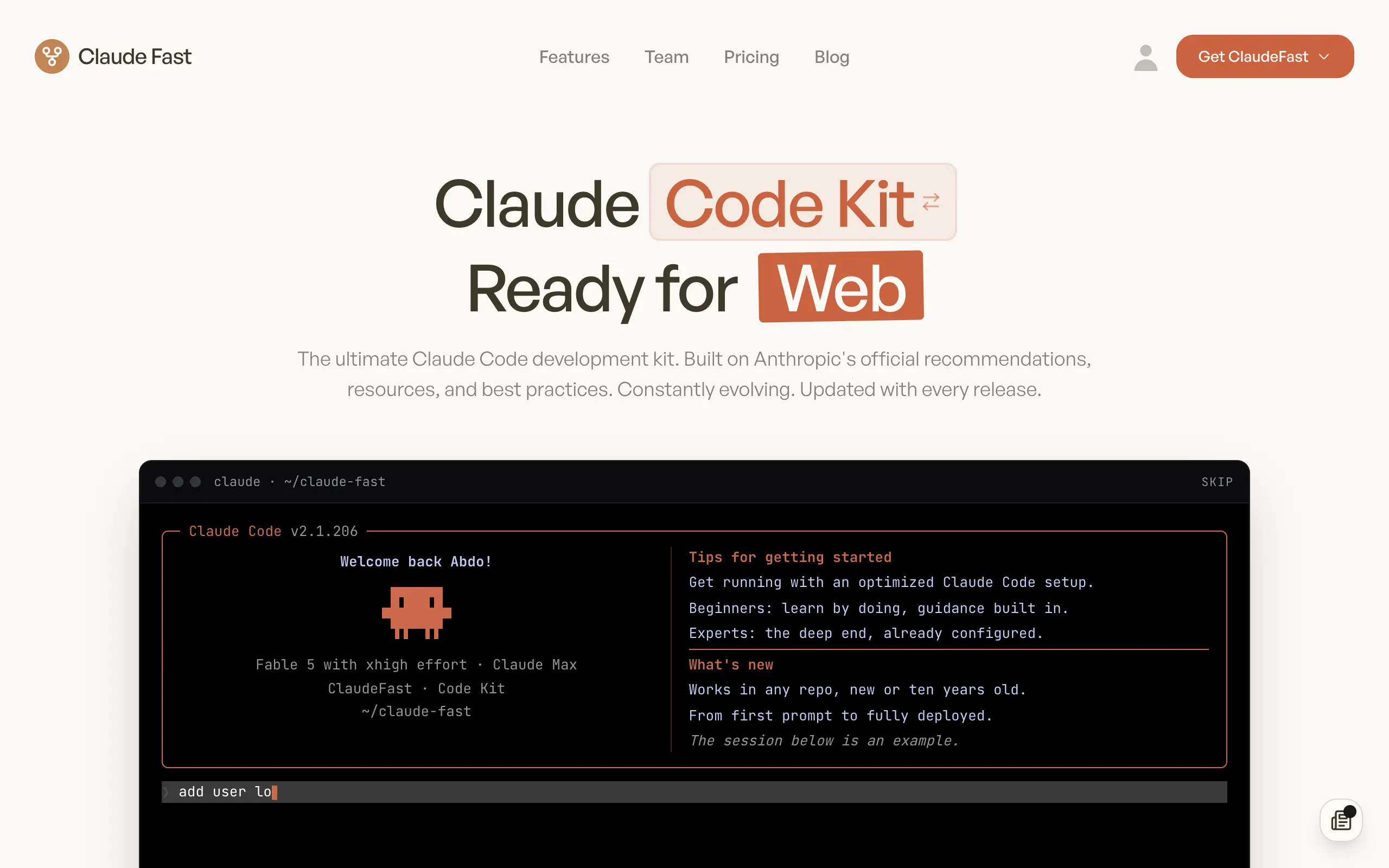
Claude Fast
Supercharge your Claude Code with 6x effective context window and specialized AI agents 🤖
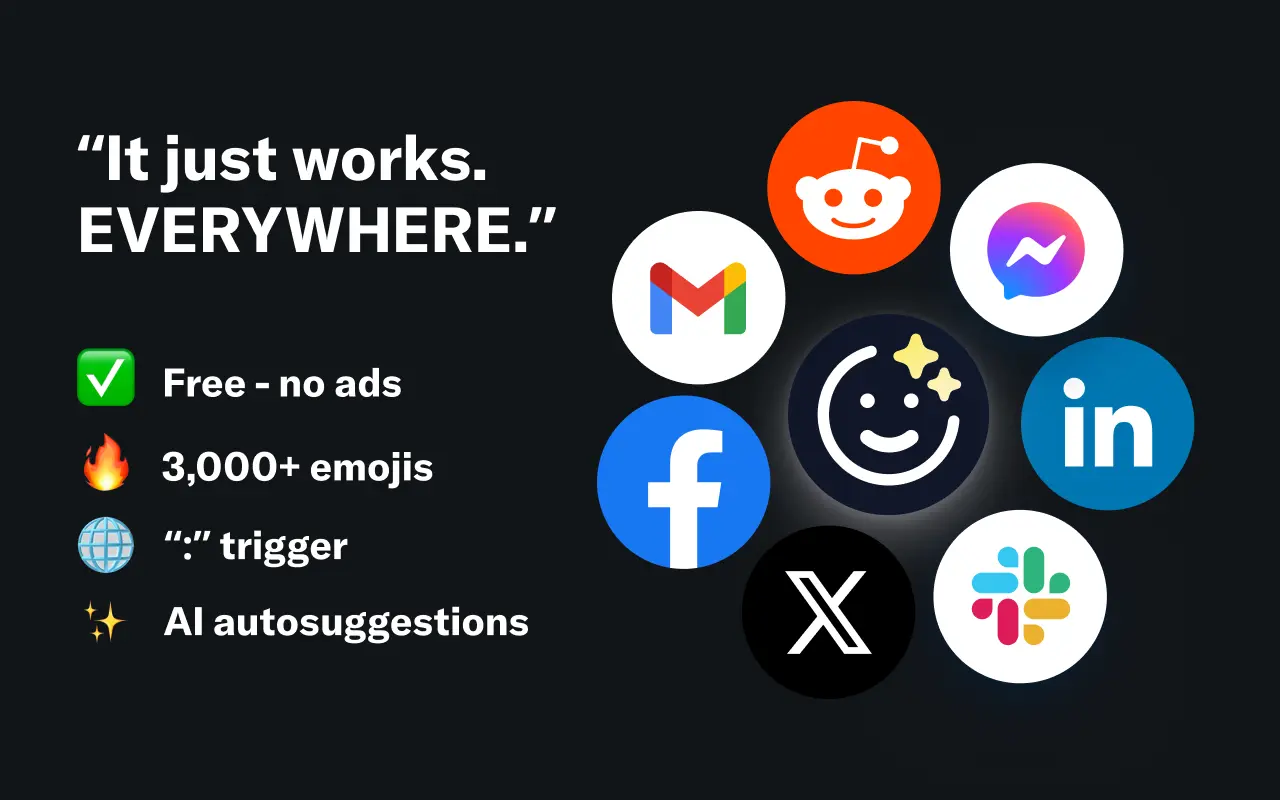
EmojAI
AI-powered emoji picker with smart, context-aware suggestions 🤖
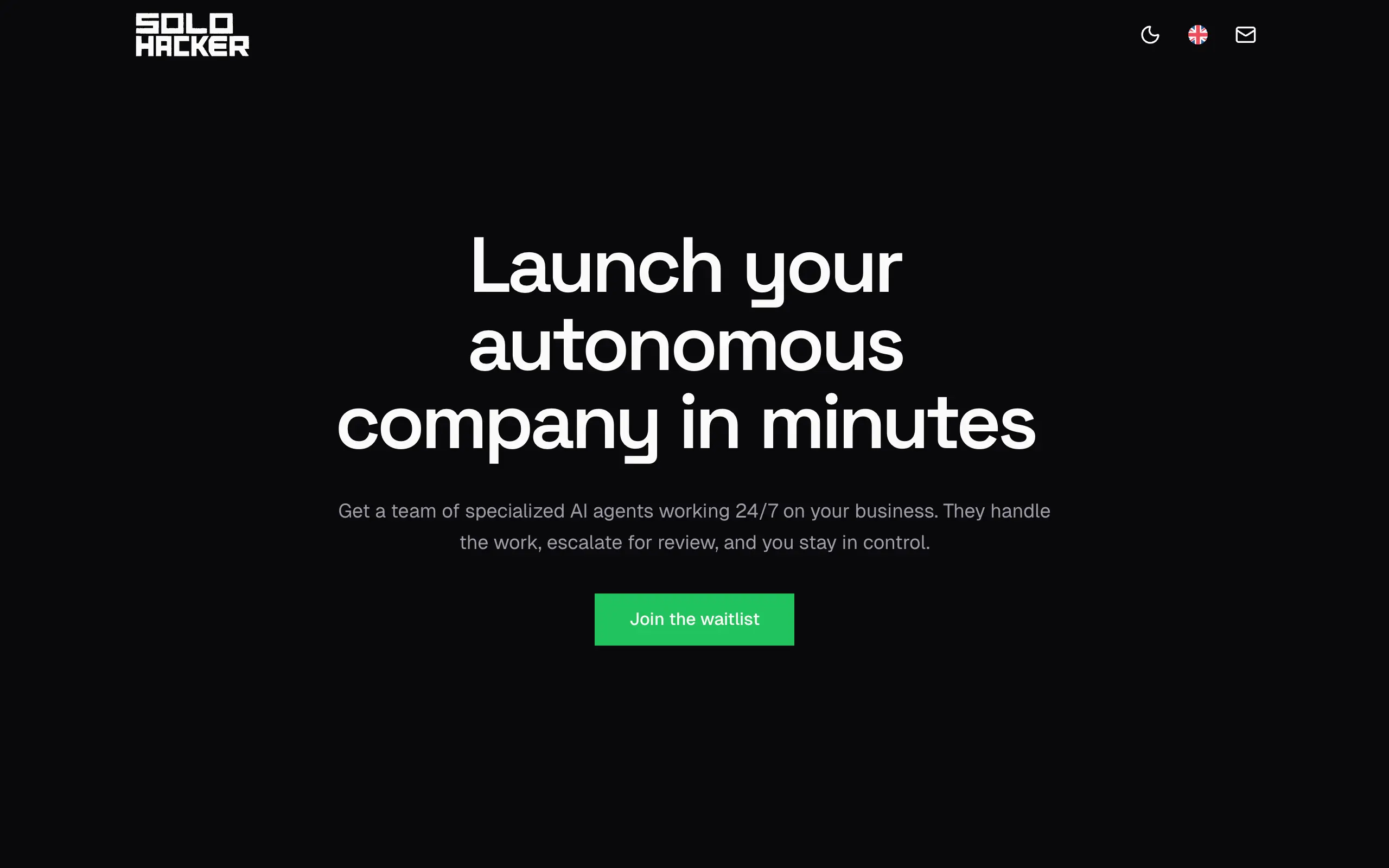
Solohacker
Autonomous company launcher - AI agents work 24/7, escalate what matters, and you stay in control 🤖

BeRawi: Storytelling Coach
Practice storytelling daily with instant feedback to sound clearer, more engaging, and confident 🎤
Omichat
Chat with 50+ AI models, including ChatGPT and Claude, in one place - switch models anytime without losing context 🤖
Claude Fast
Supercharge your Claude Code with 6x effective context window and specialized AI agents 🤖
EmojAI
AI-powered emoji picker with smart, context-aware suggestions 🤖
Solohacker
Autonomous company launcher - AI agents work 24/7, escalate what matters, and you stay in control 🤖
BeRawi: Storytelling Coach
Practice storytelling daily with instant feedback to sound clearer, more engaging, and confident 🎤
Omichat
Chat with 50+ AI models, including ChatGPT and Claude, in one place - switch models anytime without losing context 🤖
Claude Fast
Supercharge your Claude Code with 6x effective context window and specialized AI agents 🤖
EmojAI
AI-powered emoji picker with smart, context-aware suggestions 🤖
Solohacker
Autonomous company launcher - AI agents work 24/7, escalate what matters, and you stay in control 🤖
BeRawi: Storytelling Coach
Practice storytelling daily with instant feedback to sound clearer, more engaging, and confident 🎤
Omichat
Chat with 50+ AI models, including ChatGPT and Claude, in one place - switch models anytime without losing context 🤖
Claude Fast
Supercharge your Claude Code with 6x effective context window and specialized AI agents 🤖
EmojAI
AI-powered emoji picker with smart, context-aware suggestions 🤖
Solohacker
Autonomous company launcher - AI agents work 24/7, escalate what matters, and you stay in control 🤖
BeRawi: Storytelling Coach
Practice storytelling daily with instant feedback to sound clearer, more engaging, and confident 🎤

Connect with like-minded people
Join our community to get feedback, support, and grow together with 1,000+ builders on board, let's ship it!
Join usShip your startup everywhere. In minutes.
Don't burn tokens on setup and start building features on day one.