RestorePilot
Verify Odoo backups by automatically testing database restores and reporting recovery time and data integrity. Give hosting providers and Odoo teams proof their backups actually work.
Why Odoo backup verification matters
An Odoo backup is only useful if it can be restored. A scheduled job may report success while producing an incomplete archive, a database dump without its required filestore, or a backup that cannot be opened with the version of Odoo your team runs. Until someone tests a restore, “backup complete” is not the same as “recovery ready.”
That gap creates a clear opportunity for Odoo backup verification software. RestorePilot would automatically restore Odoo backups in an isolated environment, check whether the database and files are usable, measure recovery time, and produce evidence that a customer or auditor can review.
The idea is not simply to create another backup tool. It is to verify the outcome of the tools and processes Odoo teams already depend on. For hosting providers, managed service providers, and internal operations teams, that distinction can turn an uncertain assumption into a repeatable, documented recovery process.
A strong version of RestorePilot should answer five practical questions:
- Did the backup artifact arrive and pass basic integrity checks?
- Can the database be restored?
- Are the required Odoo files, such as the filestore, available and consistent?
- How long did a representative recovery take?
- Can the team show clear evidence of the test and its result?
RestorePilot at a glance
RestorePilot is a proposed business-to-business SaaS product for verifying Odoo backups through automated restore tests. Rather than replacing the customer’s backup destination or scheduling system, it would connect to existing backup workflows, retrieve or receive backup artifacts, restore them in a controlled environment, run configurable checks, and report the results.
Its central promise is straightforward: proof that an Odoo backup can be recovered, not just proof that a backup job ran.
The initial product should focus tightly on Odoo. Odoo databases often rely on more than a database dump alone; deployments may also depend on a filestore, application version, configuration, custom modules, and external services. A generic “file exists” check cannot establish that the complete system is recoverable. RestorePilot can stand out by understanding this recovery context and making the test useful to the people who operate Odoo.
The product boundary
RestorePilot should verify backups and report recovery readiness. It should not claim that a test proves every future recovery scenario will succeed. A test is evidence about a specific backup, configuration, and environment at a specific point in time.
The target audience for Odoo backup verification
The most promising early customers are organizations that operate multiple Odoo environments or are accountable for keeping an Odoo system available. They feel the cost of a failed restore more acutely than a small team running a non-critical test instance.
Odoo hosting providers and managed service providers
Hosting providers and managed service providers (MSPs) are a natural first segment. They may support many customer databases, backup routines, Odoo versions, and deployment configurations. Manually restoring each customer’s backup on a regular schedule can consume valuable engineering time, so teams may test infrequently or rely on a partial manual check.
RestorePilot could help these providers:
- Run scheduled restore tests across customer environments.
- Identify failed or incomplete backups before an incident.
- Track recovery time by customer, environment, or backup source.
- Provide customer-facing reports that support service reviews.
- Standardize recovery checks across different Odoo deployments.
- Reduce the operational burden of documenting each test manually.
The buyer may be a technical founder, operations lead, infrastructure manager, or service delivery manager. The people using the product day to day are more likely to be DevOps engineers, system administrators, and Odoo support specialists.
Internal Odoo operations teams
Companies that use Odoo for finance, inventory, manufacturing, ecommerce, or core administration may have an internal IT or operations team responsible for backups. These organizations may not want to build a dedicated restore-testing platform, but they still need confidence that a recovery plan works.
For an internal team, the product’s value is tied to business continuity. A restore test can help the team discover missing files, version mismatches, credentials problems, or unclear runbooks before a production outage makes those issues urgent.
Odoo implementation partners
Implementation partners often manage the transition from project delivery to ongoing support. Backup verification can become part of a managed support package, a handover checklist, or a periodic health review. A partner could use RestorePilot internally, offer it as an add-on, or include its reports in a broader continuity service.
This channel may be especially useful after the product has a dependable onboarding flow and clear reporting. Partners can introduce RestorePilot to organizations that already trust them, while product feedback from their deployments can reveal common Odoo recovery patterns.
Customers with compliance or contractual requirements
Some organizations must demonstrate that continuity procedures are reviewed and tested. Requirements vary by industry, jurisdiction, contract, and company policy, so RestorePilot should not promise compliance based on a successful restore alone. It can, however, help customers preserve consistent records of what was tested, when it was tested, and what the result was.
This audience values auditability, access controls, retention settings, and exports more than flashy dashboards. Reports should distinguish observed facts from assumptions and avoid implying that a single successful test guarantees compliance.
The market opportunity and product gap
Backup products typically focus on creating, transferring, storing, and retaining copies. Monitoring tools focus on service availability and infrastructure behavior. These capabilities are essential, but they do not necessarily tell an Odoo administrator whether a particular backup can be restored into a useful application environment.
RestorePilot could occupy the layer between backup creation and disaster recovery:
- Backup systems create or export artifacts.
- RestorePilot retrieves or receives an artifact and tests it.
- The customer reviews evidence and fixes problems before a real incident.
This positioning makes the product complementary to existing backup tools rather than a direct replacement. A customer can keep their current backup provider and add an independent verification process.
The gap is particularly relevant for Odoo because a usable recovery may depend on coordination between database content and associated files. Odoo deployments also vary: customers may use different versions, hosting models, custom modules, and operational practices. A product that understands those variables can provide more relevant checks than a generic archive validator.
How to validate the opportunity before building
Market assumptions should be tested through customer research rather than treated as proven facts. Interview Odoo hosting providers, MSPs, and internal Odoo administrators. Ask about their actual recovery process, not whether they like the idea.
Useful questions include:
- When was the last time you restored an Odoo backup?
- What did you restore, and where did you restore it?
- How do you know that the backup includes the required files?
- How long does a manual restore test take?
- What has caused restore tests to fail?
- Who reviews the result, and what evidence do they need?
- How many Odoo environments do you operate?
- What backup systems and deployment models are common in your customer base?
- What would prevent you from granting a verification tool access to backup data?
- Would you pay for a product that provides scheduled tests, reports, or customer-facing evidence?
Ask for examples, artifacts, and current runbooks when customers are comfortable sharing them. A team’s documented procedure can reveal more than a general statement that “backups are handled.”
To support public market claims, use current sources and state their scope. For example, a published market-size estimate should identify the report publisher, publication date, geography, and segment definition. For customer pain claims, primary research is often more useful than a broad software-market statistic. Avoid presenting interview findings from a small sample as representative of the entire Odoo ecosystem.
Core features for an Odoo backup verification platform
The product should begin with a narrow workflow that tests whether an Odoo backup can be recovered safely. Additional capabilities should follow evidence from pilots.
1. Backup source connections
RestorePilot needs a reliable way to access backup artifacts. Potential integrations include object storage, common backup destinations, customer-uploaded archives, or a provider’s own backup API.
A good first release should avoid building a large integration catalog before confirming which sources target customers use. Start with a small number of high-demand connection methods and a documented upload or command-line path for unusual environments.
Each source integration should make its permissions clear. Prefer read-only access and narrowly scoped credentials. If the customer can grant access to a single bucket or folder rather than an entire storage account, support that safer configuration.
2. Artifact validation
Before provisioning an environment, RestorePilot should run inexpensive checks that catch obvious problems:
- Confirm that the artifact can be retrieved completely.
- Check file size and expected archive structure.
- Verify checksums when a trusted checksum is available.
- Detect missing or malformed database dumps.
- Detect whether a filestore is present when the backup format requires one.
- Identify an unsupported, unknown, or potentially incomplete backup format.
- Record artifact metadata, such as timestamp, source, and associated Odoo version when available.
These checks are useful, but they are not a substitute for a restore test. The interface should label them accurately as preliminary validation.
3. Isolated restore environments
The core technical capability is a disposable environment in which the backup can be restored without affecting production. Each test should be isolated from other customer workloads and destroyed or reset according to a defined lifecycle.
A restore process may need to consider:
- The Odoo version and edition associated with the backup.
- PostgreSQL compatibility and database configuration.
- The matching filestore or attached assets.
- Custom addons and dependencies.
- Runtime settings needed to start Odoo.
- Network restrictions that prevent a test instance from contacting production services.
The product should not assume that every customer’s environment can be reproduced automatically on day one. Instead, provide a supported configuration model, explain what inputs are required, and report when a test cannot proceed because required information is missing.
4. Application-level health checks
A database restore that completes successfully is a meaningful signal, but it may not prove that the application behaves correctly. RestorePilot should run safe, configurable checks after restore, such as confirming that the Odoo process starts, that the expected database is reachable, and that selected application endpoints respond.
More advanced checks could validate that representative records or modules are present. These checks must be designed carefully so they do not expose sensitive data in logs or reports. Customer-specific checks should be opt-in, documented, and limited to the minimum data needed to establish recovery.
5. Recovery time measurement
A useful report should show the time required for each phase, not just one opaque total. For example:
- Artifact retrieval time.
- Environment provisioning time.
- Database restore time.
- Filestore preparation time.
- Application startup time.
- Total elapsed time from test start to a defined healthy state.
The definition of “recovery time” matters. RestorePilot should explain what the timer includes and how the test environment differs from production. A measured test result can inform recovery planning, but it should not automatically be presented as a guaranteed recovery time objective (RTO).
6. Reports and evidence
Reports should help both operators and decision-makers understand what happened. A strong report includes:
- Customer, environment, and backup identifiers.
- Test timestamp and test configuration.
- Backup source and artifact metadata.
- The Odoo and PostgreSQL versions used, where known.
- Individual phase durations.
- Checks performed and their outcomes.
- Errors with actionable descriptions.
- Cleanup status.
- Links or references to relevant logs, subject to retention and access rules.
Providers may need branded or customer-specific reports. Internal teams may prioritize downloadable records and historical comparisons. Evidence should be exportable without making sensitive database contents broadly accessible.
7. Scheduling, alerts, and history
Once a manual test is dependable, users should be able to schedule tests at a chosen frequency and receive alerts when a test fails or is overdue. Alert policies should support practical noise control, such as grouping repeated failures and distinguishing warnings from blockers.
A history view can help users spot trends: restore times increasing as databases grow, a particular backup source failing repeatedly, or tests that stopped running after a configuration change.
8. Multi-tenant administration
For MSPs and hosting providers, the product needs a clear account hierarchy. An administrator should be able to organize customers, environments, connections, schedules, and users without accidentally exposing one customer’s data to another.
Role-based permissions, activity logs, tenant separation, and controlled report sharing are foundational. These controls should be built into the design rather than added after the product gains customers.
Competitive advantage and positioning
RestorePilot should not claim to be the only way to test an Odoo restore. A technically capable team can build scripts, use a staging environment, or adapt internal infrastructure. Backup vendors may also offer validation features, and service providers may already have custom processes.
The opportunity is to make repeatable verification easier to operate and easier to prove.
| Capability | Manual restore process | Generic backup check | RestorePilot opportunity | Strategic importance |
|---|---|---|---|---|
| Confirms an artifact exists | ✅ | ✅ | ✅ | Useful, but insufficient alone |
| Tests database restoration | ✅ | ❌ | ✅ | Core verification step |
| Considers Odoo files and configuration | Varies | ❌ | ✅ | Odoo-specific differentiation |
| Measures recovery phases | Varies | ❌ | ✅ | Helps teams plan and compare |
| Produces repeatable evidence | Varies | Varies | ✅ | Valuable for providers and reviews |
The proposed unique selling proposition
RestorePilot gives Odoo teams repeatable, Odoo-aware evidence that their backups can be restored, including measured recovery time and clear test results.
This USP has four useful elements:
- Odoo-specific context: The workflow considers the application, not only the archive.
- Independent verification: Testing can be separate from the system that reports backup success.
- Operational evidence: Results are recorded and can be reviewed over time.
- Provider-scale workflow: One platform can support multiple environments and customers.
The defensibility of this idea will not come from a dashboard alone. It will come from reliable restore automation, a deep understanding of real Odoo deployment variations, safe isolation, integrations customers trust, and a growing library of useful diagnostics.
Recommended technical stack and architecture
The best stack depends on the team’s existing expertise and the deployment model. RestorePilot handles sensitive business data, potentially large backup artifacts, and isolated workloads. Security and lifecycle management should shape architecture decisions from the beginning.
Control plane and user interface
A TypeScript web application can provide the account dashboard, connection setup, schedules, reports, and administration. React is a suitable choice for a component-based interface, while Tailwind CSS can support a consistent design system if the team prefers utility-first styling.
The web application should be separate from the workers that retrieve and restore backups. A user-facing request should create a job, not perform a restore inside the web server process.
API and job orchestration
A backend API can manage organizations, credentials, test definitions, reports, and job state. The system should put restore jobs onto a durable queue, then dispatch them to isolated workers. Job states should be explicit, for example: queued, retrieving, validating, restoring, checking, cleaning up, completed, or failed.
Use idempotent job handling where practical. A retry should not create uncontrolled duplicate environments or leak resources. Record the reason for each state transition so operators can diagnose failures.
Restore workers and isolation
Workers should run restore tests in short-lived, isolated environments. Containers can be useful for packaging repeatable runtimes, and the official Docker documentation explains container concepts and operations. However, containers alone do not eliminate security risk. A process restoring customer data should run with restricted privileges, constrained network access, resource limits, and an explicit cleanup policy.
For higher isolation requirements, consider running each test in a separate virtual machine or a strongly isolated compute environment. This can increase cost and provisioning time, but may offer a more suitable boundary for untrusted or sensitive workloads. The right choice should be informed by a threat model, customer requirements, and the team’s ability to operate the infrastructure securely.
Database restoration
Odoo commonly uses PostgreSQL, so restore automation needs to account for PostgreSQL versions, database roles, extensions, configuration, and backup formats. Consult the official PostgreSQL documentation when designing restore behavior and supported backup methods.
Do not assume a database file can be restored identically across every version or configuration. Define supported combinations, detect unsupported inputs early, and provide a clear error rather than silently substituting an incompatible runtime.
Storage and sensitive credentials
Backup artifacts can be large and contain sensitive information. Use encrypted transport and storage, minimize copies, and avoid placing long-lived secrets in job logs or environment dumps. Store connection credentials using a secrets-management approach with access controls and rotation support.
Set retention rules for both source artifacts and test environments. The product should state what it stores, for how long, where it is processed, and how customers can request deletion. Data residency needs may influence which cloud regions and providers are appropriate.
Monitoring and operational visibility
Track queue depth, job duration, worker failures, artifact retrieval errors, cleanup failures, and resource consumption. Operational alerts should tell the RestorePilot team when its own service is unhealthy, separately from alerts sent to customers about their backup tests.
A restore-verification product must itself be dependable. If scheduled tests silently stop running, customer trust can erode quickly. Monitoring should include checks that verify the scheduler, queue, workers, and report pipeline are functioning end to end.
Monetization strategy for RestorePilot
Pricing should reflect the value delivered and the infrastructure consumed. A restore test can use substantial compute and storage, so unlimited testing on a low flat fee may create unpredictable margins.
Pricing models to consider
Per environment per month is easy to understand for internal teams. It supports predictable billing, but the definition of an environment must be clear.
Per successful or scheduled test links price to usage, but customers may hesitate to pay for retries caused by platform problems. If this model is used, distinguish customer-triggered tests, scheduled runs, and RestorePilot-caused retries.
Tiered plans by environment count and retention can match different customer sizes. For example, entry plans could support a small number of environments, while higher tiers add longer report retention, more frequent tests, or advanced access controls.
Provider or MSP plans may use a base platform fee plus a per-customer or per-environment charge. These plans can include multi-tenant administration, customer-facing reports, and partner support.
Enterprise agreements may be appropriate for customers requiring custom data retention, private networking, dedicated capacity, or contractual security commitments. These offerings should be introduced only when the team can support the operational expectations they create.
Packaging and value metrics
A possible packaging structure might include:
- Starter: A limited number of environments, manual tests, and standard reports.
- Team: Scheduled testing, alerts, test history, and multiple users.
- Provider: Multi-tenant customer management, delegated access, and branded reports.
- Enterprise: Advanced controls, custom retention, and negotiated deployment options.
Treat these as hypotheses, not final pricing. Validate willingness to pay with actual buyers. Ask what budget currently covers manual recovery exercises, backup administration, or managed continuity services. Then test whether the buyer values fewer manual hours, better evidence, reduced recovery uncertainty, or a sellable service add-on most.
The product should also model its own cost of goods sold. Measure compute time, storage, data transfer, and support effort per test. Set sensible limits and communicate them transparently rather than surprising customers with unexpected usage charges.
Risks and mitigation strategies
Sensitive data exposure
A backup may contain personal, financial, employee, or customer information. A breach would damage trust and could create legal or contractual consequences.
Mitigation: Minimize data access, isolate jobs, encrypt data in transit and at rest, use least-privilege credentials, restrict outbound network access, define deletion policies, and maintain a documented incident response process. Avoid copying database contents into application logs or analytics systems.
Unsafe restore behavior
A restored Odoo instance may contain scheduled actions, integrations, or configuration that could interact with real systems if started without safeguards.
Mitigation: Default test environments to restricted networking. Disable or control outbound connections, prevent access to production services, and clearly document any behavior that might execute during startup. Test the isolation model before onboarding production backups.
Odoo deployment variability
Customers may use different versions, custom modules, hosting models, or backup formats. A narrow implementation may work well for one pilot and fail for another.
Mitigation: Start with a defined support matrix. Collect configuration during onboarding, detect unsupported cases early, and prioritize new combinations based on customer demand. Do not promise universal compatibility before it has been tested.
False confidence
A successful test on one backup does not guarantee that every future backup will work, that production hardware will be available, or that a disaster recovery plan meets a customer’s target.
Mitigation: Use precise language. Show which artifact was tested, what checks ran, and what was excluded. Encourage recurring tests and make limitations visible in reports.
Infrastructure cost and unpredictable workloads
Large database restores can take time and consume significant compute. A spike in scheduled runs could increase infrastructure costs.
Mitigation: Use queued workloads, per-job limits, resource monitoring, concurrency controls, and clear plan limits. Test the cost profile with representative databases before committing to pricing.
Integration dependence
An API change, credential expiration, or object-storage policy change may prevent RestorePilot from retrieving backups.
Mitigation: Monitor connection health, support manual or alternative access paths, provide actionable failure messages, and build integrations around stable interfaces. Avoid presenting a failed retrieval as a failed restore; report the actual stage that failed.
Long sales cycles and customer trust
Organizations may be cautious about granting a new vendor access to backups. Larger customers may require security reviews, legal review, and procurement approval before a pilot.
Mitigation: Begin with lower-risk pilots, use narrowly scoped credentials, publish clear security documentation, and offer a customer-controlled deployment path if research shows it is essential. Do not claim certifications or controls the product does not yet have.
Go-to-market strategy
A focused go-to-market approach can help RestorePilot learn quickly without trying to serve every Odoo user at once.
Start with design partners
Recruit a small group of Odoo hosting providers and MSPs who can provide real deployment diversity. Work with them to define supported backup formats, test requirements, report usefulness, and security expectations.
A design partnership should have a concrete success criterion. For example, determine whether the product can run a scheduled test across a defined set of environments, produce an understandable report, and reduce a measurable amount of manual work. Avoid treating positive feedback alone as proof of product-market fit.
Build around a repeatable first use
The first successful test is the product’s most important onboarding moment. A user should be able to connect a source, select an environment, review required configuration, launch a test, and understand the result without needing a RestorePilot engineer to explain every step.
For the earliest customers, assisted onboarding is acceptable. Record where assistance is needed, then turn repeated explanations into better setup screens, diagnostics, and documentation.
Use educational content to attract qualified buyers
Useful content can address specific operational questions, such as:
- How to test an Odoo backup safely.
- Why a database dump may not be a complete Odoo recovery.
- How to document a restore test.
- How to measure recovery time consistently.
- What to consider when restoring Odoo in an isolated environment.
This content should be technically accurate and avoid promising that a single procedure works for every deployment. Practical examples, clear limitations, and review by experienced Odoo operators can strengthen trust.
Develop partner distribution
Odoo implementation and hosting partners may become a valuable acquisition channel if RestorePilot makes their service more credible or efficient. Give partners a straightforward way to manage multiple customer environments and share reports without exposing other tenants’ information.
Partner economics should reward genuine adoption, not just referrals. Consider co-selling, reseller arrangements, or service packaging only after the direct product workflow is stable.
Actionable implementation steps
A disciplined sequence can reduce the risk of building integrations and features before confirming the core need.
Interview target customers
Speak with Odoo hosting providers, MSPs, implementation partners, and internal administrators. Focus on current restore procedures, failure history, backup formats, approval requirements, and willingness to pay. Look for repeated operational pain rather than general enthusiasm.
Define a narrow support matrix
Choose the first Odoo versions, deployment patterns, and backup artifact types the product will support. Document assumptions about the database, filestore, custom modules, and required configuration. Make unsupported cases visible from the start.
Build a secure restore proof of concept
Create a worker that retrieves one representative backup, validates it, restores it in an isolated environment, runs a small set of health checks, and cleans up. Prioritize safe behavior and observable job states over a polished dashboard.
Test with real design partners
Run supervised tests using customer-approved data and limited permissions. Record the time and failure reason at each stage. Ask users whether the result answers their operational questions and whether they would schedule the workflow regularly.
Add reporting and recurring schedules
Once the restore workflow is reliable, add test history, notifications, recurring schedules, and exportable reports. Include clear timestamps, configuration details, checks performed, and limitations so that evidence is useful rather than misleading.
Validate pricing and unit economics
Measure infrastructure and support costs for realistic workloads. Test pricing with the people who own budgets, including providers that may resell or bundle the service. Adjust plan limits to protect margins without making the product unpredictable.
Expand integrations based on demand
Add backup sources, Odoo configurations, and enterprise controls in response to observed customer needs. Use a published compatibility matrix and release notes so buyers know what is supported.
For a faster SaaS foundation, teams can evaluate TurboStarter for common product scaffolding and focus more engineering effort on RestorePilot’s distinctive restore-testing workflows. The choice of starter should not replace a security review of the worker architecture, credential handling, or data lifecycle.
Measuring product success
RestorePilot should measure whether customers gain dependable recovery evidence, not merely whether they log into the dashboard. Useful product and business indicators include:
- Percentage of scheduled tests that complete successfully.
- Percentage of failures that receive an actionable diagnosis.
- Time from onboarding to first completed restore test.
- Number of environments tested regularly.
- Frequency of overdue tests.
- Median restore duration by supported configuration.
- Customer retention and expansion among hosting providers.
- Support time required per test.
- Infrastructure cost per completed test.
- Number of customers who use reports in an internal review or customer service process.
Interpret these metrics carefully. A rise in failed tests may indicate worse backup quality, but it could also reflect a new compatibility issue or a change in test configuration. Pair quantitative data with failure categories and customer feedback.
Frequently asked questions
No. The core proposition is verification, not backup creation. RestorePilot should work alongside a customer’s existing backup process and test whether selected backup artifacts can be recovered.
No. A successful test is evidence that a particular artifact worked with a particular test configuration at a particular time. Production recovery may involve different infrastructure, credentials, dependencies, or incident conditions. Reports should make this distinction explicit.
No. Broad compatibility increases engineering and support complexity. Start with a clear support matrix based on design-partner demand, then expand as the restore process and diagnostics mature.
A focused MVP should retrieve or accept a backup, perform basic artifact checks, restore it in an isolated environment, run a few safe health checks, measure the main recovery phases, clean up reliably, and produce an understandable report.
Conclusion
RestorePilot addresses a specific and consequential gap in Odoo operations: the difference between having a backup and knowing that it can be restored. The strongest product will not rely on a generic success indicator. It will test the recovery path in isolation, account for Odoo-specific requirements, measure what happened, and provide evidence that operators can act on.
The opportunity is most compelling for hosting providers, MSPs, and internal teams managing multiple or business-critical Odoo environments. Their needs also impose real product requirements: strong tenant separation, careful handling of sensitive data, clear compatibility boundaries, and reports that communicate limitations honestly.
Build the first version around one reliable restore workflow. Validate it with real Odoo operators, measure the operational cost, and expand only when customer evidence supports the next feature. If RestorePilot can make repeatable restore testing safer and easier than the manual alternative, it can earn a distinct position as an Odoo backup verification platform rather than another tool that merely says a backup job succeeded.
More 🏢 B2B Application SaaS ideas
Discover more innovative b2b application SaaS ideas that are trending in 2026. Each idea is AI-generated with market validation and growth potential to help you find your next profitable venture faster than competitors.
Your competitors are building with TurboStarter
Below are some of the SaaS ideas that have been generated and built with our starter kit.
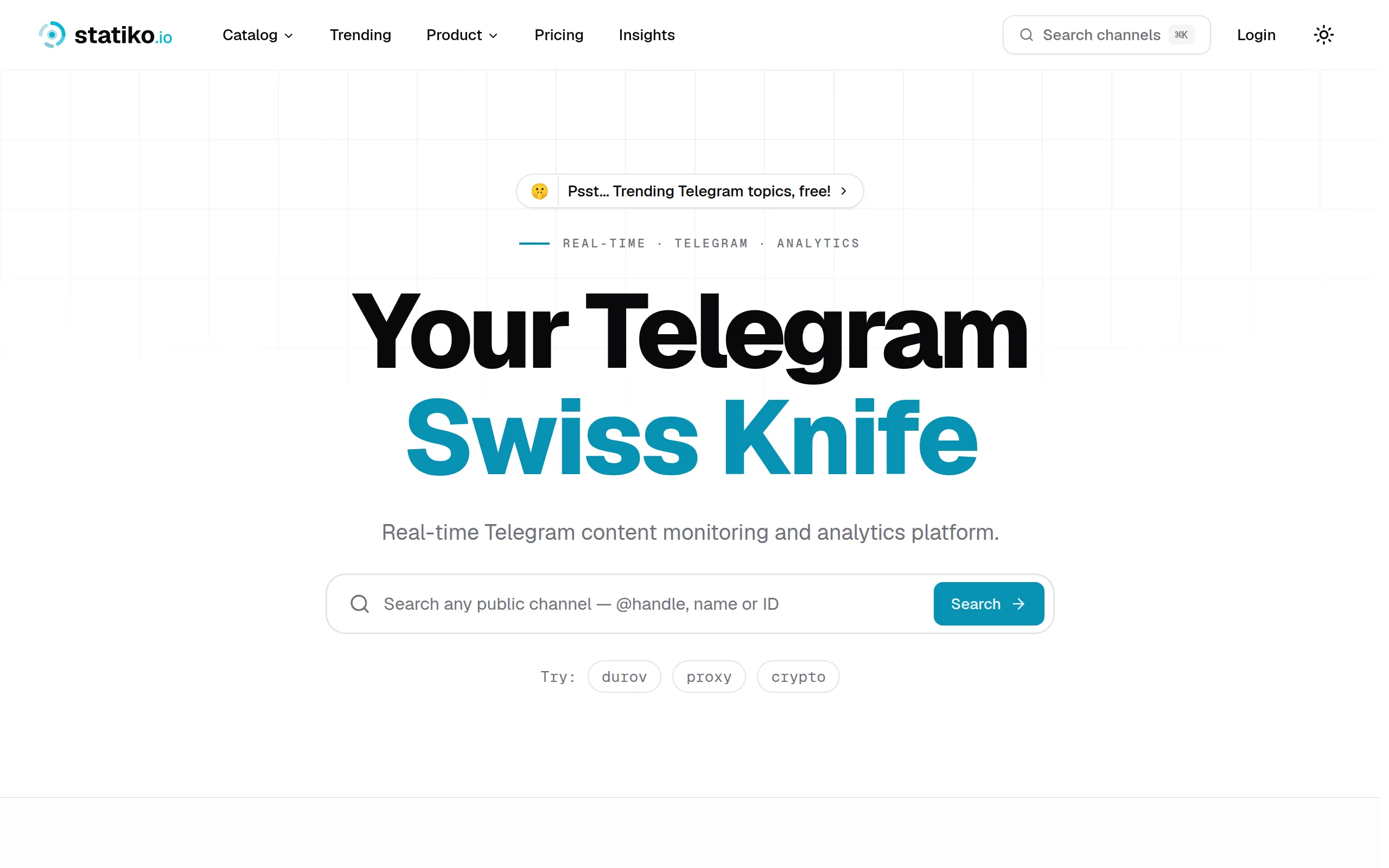
Statiko
Monitor any Telegram channel in real time - track posts, edits, deletions, and growth with AI recaps 📡

Shibui
AI website builder - describe your business, pick a niche template, edit by chatting, and publish instantly ✨

Pro Service
Find verified home service professionals, compare quotes, and pay securely through escrow - built for Brazilians across the US 🏠
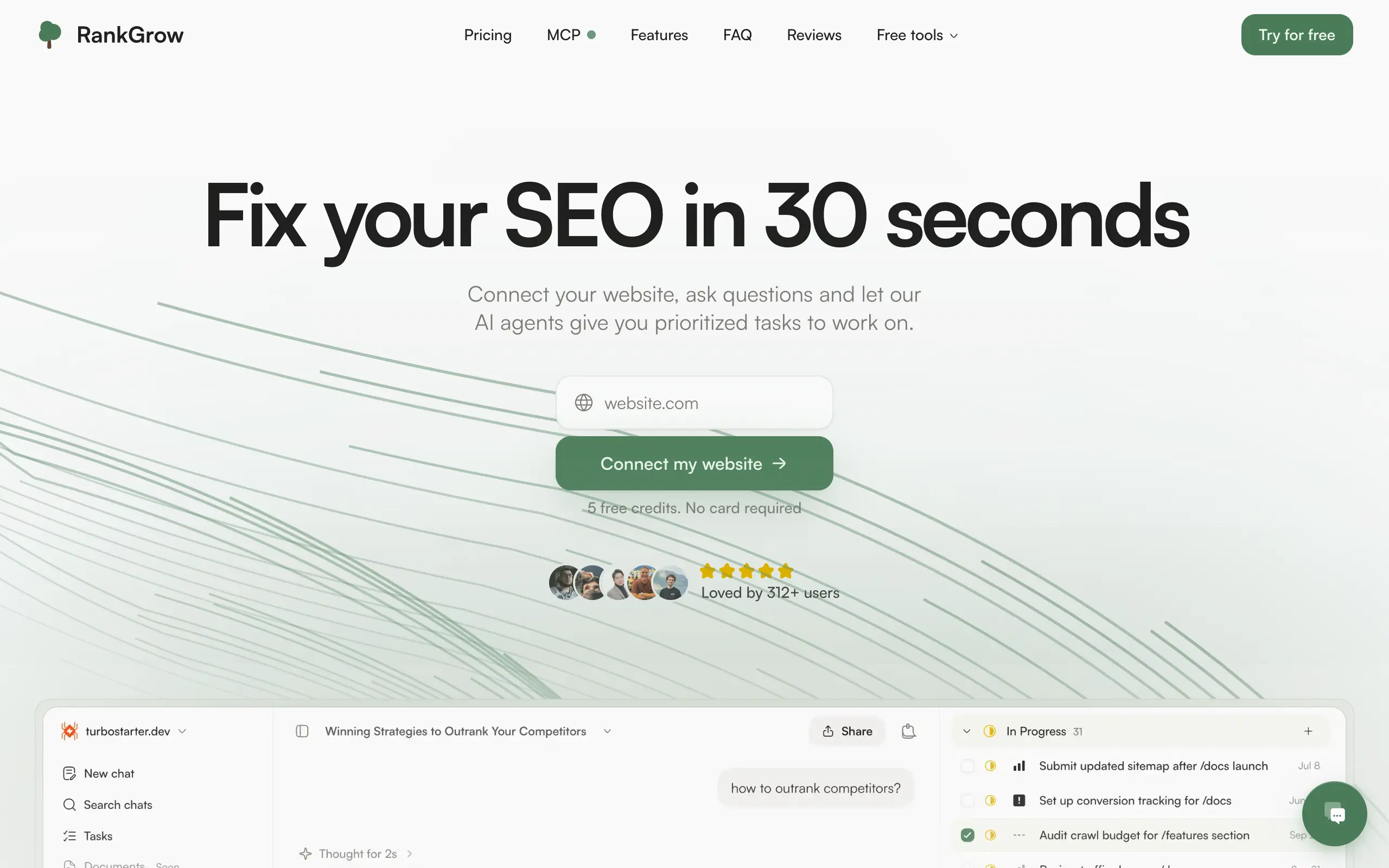
RankGrow
Fix your SEO with AI agents - connect Search Console, get prioritized tasks, and grow organic traffic 📈
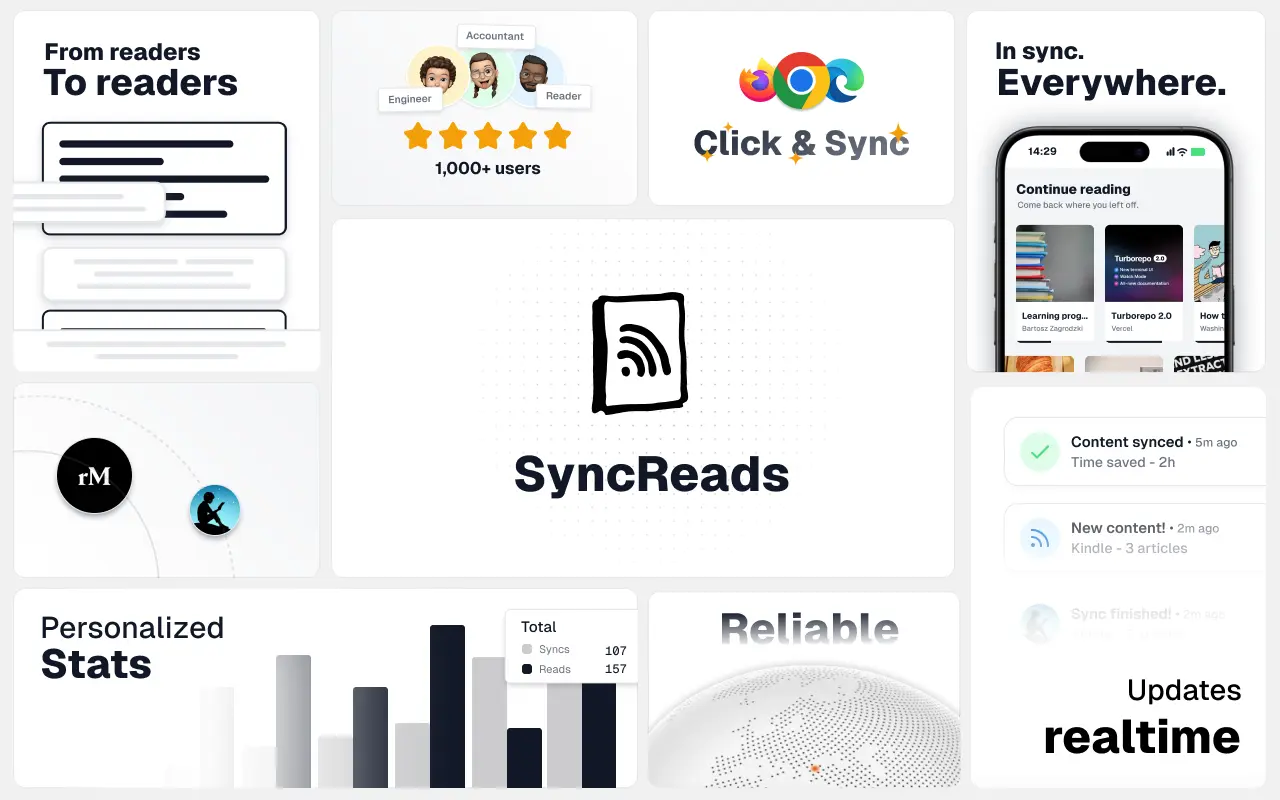
SyncReads
Sync your favorite content for distraction-free reading, save time and replace multiple apps. Anytime, anywhere 🔄
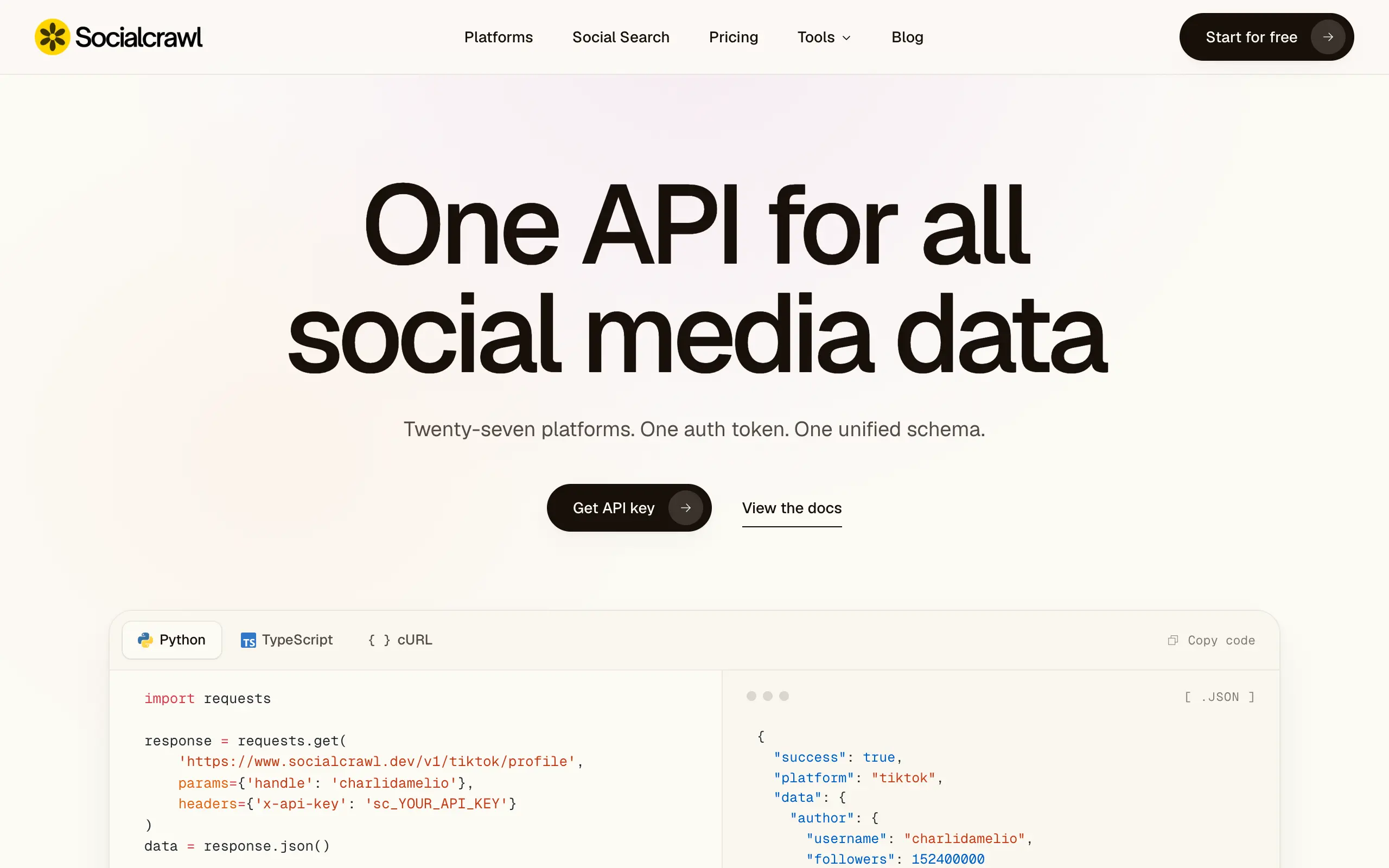
Socialcrawl
Get clean, structured data from 21 platforms like TikTok, Instagram, and YouTube with a single request 📊
Statiko
Monitor any Telegram channel in real time - track posts, edits, deletions, and growth with AI recaps 📡
Shibui
AI website builder - describe your business, pick a niche template, edit by chatting, and publish instantly ✨
Pro Service
Find verified home service professionals, compare quotes, and pay securely through escrow - built for Brazilians across the US 🏠
RankGrow
Fix your SEO with AI agents - connect Search Console, get prioritized tasks, and grow organic traffic 📈
SyncReads
Sync your favorite content for distraction-free reading, save time and replace multiple apps. Anytime, anywhere 🔄
Socialcrawl
Get clean, structured data from 21 platforms like TikTok, Instagram, and YouTube with a single request 📊
Statiko
Monitor any Telegram channel in real time - track posts, edits, deletions, and growth with AI recaps 📡
Shibui
AI website builder - describe your business, pick a niche template, edit by chatting, and publish instantly ✨
Pro Service
Find verified home service professionals, compare quotes, and pay securely through escrow - built for Brazilians across the US 🏠
RankGrow
Fix your SEO with AI agents - connect Search Console, get prioritized tasks, and grow organic traffic 📈
SyncReads
Sync your favorite content for distraction-free reading, save time and replace multiple apps. Anytime, anywhere 🔄
Socialcrawl
Get clean, structured data from 21 platforms like TikTok, Instagram, and YouTube with a single request 📊
Statiko
Monitor any Telegram channel in real time - track posts, edits, deletions, and growth with AI recaps 📡
Shibui
AI website builder - describe your business, pick a niche template, edit by chatting, and publish instantly ✨
Pro Service
Find verified home service professionals, compare quotes, and pay securely through escrow - built for Brazilians across the US 🏠
RankGrow
Fix your SEO with AI agents - connect Search Console, get prioritized tasks, and grow organic traffic 📈
SyncReads
Sync your favorite content for distraction-free reading, save time and replace multiple apps. Anytime, anywhere 🔄
Socialcrawl
Get clean, structured data from 21 platforms like TikTok, Instagram, and YouTube with a single request 📊
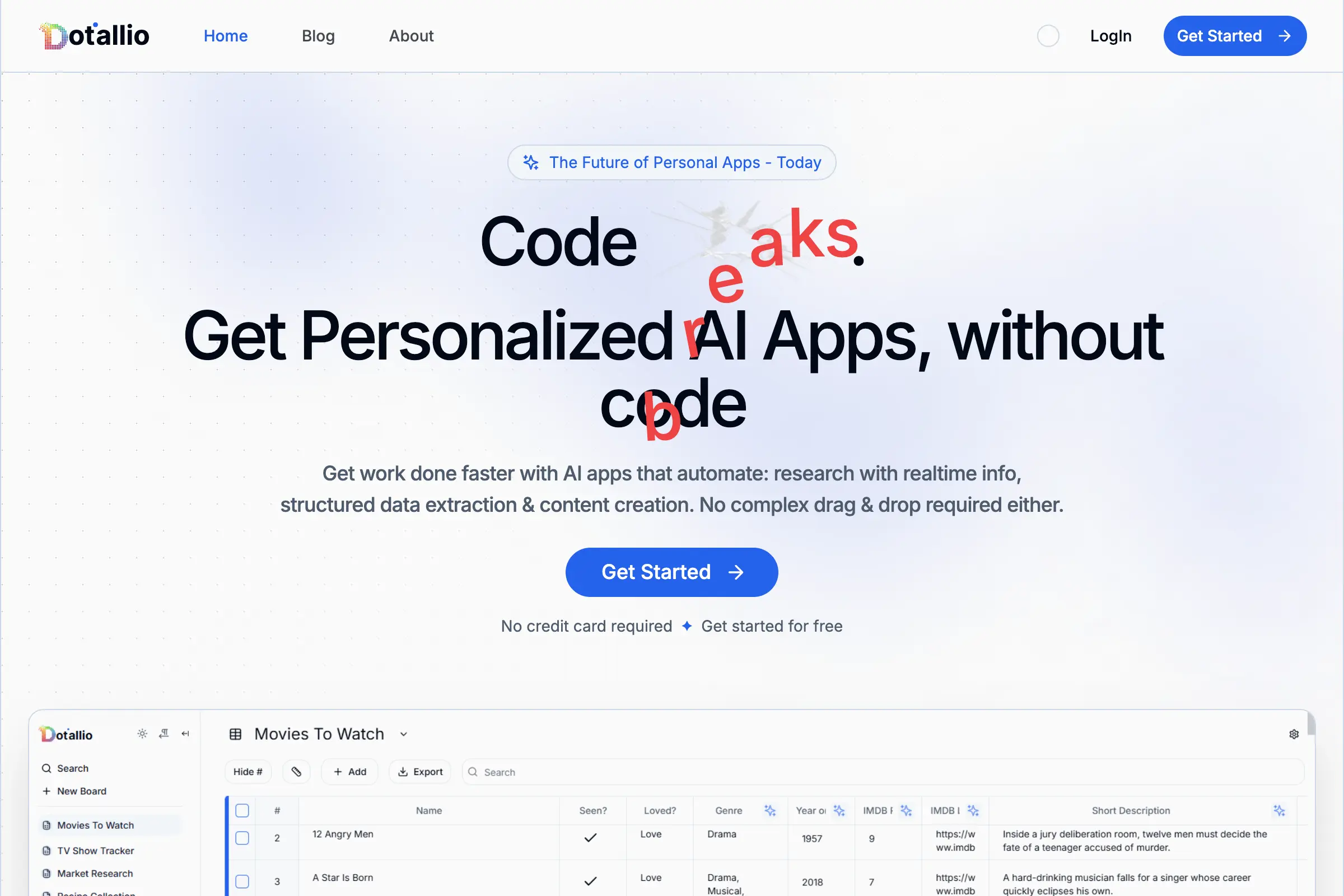
Dotallio
Personalized AI apps that automate research, data extraction, and content creation without code 🤖

Talk to Santa
Enjoy a magical live video chat or receive a unique AI-generated video greeting from Santa Claus 🎅

pozywka.pl
Scalable blog for food journalist, focused on performance and user experience 🌭
zagrodzki.me
Personal blog and portfolio of Bart Zagrodzki, where he shares his knowledge and work 💼
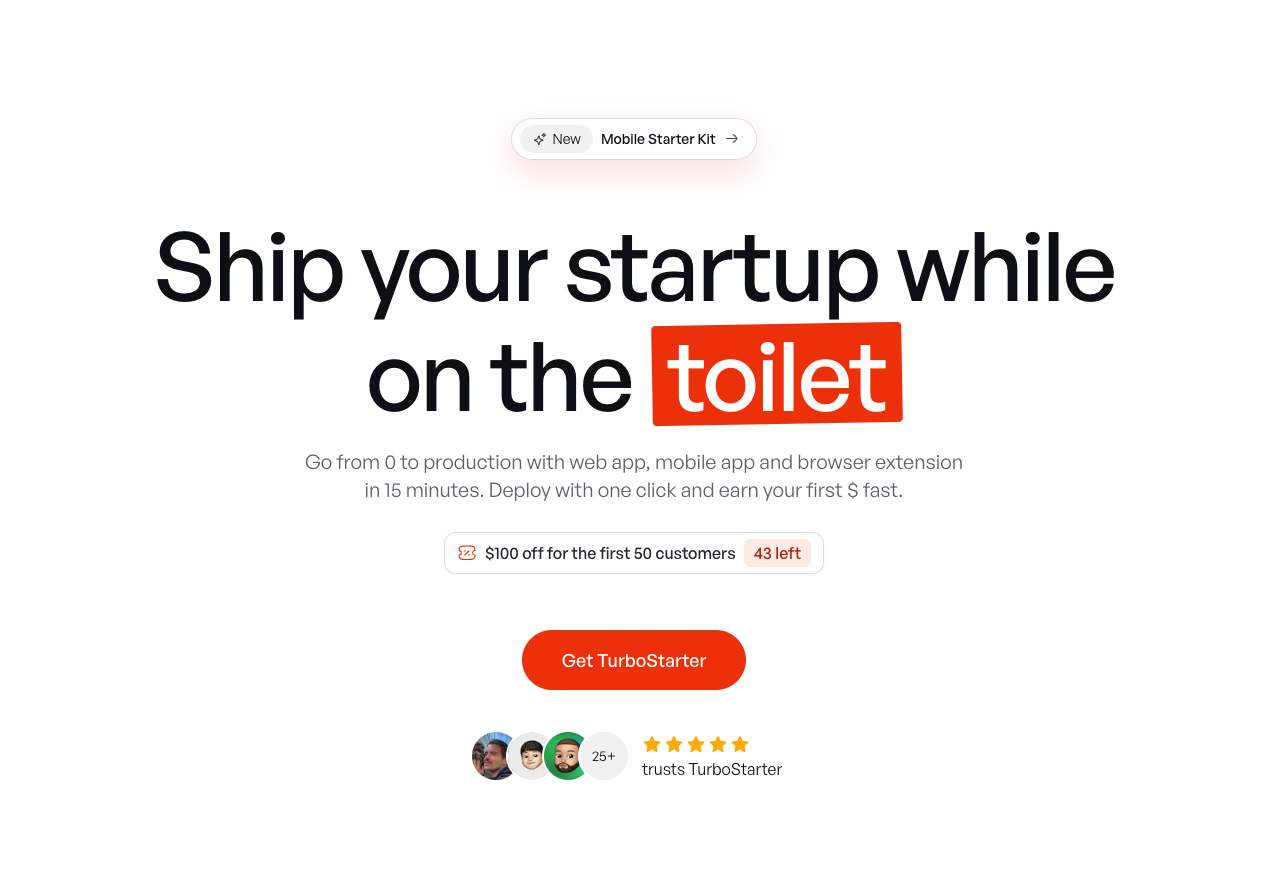
TurboStarter
Ship your startup everywhere. In minutes.
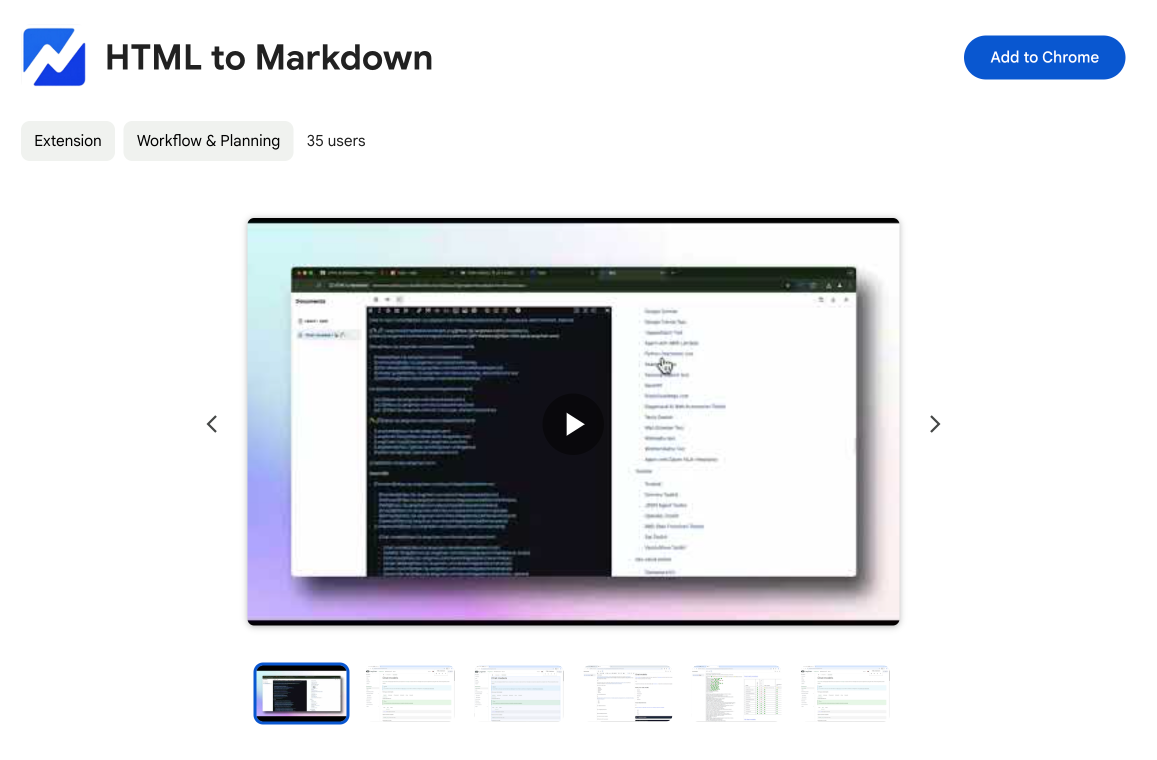
HTML to Markdown
Convert HTML to Markdown with ease, directly in your browser 📄
Dotallio
Personalized AI apps that automate research, data extraction, and content creation without code 🤖
Talk to Santa
Enjoy a magical live video chat or receive a unique AI-generated video greeting from Santa Claus 🎅
pozywka.pl
Scalable blog for food journalist, focused on performance and user experience 🌭
zagrodzki.me
Personal blog and portfolio of Bart Zagrodzki, where he shares his knowledge and work 💼
TurboStarter
Ship your startup everywhere. In minutes.
HTML to Markdown
Convert HTML to Markdown with ease, directly in your browser 📄
Dotallio
Personalized AI apps that automate research, data extraction, and content creation without code 🤖
Talk to Santa
Enjoy a magical live video chat or receive a unique AI-generated video greeting from Santa Claus 🎅
pozywka.pl
Scalable blog for food journalist, focused on performance and user experience 🌭
zagrodzki.me
Personal blog and portfolio of Bart Zagrodzki, where he shares his knowledge and work 💼
TurboStarter
Ship your startup everywhere. In minutes.
HTML to Markdown
Convert HTML to Markdown with ease, directly in your browser 📄
Dotallio
Personalized AI apps that automate research, data extraction, and content creation without code 🤖
Talk to Santa
Enjoy a magical live video chat or receive a unique AI-generated video greeting from Santa Claus 🎅
pozywka.pl
Scalable blog for food journalist, focused on performance and user experience 🌭
zagrodzki.me
Personal blog and portfolio of Bart Zagrodzki, where he shares his knowledge and work 💼
TurboStarter
Ship your startup everywhere. In minutes.
HTML to Markdown
Convert HTML to Markdown with ease, directly in your browser 📄
Omichat
Chat with 50+ AI models, including ChatGPT and Claude, in one place - switch models anytime without losing context 🤖
Claude Fast
Supercharge your Claude Code with 6x effective context window and specialized AI agents 🤖

EmojAI
AI-powered emoji picker with smart, context-aware suggestions 🤖
Solohacker
Autonomous company launcher - AI agents work 24/7, escalate what matters, and you stay in control 🤖
BeRawi: Storytelling Coach
Practice storytelling daily with instant feedback to sound clearer, more engaging, and confident 🎤
Omichat
Chat with 50+ AI models, including ChatGPT and Claude, in one place - switch models anytime without losing context 🤖
Claude Fast
Supercharge your Claude Code with 6x effective context window and specialized AI agents 🤖
EmojAI
AI-powered emoji picker with smart, context-aware suggestions 🤖
Solohacker
Autonomous company launcher - AI agents work 24/7, escalate what matters, and you stay in control 🤖
BeRawi: Storytelling Coach
Practice storytelling daily with instant feedback to sound clearer, more engaging, and confident 🎤
Omichat
Chat with 50+ AI models, including ChatGPT and Claude, in one place - switch models anytime without losing context 🤖
Claude Fast
Supercharge your Claude Code with 6x effective context window and specialized AI agents 🤖
EmojAI
AI-powered emoji picker with smart, context-aware suggestions 🤖
Solohacker
Autonomous company launcher - AI agents work 24/7, escalate what matters, and you stay in control 🤖
BeRawi: Storytelling Coach
Practice storytelling daily with instant feedback to sound clearer, more engaging, and confident 🎤
Omichat
Chat with 50+ AI models, including ChatGPT and Claude, in one place - switch models anytime without losing context 🤖
Claude Fast
Supercharge your Claude Code with 6x effective context window and specialized AI agents 🤖
EmojAI
AI-powered emoji picker with smart, context-aware suggestions 🤖
Solohacker
Autonomous company launcher - AI agents work 24/7, escalate what matters, and you stay in control 🤖
BeRawi: Storytelling Coach
Practice storytelling daily with instant feedback to sound clearer, more engaging, and confident 🎤

Connect with like-minded people
Join our community to get feedback, support, and grow together with 1,000+ builders on board, let's ship it!
Join usShip your startup everywhere. In minutes.
Don't burn tokens on setup and start building features on day one.