RetentionOps
Centralize customer health, lifecycle triggers, and retention playbooks in one dashboard. Align CS, sales, and product teams to reduce churn systematically.
The future of customer retention: why RetentionOps matters now
Customer acquisition costs are rising across nearly every B2B sector, while product-led growth and subscription models have made retention the single most important lever for sustainable revenue. Yet most organizations still treat retention as a fragmented function—split across customer success, sales, support, and product teams.
That’s exactly the gap a RetentionOps platform like RetentionOps aims to solve.
RetentionOps centralizes customer health scoring, lifecycle automation, and retention playbooks into one unified system. Instead of reacting to churn signals too late, companies can proactively orchestrate retention strategies across teams.
This article dives deep into the opportunity behind RetentionOps, how to build it, who it serves, and why it represents a high-potential SaaS category.
Understanding the problem: retention is broken in most SaaS companies
Despite the importance of retention, most companies operate with:
- Disconnected tools (CRM, support, analytics, product data)
- Subjective health scores based on incomplete data
- Manual workflows for customer outreach
- No shared visibility across teams
- Reactive churn management instead of proactive prevention
This leads to predictable consequences:
- Missed expansion opportunities
- Late identification of at-risk customers
- Poor customer experience due to fragmented communication
- Internal misalignment between product, CS, and sales
Key insight
Retention is not a single metric—it’s an operational discipline. Companies that treat it as a system outperform those that treat it as a report.
RetentionOps reframes retention as a company-wide operational layer, similar to how DevOps transformed engineering workflows.
What is RetentionOps software?
RetentionOps software is a centralized system for managing customer lifecycle health, triggers, and interventions.
It combines:
- Customer data aggregation
- Health scoring models
- Behavioral event tracking
- Automated workflows
- Playbooks for intervention
- Cross-team visibility
Core concept
Instead of asking:
"What is our churn rate?"
RetentionOps helps teams answer:
"Which customers are at risk right now, why, and what should we do about it?"
Target audience: who needs RetentionOps the most?
1. Mid-market and enterprise SaaS companies
These companies face the most acute retention challenges because:
- They have complex customer journeys
- Data is spread across multiple systems
- Teams are siloed
Typical users:
- VP of Customer Success
- Head of Revenue Operations
- Product Managers
- Growth teams
2. Product-led growth (PLG) companies
PLG companies rely heavily on:
- Usage-based signals
- Self-serve onboarding
- Expansion revenue
RetentionOps provides:
- Behavioral triggers
- Automated engagement
- Lifecycle tracking
3. B2B marketplaces and platforms
Retention is critical when:
- Supply and demand must stay balanced
- Churn on one side affects the entire ecosystem
4. Agencies and consultancies
Agencies managing client portfolios can use RetentionOps to:
- Track client health
- Identify upsell opportunities
- Standardize account management
Market opportunity and timing
The rise of RetentionOps aligns with several macro trends:
1. SaaS market saturation
With more competitors, retention is becoming the primary differentiator.
2. Increasing CAC (Customer Acquisition Cost)
Companies are shifting focus from acquisition to:
- Expansion revenue
- Net revenue retention (NRR)
3. Growth of RevOps
Revenue Operations has unified:
- Sales ops
- Marketing ops
RetentionOps is the natural next evolution.
4. Data infrastructure maturity
Tools like:
make it easier to centralize customer data.
Core features of RetentionOps
1. Unified customer health scoring
A robust health scoring system should include:
- Product usage metrics
- Support interactions
- Billing and payment status
- NPS or satisfaction scores
- Engagement signals
Example health model
const healthScore = (
  usageScore * 0.4 +
  engagementScore * 0.2 +
  supportScore * 0.15 +
  billingScore * 0.15 +
  sentimentScore * 0.1
);
2. Lifecycle stage tracking
Customers should automatically move through stages like:
- Onboarding
- Adoption
- Expansion
- Renewal
- At-risk
3. Trigger-based automation
Examples:
- Low usage → trigger onboarding email
- Payment failure → notify CS + send reminders
- Feature adoption spike → suggest upsell
4. Retention playbooks
Predefined workflows for common scenarios:
- Onboarding recovery
- Churn prevention
- Upsell campaigns
- Renewal management
5. Cross-team collaboration dashboard
Everyone sees:
- Customer status
- Recent interactions
- Assigned tasks
- Next best actions
6. Predictive analytics
Using machine learning to:
- Predict churn probability
- Identify expansion opportunities
- Recommend actions
Competitive landscape
RetentionOps sits at the intersection of multiple categories:
- Customer Success Platforms (e.g., Gainsight, Totango)
- CRM systems (e.g., Salesforce, HubSpot)
- Product analytics tools (e.g., Mixpanel, Amplitude)
Key differentiation
RetentionOps focuses on operational execution, not just data visibility.
| Feature | CRM | CS Tools | Analytics | RetentionOps |
|---|---|---|---|---|
| Customer health | ❌ | ✅ | ❌ | ✅ |
| Lifecycle automation | ❌ | ✅ | ❌ | ✅ |
| Behavioral triggers | ❌ | ❌ | ✅ | ✅ |
| Cross-team orchestration | ⚠️ | ⚠️ | ❌ | ✅ |
Unique selling proposition (USP)
RetentionOps stands out by combining three critical layers:
1. Data unification
Brings together:
- Product data
- CRM data
- Support data
- Billing data
2. Intelligence layer
Transforms raw data into:
- Health scores
- Risk signals
- Predictive insights
3. Action layer
Executes:
- Playbooks
- Automations
- Team coordination
Not just analytics
Moves beyond dashboards into real operational workflows
Not just CS tools
Aligns product, sales, and success teams together
Not just automation
Uses context-aware triggers for smarter actions
Recommended tech stack
Frontend
- React for UI
- TailwindCSS for styling
- Data visualization: Recharts or D3
Backend
- Node.js or Python (FastAPI)
- GraphQL for flexible data queries
Data infrastructure
- Event ingestion: Segment or custom pipeline
- Data warehouse: Snowflake or BigQuery
- Streaming: Kafka (optional for real-time)
AI/ML layer
- Python + scikit-learn or PyTorch
- Feature engineering pipelines
- Predictive churn models
Integrations
Critical integrations include:
- CRM: Salesforce, HubSpot
- Billing: Stripe
- Support: Zendesk
- Product analytics: Mixpanel
Tech trade-off
Real-time systems increase complexity significantly. Start with near-real-time (batch updates every few minutes) unless your use case strictly requires instant triggers.
Monetization strategy
1. SaaS subscription tiers
Typical pricing model:
- Starter: $99–$299/month
- Growth: $499–$999/month
- Enterprise: custom pricing
Pricing variables:
- Number of customers tracked
- Data volume
- Advanced features (AI, automation)
2. Usage-based pricing
Charge based on:
- Events processed
- Automations triggered
- Data synced
3. Add-ons
- Advanced analytics
- Custom integrations
- Dedicated onboarding
4. Professional services
- Retention strategy consulting
- Playbook design
- Data setup
Potential risks and mitigation strategies
Risk 1: data fragmentation complexity
Problem: Integrating multiple systems is hard.
Solution:
- Start with a few key integrations
- Provide strong APIs
- Offer pre-built connectors
Risk 2: unclear ROI
Problem: Companies may struggle to justify cost.
Solution:
- Show clear metrics:
- Reduced churn
- Increased NRR
- Provide ROI dashboards
Risk 3: feature overlap with existing tools
Problem: Customers already use CS or CRM tools.
Solution:
- Position as a unification layer
- Focus on orchestration, not replacement
Risk 4: adoption challenges
Problem: Requires cross-team buy-in.
Solution:
- Provide role-specific dashboards
- Offer templates and playbooks
- Focus on ease of onboarding
Building a minimum viable product (MVP)
Start simple. A strong MVP could include:
Core MVP features
- Basic health scoring
- Manual playbooks
- Simple triggers
- CRM integration
- Dashboard view
Go-to-market strategy
1. Niche down first
Target:
- B2B SaaS companies with 20–200 employees
2. Content-led growth
Publish:
- Retention benchmarks
- Playbooks
- Case studies
3. Community building
Engage:
- RevOps communities
- SaaS founders
- Customer success leaders
4. Partnerships
Integrate with:
- CRM platforms
- Analytics tools
Real-world use cases
Use case 1: churn prevention
- Detect drop in usage
- Trigger outreach
- Offer training or incentives
Use case 2: expansion revenue
- Identify high engagement users
- Recommend upsell opportunities
Use case 3: onboarding optimization
- Track early usage
- Trigger guidance for inactive users
Future trends in RetentionOps
1. AI-driven retention
- Predictive churn modeling
- Automated recommendations
2. Real-time personalization
- Dynamic messaging based on behavior
3. Unified revenue platforms
RetentionOps may merge with:
- RevOps platforms
- Growth tools
Why RetentionOps can win
RetentionOps is not just another SaaS tool—it represents a new operational category.
It aligns with:
- The shift toward retention-driven growth
- The rise of cross-functional teams
- The need for actionable data systems
Companies that adopt RetentionOps early will gain:
- Higher retention rates
- Better customer experiences
- Stronger revenue predictability
Actionable next steps to build RetentionOps
Final thoughts
Retention is no longer optional—it’s the foundation of modern SaaS success. While most companies invest heavily in acquisition, the real opportunity lies in systematically improving retention.
RetentionOps provides a structured, scalable way to do exactly that.
By centralizing customer data, automating workflows, and aligning teams, it transforms retention from a reactive process into a proactive growth engine.
If executed well, this idea has the potential to become a core system of record for customer lifecycle management.
If you're serious about building this kind of SaaS quickly and efficiently, tools like TurboStarter can help you accelerate development with a production-ready foundation, so you can focus on solving the real problem: keeping customers longer and growing their value.
More 🏢 B2B Application SaaS ideas
Discover more innovative b2b application SaaS ideas that are trending in 2026. Each idea is AI-generated with market validation and growth potential to help you find your next profitable venture faster than competitors.
Your competitors are building with TurboStarter
Below are some of the SaaS ideas that have been generated and built with our starter kit.
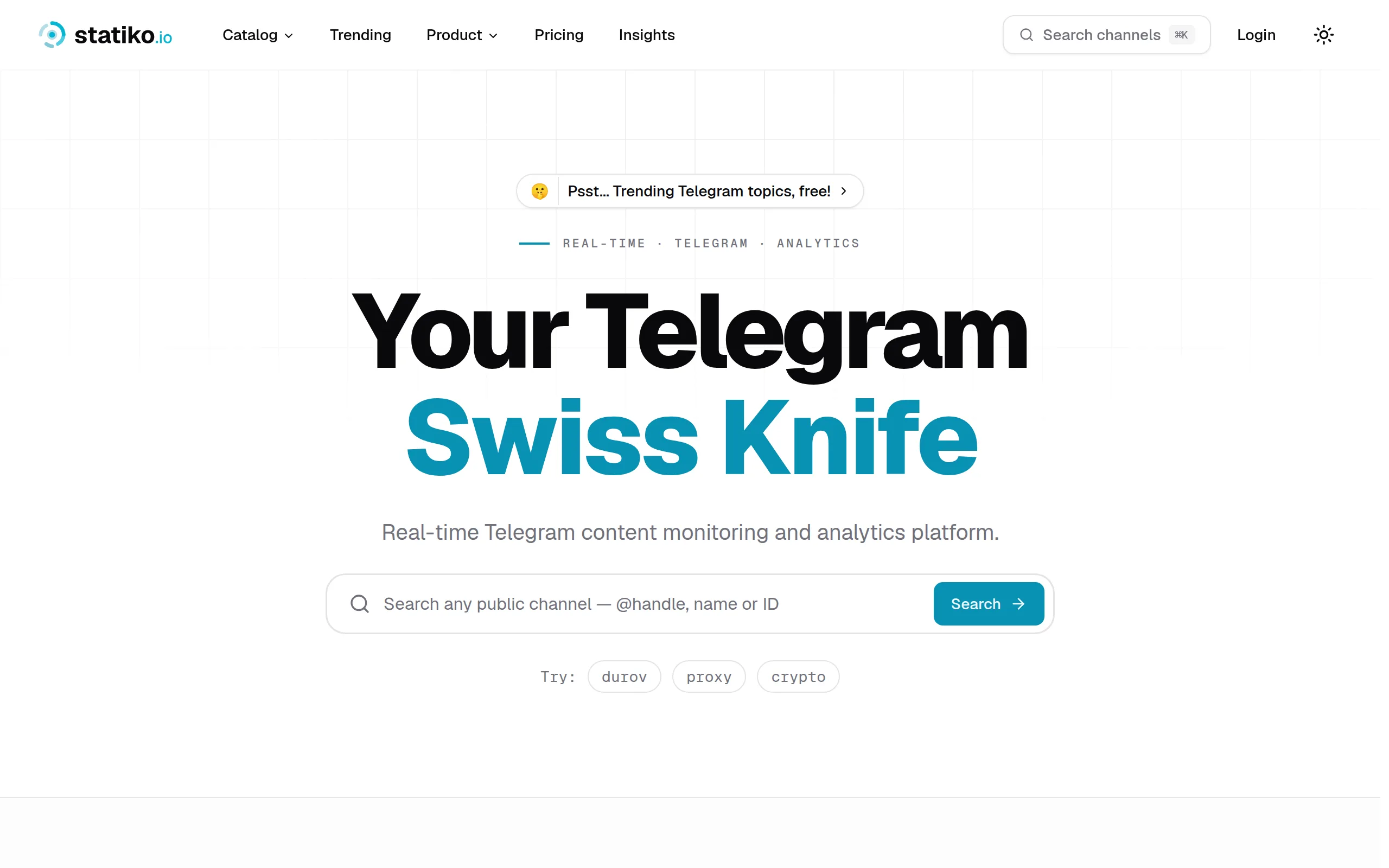
Statiko
Monitor any Telegram channel in real time - track posts, edits, deletions, and growth with AI recaps 📡

Shibui
AI website builder - describe your business, pick a niche template, edit by chatting, and publish instantly ✨

Pro Service
Find verified home service professionals, compare quotes, and pay securely through escrow - built for Brazilians across the US 🏠
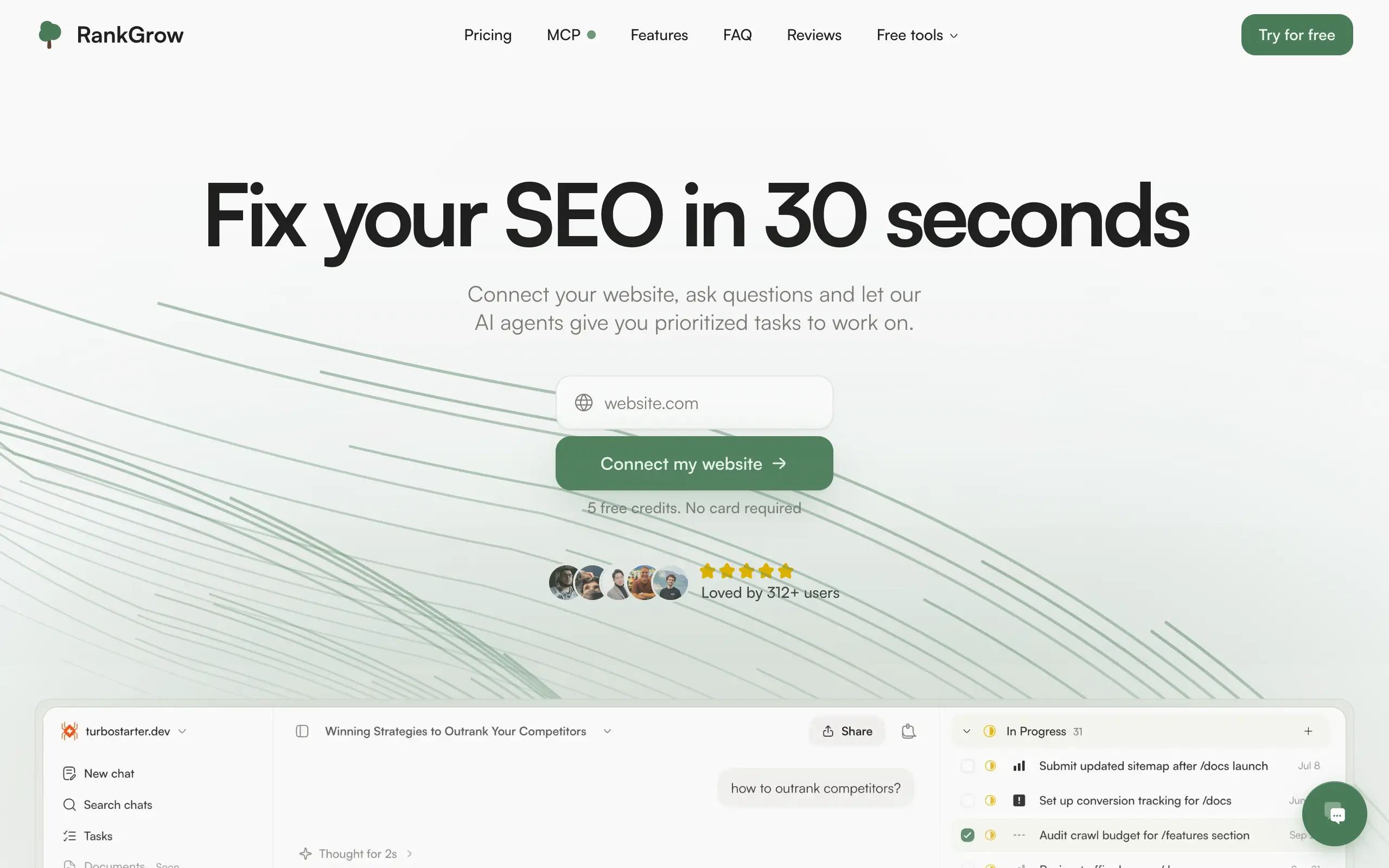
RankGrow
Fix your SEO with AI agents - connect Search Console, get prioritized tasks, and grow organic traffic 📈
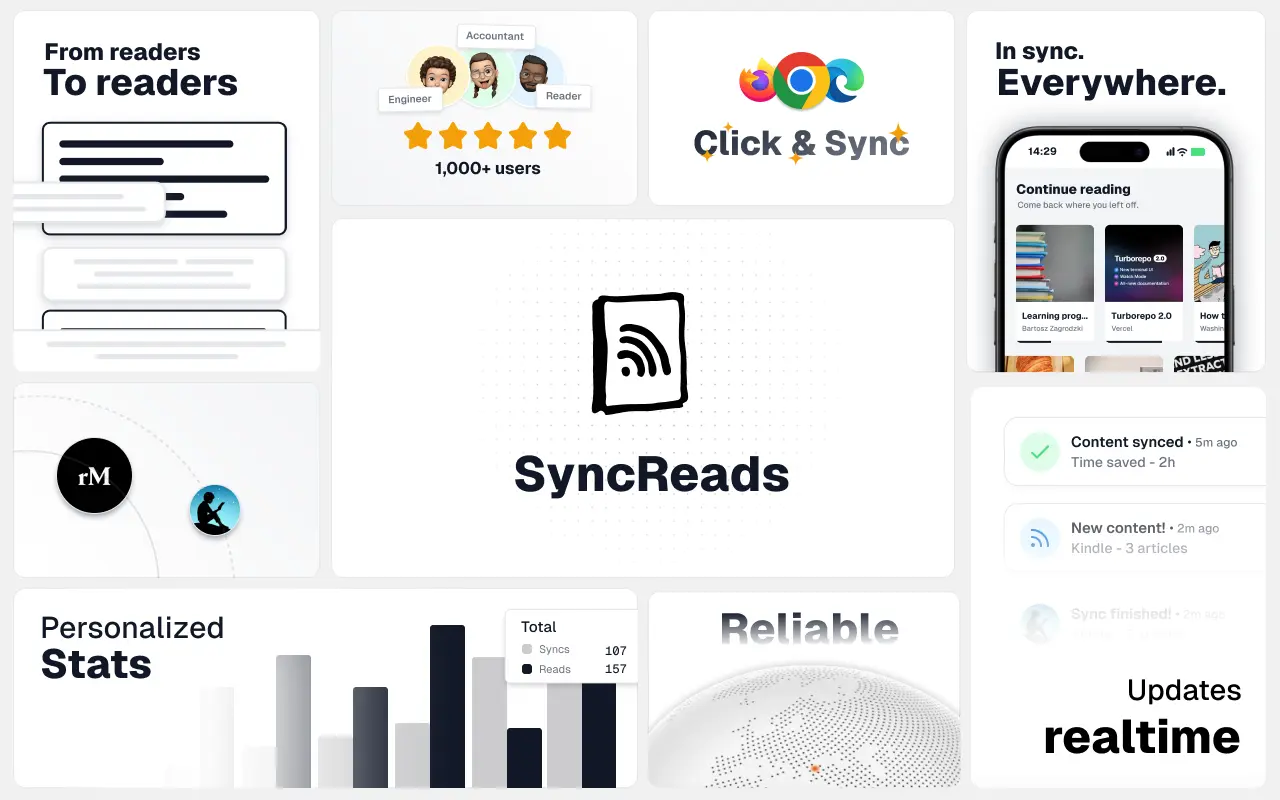
SyncReads
Sync your favorite content for distraction-free reading, save time and replace multiple apps. Anytime, anywhere 🔄
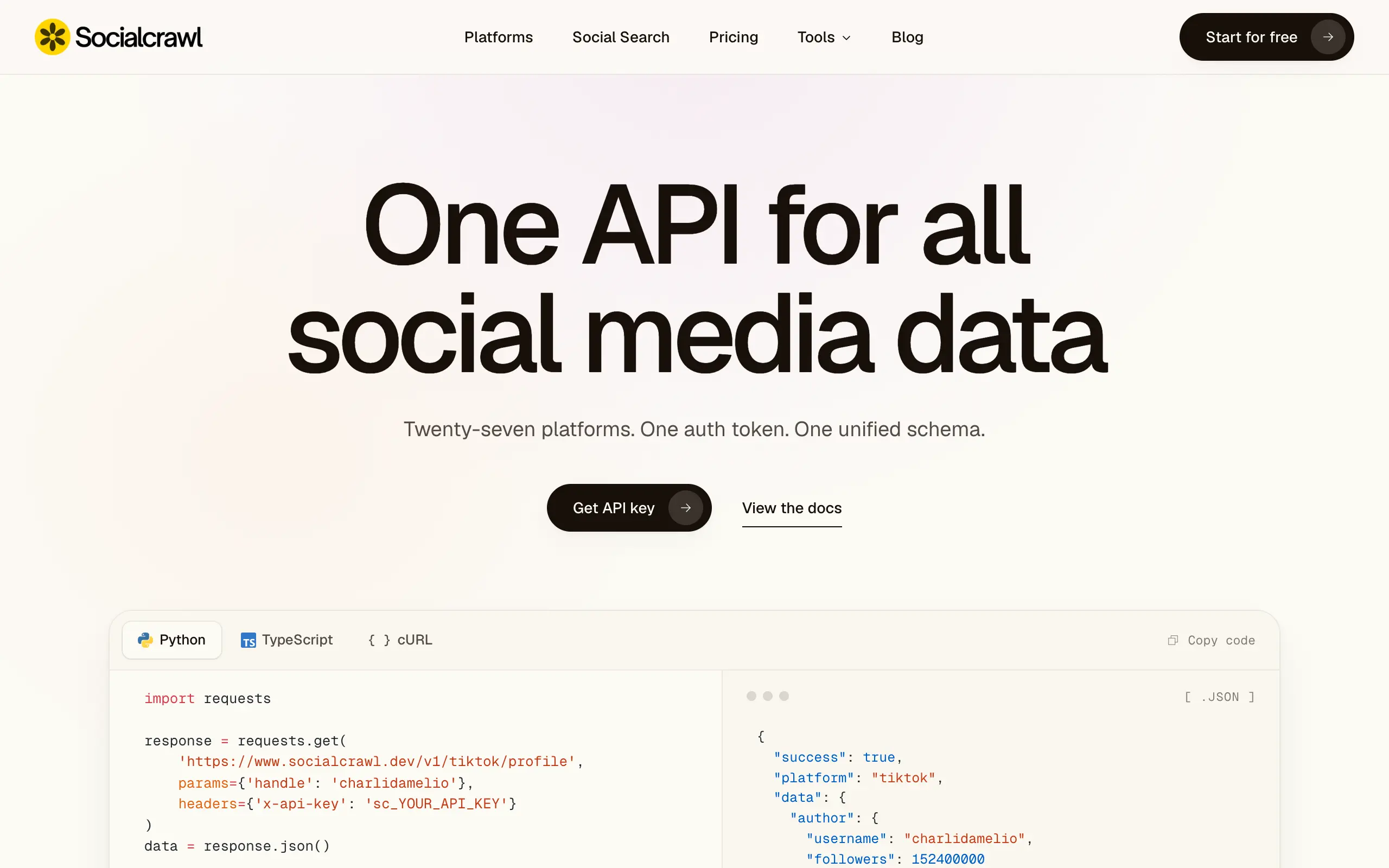
Socialcrawl
Get clean, structured data from 21 platforms like TikTok, Instagram, and YouTube with a single request 📊
Statiko
Monitor any Telegram channel in real time - track posts, edits, deletions, and growth with AI recaps 📡
Shibui
AI website builder - describe your business, pick a niche template, edit by chatting, and publish instantly ✨
Pro Service
Find verified home service professionals, compare quotes, and pay securely through escrow - built for Brazilians across the US 🏠
RankGrow
Fix your SEO with AI agents - connect Search Console, get prioritized tasks, and grow organic traffic 📈
SyncReads
Sync your favorite content for distraction-free reading, save time and replace multiple apps. Anytime, anywhere 🔄
Socialcrawl
Get clean, structured data from 21 platforms like TikTok, Instagram, and YouTube with a single request 📊
Statiko
Monitor any Telegram channel in real time - track posts, edits, deletions, and growth with AI recaps 📡
Shibui
AI website builder - describe your business, pick a niche template, edit by chatting, and publish instantly ✨
Pro Service
Find verified home service professionals, compare quotes, and pay securely through escrow - built for Brazilians across the US 🏠
RankGrow
Fix your SEO with AI agents - connect Search Console, get prioritized tasks, and grow organic traffic 📈
SyncReads
Sync your favorite content for distraction-free reading, save time and replace multiple apps. Anytime, anywhere 🔄
Socialcrawl
Get clean, structured data from 21 platforms like TikTok, Instagram, and YouTube with a single request 📊
Statiko
Monitor any Telegram channel in real time - track posts, edits, deletions, and growth with AI recaps 📡
Shibui
AI website builder - describe your business, pick a niche template, edit by chatting, and publish instantly ✨
Pro Service
Find verified home service professionals, compare quotes, and pay securely through escrow - built for Brazilians across the US 🏠
RankGrow
Fix your SEO with AI agents - connect Search Console, get prioritized tasks, and grow organic traffic 📈
SyncReads
Sync your favorite content for distraction-free reading, save time and replace multiple apps. Anytime, anywhere 🔄
Socialcrawl
Get clean, structured data from 21 platforms like TikTok, Instagram, and YouTube with a single request 📊
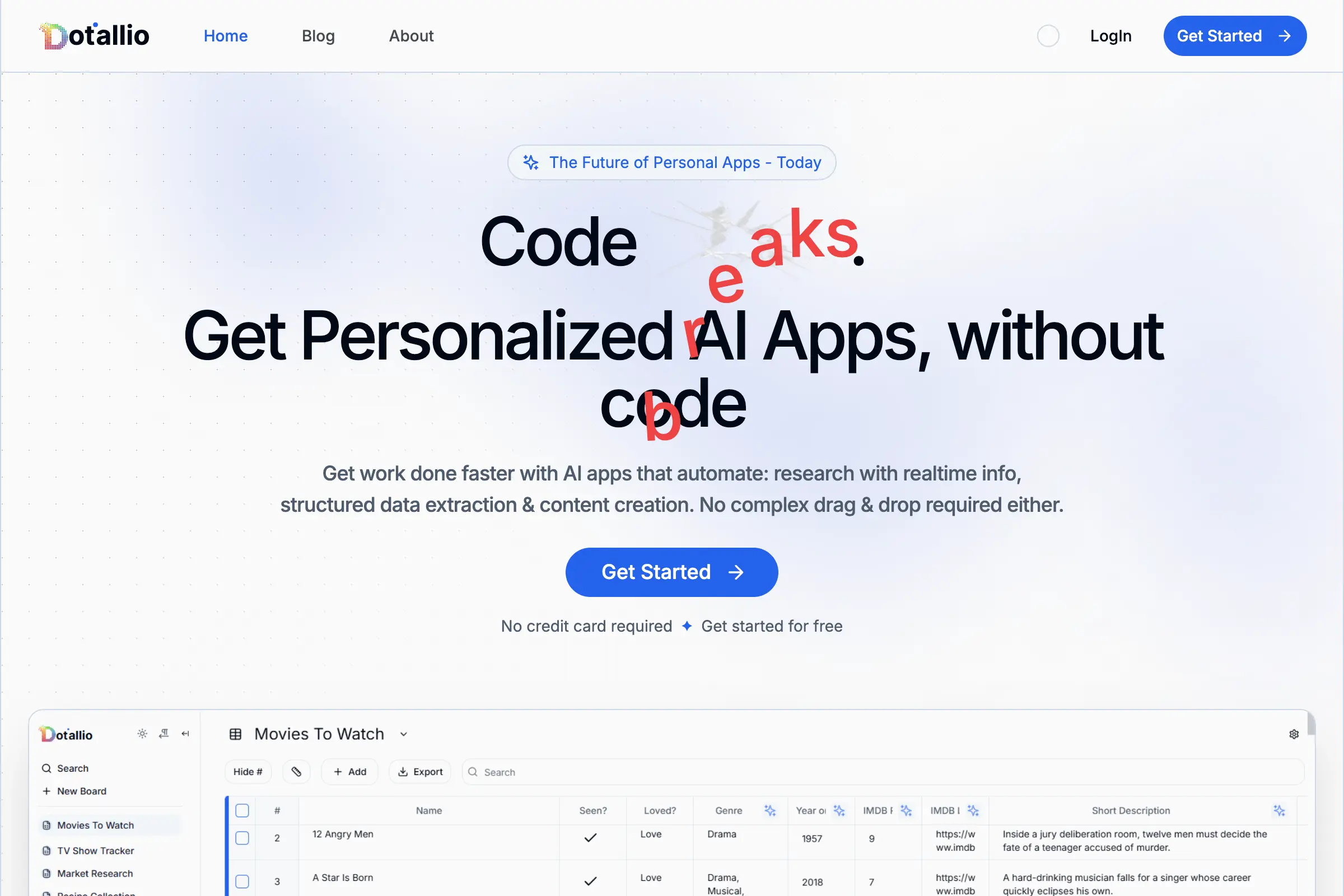
Dotallio
Personalized AI apps that automate research, data extraction, and content creation without code 🤖

Talk to Santa
Enjoy a magical live video chat or receive a unique AI-generated video greeting from Santa Claus 🎅
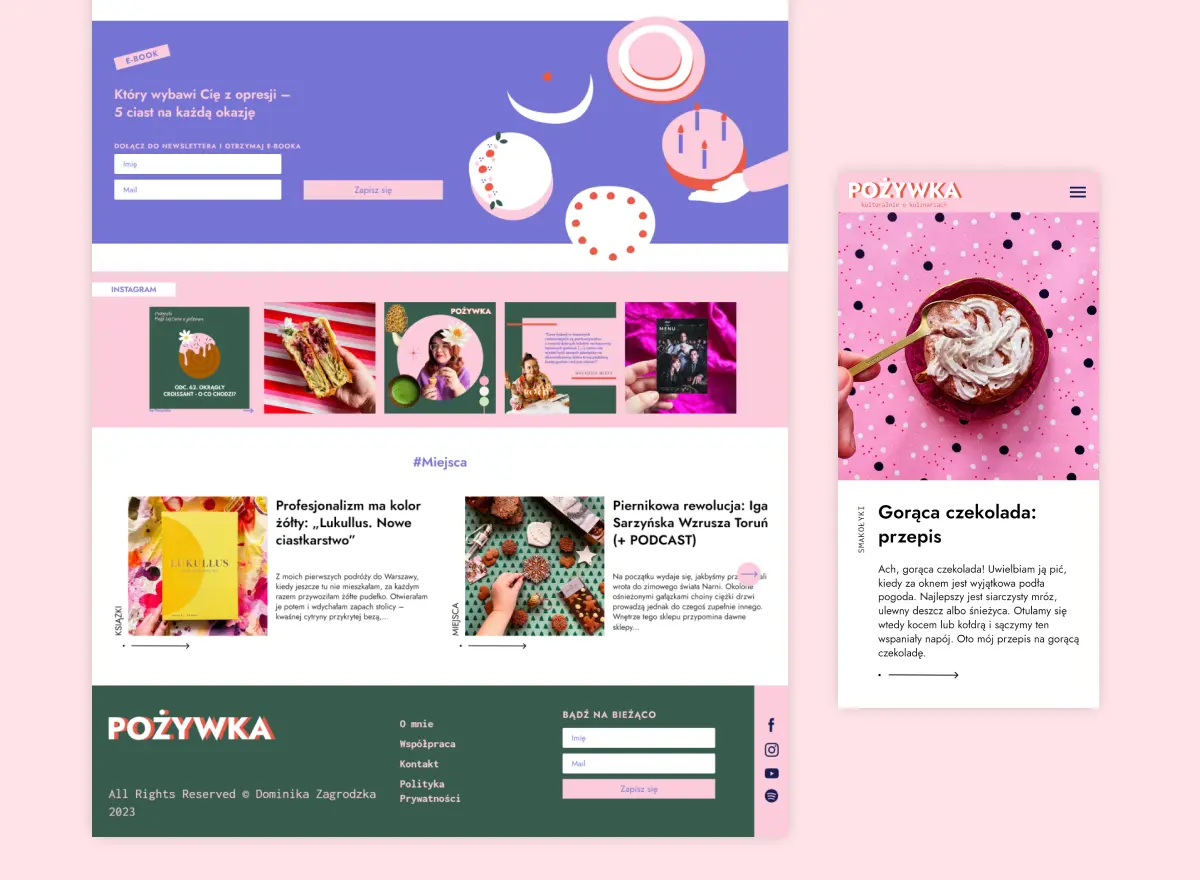
pozywka.pl
Scalable blog for food journalist, focused on performance and user experience 🌭
zagrodzki.me
Personal blog and portfolio of Bart Zagrodzki, where he shares his knowledge and work 💼
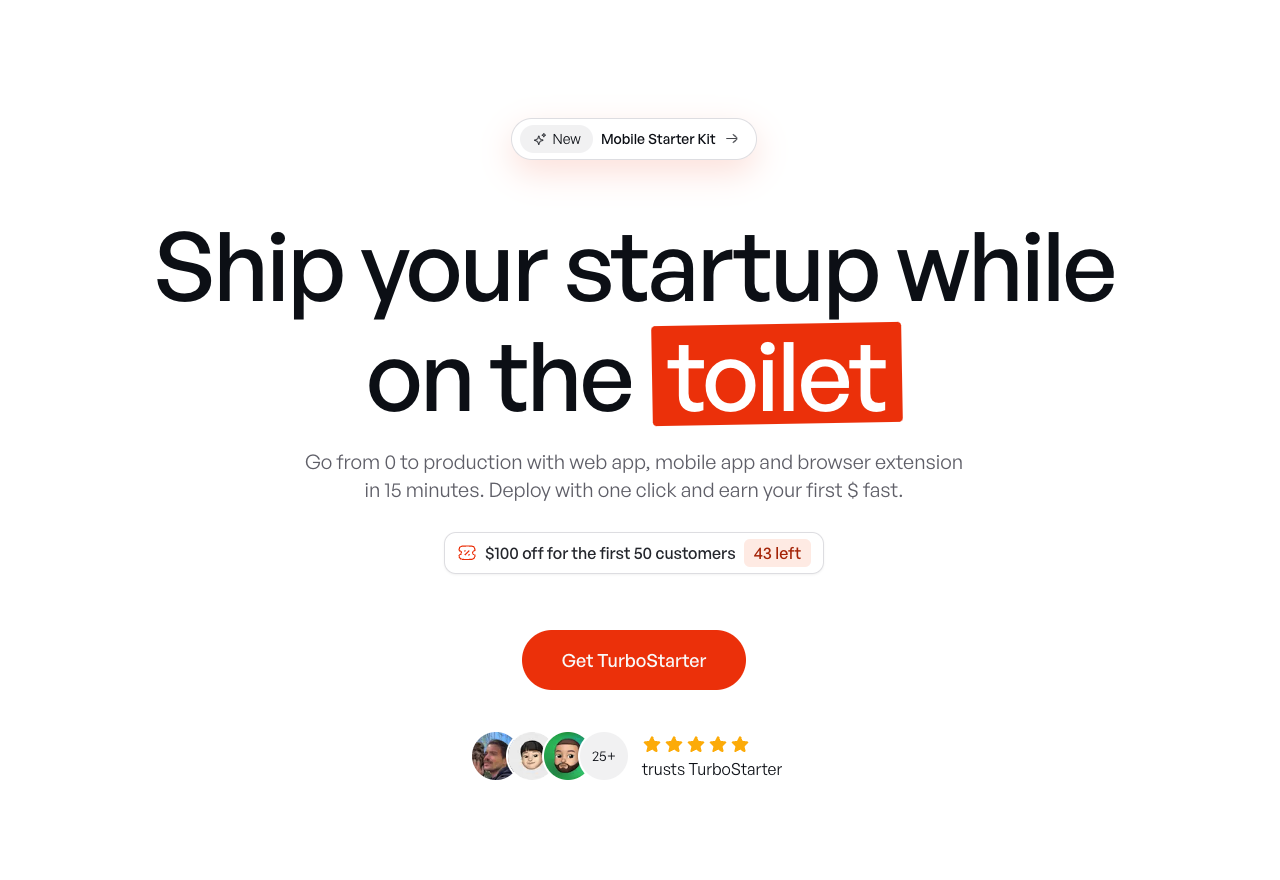
TurboStarter
Ship your startup everywhere. In minutes.
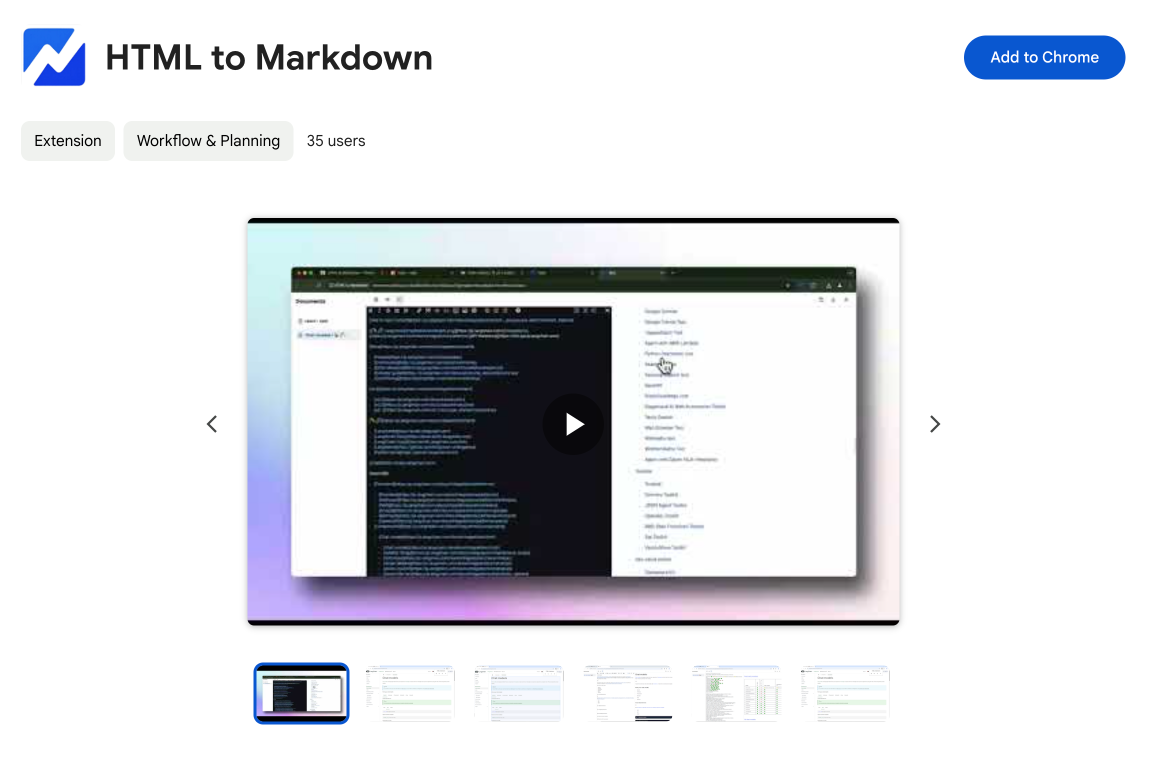
HTML to Markdown
Convert HTML to Markdown with ease, directly in your browser 📄
Dotallio
Personalized AI apps that automate research, data extraction, and content creation without code 🤖
Talk to Santa
Enjoy a magical live video chat or receive a unique AI-generated video greeting from Santa Claus 🎅
pozywka.pl
Scalable blog for food journalist, focused on performance and user experience 🌭
zagrodzki.me
Personal blog and portfolio of Bart Zagrodzki, where he shares his knowledge and work 💼
TurboStarter
Ship your startup everywhere. In minutes.
HTML to Markdown
Convert HTML to Markdown with ease, directly in your browser 📄
Dotallio
Personalized AI apps that automate research, data extraction, and content creation without code 🤖
Talk to Santa
Enjoy a magical live video chat or receive a unique AI-generated video greeting from Santa Claus 🎅
pozywka.pl
Scalable blog for food journalist, focused on performance and user experience 🌭
zagrodzki.me
Personal blog and portfolio of Bart Zagrodzki, where he shares his knowledge and work 💼
TurboStarter
Ship your startup everywhere. In minutes.
HTML to Markdown
Convert HTML to Markdown with ease, directly in your browser 📄
Dotallio
Personalized AI apps that automate research, data extraction, and content creation without code 🤖
Talk to Santa
Enjoy a magical live video chat or receive a unique AI-generated video greeting from Santa Claus 🎅
pozywka.pl
Scalable blog for food journalist, focused on performance and user experience 🌭
zagrodzki.me
Personal blog and portfolio of Bart Zagrodzki, where he shares his knowledge and work 💼
TurboStarter
Ship your startup everywhere. In minutes.
HTML to Markdown
Convert HTML to Markdown with ease, directly in your browser 📄
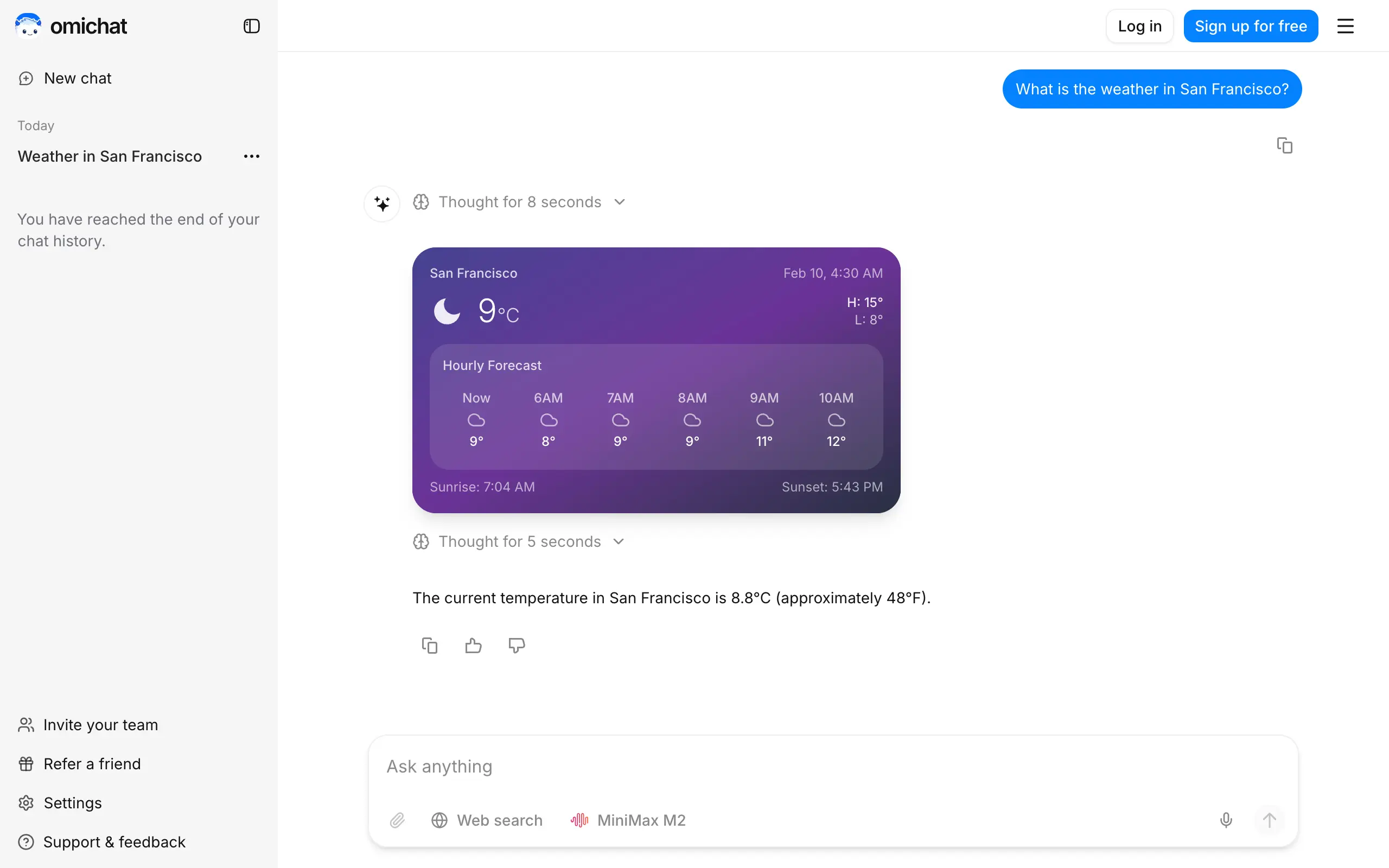
Omichat
Chat with 50+ AI models, including ChatGPT and Claude, in one place - switch models anytime without losing context 🤖
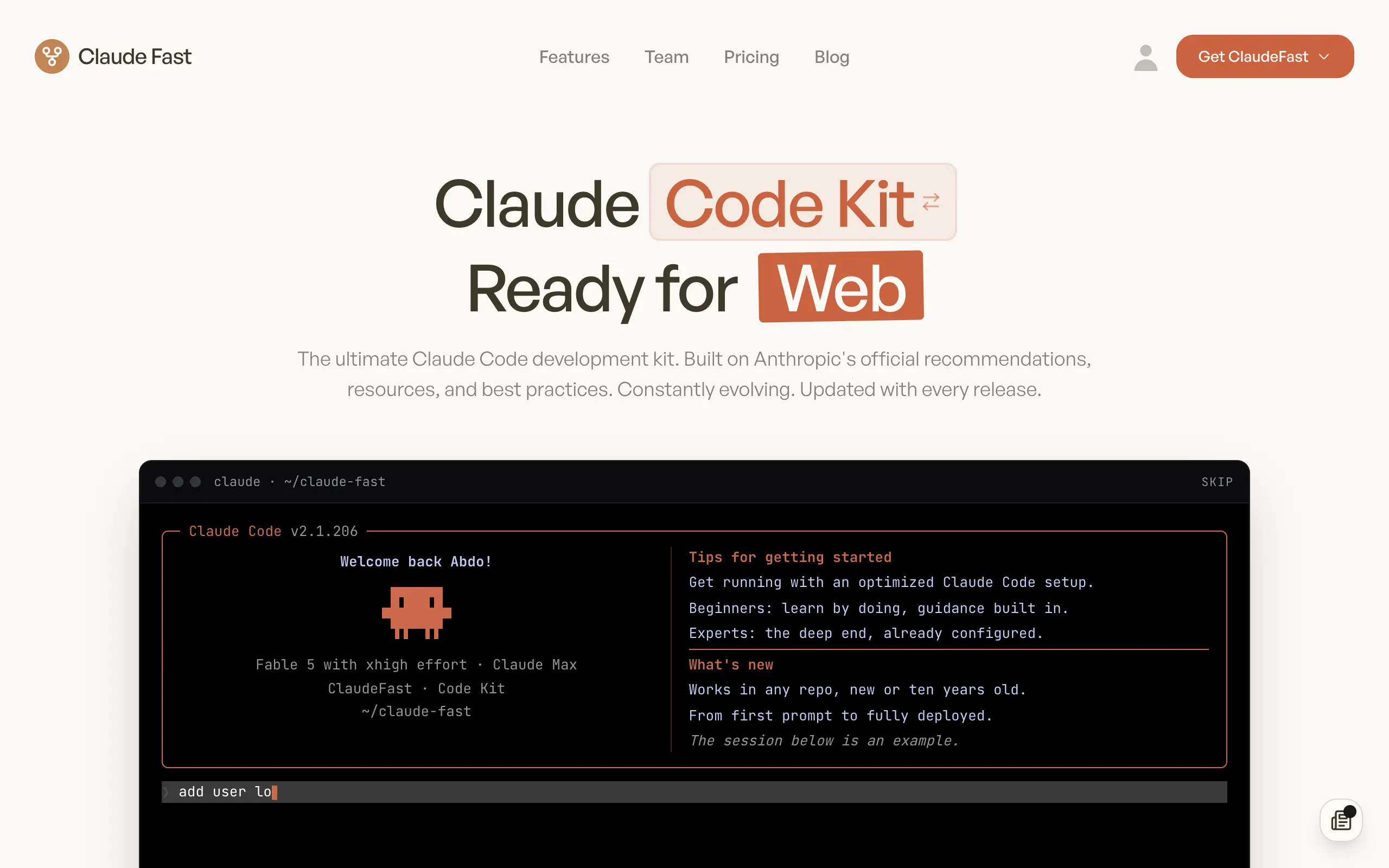
Claude Fast
Supercharge your Claude Code with 6x effective context window and specialized AI agents 🤖
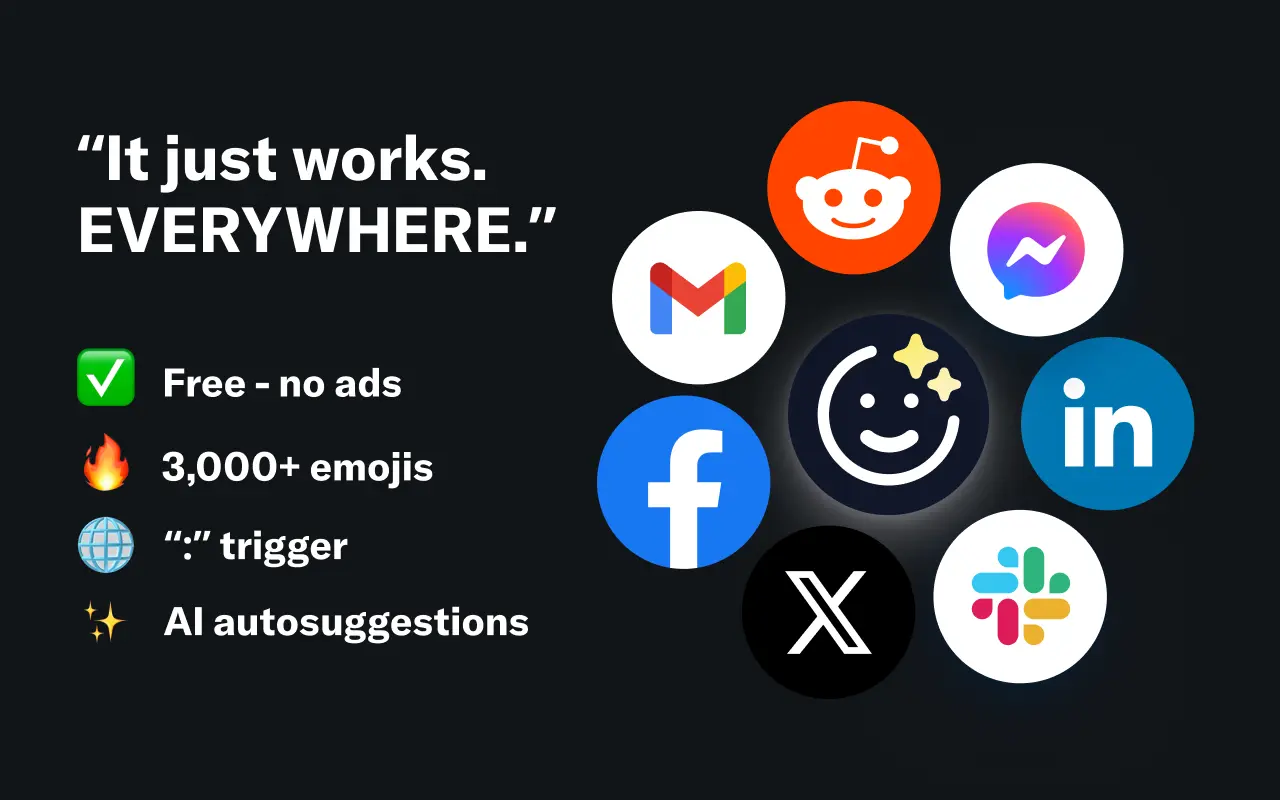
EmojAI
AI-powered emoji picker with smart, context-aware suggestions 🤖
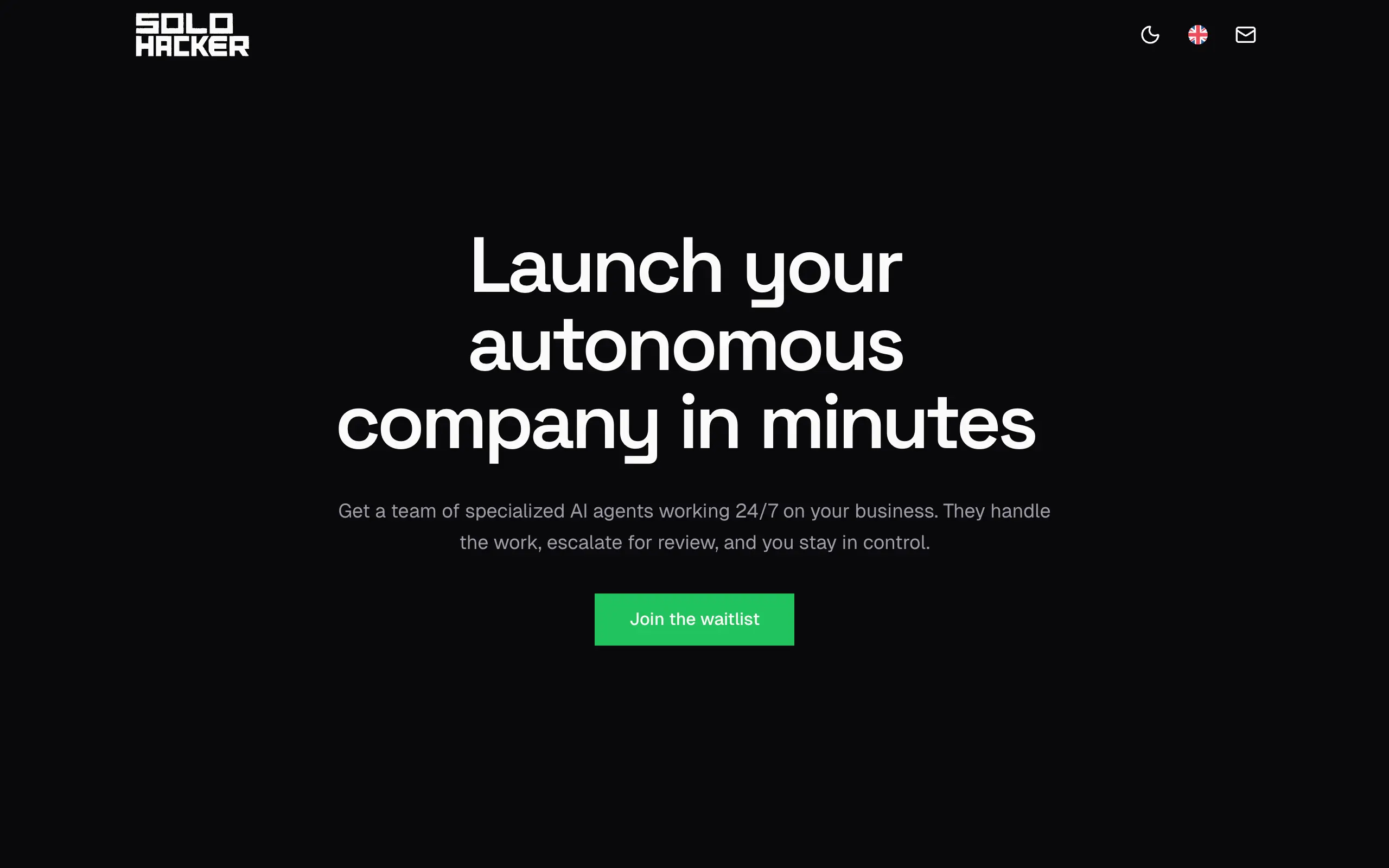
Solohacker
Autonomous company launcher - AI agents work 24/7, escalate what matters, and you stay in control 🤖
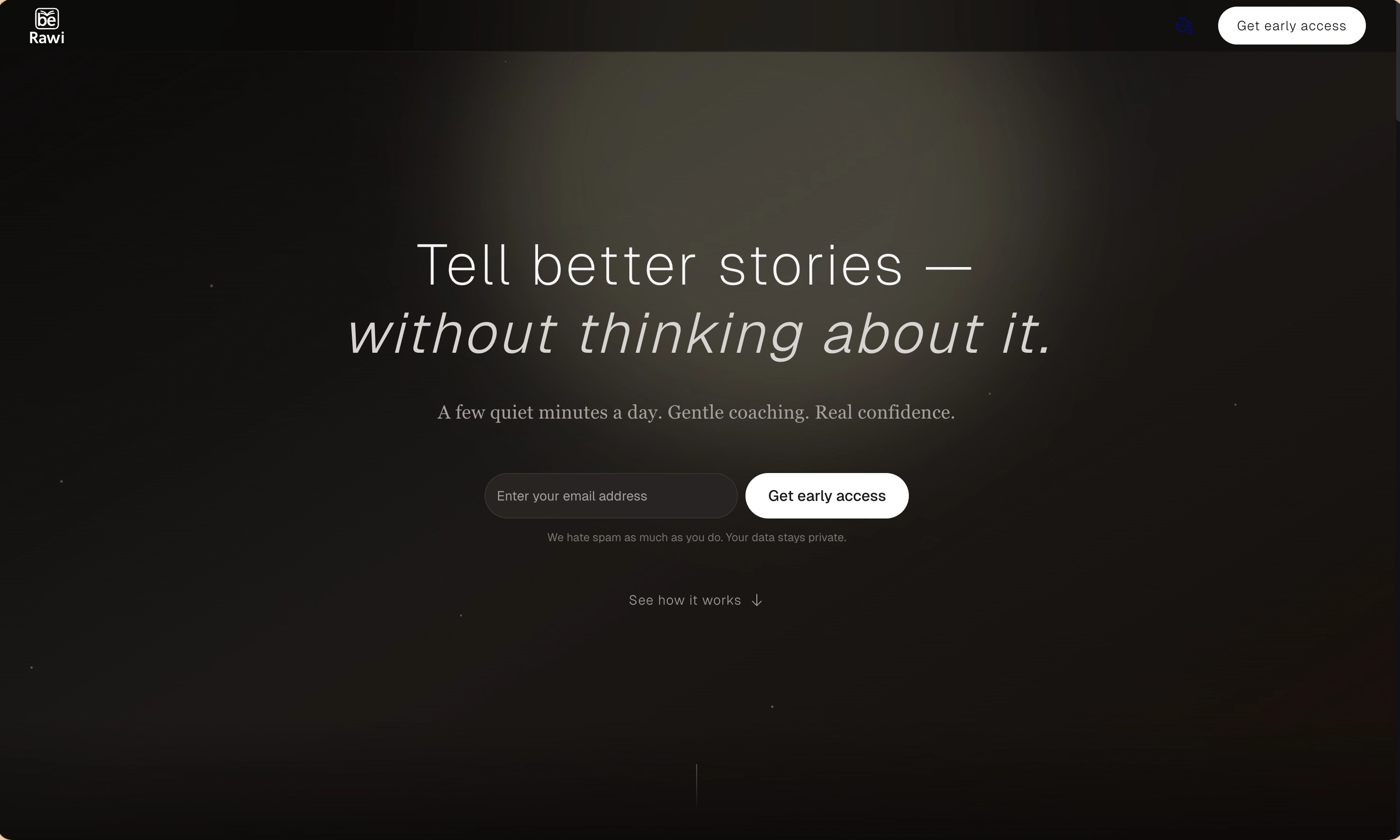
BeRawi: Storytelling Coach
Practice storytelling daily with instant feedback to sound clearer, more engaging, and confident 🎤
Omichat
Chat with 50+ AI models, including ChatGPT and Claude, in one place - switch models anytime without losing context 🤖
Claude Fast
Supercharge your Claude Code with 6x effective context window and specialized AI agents 🤖
EmojAI
AI-powered emoji picker with smart, context-aware suggestions 🤖
Solohacker
Autonomous company launcher - AI agents work 24/7, escalate what matters, and you stay in control 🤖
BeRawi: Storytelling Coach
Practice storytelling daily with instant feedback to sound clearer, more engaging, and confident 🎤
Omichat
Chat with 50+ AI models, including ChatGPT and Claude, in one place - switch models anytime without losing context 🤖
Claude Fast
Supercharge your Claude Code with 6x effective context window and specialized AI agents 🤖
EmojAI
AI-powered emoji picker with smart, context-aware suggestions 🤖
Solohacker
Autonomous company launcher - AI agents work 24/7, escalate what matters, and you stay in control 🤖
BeRawi: Storytelling Coach
Practice storytelling daily with instant feedback to sound clearer, more engaging, and confident 🎤
Omichat
Chat with 50+ AI models, including ChatGPT and Claude, in one place - switch models anytime without losing context 🤖
Claude Fast
Supercharge your Claude Code with 6x effective context window and specialized AI agents 🤖
EmojAI
AI-powered emoji picker with smart, context-aware suggestions 🤖
Solohacker
Autonomous company launcher - AI agents work 24/7, escalate what matters, and you stay in control 🤖
BeRawi: Storytelling Coach
Practice storytelling daily with instant feedback to sound clearer, more engaging, and confident 🎤

Connect with like-minded people
Join our community to get feedback, support, and grow together with 1,000+ builders on board, let's ship it!
Join usShip your startup everywhere. In minutes.
Don't burn tokens on setup and start building features on day one.