ReturnScope
AI-powered return analytics for online sellers that identifies root causes of returns and suggests fixes to reduce refund rates and boost margins.
why AI-powered return analytics is becoming essential for ecommerce
Returns are no longer just an operational nuisance—they’re one of the biggest hidden profit killers in ecommerce. For many online sellers, return rates hover between 15% and 30%, and in certain verticals like fashion, they can exceed 40%. That’s not just lost revenue—it’s logistics costs, restocking labor, customer service overhead, and inventory distortion.
This is where AI-powered return analytics platforms like ReturnScope step in.
ReturnScope isn’t just another dashboard. It’s designed to diagnose the root causes of returns and recommend actionable fixes, helping merchants reduce refund rates, improve product experience, and ultimately boost margins.
In this guide, we’ll break down the full business and product potential of ReturnScope—from market opportunity to implementation strategy—so you can validate, build, or scale this SaaS idea with confidence.
understanding the real problem: why returns are so expensive
Most ecommerce businesses track returns—but very few understand why they happen.
the hidden complexity behind returns
At first glance, return reasons seem simple:
- “Item didn’t fit”
- “Not as described”
- “Arrived damaged”
But these categories are often too vague to act on. The real causes are buried deeper:
- Inaccurate size charts
- Misleading product photos
- Poor packaging
- Manufacturing inconsistencies
- Customer expectation gaps
- Fraud or wardrobing behavior
Without deeper analysis, businesses are stuck guessing.
why existing tools fall short
Most ecommerce platforms (like Shopify or WooCommerce) offer basic return tracking. However:
- They rely on manual tagging
- They lack pattern detection
- They don’t connect returns to product or marketing decisions
- They provide no predictive insights
ReturnScope fills this gap by applying AI to extract insights automatically.
target audience: who needs ReturnScope the most
ReturnScope is a B2B SaaS product designed for ecommerce operators who feel the financial pain of returns.
primary users
- "Direct-to-consumer (DTC) brands": Especially in fashion, beauty, electronics, and home goods
- "Ecommerce managers": Responsible for performance and profitability
- "Operations teams": Managing fulfillment, logistics, and returns
- "Customer experience teams": Handling complaints and feedback
secondary users
- "Agencies managing ecommerce brands"
- "Marketplace sellers (Amazon, Etsy, Walmart)"
- "Logistics and 3PL providers"
ideal customer profile (ICP)
The best early adopters are:
- Brands doing $500K–$10M in annual revenue
- Experiencing 15%+ return rates
- Selling products with subjective expectations (fit, quality, appearance)
Key insight
ReturnScope delivers the most value when return patterns are complex and recurring—not random.
market opportunity: a growing and underserved segment
The ecommerce analytics space is crowded—but return intelligence is still underdeveloped.
market size and trends
- Global ecommerce is projected to exceed trillions annually (source: suggest referencing Statista or eMarketer)
- Returns account for hundreds of billions in lost revenue
- Reverse logistics costs are rising due to inflation and sustainability pressures
emerging trends supporting ReturnScope
- AI adoption in ecommerce decision-making
- Increased focus on unit economics and profitability
- Sustainability concerns around waste and returns
- Demand for data-driven product optimization
gap in the market
Most tools focus on:
- Sales analytics
- Conversion optimization
- Customer acquisition
Very few focus deeply on post-purchase intelligence, especially returns.
That’s the niche ReturnScope dominates.
how ReturnScope works: core product experience
ReturnScope uses AI to turn messy return data into clear, actionable insights.
data ingestion layer
The platform integrates with:
- Ecommerce platforms (Shopify, WooCommerce)
- Return management systems
- Customer support tools
- Warehouse/logistics systems
AI-powered analysis engine
This is the heart of the product:
- Natural language processing (NLP) analyzes return reasons
- Clustering identifies patterns across products and categories
- Predictive models estimate return likelihood
- Root cause detection surfaces underlying issues
insights and recommendations
Instead of raw data, users get:
- “Top return drivers” by product
- “High-risk SKUs”
- Suggested fixes (e.g., update sizing chart, improve images)
key features that differentiate ReturnScope
AI root cause detection
Automatically identifies why products are being returned beyond surface-level reasons.
return risk scoring
Predicts which products or orders are likely to be returned before it happens.
actionable recommendations
Suggests specific improvements to reduce return rates.
product-level insights
Pinpoints issues at the SKU level, not just category level.
deeper feature breakdown
1. intelligent return categorization
Instead of relying on dropdowns, ReturnScope:
- Parses customer comments
- Groups similar issues
- Creates dynamic categories
2. product performance diagnostics
For each product:
- Return rate trends
- Common complaints
- Correlation with reviews
3. visual analytics dashboard
- Heatmaps of return reasons
- Trend lines over time
- Comparison across product lines
4. recommendation engine
Examples:
- “Add sizing guide for SKU #123”
- “Replace product images with higher-resolution photos”
- “Improve packaging for fragile items”
competitive landscape: where ReturnScope stands
Let’s compare ReturnScope against existing solutions.
| Feature | Shopify Analytics | Returns Apps | BI Tools | ReturnScope |
|---|---|---|---|---|
| Basic return tracking | ✅ | ✅ | ✅ | ✅ |
| AI root cause analysis | ❌ | ❌ | ❌ | ✅ |
| Actionable recommendations | ❌ | ❌ | ❌ | ✅ |
| Predictive return insights | ❌ | ❌ | ❌ | ✅ |
unique selling proposition (USP)
ReturnScope stands out because it:
- Goes beyond reporting → delivers diagnosis
- Moves from insights → to actions
- Uses AI → to uncover non-obvious patterns
recommended tech stack for building ReturnScope
Building an AI-powered analytics platform requires careful architecture decisions.
frontend
- React for dynamic UI
- TailwindCSS for rapid styling
- Charting libraries like Recharts or Chart.js
backend
- Node.js or Python (FastAPI)
- REST or GraphQL API layer
- Event-driven architecture for data processing
AI and data layer
- Python ecosystem (Pandas, NumPy)
- NLP models via OpenAI or open-source alternatives
- Vector databases (like Pinecone or Weaviate)
data storage
- PostgreSQL for structured data
- Data warehouse (BigQuery, Snowflake) for analytics
integrations
- Shopify API
- Stripe for billing
- Webhooks for real-time updates
Trade-off to consider
Using advanced AI models increases accuracy but also cost. Early-stage versions should balance performance with affordability.
monetization strategy: how ReturnScope makes money
ReturnScope can adopt multiple pricing strategies depending on customer segment.
subscription tiers
- Starter ($29–$79/month)
- Growth ($99–$299/month)
- Pro ($499+/month)
usage-based pricing
Charge based on:
- Number of orders analyzed
- Number of SKUs
- Volume of return data
value-based pricing
Premium plans tied to:
- Estimated savings generated
- Advanced predictive features
upsell opportunities
- API access
- Custom reports
- Dedicated support
- Integrations with logistics partners
risks and challenges (and how to mitigate them)
No SaaS idea is without risk. Here’s what to watch for.
1. data quality issues
If return data is inconsistent, insights suffer.
Mitigation:
- Normalize inputs
- Use AI to clean and standardize data
2. integration complexity
Ecommerce stacks vary widely.
Mitigation:
- Start with Shopify
- Expand gradually to other platforms
3. user adoption friction
Users may not trust AI recommendations immediately.
Mitigation:
- Provide explainability
- Show “why this insight matters”
4. competition from larger platforms
Shopify or Amazon could build similar features.
Mitigation:
- Move fast
- Focus on niche depth
- Build strong brand authority
building a competitive advantage over time
ReturnScope’s long-term moat comes from data and intelligence.
data network effects
The more stores use it:
- The better the AI models become
- The more accurate predictions are
vertical specialization
Focus on high-return industries:
- Fashion
- Electronics
- Furniture
ecosystem integrations
Partner with:
- Logistics providers
- Customer support tools
- Product design platforms
step-by-step implementation plan
MVP feature set
Start simple:
- Return dashboard
- Basic categorization
- Product-level return rates
Then layer in AI.
go-to-market strategy
initial traction channels
- Ecommerce communities (Reddit, Slack groups)
- Twitter/X founder audience
- Shopify app marketplace
content marketing
Create SEO-driven content like:
- “How to reduce ecommerce returns”
- “Why customers return products”
- “Return rate benchmarks by industry”
partnerships
- Agencies
- 3PL providers
- Ecommerce consultants
future expansion opportunities
ReturnScope can evolve into a broader platform.
predictive commerce intelligence
- Forecast product issues before launch
- Simulate return impact
automated optimization
- Auto-update product pages
- Suggest pricing adjustments
sustainability analytics
- Track environmental impact of returns
- Help brands reduce waste
frequently asked questions
No. While larger brands benefit more from data volume, small and mid-sized stores can still gain valuable insights, especially if they experience high return rates.
No. ReturnScope complements them by adding intelligence and analytics, not handling logistics.
Accuracy improves over time as more data is processed. Early models should be positioned as assistive, not definitive.
actionable next steps to build ReturnScope
If you’re serious about launching this SaaS, here’s what to do next:
- Talk to at least 10 ecommerce operators about returns
- Identify common patterns and pain points
- Build a lightweight MVP focused on insights
- Use existing AI APIs to accelerate development
- Launch fast and iterate
If you want to speed up development, tools like TurboStarter can help you bootstrap your SaaS with a production-ready foundation.
final thoughts: why ReturnScope is a strong SaaS opportunity
ReturnScope sits at the intersection of:
- Ecommerce profitability
- AI-driven insights
- Operational efficiency
It solves a real, costly problem—and does so in a way that existing tools don’t.
The biggest advantage? It doesn’t just tell you what happened.
It tells you why—and what to do about it.
That’s where real value lives.
More 🏢 B2B Application SaaS ideas
Discover more innovative b2b application SaaS ideas that are trending in 2026. Each idea is AI-generated with market validation and growth potential to help you find your next profitable venture faster than competitors.
Your competitors are building with TurboStarter
Below are some of the SaaS ideas that have been generated and built with our starter kit.
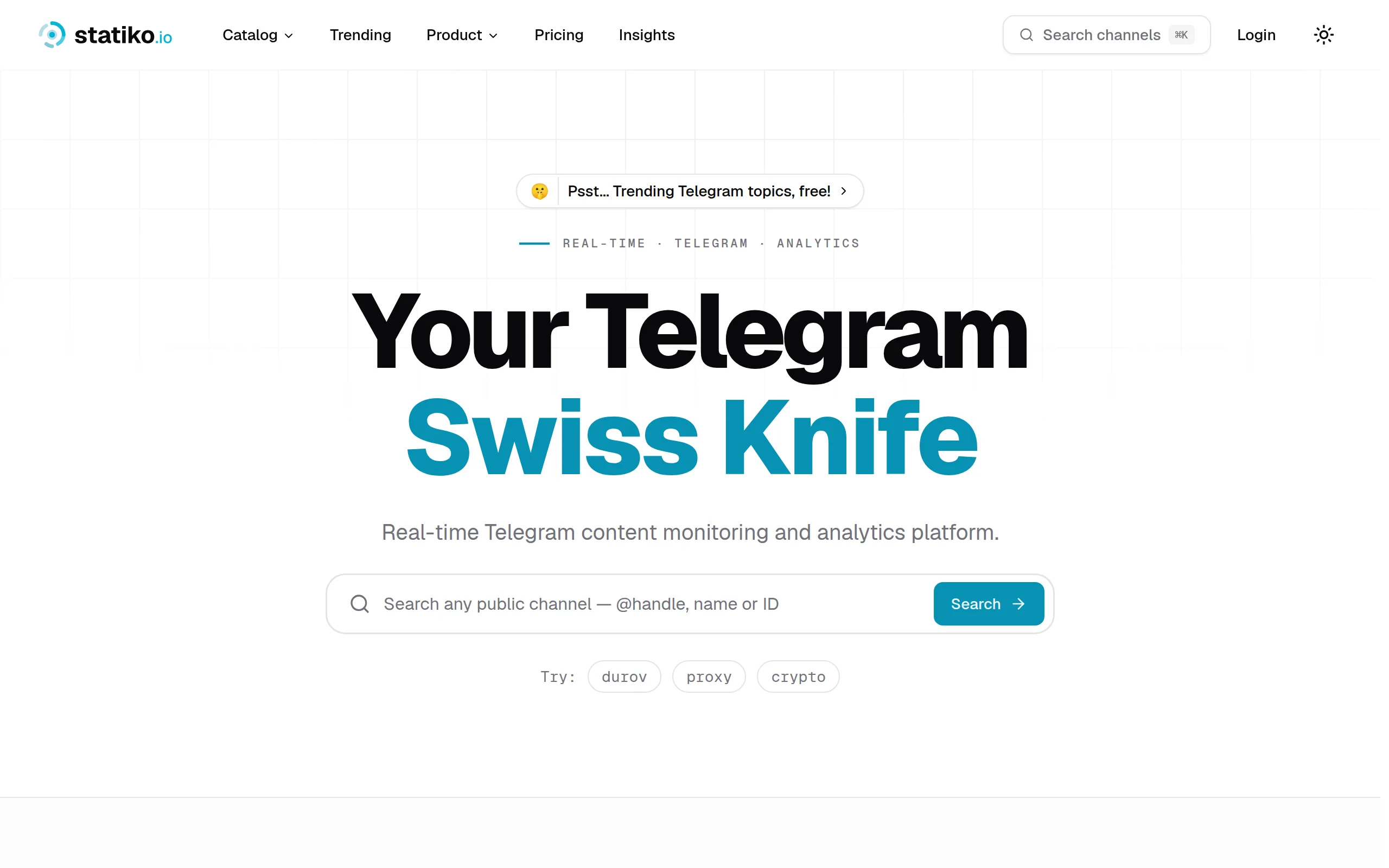
Statiko
Monitor any Telegram channel in real time - track posts, edits, deletions, and growth with AI recaps 📡

Shibui
AI website builder - describe your business, pick a niche template, edit by chatting, and publish instantly ✨

Pro Service
Find verified home service professionals, compare quotes, and pay securely through escrow - built for Brazilians across the US 🏠
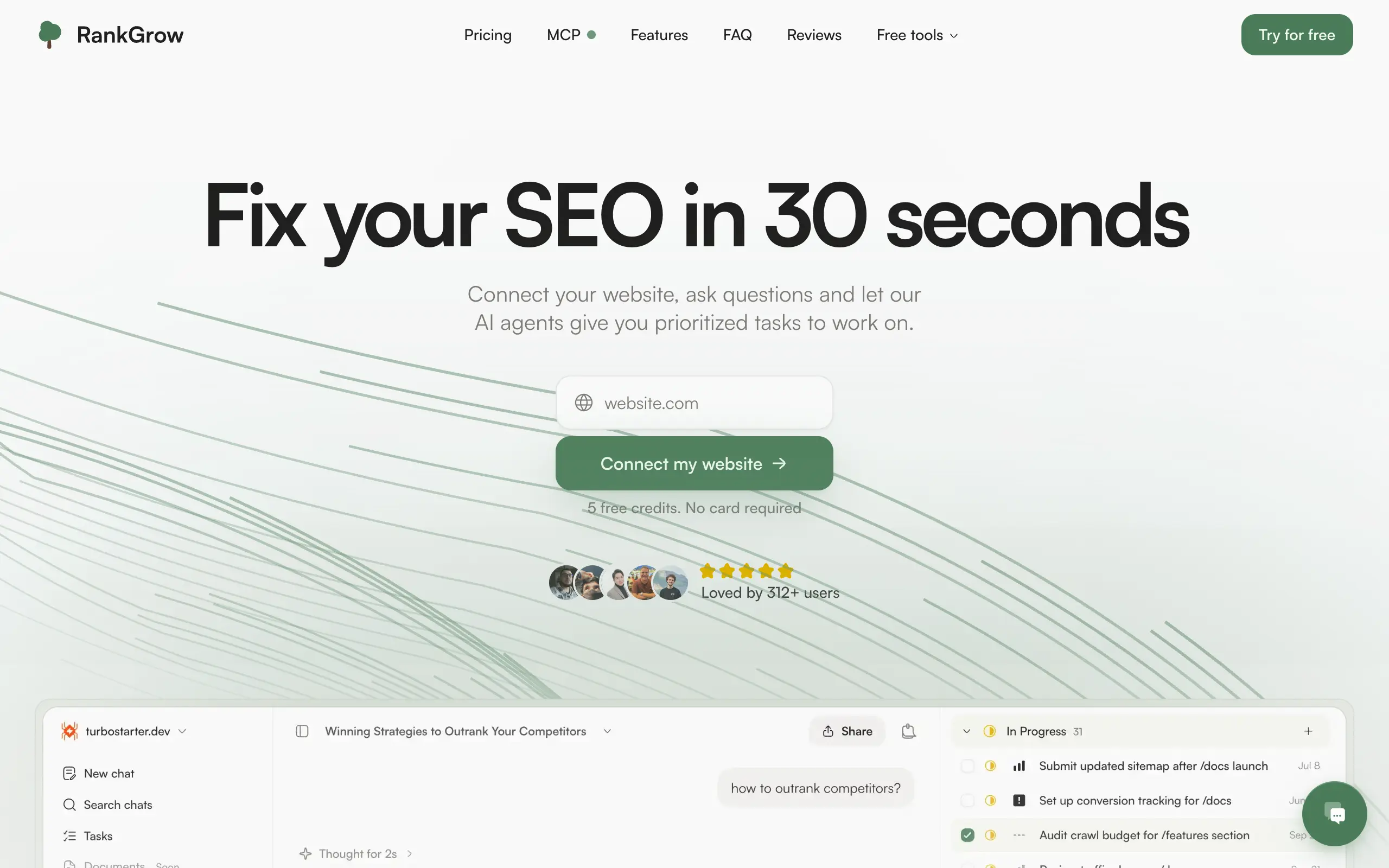
RankGrow
Fix your SEO with AI agents - connect Search Console, get prioritized tasks, and grow organic traffic 📈
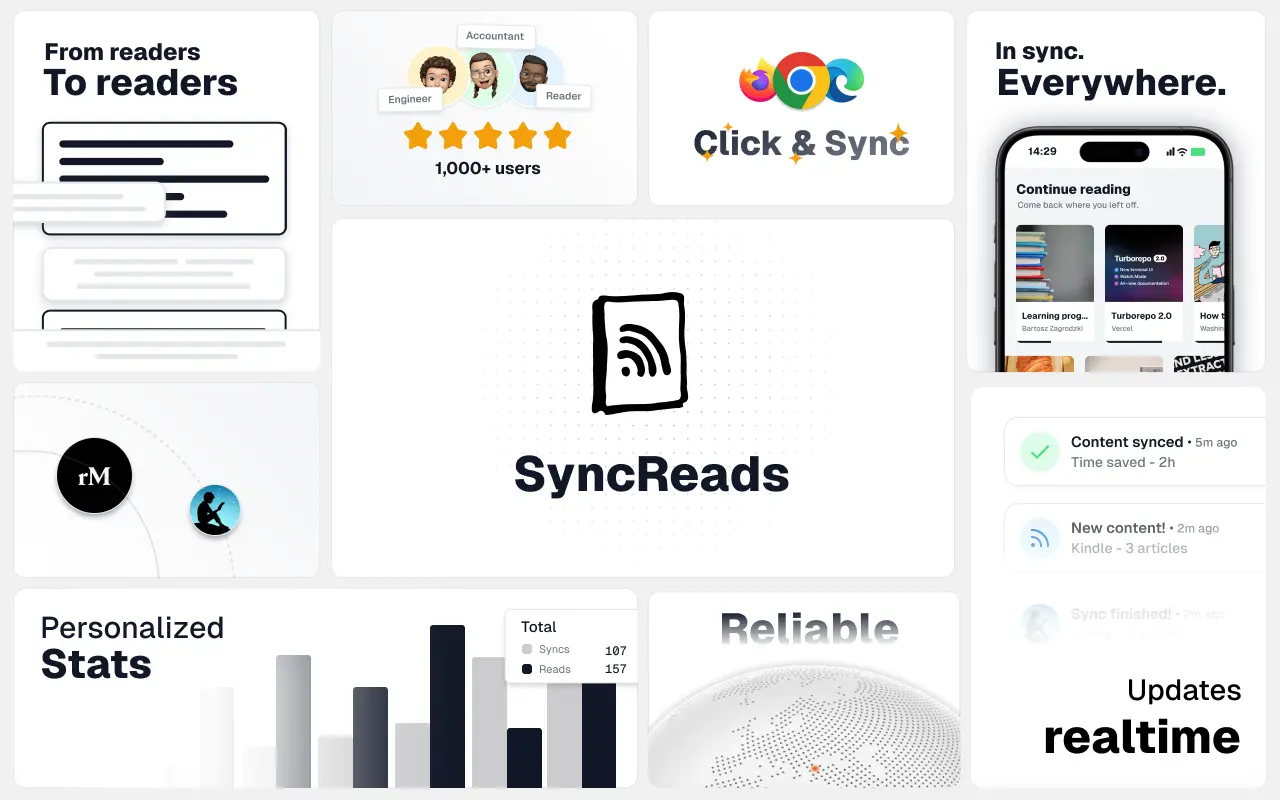
SyncReads
Sync your favorite content for distraction-free reading, save time and replace multiple apps. Anytime, anywhere 🔄
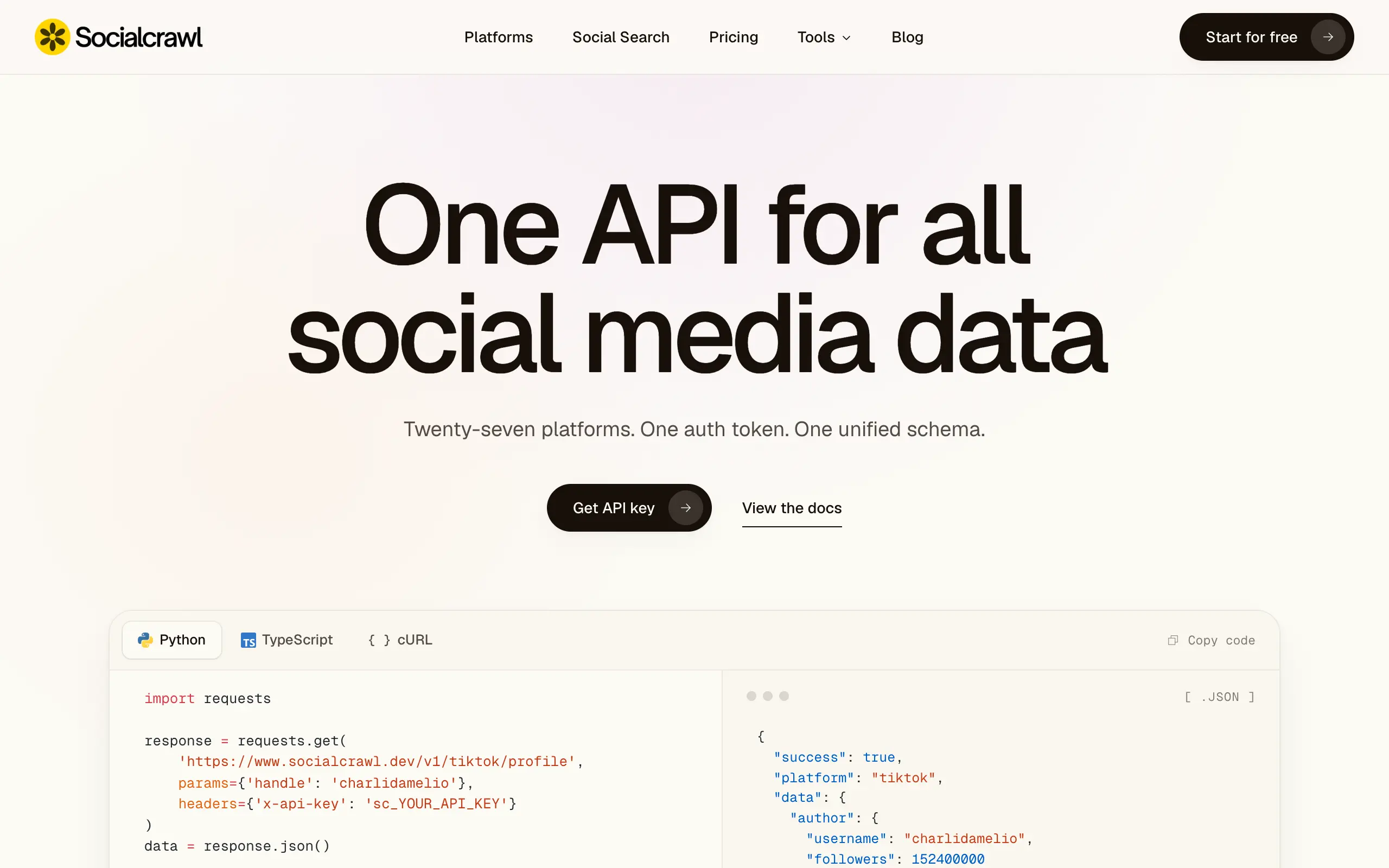
Socialcrawl
Get clean, structured data from 21 platforms like TikTok, Instagram, and YouTube with a single request 📊
Statiko
Monitor any Telegram channel in real time - track posts, edits, deletions, and growth with AI recaps 📡
Shibui
AI website builder - describe your business, pick a niche template, edit by chatting, and publish instantly ✨
Pro Service
Find verified home service professionals, compare quotes, and pay securely through escrow - built for Brazilians across the US 🏠
RankGrow
Fix your SEO with AI agents - connect Search Console, get prioritized tasks, and grow organic traffic 📈
SyncReads
Sync your favorite content for distraction-free reading, save time and replace multiple apps. Anytime, anywhere 🔄
Socialcrawl
Get clean, structured data from 21 platforms like TikTok, Instagram, and YouTube with a single request 📊
Statiko
Monitor any Telegram channel in real time - track posts, edits, deletions, and growth with AI recaps 📡
Shibui
AI website builder - describe your business, pick a niche template, edit by chatting, and publish instantly ✨
Pro Service
Find verified home service professionals, compare quotes, and pay securely through escrow - built for Brazilians across the US 🏠
RankGrow
Fix your SEO with AI agents - connect Search Console, get prioritized tasks, and grow organic traffic 📈
SyncReads
Sync your favorite content for distraction-free reading, save time and replace multiple apps. Anytime, anywhere 🔄
Socialcrawl
Get clean, structured data from 21 platforms like TikTok, Instagram, and YouTube with a single request 📊
Statiko
Monitor any Telegram channel in real time - track posts, edits, deletions, and growth with AI recaps 📡
Shibui
AI website builder - describe your business, pick a niche template, edit by chatting, and publish instantly ✨
Pro Service
Find verified home service professionals, compare quotes, and pay securely through escrow - built for Brazilians across the US 🏠
RankGrow
Fix your SEO with AI agents - connect Search Console, get prioritized tasks, and grow organic traffic 📈
SyncReads
Sync your favorite content for distraction-free reading, save time and replace multiple apps. Anytime, anywhere 🔄
Socialcrawl
Get clean, structured data from 21 platforms like TikTok, Instagram, and YouTube with a single request 📊
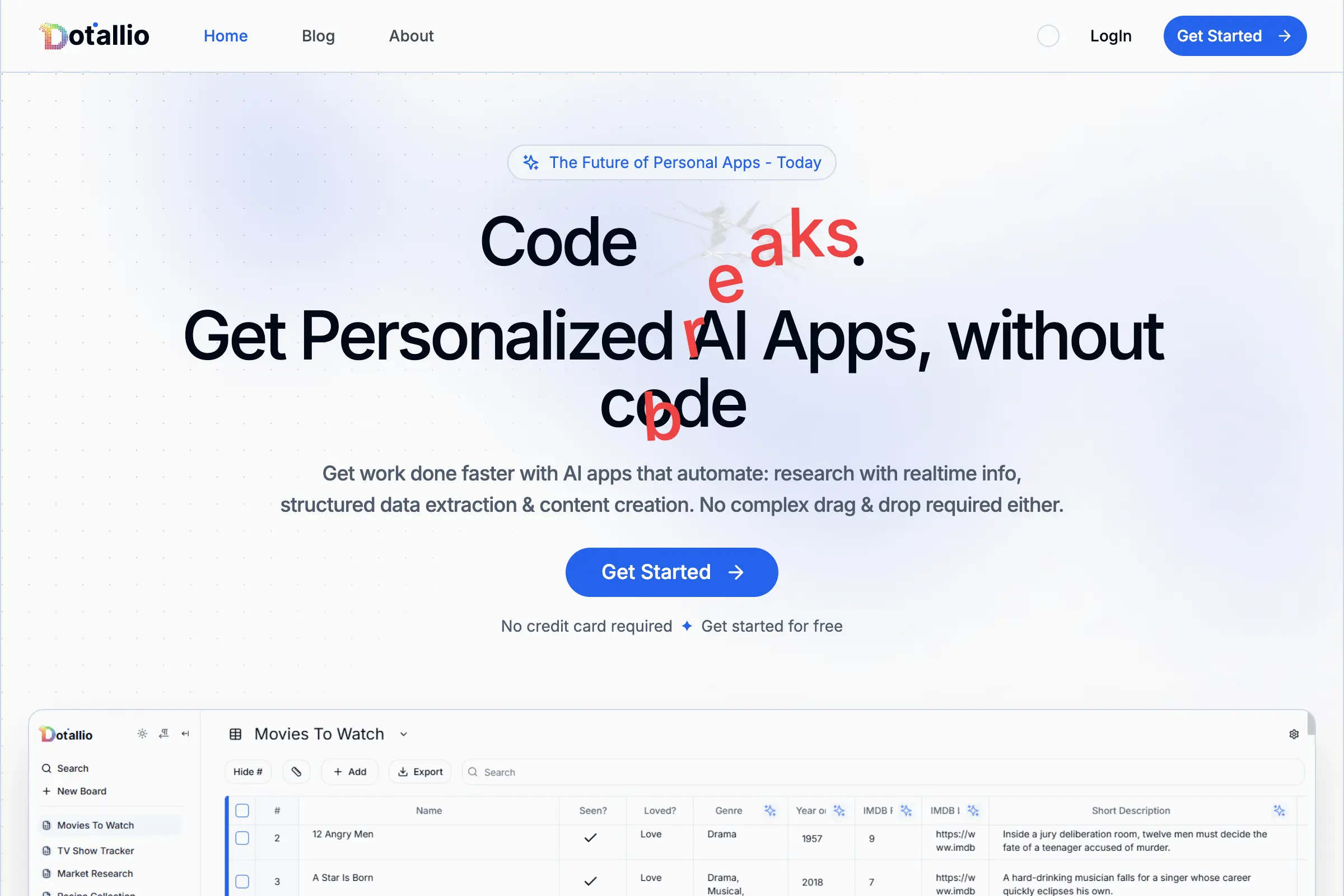
Dotallio
Personalized AI apps that automate research, data extraction, and content creation without code 🤖

Talk to Santa
Enjoy a magical live video chat or receive a unique AI-generated video greeting from Santa Claus 🎅

pozywka.pl
Scalable blog for food journalist, focused on performance and user experience 🌭
zagrodzki.me
Personal blog and portfolio of Bart Zagrodzki, where he shares his knowledge and work 💼
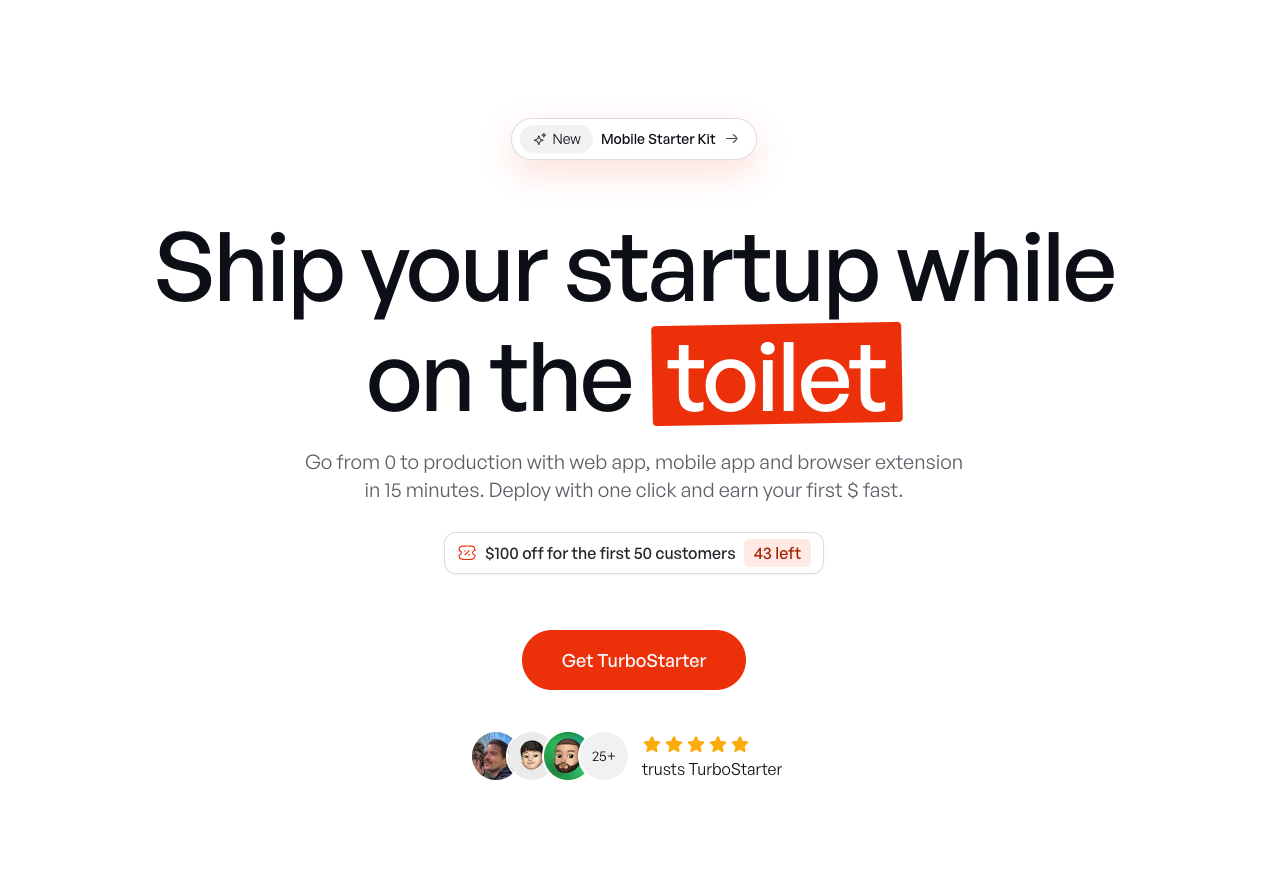
TurboStarter
Ship your startup everywhere. In minutes.
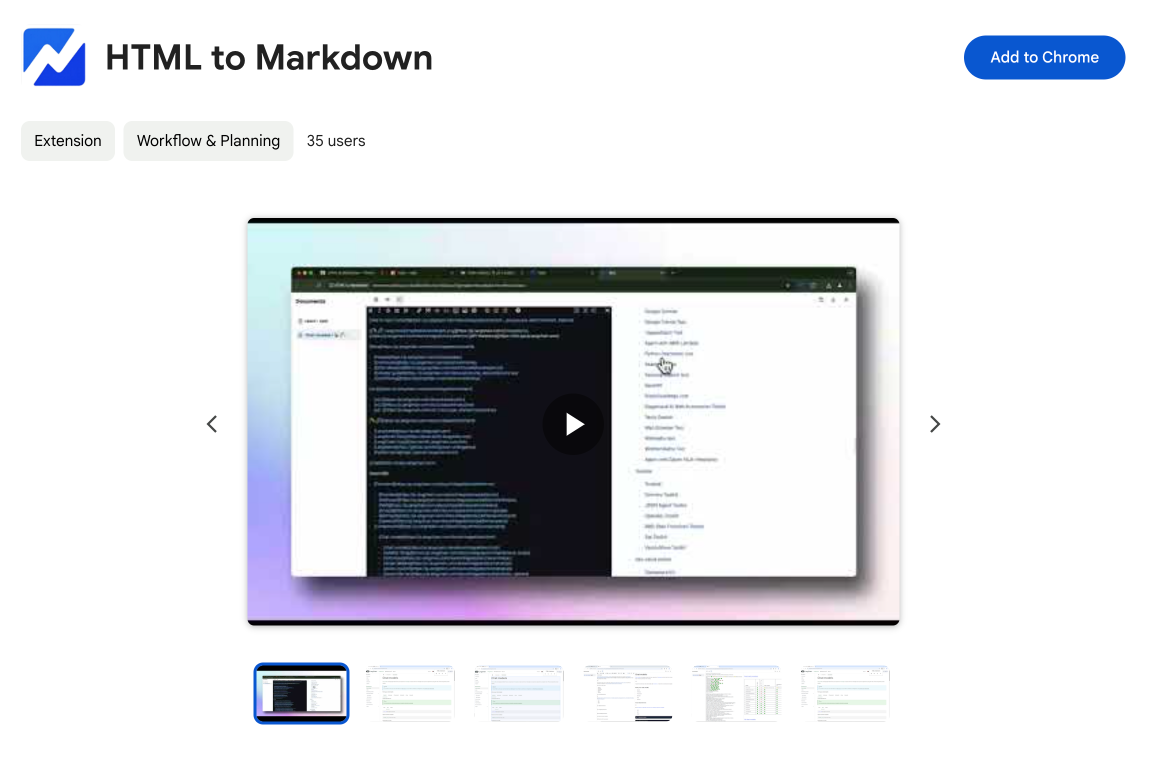
HTML to Markdown
Convert HTML to Markdown with ease, directly in your browser 📄
Dotallio
Personalized AI apps that automate research, data extraction, and content creation without code 🤖
Talk to Santa
Enjoy a magical live video chat or receive a unique AI-generated video greeting from Santa Claus 🎅
pozywka.pl
Scalable blog for food journalist, focused on performance and user experience 🌭
zagrodzki.me
Personal blog and portfolio of Bart Zagrodzki, where he shares his knowledge and work 💼
TurboStarter
Ship your startup everywhere. In minutes.
HTML to Markdown
Convert HTML to Markdown with ease, directly in your browser 📄
Dotallio
Personalized AI apps that automate research, data extraction, and content creation without code 🤖
Talk to Santa
Enjoy a magical live video chat or receive a unique AI-generated video greeting from Santa Claus 🎅
pozywka.pl
Scalable blog for food journalist, focused on performance and user experience 🌭
zagrodzki.me
Personal blog and portfolio of Bart Zagrodzki, where he shares his knowledge and work 💼
TurboStarter
Ship your startup everywhere. In minutes.
HTML to Markdown
Convert HTML to Markdown with ease, directly in your browser 📄
Dotallio
Personalized AI apps that automate research, data extraction, and content creation without code 🤖
Talk to Santa
Enjoy a magical live video chat or receive a unique AI-generated video greeting from Santa Claus 🎅
pozywka.pl
Scalable blog for food journalist, focused on performance and user experience 🌭
zagrodzki.me
Personal blog and portfolio of Bart Zagrodzki, where he shares his knowledge and work 💼
TurboStarter
Ship your startup everywhere. In minutes.
HTML to Markdown
Convert HTML to Markdown with ease, directly in your browser 📄
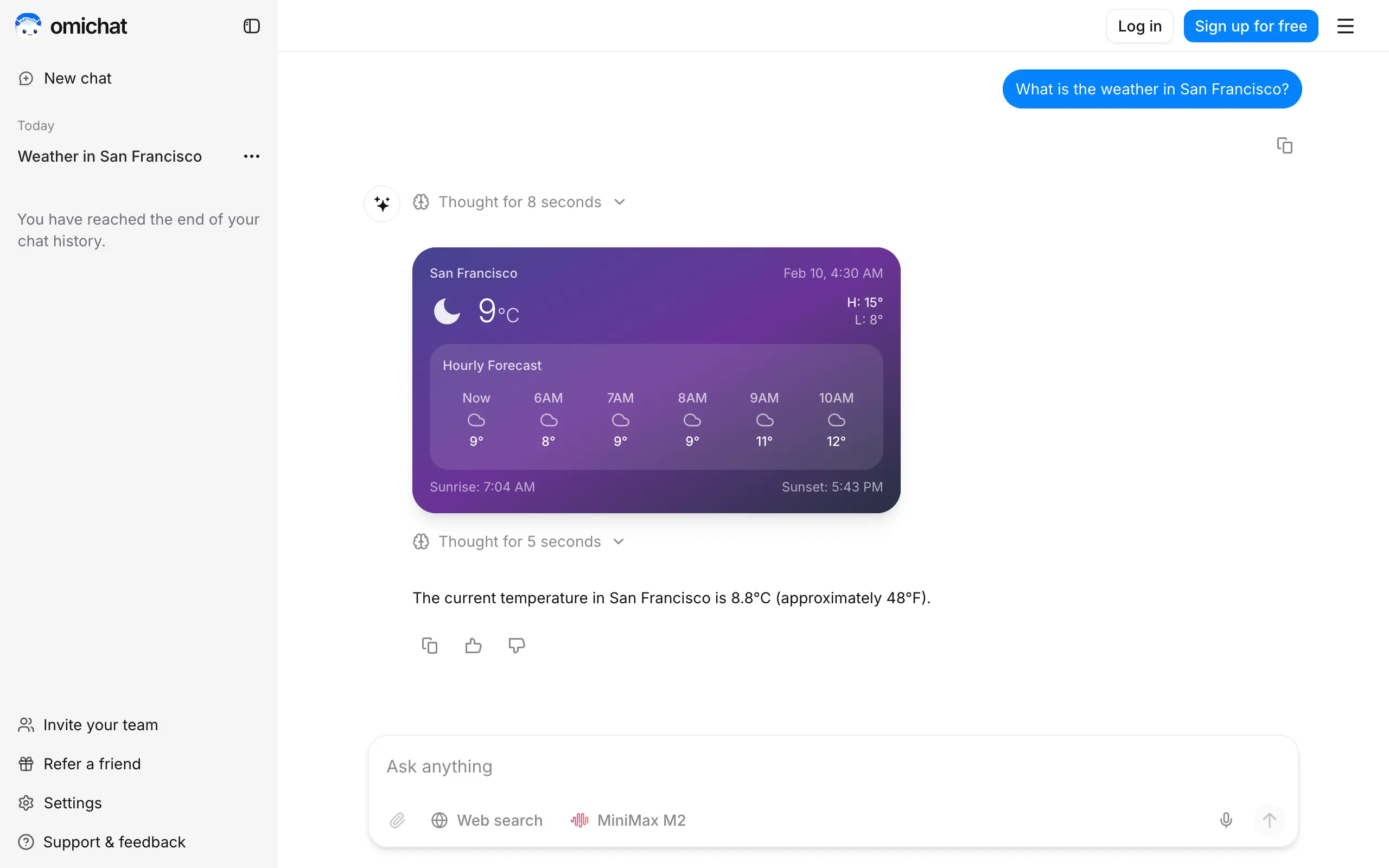
Omichat
Chat with 50+ AI models, including ChatGPT and Claude, in one place - switch models anytime without losing context 🤖
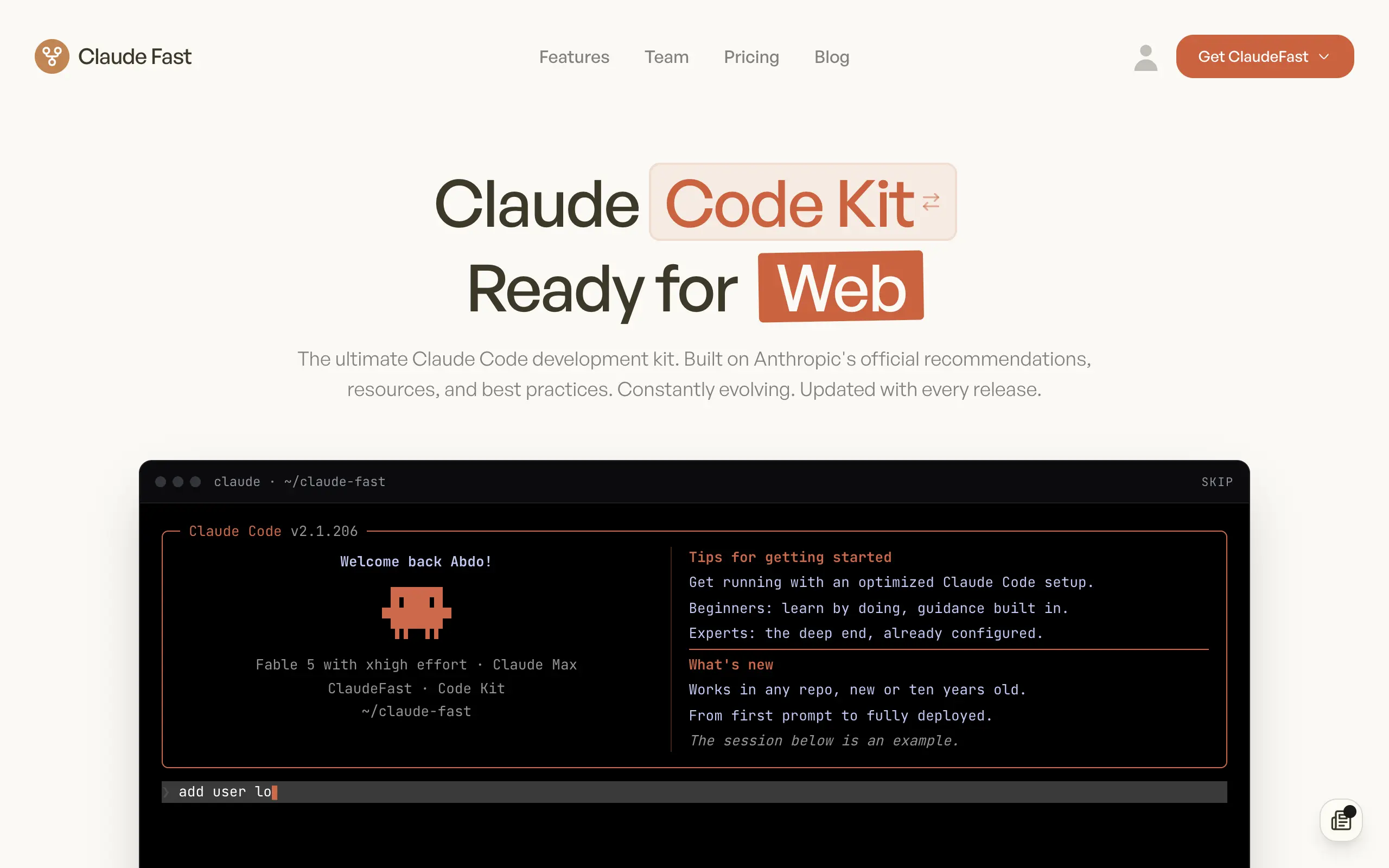
Claude Fast
Supercharge your Claude Code with 6x effective context window and specialized AI agents 🤖
EmojAI
AI-powered emoji picker with smart, context-aware suggestions 🤖
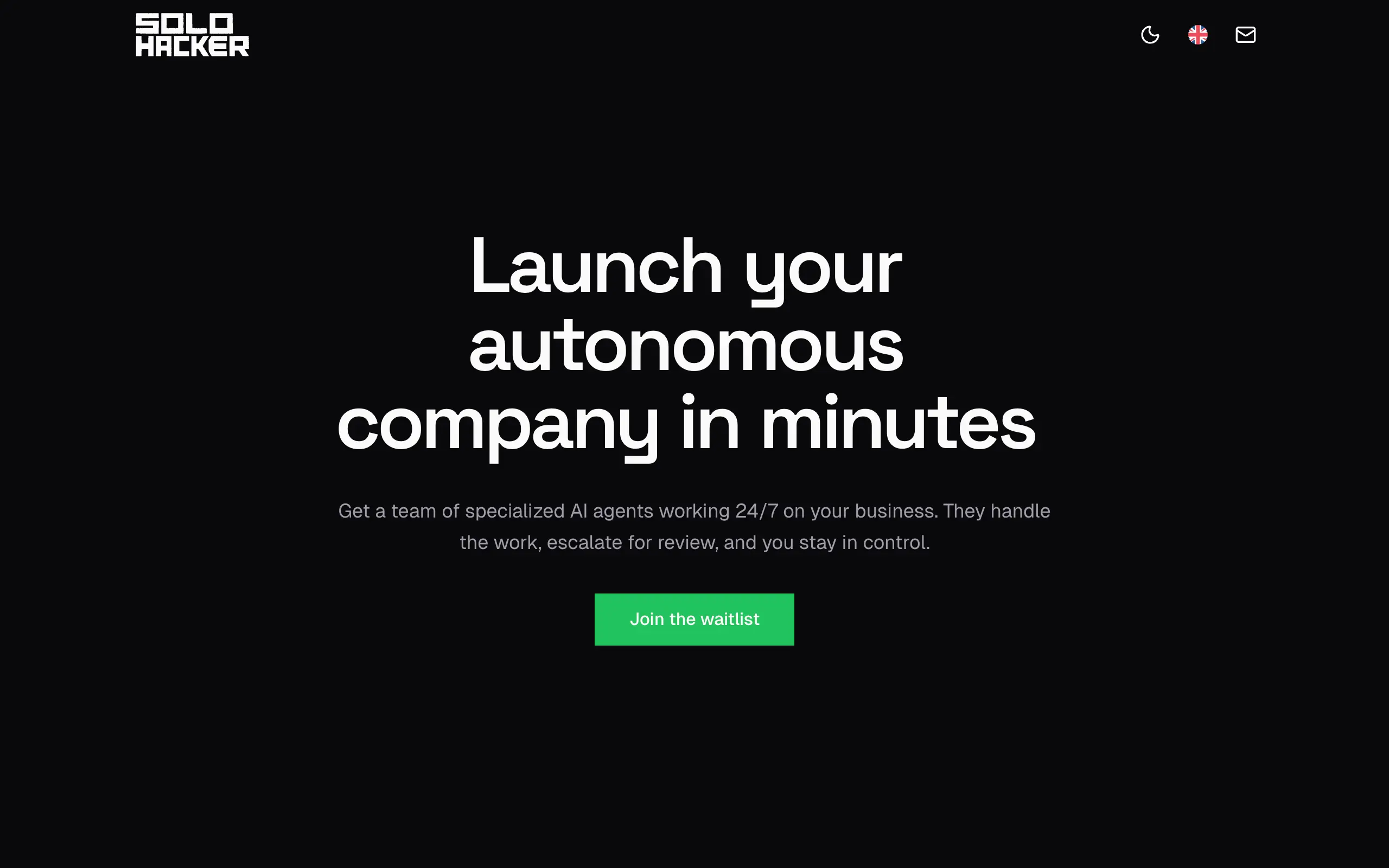
Solohacker
Autonomous company launcher - AI agents work 24/7, escalate what matters, and you stay in control 🤖

BeRawi: Storytelling Coach
Practice storytelling daily with instant feedback to sound clearer, more engaging, and confident 🎤
Omichat
Chat with 50+ AI models, including ChatGPT and Claude, in one place - switch models anytime without losing context 🤖
Claude Fast
Supercharge your Claude Code with 6x effective context window and specialized AI agents 🤖
EmojAI
AI-powered emoji picker with smart, context-aware suggestions 🤖
Solohacker
Autonomous company launcher - AI agents work 24/7, escalate what matters, and you stay in control 🤖
BeRawi: Storytelling Coach
Practice storytelling daily with instant feedback to sound clearer, more engaging, and confident 🎤
Omichat
Chat with 50+ AI models, including ChatGPT and Claude, in one place - switch models anytime without losing context 🤖
Claude Fast
Supercharge your Claude Code with 6x effective context window and specialized AI agents 🤖
EmojAI
AI-powered emoji picker with smart, context-aware suggestions 🤖
Solohacker
Autonomous company launcher - AI agents work 24/7, escalate what matters, and you stay in control 🤖
BeRawi: Storytelling Coach
Practice storytelling daily with instant feedback to sound clearer, more engaging, and confident 🎤
Omichat
Chat with 50+ AI models, including ChatGPT and Claude, in one place - switch models anytime without losing context 🤖
Claude Fast
Supercharge your Claude Code with 6x effective context window and specialized AI agents 🤖
EmojAI
AI-powered emoji picker with smart, context-aware suggestions 🤖
Solohacker
Autonomous company launcher - AI agents work 24/7, escalate what matters, and you stay in control 🤖
BeRawi: Storytelling Coach
Practice storytelling daily with instant feedback to sound clearer, more engaging, and confident 🎤

Connect with like-minded people
Join our community to get feedback, support, and grow together with 1,000+ builders on board, let's ship it!
Join usShip your startup everywhere. In minutes.
Don't burn tokens on setup and start building features on day one.