ReviewRadar
Monitor, aggregate, and auto-respond to online reviews for local businesses, helping them boost reputation and customer trust with minimal manual effort.
Understanding the need for online review management for local businesses
In today's digital-first world, online reviews are a critical factor influencing consumer decisions. For local businesses, a single negative review can deter potential customers, while a stream of positive feedback can drive growth and loyalty. However, managing reviews across multiple platforms—Google, Yelp, Facebook, TripAdvisor, and more—can be overwhelming, especially for small business owners with limited resources.
ReviewRadar addresses this challenge by providing a centralized SaaS platform to monitor, analyze, and respond to online reviews. This article explores the market need, target audience, solution features, technology stack, monetization strategies, risks, and actionable steps for launching ReviewRadar.
Who needs ReviewRadar? Target audience analysis
Understanding the target audience is essential for any SaaS product's success. ReviewRadar is designed for:
- Local business owners: Restaurants, cafes, salons, retail stores, dental clinics, and other service-based businesses.
- Franchise operators: Multi-location businesses needing unified reputation management.
- Marketing agencies: Agencies offering digital marketing and reputation management services to local clients.
- Hospitality providers: Hotels, B&Bs, and tourism operators who rely heavily on online reviews.
- Healthcare practices: Clinics and private practices where patient feedback is crucial.
Pain points faced by the target audience
- Time-consuming manual monitoring: Checking multiple platforms daily is inefficient.
- Missed negative reviews: Unaddressed negative feedback can escalate and harm reputation.
- Lack of actionable insights: Difficulty in identifying trends or recurring issues.
- Inconsistent responses: No standardized approach to responding, leading to brand inconsistency.
- Limited resources: Small businesses often lack dedicated staff for review management.
Market opportunity and gap analysis
The growing importance of online reviews
Recent studies show that over 90% of consumers read online reviews before visiting a business, and 84% trust them as much as personal recommendations (source: suggest referencing a BrightLocal or Podium study). The proliferation of review platforms has made reputation management both more important and more complex.
Existing solutions and their limitations
While there are review management tools on the market, many are:
- Expensive: Priced for enterprise, not SMBs.
- Complex: Overloaded with features irrelevant to local businesses.
- Fragmented: Focused on a single platform or lacking integrations.
- Poor at actionable insights: Offer basic monitoring but lack advanced analytics or sentiment analysis.
The gap ReviewRadar fills
ReviewRadar is purpose-built for local businesses, offering:
- Affordable, scalable pricing
- Simple, intuitive interface
- Multi-platform coverage
- AI-powered analytics and response suggestions
- Automated alerts and reporting
This positions ReviewRadar as a practical, high-ROI solution for SMBs and agencies.
Core features and solution details
ReviewRadar's feature set is designed to maximize value for local businesses while remaining easy to use.
1. Centralized review monitoring
- Aggregates reviews from Google, Yelp, Facebook, TripAdvisor, Trustpilot, and more.
- Real-time notifications for new reviews.
- Unified dashboard for at-a-glance reputation status.
2. AI-powered sentiment analysis
- Natural language processing (NLP) to detect sentiment (positive, neutral, negative).
- Trend identification: Spot recurring issues or praise.
- Customizable reports: Filter by location, platform, or time period.
3. Response management
- Suggested responses: AI-generated, customizable templates for quick replies.
- Approval workflows: For agencies or multi-location businesses.
- Response tracking: See which reviews have been addressed.
4. Automated alerts and escalation
- Instant alerts for negative or urgent reviews.
- Escalation rules: Route critical feedback to the right team member.
5. Performance analytics
- Reputation score: Track overall brand health.
- Competitor benchmarking: Compare with local competitors.
- Impact measurement: Correlate review trends with business performance.
6. Integrations and API
- Connect with CRM: Sync customer data for personalized responses.
- Zapier integration: Automate workflows with other business tools.
- Open API: For custom integrations.
7. Multi-location and agency support
- Role-based access: Manage permissions for staff or clients.
- Location grouping: Aggregate or drill down by location.
Centralized monitoring
Aggregate and view all reviews in one dashboard.
AI sentiment analysis
Automatically detect and report on review sentiment.
Smart response tools
AI-suggested replies and approval workflows.
Automated alerts
Instant notifications for negative or urgent reviews.
Performance analytics
Track reputation score and benchmark competitors.
Recommended tech stack for ReviewRadar
Choosing the right technology stack is crucial for scalability, maintainability, and speed to market.
Frontend
- React: Modern, component-based UI development.
- TailwindCSS: Utility-first CSS for rapid, consistent styling.
- TypeScript: Type safety and improved developer experience.
Backend
- Node.js with Express: Fast, scalable server-side logic.
- Python (for AI/NLP modules): Leverage libraries like NLTK, spaCy, or Hugging Face Transformers for sentiment analysis.
- RESTful API: For frontend-backend communication and third-party integrations.
Database
- PostgreSQL: Reliable, scalable relational database.
- Redis: For caching and real-time notifications.
Integrations
- OAuth 2.0: Secure authentication with review platforms.
- Zapier: No-code automation for business workflows.
Hosting and DevOps
- Vercel or Netlify: For frontend hosting.
- AWS or Google Cloud: For backend and database hosting.
- Docker: Containerization for easy deployment.
Trade-offs and considerations
- Python vs. Node.js for AI: Python offers richer NLP libraries, but integrating with a Node.js backend may require microservices or inter-process communication.
- Serverless vs. traditional hosting: Serverless (e.g., AWS Lambda) can reduce costs for low-traffic SMBs but may complicate real-time features.
Pro tip
Consider using a microservices architecture to separate the AI/NLP engine (Python) from the main application (Node.js/React), ensuring scalability and maintainability.
Monetization strategy options
A flexible, value-based pricing model is key to capturing the SMB and agency market.
1. Subscription tiers
- Starter: For solo businesses, limited platforms, basic analytics.
- Growth: Multi-location, advanced analytics, AI responses.
- Agency: White-label, client management, API access.
2. Usage-based pricing
- Charge based on the number of locations, review volume, or integrations.
3. Add-ons and upsells
- Premium analytics
- Competitor benchmarking
- Custom integrations
4. Free trial and freemium
- Offer a 14-day free trial or a limited free tier to drive adoption.
5. White-label solutions
- Allow agencies to rebrand and resell the platform.
Potential risks and mitigation strategies
Launching a SaaS like ReviewRadar involves several risks. Proactive mitigation is essential.
Review platforms may restrict or change their APIs, impacting data aggregation. Mitigate by monitoring API changes, maintaining relationships with platform providers, and offering manual import options.
Handling customer data requires strict adherence to GDPR and other regulations. Implement robust security, clear privacy policies, and regular compliance audits.
Inaccurate or tone-deaf AI-generated responses can harm reputation. Always allow human review and editing before publishing.
Larger players may enter the SMB space. Differentiate through superior UX, affordability, and local business focus.
SMBs are price-sensitive and may churn quickly. Focus on delivering clear ROI, onboarding support, and regular feature updates.
Competitive advantage analysis
To stand out in the crowded review management space, ReviewRadar must offer clear, defensible advantages.
| Feature | ReviewRadar | Enterprise tools | Single-platform tools | Manual management |
|---|---|---|---|---|
| Multi-platform coverage | ✅ | ❌ | ❌ | ✅ |
| AI-powered analytics | ✅ | ❌ | ✅ | ✅ |
Unique selling proposition (USP)
- Purpose-built for local businesses: Not bloated with enterprise features.
- Affordable and scalable: Pricing that matches SMB budgets.
- AI-driven insights and responses: Save time and improve engagement.
- Easy onboarding and intuitive UX: Designed for non-technical users.
- Agency and multi-location support: Flexible for growing businesses.
Actionable implementation steps
Launching ReviewRadar requires a structured approach. Here’s a step-by-step plan:
Example: AI-powered sentiment analysis code snippet
Here's a simplified example of how ReviewRadar might use Python and spaCy for sentiment analysis:
import spacy
from textblob import TextBlob

nlp = spacy.load("en_core_web_sm")

def analyze_sentiment(review_text):
    doc = nlp(review_text)
    blob = TextBlob(doc.text)
    polarity = blob.sentiment.polarity
    if polarity > 0.1:
        return "positive"
    elif polarity < -0.1:
        return "negative"
    else:
        return "neutral"
Industry trends and future outlook
- AI and automation: Increasing reliance on AI for sentiment analysis and response generation.
- Omnichannel reputation management: Businesses want to manage reviews, social mentions, and direct feedback in one place.
- Voice of the customer (VoC) analytics: Deeper insights from unstructured feedback.
- Integration with business intelligence tools: Connecting review data to sales, retention, and marketing metrics.
Staying ahead of these trends will ensure ReviewRadar remains relevant and valuable.
Conclusion: Why ReviewRadar is the right solution for local businesses
ReviewRadar fills a critical gap for local businesses and agencies seeking to manage their online reputation efficiently and affordably. By combining multi-platform monitoring, AI-powered analytics, and smart response tools in a user-friendly package, it empowers businesses to turn reviews into a growth engine.
For founders and product teams, the path to success involves deep user empathy, technical excellence, and relentless focus on delivering measurable ROI. With the right execution, ReviewRadar can become the go-to reputation management platform for local businesses in the UK and beyond.
Additional resources
- TurboStarter — Accelerate your SaaS MVP launch.
- React documentation
- TailwindCSS documentation
- Node.js documentation
- PostgreSQL documentation
- For statistics on online reviews, see recent studies by BrightLocal or Podium (suggest referencing their official research pages).
By following this comprehensive guide, you can validate, build, and launch a SaaS like ReviewRadar that truly meets the needs of local businesses in the digital age.
More 🏢 B2B Application SaaS ideas
Discover more innovative b2b application SaaS ideas that are trending in 2026. Each idea is AI-generated with market validation and growth potential to help you find your next profitable venture faster than competitors.
Your competitors are building with TurboStarter
Below are some of the SaaS ideas that have been generated and built with our starter kit.

Statiko
Monitor any Telegram channel in real time - track posts, edits, deletions, and growth with AI recaps 📡

Shibui
AI website builder - describe your business, pick a niche template, edit by chatting, and publish instantly ✨

Pro Service
Find verified home service professionals, compare quotes, and pay securely through escrow - built for Brazilians across the US 🏠
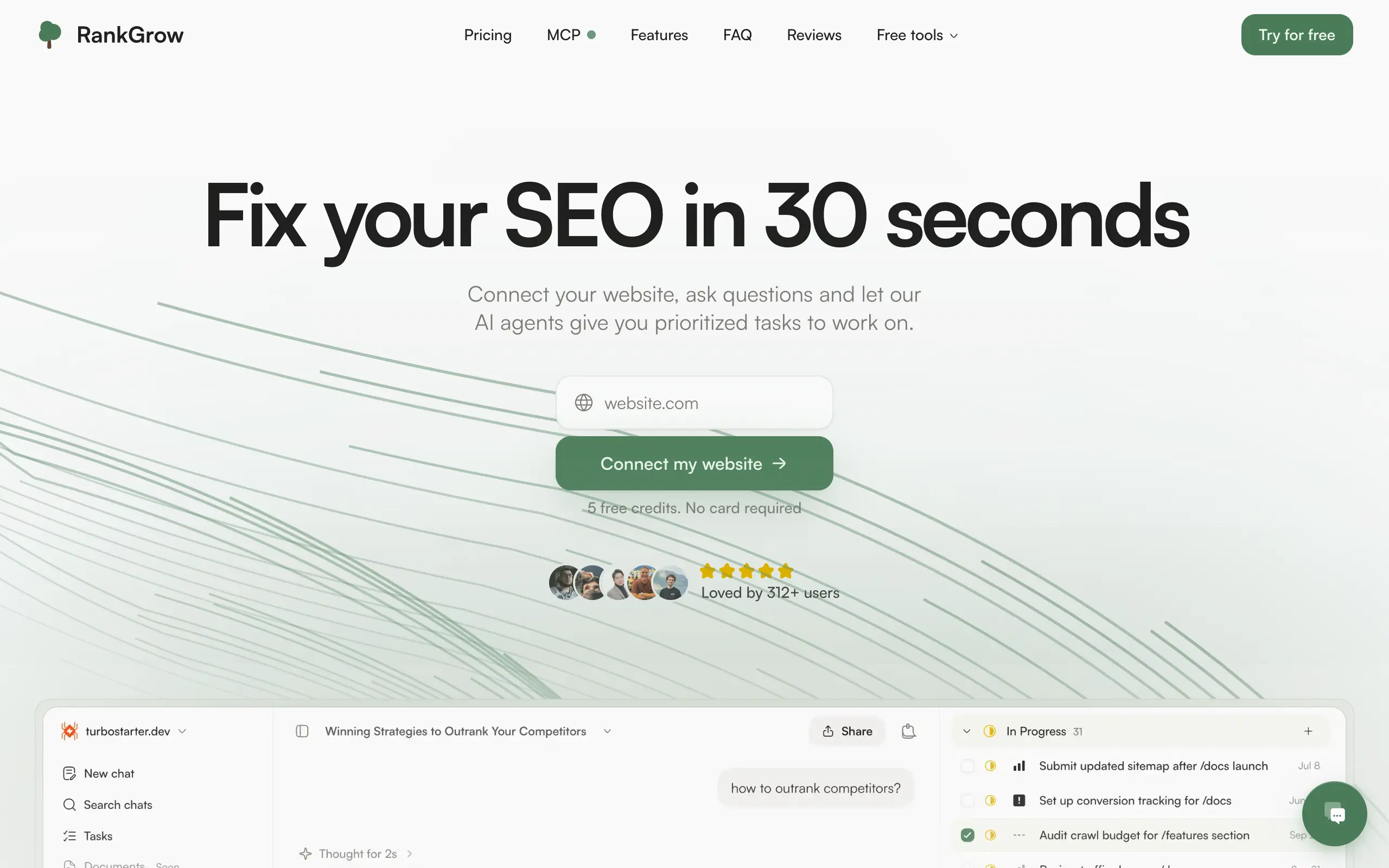
RankGrow
Fix your SEO with AI agents - connect Search Console, get prioritized tasks, and grow organic traffic 📈
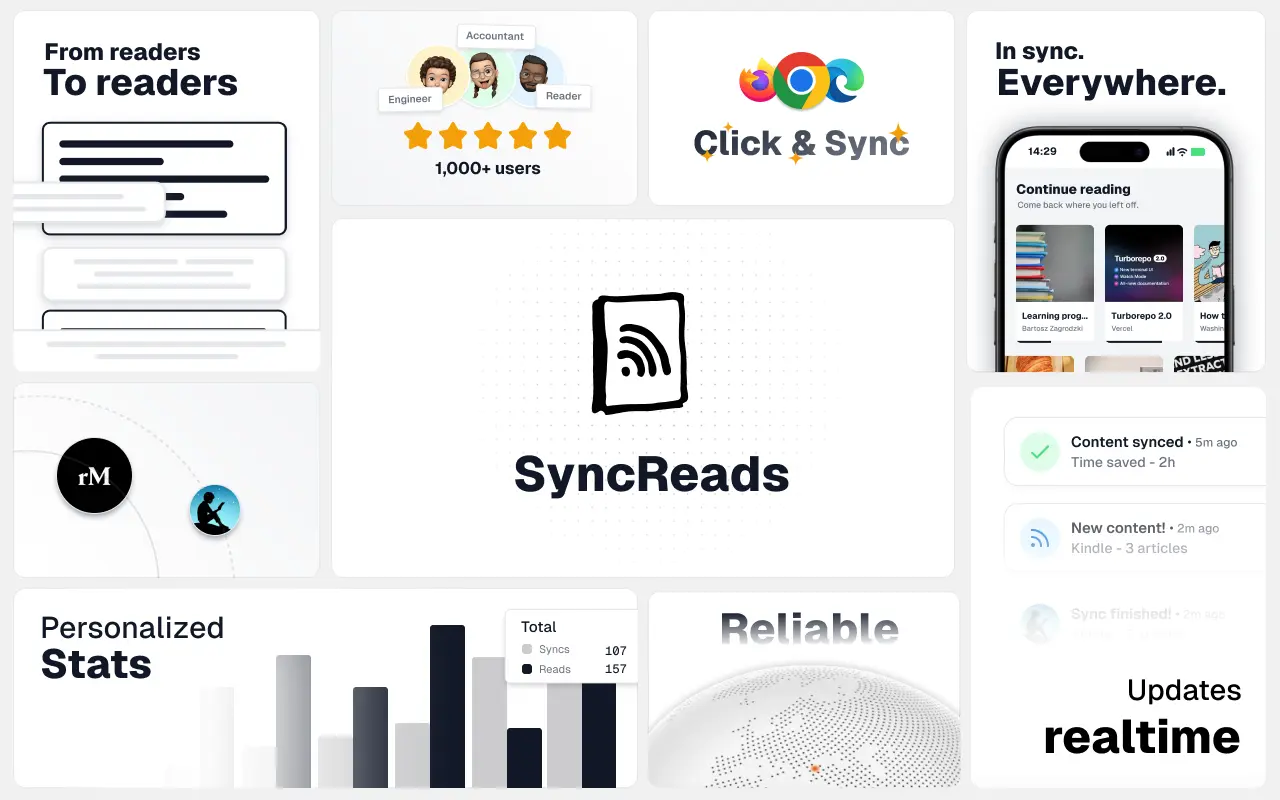
SyncReads
Sync your favorite content for distraction-free reading, save time and replace multiple apps. Anytime, anywhere 🔄
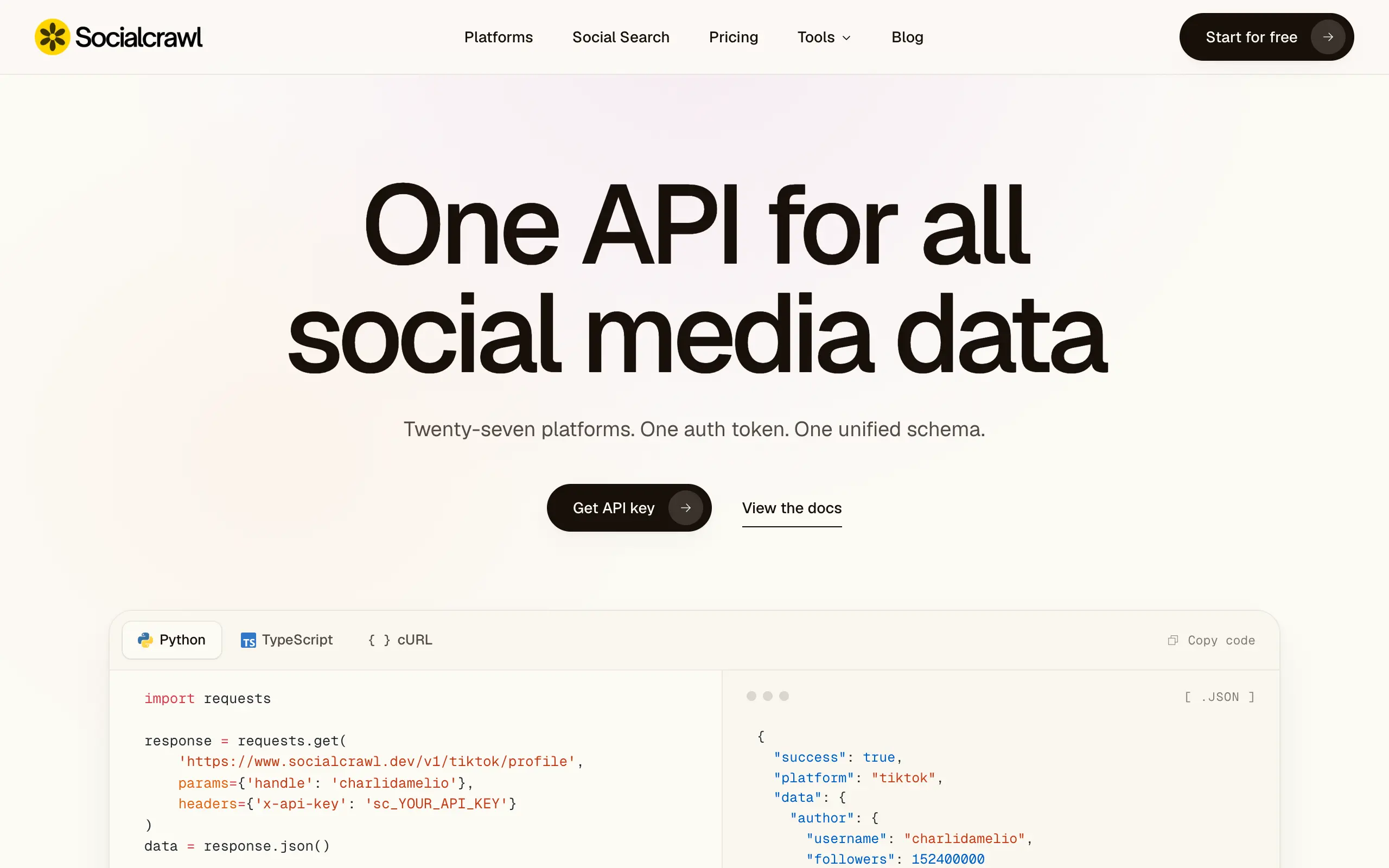
Socialcrawl
Get clean, structured data from 21 platforms like TikTok, Instagram, and YouTube with a single request 📊
Statiko
Monitor any Telegram channel in real time - track posts, edits, deletions, and growth with AI recaps 📡
Shibui
AI website builder - describe your business, pick a niche template, edit by chatting, and publish instantly ✨
Pro Service
Find verified home service professionals, compare quotes, and pay securely through escrow - built for Brazilians across the US 🏠
RankGrow
Fix your SEO with AI agents - connect Search Console, get prioritized tasks, and grow organic traffic 📈
SyncReads
Sync your favorite content for distraction-free reading, save time and replace multiple apps. Anytime, anywhere 🔄
Socialcrawl
Get clean, structured data from 21 platforms like TikTok, Instagram, and YouTube with a single request 📊
Statiko
Monitor any Telegram channel in real time - track posts, edits, deletions, and growth with AI recaps 📡
Shibui
AI website builder - describe your business, pick a niche template, edit by chatting, and publish instantly ✨
Pro Service
Find verified home service professionals, compare quotes, and pay securely through escrow - built for Brazilians across the US 🏠
RankGrow
Fix your SEO with AI agents - connect Search Console, get prioritized tasks, and grow organic traffic 📈
SyncReads
Sync your favorite content for distraction-free reading, save time and replace multiple apps. Anytime, anywhere 🔄
Socialcrawl
Get clean, structured data from 21 platforms like TikTok, Instagram, and YouTube with a single request 📊
Statiko
Monitor any Telegram channel in real time - track posts, edits, deletions, and growth with AI recaps 📡
Shibui
AI website builder - describe your business, pick a niche template, edit by chatting, and publish instantly ✨
Pro Service
Find verified home service professionals, compare quotes, and pay securely through escrow - built for Brazilians across the US 🏠
RankGrow
Fix your SEO with AI agents - connect Search Console, get prioritized tasks, and grow organic traffic 📈
SyncReads
Sync your favorite content for distraction-free reading, save time and replace multiple apps. Anytime, anywhere 🔄
Socialcrawl
Get clean, structured data from 21 platforms like TikTok, Instagram, and YouTube with a single request 📊
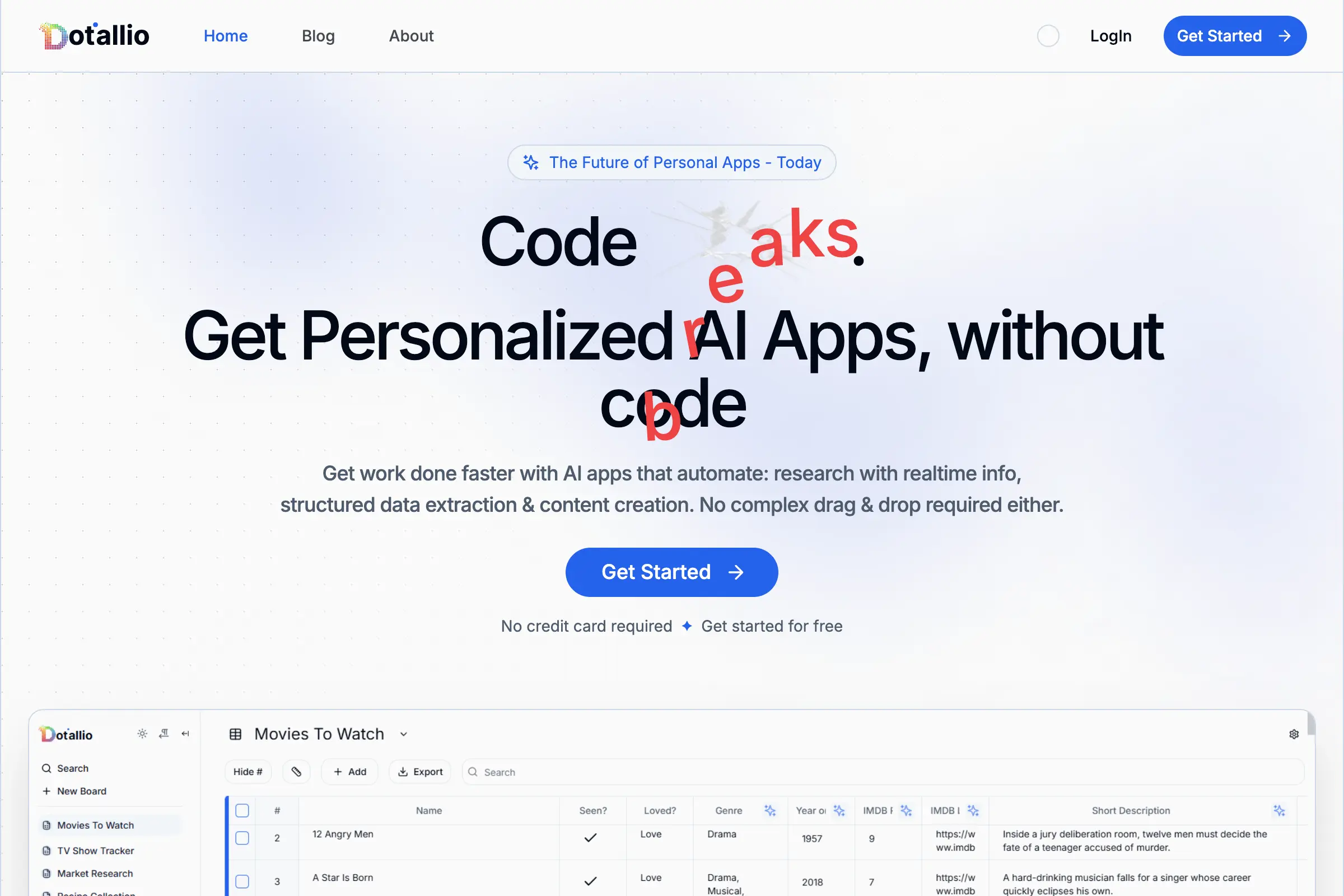
Dotallio
Personalized AI apps that automate research, data extraction, and content creation without code 🤖

Talk to Santa
Enjoy a magical live video chat or receive a unique AI-generated video greeting from Santa Claus 🎅

pozywka.pl
Scalable blog for food journalist, focused on performance and user experience 🌭
zagrodzki.me
Personal blog and portfolio of Bart Zagrodzki, where he shares his knowledge and work 💼
TurboStarter
Ship your startup everywhere. In minutes.
HTML to Markdown
Convert HTML to Markdown with ease, directly in your browser 📄
Dotallio
Personalized AI apps that automate research, data extraction, and content creation without code 🤖
Talk to Santa
Enjoy a magical live video chat or receive a unique AI-generated video greeting from Santa Claus 🎅
pozywka.pl
Scalable blog for food journalist, focused on performance and user experience 🌭
zagrodzki.me
Personal blog and portfolio of Bart Zagrodzki, where he shares his knowledge and work 💼
TurboStarter
Ship your startup everywhere. In minutes.
HTML to Markdown
Convert HTML to Markdown with ease, directly in your browser 📄
Dotallio
Personalized AI apps that automate research, data extraction, and content creation without code 🤖
Talk to Santa
Enjoy a magical live video chat or receive a unique AI-generated video greeting from Santa Claus 🎅
pozywka.pl
Scalable blog for food journalist, focused on performance and user experience 🌭
zagrodzki.me
Personal blog and portfolio of Bart Zagrodzki, where he shares his knowledge and work 💼
TurboStarter
Ship your startup everywhere. In minutes.
HTML to Markdown
Convert HTML to Markdown with ease, directly in your browser 📄
Dotallio
Personalized AI apps that automate research, data extraction, and content creation without code 🤖
Talk to Santa
Enjoy a magical live video chat or receive a unique AI-generated video greeting from Santa Claus 🎅
pozywka.pl
Scalable blog for food journalist, focused on performance and user experience 🌭
zagrodzki.me
Personal blog and portfolio of Bart Zagrodzki, where he shares his knowledge and work 💼
TurboStarter
Ship your startup everywhere. In minutes.
HTML to Markdown
Convert HTML to Markdown with ease, directly in your browser 📄
Omichat
Chat with 50+ AI models, including ChatGPT and Claude, in one place - switch models anytime without losing context 🤖
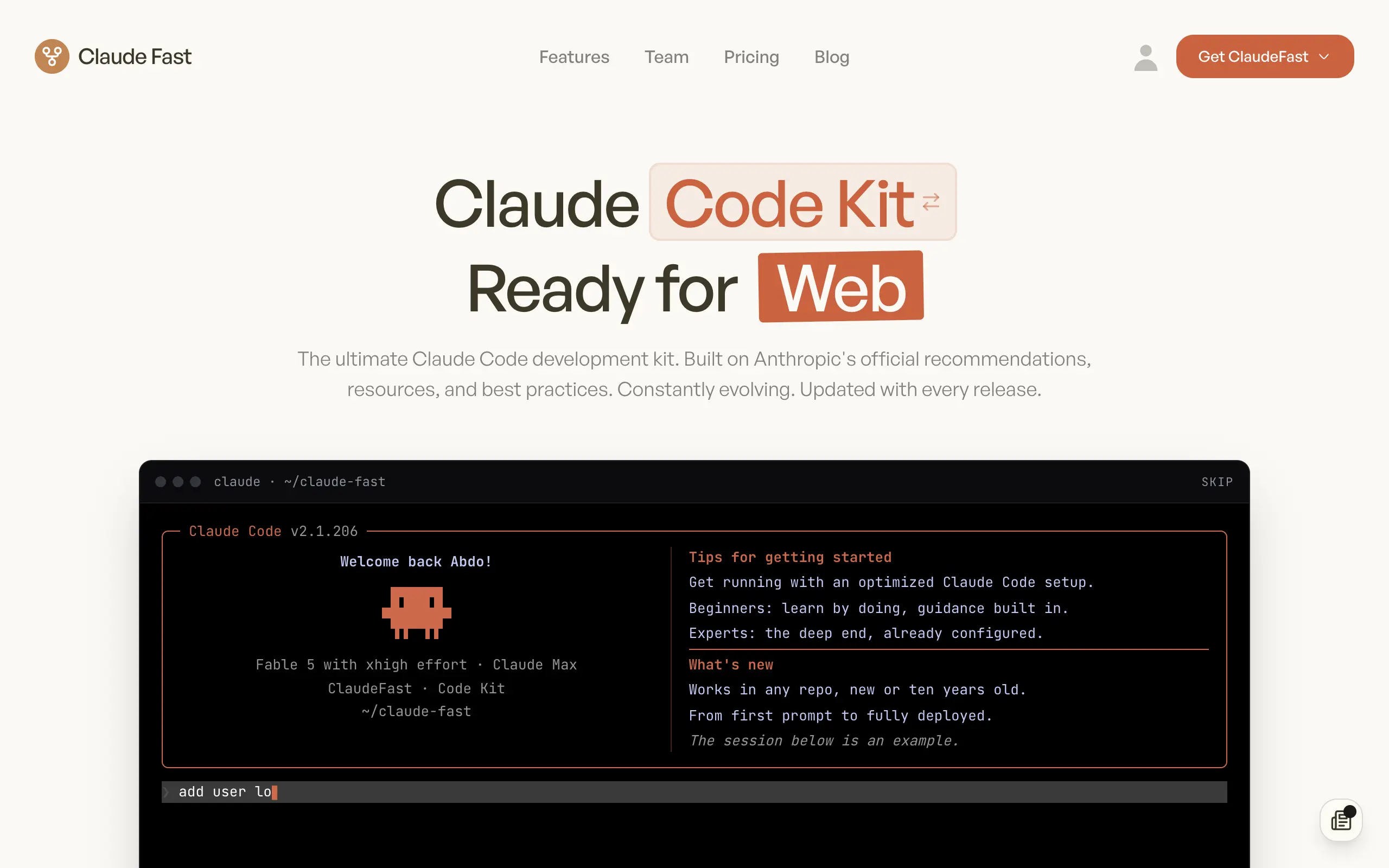
Claude Fast
Supercharge your Claude Code with 6x effective context window and specialized AI agents 🤖
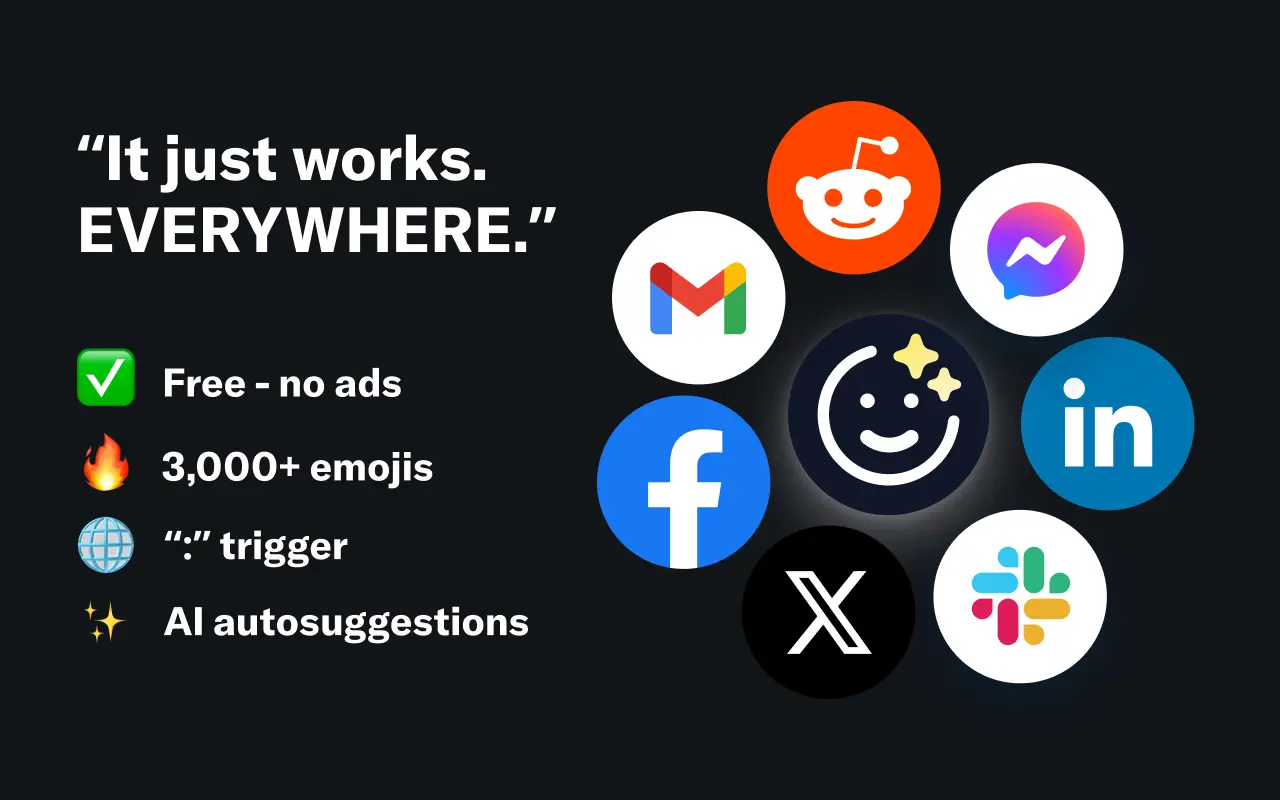
EmojAI
AI-powered emoji picker with smart, context-aware suggestions 🤖
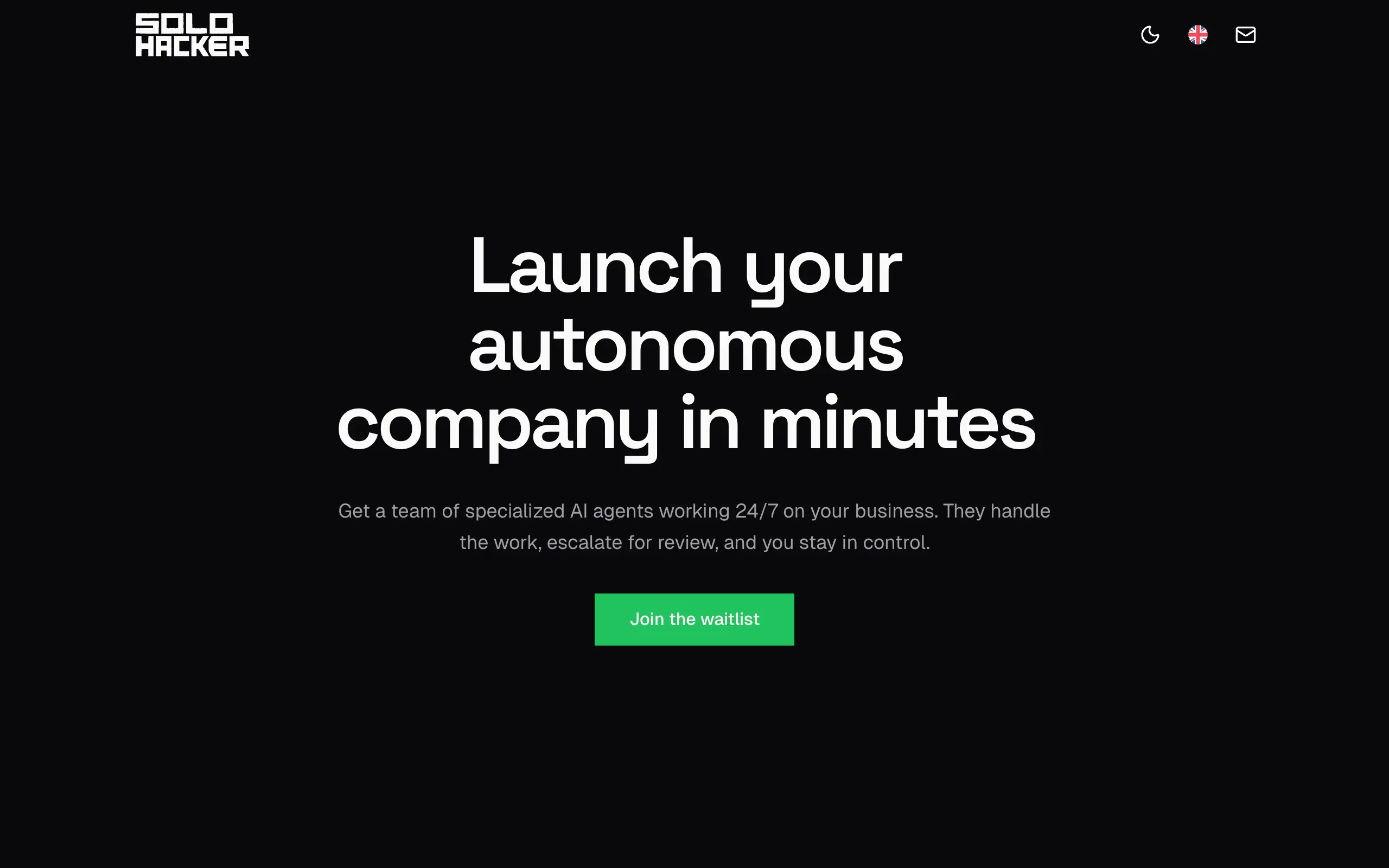
Solohacker
Autonomous company launcher - AI agents work 24/7, escalate what matters, and you stay in control 🤖

BeRawi: Storytelling Coach
Practice storytelling daily with instant feedback to sound clearer, more engaging, and confident 🎤
Omichat
Chat with 50+ AI models, including ChatGPT and Claude, in one place - switch models anytime without losing context 🤖
Claude Fast
Supercharge your Claude Code with 6x effective context window and specialized AI agents 🤖
EmojAI
AI-powered emoji picker with smart, context-aware suggestions 🤖
Solohacker
Autonomous company launcher - AI agents work 24/7, escalate what matters, and you stay in control 🤖
BeRawi: Storytelling Coach
Practice storytelling daily with instant feedback to sound clearer, more engaging, and confident 🎤
Omichat
Chat with 50+ AI models, including ChatGPT and Claude, in one place - switch models anytime without losing context 🤖
Claude Fast
Supercharge your Claude Code with 6x effective context window and specialized AI agents 🤖
EmojAI
AI-powered emoji picker with smart, context-aware suggestions 🤖
Solohacker
Autonomous company launcher - AI agents work 24/7, escalate what matters, and you stay in control 🤖
BeRawi: Storytelling Coach
Practice storytelling daily with instant feedback to sound clearer, more engaging, and confident 🎤
Omichat
Chat with 50+ AI models, including ChatGPT and Claude, in one place - switch models anytime without losing context 🤖
Claude Fast
Supercharge your Claude Code with 6x effective context window and specialized AI agents 🤖
EmojAI
AI-powered emoji picker with smart, context-aware suggestions 🤖
Solohacker
Autonomous company launcher - AI agents work 24/7, escalate what matters, and you stay in control 🤖
BeRawi: Storytelling Coach
Practice storytelling daily with instant feedback to sound clearer, more engaging, and confident 🎤

Connect with like-minded people
Join our community to get feedback, support, and grow together with 1,000+ builders on board, let's ship it!
Join usShip your startup everywhere. In minutes.
Don't burn tokens on setup and start building features on day one.