ReviewRevive
AI that monitors negative reviews for local businesses and auto-generates personalized response and recovery campaigns to win customers back.
The growing need for AI-powered review management for local businesses
Online reviews have become the modern word-of-mouth. For local businesses—restaurants, dental clinics, gyms, salons, repair shops, home services—Google Reviews, Yelp, Facebook, and industry-specific directories directly influence revenue.
According to widely cited industry research (for example, BrightLocal’s annual Local Consumer Review Survey), the majority of consumers read online reviews before choosing a local business, and many won’t consider a business with a rating below 4 stars. While exact percentages fluctuate year to year, the direction is consistent: reviews drive local purchasing decisions.
Yet most small and mid-sized local businesses struggle with:
- Monitoring reviews across multiple platforms
- Responding quickly and professionally
- Turning negative experiences into second chances
- Learning from feedback patterns
- Recovering dissatisfied customers before they churn permanently
This is where AI-powered review management software for local businesses becomes a strategic advantage.
ReviewRevive is designed as an AI review monitoring and response platform that automatically detects negative reviews, generates personalized, empathetic responses, and launches recovery campaigns to win customers back.
This article explores the full SaaS opportunity behind ReviewRevive: market gap, core features, tech stack, monetization, risks, and how to build and launch it successfully.
Understanding user intent: what local businesses really want
Before designing a product like ReviewRevive, it’s critical to understand search intent behind queries such as:
- “How to respond to negative Google reviews”
- “Best review management software for small businesses”
- “How to handle bad Yelp reviews”
- “AI review response generator”
- “Online reputation management tools for local businesses”
These users typically fall into three intent categories:
- Reactive intent – They just received a negative review and need help now.
- Preventative intent – They want a system to monitor and manage reviews consistently.
- Strategic intent – They want to improve reputation, increase rating, and drive more revenue.
ReviewRevive addresses all three by combining:
- Real-time monitoring
- AI-powered personalized responses
- Automated recovery workflows
- Analytics and sentiment insights
Target audience analysis for ReviewRevive
Primary audience: small and mid-sized local businesses
These businesses:
- Have 1–20 locations
- Rely heavily on local SEO and Google Maps visibility
- Lack dedicated marketing teams
- Cannot afford full-service reputation agencies
- Need automation, not complexity
Examples:
- Restaurants and cafés
- Dental and medical practices
- HVAC and plumbing services
- Auto repair shops
- Fitness studios
- Beauty salons and spas
Their pain points:
- Emotional stress from bad reviews
- Fear of public brand damage
- Uncertainty about how to respond professionally
- Limited time to manage multiple platforms
Secondary audience: multi-location brands & franchises
These businesses:
- Operate 10–200+ locations
- Require centralized review monitoring
- Need brand-consistent response guidelines
- Want performance dashboards per location
They need:
- Team permissions
- Brand tone templates
- Reporting exports
- API access
Tertiary audience: marketing agencies
Agencies managing local SEO for clients:
- Need scalable review response systems
- Want white-label reporting
- Manage 5–100 client accounts
This audience significantly increases average revenue per account (ARPA).
Market opportunity and gap in AI review management software
The online reputation management market is crowded—but still fragmented.
Current solutions fall into three categories
-
Manual monitoring tools
- Aggregate reviews
- Notify users
- Provide templates
- Require manual responses
-
Enterprise reputation platforms
- Expensive
- Overbuilt for small businesses
- Complex dashboards
-
Generic AI writing tools
- Can generate responses
- Lack context from business history
- Not integrated with review platforms
- No recovery workflow
The gap ReviewRevive fills
Most tools stop at “response generation.” They do not:
- Detect emotional intensity of the review
- Analyze customer history
- Suggest compensation strategies
- Trigger recovery campaigns
- Measure win-back success
ReviewRevive’s differentiation:
- AI-powered negative review detection
- Context-aware response generation
- Automated private outreach sequences
- Customer win-back tracking
- Sentiment analytics dashboard
This transforms review management from reactive PR into proactive revenue recovery.
Core features of ReviewRevive
Below is a breakdown of high-impact features that define the product.
1. Multi-platform review monitoring
Integration with:
- Google Business Profile
- Yelp
- TripAdvisor (where relevant)
- Industry directories
Features:
- Real-time alerts
- Sentiment scoring
- Urgency prioritization
Why this matters
Speed is critical. Responding within 24 hours significantly improves customer perception and increases the chance of review edits.
2. AI-powered personalized review responses
Unlike generic templates, ReviewRevive uses:
- Business profile data
- Previous customer interactions (if integrated)
- Brand tone settings
- Sentiment intensity analysis
Example response generation logic:
// Pseudocode for review response flow

if (review.sentiment === "negative") {
  const tone = brandSettings.tone; // empathetic, formal, friendly
  const severity = analyzeSeverity(review.text);
  const response = generateAIResponse({
    reviewText: review.text,
    tone,
    severity,
    businessName: profile.name
  });

  return response;
}
Key differentiators:
- Acknowledges specific complaints
- Avoids defensive language
- Encourages offline resolution
- Complies with platform policies
3. Automated recovery campaigns
This is the true innovation layer.
After posting a public response, the system can:
- Send private apology email/SMS (if contact data exists)
- Offer compensation (coupon, discount, callback)
- Trigger follow-up after 3–7 days
- Request updated review if issue resolved
Recovery workflow example:
This turns bad reviews into measurable retention opportunities.
4. Sentiment and trend analytics
Dashboard insights:
- Average rating trends
- Negative review categories (staff, wait time, price, quality)
- Response time performance
- Recovery success rate
- Location comparison
Using NLP classification, the system groups complaints into actionable categories.
Example categories:
- Customer service
- Cleanliness
- Billing issues
- Product quality
- Delivery delays
This shifts review data from “emotional noise” to strategic insight.
5. Brand voice training
Businesses can train the AI using:
- Past approved responses
- Brand values
- Tone selection
- Compliance requirements
Warm, conversational, first-name basis, empathetic tone.
Professional, concise, compliance-aware, no emotional language.
This ensures brand consistency across all locations.
6. Multi-location and agency management
Features include:
- Role-based access control
- Location-specific dashboards
- White-label reporting
- Bulk response approvals
- API endpoints
This expands ReviewRevive beyond SMBs into high-value enterprise-lite territory.
Competitive landscape analysis
Below is a simplified feature comparison.
| Feature | Manual Tools | Enterprise Platforms | Generic AI Tools | ReviewRevive |
|---|---|---|---|---|
| Real-time monitoring | ✅ | ✅ | ❌ | ✅ |
| AI personalized responses | ❌ | Limited | ✅ | ✅ |
| Automated recovery campaigns | ❌ | ❌ | ❌ | ✅ |
| Sentiment analytics | Basic | ✅ | ❌ | ✅ |
Key competitive advantage: automated win-back workflows integrated with AI-generated public responses.
Recommended tech stack for building ReviewRevive
Choosing the right stack ensures scalability, speed, and maintainability.
Frontend
- React – dynamic UI
- Next.js – SSR + SEO benefits
- TailwindCSS – rapid UI development
Why?
- Fast iteration
- SEO-friendly marketing pages
- Excellent developer ecosystem
Backend
- Node.js (with NestJS or Express)
- PostgreSQL for structured review data
- Redis for real-time alerts and queues
- Background jobs for AI processing
Trade-offs:
- Serverless simplifies scaling but may increase AI API latency costs.
- Dedicated servers provide better queue control for heavy NLP workloads.
AI layer
- LLM API (OpenAI or similar)
- Fine-tuning for brand tone
- Sentiment analysis pipeline
- Classification models for complaint categorization
AI architecture considerations:
- Cache responses to reduce API costs
- Use embeddings for trend clustering
- Log output for QA and improvement
Integrations
- Google Business Profile API
- Yelp Fusion API
- Email (SendGrid, Postmark)
- SMS (Twilio)
Security best practices:
- OAuth for account linking
- Encrypted tokens
- SOC2 roadmap for enterprise clients
Infrastructure
- Vercel or AWS for deployment
- Managed PostgreSQL (RDS, Supabase)
- Background job processor (BullMQ or similar)
To accelerate development, a production-ready SaaS starter like TurboStarter can drastically reduce setup time by handling authentication, billing, and dashboard scaffolding.
Monetization strategy for AI review management SaaS
A tiered SaaS pricing model works best.
Starter plan – $39/month
- 1 location
- Review monitoring
- AI responses
- Basic analytics
Growth plan – $99/month
- 5 locations
- Recovery campaigns
- Advanced analytics
- SMS outreach
Pro plan – $249/month
- 20+ locations
- API access
- White-label reporting
- Dedicated support
Agency plan – Custom pricing
- Unlimited clients
- Bulk dashboards
- Revenue-sharing options
Additional revenue streams:
- AI response credits
- SMS usage fees
- Reputation audits
- Done-for-you onboarding
Potential risks and mitigation strategies
Risk 1: Platform API restrictions
Google and Yelp frequently update API policies.
Mitigation:
- Maintain compliance monitoring
- Avoid full automation posting without review
- Offer approval workflows
Risk 2: AI hallucination or inappropriate responses
Public replies must be accurate and compliant.
Mitigation:
- Human approval toggle
- AI guardrails
- Tone moderation filters
- Audit logs
Risk 3: Customer privacy issues
Recovery campaigns may require personal data.
Mitigation:
- GDPR compliance
- Data encryption
- Clear opt-in mechanisms
Risk 4: Over-automation backlash
Customers may detect robotic responses.
Mitigation:
- Dynamic personalization
- Avoid repetitive phrasing
- Continuous model refinement
Go-to-market strategy for ReviewRevive
1. Local SEO targeting
Target high-intent keywords:
- “AI review response software”
- “Best review management tool for small businesses”
- “How to respond to bad Google reviews”
Create landing pages for industries:
- Review management for dentists
- Review monitoring for restaurants
- Reputation management for HVAC companies
2. Direct outreach to local businesses
Cold email strategy:
- Identify businesses with 3.5–4.2 star ratings
- Offer free AI-generated response sample
- Show projected revenue impact
3. Agency partnerships
Offer:
- 30% recurring commission
- White-label dashboard
- Co-branded reports
Agencies can become your fastest growth engine.
4. Educational content marketing
Publish:
- Guides on responding to negative reviews
- Case studies
- Data on review response ROI
- Webinar demos
Position ReviewRevive as an authority in local reputation management.
Unique selling proposition (USP)
ReviewRevive is not just an AI review response generator.
It is a customer recovery engine for local businesses.
While competitors focus on monitoring and replying, ReviewRevive:
- Detects emotional severity
- Crafts brand-consistent responses
- Initiates private recovery workflows
- Tracks win-back success
- Converts bad reviews into retention opportunities
That measurable revenue impact makes it compelling.
Step-by-step implementation roadmap
MVP feature prioritization
Focus first on:
- Google Business integration
- Negative review detection
- AI-generated response drafts
- Manual approval workflow
- Basic analytics
Avoid:
- Complex CRM integrations
- Over-engineered dashboards
- Multi-language expansion (initially)
Speed to market beats feature overload.
Measuring success metrics
Key SaaS KPIs:
- Monthly recurring revenue (MRR)
- Churn rate
- Customer acquisition cost (CAC)
- Lifetime value (LTV)
Product KPIs:
- Average response time
- Review rating improvement
- Recovery campaign success rate
- Percentage of updated reviews
These metrics directly demonstrate ROI to customers.
Long-term vision
Future roadmap ideas:
- AI-powered positive review amplification
- Automated review request campaigns
- Voice-of-customer AI insights
- Competitor benchmarking dashboard
- Integration with POS systems
Eventually, ReviewRevive can evolve into a full AI reputation intelligence platform.
Final thoughts: why ReviewRevive is a strong SaaS opportunity
The convergence of:
- AI language models
- Local SEO dependence
- Consumer trust in reviews
- Automation expectations
creates a powerful opportunity.
Local businesses don’t just need help replying to reviews.
They need:
- Faster responses
- Professional tone
- Consistent brand voice
- Measurable customer recovery
- Clear analytics
ReviewRevive delivers all of that in one focused, AI-powered solution.
If you're building this product, focus on simplicity, measurable ROI, and seamless automation. Start with a narrow but painful problem: negative review response and recovery. Expand once you’ve proven revenue impact.
The market is ready.
Now it’s about execution.
More 🏢 B2B Application SaaS ideas
Discover more innovative b2b application SaaS ideas that are trending in 2026. Each idea is AI-generated with market validation and growth potential to help you find your next profitable venture faster than competitors.
Your competitors are building with TurboStarter
Below are some of the SaaS ideas that have been generated and built with our starter kit.

Statiko
Monitor any Telegram channel in real time - track posts, edits, deletions, and growth with AI recaps 📡

Shibui
AI website builder - describe your business, pick a niche template, edit by chatting, and publish instantly ✨

Pro Service
Find verified home service professionals, compare quotes, and pay securely through escrow - built for Brazilians across the US 🏠
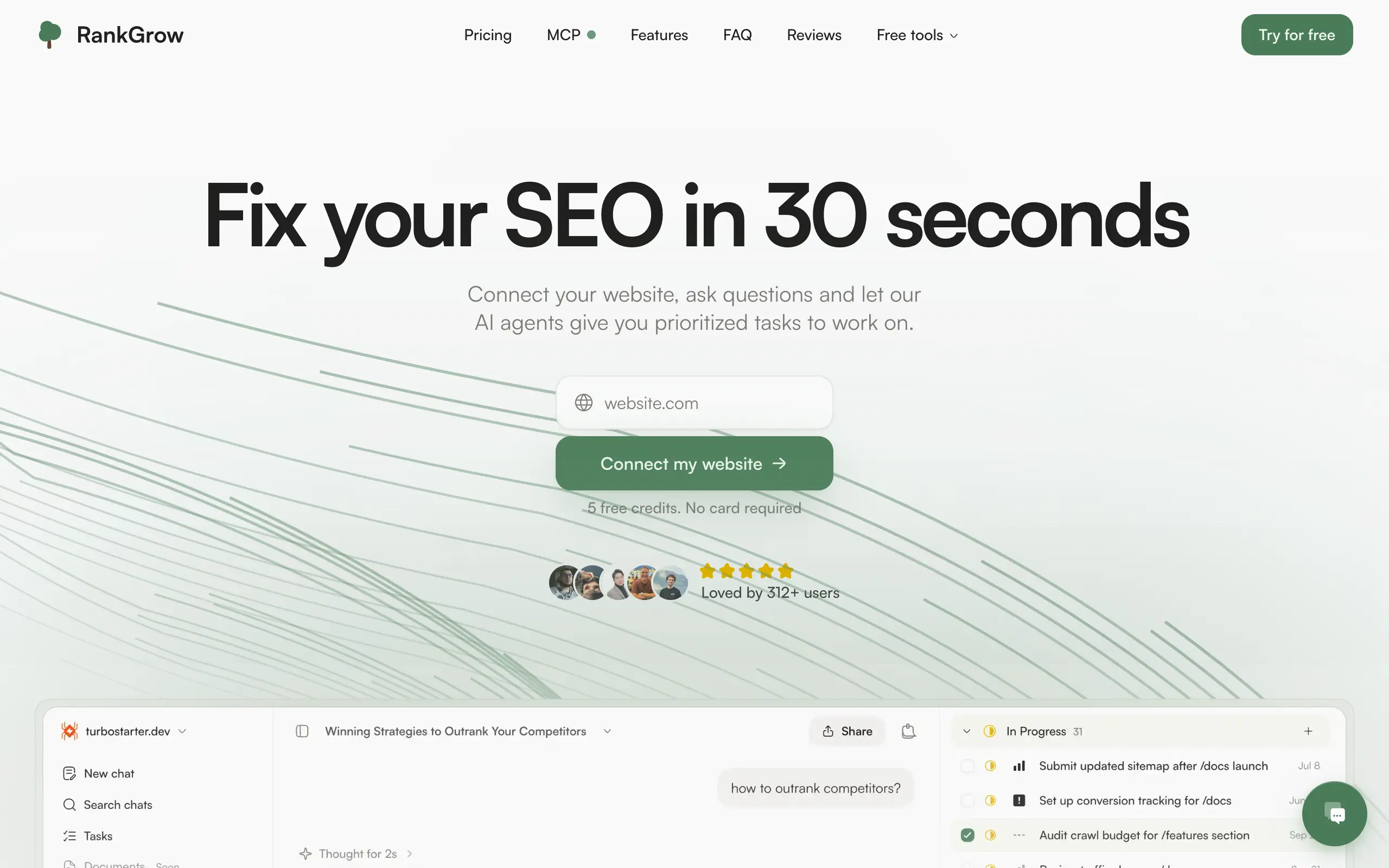
RankGrow
Fix your SEO with AI agents - connect Search Console, get prioritized tasks, and grow organic traffic 📈
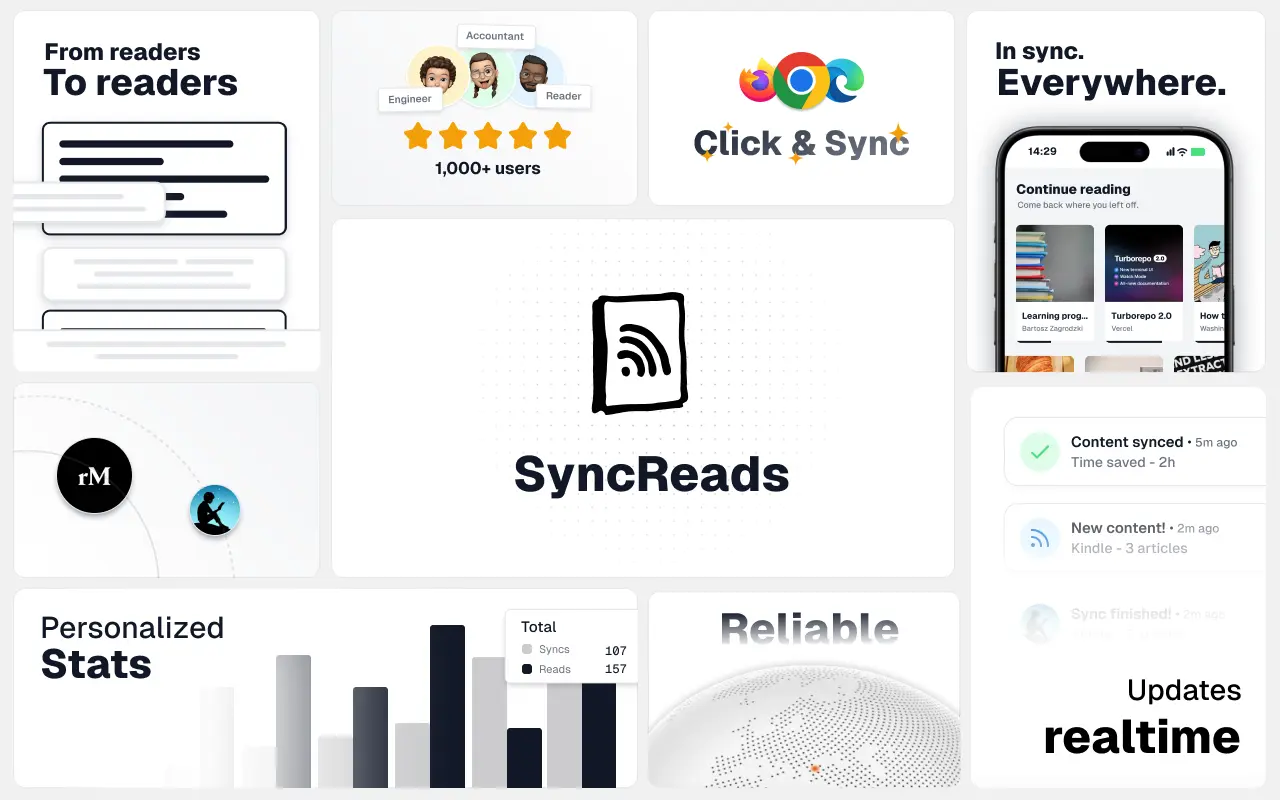
SyncReads
Sync your favorite content for distraction-free reading, save time and replace multiple apps. Anytime, anywhere 🔄
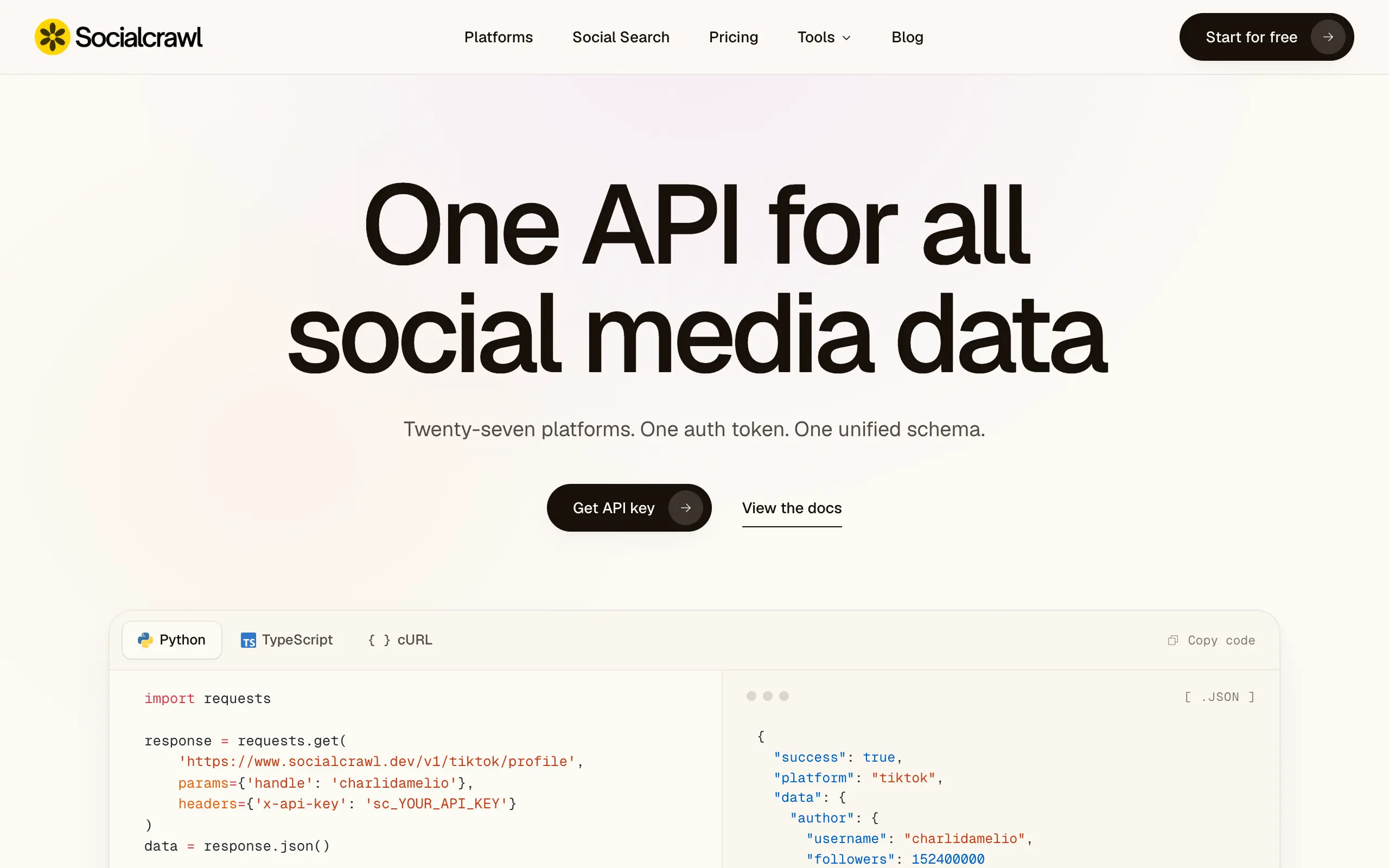
Socialcrawl
Get clean, structured data from 21 platforms like TikTok, Instagram, and YouTube with a single request 📊
Statiko
Monitor any Telegram channel in real time - track posts, edits, deletions, and growth with AI recaps 📡
Shibui
AI website builder - describe your business, pick a niche template, edit by chatting, and publish instantly ✨
Pro Service
Find verified home service professionals, compare quotes, and pay securely through escrow - built for Brazilians across the US 🏠
RankGrow
Fix your SEO with AI agents - connect Search Console, get prioritized tasks, and grow organic traffic 📈
SyncReads
Sync your favorite content for distraction-free reading, save time and replace multiple apps. Anytime, anywhere 🔄
Socialcrawl
Get clean, structured data from 21 platforms like TikTok, Instagram, and YouTube with a single request 📊
Statiko
Monitor any Telegram channel in real time - track posts, edits, deletions, and growth with AI recaps 📡
Shibui
AI website builder - describe your business, pick a niche template, edit by chatting, and publish instantly ✨
Pro Service
Find verified home service professionals, compare quotes, and pay securely through escrow - built for Brazilians across the US 🏠
RankGrow
Fix your SEO with AI agents - connect Search Console, get prioritized tasks, and grow organic traffic 📈
SyncReads
Sync your favorite content for distraction-free reading, save time and replace multiple apps. Anytime, anywhere 🔄
Socialcrawl
Get clean, structured data from 21 platforms like TikTok, Instagram, and YouTube with a single request 📊
Statiko
Monitor any Telegram channel in real time - track posts, edits, deletions, and growth with AI recaps 📡
Shibui
AI website builder - describe your business, pick a niche template, edit by chatting, and publish instantly ✨
Pro Service
Find verified home service professionals, compare quotes, and pay securely through escrow - built for Brazilians across the US 🏠
RankGrow
Fix your SEO with AI agents - connect Search Console, get prioritized tasks, and grow organic traffic 📈
SyncReads
Sync your favorite content for distraction-free reading, save time and replace multiple apps. Anytime, anywhere 🔄
Socialcrawl
Get clean, structured data from 21 platforms like TikTok, Instagram, and YouTube with a single request 📊
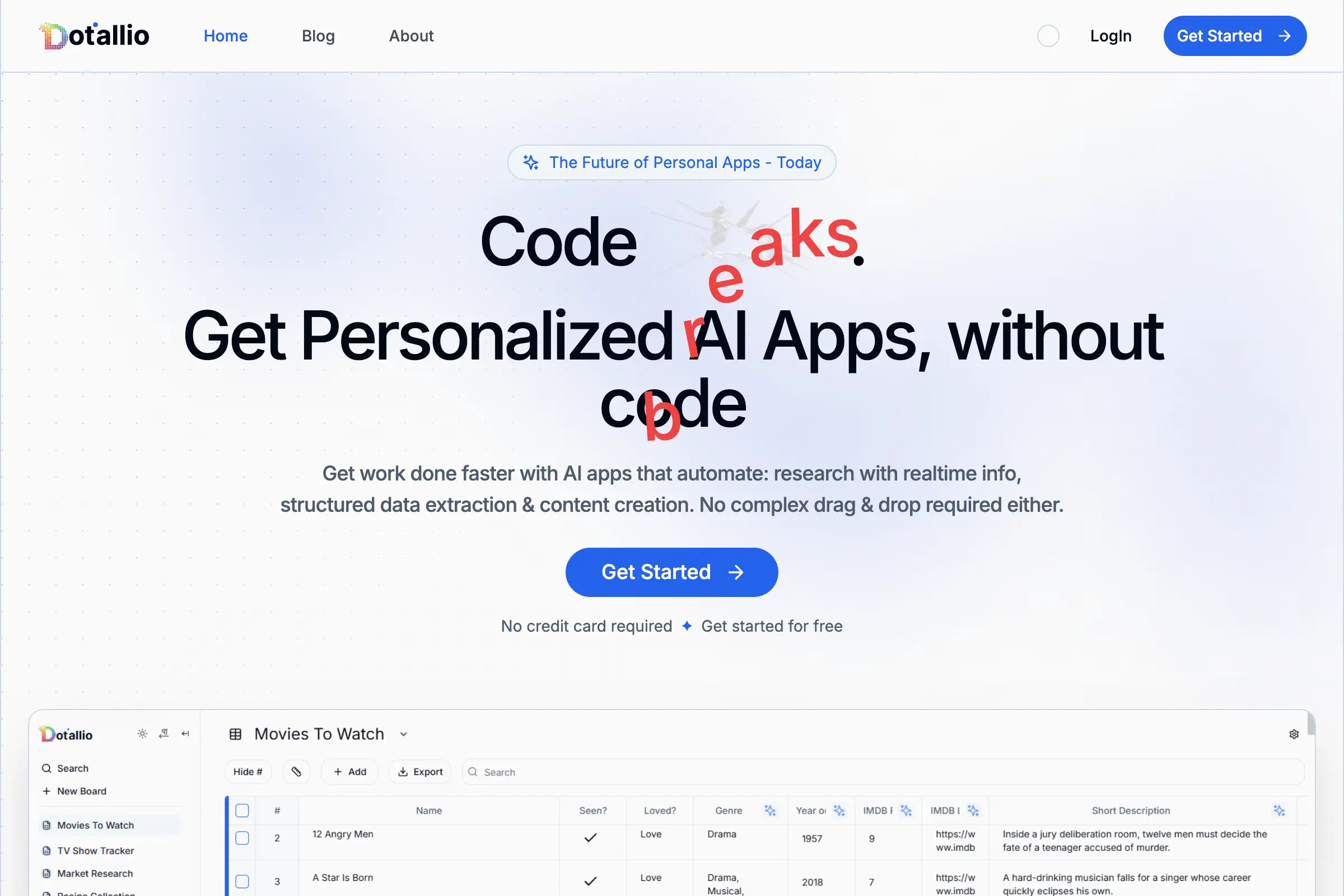
Dotallio
Personalized AI apps that automate research, data extraction, and content creation without code 🤖

Talk to Santa
Enjoy a magical live video chat or receive a unique AI-generated video greeting from Santa Claus 🎅

pozywka.pl
Scalable blog for food journalist, focused on performance and user experience 🌭
zagrodzki.me
Personal blog and portfolio of Bart Zagrodzki, where he shares his knowledge and work 💼
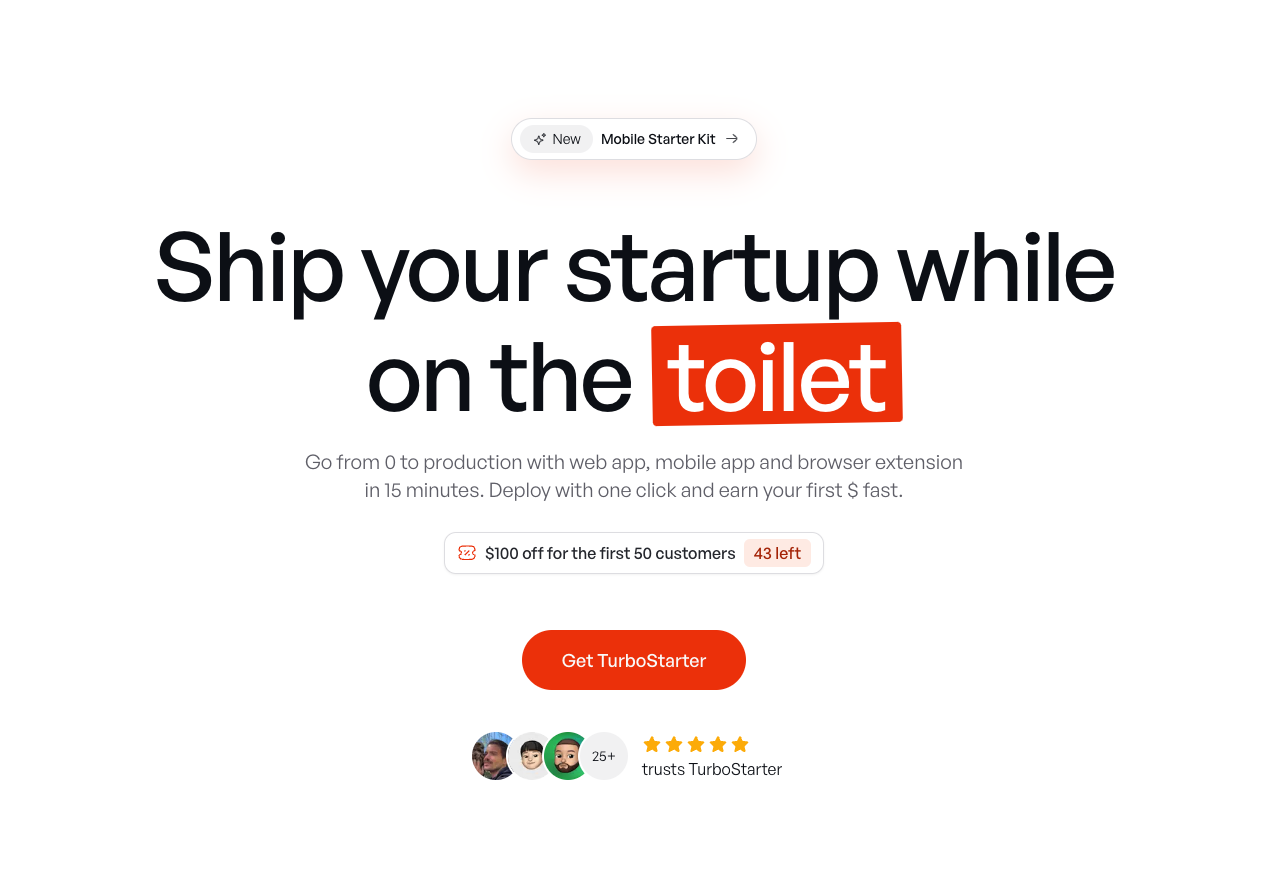
TurboStarter
Ship your startup everywhere. In minutes.
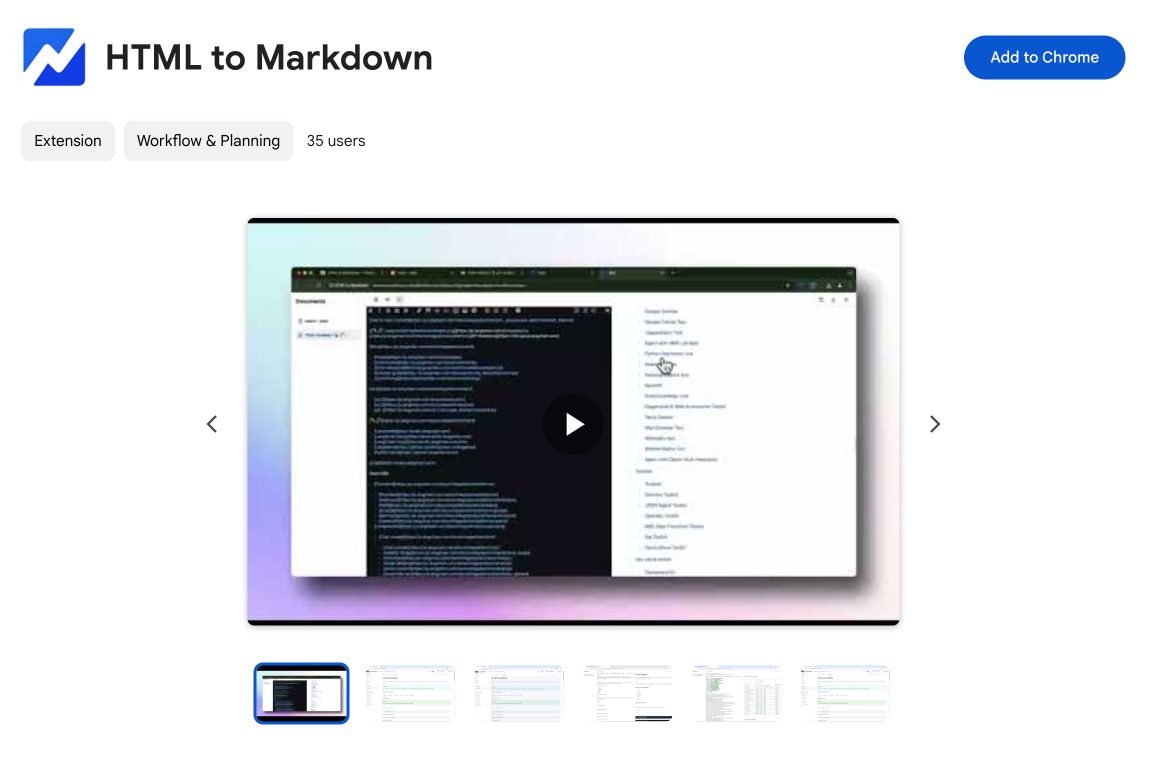
HTML to Markdown
Convert HTML to Markdown with ease, directly in your browser 📄
Dotallio
Personalized AI apps that automate research, data extraction, and content creation without code 🤖
Talk to Santa
Enjoy a magical live video chat or receive a unique AI-generated video greeting from Santa Claus 🎅
pozywka.pl
Scalable blog for food journalist, focused on performance and user experience 🌭
zagrodzki.me
Personal blog and portfolio of Bart Zagrodzki, where he shares his knowledge and work 💼
TurboStarter
Ship your startup everywhere. In minutes.
HTML to Markdown
Convert HTML to Markdown with ease, directly in your browser 📄
Dotallio
Personalized AI apps that automate research, data extraction, and content creation without code 🤖
Talk to Santa
Enjoy a magical live video chat or receive a unique AI-generated video greeting from Santa Claus 🎅
pozywka.pl
Scalable blog for food journalist, focused on performance and user experience 🌭
zagrodzki.me
Personal blog and portfolio of Bart Zagrodzki, where he shares his knowledge and work 💼
TurboStarter
Ship your startup everywhere. In minutes.
HTML to Markdown
Convert HTML to Markdown with ease, directly in your browser 📄
Dotallio
Personalized AI apps that automate research, data extraction, and content creation without code 🤖
Talk to Santa
Enjoy a magical live video chat or receive a unique AI-generated video greeting from Santa Claus 🎅
pozywka.pl
Scalable blog for food journalist, focused on performance and user experience 🌭
zagrodzki.me
Personal blog and portfolio of Bart Zagrodzki, where he shares his knowledge and work 💼
TurboStarter
Ship your startup everywhere. In minutes.
HTML to Markdown
Convert HTML to Markdown with ease, directly in your browser 📄
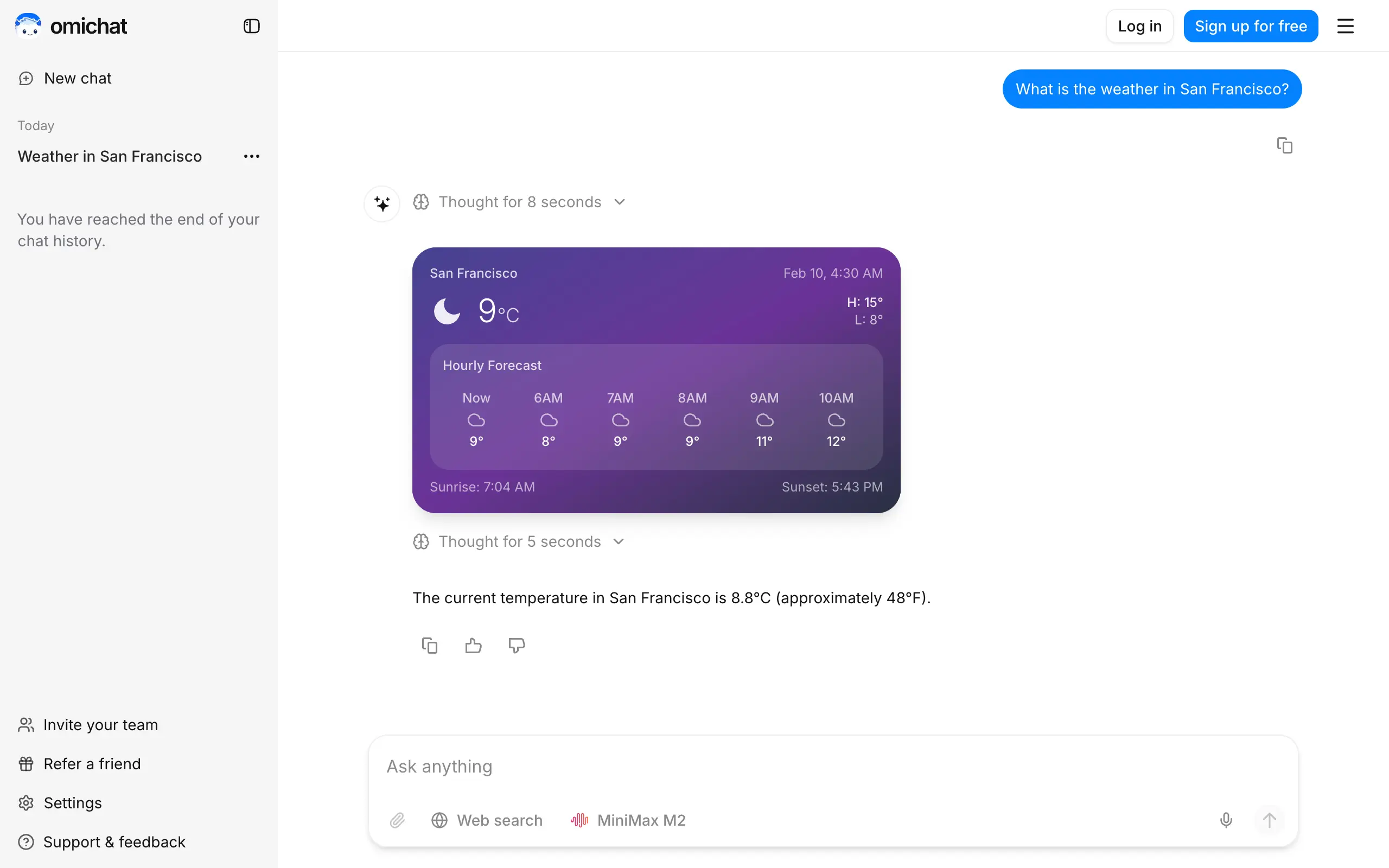
Omichat
Chat with 50+ AI models, including ChatGPT and Claude, in one place - switch models anytime without losing context 🤖
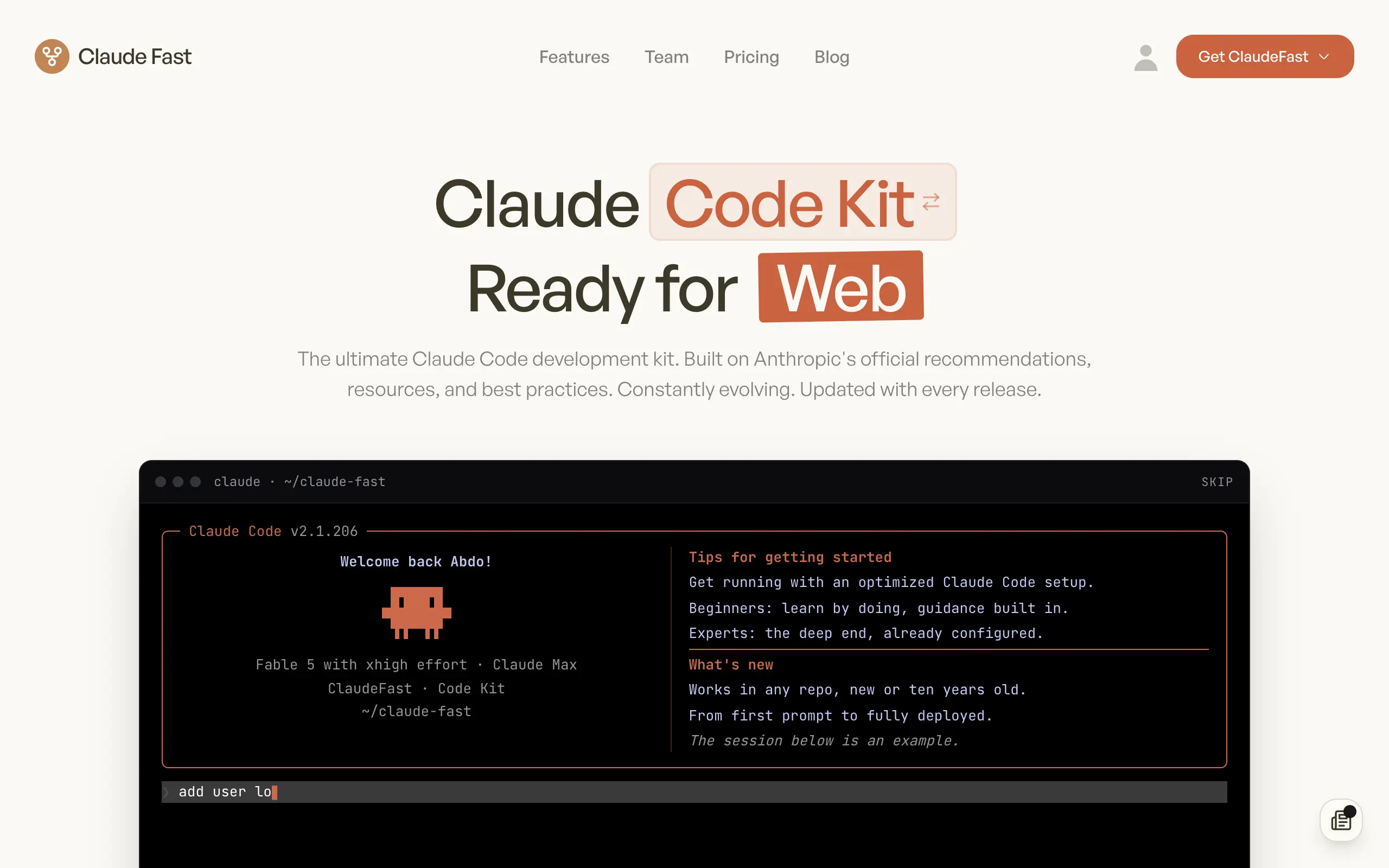
Claude Fast
Supercharge your Claude Code with 6x effective context window and specialized AI agents 🤖
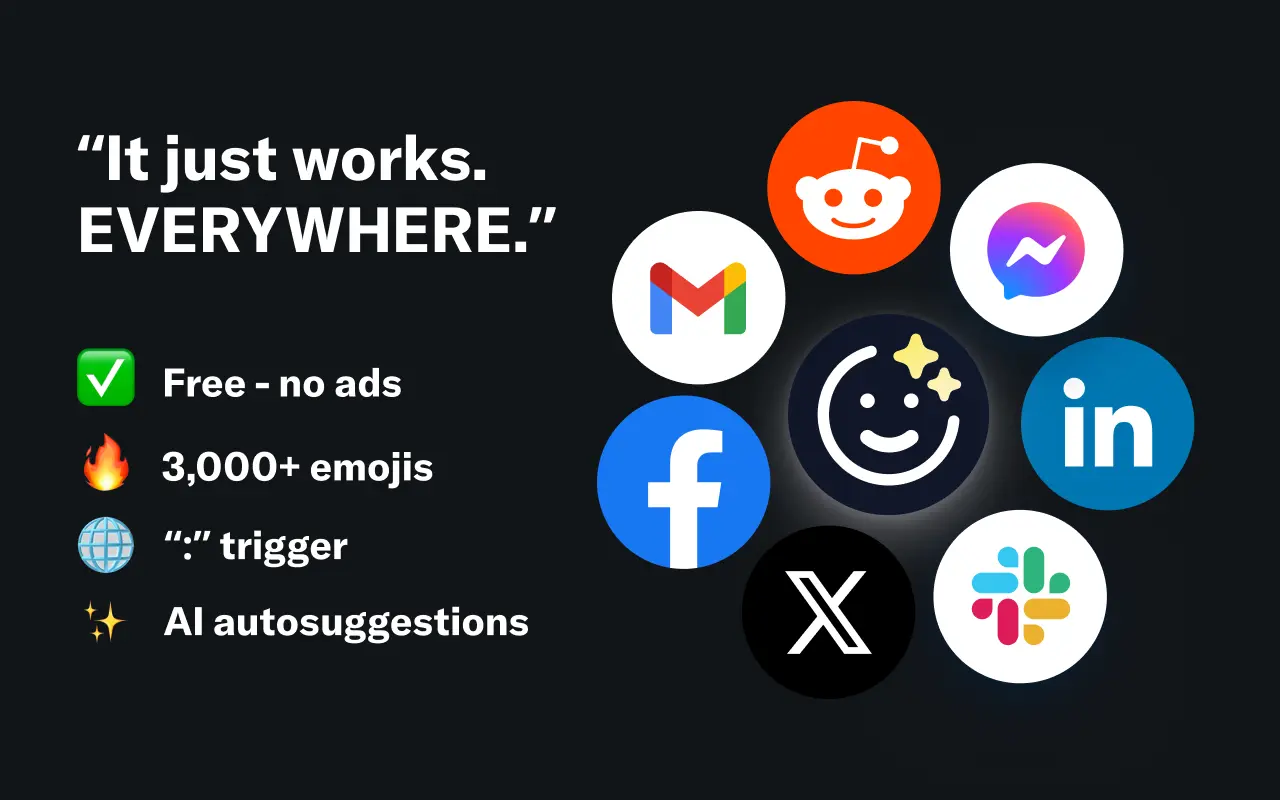
EmojAI
AI-powered emoji picker with smart, context-aware suggestions 🤖
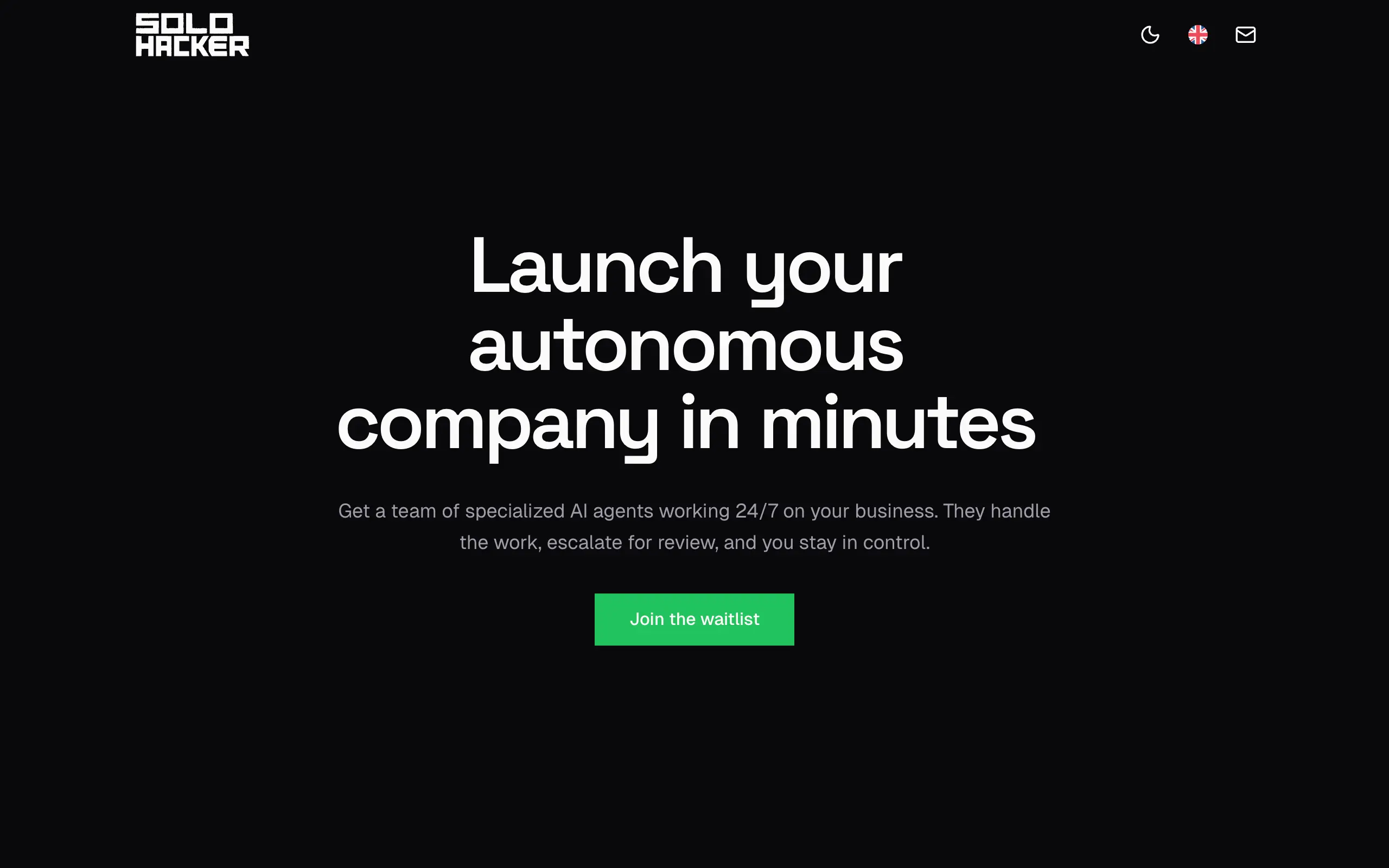
Solohacker
Autonomous company launcher - AI agents work 24/7, escalate what matters, and you stay in control 🤖

BeRawi: Storytelling Coach
Practice storytelling daily with instant feedback to sound clearer, more engaging, and confident 🎤
Omichat
Chat with 50+ AI models, including ChatGPT and Claude, in one place - switch models anytime without losing context 🤖
Claude Fast
Supercharge your Claude Code with 6x effective context window and specialized AI agents 🤖
EmojAI
AI-powered emoji picker with smart, context-aware suggestions 🤖
Solohacker
Autonomous company launcher - AI agents work 24/7, escalate what matters, and you stay in control 🤖
BeRawi: Storytelling Coach
Practice storytelling daily with instant feedback to sound clearer, more engaging, and confident 🎤
Omichat
Chat with 50+ AI models, including ChatGPT and Claude, in one place - switch models anytime without losing context 🤖
Claude Fast
Supercharge your Claude Code with 6x effective context window and specialized AI agents 🤖
EmojAI
AI-powered emoji picker with smart, context-aware suggestions 🤖
Solohacker
Autonomous company launcher - AI agents work 24/7, escalate what matters, and you stay in control 🤖
BeRawi: Storytelling Coach
Practice storytelling daily with instant feedback to sound clearer, more engaging, and confident 🎤
Omichat
Chat with 50+ AI models, including ChatGPT and Claude, in one place - switch models anytime without losing context 🤖
Claude Fast
Supercharge your Claude Code with 6x effective context window and specialized AI agents 🤖
EmojAI
AI-powered emoji picker with smart, context-aware suggestions 🤖
Solohacker
Autonomous company launcher - AI agents work 24/7, escalate what matters, and you stay in control 🤖
BeRawi: Storytelling Coach
Practice storytelling daily with instant feedback to sound clearer, more engaging, and confident 🎤

Connect with like-minded people
Join our community to get feedback, support, and grow together with 1,000+ builders on board, let's ship it!
Join usShip your startup everywhere. In minutes.
Don't burn tokens on setup and start building features on day one.