RevOps Orchestrator
A unified revenue operations hub that connects CRM, billing, and customer data to automate forecasting, pipeline risk alerts, and growth planning.
Why revenue operations needs orchestration now
Modern B2B companies run on fragmented systems.
- Sales lives in a CRM.
- Marketing tracks leads in automation tools.
- Finance manages billing and subscriptions in separate software.
- Customer success monitors health scores in yet another dashboard.
The result? Disconnected data, inconsistent forecasting, and reactive decision-making.
A unified RevOps Orchestrator platform solves this by connecting CRM, billing, and customer data into a single revenue intelligence engine. Instead of juggling spreadsheets and manual exports, leadership teams get:
- Automated revenue forecasting
- Real-time pipeline risk alerts
- Growth scenario modeling
- Cohort-level expansion and churn insights
- End-to-end visibility from lead to renewal
This article breaks down the full business case for a revenue operations SaaS platform, including market opportunity, core features, tech stack recommendations, monetization strategy, risks, and implementation steps.
Understanding the target audience for a revenue operations platform
The primary users of RevOps Orchestrator are B2B organizations with recurring or high-ticket revenue models.
Core buyer personas
VP of Revenue Operations
Owns forecasting accuracy, systems integration, and revenue reporting across sales, marketing, and CS.
CFO / Head of Finance
Needs reliable revenue projections, churn visibility, and billing-to-CRM alignment.
CRO / VP Sales
Focused on pipeline health, deal risk alerts, and quota attainment forecasting.
Founder / CEO (SMB & Scaleups)
Wants a single source of truth for growth planning and revenue predictability.
Ideal customer profile (ICP)
- B2B SaaS companies (Series A to Series D)
- Annual recurring revenue (ARR) between $2M–$100M
- Multiple revenue systems (e.g., Salesforce + HubSpot + Stripe)
- Subscription or usage-based billing
- Growing sales teams with 5–100+ reps
User intent analysis
When searching for tools like “revenue operations software,” “forecast automation platform,” or “pipeline risk alerts,” users typically want:
- More accurate forecasting
- Automated reporting across systems
- Reduced manual spreadsheet work
- Early churn detection
- Strategic growth planning tools
RevOps Orchestrator directly addresses these intents by centralizing revenue data and applying predictive intelligence.
The market opportunity in revenue operations software
Revenue Operations (RevOps) has evolved from a support function into a strategic discipline.
Why the timing is strong
- B2B SaaS growth models demand predictable revenue.
- Boards require precise forecasting and unit economics visibility.
- AI-driven analytics expectations are rising.
- Remote teams rely on system-driven coordination.
According to widely cited industry research from firms like Gartner and Forrester (suggest referencing the latest RevOps market analyses), companies that align sales, marketing, and customer success under a unified operations model see improved revenue efficiency and forecast accuracy.
Yet most companies still rely on:
- Manual Google Sheets consolidation
- Static dashboards in BI tools
- Lagging CRM reports
- Finance-only revenue reports disconnected from pipeline reality
Market gap
Existing solutions fall into three categories:
| Category | Weakness |
|---|---|
| CRM-native forecasting | Lacks billing & revenue recognition depth |
| BI tools | Require manual setup & ongoing data engineering |
| Subscription analytics tools | Don’t integrate deeply with sales pipeline risk |
RevOps Orchestrator sits in the integration layer between CRM, billing, and customer health systems, adding intelligence and automation on top.
The core solution: how RevOps Orchestrator works
At its core, RevOps Orchestrator is a unified revenue operations hub.
Core system architecture
It connects:
- CRM (e.g., Salesforce, HubSpot)
- Billing systems (Stripe, Chargebee, etc.)
- Marketing automation
- Customer success tools
- Product usage data (optional)
Then it builds a normalized revenue data model:
type RevenueEntity = {
  accountId: string
  arr: number
  mrr: number
  churnRiskScore: number
  pipelineValue: number
  expansionPotential: number
  forecastCategory: "commit" | "best_case" | "pipeline"
}
This normalized model enables forecasting automation, alerts, and growth modeling.
Core features of RevOps Orchestrator
1. Automated revenue forecasting engine
Unlike CRM-native forecasting that relies solely on rep input, RevOps Orchestrator:
- Incorporates billing data
- Applies historical close rate patterns
- Detects seasonality
- Adjusts for churn probability
- Factors in expansion likelihood
Benefits:
- Reduced forecast bias
- CFO-grade projections
- Board-ready reporting
2. Pipeline risk alerts
One of the most valuable features is real-time pipeline risk detection.
Triggers include:
- Deal stagnation beyond stage average
- Decreasing engagement activity
- Economic buyer not identified
- Close date pushed multiple times
- Contract value mismatch with billing history
Why this matters
Most pipeline risk is invisible until it’s too late. Automated alerts surface risks early, allowing sales leaders to intervene proactively.
3. Churn & expansion prediction
By merging billing and product usage signals, the platform can:
- Flag high churn probability accounts
- Detect expansion-ready accounts
- Trigger playbooks for CSM outreach
- Estimate net revenue retention (NRR)
This is especially powerful for subscription-based B2B SaaS companies.
4. Growth scenario modeling
Executives can simulate:
- “What if win rate increases by 5%?”
- “What if churn increases by 2%?”
- “What happens if we hire 3 more AEs?”
Simulate increased pipeline velocity and improved close rates to estimate next-quarter ARR impact.
Model churn reduction strategies and their effect on net revenue retention and long-term enterprise value.
5. Unified revenue dashboard
Instead of jumping between tools, leaders see:
- ARR / MRR trends
- Pipeline coverage ratio
- Forecast vs. actual variance
- Churn rate
- Expansion revenue
- CAC payback period (if marketing data integrated)
Competitive advantage analysis
RevOps Orchestrator’s differentiation comes from intelligent orchestration, not just aggregation.
| Capability | CRM Forecasting | BI Tools | Subscription Analytics | RevOps Orchestrator |
|---|---|---|---|---|
| CRM + Billing Sync | ❌ | ✅ (manual) | ✅ | ✅ (native + automated) |
| Pipeline Risk Alerts | Limited | ❌ | ❌ | ✅ |
| Churn Prediction | ❌ | Custom setup | ✅ | ✅ |
| Growth Scenario Modeling | ❌ | Manual | ❌ | ✅ |
USP: A purpose-built revenue operations intelligence layer combining forecasting, risk detection, and growth planning in one system.
Recommended tech stack for building RevOps Orchestrator
A modern SaaS architecture should balance scalability, developer velocity, and integration flexibility.
Frontend
- React for component-based UI
- Next.js for SSR and performance
- TailwindCSS for rapid UI styling
- Data visualization: Recharts or similar charting library
Backend
- Node.js (NestJS or Express)
- REST or GraphQL API
- Event-driven architecture for data updates
Data layer
- PostgreSQL for transactional storage
- Data warehouse (e.g., Snowflake or BigQuery)
- ETL/ELT pipeline for ingestion
Integrations
- Salesforce API
- HubSpot API
- Stripe API
- Webhooks for real-time sync
AI & analytics layer
- Python microservices for:
- Forecast modeling
- Churn prediction
- Risk scoring
- Libraries such as scikit-learn or XGBoost
Trade-offs
- Monolith = faster MVP, harder scale
- Microservices = scalable, more DevOps overhead
- Warehouse-first model = more flexible analytics, higher infra cost
For faster launch and production readiness, founders can leverage TurboStarter to accelerate authentication, billing scaffolding, and SaaS boilerplate.
Monetization strategy for RevOps Orchestrator
Given its enterprise value, pricing should reflect ROI.
Option 1: Tiered SaaS pricing
- Starter: $499/month
- Growth: $1,200/month
- Enterprise: Custom pricing
Based on:
- Number of connected systems
- Revenue volume
- User seats
Option 2: Usage-based pricing
Charge based on:
- Number of synced accounts
- API calls
- Data volume
Option 3: Hybrid model
Base subscription + usage-based forecasting models.
Potential risks and mitigation strategies
Poor CRM hygiene can reduce forecast accuracy. Mitigation: Build automated data health scoring and validation rules.
APIs change, sync failures happen. Mitigation: Create robust monitoring and retry logic.
RevOps tools often require multi-stakeholder approval. Mitigation: Offer ROI calculators and proof-of-value pilots.
Security, compliance, and trust
For enterprise adoption:
- SOC 2 compliance
- GDPR readiness
- Role-based access control
- Audit logs
- Encryption at rest and in transit
Trust is critical when handling revenue data.
Go-to-market strategy
1. Target RevOps communities
- LinkedIn RevOps groups
- Revenue leadership newsletters
- SaaS founder communities
2. Content-led SEO
Target keywords like:
- revenue operations software
- automated sales forecasting tool
- pipeline risk alerts
- RevOps analytics platform
- B2B revenue forecasting SaaS
Create in-depth case studies and ROI breakdowns.
3. Strategic partnerships
- CRM consultants
- Revenue operations agencies
- Fractional CFO firms
Step-by-step implementation plan
Why RevOps Orchestrator can become a category leader
The future of B2B growth depends on:
- Predictable revenue
- Cross-functional alignment
- Real-time intelligence
- AI-assisted decision-making
Most companies don’t need more dashboards. They need orchestration.
By positioning as a revenue intelligence engine — not just another reporting tool — RevOps Orchestrator can dominate a growing market where CFO-grade visibility meets sales execution reality.
Final thoughts: from dashboards to decisions
Revenue leaders are overwhelmed by data but underpowered in insight.
RevOps Orchestrator transforms:
- Static reports → automated forecasts
- Gut-feel pipeline reviews → data-backed risk alerts
- Reactive churn handling → predictive retention strategy
- Disconnected tools → unified revenue engine
The opportunity is significant, the demand is rising, and the differentiation is clear.
If executed with strong integrations, intelligent modeling, and enterprise-grade trust, RevOps Orchestrator can become the central nervous system of modern B2B revenue operations.
More 🏢 B2B Application SaaS ideas
Discover more innovative b2b application SaaS ideas that are trending in 2026. Each idea is AI-generated with market validation and growth potential to help you find your next profitable venture faster than competitors.
Your competitors are building with TurboStarter
Below are some of the SaaS ideas that have been generated and built with our starter kit.

Statiko
Monitor any Telegram channel in real time - track posts, edits, deletions, and growth with AI recaps 📡

Shibui
AI website builder - describe your business, pick a niche template, edit by chatting, and publish instantly ✨

Pro Service
Find verified home service professionals, compare quotes, and pay securely through escrow - built for Brazilians across the US 🏠
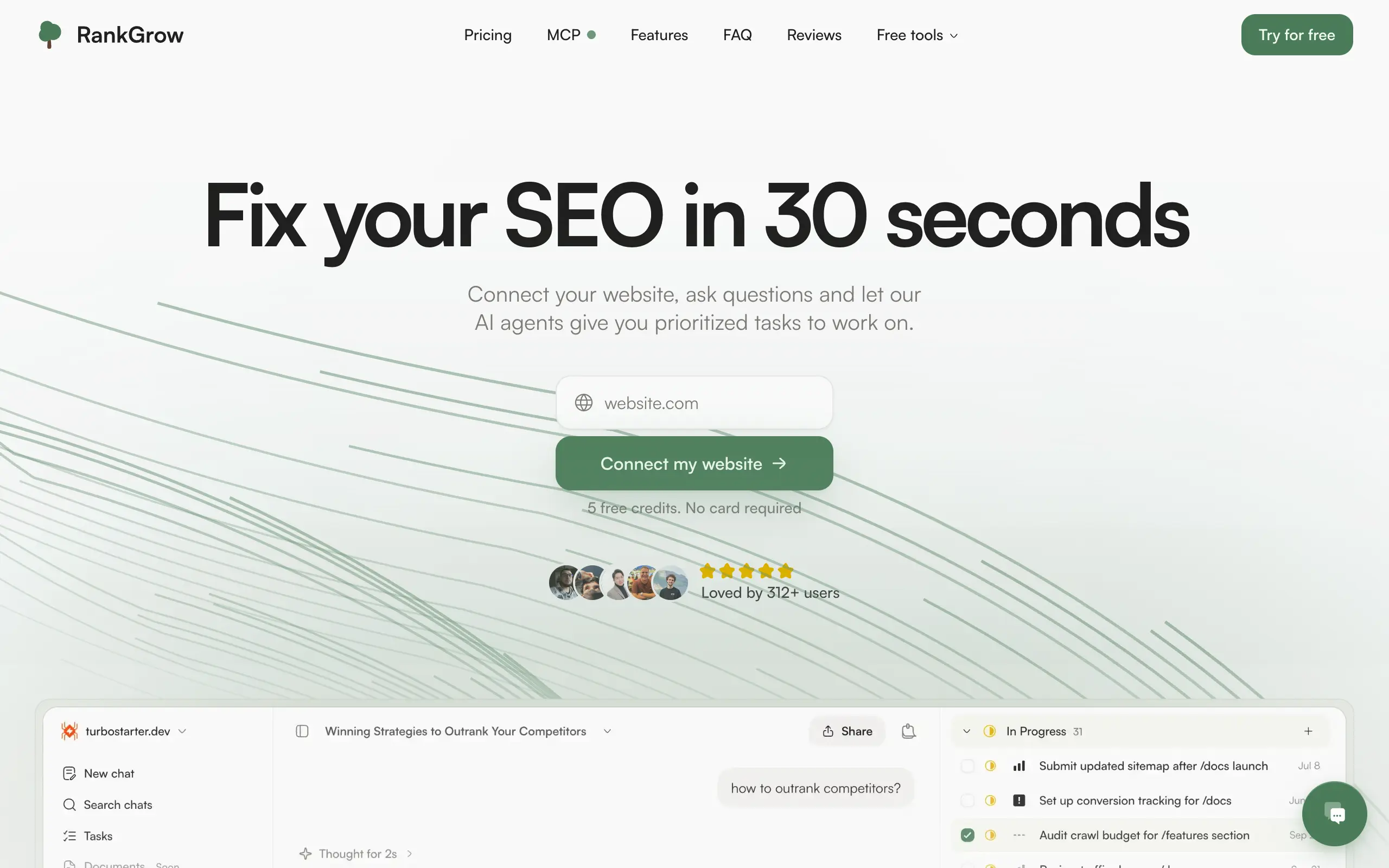
RankGrow
Fix your SEO with AI agents - connect Search Console, get prioritized tasks, and grow organic traffic 📈
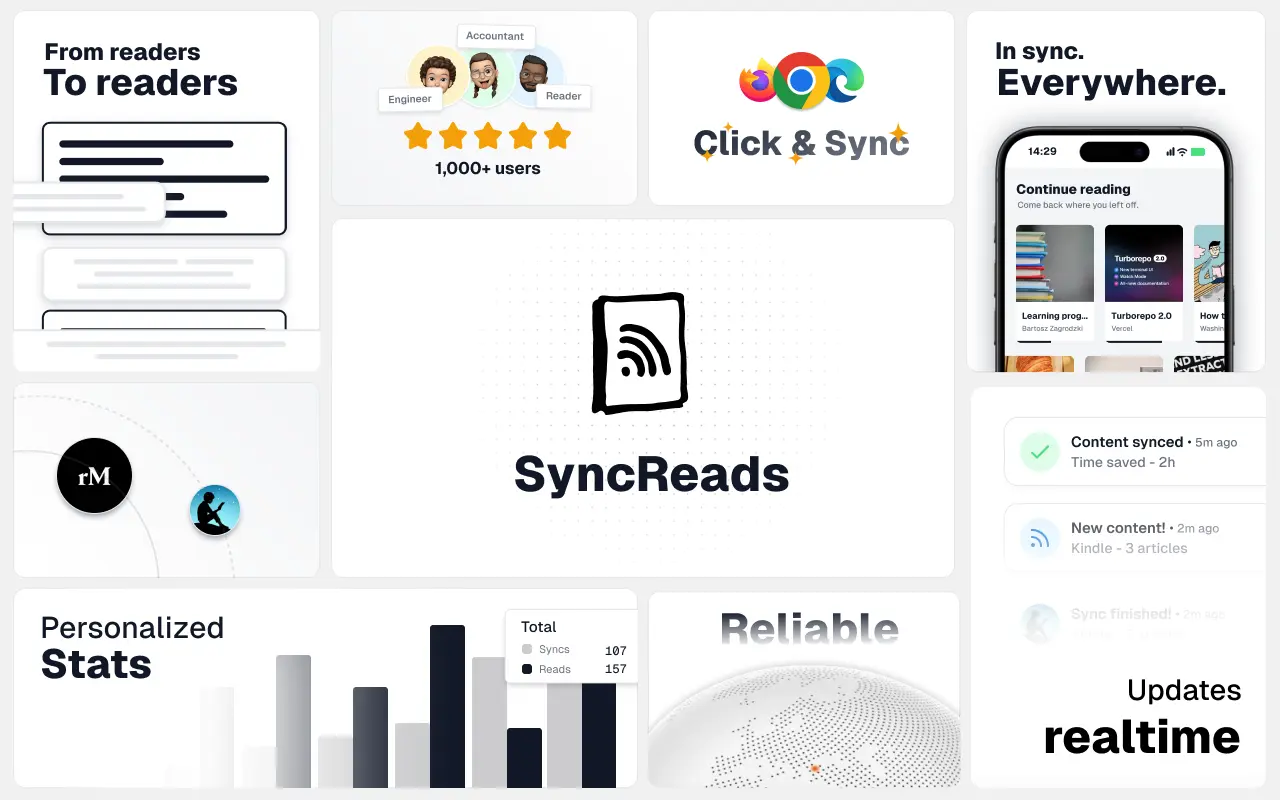
SyncReads
Sync your favorite content for distraction-free reading, save time and replace multiple apps. Anytime, anywhere 🔄
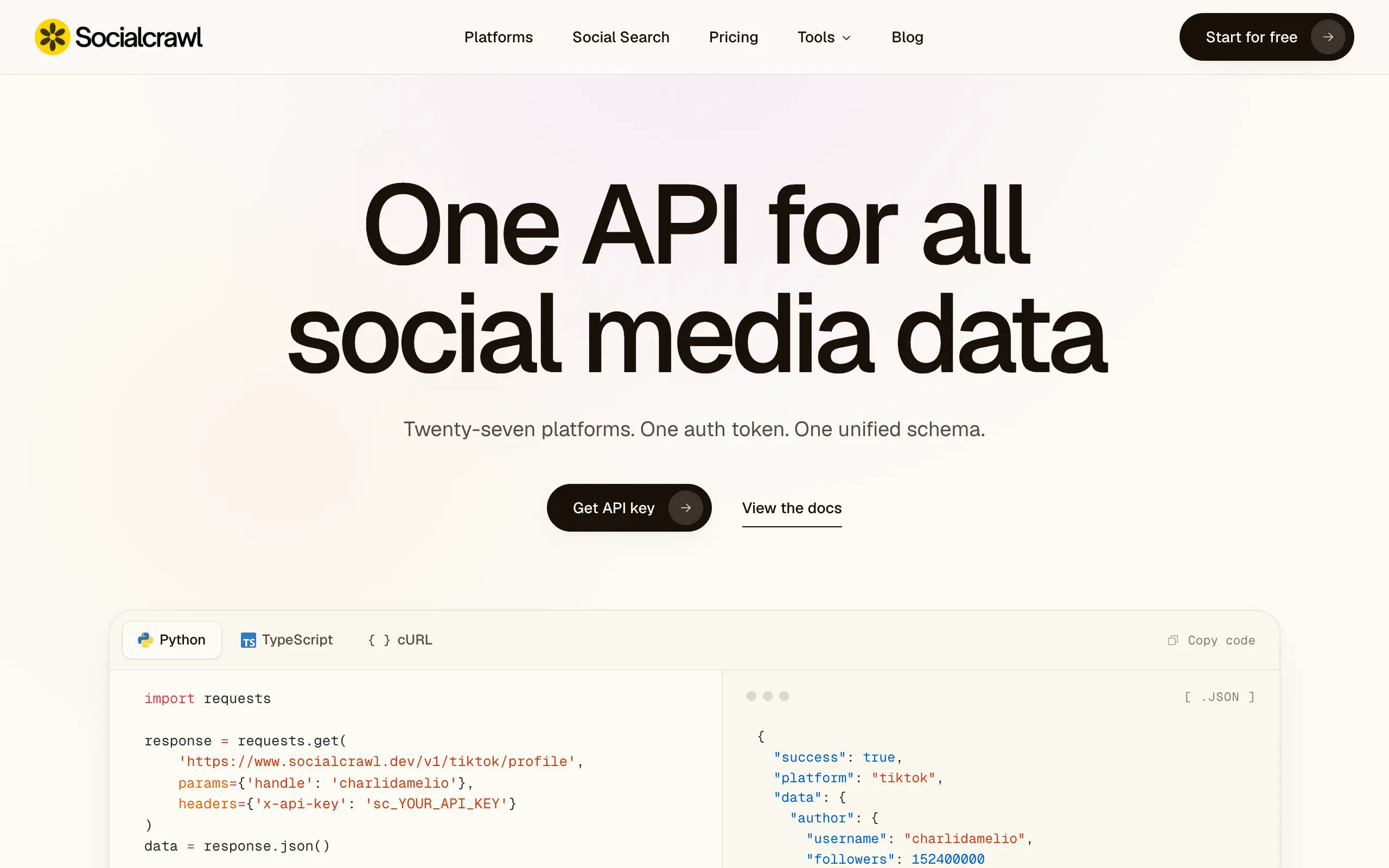
Socialcrawl
Get clean, structured data from 21 platforms like TikTok, Instagram, and YouTube with a single request 📊
Statiko
Monitor any Telegram channel in real time - track posts, edits, deletions, and growth with AI recaps 📡
Shibui
AI website builder - describe your business, pick a niche template, edit by chatting, and publish instantly ✨
Pro Service
Find verified home service professionals, compare quotes, and pay securely through escrow - built for Brazilians across the US 🏠
RankGrow
Fix your SEO with AI agents - connect Search Console, get prioritized tasks, and grow organic traffic 📈
SyncReads
Sync your favorite content for distraction-free reading, save time and replace multiple apps. Anytime, anywhere 🔄
Socialcrawl
Get clean, structured data from 21 platforms like TikTok, Instagram, and YouTube with a single request 📊
Statiko
Monitor any Telegram channel in real time - track posts, edits, deletions, and growth with AI recaps 📡
Shibui
AI website builder - describe your business, pick a niche template, edit by chatting, and publish instantly ✨
Pro Service
Find verified home service professionals, compare quotes, and pay securely through escrow - built for Brazilians across the US 🏠
RankGrow
Fix your SEO with AI agents - connect Search Console, get prioritized tasks, and grow organic traffic 📈
SyncReads
Sync your favorite content for distraction-free reading, save time and replace multiple apps. Anytime, anywhere 🔄
Socialcrawl
Get clean, structured data from 21 platforms like TikTok, Instagram, and YouTube with a single request 📊
Statiko
Monitor any Telegram channel in real time - track posts, edits, deletions, and growth with AI recaps 📡
Shibui
AI website builder - describe your business, pick a niche template, edit by chatting, and publish instantly ✨
Pro Service
Find verified home service professionals, compare quotes, and pay securely through escrow - built for Brazilians across the US 🏠
RankGrow
Fix your SEO with AI agents - connect Search Console, get prioritized tasks, and grow organic traffic 📈
SyncReads
Sync your favorite content for distraction-free reading, save time and replace multiple apps. Anytime, anywhere 🔄
Socialcrawl
Get clean, structured data from 21 platforms like TikTok, Instagram, and YouTube with a single request 📊
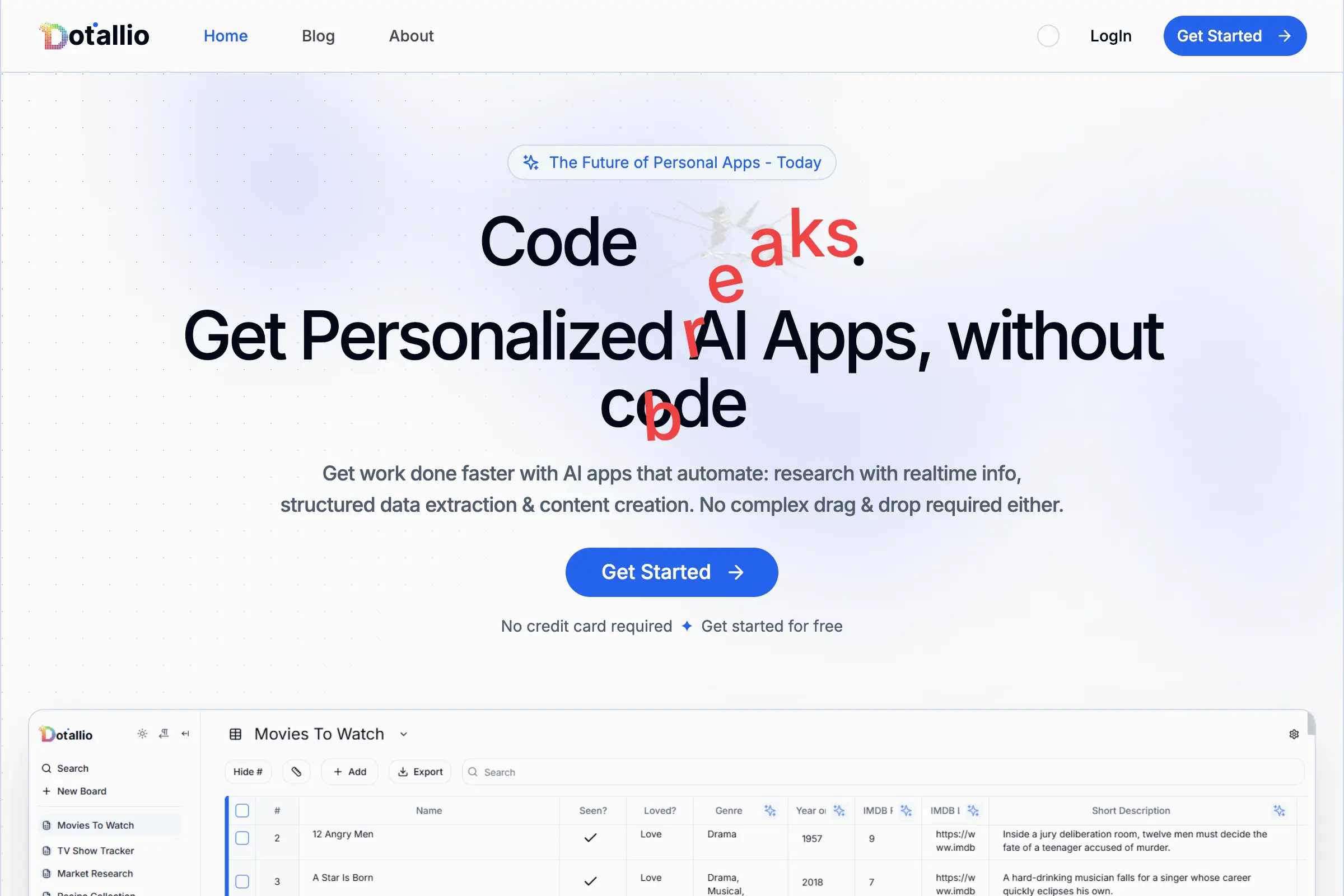
Dotallio
Personalized AI apps that automate research, data extraction, and content creation without code 🤖

Talk to Santa
Enjoy a magical live video chat or receive a unique AI-generated video greeting from Santa Claus 🎅

pozywka.pl
Scalable blog for food journalist, focused on performance and user experience 🌭
zagrodzki.me
Personal blog and portfolio of Bart Zagrodzki, where he shares his knowledge and work 💼
TurboStarter
Ship your startup everywhere. In minutes.
HTML to Markdown
Convert HTML to Markdown with ease, directly in your browser 📄
Dotallio
Personalized AI apps that automate research, data extraction, and content creation without code 🤖
Talk to Santa
Enjoy a magical live video chat or receive a unique AI-generated video greeting from Santa Claus 🎅
pozywka.pl
Scalable blog for food journalist, focused on performance and user experience 🌭
zagrodzki.me
Personal blog and portfolio of Bart Zagrodzki, where he shares his knowledge and work 💼
TurboStarter
Ship your startup everywhere. In minutes.
HTML to Markdown
Convert HTML to Markdown with ease, directly in your browser 📄
Dotallio
Personalized AI apps that automate research, data extraction, and content creation without code 🤖
Talk to Santa
Enjoy a magical live video chat or receive a unique AI-generated video greeting from Santa Claus 🎅
pozywka.pl
Scalable blog for food journalist, focused on performance and user experience 🌭
zagrodzki.me
Personal blog and portfolio of Bart Zagrodzki, where he shares his knowledge and work 💼
TurboStarter
Ship your startup everywhere. In minutes.
HTML to Markdown
Convert HTML to Markdown with ease, directly in your browser 📄
Dotallio
Personalized AI apps that automate research, data extraction, and content creation without code 🤖
Talk to Santa
Enjoy a magical live video chat or receive a unique AI-generated video greeting from Santa Claus 🎅
pozywka.pl
Scalable blog for food journalist, focused on performance and user experience 🌭
zagrodzki.me
Personal blog and portfolio of Bart Zagrodzki, where he shares his knowledge and work 💼
TurboStarter
Ship your startup everywhere. In minutes.
HTML to Markdown
Convert HTML to Markdown with ease, directly in your browser 📄
Omichat
Chat with 50+ AI models, including ChatGPT and Claude, in one place - switch models anytime without losing context 🤖
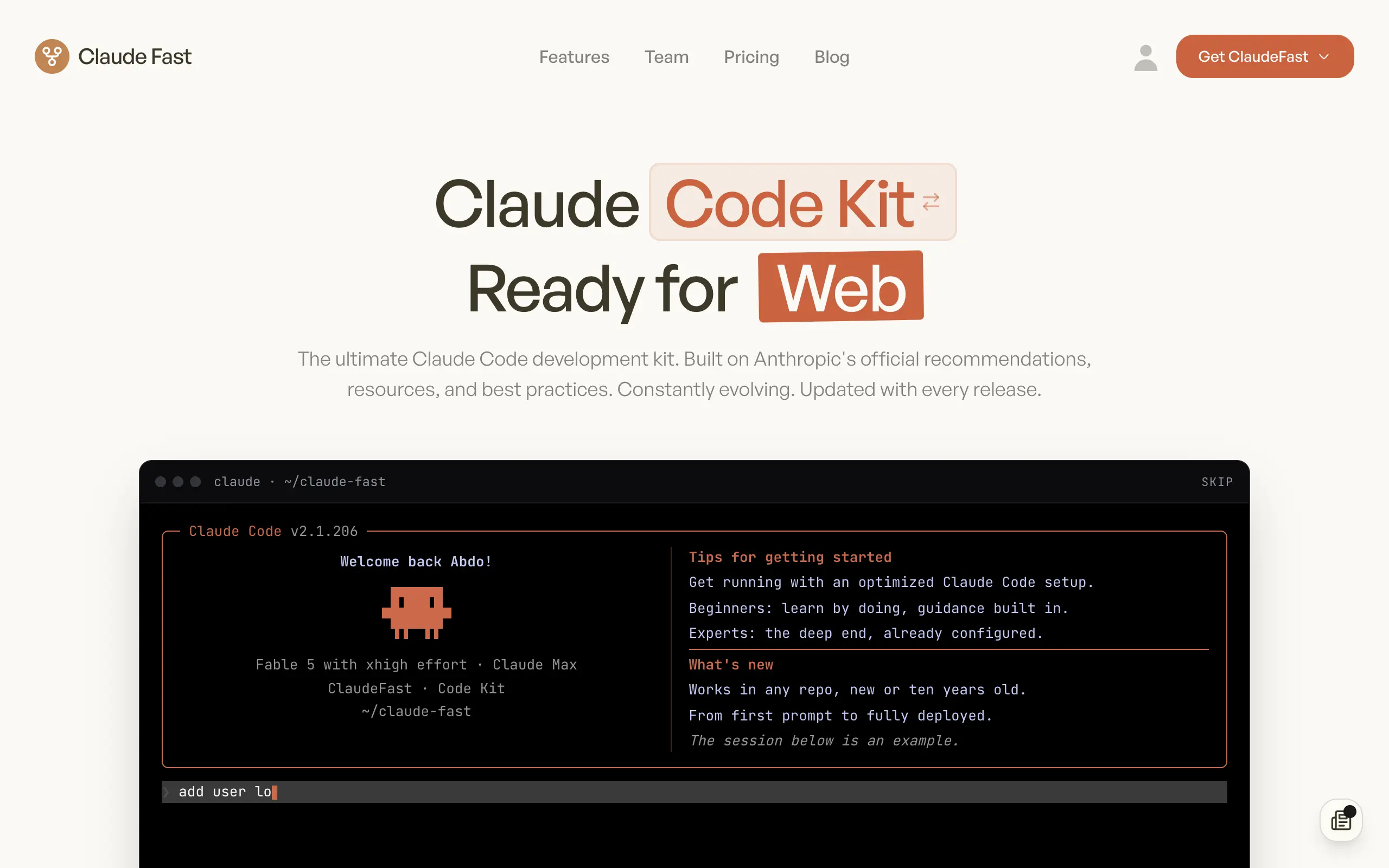
Claude Fast
Supercharge your Claude Code with 6x effective context window and specialized AI agents 🤖
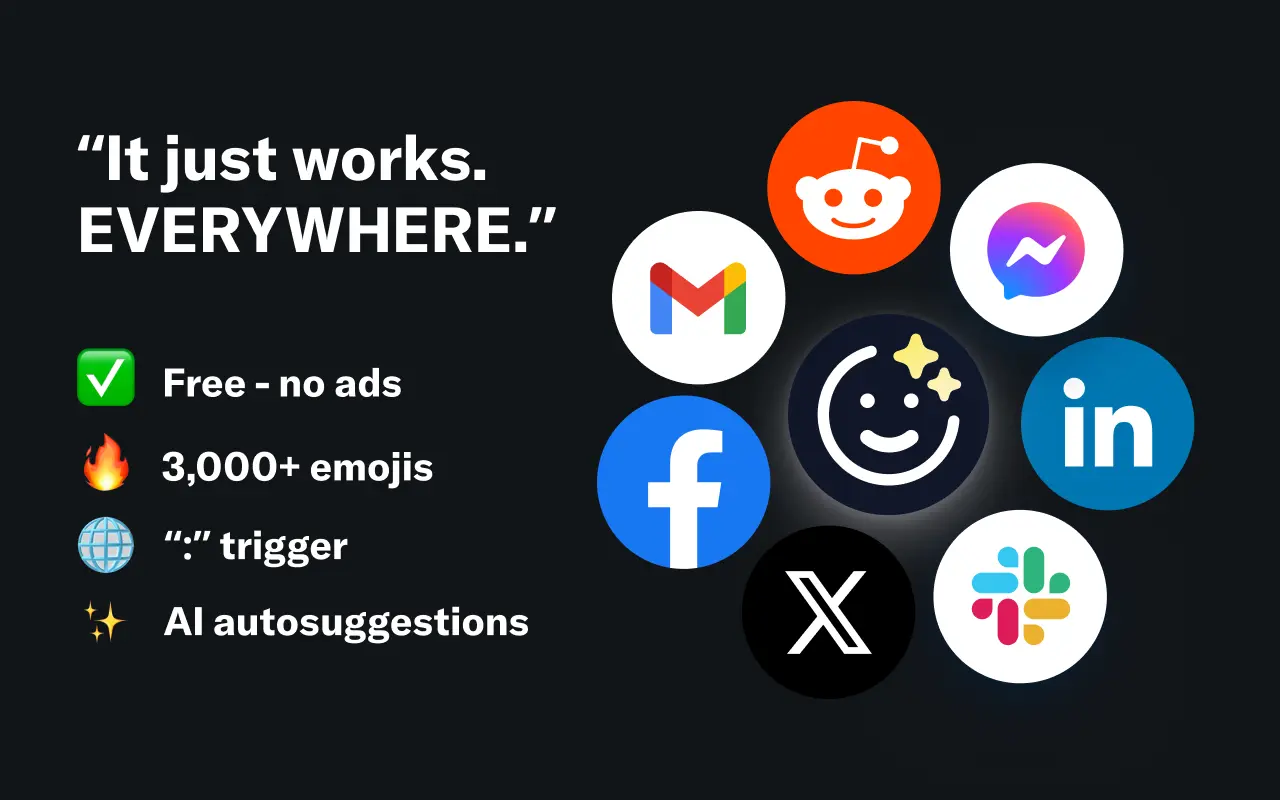
EmojAI
AI-powered emoji picker with smart, context-aware suggestions 🤖

Solohacker
Autonomous company launcher - AI agents work 24/7, escalate what matters, and you stay in control 🤖

BeRawi: Storytelling Coach
Practice storytelling daily with instant feedback to sound clearer, more engaging, and confident 🎤
Omichat
Chat with 50+ AI models, including ChatGPT and Claude, in one place - switch models anytime without losing context 🤖
Claude Fast
Supercharge your Claude Code with 6x effective context window and specialized AI agents 🤖
EmojAI
AI-powered emoji picker with smart, context-aware suggestions 🤖
Solohacker
Autonomous company launcher - AI agents work 24/7, escalate what matters, and you stay in control 🤖
BeRawi: Storytelling Coach
Practice storytelling daily with instant feedback to sound clearer, more engaging, and confident 🎤
Omichat
Chat with 50+ AI models, including ChatGPT and Claude, in one place - switch models anytime without losing context 🤖
Claude Fast
Supercharge your Claude Code with 6x effective context window and specialized AI agents 🤖
EmojAI
AI-powered emoji picker with smart, context-aware suggestions 🤖
Solohacker
Autonomous company launcher - AI agents work 24/7, escalate what matters, and you stay in control 🤖
BeRawi: Storytelling Coach
Practice storytelling daily with instant feedback to sound clearer, more engaging, and confident 🎤
Omichat
Chat with 50+ AI models, including ChatGPT and Claude, in one place - switch models anytime without losing context 🤖
Claude Fast
Supercharge your Claude Code with 6x effective context window and specialized AI agents 🤖
EmojAI
AI-powered emoji picker with smart, context-aware suggestions 🤖
Solohacker
Autonomous company launcher - AI agents work 24/7, escalate what matters, and you stay in control 🤖
BeRawi: Storytelling Coach
Practice storytelling daily with instant feedback to sound clearer, more engaging, and confident 🎤

Connect with like-minded people
Join our community to get feedback, support, and grow together with 1,000+ builders on board, let's ship it!
Join usShip your startup everywhere. In minutes.
Don't burn tokens on setup and start building features on day one.