RubyNest Studio
Empower your organization to rapidly prototype Rails features and integrations with AI-driven code generation and widget templates in a safe, cloud-based sandbox.
Understanding RubyNest Studio: AI-powered rapid Rails prototyping
RubyNest Studio stands at the intersection of two dynamic SaaS trends: the rapid evolution of AI code generation and the enduring popularity of rapid development for Ruby on Rails. Its core mission is to empower organizations to swiftly prototype Rails features and integrations using AI-powered code generation and ready-to-use widget templates, all within a secure, collaborative, cloud-based sandbox.
But what makes RubyNest Studio not just another low-code platform, but a purpose-built powerhouse for Rails teams? Let’s explore its audience fit, market gap, solution details, tech stack, and more—with a focus on actionable value for decision-makers seeking innovation.
Analyzing the target audience for RubyNest Studio
Understanding the ideal user base is foundational for B2B SaaS success, especially for a domain-specific tool like RubyNest Studio.
Who needs rapid Rails prototyping?
- Enterprise Rails teams — Established organizations running large-scale, legacy Rails applications seeking safe, experimental sandboxes for feature design, integration proof-of-concepts, and bug reproduction.
- Tech leads and engineering managers — Leaders managing busy sprints, overseeing integrations, and evaluating new Rails tools or services before recommending actual implementation.
- Startups and agencies — Fast-moving teams who want to iterate on Rails MVPs/features before investing in full development cycles.
- Educators and trainers — Code bootcamps or internal dev trainers who need standardized, resettable sandboxes for practical Rails exercises and onboarding.
- Product managers & UX designers — Stakeholders who want to mock up user flows and validate Rails-based components or integrations with minimal developer intervention.
Primary pain points addressed
- Tedious cycle between concept, code, and review
- Fragile demo environments that risk polluting production data/systems if misused
- High engineering overhead for 'quick' proofs of concept (POCs)
- Non-standard, inconsistent prototyping practices leading to knowledge silos
By targeting these audiences, RubyNest Studio answers the demand for speed, safety, and repeatability in Rails prototyping.
Identifying market opportunity and industry trends
The surge in AI code generation & developer tools
Recent tech shifts are driving adoption of AI copilots and code assistants. According to reports (see suggested sources like Gartner), businesses using AI for code generation have seen:
- 30-40% faster prototyping times
- More consistent implementation of common patterns
- Reduced onboarding ramp-up for new devs
Still, generic AI assistants often lack real-world integration with Rails-specific conventions, templates, and widgets.
Macro-movement: safe, collaborative AI sandboxes
With rising data security concerns, companies want cloud-based environments where experiments can’t affect live infrastructure. Cloud sandboxes, combined with AI, offer:
- Isolated workspaces by default
- Audit trails for compliance and learning
- Opportunities to reuse prototyped widgets across teams
What gap does RubyNest Studio fill?
- Most Rails developers still rely on local setups or ad-hoc cloud VMs, lacking AI-powered prototyping.
- General low-code platforms aren’t tailored for the Rails ecosystem, risking leaky abstractions or poor adherence to idiomatic Rails code.
- Security-conscious enterprises hesitate to deploy AI-generated code in production, needing a risk-mitigated sandbox.
RubyNest Studio resolves these with a focus on AI for Rails, safe collaborative sandboxes, and reusable widgets—all optimized for real-world Rails development.
Core features of RubyNest Studio: The solution for safe, accelerated Rails development
Let’s break down the pillars of RubyNest Studio and why they matter.
AI-driven code generation, the Rails way
- Contextual understanding of Rails patterns: Controllers, models, migrations, RSpec tests, and even view helpers generated according to Rails best practices.
- Prompt-driven prototypes: Users describe desired features (“payment integration with Stripe webhook support”), and the AI scaffolds ready-to-run code.
- Natural language to code: Effortlessly translate requirements into idiomatic Ruby and Rails constructs.
Widget and integration template library
- Drag-and-drop widget templates: Common Rails UI features (devise authentication, ActiveAdmin dashboards, API endpoints, background jobs) that stitch seamlessly into prototypes.
- Reusable team gallery: Store, rate, and share custom widgets or integrations across organizational workspaces.
Safe, cloud-based sandboxing
- Ephemeral, hardened Rails instances spun up on demand. Reset environments to a clean state in seconds.
- Integrated version control: Every code generation or edit is tracked, with rollback and branching available.
- Team-friendly access controls: Fine-tuned permissions, ensuring only authorized users can modify or publish prototypes.
Collaboration and workflow management
- Real-time collaborative editing
- Commenting and code review tools
- Integration with Slack, Jira, and GitHub, facilitating smooth transitions from prototype to production PRs
Seamless export and integration
- One-click export of generated code to your main Rails repo.
- Automated tests and compatibility checks bundled with generated code, reducing integration friction.
AI-driven Rails code scaffolding
Instantly scaffold controllers, models, tests, or full features with prompt-based AI generation designed for Rails conventions.
Drag-and-drop widget library
Integrate proven Rails components and reusable widgets—authentication, APIs, dashboards, jobs—directly into your prototypes.
Secure, cloud-based sandbox
Spin up safe, isolated Rails instances. Quickly reset, version, and collaborate—all without polluting production.
Team collaboration & export
Review, comment, and ship code directly to your workflow tools. Elevate team productivity and code quality.
Recommended tech stack for RubyNest Studio
Selecting the right stack is crucial for agility, performance, and scalability. Here’s a detailed breakdown with pros, cons, and links to reference documentation.
1. Backend: Ruby on Rails
- The natural choice for powering the core business logic, API endpoints, sandbox orchestration, and Rails-based template scaffolding.
- Enables tight alignment between feature prototyping and real Rails code structures.
Alternatives considered: Node.js or Elixir (for extreme concurrency), but these compromise on idiomatic Rails code generation and live editing experience.
See: Ruby on Rails
2. AI/ML engine
- OpenAI GPT-4/5 APIs or similar for prompt-based natural language code generation.
- Custom fine-tuning using open-source Rails code repositories for higher quality output.
- For sensitive organizations, allow plug-and-play support for self-hosted Hugging Face Transformers models.
3. Frontend: React + TailwindCSS
- React: Robust foundation for interactive UIs, collaborative document editing, and dynamic widget library.
- TailwindCSS: Enables rapid, consistent, and customizable styling.
4. Cloud Sandboxing & Security
- Kubernetes: Orchestrates isolated Rails instances at scale, with resource limits and automatic cleanup.
- Docker: Containerizes individual environments for consistency and fast resets.
- PostgreSQL: Underlying DB for both application state and sandboxed Rails projects.
5. Collaboration & Integrations
- WebSockets (ActionCable or Socket.io): Real-time collaborative editing.
- OAuth2 & SAML SSO: Enterprise-grade authentication.
- Slack and GitHub APIs: Seamless workflow integration.
Trade-offs and potential stack risks
| Feature | Pro | Con | Recommended | Risk Mitigation |
|---|---|---|---|---|
| OpenAI API | ✅ | ❌ | ✅ | Fine-tune for Rails |
| Kubernetes | ✅ Scale | ❌ Complexity | ✅ | Managed K8s providers |
Why not fully serverless?
Given the need for stateful Rails sandboxes and live code generation, a hybrid model using containers beats stateless functions for flexibility and developer parity.
Monetization strategies for RubyNest Studio
A B2B SaaS model like RubyNest Studio has several strong monetization paths:
1. Per-seat subscriptions
- Standard for team-based products. Tiered pricing (Developer, Team, Enterprise) based on active users.
- Optional ‘lite’ plan with fewer AI generations for bootstrapped startups.
2. Usage-based billing
- Pay-as-you-go credits for AI code generation, sandbox hours, or widget exports, fitting sporadic or trial user needs.
3. Add-ons & integrations
- Charge for advanced features: custom AI fine-tuning, on-premise sandbox deployments, priority SLAs, compliance/Audit add-ons.
4. Enterprise plans
- Custom deployments for large orgs needing isolated VPC sandboxes, bespoke SSO, or legal compliance (GDPR/SOC2).
5. Community or open tier
- Freemium version with limited sandbox runtime for open-source projects or educational use, supporting long-term brand awareness and upsell potential.
Potential risks & mitigation
1. AI-generated code reliability
- Risk: AI may output suboptimal, insecure, or buggy Rails code.
- Mitigation:
- Always run generated code in sanitized sandboxes.
- Flag and auto-suggest improvements (e.g., identifying anti-patterns, CVEs) during or post-gen.
- Offer user-driven code review workflows before export.
2. Data privacy and compliance worries
- Risk: Customers may fear AI/ML models exposing proprietary logic or data.
- Mitigation:
- Never send customer data or code externally without explicit consent.
- Offer self-hosted or on-premise deployments for regulated industries.
- Build with compliance certifications in mind (SOC2, GDPR, etc.).
3. Integration and workflow friction
- Risk: Exported code may not fit all existing Rails app version/structure edge cases.
- Mitigation:
- Build a compatibility matrix for major Rails/LTS versions.
- Extend support for custom scaffolding and custom template uploads.
RubyNest Studio does not replace classic open-source tools but provides a unified, collaborative, AI-enhanced workflow that these tools lack.
Maintain curated templates per LTS version, prompt users about compatibility, and flag deprecated APIs.
Competitive advantage: What makes RubyNest Studio stand out?
Let’s break down what differentiates RubyNest Studio from AI code assistants and low-code platforms:
1. Rails-native, not language-agnostic
- Built by Rails experts, for Rails teams. Generates idiomatic code, adopting community best practices out of the box.
2. Secure, multi-tenant sandboxing
- Unlike Copilot-like code generators or ad-hoc cloud runners, RubyNest Studio provides regulated, auditable, and truly isolated environments.
3. Rapid, reusable widget templating
- Not just individual code snippets—a gallery of plug-and-play, tested Rails components reusable across teams.
4. End-to-end team workflow
- Collaborative features: real-time co-editing, version rollback, PR integration with major tools (Slack, GitHub, Jira), team asset galleries.
5. Focused B2B delivery
- Enterprise-ready from day one: SSO, compliance features, VPC deployment for regulated sectors.
6. AI tailored for Rails
- Fine-tuned, context-aware code generation that avoids many of the missteps of generic LLM solutions.
Actionable implementation steps for building RubyNest Studio
Building a robust B2B SaaS like RubyNest Studio requires a deliberate, phased approach:
Example code snippet: Automating AI-driven Rails controller generation
// Example TypeScript call to AI code generator backend for Rails controller
const prompt = "Generate a Rails controller for product listings with JSON and HTML responses";

fetch('/api/generate', {
  method: 'POST',
  body: JSON.stringify({ prompt, template: 'rails_controller' }),
  headers: { 'Content-Type': 'application/json' },
})
  .then(res => res.json())
  .then(({ code }) => {
    // Inject code into sandbox editor
    updateEditor(code);
  });
Conclusion: Why RubyNest Studio is the Rails AI prototyping platform to watch
In a world where rapid iteration and secure experimentation separate digital leaders from laggards, RubyNest Studio makes a compelling case for standardizing AI-powered rapid Rails prototyping. By uniting AI-driven Rails code generation, collaborative sandboxes, and reusable widgets under one secure, cloud-first platform, it moves far beyond generic code assistants or low-code platforms.
For any organization serious about accelerating Rails innovation, reducing prototyping costs, and eliminating risks to production, RubyNest Studio is uniquely positioned to lead this new category. Its blend of technical diligence, enterprise security, and Rails expertise delivers direct, measurable ROI for product, engineering, and innovation leaders.
Ready to empower your team and build smarter, faster, and safer on Rails? Visit TurboStarter to take your new project from idea to launch.
Frequently asked questions
Yes. Native integrations for both GitHub and self-hosted GitLab/Bitbucket allow direct export of prototype code to your internal repos.
RubyNest Studio's fine-tuned AI can scaffold authentication, background jobs, advanced API integrations, tests, and even multi-step wizard flows, all according to Rails best practices.
Paid tiers include generous quotas, and overages are billed per sandbox hour or AI code generation, with transparent pricing for both.
More 🏢 B2B Application SaaS ideas
Discover more innovative b2b application SaaS ideas that are trending in 2026. Each idea is AI-generated with market validation and growth potential to help you find your next profitable venture faster than competitors.
Your competitors are building with TurboStarter
Below are some of the SaaS ideas that have been generated and built with our starter kit.
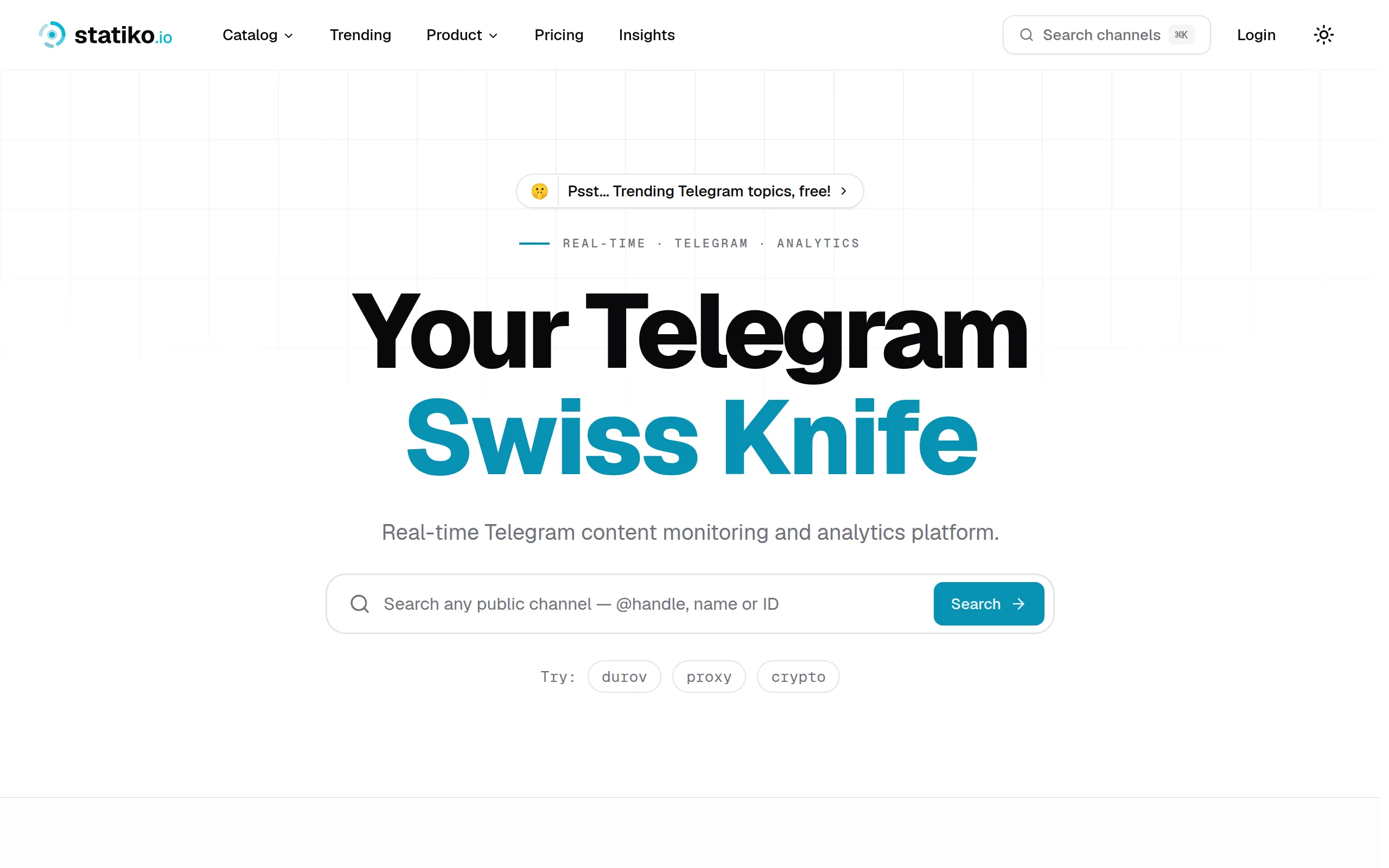
Statiko
Monitor any Telegram channel in real time - track posts, edits, deletions, and growth with AI recaps 📡

Shibui
AI website builder - describe your business, pick a niche template, edit by chatting, and publish instantly ✨

Pro Service
Find verified home service professionals, compare quotes, and pay securely through escrow - built for Brazilians across the US 🏠
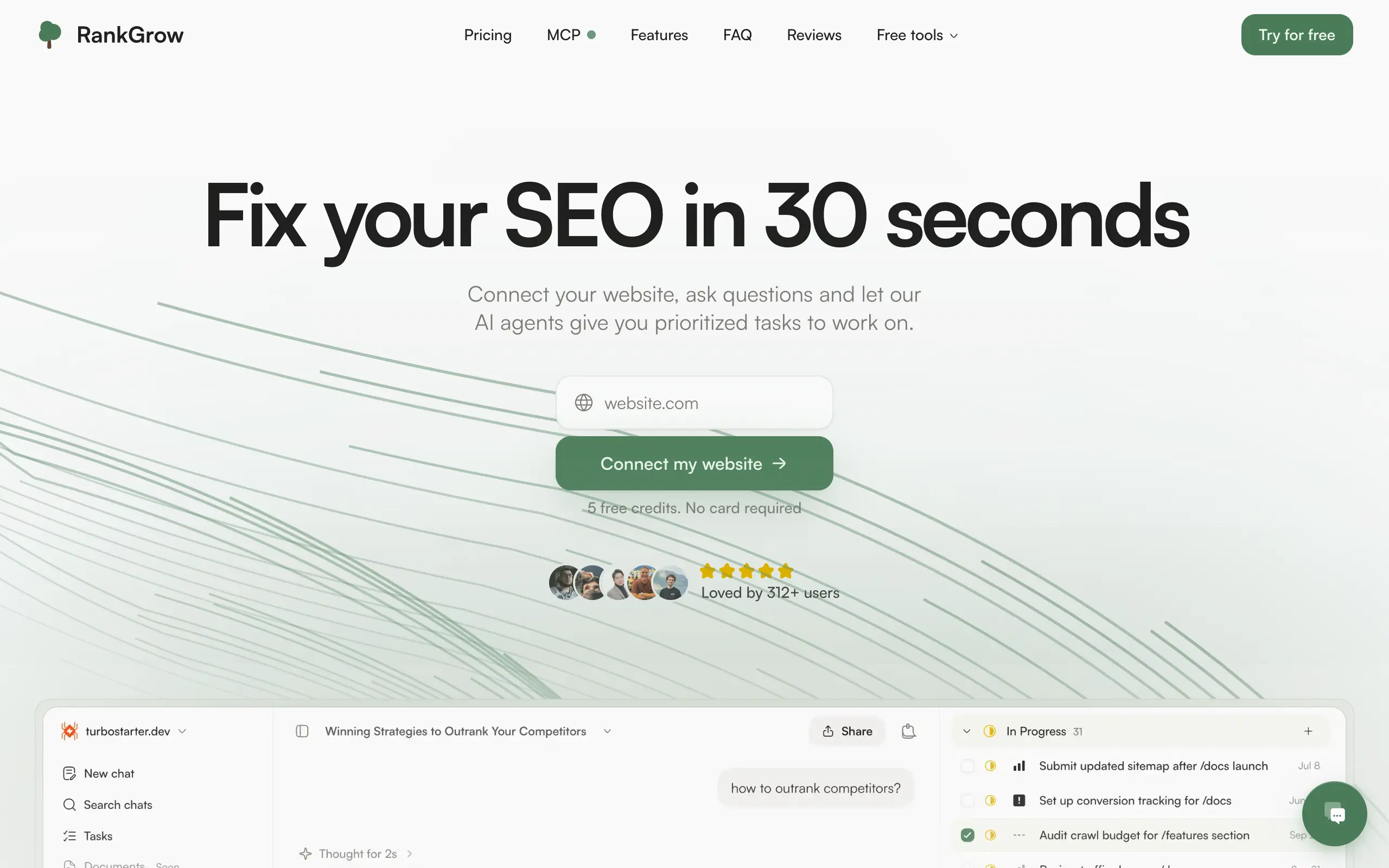
RankGrow
Fix your SEO with AI agents - connect Search Console, get prioritized tasks, and grow organic traffic 📈
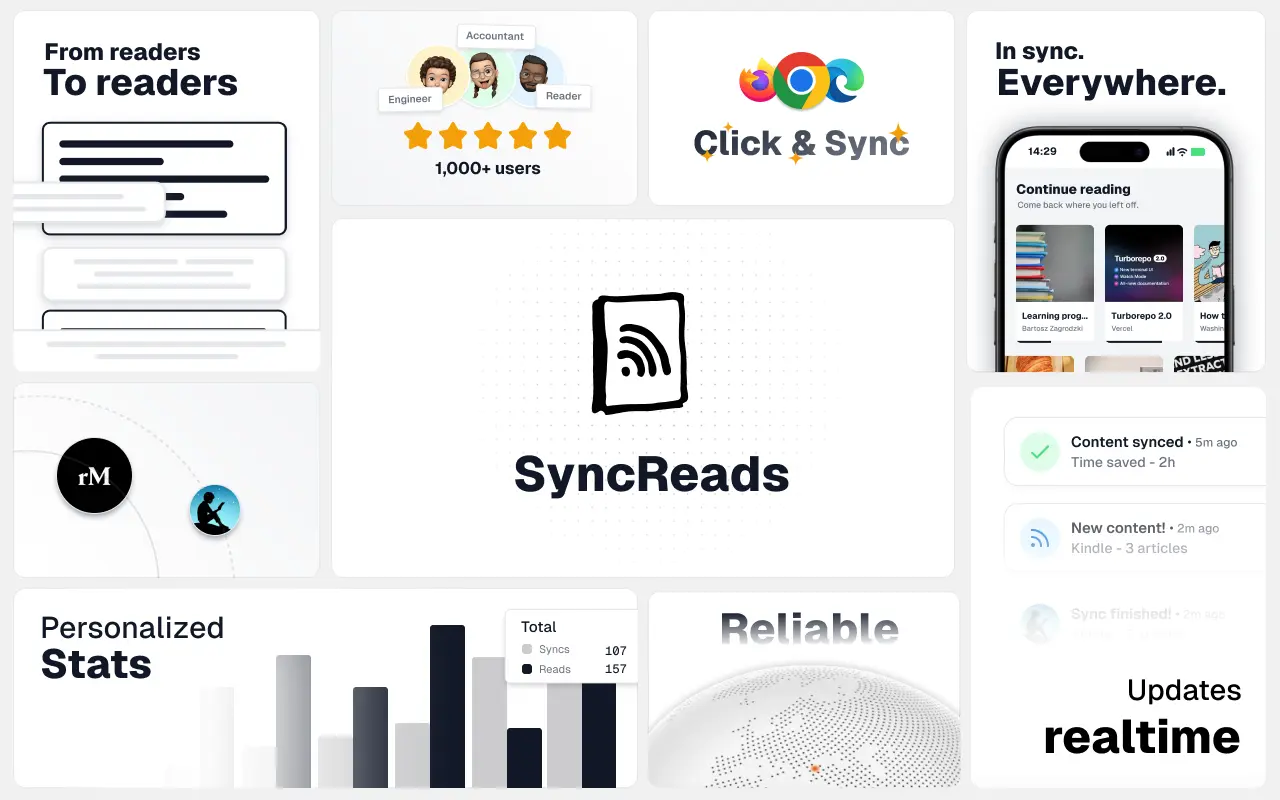
SyncReads
Sync your favorite content for distraction-free reading, save time and replace multiple apps. Anytime, anywhere 🔄
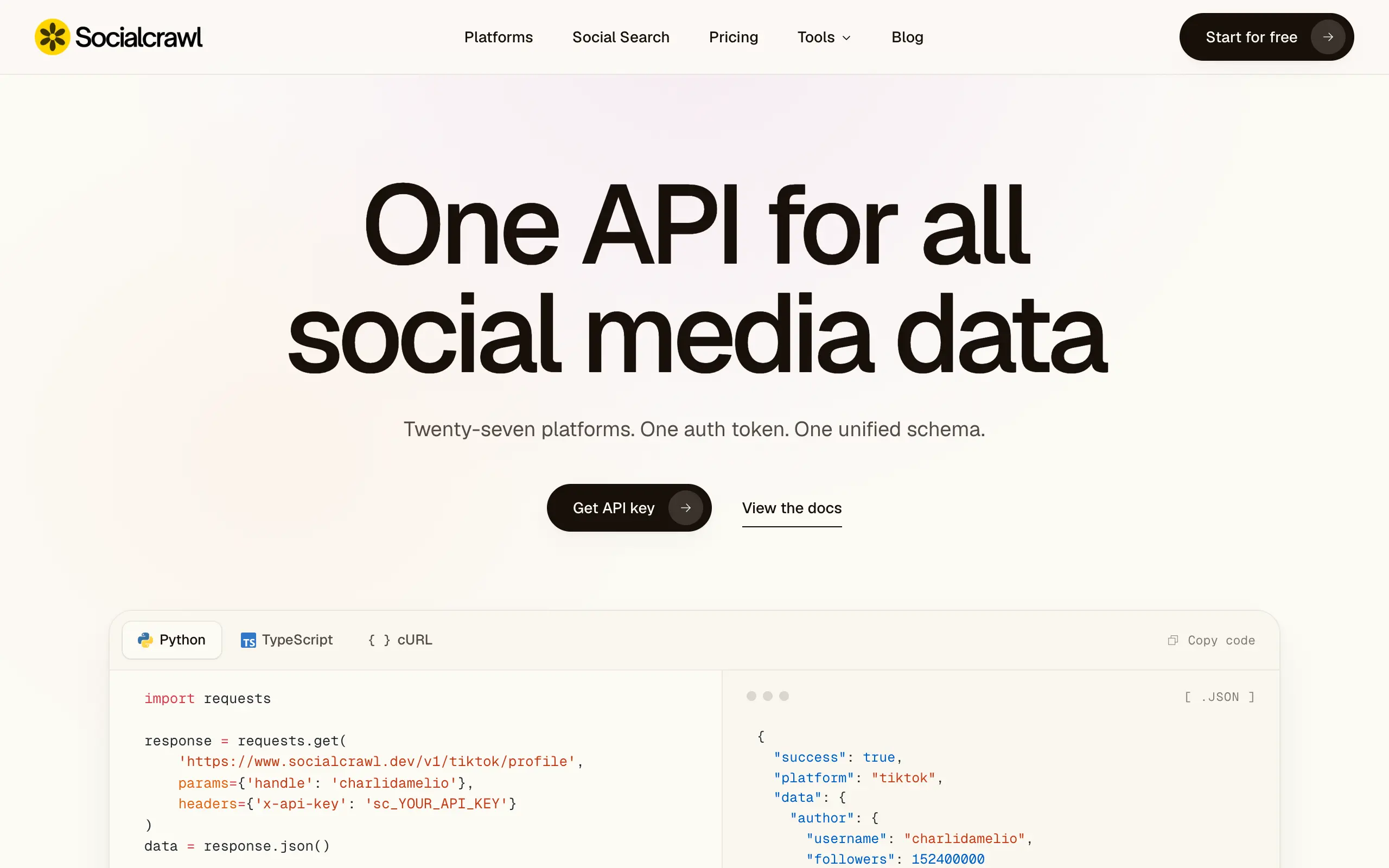
Socialcrawl
Get clean, structured data from 21 platforms like TikTok, Instagram, and YouTube with a single request 📊
Statiko
Monitor any Telegram channel in real time - track posts, edits, deletions, and growth with AI recaps 📡
Shibui
AI website builder - describe your business, pick a niche template, edit by chatting, and publish instantly ✨
Pro Service
Find verified home service professionals, compare quotes, and pay securely through escrow - built for Brazilians across the US 🏠
RankGrow
Fix your SEO with AI agents - connect Search Console, get prioritized tasks, and grow organic traffic 📈
SyncReads
Sync your favorite content for distraction-free reading, save time and replace multiple apps. Anytime, anywhere 🔄
Socialcrawl
Get clean, structured data from 21 platforms like TikTok, Instagram, and YouTube with a single request 📊
Statiko
Monitor any Telegram channel in real time - track posts, edits, deletions, and growth with AI recaps 📡
Shibui
AI website builder - describe your business, pick a niche template, edit by chatting, and publish instantly ✨
Pro Service
Find verified home service professionals, compare quotes, and pay securely through escrow - built for Brazilians across the US 🏠
RankGrow
Fix your SEO with AI agents - connect Search Console, get prioritized tasks, and grow organic traffic 📈
SyncReads
Sync your favorite content for distraction-free reading, save time and replace multiple apps. Anytime, anywhere 🔄
Socialcrawl
Get clean, structured data from 21 platforms like TikTok, Instagram, and YouTube with a single request 📊
Statiko
Monitor any Telegram channel in real time - track posts, edits, deletions, and growth with AI recaps 📡
Shibui
AI website builder - describe your business, pick a niche template, edit by chatting, and publish instantly ✨
Pro Service
Find verified home service professionals, compare quotes, and pay securely through escrow - built for Brazilians across the US 🏠
RankGrow
Fix your SEO with AI agents - connect Search Console, get prioritized tasks, and grow organic traffic 📈
SyncReads
Sync your favorite content for distraction-free reading, save time and replace multiple apps. Anytime, anywhere 🔄
Socialcrawl
Get clean, structured data from 21 platforms like TikTok, Instagram, and YouTube with a single request 📊
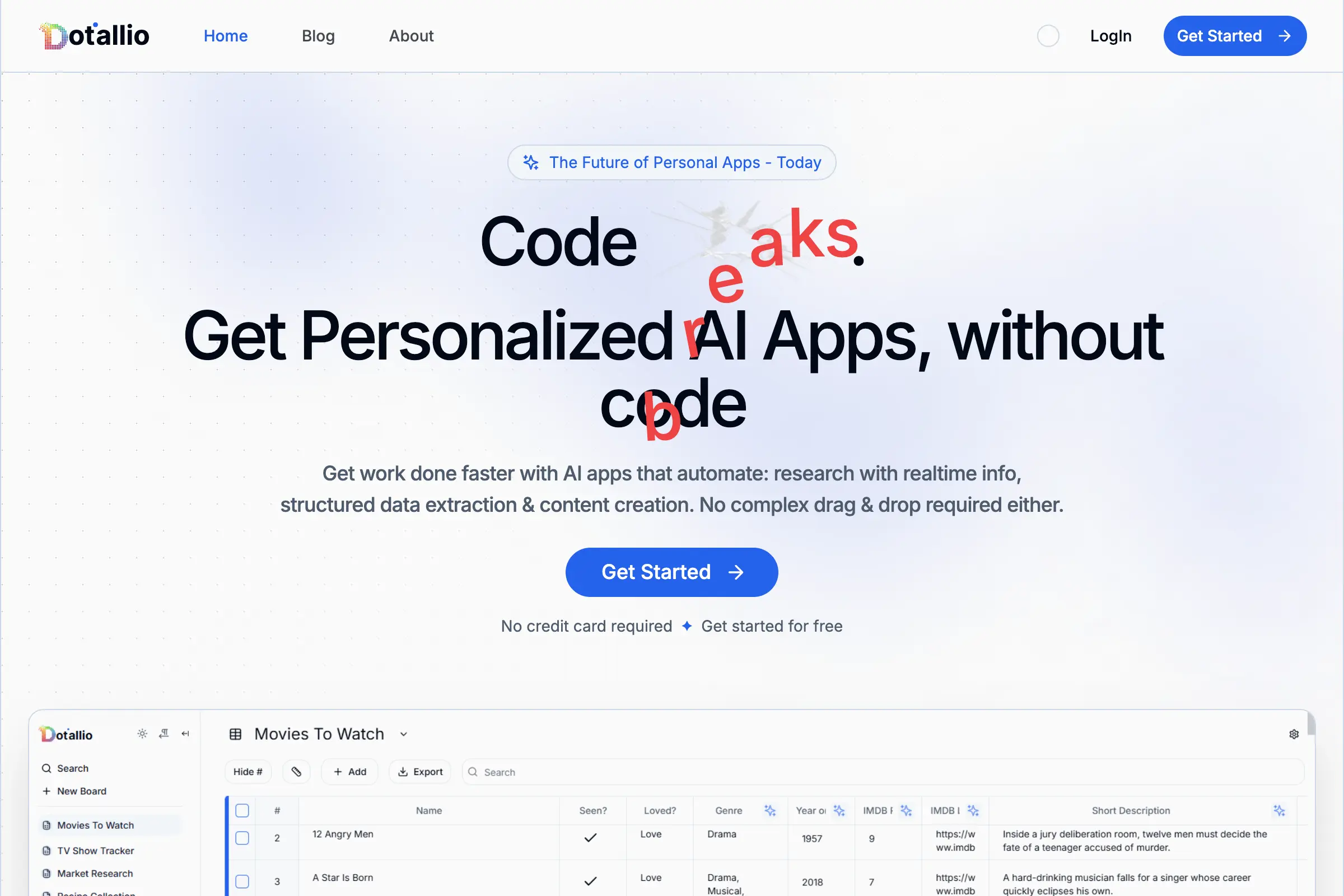
Dotallio
Personalized AI apps that automate research, data extraction, and content creation without code 🤖

Talk to Santa
Enjoy a magical live video chat or receive a unique AI-generated video greeting from Santa Claus 🎅

pozywka.pl
Scalable blog for food journalist, focused on performance and user experience 🌭
zagrodzki.me
Personal blog and portfolio of Bart Zagrodzki, where he shares his knowledge and work 💼
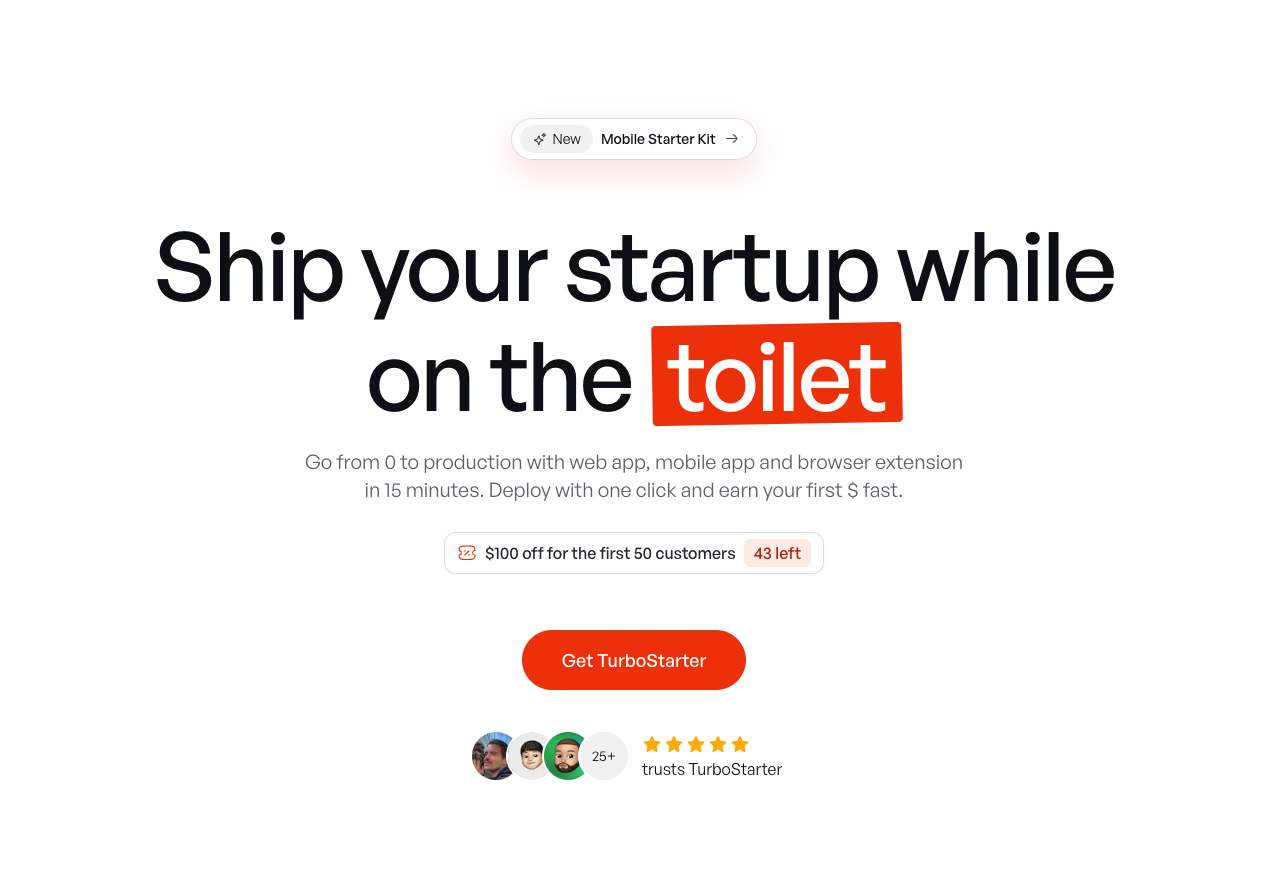
TurboStarter
Ship your startup everywhere. In minutes.
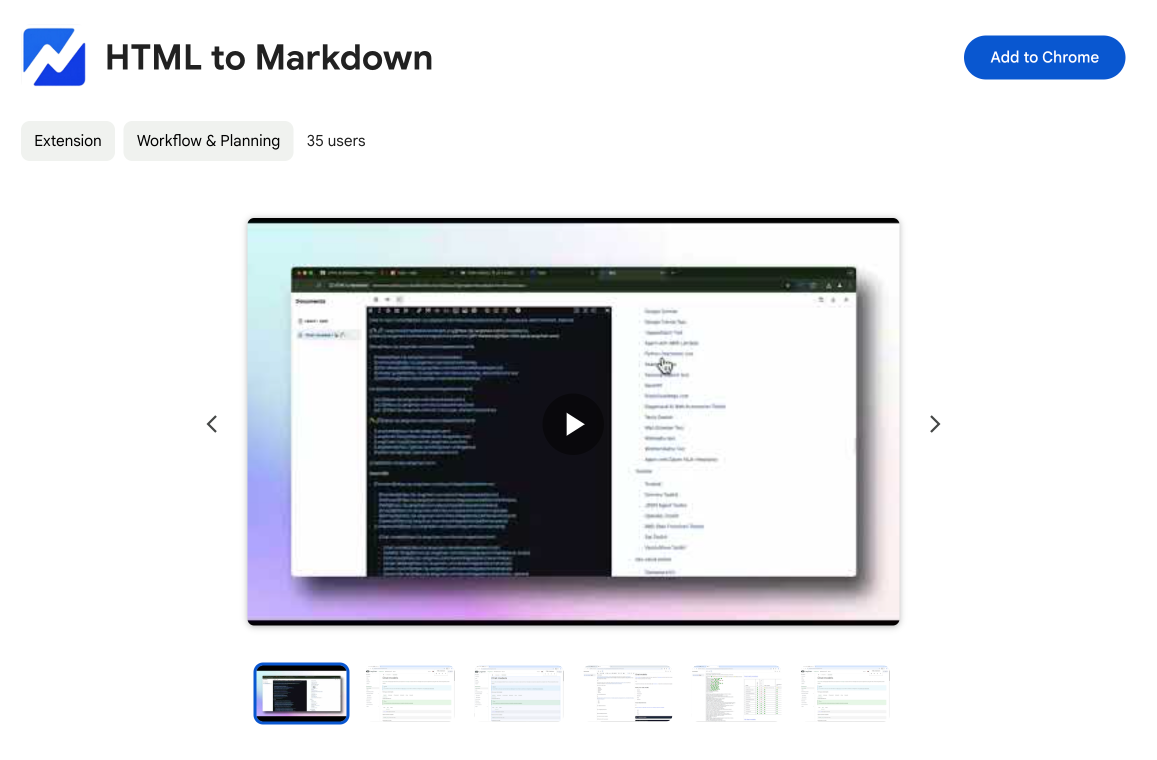
HTML to Markdown
Convert HTML to Markdown with ease, directly in your browser 📄
Dotallio
Personalized AI apps that automate research, data extraction, and content creation without code 🤖
Talk to Santa
Enjoy a magical live video chat or receive a unique AI-generated video greeting from Santa Claus 🎅
pozywka.pl
Scalable blog for food journalist, focused on performance and user experience 🌭
zagrodzki.me
Personal blog and portfolio of Bart Zagrodzki, where he shares his knowledge and work 💼
TurboStarter
Ship your startup everywhere. In minutes.
HTML to Markdown
Convert HTML to Markdown with ease, directly in your browser 📄
Dotallio
Personalized AI apps that automate research, data extraction, and content creation without code 🤖
Talk to Santa
Enjoy a magical live video chat or receive a unique AI-generated video greeting from Santa Claus 🎅
pozywka.pl
Scalable blog for food journalist, focused on performance and user experience 🌭
zagrodzki.me
Personal blog and portfolio of Bart Zagrodzki, where he shares his knowledge and work 💼
TurboStarter
Ship your startup everywhere. In minutes.
HTML to Markdown
Convert HTML to Markdown with ease, directly in your browser 📄
Dotallio
Personalized AI apps that automate research, data extraction, and content creation without code 🤖
Talk to Santa
Enjoy a magical live video chat or receive a unique AI-generated video greeting from Santa Claus 🎅
pozywka.pl
Scalable blog for food journalist, focused on performance and user experience 🌭
zagrodzki.me
Personal blog and portfolio of Bart Zagrodzki, where he shares his knowledge and work 💼
TurboStarter
Ship your startup everywhere. In minutes.
HTML to Markdown
Convert HTML to Markdown with ease, directly in your browser 📄
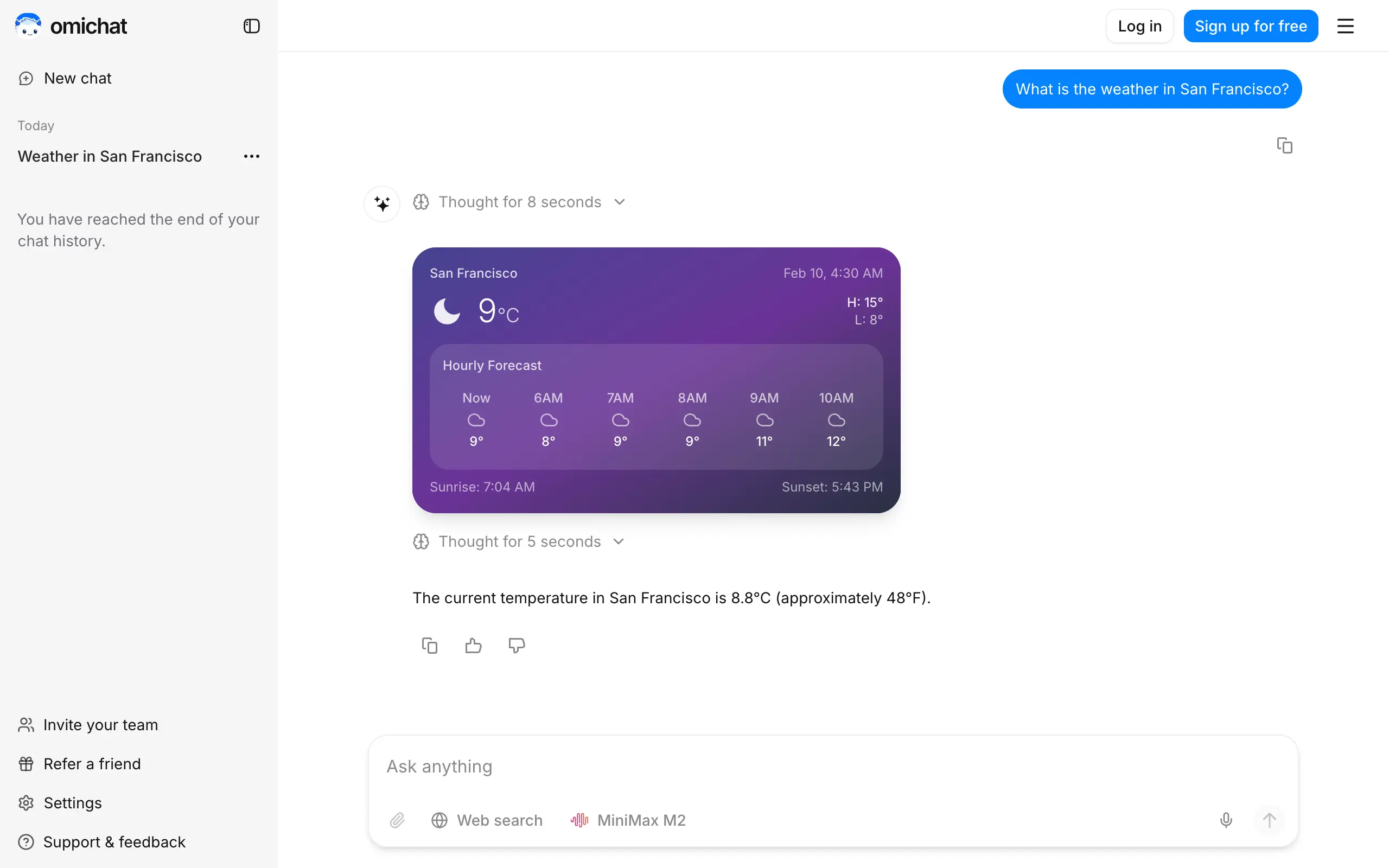
Omichat
Chat with 50+ AI models, including ChatGPT and Claude, in one place - switch models anytime without losing context 🤖
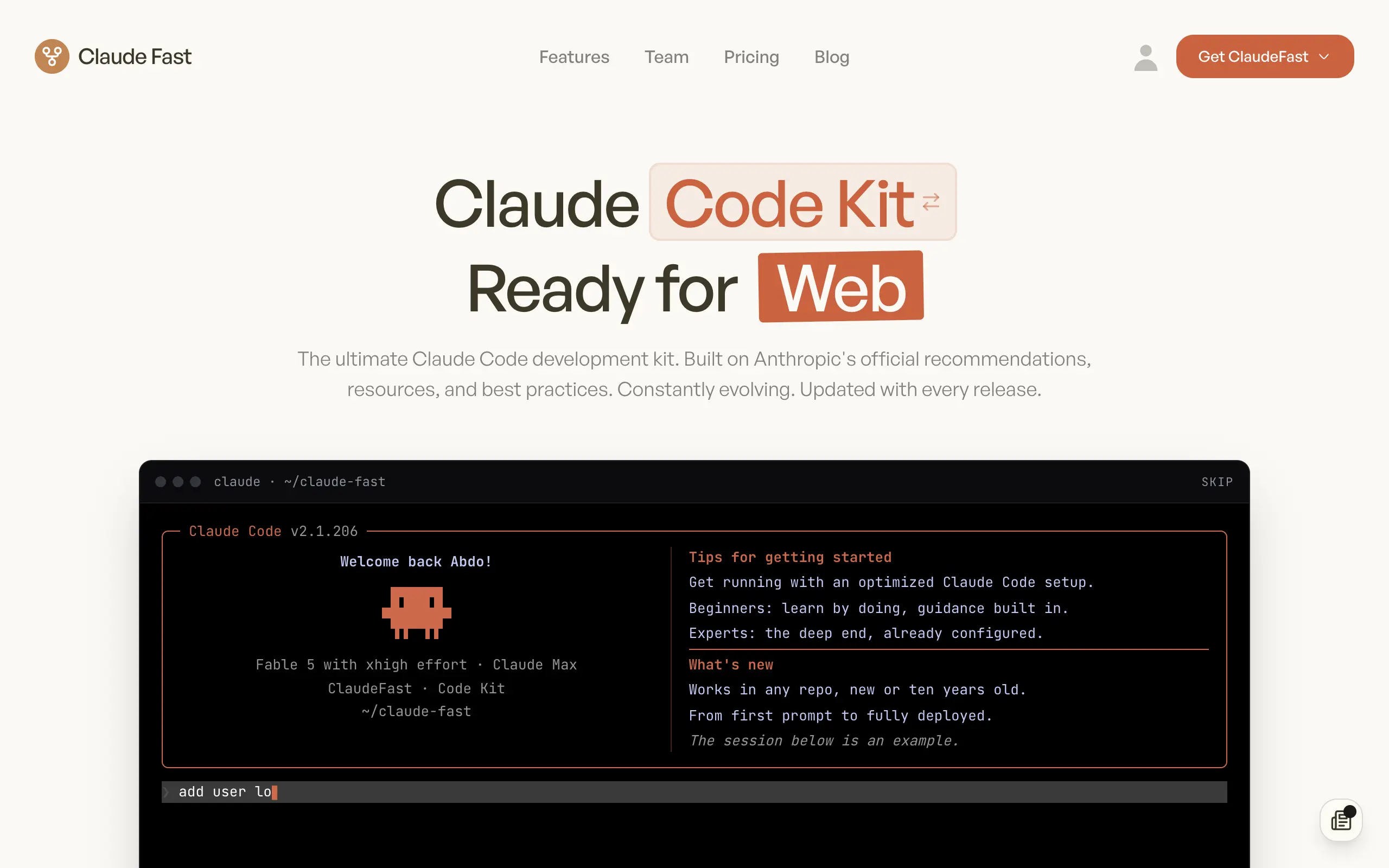
Claude Fast
Supercharge your Claude Code with 6x effective context window and specialized AI agents 🤖
EmojAI
AI-powered emoji picker with smart, context-aware suggestions 🤖
Solohacker
Autonomous company launcher - AI agents work 24/7, escalate what matters, and you stay in control 🤖
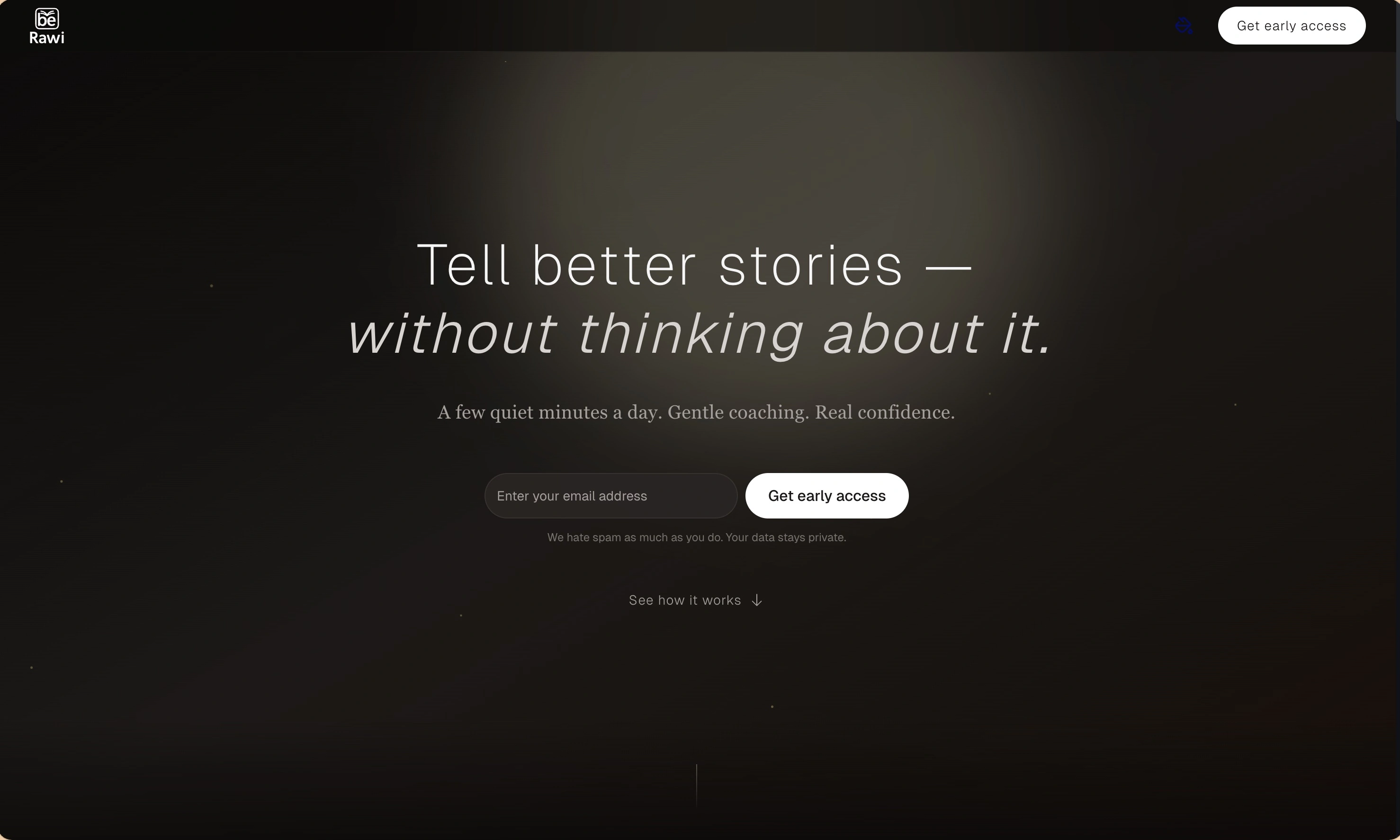
BeRawi: Storytelling Coach
Practice storytelling daily with instant feedback to sound clearer, more engaging, and confident 🎤
Omichat
Chat with 50+ AI models, including ChatGPT and Claude, in one place - switch models anytime without losing context 🤖
Claude Fast
Supercharge your Claude Code with 6x effective context window and specialized AI agents 🤖
EmojAI
AI-powered emoji picker with smart, context-aware suggestions 🤖
Solohacker
Autonomous company launcher - AI agents work 24/7, escalate what matters, and you stay in control 🤖
BeRawi: Storytelling Coach
Practice storytelling daily with instant feedback to sound clearer, more engaging, and confident 🎤
Omichat
Chat with 50+ AI models, including ChatGPT and Claude, in one place - switch models anytime without losing context 🤖
Claude Fast
Supercharge your Claude Code with 6x effective context window and specialized AI agents 🤖
EmojAI
AI-powered emoji picker with smart, context-aware suggestions 🤖
Solohacker
Autonomous company launcher - AI agents work 24/7, escalate what matters, and you stay in control 🤖
BeRawi: Storytelling Coach
Practice storytelling daily with instant feedback to sound clearer, more engaging, and confident 🎤
Omichat
Chat with 50+ AI models, including ChatGPT and Claude, in one place - switch models anytime without losing context 🤖
Claude Fast
Supercharge your Claude Code with 6x effective context window and specialized AI agents 🤖
EmojAI
AI-powered emoji picker with smart, context-aware suggestions 🤖
Solohacker
Autonomous company launcher - AI agents work 24/7, escalate what matters, and you stay in control 🤖
BeRawi: Storytelling Coach
Practice storytelling daily with instant feedback to sound clearer, more engaging, and confident 🎤

Connect with like-minded people
Join our community to get feedback, support, and grow together with 1,000+ builders on board, let's ship it!
Join usShip your startup everywhere. In minutes.
Don't burn tokens on setup and start building features on day one.