SabbathOps
Workforce planning for support teams that balances SLA coverage with religious observances, caregiving, and personal constraints. Build fair schedules without spreadsheets.
Why workforce planning for support teams needs a constraint-aware approach
Support scheduling is often treated as a simple staffing exercise. A manager forecasts ticket volume, assigns shifts, watches service-level agreements, and fills the remaining gaps with overtime or on-call coverage.
That approach breaks down when a support organization serves people with real, non-negotiable constraints.
Team members may observe a weekly Sabbath, religious holidays, prayer windows, fasting periods, caregiving responsibilities, medical appointments, school pickups, or recurring personal commitments. These are not interchangeable availability preferences. For many employees, they are fixed boundaries that should not require repeated explanation, negotiation, or uncomfortable disclosure to every new manager.
SabbathOps is a B2B workforce planning platform for support teams that need to balance SLA coverage with religious observances, caregiving, and personal constraints. Instead of building schedules in spreadsheets and resolving conflicts manually, operations leaders can model coverage requirements, protect employee boundaries, distribute undesirable shifts fairly, and make scheduling decisions that are explainable.
The opportunity is especially relevant for modern customer support organizations because teams are increasingly:
- Distributed across time zones
- Expected to offer longer support hours
- Measured tightly against SLA and customer satisfaction targets
- Composed of employees with varied cultural, family, and religious needs
- Operating with lean staffing models that leave little room for manual coordination
SabbathOps does not position inclusion as separate from operational rigor. Its central value proposition is that fair scheduling and reliable coverage can be designed together.
The core positioning
SabbathOps helps support leaders build schedules that protect non-negotiable employee constraints while maintaining transparent, measurable SLA coverage.
The target audience for SabbathOps
The ideal SabbathOps customer is not every business that creates shifts. The strongest initial market is support-heavy organizations where coverage quality is business-critical, schedules change frequently, and spreadsheets have become a source of risk.
Primary buyers in support operations
The economic buyer is typically responsible for operational outcomes, staffing costs, team retention, or customer experience.
Key buyer profiles include:
- "Head of customer support" who owns response-time performance, customer satisfaction, escalations, and staffing decisions
- "Support operations manager" who maintains schedules, forecasts queues, manages workforce processes, and reports on team capacity
- "Director of customer experience" who needs consistent service delivery across regions and channels
- "Workforce management lead" who wants stronger scheduling capabilities without implementing an enterprise contact-center suite
- "People operations leader" who is responsible for fair workplace practices, employee accommodation processes, and retention
- "Founder or COO" at a growing SaaS company where support planning is still managed manually
The end users are usually support managers, team leads, workforce analysts, and individual agents. A successful product must work for all four groups.
Managers need a schedule that can be published quickly. Analysts need accurate coverage modeling. Agents need trust that their constraints will be respected. Executives need confidence that the team can hit service commitments without unnecessary payroll expense.
Best early customer segments
SabbathOps should begin with organizations where inclusive scheduling is both a real pain point and a visible operational priority.
Global SaaS support teams
Teams covering customers across North America, Europe, Asia-Pacific, and the Middle East need reliable handoffs while respecting local observances and time zones.
Mission-driven organizations
Nonprofits, education platforms, healthcare-adjacent businesses, and community-focused companies may have an explicit commitment to equitable workplace practices.
Retail and marketplace support
High-volume seasonal support teams need flexible schedules, weekend coverage, and repeatable rules for availability and fairness.
Managed service providers
MSPs often provide extended-hours coverage with small teams, making every constraint and on-call rotation operationally significant.
A practical initial customer profile is a support team with 20 to 250 agents, multiple shifts, meaningful weekend or evening coverage requirements, and a current workflow based on spreadsheets, chat messages, calendar events, or lightweight scheduling tools.
Very small teams may solve the problem informally. Very large contact centers may already use sophisticated workforce management software, although they can still become an enterprise expansion market if SabbathOps offers a differentiated constraint and fairness layer.
Jobs customers hire SabbathOps to do
The product should be designed around practical jobs, not vague aspirations.
Support leaders want to:
- Build a weekly or monthly schedule that meets forecasted coverage needs.
- Honor protected availability without maintaining private notes across spreadsheets.
- Avoid assigning the same people to every unpopular shift.
- Explain why a person was assigned or not assigned to a shift.
- Respond quickly when someone calls out, takes leave, or changes availability.
- Report whether schedules are fair, adequately staffed, and aligned with SLA goals.
- Reduce the emotional labor associated with repeatedly negotiating personal boundaries.
The most compelling messaging should connect these jobs to measurable business outcomes such as reduced schedule creation time, fewer coverage gaps, lower unplanned overtime, stronger employee retention, and more predictable support performance.
The market gap in inclusive workforce planning
Most scheduling tools optimize for time slots, labor rules, and availability. Many are useful, but they are not designed around the nuanced distinction between a preference and a protected constraint.
A support agent who prefers not to work Friday evenings is different from an agent who cannot work from sundown Friday to sundown Saturday due to religious observance. A parent who needs a fixed childcare pickup window is different from someone who would simply rather start later. Treating every limitation as a generic preference can create inequitable outcomes and force managers into manual exceptions.
Why spreadsheets fail as the support scheduling system
Spreadsheets remain common because they are cheap, flexible, and familiar. They are also fragile once staffing decisions involve many people, recurring constraints, changing coverage needs, and fairness expectations.
Common spreadsheet problems include:
- "Hidden business logic" where only one manager understands color codes, formulas, exceptions, and unofficial policies
- "Privacy risk" where sensitive reasons for unavailability are visible to people who do not need access
- "Version confusion" when a schedule is revised through email, chat, and multiple files
- "Inconsistent fairness" when undesirable shifts are assigned based on memory rather than a shared policy
- "Poor what-if planning" when managers cannot easily see the impact of adding a shift, approving leave, or changing an SLA target
- "Weak auditability" when it is difficult to explain how accommodation requests were handled
- "Manual rework" when one absence requires a manager to rebuild an entire schedule
The market gap is not merely “better scheduling software.” It is a need for constraint-aware workforce planning that treats employee boundaries as first-class inputs while still optimizing coverage.
The differentiated opportunity for SabbathOps
SabbathOps can own a clear category position:
Workforce planning for support teams that need to meet service commitments without asking employees to compromise religious observance, caregiving, or essential personal constraints.
This is stronger than a generic employee scheduling claim because it focuses on a difficult, meaningful operational problem.
The product should avoid suggesting that it makes legal determinations or replaces an employer's accommodation process. Instead, it provides a structured system that helps organizations apply their policies consistently, document planning decisions, and create schedules with less bias and less administrative burden.
Important product boundary
SabbathOps should support fair scheduling processes, but it should not present automated decisions as legal, HR, or religious guidance. Customers should be able to configure their own policies and seek qualified counsel for jurisdiction-specific employment obligations.
Core SabbathOps features and solution design
A compelling minimum viable product should focus on the workflow that begins with coverage demand and ends with a published, explainable schedule.
The product does not need every advanced workforce management feature on day one. It needs to solve the hardest planning decisions better than a spreadsheet.
Constraint profiles that preserve employee dignity
Each team member needs a private, structured availability profile.
Rather than asking employees to disclose unnecessary details, SabbathOps should let them choose broad constraint categories such as:
- "Religious observance" for recurring periods when work is unavailable
- "Caregiving commitment" for fixed family or dependent-care windows
- "Medical or wellness commitment" for recurring protected appointments
- "Personal availability" for non-sensitive availability preferences
- "Work authorization or labor rule" for policy-based limitations such as maximum weekly hours
The data model should distinguish between several scheduling concepts:
| Constraint type | Scheduling meaning | Who can view it | Example | Planner behavior |
|---|---|---|---|---|
| Hard constraint | Cannot be scheduled | Authorized manager or HR role | Weekly Sabbath window | Exclude from assignment |
| Soft preference | Can be scheduled if needed | Support manager | Prefers early shifts | Use only after stronger options |
| Capacity rule | Limits workload | Operations and manager roles | Maximum four shifts weekly | Prevent over-assignment |
| Fairness rule | Guides equitable distribution | Operations and manager roles | Rotate weekend shifts | Balance over planning periods |
This distinction is central to the SabbathOps user experience. A scheduling engine cannot make fair decisions when every input is flattened into a single availability field.
Coverage planning tied to support SLAs
Support teams do not need equal staffing at every hour. They need the right skill coverage at the right time.
SabbathOps should let managers define coverage targets by:
- Support channel such as email, live chat, phone, social, or technical escalation
- Time zone and business hour window
- Ticket volume forecast
- Service-level objective
- Required skills, languages, product expertise, or escalation authority
- Minimum and preferred staffing levels
- Shift type such as regular, weekend, overnight, holiday, or on-call
For an early version, teams can manually set required headcount for each interval. Later versions can ingest historical data from help desk platforms and forecast staffing needs.
A useful coverage score can show planners whether each scheduling interval is:
- Fully covered
- Understaffed
- Overstaffed
- Covered only by agents without the preferred skill mix
- At risk due to a concentration of on-call or overtime assignments
The product should not promise that staffing headcount automatically guarantees SLA performance. Ticket complexity, backlog, channel mix, and agent productivity matter. However, transparent coverage modeling is still a much better planning foundation than intuition.
Fairness-aware schedule generation
The schedule generator is the signature SabbathOps capability. It should assign available employees to shifts while scoring multiple objectives.
A basic optimization model can consider:
- Hard availability constraints
- Required staffing levels
- Agent skills and language requirements
- Maximum weekly hours
- Minimum rest between shifts
- Existing approved leave
- Overtime avoidance
- Historical distribution of weekends, evenings, holidays, and on-call work
- Employee preferences where coverage permits
- Team-defined fairness weights
The key is not to hide the logic behind a black box. Managers need to understand why the product recommends a schedule.
For each suggested assignment, SabbathOps should be able to say something similar to:
Assigned because the agent is qualified for the queue, available for the shift, below their weekly hour target, and has worked fewer weekend shifts than comparable team members during the current fairness period.
For each unresolved gap, it should provide actionable options:
- Offer the shift to qualified available employees
- Allow voluntary shift swaps
- Approve limited overtime
- Reduce non-essential coverage requirements
- Bring in an on-call resource
- Escalate to a manager for manual decision
Shift swaps and voluntary coverage
A fair scheduling platform should not eliminate flexibility. It should make flexibility safer and more transparent.
A swap marketplace can allow eligible employees to:
- Offer an assigned shift.
- View only shifts they are qualified and eligible to take.
- Request a swap or volunteer for an open shift.
- Trigger automatic validation against hours, rest, skills, and protected constraints.
- Route exceptions to a manager for approval.
This is valuable because coverage changes are inevitable. The difference between a resilient operation and a chaotic one is whether exceptions can be handled without exposing private information or rebuilding the schedule from scratch.
Explainable fairness reporting
Fairness needs to be measurable, but it should not be reduced to one opaque number.
SabbathOps should offer reporting across a defined period, such as four weeks or one quarter, including:
- Total scheduled hours by employee
- Weekend, evening, overnight, holiday, and on-call assignments
- Overtime distribution
- Requested versus granted preferences
- Constraint-respecting schedule rate
- Shift swap approval and rejection patterns
- Coverage gaps by day, queue, and skill
- Schedule changes after publication
- Manager overrides and their stated reasons
A fairness dashboard should compare people only within relevant cohorts. For example, a multilingual escalation specialist may have a different workload profile than a generalist email support agent. The product should make those differences visible rather than implying all roles can be compared identically.
Permissions, privacy, and auditability
Scheduling data can reveal sensitive details about employees. Privacy should be part of the architecture, not an afterthought.
Recommended permission principles include:
- Employees can manage their own constraint profile.
- Direct managers see only what they need to schedule effectively.
- Sensitive reasons remain optional and restricted.
- Administrators can configure whether managers see a category, a time block, or both.
- Audit logs track who changed constraints, shifts, approvals, and policies.
- Exports can exclude sensitive data by default.
This approach supports trust. Employees are more likely to provide accurate availability when they know they are not required to disclose more than necessary.
Building the SabbathOps scheduling engine
The technical challenge is not displaying a calendar. It is creating a reliable decision system that handles competing constraints without becoming impossible to configure.
A practical optimization approach
The first version of SabbathOps can combine deterministic rules with a weighted optimization objective.
Hard constraints should always be validated first. If an employee cannot work a particular period, the scheduling engine must not assign them to it.
After hard rules are satisfied, the engine can optimize a weighted score based on coverage, skill fit, fairness, preferences, workload balance, and cost.
A simplified conceptual scoring function might look like this:
type AssignmentScore = {
  coverageValue: number
  skillMatch: number
  fairnessImprovement: number
  preferenceAlignment: number
  overtimePenalty: number
  fatiguePenalty: number
}

export function scoreAssignment(score: AssignmentScore) {
  return (
    score.coverageValue * 10 +
    score.skillMatch * 6 +
    score.fairnessImprovement * 5 +
    score.preferenceAlignment * 2 -
    score.overtimePenalty * 8 -
    score.fatiguePenalty * 7
  )
}
This is not a complete optimization algorithm, but it illustrates an important product principle: priorities should be explicit and configurable.
A more advanced implementation may use a constraint solver or mixed-integer optimization workflow. Teams should be careful with solver complexity as schedule size grows. An exact solution may be unnecessary when a high-quality answer can be generated quickly and reviewed by a human manager.
Human review should remain in the loop
Scheduling is a high-impact workflow. Even a well-designed model can miss contextual knowledge, such as a newly trained agent, a customer launch, or an upcoming product incident.
SabbathOps should present recommendations, not silently enforce assignments. The manager experience should include:
- A draft schedule view
- Coverage and fairness warnings
- Clear explanations for recommendations
- Manual reassignment controls
- Override reason capture
- A final publishing step
- A notification workflow for affected employees
This makes the platform operationally useful while maintaining accountability.
No. The default product experience should collect only the information needed for planning. A team member may choose a broad category such as religious observance or caregiving, but they should not be required to provide personal details to receive a respected scheduling boundary.
Not necessarily. Fairness should account for role, skills, contracted hours, preferences, protected constraints, and past assignments. The goal is a transparent and policy-aligned distribution, not artificial uniformity.
No. SabbathOps can create consistent planning records and scheduling workflows, but organizations should maintain appropriate HR policies and obtain qualified legal guidance for their locations.
Recommended tech stack for a workforce planning SaaS
SabbathOps needs a stack that supports secure multi-tenant data, real-time collaborative scheduling, explainable optimization, and reliable notifications.
For a fast-moving B2B SaaS team, a TypeScript-centric architecture is a strong default.
Application and user interface
A practical frontend stack includes:
- Next.js for the application framework, server rendering, authenticated workflows, and API routes
- React for interactive scheduling interfaces
- TypeScript for safer domain modeling around shifts, constraints, and permissions
- Tailwind CSS for consistent interface development
- PostgreSQL for relational scheduling data, reporting queries, and transactional integrity
The schedule board is a core surface. It should prioritize fast scanning, keyboard accessibility, time-zone clarity, visible coverage gaps, and usable mobile review views. Do not optimize only for a visually impressive drag-and-drop calendar. Support managers need density, speed, and confidence.
Backend and data model
A relational database fits this problem because scheduling is deeply relational.
Core entities may include:
- Organization
- Team
- User
- Employee profile
- Role and skill
- Availability rule
- Constraint window
- Shift template
- Shift instance
- Assignment
- Coverage requirement
- Schedule version
- Swap request
- Policy configuration
- Audit event
Every shift should retain a time zone and a normalized UTC representation. This is crucial for distributed teams and daylight-saving transitions.
The system should also version schedules. If a manager changes Wednesday coverage after publication, SabbathOps must preserve the original schedule, record the change, notify affected people, and allow reporting on schedule volatility.
Optimization service trade-offs
There are two sensible implementation paths.
Begin with rule validation plus greedy assignment heuristics. This path is faster to ship, easier to debug, and often sufficient for teams with limited schedule complexity. It works well when managers expect to make final adjustments manually.
Use a dedicated optimization service when customers need to evaluate thousands of possible assignment combinations. A Python service can be attractive because of its optimization ecosystem, while the product application remains TypeScript. The trade-off is greater operational complexity and a more demanding testing burden.
An early-stage team should not overbuild a mathematically perfect scheduler before validating which fairness rules customers actually value. The winning product is likely to be the one that makes trade-offs visible, configurable, and trustworthy.
Authentication, billing, and integrations
B2B customers will expect secure access controls and increasingly require single sign-on as they scale.
Recommended capabilities include:
- Role-based access control for employees, managers, operations admins, and HR-adjacent reviewers
- SAML or OpenID Connect SSO for larger accounts
- SCIM provisioning as an enterprise roadmap item
- Secure audit logging
- Data retention controls
- CSV import and export in the earliest release
- Help desk integrations with platforms such as Zendesk, Intercom, Salesforce Service Cloud, or Freshdesk after the core workflow is validated
- Calendar and messaging notifications through email, Slack, or Microsoft Teams
For implementation speed, a production-ready SaaS foundation such as TurboStarter can reduce time spent rebuilding authentication, billing, organization management, and baseline application infrastructure.
Monetization strategy for SabbathOps
SabbathOps should use pricing that aligns with the operational value customers receive while remaining understandable to support leaders.
A per-seat model with planning tiers
A per-active-agent monthly model is intuitive because the scheduling value grows with the number of employees being planned.
Possible plan structure:
- "Starter" for small teams with manual coverage planning, availability profiles, schedule publishing, and basic swap workflows
- "Growth" for multi-team support organizations that need fairness analytics, advanced policies, integrations, and forecasting inputs
- "Enterprise" for SSO, SCIM, custom retention policies, advanced audit exports, dedicated implementation, and contractual security commitments
A minimum monthly platform fee can prevent very small accounts from becoming unprofitable. A usage component may be appropriate for advanced forecasting, optimization runs, or premium integrations, but it should not make routine schedule updates feel expensive.
Value-based pricing narrative
The sales conversation should not focus only on “cost per scheduler seat.” It should quantify operational impact.
Potential value levers include:
- Fewer manager hours spent building and revising schedules
- Reduced overtime caused by avoidable planning gaps
- Lower cost of schedule errors and missed coverage
- Improved retention among experienced support agents
- More predictable response-time performance
- Reduced employee relations friction around recurring availability conflicts
- Faster audit preparation when leaders need to understand scheduling decisions
Before publishing pricing claims, SabbathOps should collect customer evidence through design-partner interviews and pilot studies. Case studies should report the specific baseline, methodology, and time period rather than relying on broad unsupported claims.
Competitive advantage and positioning
The workforce management market includes generic employee scheduling tools, enterprise contact-center workforce management platforms, and spreadsheet-based internal processes.
SabbathOps can compete by being purpose-built for a specific intersection: support operations, protected constraints, and explainable fairness.
How SabbathOps differs from generic scheduling software
Generic shift scheduling products often excel at availability collection, shift assignment, and time tracking. SabbathOps should go deeper on:
- Modeling hard constraints separately from preferences
- Limiting unnecessary disclosure of sensitive information
- Connecting coverage needs to customer support SLA planning
- Measuring the distribution of undesirable shifts over time
- Explaining scheduling recommendations and manager overrides
- Handling skills, queues, languages, and escalation roles
- Supporting equitable schedules across distributed teams
How SabbathOps differs from enterprise WFM suites
Enterprise workforce management systems can offer forecasting, intraday management, and deep contact-center integrations. They may also be costly, implementation-heavy, and optimized for large centralized operations.
SabbathOps can win in the mid-market by offering:
- Faster implementation
- A more approachable manager experience
- Purpose-built inclusive scheduling workflows
- Transparent policy configuration
- Strong support-team coverage modeling without the overhead of a full enterprise platform
- A modern API and integration strategy
The defensible advantage is not merely the algorithm. Scheduling logic can be copied. The deeper moat comes from a trusted data model, customer-specific fairness policies, historical assignment records, operational integrations, and an interface that helps managers make difficult decisions consistently.
Risks and mitigation strategies
SabbathOps operates in an area where poor product decisions can undermine employee trust. Risk management must be part of the company strategy.
Privacy and sensitive data risk
If employees believe the platform is collecting overly detailed information about religion, health, or family life, adoption will suffer.
Mitigation actions include:
- Collect the minimum information required for scheduling
- Make explanatory details optional
- Separate constraint category from private notes
- Use role-based access control
- Keep comprehensive audit logs
- Give organizations configurable retention policies
- Conduct security reviews before targeting enterprise accounts
Perceived unfairness from automation
An algorithmic schedule can feel arbitrary, even when it is technically valid.
Mitigation actions include:
- Show the reasoning behind recommendations
- Make policy weights visible to authorized managers
- Allow manager review and documented overrides
- Let employees see their own assignment history
- Use fairness reports that are understandable without data science expertise
- Test policies with real teams before automation becomes more autonomous
Incomplete coverage forecasts
If staffing requirements are wrong, an optimized schedule can still miss SLA targets.
Mitigation actions include:
- Begin with editable coverage requirements
- Clearly distinguish forecast confidence from confirmed demand
- Integrate historical support data over time
- Provide understaffing alerts rather than false certainty
- Let managers run scenario comparisons before publishing
Legal and policy variation
Employment and accommodation expectations vary by country, state, contract, and company policy.
Mitigation actions include:
- Position the product as configurable scheduling infrastructure
- Avoid universal legal claims
- Provide policy templates only with clear disclaimers
- Support customer-defined approval flows
- Work with employment counsel as the company expands into regulated markets
Integration complexity
Support teams use varied help desk, HRIS, communication, and calendar systems. Trying to integrate with everything too early can delay product-market fit.
Mitigation actions include:
- Launch with clean CSV imports and exports
- Build a stable API and webhook model
- Prioritize integrations based on design-partner demand
- Start with a small number of high-value support platforms
- Build integration health monitoring before expanding the catalog
An actionable implementation roadmap
The most effective way to build SabbathOps is to validate the workflow with real support teams before investing heavily in optimization sophistication.
Interview 20 to 30 support operations leaders and agents. Focus on their last difficult scheduling cycle, current spreadsheet process, recurring constraints, fairness concerns, and coverage failures.
Recruit three to five design partners with 20 to 250 support agents. Choose teams with meaningful schedule complexity and a willingness to share anonymized historical schedule data.
Build the minimum workflow. Include employee constraint profiles, coverage targets, shift templates, schedule drafts, manual assignment, basic validation, publishing, and audit history.
Add fairness reporting before advanced automation. Customers need to agree on what fair scheduling means in their environment before they trust an automated optimizer.
Introduce schedule recommendations with clear explanations. Keep managers in control and capture override reasons to improve the product model.
Add shift swaps, open-shift volunteering, notifications, and selected help desk integrations once the core planning workflow is used weekly.
Use pilot outcomes to refine packaging, security requirements, ROI messaging, and the roadmap for enterprise controls such as SSO and SCIM.
The initial product success metric should not be signups alone. Track whether teams actively publish schedules in SabbathOps, how much manual rework occurs after schedule generation, whether protected constraints are respected, how often coverage gaps remain unresolved, and whether managers report greater confidence in fairness.
Final perspective on the SabbathOps opportunity
SabbathOps addresses a real operational blind spot. Support organizations are under pressure to provide responsive, reliable service, but traditional workforce planning often assumes that employees are infinitely flexible inputs to be arranged around business demand.
That assumption creates burnout, inequity, fragile schedules, and unnecessary management overhead.
A constraint-aware support scheduling platform can create a better alternative. By combining SLA coverage planning, private availability controls, skill-aware assignment, fairness reporting, and explainable recommendations, SabbathOps can help companies treat employee boundaries as operational facts rather than inconvenient exceptions.
The strongest version of the product will not claim that software can eliminate difficult staffing trade-offs. Instead, it will make those trade-offs visible, consistent, and easier to resolve fairly. That is a credible, differentiated foundation for a modern B2B SaaS company in workforce planning.
More 🏢 B2B Application SaaS ideas
Discover more innovative b2b application SaaS ideas that are trending in 2026. Each idea is AI-generated with market validation and growth potential to help you find your next profitable venture faster than competitors.
Your competitors are building with TurboStarter
Below are some of the SaaS ideas that have been generated and built with our starter kit.
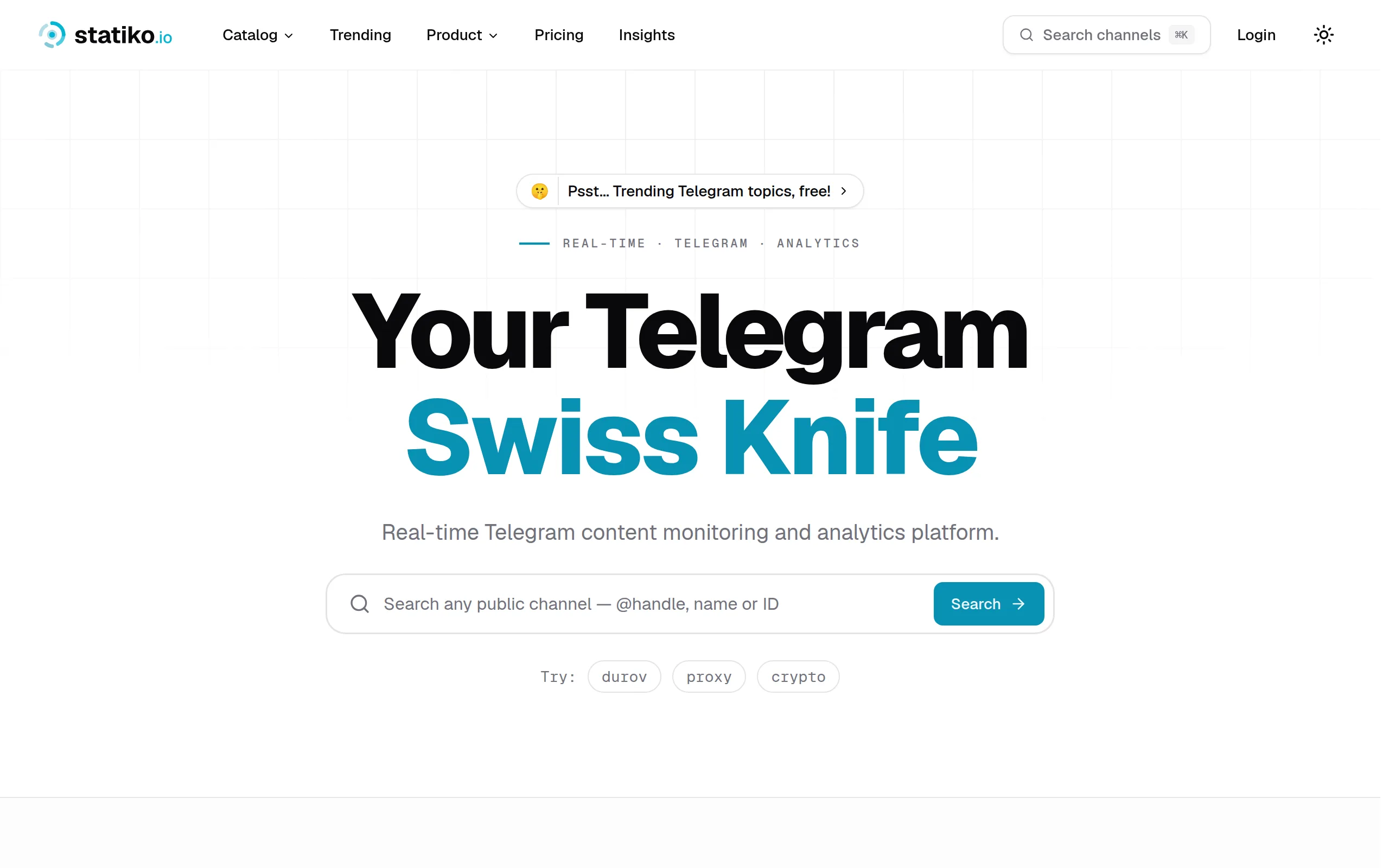
Statiko
Monitor any Telegram channel in real time - track posts, edits, deletions, and growth with AI recaps 📡

Shibui
AI website builder - describe your business, pick a niche template, edit by chatting, and publish instantly ✨

Pro Service
Find verified home service professionals, compare quotes, and pay securely through escrow - built for Brazilians across the US 🏠
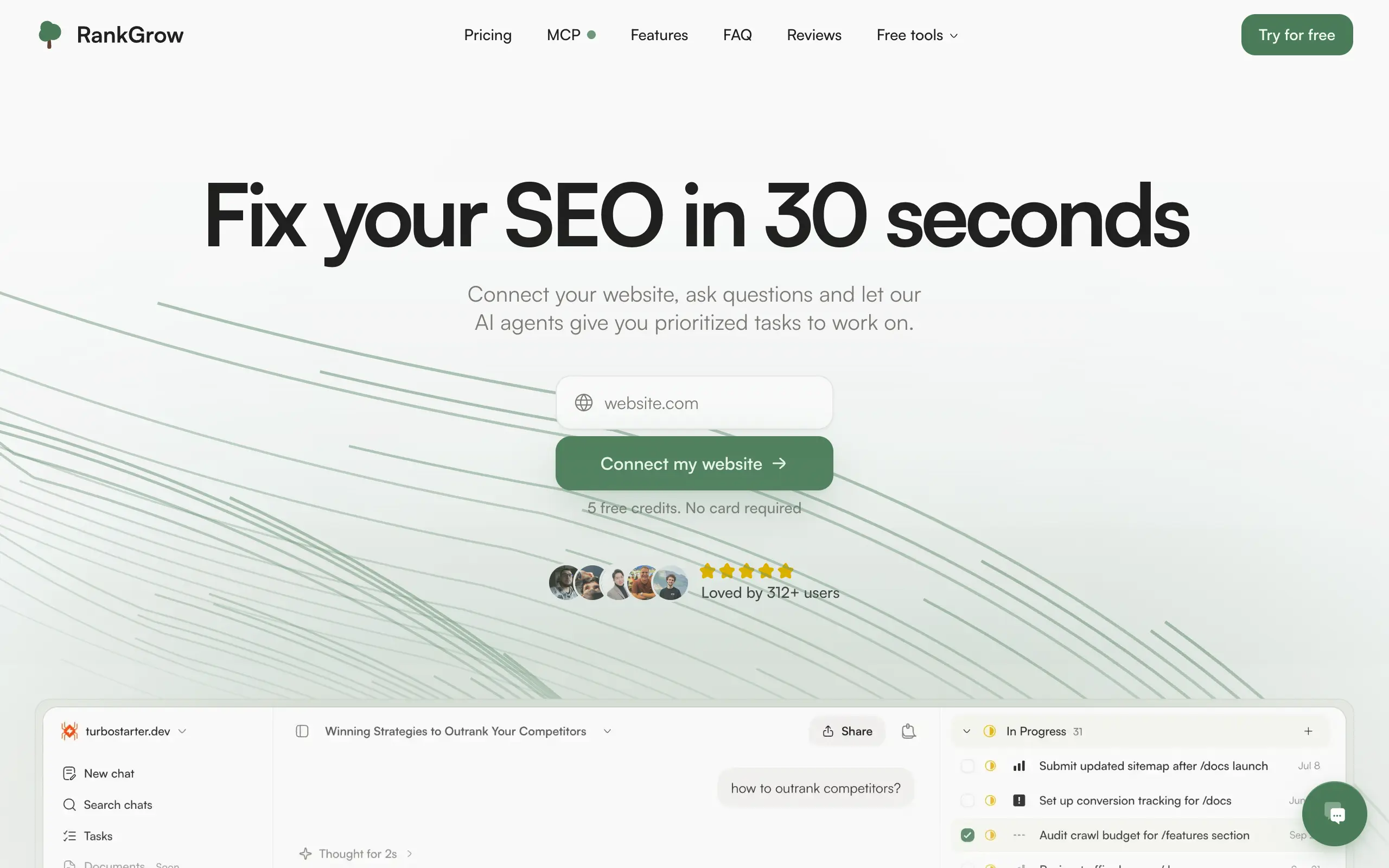
RankGrow
Fix your SEO with AI agents - connect Search Console, get prioritized tasks, and grow organic traffic 📈
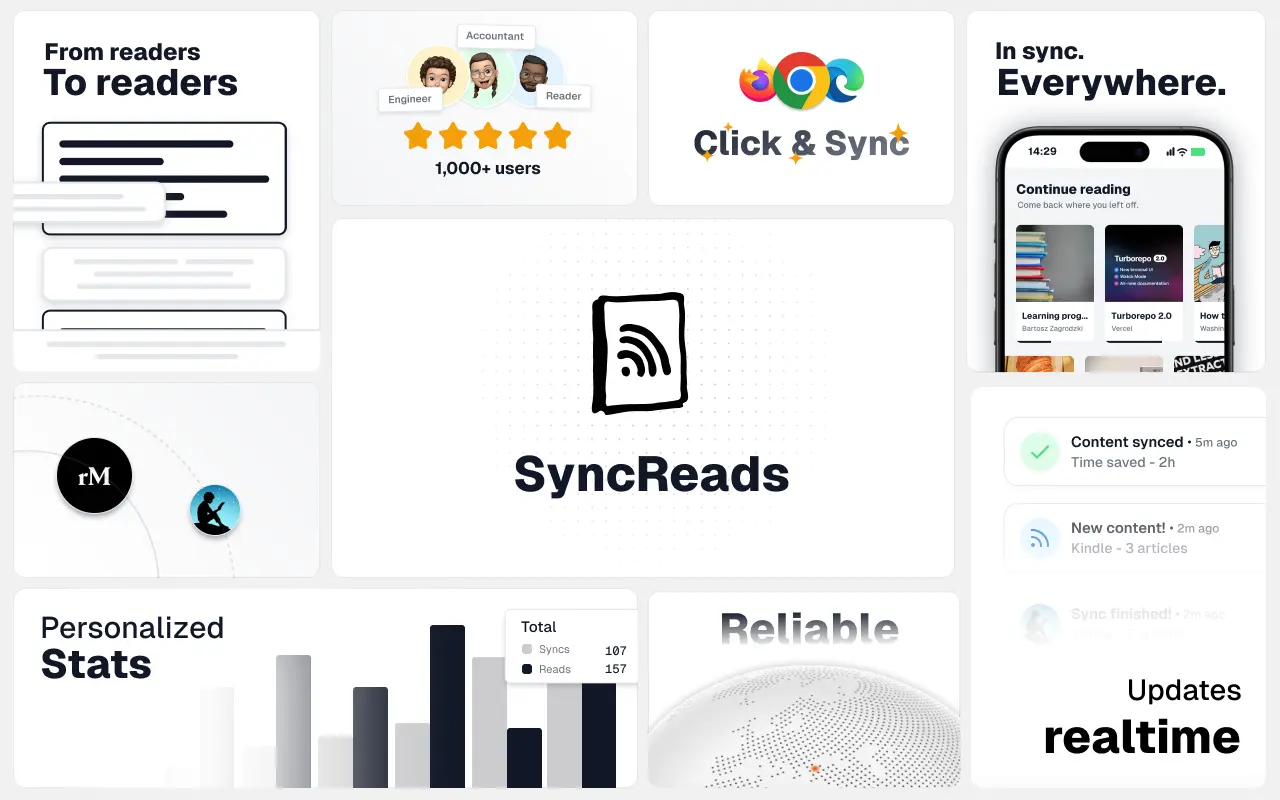
SyncReads
Sync your favorite content for distraction-free reading, save time and replace multiple apps. Anytime, anywhere 🔄
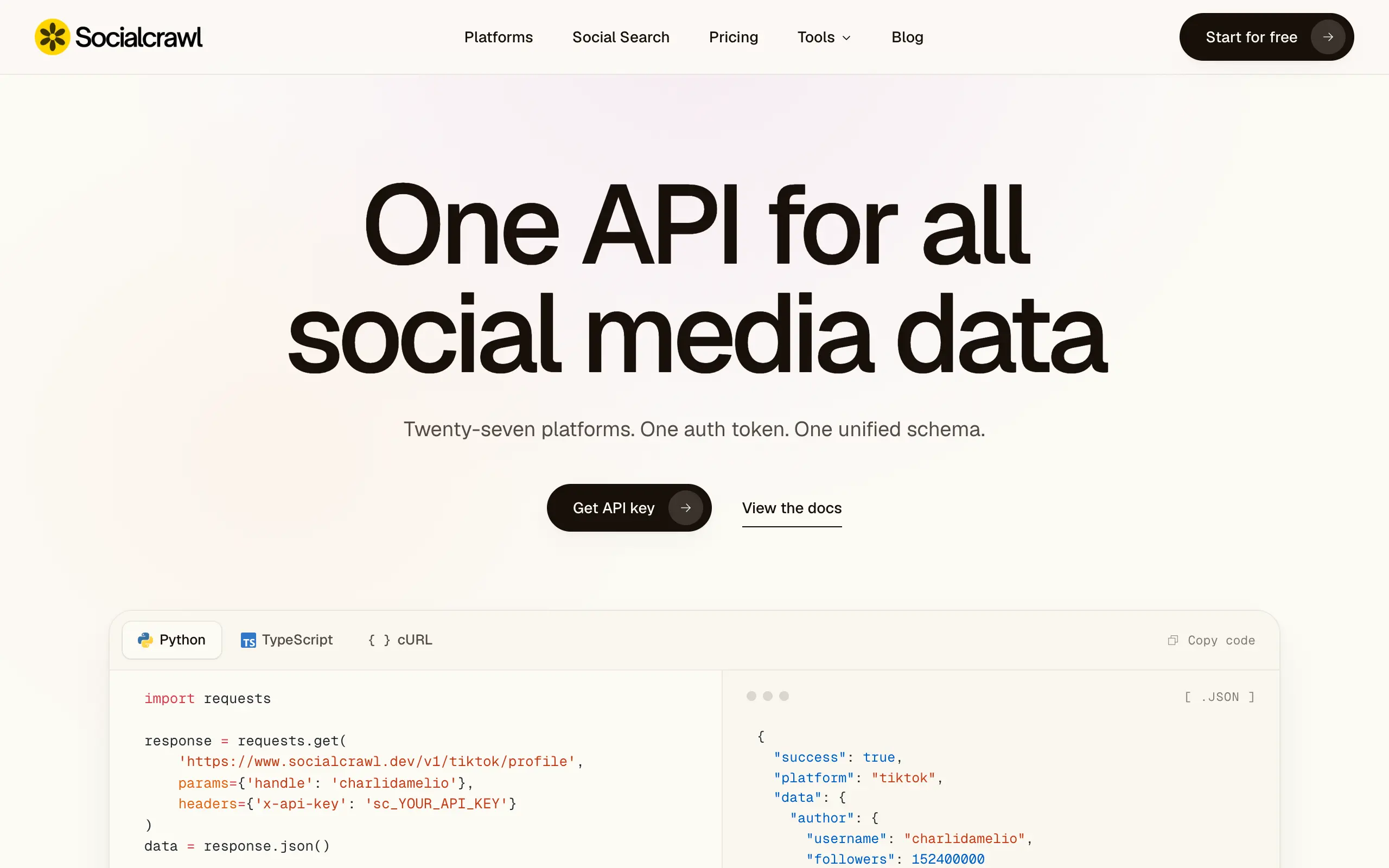
Socialcrawl
Get clean, structured data from 21 platforms like TikTok, Instagram, and YouTube with a single request 📊
Statiko
Monitor any Telegram channel in real time - track posts, edits, deletions, and growth with AI recaps 📡
Shibui
AI website builder - describe your business, pick a niche template, edit by chatting, and publish instantly ✨
Pro Service
Find verified home service professionals, compare quotes, and pay securely through escrow - built for Brazilians across the US 🏠
RankGrow
Fix your SEO with AI agents - connect Search Console, get prioritized tasks, and grow organic traffic 📈
SyncReads
Sync your favorite content for distraction-free reading, save time and replace multiple apps. Anytime, anywhere 🔄
Socialcrawl
Get clean, structured data from 21 platforms like TikTok, Instagram, and YouTube with a single request 📊
Statiko
Monitor any Telegram channel in real time - track posts, edits, deletions, and growth with AI recaps 📡
Shibui
AI website builder - describe your business, pick a niche template, edit by chatting, and publish instantly ✨
Pro Service
Find verified home service professionals, compare quotes, and pay securely through escrow - built for Brazilians across the US 🏠
RankGrow
Fix your SEO with AI agents - connect Search Console, get prioritized tasks, and grow organic traffic 📈
SyncReads
Sync your favorite content for distraction-free reading, save time and replace multiple apps. Anytime, anywhere 🔄
Socialcrawl
Get clean, structured data from 21 platforms like TikTok, Instagram, and YouTube with a single request 📊
Statiko
Monitor any Telegram channel in real time - track posts, edits, deletions, and growth with AI recaps 📡
Shibui
AI website builder - describe your business, pick a niche template, edit by chatting, and publish instantly ✨
Pro Service
Find verified home service professionals, compare quotes, and pay securely through escrow - built for Brazilians across the US 🏠
RankGrow
Fix your SEO with AI agents - connect Search Console, get prioritized tasks, and grow organic traffic 📈
SyncReads
Sync your favorite content for distraction-free reading, save time and replace multiple apps. Anytime, anywhere 🔄
Socialcrawl
Get clean, structured data from 21 platforms like TikTok, Instagram, and YouTube with a single request 📊
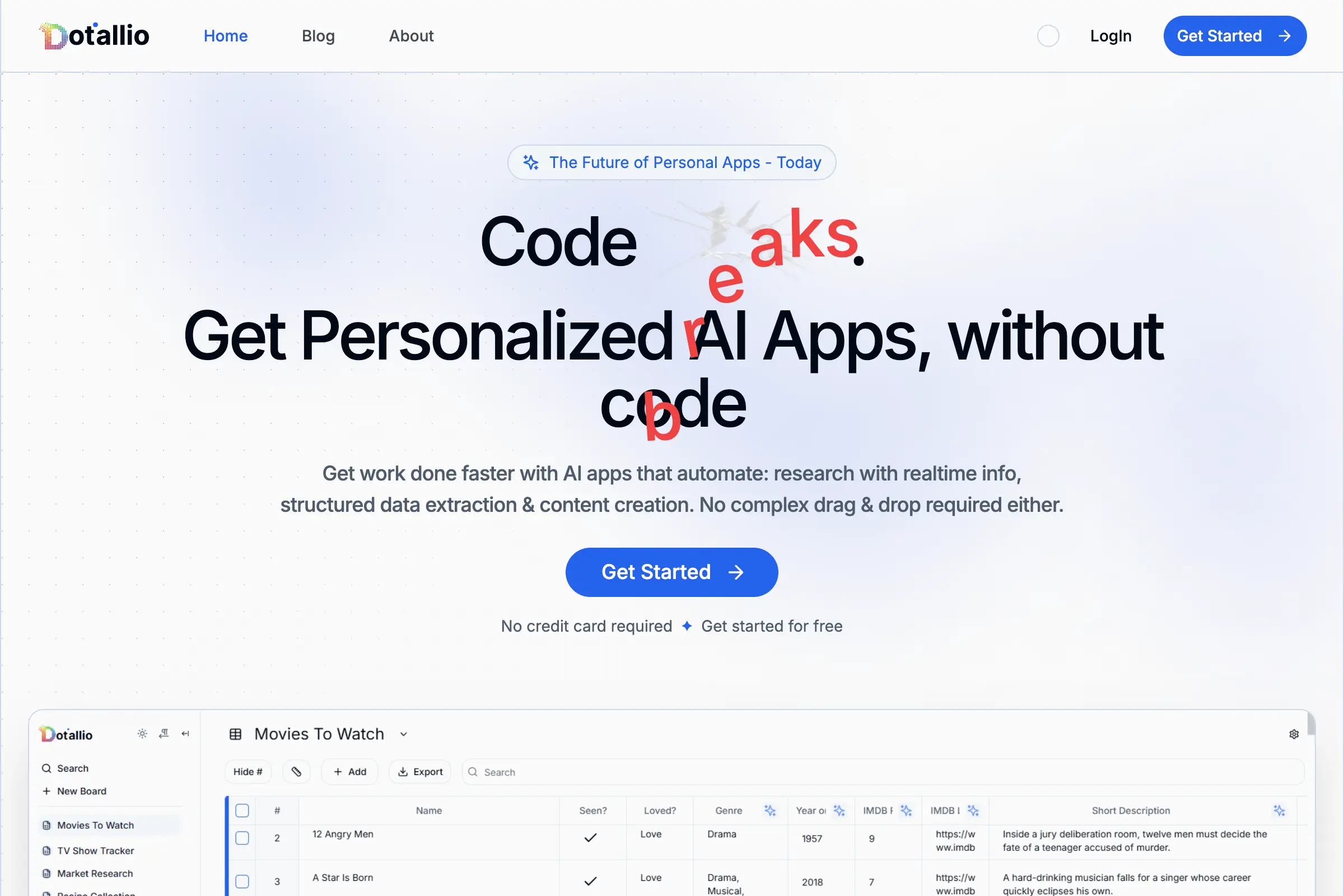
Dotallio
Personalized AI apps that automate research, data extraction, and content creation without code 🤖

Talk to Santa
Enjoy a magical live video chat or receive a unique AI-generated video greeting from Santa Claus 🎅
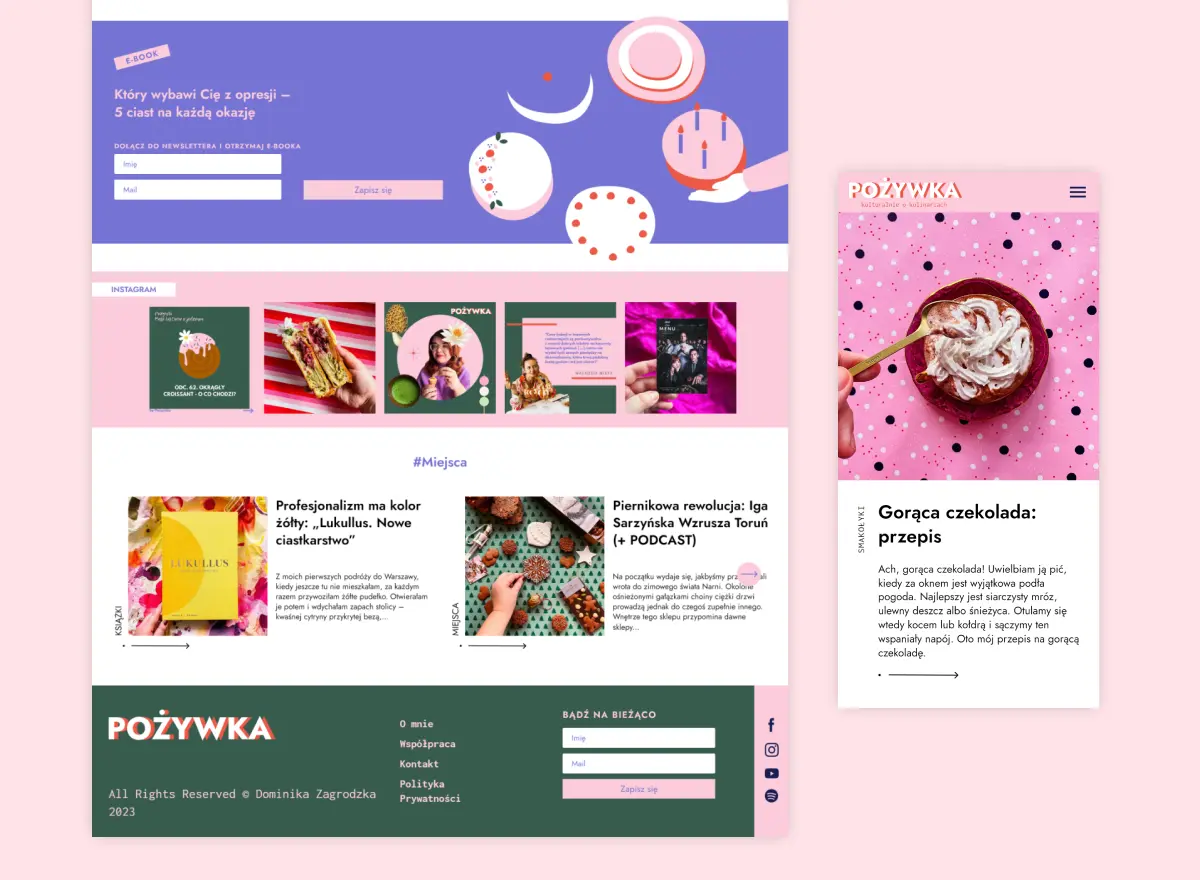
pozywka.pl
Scalable blog for food journalist, focused on performance and user experience 🌭
zagrodzki.me
Personal blog and portfolio of Bart Zagrodzki, where he shares his knowledge and work 💼
TurboStarter
Ship your startup everywhere. In minutes.
HTML to Markdown
Convert HTML to Markdown with ease, directly in your browser 📄
Dotallio
Personalized AI apps that automate research, data extraction, and content creation without code 🤖
Talk to Santa
Enjoy a magical live video chat or receive a unique AI-generated video greeting from Santa Claus 🎅
pozywka.pl
Scalable blog for food journalist, focused on performance and user experience 🌭
zagrodzki.me
Personal blog and portfolio of Bart Zagrodzki, where he shares his knowledge and work 💼
TurboStarter
Ship your startup everywhere. In minutes.
HTML to Markdown
Convert HTML to Markdown with ease, directly in your browser 📄
Dotallio
Personalized AI apps that automate research, data extraction, and content creation without code 🤖
Talk to Santa
Enjoy a magical live video chat or receive a unique AI-generated video greeting from Santa Claus 🎅
pozywka.pl
Scalable blog for food journalist, focused on performance and user experience 🌭
zagrodzki.me
Personal blog and portfolio of Bart Zagrodzki, where he shares his knowledge and work 💼
TurboStarter
Ship your startup everywhere. In minutes.
HTML to Markdown
Convert HTML to Markdown with ease, directly in your browser 📄
Dotallio
Personalized AI apps that automate research, data extraction, and content creation without code 🤖
Talk to Santa
Enjoy a magical live video chat or receive a unique AI-generated video greeting from Santa Claus 🎅
pozywka.pl
Scalable blog for food journalist, focused on performance and user experience 🌭
zagrodzki.me
Personal blog and portfolio of Bart Zagrodzki, where he shares his knowledge and work 💼
TurboStarter
Ship your startup everywhere. In minutes.
HTML to Markdown
Convert HTML to Markdown with ease, directly in your browser 📄
Omichat
Chat with 50+ AI models, including ChatGPT and Claude, in one place - switch models anytime without losing context 🤖
Claude Fast
Supercharge your Claude Code with 6x effective context window and specialized AI agents 🤖
EmojAI
AI-powered emoji picker with smart, context-aware suggestions 🤖
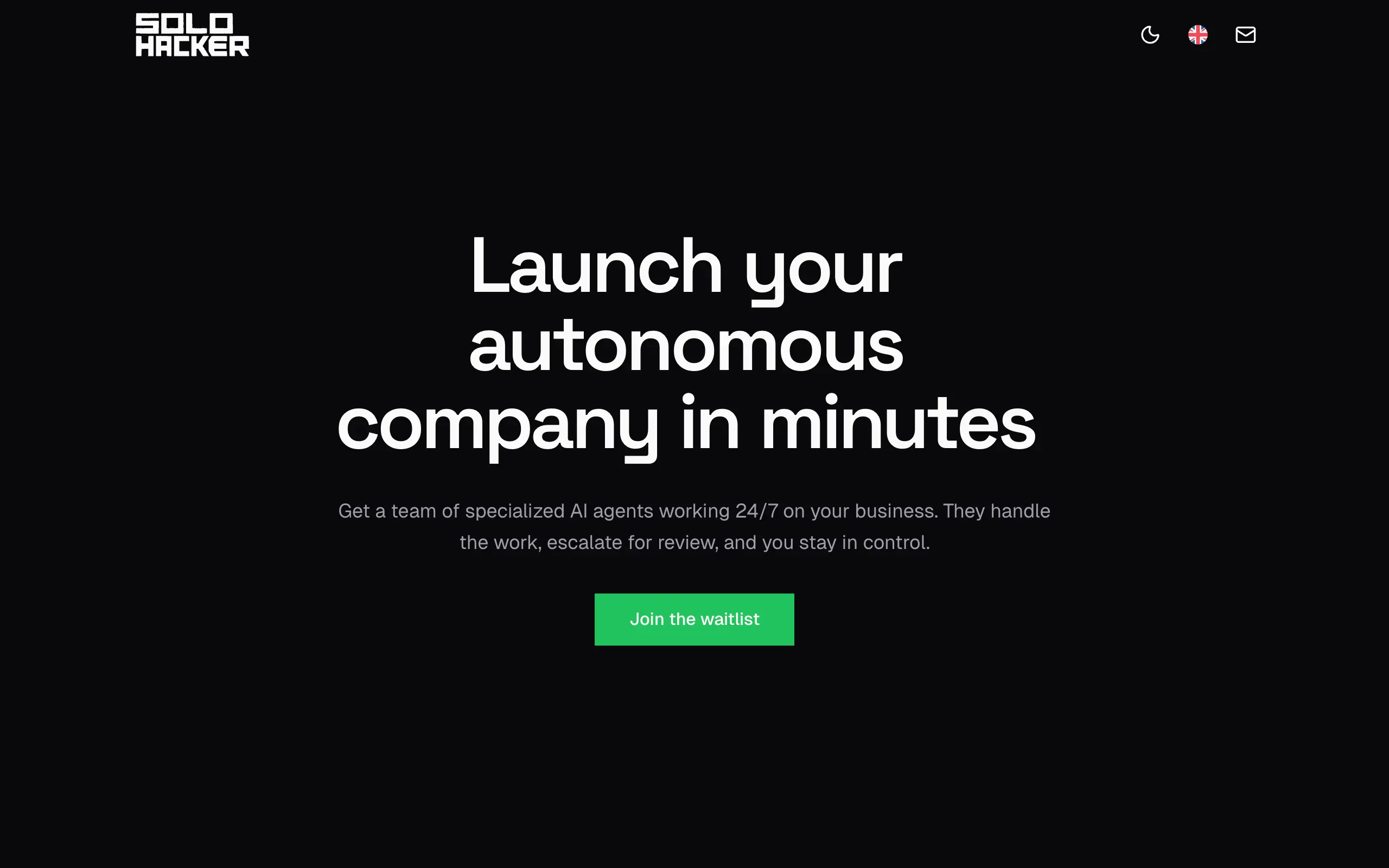
Solohacker
Autonomous company launcher - AI agents work 24/7, escalate what matters, and you stay in control 🤖
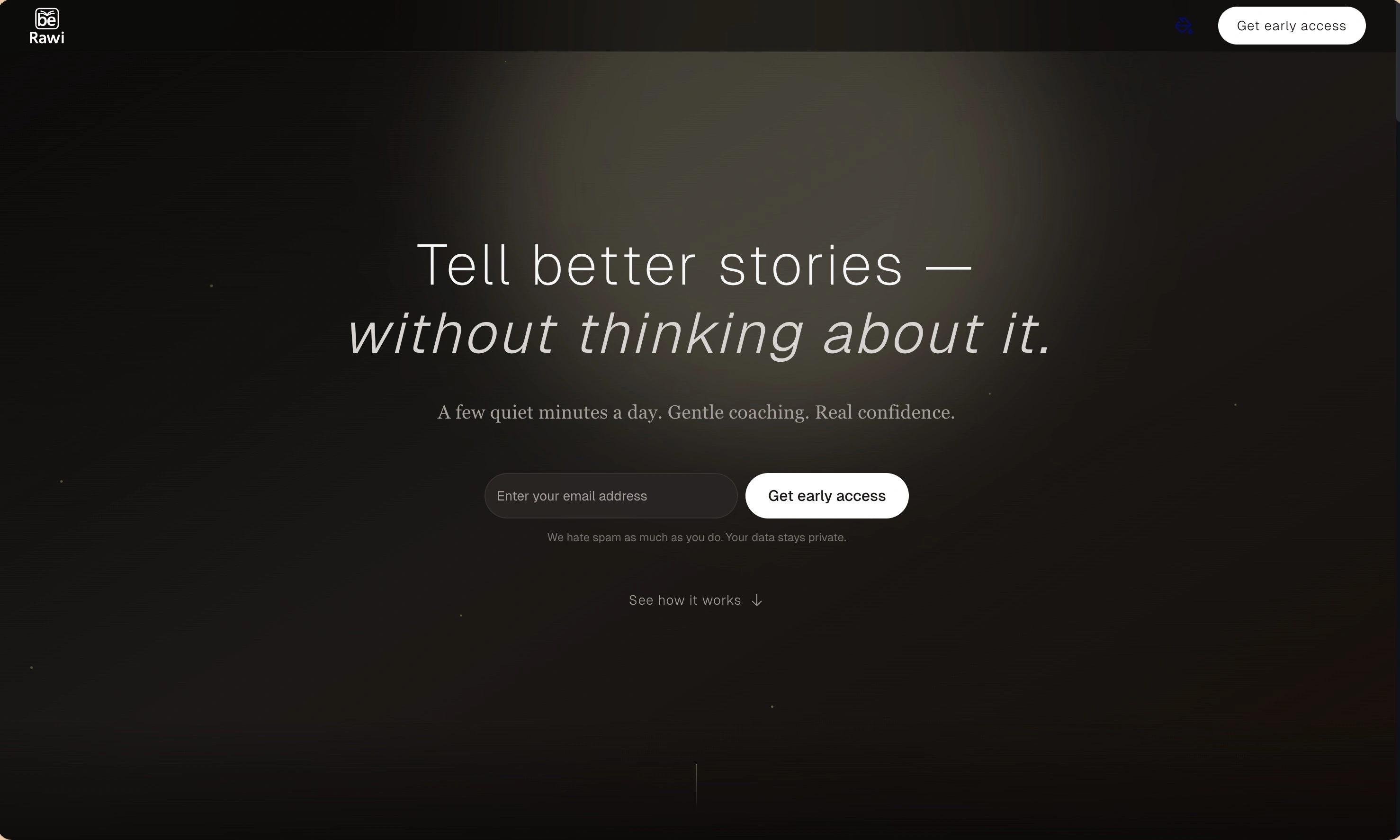
BeRawi: Storytelling Coach
Practice storytelling daily with instant feedback to sound clearer, more engaging, and confident 🎤
Omichat
Chat with 50+ AI models, including ChatGPT and Claude, in one place - switch models anytime without losing context 🤖
Claude Fast
Supercharge your Claude Code with 6x effective context window and specialized AI agents 🤖
EmojAI
AI-powered emoji picker with smart, context-aware suggestions 🤖
Solohacker
Autonomous company launcher - AI agents work 24/7, escalate what matters, and you stay in control 🤖
BeRawi: Storytelling Coach
Practice storytelling daily with instant feedback to sound clearer, more engaging, and confident 🎤
Omichat
Chat with 50+ AI models, including ChatGPT and Claude, in one place - switch models anytime without losing context 🤖
Claude Fast
Supercharge your Claude Code with 6x effective context window and specialized AI agents 🤖
EmojAI
AI-powered emoji picker with smart, context-aware suggestions 🤖
Solohacker
Autonomous company launcher - AI agents work 24/7, escalate what matters, and you stay in control 🤖
BeRawi: Storytelling Coach
Practice storytelling daily with instant feedback to sound clearer, more engaging, and confident 🎤
Omichat
Chat with 50+ AI models, including ChatGPT and Claude, in one place - switch models anytime without losing context 🤖
Claude Fast
Supercharge your Claude Code with 6x effective context window and specialized AI agents 🤖
EmojAI
AI-powered emoji picker with smart, context-aware suggestions 🤖
Solohacker
Autonomous company launcher - AI agents work 24/7, escalate what matters, and you stay in control 🤖
BeRawi: Storytelling Coach
Practice storytelling daily with instant feedback to sound clearer, more engaging, and confident 🎤

Connect with like-minded people
Join our community to get feedback, support, and grow together with 1,000+ builders on board, let's ship it!
Join usShip your startup everywhere. In minutes.
Don't burn tokens on setup and start building features on day one.