SceneScout
A location-intelligence workspace for film crews that monitors local news, permits, noise, and community sentiment before shoots.
Film production depends on decisions that are often made before a crew truck arrives. A visually perfect location can become an operational problem when nearby construction starts, a permit condition changes, a neighborhood group organizes opposition, or a local event creates traffic and parking restrictions. These issues are rarely hidden; they are simply scattered across municipal portals, local news sites, public notices, social channels, and conversations held by location teams.
SceneScout is a B2B film location intelligence platform designed to turn that fragmented research into a repeatable, searchable workflow. It gives production teams a single workspace to monitor local news, permit signals, noise risks, access conditions, and community sentiment before and during a shoot.
For producers, location managers, production coordinators, and studio operations teams, the core value is not merely collecting alerts. It is reducing avoidable location surprises, documenting due diligence, and helping teams make faster decisions with a clearer understanding of operational risk.
Why film location intelligence software matters now
The traditional location workflow is heavily dependent on individual experience. An experienced location manager knows which municipal sites to check, which neighborhoods can be sensitive to overnight shoots, and when an apparently quiet street may become unusable due to a local festival or infrastructure project.
That expertise remains essential. However, production schedules are increasingly compressed, crews are more distributed, and location decisions often involve stakeholders who do not have the same local knowledge. A scalable system is needed to preserve location intelligence beyond informal notes, email threads, spreadsheets, and personal contacts.
Film location intelligence software addresses this gap by combining monitoring, structured risk assessment, evidence capture, alerts, and collaboration in one operational workspace.
The practical opportunity
SceneScout should position itself as a decision-support system for production operations, not as a replacement for location professionals. The product makes experienced teams faster, more consistent, and better prepared.
Several industry forces make this category timely.
- Productions frequently work across multiple municipalities, each with different permit workflows and public-record formats.
- Local news and public notices can reveal conditions that are not visible during a location scout.
- Neighborhood sentiment can shift quickly after prior filming disruptions, road closures, noise complaints, or online discussions.
- Production insurers, completion bond providers, and studio stakeholders increasingly value documented planning and risk controls.
- AI-assisted classification and summarization can reduce the time required to review large volumes of local information, provided the system preserves source links and human review.
The key distinction is that SceneScout should not promise to predict every disruption. Instead, it should help teams identify signals early enough to investigate, plan mitigations, and assign accountability.
Target audience for SceneScout
The best initial audience is not every creative professional who searches for filming locations. SceneScout is most valuable for teams already responsible for location execution, permits, budgets, and schedule continuity.
Primary users in film and television production
Location managers
Need early warning about access constraints, permit issues, neighborhood concerns, and changing conditions at proposed or confirmed locations.
Line producers and UPMs
Need a concise operational view of location risk, budget exposure, contingency plans, and approval status.
Production coordinators
Need structured tasks, source evidence, alerts, contacts, and a reliable handoff process across departments.
Studio and production company operations teams
Need standardized location due diligence across multiple productions, vendors, and regions.
Secondary buyer segments
After proving value with independent productions and commercial production companies, SceneScout can expand into adjacent markets.
- "Location service companies" can use the platform to deliver premium research and monitoring services.
- "Production insurance brokers" may value structured evidence of risk review and mitigation planning.
- "Film commissions" can use selected capabilities to improve permit communication and location readiness.
- "Event production teams" face similar challenges around public access, noise, permitting, and neighborhood relations.
- "Documentary and news teams" may benefit from local context monitoring when operating in sensitive or rapidly changing environments.
Jobs to be done
The clearest way to validate SceneScout is to focus on real operational jobs rather than broad product labels.
A location manager hires SceneScout when they need to answer questions such as:
- Is this location likely to become difficult to access during our shoot window?
- Has there been a recent permit dispute, construction announcement, public safety issue, or neighborhood complaint nearby?
- What sources support the risk assessment we are sharing with production leadership?
- Which locations need a contingency plan before the next production meeting?
- What changed since the original scout?
- Who owns the next action for this location risk?
A line producer hires SceneScout when they need to compare the cost and creative appeal of a location against its operational certainty. A cheaper location that creates a delayed shoot day can become far more expensive than a more predictable alternative.
The market gap in production location research
Most film location workflows use a patchwork of tools. Teams may rely on map applications, permit office websites, local contacts, spreadsheets, PDF folders, production management platforms, and email. Each tool handles part of the work, but none is purpose-built to continuously evaluate operational context around a shooting location.
This creates several gaps.
Information is fragmented
Permit notices may live on municipal portals. Community concerns may appear in local reporting or public meeting agendas. Noise exposure can be informed by airport paths, rail corridors, roadwork notices, construction permits, or event calendars. The research burden grows quickly when a production has multiple candidate locations across several jurisdictions.
Location knowledge is difficult to reuse
A location department may learn valuable information during a shoot, such as a resident association's preferred communication process or the pattern of peak delivery traffic. When that information remains in a person's inbox or notebook, it is not easily available to the next project.
Risk reviews are inconsistent
Without a shared framework, each location manager assesses risk differently. That is not inherently bad; professional judgment matters. The problem arises when production teams cannot see what was checked, what remains uncertain, and why a recommendation was made.
Monitoring ends too early
A location can be approved months before principal photography. Conditions can change between the original scout, the permit application, the technical recce, and the shoot date. Static location records do not account for this.
SceneScout's opportunity is to establish a new category of production location risk management. Its differentiation comes from combining geographic monitoring with the production workflow needed to act on findings.
SceneScout’s unique value proposition
SceneScout should make one promise that is clear, credible, and useful:
Help film crews discover, document, and manage location risks before they disrupt a shoot.
That positioning is stronger than a generic “AI research assistant” because it focuses on the tangible operational outcome. It also avoids overclaiming. The platform can identify signals, organize evidence, recommend review steps, and create accountability. It cannot guarantee that a location will remain disruption-free.
A useful product narrative is built around four outcomes:
- Earlier awareness of permit, access, noise, news, and sentiment signals.
- Better decisions through consistent location risk scoring and source-backed evidence.
- Faster coordination through tasks, owners, alerts, and production-ready briefings.
- Reusable institutional knowledge through structured historical location records.
Competitive advantage analysis
SceneScout will compete indirectly with generic project management tools, map products, location databases, web monitoring services, and manual research performed by experienced crews. Its advantage is the workflow layer connecting external signals to filming decisions.
| Capability | Spreadsheet workflow | Generic news alerts | Location database | SceneScout |
|---|---|---|---|---|
| Location-specific risk profile | Manual | ❌ | Limited | ✅ |
| Continuous local monitoring | ❌ | Broad only | ❌ | ✅ |
| Permit and community workflow | Manual | ❌ | Limited | ✅ |
| Source-backed production briefing | Manual | Limited | Limited | ✅ |
| Reusable location intelligence | Inconsistent | ❌ | Partial | ✅ |
The defensible moat is not simply collecting headlines or creating an AI summary. Those features can be copied. A stronger moat emerges from a proprietary operational data model that links locations, dates, jurisdictions, shoot types, alerts, mitigation actions, outcomes, and team feedback over time.
As customers use SceneScout, the platform can learn which signals mattered for particular production contexts. For example, a roadwork notice may be low priority for an interior shoot but critical for a night exterior requiring basecamp access and heavy equipment parking.
Core features for a film location intelligence workspace
The initial product should solve one complete workflow extremely well. Resist the temptation to build a full production management suite. SceneScout should integrate with existing systems where possible and own the location intelligence layer.
Location dossier and map-based workspace
Every candidate or confirmed location should have a structured dossier.
Recommended fields include:
- "Location identity" includes address, coordinates, internal nickname, property type, and production status.
- "Shoot details" includes dates, call times, scene type, exterior or interior designation, crew size, parking needs, and special equipment.
- "Jurisdiction details" includes city, county, permit authority, council district, and applicable local contacts.
- "Operational dependencies" includes basecamp, holding, load-in routes, power, traffic control, and nearby sensitive sites.
- "Risk status" includes score, confidence, signal severity, assigned owner, next review date, and mitigation progress.
- "Evidence" includes source URLs, captured excerpts, documents, screenshots where permitted, notes, and timestamps.
A geospatial workspace should let teams search locations by project, map radius, jurisdiction, risk type, and shoot date. The map is not just visual decoration; it is how teams recognize nearby factors such as construction clusters, schools, rail lines, hospitals, event venues, and road closures.
Local news and public notice monitoring
SceneScout should ingest trusted, legally accessible sources that can reveal changing local conditions. Source selection needs to be transparent and jurisdiction-aware.
High-value source categories include:
- Official municipal newsrooms and press releases
- Public meeting agendas and minutes
- Road closure and transportation notices
- Building and construction permit feeds where available
- Public safety advisories
- Airport and transit service alerts
- Film permit authority notices
- Local publishers with appropriate licensing or compliant linking arrangements
- Publicly available event calendars
The product should classify every item by relevance, geography, time window, and possible impact. AI summaries are helpful, but users must always be able to open the underlying source and see why SceneScout flagged it.
A strong alert might read:
A municipal notice reports overnight utility work two blocks from the planned unit basecamp from 9 PM to 5 AM during the proposed shoot window. Review truck access, generator placement, and sound impact.
That is more useful than a generic article alert because it connects the signal to a practical production decision.
Permit tracking and deadline management
Permitting is an ideal entry point because it has clear deadlines, multiple dependencies, and high consequences for missing information.
A permit module should support:
- Application status tracking
- Required document checklists
- Municipality-specific lead-time guidance
- Contacts and communication logs
- Expiration and renewal reminders
- Conditions attached to approvals
- Linked resident notifications and traffic plans
- Escalation workflows when permit status blocks a shoot
The product should distinguish between official permit data and team-entered workflow data. If an integration does not provide real-time permit status, the interface should make that limitation explicit.
Noise and sound-risk intelligence
Noise is one of the most common sources of production disruption, especially for dialogue-heavy scenes and overnight shoots. A useful noise-risk feature should combine multiple signals rather than claiming to provide exact decibel predictions.
Potential inputs include:
- Proximity to major roads, rail corridors, airports, and emergency facilities
- Scheduled construction and utility work
- Planned public events
- Historical notes from prior shoots
- Time-of-day risk profiles
- Local noise ordinance restrictions
- User-reported observations from scouts and technical recces
The interface should present uncertainty clearly. Instead of declaring a location “quiet,” SceneScout can state that it has elevated sound interruption risk based on known sources and recommend an in-person sound check.
Community sentiment and stakeholder log
Community relationships are a central part of responsible location work. A sentiment feature must be designed carefully. It should not label neighborhoods as hostile, scrape private communications, or profile residents. Its purpose is to help teams notice public concerns and engage respectfully.
A community intelligence module can include:
- Publicly reported concerns about traffic, parking, noise, or previous filming activity
- Resident notification requirements and deadlines
- Stakeholder contact records with consent and appropriate permissions
- Outreach plans and communication status
- Community commitments such as quiet hours, parking arrangements, cleanup requirements, or business access provisions
- Notes on resolved issues and lessons learned
The recommended language should be neutral and evidence-based. For example, “Public meeting comments show recurring concerns about late-night vehicle noise” is more responsible than making broad assumptions about community attitudes.
Responsible sentiment design
Use sentiment signals as prompts for human review, not as automated judgments about a neighborhood or group of people. Preserve source context, allow corrections, and avoid collecting personal data that is not needed for production operations.
Production-ready risk briefings
The product must turn intelligence into an artifact teams can use in meetings and on set. A one-page location briefing should summarize:
- Shoot dates and operational requirements
- Current risk level and what changed recently
- Permit status and unresolved dependencies
- Top alerts with source links
- Noise, access, and neighborhood considerations
- Assigned mitigation actions
- Contingency location or fallback plan
- Last reviewed date and briefing owner
Export options can include PDF, shareable web view, and structured data export. Initial integrations should focus on tools teams already use for communication and project tracking rather than attempting deep integration everywhere at launch.
Building a reliable location risk score
A risk score helps teams prioritize attention, but it must not become a black box. A good scoring model is explainable, configurable, and tied to specific evidence.
One simple model can calculate a score using weighted categories.
type LocationRiskInput = {
  permitRisk: number
  accessRisk: number
  noiseRisk: number
  communityRisk: number
  scheduleRisk: number
  confidence: number
}

export function calculateLocationRisk(input: LocationRiskInput) {
  const weightedRisk =
    input.permitRisk * 0.3 +
    input.accessRisk * 0.25 +
    input.noiseRisk * 0.2 +
    input.communityRisk * 0.15 +
    input.scheduleRisk * 0.1

  return {
    score: Math.round(weightedRisk),
    confidence: Math.round(input.confidence),
  }
}
The score should be accompanied by an explanation such as:
- "High permit risk" because a required traffic plan remains incomplete.
- "Moderate access risk" because roadwork is scheduled near the delivery route.
- "High confidence" because the finding comes from a current official notice and a verified team update.
This approach gives users the ability to challenge the score, add context, and decide whether an item requires escalation.
Recommended tech stack for SceneScout
SceneScout needs a stack that supports geospatial data, background jobs, secure multi-tenant collaboration, document handling, and AI-assisted classification. It should optimize for dependable operations before advanced automation.
Recommended application architecture
A pragmatic approach is a TypeScript-based web platform using a modular monolith at launch. This allows a small team to ship quickly while keeping domain boundaries clear enough to extract services later.
Use React with Next.js for a fast, server-rendered web application. Pair it with Tailwind CSS for a consistent design system and rapid internal-tool development.
Use Node.js and TypeScript for API services, workflow logic, integrations, and background job orchestration. A managed queue should handle alerts, ingestion retries, scheduled monitoring, and briefing generation.
Use PostgreSQL with PostGIS for location records, geospatial searches, jurisdiction boundaries, and distance calculations. Use object storage for files and a vector search layer only when semantic retrieval has a proven user-facing use case.
Why PostgreSQL and PostGIS are a strong fit
PostgreSQL with PostGIS is particularly well suited to a location intelligence SaaS product because it can store structured production records alongside geographic queries. For example, SceneScout can identify all active locations within a defined radius of a newly reported road closure or construction project.
This is preferable to treating maps as a separate feature disconnected from the primary data model.
Data ingestion architecture
Ingestion is likely to become the most operationally complex part of the product. Municipal data quality varies dramatically, and websites can change without notice.
A durable approach includes:
- Source registry management with source type, jurisdiction, reliability, update cadence, and usage terms.
- Ingestion adapters for APIs, RSS feeds, public notices, uploaded documents, and approved third-party data providers.
- Normalization jobs that extract dates, places, entities, categories, and source metadata.
- Geocoding with confidence scores and manual correction tools.
- Relevance classification tied to project locations and shoot windows.
- Human review queues for high-impact or low-confidence findings.
- Immutable source snapshots or citations where permitted for auditability.
Avoid building the business around uncontrolled scraping. It creates legal, technical, and trust risks. Whenever possible, use official APIs, RSS feeds, licensed data, direct partnerships, or links that send users back to the original public source.
AI implementation trade-offs
Large language models can add meaningful value in classification, summarization, entity extraction, and briefing drafting. They should not be the source of truth.
Use AI to:
- Summarize long public notices
- Extract likely dates and location references
- Categorize alerts by operational impact
- Draft concise briefing language
- Suggest follow-up questions for a location manager
- Cluster related alerts across sources
Do not use AI to:
- Invent permit status
- Make legal determinations
- Assign community sentiment without source evidence
- Replace professional location judgment
- Automatically contact public officials or residents without user approval
Every AI-generated result should retain a visible source trail, confidence indicator, and simple correction mechanism.
Monetization strategy for a B2B location intelligence SaaS
SceneScout should use a subscription model aligned with projects, locations, and team size. Buyers will evaluate the product based on avoided delays, reduced research time, smoother permits, and better location decisions.
Recommended pricing model
A hybrid model is likely the best fit.
- "Starter plan" supports small production companies with a limited number of active projects and locations.
- "Production plan" supports larger teams with more locations, alert automation, reporting, and collaboration permissions.
- "Studio plan" supports multi-project portfolio views, SSO, custom data retention, API access, priority onboarding, and governance controls.
- "Project monitoring add-on" supports temporary intensive monitoring for a defined production window.
- "Data enrichment add-on" covers premium licensed sources, specialized geographic layers, or managed research services.
A project-based option can reduce friction for independent productions that do not want another year-round software contract. The downside is less predictable revenue. A blended approach allows customers to start with a production package and graduate into an annual workspace subscription.
Value-based pricing logic
The price should be justified by operational value, not by the cost of collecting web results. If a team avoids even one compromised shoot day, replaces a risky location before a late-stage commitment, or prevents permit-related confusion, the platform can pay for itself.
During customer discovery, ask prospects:
- How many locations do you evaluate for a typical project?
- How many hours are spent monitoring changes after a location is selected?
- What has a location-related delay cost in the past?
- Which risks create the most stress for production leadership?
- What evidence is needed to approve a contingency expense?
- How often does location knowledge disappear between productions?
These answers inform packaging, messaging, and ROI calculators.
Key risks and how to mitigate them
A thoughtful risk strategy is essential because SceneScout handles location, public-source, and production operational data.
Data quality and source coverage
The platform will not have equivalent data coverage in every city. Presenting incomplete coverage as comprehensive would damage trust.
Mitigation actions include:
- Display source coverage by jurisdiction.
- Use clear freshness timestamps for every signal.
- Label automated findings with confidence levels.
- Let users add local sources and private team notes.
- Start with a focused set of high-value production markets.
- Build a source health dashboard to detect failures quickly.
Privacy and ethical use
Production teams may store property contact details, notes about stakeholders, and sensitive planning information. SceneScout must use privacy-by-design principles.
Mitigation actions include:
- Collect only necessary personal data.
- Offer role-based access control and project-level permissions.
- Separate public-source intelligence from internal notes.
- Define data retention policies and deletion controls.
- Encrypt data in transit and at rest.
- Maintain audit logs for sensitive records and exports.
- Obtain legal guidance for applicable privacy rules in target markets.
False positives and alert fatigue
Too many low-value alerts will cause users to ignore the platform. Too few alerts will weaken perceived value.
Mitigation actions include:
- Prioritize alerts based on distance, date overlap, production requirements, severity, and source reliability.
- Allow users to tune alert thresholds by project.
- Bundle related signals into one actionable alert.
- Require a clear explanation for why each alert matters.
- Measure alert acknowledgment, dismissal, and escalation rates.
Long enterprise sales cycles
Studios and large production companies may have complex procurement, security, and legal reviews.
Mitigation actions include:
- Begin with mid-market production companies and location service firms.
- Offer an easy project pilot with limited implementation requirements.
- Build security documentation early.
- Create clear export controls and data ownership terms.
- Use successful project outcomes as case studies for enterprise conversations.
Legal and regulatory interpretation
Permits, ordinances, and public notices can be complicated. SceneScout should not position itself as legal advice.
Mitigation actions include:
- Include clear product disclaimers.
- Link users to official sources and documents.
- Encourage verification with the relevant film office, permit authority, or counsel.
- Treat legal rules as reference information with update dates, not definitive determinations.
Go-to-market strategy and validation plan
The fastest path to product-market fit is to validate SceneScout with teams who feel location risk regularly and can describe specific failures in their current process.
Start with a narrow geographic wedge
Choose one or two production-heavy metros where the founder can build direct relationships with location managers, production coordinators, and permit stakeholders. A narrow launch improves source coverage, data quality, and customer support.
The initial ideal customer profile may be:
- Commercial production companies with frequent short turnaround schedules
- Independent film and television productions with multiple practical locations
- Location service companies that research locations for several clients
- Regional production companies operating in jurisdictions with complex permit processes
Run concierge pilots
Before building broad automation, run paid or strongly structured pilots. For each pilot, create a monitored location portfolio and deliver recurring briefings with a mix of automated and analyst-reviewed findings.
Measure outcomes such as:
- Number of actionable risks discovered
- Hours saved in location research
- Time from alert to mitigation assignment
- Permit or access issues caught before shoot day
- Number of approved contingency plans
- User trust in alert relevance
- Willingness to pay after the pilot
Do not treat early pilots as only sales opportunities. They are a source of domain rules, terminology, alert thresholds, and workflow evidence.
Actionable implementation roadmap
A successful SceneScout MVP should deliver one end-to-end experience: add a location, monitor relevant sources, assess risk, assign an action, and generate a briefing.
A launch team can move faster by starting with an established SaaS foundation rather than spending weeks on authentication, billing, organization management, and application scaffolding. TurboStarter can help accelerate the baseline product setup so engineering effort stays focused on SceneScout’s differentiated location intelligence workflows.
The long-term opportunity for SceneScout
SceneScout can become more valuable with every completed production if it captures operational learning in a structured and trustworthy way. Over time, the platform can evolve from a monitoring tool into a production location intelligence network that helps teams answer more strategic questions.
Examples include:
- Which jurisdictions have the most predictable permit timelines for this shoot type?
- Which location characteristics correlate with sound disruption risk?
- Which mitigation steps were most effective for overnight neighborhood shoots?
- Where should a production prioritize backup locations?
- How much lead time is needed for specific access, parking, and notification requirements?
The product must earn the right to provide these insights. That requires high-quality source attribution, careful privacy practices, transparent AI, and a deep respect for the expertise of location professionals.
The strongest version of SceneScout is not a platform that claims to know everything about a location. It is a trusted workspace that helps film crews ask better questions earlier, keep the evidence organized, and act before small local signals become expensive production problems.
More 🏢 B2B Application SaaS ideas
Discover more innovative b2b application SaaS ideas that are trending in 2026. Each idea is AI-generated with market validation and growth potential to help you find your next profitable venture faster than competitors.
Your competitors are building with TurboStarter
Below are some of the SaaS ideas that have been generated and built with our starter kit.

Statiko
Monitor any Telegram channel in real time - track posts, edits, deletions, and growth with AI recaps 📡

Shibui
AI website builder - describe your business, pick a niche template, edit by chatting, and publish instantly ✨

Pro Service
Find verified home service professionals, compare quotes, and pay securely through escrow - built for Brazilians across the US 🏠
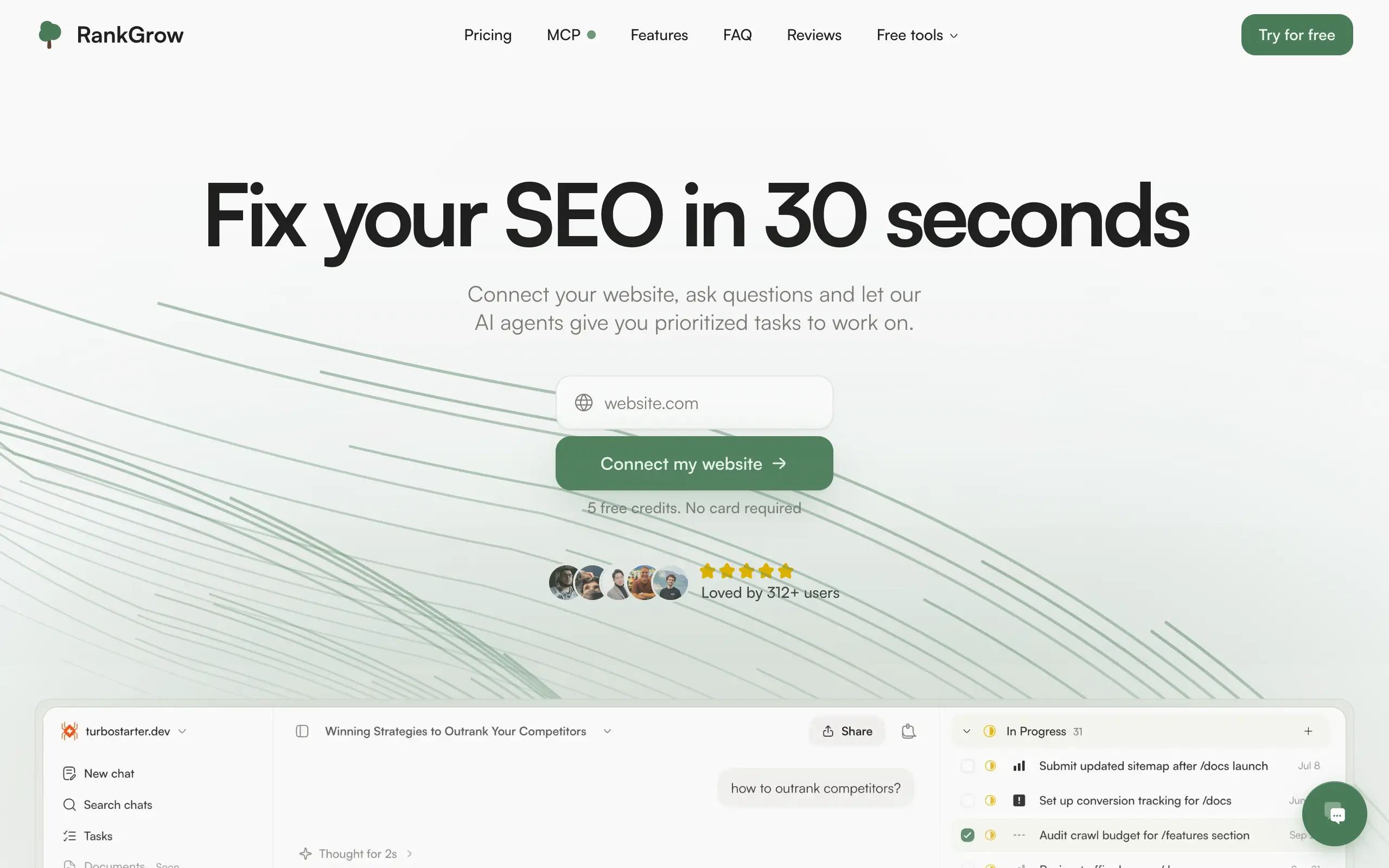
RankGrow
Fix your SEO with AI agents - connect Search Console, get prioritized tasks, and grow organic traffic 📈
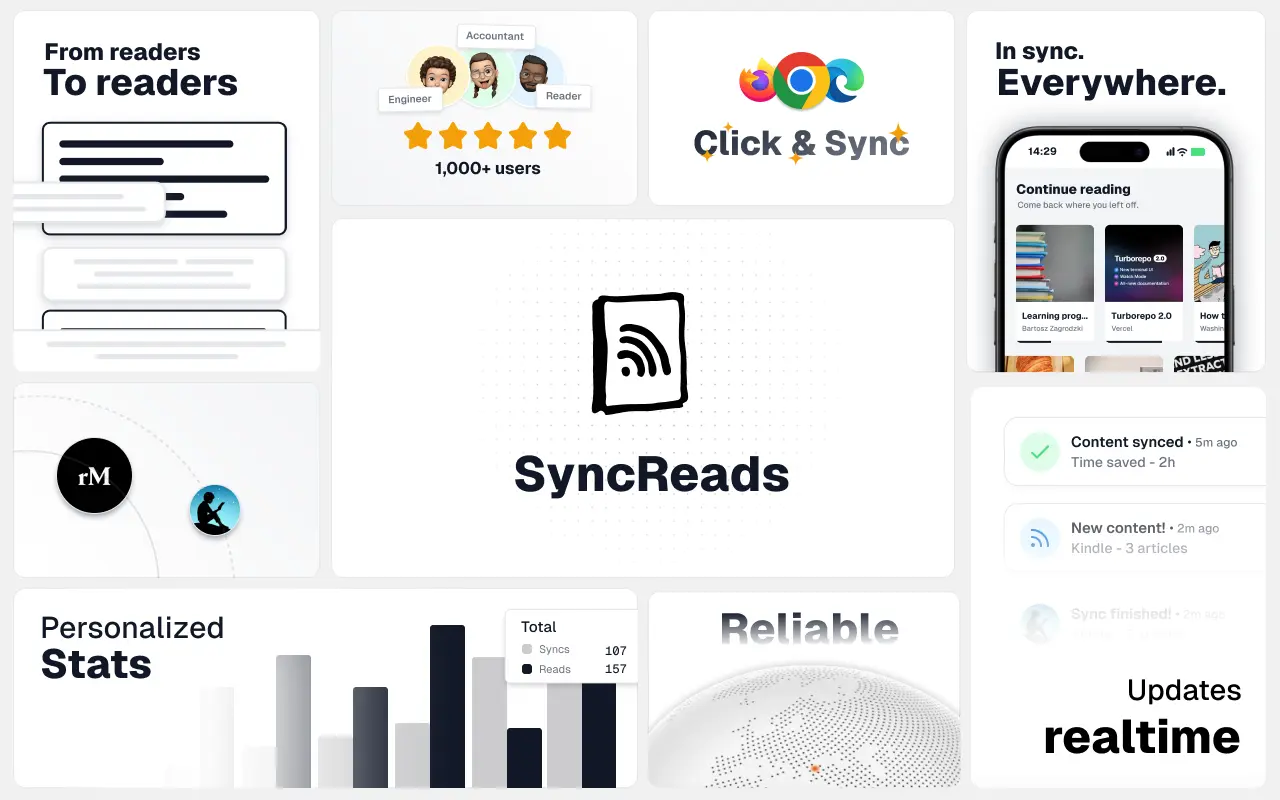
SyncReads
Sync your favorite content for distraction-free reading, save time and replace multiple apps. Anytime, anywhere 🔄
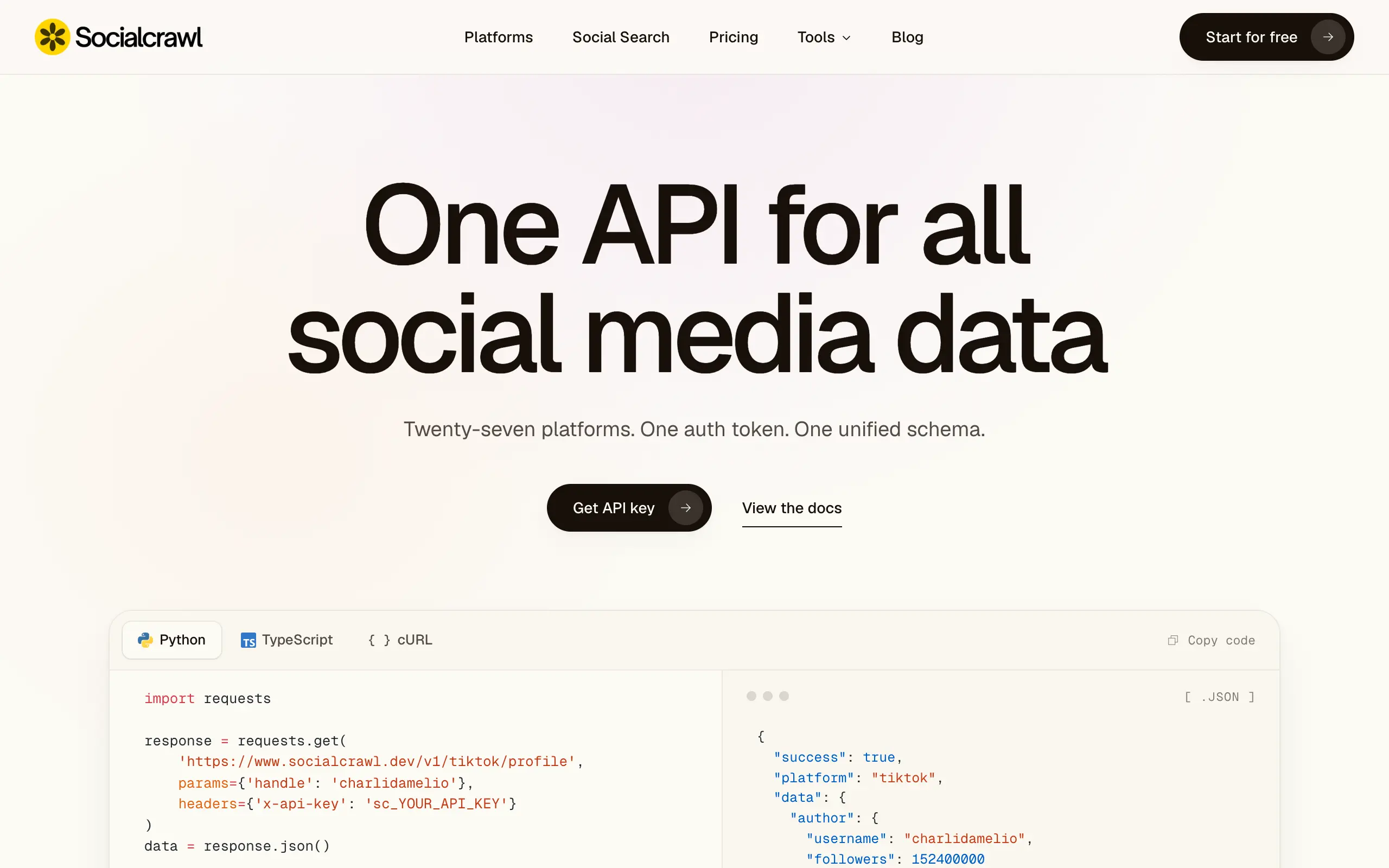
Socialcrawl
Get clean, structured data from 21 platforms like TikTok, Instagram, and YouTube with a single request 📊
Statiko
Monitor any Telegram channel in real time - track posts, edits, deletions, and growth with AI recaps 📡
Shibui
AI website builder - describe your business, pick a niche template, edit by chatting, and publish instantly ✨
Pro Service
Find verified home service professionals, compare quotes, and pay securely through escrow - built for Brazilians across the US 🏠
RankGrow
Fix your SEO with AI agents - connect Search Console, get prioritized tasks, and grow organic traffic 📈
SyncReads
Sync your favorite content for distraction-free reading, save time and replace multiple apps. Anytime, anywhere 🔄
Socialcrawl
Get clean, structured data from 21 platforms like TikTok, Instagram, and YouTube with a single request 📊
Statiko
Monitor any Telegram channel in real time - track posts, edits, deletions, and growth with AI recaps 📡
Shibui
AI website builder - describe your business, pick a niche template, edit by chatting, and publish instantly ✨
Pro Service
Find verified home service professionals, compare quotes, and pay securely through escrow - built for Brazilians across the US 🏠
RankGrow
Fix your SEO with AI agents - connect Search Console, get prioritized tasks, and grow organic traffic 📈
SyncReads
Sync your favorite content for distraction-free reading, save time and replace multiple apps. Anytime, anywhere 🔄
Socialcrawl
Get clean, structured data from 21 platforms like TikTok, Instagram, and YouTube with a single request 📊
Statiko
Monitor any Telegram channel in real time - track posts, edits, deletions, and growth with AI recaps 📡
Shibui
AI website builder - describe your business, pick a niche template, edit by chatting, and publish instantly ✨
Pro Service
Find verified home service professionals, compare quotes, and pay securely through escrow - built for Brazilians across the US 🏠
RankGrow
Fix your SEO with AI agents - connect Search Console, get prioritized tasks, and grow organic traffic 📈
SyncReads
Sync your favorite content for distraction-free reading, save time and replace multiple apps. Anytime, anywhere 🔄
Socialcrawl
Get clean, structured data from 21 platforms like TikTok, Instagram, and YouTube with a single request 📊
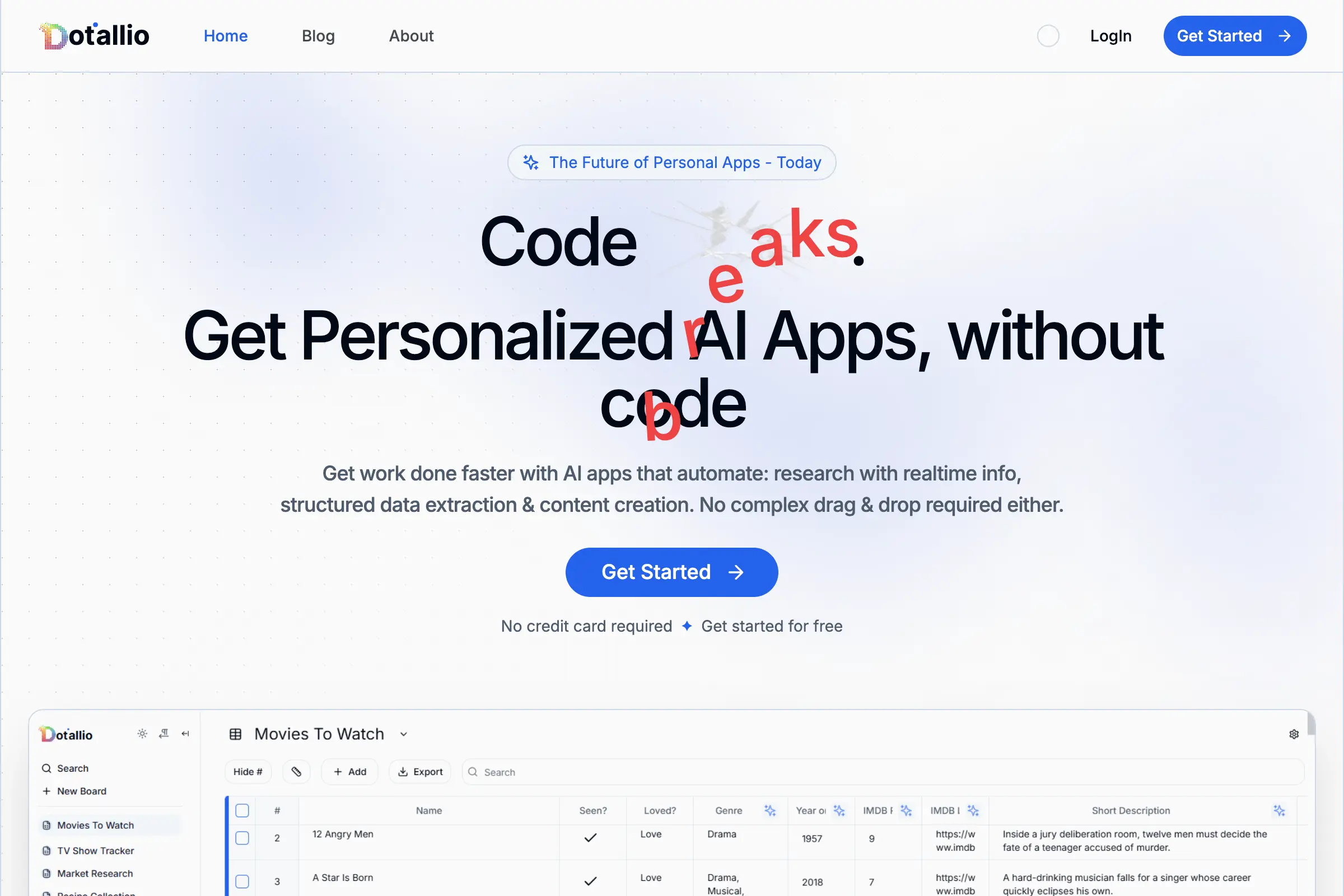
Dotallio
Personalized AI apps that automate research, data extraction, and content creation without code 🤖
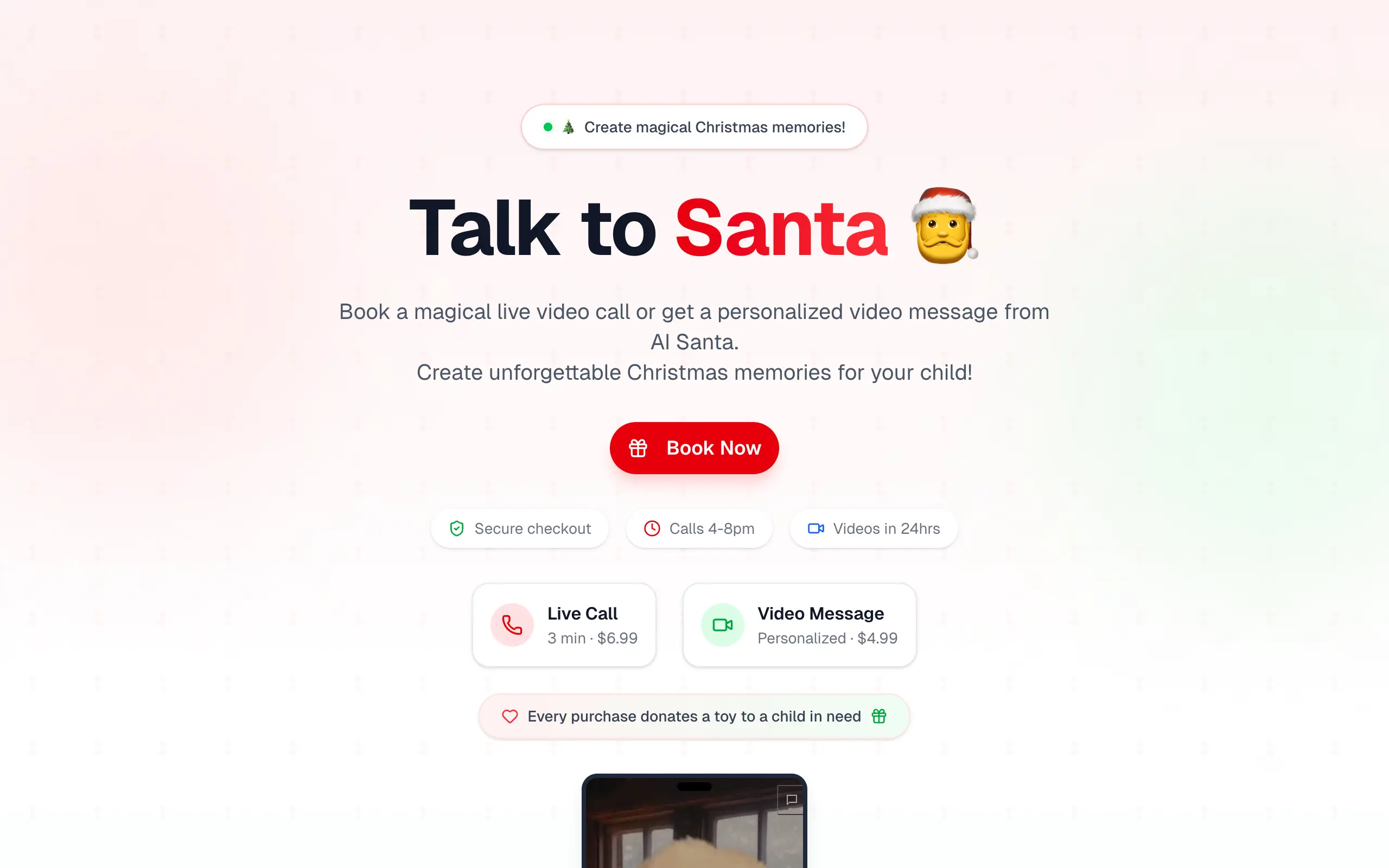
Talk to Santa
Enjoy a magical live video chat or receive a unique AI-generated video greeting from Santa Claus 🎅

pozywka.pl
Scalable blog for food journalist, focused on performance and user experience 🌭
zagrodzki.me
Personal blog and portfolio of Bart Zagrodzki, where he shares his knowledge and work 💼
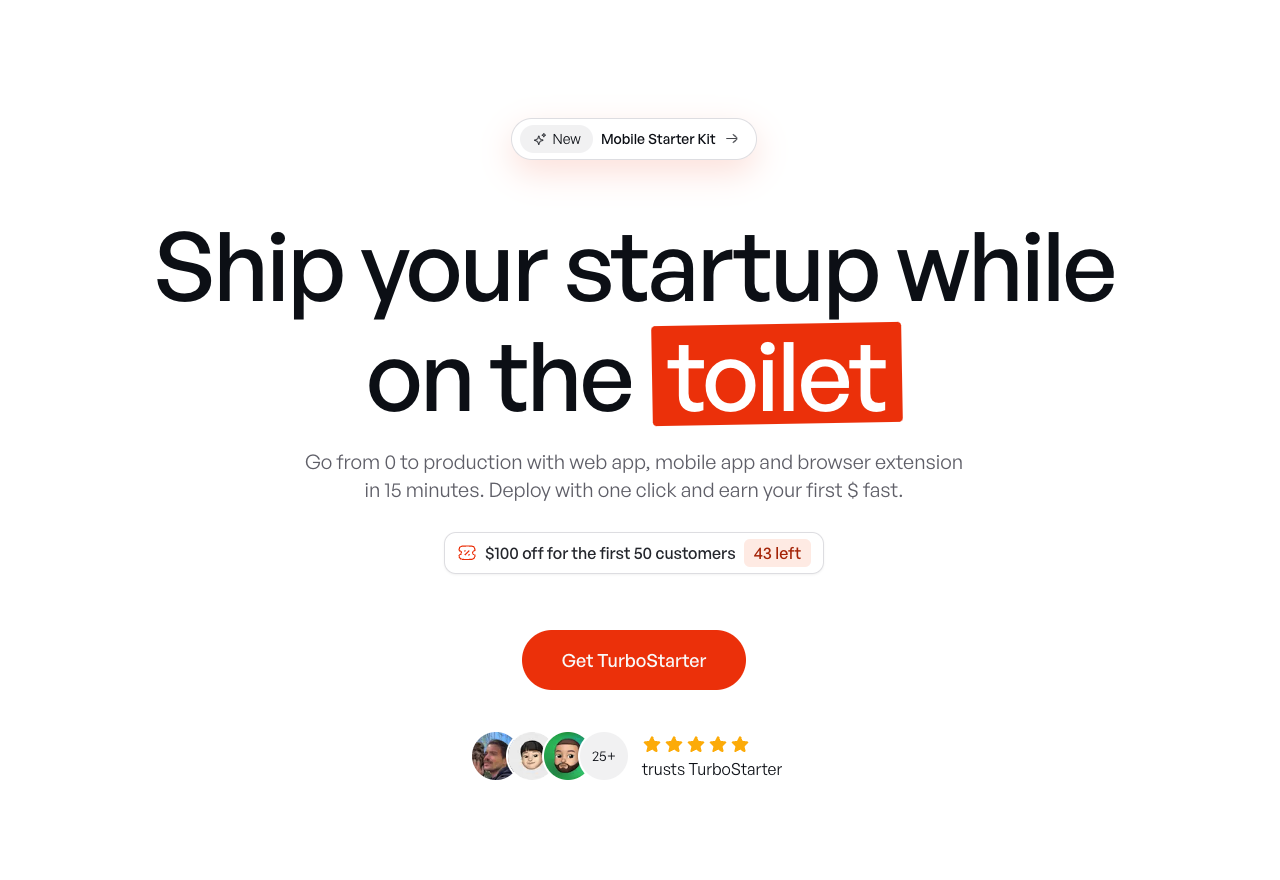
TurboStarter
Ship your startup everywhere. In minutes.
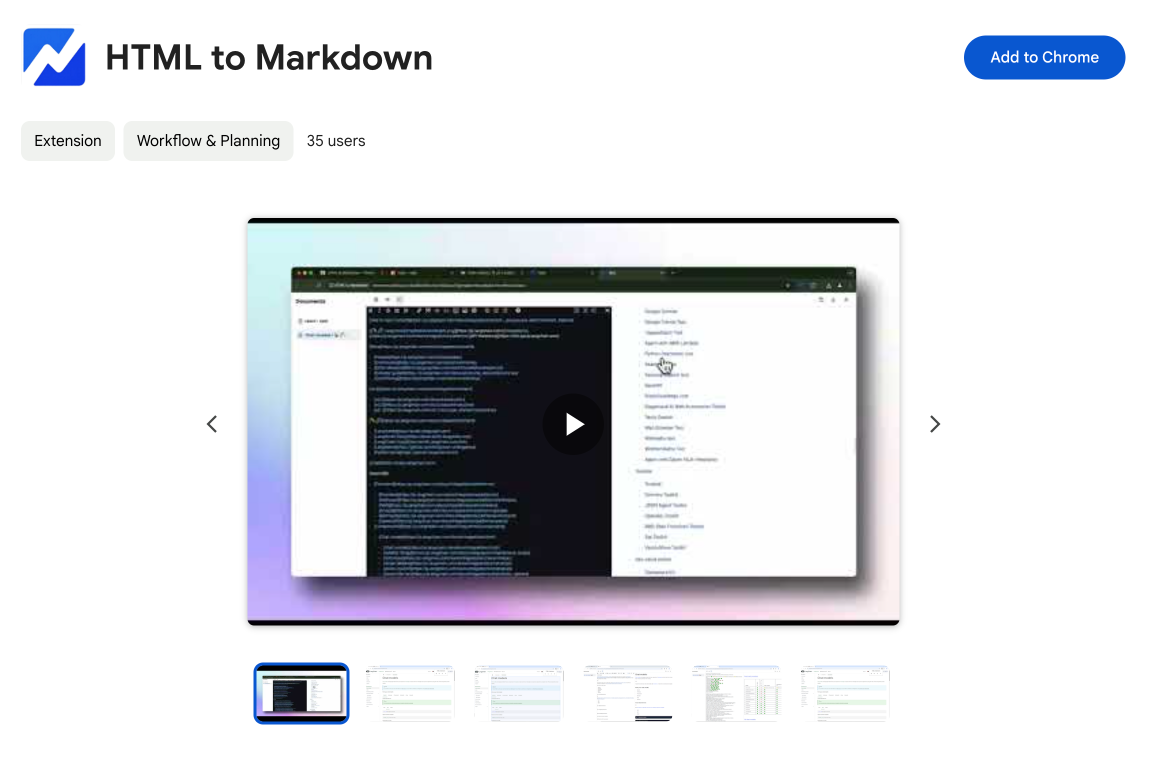
HTML to Markdown
Convert HTML to Markdown with ease, directly in your browser 📄
Dotallio
Personalized AI apps that automate research, data extraction, and content creation without code 🤖
Talk to Santa
Enjoy a magical live video chat or receive a unique AI-generated video greeting from Santa Claus 🎅
pozywka.pl
Scalable blog for food journalist, focused on performance and user experience 🌭
zagrodzki.me
Personal blog and portfolio of Bart Zagrodzki, where he shares his knowledge and work 💼
TurboStarter
Ship your startup everywhere. In minutes.
HTML to Markdown
Convert HTML to Markdown with ease, directly in your browser 📄
Dotallio
Personalized AI apps that automate research, data extraction, and content creation without code 🤖
Talk to Santa
Enjoy a magical live video chat or receive a unique AI-generated video greeting from Santa Claus 🎅
pozywka.pl
Scalable blog for food journalist, focused on performance and user experience 🌭
zagrodzki.me
Personal blog and portfolio of Bart Zagrodzki, where he shares his knowledge and work 💼
TurboStarter
Ship your startup everywhere. In minutes.
HTML to Markdown
Convert HTML to Markdown with ease, directly in your browser 📄
Dotallio
Personalized AI apps that automate research, data extraction, and content creation without code 🤖
Talk to Santa
Enjoy a magical live video chat or receive a unique AI-generated video greeting from Santa Claus 🎅
pozywka.pl
Scalable blog for food journalist, focused on performance and user experience 🌭
zagrodzki.me
Personal blog and portfolio of Bart Zagrodzki, where he shares his knowledge and work 💼
TurboStarter
Ship your startup everywhere. In minutes.
HTML to Markdown
Convert HTML to Markdown with ease, directly in your browser 📄
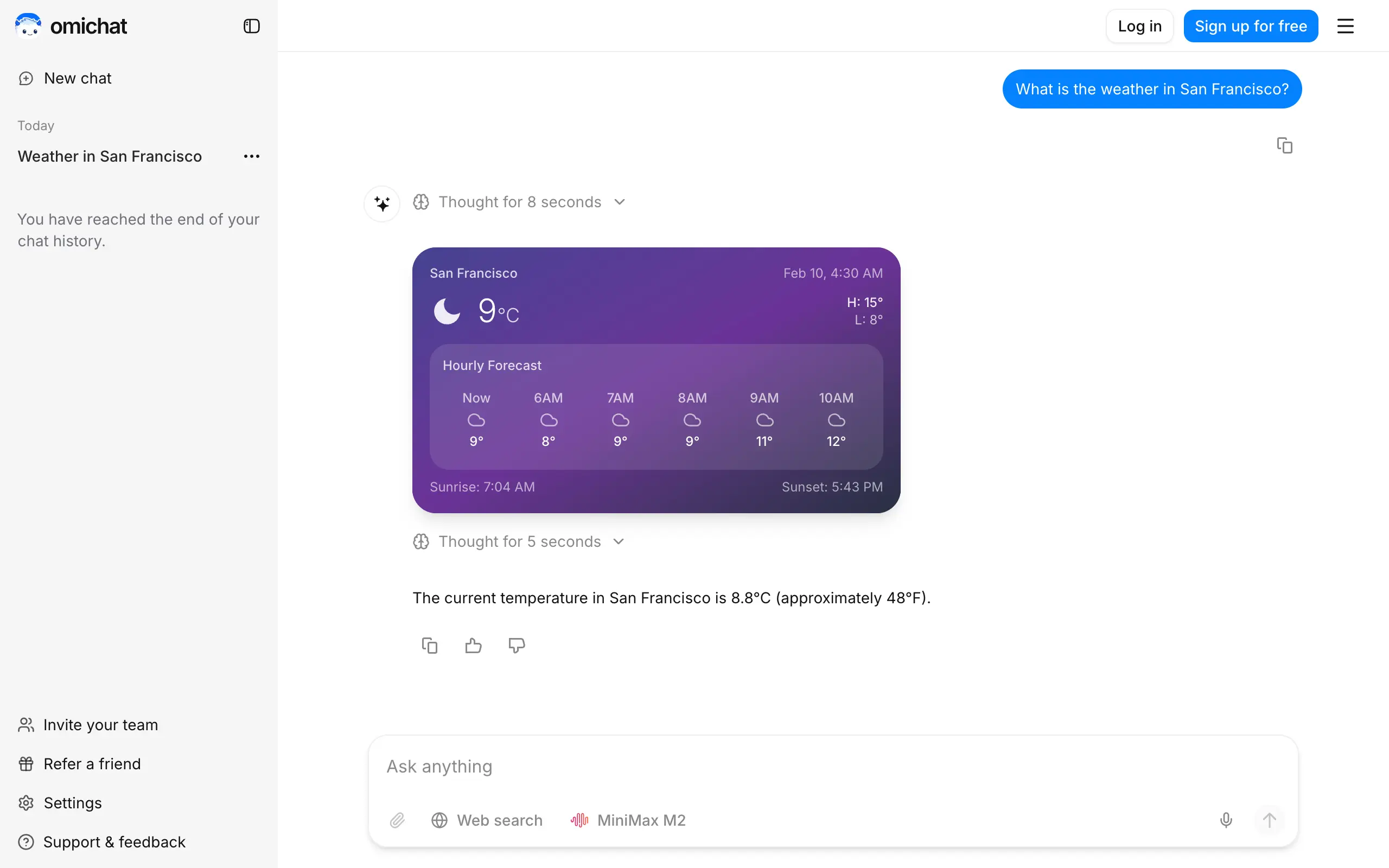
Omichat
Chat with 50+ AI models, including ChatGPT and Claude, in one place - switch models anytime without losing context 🤖
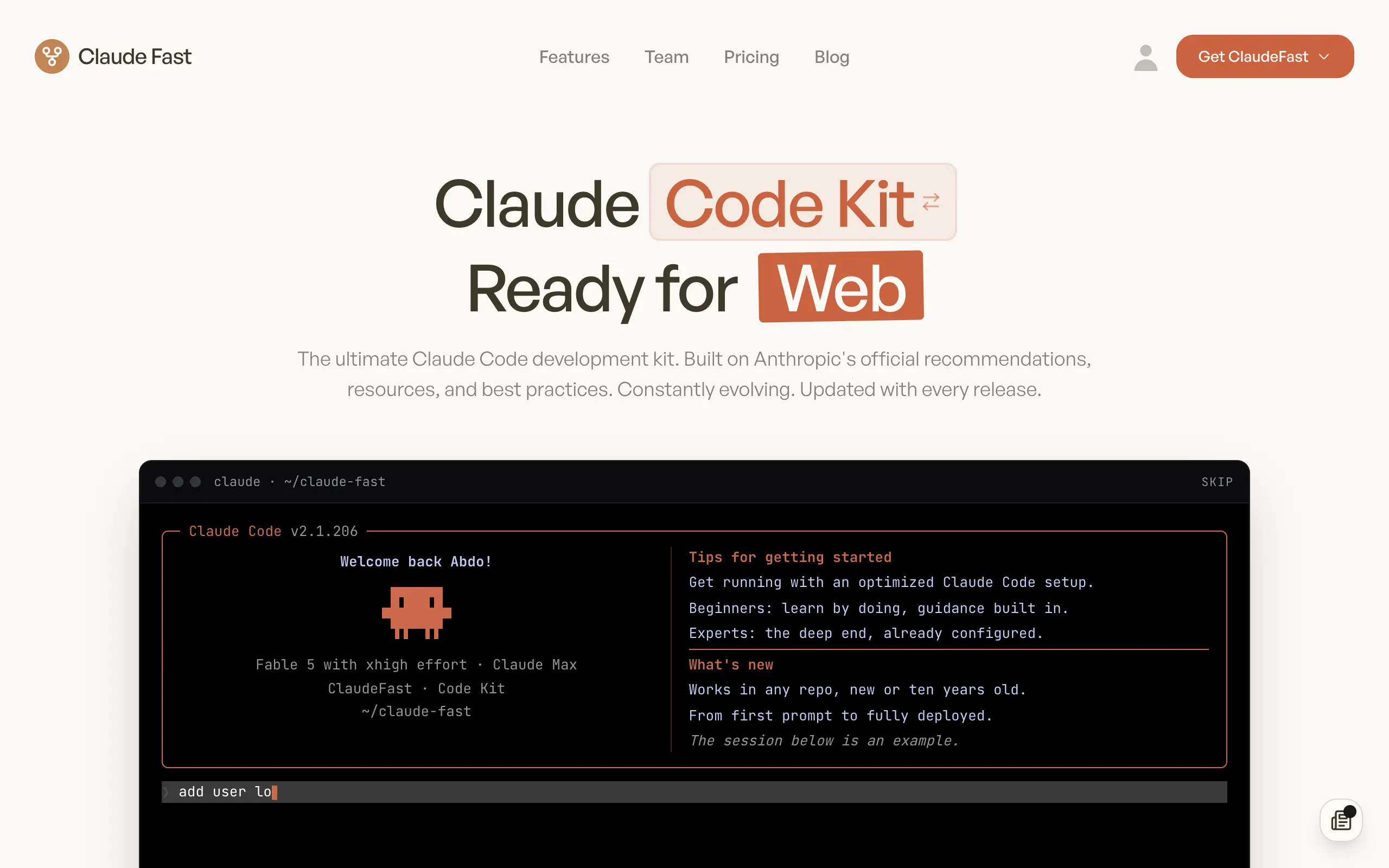
Claude Fast
Supercharge your Claude Code with 6x effective context window and specialized AI agents 🤖
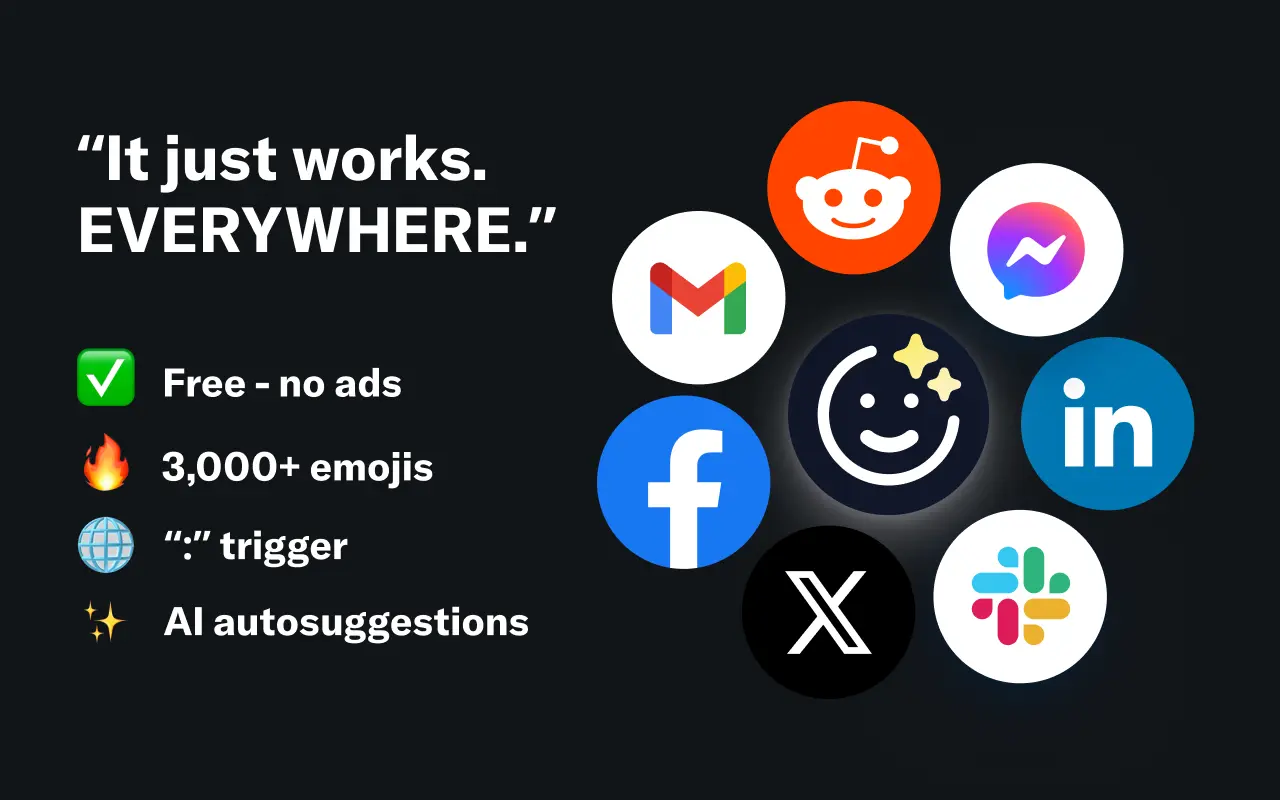
EmojAI
AI-powered emoji picker with smart, context-aware suggestions 🤖
Solohacker
Autonomous company launcher - AI agents work 24/7, escalate what matters, and you stay in control 🤖
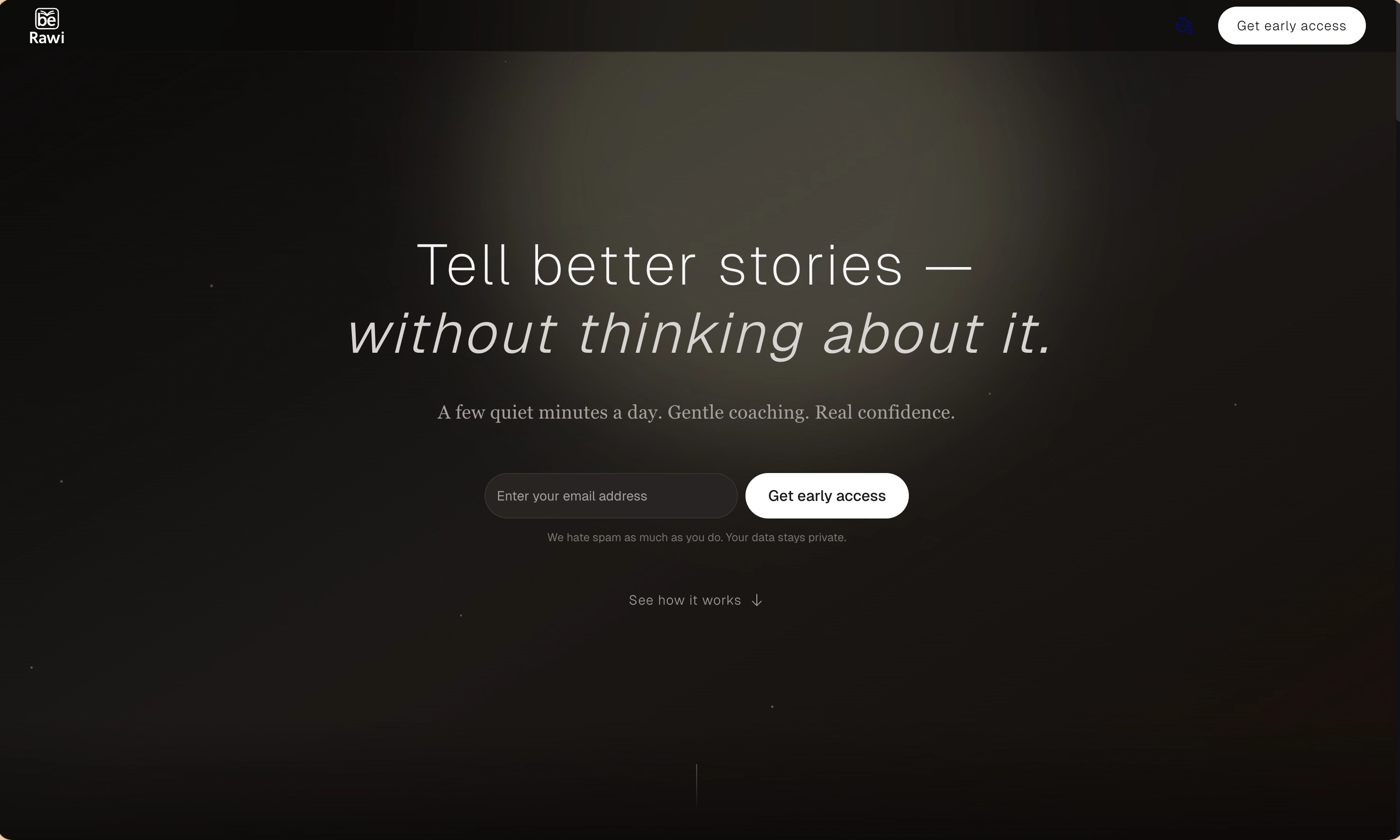
BeRawi: Storytelling Coach
Practice storytelling daily with instant feedback to sound clearer, more engaging, and confident 🎤
Omichat
Chat with 50+ AI models, including ChatGPT and Claude, in one place - switch models anytime without losing context 🤖
Claude Fast
Supercharge your Claude Code with 6x effective context window and specialized AI agents 🤖
EmojAI
AI-powered emoji picker with smart, context-aware suggestions 🤖
Solohacker
Autonomous company launcher - AI agents work 24/7, escalate what matters, and you stay in control 🤖
BeRawi: Storytelling Coach
Practice storytelling daily with instant feedback to sound clearer, more engaging, and confident 🎤
Omichat
Chat with 50+ AI models, including ChatGPT and Claude, in one place - switch models anytime without losing context 🤖
Claude Fast
Supercharge your Claude Code with 6x effective context window and specialized AI agents 🤖
EmojAI
AI-powered emoji picker with smart, context-aware suggestions 🤖
Solohacker
Autonomous company launcher - AI agents work 24/7, escalate what matters, and you stay in control 🤖
BeRawi: Storytelling Coach
Practice storytelling daily with instant feedback to sound clearer, more engaging, and confident 🎤
Omichat
Chat with 50+ AI models, including ChatGPT and Claude, in one place - switch models anytime without losing context 🤖
Claude Fast
Supercharge your Claude Code with 6x effective context window and specialized AI agents 🤖
EmojAI
AI-powered emoji picker with smart, context-aware suggestions 🤖
Solohacker
Autonomous company launcher - AI agents work 24/7, escalate what matters, and you stay in control 🤖
BeRawi: Storytelling Coach
Practice storytelling daily with instant feedback to sound clearer, more engaging, and confident 🎤

Connect with like-minded people
Join our community to get feedback, support, and grow together with 1,000+ builders on board, let's ship it!
Join usShip your startup everywhere. In minutes.
Don't burn tokens on setup and start building features on day one.