SceneSprint
A collaborative movie-night planner for coworking spaces and developer communities, combining polls, streaming rights tracking, and event analytics.
Why collaborative movie-night planning software is a strong B2B opportunity
Bars, independent cinemas, breweries, rooftops, cultural venues, and neighborhood event spaces all compete for the same scarce resource: repeat customer attention. A standard screening calendar is no longer enough to make a venue memorable. Guests increasingly expect a themed, participatory experience they can share with friends, vote on, and return to regularly.
SceneSprint is a collaborative movie-night planning platform designed for venue operators that want to turn screenings into repeatable revenue programs. Instead of relying on scattered spreadsheets, social polls, ticketing dashboards, staff group chats, and post-event guesswork, the platform centralizes programming, promotion, audience input, ticket bundles, and repeat-visit analytics.
The primary opportunity is not simply helping a venue show films. It is helping teams create a reliable movie event operating system that answers practical questions such as:
- Which themes bring first-time guests into the venue?
- Which movies lead to the strongest food and beverage spend?
- Which audience segments come back for a second event?
- Should a venue run a cult classic series, a seasonal horror program, or a director retrospective?
- How should staff package tickets, concessions, reserved seating, and memberships?
- What should a venue schedule next based on actual audience demand rather than internal opinion?
For operators, SceneSprint can become a planning and retention platform rather than another generic event calendar. That positioning is important because B2B buyers are not purchasing “movie recommendations.” They are purchasing better attendance, more predictable operations, stronger guest loyalty, and measurable incremental revenue.
Core positioning
SceneSprint should be positioned as collaborative movie-night planning software for bars, cinemas, and venues that want to build profitable recurring film programs.
The problem SceneSprint solves for bars and cinemas
Planning a successful movie night looks simple from the outside. A venue chooses a film, sets a date, sells tickets, and opens the doors. In practice, the work is fragmented and operationally complex.
Programming teams need to select titles that match their brand, available licensing options, screen format, customer taste, and local competition. Marketing teams need compelling themes and clear audience messaging. Front-of-house staff need to know expected attendance, bundle redemption rules, seating requirements, and special requests. Operators need to understand whether the event actually created profitable repeat behavior.
Most venues currently manage that process through a disconnected toolset:
- "Programming": spreadsheets, notes, email threads, distributor contacts, and ad hoc calendars
- "Audience research": social media polls, Instagram stories, email surveys, and informal customer feedback
- "Ticket sales": a separate ticketing system with limited event-level customer context
- "Food and beverage": point-of-sale reports that are rarely connected to screening data
- "Retention analysis": manual exports, rough estimates, or no measurement at all
- "Team coordination": messaging apps and meetings without a durable planning record
This creates a major visibility problem. A venue may know that a screening sold out, but not know why it sold out, who attended, whether they purchased bundles, whether they returned, or which future programming decision would recreate the outcome.
SceneSprint should solve that gap by giving teams one workspace for the full lifecycle of a film event:
- Discover and shape a programming concept.
- Collect audience feedback before the calendar is finalized.
- Build ticket and concession bundles around the event.
- Coordinate staff tasks and promotional assets.
- Track attendance and revenue outcomes.
- Measure return visits, customer cohorts, and repeatable themes.
Target audience analysis for SceneSprint
The best early customers are not every business that owns a screen. SceneSprint should initially focus on operators with recurring events, an existing customer base, and enough programming complexity to feel the pain of disconnected workflows.
Independent cinemas and repertory theaters
Independent cinemas are likely the most obvious fit. These businesses often depend on carefully curated programming, loyal members, local partnerships, and high-margin concession revenue. They also tend to run special series beyond new releases, including classic cinema, documentaries, international film, late-night cult screenings, and community programs.
Their key needs include:
- A shared programming calendar for staff and collaborators
- Theme planning across seasons, festivals, and anniversaries
- Audience voting for repertory or midnight programming
- Ticket bundle creation for multi-film series
- Member-only presales and loyalty offers
- Reporting on attendance by genre, director, series, and time slot
- Repeat-visit tracking across a season or membership period
The buying champion could be a general manager, programming director, marketing manager, or owner-operator. The economic buyer is usually the owner, executive director, or operations lead.
Bars, breweries, and hospitality venues
Bars and breweries have a different but equally valuable use case. For them, movie nights are often a retention and traffic-driving strategy. A themed screening can fill a slow weekday, create an excuse for group visits, increase food and beverage spend, and differentiate the venue from nearby competitors.
Their primary concern is not film programming in isolation. It is whether the event creates enough total spend to justify staffing, licensing, promotion, equipment, and lost table capacity.
SceneSprint should therefore emphasize:
- Weekday foot-traffic planning
- Film-plus-drink or film-plus-food bundles
- Seasonal campaigns such as horror month or holiday classics
- Audience polls that create local engagement
- Marketing templates for recurring events
- Guest history and return-visit analysis
- Event profitability reporting
A bar owner may not describe the problem as “cinema programming.” They may describe it as “we need more dependable Tuesday revenue” or “we need events people want to come back to.” Product messaging should reflect that language.
Community venues, universities, and cultural organizations
Universities, museums, arts centers, nonprofit venues, and community organizations can also benefit from an organized movie-night planning platform. These buyers often manage partnerships, educational themes, accessibility requirements, sponsors, and stakeholder approvals.
Their workflows may include:
- Community-focused programming
- Campus club collaboration
- Public voting and member feedback
- Sponsor visibility
- Educational discussion guides
- Accessibility notes for captions, audio description, or sensory-friendly screenings
- Reporting for grants, boards, sponsors, or funders
This segment may have longer sales cycles, but it can produce strong account retention when the software becomes embedded in recurring programming operations.
A practical ideal customer profile
The strongest initial SceneSprint customer profile is a venue that runs at least two to four movie-related events per month, has a team of two or more people involved in planning, and wants to increase repeat visits.
| Segment | Primary job to be done | Buying trigger | High-value capability | Sales complexity |
|---|---|---|---|---|
| Independent cinema | Improve programming and member retention | Growing special-event calendar | Series analytics and bundles | Medium |
| Bar or brewery | Increase off-peak venue traffic | Need stronger weekday events | F&B bundles and repeat visits | Low to medium |
| Community venue | Coordinate collaborative programming | Multiple stakeholders and partners | Polls and approval workflows | Medium to high |
The market gap in movie event management
The current market includes ticketing platforms, venue management systems, point-of-sale products, generic event tools, and customer relationship management software. However, many of these products treat a screening as a one-time transaction.
That is the gap SceneSprint can own.
A ticketing provider may process purchases well, but it may not help a programmer decide which theme will resonate next month. A point-of-sale system can report revenue, but it may not reveal which movie series inspired the highest rate of return. A social platform can host a poll, but it does not connect the results to event setup, bundle conversion, attendance, and customer cohorts.
The opportunity is to build a focused film event intelligence layer between programming and revenue.
Why the timing is favorable
Several shifts make this category more relevant:
- Venues need differentiated in-person experiences that cannot be replicated by streaming at home.
- Independent operators are prioritizing community, memberships, and recurring events as durable revenue sources.
- Consumers respond strongly to niche programming, nostalgia, themed gatherings, and participatory events.
- Hospitality operators are under pressure to use slower dayparts more effectively.
- AI-assisted workflow tools make it more feasible for lean teams to generate campaign ideas, event descriptions, audience segments, and performance summaries.
- First-party customer data is increasingly valuable as paid social targeting becomes less predictable and more expensive.
SceneSprint should avoid framing these shifts as vague trends alone. In sales collateral, support claims with venue-specific evidence. For example, cite a customer’s own before-and-after attendance, bundle conversion, or repeat-visit results. For broader industry context, reference current reports from credible organizations such as cinema trade associations, hospitality research firms, and local tourism bodies.
SceneSprint’s unique selling proposition
SceneSprint stands out when it is presented as more than a scheduling system and more than a ticketing add-on.
Its unique selling proposition is:
SceneSprint helps venues turn movie nights into measurable repeat-visit programs by connecting collaborative programming, audience demand, ticket bundles, and post-event retention analytics in one workflow.
This positioning makes several distinctions clear:
- It is collaborative, so programming, marketing, and operations can work from one source of truth.
- It is audience-informed, so venues can validate themes before committing budget and promotion.
- It is revenue-aware, so teams can measure more than ticket sales.
- It is retention-focused, so operators can optimize for the next visit, not just the current event.
- It is purpose-built for film events, unlike generic project management or event planning software.
The defensible product wedge
The initial wedge should be collaborative themed programming plus audience polling. These features are easy for prospects to understand, offer immediate value, and create a natural reason to invite more team members and customers into the platform.
The deeper moat develops after adoption through structured event data:
- Which themes work at a particular venue
- Which audience segments vote, buy, and return
- Which bundles convert by screening type
- Which time slots produce repeat behavior
- Which campaigns drive attendance at similar events
- Which event formats work across comparable venue categories
Over time, aggregated and privacy-conscious benchmarks can become a valuable premium capability. For example, SceneSprint could show an independent cinema how its cult-film series retention compares with anonymized peers of a similar size and geography.
Core SceneSprint features and how they create value
A successful MVP should not try to replace ticketing, POS, CRM, marketing automation, and licensing systems on day one. It should be the orchestration and insight layer that connects the most important actions around movie-night planning.
Collaborative programming workspace
The programming workspace is the heart of SceneSprint. It should allow teams to plan a screening or series from idea to post-event review.
Each event record can include:
- Film title and metadata
- Theme or series assignment
- Proposed dates and showtimes
- Venue room or screen
- Programming rationale
- Target audience segment
- Licensing status and notes
- Partner or sponsor details
- Food and beverage concept
- Ticket tiers and bundle options
- Staff owners and approval status
- Marketing copy, assets, and launch checklist
- Event performance results
Instead of storing the “why” behind a screening in someone’s inbox, the platform captures it alongside the final outcome. That creates institutional knowledge for the team.
Themed programming templates
Templates help busy operators launch professional-looking campaigns quickly. A template should include suggested planning tasks, promotional angles, poll questions, bundle ideas, and reporting metrics.
Examples include:
Cult classic late nights
Build recurring midnight programs with costume prompts, themed drinks, audience voting, and membership perks.
Seasonal horror series
Coordinate October programming, horror subgenres, double features, themed bundles, and weekly retention tracking.
Director retrospective
Package multiple screenings into a collectible series with pass options and audience discussion prompts.
Templates should be configurable rather than prescriptive. A sophisticated repertory cinema may need a very different workflow from a neighborhood bar with one projector and a limited events team.
Audience polls and demand validation
Audience polling is a key acquisition and engagement feature. Before a venue locks in a title or theme, it can publish a branded poll through a hosted page, email campaign, QR code, or social link.
Useful poll formats include:
- Choose the next film from a short list
- Vote for a genre or decade
- Pick a preferred screening time
- Select a themed drink or food bundle
- Request future series ideas
- Join a waitlist for a potential event
- Tell the venue which friend group they would bring
The product should not interpret votes as guaranteed sales. Instead, it should display demand signals such as vote volume, email capture rate, geographic concentration when available, and historical conversion from similar polls.
A poll becomes especially valuable when it creates a measurable funnel:
const eventSignal = {
  pollVotes: 482,
  emailCaptures: 167,
  waitlistJoins: 94,
  ticketsSold: 121,
  returningGuests: 38,
};
The key insight is not simply that 482 people voted. It is whether a particular audience interaction led to ticket purchases and later repeat attendance.
Ticket bundles and series passes
Bundles are central to the business model for venues because they increase average order value and encourage repeat visits. SceneSprint should make bundle planning straightforward, even if the actual checkout takes place through an integrated ticketing partner.
Common bundle structures include:
- Single ticket plus themed drink
- Ticket plus food item
- Double-feature pass
- Three-event series pass
- Couple or group bundle
- Member presale bundle
- Ticket plus merch
- Sponsor-supported package
- Bring-a-friend return offer
The product should help operators compare bundle outcomes against standard ticket sales. For example, a cinema might learn that a director retrospective has lower single-ticket volume but generates substantially more repeat visits through a three-film pass.
Repeat-visit analytics
Repeat-visit analytics are the feature that transforms SceneSprint from an event planning tool into a growth product.
At a minimum, the platform should report:
- First-time versus returning guests
- Return rate within 30, 60, and 90 days
- Repeat visits by theme, genre, daypart, and series
- Ticket bundle redemption rate
- Average events attended per guest
- Revenue contribution by cohort
- Poll participant conversion rate
- Membership or loyalty segment performance
- Guest reactivation opportunities
A strong dashboard should answer an operator’s next action, not merely display charts. For example:
Guests who attended the 1990s thriller series returned at a higher rate when offered a three-event pass than when offered individual tickets. Launch the next retrospective with a pass-first campaign.
Post-event retrospectives
After an event, staff should be able to complete a structured retrospective. This should be quick enough that teams will actually use it.
The form can capture:
- Attendance quality and no-show observations
- Staffing issues
- Audience energy and participation
- Bundle stockouts or operational friction
- Marketing channel observations
- Guest feedback themes
- Ideas to repeat or avoid
- Suggested follow-up campaign
Over time, this qualitative data complements the quantitative dashboard. A sold-out event may still be a poor repeatable format if it caused excessive staffing issues or dissatisfied regulars.
Recommended technology stack for a scalable SaaS product
SceneSprint needs a stack that supports multi-tenant SaaS operations, role-based collaboration, real-time updates, analytics, integrations, and reliable customer data handling.
A practical web stack could include React for the application interface and Next.js for full-stack rendering, routing, API endpoints, and performance optimization. TypeScript is strongly recommended because the product will manage interconnected data models for events, guests, bundles, polls, organizations, permissions, and integrations.
For UI implementation, Tailwind CSS can accelerate design consistency and responsive dashboard development. A component system should be established early so that calendar views, charts, tables, filters, status badges, and permission-aware actions remain coherent as the platform grows.
Suggested architecture
| Layer | Recommended option | Why it fits | Trade-off | Priority |
|---|---|---|---|---|
| Frontend | React and Next.js | Fast product iteration and SEO-ready public pages | Requires disciplined server and client boundaries | High |
| Database | PostgreSQL | Strong relational model for tenants, events, and reporting | Analytics queries need thoughtful indexing | High |
| ORM | Prisma | Type-safe schema workflows and migrations | Complex reporting may need direct SQL | High |
| Authentication | Managed auth provider or Auth.js | Supports roles and organization access | Tenant security requires careful configuration | High |
| Payments | Stripe | Subscriptions, invoices, and usage billing | Does not replace venue ticket checkout | High |
For the operational database, PostgreSQL is a strong choice because SceneSprint’s data is highly relational. An organization has venues, venues have events, events have polls and bundles, and guests may appear across multiple attendance records. Prisma can speed up type-safe development and schema management, though the team should be comfortable writing optimized SQL or materialized views for advanced reporting.
For payments, Stripe is suitable for SceneSprint’s SaaS subscriptions, trials, invoices, and optional usage-based billing. It should not be assumed to solve ticketing requirements unless SceneSprint intentionally expands into checkout infrastructure later.
Integration strategy and trade-offs
Integrations will be a major source of value, but also a major source of complexity. The recommended approach is to build a robust import and export layer before investing in many deep native integrations.
Start with:
- CSV imports for past event and customer data
- CSV exports for operators and finance teams
- Calendar exports and iCal feeds
- Webhooks for event creation and status changes
- A flexible API for future partners
- Integration connectors for the most requested ticketing and POS systems
The trade-off is clear. A fully native integration can create a powerful workflow, but each provider has different APIs, authentication rules, customer identifiers, rate limits, and data quality issues. SceneSprint should validate demand with a paid integration roadmap rather than building integrations based only on prospect requests.
Data privacy and security requirements
Because repeat-visit analytics can involve customer identities and purchase history, privacy cannot be an afterthought.
SceneSprint should implement:
- Tenant isolation at the database and application level
- Role-based access controls for owners, managers, marketers, and staff
- Encryption in transit and at rest through trusted infrastructure providers
- Clear data processing agreements
- Data retention and deletion controls
- Consent-aware handling of marketing data
- Audit logs for sensitive actions
- Minimal collection of personally identifiable information
- Aggregated benchmarking that avoids exposing individual venue data
For venues operating across regions, the product should support privacy workflows relevant to applicable regulations. Legal counsel should review data processing practices before enterprise expansion.
Monetization strategies for SceneSprint
SceneSprint should use subscription pricing because the value compounds over time. A venue benefits more after it has run several events, captured polling data, tested bundles, and measured return cohorts.
Tiered monthly SaaS plans
A tiered model can align pricing with venue complexity.
- "Starter": for small bars and one-screen venues, including planning calendars, templates, limited polls, and basic reporting
- "Growth": for active independent venues, including unlimited events, advanced bundles, integrations, and repeat-visit analytics
- "Multi-venue": for cinema groups, hospitality groups, and cultural organizations with centralized reporting and multiple locations
- "Enterprise": for custom integrations, single sign-on, advanced permissions, implementation support, and contractual security requirements
Avoid pricing purely by seats. Movie-night planning benefits from broad internal collaboration, and seat-based limits can discourage adoption by marketers, event staff, or part-time programmers.
Better pricing variables include number of venues, event volume, active audience records, or analytics depth.
Add-on revenue opportunities
Potential add-ons include:
- Advanced ticketing or POS integrations
- White-label poll pages
- Audience segmentation and campaign automation
- Data migration and onboarding services
- Custom reporting
- Benchmarking insights
- Managed programming strategy workshops
- Additional SMS or email usage through integrated messaging services
Professional services should not become the core business model, but implementation packages can reduce churn for larger accounts and produce valuable insight into product gaps.
Value-based pricing narrative
The sales conversation should connect pricing to measurable outcomes. If SceneSprint helps a venue fill a slow weekday, convert more guests into bundles, or increase repeat visits to a seasonal series, the monthly fee can be easy to justify.
A useful value framework is:
Monthly value equals incremental ticket revenue plus incremental food and beverage revenue plus retention-driven future revenue minus event operating costs.
The product does not need to promise unrealistic revenue gains. It needs to make the venue’s current outcomes measurable and improve decision quality over time.
Competitive advantage analysis
SceneSprint will compete indirectly with many categories, but its advantage comes from combining workflows that are usually separate.
Compared with generic event management software
Generic event platforms are often strong at registration, logistics, reminders, and attendee lists. They typically lack film-specific programming logic, themed series planning, audience choice workflows, and screening retention analysis.
SceneSprint wins by being designed around the real decisions made by programmers and hospitality operators.
Compared with ticketing platforms
Ticketing platforms are critical partners or adjacent systems, not necessarily direct enemies. They excel at transactions, seat inventory, payment processing, and entry validation.
SceneSprint should complement them by answering what happens before and after checkout:
- What should the venue program?
- What audience demand supports that decision?
- Which ticket bundle should be offered?
- Who came back after the event?
- What should be promoted next?
Compared with spreadsheets and internal tools
Spreadsheets are cheap and flexible, which means they are difficult to displace. But they become fragile when multiple people edit them, historical context disappears, and reporting relies on manual work.
SceneSprint must outperform spreadsheets on three dimensions:
- Speed through templates, reusable workflows, and automated data ingestion.
- Clarity through a shared event record and accountability.
- Insight through repeat-visit analytics that spreadsheets rarely produce reliably.
SceneSprint helps venues plan better film events and prove which programs bring guests back. This is more concrete than claiming to be an all-in-one venue platform.
Not in the MVP. Build integration-friendly workflows first. Replacing ticketing adds substantial complexity around payments, seating, refunds, tax, support, and local compliance.
The defensible asset is the structured connection between programming intent, audience feedback, bundle design, attendance, and return behavior over many events.
Risks and mitigation strategies
Every vertical SaaS concept has risks. The goal is not to eliminate uncertainty; it is to design an operating plan that addresses the most likely obstacles early.
Risk: fragmented third-party data
Ticketing, POS, email, membership, and guest data may sit in separate systems. Customer identifiers can be inconsistent, incomplete, or unavailable.
Mitigation: Launch with manual imports, clear matching rules, and a practical data-quality dashboard. Prioritize integrations based on customer demand and technical feasibility. Show customers where reporting confidence is high, moderate, or limited rather than overstating precision.
Risk: film licensing confusion
Some prospects may assume the platform grants screening rights or manages licensing compliance.
Mitigation: Clearly state that SceneSprint is a planning and analytics tool, not a film licensing provider. Include licensing status fields, reminders, and internal documentation features, but avoid legal claims. Encourage venues to work with qualified licensing partners and legal advisers.
Risk: low team adoption
If staff feel the platform adds administrative work, they may return to spreadsheets and chat tools.
Mitigation: Make the first workflow immediately useful. For example, let a venue launch a branded poll and create a themed event plan in minutes. Build calendar views, templates, task ownership, and post-event reports that reduce work instead of adding it.
Risk: unclear ROI in early months
Retention analytics need time and sufficient event volume to become meaningful.
Mitigation: Provide leading indicators from day one, including poll engagement, waitlist growth, bundle attach rate, first-time guest capture, and campaign performance. Set realistic expectations for when cohort insights become statistically useful.
Risk: a narrow market perception
Some investors or prospects may see movie nights as too niche.
Mitigation: Start focused, then expand thoughtfully into adjacent recurring programmed experiences such as trivia cinema, live commentary, sports watch parties, themed cultural events, or community screening series. The product’s underlying value is collaborative event programming and repeat-visit intelligence.
A practical MVP roadmap for SceneSprint
The MVP should prove that venues will consistently use SceneSprint to plan events and make decisions from its data. It does not need every enterprise integration or advanced AI feature before launch.
What to build first
The first release should prioritize the workflows that create a habit:
- A team can create an event or series quickly.
- A team can invite collaborators and assign tasks.
- A venue can publish an audience poll.
- A venue can record ticket and bundle outcomes.
- A venue can review results and apply learning to the next event.
The initial product can use manual entry or CSV upload for attendance and revenue data. This is often faster than delaying launch for complex integrations.
What to delay
Avoid building these capabilities too early:
- A full consumer marketplace for discovering movie nights
- Proprietary ticket checkout and seat mapping
- Film licensing transactions
- Extensive marketing automation
- Custom mobile apps for every user type
- AI recommendations without enough venue-specific data
- Complex forecasting presented as certainty
These may become useful later, but they should not distract from product-market fit.
Building faster with a SaaS foundation
A production-ready SaaS foundation can reduce the time spent rebuilding authentication, organizations, billing, dashboard patterns, and common operational workflows. TurboStarter can be useful for founders who want to move faster from product concept to a scalable B2B application structure.
How to validate SceneSprint before major development
Validation should focus on behavior, not compliments. Many venue operators will say they like the idea of better analytics. The stronger signal is whether they are willing to provide data, change a workflow, invite staff members, or pay for a pilot.
Run a concierge pilot
Before building every feature, offer a limited concierge service to a small group of venues.
For example:
- Help the venue choose a themed series.
- Create a simple branded audience poll.
- Set up ticket bundle concepts.
- Collect post-event ticket and POS data.
- Deliver a repeat-visit and performance report.
- Discuss what the venue should do next month.
This process reveals which tasks should become product features, which require service, and which venue data is actually available.
Test the willingness to pay
Ask for payment early, even if it is a discounted pilot fee. A paid pilot is much stronger evidence than a free trial signup.
Potential pilot packages could include:
- A one-month planning sprint for one event series
- A three-month retention analytics pilot
- A seasonal programming package for horror, holiday, or summer events
- A multi-venue reporting pilot for a small cinema or hospitality group
The offer should state the expected outcomes clearly without guaranteeing results. For example, the goal might be to identify which event themes and bundle structures are most likely to increase repeat attendance for that specific venue.
Final implementation priorities
SceneSprint has a compelling path because it solves a real operational problem at the intersection of venue programming, customer engagement, and retention analytics. Its strongest market position is not “software for showing movies.” It is movie-night planning software that helps venues build recurring, profitable audience experiences.
To execute effectively, focus on these priorities:
- Start with independent cinemas and hospitality venues that already run recurring events.
- Make collaborative planning and public audience polling the initial product wedge.
- Treat ticketing and POS systems as integration partners, not products to replace immediately.
- Capture structured data at every stage of the event lifecycle.
- Make repeat-visit analytics the premium value layer.
- Use design partners to validate workflows, data availability, and pricing.
- Build a product that helps lean teams act faster, not merely report more.
- Create customer case studies grounded in real attendance, bundle, and retention outcomes.
The long-term opportunity is significant. As venues seek more resilient ways to create community and recurring revenue, the operators that understand their audiences best will have an advantage. SceneSprint can become the system that helps them turn a one-time screening into a program guests actively anticipate, participate in, and return to experience again.
More 🏢 B2B Application SaaS ideas
Discover more innovative b2b application SaaS ideas that are trending in 2026. Each idea is AI-generated with market validation and growth potential to help you find your next profitable venture faster than competitors.
Your competitors are building with TurboStarter
Below are some of the SaaS ideas that have been generated and built with our starter kit.
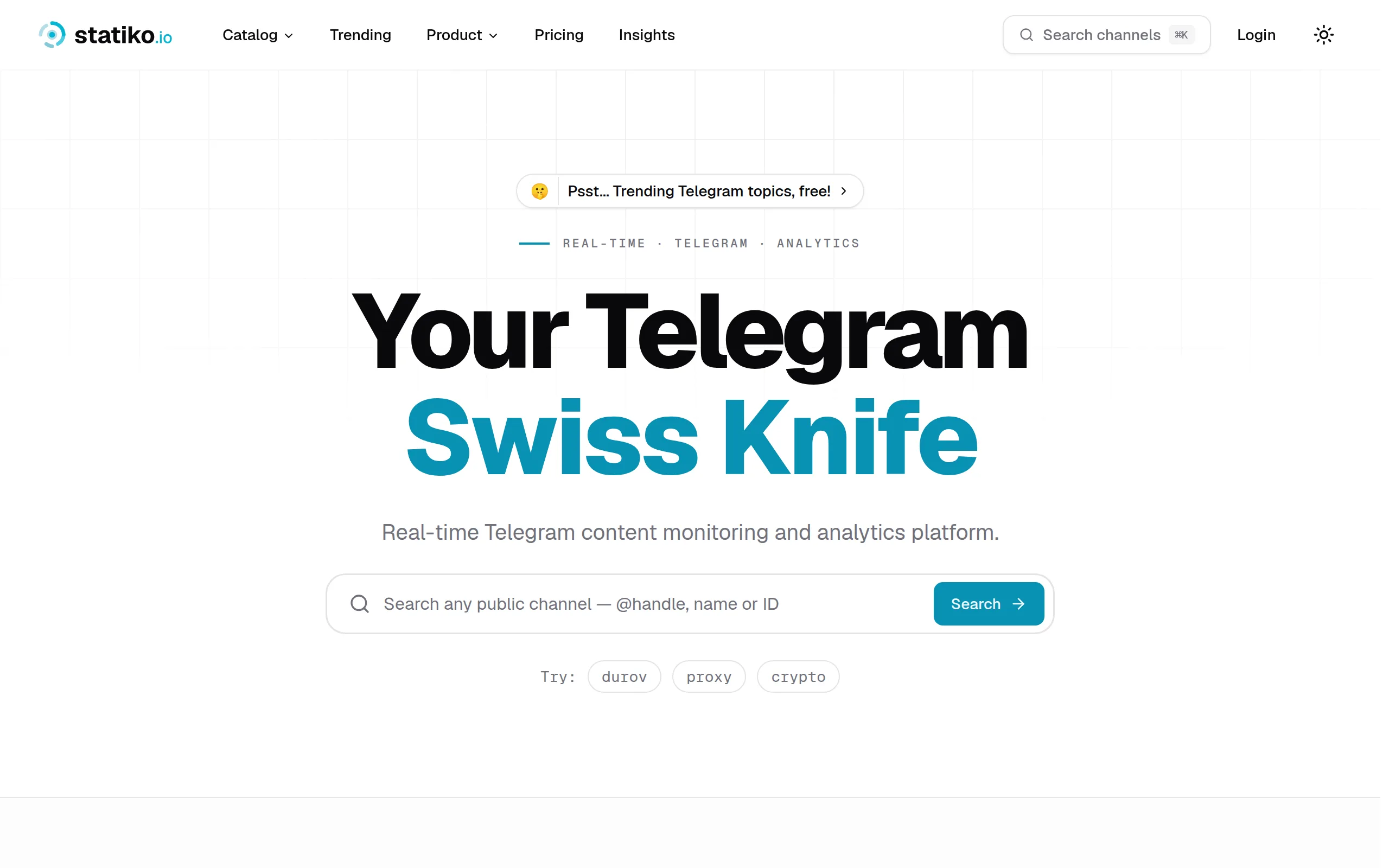
Statiko
Monitor any Telegram channel in real time - track posts, edits, deletions, and growth with AI recaps 📡
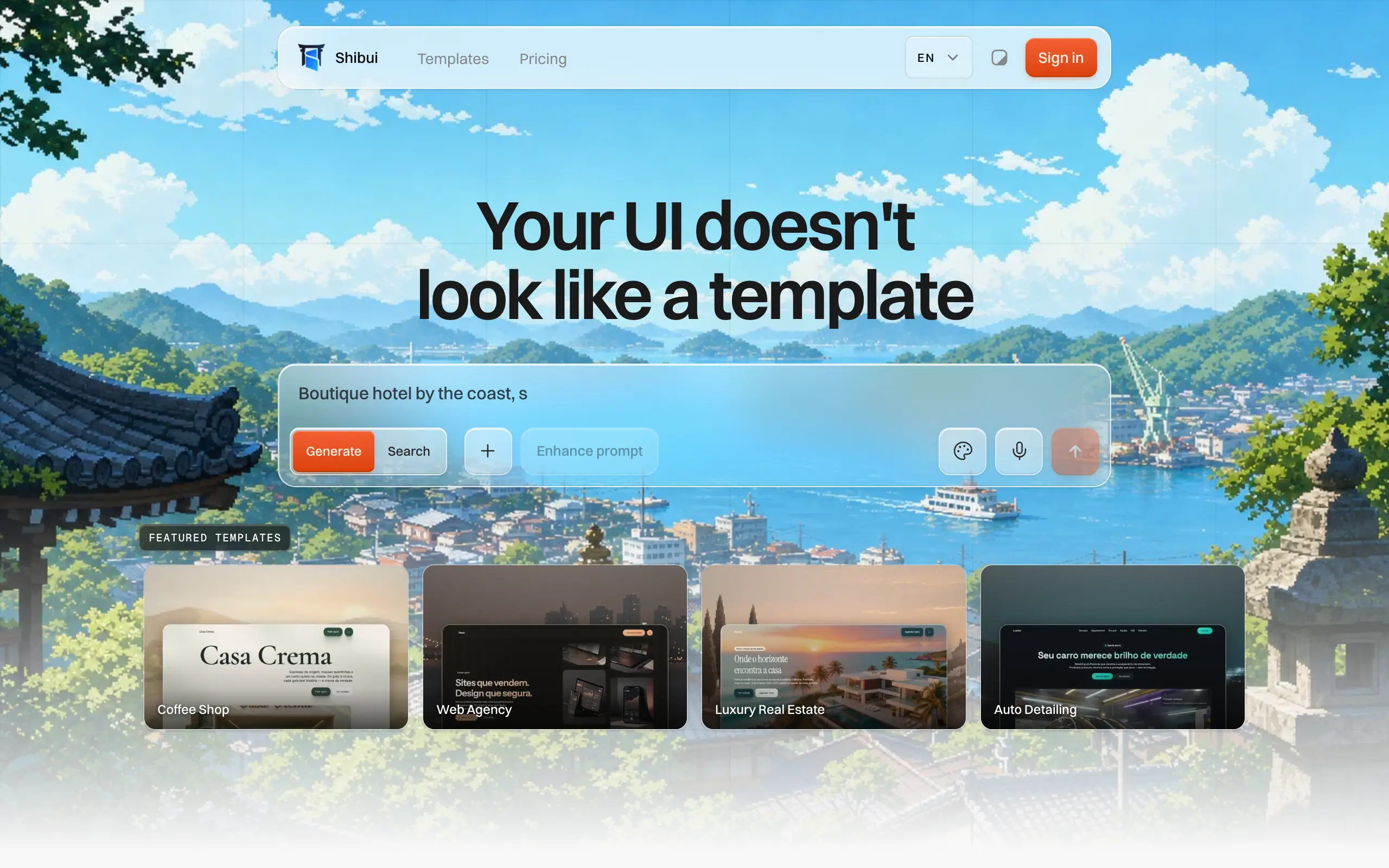
Shibui
AI website builder - describe your business, pick a niche template, edit by chatting, and publish instantly ✨
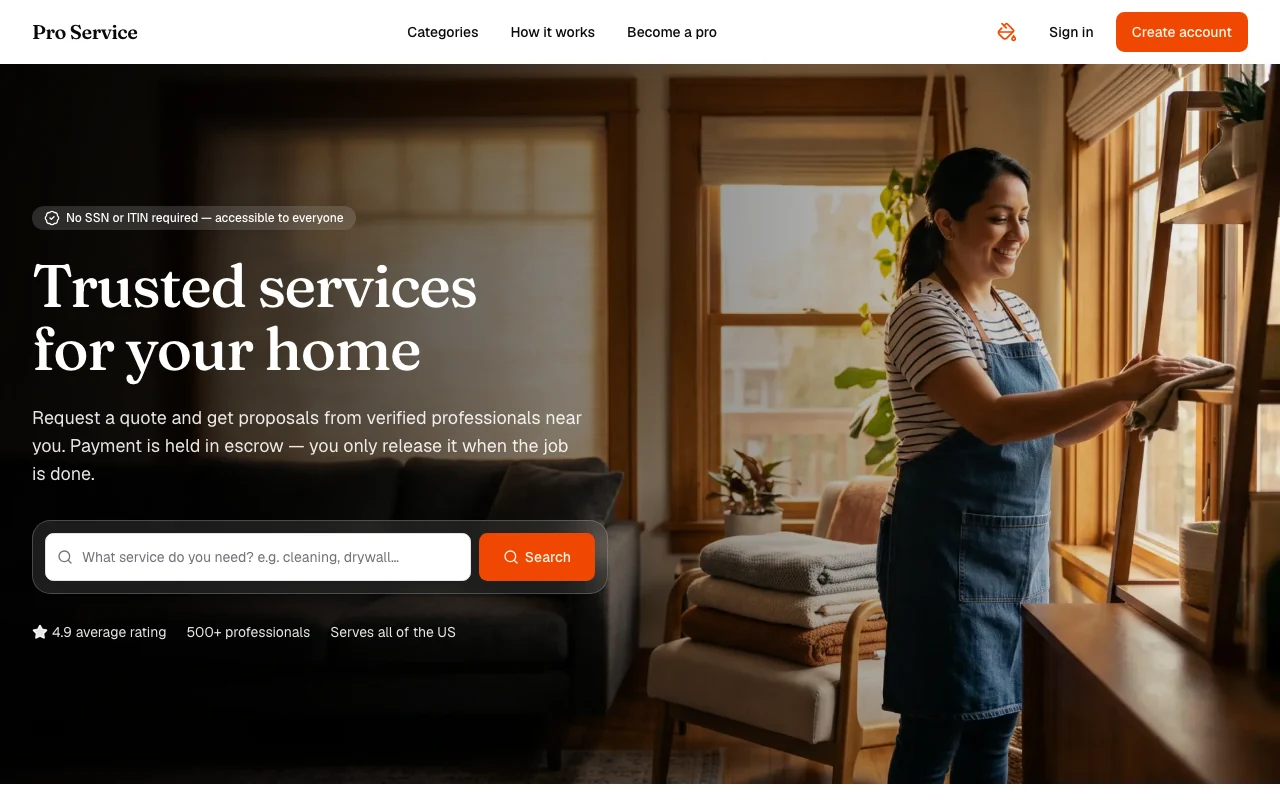
Pro Service
Find verified home service professionals, compare quotes, and pay securely through escrow - built for Brazilians across the US 🏠
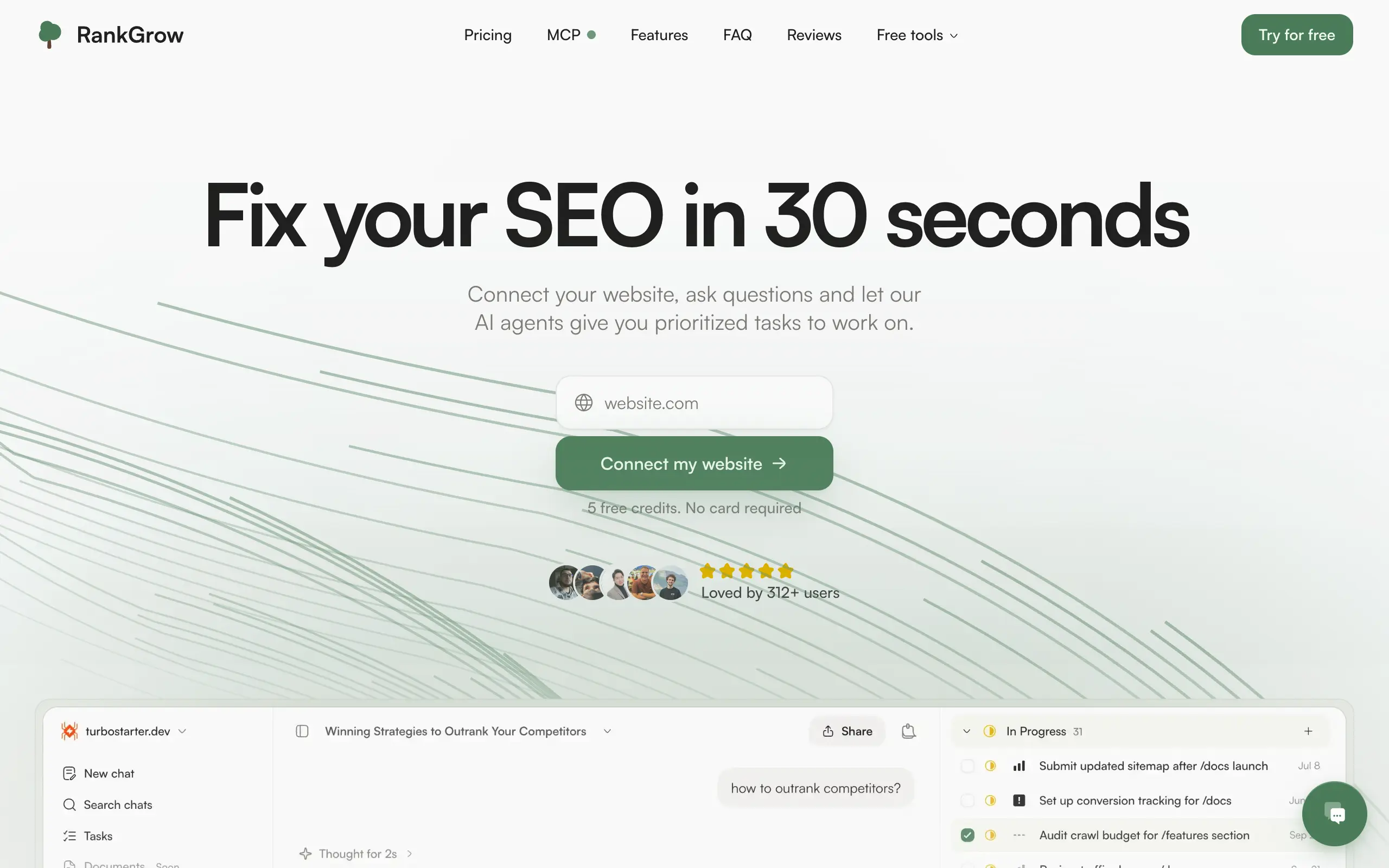
RankGrow
Fix your SEO with AI agents - connect Search Console, get prioritized tasks, and grow organic traffic 📈
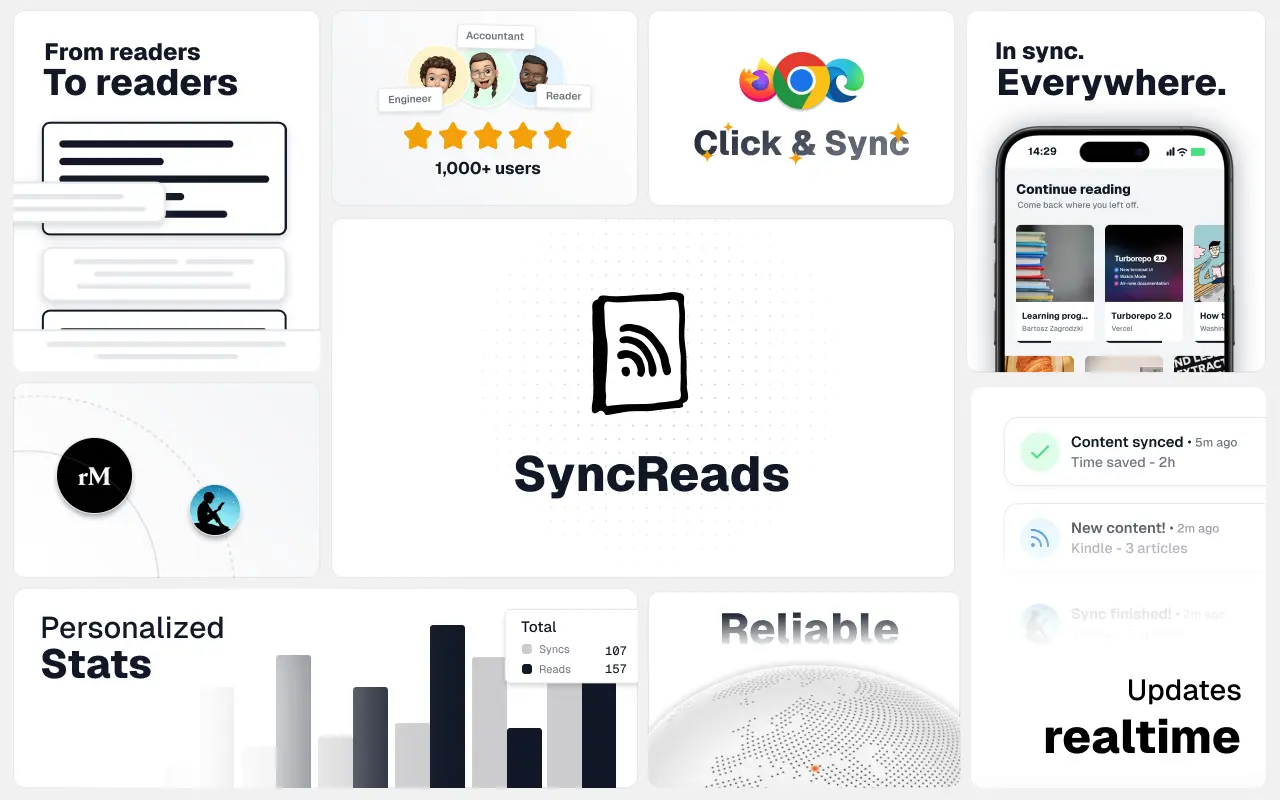
SyncReads
Sync your favorite content for distraction-free reading, save time and replace multiple apps. Anytime, anywhere 🔄
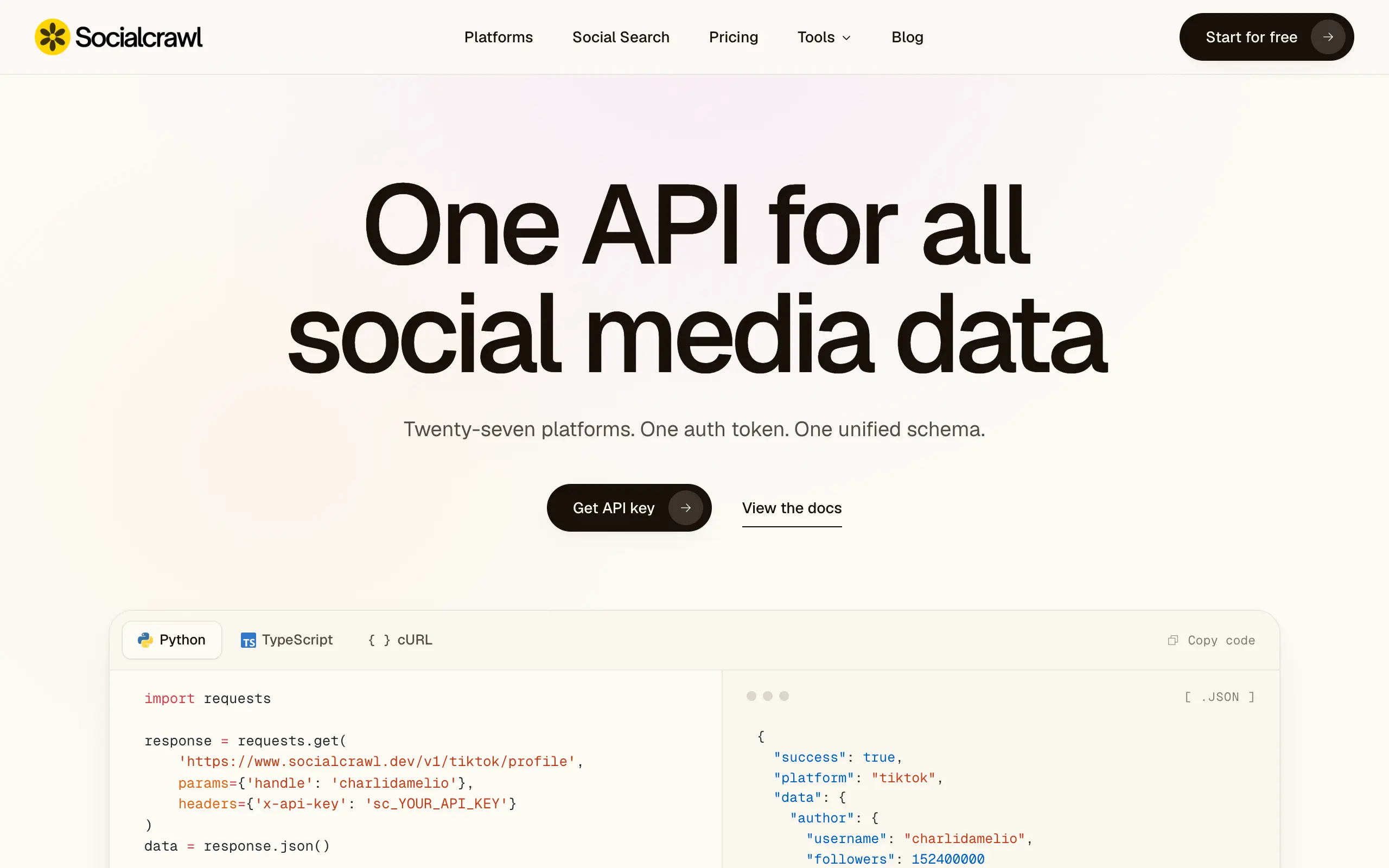
Socialcrawl
Get clean, structured data from 21 platforms like TikTok, Instagram, and YouTube with a single request 📊
Statiko
Monitor any Telegram channel in real time - track posts, edits, deletions, and growth with AI recaps 📡
Shibui
AI website builder - describe your business, pick a niche template, edit by chatting, and publish instantly ✨
Pro Service
Find verified home service professionals, compare quotes, and pay securely through escrow - built for Brazilians across the US 🏠
RankGrow
Fix your SEO with AI agents - connect Search Console, get prioritized tasks, and grow organic traffic 📈
SyncReads
Sync your favorite content for distraction-free reading, save time and replace multiple apps. Anytime, anywhere 🔄
Socialcrawl
Get clean, structured data from 21 platforms like TikTok, Instagram, and YouTube with a single request 📊
Statiko
Monitor any Telegram channel in real time - track posts, edits, deletions, and growth with AI recaps 📡
Shibui
AI website builder - describe your business, pick a niche template, edit by chatting, and publish instantly ✨
Pro Service
Find verified home service professionals, compare quotes, and pay securely through escrow - built for Brazilians across the US 🏠
RankGrow
Fix your SEO with AI agents - connect Search Console, get prioritized tasks, and grow organic traffic 📈
SyncReads
Sync your favorite content for distraction-free reading, save time and replace multiple apps. Anytime, anywhere 🔄
Socialcrawl
Get clean, structured data from 21 platforms like TikTok, Instagram, and YouTube with a single request 📊
Statiko
Monitor any Telegram channel in real time - track posts, edits, deletions, and growth with AI recaps 📡
Shibui
AI website builder - describe your business, pick a niche template, edit by chatting, and publish instantly ✨
Pro Service
Find verified home service professionals, compare quotes, and pay securely through escrow - built for Brazilians across the US 🏠
RankGrow
Fix your SEO with AI agents - connect Search Console, get prioritized tasks, and grow organic traffic 📈
SyncReads
Sync your favorite content for distraction-free reading, save time and replace multiple apps. Anytime, anywhere 🔄
Socialcrawl
Get clean, structured data from 21 platforms like TikTok, Instagram, and YouTube with a single request 📊
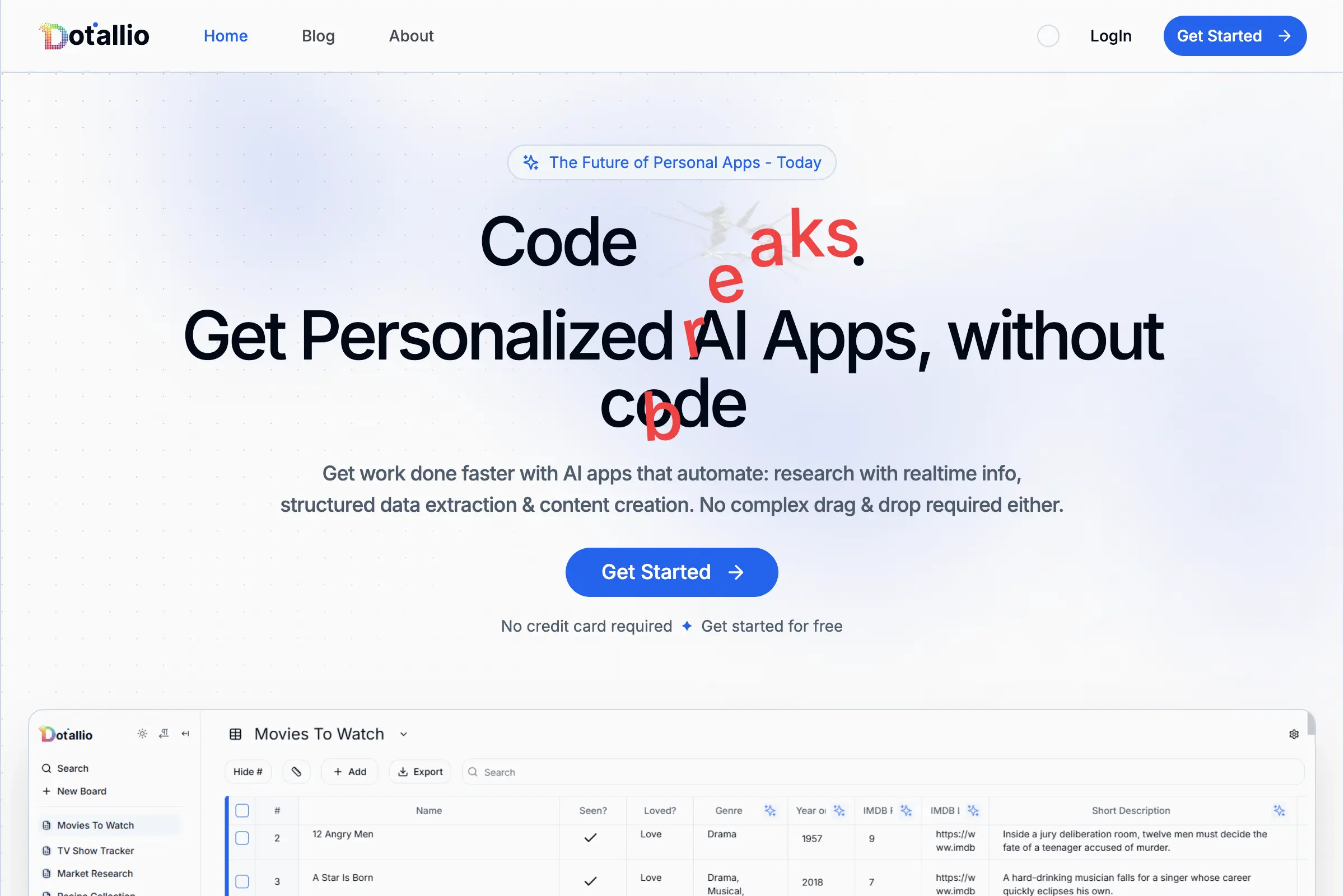
Dotallio
Personalized AI apps that automate research, data extraction, and content creation without code 🤖
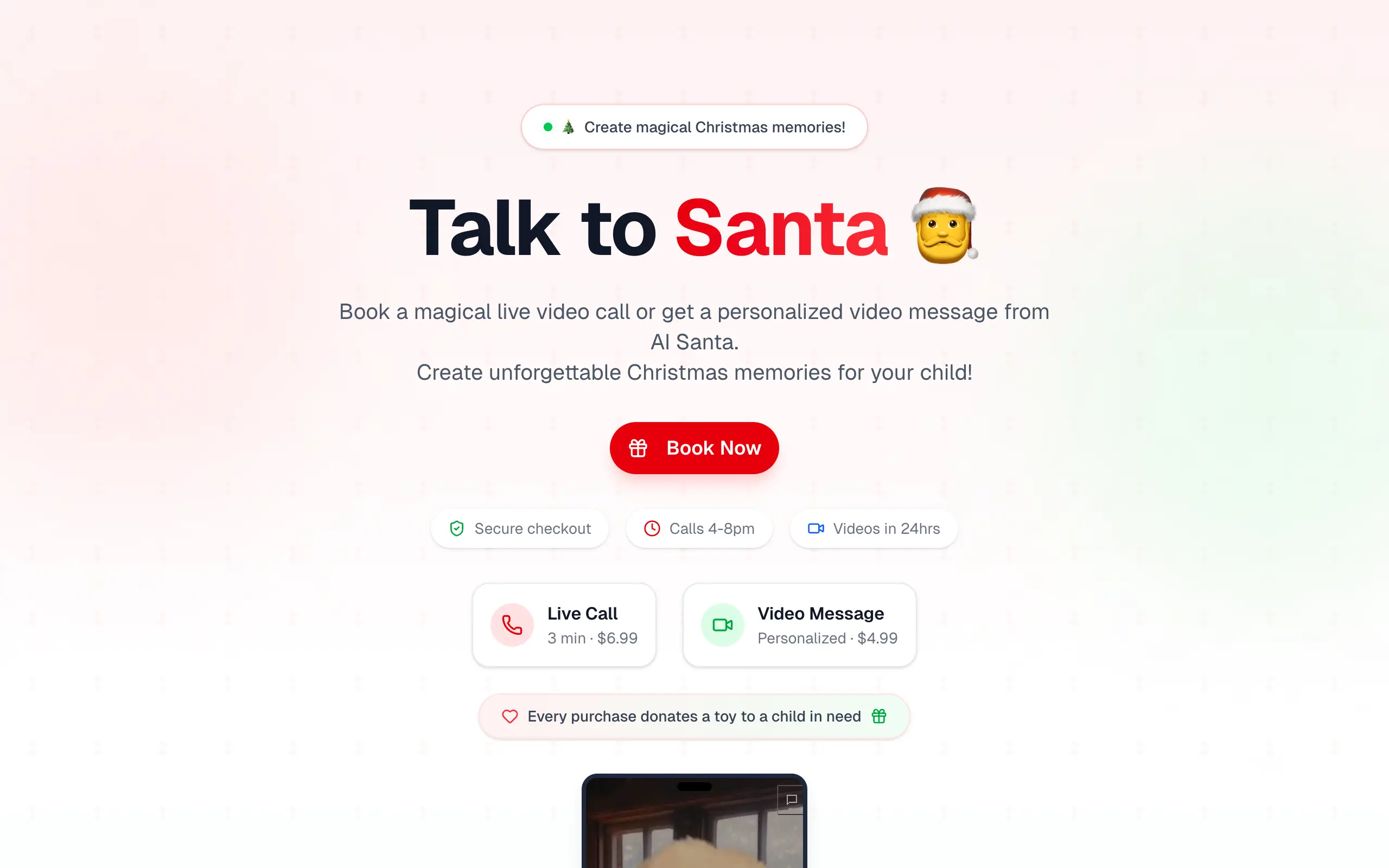
Talk to Santa
Enjoy a magical live video chat or receive a unique AI-generated video greeting from Santa Claus 🎅
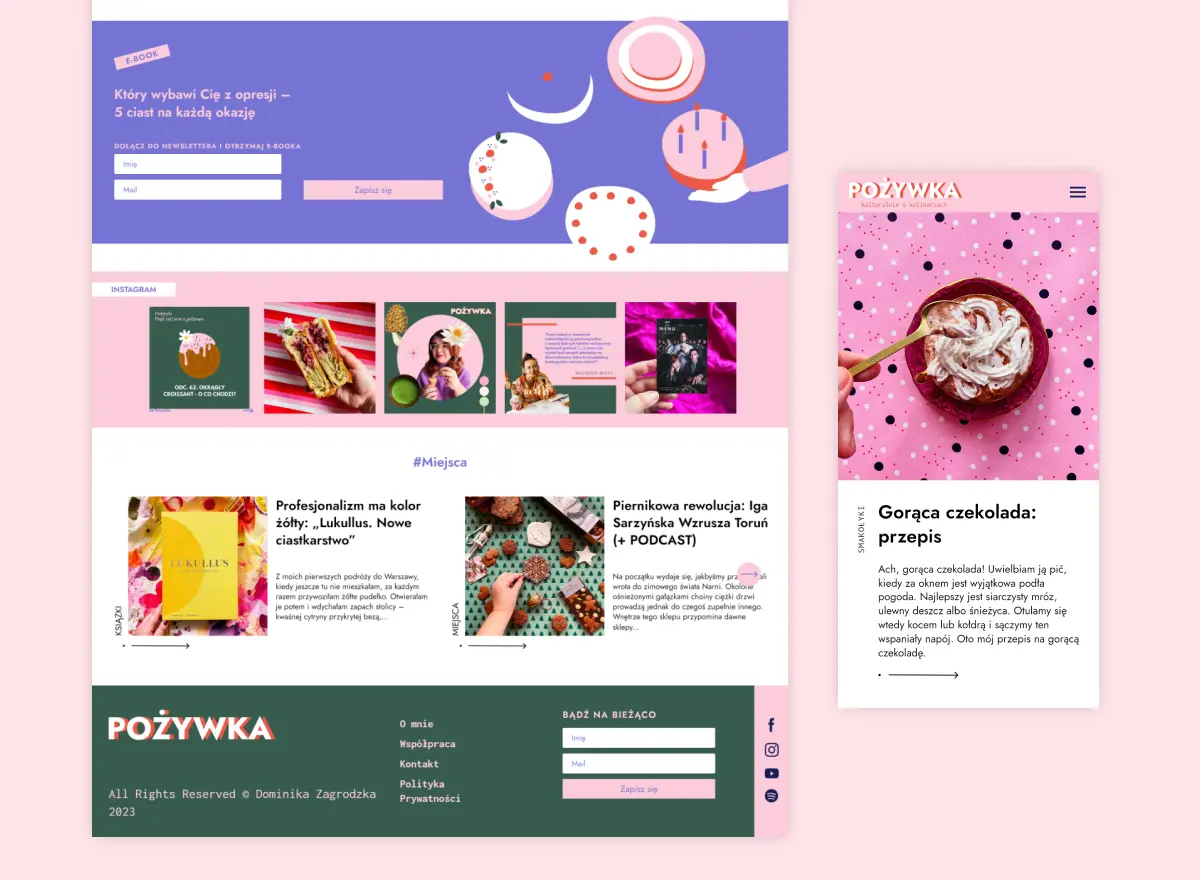
pozywka.pl
Scalable blog for food journalist, focused on performance and user experience 🌭
zagrodzki.me
Personal blog and portfolio of Bart Zagrodzki, where he shares his knowledge and work 💼
TurboStarter
Ship your startup everywhere. In minutes.
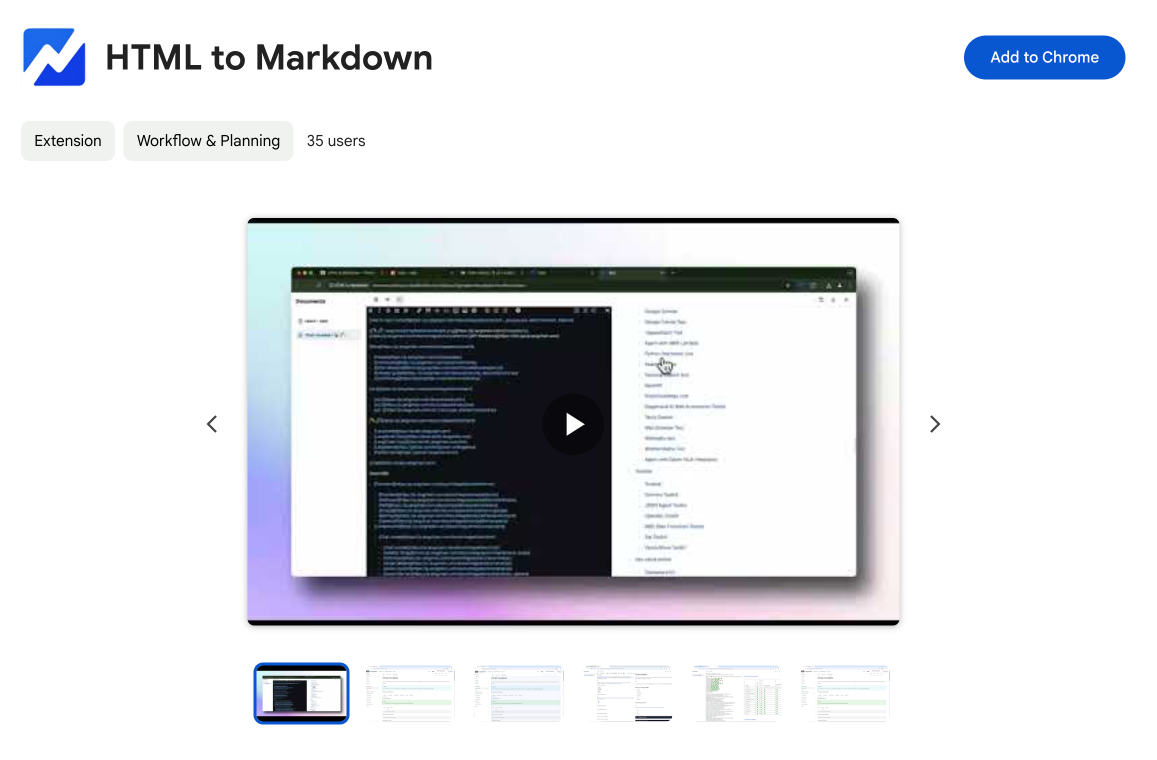
HTML to Markdown
Convert HTML to Markdown with ease, directly in your browser 📄
Dotallio
Personalized AI apps that automate research, data extraction, and content creation without code 🤖
Talk to Santa
Enjoy a magical live video chat or receive a unique AI-generated video greeting from Santa Claus 🎅
pozywka.pl
Scalable blog for food journalist, focused on performance and user experience 🌭
zagrodzki.me
Personal blog and portfolio of Bart Zagrodzki, where he shares his knowledge and work 💼
TurboStarter
Ship your startup everywhere. In minutes.
HTML to Markdown
Convert HTML to Markdown with ease, directly in your browser 📄
Dotallio
Personalized AI apps that automate research, data extraction, and content creation without code 🤖
Talk to Santa
Enjoy a magical live video chat or receive a unique AI-generated video greeting from Santa Claus 🎅
pozywka.pl
Scalable blog for food journalist, focused on performance and user experience 🌭
zagrodzki.me
Personal blog and portfolio of Bart Zagrodzki, where he shares his knowledge and work 💼
TurboStarter
Ship your startup everywhere. In minutes.
HTML to Markdown
Convert HTML to Markdown with ease, directly in your browser 📄
Dotallio
Personalized AI apps that automate research, data extraction, and content creation without code 🤖
Talk to Santa
Enjoy a magical live video chat or receive a unique AI-generated video greeting from Santa Claus 🎅
pozywka.pl
Scalable blog for food journalist, focused on performance and user experience 🌭
zagrodzki.me
Personal blog and portfolio of Bart Zagrodzki, where he shares his knowledge and work 💼
TurboStarter
Ship your startup everywhere. In minutes.
HTML to Markdown
Convert HTML to Markdown with ease, directly in your browser 📄
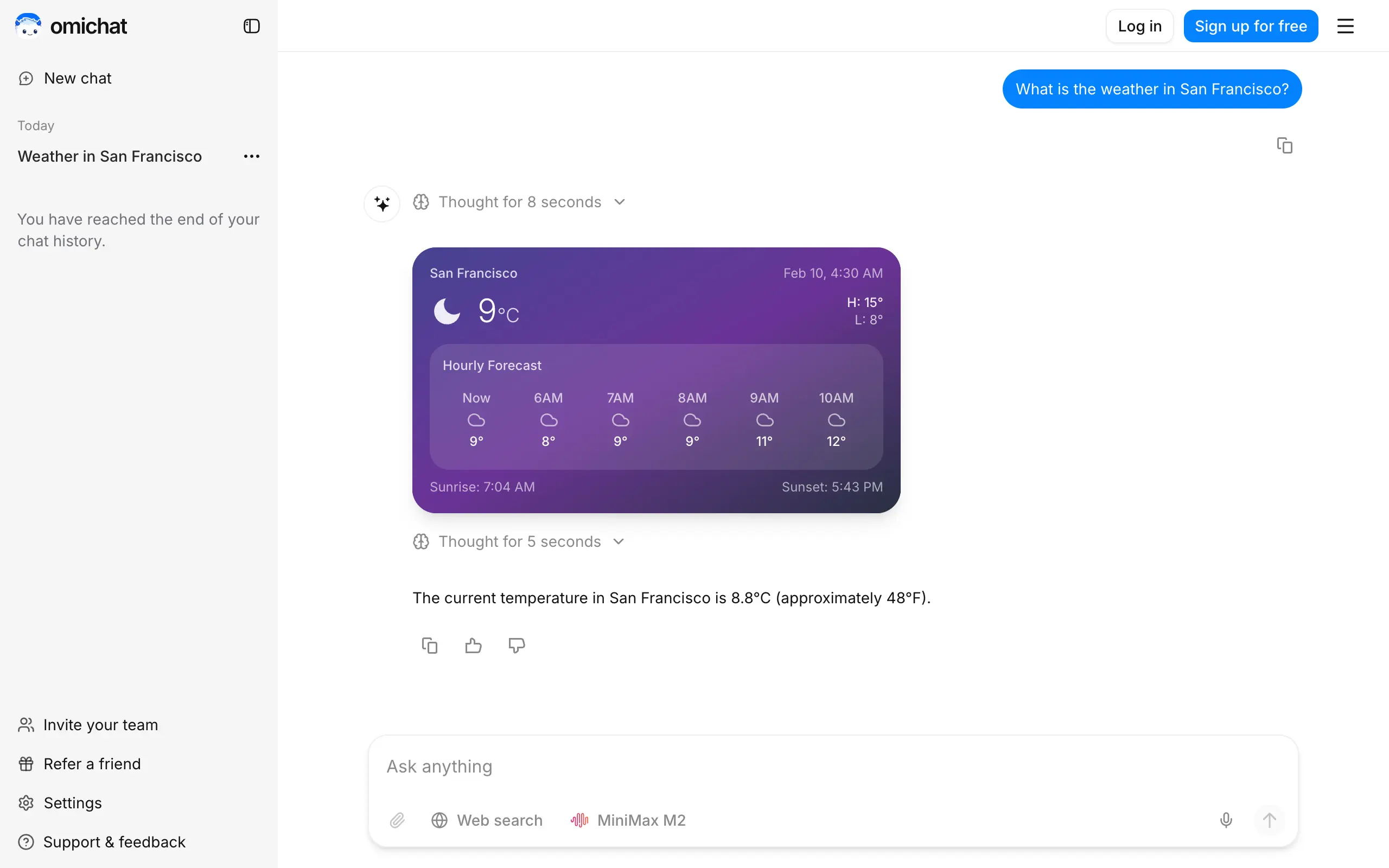
Omichat
Chat with 50+ AI models, including ChatGPT and Claude, in one place - switch models anytime without losing context 🤖
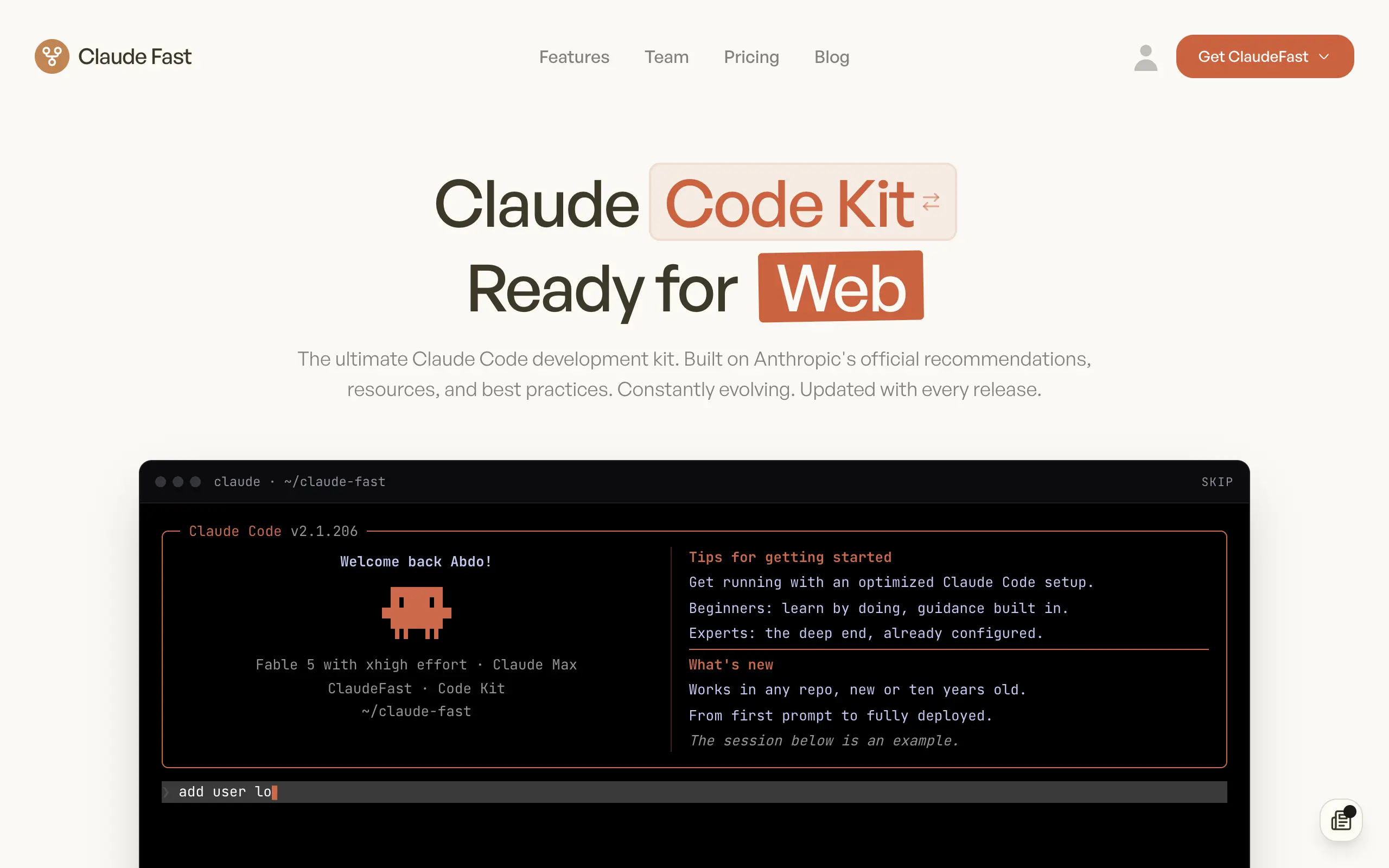
Claude Fast
Supercharge your Claude Code with 6x effective context window and specialized AI agents 🤖
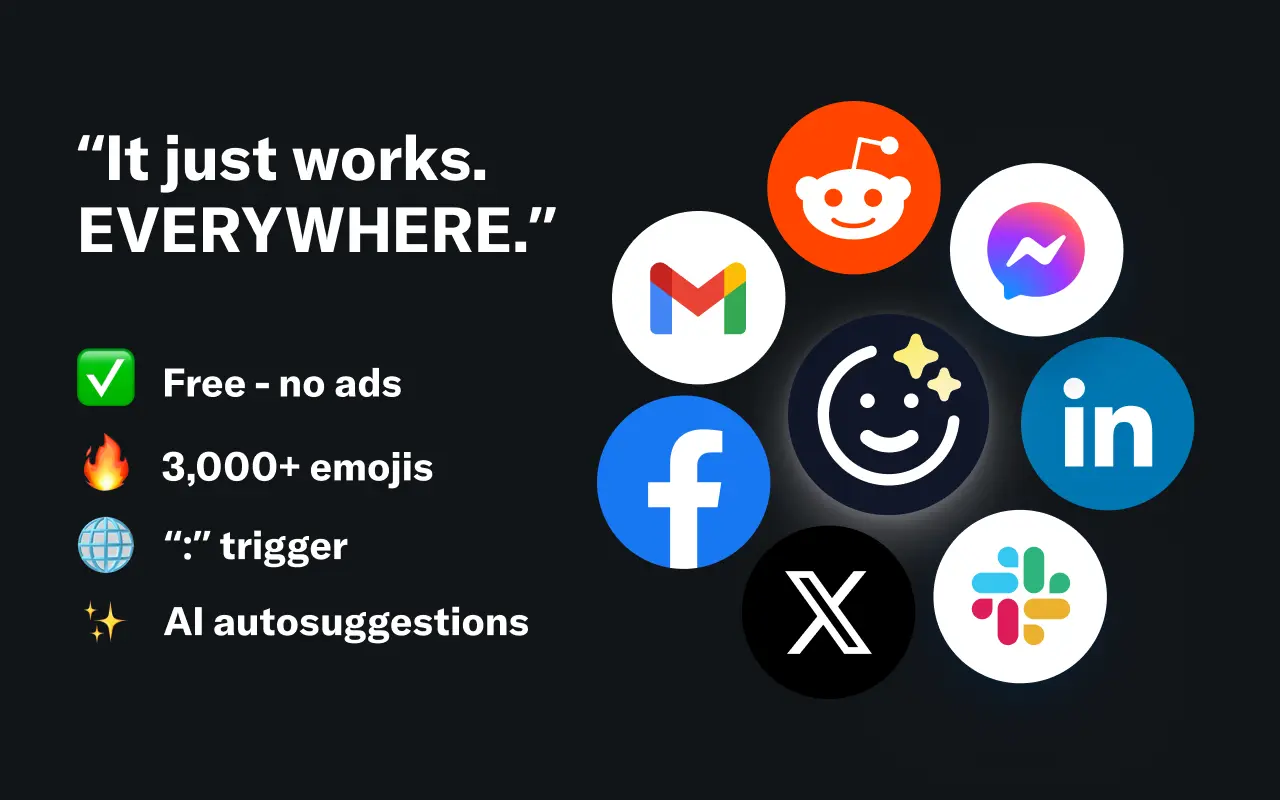
EmojAI
AI-powered emoji picker with smart, context-aware suggestions 🤖
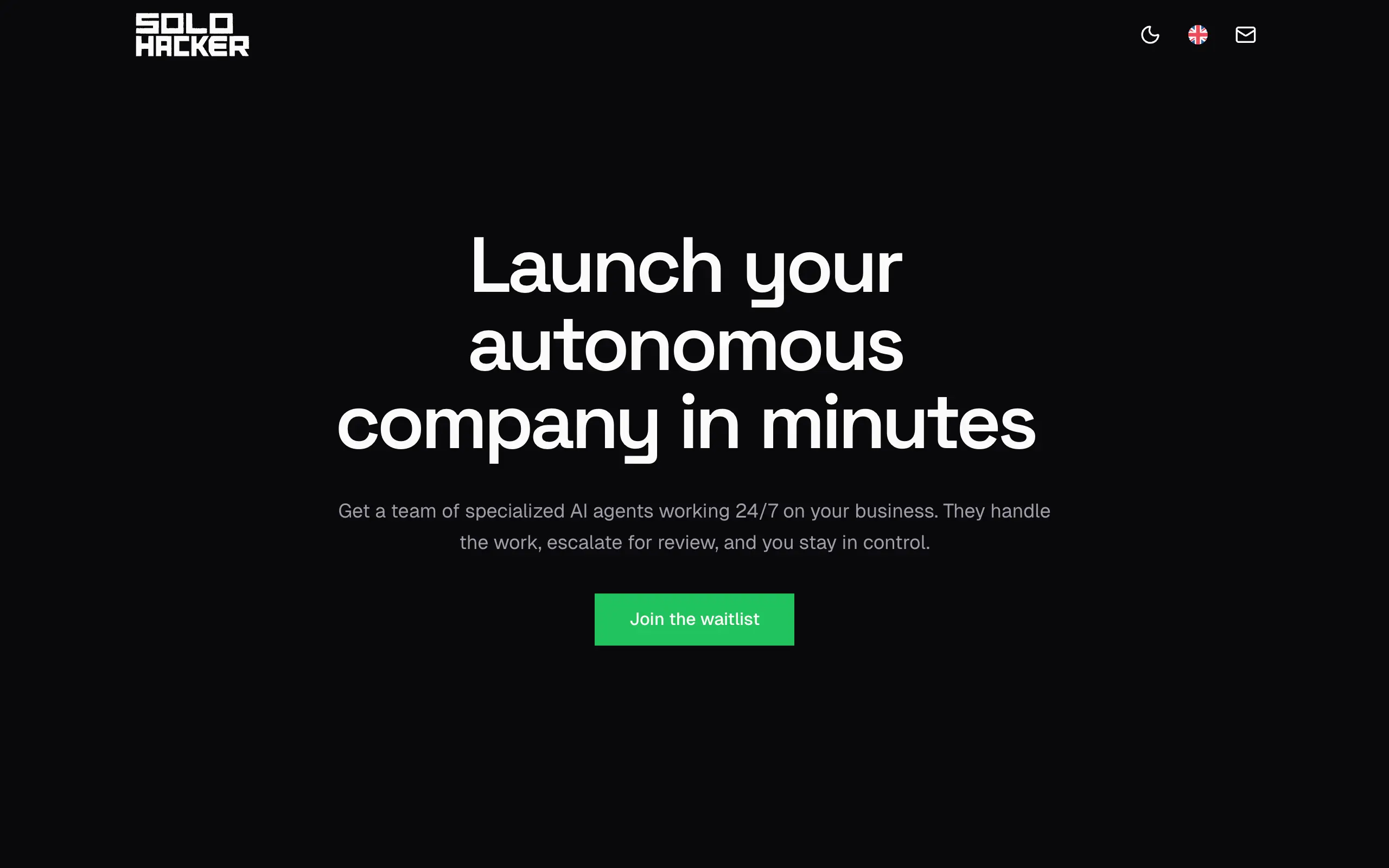
Solohacker
Autonomous company launcher - AI agents work 24/7, escalate what matters, and you stay in control 🤖
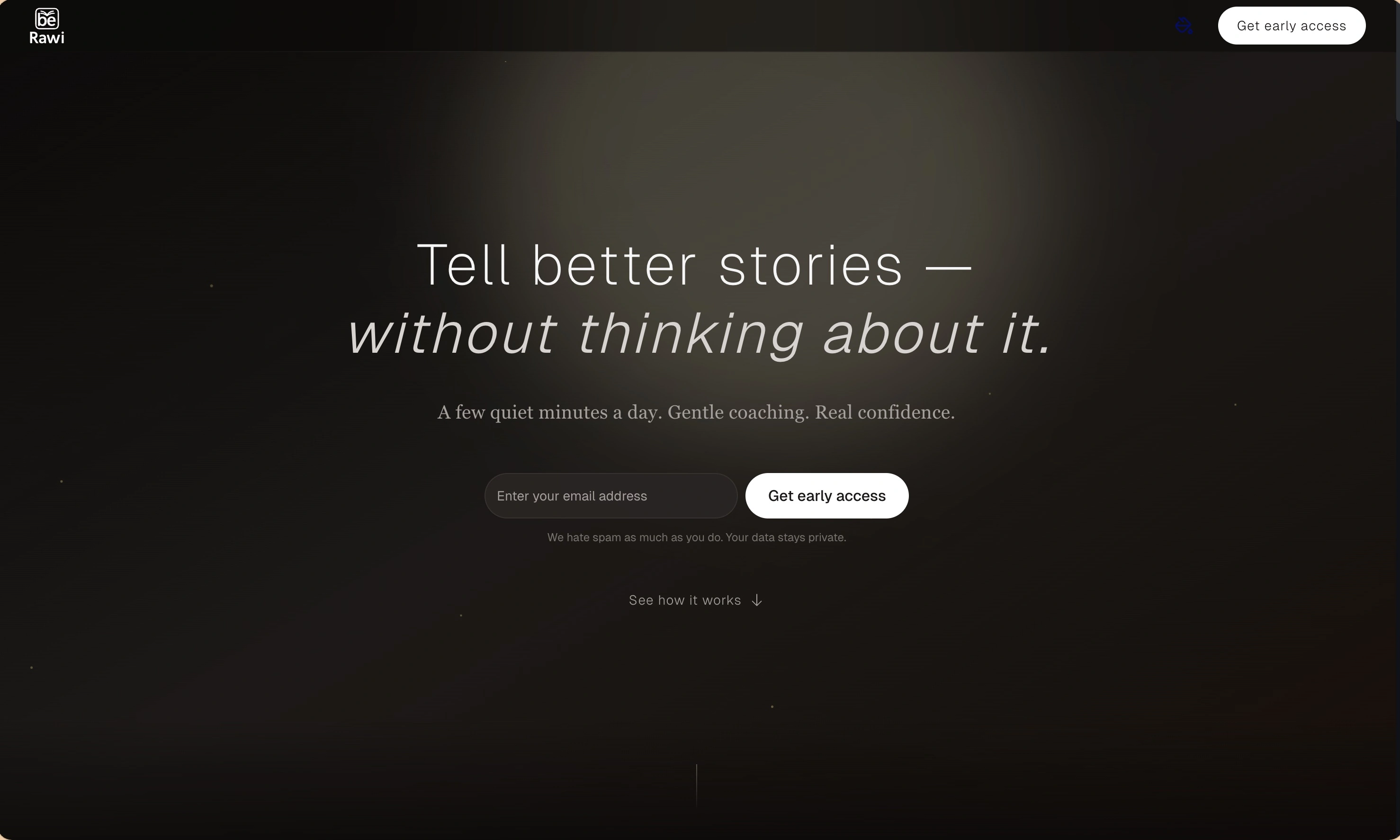
BeRawi: Storytelling Coach
Practice storytelling daily with instant feedback to sound clearer, more engaging, and confident 🎤
Omichat
Chat with 50+ AI models, including ChatGPT and Claude, in one place - switch models anytime without losing context 🤖
Claude Fast
Supercharge your Claude Code with 6x effective context window and specialized AI agents 🤖
EmojAI
AI-powered emoji picker with smart, context-aware suggestions 🤖
Solohacker
Autonomous company launcher - AI agents work 24/7, escalate what matters, and you stay in control 🤖
BeRawi: Storytelling Coach
Practice storytelling daily with instant feedback to sound clearer, more engaging, and confident 🎤
Omichat
Chat with 50+ AI models, including ChatGPT and Claude, in one place - switch models anytime without losing context 🤖
Claude Fast
Supercharge your Claude Code with 6x effective context window and specialized AI agents 🤖
EmojAI
AI-powered emoji picker with smart, context-aware suggestions 🤖
Solohacker
Autonomous company launcher - AI agents work 24/7, escalate what matters, and you stay in control 🤖
BeRawi: Storytelling Coach
Practice storytelling daily with instant feedback to sound clearer, more engaging, and confident 🎤
Omichat
Chat with 50+ AI models, including ChatGPT and Claude, in one place - switch models anytime without losing context 🤖
Claude Fast
Supercharge your Claude Code with 6x effective context window and specialized AI agents 🤖
EmojAI
AI-powered emoji picker with smart, context-aware suggestions 🤖
Solohacker
Autonomous company launcher - AI agents work 24/7, escalate what matters, and you stay in control 🤖
BeRawi: Storytelling Coach
Practice storytelling daily with instant feedback to sound clearer, more engaging, and confident 🎤

Connect with like-minded people
Join our community to get feedback, support, and grow together with 1,000+ builders on board, let's ship it!
Join usShip your startup everywhere. In minutes.
Don't burn tokens on setup and start building features on day one.