SchemaGuard
Lightweight backend schema monitoring tool that alerts teams when database changes break dashboards or APIs. Built for fast-moving dev teams without dedicated data engineers.
The growing need for backend schema monitoring in fast-moving teams
Modern product teams ship fast. Continuous deployment, microservices, and data-driven dashboards are now the norm—even in early-stage startups. But with speed comes risk. A seemingly small database schema change—renaming a column, modifying a data type, dropping a field—can silently break dashboards, analytics pipelines, or third-party API integrations.
That’s where SchemaGuard, a lightweight backend schema monitoring tool, enters the picture.
SchemaGuard is designed for fast-moving development teams without dedicated data engineers. It continuously monitors database schema changes and alerts teams when modifications risk breaking dashboards, APIs, or downstream systems.
This article explores:
- The target audience and their pain points
- The market opportunity for schema monitoring tools
- Core features and product architecture
- Recommended tech stack and trade-offs
- Monetization strategies
- Risks and mitigation
- Competitive positioning
- Actionable implementation steps
If you're validating or building a B2B SaaS like SchemaGuard, this deep dive is for you.
Understanding the target audience
SchemaGuard is a B2B SaaS product focused on engineering teams operating at high velocity. Let’s break down the ideal customer profile.
Primary target audience
1. Early-stage startups (Seed to Series B)
- 3–30 engineers
- No dedicated data engineering team
- Heavy use of dashboards (e.g., internal BI tools)
- Rapid schema evolution
2. Product-led SaaS companies
- Rely on analytics for growth decisions
- Expose APIs to customers or partners
- Frequently iterate on backend models
3. Engineering teams practicing CI/CD
- Ship multiple times per week (or day)
- Use automated migrations
- Deploy infrastructure changes continuously
Secondary audience
- CTOs and VP Engineering
- DevOps engineers
- Backend engineers
- Data analysts embedded within product teams
Core pain points
Without schema monitoring, teams experience:
- ❌ Dashboards silently breaking
- ❌ APIs returning nulls or incorrect types
- ❌ Customer integrations failing unexpectedly
- ❌ Late-night fire drills after deploys
- ❌ Loss of trust in analytics
The hidden risk
Schema changes are often treated as low-risk refactors. In reality, they can create cascading failures across BI tools, ETL pipelines, and external integrations.
Teams often discover breakage hours—or days—after deployment, when business metrics look “off.”
SchemaGuard directly addresses this gap.
The market opportunity for schema monitoring tools
The data complexity explosion
The modern stack includes:
- Application databases (PostgreSQL, MySQL)
- Read replicas
- Data warehouses
- ETL pipelines
- Reverse ETL
- Embedded analytics
- Public APIs
- Customer integrations
Each additional integration increases fragility.
Industry trends show:
- Increased adoption of cloud-native databases
- Rapid DevOps adoption
- Explosion of internal analytics tooling
- Microservices with distributed data ownership
As teams move faster, schema changes happen more frequently—and often without full visibility of downstream impact.
The market gap
Existing tools typically fall into one of three categories:
- Data observability platforms – expensive, complex, enterprise-focused
- Migration tools – manage schema changes but don’t monitor downstream breakage
- Manual review processes – slow and error-prone
What’s missing?
✅ A lightweight, developer-first schema monitoring tool
✅ Easy integration with existing CI/CD pipelines
✅ Clear alerts tied to downstream impact
That’s SchemaGuard’s positioning.
What is SchemaGuard?
SchemaGuard is a backend schema monitoring tool that:
- Tracks database schema changes over time
- Detects breaking modifications
- Maps dependencies to dashboards and APIs
- Alerts teams before or immediately after breaking changes
It’s purpose-built for teams without data engineers, meaning:
- Easy setup
- Low maintenance
- Clear actionable alerts
- No heavy configuration
Core features of SchemaGuard
Let’s break down the essential feature set.
1. Schema change detection
SchemaGuard continuously monitors:
- Table additions/removals
- Column additions/removals
- Data type changes
- Index changes
- Constraint changes
It compares the current schema against a stored baseline.
// Example: simple schema snapshot diff logic (conceptual)
function detectBreakingChanges(previousSchema, currentSchema) {
  const changes = [];

  previousSchema.tables.forEach(table => {
    const currentTable = currentSchema.tables.find(t => t.name === table.name);

    if (!currentTable) {
      changes.push({ type: "TABLE_REMOVED", table: table.name });
    }

    table.columns.forEach(column => {
      const currentColumn = currentTable?.columns.find(c => c.name === column.name);

      if (!currentColumn) {
        changes.push({ type: "COLUMN_REMOVED", table: table.name, column: column.name });
      }

      if (currentColumn && currentColumn.type !== column.type) {
        changes.push({ type: "COLUMN_TYPE_CHANGED", table: table.name, column: column.name });
      }
    });
  });

  return changes;
}
2. Breaking change classification
Not all changes are equal. SchemaGuard categorizes:
- ✅ Safe changes (new nullable column)
- ⚠️ Risky changes (type widening)
- ❌ Breaking changes (column removal, type narrowing)
This prioritization reduces alert fatigue.
3. Dependency mapping
The real value lies in knowing what breaks.
SchemaGuard maps schema objects to:
- Internal dashboards
- API endpoints
- Third-party integrations
- Data exports
This can be achieved through:
- Query log parsing
- Static query analysis
- API schema mapping
- Metadata connectors
4. Real-time alerting
When a breaking change is detected:
- Slack alerts
- Email notifications
- GitHub PR comments
- CI pipeline failure
This integrates naturally into developer workflows.
Shift left
The biggest win comes from failing CI before deployment if a schema change would break production dashboards.
5. Historical schema timeline
SchemaGuard stores:
- Schema snapshots
- Diff history
- Impacted systems
- Responsible commits
This creates accountability and auditability.
6. CI/CD integration
Support for:
- GitHub Actions
- GitLab CI
- Bitbucket Pipelines
- Custom webhooks
Example workflow:
# Example GitHub Action snippet
- name: Run SchemaGuard check
  run: schemaguard check --database-url=$DATABASE_URL
Feature comparison vs alternatives
| Capability | SchemaGuard | Migration Tools | Data Observability Platforms | Manual Reviews |
|---|---|---|---|---|
| Schema diffing | ✅ | ✅ | ✅ | ❌ |
| Downstream impact mapping | ✅ | ❌ | ✅ | ❌ |
| CI/CD integration | ✅ | ⚠️ Limited | ✅ | ❌ |
| Lightweight & affordable | ✅ | ✅ | ❌ | ✅ |
SchemaGuard’s competitive edge is focus and simplicity.
Recommended tech stack
For a lightweight yet scalable architecture:
Backend
- Node.js with NestJS for modular architecture
- Or Go for performance and low memory footprint
Trade-off:
- Node.js = faster iteration
- Go = better performance for heavy schema diffing
Database connectors
- PostgreSQL (initial focus)
- MySQL
- Later: Snowflake, BigQuery
Use native drivers or libraries like:
pgfor PostgreSQLmysql2for MySQL
Frontend
- React
- TailwindCSS
- Next.js for dashboard + API layer
This ensures:
- Fast UI iteration
- SEO-friendly marketing pages
- Unified codebase
Infrastructure
- Containerized with Docker
- Deploy on AWS, GCP, or Vercel (for frontend)
- Use managed Postgres for metadata storage
Optional:
- Kafka for event streaming
- Redis for caching
Auth & billing
- OAuth (GitHub, Google)
- Stripe for billing
Monetization strategy
SchemaGuard is well-positioned for tiered B2B SaaS pricing.
Tiered pricing model
Starter
Up to 2 databases, basic alerts, email notifications.
Growth
Multiple databases, Slack integration, CI blocking.
Scale
Advanced impact mapping, audit logs, SSO.
Pricing anchors
- Starter: $29/month
- Growth: $99/month
- Scale: $299+/month
Enterprise pricing for larger teams.
Alternative monetization options
- Usage-based pricing (per schema change or per database)
- Per-seat pricing
- Hybrid (base + usage)
Hybrid often works best for developer tools.
Competitive advantage and differentiation
SchemaGuard’s USP:
Lightweight, developer-first schema monitoring for fast-moving teams without data engineers.
Key differentiators:
- CI-native approach
- Breaking-change classification
- Downstream impact awareness
- Affordable pricing
- Minimal setup
Instead of replacing observability platforms, it complements them.
Risks and mitigation
Risk 1: Perceived as “nice to have”
Mitigation:
- Emphasize cost of broken dashboards
- Provide ROI calculator
- Offer 14-day trial
Risk 2: Complex integration
Mitigation:
- Provide one-line install
- Clear documentation
- Prebuilt connectors
Risk 3: False positives
Mitigation:
- Smart classification
- Allow rule customization
- Gradual rollout mode
Implementation roadmap
If you’re building SchemaGuard, follow this phased plan:
Go-to-market strategy
Phase 1: Developer-led growth
- Launch on Product Hunt
- Share in engineering Slack communities
- Publish technical blog posts
Topics:
- “How schema changes silently break dashboards”
- “Prevent API breakage with CI schema monitoring”
Phase 2: Content + SEO
Target keywords:
- backend schema monitoring
- database schema change detection
- prevent breaking database changes
- schema monitoring tool
- detect breaking API changes
SchemaGuard can dominate long-tail queries.
Long-term vision
Future expansions:
- API contract monitoring
- Data warehouse lineage mapping
- Migration preview simulation
- AI-based impact prediction
SchemaGuard could evolve into a lightweight “data reliability layer” for product teams.
Why SchemaGuard wins
The combination of:
- Simplicity
- Dev-first integration
- Focus on real pain
- Affordable pricing
makes it ideal for startups and scaling SaaS companies.
While enterprises may adopt complex observability suites, fast-moving teams want something:
- Easy
- Immediate
- Actionable
SchemaGuard delivers exactly that.
Actionable next steps
If you're building SchemaGuard:
- Interview 20 CTOs
- Build Postgres schema diff engine
- Add Slack alerting
- Launch closed beta
- Collect failure stories and case studies
- Iterate on classification logic
- Expand integrations
If you're launching quickly, consider scaffolding your SaaS foundation with TurboStarter to accelerate development and focus on core product logic instead of boilerplate.
Final thoughts
Backend schema monitoring is an overlooked but critical layer in modern SaaS architecture.
As teams move faster, the cost of silent breakage increases. SchemaGuard fills a clear gap:
- It protects dashboards
- It safeguards APIs
- It prevents costly surprises
- It integrates seamlessly into developer workflows
In a world obsessed with shipping fast, SchemaGuard ensures you ship safely.
And that combination—speed plus safety—is where the real opportunity lies.
More 🏢 B2B Application SaaS ideas
Discover more innovative b2b application SaaS ideas that are trending in 2026. Each idea is AI-generated with market validation and growth potential to help you find your next profitable venture faster than competitors.
Your competitors are building with TurboStarter
Below are some of the SaaS ideas that have been generated and built with our starter kit.
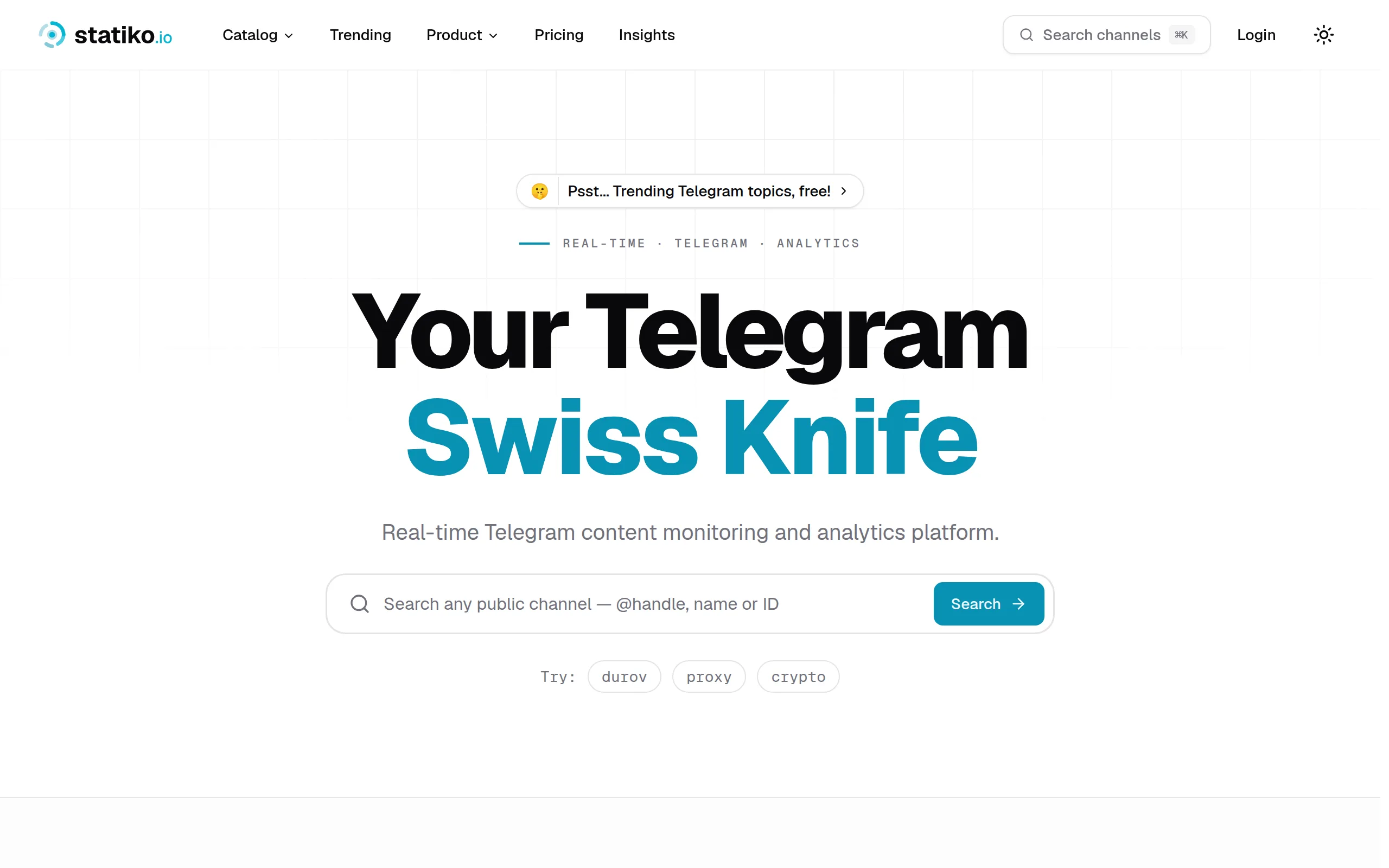
Statiko
Monitor any Telegram channel in real time - track posts, edits, deletions, and growth with AI recaps 📡

Shibui
AI website builder - describe your business, pick a niche template, edit by chatting, and publish instantly ✨

Pro Service
Find verified home service professionals, compare quotes, and pay securely through escrow - built for Brazilians across the US 🏠
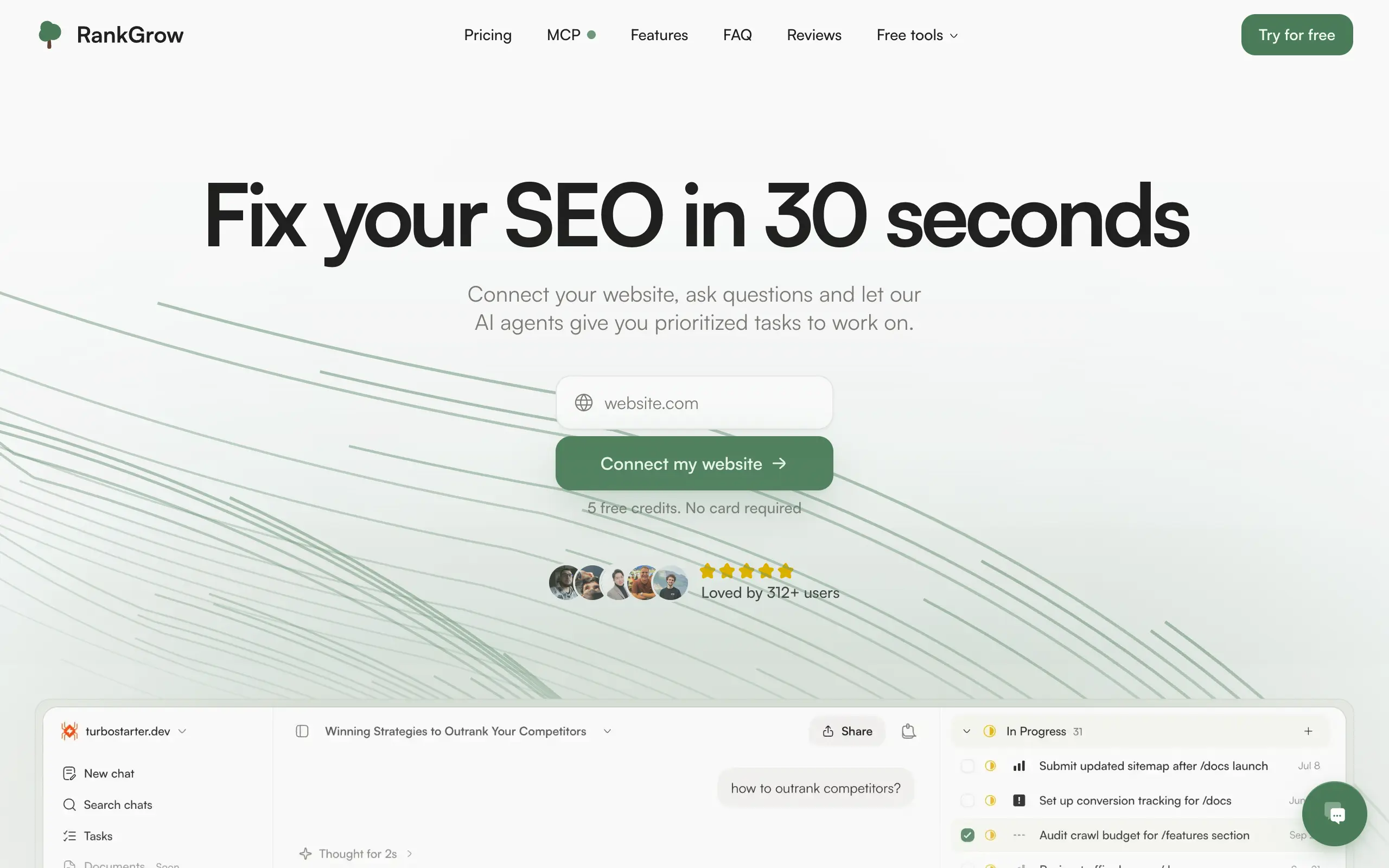
RankGrow
Fix your SEO with AI agents - connect Search Console, get prioritized tasks, and grow organic traffic 📈
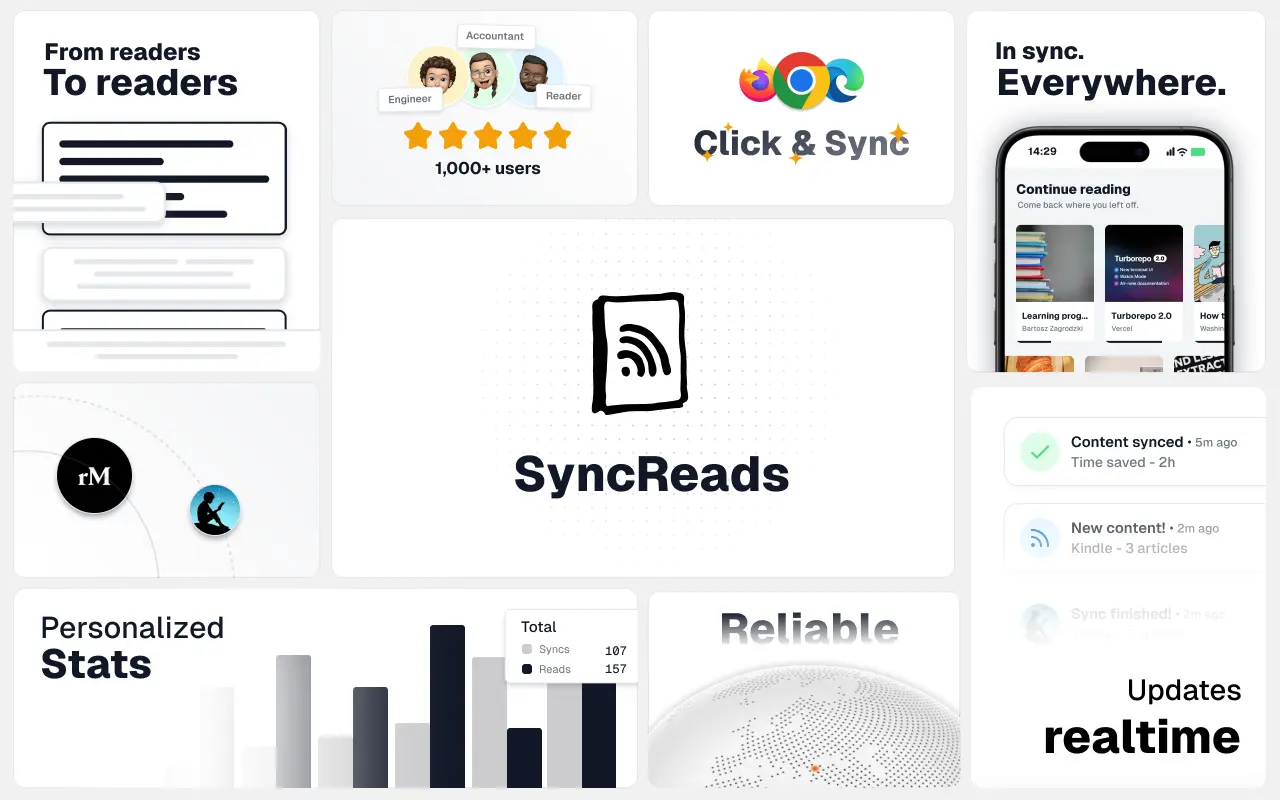
SyncReads
Sync your favorite content for distraction-free reading, save time and replace multiple apps. Anytime, anywhere 🔄
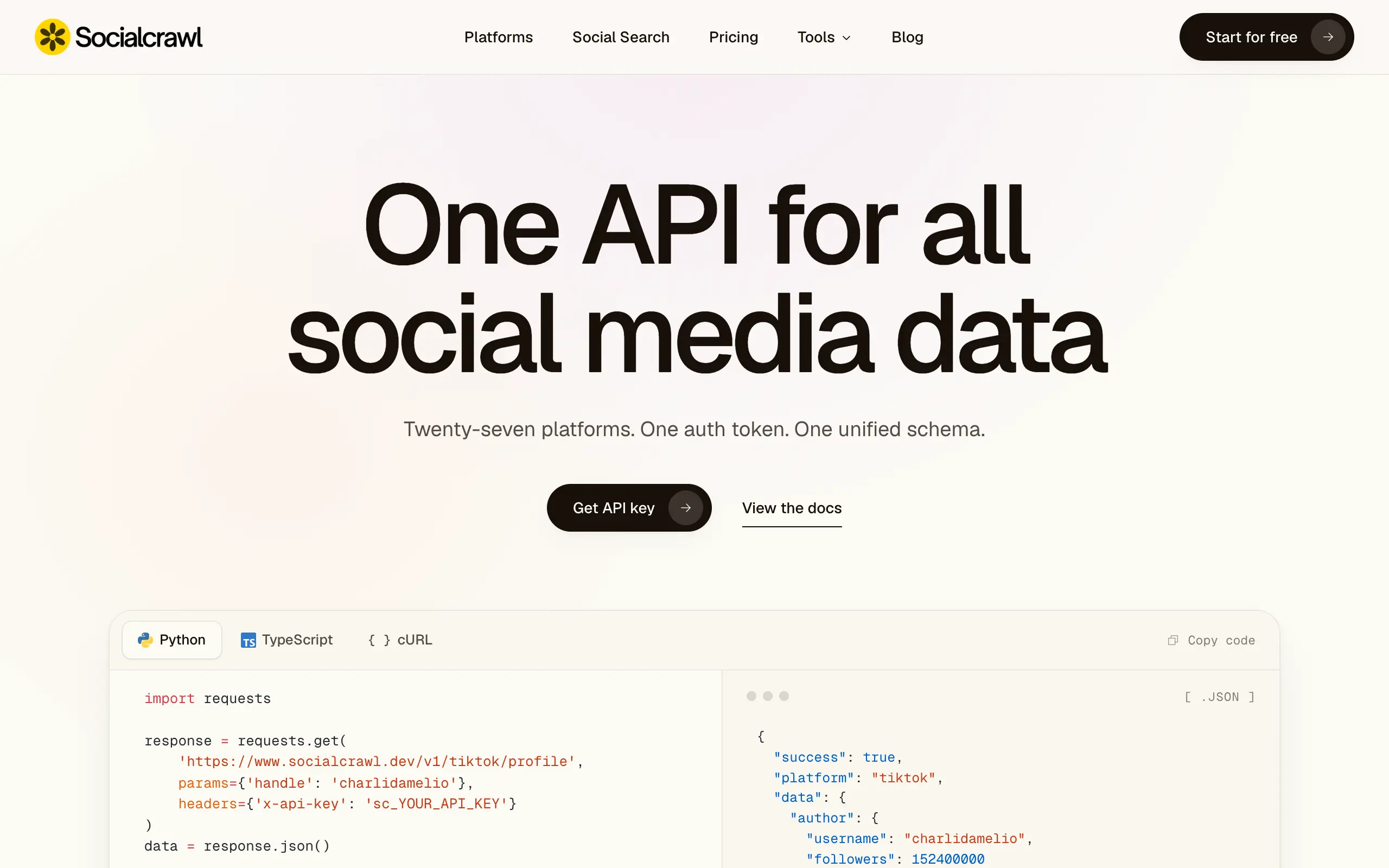
Socialcrawl
Get clean, structured data from 21 platforms like TikTok, Instagram, and YouTube with a single request 📊
Statiko
Monitor any Telegram channel in real time - track posts, edits, deletions, and growth with AI recaps 📡
Shibui
AI website builder - describe your business, pick a niche template, edit by chatting, and publish instantly ✨
Pro Service
Find verified home service professionals, compare quotes, and pay securely through escrow - built for Brazilians across the US 🏠
RankGrow
Fix your SEO with AI agents - connect Search Console, get prioritized tasks, and grow organic traffic 📈
SyncReads
Sync your favorite content for distraction-free reading, save time and replace multiple apps. Anytime, anywhere 🔄
Socialcrawl
Get clean, structured data from 21 platforms like TikTok, Instagram, and YouTube with a single request 📊
Statiko
Monitor any Telegram channel in real time - track posts, edits, deletions, and growth with AI recaps 📡
Shibui
AI website builder - describe your business, pick a niche template, edit by chatting, and publish instantly ✨
Pro Service
Find verified home service professionals, compare quotes, and pay securely through escrow - built for Brazilians across the US 🏠
RankGrow
Fix your SEO with AI agents - connect Search Console, get prioritized tasks, and grow organic traffic 📈
SyncReads
Sync your favorite content for distraction-free reading, save time and replace multiple apps. Anytime, anywhere 🔄
Socialcrawl
Get clean, structured data from 21 platforms like TikTok, Instagram, and YouTube with a single request 📊
Statiko
Monitor any Telegram channel in real time - track posts, edits, deletions, and growth with AI recaps 📡
Shibui
AI website builder - describe your business, pick a niche template, edit by chatting, and publish instantly ✨
Pro Service
Find verified home service professionals, compare quotes, and pay securely through escrow - built for Brazilians across the US 🏠
RankGrow
Fix your SEO with AI agents - connect Search Console, get prioritized tasks, and grow organic traffic 📈
SyncReads
Sync your favorite content for distraction-free reading, save time and replace multiple apps. Anytime, anywhere 🔄
Socialcrawl
Get clean, structured data from 21 platforms like TikTok, Instagram, and YouTube with a single request 📊
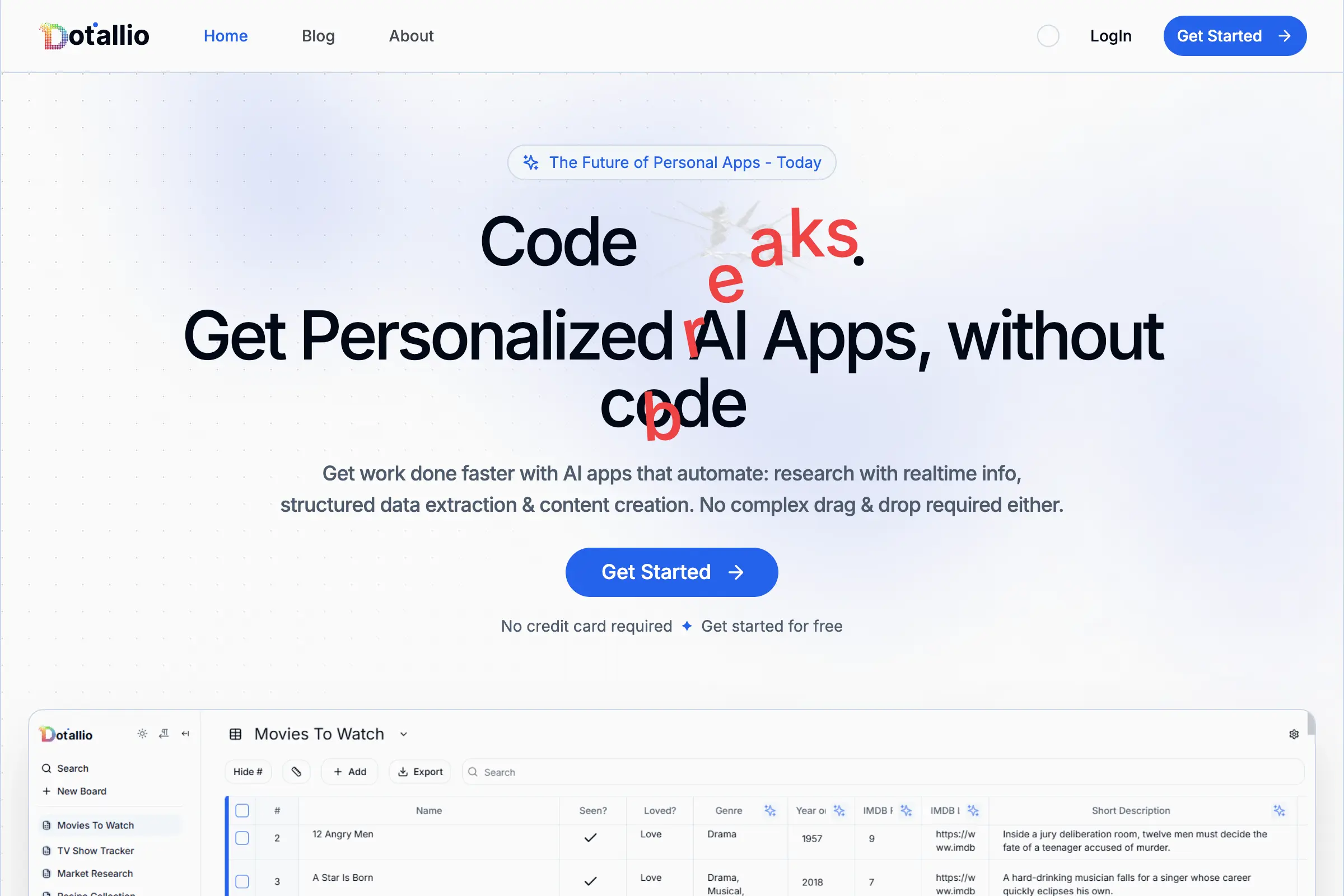
Dotallio
Personalized AI apps that automate research, data extraction, and content creation without code 🤖

Talk to Santa
Enjoy a magical live video chat or receive a unique AI-generated video greeting from Santa Claus 🎅

pozywka.pl
Scalable blog for food journalist, focused on performance and user experience 🌭
zagrodzki.me
Personal blog and portfolio of Bart Zagrodzki, where he shares his knowledge and work 💼
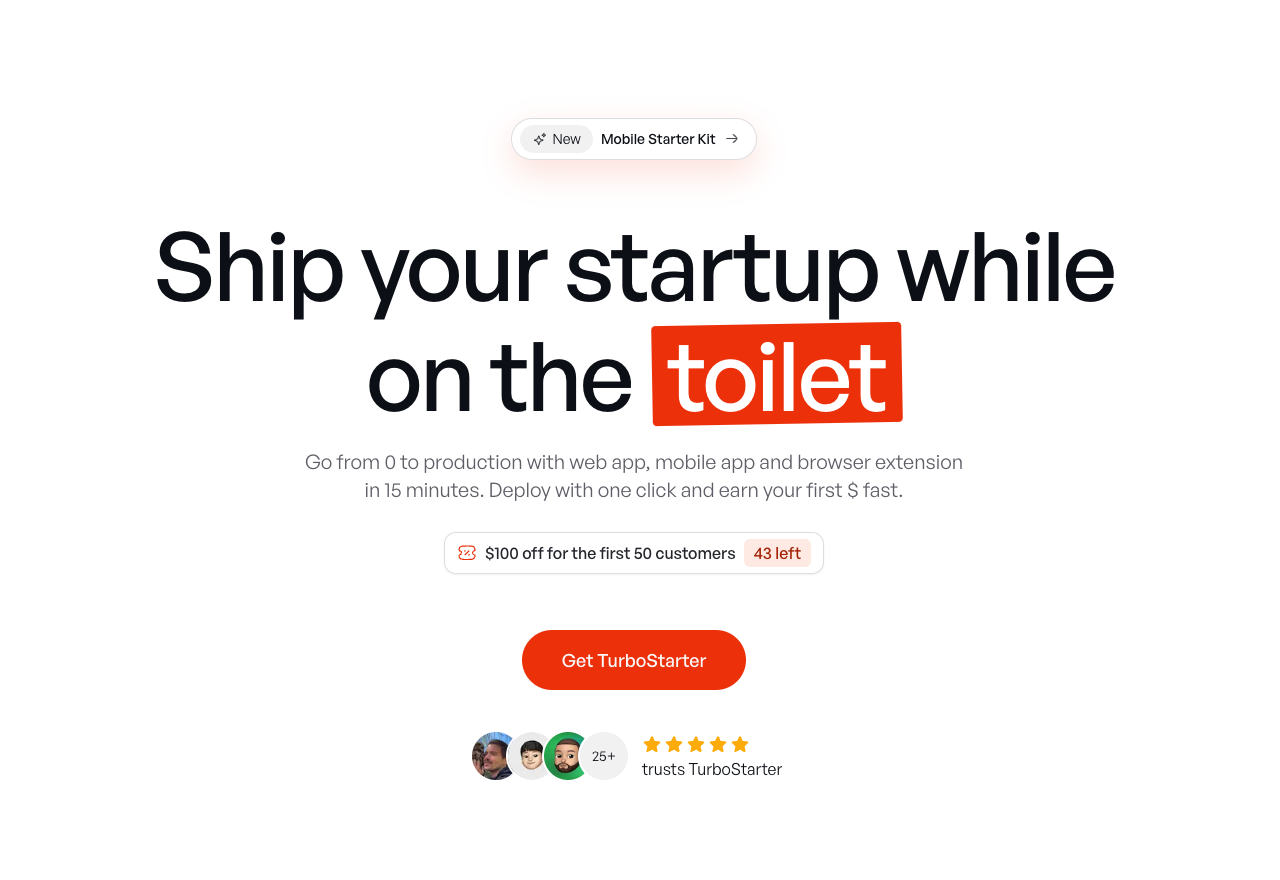
TurboStarter
Ship your startup everywhere. In minutes.
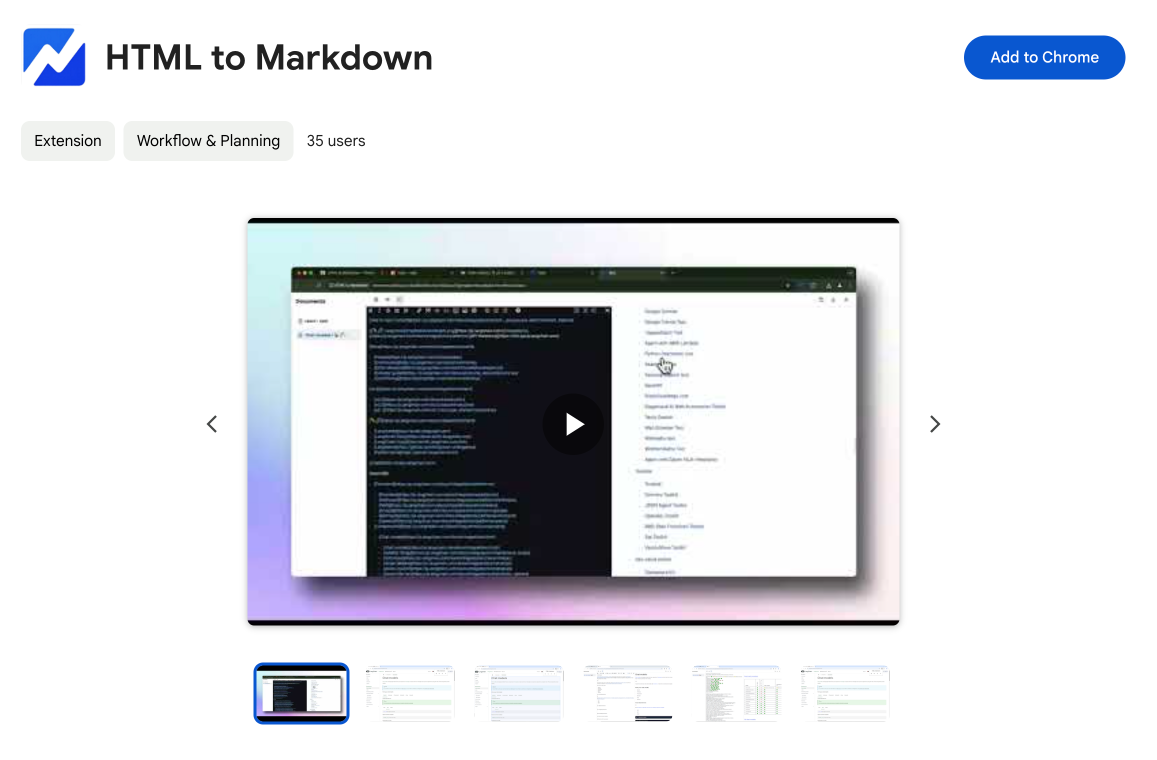
HTML to Markdown
Convert HTML to Markdown with ease, directly in your browser 📄
Dotallio
Personalized AI apps that automate research, data extraction, and content creation without code 🤖
Talk to Santa
Enjoy a magical live video chat or receive a unique AI-generated video greeting from Santa Claus 🎅
pozywka.pl
Scalable blog for food journalist, focused on performance and user experience 🌭
zagrodzki.me
Personal blog and portfolio of Bart Zagrodzki, where he shares his knowledge and work 💼
TurboStarter
Ship your startup everywhere. In minutes.
HTML to Markdown
Convert HTML to Markdown with ease, directly in your browser 📄
Dotallio
Personalized AI apps that automate research, data extraction, and content creation without code 🤖
Talk to Santa
Enjoy a magical live video chat or receive a unique AI-generated video greeting from Santa Claus 🎅
pozywka.pl
Scalable blog for food journalist, focused on performance and user experience 🌭
zagrodzki.me
Personal blog and portfolio of Bart Zagrodzki, where he shares his knowledge and work 💼
TurboStarter
Ship your startup everywhere. In minutes.
HTML to Markdown
Convert HTML to Markdown with ease, directly in your browser 📄
Dotallio
Personalized AI apps that automate research, data extraction, and content creation without code 🤖
Talk to Santa
Enjoy a magical live video chat or receive a unique AI-generated video greeting from Santa Claus 🎅
pozywka.pl
Scalable blog for food journalist, focused on performance and user experience 🌭
zagrodzki.me
Personal blog and portfolio of Bart Zagrodzki, where he shares his knowledge and work 💼
TurboStarter
Ship your startup everywhere. In minutes.
HTML to Markdown
Convert HTML to Markdown with ease, directly in your browser 📄
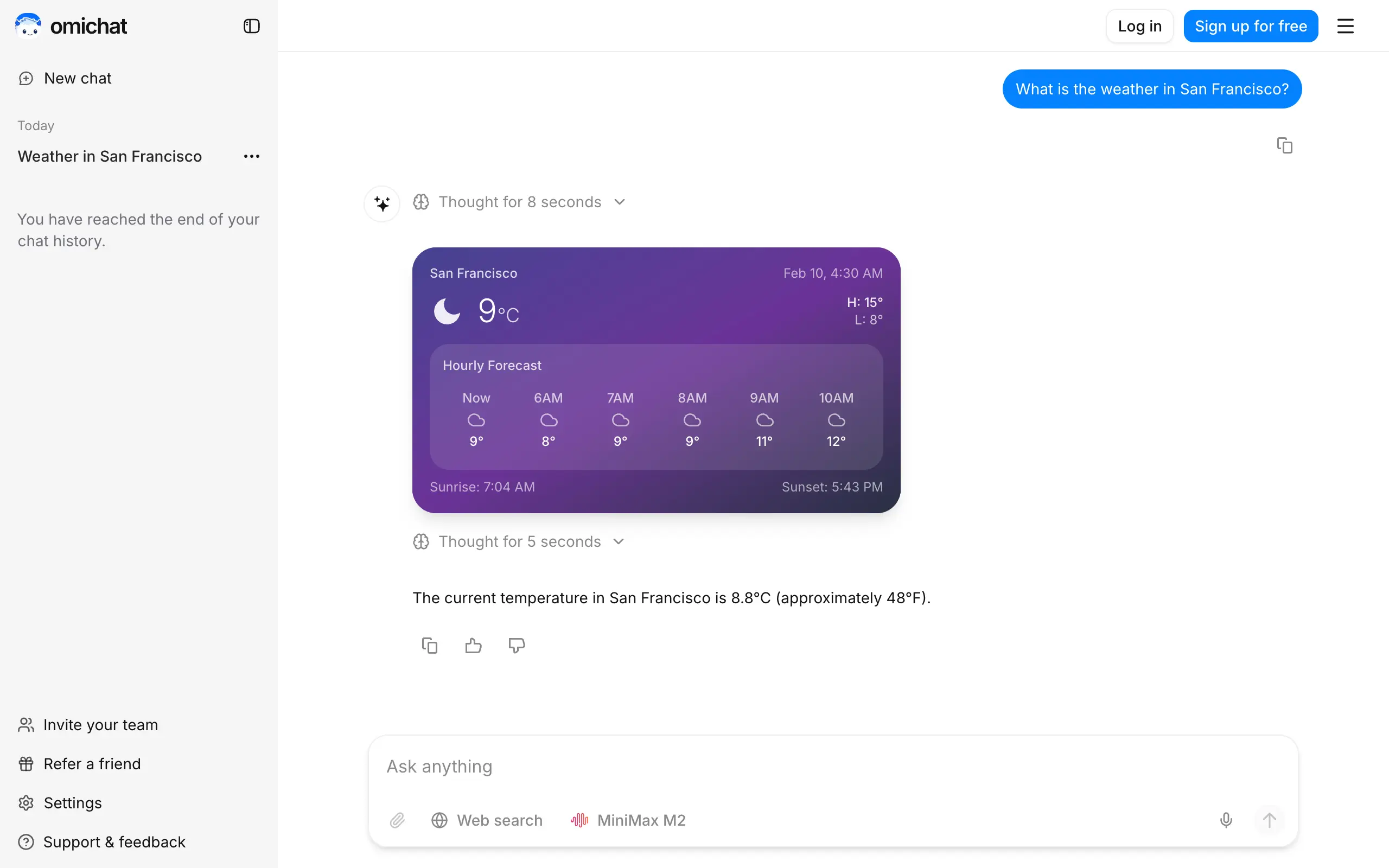
Omichat
Chat with 50+ AI models, including ChatGPT and Claude, in one place - switch models anytime without losing context 🤖
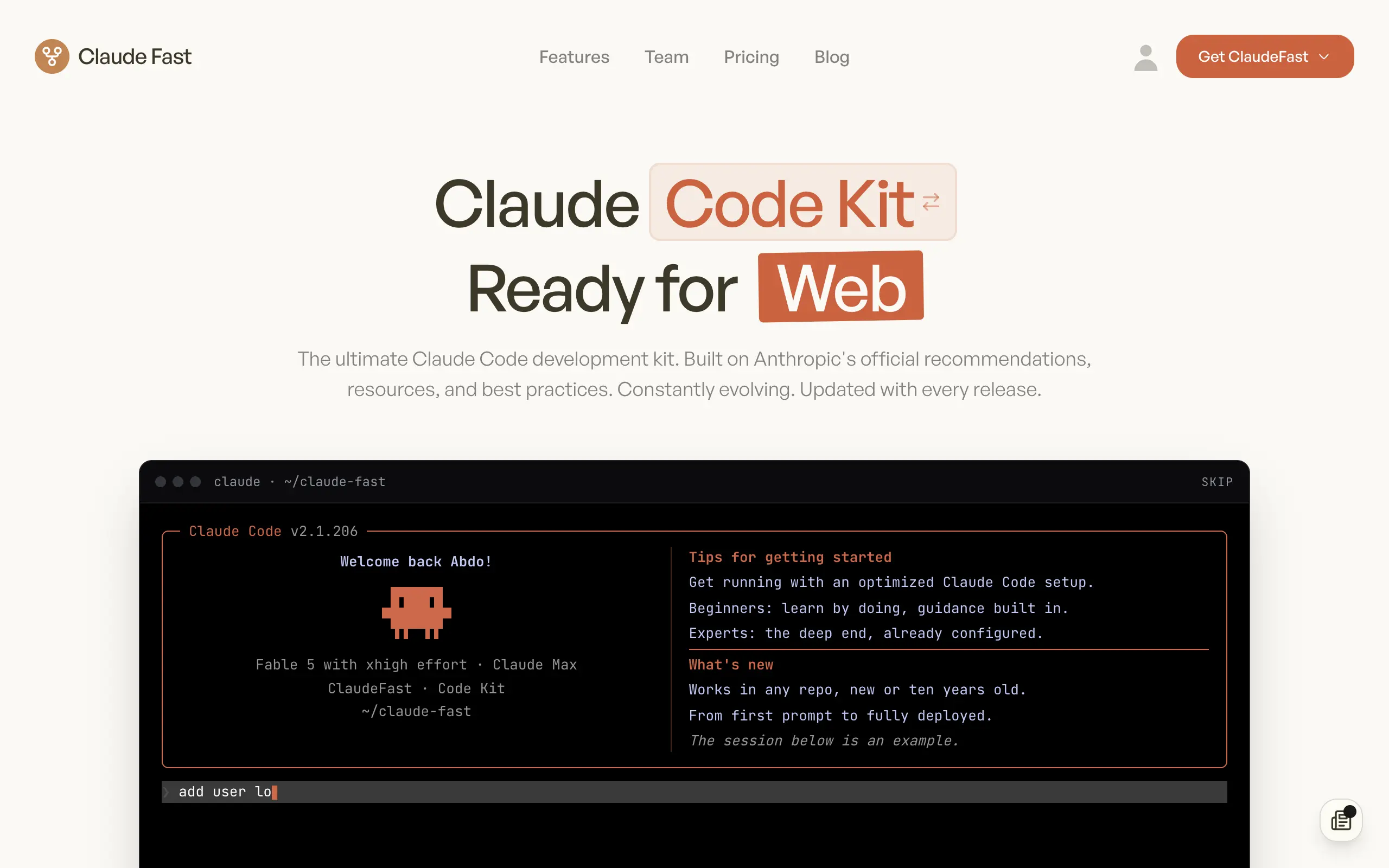
Claude Fast
Supercharge your Claude Code with 6x effective context window and specialized AI agents 🤖
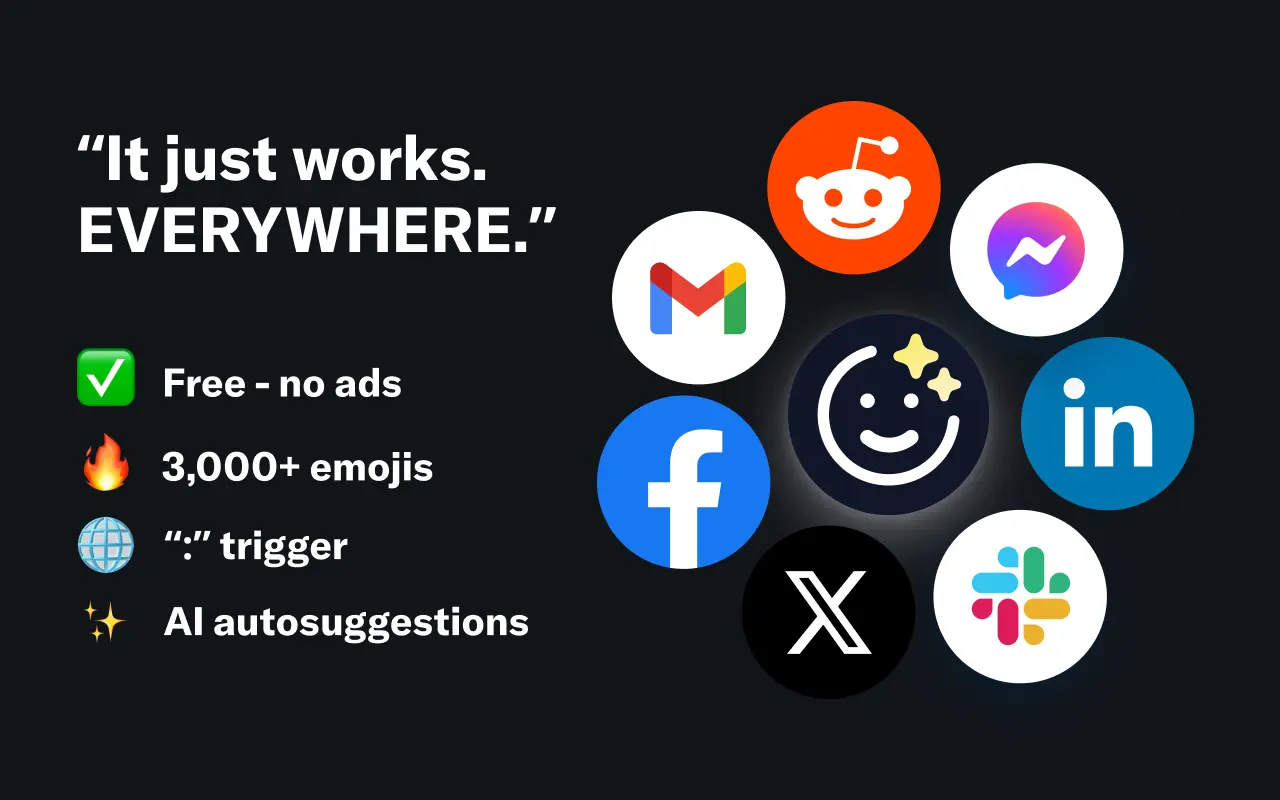
EmojAI
AI-powered emoji picker with smart, context-aware suggestions 🤖
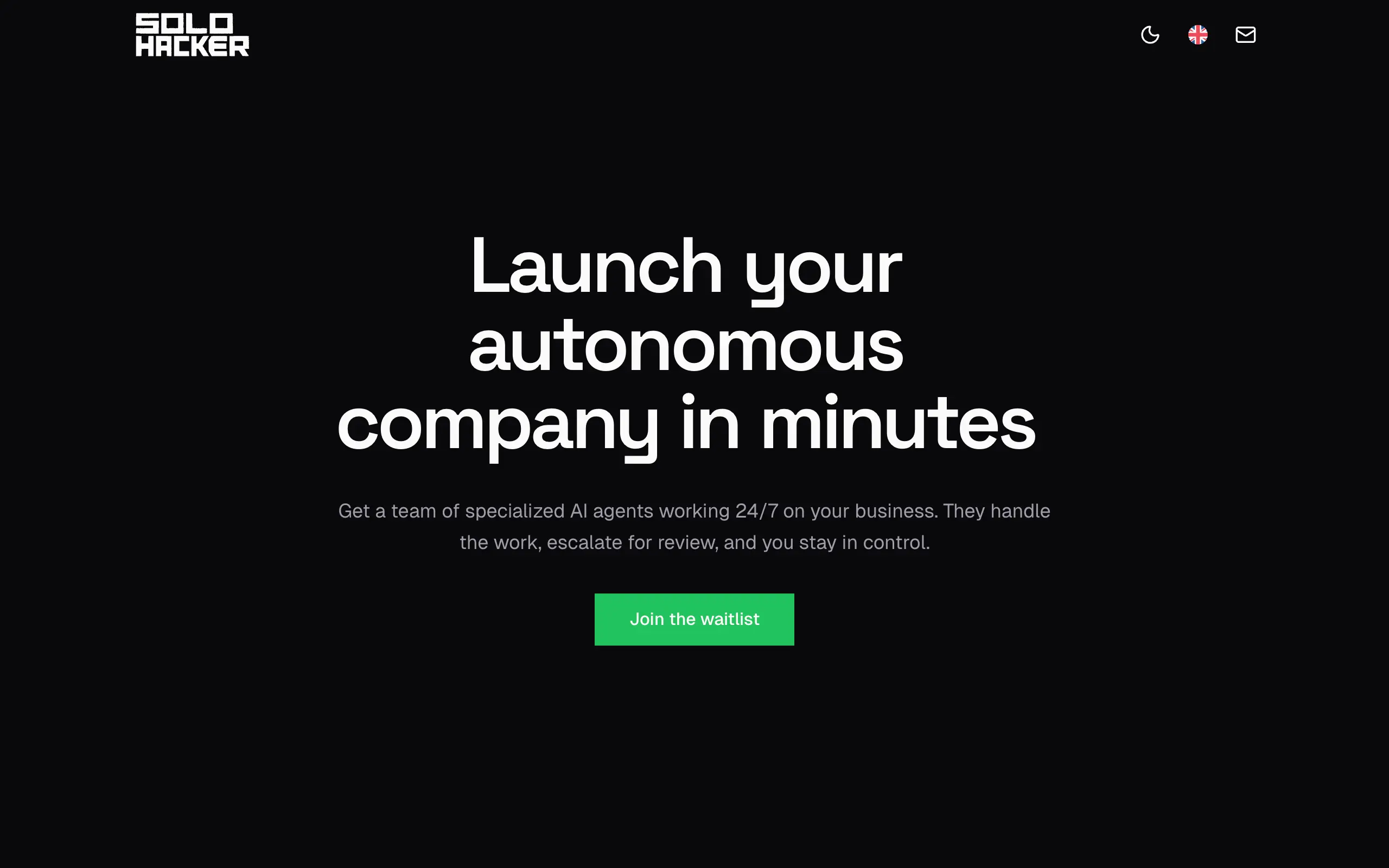
Solohacker
Autonomous company launcher - AI agents work 24/7, escalate what matters, and you stay in control 🤖

BeRawi: Storytelling Coach
Practice storytelling daily with instant feedback to sound clearer, more engaging, and confident 🎤
Omichat
Chat with 50+ AI models, including ChatGPT and Claude, in one place - switch models anytime without losing context 🤖
Claude Fast
Supercharge your Claude Code with 6x effective context window and specialized AI agents 🤖
EmojAI
AI-powered emoji picker with smart, context-aware suggestions 🤖
Solohacker
Autonomous company launcher - AI agents work 24/7, escalate what matters, and you stay in control 🤖
BeRawi: Storytelling Coach
Practice storytelling daily with instant feedback to sound clearer, more engaging, and confident 🎤
Omichat
Chat with 50+ AI models, including ChatGPT and Claude, in one place - switch models anytime without losing context 🤖
Claude Fast
Supercharge your Claude Code with 6x effective context window and specialized AI agents 🤖
EmojAI
AI-powered emoji picker with smart, context-aware suggestions 🤖
Solohacker
Autonomous company launcher - AI agents work 24/7, escalate what matters, and you stay in control 🤖
BeRawi: Storytelling Coach
Practice storytelling daily with instant feedback to sound clearer, more engaging, and confident 🎤
Omichat
Chat with 50+ AI models, including ChatGPT and Claude, in one place - switch models anytime without losing context 🤖
Claude Fast
Supercharge your Claude Code with 6x effective context window and specialized AI agents 🤖
EmojAI
AI-powered emoji picker with smart, context-aware suggestions 🤖
Solohacker
Autonomous company launcher - AI agents work 24/7, escalate what matters, and you stay in control 🤖
BeRawi: Storytelling Coach
Practice storytelling daily with instant feedback to sound clearer, more engaging, and confident 🎤

Connect with like-minded people
Join our community to get feedback, support, and grow together with 1,000+ builders on board, let's ship it!
Join usShip your startup everywhere. In minutes.
Don't burn tokens on setup and start building features on day one.