ScopeFlow
An AI-powered client workflow and contract platform built for creative agencies to automate proposals, scope tracking, and upsell opportunities in one place.
The new standard for AI-powered client workflow and contract automation for creative agencies
Creative agencies live and die by scope clarity, efficient client communication, and predictable revenue. Yet most still rely on a messy stack of Google Docs, email threads, PDFs, spreadsheets, and disconnected project management tools to manage proposals, contracts, scope changes, and upsells.
That fragmentation leads to:
- Scope creep and margin erosion
- Slow proposal turnaround
- Missed upsell opportunities
- Legal risk from inconsistent contracts
- Frustrated clients and overworked teams
An AI-powered client workflow and contract platform for creative agencies like ScopeFlow addresses these pain points by unifying proposals, scope tracking, and upsell management into a single system.
This article provides a comprehensive analysis of the opportunity, market, features, tech stack, monetization, risks, and implementation strategy behind building and scaling a platform like ScopeFlow—optimized for search intent around:
- AI contract automation for agencies
- Proposal software for creative agencies
- Scope management tools
- Client workflow automation SaaS
- Upsell tracking for agencies
Why creative agencies struggle with scope and contracts
The real problem: fragmentation and misalignment
Creative agencies typically juggle:
- Proposal tools (e.g., static docs or proposal builders)
- E-signature platforms
- Project management tools
- Time tracking software
- Accounting systems
- CRM tools
None of these are designed specifically for agency scope management and revenue optimization.
This leads to three structural problems:
-
Scope creep without visibility
Changes are agreed to in Slack or email but never formally documented. -
Underpriced proposals
Agencies reuse old templates without updated cost assumptions. -
No systematic upsell tracking
Growth opportunities are identified ad hoc, not operationalized.
According to industry research from sources like Deloitte and McKinsey (recommend citing updated reports in production), professional services firms lose significant revenue due to poor scope control and misaligned contracts.
ScopeFlow’s positioning as an AI-powered scope and contract automation platform for creative agencies directly addresses this gap.
Target audience analysis: who needs ScopeFlow most?
Understanding the ICP (Ideal Customer Profile) is critical for both product design and SEO targeting.
Primary target segments
Boutique creative agencies (5–25 employees)
Fast-growing agencies with inconsistent processes, high founder involvement in proposals, and frequent scope creep.
Mid-size agencies (25–150 employees)
Teams with account managers and project leads who need standardized contracts, margin visibility, and upsell tracking.
Specialized service agencies
Web design, branding, marketing, performance marketing, UX/UI, and product design agencies with project-based pricing.
Key buyer personas
-
Agency founder / CEO
- Wants predictable revenue
- Tired of rewriting proposals
- Concerned about legal risk
-
Head of operations
- Needs process standardization
- Wants margin visibility
- Responsible for delivery efficiency
-
Account director
- Manages client relationships
- Handles scope changes
- Needs structured upsell workflows
Pain points that drive purchase intent
- “How do I prevent scope creep?”
- “What’s the best proposal software for creative agencies?”
- “How do I track scope changes and bill clients correctly?”
- “How do agencies automate contracts?”
These search queries indicate high commercial intent and validate ScopeFlow’s positioning in the B2B SaaS space.
Market opportunity and gap analysis
Growing demand for agency automation tools
Key trends:
- AI adoption in professional services is accelerating.
- Remote and distributed teams increase the need for structured workflows.
- Agencies face margin pressure due to increased competition.
- Clients expect faster turnaround and more transparency.
The global professional services automation (PSA) software market continues to grow, with increasing demand for vertical-specific solutions (source: industry analyst reports such as Gartner or MarketsandMarkets—recommended to cite updated reports when publishing).
The gap: verticalized AI workflow automation
Existing tools fall into categories:
- General proposal software
- Generic contract automation tools
- Project management systems
- CRM tools
None focus deeply on creative agency scope intelligence and revenue optimization.
ScopeFlow’s opportunity lies in:
- Vertical specialization
- AI-driven contract and scope analysis
- Embedded upsell intelligence
- Real-time scope-to-revenue tracking
Core features of an AI-powered scope and contract platform
A strong product must unify four critical systems:
- Proposal generation
- Contract automation
- Scope tracking
- Upsell intelligence
Let’s break them down.
1. AI-powered proposal builder for creative agencies
Core capabilities:
- Template-based proposal creation
- AI-assisted scope drafting
- Intelligent pricing suggestions
- Margin estimation per deliverable
- Version tracking and approval workflows
AI value layer
- Suggest missing deliverables based on project type
- Highlight underpriced items based on historical data
- Flag vague language that could cause scope creep
- Auto-generate timeline and milestone breakdown
// Example: AI-assisted proposal suggestion logic (simplified)
const generateScopeSuggestions = (projectType: string, budget: number) => {
  if (projectType === "website-redesign" && budget < 10000) {
    return ["Limit revision rounds", "Clarify CMS ownership", "Add hosting exclusions"];
  }
  return ["Add post-launch support package", "Include analytics setup"];
};
2. Smart contract automation
Creative agencies often use generic templates that are manually edited each time.
ScopeFlow can include:
- Clause library with conditional logic
- AI-powered risk detection
- Jurisdiction-specific templates
- Automatic sync between proposal and contract
Key differentiation
If a proposal line item changes, the contract updates automatically.
This eliminates:
- Mismatched deliverables
- Outdated pricing clauses
- Manual editing errors
Trust and compliance
While AI assists drafting, contracts should always allow legal review and customizable clauses. Position the platform as augmenting—not replacing—legal expertise.
3. Real-time scope tracking and change management
This is the most powerful competitive differentiator.
Core features:
- Deliverable tracking
- Revision limits monitoring
- Scope deviation alerts
- Change request workflows
- Client approval portal
When:
- A client exceeds revision limits
- Requests out-of-scope features
- Adds new assets or requirements
The system triggers:
- Suggested change order
- Updated pricing
- Approval workflow
4. Built-in upsell intelligence engine
Agencies leave money on the table due to lack of structured upsell tracking.
ScopeFlow can:
- Analyze client project patterns
- Suggest add-on services
- Flag underutilized opportunities
- Track upsell conversion rates
Example triggers:
- Website redesign completed → suggest SEO retainer
- Branding package delivered → suggest social media assets
- Ad campaign launched → suggest CRO optimization
This transforms the platform from a cost-control tool into a revenue growth engine.
Competitive landscape and positioning
Main categories of competitors:
- Proposal software
- Contract automation platforms
- PSA tools
- Project management tools
Instead of listing specific tools (to avoid outdated comparisons), here’s how ScopeFlow should position itself:
| Feature | Generic Proposal Tools | Contract Automation | PSA Software | ScopeFlow |
|---|---|---|---|---|
| AI scope analysis | ❌ | ❌ | ❌ | ✅ |
| Proposal-contract sync | ❌ | ❌ | ❌ | ✅ |
| Upsell intelligence | ❌ | ❌ | ❌ | ✅ |
| Agency-specific workflows | ❌ | ❌ | ⚠️ | ✅ |
Core USP:
An AI-powered vertical SaaS that connects proposals, contracts, scope tracking, and upsell intelligence into one revenue-optimized system for creative agencies.
Recommended tech stack for building ScopeFlow
A scalable B2B SaaS like ScopeFlow requires performance, security, and flexibility.
Frontend
Why:
- SEO-friendly SSR (Next.js)
- Component-driven UI
- Fast iteration
Backend
- Node.js (API layer)
- PostgreSQL (structured contract & scope data)
- Redis (caching)
- AI APIs (LLM integration for clause generation and analysis)
Authentication & access control
- Role-based permissions:
- Admin
- Account manager
- Legal reviewer
- Client (limited portal access)
Infrastructure
- Cloud hosting (AWS, GCP, or Vercel for frontend)
- Encrypted document storage
- Audit logs for compliance
Security is non-negotiable
Handling contracts and financial data requires strict data encryption, audit logging, and SOC 2 readiness if targeting mid-size agencies.
Monetization strategy for ScopeFlow
Tiered SaaS pricing model
-
Starter (small agencies)
- Proposal builder
- Basic contract templates
- Limited AI suggestions
-
Growth (core target)
- Full AI scope analysis
- Contract automation
- Upsell tracking
- Integrations
-
Scale (mid-size agencies)
- Advanced analytics
- Custom clauses
- API access
- Dedicated support
Optional add-ons
- AI credit packs
- Legal template packs
- White-label client portal
- Advanced reporting module
Revenue expansion model
- Seat-based pricing
- Usage-based AI pricing
- Upsell analytics premium tier
Risks and mitigation strategies
1. AI trust concerns
Risk: Agencies may not trust AI-generated contracts.
Mitigation: Emphasize AI-assisted drafting with human oversight.
2. Legal liability
Risk: Incorrect clauses could create liability.
Mitigation:
- Clear disclaimers
- Customizable clause system
- Legal partner review program
3. Feature bloat
Risk: Becoming a bloated PSA competitor.
Mitigation: Stay focused on scope, contracts, and upsells.
4. Integration complexity
Agencies rely heavily on existing tools.
Solution:
- Native integrations (CRM, PM, invoicing)
- Zapier-style automation
- Open API
Go-to-market strategy for ScopeFlow
1. Niche down first
Start with:
- Web design agencies
- Branding studios
- Performance marketing agencies
2. Content-driven inbound strategy
SEO content targeting:
- “How to prevent scope creep in creative agencies”
- “Best proposal software for agencies”
- “How to automate agency contracts”
- “Agency upsell strategy”
Long-form authoritative content builds trust and E-E-A-T.
3. Founder-led community engagement
- Agency founder communities
- LinkedIn thought leadership
- Podcast appearances
4. Case-study-driven growth
Early adopters should demonstrate:
- Reduced scope creep by X%
- Increased upsell revenue by Y%
- Faster proposal turnaround
Implementation roadmap
Building ScopeFlow requires phased execution.
Building faster with the right foundation
For founders building a vertical SaaS like ScopeFlow, starting from scratch slows execution.
Using a production-ready SaaS boilerplate like TurboStarter accelerates:
- Authentication
- Billing integration
- Multi-tenant architecture
- Role-based permissions
- Dashboard UI
This lets you focus on your core differentiation: AI-powered scope and contract intelligence for creative agencies.
Long-term vision: the agency revenue intelligence layer
ScopeFlow’s future isn’t just contracts.
It could evolve into:
- Predictive revenue forecasting
- Client lifetime value modeling
- Margin analytics per service type
- AI-driven pricing recommendations
The long-term moat lies in:
- Aggregated anonymized agency data
- Proprietary scope risk scoring
- AI models trained on real agency contracts
That’s how it becomes not just a workflow tool—but a strategic revenue platform.
Why ScopeFlow has a defensible competitive advantage
-
Vertical specialization
Built exclusively for creative agencies. -
AI embedded into workflow
Not bolted on as a gimmick. -
Revenue-centric positioning
Focused on increasing margin and upsells—not just automation. -
Proposal-to-contract-to-scope continuity
A unified lifecycle system.
This combination creates a strong defensibility layer in a crowded SaaS ecosystem.
Final thoughts: turning scope into strategy
Creative agencies don’t fail because of bad design.
They fail because of poor scope control and inconsistent revenue systems.
An AI-powered client workflow and contract platform like ScopeFlow transforms:
- Proposals into structured revenue plans
- Contracts into dynamic scope guardrails
- Scope tracking into profit protection
- Upsells into systematic growth
For founders building this solution, the opportunity is clear:
- Strong niche
- Clear pain
- Growing AI adoption
- High willingness to pay
- Recurring B2B revenue model
The next step is disciplined execution, customer validation, and focused differentiation.
If built correctly, ScopeFlow won’t just automate paperwork—it will redefine how creative agencies protect margin, scale operations, and grow revenue in the AI era.
More 🏢 B2B Application SaaS ideas
Discover more innovative b2b application SaaS ideas that are trending in 2026. Each idea is AI-generated with market validation and growth potential to help you find your next profitable venture faster than competitors.
Your competitors are building with TurboStarter
Below are some of the SaaS ideas that have been generated and built with our starter kit.
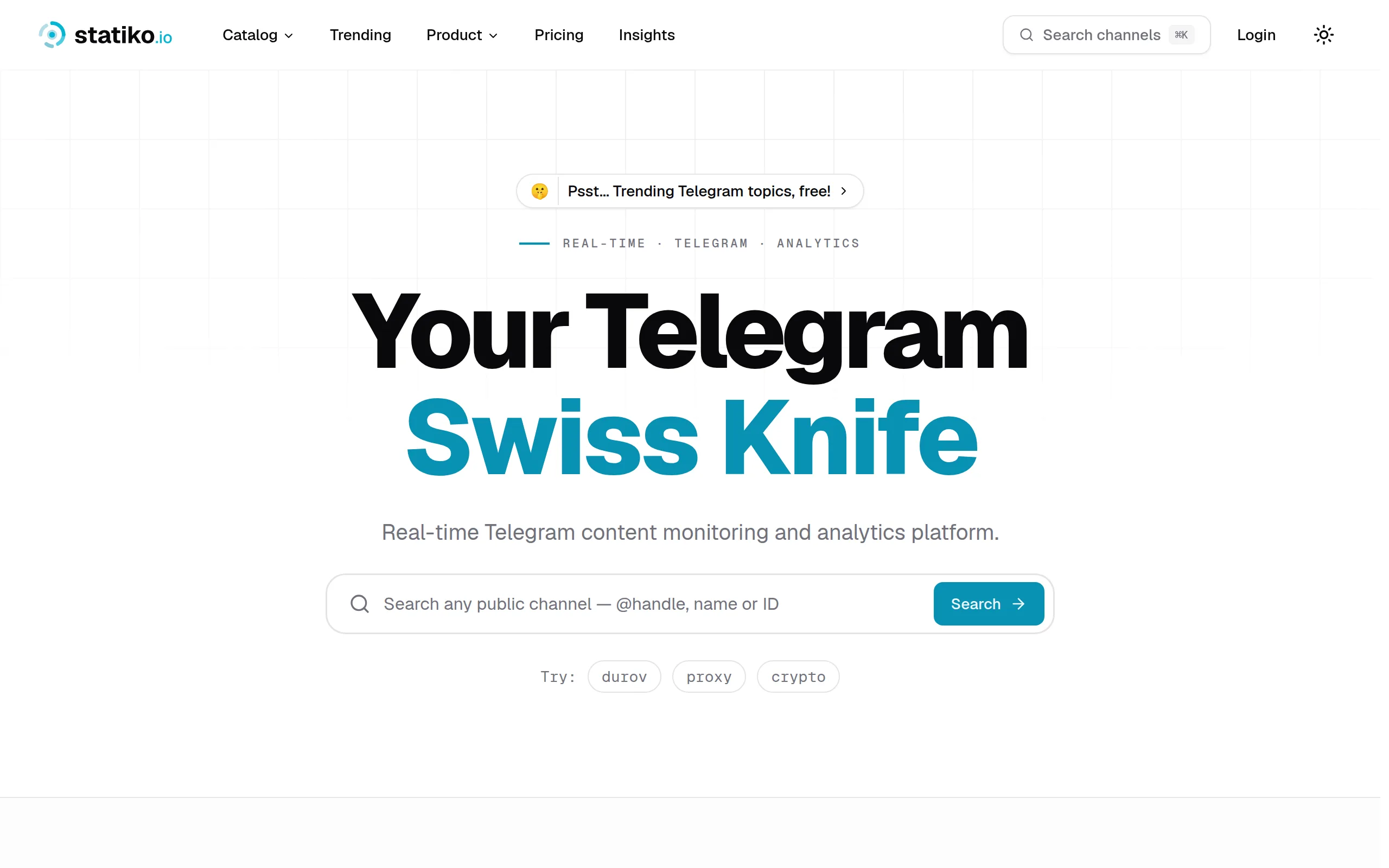
Statiko
Monitor any Telegram channel in real time - track posts, edits, deletions, and growth with AI recaps 📡

Shibui
AI website builder - describe your business, pick a niche template, edit by chatting, and publish instantly ✨

Pro Service
Find verified home service professionals, compare quotes, and pay securely through escrow - built for Brazilians across the US 🏠
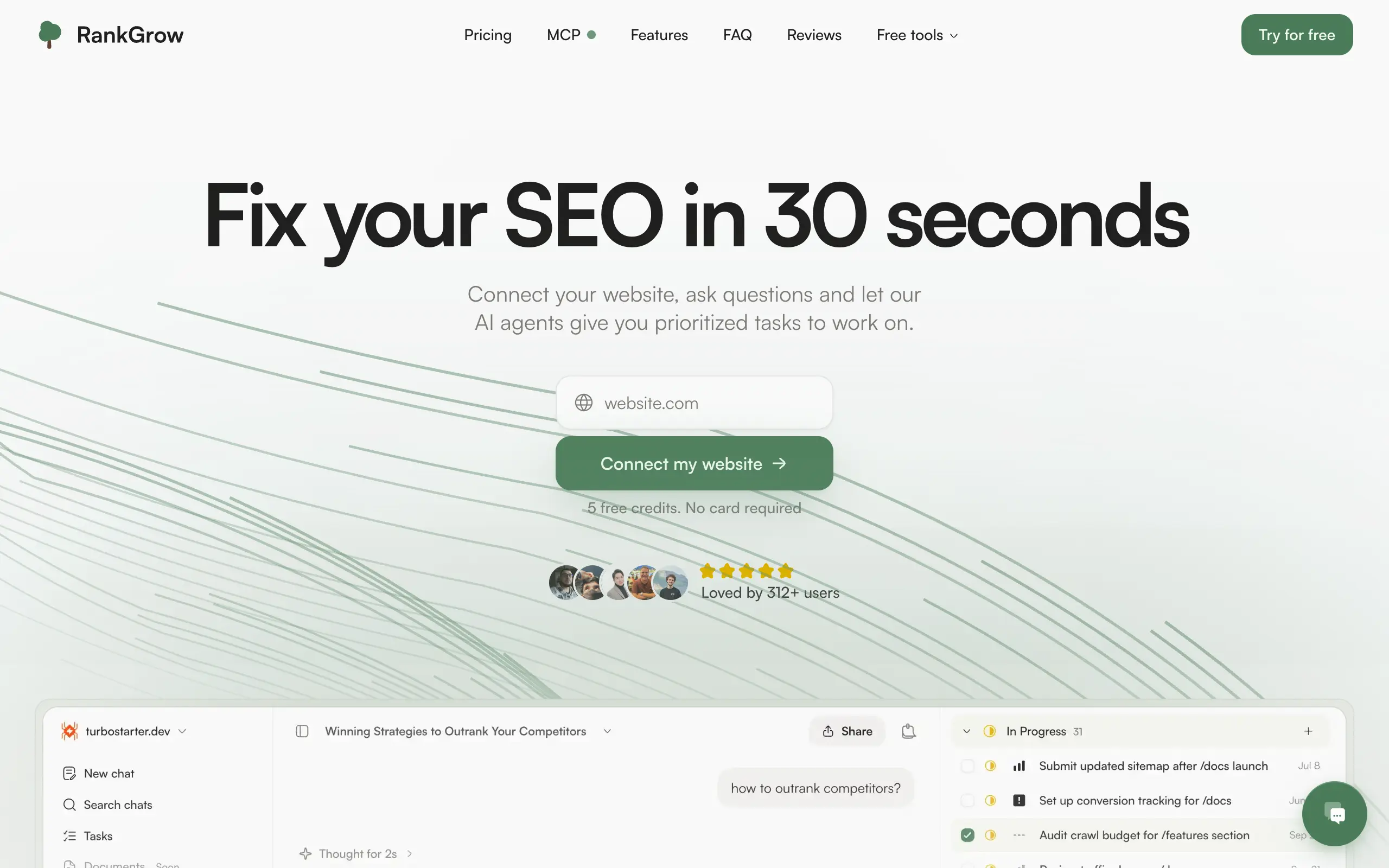
RankGrow
Fix your SEO with AI agents - connect Search Console, get prioritized tasks, and grow organic traffic 📈
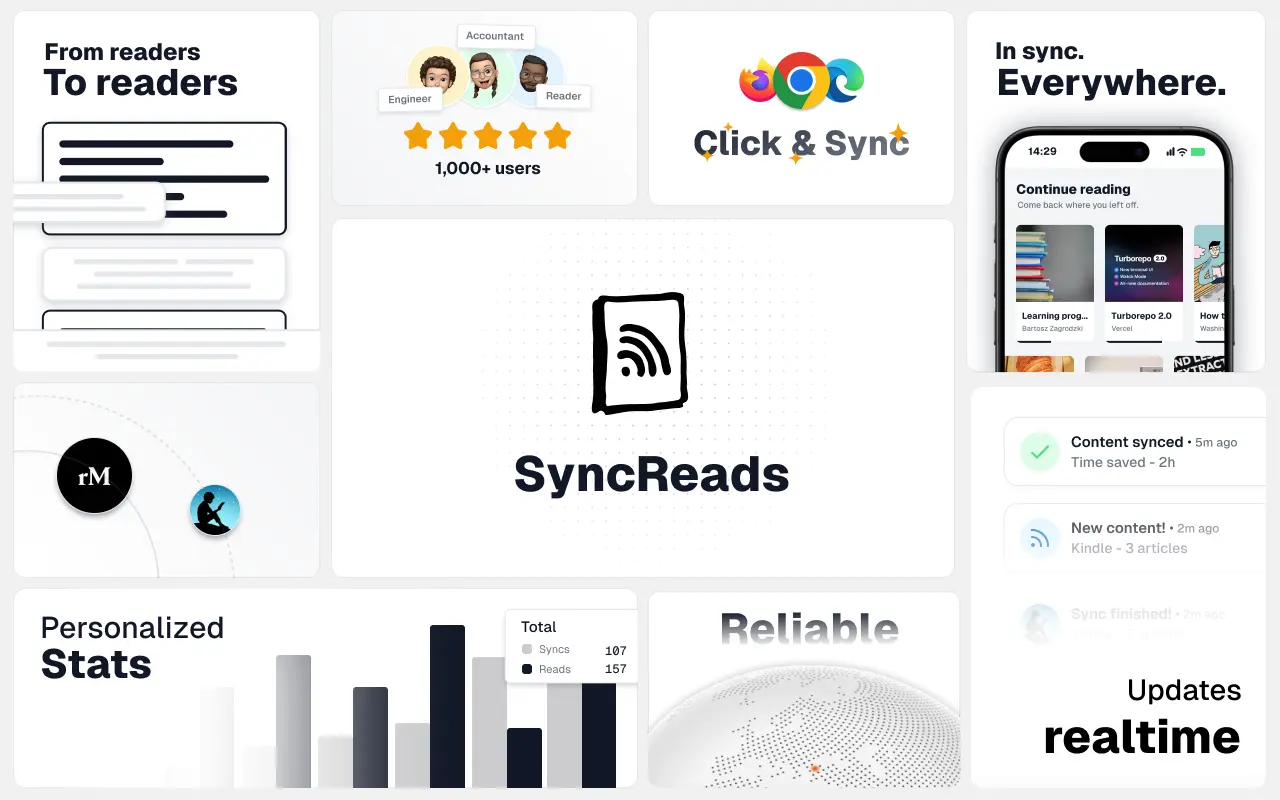
SyncReads
Sync your favorite content for distraction-free reading, save time and replace multiple apps. Anytime, anywhere 🔄
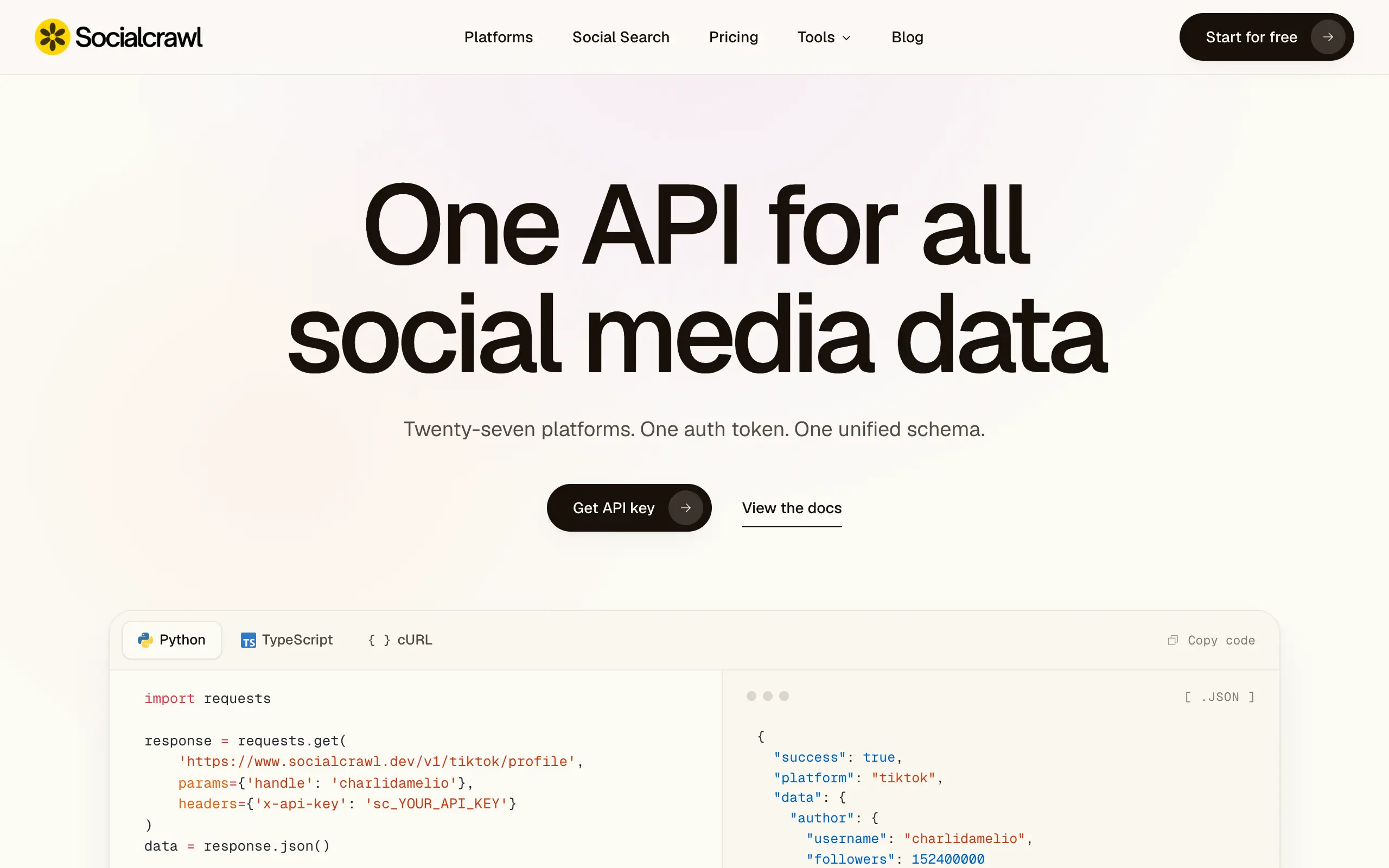
Socialcrawl
Get clean, structured data from 21 platforms like TikTok, Instagram, and YouTube with a single request 📊
Statiko
Monitor any Telegram channel in real time - track posts, edits, deletions, and growth with AI recaps 📡
Shibui
AI website builder - describe your business, pick a niche template, edit by chatting, and publish instantly ✨
Pro Service
Find verified home service professionals, compare quotes, and pay securely through escrow - built for Brazilians across the US 🏠
RankGrow
Fix your SEO with AI agents - connect Search Console, get prioritized tasks, and grow organic traffic 📈
SyncReads
Sync your favorite content for distraction-free reading, save time and replace multiple apps. Anytime, anywhere 🔄
Socialcrawl
Get clean, structured data from 21 platforms like TikTok, Instagram, and YouTube with a single request 📊
Statiko
Monitor any Telegram channel in real time - track posts, edits, deletions, and growth with AI recaps 📡
Shibui
AI website builder - describe your business, pick a niche template, edit by chatting, and publish instantly ✨
Pro Service
Find verified home service professionals, compare quotes, and pay securely through escrow - built for Brazilians across the US 🏠
RankGrow
Fix your SEO with AI agents - connect Search Console, get prioritized tasks, and grow organic traffic 📈
SyncReads
Sync your favorite content for distraction-free reading, save time and replace multiple apps. Anytime, anywhere 🔄
Socialcrawl
Get clean, structured data from 21 platforms like TikTok, Instagram, and YouTube with a single request 📊
Statiko
Monitor any Telegram channel in real time - track posts, edits, deletions, and growth with AI recaps 📡
Shibui
AI website builder - describe your business, pick a niche template, edit by chatting, and publish instantly ✨
Pro Service
Find verified home service professionals, compare quotes, and pay securely through escrow - built for Brazilians across the US 🏠
RankGrow
Fix your SEO with AI agents - connect Search Console, get prioritized tasks, and grow organic traffic 📈
SyncReads
Sync your favorite content for distraction-free reading, save time and replace multiple apps. Anytime, anywhere 🔄
Socialcrawl
Get clean, structured data from 21 platforms like TikTok, Instagram, and YouTube with a single request 📊
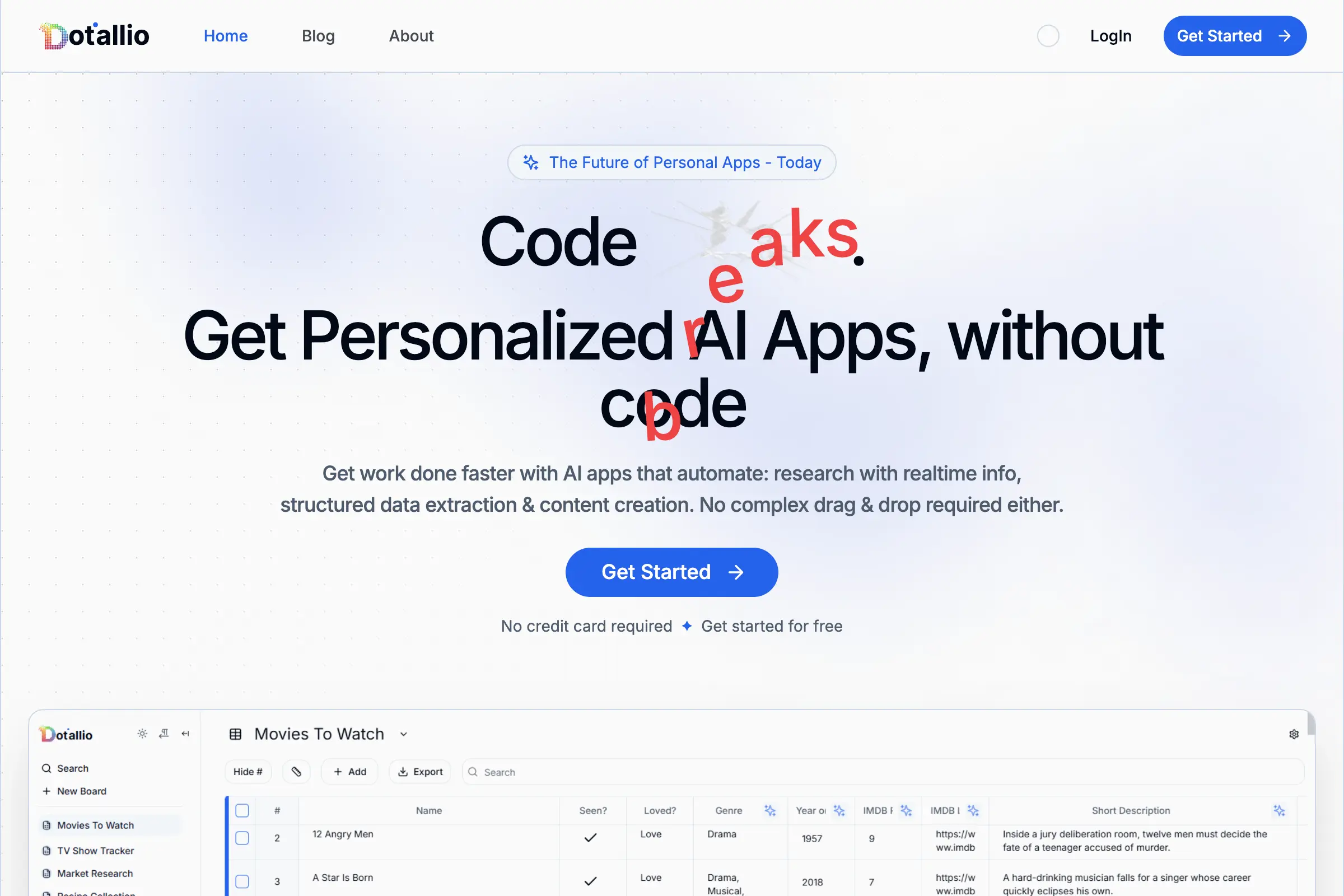
Dotallio
Personalized AI apps that automate research, data extraction, and content creation without code 🤖

Talk to Santa
Enjoy a magical live video chat or receive a unique AI-generated video greeting from Santa Claus 🎅
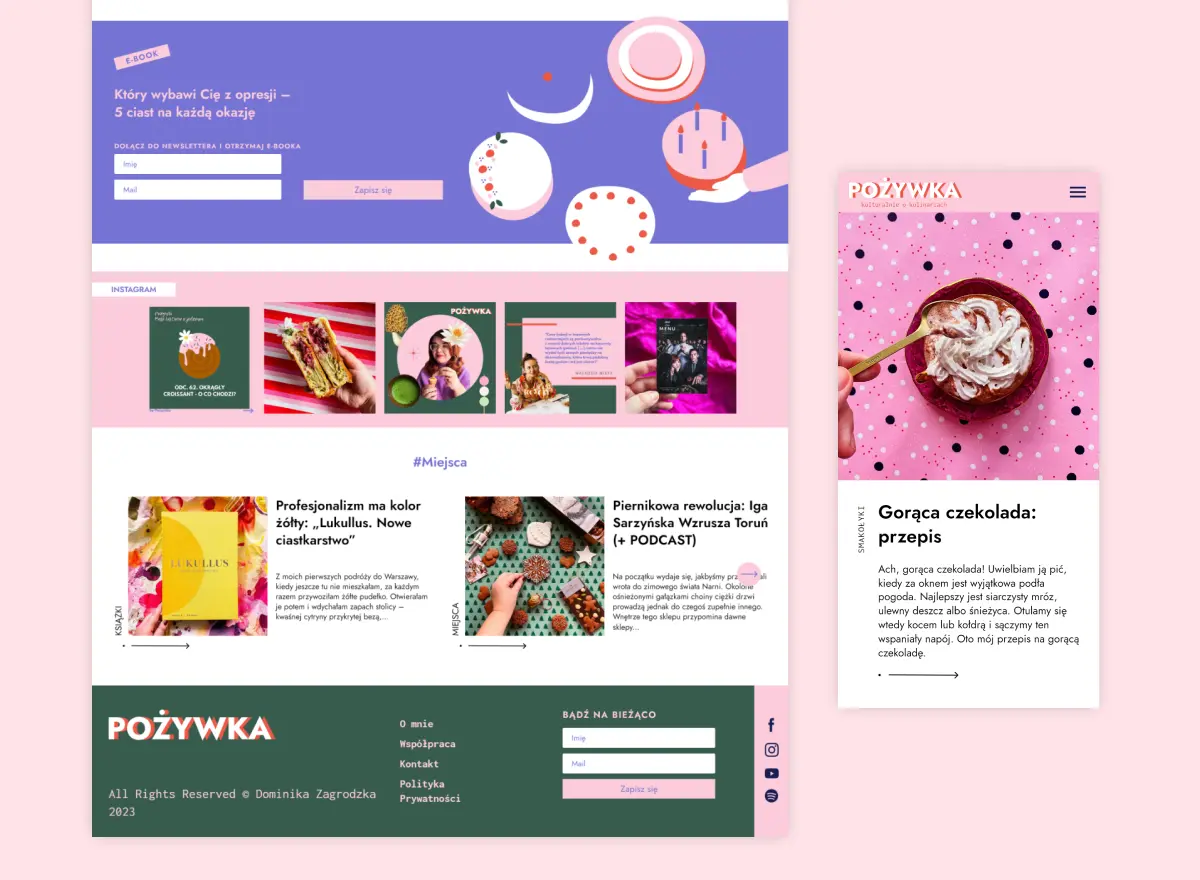
pozywka.pl
Scalable blog for food journalist, focused on performance and user experience 🌭
zagrodzki.me
Personal blog and portfolio of Bart Zagrodzki, where he shares his knowledge and work 💼
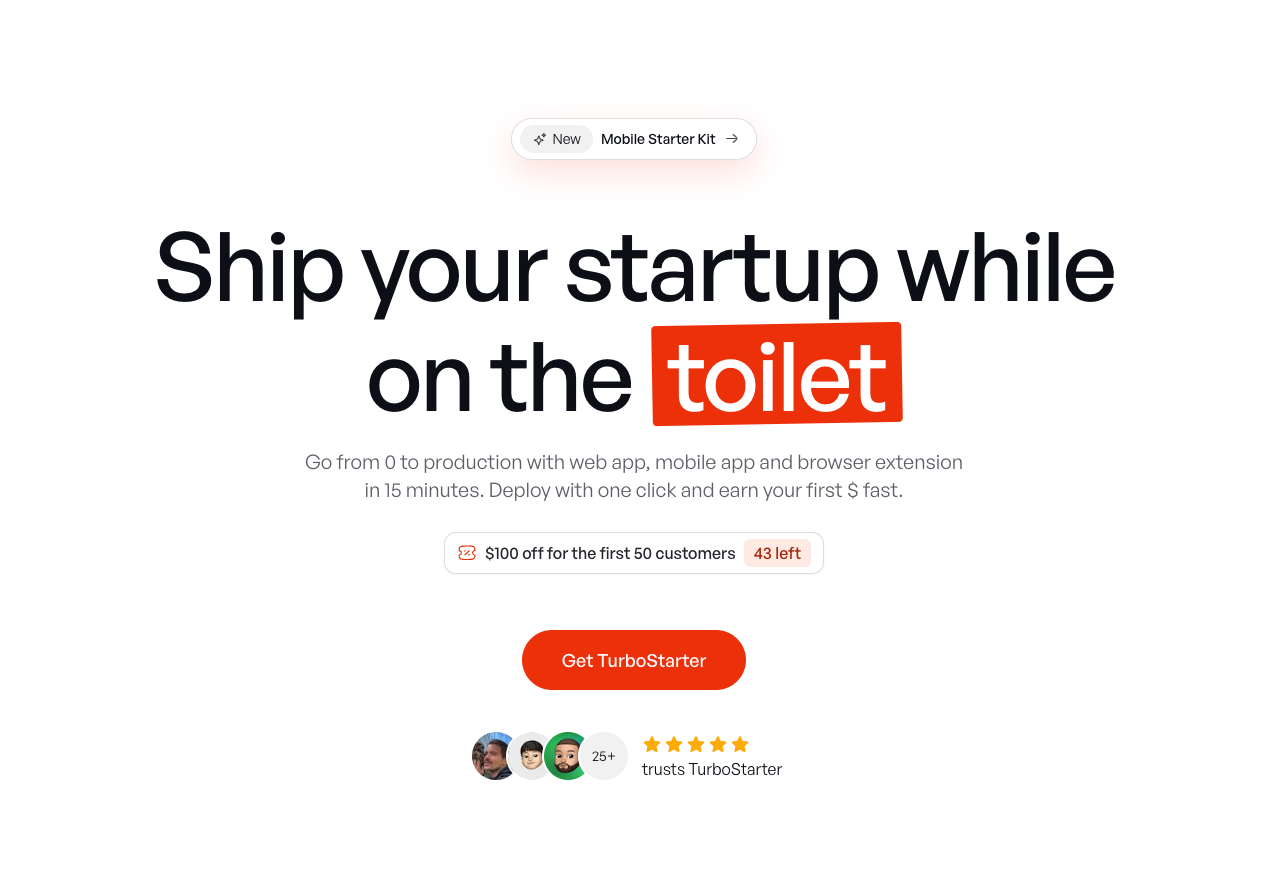
TurboStarter
Ship your startup everywhere. In minutes.
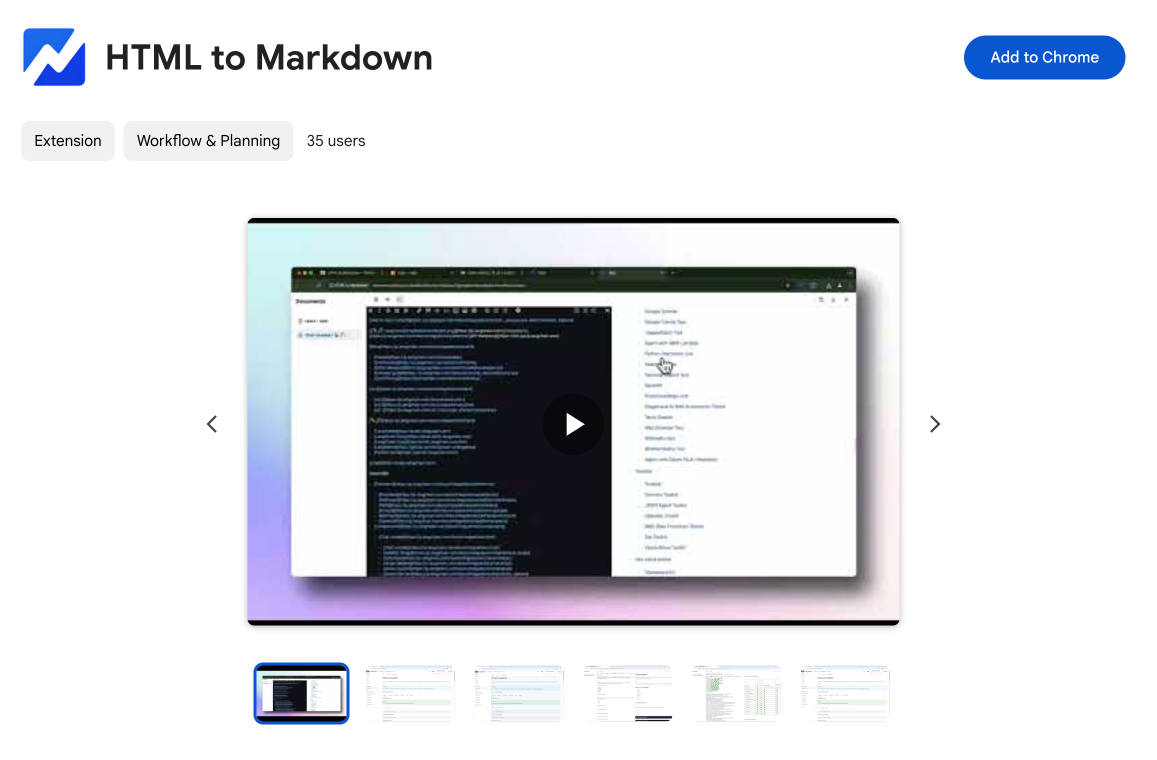
HTML to Markdown
Convert HTML to Markdown with ease, directly in your browser 📄
Dotallio
Personalized AI apps that automate research, data extraction, and content creation without code 🤖
Talk to Santa
Enjoy a magical live video chat or receive a unique AI-generated video greeting from Santa Claus 🎅
pozywka.pl
Scalable blog for food journalist, focused on performance and user experience 🌭
zagrodzki.me
Personal blog and portfolio of Bart Zagrodzki, where he shares his knowledge and work 💼
TurboStarter
Ship your startup everywhere. In minutes.
HTML to Markdown
Convert HTML to Markdown with ease, directly in your browser 📄
Dotallio
Personalized AI apps that automate research, data extraction, and content creation without code 🤖
Talk to Santa
Enjoy a magical live video chat or receive a unique AI-generated video greeting from Santa Claus 🎅
pozywka.pl
Scalable blog for food journalist, focused on performance and user experience 🌭
zagrodzki.me
Personal blog and portfolio of Bart Zagrodzki, where he shares his knowledge and work 💼
TurboStarter
Ship your startup everywhere. In minutes.
HTML to Markdown
Convert HTML to Markdown with ease, directly in your browser 📄
Dotallio
Personalized AI apps that automate research, data extraction, and content creation without code 🤖
Talk to Santa
Enjoy a magical live video chat or receive a unique AI-generated video greeting from Santa Claus 🎅
pozywka.pl
Scalable blog for food journalist, focused on performance and user experience 🌭
zagrodzki.me
Personal blog and portfolio of Bart Zagrodzki, where he shares his knowledge and work 💼
TurboStarter
Ship your startup everywhere. In minutes.
HTML to Markdown
Convert HTML to Markdown with ease, directly in your browser 📄
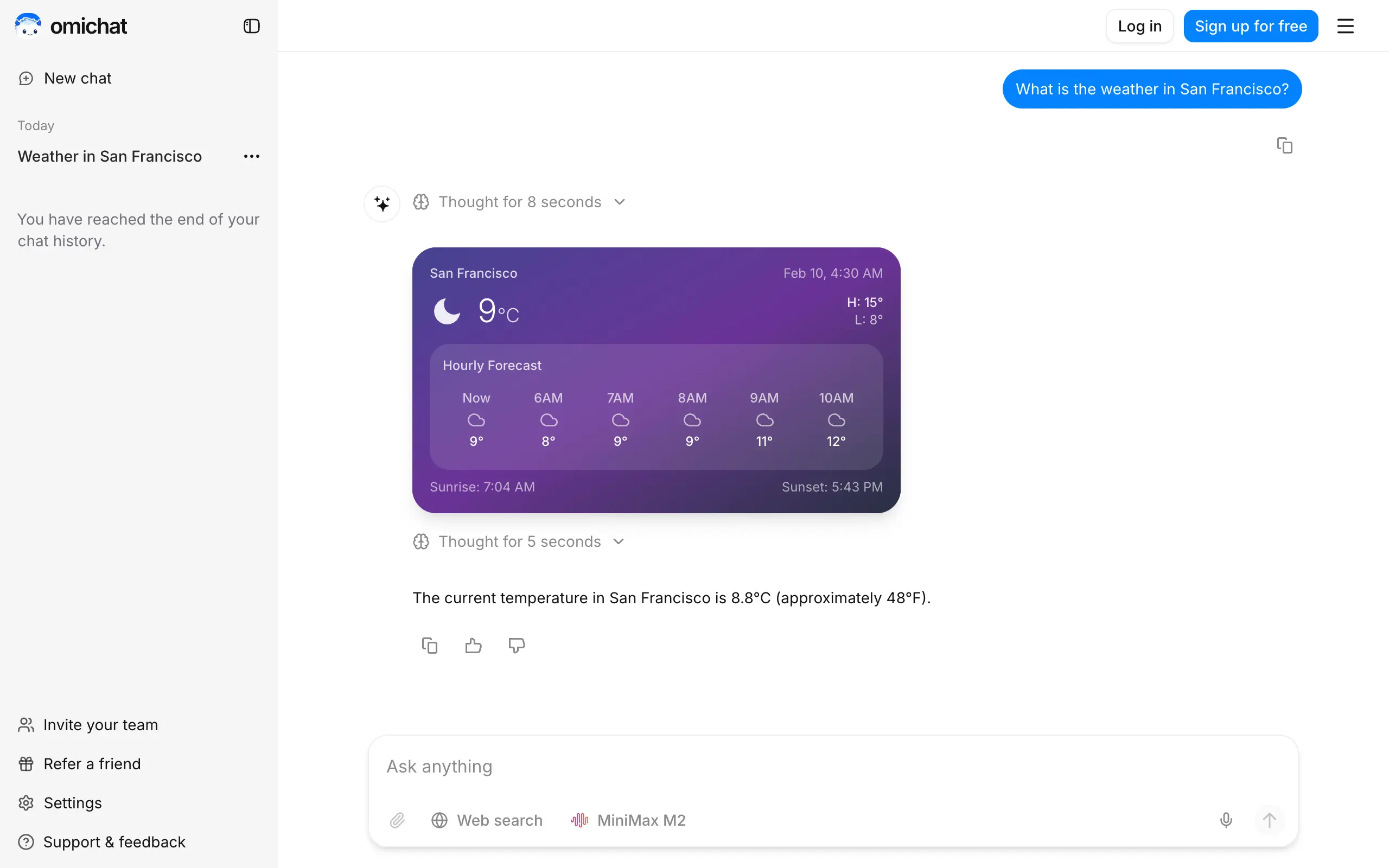
Omichat
Chat with 50+ AI models, including ChatGPT and Claude, in one place - switch models anytime without losing context 🤖
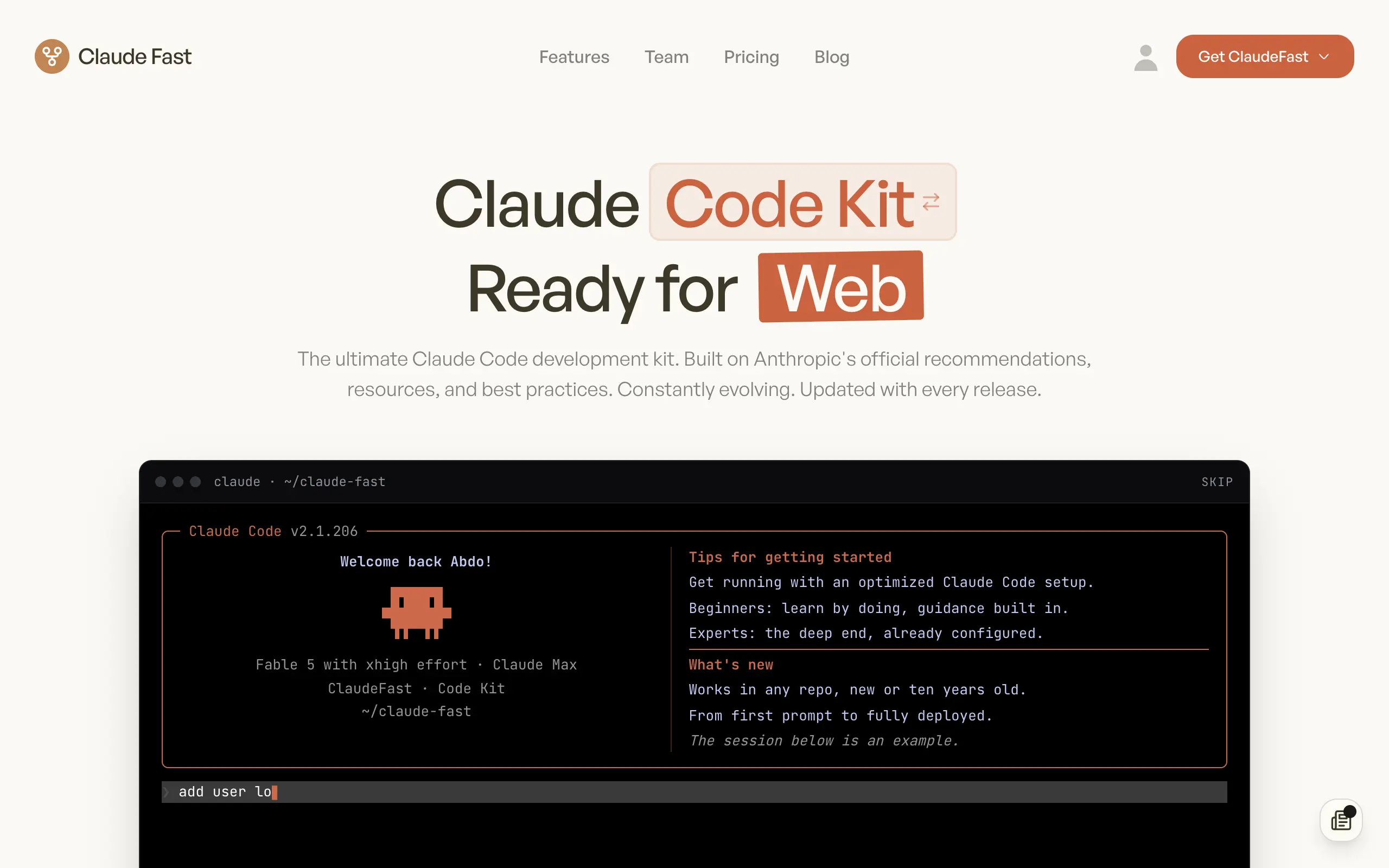
Claude Fast
Supercharge your Claude Code with 6x effective context window and specialized AI agents 🤖
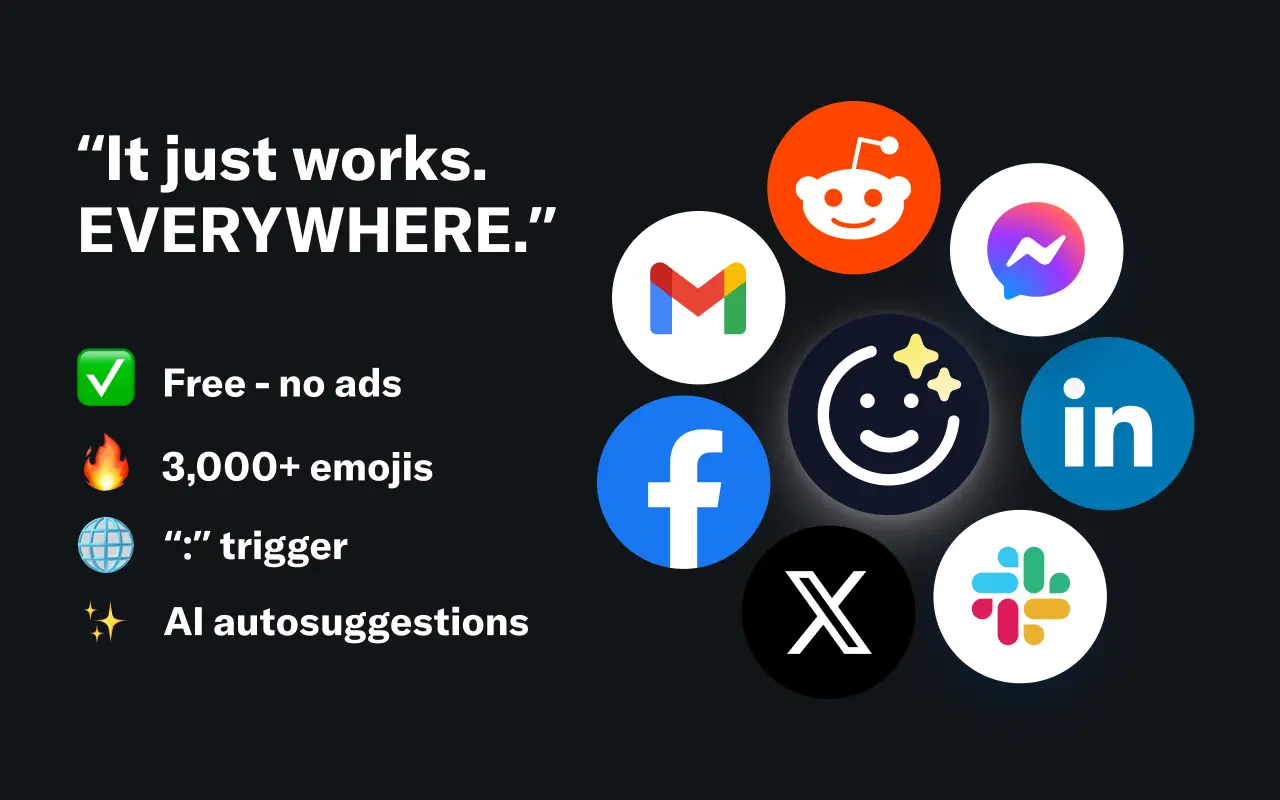
EmojAI
AI-powered emoji picker with smart, context-aware suggestions 🤖
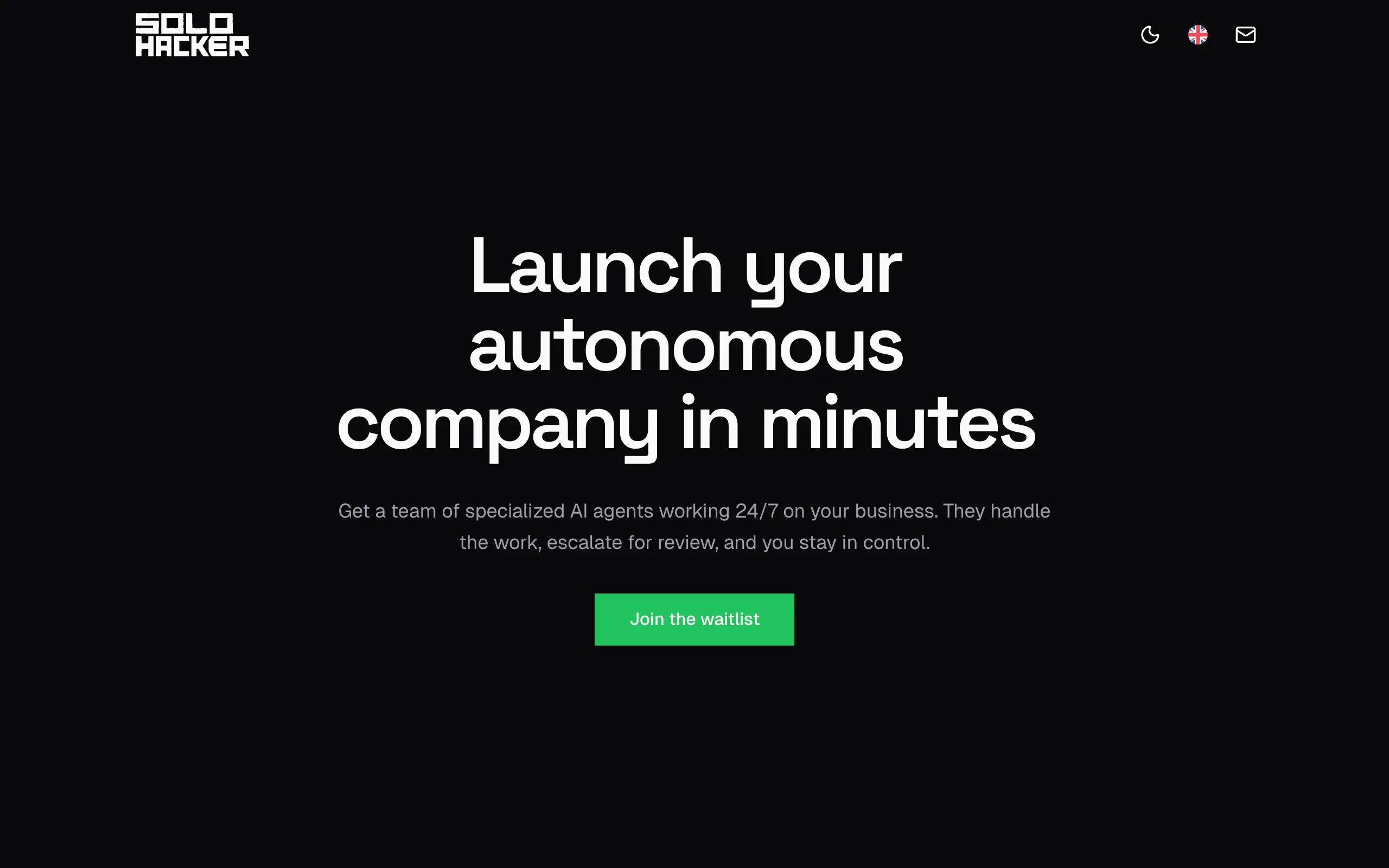
Solohacker
Autonomous company launcher - AI agents work 24/7, escalate what matters, and you stay in control 🤖
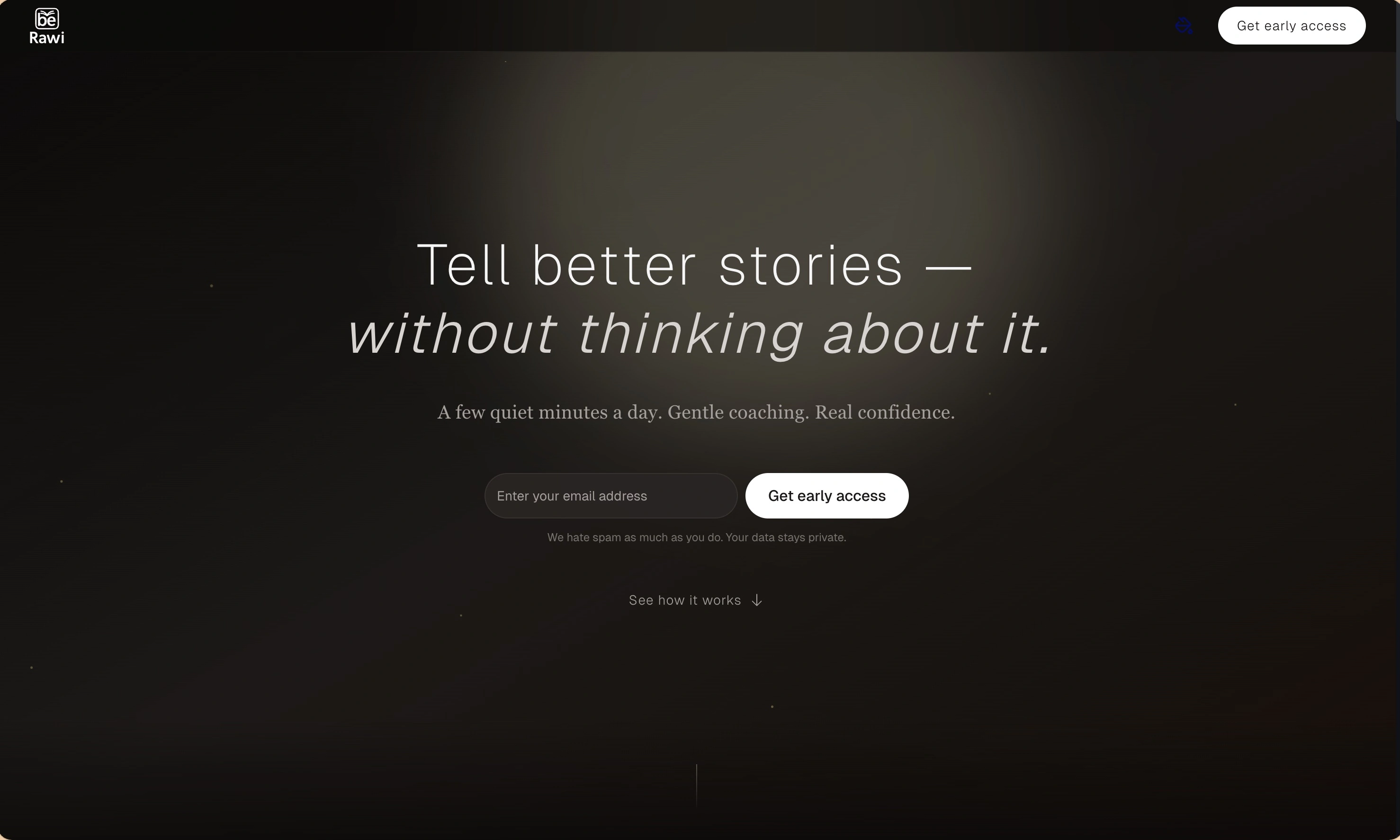
BeRawi: Storytelling Coach
Practice storytelling daily with instant feedback to sound clearer, more engaging, and confident 🎤
Omichat
Chat with 50+ AI models, including ChatGPT and Claude, in one place - switch models anytime without losing context 🤖
Claude Fast
Supercharge your Claude Code with 6x effective context window and specialized AI agents 🤖
EmojAI
AI-powered emoji picker with smart, context-aware suggestions 🤖
Solohacker
Autonomous company launcher - AI agents work 24/7, escalate what matters, and you stay in control 🤖
BeRawi: Storytelling Coach
Practice storytelling daily with instant feedback to sound clearer, more engaging, and confident 🎤
Omichat
Chat with 50+ AI models, including ChatGPT and Claude, in one place - switch models anytime without losing context 🤖
Claude Fast
Supercharge your Claude Code with 6x effective context window and specialized AI agents 🤖
EmojAI
AI-powered emoji picker with smart, context-aware suggestions 🤖
Solohacker
Autonomous company launcher - AI agents work 24/7, escalate what matters, and you stay in control 🤖
BeRawi: Storytelling Coach
Practice storytelling daily with instant feedback to sound clearer, more engaging, and confident 🎤
Omichat
Chat with 50+ AI models, including ChatGPT and Claude, in one place - switch models anytime without losing context 🤖
Claude Fast
Supercharge your Claude Code with 6x effective context window and specialized AI agents 🤖
EmojAI
AI-powered emoji picker with smart, context-aware suggestions 🤖
Solohacker
Autonomous company launcher - AI agents work 24/7, escalate what matters, and you stay in control 🤖
BeRawi: Storytelling Coach
Practice storytelling daily with instant feedback to sound clearer, more engaging, and confident 🎤

Connect with like-minded people
Join our community to get feedback, support, and grow together with 1,000+ builders on board, let's ship it!
Join usShip your startup everywhere. In minutes.
Don't burn tokens on setup and start building features on day one.