ScopeGuard
ScopeGuard helps agencies prevent scope creep by tracking client requests, auto-flagging out-of-scope work, and turning extras into billable change orders.
Understanding the problem ScopeGuard solves in modern agencies
Scope creep is one of the most persistent and damaging problems in service-based businesses. Digital agencies, consultancies, product studios, and freelancers all face the same underlying issue: client requests rarely stay neatly within the original agreement. A “quick tweak,” a “small addition,” or an “urgent favor” gradually expands the workload without expanding the budget.
ScopeGuard is a B2B SaaS platform designed to prevent scope creep by systematically tracking client requests, auto-flagging out-of-scope work, and converting those extras into billable change orders. The core promise is simple but powerful: protect agency margins while improving transparency and trust with clients.
From an SEO and market perspective, the primary keyword for this idea naturally centers on phrases like scope creep prevention software, agency scope management tool, and scope tracking for agencies. The intent behind these searches is clear: agency leaders are actively looking for solutions to lost revenue, overworked teams, and uncomfortable billing conversations.
This article explores ScopeGuard in depth—its target audience, market opportunity, features, technology stack, monetization strategy, competitive advantages, and a clear path to implementation—through an expert, experience-backed lens.
Who ScopeGuard is built for: target audience analysis
Primary audience: digital and creative agencies
ScopeGuard is tailored for agencies that sell time, expertise, and deliverables rather than physical products. These include:
- Web and app development agencies
- UX/UI and product design studios
- Marketing and growth agencies
- Branding and creative agencies
- No-code and automation consultancies
These businesses typically operate on:
- Fixed-price projects
- Retainer agreements
- Hybrid pricing models (retainer + ad-hoc requests)
Their pain point is consistent: requests arrive through multiple channels (email, Slack, project tools), and teams often execute them without formally checking whether they fall within scope.
Secondary audience: consultancies and professional services firms
Beyond agencies, ScopeGuard is highly relevant for:
- Management consultants
- IT service providers
- Fractional CTO/CFO services
- Legal or compliance consultants (non-case-related work)
Any business that sells expertise by the hour or by engagement can benefit from structured scope enforcement.
Decision-makers and users
ScopeGuard needs to appeal to multiple roles:
- Agency founders and partners – care about margins, revenue leakage, and scalability
- Account managers and project managers – need clarity and documentation
- Delivery teams – want fewer surprises and less unpaid work
- Finance teams – want accurate billing and change orders
A successful scope creep prevention tool must balance control with usability. If it feels like “policing” clients, adoption fails. ScopeGuard’s value lies in making scope management feel neutral, data-driven, and fair.
Market opportunity and gap analysis
The hidden cost of scope creep
Scope creep is rarely tracked formally, which is why it’s so dangerous. Industry studies frequently suggest that 10–30% of agency work goes unbilled due to unclear scope management (exact figures vary; agencies should reference reputable consulting reports or industry benchmarks).
The cost isn’t just financial:
- Burnout from constant “small” requests
- Lower delivery quality due to rushed timelines
- Tense client relationships when billing disputes arise
- Inaccurate forecasting and capacity planning
Despite this, many agencies still rely on:
- Manual tracking in spreadsheets
- Vague contract clauses
- Ad-hoc judgment calls by account managers
Existing tools don’t fully solve the problem
Agencies already use tools like project management software, time tracking apps, and invoicing systems. However, these tools are not designed to interpret scope.
For example:
- Project management tools track tasks, not contractual boundaries
- Time trackers log hours, not whether work is billable
- CRMs focus on sales, not delivery changes
This creates a clear market gap for dedicated scope management software for agencies—a category ScopeGuard is positioned to define.
Why now is the right time for ScopeGuard
Several industry trends make this idea especially timely:
- Remote and async work increases informal requests
- Slack and chat-based communication blurs boundaries
- Clients expect agility, but contracts remain static
- AI-driven analysis makes automated scope detection possible
ScopeGuard leverages these shifts rather than fighting them, using automation and structured workflows to bring clarity back into service delivery.
Core features that define ScopeGuard
ScopeGuard’s success depends on translating an abstract concept—scope—into actionable, trackable data. Below are the core features that support this goal.
Centralized request tracking
ScopeGuard acts as a single source of truth for all client requests.
Key capabilities include:
- Capturing requests from email, forms, or integrations
- Associating requests with a specific client and contract
- Time-stamping and categorizing each request
This alone solves a major pain point: scattered requests across tools and inboxes.
Automated out-of-scope detection
The defining feature of ScopeGuard is its ability to auto-flag out-of-scope work.
This can be achieved by:
- Mapping contract scope into structured rules
- Comparing incoming requests against those rules
- Flagging requests that exceed limits (e.g., number of revisions, features, hours)
Over time, machine learning models can improve accuracy by learning from past approvals and rejections.
Why automation matters
Manual scope evaluation relies on human judgment, which is inconsistent and emotionally charged. Automated flagging creates a neutral baseline that teams can discuss objectively.
Change order generation and approval
Once a request is flagged as out of scope, ScopeGuard doesn’t just warn—it enables action.
Features include:
- One-click conversion to a change order
- Pre-filled descriptions and pricing
- Client-facing approval flows
- Digital acceptance and audit trails
This transforms awkward conversations into standardized processes.
Real-time visibility and reporting
Agency leaders need insight, not just alerts.
ScopeGuard provides dashboards showing:
- Number of out-of-scope requests per client
- Revenue recovered via change orders
- Clients with the highest scope creep risk
- Trends over time
These insights inform pricing, contract design, and client selection.
How ScopeGuard fits into existing agency workflows
Integrations with project and communication tools
To reduce friction, ScopeGuard should integrate with tools agencies already use, such as:
- Project management platforms
- Email providers
- Chat tools
- Billing and invoicing systems
The goal is not to replace existing systems, but to sit between contracts and execution.
Example workflow
This workflow preserves speed while enforcing boundaries.
Competitive landscape and positioning
How ScopeGuard compares to existing solutions
Many tools touch parts of the problem, but none focus exclusively on scope creep prevention.
| Feature | Project management tools | Time tracking apps | CRMs | ScopeGuard | Manual spreadsheets |
|---|---|---|---|---|---|
| Scope awareness | ❌ | ❌ | ❌ | ✅ | ❌ |
| Automated change orders | ❌ | ❌ | ✅ | ✅ | ❌ |
Unique selling proposition (USP)
ScopeGuard’s USP lies in its laser focus on scope creep as a revenue problem, not just a project management issue.
Key differentiators:
- Contract-aware request analysis
- Automated, neutral enforcement
- Revenue recovery as a first-class metric
- Designed specifically for agencies
This clarity of purpose makes ScopeGuard easier to market and easier to adopt.
Recommended technology stack and architecture
Frontend
A modern frontend stack ensures usability and performance:
- React – component-driven UI and ecosystem
React - Tailwind CSS – rapid styling with consistency
TailwindCSS
Trade-off: Tailwind requires upfront design discipline, but scales well for SaaS dashboards.
Backend
- Node.js with a structured framework
- REST or GraphQL API
- Background jobs for request analysis
For data storage:
- Relational database for contracts and billing
- Event-based logging for audit trails
AI and automation layer
Out-of-scope detection can evolve in phases:
- Rule-based logic (v1)
- Pattern recognition (v2)
- ML-assisted recommendations (v3)
This staged approach reduces early complexity while preserving long-term defensibility.
Security and compliance
Given the contractual data involved:
- Role-based access control
- Data encryption at rest and in transit
- Audit logs for approvals and changes
Trust is non-negotiable in B2B SaaS.
Monetization strategy options for ScopeGuard
Subscription-based pricing
The most straightforward approach:
- Tiered monthly or annual plans
- Pricing based on:
- Number of clients
- Active contracts
- Team size
This aligns cost with agency growth.
Usage-based components
Advanced plans could include:
- Volume of requests analyzed
- Number of change orders generated
This ties pricing directly to value delivered.
Upsells and add-ons
Potential revenue expansions:
- Advanced analytics
- Custom contract templates
- White-label client portals
ScopeGuard can grow ARPU without alienating smaller agencies.
Risks and challenges, with mitigation strategies
Risk: client pushback
Some clients may resist formal change orders.
Mitigation:
- Position ScopeGuard as a transparency tool
- Provide client-facing explanations
- Allow configurable thresholds
Risk: adoption friction
Teams may see scope tracking as extra work.
Mitigation:
- Automate capture as much as possible
- Integrate deeply with existing tools
- Emphasize reduced conflict, not control
Risk: inaccurate flagging
False positives undermine trust.
Mitigation:
- Allow easy overrides
- Learn from decisions
- Start conservative with rules
Why ScopeGuard builds trust, not tension
A common fear is that scope enforcement damages relationships. In practice, the opposite is true.
ScopeGuard:
- Sets expectations early
- Removes emotion from billing
- Creates documentation everyone can reference
This aligns with long-term client relationships rather than transactional wins.
No. ScopeGuard operationalizes contracts by making them actionable in day-to-day work.
No. Smaller agencies often feel scope creep more acutely due to limited margins.
Implementation roadmap for launching ScopeGuard
Phase 1: validation and MVP
Focus on:
- Core request tracking
- Manual scope rules
- Basic change order flow
Talk to real agencies and validate assumptions early.
Phase 2: automation and integrations
Add:
- Email and tool integrations
- Automated flagging
- Client approval workflows
This is where ScopeGuard becomes indispensable.
Phase 3: intelligence and scale
Introduce:
- Analytics dashboards
- Pattern detection
- AI-assisted recommendations
This phase builds long-term defensibility.
Fast MVP launch
Start small with clear scope rules and validate demand quickly.
Agency-first UX
Design for real agency workflows, not generic SaaS patterns.
Revenue focus
Always tie features back to recovered revenue and margin protection.
For founders who want to accelerate this process, tools like TurboStarter can significantly reduce time-to-market by providing a solid SaaS foundation without reinventing core infrastructure.
Final thoughts: why ScopeGuard is a strong SaaS opportunity
ScopeGuard addresses a painful, universal, and expensive problem in the agency world. Its strength lies not just in technology, but in positioning scope management as a revenue protection system, not an administrative burden.
By combining:
- Clear target audience alignment
- A well-defined market gap
- Focused, high-impact features
- A scalable monetization model
ScopeGuard has the potential to define a new category of scope creep prevention software for agencies.
The agencies that survive and scale over the next decade will be those that protect their time as fiercely as their creativity. ScopeGuard is built for exactly that future.
More 🏢 B2B Application SaaS ideas
Discover more innovative b2b application SaaS ideas that are trending in 2026. Each idea is AI-generated with market validation and growth potential to help you find your next profitable venture faster than competitors.
Your competitors are building with TurboStarter
Below are some of the SaaS ideas that have been generated and built with our starter kit.
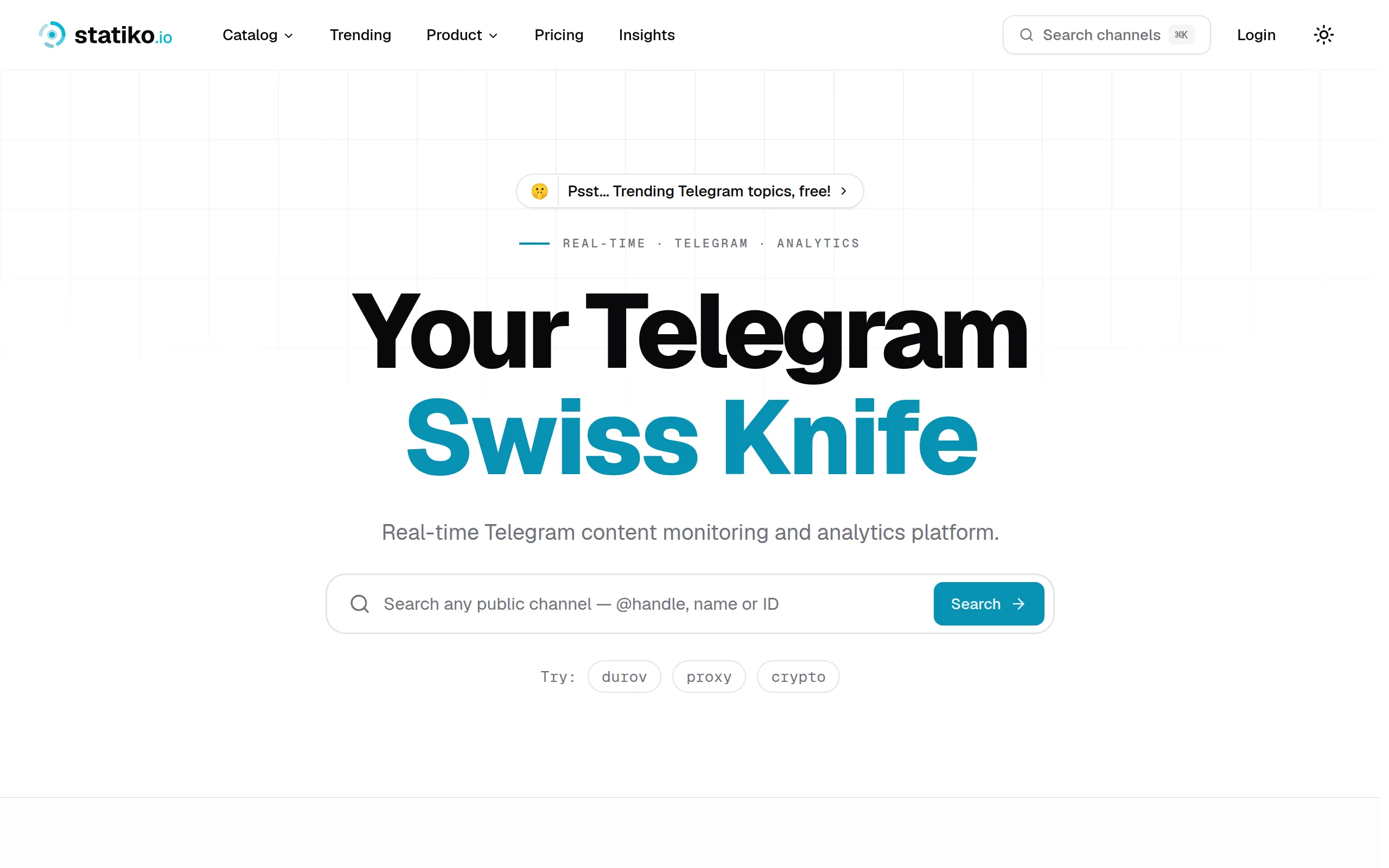
Statiko
Monitor any Telegram channel in real time - track posts, edits, deletions, and growth with AI recaps 📡

Shibui
AI website builder - describe your business, pick a niche template, edit by chatting, and publish instantly ✨

Pro Service
Find verified home service professionals, compare quotes, and pay securely through escrow - built for Brazilians across the US 🏠
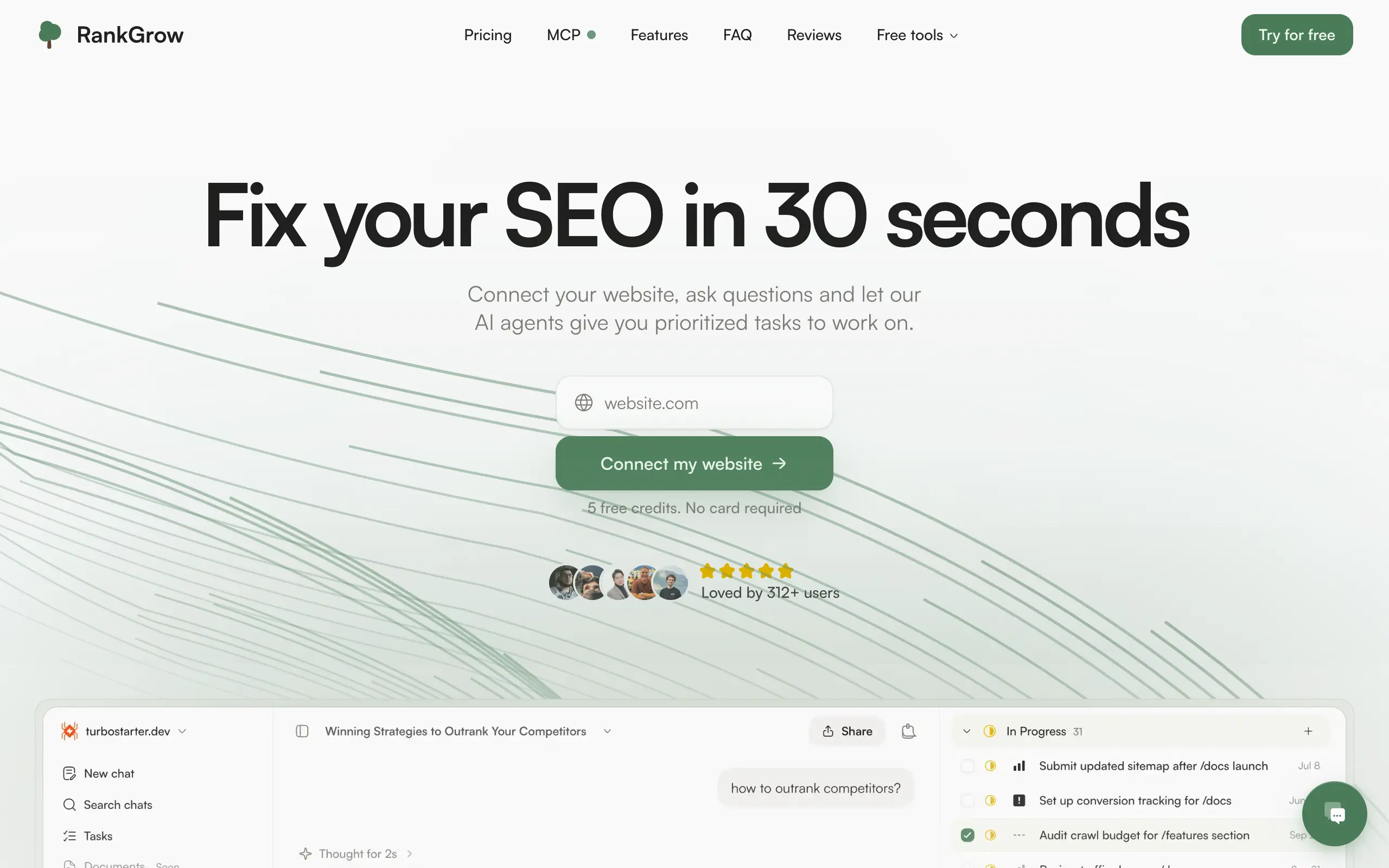
RankGrow
Fix your SEO with AI agents - connect Search Console, get prioritized tasks, and grow organic traffic 📈
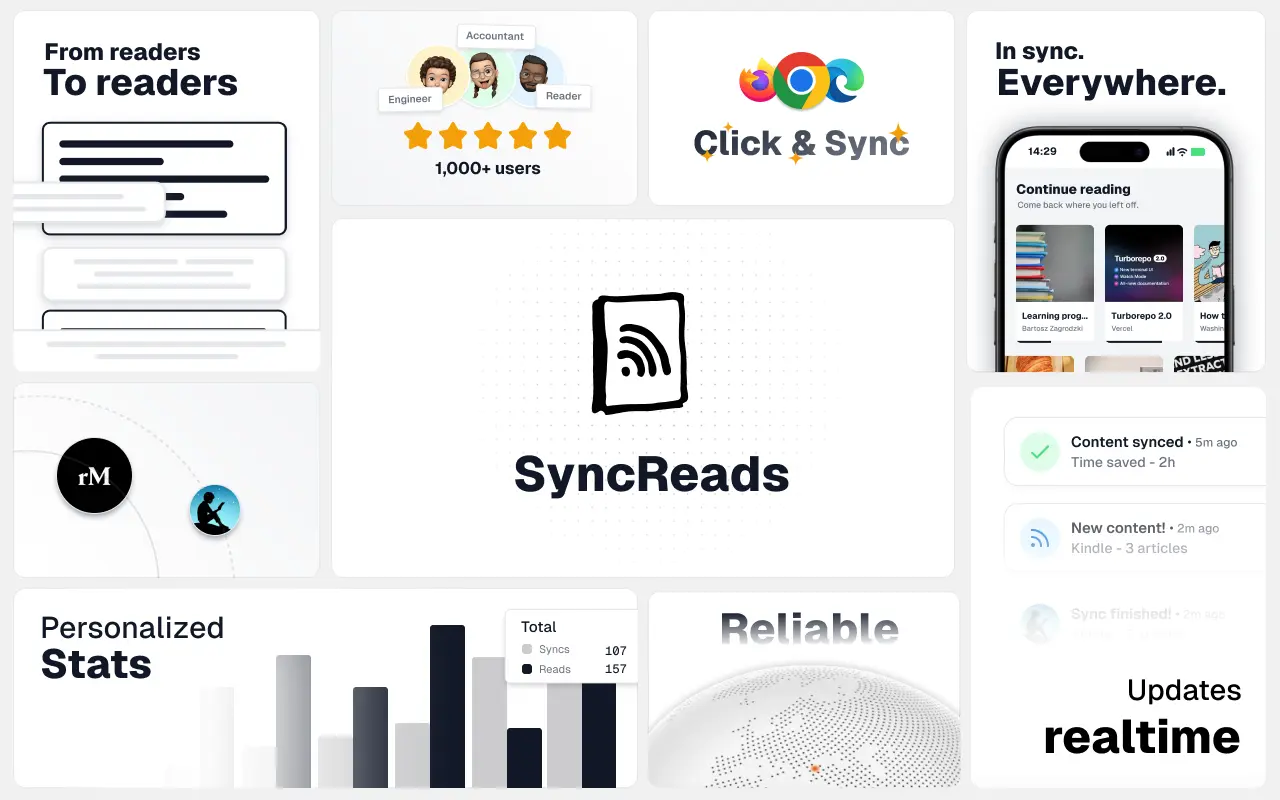
SyncReads
Sync your favorite content for distraction-free reading, save time and replace multiple apps. Anytime, anywhere 🔄
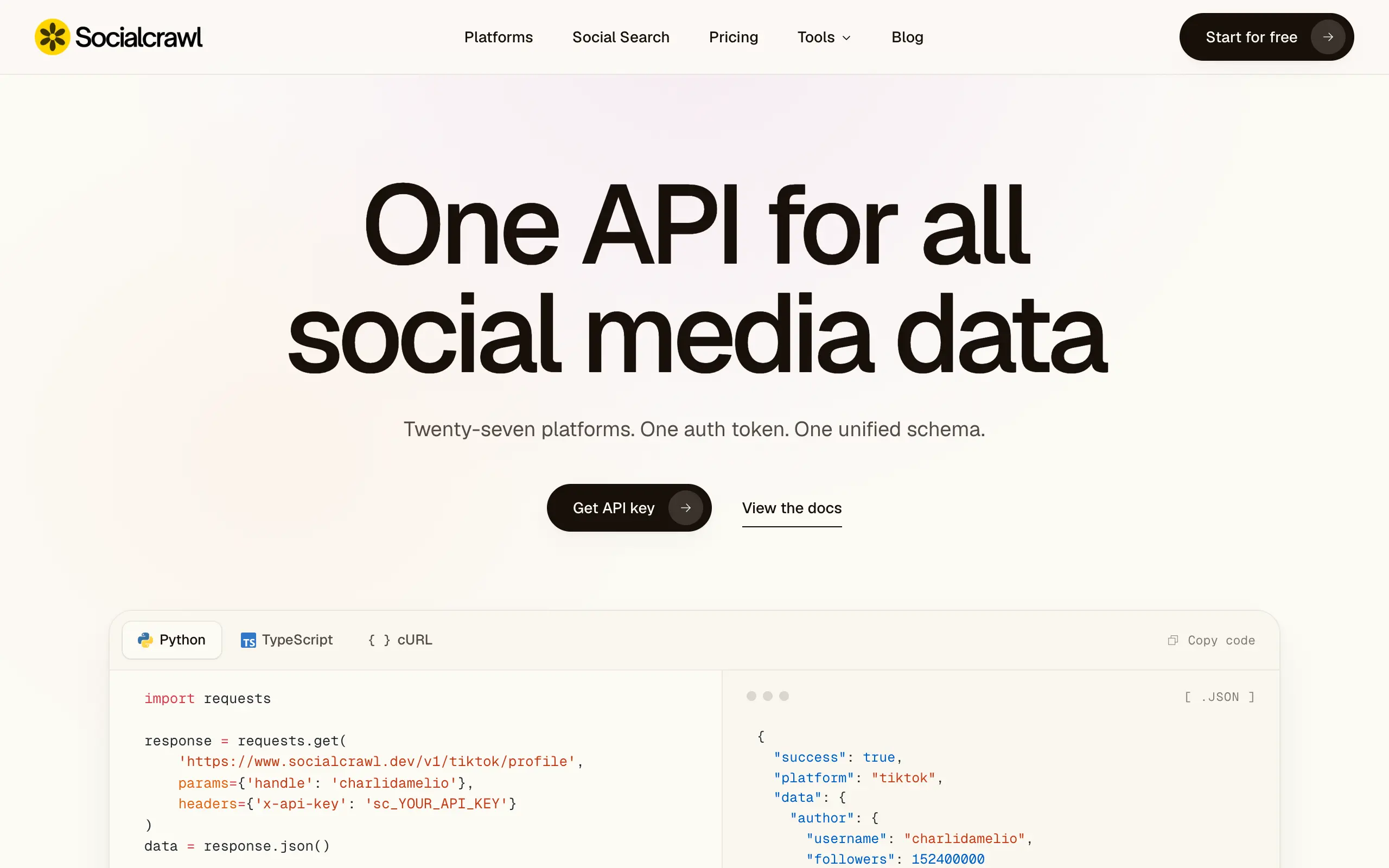
Socialcrawl
Get clean, structured data from 21 platforms like TikTok, Instagram, and YouTube with a single request 📊
Statiko
Monitor any Telegram channel in real time - track posts, edits, deletions, and growth with AI recaps 📡
Shibui
AI website builder - describe your business, pick a niche template, edit by chatting, and publish instantly ✨
Pro Service
Find verified home service professionals, compare quotes, and pay securely through escrow - built for Brazilians across the US 🏠
RankGrow
Fix your SEO with AI agents - connect Search Console, get prioritized tasks, and grow organic traffic 📈
SyncReads
Sync your favorite content for distraction-free reading, save time and replace multiple apps. Anytime, anywhere 🔄
Socialcrawl
Get clean, structured data from 21 platforms like TikTok, Instagram, and YouTube with a single request 📊
Statiko
Monitor any Telegram channel in real time - track posts, edits, deletions, and growth with AI recaps 📡
Shibui
AI website builder - describe your business, pick a niche template, edit by chatting, and publish instantly ✨
Pro Service
Find verified home service professionals, compare quotes, and pay securely through escrow - built for Brazilians across the US 🏠
RankGrow
Fix your SEO with AI agents - connect Search Console, get prioritized tasks, and grow organic traffic 📈
SyncReads
Sync your favorite content for distraction-free reading, save time and replace multiple apps. Anytime, anywhere 🔄
Socialcrawl
Get clean, structured data from 21 platforms like TikTok, Instagram, and YouTube with a single request 📊
Statiko
Monitor any Telegram channel in real time - track posts, edits, deletions, and growth with AI recaps 📡
Shibui
AI website builder - describe your business, pick a niche template, edit by chatting, and publish instantly ✨
Pro Service
Find verified home service professionals, compare quotes, and pay securely through escrow - built for Brazilians across the US 🏠
RankGrow
Fix your SEO with AI agents - connect Search Console, get prioritized tasks, and grow organic traffic 📈
SyncReads
Sync your favorite content for distraction-free reading, save time and replace multiple apps. Anytime, anywhere 🔄
Socialcrawl
Get clean, structured data from 21 platforms like TikTok, Instagram, and YouTube with a single request 📊
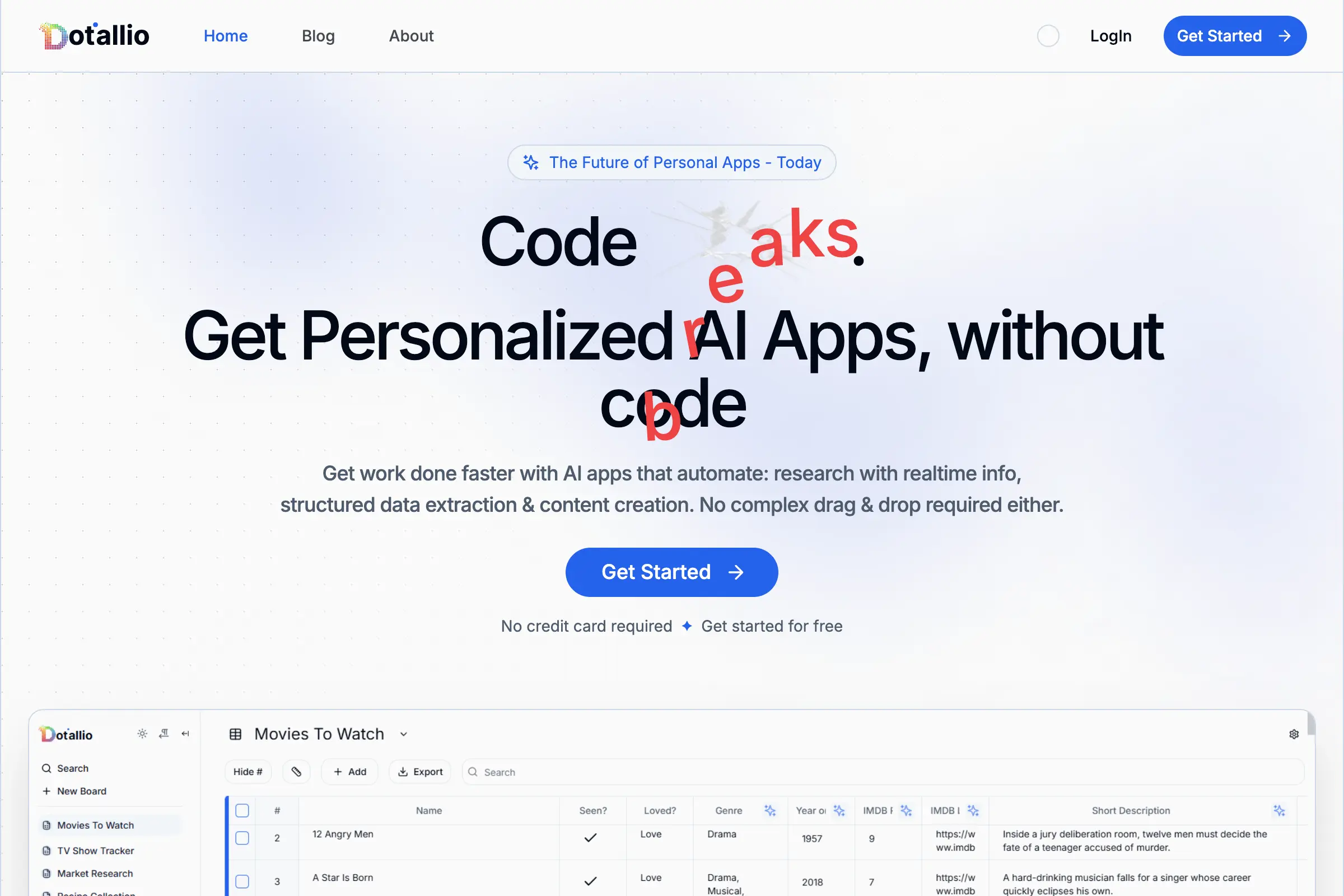
Dotallio
Personalized AI apps that automate research, data extraction, and content creation without code 🤖

Talk to Santa
Enjoy a magical live video chat or receive a unique AI-generated video greeting from Santa Claus 🎅

pozywka.pl
Scalable blog for food journalist, focused on performance and user experience 🌭
zagrodzki.me
Personal blog and portfolio of Bart Zagrodzki, where he shares his knowledge and work 💼
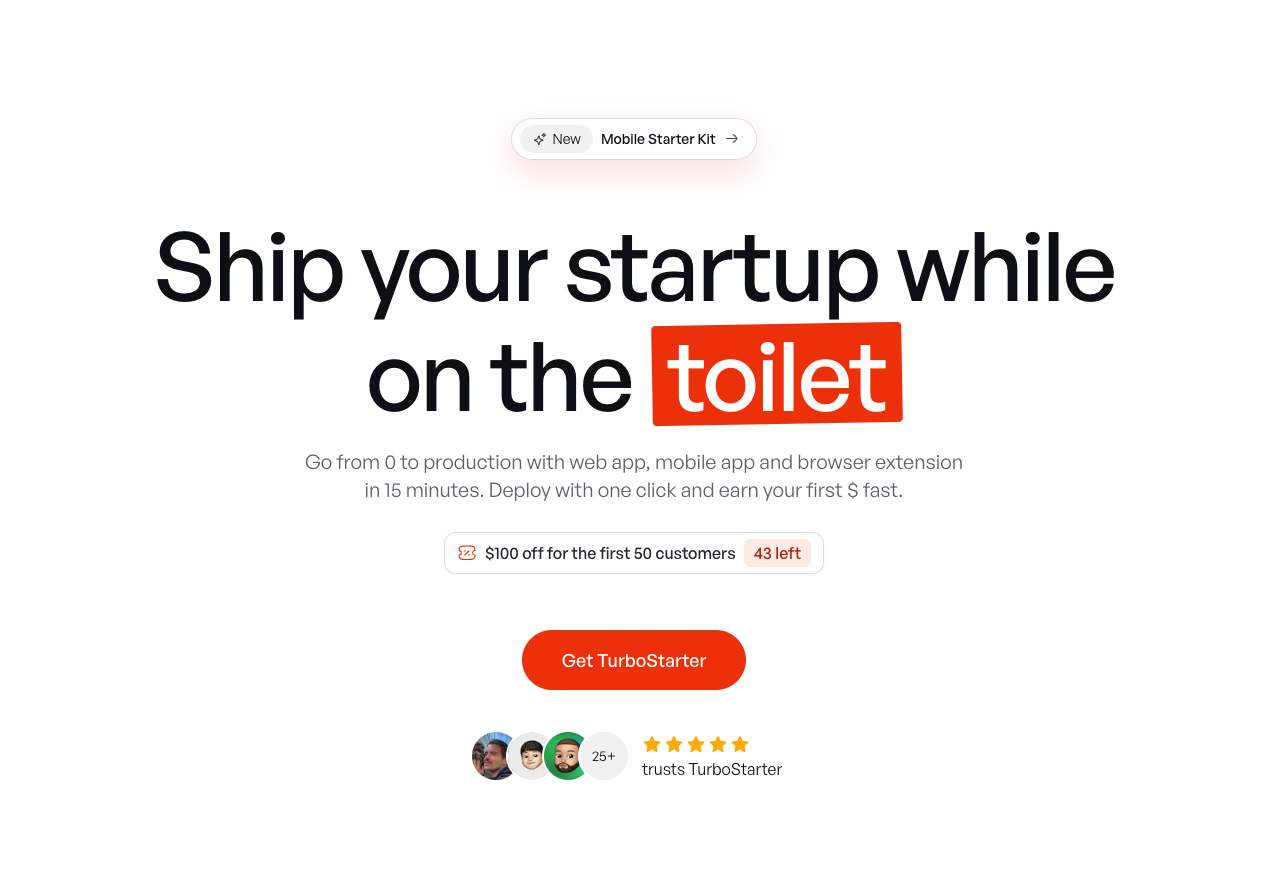
TurboStarter
Ship your startup everywhere. In minutes.
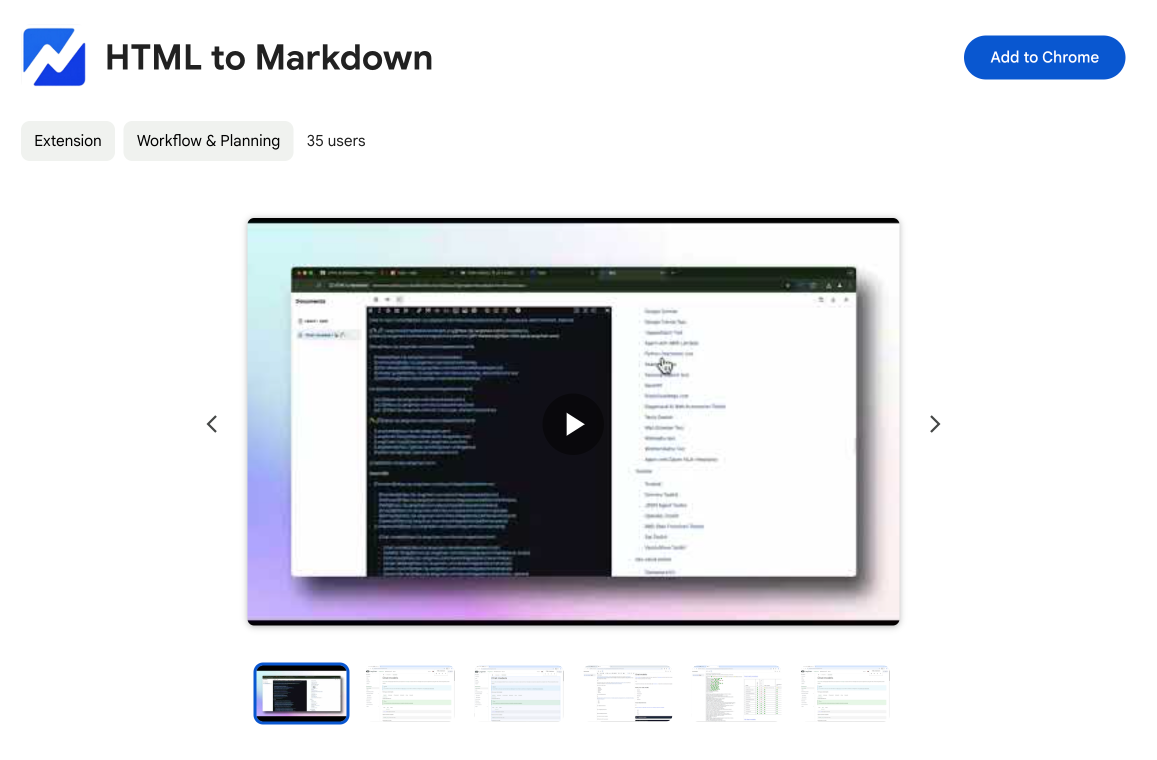
HTML to Markdown
Convert HTML to Markdown with ease, directly in your browser 📄
Dotallio
Personalized AI apps that automate research, data extraction, and content creation without code 🤖
Talk to Santa
Enjoy a magical live video chat or receive a unique AI-generated video greeting from Santa Claus 🎅
pozywka.pl
Scalable blog for food journalist, focused on performance and user experience 🌭
zagrodzki.me
Personal blog and portfolio of Bart Zagrodzki, where he shares his knowledge and work 💼
TurboStarter
Ship your startup everywhere. In minutes.
HTML to Markdown
Convert HTML to Markdown with ease, directly in your browser 📄
Dotallio
Personalized AI apps that automate research, data extraction, and content creation without code 🤖
Talk to Santa
Enjoy a magical live video chat or receive a unique AI-generated video greeting from Santa Claus 🎅
pozywka.pl
Scalable blog for food journalist, focused on performance and user experience 🌭
zagrodzki.me
Personal blog and portfolio of Bart Zagrodzki, where he shares his knowledge and work 💼
TurboStarter
Ship your startup everywhere. In minutes.
HTML to Markdown
Convert HTML to Markdown with ease, directly in your browser 📄
Dotallio
Personalized AI apps that automate research, data extraction, and content creation without code 🤖
Talk to Santa
Enjoy a magical live video chat or receive a unique AI-generated video greeting from Santa Claus 🎅
pozywka.pl
Scalable blog for food journalist, focused on performance and user experience 🌭
zagrodzki.me
Personal blog and portfolio of Bart Zagrodzki, where he shares his knowledge and work 💼
TurboStarter
Ship your startup everywhere. In minutes.
HTML to Markdown
Convert HTML to Markdown with ease, directly in your browser 📄
Omichat
Chat with 50+ AI models, including ChatGPT and Claude, in one place - switch models anytime without losing context 🤖
Claude Fast
Supercharge your Claude Code with 6x effective context window and specialized AI agents 🤖
EmojAI
AI-powered emoji picker with smart, context-aware suggestions 🤖

Solohacker
Autonomous company launcher - AI agents work 24/7, escalate what matters, and you stay in control 🤖

BeRawi: Storytelling Coach
Practice storytelling daily with instant feedback to sound clearer, more engaging, and confident 🎤
Omichat
Chat with 50+ AI models, including ChatGPT and Claude, in one place - switch models anytime without losing context 🤖
Claude Fast
Supercharge your Claude Code with 6x effective context window and specialized AI agents 🤖
EmojAI
AI-powered emoji picker with smart, context-aware suggestions 🤖
Solohacker
Autonomous company launcher - AI agents work 24/7, escalate what matters, and you stay in control 🤖
BeRawi: Storytelling Coach
Practice storytelling daily with instant feedback to sound clearer, more engaging, and confident 🎤
Omichat
Chat with 50+ AI models, including ChatGPT and Claude, in one place - switch models anytime without losing context 🤖
Claude Fast
Supercharge your Claude Code with 6x effective context window and specialized AI agents 🤖
EmojAI
AI-powered emoji picker with smart, context-aware suggestions 🤖
Solohacker
Autonomous company launcher - AI agents work 24/7, escalate what matters, and you stay in control 🤖
BeRawi: Storytelling Coach
Practice storytelling daily with instant feedback to sound clearer, more engaging, and confident 🎤
Omichat
Chat with 50+ AI models, including ChatGPT and Claude, in one place - switch models anytime without losing context 🤖
Claude Fast
Supercharge your Claude Code with 6x effective context window and specialized AI agents 🤖
EmojAI
AI-powered emoji picker with smart, context-aware suggestions 🤖
Solohacker
Autonomous company launcher - AI agents work 24/7, escalate what matters, and you stay in control 🤖
BeRawi: Storytelling Coach
Practice storytelling daily with instant feedback to sound clearer, more engaging, and confident 🎤

Connect with like-minded people
Join our community to get feedback, support, and grow together with 1,000+ builders on board, let's ship it!
Join usShip your startup everywhere. In minutes.
Don't burn tokens on setup and start building features on day one.