ScopeGuard AI
AI-powered scope monitoring for web agencies that detects scope creep in real time, tracks change impact, and protects project margins automatically.
The growing problem of scope creep in modern agencies and freelance businesses
Scope creep is one of the most persistent profit killers in the service economy. Whether you run a digital agency, operate as a solo freelancer, or manage a distributed consultancy team, uncontrolled change requests and informal “small additions” quietly erode margins.
In today’s environment—where clients expect rapid iteration, AI-assisted output, and continuous optimization—scope boundaries are more fluid than ever. Teams work in Slack threads, Notion docs, email chains, and Zoom calls. Decisions get made informally. Requirements shift weekly. And before anyone realizes it, the original project agreement has ballooned far beyond its initial definition.
ScopeGuard AI is designed specifically to solve this problem. It is an AI-powered scope control and change-order tracking SaaS platform built for agencies and freelancers who want to:
- Protect profit margins
- Maintain healthy client relationships
- Automatically detect out-of-scope requests
- Turn change discussions into billable opportunities
This article explores the full strategic opportunity behind ScopeGuard AI: the target audience, market gap, feature architecture, technology stack, monetization, competitive positioning, risks, and step-by-step implementation roadmap.
Understanding user intent: what agencies are really searching for
When agency founders search for solutions around “scope creep management,” “change order tracking software,” or “protecting agency margins,” they’re typically looking for:
- Validation – Is this a common problem or just us?
- A practical system – How can we enforce scope without damaging relationships?
- Automation – Can software reduce manual tracking?
- Profit protection – How do we quantify lost revenue from uncontrolled scope?
- Scalable operations – How do we maintain margins as we grow?
ScopeGuard AI directly addresses all five of these search intents. Instead of offering generic project management features, it focuses on one high-value problem: automated scope enforcement and structured change-order conversion.
Market opportunity: why scope control software is underserved
The agency and freelancer economy is massive
- Millions of freelancers operate globally (data can be referenced from reports by Upwork and Statista).
- Digital agencies continue to grow due to demand for web, marketing, branding, and AI implementation services.
- Hybrid and remote collaboration increases asynchronous communication—where scope creep thrives.
Yet most agencies rely on:
- Spreadsheets
- Manual contract reviews
- Slack reminders
- Informal “we’ll adjust the invoice later” processes
This creates three systemic issues:
- Revenue leakage
- Burnout from unplanned work
- Client expectation misalignment
Existing tools don’t solve the root problem
Most project management platforms (Asana, ClickUp, Trello, Monday.com) focus on task tracking—not contractual boundaries. Time tracking tools measure hours but don’t detect scope violations in real time.
There is a clear gap:
No mainstream SaaS platform specializes in AI-powered scope detection, change-order automation, and profitability protection for agencies and freelancers.
That is the market wedge for ScopeGuard AI.
Target audience analysis
ScopeGuard AI is a B2B SaaS targeting service-based businesses. The ideal customer profiles (ICPs) include:
1. Boutique digital agencies (5–30 employees)
Pain points:
- Projects exceed estimates by 15–40%
- Account managers struggle to push back on clients
- Profit margins vary unpredictably
- Founders micromanage scope discussions
Primary motivation: Stabilize margins and professionalize client communication.
2. Freelancers and solo consultants
Pain points:
- Difficulty enforcing boundaries
- Fear of damaging client relationships
- Informal communication leads to untracked extra work
- No structured change-order workflow
Primary motivation: Get paid fairly without conflict.
3. Growing consultancies scaling delivery teams
Pain points:
- Inconsistent scoping across team members
- Junior PMs undercharging for additions
- No centralized audit trail of scope changes
- Revenue forecasting inaccuracies
Primary motivation: Operational scalability and margin predictability.
Core problem: why scope creep destroys profitability
Let’s quantify the issue.
If an agency:
- Quotes $20,000 for a project
- Allocates 200 hours
- Bills at an effective rate of $100/hour
And scope creep adds 40 extra hours without billing, that’s:
$4,000 in lost revenue (20% margin erosion)
Multiply that across 30–50 projects annually, and the loss becomes six figures.
This is not a productivity problem—it’s a scope governance problem.
ScopeGuard AI: core features and solution architecture
ScopeGuard AI focuses on automation, detection, and conversion of scope violations into structured change orders.
1. AI-powered scope monitoring
The system integrates with:
- Slack
- Project management tools
- CRM systems
It analyzes communications and flags:
- Requests outside agreed deliverables
- Timeline shifts
- Feature additions
- Revisions beyond contract limits
It compares live communication against the original statement of work (SOW).
AI value proposition
ScopeGuard AI doesn’t replace project management software. It acts as a protective intelligence layer that monitors scope integrity.
2. Automatic change-order drafting
When a potential scope deviation is detected, the system:
- Suggests a change-order document
- Calculates estimated cost impact
- Drafts a professional client-facing explanation
- Routes for internal approval
This reduces friction and removes emotional conflict from the process.
3. Scope clarity dashboard
A real-time dashboard shows:
- Current scope health score
- Estimated margin risk
- Number of unapproved scope requests
- Revenue recovered from change orders
4. Profit impact forecasting
Using historical project data, the AI can:
- Estimate likely scope creep patterns
- Predict margin erosion risk
- Suggest contingency buffers in future proposals
5. Client-facing transparency mode
Instead of adversarial conversations, agencies can enable:
- Transparent scope change tracking
- Shared revision counters
- Approval workflows
- Automated cost impact summaries
This reframes scope enforcement as collaborative planning.
Feature comparison: scopeGuard AI vs traditional tools
| Capability | Project Mgmt Tools | Time Tracking | Manual Docs | ScopeGuard AI |
|---|---|---|---|---|
| AI scope detection | ❌ | ❌ | ❌ | ✅ |
| Automated change-order drafts | ❌ | ❌ | ❌ | ✅ |
| Margin risk forecasting | ❌ | ⚠️ | ❌ | ✅ |
| Communication monitoring | ❌ | ❌ | ❌ | ✅ |
Recommended technology stack (with trade-offs)
Building ScopeGuard AI requires reliability, scalability, and AI integration capabilities.
Frontend
- React – Flexible component-based architecture
- TailwindCSS – Rapid UI development
- TypeScript – Type safety for scalability
Trade-off: React’s flexibility increases architectural decisions. However, its ecosystem maturity outweighs complexity.
Backend
- Node.js (for ecosystem alignment)
- PostgreSQL (structured contract and project data)
- Redis (caching AI results)
Alternative: Go for performance-critical processing, but Node.js provides faster MVP velocity.
AI Layer
- LLM integration (OpenAI or comparable API)
- Embedding-based similarity matching for SOW vs communication
- Fine-tuned prompts for change-order drafting
Key challenge: Minimizing hallucination in contract interpretation.
Mitigation:
- Use retrieval-augmented generation (RAG)
- Always display highlighted source text comparisons
Integration Layer
- Slack API
- Gmail API
- CRM webhooks
- OAuth-based authentication
Security and compliance must be prioritized due to sensitive client data.
Sample architecture flow
// Example pseudo-flow for scope detection

const detectScopeViolation = async (message, projectId) => {
  const sow = await getProjectSOW(projectId);
  const embeddingScore = await compareWithEmbedding(message, sow);

  if (embeddingScore < THRESHOLD) {
    return {
      status: "Potential Scope Violation",
      confidence: embeddingScore,
      suggestedAction: "Generate Change Order"
    };
  }

  return { status: "Within Scope" };
};
Monetization strategy
ScopeGuard AI is a B2B SaaS product. The monetization model should align with value delivered (margin protection).
Option 1: Tiered subscription model
- Starter – Freelancers (limited integrations)
- Growth – Small agencies
- Scale – Advanced AI + forecasting
Option 2: Revenue-protection pricing
Charge based on:
- Projects monitored
- Revenue volume
- Change orders processed
This aligns pricing directly with ROI.
Option 3: Hybrid model
Base subscription + performance-based fee (e.g., % of recovered revenue).
This can be a strong differentiator.
Competitive advantage and defensibility
ScopeGuard AI’s defensibility comes from:
- Specialization – Focused exclusively on scope governance.
- Data moat – Over time, aggregated anonymized scope deviation patterns.
- AI tuning – Proprietary prompt engineering and contract interpretation logic.
- Workflow embedding – Deep integration into communication systems.
General project tools won’t prioritize this niche because it’s too specialized.
Risks and mitigation strategies
1. AI false positives
Risk: Flagging normal discussions as violations.
Mitigation:
- Confidence scoring
- Human review layer
- Adjustable sensitivity
2. Client privacy concerns
Risk: Monitoring communication may feel invasive.
Mitigation:
- Explicit consent workflows
- Transparent documentation
- SOC2 compliance roadmap
3. Resistance from account managers
Some team members may avoid enforcing scope.
Mitigation:
- Automated drafting removes emotional burden
- Revenue recovery reporting incentivizes adoption
4. Market education barrier
Scope control software is a new category.
Mitigation:
- Content marketing
- Case studies
- Margin recovery calculators
Unique selling proposition (USP)
ScopeGuard AI is not just another project management tool.
It is:
An AI-powered margin protection system for agencies and freelancers that automatically detects, documents, and monetizes scope changes.
This reframing—from “task management” to “profit protection”—creates strong positioning.
Implementation roadmap (from MVP to scale)
Go-to-market strategy
1. Niche positioning
Start with:
- Web design agencies
- Branding studios
- Marketing agencies
These segments suffer heavily from scope creep.
2. Authority content marketing
Topics:
- “How much scope creep costs agencies annually”
- “Change order best practices”
- “Agency margin benchmarks”
3. Founder-led distribution
- LinkedIn thought leadership
- Agency Slack communities
- Webinars on profit protection
Long-term vision
ScopeGuard AI could evolve into:
- A profitability intelligence layer
- Proposal optimization engine
- AI-powered contract drafting assistant
- Risk scoring platform for agency portfolios
Over time, it becomes the financial nervous system for service-based businesses.
Why now is the perfect time
Several trends converge:
- AI maturity enables semantic contract analysis.
- Agencies operate increasingly in async channels.
- Margin pressure is rising due to global competition.
- Founders are more metrics-driven than ever.
This timing creates a narrow but powerful window to define a new SaaS category: AI-powered scope governance.
Final actionable plan
If building ScopeGuard AI today:
- Validate core pain with agency founders.
- Build a lean Slack + SOW comparison MVP.
- Focus exclusively on scope detection accuracy.
- Charge early adopters immediately.
- Iterate on change-order automation.
Use a rapid development foundation like TurboStarter to accelerate SaaS infrastructure (auth, billing, dashboards), so engineering effort stays focused on the AI scope engine.
Conclusion: protecting profit is the next SaaS frontier
Agencies and freelancers don’t fail because of lack of demand. They fail because of operational leakage—especially scope creep.
ScopeGuard AI positions itself as:
- A margin shield
- A communication buffer
- A structured monetization engine
- A professional boundary enforcer
By transforming uncomfortable scope discussions into structured, automated workflows, it protects both revenue and relationships.
In a service economy increasingly driven by speed and iteration, the businesses that win will not just deliver fast—they will control scope intelligently.
More 🏢 B2B Application SaaS ideas
Discover more innovative b2b application SaaS ideas that are trending in 2026. Each idea is AI-generated with market validation and growth potential to help you find your next profitable venture faster than competitors.
Your competitors are building with TurboStarter
Below are some of the SaaS ideas that have been generated and built with our starter kit.
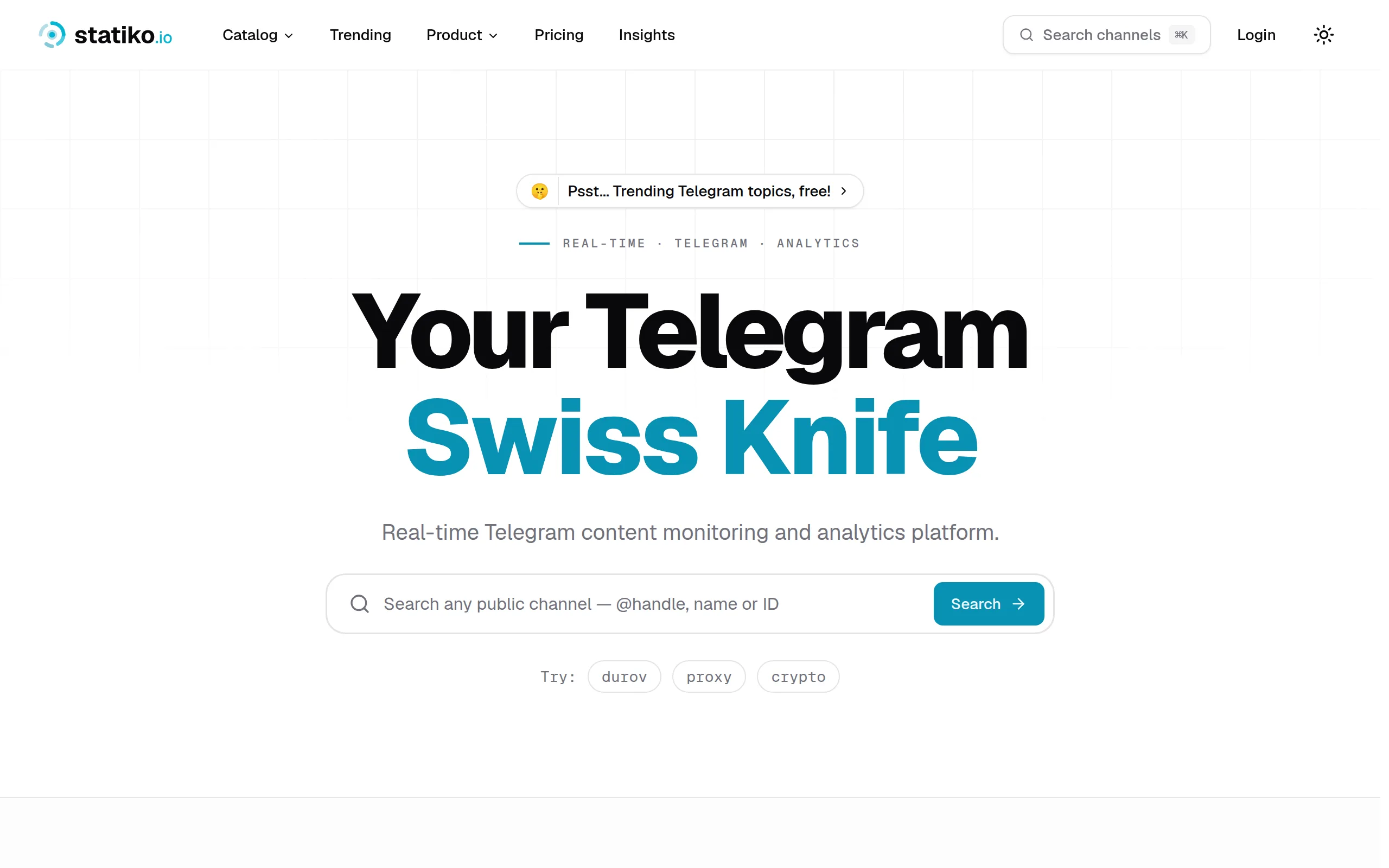
Statiko
Monitor any Telegram channel in real time - track posts, edits, deletions, and growth with AI recaps 📡

Shibui
AI website builder - describe your business, pick a niche template, edit by chatting, and publish instantly ✨

Pro Service
Find verified home service professionals, compare quotes, and pay securely through escrow - built for Brazilians across the US 🏠
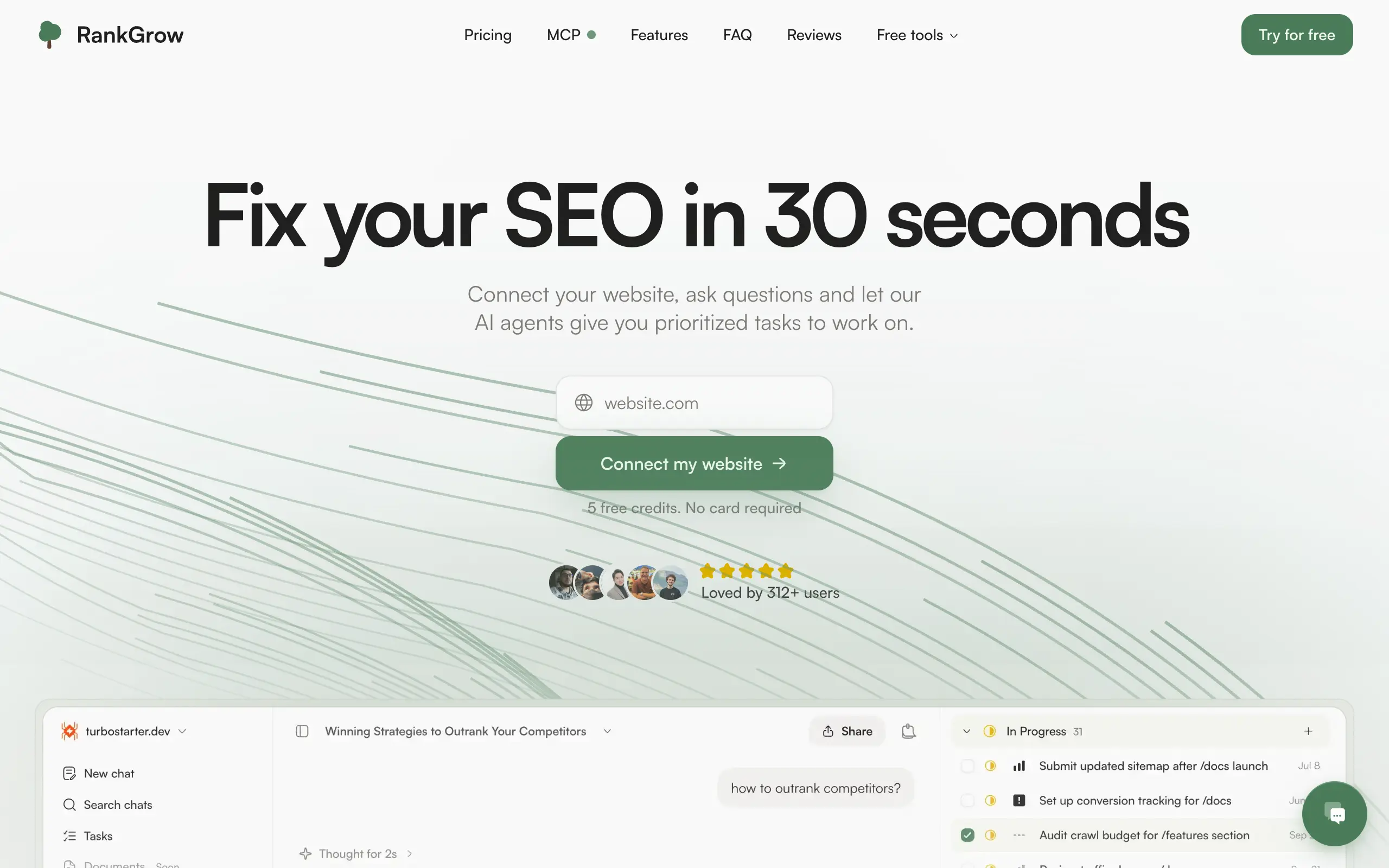
RankGrow
Fix your SEO with AI agents - connect Search Console, get prioritized tasks, and grow organic traffic 📈
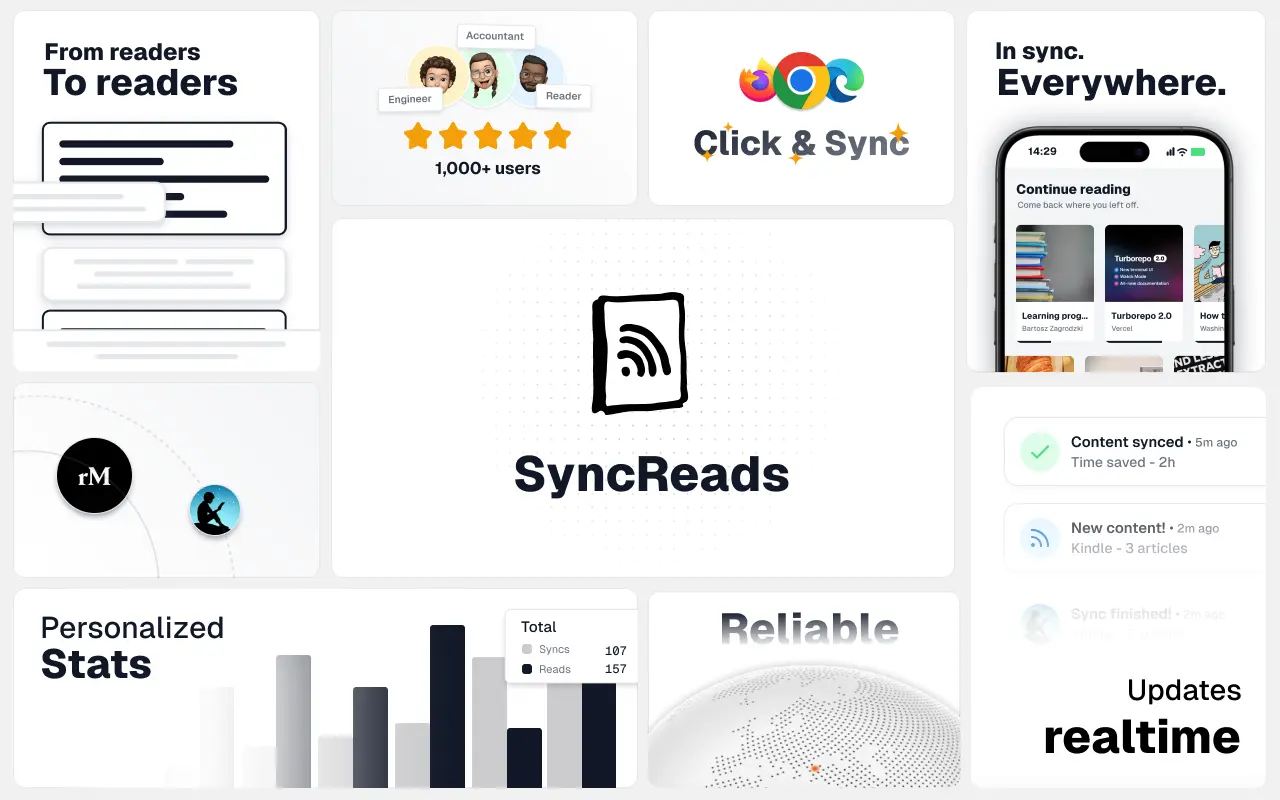
SyncReads
Sync your favorite content for distraction-free reading, save time and replace multiple apps. Anytime, anywhere 🔄
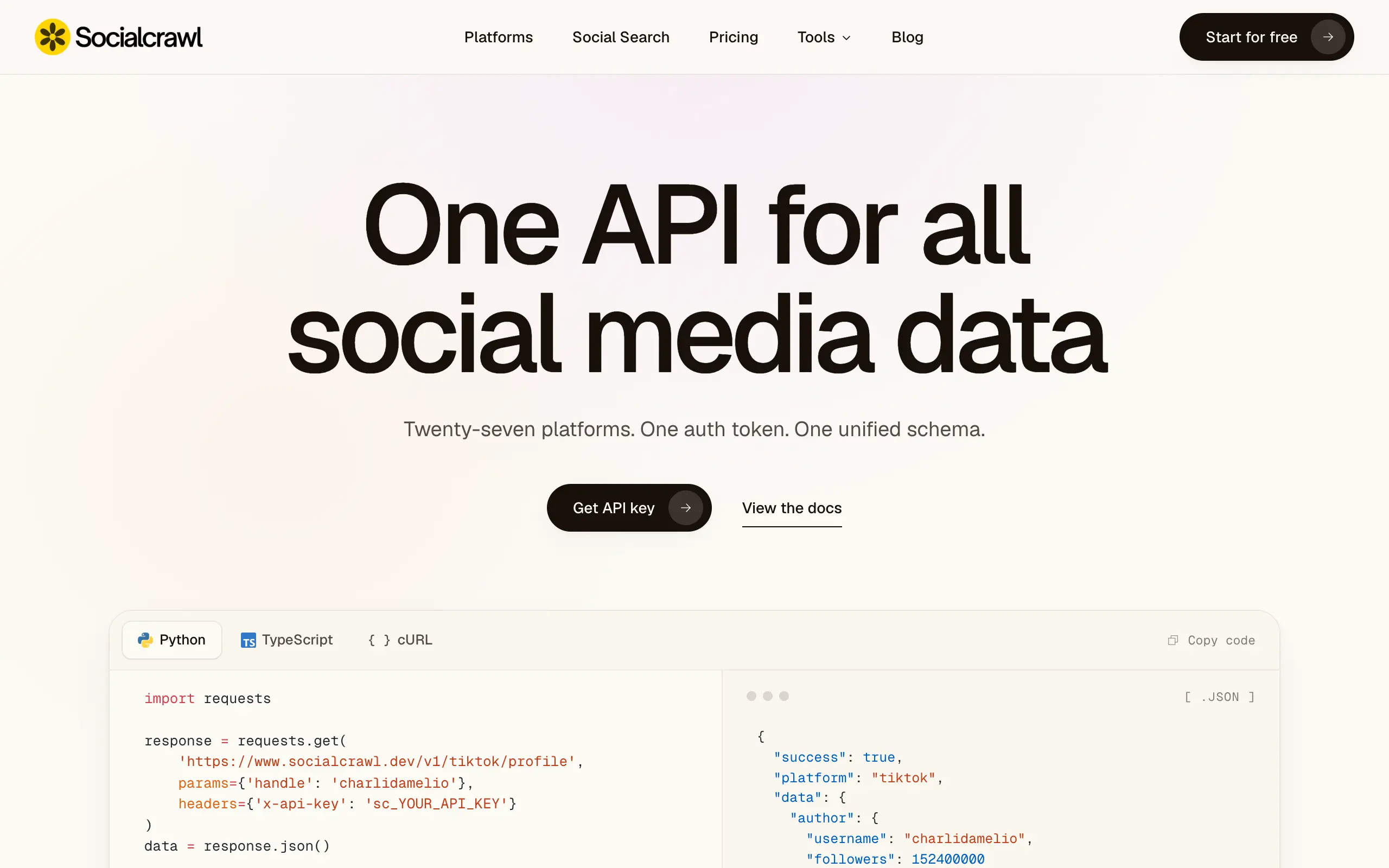
Socialcrawl
Get clean, structured data from 21 platforms like TikTok, Instagram, and YouTube with a single request 📊
Statiko
Monitor any Telegram channel in real time - track posts, edits, deletions, and growth with AI recaps 📡
Shibui
AI website builder - describe your business, pick a niche template, edit by chatting, and publish instantly ✨
Pro Service
Find verified home service professionals, compare quotes, and pay securely through escrow - built for Brazilians across the US 🏠
RankGrow
Fix your SEO with AI agents - connect Search Console, get prioritized tasks, and grow organic traffic 📈
SyncReads
Sync your favorite content for distraction-free reading, save time and replace multiple apps. Anytime, anywhere 🔄
Socialcrawl
Get clean, structured data from 21 platforms like TikTok, Instagram, and YouTube with a single request 📊
Statiko
Monitor any Telegram channel in real time - track posts, edits, deletions, and growth with AI recaps 📡
Shibui
AI website builder - describe your business, pick a niche template, edit by chatting, and publish instantly ✨
Pro Service
Find verified home service professionals, compare quotes, and pay securely through escrow - built for Brazilians across the US 🏠
RankGrow
Fix your SEO with AI agents - connect Search Console, get prioritized tasks, and grow organic traffic 📈
SyncReads
Sync your favorite content for distraction-free reading, save time and replace multiple apps. Anytime, anywhere 🔄
Socialcrawl
Get clean, structured data from 21 platforms like TikTok, Instagram, and YouTube with a single request 📊
Statiko
Monitor any Telegram channel in real time - track posts, edits, deletions, and growth with AI recaps 📡
Shibui
AI website builder - describe your business, pick a niche template, edit by chatting, and publish instantly ✨
Pro Service
Find verified home service professionals, compare quotes, and pay securely through escrow - built for Brazilians across the US 🏠
RankGrow
Fix your SEO with AI agents - connect Search Console, get prioritized tasks, and grow organic traffic 📈
SyncReads
Sync your favorite content for distraction-free reading, save time and replace multiple apps. Anytime, anywhere 🔄
Socialcrawl
Get clean, structured data from 21 platforms like TikTok, Instagram, and YouTube with a single request 📊
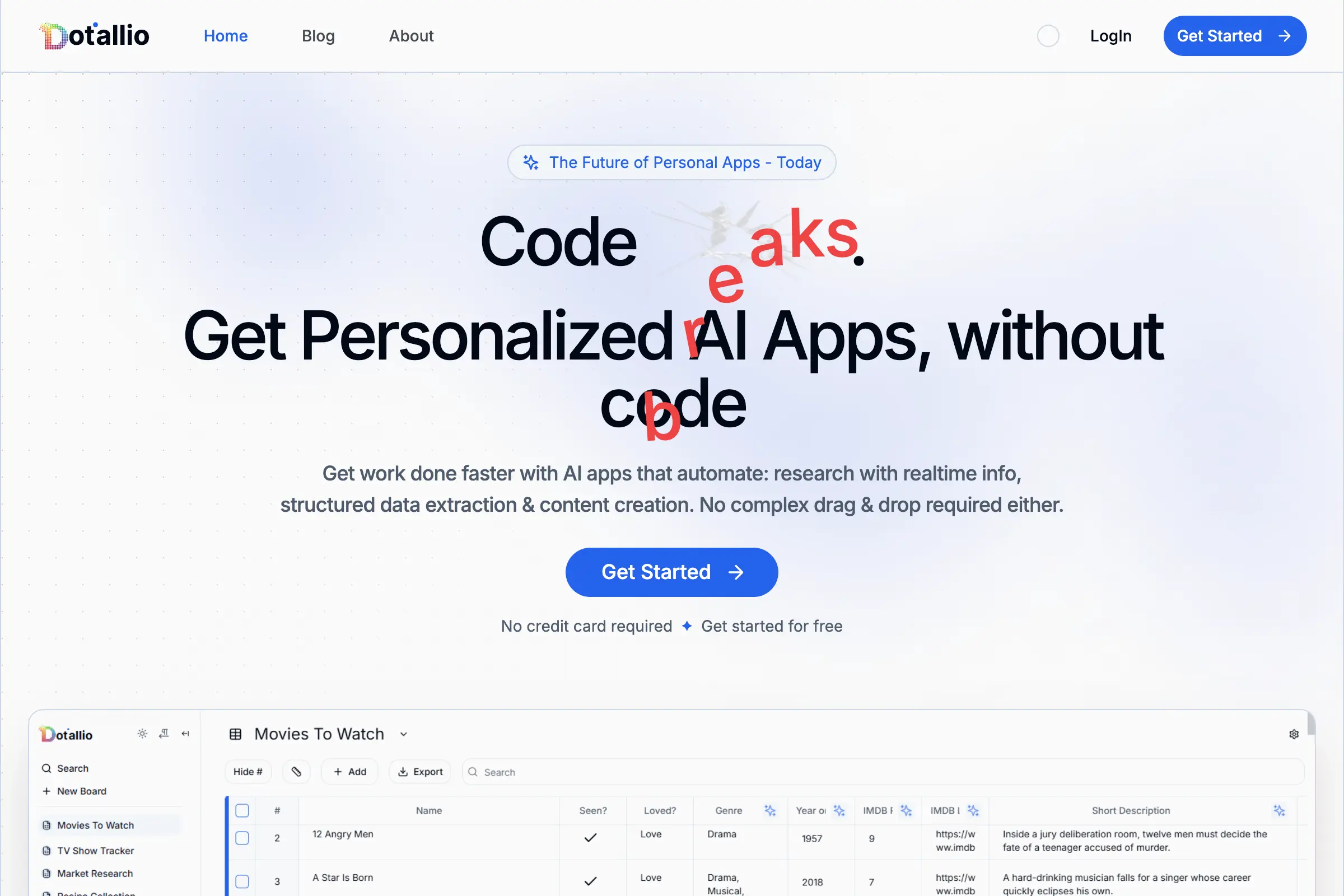
Dotallio
Personalized AI apps that automate research, data extraction, and content creation without code 🤖

Talk to Santa
Enjoy a magical live video chat or receive a unique AI-generated video greeting from Santa Claus 🎅

pozywka.pl
Scalable blog for food journalist, focused on performance and user experience 🌭
zagrodzki.me
Personal blog and portfolio of Bart Zagrodzki, where he shares his knowledge and work 💼
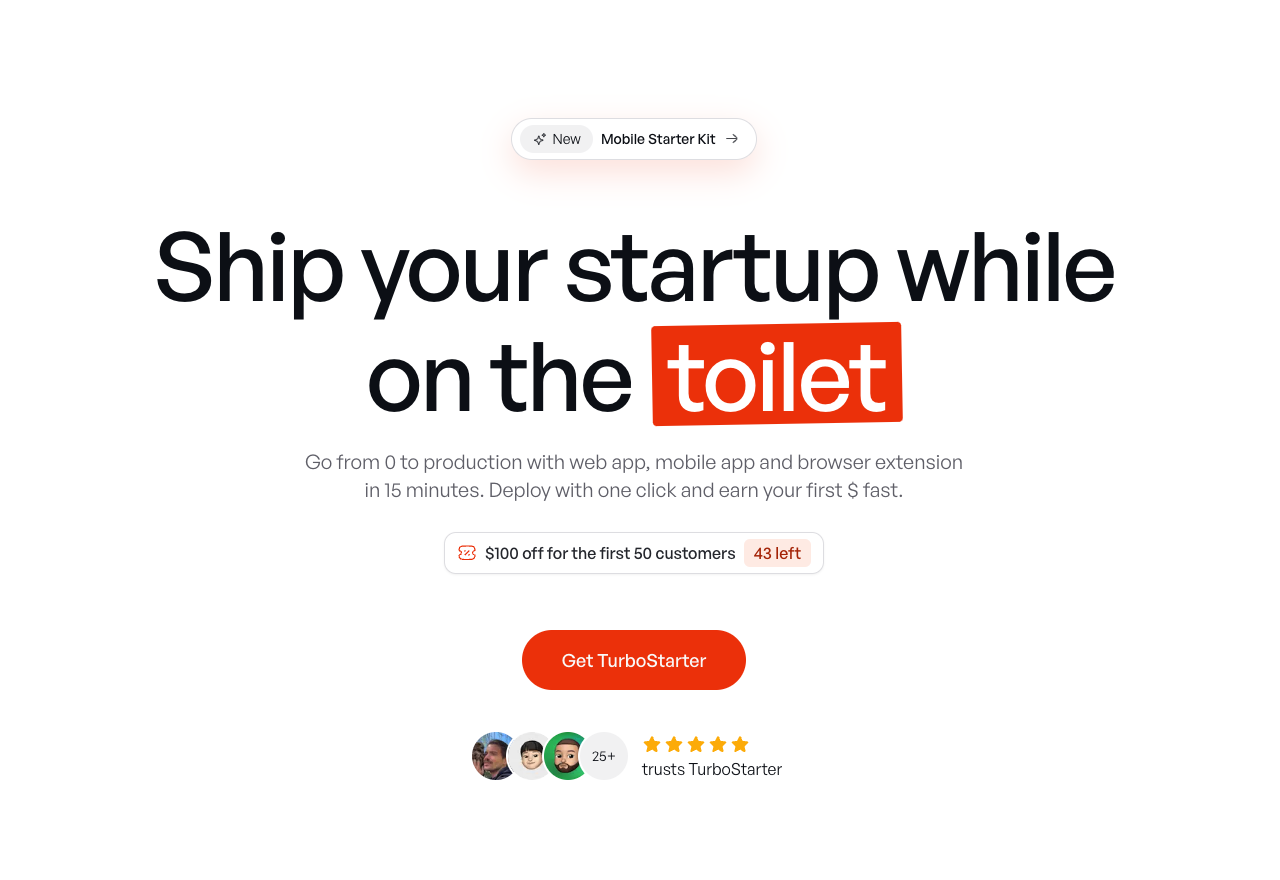
TurboStarter
Ship your startup everywhere. In minutes.
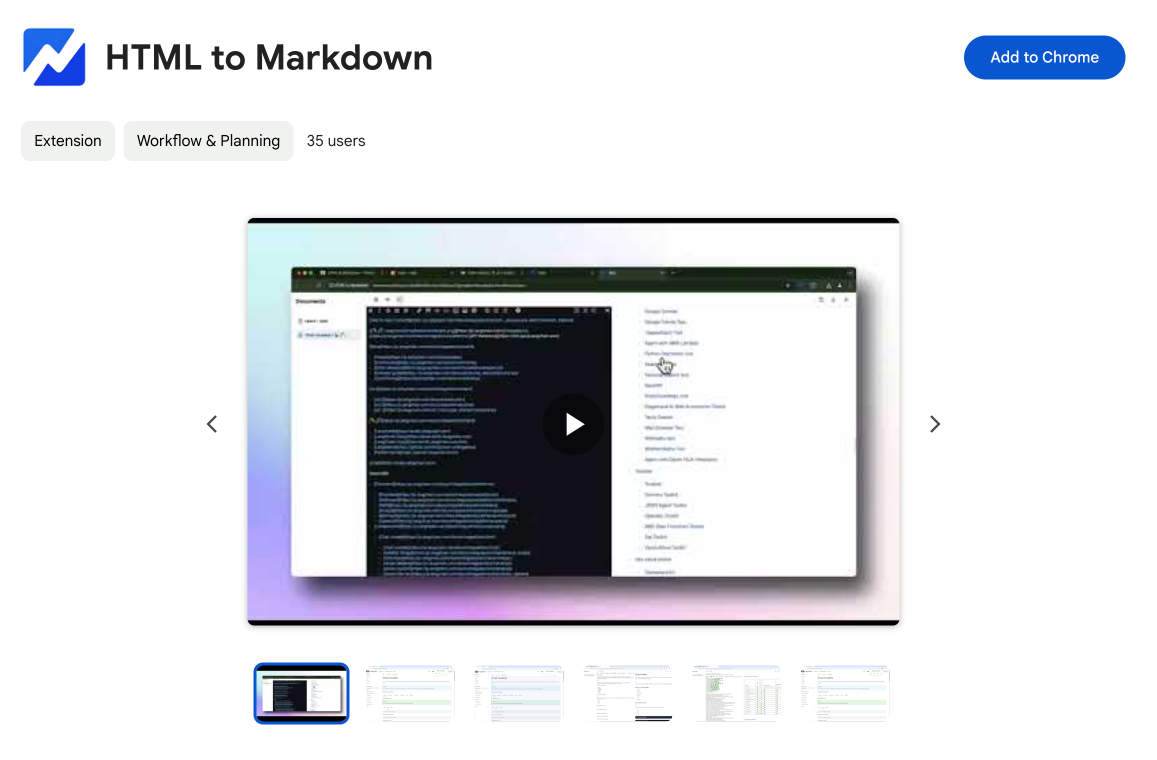
HTML to Markdown
Convert HTML to Markdown with ease, directly in your browser 📄
Dotallio
Personalized AI apps that automate research, data extraction, and content creation without code 🤖
Talk to Santa
Enjoy a magical live video chat or receive a unique AI-generated video greeting from Santa Claus 🎅
pozywka.pl
Scalable blog for food journalist, focused on performance and user experience 🌭
zagrodzki.me
Personal blog and portfolio of Bart Zagrodzki, where he shares his knowledge and work 💼
TurboStarter
Ship your startup everywhere. In minutes.
HTML to Markdown
Convert HTML to Markdown with ease, directly in your browser 📄
Dotallio
Personalized AI apps that automate research, data extraction, and content creation without code 🤖
Talk to Santa
Enjoy a magical live video chat or receive a unique AI-generated video greeting from Santa Claus 🎅
pozywka.pl
Scalable blog for food journalist, focused on performance and user experience 🌭
zagrodzki.me
Personal blog and portfolio of Bart Zagrodzki, where he shares his knowledge and work 💼
TurboStarter
Ship your startup everywhere. In minutes.
HTML to Markdown
Convert HTML to Markdown with ease, directly in your browser 📄
Dotallio
Personalized AI apps that automate research, data extraction, and content creation without code 🤖
Talk to Santa
Enjoy a magical live video chat or receive a unique AI-generated video greeting from Santa Claus 🎅
pozywka.pl
Scalable blog for food journalist, focused on performance and user experience 🌭
zagrodzki.me
Personal blog and portfolio of Bart Zagrodzki, where he shares his knowledge and work 💼
TurboStarter
Ship your startup everywhere. In minutes.
HTML to Markdown
Convert HTML to Markdown with ease, directly in your browser 📄
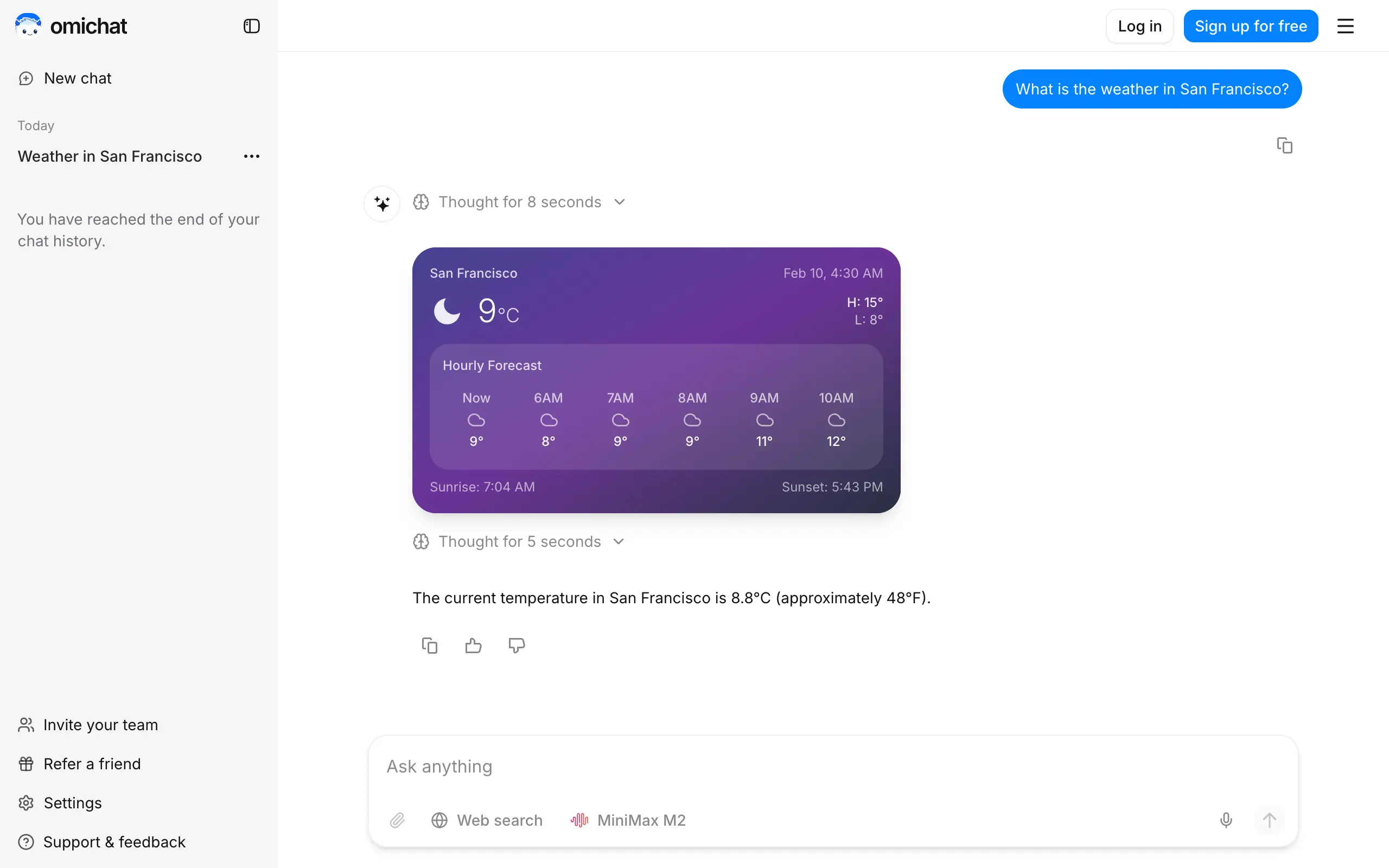
Omichat
Chat with 50+ AI models, including ChatGPT and Claude, in one place - switch models anytime without losing context 🤖
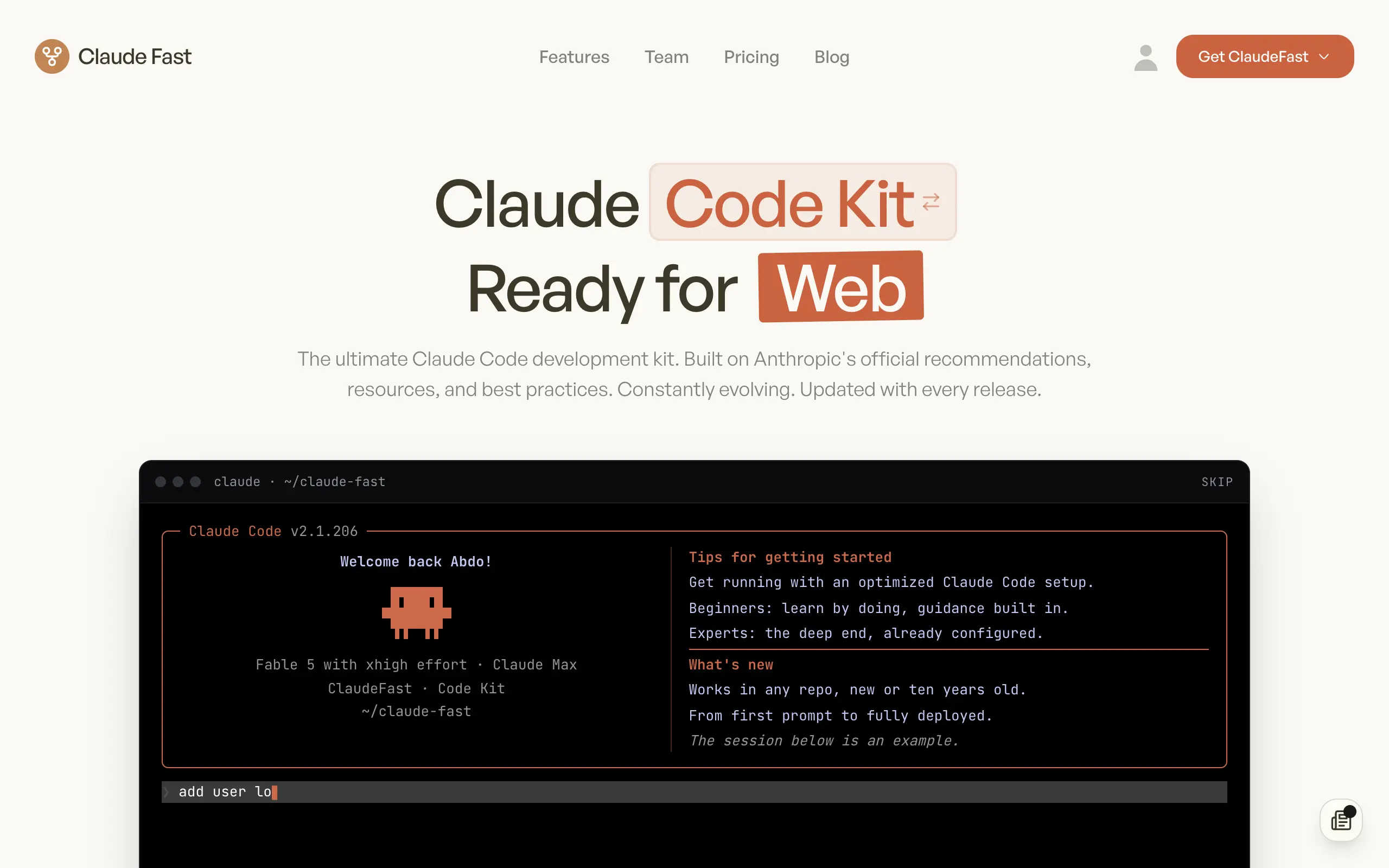
Claude Fast
Supercharge your Claude Code with 6x effective context window and specialized AI agents 🤖
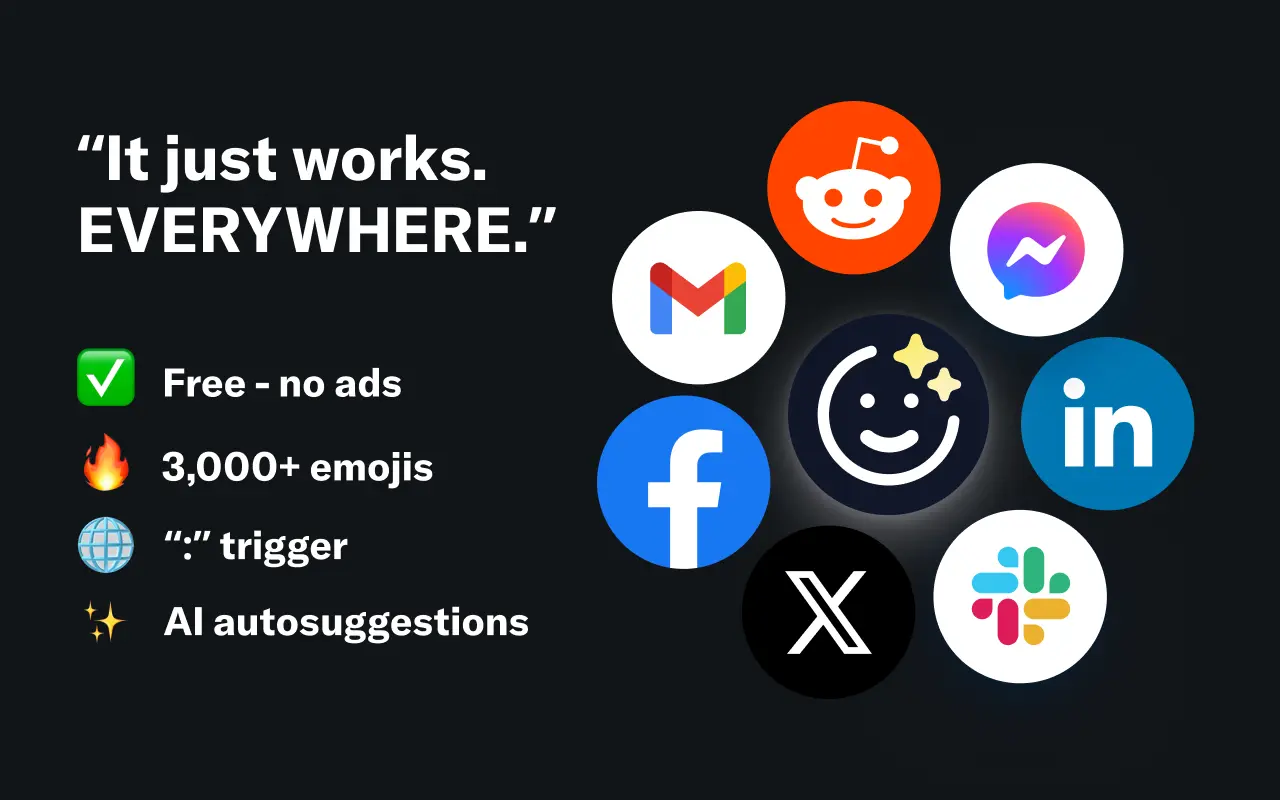
EmojAI
AI-powered emoji picker with smart, context-aware suggestions 🤖

Solohacker
Autonomous company launcher - AI agents work 24/7, escalate what matters, and you stay in control 🤖

BeRawi: Storytelling Coach
Practice storytelling daily with instant feedback to sound clearer, more engaging, and confident 🎤
Omichat
Chat with 50+ AI models, including ChatGPT and Claude, in one place - switch models anytime without losing context 🤖
Claude Fast
Supercharge your Claude Code with 6x effective context window and specialized AI agents 🤖
EmojAI
AI-powered emoji picker with smart, context-aware suggestions 🤖
Solohacker
Autonomous company launcher - AI agents work 24/7, escalate what matters, and you stay in control 🤖
BeRawi: Storytelling Coach
Practice storytelling daily with instant feedback to sound clearer, more engaging, and confident 🎤
Omichat
Chat with 50+ AI models, including ChatGPT and Claude, in one place - switch models anytime without losing context 🤖
Claude Fast
Supercharge your Claude Code with 6x effective context window and specialized AI agents 🤖
EmojAI
AI-powered emoji picker with smart, context-aware suggestions 🤖
Solohacker
Autonomous company launcher - AI agents work 24/7, escalate what matters, and you stay in control 🤖
BeRawi: Storytelling Coach
Practice storytelling daily with instant feedback to sound clearer, more engaging, and confident 🎤
Omichat
Chat with 50+ AI models, including ChatGPT and Claude, in one place - switch models anytime without losing context 🤖
Claude Fast
Supercharge your Claude Code with 6x effective context window and specialized AI agents 🤖
EmojAI
AI-powered emoji picker with smart, context-aware suggestions 🤖
Solohacker
Autonomous company launcher - AI agents work 24/7, escalate what matters, and you stay in control 🤖
BeRawi: Storytelling Coach
Practice storytelling daily with instant feedback to sound clearer, more engaging, and confident 🎤

Connect with like-minded people
Join our community to get feedback, support, and grow together with 1,000+ builders on board, let's ship it!
Join usShip your startup everywhere. In minutes.
Don't burn tokens on setup and start building features on day one.