ScopeProof
Help commercial cleaning contractors document out-of-scope requests, collect client approvals, and prevent unpaid work with simple job records.
Commercial cleaning contractors often lose margin in a place that is easy to overlook: work performed outside the agreed scope. A client asks for an extra floor, a spill cleanup, or an additional service during a routine visit. The request seems small, so the crew handles it. But when no one records the request, confirms the price, or captures approval, the contractor may struggle to bill for the work—or prove it was requested.
ScopeProof is a B2B SaaS concept designed to address that gap. It gives commercial cleaning companies a simple way to document out-of-scope requests, collect client approvals, and connect the approved work to a job record. The opportunity is not to replace a full field-service platform. It is to make scope changes visible, authorized, and easier to follow through on.
What is ScopeProof?
ScopeProof is out-of-scope work documentation software for commercial cleaning contractors. Its central workflow is straightforward:
- A cleaner or supervisor records a request that falls outside the contracted scope.
- The responsible manager reviews the request and adds a price, estimate, or approval condition.
- The client approves or declines the work.
- The decision is saved alongside the job record.
- The contractor can use the record to coordinate the work and support billing.
The product should make this process fast enough to use during a busy shift. If it requires lengthy forms, a separate office call, or a complicated training session, employees may revert to informal messages and verbal agreements.
ScopeProof’s core value is therefore not “more paperwork.” It is a reliable approval trail for work that would otherwise be easy to forget, misinterpret, or perform without payment.
The problem ScopeProof solves
Commercial cleaning contracts define what a contractor is expected to do, how often, and under what conditions. In practice, clients may ask for additional tasks between contract reviews. Some requests are routine and may be covered by an existing allowance. Others require extra labor, supplies, equipment, or scheduling.
The process can break down in several ways:
- A cleaner receives a request but does not know whether it is included in the contract.
- A supervisor agrees to help without confirming the cost.
- A client asks for extra work verbally, leaving no written record.
- An office manager learns about the request after the work is complete.
- An invoice includes a charge the client does not recognize.
- A contractor performs the work to protect the relationship, then absorbs the cost.
- A recurring exception becomes an informal expectation that is never added to the agreement.
These are not only billing problems. Unclear scope can also create operational and relationship problems. Employees may receive conflicting instructions, managers may struggle to prioritize requests, and clients may be surprised by charges or disappointed when an unapproved request is not completed.
ScopeProof can help create a consistent record of what was requested, who authorized it, what it was expected to cost, and whether the work was completed.
Who would use ScopeProof?
The strongest initial audience is likely commercial cleaning companies that manage recurring contracts across multiple sites and rely on supervisors or frontline staff to handle client requests.
Primary customer: small and midsize cleaning contractors
These businesses may have enough accounts and field activity for scope changes to become a recurring issue, but not enough administrative capacity to build a custom approval process. Their workflows may depend on phone calls, text messages, email, spreadsheets, or notes in a general-purpose job-management system.
Potential buyer roles include:
- Owner-operators who review invoices, handle client escalations, or personally approve extra work.
- Operations managers responsible for labor allocation, service quality, and job profitability.
- Account managers who coordinate client requests and renewal conversations.
- Office administrators who prepare invoices and chase missing details.
- Field supervisors who need a quick way to document requests before crews act on them.
The buyer may not be the person who first notices the request. A successful product must account for both the person recording the change and the person authorizing it.
Frontline employees and supervisors
Cleaners and site supervisors need an easy, mobile-friendly way to record a request without interrupting work for long. They may not have permission to quote a price or approve a change, so the system should let them submit the details for review rather than forcing an on-the-spot decision.
Useful fields might include:
- Client and site
- Requested task
- Request date and time
- Person making the request
- Relevant photo or attachment
- Urgency or requested completion date
- Whether the task appears to be outside the normal scope
The product should make the user’s next step clear. For example, a submitted request can be marked as “awaiting manager review,” so the field employee does not mistake submission for authorization.
Client contacts
The client contact needs to understand what is being proposed and approve it with minimal friction. They may be a facilities manager, property manager, office administrator, or site contact. A client should not need to create an account just to approve a one-time request.
A secure approval page can display the requested work, price or estimate, expected timing, and any relevant conditions. It should also identify who submitted the request and provide a way to ask a question or decline.
Best early customer profile
A practical first segment might be contractors that:
- Serve commercial properties through recurring contracts.
- Employ field supervisors or distributed cleaning teams.
- Handle frequent client requests beyond routine service.
- Have a recognizable process for quoting and approving additional work.
- Can identify a decision-maker who owns operations or profitability.
This is a hypothesis to validate, not a claim about every cleaning company. Interviews and workflow observations should determine which company size, service mix, and operational model experiences the sharpest pain.
Market opportunity and product gap
ScopeProof sits between contract documentation, field-service operations, client communication, and billing. The opportunity is to focus on a narrow operational event—the scope change—rather than building a broad platform from day one.
Many businesses already use tools that can store notes or send messages. The gap may be that these tools do not reliably connect a request to authorization and follow-up. A text message can show that a conversation happened, but it may not make the approval status, price, affected site, and completion outcome easy to retrieve later.
Likewise, a general field-service or janitorial operations platform may handle schedules, inspections, work orders, or time tracking without offering a simple, purpose-built extra-work approval flow. ScopeProof should investigate these product categories directly before making competitive claims. The key question is not whether competitors exist; it is whether target customers still use fragmented workarounds for this specific task.
The hypothesis to test
A useful market hypothesis is:
Commercial cleaning contractors will adopt a lightweight scope-change workflow if it helps them capture requests in the field, obtain client authorization before performing chargeable work, and retrieve approval records when coordinating or billing the job.
That hypothesis can be tested through customer discovery and a concierge pilot before investing in a large product build.
How to validate the opportunity
Conduct interviews with owners, operations managers, supervisors, and office administrators. Ask about recent examples rather than hypothetical preferences:
- Tell me about the last time a client requested work outside the normal service.
- How did the request reach the office?
- Who decided whether it was included in the contract?
- Was a price or estimate communicated before the work began?
- How was approval recorded?
- What happened when the work was invoiced?
- How often do requests go undocumented or get handled informally?
- Which existing tools are involved?
- What would make employees refuse to use a new process?
Look for repeated behavior, not just positive reactions to the idea. Strong evidence includes recent examples of lost revenue, delayed billing, client disputes, repeated manual follow-up, or leadership effort spent reconstructing what happened.
Avoid asking only, “Would you use this?” People may agree that the concept sounds useful without changing their workflow. Instead, ask customers to share a redacted example of a request, approval, work order, or invoice adjustment. This helps reveal what information the product must capture.
Core features for a useful first version
The initial product should focus on the minimum workflow required to create a dependable record. Avoid building every feature that a cleaning business might eventually want.
1. Fast request capture
Users should be able to create an out-of-scope request from a phone, tablet, or desktop. The form should capture enough information for a manager to make a decision without demanding unnecessary details.
A well-designed request form might include:
- Site and client
- Description of requested work
- Requester and submission time
- Requested completion date
- Optional photo or file
- Estimated labor, materials, or other relevant notes
- A clear status showing that the request is not yet approved
For repeated sites, search or saved locations can reduce data entry. If a supervisor visits the same buildings regularly, selecting a site should be faster than typing its name each time.
2. Review and pricing
The manager or account owner should be able to review the request, ask for clarification, and add a price or estimate. Some work may be billed at a fixed rate; other work may require a quote or inspection.
ScopeProof should distinguish between:
- A confirmed fixed price
- An estimate subject to change
- Work that requires an additional quote
- Work that is not chargeable or is included in the contract
- A request that is declined
This distinction matters. A client should not interpret an estimate as a final price unless the contractor intends it to be binding. Clear wording and configurable approval language can reduce misunderstandings.
3. Client approval without unnecessary friction
Clients should receive a secure link to review the proposal. The approval page should clearly show the task, location, price or estimate, expected schedule, and any relevant terms.
An approval record should capture:
- The decision
- The identity or email address of the approver, where appropriate
- The date and time
- The version of the request that was approved
- Any notes or conditions added by the client
A link-based approval flow can reduce the burden of account creation. For sensitive customer environments, contractors may need stronger identity controls, so the product should consider configurable verification rather than assuming one method suits every organization.
4. Clear status and ownership
Every request needs a visible status. A simple starting set might be:
- Draft
- Submitted
- Under review
- Waiting for client
- Approved
- Declined
- Scheduled
- Completed
- Ready for billing
- Cancelled
Each request should have an owner or responsible team. Otherwise, a request can remain in a queue without anyone knowing who needs to act next.
Status changes should be deliberate. For example, “submitted” should not imply “approved,” and “approved” should not imply “completed.” Keeping those states distinct helps prevent unauthorized work and makes reporting more useful.
5. Job record and audit trail
The product’s central promise depends on preserving a trustworthy history. The record should show when a request was created, edited, reviewed, approved, declined, scheduled, and completed.
A useful audit trail includes:
- User or client action
- Timestamp
- Previous and updated values when important details change
- Approval record tied to the approved version
- Notes and attachments
- Completion confirmation
If a manager changes the scope or price after a client has approved it, the system should require renewed approval where appropriate. Silently changing an approved request would weaken the product’s credibility.
6. Notifications and reminders
Notifications help prevent requests from stalling. Early versions can use email notifications and in-product reminders. Later, customer feedback may justify SMS or integrations with existing communication tools.
Notification design needs restraint. Too many alerts can cause users to ignore them. Start with events that require action, such as a manager review, client decision, or upcoming approved job.
7. Search, export, and billing handoff
Users need to find records by client, site, date, status, or request owner. They may also need to export approved requests for invoicing or account review.
The first billing handoff does not necessarily need a complex accounting integration. A downloadable report with reliable fields may validate whether customers need direct integrations. If an integration is later built, it should transfer data deliberately and avoid making ScopeProof appear to guarantee that an invoice has been paid.
8. Mobile usability and accessibility
Field adoption depends on the mobile experience. Buttons should be easy to tap, forms should be short, and the product should work on common mobile browsers. Important information should not be communicated only through color.
Offline operation may matter at sites with unreliable connectivity, but it adds engineering complexity. Validate how often users encounter connectivity problems before treating offline-first behavior as a launch requirement.
Recommended product workflow
A focused workflow can help ScopeProof deliver value without competing feature-for-feature with broad operations platforms.
This flow should be tested with real examples before it is treated as final. Some contractors may need a quote before client approval; others may need client approval before a site visit. The product can support variations, but the first version should not become a workflow builder before the core pattern is proven.
Competitive advantage and positioning
ScopeProof should position itself around scope-change accountability for commercial cleaning, not as an all-purpose janitorial management system.
Its potential competitive advantages are:
- A focused workflow: The product is designed specifically for documenting extra work and approvals.
- A field-to-office handoff: Requests can move from the site to a manager and then to a client without relying on disconnected messages.
- A clear approval record: The system can make the authorization trail easier to retrieve than informal communication.
- A small adoption footprint: Clients may approve work through a link rather than learning an entire contractor portal.
- A path to billing follow-up: Approved work can be identified for invoicing instead of disappearing after completion.
These are strategic advantages only if customers experience them in practice. A specialized product can still lose to a spreadsheet if it takes longer to use or requires duplicate entry.
| Product approach | Captures requests | Records client approval | Connects approval to work status | Designed for cleaning scope changes | Likely setup burden |
|---|---|---|---|---|---|
| Text messages and email | Sometimes | Fragmented | Rarely | No | Low at first, high to manage |
| Spreadsheets | Manually | Usually external | Manually | No | Moderate |
| General work-order tools | Often | Varies by product | Often | Not necessarily | Varies |
| Full field-service platform | Often | May be available | Often | Depends on configuration | Can be substantial |
| ScopeProof concept | Yes | Core workflow | Core workflow | Yes | Intended to be lightweight |
This comparison is a positioning framework, not a substitute for a competitor review. Before launch, evaluate products customers already use and compare actual workflows, integrations, permissions, and pricing.
Recommended tech stack
The technology should support a secure, responsive workflow without creating unnecessary maintenance burden. Stack decisions should follow the team’s skills and product requirements rather than trend alone.
Frontend
React is a practical choice for a component-based web interface, especially when the product requires interactive forms, status views, and client approval pages. A React-based framework can also support server-rendered pages and structured routing.
For styling, Tailwind CSS can help a small team build a consistent interface quickly. The trade-off is that teams need conventions for reusable components and design tokens; otherwise, utility classes can become difficult to maintain.
A responsive web application is a sensible first release. Building separate native apps before validating adoption would increase cost and release complexity. If field users later need reliable camera access, offline workflows, or push notifications, a progressive web app or native application can be evaluated against those concrete needs.
Backend and data storage
A relational database such as PostgreSQL is well suited to the relationships among organizations, users, clients, sites, requests, approvals, and work records. These entities have clear relationships, and the product may need consistent transactions when an approval changes a request’s status.
A backend should enforce authorization rules server-side. Hiding a button in the interface is not sufficient protection for sensitive records. Access should be scoped by organization, role, and record relationship.
Potential data entities include:
- Organization
- User and role
- Client
- Site
- Scope-change request
- Request version
- Approval event
- Attachment
- Work completion record
- Notification event
An append-only event history for important approvals and changes can improve auditability. It does not remove the need for backups, access controls, or careful retention policies.
Authentication and permissions
The product should support organization-level accounts and role-based permissions. A field employee may create a request but not set a final price. A manager may approve internal details, while a client contact can approve or decline a proposal.
For client approvals, avoid granting broad access to a contractor’s account through a simple shared link. Use scoped, expiring links or another appropriate verification method. The exact design should reflect customer security expectations and the sensitivity of the information stored.
File storage and notifications
Photos and documents should be stored in an object-storage service, with access controlled through the application. Do not expose private file URLs indefinitely if they contain sensitive site information.
Email is a reasonable first notification channel, but notifications should be logged so the organization can see whether a message was sent and when. Delivery failures should be visible to administrators rather than silently lost.
Security and reliability
ScopeProof may store client names, site details, photos, prices, and approval records. A credible product should plan for:
- Encryption in transit and at rest where supported by the chosen infrastructure
- Organization-level data isolation
- Least-privilege access
- Strong administrative account security
- Backups and recovery testing
- Secure file access
- Audit logs for important actions
- A documented data-retention and deletion policy
- A process for reporting and responding to security issues
Avoid making compliance claims until the product and its vendors have been reviewed against the relevant requirements. Security language should describe what the system actually does, not what the company hopes to implement later.
Build versus buy
Use managed services when they reduce operational risk without limiting important product behavior. For example, a small team may prefer managed authentication, email delivery, and database hosting rather than operating each system from scratch.
The trade-off is vendor dependency, ongoing service cost, and the need to understand data export and failure scenarios. Evaluate providers on security controls, support, integration effort, pricing at expected usage, and the ability to export customer data.
If the team wants a faster starting point for the application foundation, TurboStarter may help accelerate common SaaS setup work. The product team should still verify that its chosen foundation supports the required permissions, data model, and approval workflow.
Monetization strategy
ScopeProof’s pricing should reflect customer value and the way cleaning contractors organize work. The product can test several models, but pricing should remain easy to understand.
Per-organization subscription
A monthly or annual subscription per company provides predictable revenue and is straightforward to communicate. Plans could vary by included users, active sites, or workflow features.
The risk is that a small contractor with few office users but many field employees may see per-seat pricing as a barrier. If frontline participation is essential, charging for every occasional user could discourage adoption.
Usage-based pricing
Pricing based on approved requests or monthly request volume can align cost with product use. However, usage-based pricing may feel unpredictable and can discourage customers from documenting every request—the behavior ScopeProof is meant to encourage.
If this model is tested, consider a generous included allowance and clear notifications before a customer reaches a limit.
Tiered plans
A tiered model can offer a simple entry plan and higher tiers for features such as multi-location reporting, advanced permissions, integrations, or extended audit history. Keep plan differences tied to real operational needs rather than arbitrary restrictions on the core approval workflow.
Pilot and annual plans
A paid pilot can help establish whether the product produces measurable value for a contractor. A time-limited pilot should define what will be measured, such as the number of requests captured, approval turnaround time, and the share of approved work marked ready for billing.
Annual plans may improve revenue predictability, but they should follow evidence that customers are adopting the workflow. Offer an easy path to cancel during early validation rather than relying on long contracts to mask weak product-market fit.
How to frame return on investment
Avoid promising a specific revenue increase without customer data. Instead, help prospects estimate the value of the problem using their own numbers:
- How many out-of-scope requests occur in a typical month?
- How many are not priced or billed consistently?
- How much office time goes into reconstructing approvals?
- How often do scope misunderstandings create rework or disputes?
- What is the typical value of a completed extra-work request?
A customer-specific estimate is more credible than a generic claim. It also helps the team learn which pain—lost revenue, administrative time, or client disputes—most strongly supports a purchase.
Risks and mitigation
Employees may not use the workflow
If request capture is slow, workers may continue using calls or texts. Keep the initial form short, make site selection easy, and test the workflow with real field users. Do not assume that a buyer’s enthusiasm guarantees frontline adoption.
Clients may ignore approval links
Clients may be busy, have restrictive email policies, or prefer an existing portal. Make the approval page clear and mobile-friendly, provide reminders that are not excessive, and support a documented manual approval path where appropriate. Record who entered a manual decision and how it was confirmed.
The product may not fit contract complexity
Cleaning agreements can include allowances, exceptions, and location-specific terms. ScopeProof should not pretend to automatically interpret every contract. Start by helping people document decisions, then evaluate whether templates or contract references are valuable.
Approval records may create false confidence
A digital record can improve documentation, but it does not automatically resolve every legal or contractual question. Provide configurable language, encourage customers to follow their own contract and approval policies, and avoid representing an electronic action as legally sufficient in every jurisdiction.
Integration expectations may expand too early
Customers may request integrations with accounting, scheduling, payroll, or messaging systems. Each integration adds maintenance and support work. Validate demand and workflow fit before building. Start with exports or a small number of high-value integrations based on repeated customer evidence.
Sensitive information requires care
Photos and site details can reveal private information. Collect only what is needed, restrict access, and provide clear retention controls. Establish an incident-response process before the first customer expects one.
The pain may not justify a standalone product
Some contractors may consider scope issues too infrequent or already solved by their current platform. Test willingness to pay early, including with a paid pilot. If the problem is real but the standalone budget is limited, consider partnerships or integrations with existing cleaning operations software rather than assuming a broad platform is necessary.
Go-to-market strategy
A focused go-to-market approach should start with a narrow customer segment and a direct message.
Start with discovery-led sales
Speak with cleaning contractors in one service or company-size segment. Learn how requests move from a client conversation to a completed task and invoice. Use that research to define the initial workflow and language. Terms such as “change order,” “extra work,” “additional service,” or “out-of-scope request” may vary between companies; use the wording customers actually use.
Demonstrate a concrete scenario
A product demonstration should follow a realistic request from start to finish:
- A site contact asks for an additional task.
- A supervisor records it on a phone.
- A manager confirms scope and price.
- The client approves the proposal.
- The request appears in a list of approved work.
- The contractor records completion and exports the details.
This is more persuasive than a feature tour because it shows how ScopeProof fits into existing work.
Build trust with operational proof
Early case studies should use verifiable outcomes, such as reduced time spent locating approvals or an increased share of requests with a documented decision. Define the measurement method and time period. Do not attribute every change in revenue or client satisfaction to the software without evidence.
Potential acquisition channels include cleaning-industry associations, consultant and distributor relationships, contractor communities, targeted educational content, and referrals from early customers. Test channels through conversations and small campaigns before investing heavily.
Metrics to track
Measure whether ScopeProof changes the workflow, not just whether people log in.
Useful product and business metrics include:
- Percentage of submitted requests that receive a recorded decision
- Time from request submission to client decision
- Share of approved work marked completed
- Share of completed approved work marked ready for billing
- Number of requests created by field staff
- Number of clients who approve through the shared workflow
- Requests left unresolved beyond a defined period
- Customer retention and weekly or monthly active organizations
- Support requests related to access, approvals, and notifications
Interpret these metrics in context. A low number of requests could mean customers rarely encounter the problem, or it could mean employees have not adopted the product. Interviews help distinguish between those explanations.
Actionable implementation steps
A useful MVP test
The first release does not need to manage every cleaning operation. It needs to prove that a contractor can capture an extra-work request, obtain a clear decision, and retrieve the record later with less confusion than the existing process.
Why ScopeProof could stand out
ScopeProof has a clear potential USP: a lightweight, cleaning-focused system for turning informal extra-work requests into documented, approved, trackable job records.
That positioning is specific enough to be memorable while leaving room to connect with the systems contractors already use. The product’s strongest advantage will not be the number of dashboards or integrations. It will be whether a supervisor can record a request quickly, a client can understand and approve it confidently, and an office manager can find the record when the work is scheduled or billed.
The idea is promising if discovery confirms that scope changes are frequent, costly, and poorly documented for a defined group of contractors. It becomes much less compelling if customers rarely encounter the problem, their existing platform already handles it well, or field employees will not adopt another tool.
Build the product around observed behavior, validate pricing with real buyers, and treat trust and usability as core features. Those choices give ScopeProof a practical path from a narrow workflow to a durable SaaS business.
More 🏢 B2B Application SaaS ideas
Discover more innovative b2b application SaaS ideas that are trending in 2026. Each idea is AI-generated with market validation and growth potential to help you find your next profitable venture faster than competitors.
Your competitors are building with TurboStarter
Below are some of the SaaS ideas that have been generated and built with our starter kit.

Statiko
Monitor any Telegram channel in real time - track posts, edits, deletions, and growth with AI recaps 📡

Shibui
AI website builder - describe your business, pick a niche template, edit by chatting, and publish instantly ✨

Pro Service
Find verified home service professionals, compare quotes, and pay securely through escrow - built for Brazilians across the US 🏠
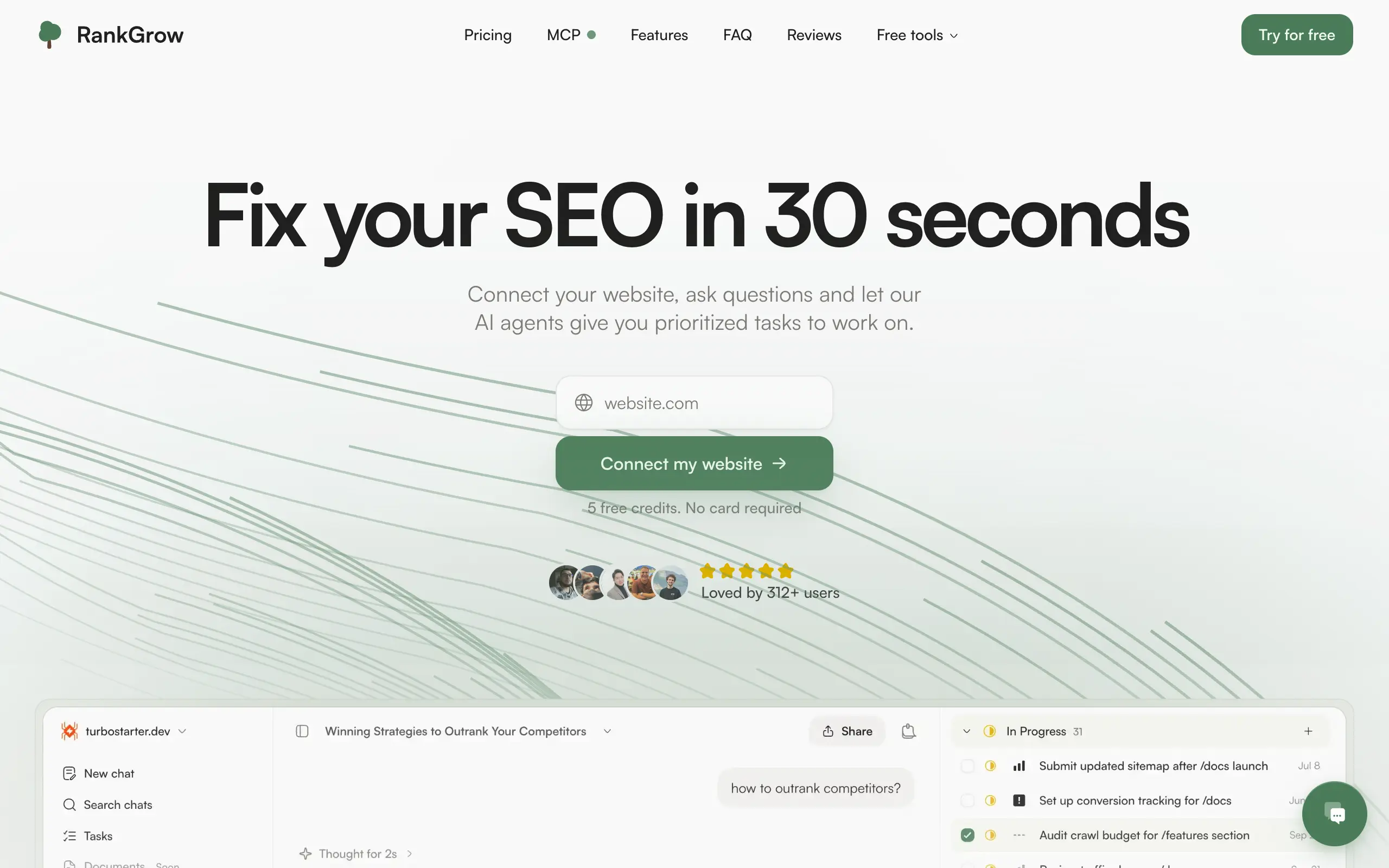
RankGrow
Fix your SEO with AI agents - connect Search Console, get prioritized tasks, and grow organic traffic 📈
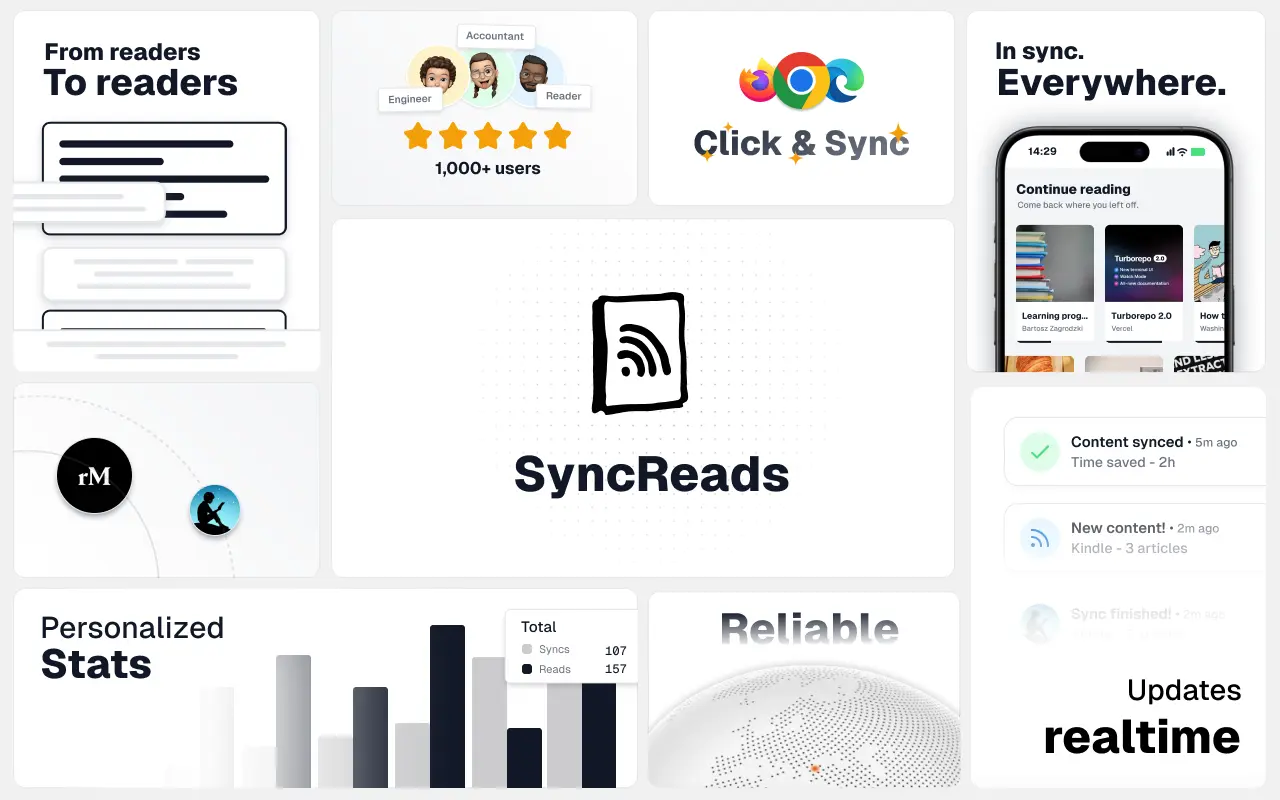
SyncReads
Sync your favorite content for distraction-free reading, save time and replace multiple apps. Anytime, anywhere 🔄
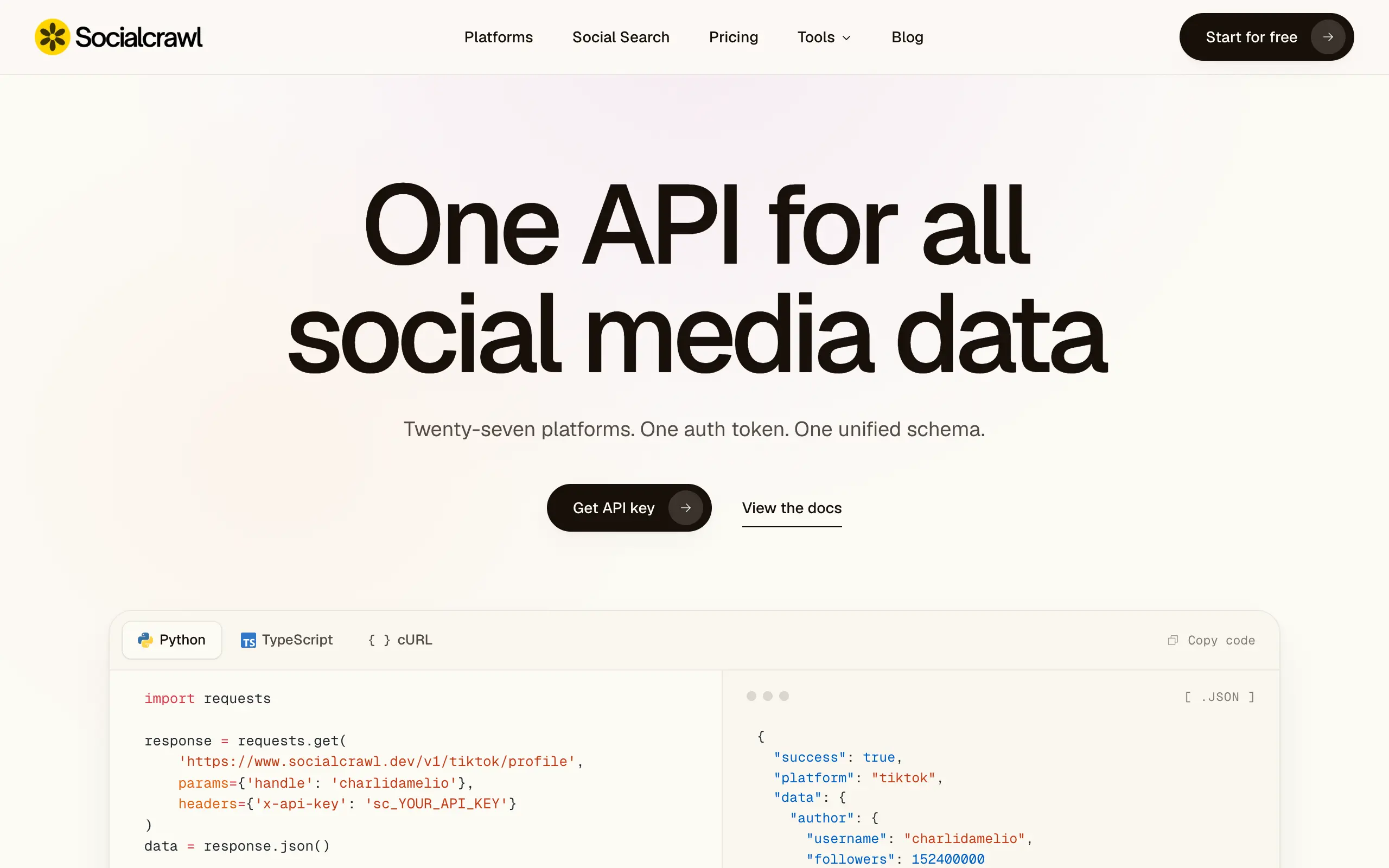
Socialcrawl
Get clean, structured data from 21 platforms like TikTok, Instagram, and YouTube with a single request 📊
Statiko
Monitor any Telegram channel in real time - track posts, edits, deletions, and growth with AI recaps 📡
Shibui
AI website builder - describe your business, pick a niche template, edit by chatting, and publish instantly ✨
Pro Service
Find verified home service professionals, compare quotes, and pay securely through escrow - built for Brazilians across the US 🏠
RankGrow
Fix your SEO with AI agents - connect Search Console, get prioritized tasks, and grow organic traffic 📈
SyncReads
Sync your favorite content for distraction-free reading, save time and replace multiple apps. Anytime, anywhere 🔄
Socialcrawl
Get clean, structured data from 21 platforms like TikTok, Instagram, and YouTube with a single request 📊
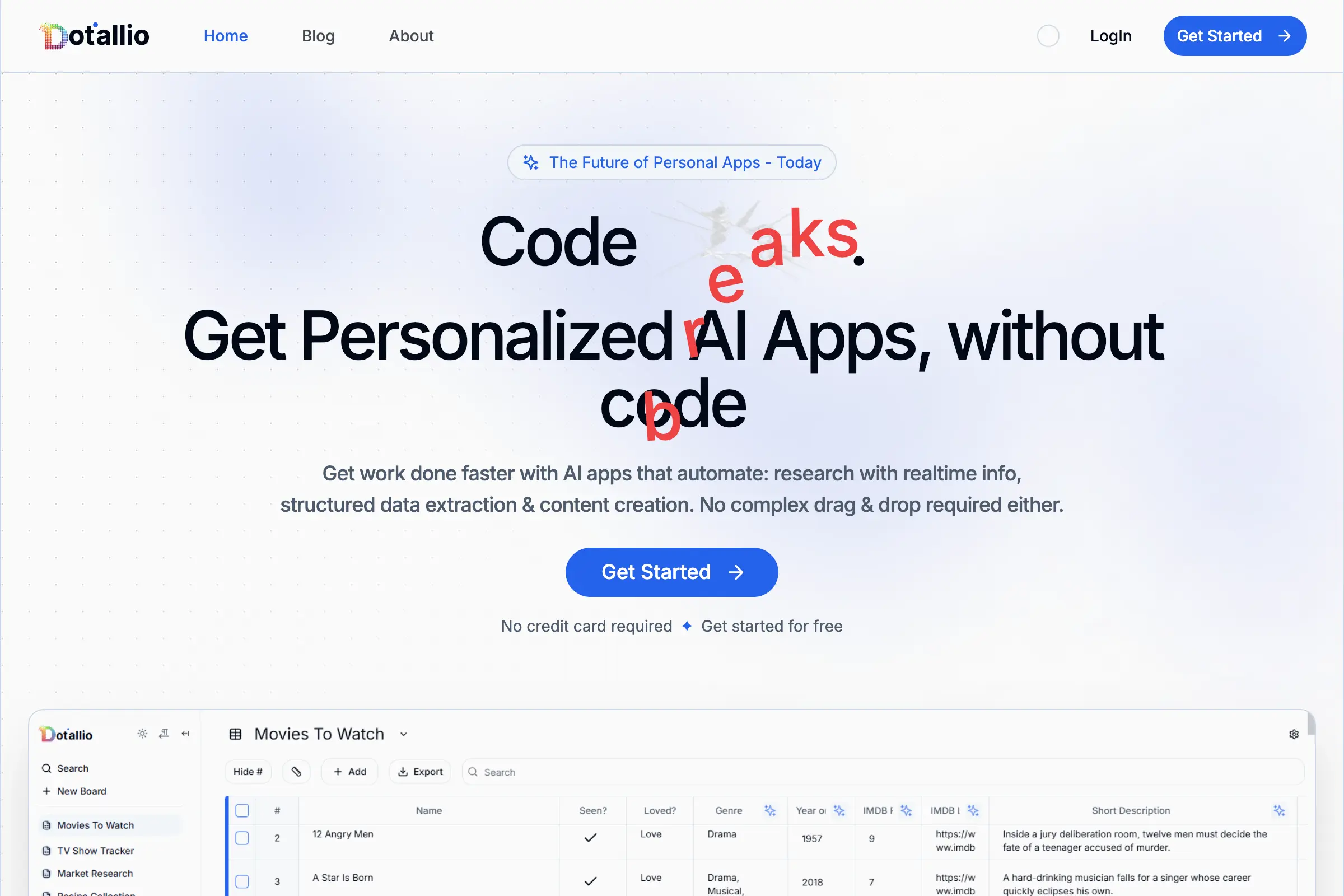
Dotallio
Personalized AI apps that automate research, data extraction, and content creation without code 🤖

Talk to Santa
Enjoy a magical live video chat or receive a unique AI-generated video greeting from Santa Claus 🎅
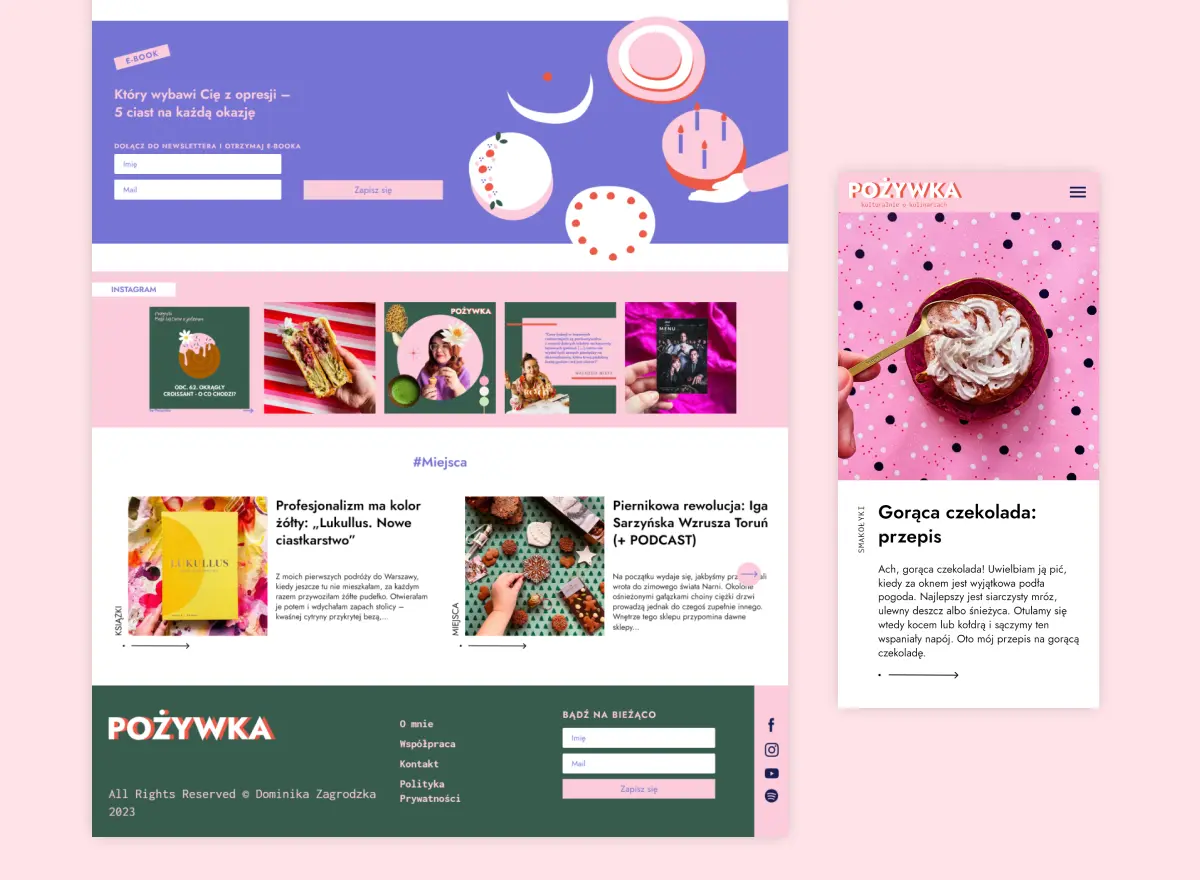
pozywka.pl
Scalable blog for food journalist, focused on performance and user experience 🌭
zagrodzki.me
Personal blog and portfolio of Bart Zagrodzki, where he shares his knowledge and work 💼
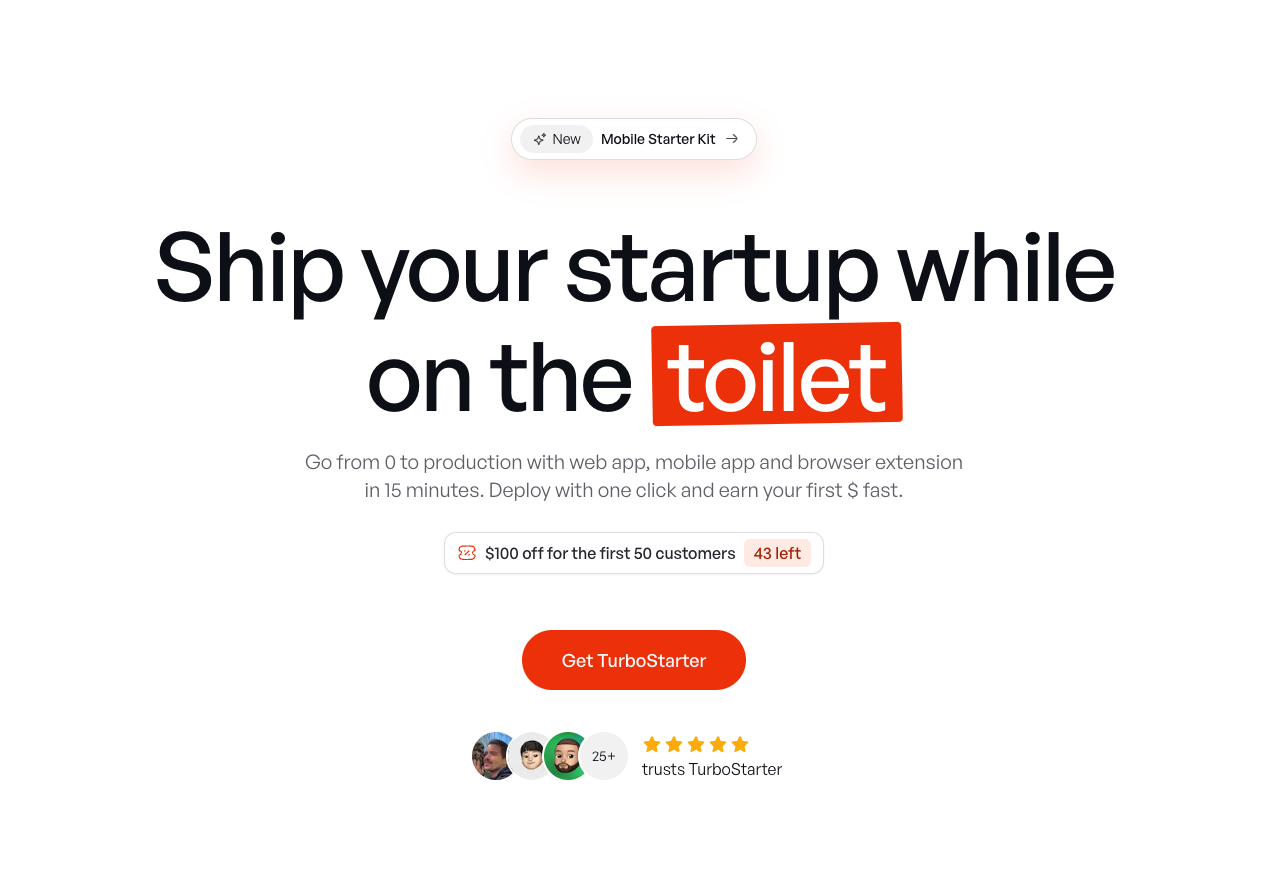
TurboStarter
Ship your startup everywhere. In minutes.
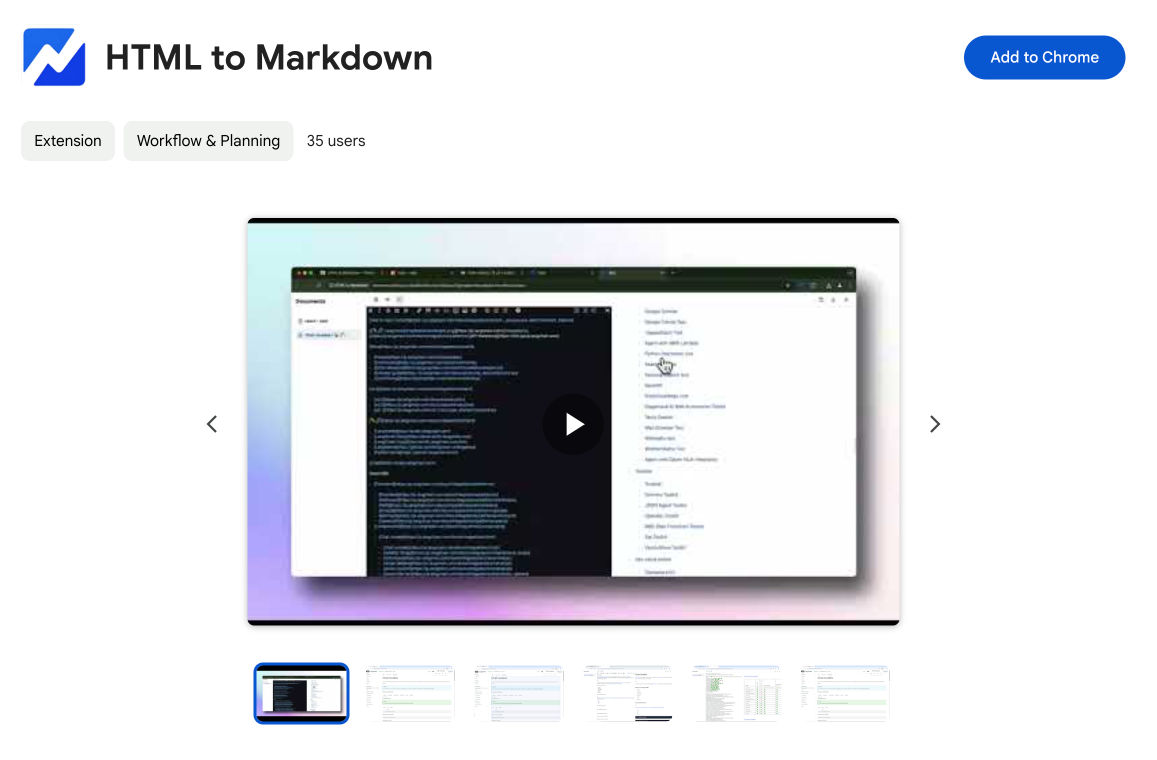
HTML to Markdown
Convert HTML to Markdown with ease, directly in your browser 📄
Dotallio
Personalized AI apps that automate research, data extraction, and content creation without code 🤖
Talk to Santa
Enjoy a magical live video chat or receive a unique AI-generated video greeting from Santa Claus 🎅
pozywka.pl
Scalable blog for food journalist, focused on performance and user experience 🌭
zagrodzki.me
Personal blog and portfolio of Bart Zagrodzki, where he shares his knowledge and work 💼
TurboStarter
Ship your startup everywhere. In minutes.
HTML to Markdown
Convert HTML to Markdown with ease, directly in your browser 📄
Omichat
Chat with 50+ AI models, including ChatGPT and Claude, in one place - switch models anytime without losing context 🤖
Claude Fast
Supercharge your Claude Code with 6x effective context window and specialized AI agents 🤖

EmojAI
AI-powered emoji picker with smart, context-aware suggestions 🤖
Solohacker
Autonomous company launcher - AI agents work 24/7, escalate what matters, and you stay in control 🤖

BeRawi: Storytelling Coach
Practice storytelling daily with instant feedback to sound clearer, more engaging, and confident 🎤
Omichat
Chat with 50+ AI models, including ChatGPT and Claude, in one place - switch models anytime without losing context 🤖
Claude Fast
Supercharge your Claude Code with 6x effective context window and specialized AI agents 🤖
EmojAI
AI-powered emoji picker with smart, context-aware suggestions 🤖
Solohacker
Autonomous company launcher - AI agents work 24/7, escalate what matters, and you stay in control 🤖
BeRawi: Storytelling Coach
Practice storytelling daily with instant feedback to sound clearer, more engaging, and confident 🎤

Connect with like-minded people
Join our community to get feedback, support, and grow together with 1,000+ builders on board, let's ship it!
Join usShip your startup everywhere. In minutes.
Don't burn tokens on setup and start building features on day one.