SentimentSprint
AI-powered dashboard for businesses to visualize, track, and gamify customer sentiment insights, boosting team engagement and response speed.
SentimentSprint is an AI-powered dashboard designed for businesses to visualize, track, and gamify customer sentiment insights. This SaaS solution aims to boost team engagement and response speed, addressing the growing need for real-time, actionable sentiment analysis in customer-facing organizations.
Understanding the need for sentiment analysis platforms in business
Capturing and acting on customer sentiment is no longer a luxury—it's a competitive necessity. Businesses across industries rely on feedback channels such as reviews, surveys, social media, and direct support tickets to monitor brand perception, product satisfaction, and service effectiveness.
Semantic analysis, natural language processing (NLP), and AI-powered dashboards allow organizations to aggregate vast amounts of unstructured feedback and transform it into practical insights.
Did you know?
Research indicates that companies actively utilizing sentiment analytics experience up to a 10% increase in customer retention and improved Net Promoter Score (NPS), directly impacting long-term revenue. [Reference: Forrester or Gartner studies]
Target audience analysis: Who benefits from SentimentSprint?
A deep dive into the primary and secondary users most likely to find value in SentimentSprint reveals the following core segments:
Primary target users
- Customer support leaders: Team leads and managers seeking actionable data to optimize support quality, agent performance, and customer satisfaction trends.
- Marketing & brand managers: Professionals aiming to measure the impact of campaigns, content, and product launches on sentiment across channels (Twitter, Facebook, Trustpilot, etc.).
- Product teams: PMs and UX researchers tracking feedback post feature releases or collecting real-world sentiment on product changes.
- CXOs and business executives: Decision-makers looking for macro-level sentiment trends to inform strategic planning.
Secondary target users
- Sales teams: Monitoring shifts in prospect perception before, during, and after deal cycles.
- HR & people ops: Using internal sentiment analysis to gauge employee satisfaction and culture, often through similar engagement platforms.
Key pain points addressed:
- Difficulty aggregating multi-channel sentiment data.
- Slow response to negative feedback or brand crises.
- Lack of team motivation and visibility into the impact of their actions on customer satisfaction.
- Challenges in measuring sentiment improvement over time.
Market opportunity and identifying the gap
The market for customer sentiment analysis SaaS platforms is experiencing rapid growth due to the explosion of digital conversations and the critical role of customer experience in retention and brand loyalty.
What's already available?
Many solutions exist, but clear gaps remain:
| Real-time Insights | Gamification Features | Team Performance Tracking | Actionable Alerts | Custom Sentiment Models |
|---|---|---|---|---|
| ✅ | ❌ | ❌ | ✅ | ❌ |
| ✅ | ❌ | ✅ | ✅ | ❌ |
Existing tools like Sprinklr, Medallia, or Qualtrics often cater to large enterprises and focus on classical dashboarding or passive analytics. However, most platforms lack:
- Gamification to motivate teams improving sentiment scores.
- Configurable, real-time alerting that triggers action.
- Deeper team performance analytics, connecting sentiment trends to agent or team response.
This gap is where SentimentSprint steps in.
Core features and unique solution details of SentimentSprint
SentimentSprint's primary keyword focus is on the "AI-powered sentiment dashboard," but its competitive edge comes from a blend of cutting-edge sentiment analysis, gamification, and actionable insights.
Key feature set
AI-powered multi-channel sentiment aggregation
Aggregate and unify feedback from support tickets, social media, surveys, reviews, and chat logs across all major platforms using advanced NLP and machine learning techniques.
Visual, interactive sentiment dashboards
User-friendly dashboards display trends, spikes, and real-time changes at multiple granularity levels—by team, agent, or topic.
Gamification engine
Reward positive sentiment shifts with badges, leaderboards, and point-based competitions, fostering healthy performance competition among teams.
Actionable automated alerts
Configurable alert system notifies relevant channels (Slack, Teams, email) instantly when negative sentiment crosses specified thresholds, reducing reaction time.
Root cause and trend analysis
Leverage explainable AI to surface keywords, topics, and customer journey steps most correlated with sentiment drops or increases.
Seamless integrations
Simple plug-ins and APIs for direct integration into Zendesk, Salesforce, Intercom, Freshdesk, and CRM/support stacks.
Deep-dive: How it works
- Data ingestion: Continuous pull from integrated sources via secure APIs.
- AI/NLP processing: SentimentSprint uses pre-trained and custom ML models to analyze content, determining sentiment as positive, negative, or neutral—plus emotion tagging (anger, joy, frustration, etc.).
- Gamification and analytics: Points, streaks, badges, and custom challenges are awarded based on sentiment improvements and response speed.
- Visual feedback and reporting: Dashboards update in real time, allowing managers to see results and take swift action where needed.
Yes. Admins can set custom targets (e.g., monthly NPS gains), weightings, and types of prizes or recognition.
Nearly any channel with API or webhook support: chat, email, social, CRM, survey platforms, and proprietary tools.
Yes. Data is processed in compliance with GDPR and CCPA standards. Models can be restricted to avoid storing PII.
Recommended tech stack for SentimentSprint (with trade-offs)
A robust SaaS like SentimentSprint must balance scalability, speed, extensibility, and security.
Frontend
- React (React): Fast, component-based UI for highly interactive dashboards.
- TailwindCSS (TailwindCSS): For rapid, beautiful design and theme customizations.
- D3.js (D3): Advanced data visualizations.
Trade-off: React is the industry standard for extensible, high-perf UIs, but steep learning curves may slow initial development versus template-driven alternatives.
Backend/API
- Node.js (Node.js): Non-blocking, scalable, and performs well for API/data processing.
- Express (Express): Minimal, flexible framework for RESTful APIs.
- Python microservices (Python): Managing AI/ML sentiment analysis models with frameworks like FastAPI or Flask.
- Redis (Redis): For real-time trigger queues and leaderboard caching.
Trade-off: A hybrid Node/Python architecture can introduce complexity but is optimal for combining rapid API endpoints with advanced AI workloads.
AI/ML and Data Layer
- spaCy (spaCy) or NLTK (NLTK): Core NLP processing.
- PyTorch (PyTorch)/TensorFlow (TensorFlow): For custom sentiment/emotion models.
- PostgreSQL (PostgreSQL): Relational storage of structured feedback, users, scores.
- Elasticsearch (Elasticsearch): Fast search and filtering of sentiment data.
Alternative: For fast MVPs, managed AI APIs like Google Cloud Natural Language can be used at the expense of customization and privacy control.
Hosting & infrastructure
- Docker (Docker): Easily containerize microservices for scaling.
- Kubernetes (Kubernetes): For orchestration at scale in production.
- AWS/GCP/Azure: Cloud hosting, D2C pipeline, and compliance.
Monetization strategy options for SentimentSprint
B2B SaaS monetization must align with customer value while ensuring scalable revenue. The primary keyword target here is "sentiment dashboard pricing models".
Main monetization models
-
Tiered subscription plans
- Basic: Core real-time sentiment dashboard, single team, limited data sources.
- Pro: All integrations, unlimited teams, advanced analytics, gamification engine.
- Enterprise: Custom SLAs, on-premise/virtual private cloud, API rate extensions, priority support.
-
Usage-based pricing
- Charges by volume of data sources, number of processed sentiment items, or tracked agents.
-
Feature add-ons
- Premium gamification leaderboards or advanced analytics.
- Dedicated onboarding/training or consultative setup.
-
White-label / OEM
- For consultancies or agencies to resell under their brand, typically at a premium price.
-
Freemium model
- Limited free dashboard with upgrade incentives (e.g., add gamified features, agent analytics, webhook integrations).
Potential risks and mitigation strategies
No SaaS platform is without risk. Recognizing and planning for these challenges is critical to long-term trust and success.
Key risks
- Data privacy/compliance exposure: Mishandling customer or employee data could result in fines/legal action.
- AI/ML inaccuracy: Poorly tuned sentiment models may produce false alerts, eroding user trust.
- Integration fatigue: Too many required plug-ins, or difficult workflows, can limit adoption.
- Motivational burnout: Over-gamification may backfire, causing user disengagement.
- Market saturation and competitive pressure: Larger incumbents could quickly roll out similar features.
Mitigation strategies
- Compliance-first development: Implement privacy by design. Regularly review GDPR/CCPA as features evolve.
- Model transparency: Use explainable AI to justify sentiment scores and allow overrides.
- Plug-and-play onboarding: Deliver well-documented APIs and out-of-the-box integrations for rapid rollout.
- Flexible gamification: Allow orgs to toggle features or adjust incentives to avoid burnout.
- Continuous product differentiation: Focus on speed, ease-of-use, and unique features like real-time team gamification, not generic sentiment analytics.
Competitive advantage analysis: Why SentimentSprint stands out
SentimentSprint's USP is its blend of AI-driven sentiment insights with gamification specifically designed to boost team motivation and response velocity. Unlike standard sentiment dashboards, SentimentSprint connects actionable sentiment insights to tangible behaviors, fostering a culture of continuous customer experience improvement.
Where competitors fall short
- Legacy providers: Complex, expensive. Poor UX for SMBs and mid-market.
- Point solutions: Isolated (focus on a single channel or team), no unified sentiment view.
- No/limited gamification: Most platforms stop at analytics, lacking tools to drive team engagement.
SentimentSprint's differentiators
- Gamified feedback loops: Directly connect agent/team actions with customer sentiment improvements.
- Automated, real-time alerting: No more finding out about sentiment crises days later.
- Customizable AI models: Tailor sentiment scoring to industry jargon and company context.
- Easy integrations: Designed with modern SaaS/CRM/Support workflows in mind.
Actionable implementation steps to get started
Bringing SentimentSprint to market and integrating it into your organization requires a strategic roll-out.
Conclusion: Maximize customer loyalty and team performance with SentimentSprint
In the ongoing battle for customer loyalty and brand equity, real-time sentiment analysis and employee engagement are crucial weapons. SentimentSprint uniquely addresses the need for actionable, gamified sentiment insights, serving as both a performance tool and a strategic differentiator.
Embracing a modern, AI-powered sentiment dashboard isn't just about data—it's about driving authentic responsiveness, motivating teams, and generating sustained competitive advantage.
More resources and getting started
To accelerate your SentimentSprint deployment, consider leveraging platforms like TurboStarter for rapid MVP development and experimentation.
For in-depth guides on AI-powered sentiment analytics and customer success management, consult official documentation or resources from SpaCy, PyTorch, and React.
Pro tip
Staying on top of market trends and benchmarking team sentiment performance with regular reviews will ensure ongoing ROI from your sentiment dashboard investment.
More 🏢 B2B Application SaaS ideas
Discover more innovative b2b application SaaS ideas that are trending in 2026. Each idea is AI-generated with market validation and growth potential to help you find your next profitable venture faster than competitors.
Your competitors are building with TurboStarter
Below are some of the SaaS ideas that have been generated and built with our starter kit.
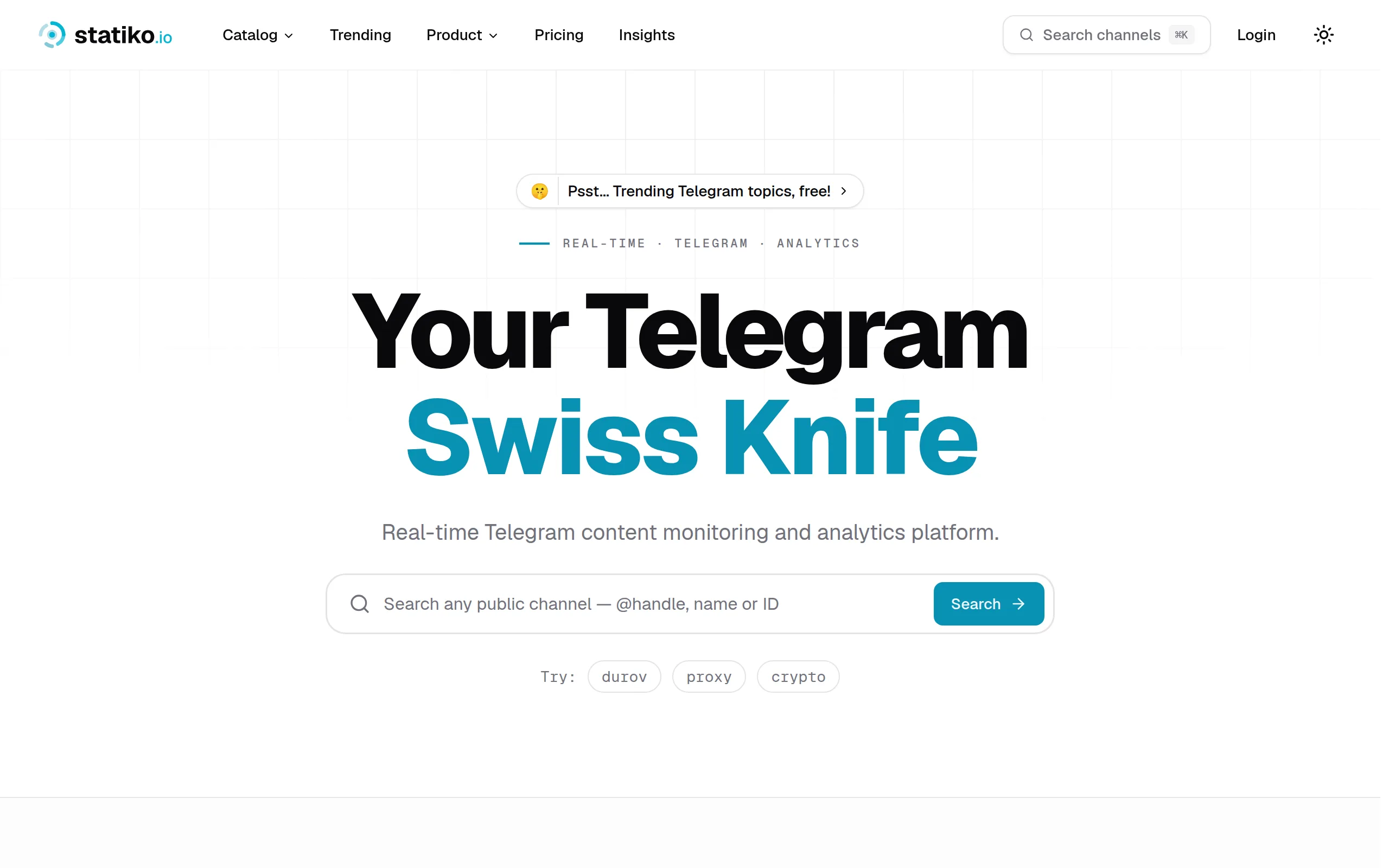
Statiko
Monitor any Telegram channel in real time - track posts, edits, deletions, and growth with AI recaps 📡

Shibui
AI website builder - describe your business, pick a niche template, edit by chatting, and publish instantly ✨

Pro Service
Find verified home service professionals, compare quotes, and pay securely through escrow - built for Brazilians across the US 🏠
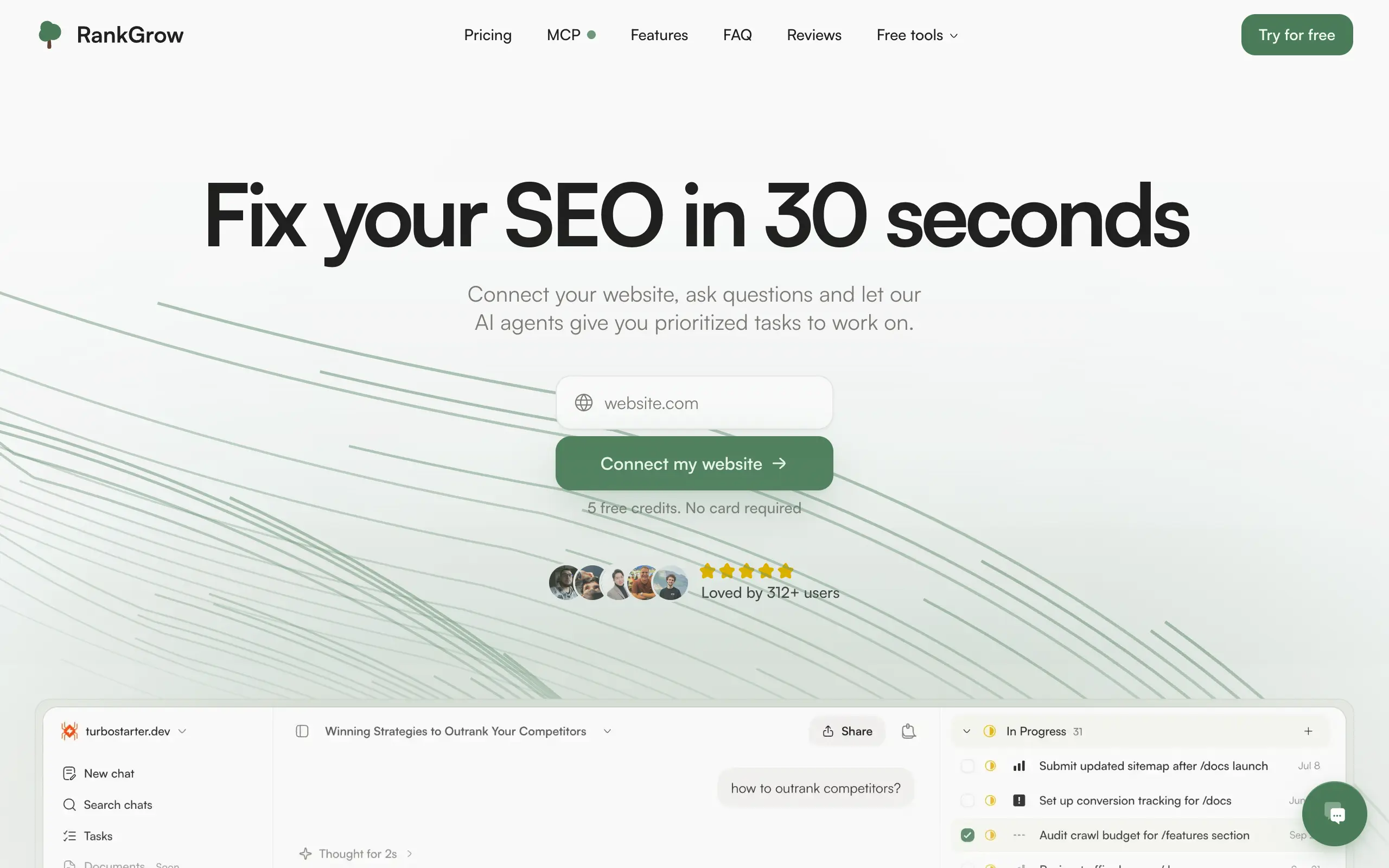
RankGrow
Fix your SEO with AI agents - connect Search Console, get prioritized tasks, and grow organic traffic 📈
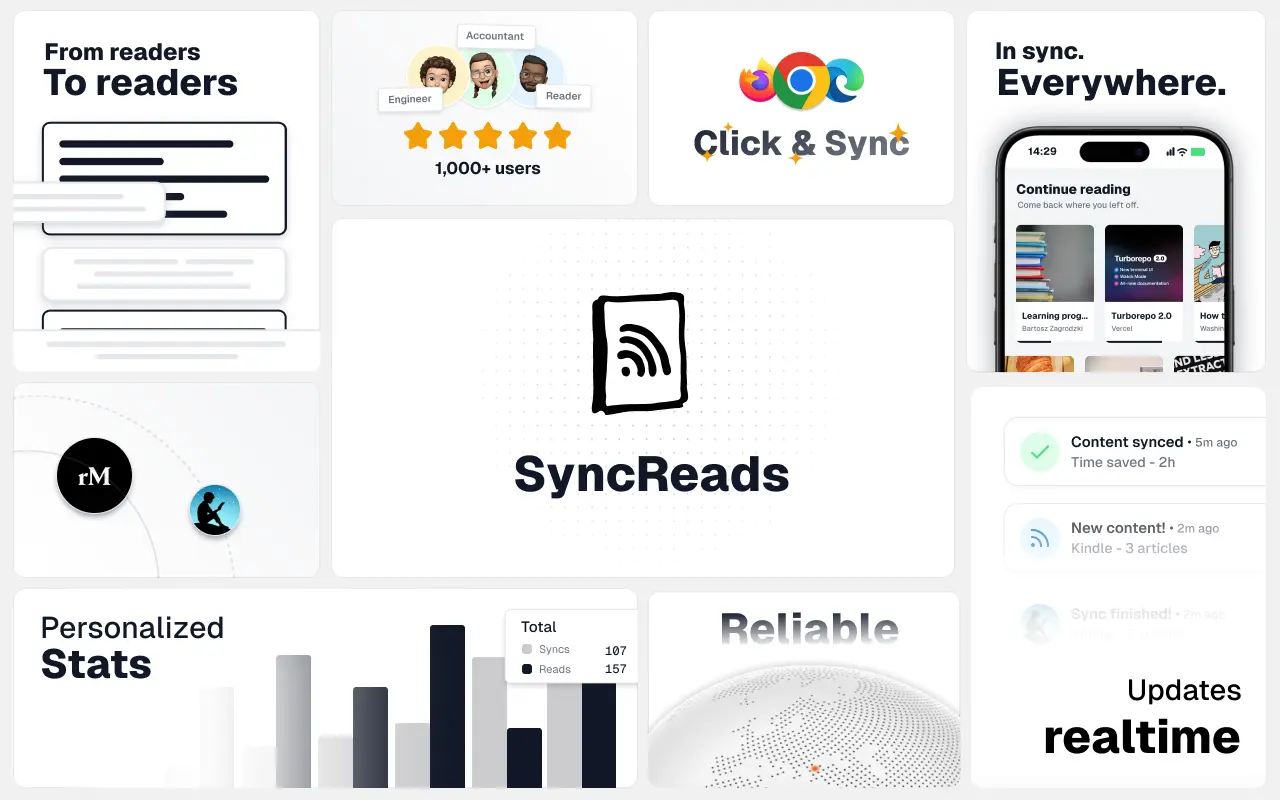
SyncReads
Sync your favorite content for distraction-free reading, save time and replace multiple apps. Anytime, anywhere 🔄
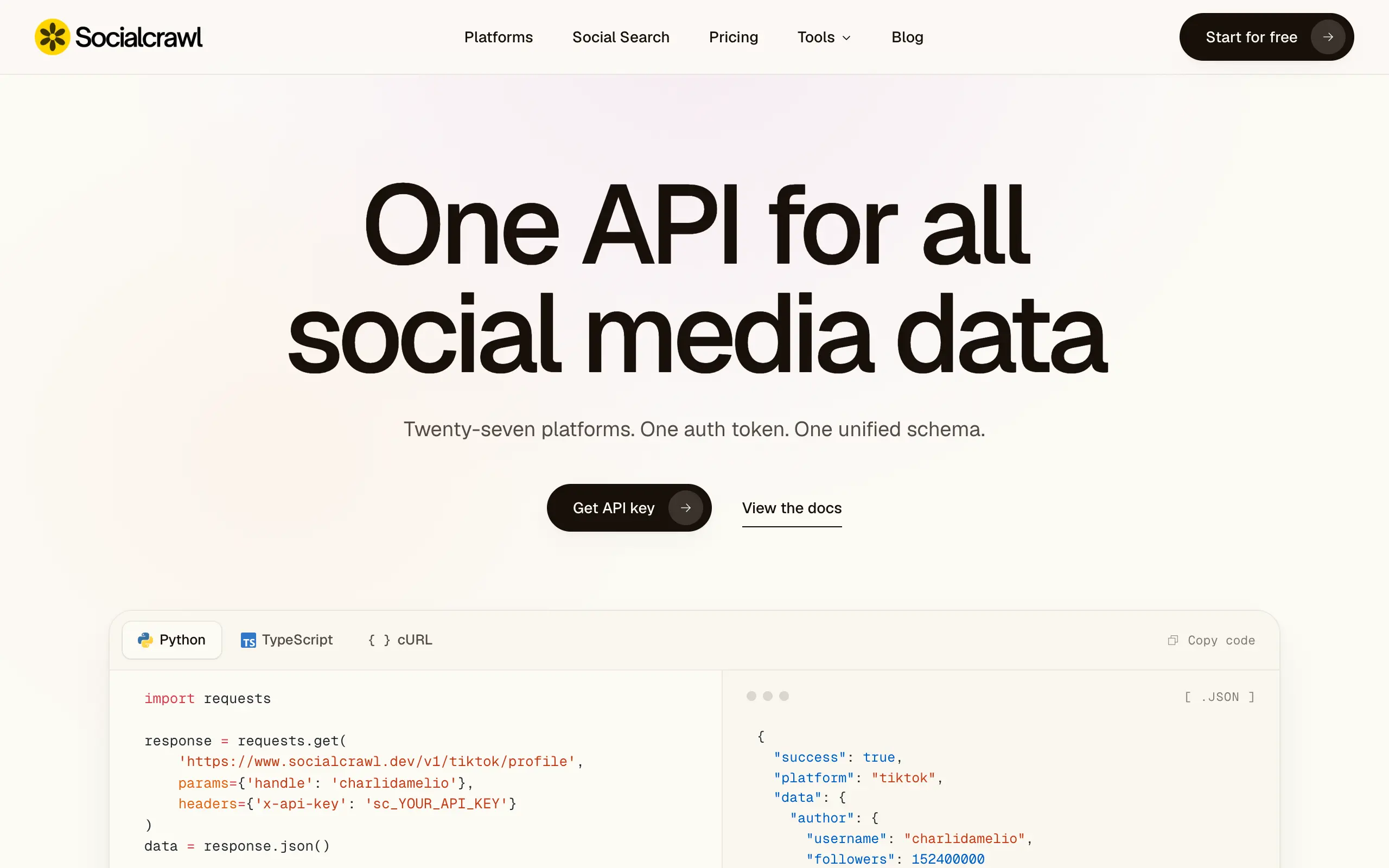
Socialcrawl
Get clean, structured data from 21 platforms like TikTok, Instagram, and YouTube with a single request 📊
Statiko
Monitor any Telegram channel in real time - track posts, edits, deletions, and growth with AI recaps 📡
Shibui
AI website builder - describe your business, pick a niche template, edit by chatting, and publish instantly ✨
Pro Service
Find verified home service professionals, compare quotes, and pay securely through escrow - built for Brazilians across the US 🏠
RankGrow
Fix your SEO with AI agents - connect Search Console, get prioritized tasks, and grow organic traffic 📈
SyncReads
Sync your favorite content for distraction-free reading, save time and replace multiple apps. Anytime, anywhere 🔄
Socialcrawl
Get clean, structured data from 21 platforms like TikTok, Instagram, and YouTube with a single request 📊
Statiko
Monitor any Telegram channel in real time - track posts, edits, deletions, and growth with AI recaps 📡
Shibui
AI website builder - describe your business, pick a niche template, edit by chatting, and publish instantly ✨
Pro Service
Find verified home service professionals, compare quotes, and pay securely through escrow - built for Brazilians across the US 🏠
RankGrow
Fix your SEO with AI agents - connect Search Console, get prioritized tasks, and grow organic traffic 📈
SyncReads
Sync your favorite content for distraction-free reading, save time and replace multiple apps. Anytime, anywhere 🔄
Socialcrawl
Get clean, structured data from 21 platforms like TikTok, Instagram, and YouTube with a single request 📊
Statiko
Monitor any Telegram channel in real time - track posts, edits, deletions, and growth with AI recaps 📡
Shibui
AI website builder - describe your business, pick a niche template, edit by chatting, and publish instantly ✨
Pro Service
Find verified home service professionals, compare quotes, and pay securely through escrow - built for Brazilians across the US 🏠
RankGrow
Fix your SEO with AI agents - connect Search Console, get prioritized tasks, and grow organic traffic 📈
SyncReads
Sync your favorite content for distraction-free reading, save time and replace multiple apps. Anytime, anywhere 🔄
Socialcrawl
Get clean, structured data from 21 platforms like TikTok, Instagram, and YouTube with a single request 📊
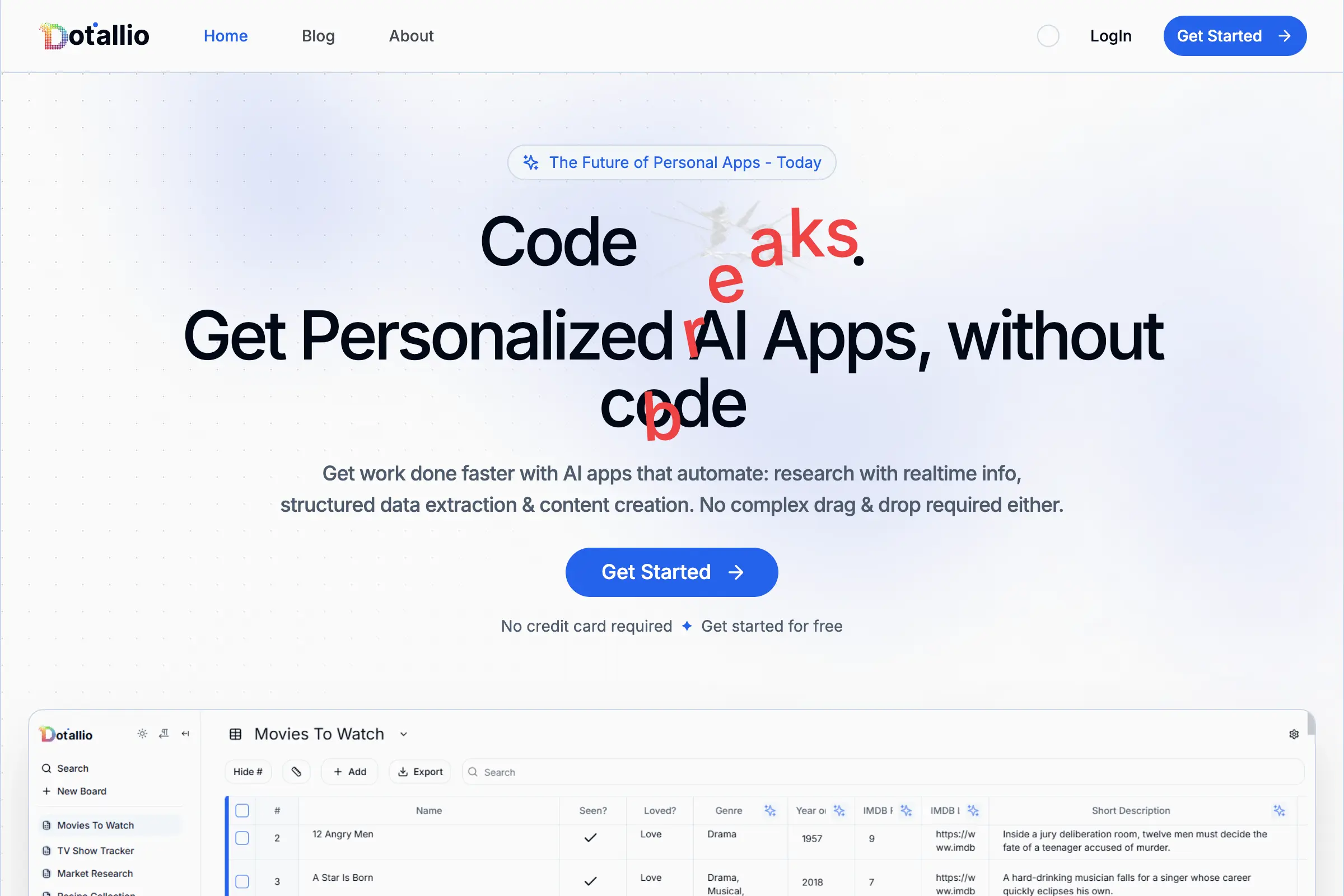
Dotallio
Personalized AI apps that automate research, data extraction, and content creation without code 🤖

Talk to Santa
Enjoy a magical live video chat or receive a unique AI-generated video greeting from Santa Claus 🎅
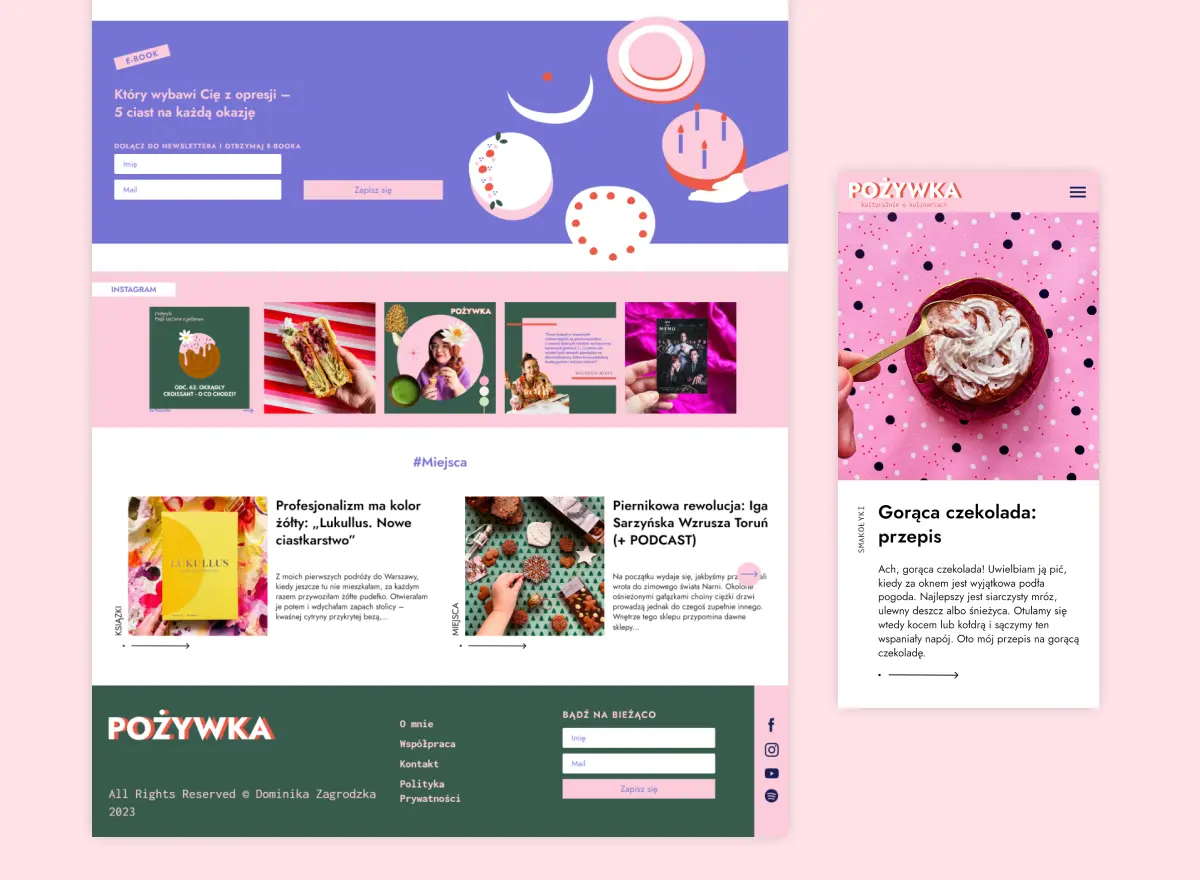
pozywka.pl
Scalable blog for food journalist, focused on performance and user experience 🌭
zagrodzki.me
Personal blog and portfolio of Bart Zagrodzki, where he shares his knowledge and work 💼
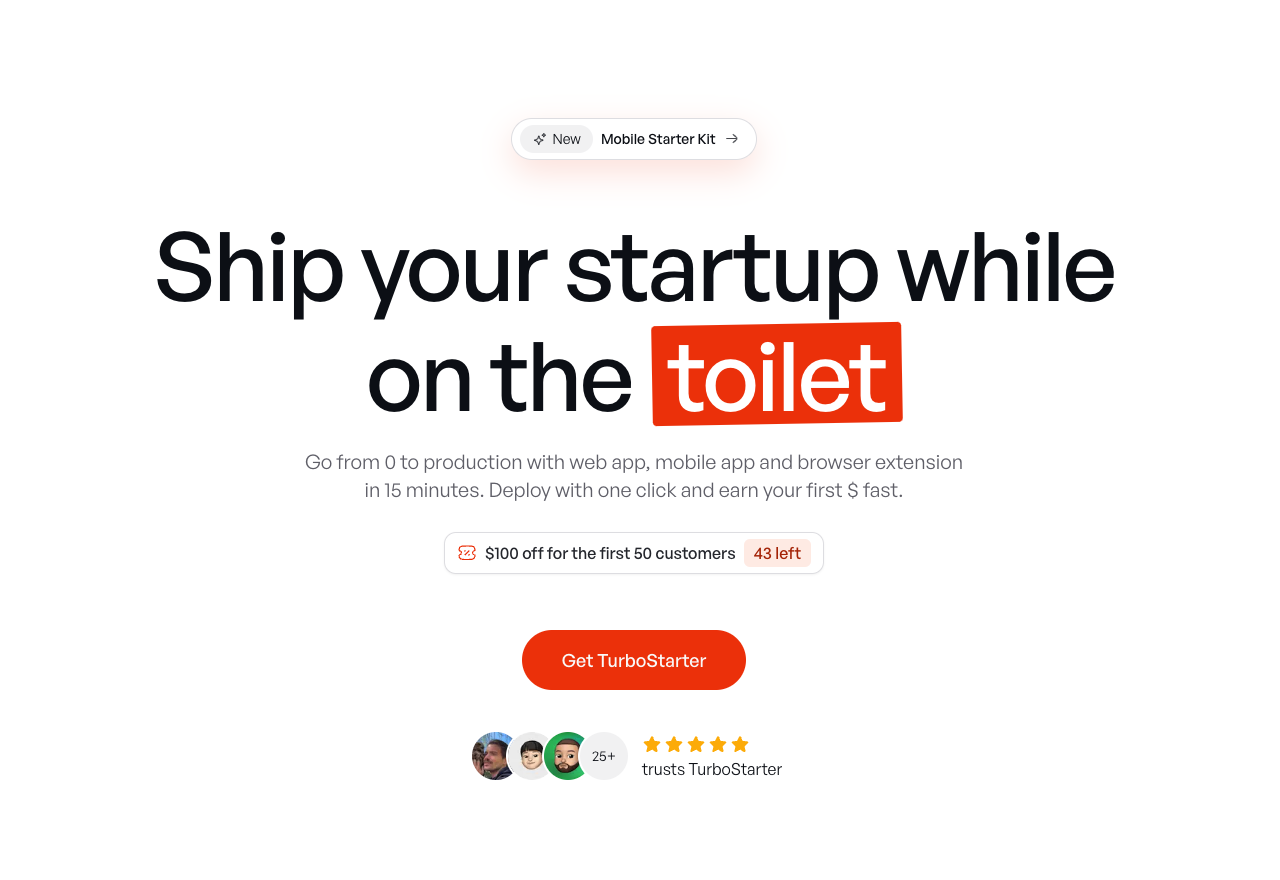
TurboStarter
Ship your startup everywhere. In minutes.
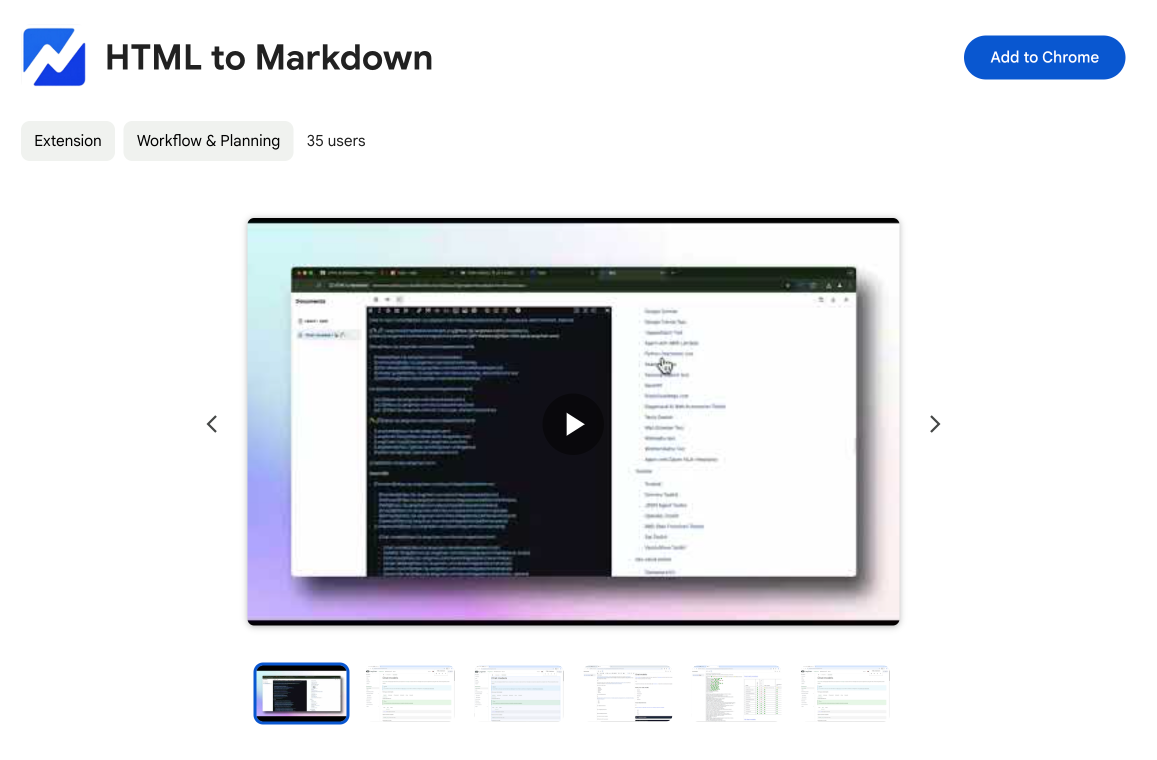
HTML to Markdown
Convert HTML to Markdown with ease, directly in your browser 📄
Dotallio
Personalized AI apps that automate research, data extraction, and content creation without code 🤖
Talk to Santa
Enjoy a magical live video chat or receive a unique AI-generated video greeting from Santa Claus 🎅
pozywka.pl
Scalable blog for food journalist, focused on performance and user experience 🌭
zagrodzki.me
Personal blog and portfolio of Bart Zagrodzki, where he shares his knowledge and work 💼
TurboStarter
Ship your startup everywhere. In minutes.
HTML to Markdown
Convert HTML to Markdown with ease, directly in your browser 📄
Dotallio
Personalized AI apps that automate research, data extraction, and content creation without code 🤖
Talk to Santa
Enjoy a magical live video chat or receive a unique AI-generated video greeting from Santa Claus 🎅
pozywka.pl
Scalable blog for food journalist, focused on performance and user experience 🌭
zagrodzki.me
Personal blog and portfolio of Bart Zagrodzki, where he shares his knowledge and work 💼
TurboStarter
Ship your startup everywhere. In minutes.
HTML to Markdown
Convert HTML to Markdown with ease, directly in your browser 📄
Dotallio
Personalized AI apps that automate research, data extraction, and content creation without code 🤖
Talk to Santa
Enjoy a magical live video chat or receive a unique AI-generated video greeting from Santa Claus 🎅
pozywka.pl
Scalable blog for food journalist, focused on performance and user experience 🌭
zagrodzki.me
Personal blog and portfolio of Bart Zagrodzki, where he shares his knowledge and work 💼
TurboStarter
Ship your startup everywhere. In minutes.
HTML to Markdown
Convert HTML to Markdown with ease, directly in your browser 📄
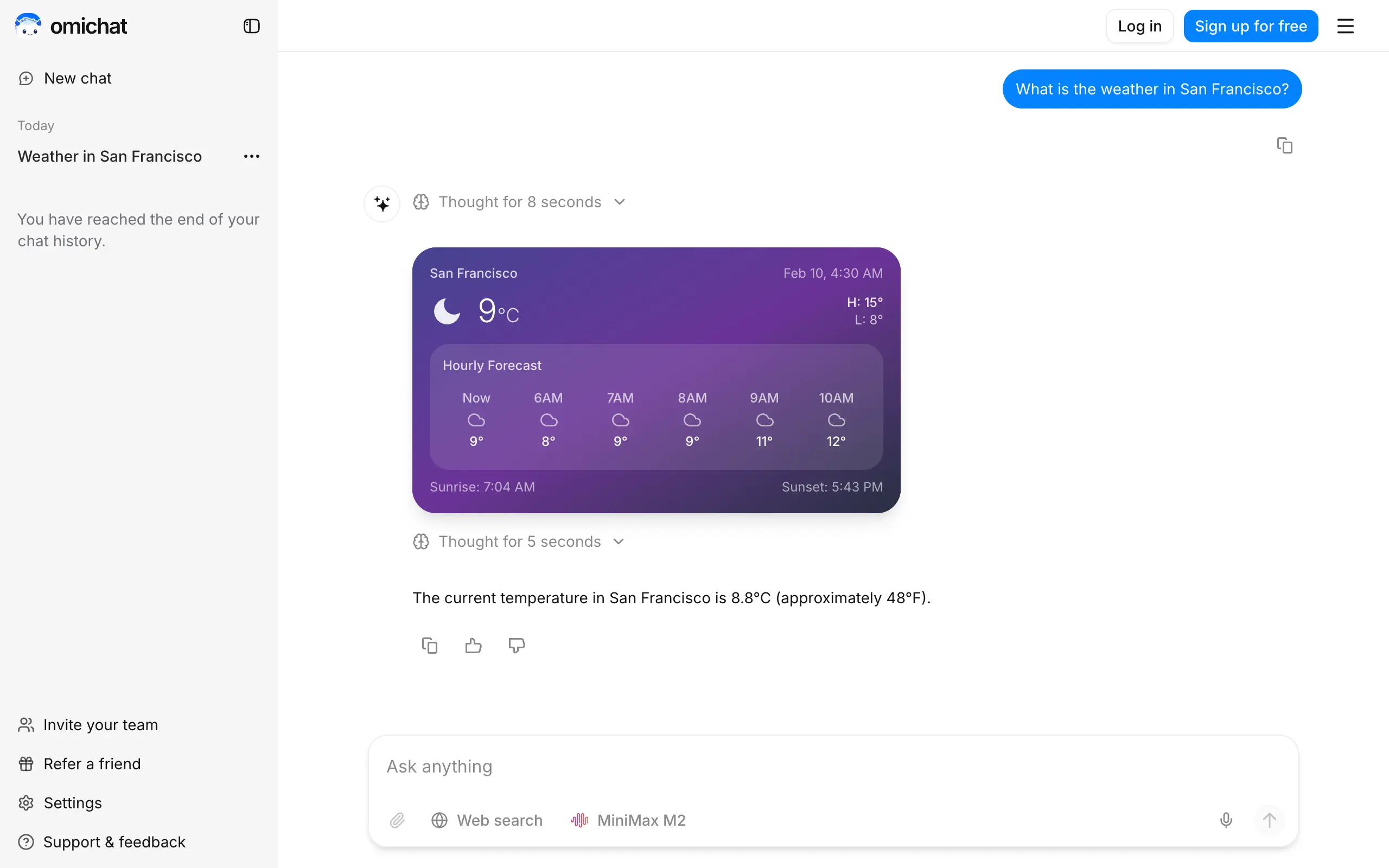
Omichat
Chat with 50+ AI models, including ChatGPT and Claude, in one place - switch models anytime without losing context 🤖
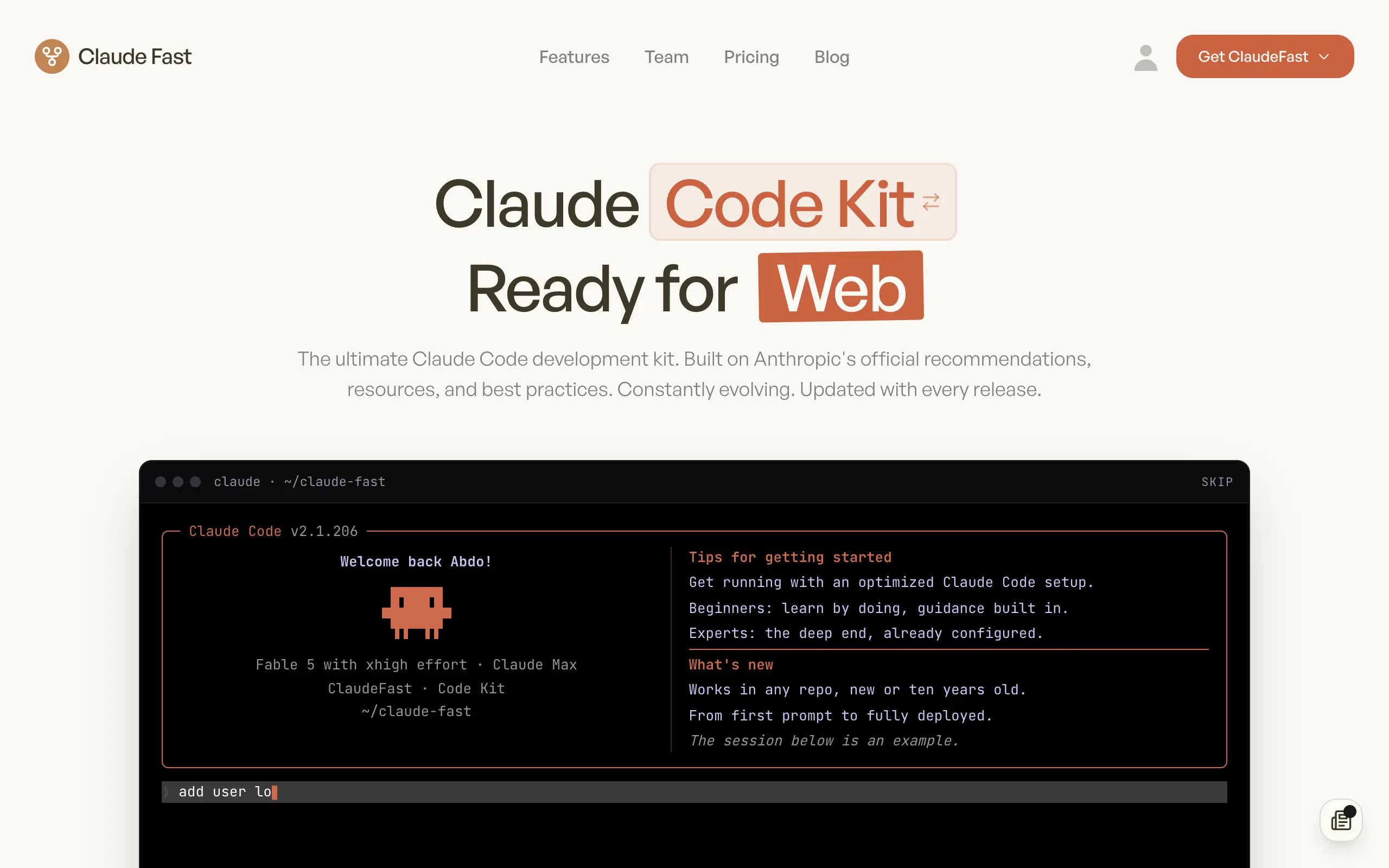
Claude Fast
Supercharge your Claude Code with 6x effective context window and specialized AI agents 🤖
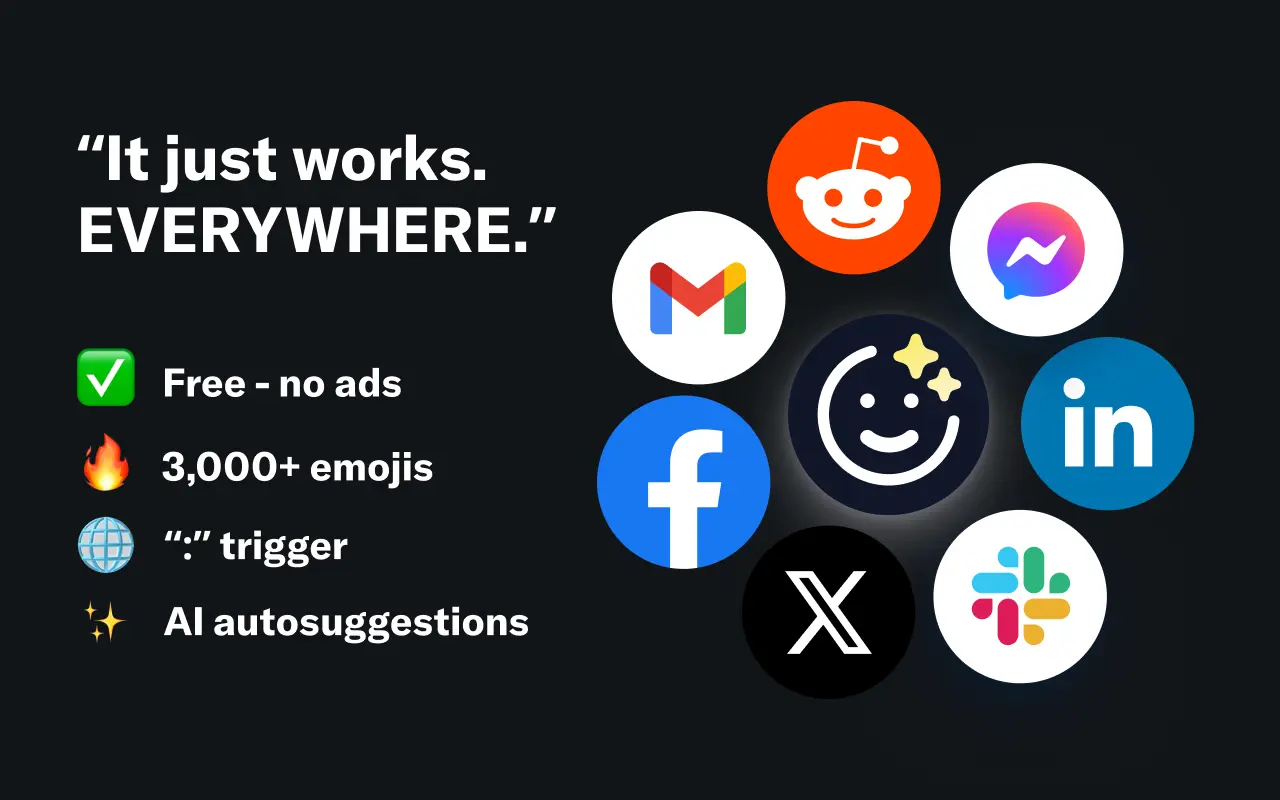
EmojAI
AI-powered emoji picker with smart, context-aware suggestions 🤖
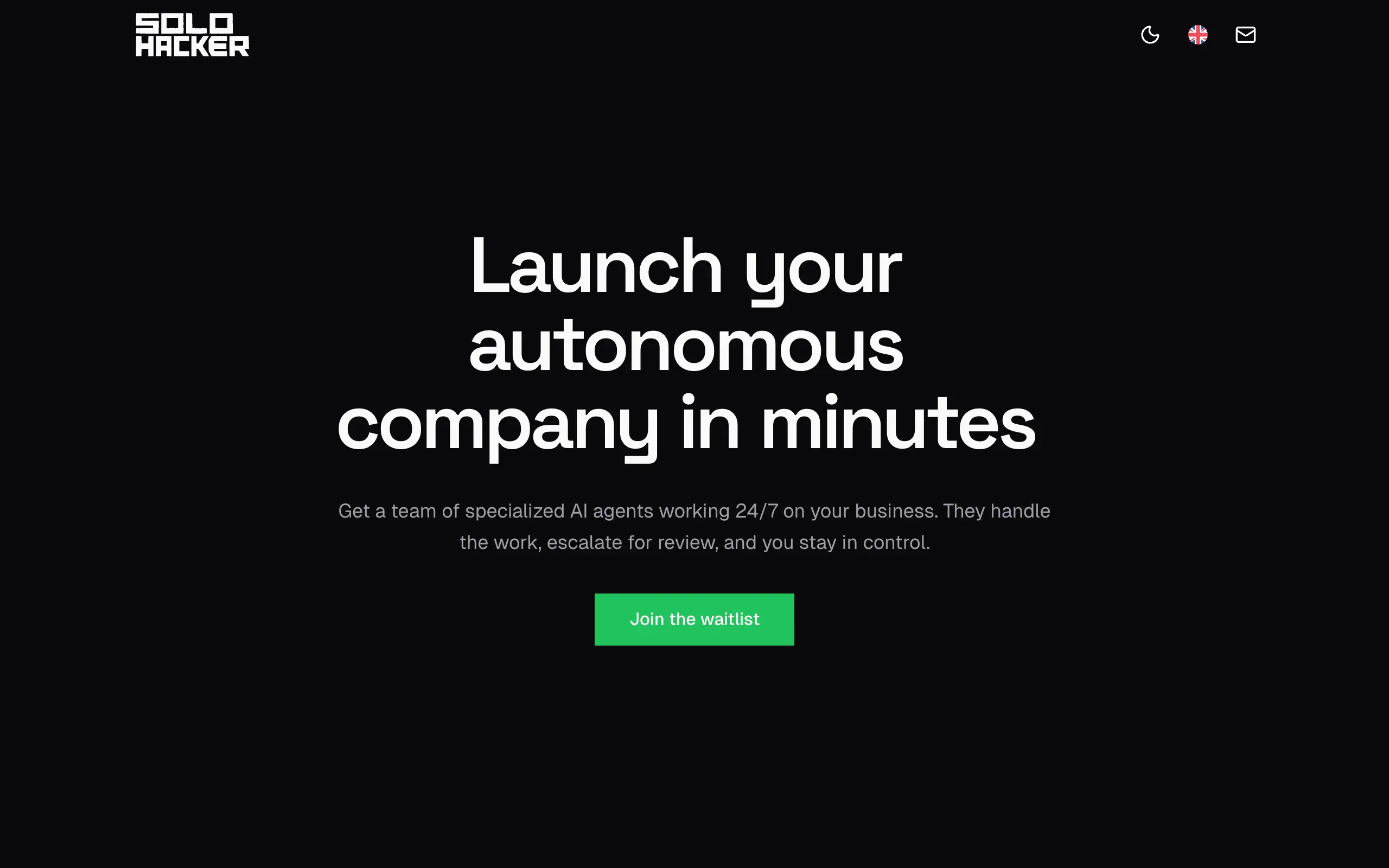
Solohacker
Autonomous company launcher - AI agents work 24/7, escalate what matters, and you stay in control 🤖
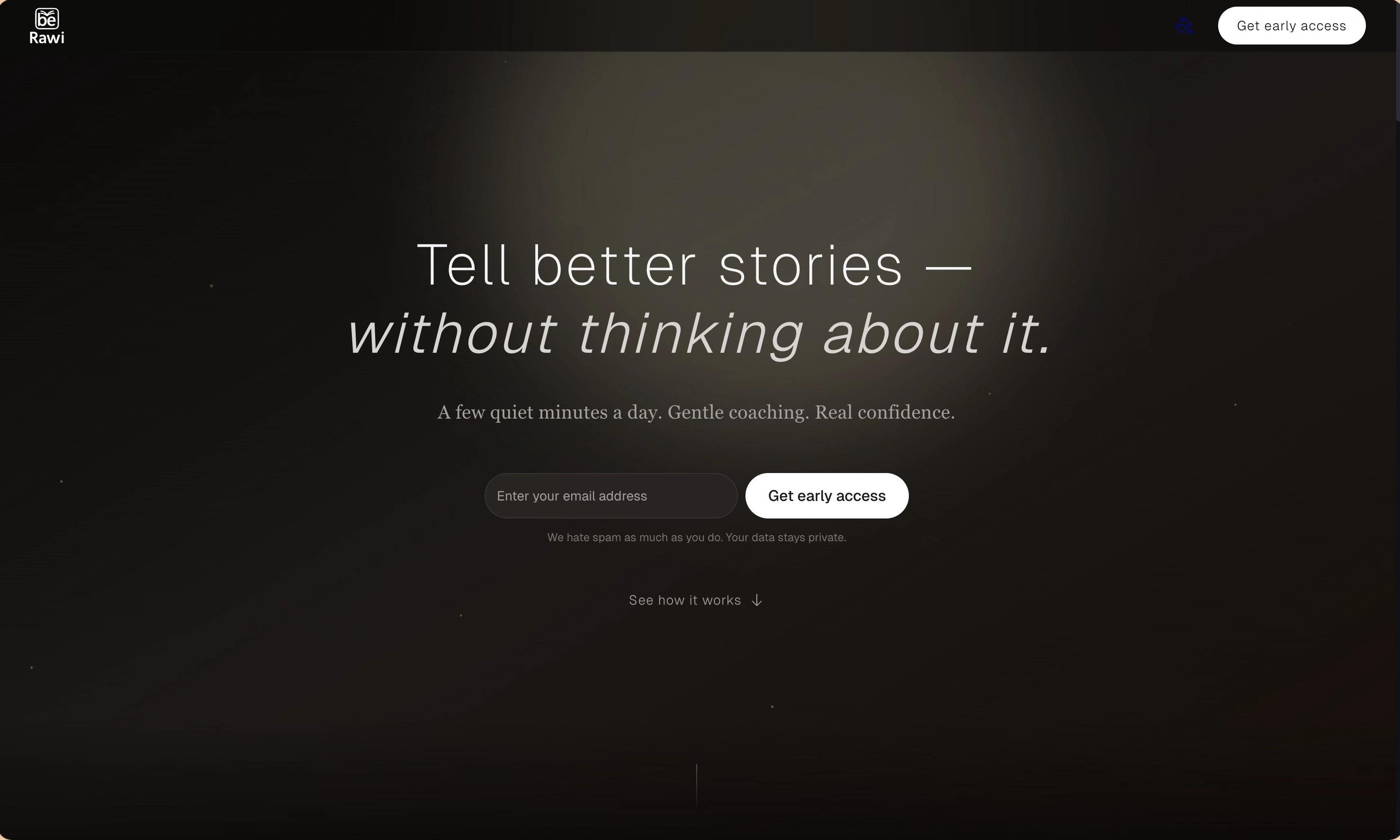
BeRawi: Storytelling Coach
Practice storytelling daily with instant feedback to sound clearer, more engaging, and confident 🎤
Omichat
Chat with 50+ AI models, including ChatGPT and Claude, in one place - switch models anytime without losing context 🤖
Claude Fast
Supercharge your Claude Code with 6x effective context window and specialized AI agents 🤖
EmojAI
AI-powered emoji picker with smart, context-aware suggestions 🤖
Solohacker
Autonomous company launcher - AI agents work 24/7, escalate what matters, and you stay in control 🤖
BeRawi: Storytelling Coach
Practice storytelling daily with instant feedback to sound clearer, more engaging, and confident 🎤
Omichat
Chat with 50+ AI models, including ChatGPT and Claude, in one place - switch models anytime without losing context 🤖
Claude Fast
Supercharge your Claude Code with 6x effective context window and specialized AI agents 🤖
EmojAI
AI-powered emoji picker with smart, context-aware suggestions 🤖
Solohacker
Autonomous company launcher - AI agents work 24/7, escalate what matters, and you stay in control 🤖
BeRawi: Storytelling Coach
Practice storytelling daily with instant feedback to sound clearer, more engaging, and confident 🎤
Omichat
Chat with 50+ AI models, including ChatGPT and Claude, in one place - switch models anytime without losing context 🤖
Claude Fast
Supercharge your Claude Code with 6x effective context window and specialized AI agents 🤖
EmojAI
AI-powered emoji picker with smart, context-aware suggestions 🤖
Solohacker
Autonomous company launcher - AI agents work 24/7, escalate what matters, and you stay in control 🤖
BeRawi: Storytelling Coach
Practice storytelling daily with instant feedback to sound clearer, more engaging, and confident 🎤

Connect with like-minded people
Join our community to get feedback, support, and grow together with 1,000+ builders on board, let's ship it!
Join usShip your startup everywhere. In minutes.
Don't burn tokens on setup and start building features on day one.