ShadowLedger
An ultra-private financial intelligence platform that maps hidden risks across global assets, trusts, and entities—protecting ultra-high-net-worth families from unseen legal, political, and reputational threats.
The rise of ultra-private financial intelligence for complex global wealth
Ultra-high-net-worth (UHNW) families operate in an environment where legal exposure, geopolitical shifts, reputational risk, and opaque ownership structures can threaten generational wealth overnight. Traditional wealth management tools focus on portfolio performance, tax efficiency, and reporting. But they often fail to map the hidden, interconnected risks buried across trusts, shell companies, cross-border entities, politically exposed relationships, and emerging regulatory scrutiny.
This is where an ultra-private financial intelligence platform like ShadowLedger fits into the modern risk landscape.
ShadowLedger is designed as a B2B financial intelligence SaaS platform for family offices, private banks, fiduciaries, and wealth protection advisors. Its core mission: to map and continuously monitor hidden risks across global assets, trusts, and entities—protecting ultra-high-net-worth families from unseen legal, political, and reputational threats.
This article explores:
- The target audience and unmet market need
- The market opportunity in financial risk intelligence for UHNW
- Core features and product architecture
- Recommended tech stack and infrastructure considerations
- Monetization strategies
- Competitive positioning and differentiation
- Risks and mitigation strategies
- A clear, actionable implementation roadmap
Understanding the target audience: who needs ShadowLedger?
Primary users (B2B buyers)
ShadowLedger is not a consumer fintech tool. It serves specialized institutions and advisors who manage significant private capital.
Primary buyer personas:
- Single-family offices (SFOs) managing $250M+ in assets
- Multi-family offices (MFOs) serving global UHNW clients
- Private banks and boutique wealth managers
- Trust companies and fiduciaries
- International tax and asset structuring law firms
- Risk and compliance advisory firms
End beneficiaries
Although the software is B2B, the ultimate beneficiaries are:
- Ultra-high-net-worth families (>$30M net worth)
- Politically exposed persons (PEPs)
- Global entrepreneurs with cross-border holdings
- Families with multi-jurisdictional trust structures
- Investors exposed to emerging market jurisdictions
Core user intent
When a wealth advisor searches for a platform like ShadowLedger, their intent usually falls into one of these categories:
- “How do I monitor hidden legal risk across global trusts?”
- “How can we proactively detect reputational exposure in client holdings?”
- “Is there a platform that maps cross-border entity risk in real time?”
- “How do we protect clients from geopolitical asset seizure risk?”
They are not looking for budgeting tools.
They are looking for deep risk visibility and proactive protection.
The market opportunity: hidden risk is the new frontier
Wealth complexity is accelerating
Several macro trends are increasing risk exposure for UHNW families:
- Globalized holdings across multiple jurisdictions
- Increased scrutiny from regulators and tax authorities
- Public transparency initiatives (beneficial ownership registries)
- Sanctions regimes and geopolitical volatility
- Digital reputation risks and media amplification
As international regulatory frameworks evolve (e.g., FATF guidelines, CRS reporting), hidden ownership chains and opaque structures become increasingly vulnerable.
Yet most tools available today are:
- Reactive (alert-based compliance tools)
- Transaction-focused (AML/KYC screening)
- Fragmented (separate legal, tax, reputation tools)
- Not designed for proactive wealth protection
The gap in the market
There is a clear gap between:
- Compliance software (built for regulatory checklists)
- Investment analytics tools (focused on performance)
And what UHNW families truly need:
A unified intelligence layer that maps, visualizes, and monitors hidden systemic risks across their entire global structure.
ShadowLedger occupies this gap.
Core problem: invisible interconnected risk
High-net-worth structures often include:
- Offshore holding companies
- Nested trusts across jurisdictions
- Minority stakes in private companies
- Real estate in politically unstable regions
- Investments in sanctioned-adjacent sectors
- Philanthropic foundations
- SPVs and shell entities
Risk emerges not from a single asset—but from the connections between them.
For example:
- A trust in Jurisdiction A holds shares in Entity B.
- Entity B has minority exposure to a politically sensitive region.
- A regulatory change in that region triggers sanctions.
- Media scrutiny reveals indirect involvement.
- Reputational damage spreads to the family office.
Traditional dashboards cannot visualize this web of exposure.
ShadowLedger must function as a risk graph engine for global wealth.
Core features of ShadowLedger
1. Global entity and asset mapping engine
At its core, ShadowLedger should include:
- Entity resolution and deduplication
- Beneficial ownership tracing
- Cross-border structural visualization
- Dynamic risk scoring
Users should see a visual network map of:
- Trusts
- Subsidiaries
- Asset holdings
- Board memberships
- Political exposure
- Regulatory flags
This network graph becomes the foundation for all risk analysis.
2. Continuous geopolitical and regulatory risk monitoring
The system must:
- Track sanctions lists
- Monitor regulatory changes by jurisdiction
- Assess political stability metrics
- Flag exposure to high-risk regions
Rather than static compliance checks, ShadowLedger should provide:
- Dynamic risk exposure scoring
- Historical trend analysis
- Scenario modeling (e.g., “What if Country X imposes capital controls?”)
3. Reputational intelligence layer
UHNW families face growing reputational risk in a hyper-connected world.
ShadowLedger can include:
- Media sentiment analysis
- Litigation tracking
- ESG controversy mapping
- Negative news monitoring
- Board and executive exposure alerts
Advanced features may include:
- Relationship graph analysis to detect indirect reputational risk
- Social network proximity to sanctioned individuals
4. Trust and fiduciary structure analysis
Trust structures are often opaque and multi-layered. The platform should provide:
- Jurisdictional trust law comparison tools
- Asset seizure risk analysis
- Litigation vulnerability mapping
- Succession scenario modeling
This elevates ShadowLedger from monitoring tool to strategic advisory intelligence system.
5. Ultra-private architecture
Privacy is non-negotiable for UHNW clients.
ShadowLedger must include:
- End-to-end encryption
- Zero-knowledge architecture options
- On-premise or sovereign cloud deployments
- Air-gapped installation option (for extreme cases)
- Role-based granular access controls
Privacy is the product
For ultra-high-net-worth families, a security breach is not a minor inconvenience—it is an existential threat. ShadowLedger’s architecture must treat privacy not as a feature, but as the core product differentiator.
Technical architecture and recommended tech stack
Building a global financial intelligence SaaS requires scalability, security, and advanced data modeling.
Frontend
- React for dynamic data visualization
- Next.js for server-side rendering and performance
- TailwindCSS for UI consistency
- D3.js or similar for network graph visualization
Backend
- Node.js (for API orchestration)
- Python microservices for risk modeling and data analysis
- Graph database (e.g., Neo4j) for entity relationship modeling
- PostgreSQL for structured data
- Elasticsearch for fast search and document indexing
Infrastructure
- AWS or sovereign cloud provider (regionally configurable)
- Kubernetes for container orchestration
- Encrypted object storage
- Dedicated VPC isolation
Example architecture snippet
// Example: Risk scoring microservice endpoint
app.post("/api/risk-score", async (req, res) => {
  const { entityId } = req.body;

  const entityGraph = await graphDb.getEntityNetwork(entityId);
  const geopoliticalScore = await calculateGeoRisk(entityGraph);
  const reputationScore = await calculateReputationRisk(entityGraph);

  const finalScore = weightedAggregate([
    geopoliticalScore,
    reputationScore,
  ]);

  res.json({ entityId, riskScore: finalScore });
});
Competitive landscape analysis
ShadowLedger competes indirectly with:
- AML/KYC compliance software
- Enterprise risk management platforms
- Wealth management dashboards
- Corporate intelligence firms
But it differentiates itself through depth, privacy, and cross-domain integration.
| Feature | AML Tools | Wealth Platforms | Corporate Intel | ShadowLedger |
|---|---|---|---|---|
| Ownership Graph Mapping | ❌ | ❌ | ✅ | ✅ |
| Reputational Intelligence | Limited | ❌ | ✅ | ✅ |
| Ultra-Private Architecture | ❌ | ❌ | Limited | ✅ |
| UHNW Focus | ❌ | ✅ | ❌ | ✅ |
Monetization strategy for ShadowLedger
Given the elite market positioning, pricing should reflect exclusivity and depth.
Tiered B2B subscription model
-
Professional Tier
- Small family offices
- Limited jurisdictions
- Basic monitoring
-
Enterprise Tier
- Multi-family offices
- Unlimited entity mapping
- Advanced scenario modeling
-
Sovereign / Private Deployment Tier
- Dedicated infrastructure
- On-prem or private cloud
- Custom integrations
Pricing model
- Annual contracts only
- Minimum $50K–$250K per year depending on scope
- Setup and onboarding fees
- Custom data integration fees
Additional revenue streams
- Risk advisory consulting
- Custom geopolitical reports
- Executive briefings
- White-label API access
Potential risks and mitigation strategies
Regulatory sensitivity
Mapping beneficial ownership can trigger compliance concerns.
Mitigation:
- Legal advisory board
- Strict data sourcing compliance
- Jurisdiction-specific deployment rules
Data accuracy risks
Incorrect entity resolution can create false alarms.
Mitigation:
- Hybrid AI + human verification model
- Transparent risk scoring methodology
- Confidence scoring indicators
Security threats
Target audience makes platform a high-value target.
Mitigation:
- Regular penetration testing
- Third-party security audits
- Bug bounty programs
- Zero-trust architecture
Unique selling proposition (USP)
ShadowLedger’s USP is not just risk monitoring.
It is:
A unified, ultra-private global risk graph for UHNW wealth structures.
Its differentiators:
- Cross-domain intelligence (legal + political + reputational)
- Graph-based risk modeling
- Sovereign deployment options
- Exclusive B2B focus
- Proactive scenario modeling
This positions ShadowLedger closer to private intelligence infrastructure than fintech software.
Actionable implementation roadmap
If building ShadowLedger from scratch, follow this phased approach.
Define core ICP (ideal customer profile) and conduct 15–20 interviews with family offices and fiduciaries.
Develop MVP: entity mapping + basic risk scoring + visualization dashboard.
Integrate sanctions and geopolitical data feeds.
Launch private beta with 3–5 trusted pilot clients.
Harden infrastructure for enterprise-grade security.
Add advanced scenario modeling and reputation analysis.
Scale via referral network and private banking partnerships.
Go-to-market strategy
ShadowLedger should avoid broad public marketing.
Instead:
- Private introductions via wealth advisors
- Strategic partnerships with trust companies
- Exclusive invitation-only demos
- Whitepapers on geopolitical risk
Positioning should emphasize:
- Discretion
- Authority
- Intelligence
- Long-term wealth preservation
Building efficiently with the right foundation
To accelerate development of a secure, scalable SaaS platform, starting with a production-ready foundation is critical.
Using a robust SaaS boilerplate like TurboStarter can help:
- Reduce time-to-market
- Provide authentication and billing infrastructure
- Support scalable architecture
- Ensure best practices in React/Next.js SaaS development
This allows your team to focus on proprietary risk intelligence logic rather than reinventing SaaS fundamentals.
The strategic opportunity
Global wealth is becoming:
- More scrutinized
- More politicized
- More transparent
- More interconnected
But most wealth management infrastructure still assumes a relatively stable world.
ShadowLedger represents the next evolution:
- Not just asset management
- Not just compliance
- But continuous, ultra-private global risk intelligence
For founders and SaaS strategists, this is not merely a fintech idea.
It is:
- A high-ticket B2B SaaS opportunity
- A defensible, niche intelligence platform
- A long-term enterprise product
- A category-defining solution in UHNW risk protection
The real question is not whether hidden risk exists.
It’s whether elite wealth managers will tolerate flying blind in an increasingly volatile world.
ShadowLedger ensures they don’t have to.
More 🏢 B2B Application SaaS ideas
Discover more innovative b2b application SaaS ideas that are trending in 2026. Each idea is AI-generated with market validation and growth potential to help you find your next profitable venture faster than competitors.
Your competitors are building with TurboStarter
Below are some of the SaaS ideas that have been generated and built with our starter kit.
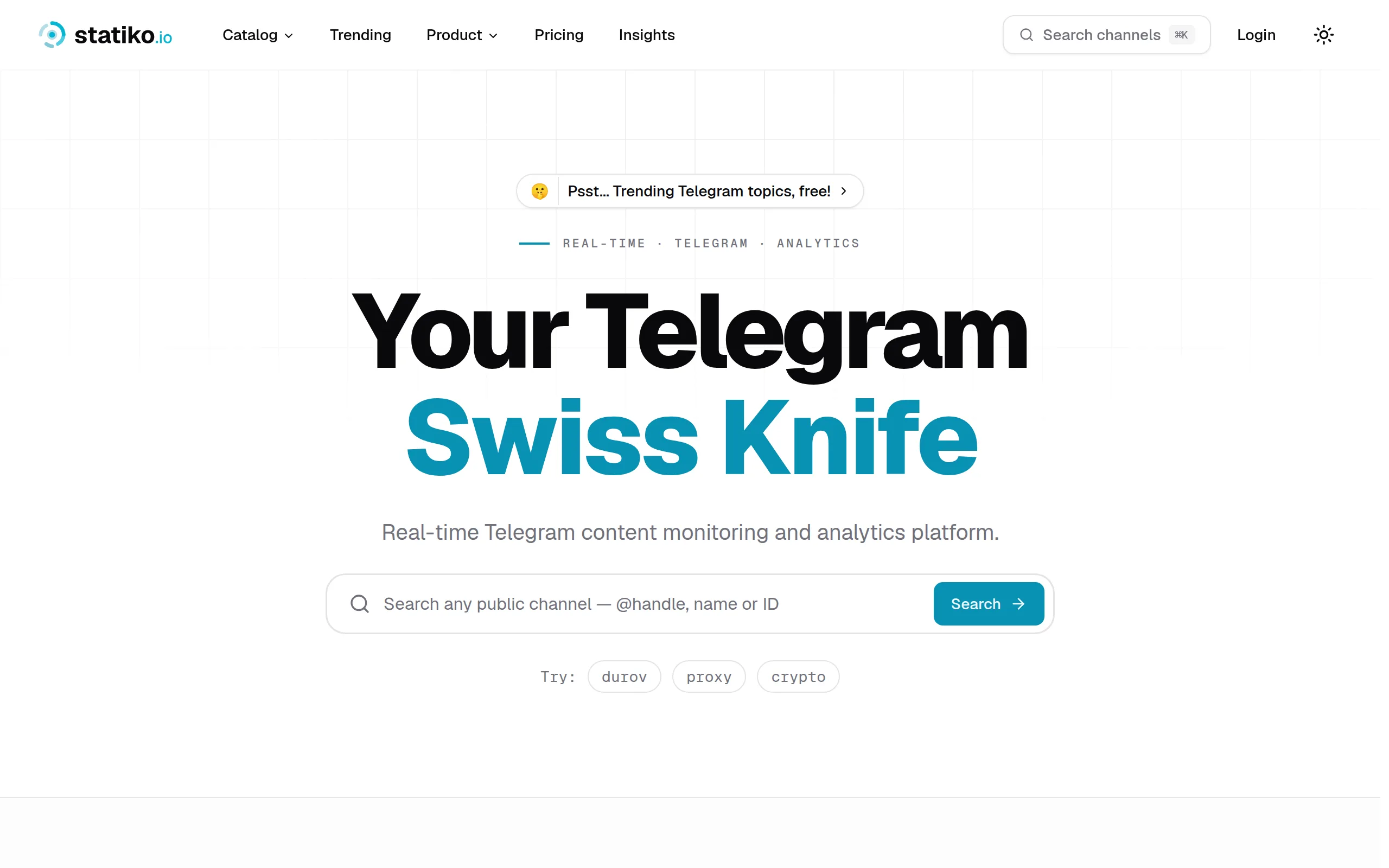
Statiko
Monitor any Telegram channel in real time - track posts, edits, deletions, and growth with AI recaps 📡
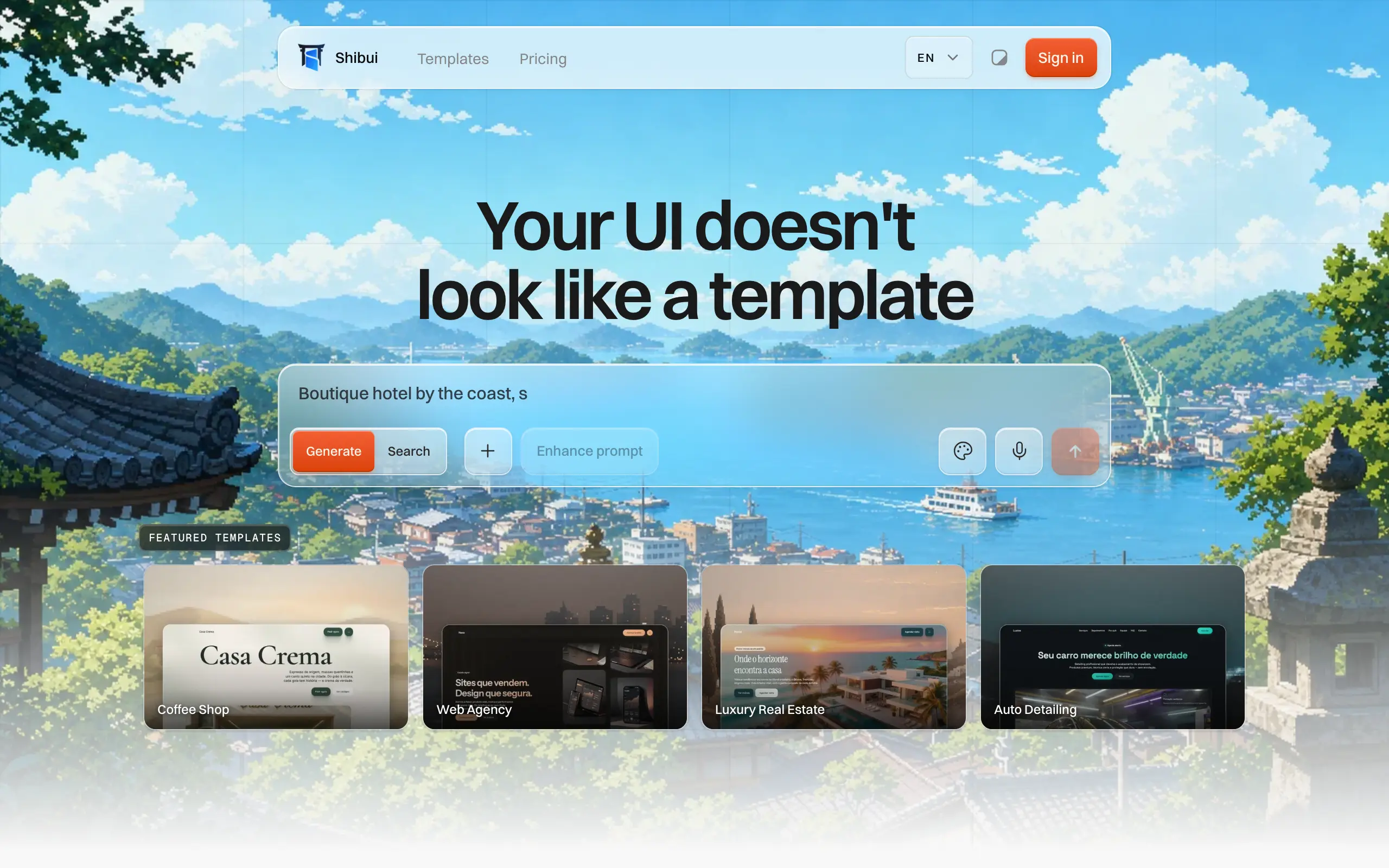
Shibui
AI website builder - describe your business, pick a niche template, edit by chatting, and publish instantly ✨

Pro Service
Find verified home service professionals, compare quotes, and pay securely through escrow - built for Brazilians across the US 🏠
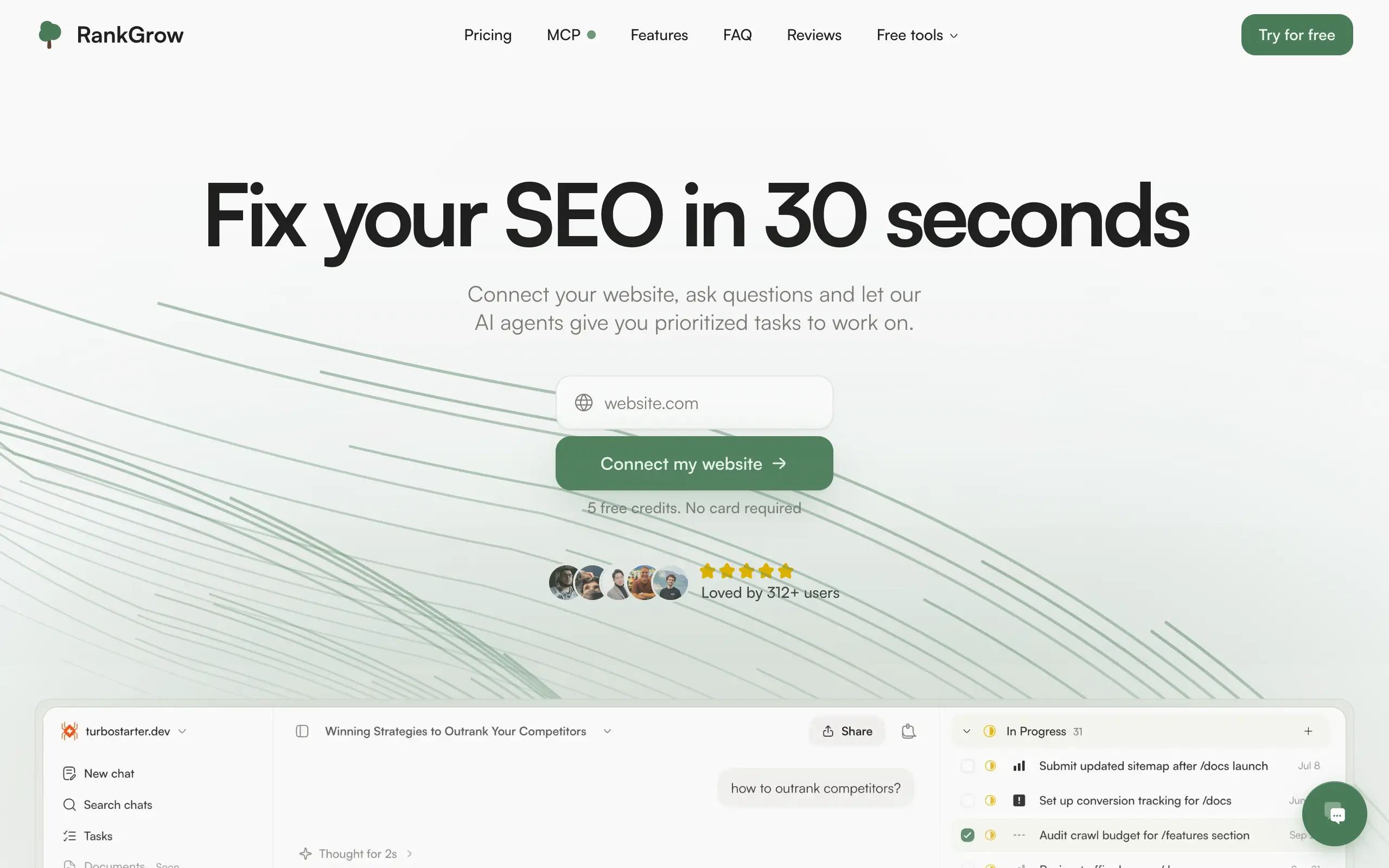
RankGrow
Fix your SEO with AI agents - connect Search Console, get prioritized tasks, and grow organic traffic 📈
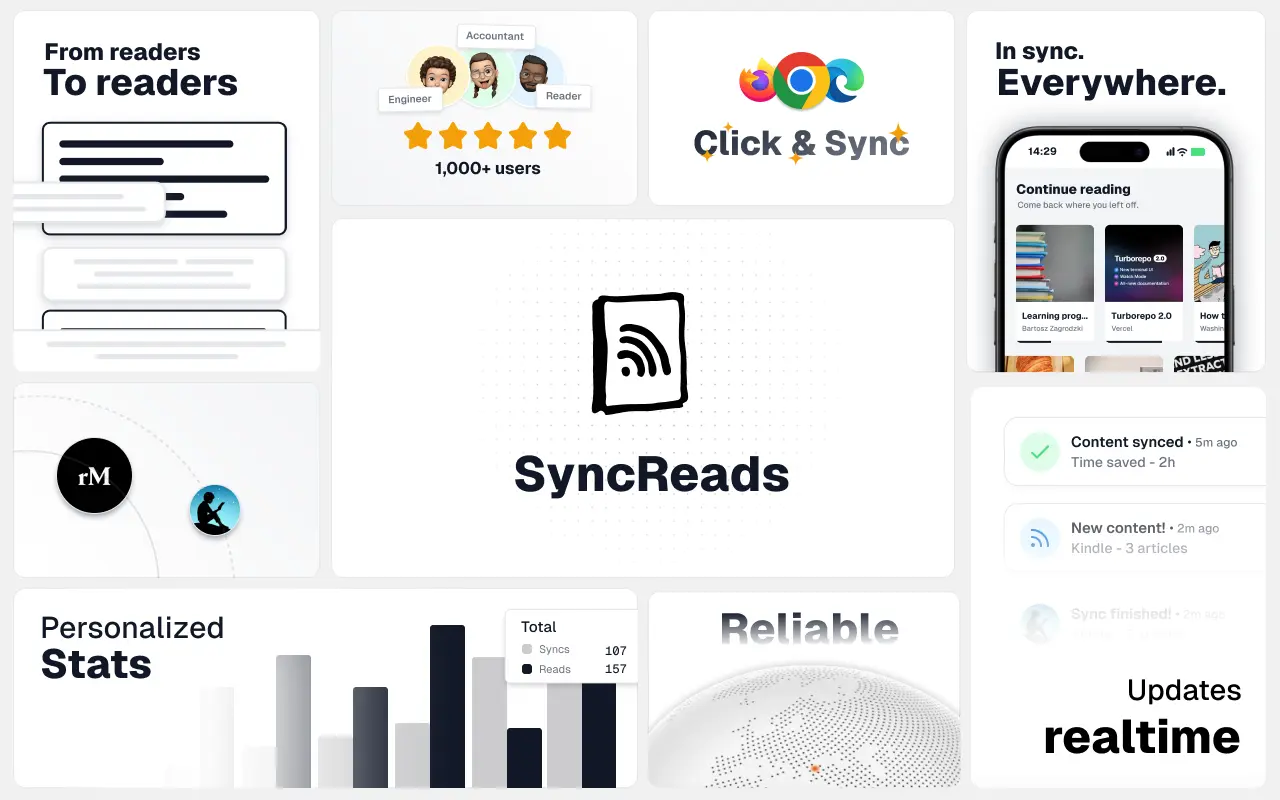
SyncReads
Sync your favorite content for distraction-free reading, save time and replace multiple apps. Anytime, anywhere 🔄
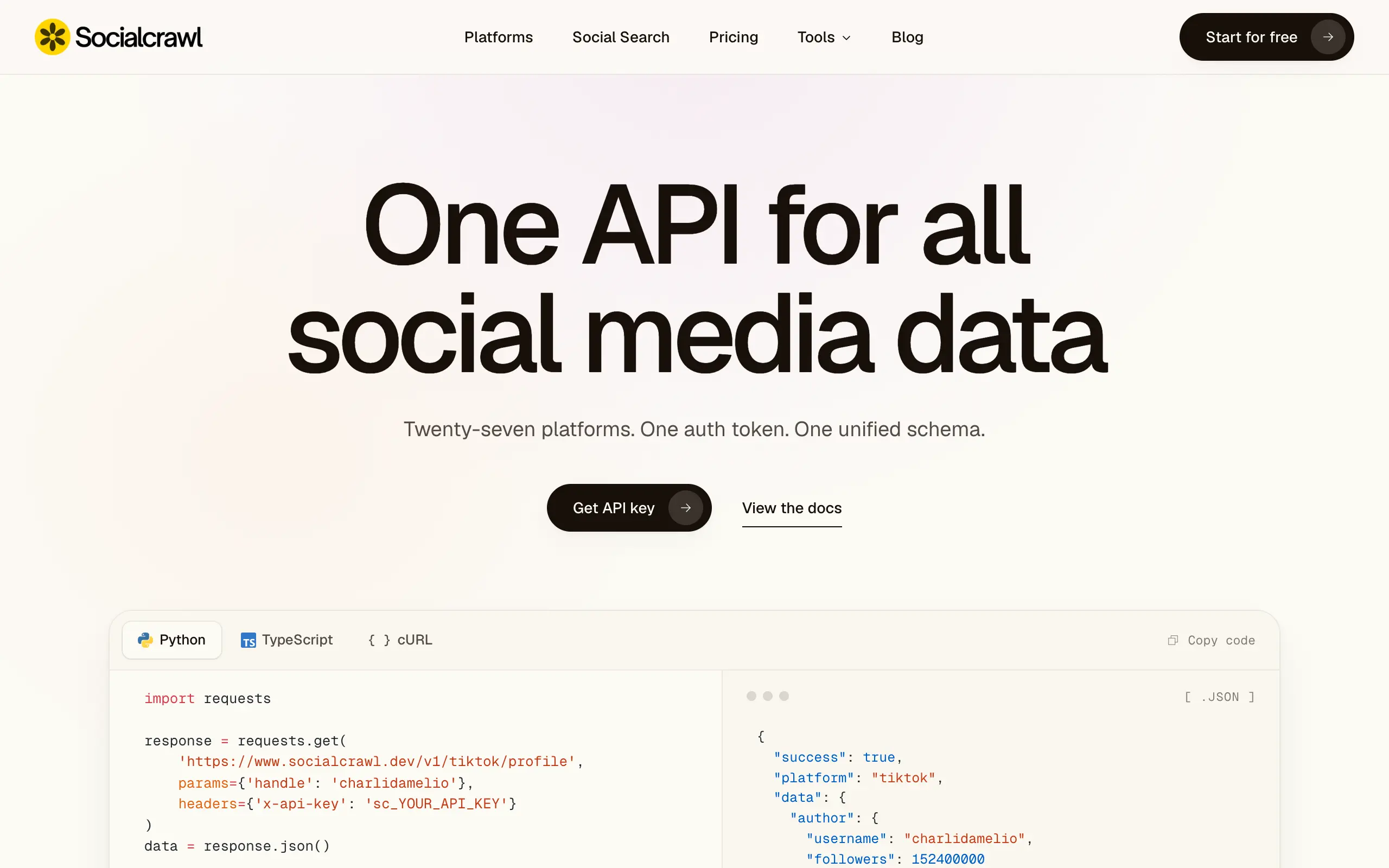
Socialcrawl
Get clean, structured data from 21 platforms like TikTok, Instagram, and YouTube with a single request 📊
Statiko
Monitor any Telegram channel in real time - track posts, edits, deletions, and growth with AI recaps 📡
Shibui
AI website builder - describe your business, pick a niche template, edit by chatting, and publish instantly ✨
Pro Service
Find verified home service professionals, compare quotes, and pay securely through escrow - built for Brazilians across the US 🏠
RankGrow
Fix your SEO with AI agents - connect Search Console, get prioritized tasks, and grow organic traffic 📈
SyncReads
Sync your favorite content for distraction-free reading, save time and replace multiple apps. Anytime, anywhere 🔄
Socialcrawl
Get clean, structured data from 21 platforms like TikTok, Instagram, and YouTube with a single request 📊
Statiko
Monitor any Telegram channel in real time - track posts, edits, deletions, and growth with AI recaps 📡
Shibui
AI website builder - describe your business, pick a niche template, edit by chatting, and publish instantly ✨
Pro Service
Find verified home service professionals, compare quotes, and pay securely through escrow - built for Brazilians across the US 🏠
RankGrow
Fix your SEO with AI agents - connect Search Console, get prioritized tasks, and grow organic traffic 📈
SyncReads
Sync your favorite content for distraction-free reading, save time and replace multiple apps. Anytime, anywhere 🔄
Socialcrawl
Get clean, structured data from 21 platforms like TikTok, Instagram, and YouTube with a single request 📊
Statiko
Monitor any Telegram channel in real time - track posts, edits, deletions, and growth with AI recaps 📡
Shibui
AI website builder - describe your business, pick a niche template, edit by chatting, and publish instantly ✨
Pro Service
Find verified home service professionals, compare quotes, and pay securely through escrow - built for Brazilians across the US 🏠
RankGrow
Fix your SEO with AI agents - connect Search Console, get prioritized tasks, and grow organic traffic 📈
SyncReads
Sync your favorite content for distraction-free reading, save time and replace multiple apps. Anytime, anywhere 🔄
Socialcrawl
Get clean, structured data from 21 platforms like TikTok, Instagram, and YouTube with a single request 📊
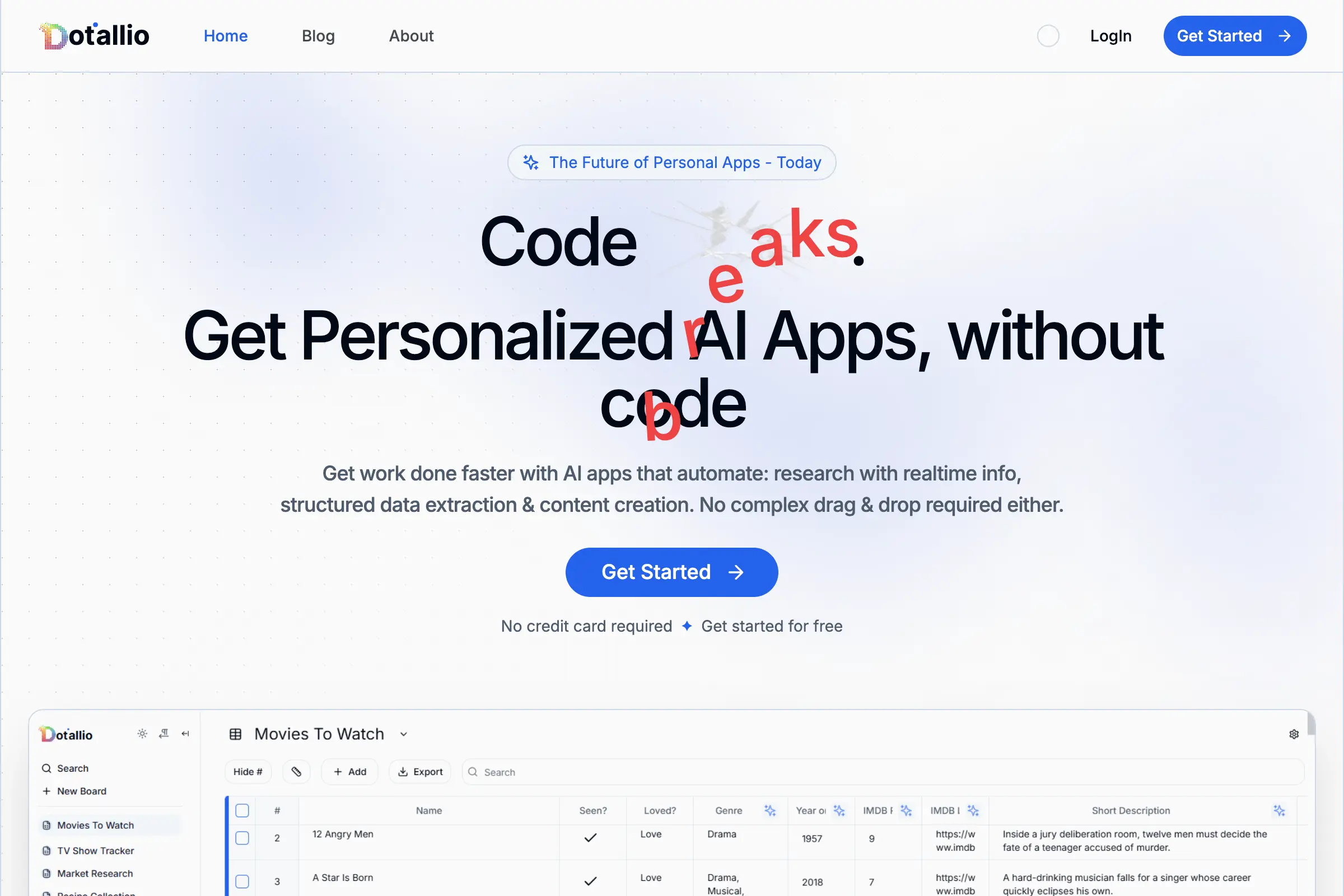
Dotallio
Personalized AI apps that automate research, data extraction, and content creation without code 🤖

Talk to Santa
Enjoy a magical live video chat or receive a unique AI-generated video greeting from Santa Claus 🎅
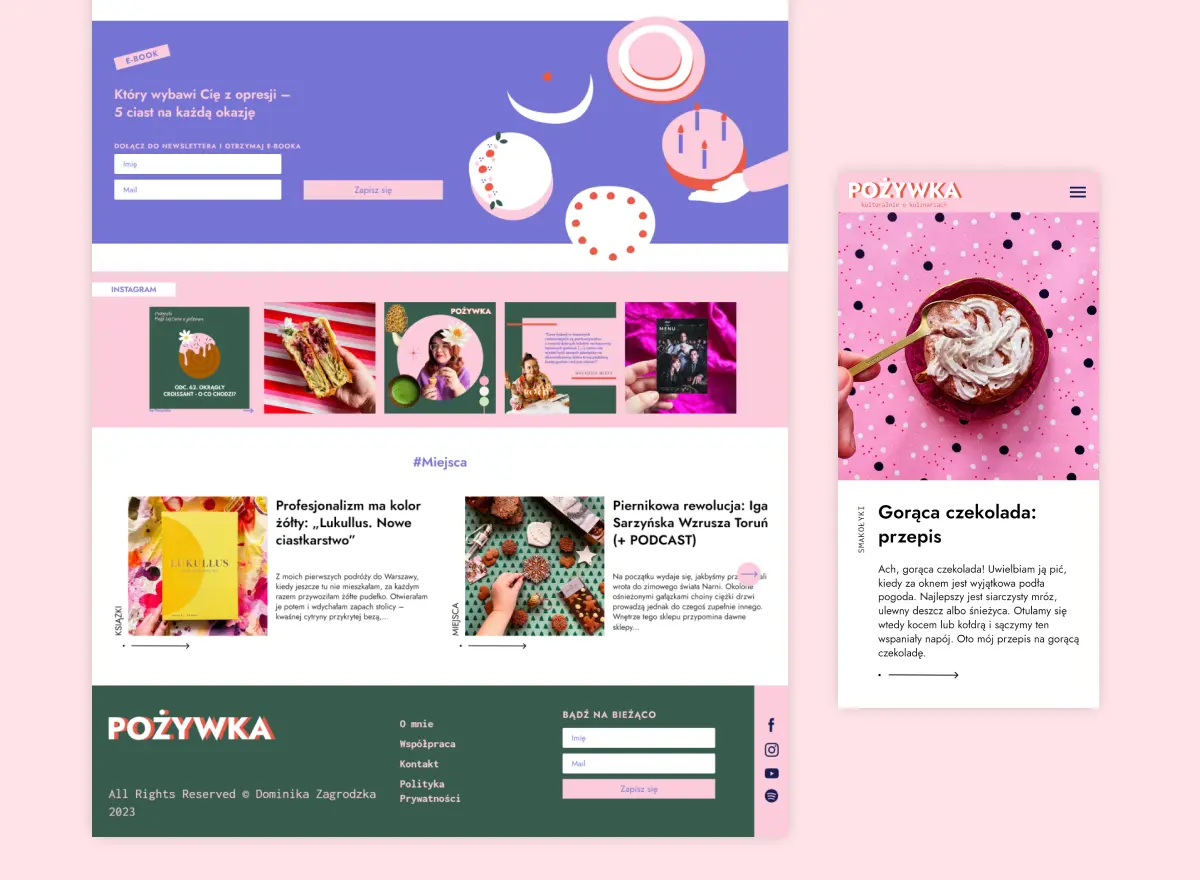
pozywka.pl
Scalable blog for food journalist, focused on performance and user experience 🌭
zagrodzki.me
Personal blog and portfolio of Bart Zagrodzki, where he shares his knowledge and work 💼
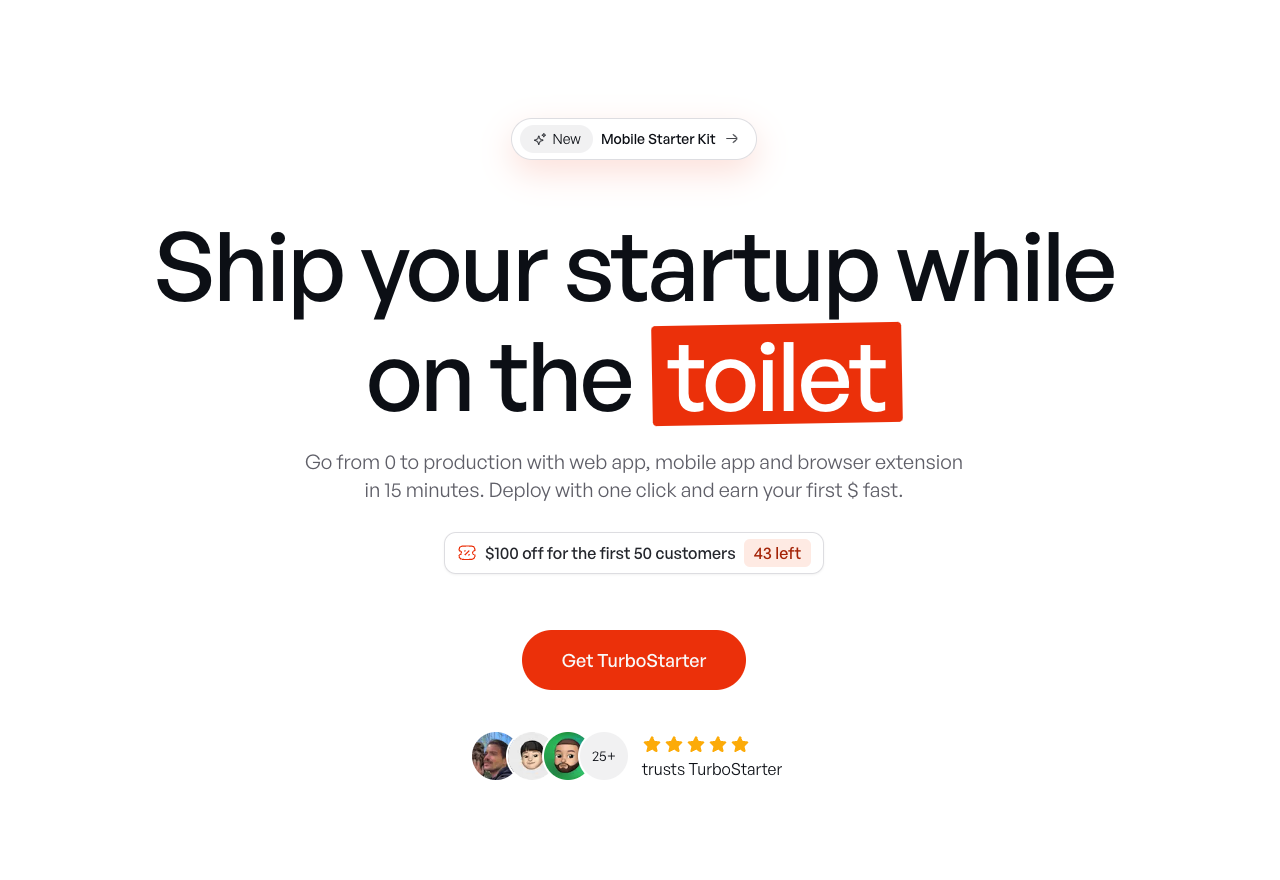
TurboStarter
Ship your startup everywhere. In minutes.
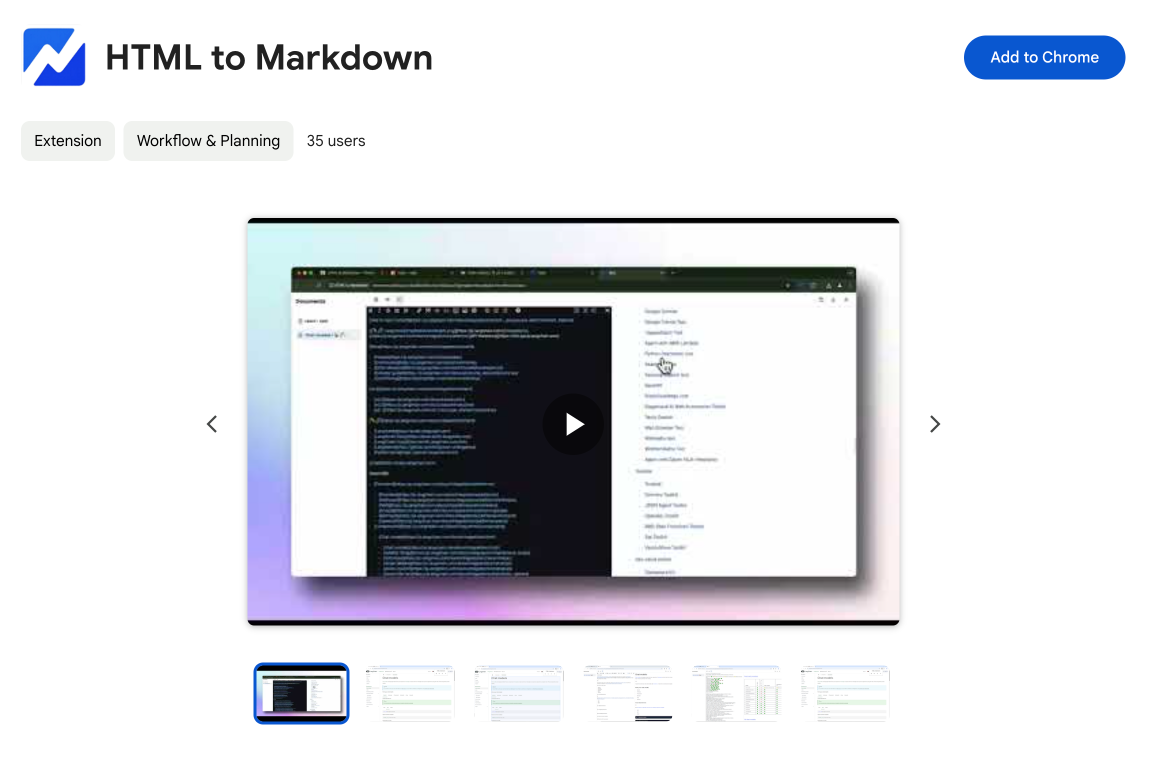
HTML to Markdown
Convert HTML to Markdown with ease, directly in your browser 📄
Dotallio
Personalized AI apps that automate research, data extraction, and content creation without code 🤖
Talk to Santa
Enjoy a magical live video chat or receive a unique AI-generated video greeting from Santa Claus 🎅
pozywka.pl
Scalable blog for food journalist, focused on performance and user experience 🌭
zagrodzki.me
Personal blog and portfolio of Bart Zagrodzki, where he shares his knowledge and work 💼
TurboStarter
Ship your startup everywhere. In minutes.
HTML to Markdown
Convert HTML to Markdown with ease, directly in your browser 📄
Dotallio
Personalized AI apps that automate research, data extraction, and content creation without code 🤖
Talk to Santa
Enjoy a magical live video chat or receive a unique AI-generated video greeting from Santa Claus 🎅
pozywka.pl
Scalable blog for food journalist, focused on performance and user experience 🌭
zagrodzki.me
Personal blog and portfolio of Bart Zagrodzki, where he shares his knowledge and work 💼
TurboStarter
Ship your startup everywhere. In minutes.
HTML to Markdown
Convert HTML to Markdown with ease, directly in your browser 📄
Dotallio
Personalized AI apps that automate research, data extraction, and content creation without code 🤖
Talk to Santa
Enjoy a magical live video chat or receive a unique AI-generated video greeting from Santa Claus 🎅
pozywka.pl
Scalable blog for food journalist, focused on performance and user experience 🌭
zagrodzki.me
Personal blog and portfolio of Bart Zagrodzki, where he shares his knowledge and work 💼
TurboStarter
Ship your startup everywhere. In minutes.
HTML to Markdown
Convert HTML to Markdown with ease, directly in your browser 📄
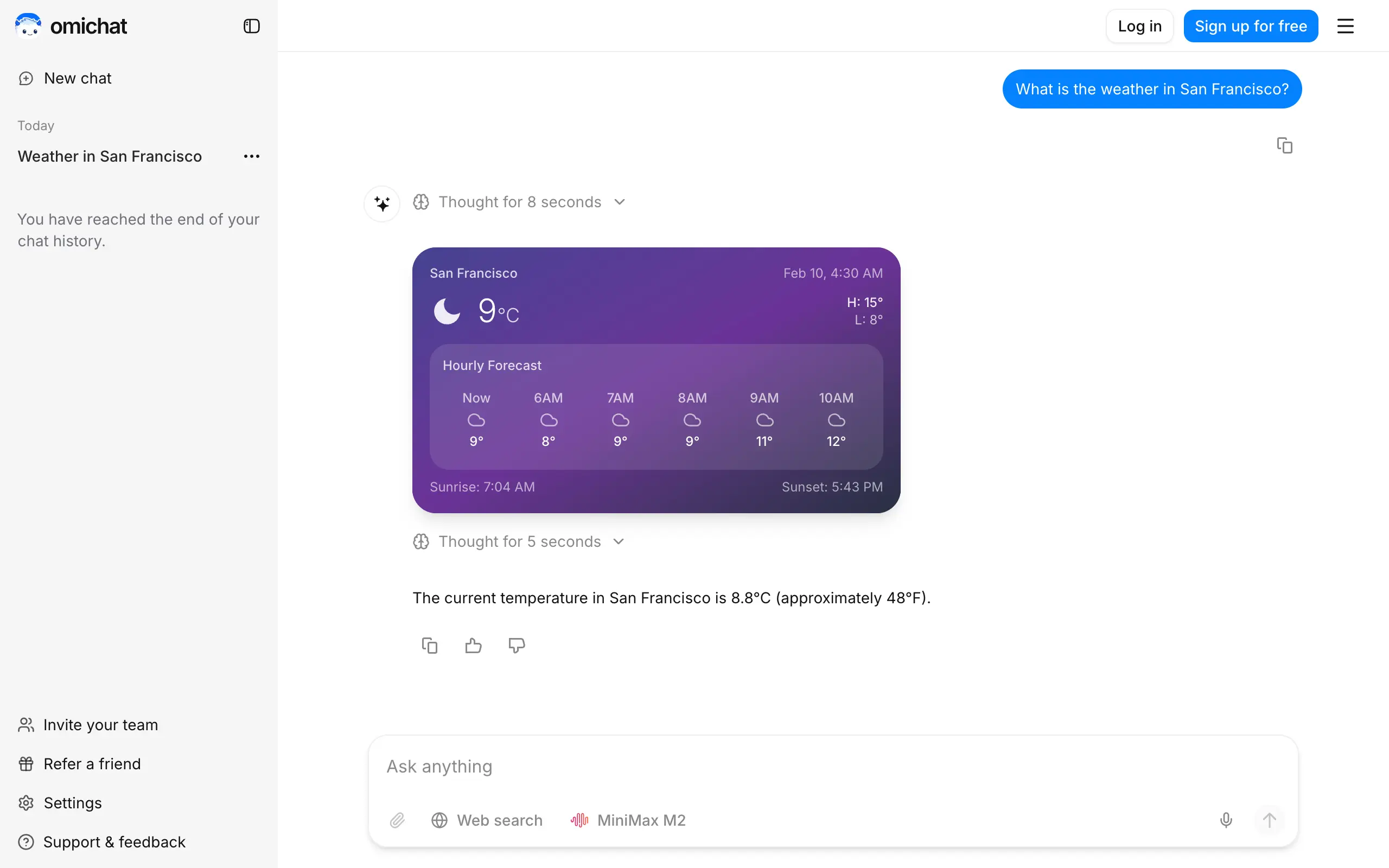
Omichat
Chat with 50+ AI models, including ChatGPT and Claude, in one place - switch models anytime without losing context 🤖
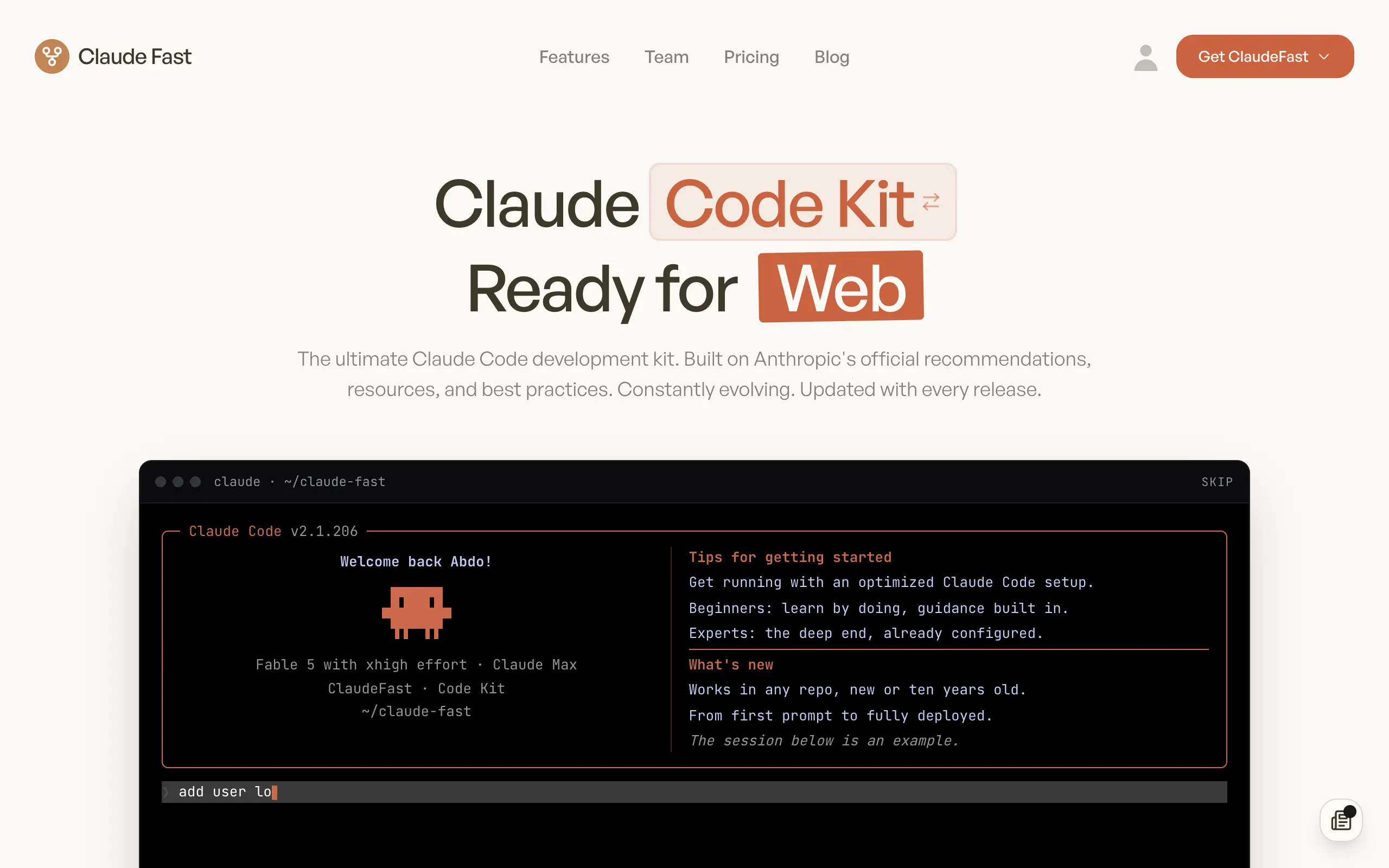
Claude Fast
Supercharge your Claude Code with 6x effective context window and specialized AI agents 🤖
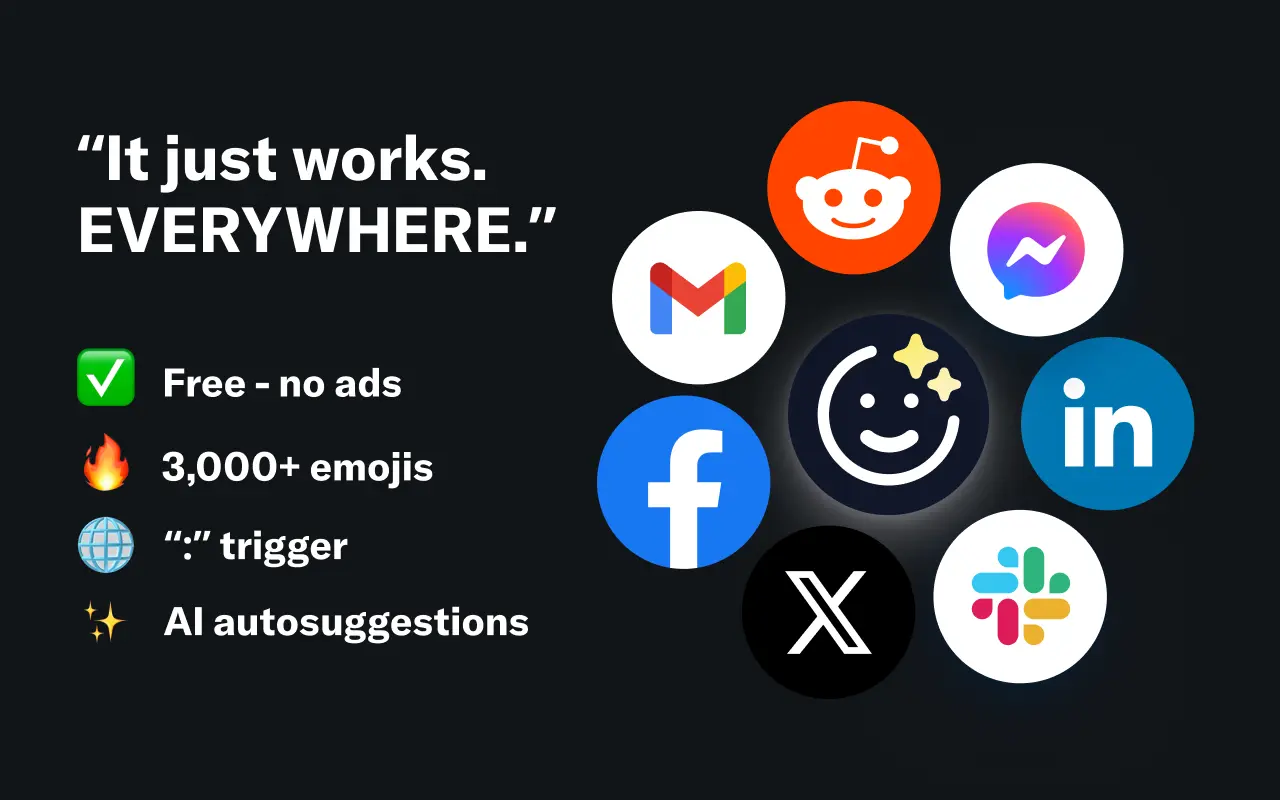
EmojAI
AI-powered emoji picker with smart, context-aware suggestions 🤖
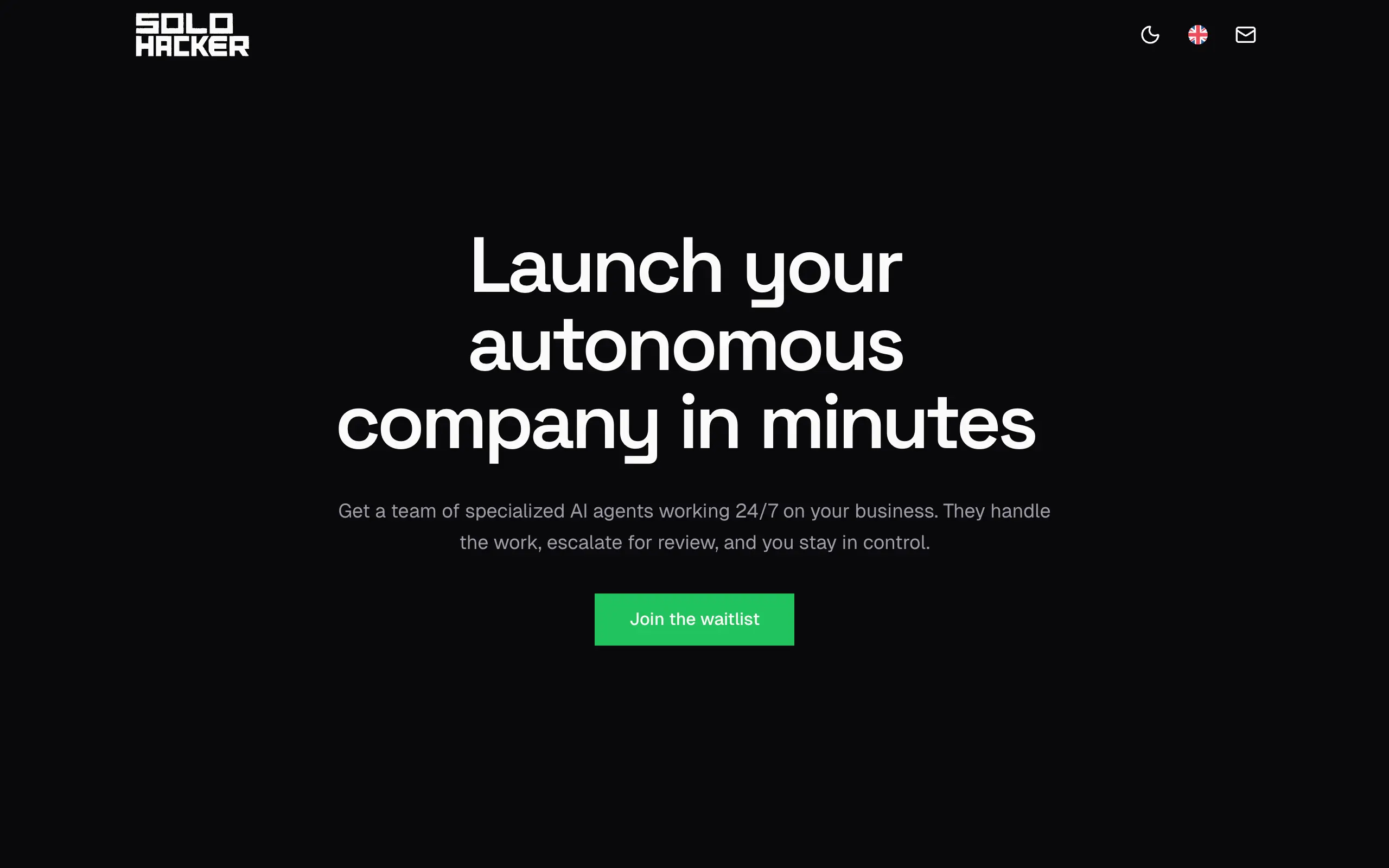
Solohacker
Autonomous company launcher - AI agents work 24/7, escalate what matters, and you stay in control 🤖
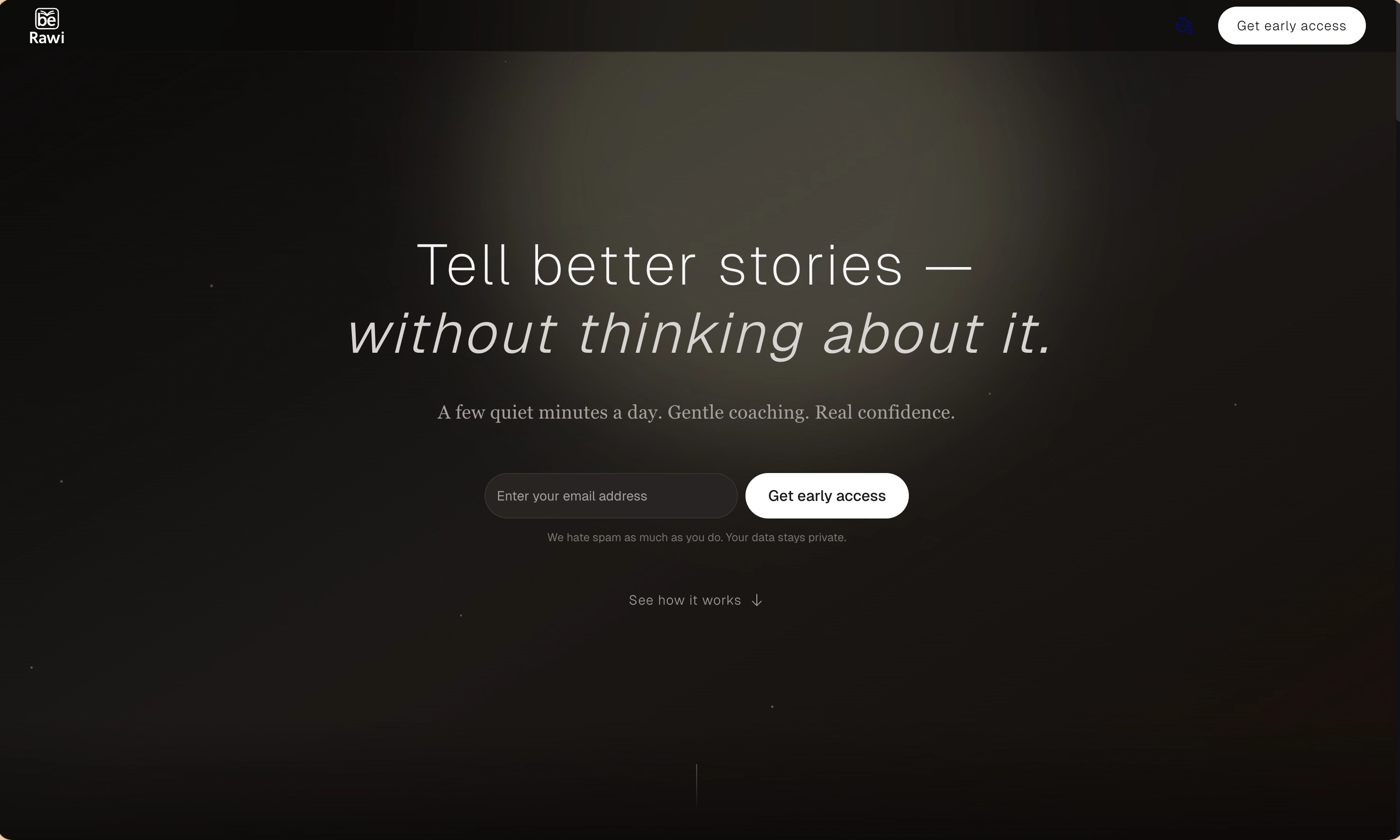
BeRawi: Storytelling Coach
Practice storytelling daily with instant feedback to sound clearer, more engaging, and confident 🎤
Omichat
Chat with 50+ AI models, including ChatGPT and Claude, in one place - switch models anytime without losing context 🤖
Claude Fast
Supercharge your Claude Code with 6x effective context window and specialized AI agents 🤖
EmojAI
AI-powered emoji picker with smart, context-aware suggestions 🤖
Solohacker
Autonomous company launcher - AI agents work 24/7, escalate what matters, and you stay in control 🤖
BeRawi: Storytelling Coach
Practice storytelling daily with instant feedback to sound clearer, more engaging, and confident 🎤
Omichat
Chat with 50+ AI models, including ChatGPT and Claude, in one place - switch models anytime without losing context 🤖
Claude Fast
Supercharge your Claude Code with 6x effective context window and specialized AI agents 🤖
EmojAI
AI-powered emoji picker with smart, context-aware suggestions 🤖
Solohacker
Autonomous company launcher - AI agents work 24/7, escalate what matters, and you stay in control 🤖
BeRawi: Storytelling Coach
Practice storytelling daily with instant feedback to sound clearer, more engaging, and confident 🎤
Omichat
Chat with 50+ AI models, including ChatGPT and Claude, in one place - switch models anytime without losing context 🤖
Claude Fast
Supercharge your Claude Code with 6x effective context window and specialized AI agents 🤖
EmojAI
AI-powered emoji picker with smart, context-aware suggestions 🤖
Solohacker
Autonomous company launcher - AI agents work 24/7, escalate what matters, and you stay in control 🤖
BeRawi: Storytelling Coach
Practice storytelling daily with instant feedback to sound clearer, more engaging, and confident 🎤

Connect with like-minded people
Join our community to get feedback, support, and grow together with 1,000+ builders on board, let's ship it!
Join usShip your startup everywhere. In minutes.
Don't burn tokens on setup and start building features on day one.