ShiftPulse
A daily workforce mood and shift feedback tool for cafes, gyms, and retail teams to reduce turnover and boost engagement among Gen Z employees.
The future of frontline team management is real-time and human-centered
Hourly and shift-based teams power industries like retail, hospitality, healthcare, logistics, and food service. Yet most management tools were built for desk workers—not Gen Z employees juggling shifts, side hustles, and dynamic schedules.
ShiftPulse is a lightweight team mood and workload tracker built specifically for Gen Z hourly teams. It gives managers real-time burnout alerts and shift insights—without invasive monitoring.
This article explores the full market opportunity behind ShiftPulse, its core features, technical architecture, monetization strategy, risks, and a step-by-step implementation roadmap for launching and scaling this B2B SaaS product.
Understanding the target audience: Gen Z hourly teams and frontline managers
Who ShiftPulse is built for
ShiftPulse serves two primary audiences:
-
Frontline employees (Gen Z-heavy workforce)
- Retail associates
- Restaurant staff
- Warehouse workers
- Hospitality staff
- Campus and gig workers
-
Operational managers
- Store managers
- Shift leads
- Operations directors
- HR for multi-location businesses
Why Gen Z changes everything
Gen Z (born 1997–2012) now makes up a significant share of hourly workers. Their expectations differ from previous generations:
- They expect transparency.
- They value mental health.
- They prefer quick, mobile-first communication.
- They reject surveillance-style management.
- They demand real-time feedback loops.
Traditional workforce management tools focus on:
- Scheduling
- Time tracking
- Payroll
- Task completion
What’s missing? Emotional and workload intelligence.
ShiftPulse fills this gap by tracking mood and perceived workload in a lightweight, opt-in, non-invasive way.
The problem: burnout, turnover, and blind spots in hourly teams
High turnover in hourly industries
Retail and hospitality consistently experience high turnover rates. Public HR research frequently cites annual turnover rates exceeding 60% in some service industries (refer to U.S. Bureau of Labor Statistics and industry HR reports for current data).
Turnover costs include:
- Recruitment expenses
- Onboarding time
- Training hours
- Productivity dips
- Manager burnout
Managers are flying blind
Shift-based managers typically rely on:
- Gut instinct
- Attendance patterns
- Performance metrics
- Informal conversations
But they lack:
- Early burnout signals
- Workload imbalance data
- Emotional trends over time
- Anonymous feedback during tough weeks
This creates a lagging system. By the time someone quits, it’s too late.
The market opportunity for team mood tracking SaaS
The workforce management software market is large and growing. However, most platforms focus on compliance and scheduling, not human signals.
The gap ShiftPulse addresses
| Existing tools | What they focus on | What they miss |
|---|---|---|
| Scheduling software | Shift planning | Emotional state |
| Time tracking tools | Attendance | Burnout signals |
| HRIS systems | Payroll, records | Daily morale |
| Engagement surveys | Quarterly sentiment | Real-time data |
ShiftPulse bridges the gap between HR engagement surveys and daily operations.
Why now is the right time
Several macro trends create opportunity:
- Increased awareness of workplace mental health
- Labor shortages in service industries
- Demand for better employee experience
- Gen Z’s rejection of micromanagement
- Rise of mobile-first workplace tools
This is not “nice-to-have.” It’s operational risk mitigation.
Core value proposition of ShiftPulse
ShiftPulse delivers:
Real-time mood and workload insights for hourly teams—without invasive monitoring.
Key differentiators
- No keystroke tracking
- No GPS surveillance
- No productivity spying
- Opt-in emotional check-ins
- Shift-based insights, not constant monitoring
This is human analytics, not surveillance tech.
Core features of ShiftPulse
1. 10-second mood check-ins
Before or after each shift, employees answer:
- How are you feeling today?
- How intense was your shift?
- Optional note (anonymous or attributed)
The UI must be:
- Mobile-first
- Emoji-driven
- One-tap responses
- No login friction
2. Real-time burnout alerts
ShiftPulse identifies patterns like:
- Consecutive high-stress shifts
- Declining mood trends
- High workload + low morale
- Team-wide stress spikes
Managers receive:
- Smart notifications
- Burnout risk scores
- Suggested actions
3. Workload heatmaps
ShiftPulse visualizes:
- Stress by day of week
- Shift time pressure
- Team sentiment trends
- Store/location comparisons
4. Anonymous feedback channel
Gen Z workers prefer psychological safety.
ShiftPulse includes:
- Anonymous check-in option
- Private “flag for manager” toggle
- Escalation routing if needed
5. Manager insight dashboard
Key metrics:
- Team morale index
- Burnout risk %
- Shift pressure score
- Retention risk signals
Employee experience
- 10-second daily check-in
- Anonymous toggle
- No productivity tracking
- No performance scoring
- Feedback loop transparency
Manager experience
- Dashboard summary
- Trend graphs
- Alert notifications
- Location comparison
- Exportable insights for HR
Competitive analysis: how ShiftPulse stands out
Let’s compare ShiftPulse with existing categories.
| Feature | ShiftPulse | Scheduling Tools | HRIS | Engagement Surveys |
|---|---|---|---|---|
| Real-time mood tracking | ✅ | ❌ | ❌ | ❌ |
| Burnout alerts | ✅ | ❌ | ❌ | ❌ |
| Non-invasive design | ✅ | ❌ | ✅ | ✅ |
| Shift-level analytics | ✅ | ✅ | ❌ | ❌ |
Unique selling proposition (USP)
ShiftPulse is:
- Built specifically for hourly Gen Z teams
- Lightweight and mobile-native
- Anti-surveillance by design
- Actionable in real time—not quarterly
Technical architecture and recommended tech stack
ShiftPulse must be:
- Mobile-first
- Scalable for multi-location teams
- Privacy-conscious
- Easy to integrate with scheduling tools
Frontend
- React for web dashboard
- Next.js for SSR and performance
- TailwindCSS for rapid UI
- PWA support for mobile check-ins
Trade-off:
- Native mobile apps provide better push notifications.
- PWA reduces development cost early on.
Backend
- Node.js (with Express or Next API routes)
- PostgreSQL for relational team data
- Redis for real-time alert processing
- WebSockets for instant updates
Analytics layer
- Event-driven architecture
- Burnout detection algorithm based on:
- Rolling averages
- Standard deviation changes
- Consecutive stress markers
Example pseudocode:
function calculateBurnoutRisk(shifts: ShiftData[]) {
  const recent = shifts.slice(-5);
  const stressAvg = average(recent.map(s => s.stressLevel));
  const moodTrend = trend(recent.map(s => s.moodScore));

  if (stressAvg > 7 && moodTrend < -1) {
    return "HIGH";
  }

  return "MODERATE";
}
Security considerations
- GDPR-ready data model
- Role-based access control
- Optional anonymization layer
- Data encryption at rest
Privacy is not a feature—it’s core positioning.
Monetization strategy for ShiftPulse
ShiftPulse is a B2B SaaS product.
Pricing model options
1. Per active employee per month
Example:
- $2–$4 per employee/month
- Minimum 20 employees
Pros:
- Scales with client size
- Predictable MRR
Cons:
- Requires strong retention
2. Per location pricing
Example:
- $79 per store/month
- Tiered by employee count
Pros:
- Easy budgeting for managers
Cons:
- Might limit expansion revenue
3. Hybrid model
Base fee + per employee add-on.
Expansion revenue opportunities
Once adopted, ShiftPulse can expand into:
- AI-powered scheduling recommendations
- Manager coaching insights
- HR reporting exports
- Integration marketplace
- Retention analytics module
Risks and mitigation strategies
Risk 1: Employees don’t participate
Mitigation:
- 10-second check-ins
- Gamification (team streaks)
- Transparent usage of data
Risk 2: Managers misuse data
Mitigation:
- Clear ethical use policy
- No individual ranking
- Focus on patterns, not punishment
Risk 3: Seen as “soft” tool
Mitigation:
- Tie mood to retention metrics
- Show correlation with performance outcomes
- Provide ROI calculator
Go-to-market strategy for ShiftPulse
Phase 1: Niche vertical focus
Target:
- Boutique retail chains (5–30 locations)
- Restaurant groups
- Franchise operators
Phase 2: Content-driven SEO
Rank for:
- “reduce retail employee burnout”
- “hourly team engagement tools”
- “burnout tracker for shift workers”
- “Gen Z employee engagement software”
Content marketing topics:
- How to reduce turnover in restaurants
- Burnout early warning signs in retail
- Gen Z workforce management strategies
Phase 3: Direct outbound
Target via LinkedIn:
- Operations managers
- Franchise owners
- HR leaders in hospitality
Implementation roadmap
Why ShiftPulse has long-term defensibility
- Behavioral data compounding over time
- Team-level benchmarking insights
- Integrations into scheduling workflows
- Strong ethical brand positioning
Most competitors will build surveillance tools.
ShiftPulse builds trust infrastructure.
Building ShiftPulse efficiently
To launch faster:
- Use proven SaaS boilerplates
- Implement authentication early
- Add analytics instrumentation from day one
- Prioritize dashboard UX
A production-ready SaaS starter like TurboStarter can accelerate:
- Auth setup
- Payment integration
- Admin dashboards
- Subscription management
This reduces time-to-market and lets you focus on core differentiators like burnout detection logic.
Future roadmap and innovation
AI enhancements
- Predictive churn modeling
- Shift pressure forecasting
- Smart staffing recommendations
Behavioral benchmarking
Anonymous cross-company benchmarks:
- “Your Saturday shift stress is 23% higher than industry average.”
Culture scorecards
Monthly team wellness index reports for executives.
Final thoughts: ShiftPulse as a new category
ShiftPulse is not just another workforce management tool.
It defines a new category:
Real-time emotional intelligence for hourly teams.
As labor markets evolve and Gen Z becomes the dominant workforce segment, managers need new tools—not more surveillance.
ShiftPulse offers:
- Actionable burnout alerts
- Human-centered design
- Trust-first data collection
- Operational insights without intrusion
This combination creates a strong B2B SaaS opportunity in a massive, underserved segment.
If built with care, ethical clarity, and sharp execution, ShiftPulse can become the default mood intelligence layer for shift-based organizations.
If you’re building ShiftPulse or validating a similar SaaS idea, focus on one thing:
Make managers better without making employees feel watched.
That’s the competitive moat.
More 🏢 B2B Application SaaS ideas
Discover more innovative b2b application SaaS ideas that are trending in 2026. Each idea is AI-generated with market validation and growth potential to help you find your next profitable venture faster than competitors.
Your competitors are building with TurboStarter
Below are some of the SaaS ideas that have been generated and built with our starter kit.
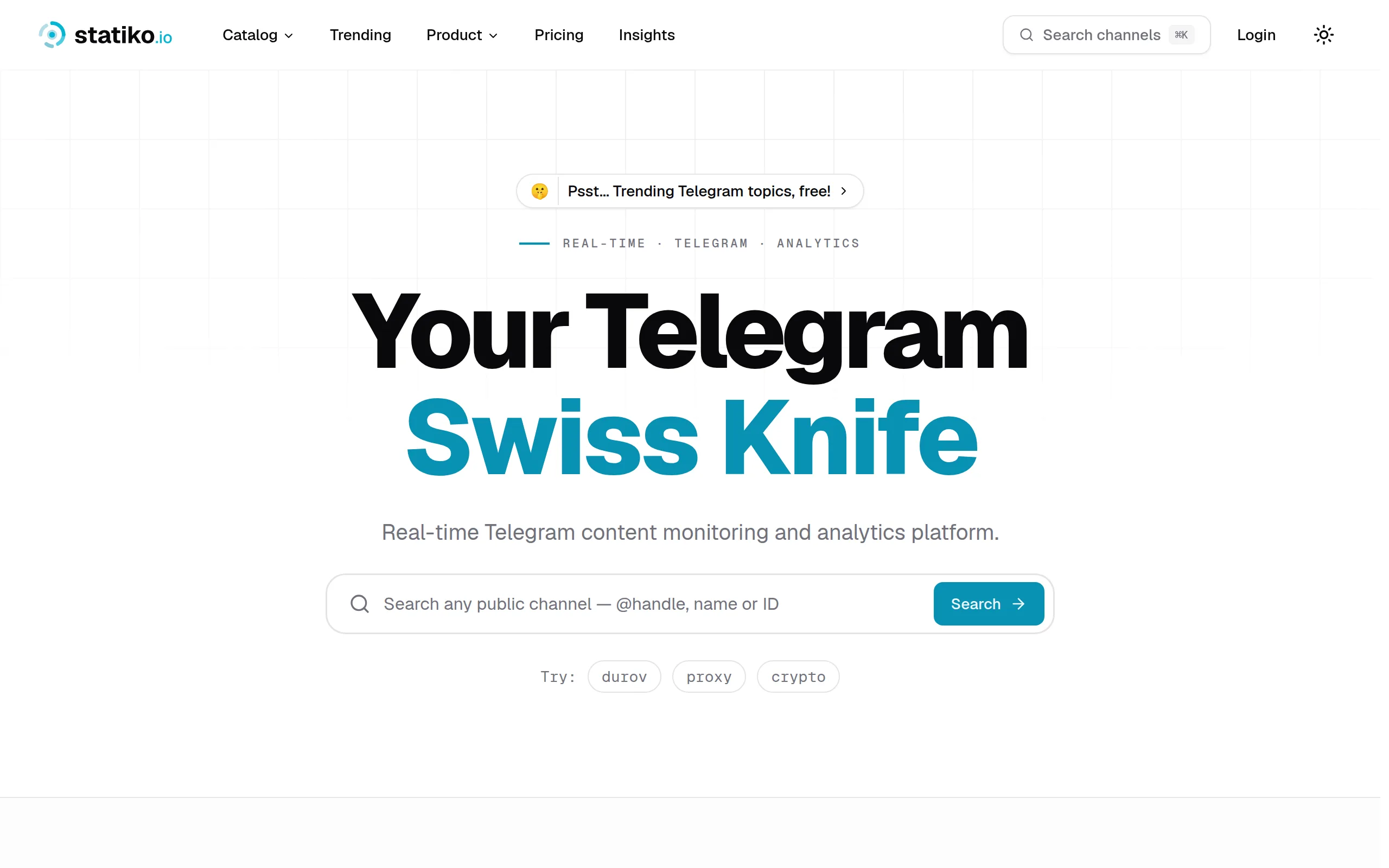
Statiko
Monitor any Telegram channel in real time - track posts, edits, deletions, and growth with AI recaps 📡

Shibui
AI website builder - describe your business, pick a niche template, edit by chatting, and publish instantly ✨

Pro Service
Find verified home service professionals, compare quotes, and pay securely through escrow - built for Brazilians across the US 🏠
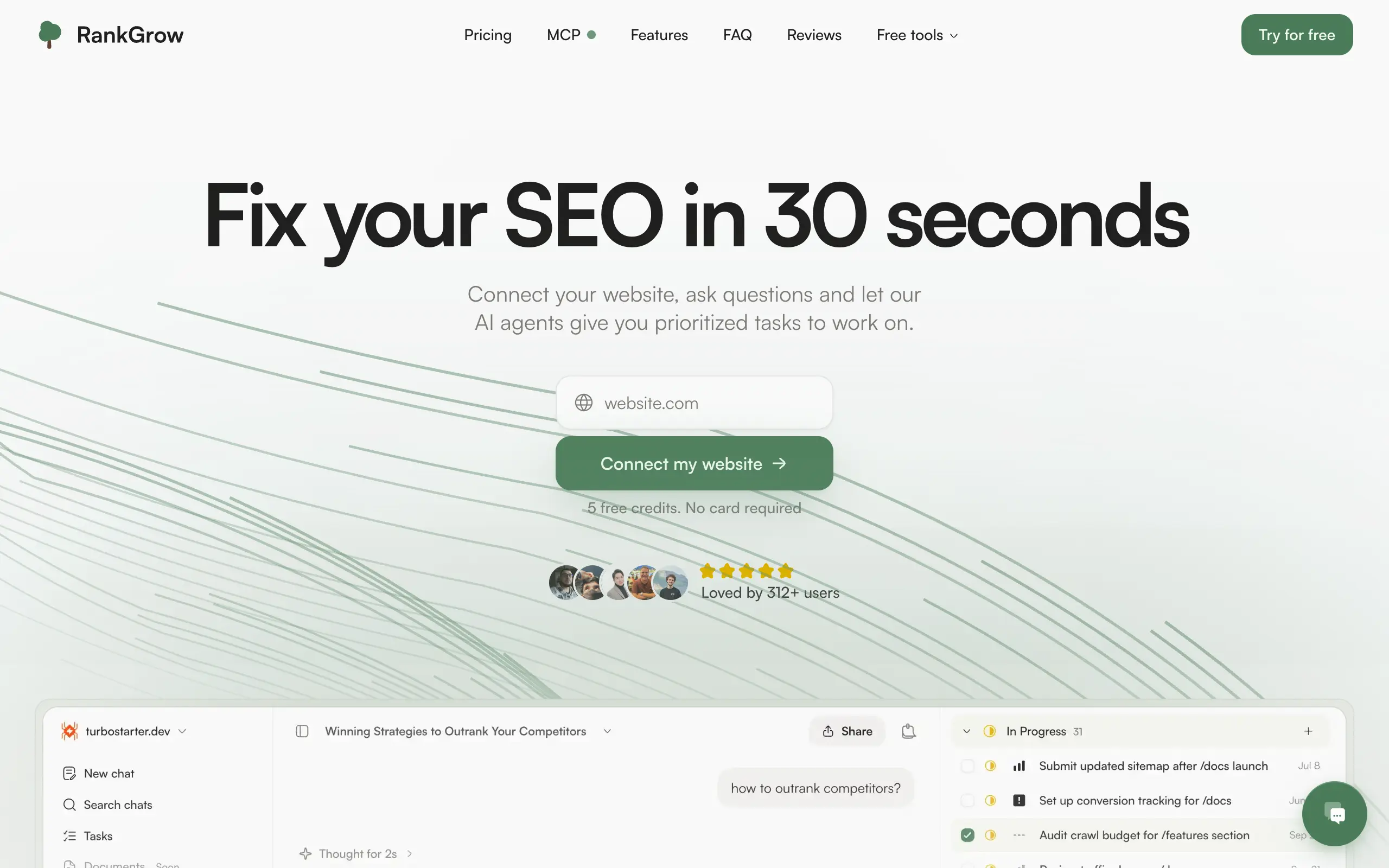
RankGrow
Fix your SEO with AI agents - connect Search Console, get prioritized tasks, and grow organic traffic 📈
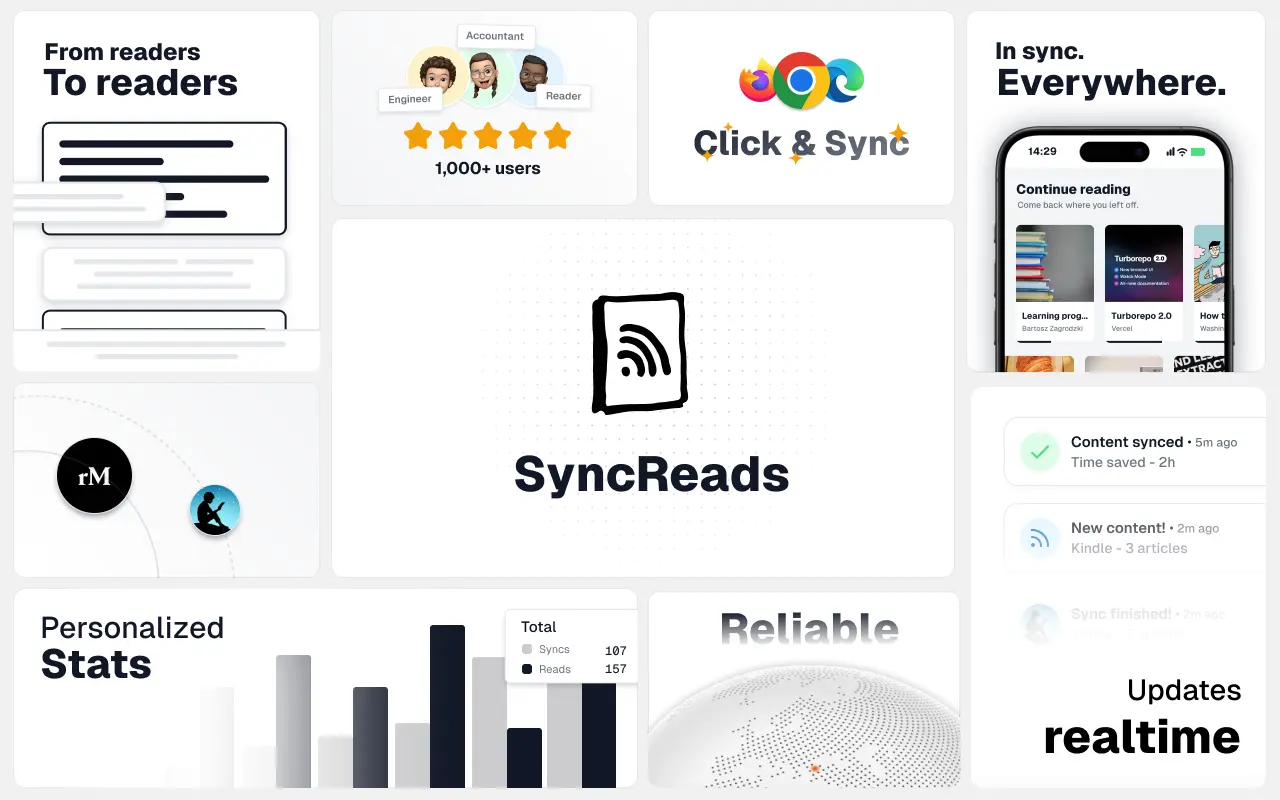
SyncReads
Sync your favorite content for distraction-free reading, save time and replace multiple apps. Anytime, anywhere 🔄
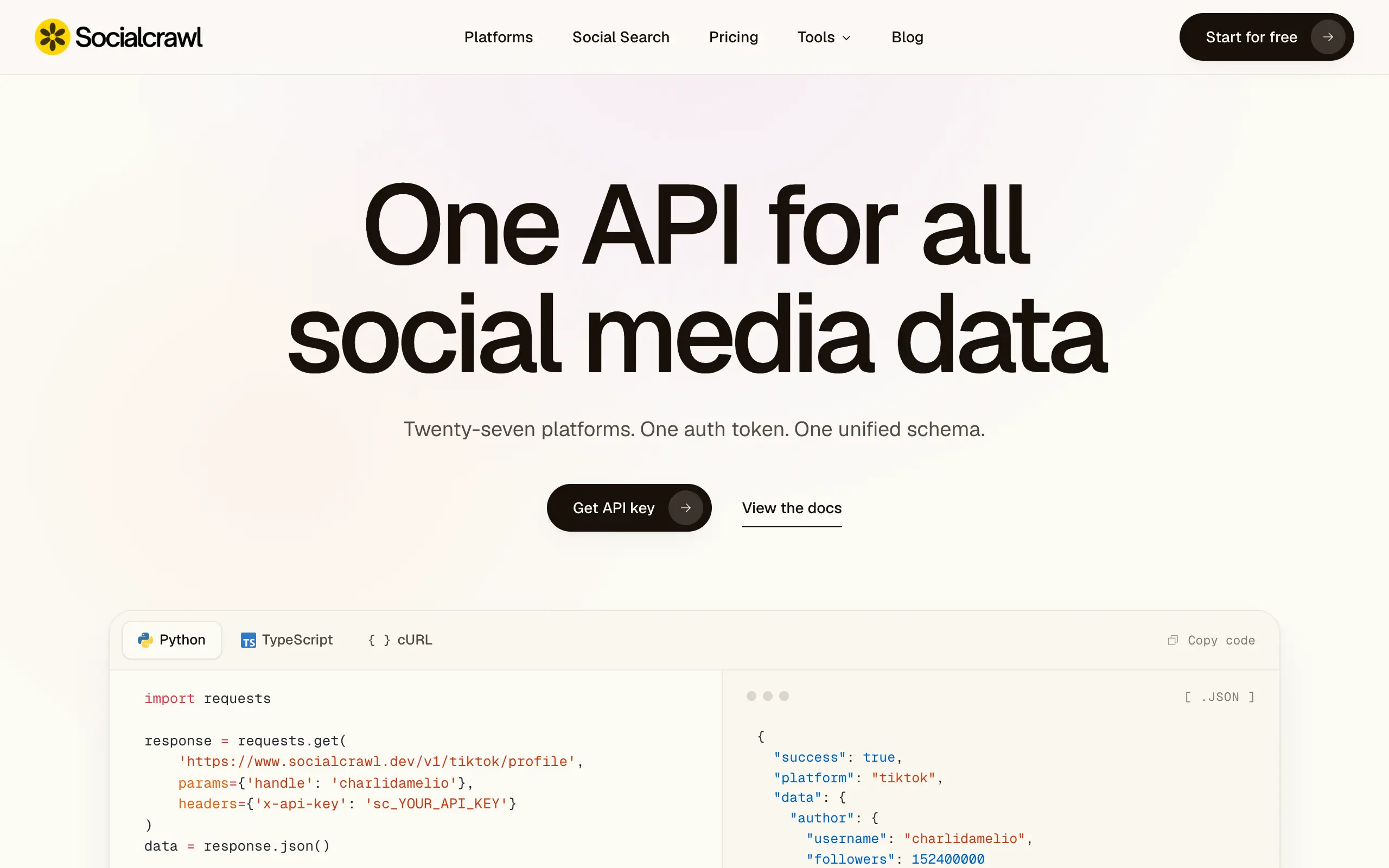
Socialcrawl
Get clean, structured data from 21 platforms like TikTok, Instagram, and YouTube with a single request 📊
Statiko
Monitor any Telegram channel in real time - track posts, edits, deletions, and growth with AI recaps 📡
Shibui
AI website builder - describe your business, pick a niche template, edit by chatting, and publish instantly ✨
Pro Service
Find verified home service professionals, compare quotes, and pay securely through escrow - built for Brazilians across the US 🏠
RankGrow
Fix your SEO with AI agents - connect Search Console, get prioritized tasks, and grow organic traffic 📈
SyncReads
Sync your favorite content for distraction-free reading, save time and replace multiple apps. Anytime, anywhere 🔄
Socialcrawl
Get clean, structured data from 21 platforms like TikTok, Instagram, and YouTube with a single request 📊
Statiko
Monitor any Telegram channel in real time - track posts, edits, deletions, and growth with AI recaps 📡
Shibui
AI website builder - describe your business, pick a niche template, edit by chatting, and publish instantly ✨
Pro Service
Find verified home service professionals, compare quotes, and pay securely through escrow - built for Brazilians across the US 🏠
RankGrow
Fix your SEO with AI agents - connect Search Console, get prioritized tasks, and grow organic traffic 📈
SyncReads
Sync your favorite content for distraction-free reading, save time and replace multiple apps. Anytime, anywhere 🔄
Socialcrawl
Get clean, structured data from 21 platforms like TikTok, Instagram, and YouTube with a single request 📊
Statiko
Monitor any Telegram channel in real time - track posts, edits, deletions, and growth with AI recaps 📡
Shibui
AI website builder - describe your business, pick a niche template, edit by chatting, and publish instantly ✨
Pro Service
Find verified home service professionals, compare quotes, and pay securely through escrow - built for Brazilians across the US 🏠
RankGrow
Fix your SEO with AI agents - connect Search Console, get prioritized tasks, and grow organic traffic 📈
SyncReads
Sync your favorite content for distraction-free reading, save time and replace multiple apps. Anytime, anywhere 🔄
Socialcrawl
Get clean, structured data from 21 platforms like TikTok, Instagram, and YouTube with a single request 📊
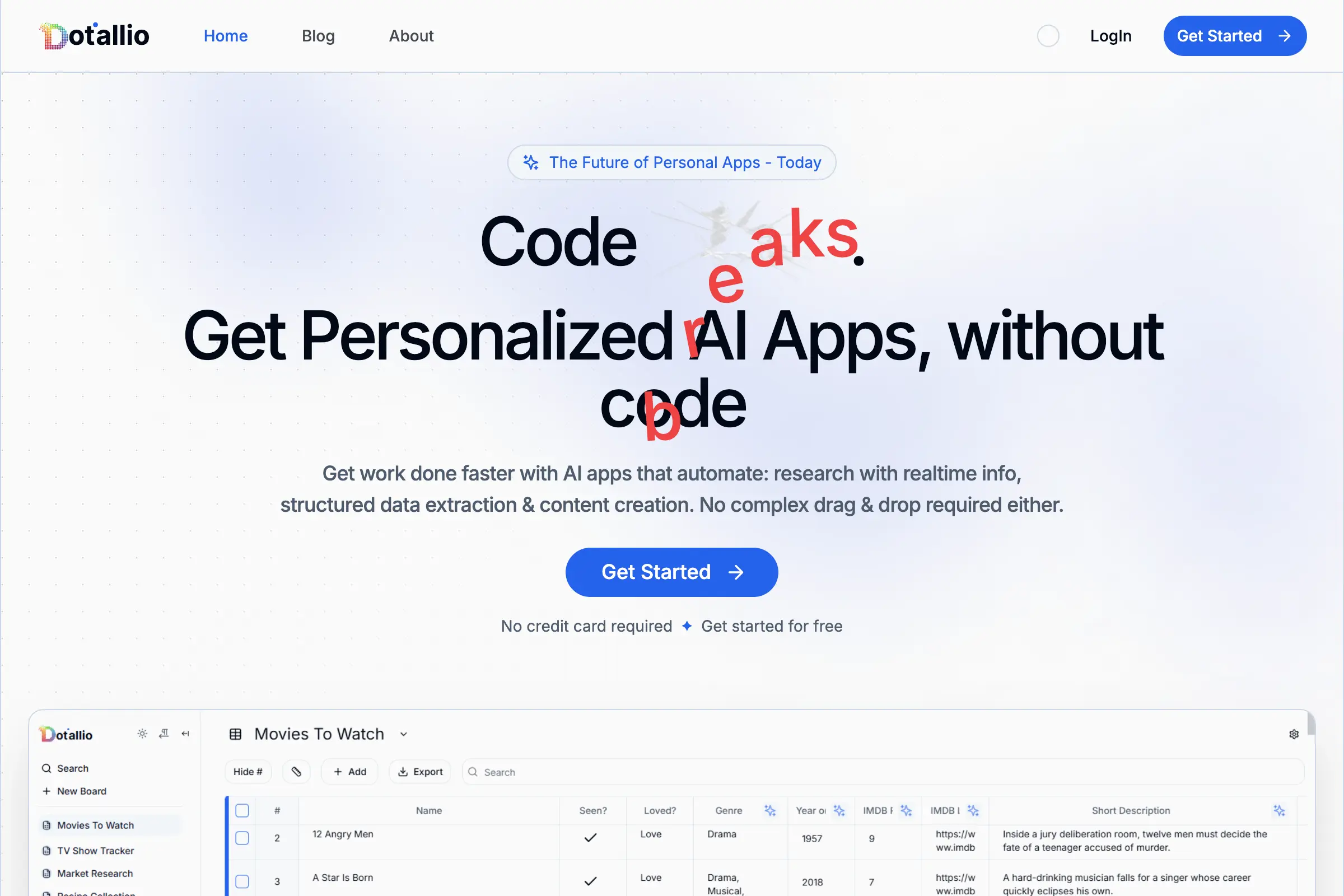
Dotallio
Personalized AI apps that automate research, data extraction, and content creation without code 🤖

Talk to Santa
Enjoy a magical live video chat or receive a unique AI-generated video greeting from Santa Claus 🎅
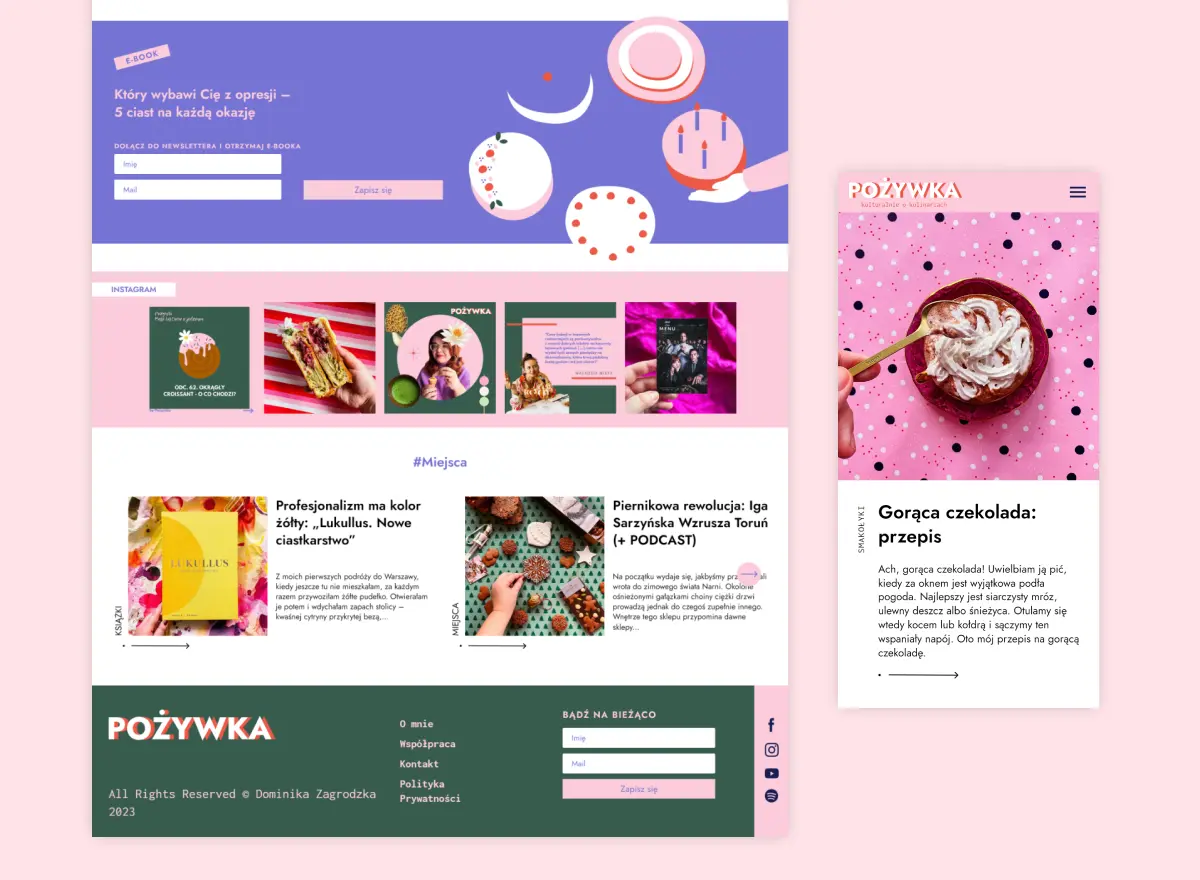
pozywka.pl
Scalable blog for food journalist, focused on performance and user experience 🌭
zagrodzki.me
Personal blog and portfolio of Bart Zagrodzki, where he shares his knowledge and work 💼
TurboStarter
Ship your startup everywhere. In minutes.
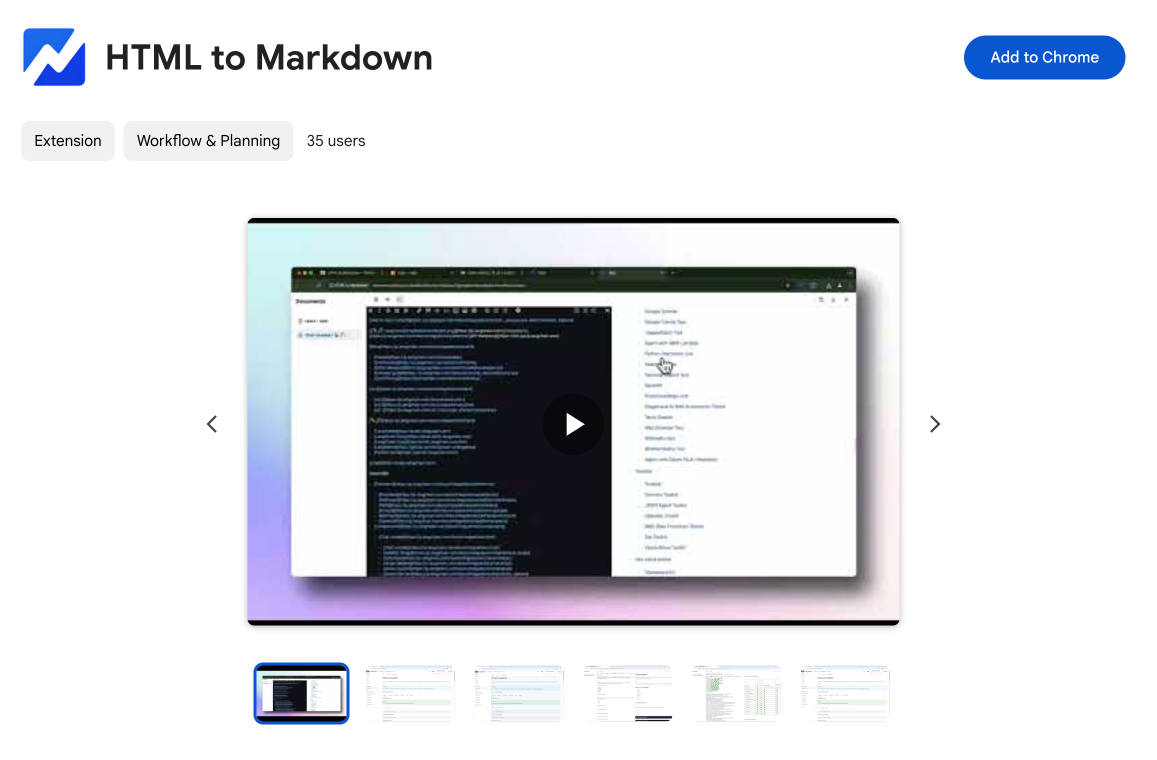
HTML to Markdown
Convert HTML to Markdown with ease, directly in your browser 📄
Dotallio
Personalized AI apps that automate research, data extraction, and content creation without code 🤖
Talk to Santa
Enjoy a magical live video chat or receive a unique AI-generated video greeting from Santa Claus 🎅
pozywka.pl
Scalable blog for food journalist, focused on performance and user experience 🌭
zagrodzki.me
Personal blog and portfolio of Bart Zagrodzki, where he shares his knowledge and work 💼
TurboStarter
Ship your startup everywhere. In minutes.
HTML to Markdown
Convert HTML to Markdown with ease, directly in your browser 📄
Dotallio
Personalized AI apps that automate research, data extraction, and content creation without code 🤖
Talk to Santa
Enjoy a magical live video chat or receive a unique AI-generated video greeting from Santa Claus 🎅
pozywka.pl
Scalable blog for food journalist, focused on performance and user experience 🌭
zagrodzki.me
Personal blog and portfolio of Bart Zagrodzki, where he shares his knowledge and work 💼
TurboStarter
Ship your startup everywhere. In minutes.
HTML to Markdown
Convert HTML to Markdown with ease, directly in your browser 📄
Dotallio
Personalized AI apps that automate research, data extraction, and content creation without code 🤖
Talk to Santa
Enjoy a magical live video chat or receive a unique AI-generated video greeting from Santa Claus 🎅
pozywka.pl
Scalable blog for food journalist, focused on performance and user experience 🌭
zagrodzki.me
Personal blog and portfolio of Bart Zagrodzki, where he shares his knowledge and work 💼
TurboStarter
Ship your startup everywhere. In minutes.
HTML to Markdown
Convert HTML to Markdown with ease, directly in your browser 📄
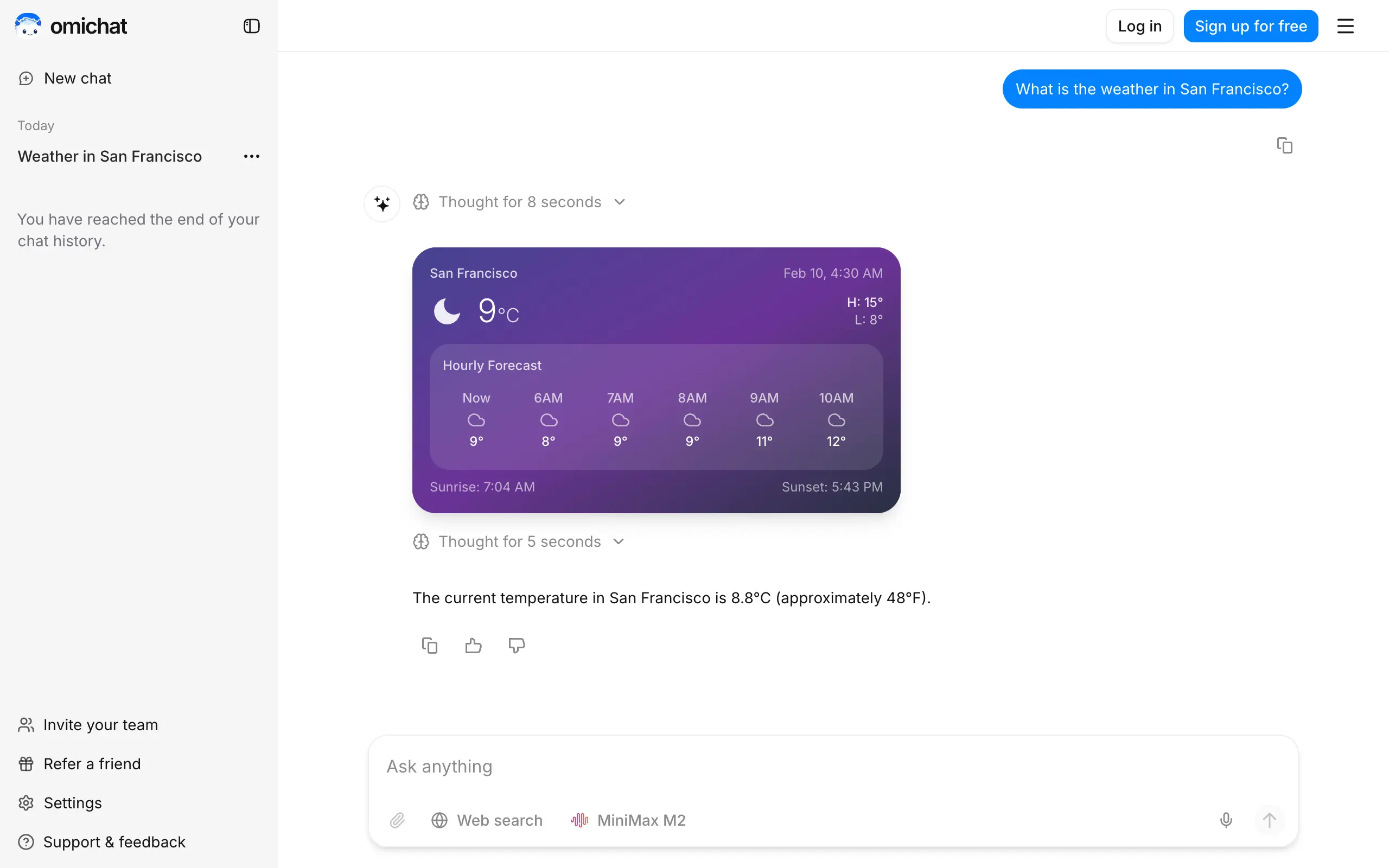
Omichat
Chat with 50+ AI models, including ChatGPT and Claude, in one place - switch models anytime without losing context 🤖
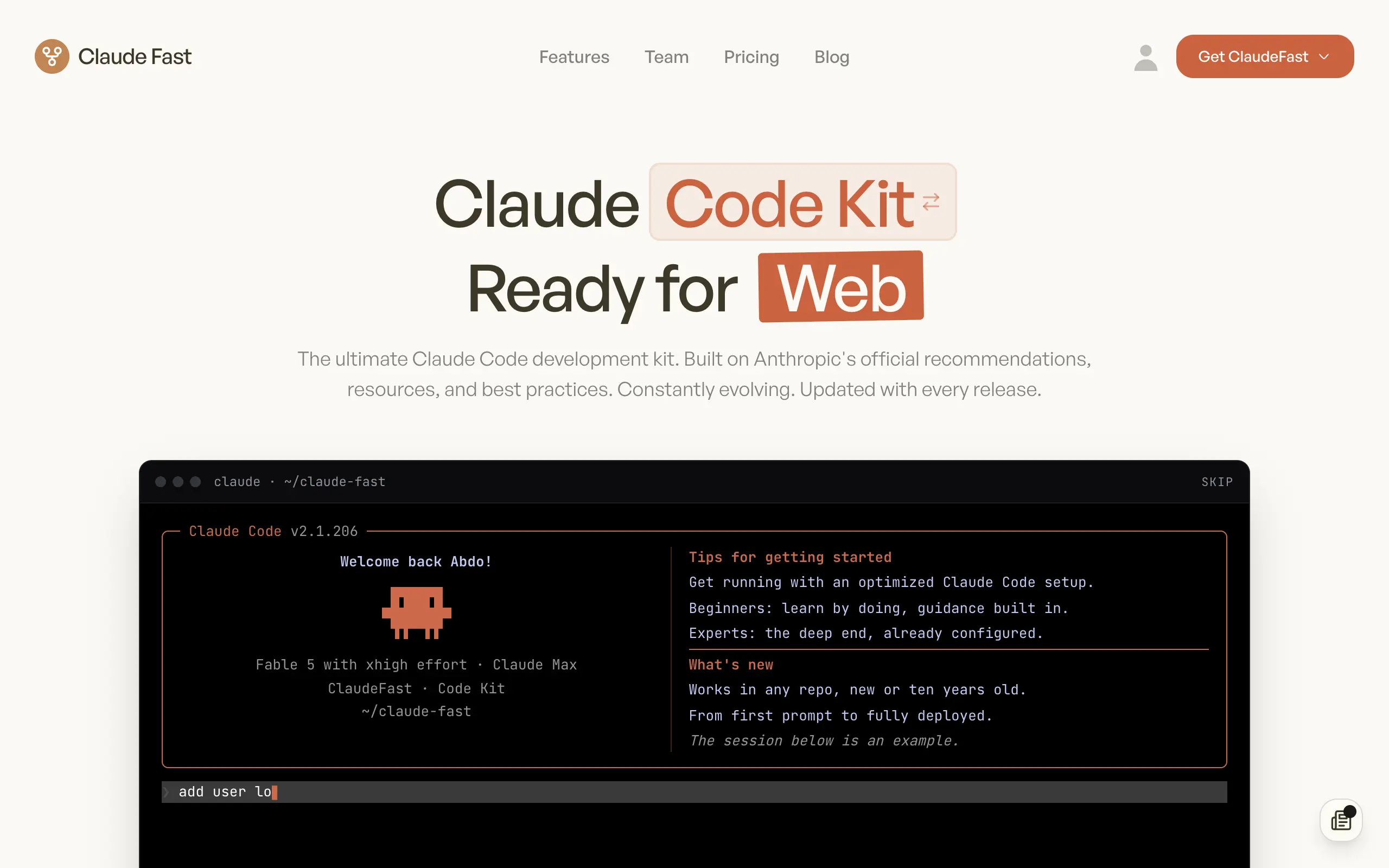
Claude Fast
Supercharge your Claude Code with 6x effective context window and specialized AI agents 🤖
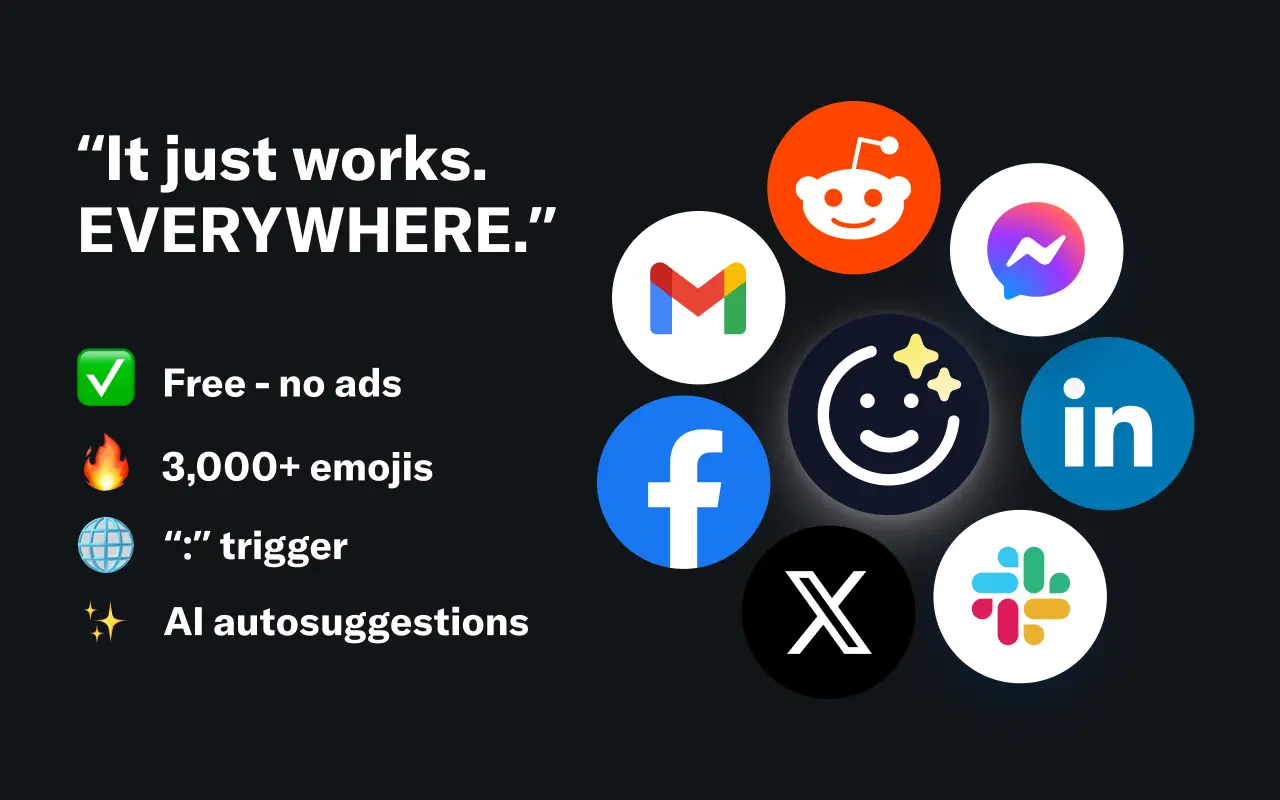
EmojAI
AI-powered emoji picker with smart, context-aware suggestions 🤖
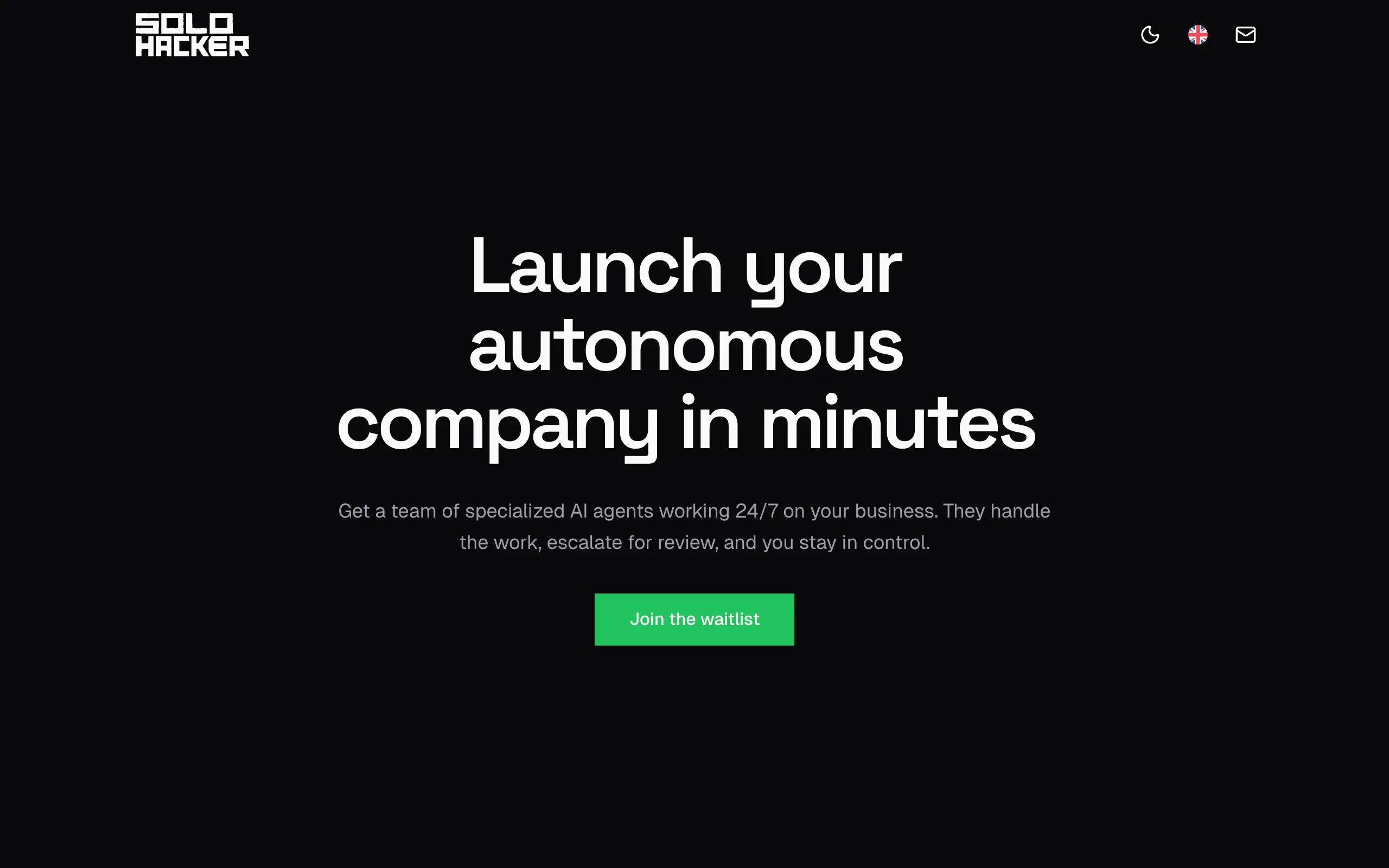
Solohacker
Autonomous company launcher - AI agents work 24/7, escalate what matters, and you stay in control 🤖
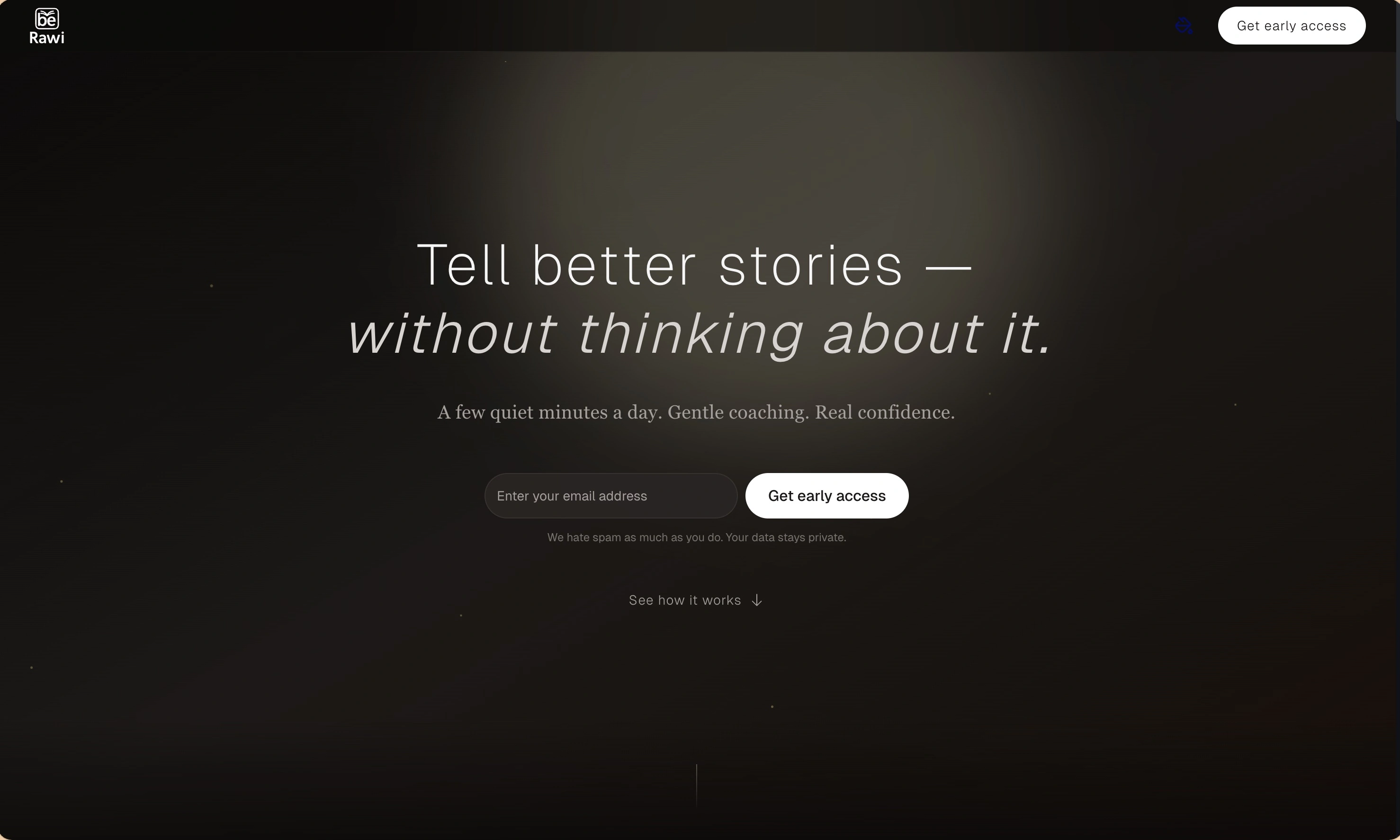
BeRawi: Storytelling Coach
Practice storytelling daily with instant feedback to sound clearer, more engaging, and confident 🎤
Omichat
Chat with 50+ AI models, including ChatGPT and Claude, in one place - switch models anytime without losing context 🤖
Claude Fast
Supercharge your Claude Code with 6x effective context window and specialized AI agents 🤖
EmojAI
AI-powered emoji picker with smart, context-aware suggestions 🤖
Solohacker
Autonomous company launcher - AI agents work 24/7, escalate what matters, and you stay in control 🤖
BeRawi: Storytelling Coach
Practice storytelling daily with instant feedback to sound clearer, more engaging, and confident 🎤
Omichat
Chat with 50+ AI models, including ChatGPT and Claude, in one place - switch models anytime without losing context 🤖
Claude Fast
Supercharge your Claude Code with 6x effective context window and specialized AI agents 🤖
EmojAI
AI-powered emoji picker with smart, context-aware suggestions 🤖
Solohacker
Autonomous company launcher - AI agents work 24/7, escalate what matters, and you stay in control 🤖
BeRawi: Storytelling Coach
Practice storytelling daily with instant feedback to sound clearer, more engaging, and confident 🎤
Omichat
Chat with 50+ AI models, including ChatGPT and Claude, in one place - switch models anytime without losing context 🤖
Claude Fast
Supercharge your Claude Code with 6x effective context window and specialized AI agents 🤖
EmojAI
AI-powered emoji picker with smart, context-aware suggestions 🤖
Solohacker
Autonomous company launcher - AI agents work 24/7, escalate what matters, and you stay in control 🤖
BeRawi: Storytelling Coach
Practice storytelling daily with instant feedback to sound clearer, more engaging, and confident 🎤

Connect with like-minded people
Join our community to get feedback, support, and grow together with 1,000+ builders on board, let's ship it!
Join usShip your startup everywhere. In minutes.
Don't burn tokens on setup and start building features on day one.