SignalScribe
Turn marketer journals, campaign notes, and customer calls into searchable insights, tested hypotheses, and weekly strategy briefs.
SignalScribe as a marketing insights software opportunity
Modern marketing teams create an enormous volume of unstructured knowledge every week. Campaign retrospectives live in scattered documents. Customer interview recordings sit inside call platforms. Sales call notes reveal objections that never reach the demand generation team. Product marketing research is stored in folders that nobody revisits. The result is familiar: teams repeat experiments, forget why decisions were made, and produce strategy reports based on partial memory rather than accumulated evidence.
SignalScribe is a B2B marketing insights software platform designed to turn marketer journals, campaign notes, customer calls, and research artifacts into searchable insights, tested hypotheses, and concise weekly strategy briefs.
The core opportunity is not simply “AI note-taking for marketers.” It is building a durable marketing intelligence system that helps teams connect qualitative evidence with campaign performance, learn faster, and make better strategic decisions. SignalScribe should become the place where marketing knowledge compounds instead of disappearing into meeting notes and disconnected SaaS tools.
For teams evaluating this idea, the strongest search intent is practical. They want to understand whether a marketing knowledge management product has a real market gap, what features matter most, how it can differentiate from meeting transcription tools, and how to build an initial product without overbuilding.
The central product thesis
SignalScribe should not position itself as another transcript repository. Its value comes from converting scattered observations into attributable insights, prioritized hypotheses, and action-ready weekly marketing briefs.
The problem SignalScribe solves for marketing teams
Most marketing organizations have plenty of data but limited institutional memory. Dashboards explain what happened numerically, such as declining conversion rates or rising paid acquisition costs. They rarely explain why those changes occurred, what customers said in response, which messages failed, or which assumptions should be tested next.
That missing context creates several expensive operational problems.
-
Repeated research work happens when a new team member interviews the same customer segment or reruns a previously unsuccessful message test without knowing the history.
-
Fragmented campaign learning occurs when paid media findings, lifecycle email observations, website feedback, and sales objections are stored in separate systems.
-
Weak handoffs appear when agency partners, contractors, sales teams, customer success teams, and in-house marketers interpret customer feedback differently.
-
Retrospectives lose value because teams document lessons after a campaign but do not retrieve those lessons when planning the next one.
-
Strategy reporting becomes manual when a marketing leader must read campaign notes, meeting summaries, CRM snippets, and analytics dashboards before producing an executive update.
-
Generative AI outputs lack grounding when teams ask an AI assistant for campaign ideas without supplying verified internal evidence and historical context.
SignalScribe addresses this by creating a workflow that starts with raw information and ends with an operational decision. A marketer can capture a campaign observation, upload interview notes, connect a call recording, tag a competitor mention, link performance context, and then turn that evidence into a hypothesis with a measurable outcome.
The outcome is a living evidence base for marketing.
Target audience for marketing insights software
SignalScribe should initially focus on teams that already feel the pain of fragmented knowledge and can justify a recurring SaaS subscription. The ideal early customer is not necessarily the largest enterprise. It is a marketing team with enough activity to generate insight overload but enough agility to adopt a new operating system.
Primary audience: B2B SaaS marketing teams
The best initial segment is likely B2B SaaS companies with roughly 20 to 250 employees and a growing go-to-market function. These organizations commonly run several acquisition channels, conduct customer interviews, rely on sales feedback, and need to show measurable learning to founders or executives.
Typical users include:
-
Growth marketers managing paid acquisition, landing page experiments, and funnel reporting
-
Product marketers collecting positioning research, win and loss notes, and competitor intelligence
-
Demand generation leads coordinating campaigns across content, paid media, webinars, and outbound teams
-
Marketing leaders who need reliable weekly strategy briefs for executive stakeholders
-
Revenue operations or customer insight specialists who bridge CRM data, sales conversations, and campaign planning
These teams may use tools such as Notion, Google Docs, Slack, HubSpot, Gong, Zoom, and spreadsheets. None of those tools, by themselves, provides a structured loop from evidence to hypothesis to result.
Secondary audience: marketing agencies and consultancies
Agencies are a promising second segment because they must retain context across clients, campaigns, channels, and account teams. A strategy lead can use SignalScribe to make client insights searchable while creating defensible weekly reports and experiment backlogs.
For agencies, the product must support workspace separation, granular access permissions, client-ready exports, and a clear audit trail. An agency buyer will care less about a beautiful journal and more about reducing account management overhead while improving strategic quality.
Tertiary audience: mature in-house marketing organizations
Larger organizations can become high-value customers once the product has enterprise foundations. They often have more information silos, more stakeholders, and more governance requirements. However, longer procurement cycles, complex integrations, security reviews, and custom workflow expectations make this segment difficult for an initial launch.
A sensible expansion sequence is:
Market gap: from note-taking to evidence-backed marketing intelligence
The market already contains capable tools for note-taking, transcription, conversation intelligence, project management, customer feedback, and web analytics. SignalScribe must be precise about where it fits.
The gap is the workflow between collecting observations and deciding what to do next.
A meeting transcription platform can capture words spoken in a call. A digital workspace can store notes. A product analytics tool can show user behavior. A CRM can capture opportunity data. Yet marketing teams still manually synthesize those inputs into conclusions. The work is slow, inconsistent, and highly dependent on the memory of a few experienced people.
SignalScribe can occupy a differentiated category: AI-powered marketing intelligence and hypothesis management.
Its defensible value is a structured learning loop:
- Capture source material from notes, calls, research, and campaign retrospectives.
- Extract themes, claims, pain points, objections, competitors, and message language.
- Connect evidence to a specific audience, funnel stage, channel, campaign, or product area.
- Produce a testable hypothesis rather than a generic recommendation.
- Track the experiment and record the outcome.
- Feed confirmed and disproven learnings into future strategy briefs.
This design makes the product more useful than a generic AI workspace and more strategically valuable than a transcription tool.
Why the timing is right
AI adoption has made summarization inexpensive, but summarization alone is no longer a meaningful differentiator. Teams increasingly need trustworthy AI systems that show their sources, preserve context, and help humans make accountable decisions.
Several current trends support the SignalScribe opportunity:
-
Marketing teams are under pressure to demonstrate efficiency and revenue contribution rather than only activity volume.
-
First-party customer research is becoming more valuable as paid acquisition becomes less predictable and privacy changes reduce easy targeting options.
-
Generative AI has increased content production, which makes differentiated customer understanding more important.
-
Leaner teams need workflows that turn scattered knowledge into decisions without adding a full-time research operations role.
-
Leadership teams expect faster strategic reporting, especially during changing market conditions.
When publishing market-size claims or AI adoption statistics, cite current reports from authoritative sources such as Gartner, McKinsey, Forrester, HubSpot, or official platform research. Avoid unsupported market numbers on the product website. Credibility matters more than an inflated total addressable market figure.
SignalScribe’s unique selling proposition
SignalScribe’s USP should be straightforward:
SignalScribe turns qualitative marketing evidence into searchable, testable, and reusable growth decisions.
This positioning is stronger than “AI notes for marketers” because it communicates a business outcome. The platform does not merely store information. It helps teams establish a repeatable operating rhythm for learning.
A concise positioning statement could be:
Capture what customers and campaigns are telling you, validate the signal, and turn it into the next best marketing test.
The product should emphasize three forms of value.
Recover hidden customer signals
Make customer language, objections, competitor mentions, and campaign observations easy to find across every source.
Turn insights into tested hypotheses
Convert evidence into an owner, expected outcome, test design, and result instead of letting ideas disappear in a backlog.
Create strategy briefs automatically
Give marketing leaders a source-linked weekly summary of what changed, what was learned, and what should happen next.
Core features for an MVP marketing intelligence platform
The MVP should focus on proving that teams will repeatedly bring unstructured marketing knowledge into SignalScribe and rely on it during planning. Avoid trying to replace every existing analytics, CRM, research, or work management tool.
Unified insight inbox
The first product experience should be an insight inbox that accepts several types of input:
-
Manually written marketer journal entries
-
Campaign retrospectives and launch notes
-
Customer interview transcripts and summaries
-
Sales call transcripts where permission and data policy allow ingestion
-
Competitor observations and market news notes
-
Imported documents from workspace tools
-
Voice notes or quick mobile captures for post-call reflections
Every item should retain metadata including author, workspace, source, creation date, audience segment, funnel stage, campaign, channel, and confidence level. Metadata is not glamorous, but it enables useful retrieval later.
The product should make capture faster than opening a long document. A marketer leaving a customer call needs to save a finding in under a minute.
AI-assisted signal extraction
Once content enters the workspace, SignalScribe can use AI to identify likely themes and entities. Useful extraction categories include:
-
Customer pain points
-
Desired outcomes
-
Exact customer language
-
Competitor names
-
Objections and purchasing barriers
-
Jobs to be done
-
Feature requests relevant to positioning
-
Funnel friction points
-
Channel-specific performance observations
-
Potential messaging angles
The interface must show the source passage behind every extracted insight. This source traceability is crucial for trust. Users should be able to see whether an AI-generated conclusion came from one call, five interviews, or a campaign retrospective.
A good rule is that no insight should become a high-confidence recommendation without visible supporting evidence.
Semantic search and filtered retrieval
Search is a core reason customers will keep using SignalScribe. Keyword search is necessary, but semantic search makes the repository genuinely valuable.
A marketer should be able to ask questions such as:
-
“What objections did mid-market prospects mention about implementation time this quarter?”
-
“Which messaging themes have appeared in lost deals and customer interviews?”
-
“What have we learned about pricing sensitivity among startup founders?”
-
“Show validated ideas for improving webinar registration conversion.”
The search system should support filters for time period, source type, segment, campaign, product line, confidence level, and experiment status. Results should prioritize both semantic relevance and evidence strength.
Evidence-backed hypothesis builder
This feature is the strategic center of SignalScribe. A hypothesis is not just an idea. It is a claim that can be tested against a defined audience and expected result.
A hypothesis object should contain:
-
A concise hypothesis statement
-
Linked evidence and source excerpts
-
Target audience or segment
-
Relevant campaign, funnel stage, or channel
-
Expected outcome
-
Success metric
-
Test owner
-
Priority score
-
Experiment status
-
Final result and learning
For example:
const hypothesis = {
  statement: "Using implementation-time proof in paid landing page copy will improve demo conversion for mid-market prospects.",
  evidence: [
    "Eight discovery calls mentioned concern about onboarding duration.",
    "Three closed-won customers cited fast implementation as a decision factor."
  ],
  metric: "Demo conversion rate",
  expectedLift: "15%",
  status: "Ready to test"
};
The actual product does not need to expose raw code, but this structure clarifies why hypothesis management can become a durable data model rather than a collection of AI summaries.
Weekly strategy brief generator
The weekly brief should be one of the most visible recurring value moments. It should pull together:
-
New customer signals and recurring themes
-
Campaign learnings and performance observations
-
Newly created and validated hypotheses
-
Experiments completed during the week
-
Emerging risks or contradictory evidence
-
Recommended priorities for the following week
The brief must be editable. Marketing leaders do not want AI to silently create strategy; they want AI to reduce synthesis time while preserving editorial control.
A polished brief can be shared internally, exported for leadership review, or sent to a collaboration channel. Each recommendation should link back to the supporting evidence inside SignalScribe.
Insight confidence and contradiction detection
Not every signal deserves equal treatment. A single loud customer complaint should not automatically reshape positioning. SignalScribe should help users distinguish anecdote from a pattern.
A simple confidence model can use:
-
Number of distinct sources
-
Source recency
-
Source quality
-
Segment relevance
-
Strength of supporting language
-
Whether counterexamples exist
-
Whether an associated experiment confirmed the claim
The product should also surface contradictions. For example, one segment may care deeply about speed while another values customization. This is not a problem to hide. It is a segmentation insight that can lead to better campaign targeting.
An insight is more trustworthy when it is supported by multiple independent sources, has a clear audience context, includes direct evidence, and has been tested through an experiment or observed outcome. SignalScribe should make those criteria visible rather than treating all AI summaries as equally reliable.
No. Teams should begin with high-value calls such as discovery calls, lost-deal interviews, onboarding feedback, customer research interviews, and strategic account conversations. Ingestion should follow consent, contractual, privacy, and internal data-governance requirements.
How SignalScribe differs from adjacent tools
The competitive landscape is crowded only if SignalScribe tries to compete on generic functionality. The product becomes clearer when compared by job to be done.
| Tool category | Primary job | Typical limitation | SignalScribe advantage | Buyer value |
|---|---|---|---|---|
| Note-taking tools | Store information | Weak evidence-to-action workflow | Structured insights and hypotheses | Reusable learning |
| Call intelligence tools | Analyze conversations | Usually sales-centered | Marketing-specific synthesis | Better messaging decisions |
| Analytics platforms | Measure behavior | Limited qualitative context | Connects numbers to customer language | Clearer test rationale |
| Project management tools | Track execution | Does not preserve strategic evidence | Captures why work matters | Higher-quality prioritization |
SignalScribe should integrate with these categories rather than claim to replace them. The positioning should be: your existing tools capture activity; SignalScribe captures and compounds learning.
This distinction matters in sales conversations. Prospects may say they already have Notion or a meeting transcription platform. The response is not that those products are bad. It is that they do not provide a dedicated, source-grounded marketing learning loop.
Recommended technology stack for SignalScribe
The recommended stack should support fast iteration, secure multi-tenant data handling, semantic retrieval, and AI workflows without creating unnecessary infrastructure complexity.
Application layer
Use Next.js with React and TypeScript. This combination is well suited to a SaaS product because it supports server-rendered application experiences, API endpoints, strong typing, and a mature developer ecosystem.
For the interface, Tailwind CSS provides fast design iteration and consistent responsive styling. A dense research and insight product benefits from a design system with reusable patterns for tags, filters, source citations, review states, and data tables.
Database and search architecture
PostgreSQL is a strong foundation for core relational data such as users, organizations, permissions, campaigns, insights, hypotheses, and experiments. Its data integrity and query capabilities suit structured SaaS workflows.
For semantic search, use pgvector when the product is early. Keeping embeddings near application data reduces operational overhead and is often sufficient for an MVP. A specialized vector database can be considered later if retrieval scale, latency, or advanced indexing needs justify the complexity.
The main trade-off is clear:
-
PostgreSQL with pgvector offers simpler operations, lower vendor sprawl, and easier transactional consistency.
-
A dedicated vector service can offer specialized retrieval performance and scaling options but introduces more infrastructure and synchronization risk.
Start simple unless customer volume proves otherwise.
AI and document processing
Use a model provider with robust APIs, clear data-handling controls, and structured output support. OpenAI and its API documentation are practical references for extraction, classification, summarization, and embedding workflows.
The AI pipeline should be asynchronous. When a transcript is uploaded, SignalScribe can:
- Normalize the source text.
- Segment long content into meaningful chunks.
- Generate embeddings for retrieval.
- Extract structured signals using a schema.
- Save source-linked insights and confidence indicators.
- Notify the user when processing is complete.
Do not make a single model call responsible for all these steps. Separate extraction, classification, and brief generation tasks so results are easier to inspect, retry, and evaluate.
Authentication, billing, and observability
For authentication, choose a provider that supports organization-level access control and future enterprise needs. The exact vendor depends on the team’s preferences, but the product architecture should support roles such as owner, admin, editor, contributor, and viewer from the beginning.
Use Stripe for subscription billing when launching self-serve plans. It supports recurring payments, invoices, customer portals, and usage-based billing patterns.
For monitoring, use Sentry for application error tracking and establish event-level product analytics from day one. Important events include insight creation, source import completion, search success, hypothesis creation, brief generation, and experiment completion.
Privacy, security, and trust requirements
SignalScribe will potentially handle customer calls, sales notes, internal campaign details, and strategy documents. Trust cannot be treated as a later enterprise feature. It is central to the product.
The minimum security baseline should include:
-
Encryption in transit and at rest
-
Tenant isolation at the database and application layer
-
Role-based access controls
-
Audit logs for sensitive actions
-
Configurable retention and deletion policies
-
Source-level permissions where feasible
-
Clear AI data-processing disclosures
-
Export and deletion capabilities
-
Consent-aware ingestion workflows for recordings and transcripts
For customer calls, the product should avoid making legal assumptions. Customers need to ensure they have obtained appropriate consent and have the right to process the material they upload. SignalScribe should provide clear documentation, but buyers remain responsible for their own recording, privacy, and employment-law obligations.
Do not overpromise AI accuracy
Marketing insight extraction is probabilistic. The product should describe AI-generated output as suggested analysis, retain source citations, and give users easy review and correction controls. Trustworthy AI products make uncertainty visible.
Monetization strategy for SignalScribe
The pricing model should align with the value of retained knowledge and strategic workflow adoption, not simply the number of notes stored. A hybrid seat-and-usage model is likely the best fit.
Starter plan for small teams
A lower-priced plan can serve early-stage startups and small marketing teams. It should include a limited number of seats, source imports, AI processing credits, basic search, and weekly briefs.
The goal of this tier is to reduce adoption friction and allow a growth marketer or product marketer to champion the product internally.
Team plan for the core market
The core plan should include collaboration features, shared hypothesis boards, campaign metadata, integrations, higher AI processing limits, and richer brief customization.
Price this plan around team value rather than a commodity transcription rate. SignalScribe affects planning quality, experimentation velocity, and executive reporting, which are meaningful operational outcomes.
Agency plan with client workspaces
An agency plan can include multiple client workspaces, template libraries, white-labeled or client-ready reports, consolidated administration, and permission controls.
Agencies may accept higher pricing if the platform makes their strategic output more consistent and reduces account reporting time.
Enterprise plan for governance-heavy buyers
Enterprise pricing should support annual contracts and include capabilities such as:
-
Single sign-on
-
Security review documentation
-
Custom data retention
-
Advanced audit logs
-
Dedicated onboarding
-
API access
-
Contractual support commitments
-
Custom integrations
-
Optional data residency requirements where operationally feasible
Usage-based AI processing can be added carefully. Customers dislike unpredictable billing, so include clear usage dashboards, notifications, and plan allowances. Where possible, bill on understandable units such as processed recording hours, imported documents, or AI analysis credits.
Go-to-market strategy and early validation
Before building a broad platform, validate the workflow with a narrow customer group. The best validation question is not whether marketers “like AI.” It is whether they will change their weekly planning process around evidence-backed insights.
Run concierge pilots
Recruit 10 to 15 marketing leaders, growth leads, and product marketers from B2B SaaS teams. Offer a structured pilot where they provide campaign notes, customer interviews, and recent call transcripts.
During the pilot, manually support the workflow where necessary. Help them convert source material into insight clusters, hypotheses, and a weekly brief. This reveals which parts customers value before automating every step.
Measure:
-
Time saved preparing weekly marketing updates
-
Number of insights retrieved and reused during planning
-
Number of hypotheses created from source evidence
-
Percentage of hypotheses that become actual experiments
-
User trust in AI-generated extraction
-
Retention after four to eight weekly cycles
Lead with a sharp wedge
The strongest initial wedge may be weekly marketing strategy briefs grounded in customer evidence. It is easy for buyers to understand, has a frequent cadence, and naturally pulls in search, insight capture, and hypothesis tracking.
A landing page should focus on outcomes:
-
Stop losing customer insights in notes and call recordings
-
Create a weekly marketing brief in minutes, not hours
-
Show the evidence behind every campaign recommendation
-
Build a searchable library of what your team has learned
Avoid leading with technical jargon such as vector embeddings or retrieval-augmented generation. Buyers purchase improved decisions and reduced reporting work.
Build credibility through expert content
SEO and content marketing should target practical, high-intent topics around marketing operations, customer research, and experimentation. Potential topic clusters include:
-
How to build a marketing insights repository
-
How to turn customer interviews into messaging tests
-
Marketing hypothesis template examples
-
Campaign retrospective framework for B2B SaaS
-
How to create a weekly marketing strategy brief
-
Voice of customer analysis for demand generation
These articles should include templates, examples, decision frameworks, and citations to credible research where data is mentioned. The goal is to establish SignalScribe as a practitioner-led authority in insight-driven marketing.
Risks and mitigation strategies
Every SaaS concept in the AI knowledge-management space faces meaningful risks. Addressing them early improves both product strategy and investor or buyer confidence.
Risk: users see it as another place to write notes
If SignalScribe feels like a generic workspace, adoption will fail. Teams already have established note-taking habits.
Mitigation: integrate with existing sources and provide differentiated outputs. The user should experience immediate value through extracted signals, source-grounded search, hypothesis generation, and a weekly brief. Do not require users to migrate all historical documentation before they see value.
Risk: AI summaries are generic or inaccurate
Generic summaries erode trust quickly, especially for senior marketers who understand nuance and segmentation.
Mitigation: use structured extraction, direct source citations, confidence indicators, and human review. Evaluate the product against real user questions, not only model benchmarks. Build a feedback loop where users can correct classifications and improve future results.
Risk: sensitive customer data creates adoption barriers
Call recordings and internal strategy notes are sensitive. Security concerns can delay or prevent purchase.
Mitigation: start with clear privacy practices, consent-aware workflows, role controls, and transparent AI processing. Build enterprise-grade documentation progressively, but do not wait until later to implement tenant isolation and deletion controls.
Risk: integrations become an endless roadmap
Prospects will request every possible source and destination integration.
Mitigation: prioritize integrations based on input volume and workflow importance. Start with the sources customers already use most for notes and calls. Offer CSV or document import as a bridge. Build a stable integration framework before supporting a long tail of connectors.
Risk: brief generation becomes the only used feature
If customers only generate a weekly report, the platform can become vulnerable to replacement by a general AI assistant.
Mitigation: make the brief the visible output of a deeper insight system. Every brief should reinforce the value of source history, validated hypotheses, and accumulated organizational memory.
A practical 90-day implementation roadmap
The first release should optimize for learning, not feature completeness. A small product team can create a credible MVP in roughly 90 days with disciplined scope control.
The MVP success metric should be behavioral. A team should return each week because SignalScribe helps them answer a real planning question faster and with more confidence than their current process.
For rapid SaaS setup, TurboStarter can reduce time spent on repeatable application foundations so the team can concentrate on SignalScribe’s differentiated insight workflow, retrieval quality, and evidence-backed strategy experience.
Final recommendation
SignalScribe is a strong B2B SaaS idea because it solves a persistent and expensive problem: marketing teams collect valuable customer and campaign knowledge but fail to turn it into repeatable strategic learning.
The winning version of the product will not compete as a generic AI notes tool. It will become a marketing insights software platform that connects raw evidence to action. Its durable advantage comes from a structured data model for insights, traceable source evidence, tested hypotheses, and a growing library of validated learning.
Start with B2B SaaS marketing teams, focus on the weekly strategy brief as the adoption wedge, and make source-grounded hypothesis management the core workflow. If users can reliably answer “what have we learned, how do we know, and what should we test next?” SignalScribe can earn a meaningful place in the modern marketing technology stack.
More 🏢 B2B Application SaaS ideas
Discover more innovative b2b application SaaS ideas that are trending in 2026. Each idea is AI-generated with market validation and growth potential to help you find your next profitable venture faster than competitors.
Your competitors are building with TurboStarter
Below are some of the SaaS ideas that have been generated and built with our starter kit.
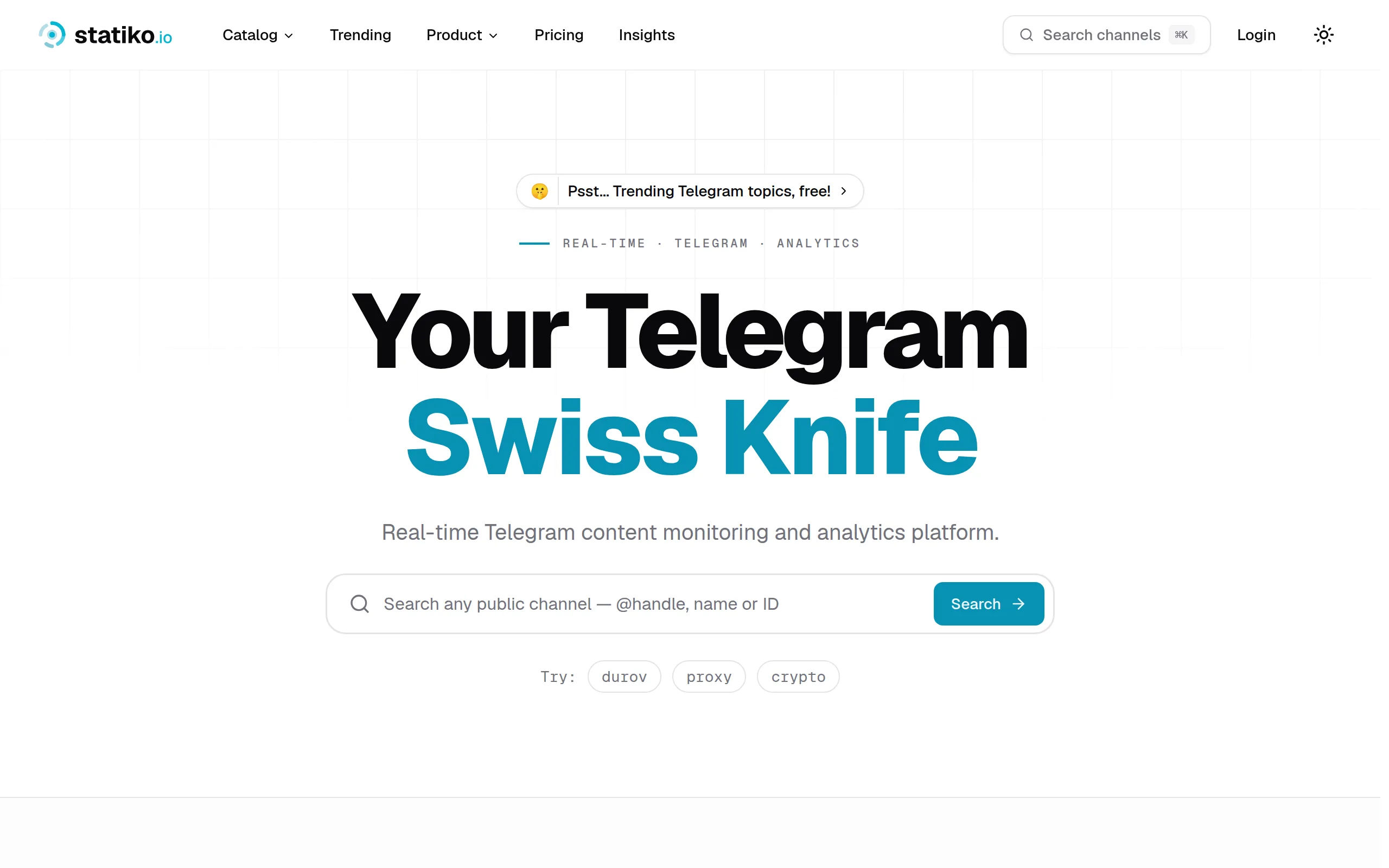
Statiko
Monitor any Telegram channel in real time - track posts, edits, deletions, and growth with AI recaps 📡

Shibui
AI website builder - describe your business, pick a niche template, edit by chatting, and publish instantly ✨

Pro Service
Find verified home service professionals, compare quotes, and pay securely through escrow - built for Brazilians across the US 🏠
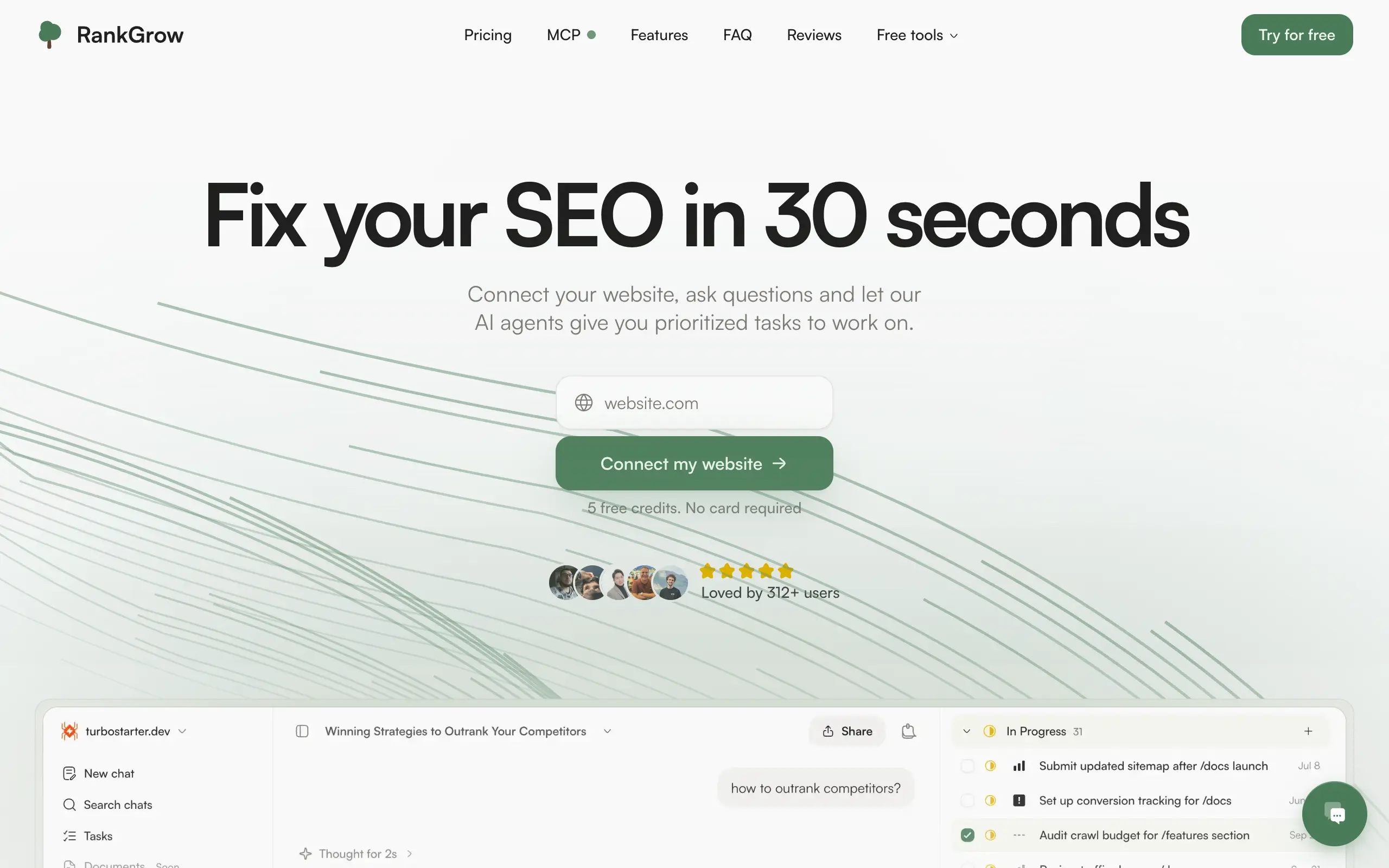
RankGrow
Fix your SEO with AI agents - connect Search Console, get prioritized tasks, and grow organic traffic 📈
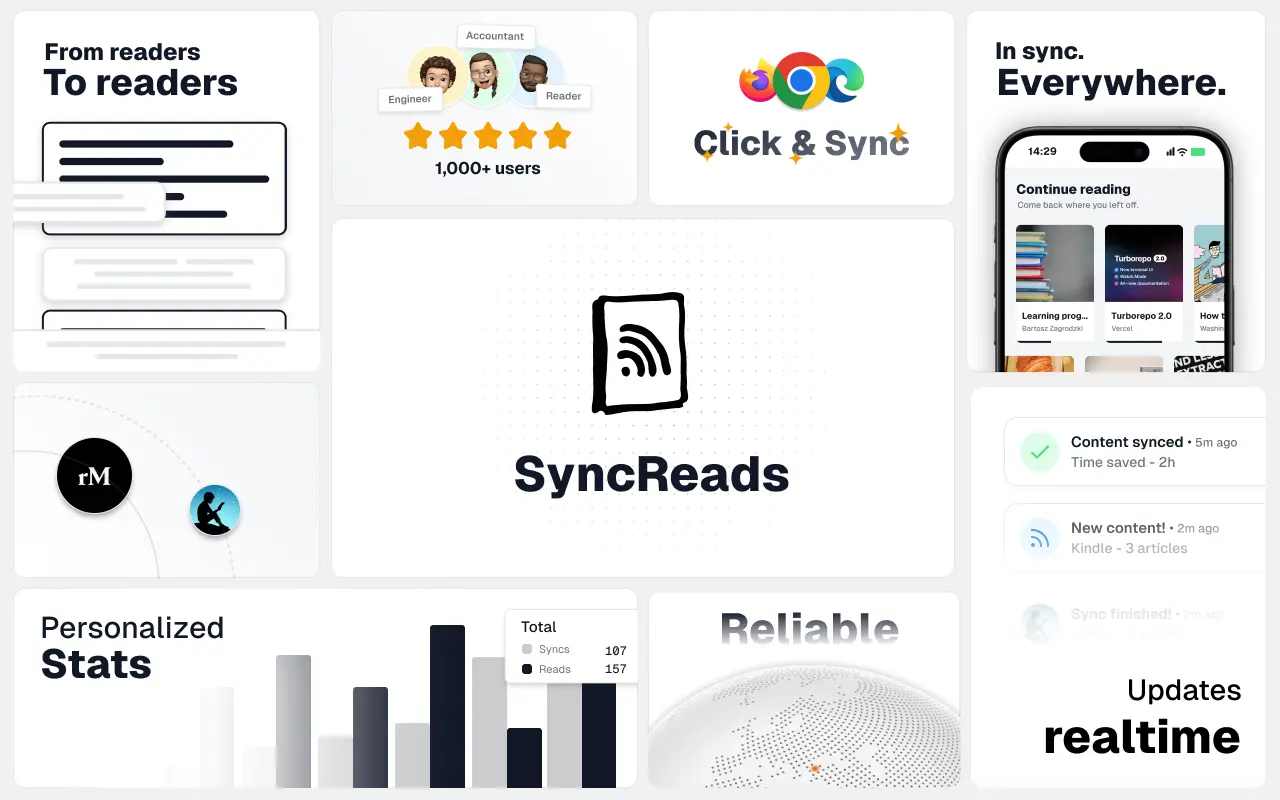
SyncReads
Sync your favorite content for distraction-free reading, save time and replace multiple apps. Anytime, anywhere 🔄
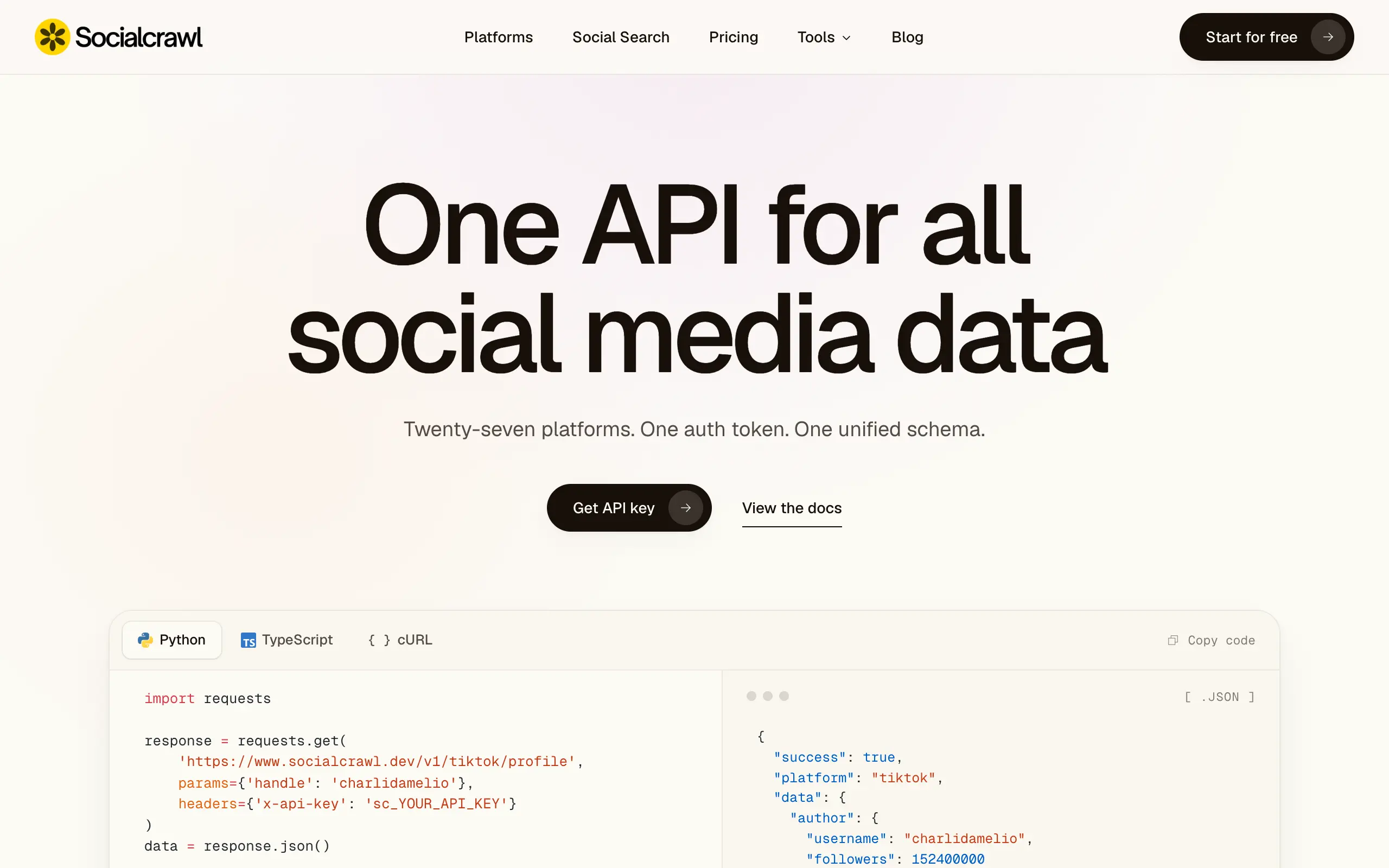
Socialcrawl
Get clean, structured data from 21 platforms like TikTok, Instagram, and YouTube with a single request 📊
Statiko
Monitor any Telegram channel in real time - track posts, edits, deletions, and growth with AI recaps 📡
Shibui
AI website builder - describe your business, pick a niche template, edit by chatting, and publish instantly ✨
Pro Service
Find verified home service professionals, compare quotes, and pay securely through escrow - built for Brazilians across the US 🏠
RankGrow
Fix your SEO with AI agents - connect Search Console, get prioritized tasks, and grow organic traffic 📈
SyncReads
Sync your favorite content for distraction-free reading, save time and replace multiple apps. Anytime, anywhere 🔄
Socialcrawl
Get clean, structured data from 21 platforms like TikTok, Instagram, and YouTube with a single request 📊
Statiko
Monitor any Telegram channel in real time - track posts, edits, deletions, and growth with AI recaps 📡
Shibui
AI website builder - describe your business, pick a niche template, edit by chatting, and publish instantly ✨
Pro Service
Find verified home service professionals, compare quotes, and pay securely through escrow - built for Brazilians across the US 🏠
RankGrow
Fix your SEO with AI agents - connect Search Console, get prioritized tasks, and grow organic traffic 📈
SyncReads
Sync your favorite content for distraction-free reading, save time and replace multiple apps. Anytime, anywhere 🔄
Socialcrawl
Get clean, structured data from 21 platforms like TikTok, Instagram, and YouTube with a single request 📊
Statiko
Monitor any Telegram channel in real time - track posts, edits, deletions, and growth with AI recaps 📡
Shibui
AI website builder - describe your business, pick a niche template, edit by chatting, and publish instantly ✨
Pro Service
Find verified home service professionals, compare quotes, and pay securely through escrow - built for Brazilians across the US 🏠
RankGrow
Fix your SEO with AI agents - connect Search Console, get prioritized tasks, and grow organic traffic 📈
SyncReads
Sync your favorite content for distraction-free reading, save time and replace multiple apps. Anytime, anywhere 🔄
Socialcrawl
Get clean, structured data from 21 platforms like TikTok, Instagram, and YouTube with a single request 📊
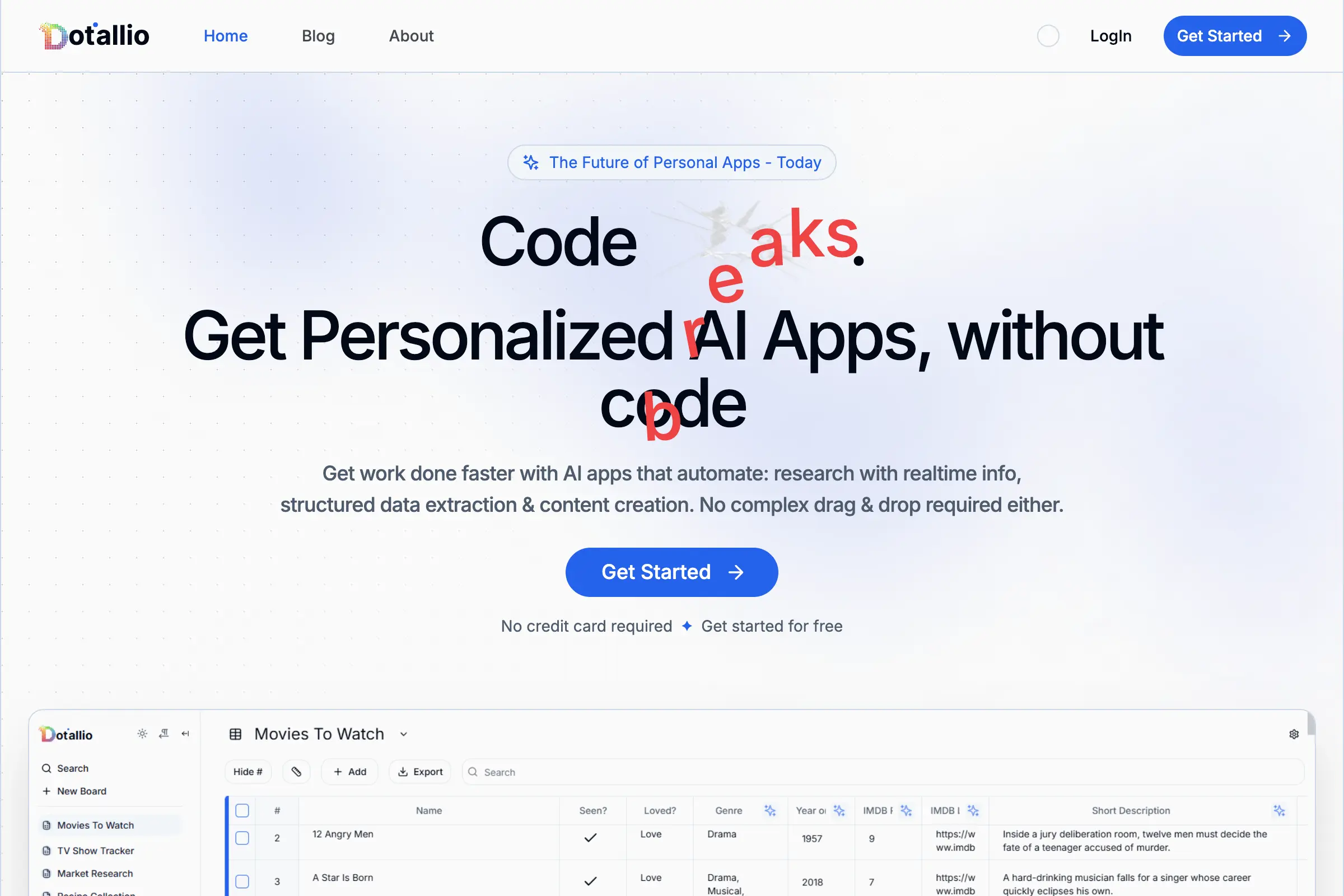
Dotallio
Personalized AI apps that automate research, data extraction, and content creation without code 🤖
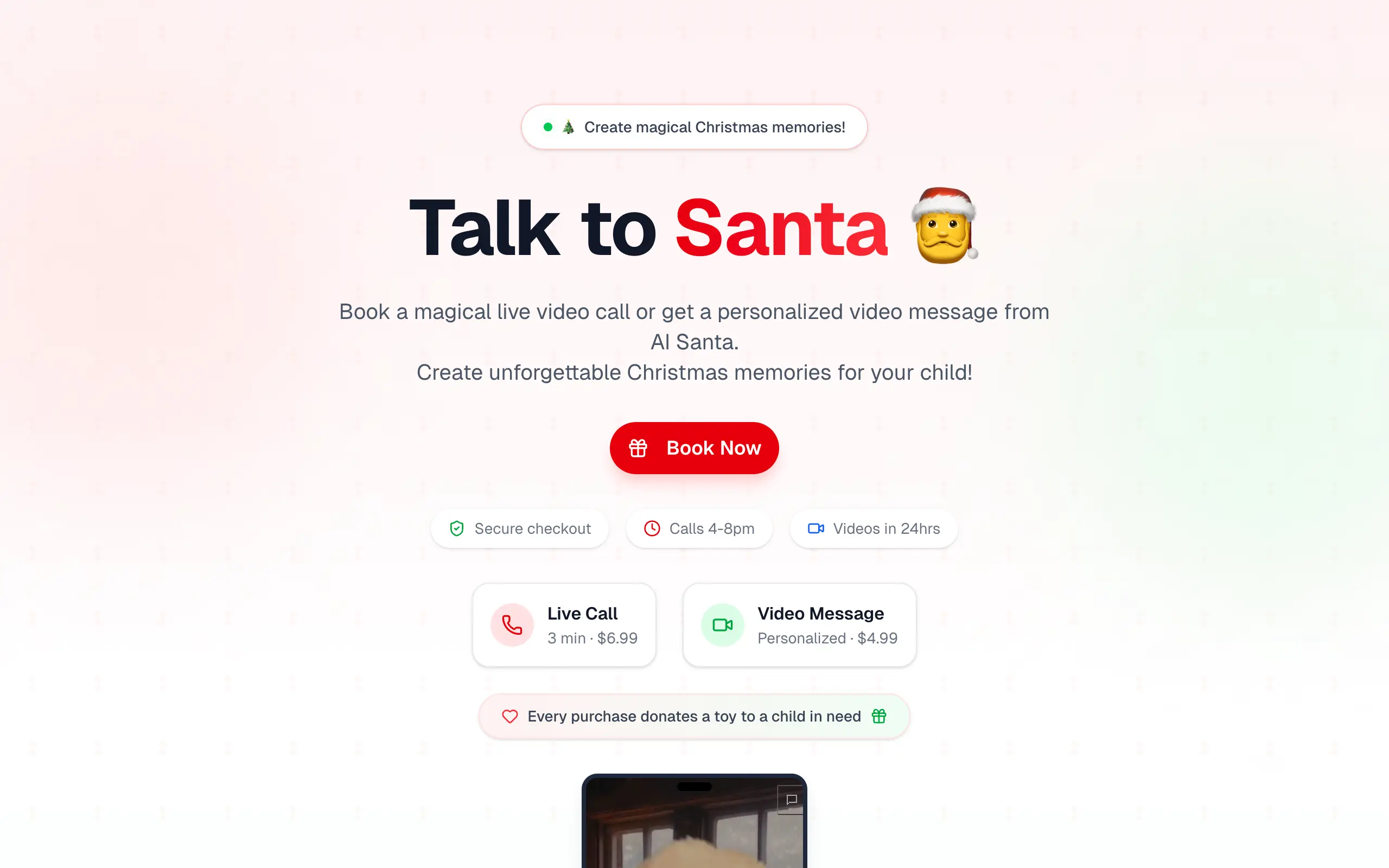
Talk to Santa
Enjoy a magical live video chat or receive a unique AI-generated video greeting from Santa Claus 🎅

pozywka.pl
Scalable blog for food journalist, focused on performance and user experience 🌭
zagrodzki.me
Personal blog and portfolio of Bart Zagrodzki, where he shares his knowledge and work 💼
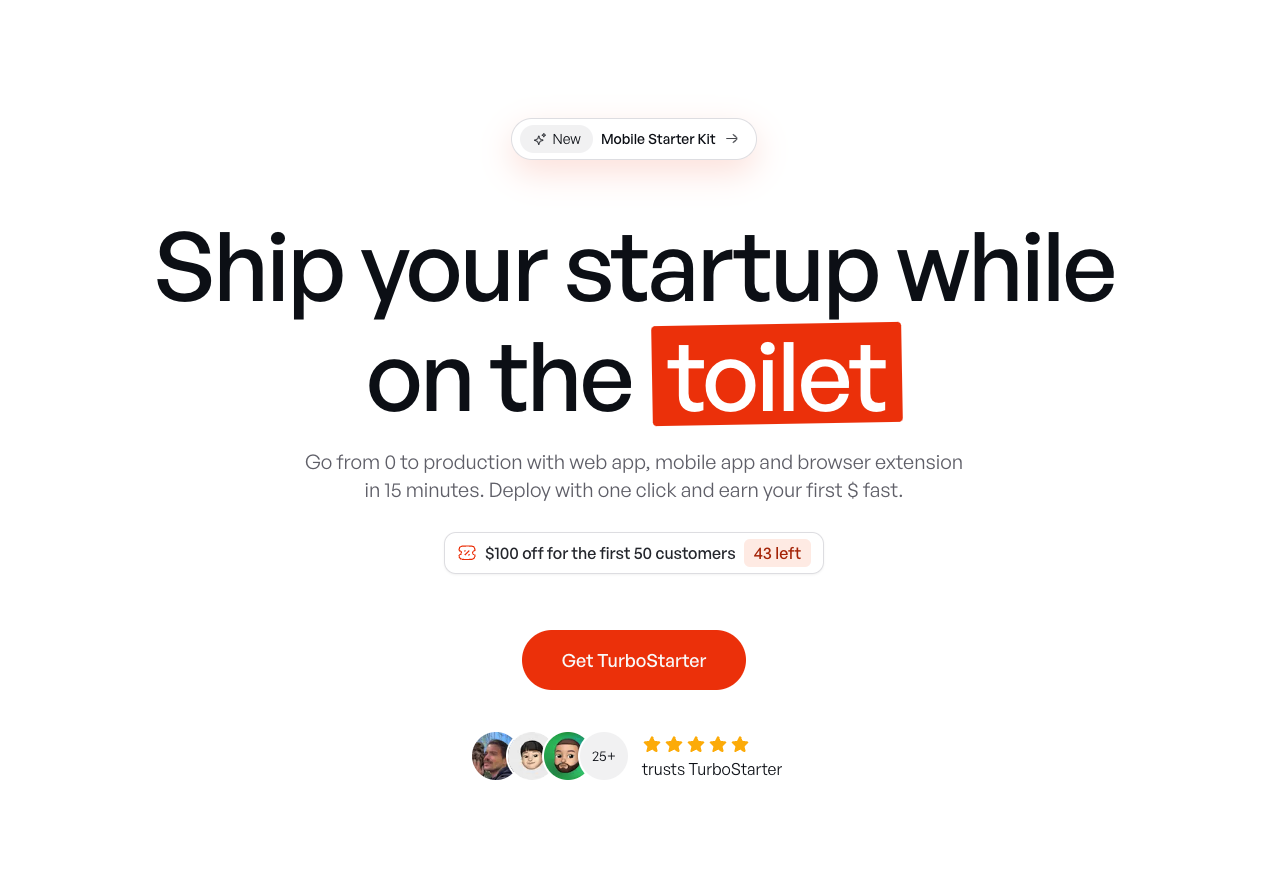
TurboStarter
Ship your startup everywhere. In minutes.
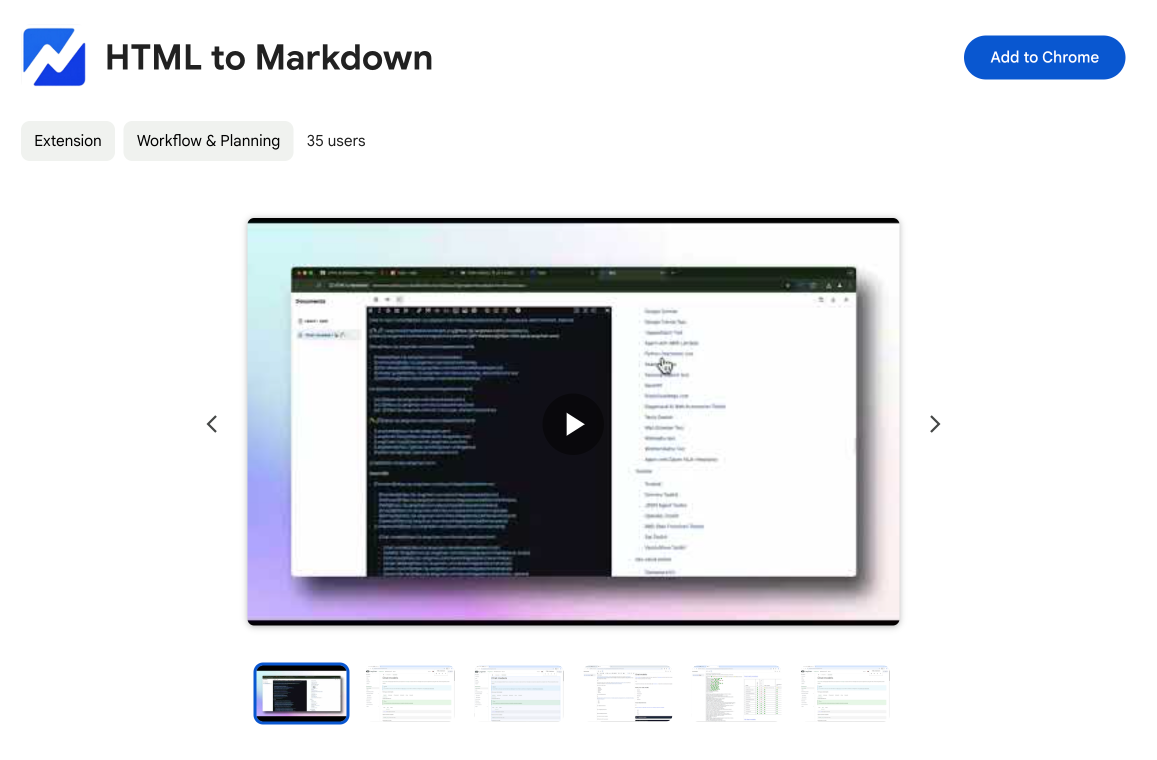
HTML to Markdown
Convert HTML to Markdown with ease, directly in your browser 📄
Dotallio
Personalized AI apps that automate research, data extraction, and content creation without code 🤖
Talk to Santa
Enjoy a magical live video chat or receive a unique AI-generated video greeting from Santa Claus 🎅
pozywka.pl
Scalable blog for food journalist, focused on performance and user experience 🌭
zagrodzki.me
Personal blog and portfolio of Bart Zagrodzki, where he shares his knowledge and work 💼
TurboStarter
Ship your startup everywhere. In minutes.
HTML to Markdown
Convert HTML to Markdown with ease, directly in your browser 📄
Dotallio
Personalized AI apps that automate research, data extraction, and content creation without code 🤖
Talk to Santa
Enjoy a magical live video chat or receive a unique AI-generated video greeting from Santa Claus 🎅
pozywka.pl
Scalable blog for food journalist, focused on performance and user experience 🌭
zagrodzki.me
Personal blog and portfolio of Bart Zagrodzki, where he shares his knowledge and work 💼
TurboStarter
Ship your startup everywhere. In minutes.
HTML to Markdown
Convert HTML to Markdown with ease, directly in your browser 📄
Dotallio
Personalized AI apps that automate research, data extraction, and content creation without code 🤖
Talk to Santa
Enjoy a magical live video chat or receive a unique AI-generated video greeting from Santa Claus 🎅
pozywka.pl
Scalable blog for food journalist, focused on performance and user experience 🌭
zagrodzki.me
Personal blog and portfolio of Bart Zagrodzki, where he shares his knowledge and work 💼
TurboStarter
Ship your startup everywhere. In minutes.
HTML to Markdown
Convert HTML to Markdown with ease, directly in your browser 📄
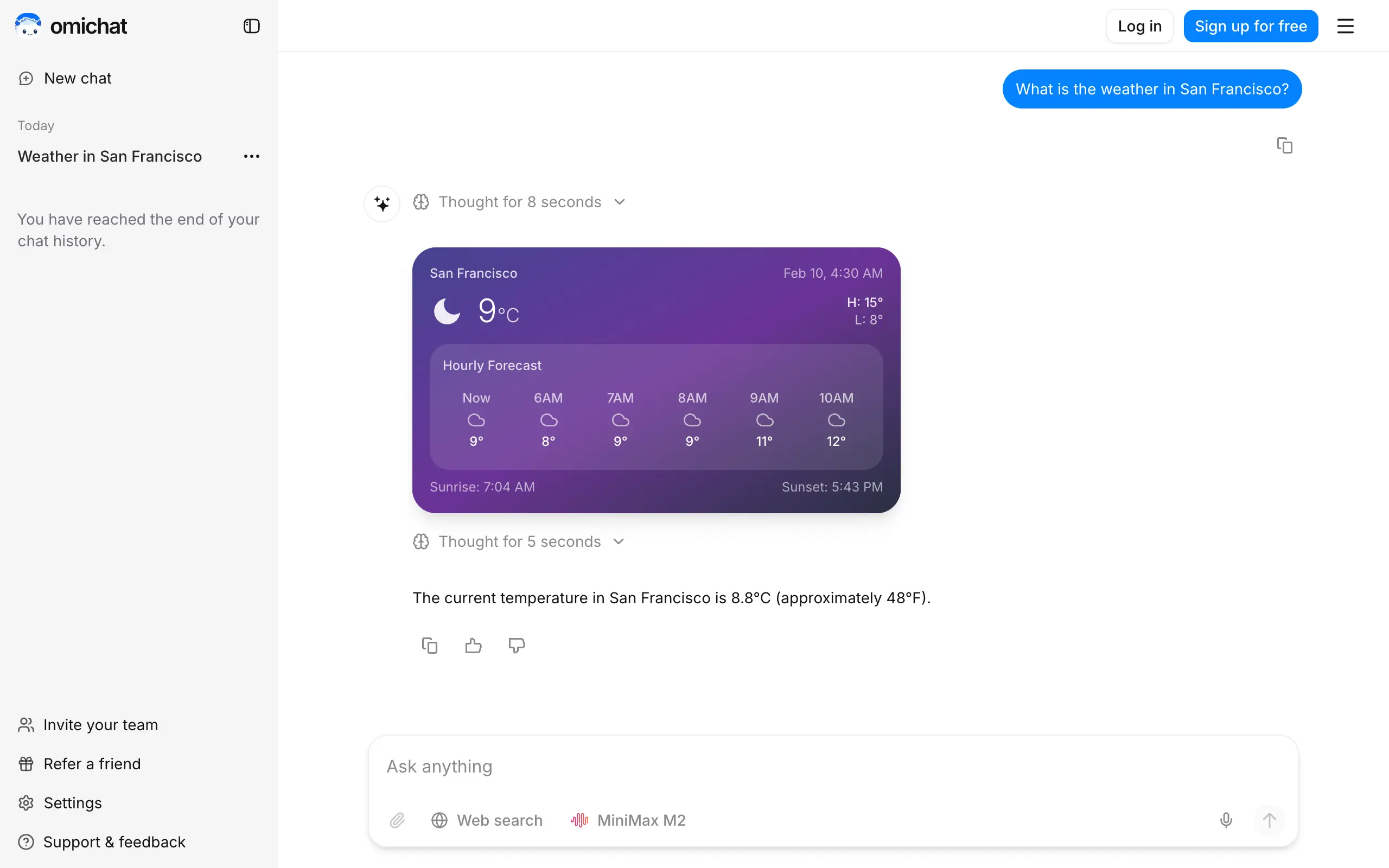
Omichat
Chat with 50+ AI models, including ChatGPT and Claude, in one place - switch models anytime without losing context 🤖
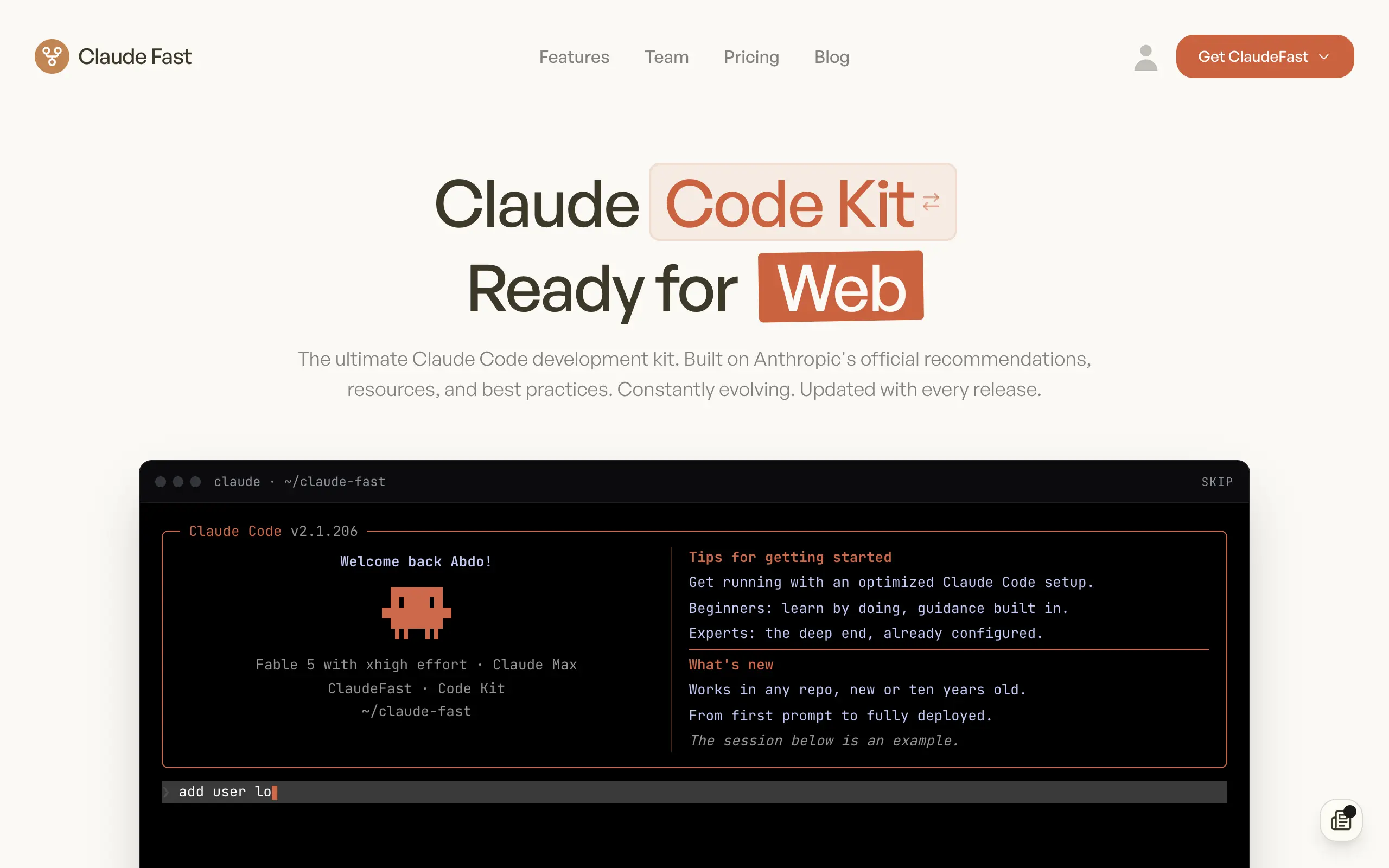
Claude Fast
Supercharge your Claude Code with 6x effective context window and specialized AI agents 🤖
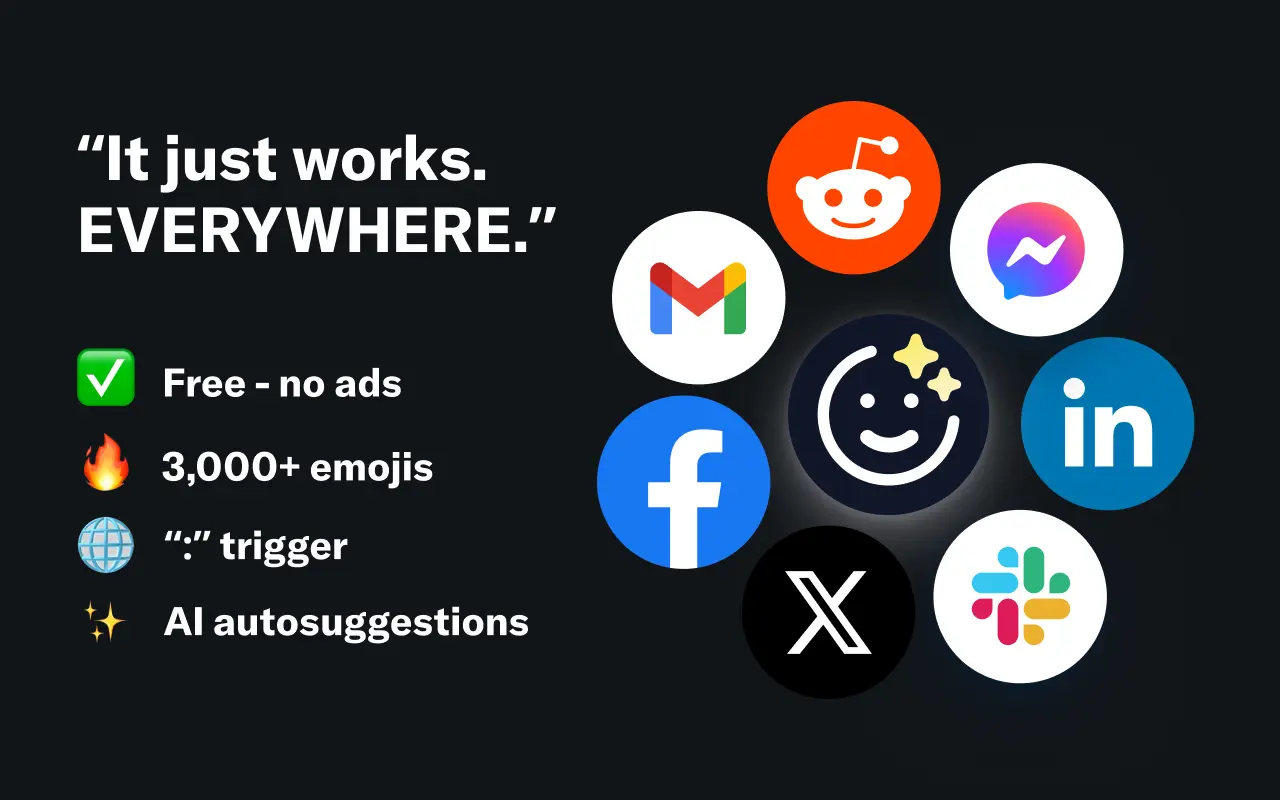
EmojAI
AI-powered emoji picker with smart, context-aware suggestions 🤖
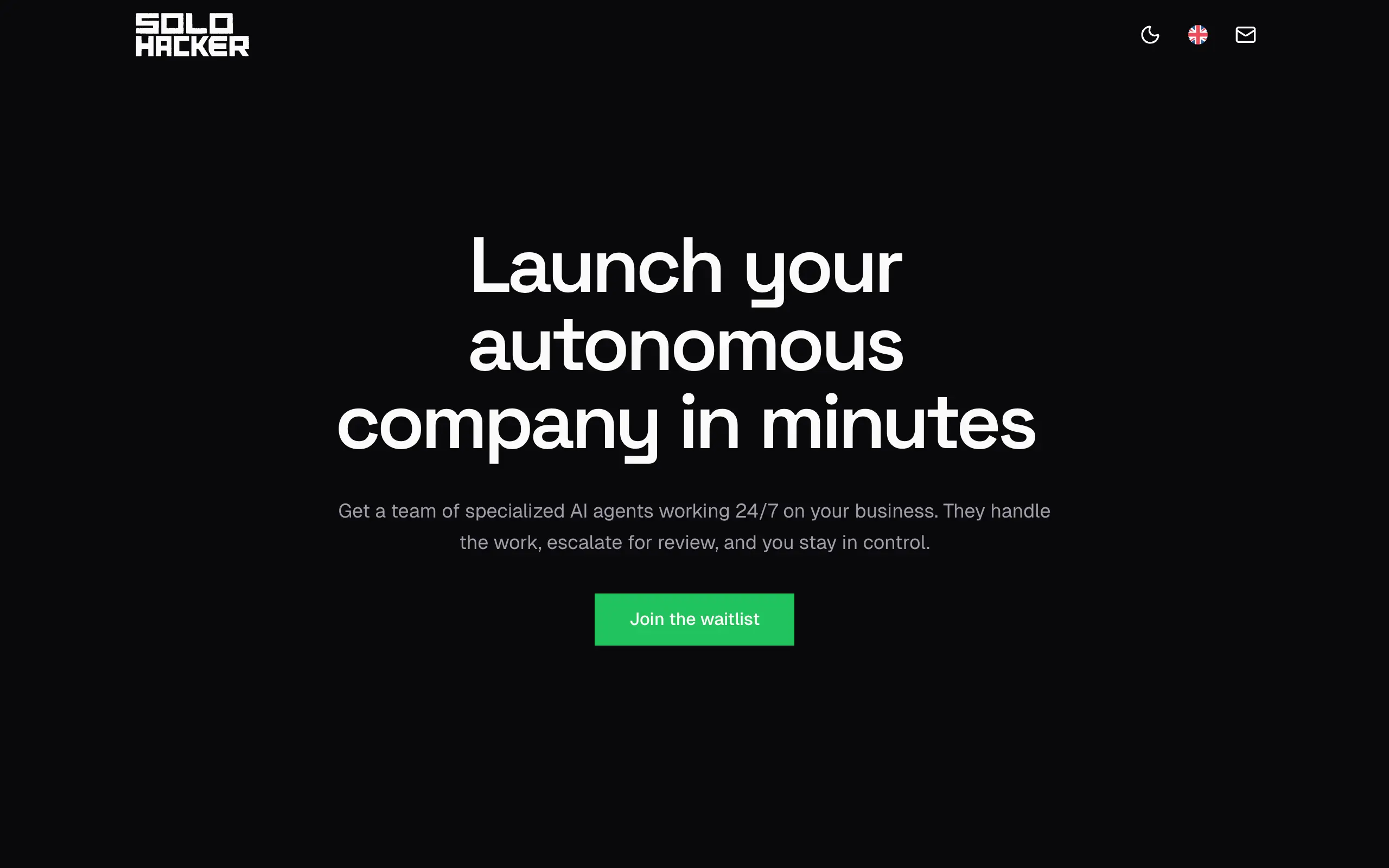
Solohacker
Autonomous company launcher - AI agents work 24/7, escalate what matters, and you stay in control 🤖

BeRawi: Storytelling Coach
Practice storytelling daily with instant feedback to sound clearer, more engaging, and confident 🎤
Omichat
Chat with 50+ AI models, including ChatGPT and Claude, in one place - switch models anytime without losing context 🤖
Claude Fast
Supercharge your Claude Code with 6x effective context window and specialized AI agents 🤖
EmojAI
AI-powered emoji picker with smart, context-aware suggestions 🤖
Solohacker
Autonomous company launcher - AI agents work 24/7, escalate what matters, and you stay in control 🤖
BeRawi: Storytelling Coach
Practice storytelling daily with instant feedback to sound clearer, more engaging, and confident 🎤
Omichat
Chat with 50+ AI models, including ChatGPT and Claude, in one place - switch models anytime without losing context 🤖
Claude Fast
Supercharge your Claude Code with 6x effective context window and specialized AI agents 🤖
EmojAI
AI-powered emoji picker with smart, context-aware suggestions 🤖
Solohacker
Autonomous company launcher - AI agents work 24/7, escalate what matters, and you stay in control 🤖
BeRawi: Storytelling Coach
Practice storytelling daily with instant feedback to sound clearer, more engaging, and confident 🎤
Omichat
Chat with 50+ AI models, including ChatGPT and Claude, in one place - switch models anytime without losing context 🤖
Claude Fast
Supercharge your Claude Code with 6x effective context window and specialized AI agents 🤖
EmojAI
AI-powered emoji picker with smart, context-aware suggestions 🤖
Solohacker
Autonomous company launcher - AI agents work 24/7, escalate what matters, and you stay in control 🤖
BeRawi: Storytelling Coach
Practice storytelling daily with instant feedback to sound clearer, more engaging, and confident 🎤

Connect with like-minded people
Join our community to get feedback, support, and grow together with 1,000+ builders on board, let's ship it!
Join usShip your startup everywhere. In minutes.
Don't burn tokens on setup and start building features on day one.