SimpliBuild 3D
An intuitive SaaS platform offering essential 3D building geometry tools, optimized for seamless export to OpenStudio/EnergyPlus, with open-source extensibility.
SimpliBuild 3D is an innovative B2B SaaS platform designed to streamline the creation of 3D building geometry, specifically optimized for seamless export to OpenStudio and EnergyPlus. With a focus on intuitive design, open-source extensibility, and robust interoperability, SimpliBuild 3D addresses a critical need in the building energy modeling and simulation industry. This comprehensive guide explores the platform’s market fit, technical underpinnings, monetization strategies, and actionable steps for successful implementation.
Understanding the target audience for SimpliBuild 3D
A deep understanding of the target audience is essential for any SaaS product’s success. SimpliBuild 3D is tailored for professionals and organizations involved in building energy modeling, simulation, and performance analysis.
Who will benefit most from SimpliBuild 3D?
- Energy modelers and simulation consultants: Professionals who use OpenStudio and EnergyPlus for building performance analysis and need efficient geometry creation tools.
- Architects and building designers: Those seeking to integrate energy modeling early in the design process, requiring user-friendly 3D geometry tools.
- Mechanical, electrical, and plumbing (MEP) engineers: Engineers responsible for system design and energy analysis, who need accurate building models.
- Sustainability consultants: Experts focused on green building certifications (e.g., LEED, BREEAM) who require reliable geometry exports for compliance.
- Academic researchers and students: Individuals in architecture, engineering, and environmental science programs who need accessible, extensible tools for research and learning.
- Software integrators and developers: Teams looking to extend or integrate 3D geometry tools into their own workflows or platforms via open-source extensibility.
Key user pain points addressed
- Complexity of existing geometry tools: Many current solutions are either too complex or not tailored for energy modeling exports.
- Interoperability challenges: Difficulty in exporting accurate geometry to OpenStudio/EnergyPlus without data loss or manual rework.
- Lack of extensibility: Proprietary tools often limit customization or integration with other workflows.
- Steep learning curves: Non-intuitive interfaces hinder adoption, especially for new users or those outside traditional modeling roles.
Identifying the market opportunity and gaps
The building energy modeling market is rapidly evolving, driven by increasing regulatory requirements, sustainability goals, and the need for accurate performance simulations. However, several gaps persist in the current landscape.
Market trends and drivers
- Growing demand for energy-efficient buildings: Regulatory mandates and green certifications are pushing more projects to require detailed energy modeling.
- Open-source adoption: Tools like OpenStudio and EnergyPlus are industry standards, but lack user-friendly geometry creation interfaces.
- Digital transformation in AEC: The architecture, engineering, and construction (AEC) sector is embracing SaaS and cloud-based solutions for collaboration and efficiency.
- Integration and interoperability: There is a strong need for tools that fit seamlessly into existing BIM and simulation workflows.
Gaps in current solutions
- Limited geometry tools for OpenStudio/EnergyPlus: Most geometry creation tools are either too generic (not optimized for energy modeling) or too specialized (hard to use for non-experts).
- Export and data fidelity issues: Many platforms struggle with reliable, lossless export to OpenStudio/EnergyPlus formats.
- Closed ecosystems: Proprietary solutions often restrict extensibility, limiting innovation and integration.
Market size and potential
While precise figures vary, the global building energy simulation software market is projected to grow significantly, with increased adoption in both developed and emerging markets. The intersection of SaaS, open-source, and energy modeling represents a high-growth niche with substantial unmet needs.
Core features and solution details of SimpliBuild 3D
SimpliBuild 3D’s value proposition lies in its blend of intuitive design, robust export capabilities, and open-source extensibility. Here’s a breakdown of its core features:
Essential 3D building geometry tools
- Drag-and-drop geometry creation: Users can quickly assemble building forms using an intuitive interface.
- Parametric modeling: Easily adjust dimensions, zones, and building elements for rapid prototyping.
- Layered editing: Support for floors, roofs, walls, windows, and shading devices, with real-time visualization.
- Snap and alignment tools: Ensure geometric accuracy and consistency.
Seamless export to OpenStudio/EnergyPlus
- One-click export: Directly generate geometry files compatible with OpenStudio and EnergyPlus.
- Data validation: Built-in checks to ensure exported models meet simulation requirements.
- Custom export templates: Support for project-specific export settings and metadata.
Open-source extensibility
- Plugin architecture: Developers can build and share custom plugins to extend functionality.
- API access: Programmatic control for integration with other tools or automated workflows.
- Community-driven enhancements: Open-source contributions foster rapid innovation and adaptation.
Collaboration and cloud features
- Multi-user editing: Teams can collaborate on models in real time.
- Version control: Track changes, revert to previous versions, and manage project history.
- Cloud storage: Secure, scalable storage for all project files and exports.
Security and compliance
- Role-based access control: Manage permissions for different team members.
- Data encryption: Protect sensitive project data in transit and at rest.
- Audit logs: Maintain a record of all user actions for compliance and troubleshooting.
Intuitive 3D modeling
Drag-and-drop, parametric tools for rapid geometry creation.
Seamless OpenStudio/EnergyPlus export
One-click, validated exports to industry-standard formats.
Open-source extensibility
Plugin architecture and APIs for custom workflows.
Real-time collaboration
Multi-user editing, version control, and cloud storage.
Recommended tech stack for SimpliBuild 3D
Choosing the right technology stack is crucial for performance, scalability, and extensibility. Below is a recommended stack, with trade-offs considered for each component.
Frontend
- React: Modern, component-based UI framework with a large ecosystem and strong community support.
- Three.js: Powerful 3D graphics library for rendering and manipulating geometry in the browser.
- TailwindCSS: Utility-first CSS framework for rapid, consistent UI development.
Trade-offs:
React and Three.js offer flexibility and performance, but require careful optimization for complex 3D scenes. TailwindCSS accelerates styling but may require custom configurations for 3D UI elements.
Backend
- Node.js: Scalable, event-driven backend for handling API requests and real-time collaboration.
- PostgreSQL: Robust relational database for storing project data, user accounts, and version history.
- Redis: In-memory data store for real-time collaboration and caching.
Trade-offs:
Node.js is well-suited for real-time applications but may need additional layers for CPU-intensive tasks. PostgreSQL provides reliability, while Redis ensures low-latency collaboration.
Cloud and DevOps
- AWS or Google Cloud: Scalable cloud infrastructure for hosting, storage, and security.
- Docker: Containerization for consistent deployment and development environments.
- Kubernetes: Orchestration for scaling and managing microservices.
Trade-offs:
Cloud platforms offer scalability but can introduce complexity and cost. Docker and Kubernetes streamline deployment but require DevOps expertise.
Open-source and extensibility
- Plugin SDK: Provide a documented SDK for plugin development, ideally in TypeScript for type safety.
- RESTful and WebSocket APIs: Enable integration and real-time features.
Monetization strategy options
A successful SaaS platform requires a sustainable and scalable monetization model. SimpliBuild 3D can leverage several strategies:
1. Subscription-based pricing
- Tiered plans: Offer basic, professional, and enterprise tiers with varying feature sets (e.g., number of projects, collaboration features, API access).
- Monthly/annual billing: Provide discounts for annual commitments to improve retention.
2. Usage-based pricing
- Pay-per-export: Charge based on the number of geometry exports or API calls.
- Storage and collaboration limits: Monetize additional storage or team members.
3. Freemium model
- Free tier: Limited features for individual users or students, encouraging adoption and word-of-mouth.
- Premium upgrades: Unlock advanced features, priority support, or custom integrations.
4. Marketplace and plugins
- Plugin marketplace: Allow third-party developers to sell or share plugins, with revenue sharing.
- Custom development services: Offer paid support for custom integrations or feature requests.
5. Enterprise and white-label solutions
- Custom deployments: Provide on-premises or private cloud options for large organizations.
- White-labeling: Allow partners to brand and resell the platform.
For early-stage SaaS, a freemium or tiered subscription model is often most effective. It encourages user adoption while providing a clear upgrade path as users grow.
By enabling third-party developers to create and sell plugins, SimpliBuild 3D can generate additional revenue streams and foster a vibrant ecosystem.
Potential risks and mitigation strategies
Launching and scaling a SaaS platform like SimpliBuild 3D involves several risks. Proactive mitigation is essential for long-term success.
Technical risks
- Performance bottlenecks: Complex 3D rendering can strain browser and server resources.
- Mitigation: Optimize rendering pipelines, use efficient data structures, and leverage WebAssembly where appropriate.
- Export fidelity: Inaccurate exports can undermine trust and usability.
- Mitigation: Implement rigorous validation, automated testing, and user feedback loops.
Market and adoption risks
- User resistance to new tools: Professionals may be hesitant to switch from established workflows.
- Mitigation: Offer seamless import/export, comprehensive onboarding, and integration with popular tools.
- Competition from established players: Larger vendors may introduce similar features.
- Mitigation: Focus on unique value (open-source extensibility, superior UX), and build a strong community.
Security and compliance risks
- Data breaches or loss: Sensitive project data must be protected.
- Mitigation: Employ industry-standard encryption, regular security audits, and robust backup systems.
Open-source challenges
- Fragmentation or lack of quality control: Open-source plugins may vary in quality.
- Mitigation: Curate and review plugins, provide clear documentation, and foster an active developer community.
Security is non-negotiable
In the B2B SaaS space, robust security and compliance are essential for customer trust and regulatory adherence. Invest early in best practices and regular audits.
Competitive advantage analysis
SimpliBuild 3D stands out in a crowded market by combining usability, interoperability, and extensibility. Here’s how it compares to typical alternatives:
| SimpliBuild 3D | Generic 3D tools | Proprietary energy modeling suites | Open-source geometry tools | BIM platforms |
|---|---|---|---|---|
| ✅ | ❌ | ❌ | ✅ | ❌ |
| ✅ | ❌ | ✅ | ✅ | ❌ |
Unique selling proposition (USP)
- Intuitive, purpose-built 3D modeling for energy analysis: Unlike generic 3D tools, SimpliBuild 3D is optimized for OpenStudio/EnergyPlus workflows.
- Open-source extensibility: Enables rapid innovation and custom integrations, setting it apart from closed, proprietary suites.
- Seamless interoperability: Reliable, validated exports reduce manual rework and errors.
- Cloud-native collaboration: Real-time, multi-user editing and version control streamline team workflows.
Actionable implementation steps
Launching SimpliBuild 3D requires a structured, phased approach. Here’s a recommended roadmap:
Conclusion: Why SimpliBuild 3D is the future of 3D building geometry for energy modeling
SimpliBuild 3D is uniquely positioned to transform the way professionals create and export 3D building geometry for energy modeling. By focusing on usability, interoperability, and open-source extensibility, it addresses critical gaps in the current market. The platform’s cloud-native architecture, robust security, and collaborative features make it an ideal choice for modern AEC teams and energy consultants.
For organizations seeking to streamline their energy modeling workflows, reduce errors, and foster innovation, SimpliBuild 3D offers a compelling, future-proof solution.
Frequently asked questions about SimpliBuild 3D
Yes, the platform is designed to be accessible for both small teams and large enterprises, with flexible pricing and a user-friendly interface.
The platform includes built-in validation and regularly updates its export modules to align with the latest OpenStudio/EnergyPlus standards.
Absolutely. The open-source plugin architecture and comprehensive SDK make it easy for developers to extend the platform’s functionality.
SimpliBuild 3D offers detailed documentation, community forums, and premium support options for enterprise customers.
Additional resources
- Learn more about OpenStudio: OpenStudio
- Explore EnergyPlus: EnergyPlus
- Discover TurboStarter for rapid SaaS prototyping and launch
SimpliBuild 3D is set to become the go-to SaaS platform for intuitive, extensible, and reliable 3D building geometry creation—empowering the next generation of energy modeling professionals.
More 🏢 B2B Application SaaS ideas
Discover more innovative b2b application SaaS ideas that are trending in 2026. Each idea is AI-generated with market validation and growth potential to help you find your next profitable venture faster than competitors.
Your competitors are building with TurboStarter
Below are some of the SaaS ideas that have been generated and built with our starter kit.

Statiko
Monitor any Telegram channel in real time - track posts, edits, deletions, and growth with AI recaps 📡
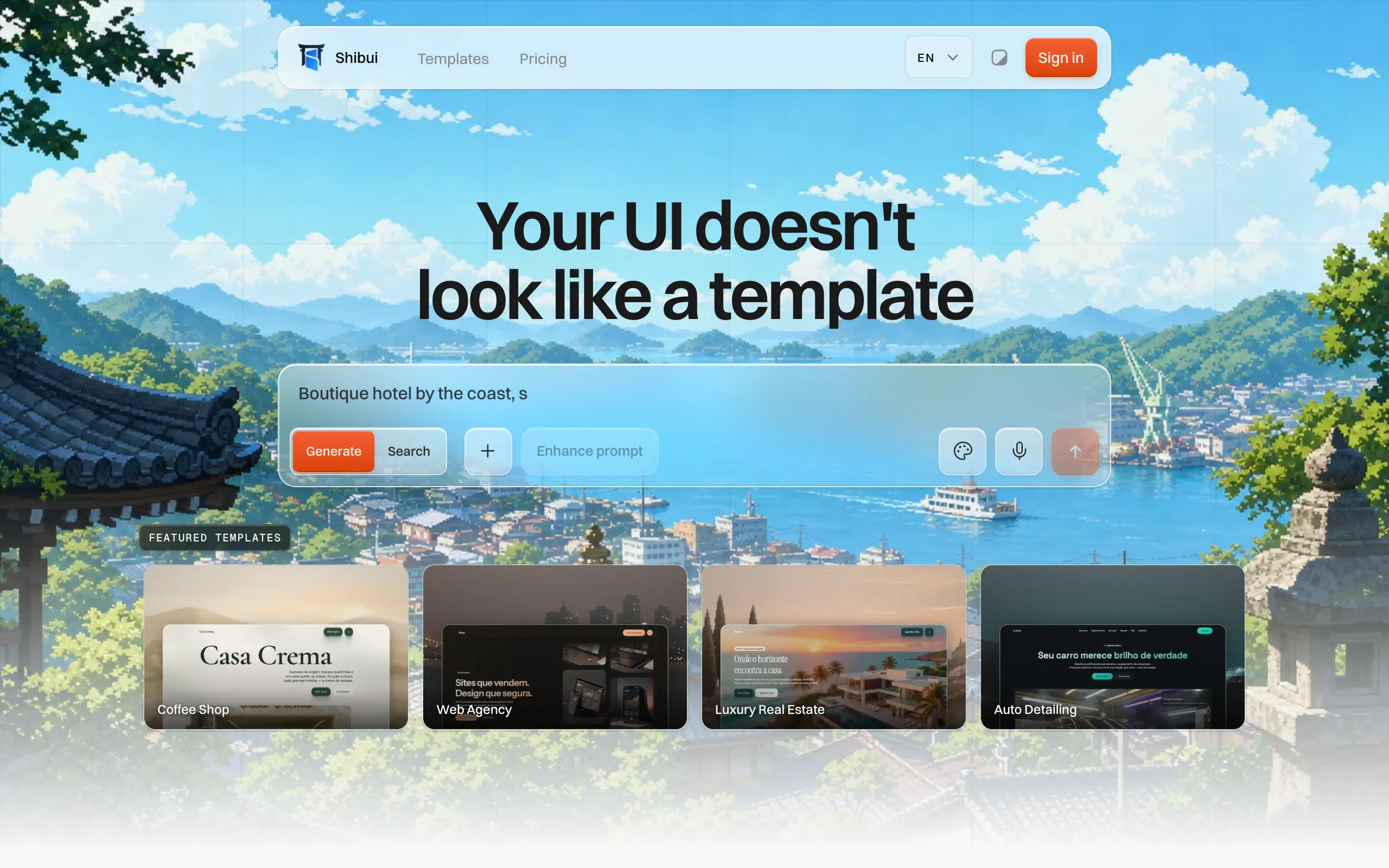
Shibui
AI website builder - describe your business, pick a niche template, edit by chatting, and publish instantly ✨

Pro Service
Find verified home service professionals, compare quotes, and pay securely through escrow - built for Brazilians across the US 🏠

RankGrow
Fix your SEO with AI agents - connect Search Console, get prioritized tasks, and grow organic traffic 📈
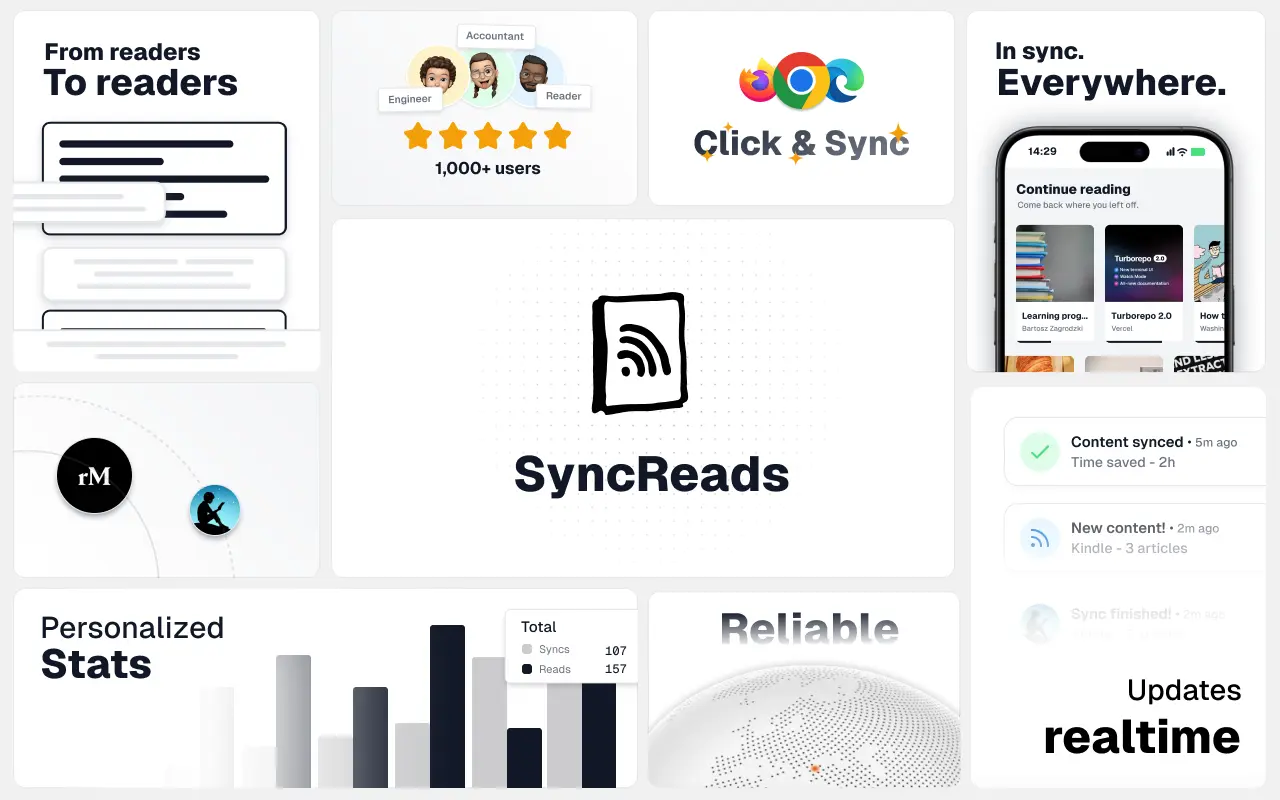
SyncReads
Sync your favorite content for distraction-free reading, save time and replace multiple apps. Anytime, anywhere 🔄
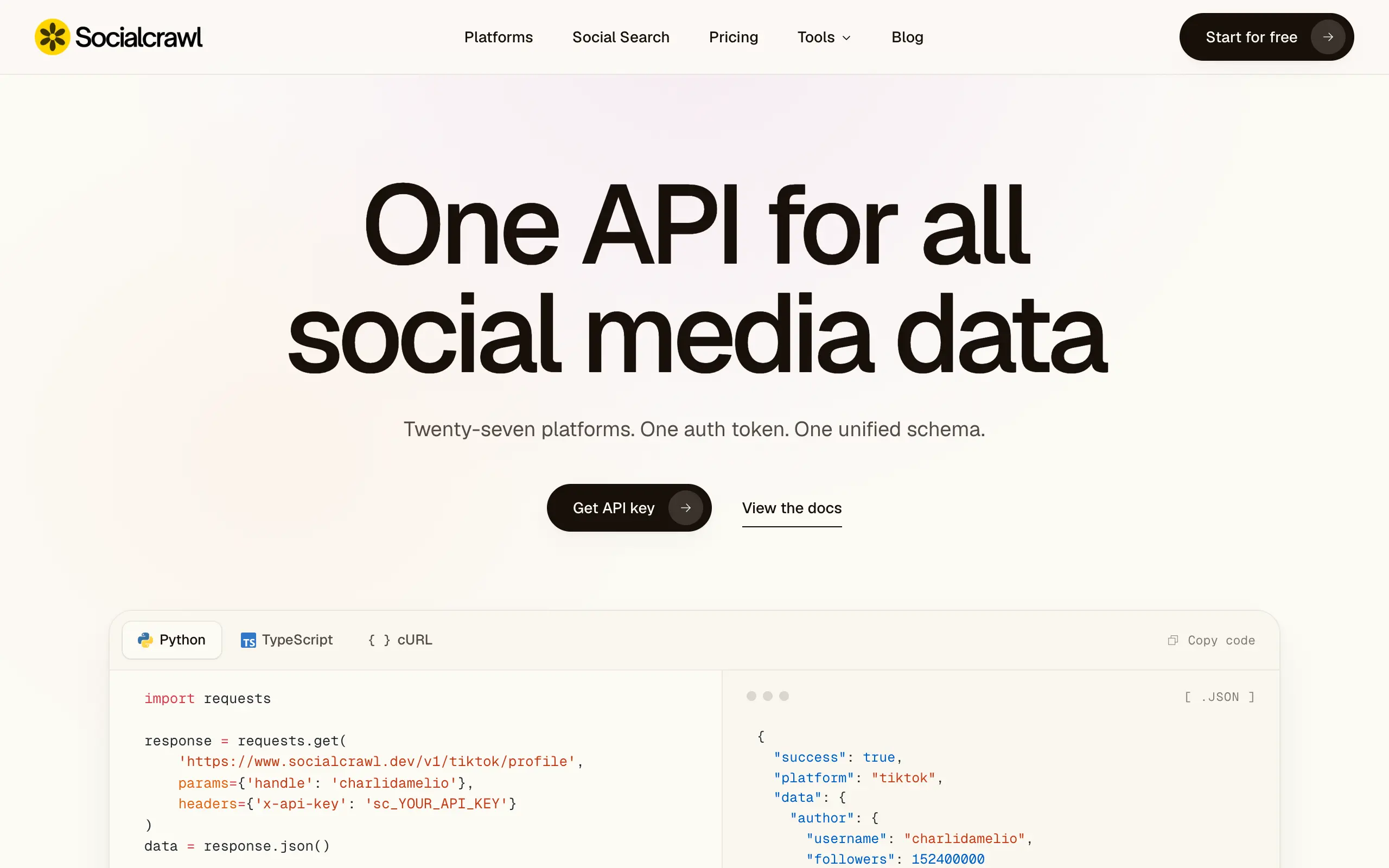
Socialcrawl
Get clean, structured data from 21 platforms like TikTok, Instagram, and YouTube with a single request 📊
Statiko
Monitor any Telegram channel in real time - track posts, edits, deletions, and growth with AI recaps 📡
Shibui
AI website builder - describe your business, pick a niche template, edit by chatting, and publish instantly ✨
Pro Service
Find verified home service professionals, compare quotes, and pay securely through escrow - built for Brazilians across the US 🏠
RankGrow
Fix your SEO with AI agents - connect Search Console, get prioritized tasks, and grow organic traffic 📈
SyncReads
Sync your favorite content for distraction-free reading, save time and replace multiple apps. Anytime, anywhere 🔄
Socialcrawl
Get clean, structured data from 21 platforms like TikTok, Instagram, and YouTube with a single request 📊
Statiko
Monitor any Telegram channel in real time - track posts, edits, deletions, and growth with AI recaps 📡
Shibui
AI website builder - describe your business, pick a niche template, edit by chatting, and publish instantly ✨
Pro Service
Find verified home service professionals, compare quotes, and pay securely through escrow - built for Brazilians across the US 🏠
RankGrow
Fix your SEO with AI agents - connect Search Console, get prioritized tasks, and grow organic traffic 📈
SyncReads
Sync your favorite content for distraction-free reading, save time and replace multiple apps. Anytime, anywhere 🔄
Socialcrawl
Get clean, structured data from 21 platforms like TikTok, Instagram, and YouTube with a single request 📊
Statiko
Monitor any Telegram channel in real time - track posts, edits, deletions, and growth with AI recaps 📡
Shibui
AI website builder - describe your business, pick a niche template, edit by chatting, and publish instantly ✨
Pro Service
Find verified home service professionals, compare quotes, and pay securely through escrow - built for Brazilians across the US 🏠
RankGrow
Fix your SEO with AI agents - connect Search Console, get prioritized tasks, and grow organic traffic 📈
SyncReads
Sync your favorite content for distraction-free reading, save time and replace multiple apps. Anytime, anywhere 🔄
Socialcrawl
Get clean, structured data from 21 platforms like TikTok, Instagram, and YouTube with a single request 📊
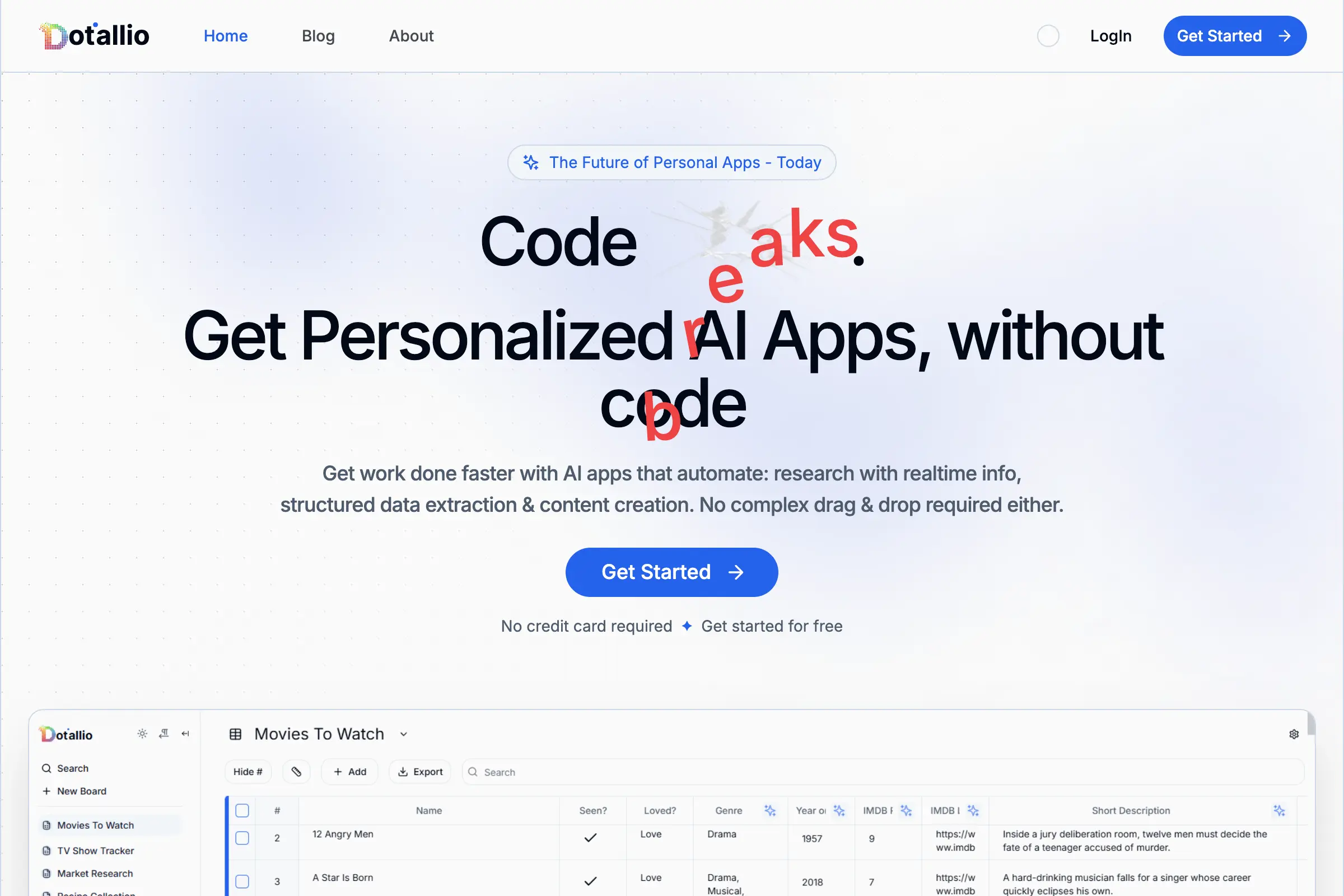
Dotallio
Personalized AI apps that automate research, data extraction, and content creation without code 🤖

Talk to Santa
Enjoy a magical live video chat or receive a unique AI-generated video greeting from Santa Claus 🎅

pozywka.pl
Scalable blog for food journalist, focused on performance and user experience 🌭
zagrodzki.me
Personal blog and portfolio of Bart Zagrodzki, where he shares his knowledge and work 💼

TurboStarter
Ship your startup everywhere. In minutes.
HTML to Markdown
Convert HTML to Markdown with ease, directly in your browser 📄
Dotallio
Personalized AI apps that automate research, data extraction, and content creation without code 🤖
Talk to Santa
Enjoy a magical live video chat or receive a unique AI-generated video greeting from Santa Claus 🎅
pozywka.pl
Scalable blog for food journalist, focused on performance and user experience 🌭
zagrodzki.me
Personal blog and portfolio of Bart Zagrodzki, where he shares his knowledge and work 💼
TurboStarter
Ship your startup everywhere. In minutes.
HTML to Markdown
Convert HTML to Markdown with ease, directly in your browser 📄
Dotallio
Personalized AI apps that automate research, data extraction, and content creation without code 🤖
Talk to Santa
Enjoy a magical live video chat or receive a unique AI-generated video greeting from Santa Claus 🎅
pozywka.pl
Scalable blog for food journalist, focused on performance and user experience 🌭
zagrodzki.me
Personal blog and portfolio of Bart Zagrodzki, where he shares his knowledge and work 💼
TurboStarter
Ship your startup everywhere. In minutes.
HTML to Markdown
Convert HTML to Markdown with ease, directly in your browser 📄
Dotallio
Personalized AI apps that automate research, data extraction, and content creation without code 🤖
Talk to Santa
Enjoy a magical live video chat or receive a unique AI-generated video greeting from Santa Claus 🎅
pozywka.pl
Scalable blog for food journalist, focused on performance and user experience 🌭
zagrodzki.me
Personal blog and portfolio of Bart Zagrodzki, where he shares his knowledge and work 💼
TurboStarter
Ship your startup everywhere. In minutes.
HTML to Markdown
Convert HTML to Markdown with ease, directly in your browser 📄
Omichat
Chat with 50+ AI models, including ChatGPT and Claude, in one place - switch models anytime without losing context 🤖
Claude Fast
Supercharge your Claude Code with 6x effective context window and specialized AI agents 🤖

EmojAI
AI-powered emoji picker with smart, context-aware suggestions 🤖

Solohacker
Autonomous company launcher - AI agents work 24/7, escalate what matters, and you stay in control 🤖
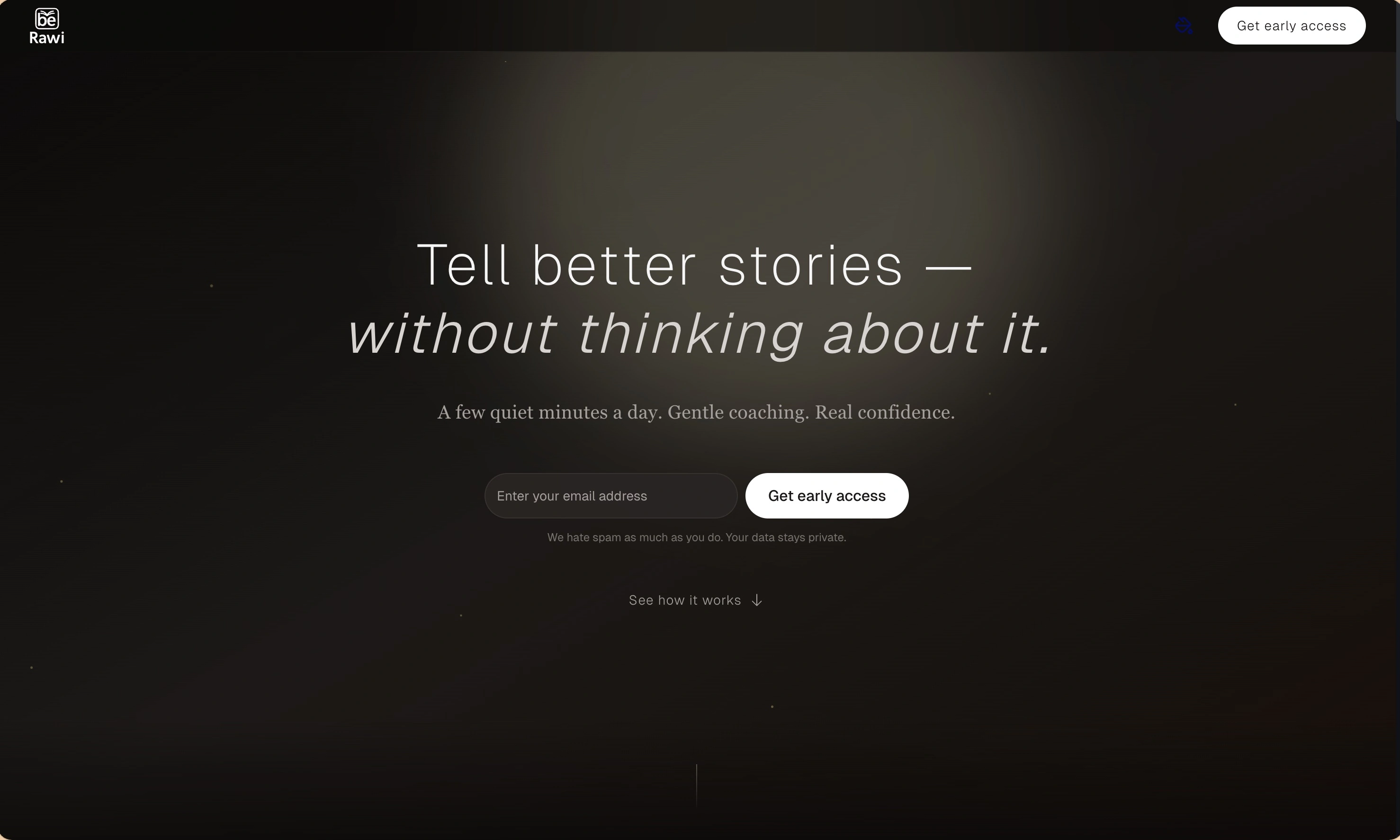
BeRawi: Storytelling Coach
Practice storytelling daily with instant feedback to sound clearer, more engaging, and confident 🎤
Omichat
Chat with 50+ AI models, including ChatGPT and Claude, in one place - switch models anytime without losing context 🤖
Claude Fast
Supercharge your Claude Code with 6x effective context window and specialized AI agents 🤖
EmojAI
AI-powered emoji picker with smart, context-aware suggestions 🤖
Solohacker
Autonomous company launcher - AI agents work 24/7, escalate what matters, and you stay in control 🤖
BeRawi: Storytelling Coach
Practice storytelling daily with instant feedback to sound clearer, more engaging, and confident 🎤
Omichat
Chat with 50+ AI models, including ChatGPT and Claude, in one place - switch models anytime without losing context 🤖
Claude Fast
Supercharge your Claude Code with 6x effective context window and specialized AI agents 🤖
EmojAI
AI-powered emoji picker with smart, context-aware suggestions 🤖
Solohacker
Autonomous company launcher - AI agents work 24/7, escalate what matters, and you stay in control 🤖
BeRawi: Storytelling Coach
Practice storytelling daily with instant feedback to sound clearer, more engaging, and confident 🎤
Omichat
Chat with 50+ AI models, including ChatGPT and Claude, in one place - switch models anytime without losing context 🤖
Claude Fast
Supercharge your Claude Code with 6x effective context window and specialized AI agents 🤖
EmojAI
AI-powered emoji picker with smart, context-aware suggestions 🤖
Solohacker
Autonomous company launcher - AI agents work 24/7, escalate what matters, and you stay in control 🤖
BeRawi: Storytelling Coach
Practice storytelling daily with instant feedback to sound clearer, more engaging, and confident 🎤

Connect with like-minded people
Join our community to get feedback, support, and grow together with 1,000+ builders on board, let's ship it!
Join usShip your startup everywhere. In minutes.
Don't burn tokens on setup and start building features on day one.