SkillSprout
Turn workplace procedures into visual guides and short quizzes for small-business teams. Help owners onboard staff consistently without building a full training department.
The opportunity behind SkillSprout
Small businesses need employees to follow the same procedures, but many do not have a dedicated learning and development team. Training often happens through shadowing, scattered documents, quick verbal explanations, or messages sent when someone makes a mistake. That can work when a team is tiny. As roles, shifts, and locations multiply, it becomes harder to keep instructions consistent and make sure new employees are ready to work independently.
SkillSprout is a promising concept for workplace training software for small businesses. It turns existing workplace procedures into visual guides and short quizzes, helping owners create repeatable onboarding without building a full training department.
The idea sits between two common options:
- Informal training, which is easy to start but difficult to standardize.
- Enterprise learning management systems, which can be powerful but may be too complex or expensive for a small team.
SkillSprout’s opportunity is not simply to host training content. It is to help a busy owner turn what the team already knows into clear, reusable instructions—and make it easier to check whether employees understand them.
Who SkillSprout should serve
A focused initial audience will make the product easier to design, sell, and support. “Small businesses” is a useful starting point, but it covers organizations with very different workflows. SkillSprout should prioritize teams where procedures repeat, employee turnover or scheduling creates training challenges, and owners need a practical way to share knowledge.
Best-fit customer profiles
Independent retail and specialty shops can use visual guides for opening and closing routines, point-of-sale workflows, customer service expectations, stock handling, and safety checks.
Cafes, restaurants, and small hospitality teams often have time-sensitive procedures and shift-based work. A concise guide for food handling, cleaning, service standards, or equipment setup can be easier to consult than a long handbook. The product should support this use case without implying that a quiz replaces required food-safety training or local compliance obligations.
Home services and field-service businesses need procedures employees can access away from a desk. Guides could cover job preparation, equipment checks, customer communication, site cleanup, and escalation steps.
Small healthcare-adjacent and personal-care businesses may need consistent service workflows and clear internal instructions. These customers can also have stricter privacy, safety, or regulatory needs, so SkillSprout should be precise about what it does and does not certify.
Franchises and multi-location operators are a valuable expansion segment. They need a way to distribute consistent procedures while allowing local managers to adapt approved material where appropriate.
The buyer and the learner
SkillSprout has two primary user groups:
- The owner or manager creates and updates procedures, assigns training, and checks completion.
- The employee reads or watches a guide, takes a short quiz, and returns to the material when needed.
In a very small business, one person may be both the buyer and the content author. As a company grows, supervisors may create content while owners or administrators control permissions and reporting. The product should account for these roles without forcing a small team to manage complicated organizational settings.
Jobs to be done
Customers are likely to evaluate SkillSprout based on practical outcomes rather than learning terminology. The jobs the product should help them complete include:
- Explain a routine in a way employees can follow without repeated coaching.
- Get a new employee through essential onboarding tasks.
- Confirm that an employee has reviewed a procedure.
- Find and update instructions when the process changes.
- Give employees a reliable reference during a shift or job.
- Understand where training is incomplete or confusing.
The strongest early customer segment will be the one with a frequent, measurable training pain—not necessarily the one with the most employees.
The market gap and product positioning
SkillSprout addresses a practical gap between shared documents and full-featured learning management systems. A document library can store procedures, but it usually does not guide an employee through a learning sequence or make comprehension visible. A conventional LMS may provide course management and reporting, but the setup can feel disproportionate for a business that needs a handful of clear guides.
The opening is to make procedure-to-training conversion the central workflow.
Instead of asking an owner to create a formal course from scratch, SkillSprout could start with material they already have: a written procedure, a checklist, a video, or a short explanation. The product can help structure that input into a visual guide, then generate a small set of questions for review. The owner remains responsible for checking that the result accurately reflects the business’s process.
A differentiated promise
A concise positioning statement could be:
SkillSprout helps small-business owners turn everyday procedures into visual, trackable training that employees can complete without a full learning and development team.
That promise is strongest when the product delivers on four points:
- Fast to create: A manager can make a useful first guide without learning instructional design software.
- Easy to follow: Employees can understand the procedure on a phone or tablet, including during a busy shift.
- Simple to verify: Owners can see whether an assigned guide was completed and whether quiz answers suggest confusion.
- Easy to maintain: Updating a procedure does not require rebuilding a complicated course.
SkillSprout should avoid claiming that a quiz proves competence or guarantees compliance. Completion and quiz results are useful signals, but they do not replace observation, supervised practice, professional judgment, or required certifications.
Core features for an effective SkillSprout MVP
A strong minimum viable product should solve the whole basic workflow: create a guide, assign it, help an employee complete it, and show the owner what happened. It does not need to match every feature in a large LMS.
1. Procedure-to-guide creation
The core authoring flow should accept common inputs and help turn them into a structured guide. For an MVP, those inputs might include:
- A title and plain-text instructions.
- Step-by-step content entered in the editor.
- Images uploaded by the business.
- Existing files that the user can reference while recreating or adapting the content.
AI-assisted drafting may make the workflow faster, but it should be optional and reviewable. A useful assistant could suggest headings, simplify dense language, identify missing steps, or draft quiz questions from approved guide content. It should not publish generated material automatically.
Each guide should have a clear owner, last-updated date, and revision history. These basics help businesses identify outdated instructions and establish which version employees are expected to follow.
2. Visual, mobile-friendly guides
The guide format should favor short sections and clear action steps over long blocks of text. Useful content blocks may include:
- Numbered steps.
- Photos with captions.
- Checklists.
- Warnings or reminders.
- Links to related guides.
- A short “what to do if something goes wrong” section.
A mobile-first layout matters because many small-business employees are not seated at a computer during their workday. SkillSprout should make content readable on narrow screens, keep controls easy to tap, and avoid requiring a separate app download unless customer research shows that one is necessary.
3. Short quizzes and knowledge checks
Quizzes should reinforce essential details rather than create unnecessary testing. An initial version could support multiple-choice and true-or-false questions, with optional explanations for correct answers.
The product should let an owner decide whether a quiz is:
- A low-stakes knowledge check.
- Required for completion.
- Retakable after reviewing the guide.
- Paired with a manager follow-up for high-risk tasks.
Quiz reporting should help identify unclear content. If several employees answer the same question incorrectly, the guide may need a better explanation—not just another attempt by the learner.
4. Assignments and completion tracking
Managers need a simple way to assign one guide to one employee, a role, or a team. SkillSprout can show a small number of useful states:
- Not assigned.
- Assigned.
- In progress.
- Completed.
- Needs review, if the business uses a score threshold.
Notifications should be configurable. Too many reminders can frustrate employees and managers, so customers should be able to control due dates and reminder frequency.
5. Searchable procedure library
A central library helps employees find instructions after initial onboarding. Search should work across guide titles and content, with filters for role, location, topic, or status as the product grows.
For the MVP, clear organization and reliable search are more valuable than an elaborate knowledge-management system. A small team should be able to find the “closing checklist” quickly without understanding a complex folder taxonomy.
6. Roles, permissions, and organization settings
SkillSprout should begin with a small, understandable permission model:
- Owner or administrator.
- Manager or editor.
- Employee or learner.
Later, multi-location businesses may need location-specific content, shared templates, and controls that distinguish global procedures from local adaptations. These capabilities should be informed by customer interviews rather than added preemptively.
Keep the first promise focused
The most valuable MVP is not the one with the most training features. It is the one that lets a real small-business customer create, assign, complete, and update one useful procedure guide with minimal friction.
Recommended technology stack
The best stack depends on the founding team’s experience, expected integrations, and privacy requirements. For an early product, favor tools that support fast iteration without making customer data difficult to export or secure.
Front end
React is a reasonable choice for an interactive web application, and Next.js can provide routing, server-rendering options, and a familiar full-stack framework. A responsive web app can reach employees on phones without requiring an app-store installation.
A utility-first styling system such as Tailwind CSS can speed up interface iteration. The trade-off is that teams need conventions for reusable components; otherwise, styling can become difficult to maintain as the product grows.
Data and authentication
A managed PostgreSQL platform can reduce the operational work of an early team while providing a relational foundation for organizations, users, guides, assignments, and quiz attempts. Supabase offers a managed platform built around PostgreSQL and can be considered for database, authentication, and storage needs.
The trade-off is architectural dependence on a vendor’s platform-specific services. Keep the application’s core data model understandable, maintain database backups, and document how to export customer content. For multi-tenant software, design authorization carefully: every query involving business data must be scoped to the correct organization.
File storage
Images and other uploaded content should live in object storage rather than as database blobs. Set file-size limits, validate file types, use private access where appropriate, and consider image resizing to improve load times. Do not store sensitive employee or customer information in guide images unless the business has a clear need and the product’s privacy practices support it.
Billing and email
A billing provider such as Stripe can support subscriptions, invoices, and payment workflows. The trade-off is that billing integrations add operational complexity around failed payments, plan changes, taxes, and cancellation. Keep subscription state visible to support staff and test the full lifecycle before launch.
For email, use a reputable transactional email provider, verify sending domains, and distinguish account-critical messages from optional reminders. Allow administrators to control routine training notifications.
Observability and security
Use structured application logs, error monitoring, and basic product analytics from the beginning. Track system health without collecting unnecessary personal information. Establish an incident-response process, access controls for internal tools, encrypted connections, regular backups, and a clear retention policy.
The product should also address accessibility early. Use semantic HTML, keyboard-accessible controls, sufficient contrast, captions or text alternatives where relevant, and clear focus states. Accessibility is a usability advantage for employees with different needs, not a feature to postpone until after launch.
A practical architecture principle
Start with a modular monolith rather than a distributed system. A single application and database are usually easier for a small team to build and operate. Separate services only when a demonstrated workload, reliability need, or team boundary justifies the extra complexity.
Monetization strategy options
SkillSprout should charge for ongoing business value, not make the pricing model so complicated that owners need a sales call to understand it.
Subscription pricing by team size
A tiered subscription based on active employees is easy to explain and aligns pricing with customer scale. To avoid penalizing seasonal businesses, consider pricing by active learners, with a transparent definition of “active.” Include a reasonable range of guides and assignments in each plan.
Flat-rate plans for small teams
A flat monthly plan can reduce purchase friction for very small businesses. This approach is simple, but it may undercharge larger teams or create a mismatch between product usage and infrastructure costs. A few clearly defined tiers can balance simplicity with expansion revenue.
Per-location pricing
For multi-location operators, pricing by location can map to the way the buyer budgets and organizes procedures. It should be introduced only after the product supports location management well enough to justify the additional price dimension.
Paid onboarding or template packages
Some owners may value help converting their existing procedures into polished guides. SkillSprout could offer optional setup services, industry-specific template packs, or guided onboarding. These can produce revenue and improve early adoption, but they should not turn the core product into a labor-intensive consulting business.
Pricing principles to test
In customer interviews and pricing experiments, determine:
- Who controls the budget.
- Whether the buyer thinks in terms of employees, locations, or business-wide tools.
- How much setup help is expected.
- Whether managers need a free learner experience for occasional or seasonal staff.
- Which capabilities customers consider essential versus premium.
Avoid promising “unlimited” storage, users, or AI usage before understanding the cost profile. Clear limits and upgrade paths are more trustworthy than pricing that changes unexpectedly as a team grows.
Competitive advantage and defensibility
SkillSprout will compete indirectly with more than LMS products. Customers may compare it with shared documents, printed binders, internal messaging apps, video libraries, onboarding checklists, and doing nothing. The product must therefore be easier and more reliable than the workaround, not merely more feature-rich than a competitor.
| Alternative | What it does well | Common limitation | SkillSprout opportunity |
|---|---|---|---|
| Shared documents | Familiar and low-cost | Completion and understanding are hard to track | Add guided learning and lightweight checks |
| Printed binders | Available without a login | Updates and version control are difficult | Keep current guides accessible on mobile |
| Messaging apps | Fast for quick answers | Instructions become scattered | Create a searchable source of truth |
| General LMS platforms | Broad course and reporting capabilities | May require more setup than a small team wants | Focus on rapid procedure-based training |
| Informal shadowing | Provides hands-on context | Quality can vary by trainer and shift | Make the repeatable steps consistent |
What could become a real moat
A feature list alone is not a durable advantage. More defensible strengths could emerge from:
- An excellent creation workflow: The product makes it notably faster to turn real procedures into usable guides.
- A trusted content model: Clear revision history, ownership, and review reminders help customers keep procedures current.
- Industry-specific understanding: Templates and language shaped by actual workflows can reduce setup time.
- Useful learning signals: Reporting helps managers identify confusing steps and improve content without overclaiming what a quiz proves.
- A strong customer feedback loop: Close relationships with small-business users can guide practical product improvements faster than a broad, generic roadmap.
SkillSprout should resist building a generic course catalog too early. A focused experience for turning operational know-how into actionable training is easier to explain and may be more valuable to the intended customer.
Risks and how to mitigate them
Low content creation and adoption
A customer may subscribe but never finish creating guides. Reduce setup friction with starter templates, an example guide, an onboarding checklist, and a “create your first guide” flow. Measure time to first published guide and the percentage of new accounts that assign it to an employee.
Incorrect or outdated instructions
An inaccurate guide can cause confusion or create operational risk. Make content ownership visible, show update dates, support review reminders, and let administrators archive superseded procedures. If AI helps draft content, require human review before publication and make generated text easy to edit.
Employees do not complete training
Long or difficult training creates resistance. Keep guides concise, optimize for mobile use, support reasonable reminders, and allow managers to explain how training fits into a shift. Investigate whether non-completion reflects notification problems, lack of time, confusing content, or a poor employee experience.
Overstating assessment results
A quiz score is not proof that an employee can perform a task safely or consistently. Use accurate language such as “completed” or “answered the knowledge check,” and recommend supervised practice where a procedure requires hands-on competence.
Privacy and security concerns
Training records can include personal information. Collect only what the product needs, restrict access by role, secure customer data, and explain retention and deletion practices. Review applicable privacy and employment requirements with qualified counsel, especially before serving regulated industries or expanding internationally.
Becoming too broad
Requests for video hosting, scheduling, HR management, certifications, and workforce analytics can distract the team from the main use case. Evaluate each request against the core promise: does it help a small business create, deliver, verify, or maintain procedure-based training?
Weak differentiation
If customers see SkillSprout as “another place to upload documents,” retention may be poor. Demonstrate the full workflow in product onboarding and marketing: take a real procedure, turn it into a guide, assign it, review completion, and update it when the process changes.
Metrics to validate product-market fit
Early metrics should connect product use to customer outcomes. Avoid relying only on sign-ups or page views.
Useful measures include:
- Time from account creation to first published guide.
- Percentage of new accounts that assign a guide.
- Employee completion rate for assigned guides.
- Repeat usage by managers after the first training cycle.
- Number of guides reviewed or updated over time.
- Support requests related to authoring, access, or completion.
- Trial-to-paid conversion and renewal by customer segment.
- Customer-reported reduction in repeated explanations or onboarding effort.
Treat these as diagnostic measures, not universal benchmarks. A low completion rate may signal a notification issue, an unclear guide, or an unrealistic training deadline. Pair product analytics with customer interviews and direct observation where possible.
For any market-size or productivity claims in a public launch article, use a transparent citation to a credible source such as government labor data, a clearly identified industry association, or original customer research. Avoid presenting unsourced percentages as established facts.
Actionable implementation steps
Interview a narrow customer segment. Speak with owners and managers in one or two procedure-heavy industries. Ask how they currently onboard staff, where instructions live, which mistakes recur, and what makes a training tool worth paying for. Ask about recent examples rather than hypothetical interest.
Map one real training workflow. Choose a frequent process such as opening a shop or preparing a service visit. Document how it is taught today, who owns the instructions, what employees need to remember, and how a manager checks readiness.
Prototype the guide creation experience. Test whether a customer can turn an existing procedure into a clear visual guide. Include review and publishing controls, but avoid advanced course-building features until users demonstrate a need.
Build the end-to-end MVP. Implement organization accounts, roles, guide creation, employee access, short quizzes, assignments, and completion tracking. Keep the first version responsive and easy to use from a phone.
Pilot with real teams. Observe owners creating guides and employees completing them. Track where users hesitate, which instructions need revision, and whether managers return to the product for another procedure.
Test pricing and packaging. Compare a simple small-team plan with a team-size or location-based model. Explain the limits clearly and listen for confusion about what counts as a user or active learner.
Strengthen trust before scaling. Document privacy practices, backup procedures, data export options, accessibility basics, and support processes. Add security and compliance capabilities in response to customer needs rather than making unsupported guarantees.
Expand based on evidence. Consider templates, integrations, richer reporting, or multi-location controls only after the core workflow shows repeat use and retention.
A startup team that wants to move quickly can use TurboStarter as a starting point for building a SaaS foundation, while still validating SkillSprout’s audience, workflow, and pricing with real customers.
Final perspective
SkillSprout has a clear opportunity if it stays focused on the practical problem small-business owners are trying to solve: how to make essential procedures easier to teach, easier to find, and more consistent across employees and shifts.
The strongest product will not simply convert text into quizzes. It will help a business maintain a dependable source of instructions, deliver training in a format employees can use, and give managers meaningful signals without pretending that completion alone proves mastery.
Begin with one industry, one repeated workflow, and one end-to-end training experience. If customers create guides, assign them, return to update them, and pay to keep using the product, SkillSprout will have evidence to guide its next stage of growth.
More 🏢 B2B Application SaaS ideas
Discover more innovative b2b application SaaS ideas that are trending in 2026. Each idea is AI-generated with market validation and growth potential to help you find your next profitable venture faster than competitors.
Your competitors are building with TurboStarter
Below are some of the SaaS ideas that have been generated and built with our starter kit.
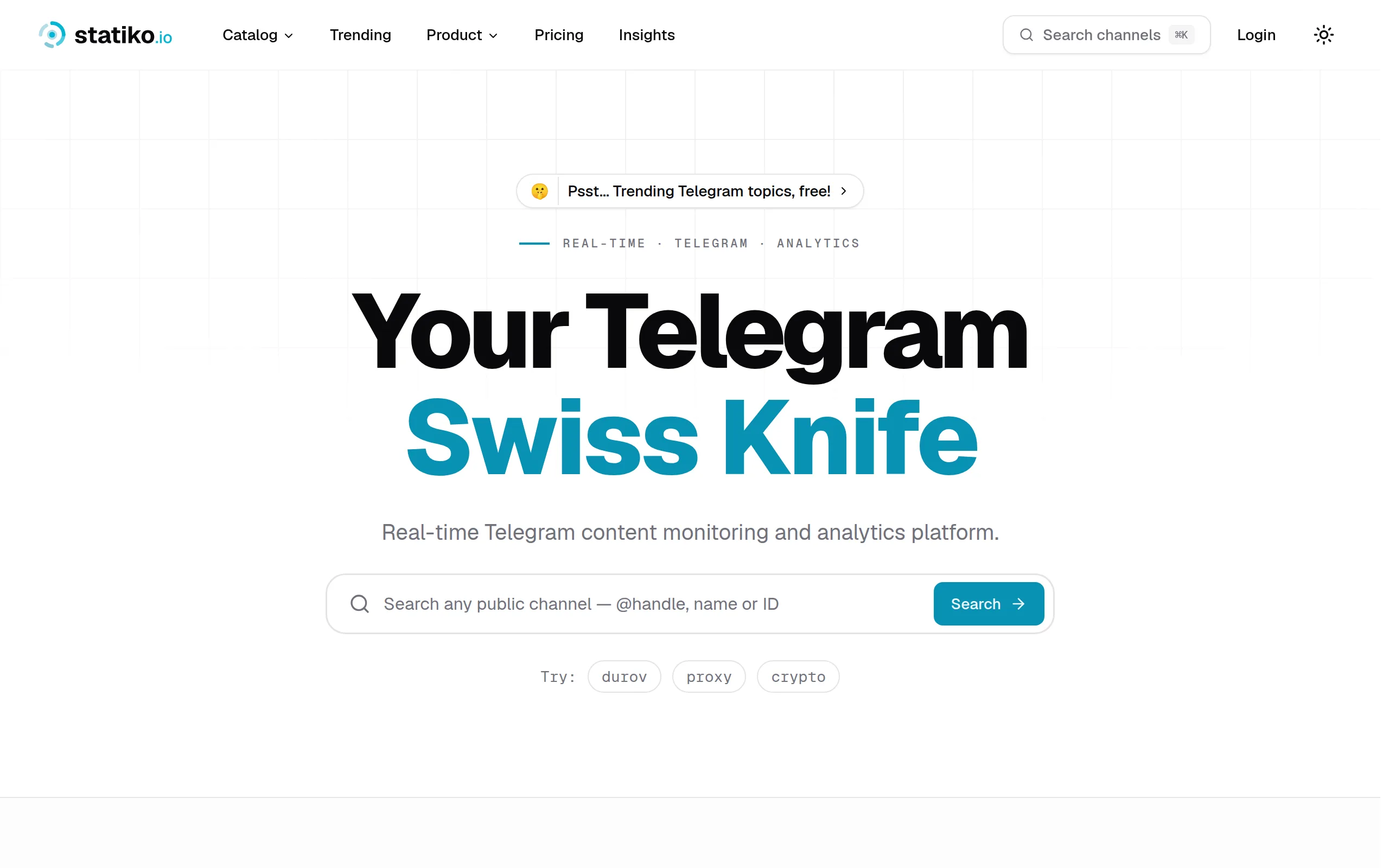
Statiko
Monitor any Telegram channel in real time - track posts, edits, deletions, and growth with AI recaps 📡

Shibui
AI website builder - describe your business, pick a niche template, edit by chatting, and publish instantly ✨

Pro Service
Find verified home service professionals, compare quotes, and pay securely through escrow - built for Brazilians across the US 🏠
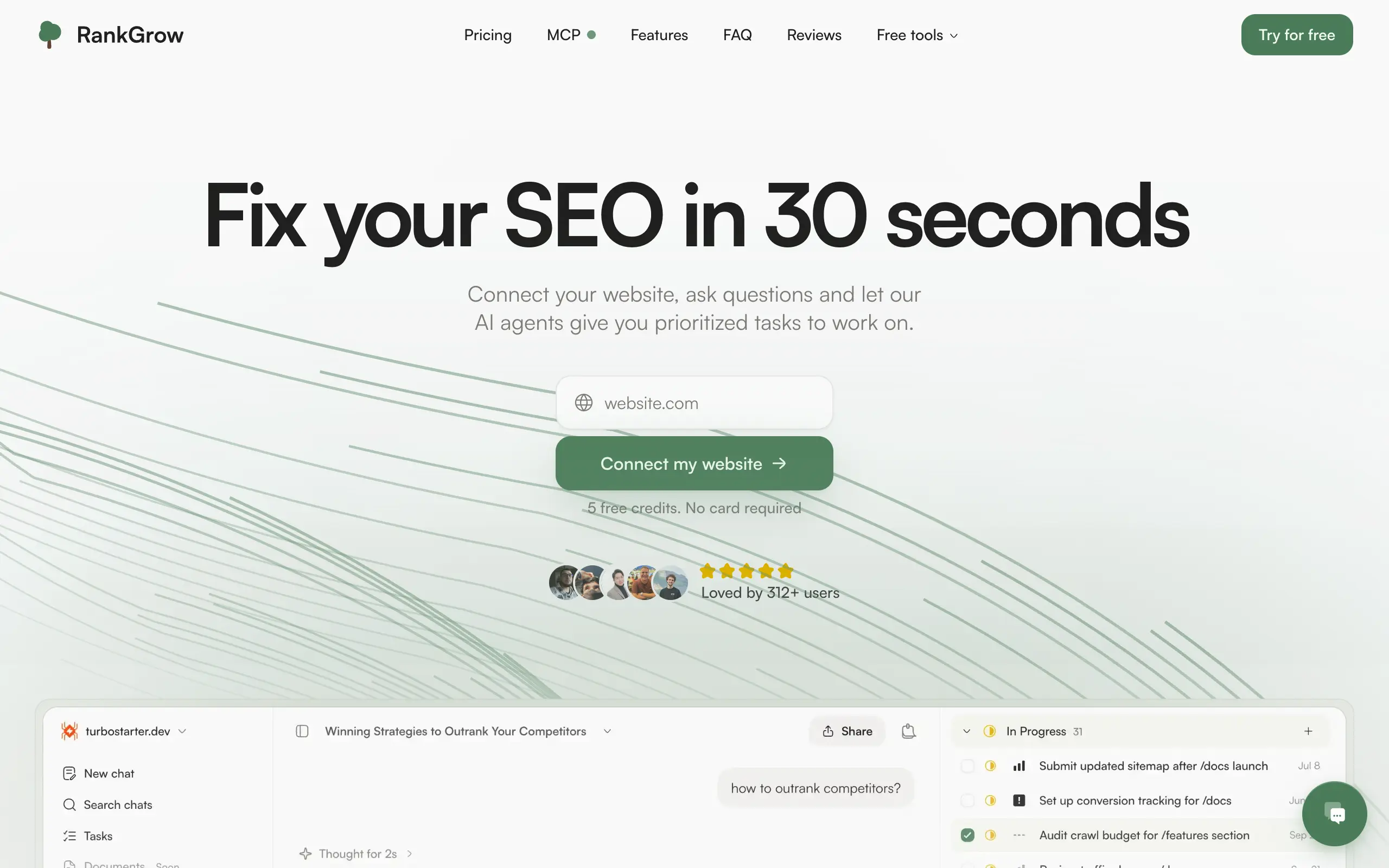
RankGrow
Fix your SEO with AI agents - connect Search Console, get prioritized tasks, and grow organic traffic 📈
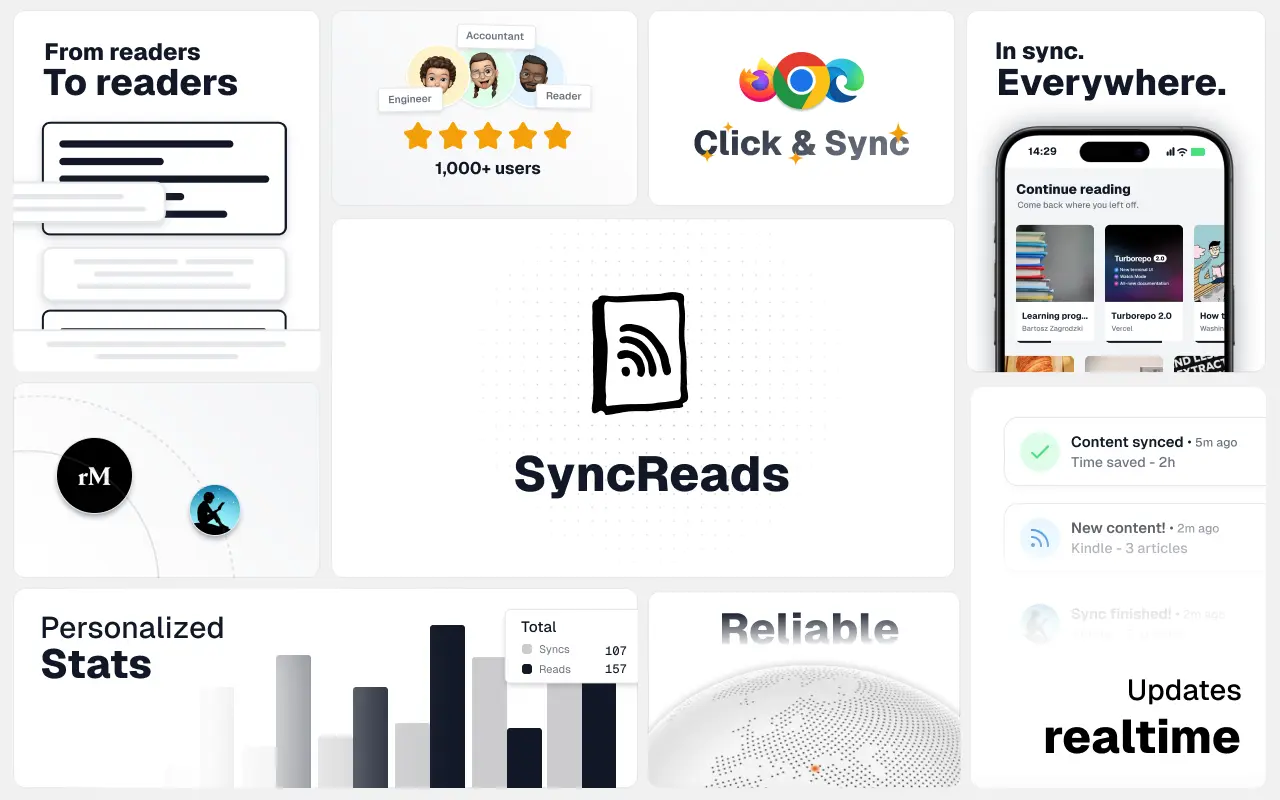
SyncReads
Sync your favorite content for distraction-free reading, save time and replace multiple apps. Anytime, anywhere 🔄
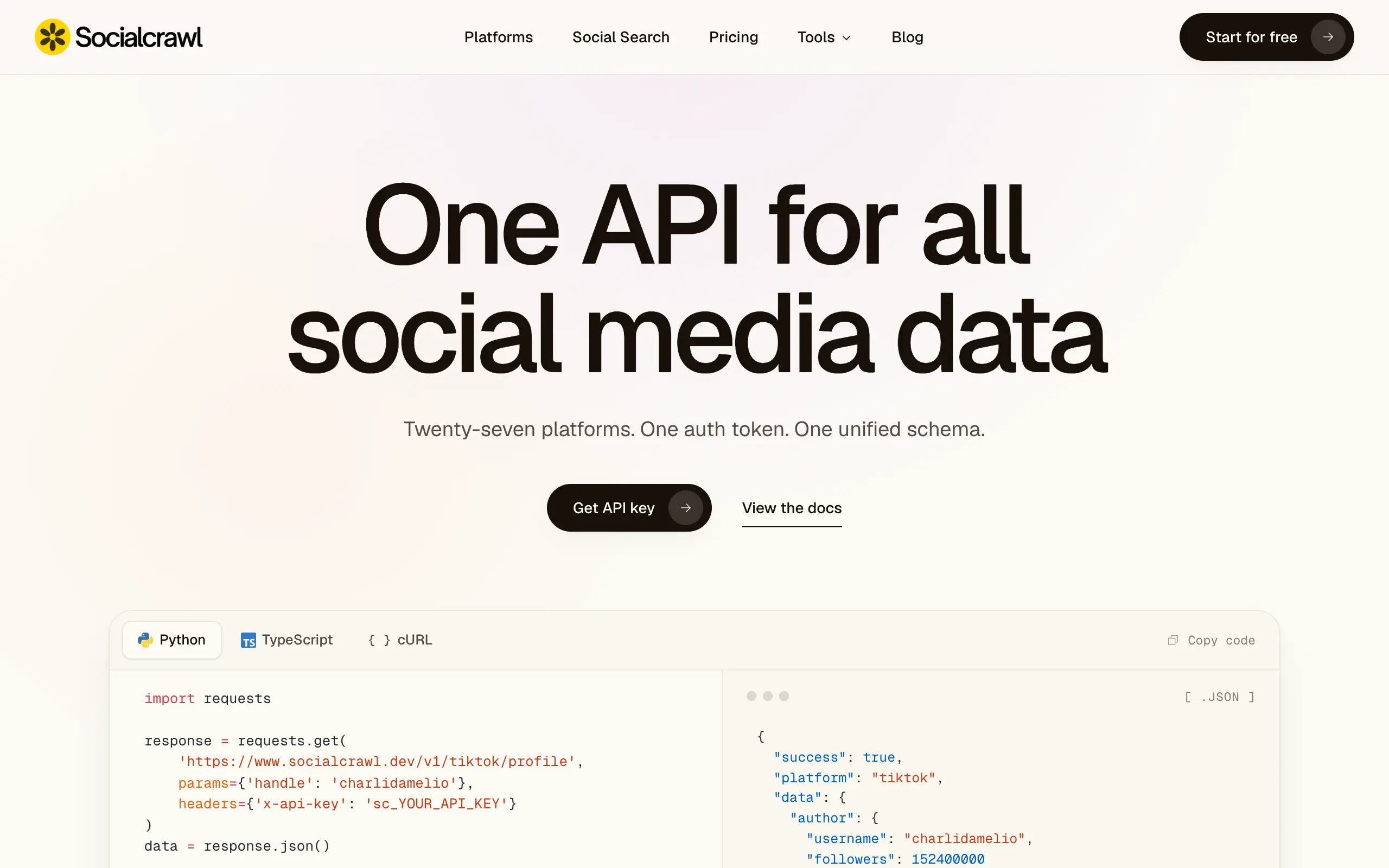
Socialcrawl
Get clean, structured data from 21 platforms like TikTok, Instagram, and YouTube with a single request 📊
Statiko
Monitor any Telegram channel in real time - track posts, edits, deletions, and growth with AI recaps 📡
Shibui
AI website builder - describe your business, pick a niche template, edit by chatting, and publish instantly ✨
Pro Service
Find verified home service professionals, compare quotes, and pay securely through escrow - built for Brazilians across the US 🏠
RankGrow
Fix your SEO with AI agents - connect Search Console, get prioritized tasks, and grow organic traffic 📈
SyncReads
Sync your favorite content for distraction-free reading, save time and replace multiple apps. Anytime, anywhere 🔄
Socialcrawl
Get clean, structured data from 21 platforms like TikTok, Instagram, and YouTube with a single request 📊
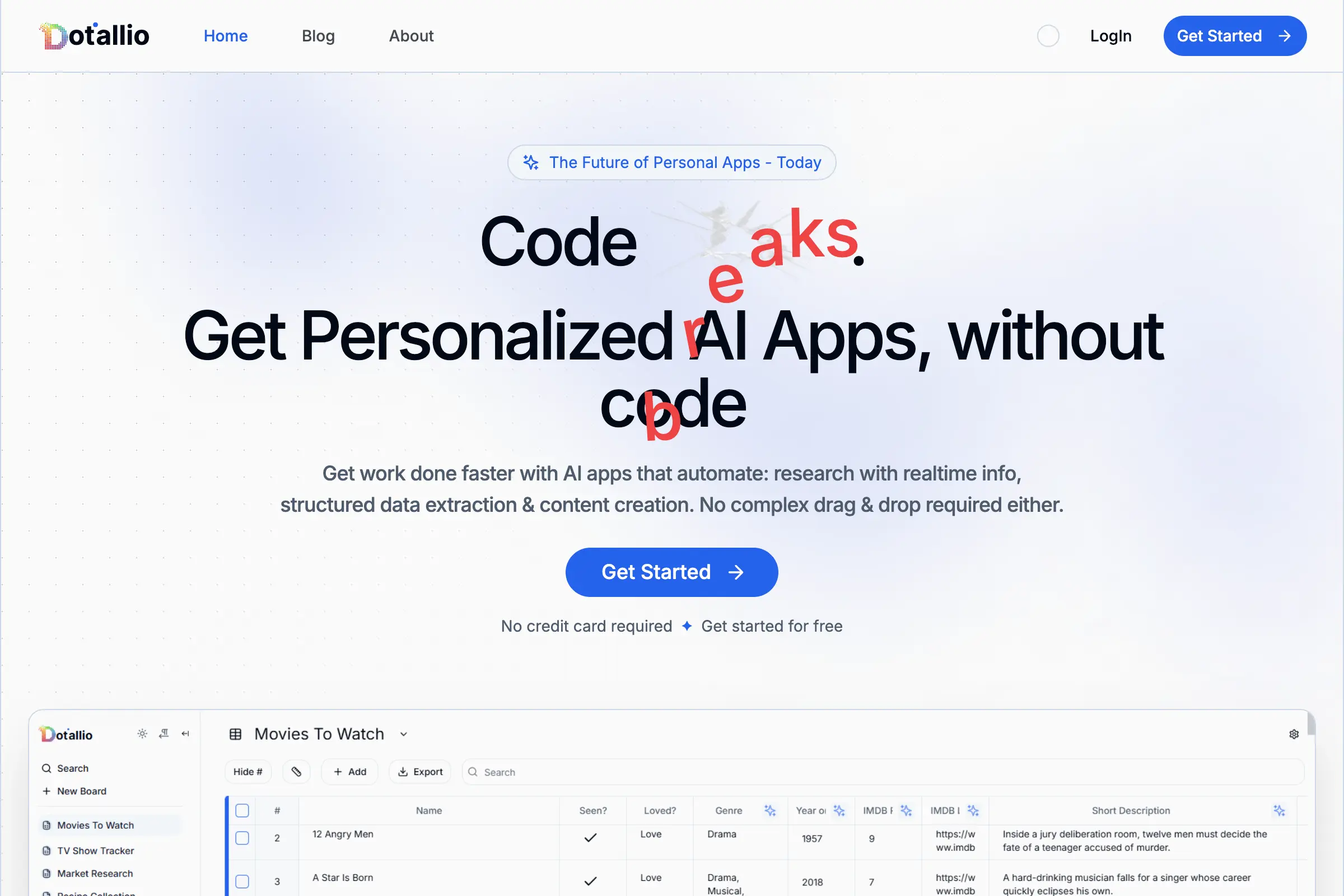
Dotallio
Personalized AI apps that automate research, data extraction, and content creation without code 🤖
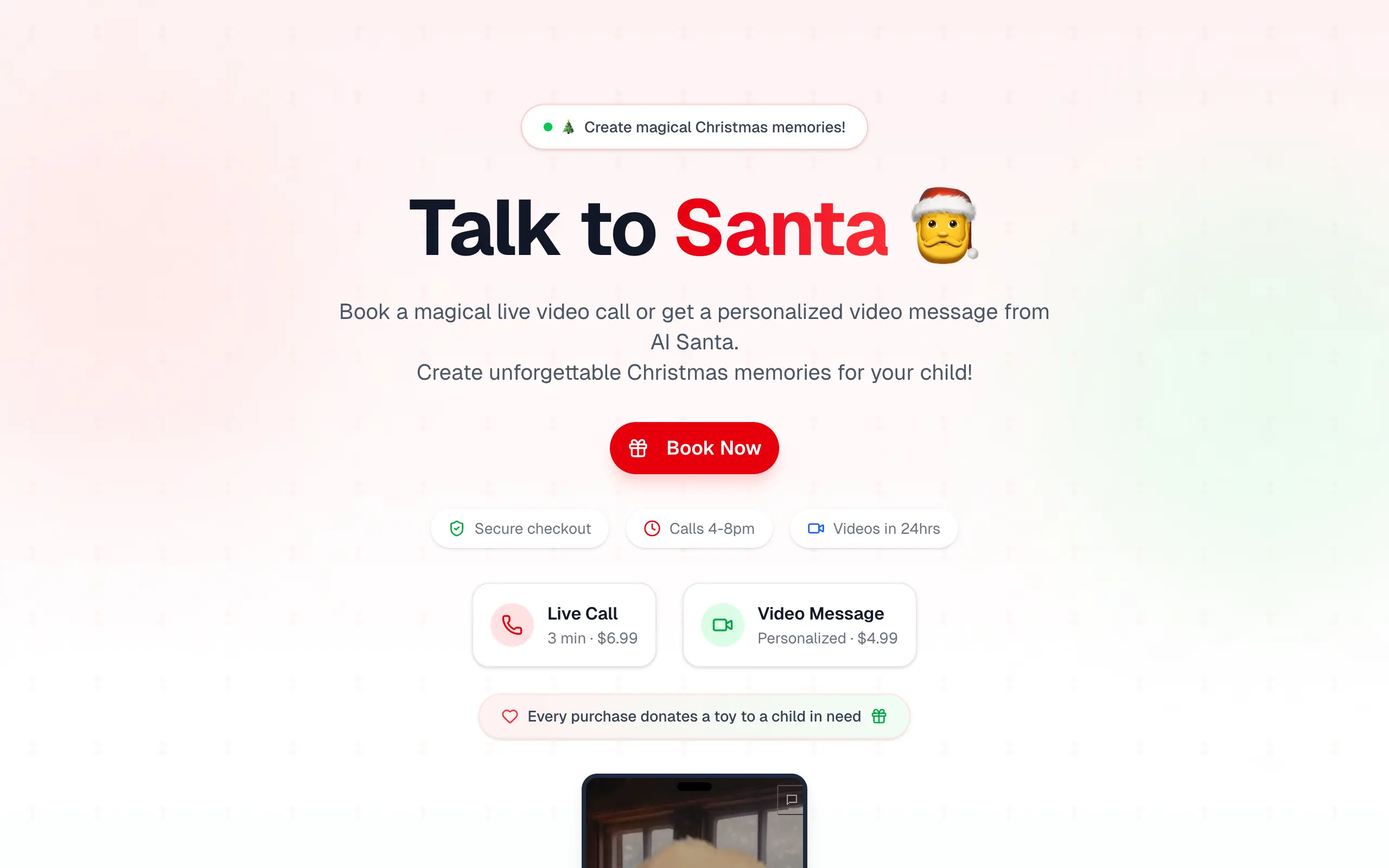
Talk to Santa
Enjoy a magical live video chat or receive a unique AI-generated video greeting from Santa Claus 🎅
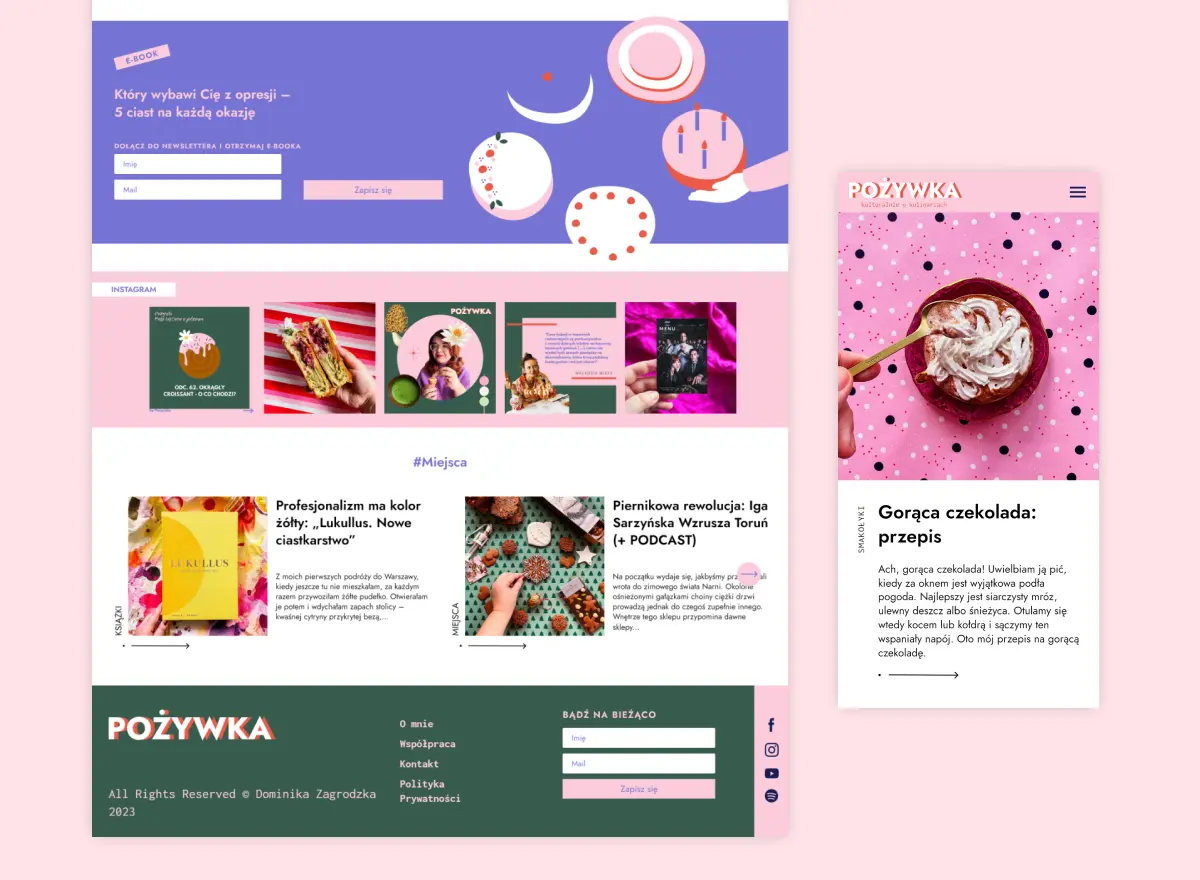
pozywka.pl
Scalable blog for food journalist, focused on performance and user experience 🌭
zagrodzki.me
Personal blog and portfolio of Bart Zagrodzki, where he shares his knowledge and work 💼
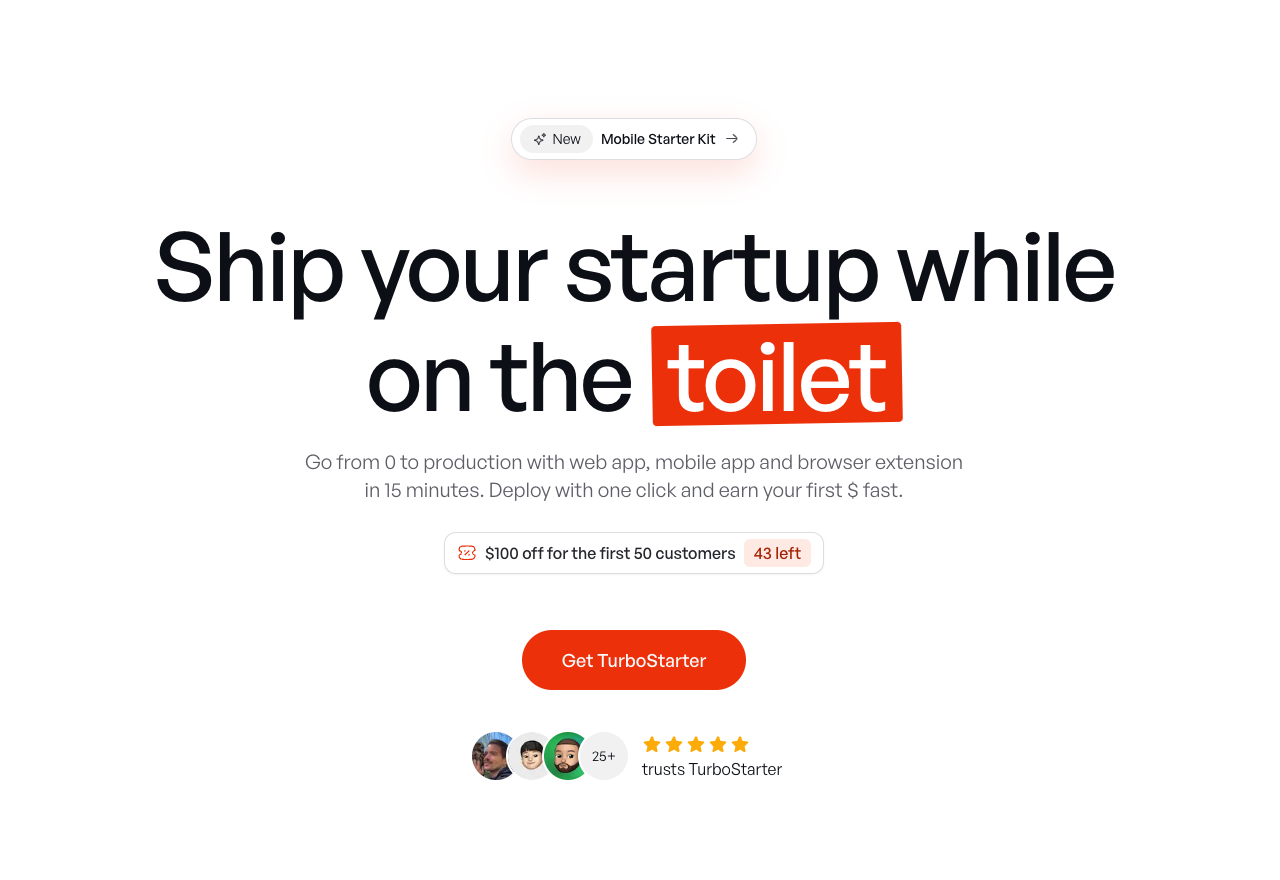
TurboStarter
Ship your startup everywhere. In minutes.
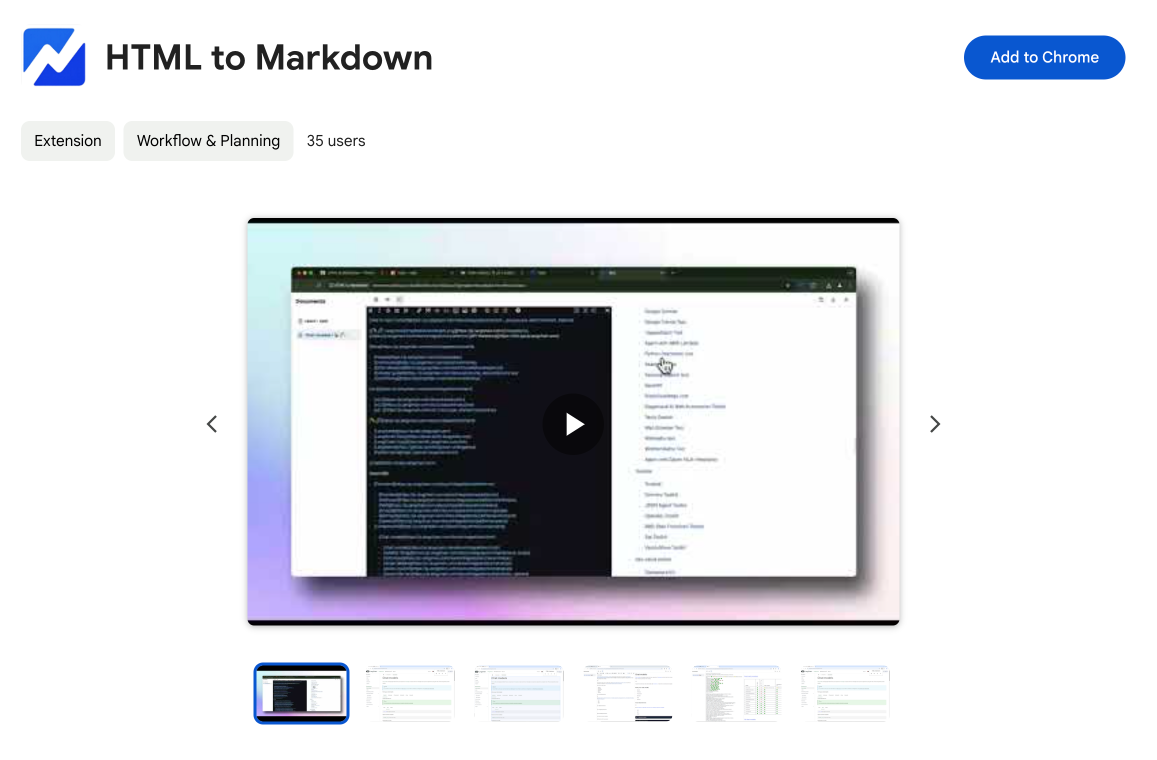
HTML to Markdown
Convert HTML to Markdown with ease, directly in your browser 📄
Dotallio
Personalized AI apps that automate research, data extraction, and content creation without code 🤖
Talk to Santa
Enjoy a magical live video chat or receive a unique AI-generated video greeting from Santa Claus 🎅
pozywka.pl
Scalable blog for food journalist, focused on performance and user experience 🌭
zagrodzki.me
Personal blog and portfolio of Bart Zagrodzki, where he shares his knowledge and work 💼
TurboStarter
Ship your startup everywhere. In minutes.
HTML to Markdown
Convert HTML to Markdown with ease, directly in your browser 📄
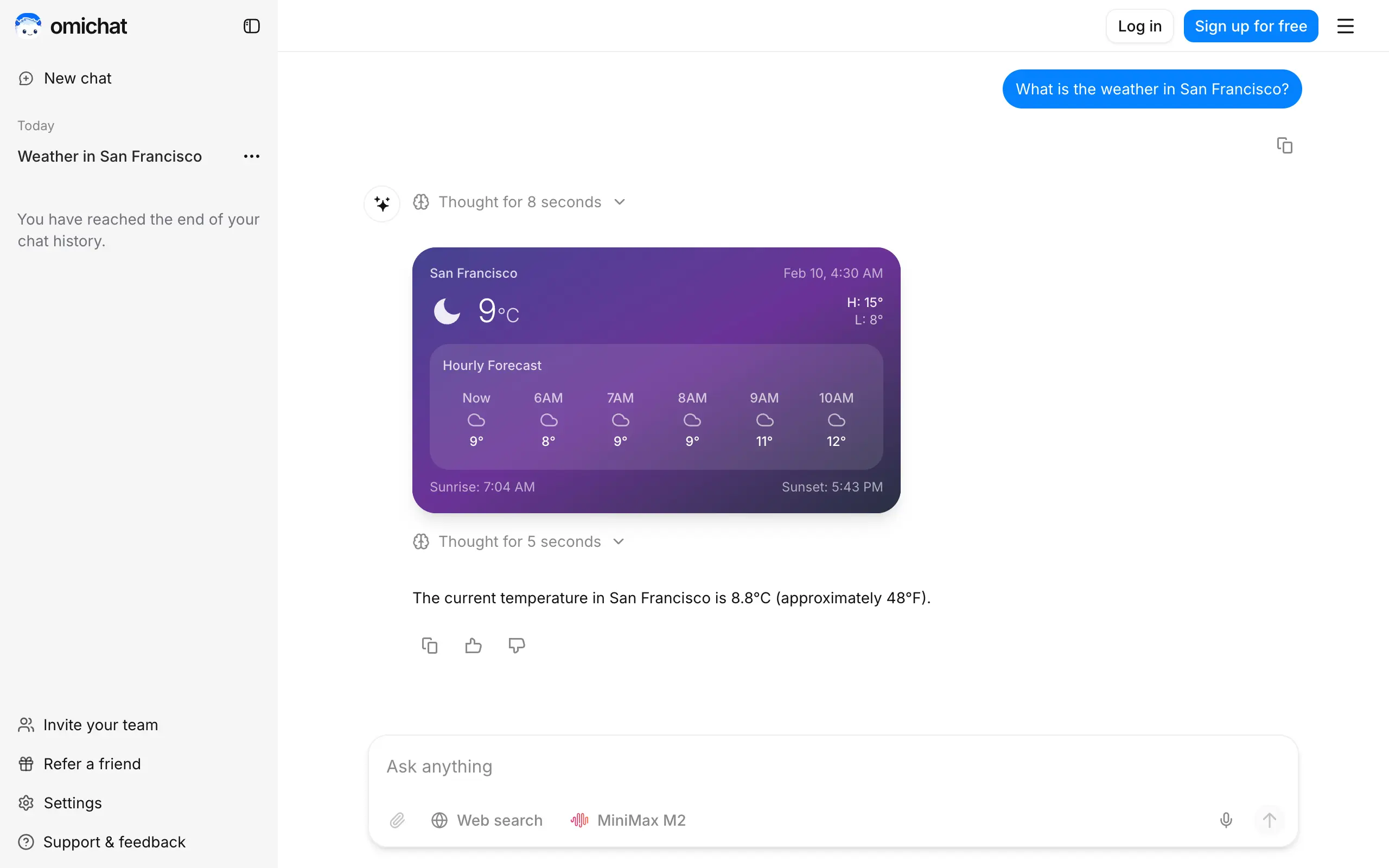
Omichat
Chat with 50+ AI models, including ChatGPT and Claude, in one place - switch models anytime without losing context 🤖
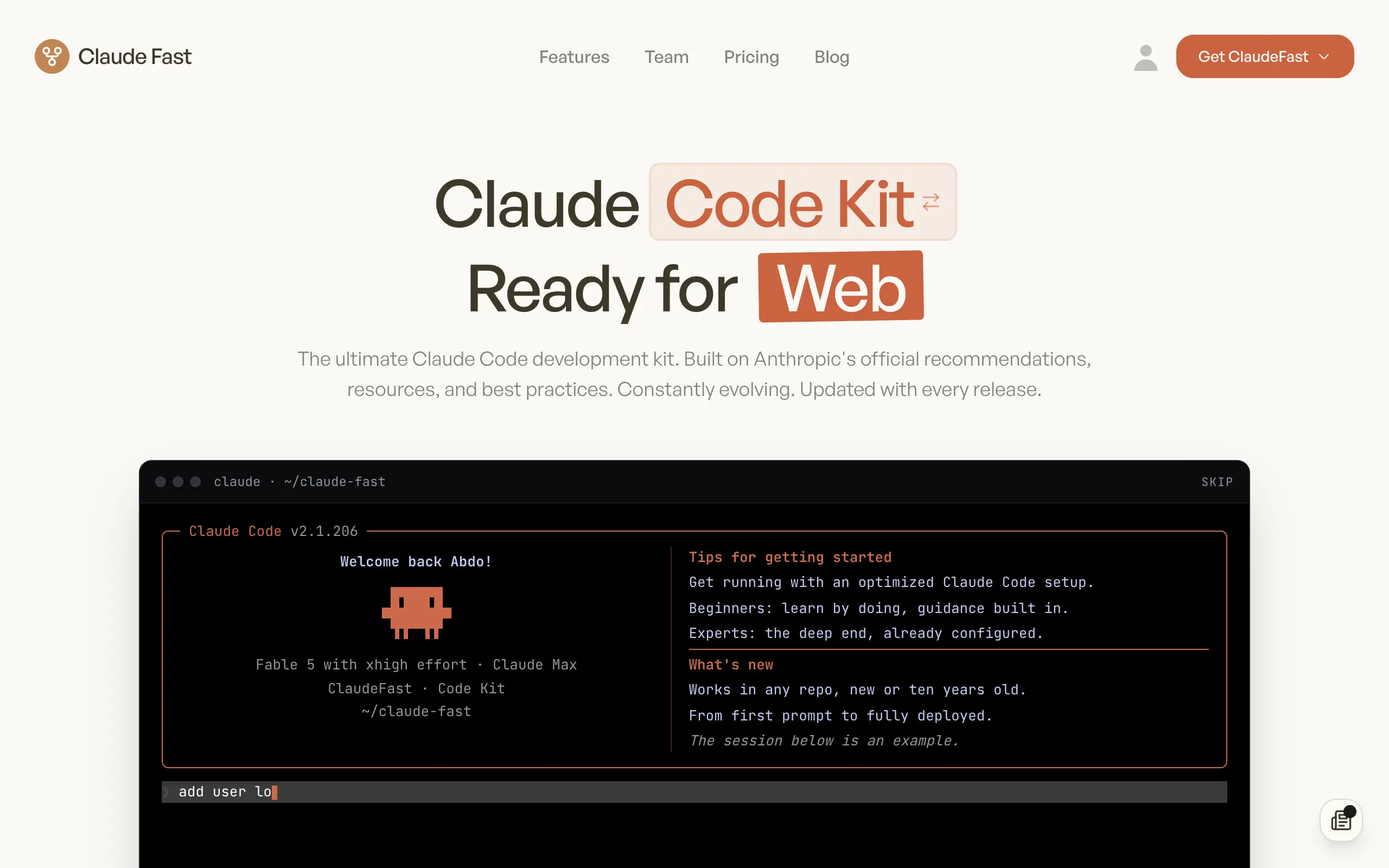
Claude Fast
Supercharge your Claude Code with 6x effective context window and specialized AI agents 🤖
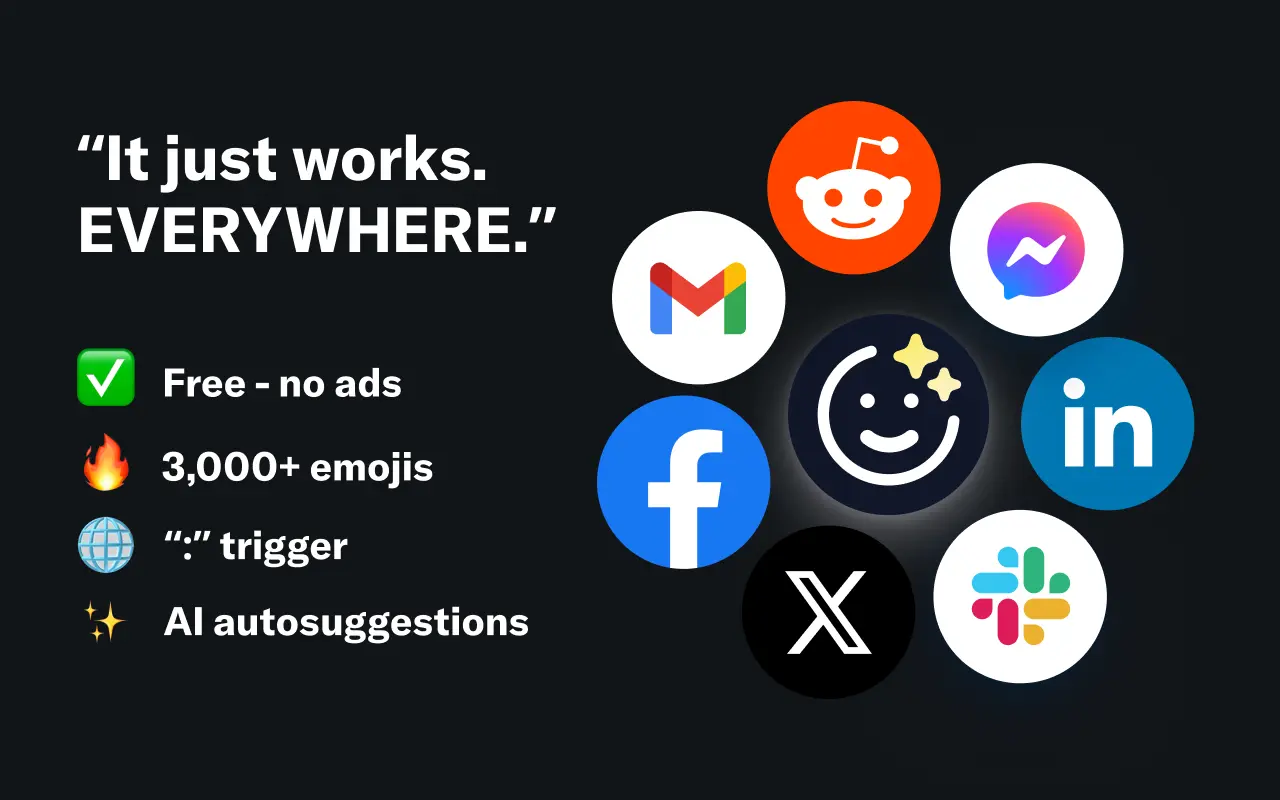
EmojAI
AI-powered emoji picker with smart, context-aware suggestions 🤖
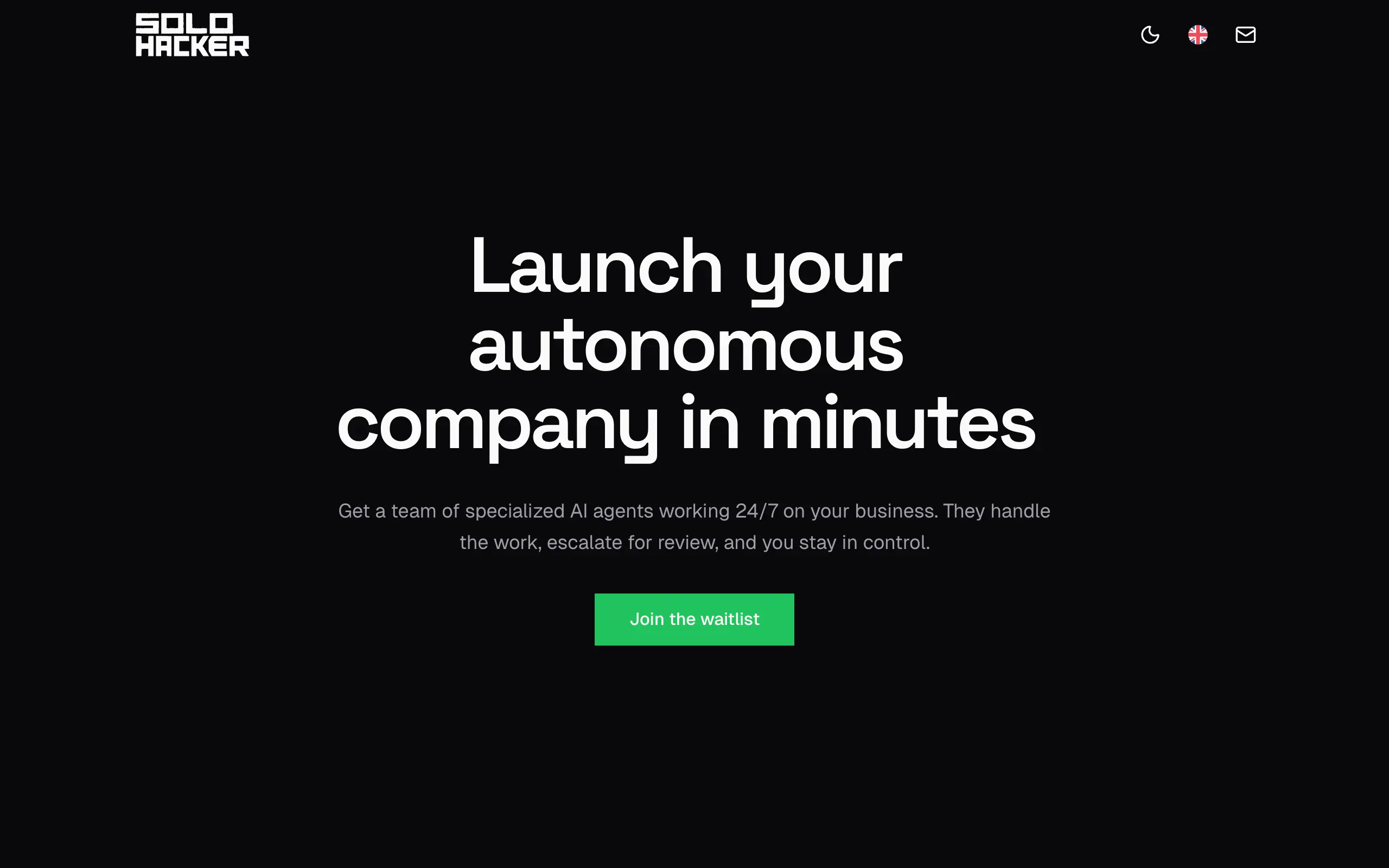
Solohacker
Autonomous company launcher - AI agents work 24/7, escalate what matters, and you stay in control 🤖
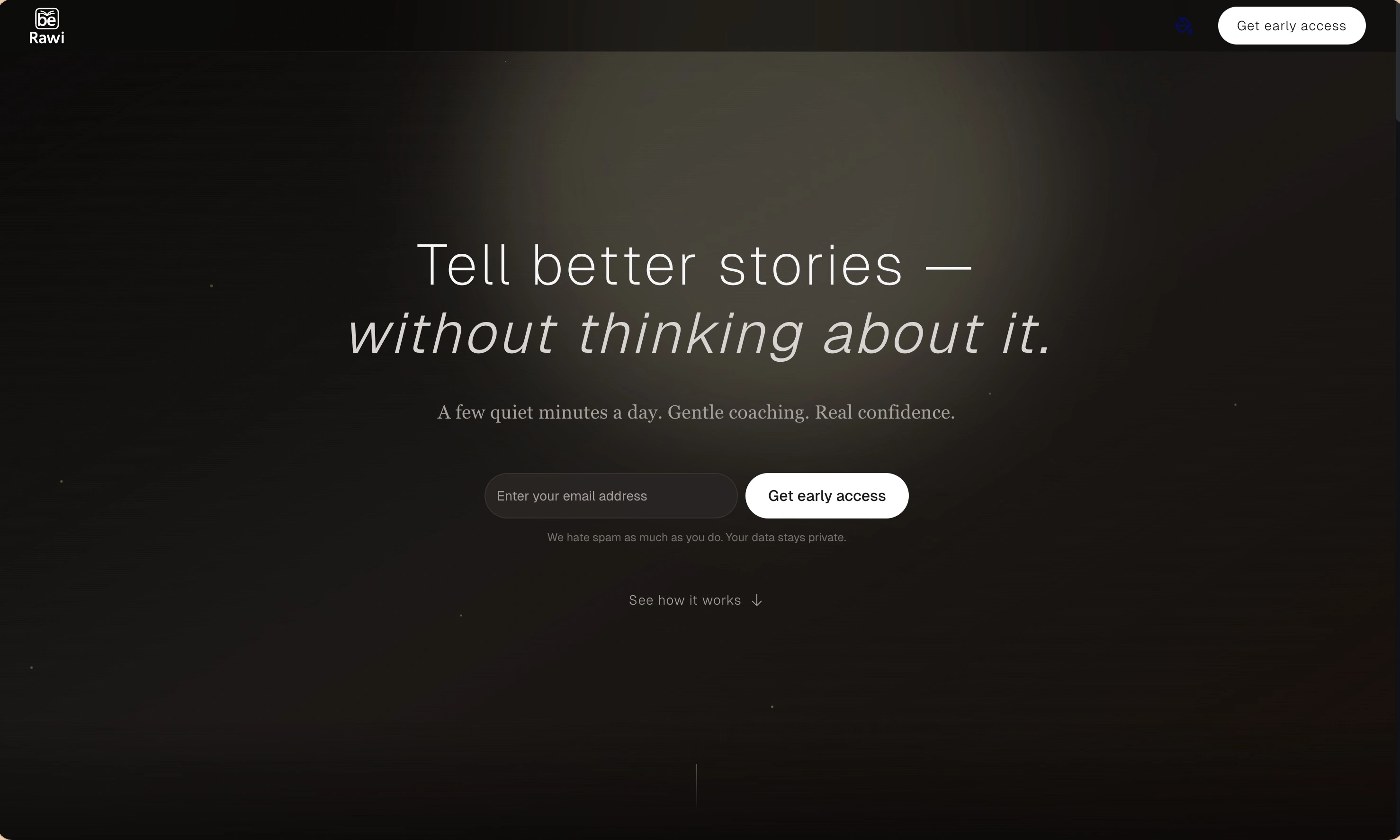
BeRawi: Storytelling Coach
Practice storytelling daily with instant feedback to sound clearer, more engaging, and confident 🎤
Omichat
Chat with 50+ AI models, including ChatGPT and Claude, in one place - switch models anytime without losing context 🤖
Claude Fast
Supercharge your Claude Code with 6x effective context window and specialized AI agents 🤖
EmojAI
AI-powered emoji picker with smart, context-aware suggestions 🤖
Solohacker
Autonomous company launcher - AI agents work 24/7, escalate what matters, and you stay in control 🤖
BeRawi: Storytelling Coach
Practice storytelling daily with instant feedback to sound clearer, more engaging, and confident 🎤

Connect with like-minded people
Join our community to get feedback, support, and grow together with 1,000+ builders on board, let's ship it!
Join usShip your startup everywhere. In minutes.
Don't burn tokens on setup and start building features on day one.