SkillSync Teams
An internal skill-sharing and micro-learning platform for startups with young teams. Employees log skills, offer mini-sessions, and track growth in a gamified daily hub.
The rise of internal skill-sharing platforms in modern startups
Startups thrive on speed, adaptability, and continuous learning. Yet most early-stage companies struggle with a hidden inefficiency: valuable skills sit undiscovered inside the team.
A frontend developer who understands growth analytics. A customer success rep with SEO expertise. A designer who can teach public speaking.
Traditional Learning Management Systems (LMS) are too heavy, too corporate, and too slow for startup culture. That’s where an internal skill-sharing and micro-learning platform like SkillSync Teams fits perfectly.
SkillSync Teams is a B2B SaaS platform designed for startups with young, ambitious teams. It enables employees to:
- Log and showcase their skills
- Offer and host mini learning sessions
- Track personal growth
- Earn recognition through gamified engagement
- Build a daily habit of internal knowledge exchange
This article provides a deep, expert-level breakdown of the opportunity, target audience, market positioning, technical architecture, monetization strategy, risks, and implementation roadmap for launching and scaling SkillSync Teams.
Understanding user intent: what founders and HR leaders are really searching for
When someone searches for:
- “internal skill sharing platform”
- “micro-learning for startups”
- “team knowledge sharing software”
- “employee skill tracking tool”
- “gamified learning for teams”
They’re typically trying to solve one of these problems:
- Low cross-functional collaboration
- Slow onboarding
- Underutilized internal expertise
- Low engagement in traditional training
- Difficulty tracking employee growth
- High external training costs
SkillSync Teams directly addresses these needs with a lightweight, startup-native solution — not an enterprise LMS clone.
Target audience analysis
Primary audience: early-stage startups (10–150 employees)
These companies typically have:
- Young, growth-oriented teams
- Limited L&D budgets
- Informal knowledge sharing processes
- Rapidly evolving roles
- Flat organizational structures
Decision-makers:
- Founders
- Heads of People / HR
- Talent Development Leads
- Operations Managers
Pain points:
- Knowledge silos
- Poor onboarding speed
- Limited career development frameworks
- Burnout from external courses
- Lack of measurable growth tracking
Secondary audience: scale-ups (150–500 employees)
These companies need:
- Structured but lightweight internal training
- Retention strategies
- Culture-building initiatives
- Skills mapping across departments
The market opportunity: why internal micro-learning is booming
The global corporate learning market is worth hundreds of billions of dollars annually (source suggestion: Statista, McKinsey workforce reports). But traditional systems are built for:
- Compliance training
- Enterprise-scale certification
- HR-driven top-down education
Startups need something different:
- Peer-driven
- Fast
- Practical
- Habit-forming
- Culturally aligned
Trends driving demand
-
Remote & hybrid work
- Harder to organically share knowledge.
- Requires intentional learning systems.
-
Gen Z & Millennial workforce
- Prefer micro-learning.
- Expect gamification.
- Value career growth transparency.
-
Skills-based hiring & promotion
- Companies are moving away from tenure-based evaluation.
- Skill visibility becomes strategic.
-
Internal mobility as retention strategy
- Employees leave when they feel stagnant.
- Internal growth reduces churn.
SkillSync Teams sits at the intersection of:
- Micro-learning
- Internal knowledge management
- Employee engagement
- Skill tracking
That’s a strong strategic positioning.
Core problem: knowledge exists but isn’t systematized
In most startups:
- Knowledge lives in Slack threads.
- Expertise is tribal.
- Learning is accidental.
- Growth is undocumented.
This leads to:
- Repeated mistakes
- Duplicate work
- Slow onboarding
- Frustrated employees
- Invisible internal experts
SkillSync Teams transforms internal expertise into an organized, searchable, gamified ecosystem.
Core features of SkillSync Teams
Below is a structured breakdown of the product vision.
1. Skill registry and profiles
Each employee can:
- Add skills (technical + soft skills)
- Set proficiency levels
- Tag expertise areas
- Indicate willingness to teach
- Indicate willingness to learn
This creates a dynamic skill graph of the company.
Why this matters
- Managers identify internal mentors.
- Founders see capability gaps.
- Teams build cross-functional awareness.
2. Micro-session marketplace
Employees can create:
- 15–30 minute mini sessions
- Workshops
- Lightning talks
- Office hours
Each session includes:
- Topic
- Skill tags
- Level (beginner/intermediate/advanced)
- Capacity
- Recording option
This creates a peer-to-peer internal learning marketplace.
3. Gamified daily learning hub
Daily hub features:
- Suggested sessions
- Skill growth streaks
- Leaderboards
- XP points
- Badges
- Weekly challenges
Gamification drives habit formation.
Why gamification works
Research in behavioral psychology shows that small rewards, streaks, and visible progress significantly increase participation rates in voluntary learning systems.
4. Skill growth tracking & analytics
Employees can:
- Track skill progress over time
- Log learning sessions attended
- Request endorsements
- Set growth goals
Managers can:
- View team skill heatmaps
- Identify skill gaps
- Track engagement metrics
- Spot emerging internal leaders
5. AI-powered skill recommendations (future phase)
Using LLM integrations:
- Recommend sessions based on role
- Suggest cross-skill development paths
- Auto-generate learning roadmaps
- Summarize session recordings
Competitive landscape analysis
Major categories:
- Enterprise LMS (e.g., Workday Learning)
- Course platforms (e.g., Udemy Business)
- Knowledge bases (e.g., Notion)
- Communication tools (e.g., Slack)
None focus primarily on internal peer-to-peer skill exchange in startups.
Comparison overview
| Feature | Enterprise LMS | Knowledge Base | Course Marketplace | SkillSync Teams |
|---|---|---|---|---|
| Peer-led sessions | ❌ | ❌ | ❌ | ✅ |
| Gamified growth tracking | ❌ | ❌ | ❌ | ✅ |
| Startup-friendly UX | ❌ | ✅ | ✅ | ✅ |
| Internal skill graph | ⚠️ | ❌ | ❌ | ✅ |
SkillSync Teams’ unique advantage is focus.
Unique selling proposition (USP)
SkillSync Teams is:
A startup-native, gamified internal skill-sharing platform designed to turn every employee into both a learner and a teacher.
Key differentiators:
- Built specifically for startups
- Lightweight and fast
- Peer-driven learning model
- Skill visibility at company level
- Gamification baked in (not bolted on)
Recommended tech stack
The ideal stack should support:
- Real-time updates
- Clean UI
- Rapid iteration
- Multi-tenant SaaS architecture
Frontend
Why:
- Fast development
- Component-driven UI
- SEO-friendly rendering
- Great ecosystem
Backend
Option A: Node.js + Prisma + PostgreSQL
Option B: Supabase (faster MVP)
Trade-offs:
- Supabase accelerates MVP but limits deep customization.
- Custom backend allows better scaling control long-term.
Real-time features
- WebSockets
- Supabase Realtime
- Or Pusher
Used for:
- Live session notifications
- Leaderboard updates
- Skill endorsement alerts
AI layer
- OpenAI API for:
- Session summaries
- Skill recommendation engine
- Personalized learning paths
SaaS infrastructure
- Stripe for billing
- Multi-tenant architecture
- Role-based access control
- SSO integration for scale-ups
Example data model for skills
model Skill {
  id            String   @id @default(uuid())
  name          String
  category      String
  createdAt     DateTime @default(now())
  updatedAt     DateTime @updatedAt
  endorsements  Int      @default(0)
}

model UserSkill {
  id        String   @id @default(uuid())
  userId    String
  skillId   String
  level     Int      // 1-5
  teachable Boolean
}
This structure enables flexible skill tracking and analytics.
Monetization strategy
SkillSync Teams is a B2B SaaS product.
1. Tiered subscription model
Starter (Free)
- Up to 10 users
- Basic skill profiles
- Limited sessions per month
Growth ($5–$8 per user/month)
- Unlimited sessions
- Gamification features
- Analytics dashboard
Scale ($10–$15 per user/month)
- Advanced analytics
- AI recommendations
- SSO
- API access
2. Add-ons
- AI coaching add-on
- Advanced analytics module
- White-labeling
- Custom onboarding packages
3. Enterprise upsell
- Dedicated support
- Custom integrations
- Data export capabilities
Go-to-market strategy
1. Niche positioning first
Target:
- YC startups
- Tech accelerators
- Remote-first companies
- Web3 & SaaS startups
2. Content marketing
SEO articles targeting:
- “internal skill sharing platform”
- “how to improve team knowledge sharing”
- “gamified employee learning”
- “micro-learning software for startups”
3. Community-driven growth
- Launch on Product Hunt
- Partner with startup communities
- Offer free plans to accelerators
Risks and mitigation strategies
Risk 1: Low engagement
Mitigation:
- Strong gamification
- Weekly challenges
- Manager nudges
- Slack integration reminders
Risk 2: Leadership not buying in
Mitigation:
- ROI dashboard
- Case studies
- Skill gap visualization
Risk 3: Feature creep
Mitigation:
- Stay focused on internal skill exchange
- Avoid becoming a generic LMS
Risk 4: Cultural resistance
Mitigation:
- Provide onboarding playbooks
- Offer templates for first sessions
- Highlight internal champions
Implementation roadmap
MVP scope definition
Keep MVP lean:
Must-have:
- User profiles
- Skill tagging
- Session creation
- Booking system
- Basic dashboard
Nice-to-have later:
- AI recommendations
- Advanced analytics
- Leaderboards
- Streak tracking
Metrics that define success
North Star Metric:
Weekly internal learning interactions per active user.
Supporting metrics:
- % employees with completed skill profiles
- Sessions created per month
- Average attendance per session
- Skill endorsements per week
- Retention after 90 days
Why this idea has strong long-term potential
SkillSync Teams benefits from:
- Network effects (more skills → more value)
- Data moat (internal skill graphs)
- Cultural integration
- Low churn if embedded into workflows
Once teams rely on it for visibility and growth tracking, switching costs increase.
How to build it faster
Instead of building from scratch, you can use a modern SaaS starter kit like:
It provides:
- Authentication
- Multi-tenancy
- Payments integration
- Production-ready structure
- Scalable architecture
This dramatically reduces time-to-market.
Final actionable checklist
If you're serious about building SkillSync Teams:
- Interview 20 startup founders.
- Validate willingness to pay.
- Build a 4-week MVP.
- Secure 3 design partners.
- Track engagement weekly.
- Iterate on gamification.
- Focus obsessively on simplicity.
Conclusion: building the future of internal startup learning
Startups don’t need another bloated LMS.
They need:
- Speed.
- Visibility.
- Engagement.
- Culture-driven growth.
- Peer-to-peer knowledge activation.
SkillSync Teams sits at a powerful intersection of learning, gamification, and startup culture. If executed with clarity and focus, it can become the default internal skill-sharing platform for modern teams.
The opportunity is real.
The demand is growing.
The timing is right.
Now it’s about execution.
More 🏢 B2B Application SaaS ideas
Discover more innovative b2b application SaaS ideas that are trending in 2026. Each idea is AI-generated with market validation and growth potential to help you find your next profitable venture faster than competitors.
Your competitors are building with TurboStarter
Below are some of the SaaS ideas that have been generated and built with our starter kit.
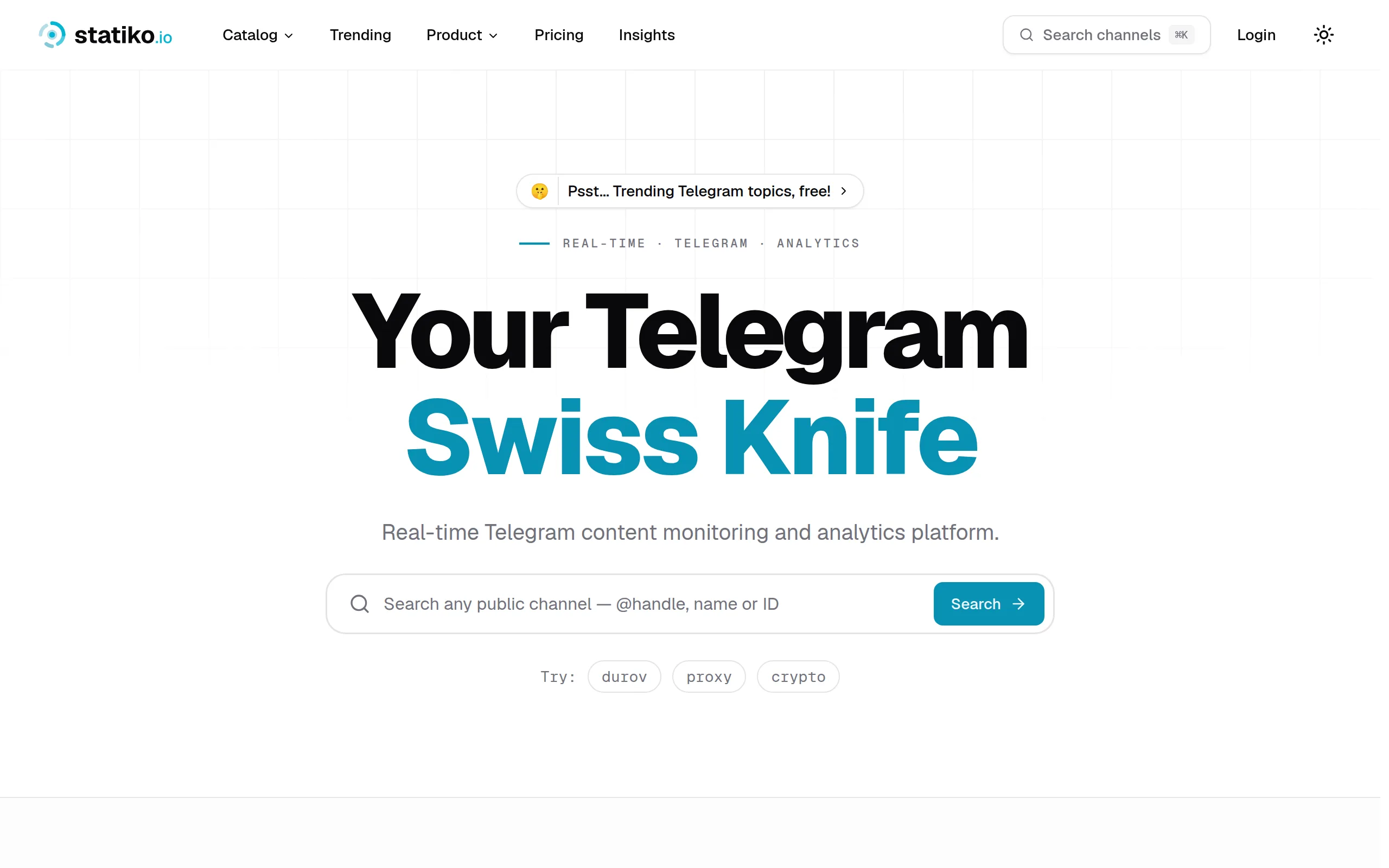
Statiko
Monitor any Telegram channel in real time - track posts, edits, deletions, and growth with AI recaps 📡
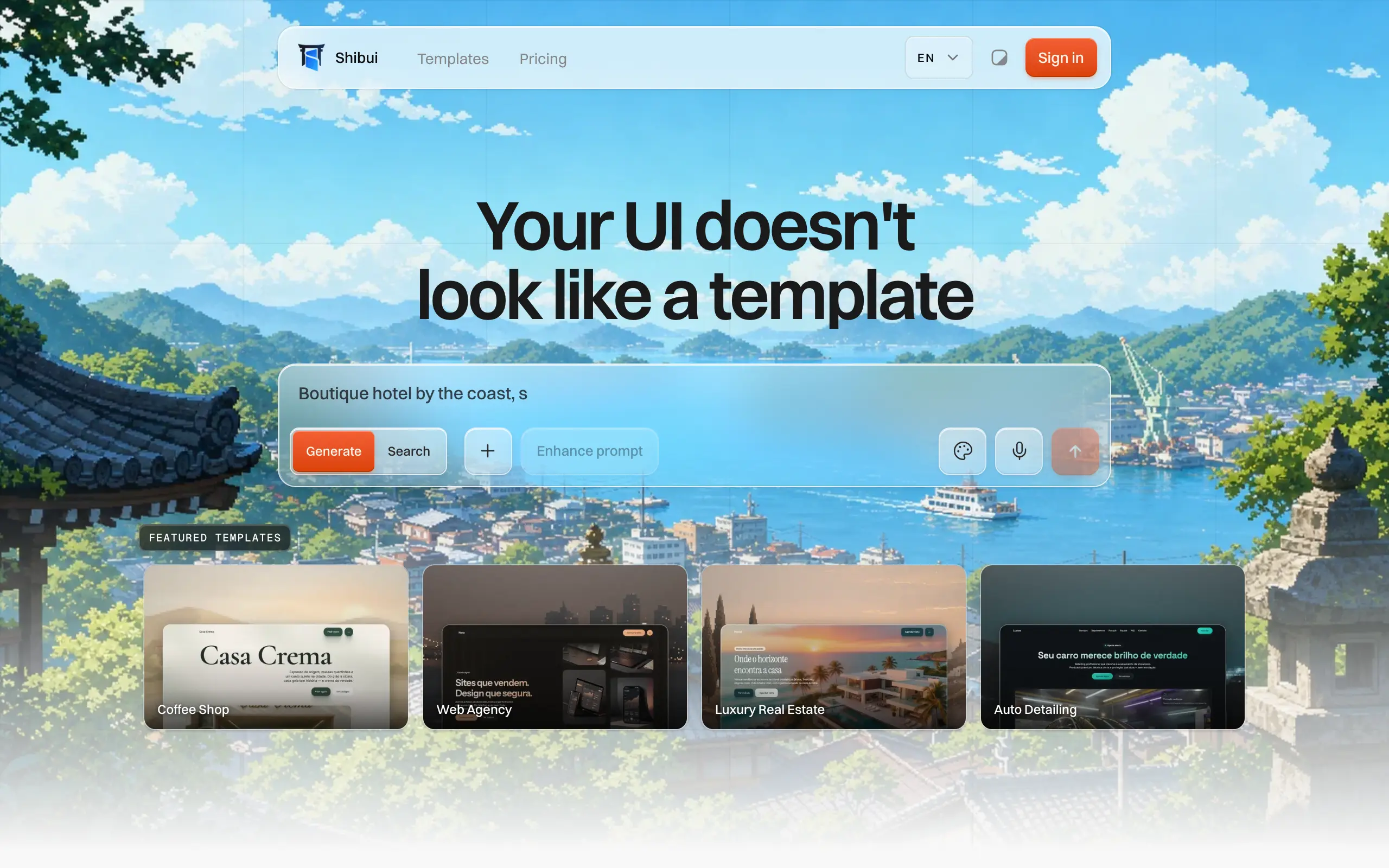
Shibui
AI website builder - describe your business, pick a niche template, edit by chatting, and publish instantly ✨

Pro Service
Find verified home service professionals, compare quotes, and pay securely through escrow - built for Brazilians across the US 🏠
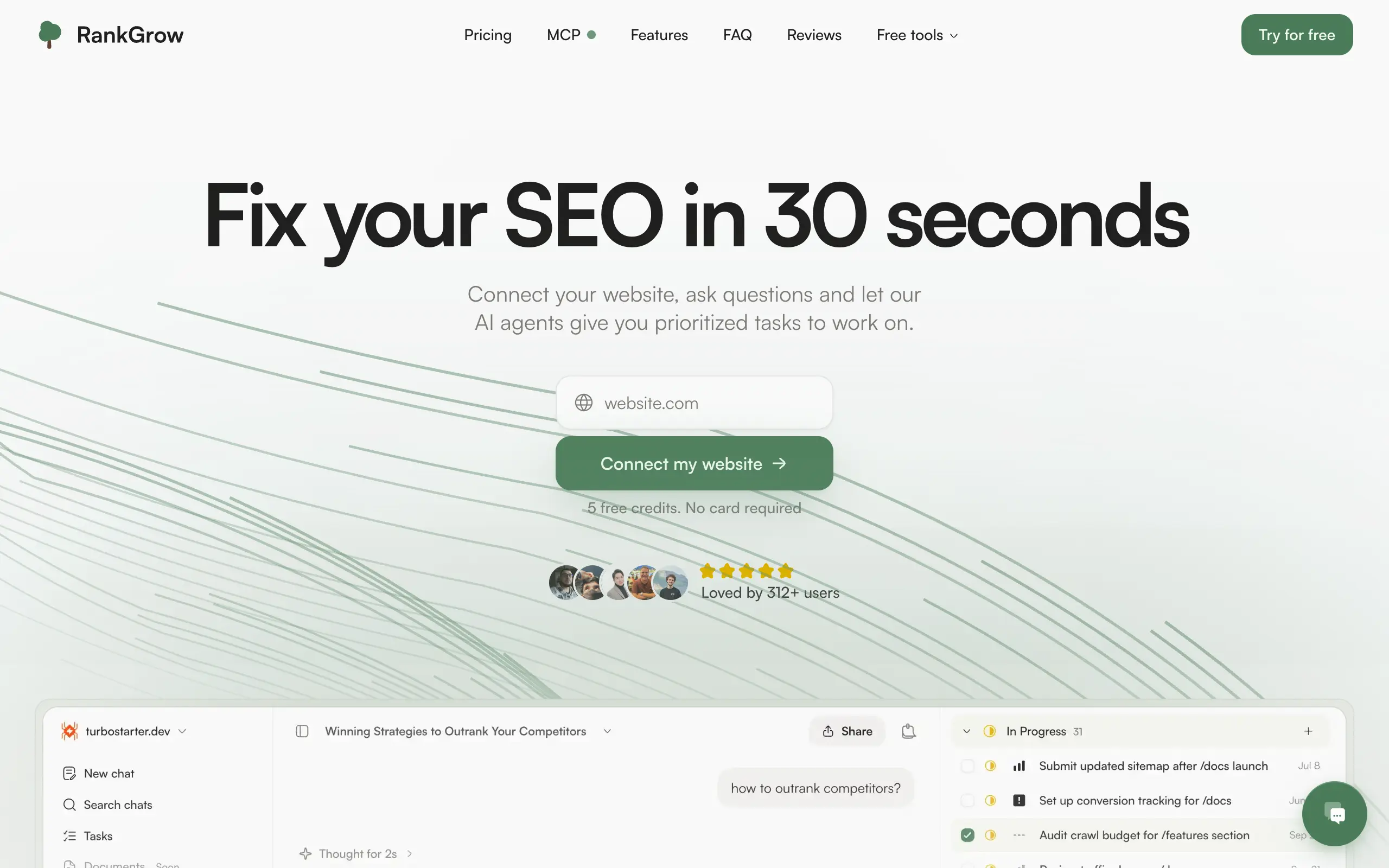
RankGrow
Fix your SEO with AI agents - connect Search Console, get prioritized tasks, and grow organic traffic 📈
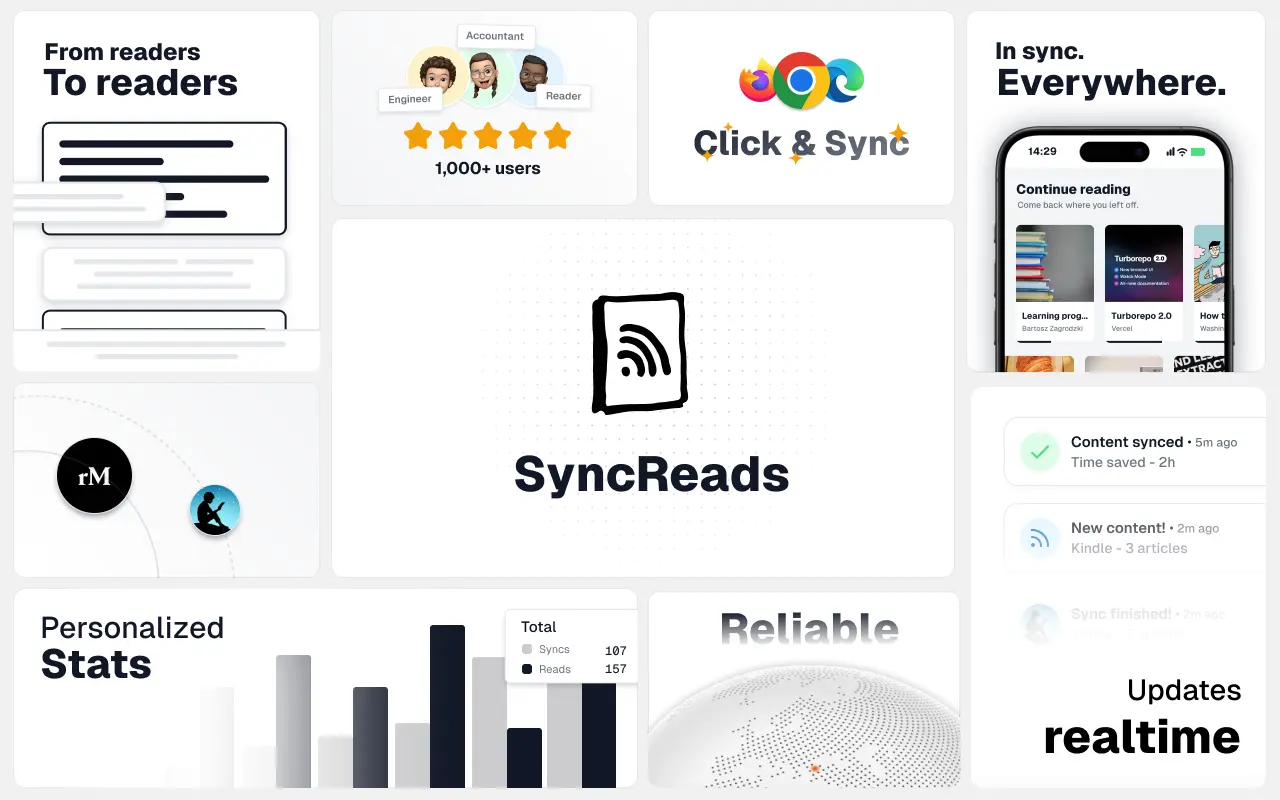
SyncReads
Sync your favorite content for distraction-free reading, save time and replace multiple apps. Anytime, anywhere 🔄
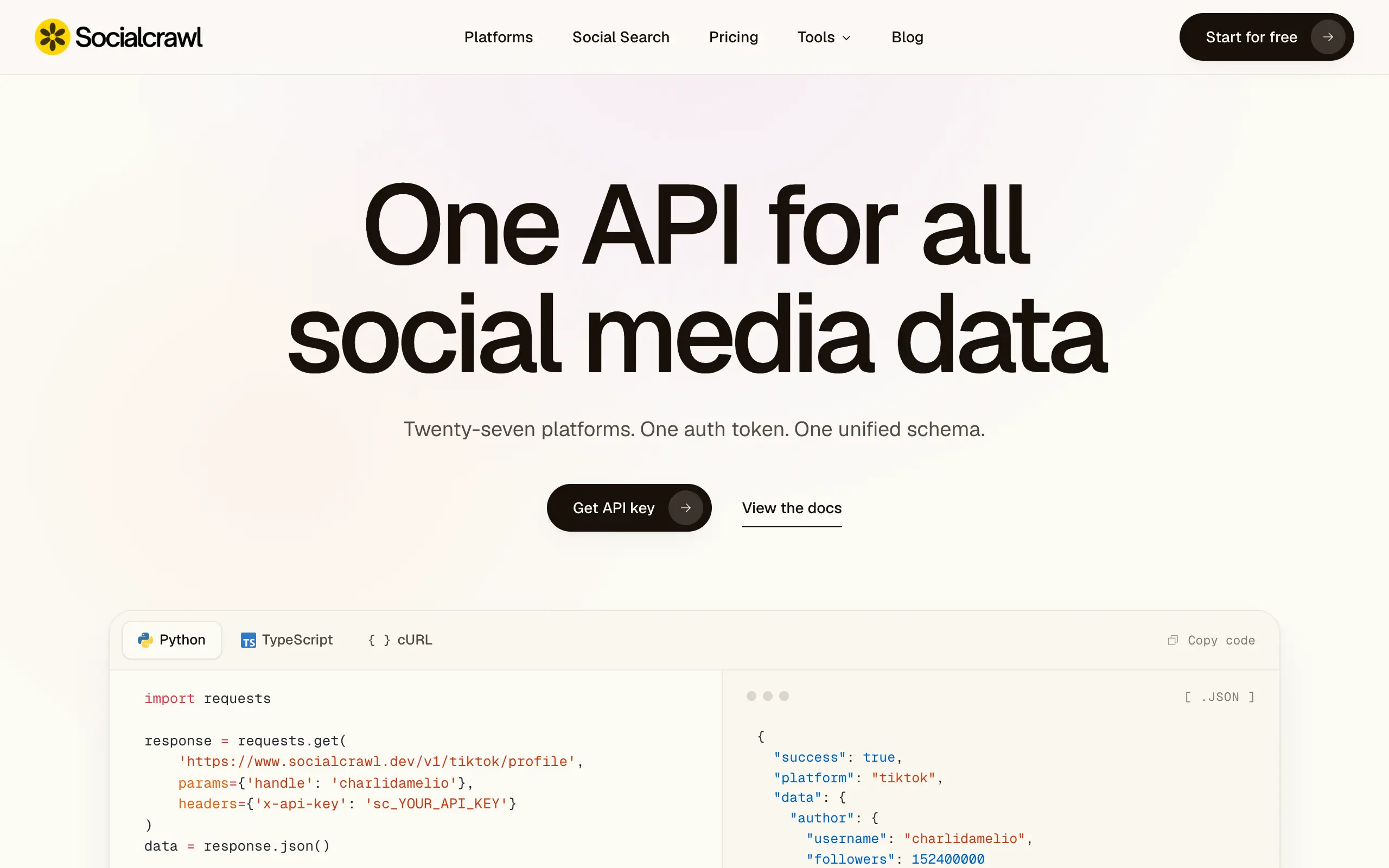
Socialcrawl
Get clean, structured data from 21 platforms like TikTok, Instagram, and YouTube with a single request 📊
Statiko
Monitor any Telegram channel in real time - track posts, edits, deletions, and growth with AI recaps 📡
Shibui
AI website builder - describe your business, pick a niche template, edit by chatting, and publish instantly ✨
Pro Service
Find verified home service professionals, compare quotes, and pay securely through escrow - built for Brazilians across the US 🏠
RankGrow
Fix your SEO with AI agents - connect Search Console, get prioritized tasks, and grow organic traffic 📈
SyncReads
Sync your favorite content for distraction-free reading, save time and replace multiple apps. Anytime, anywhere 🔄
Socialcrawl
Get clean, structured data from 21 platforms like TikTok, Instagram, and YouTube with a single request 📊
Statiko
Monitor any Telegram channel in real time - track posts, edits, deletions, and growth with AI recaps 📡
Shibui
AI website builder - describe your business, pick a niche template, edit by chatting, and publish instantly ✨
Pro Service
Find verified home service professionals, compare quotes, and pay securely through escrow - built for Brazilians across the US 🏠
RankGrow
Fix your SEO with AI agents - connect Search Console, get prioritized tasks, and grow organic traffic 📈
SyncReads
Sync your favorite content for distraction-free reading, save time and replace multiple apps. Anytime, anywhere 🔄
Socialcrawl
Get clean, structured data from 21 platforms like TikTok, Instagram, and YouTube with a single request 📊
Statiko
Monitor any Telegram channel in real time - track posts, edits, deletions, and growth with AI recaps 📡
Shibui
AI website builder - describe your business, pick a niche template, edit by chatting, and publish instantly ✨
Pro Service
Find verified home service professionals, compare quotes, and pay securely through escrow - built for Brazilians across the US 🏠
RankGrow
Fix your SEO with AI agents - connect Search Console, get prioritized tasks, and grow organic traffic 📈
SyncReads
Sync your favorite content for distraction-free reading, save time and replace multiple apps. Anytime, anywhere 🔄
Socialcrawl
Get clean, structured data from 21 platforms like TikTok, Instagram, and YouTube with a single request 📊
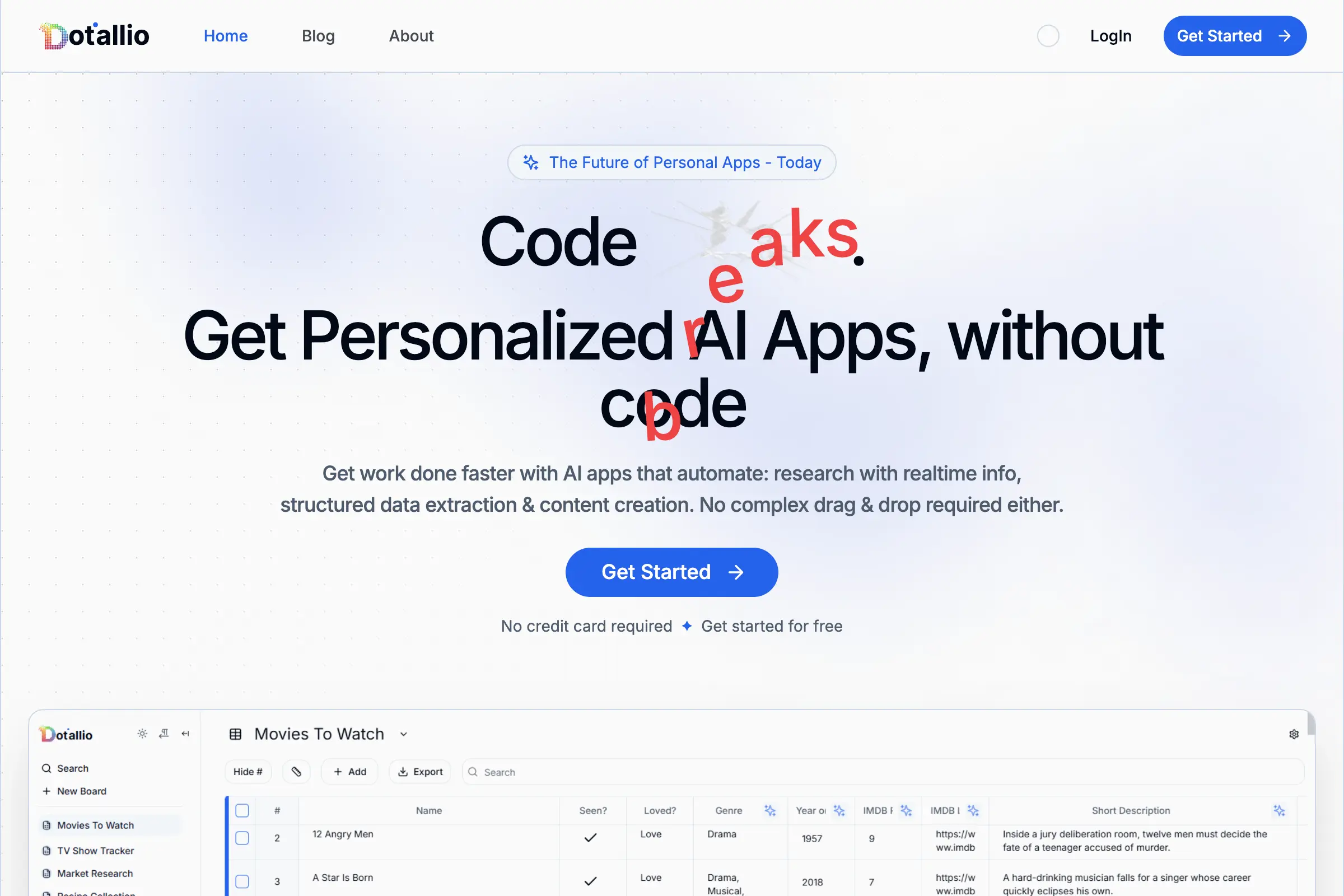
Dotallio
Personalized AI apps that automate research, data extraction, and content creation without code 🤖
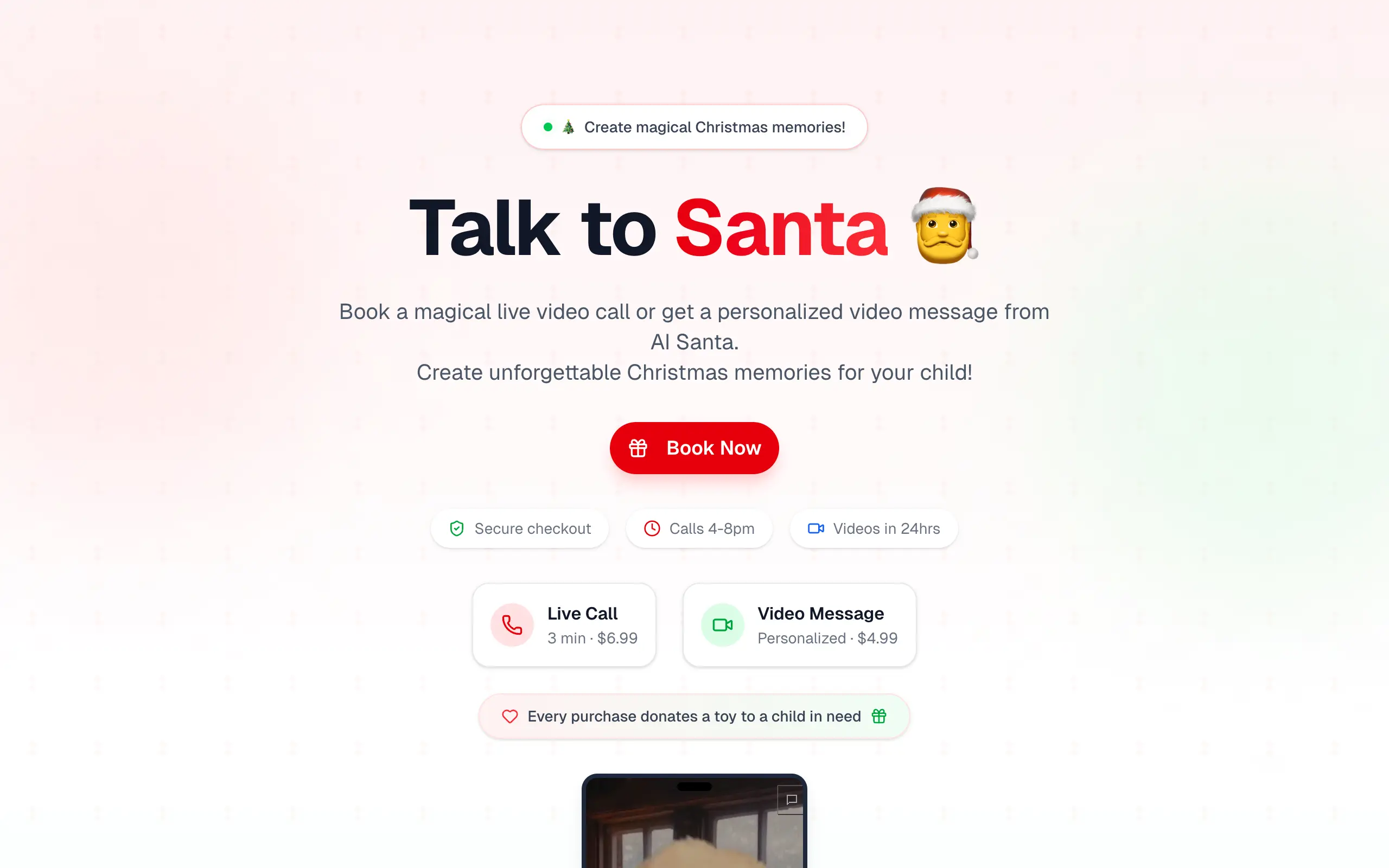
Talk to Santa
Enjoy a magical live video chat or receive a unique AI-generated video greeting from Santa Claus 🎅
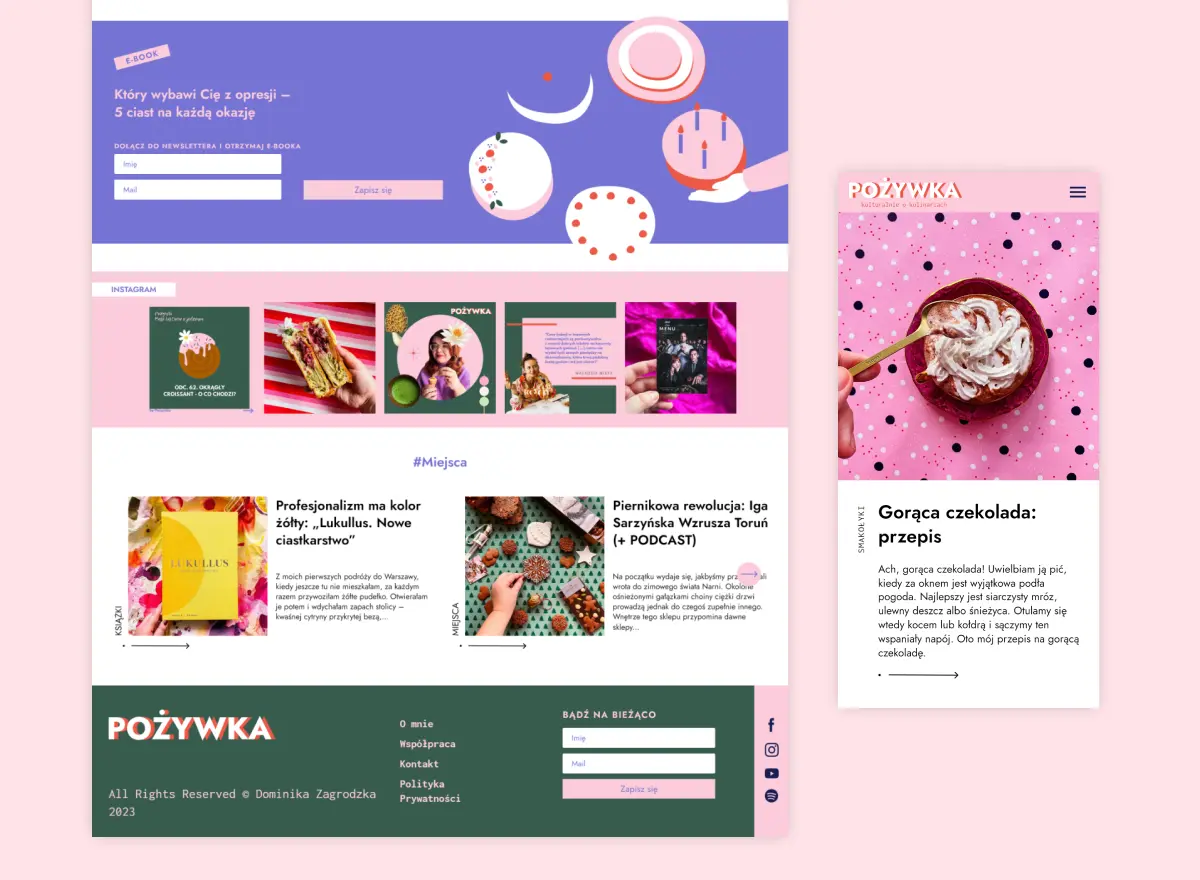
pozywka.pl
Scalable blog for food journalist, focused on performance and user experience 🌭
zagrodzki.me
Personal blog and portfolio of Bart Zagrodzki, where he shares his knowledge and work 💼
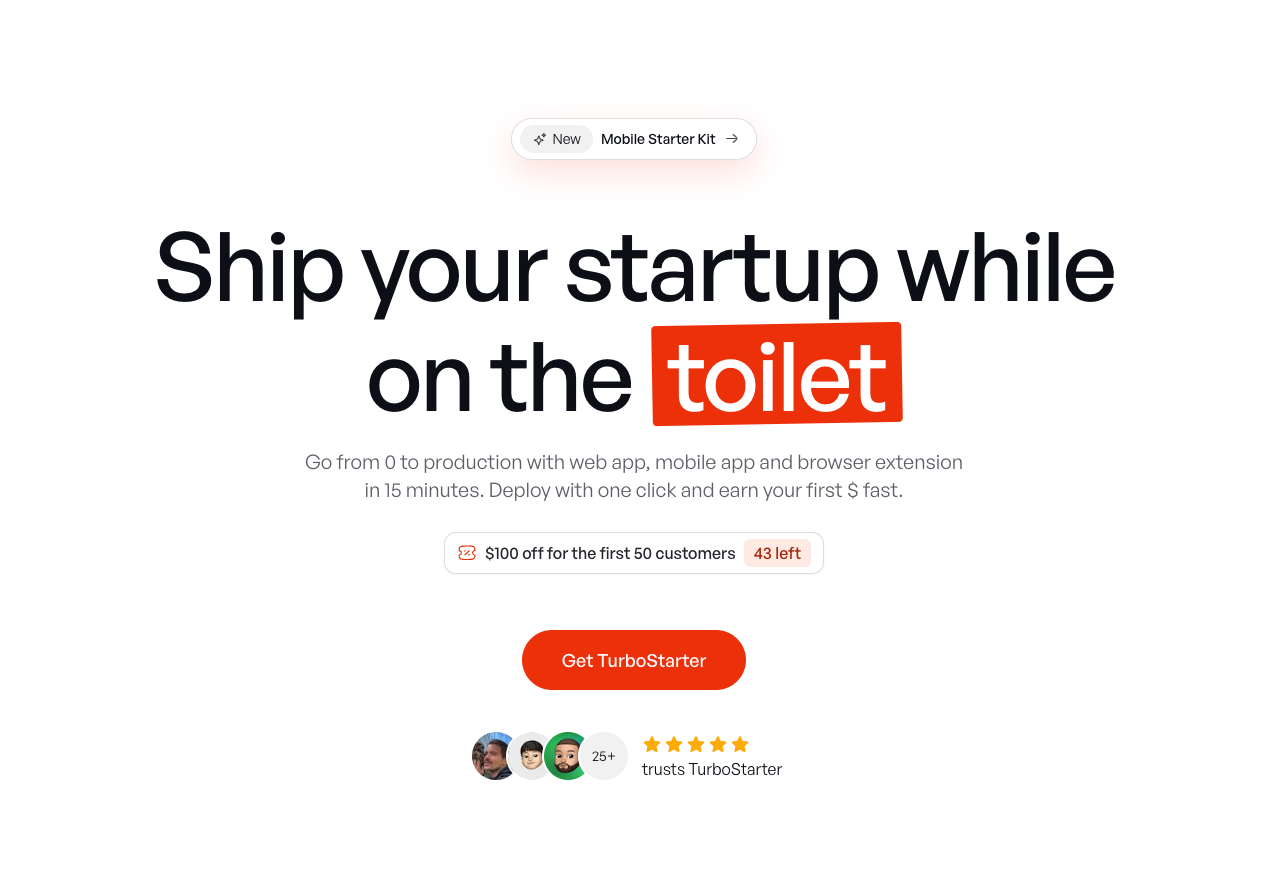
TurboStarter
Ship your startup everywhere. In minutes.
HTML to Markdown
Convert HTML to Markdown with ease, directly in your browser 📄
Dotallio
Personalized AI apps that automate research, data extraction, and content creation without code 🤖
Talk to Santa
Enjoy a magical live video chat or receive a unique AI-generated video greeting from Santa Claus 🎅
pozywka.pl
Scalable blog for food journalist, focused on performance and user experience 🌭
zagrodzki.me
Personal blog and portfolio of Bart Zagrodzki, where he shares his knowledge and work 💼
TurboStarter
Ship your startup everywhere. In minutes.
HTML to Markdown
Convert HTML to Markdown with ease, directly in your browser 📄
Dotallio
Personalized AI apps that automate research, data extraction, and content creation without code 🤖
Talk to Santa
Enjoy a magical live video chat or receive a unique AI-generated video greeting from Santa Claus 🎅
pozywka.pl
Scalable blog for food journalist, focused on performance and user experience 🌭
zagrodzki.me
Personal blog and portfolio of Bart Zagrodzki, where he shares his knowledge and work 💼
TurboStarter
Ship your startup everywhere. In minutes.
HTML to Markdown
Convert HTML to Markdown with ease, directly in your browser 📄
Dotallio
Personalized AI apps that automate research, data extraction, and content creation without code 🤖
Talk to Santa
Enjoy a magical live video chat or receive a unique AI-generated video greeting from Santa Claus 🎅
pozywka.pl
Scalable blog for food journalist, focused on performance and user experience 🌭
zagrodzki.me
Personal blog and portfolio of Bart Zagrodzki, where he shares his knowledge and work 💼
TurboStarter
Ship your startup everywhere. In minutes.
HTML to Markdown
Convert HTML to Markdown with ease, directly in your browser 📄
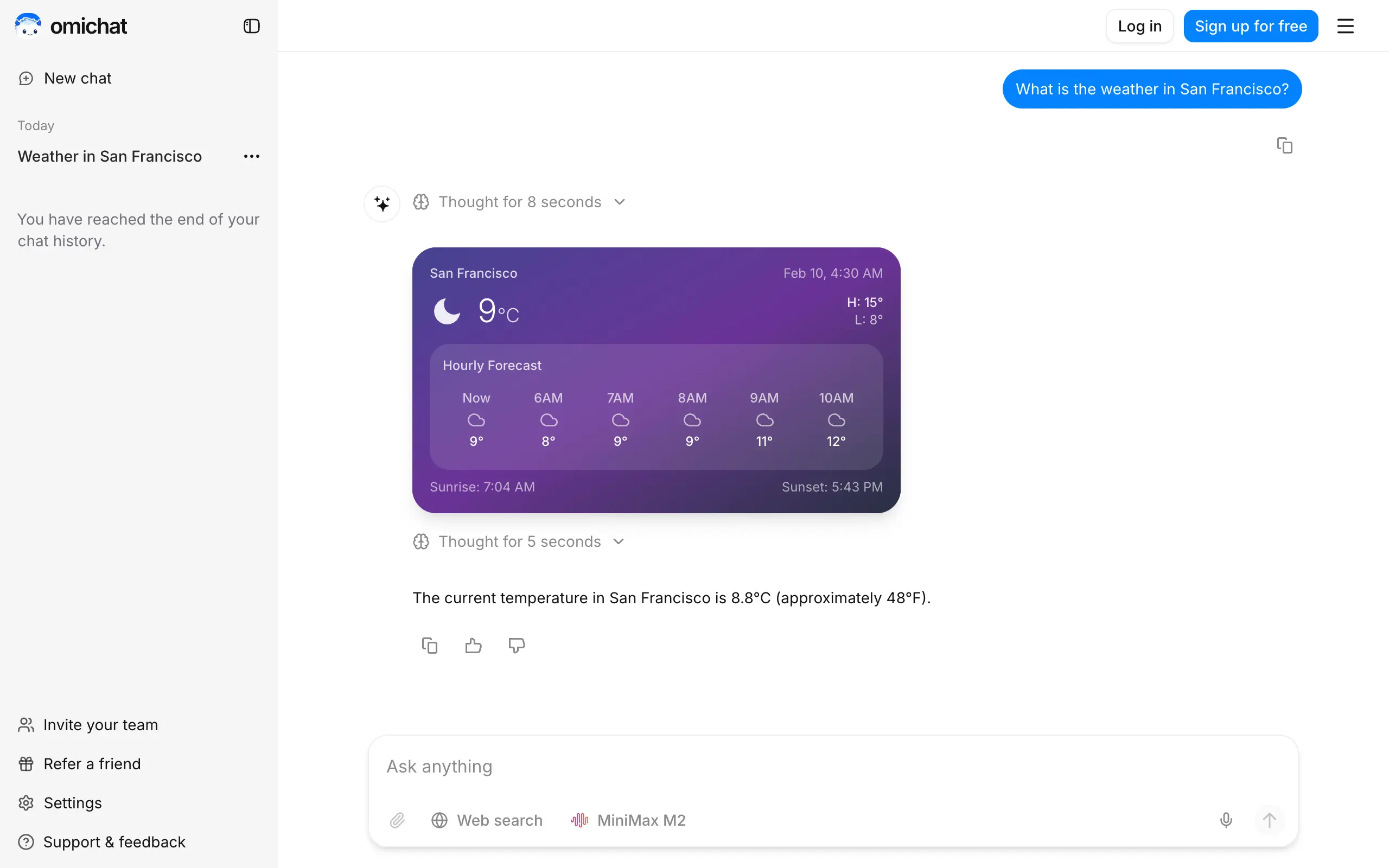
Omichat
Chat with 50+ AI models, including ChatGPT and Claude, in one place - switch models anytime without losing context 🤖
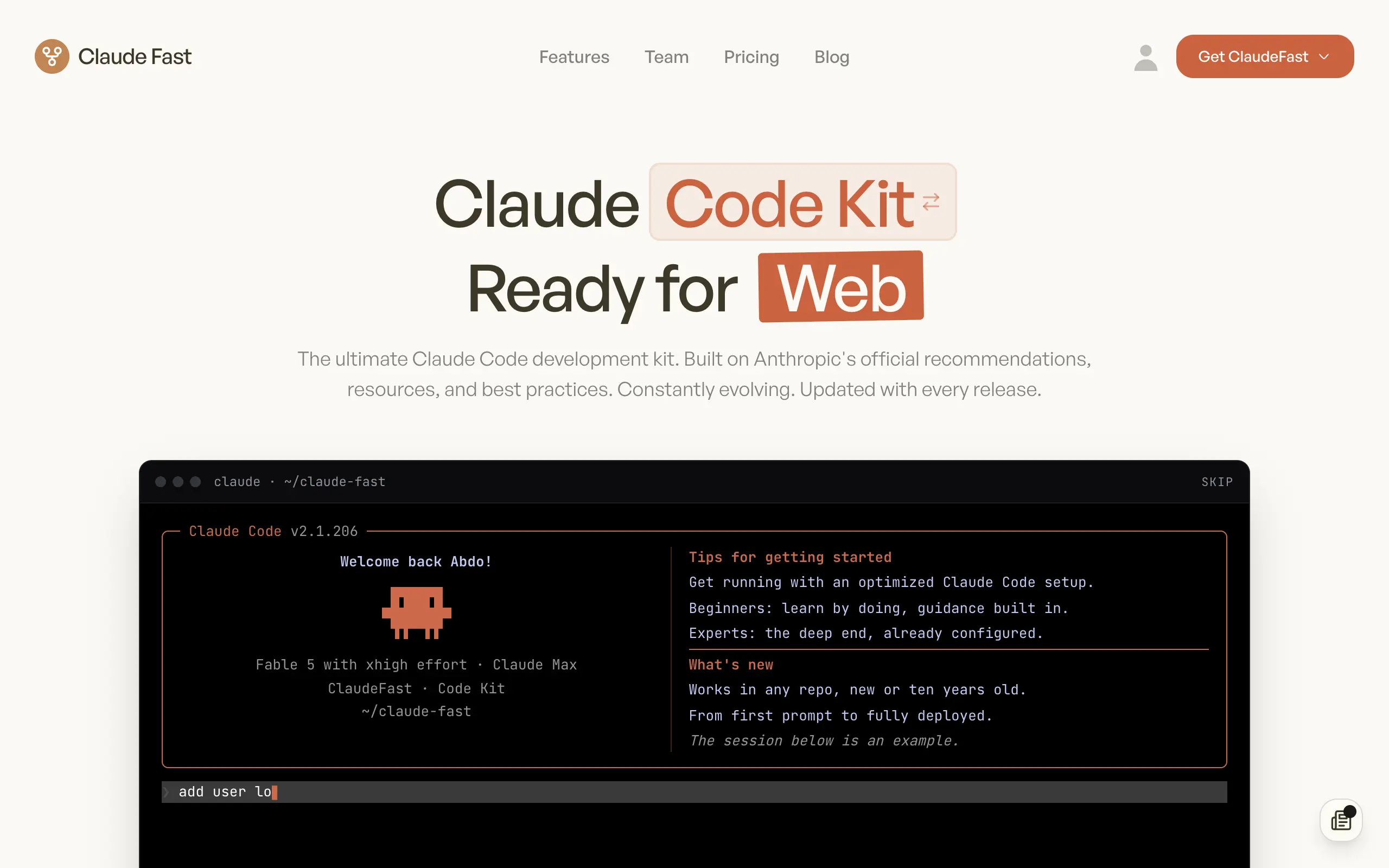
Claude Fast
Supercharge your Claude Code with 6x effective context window and specialized AI agents 🤖
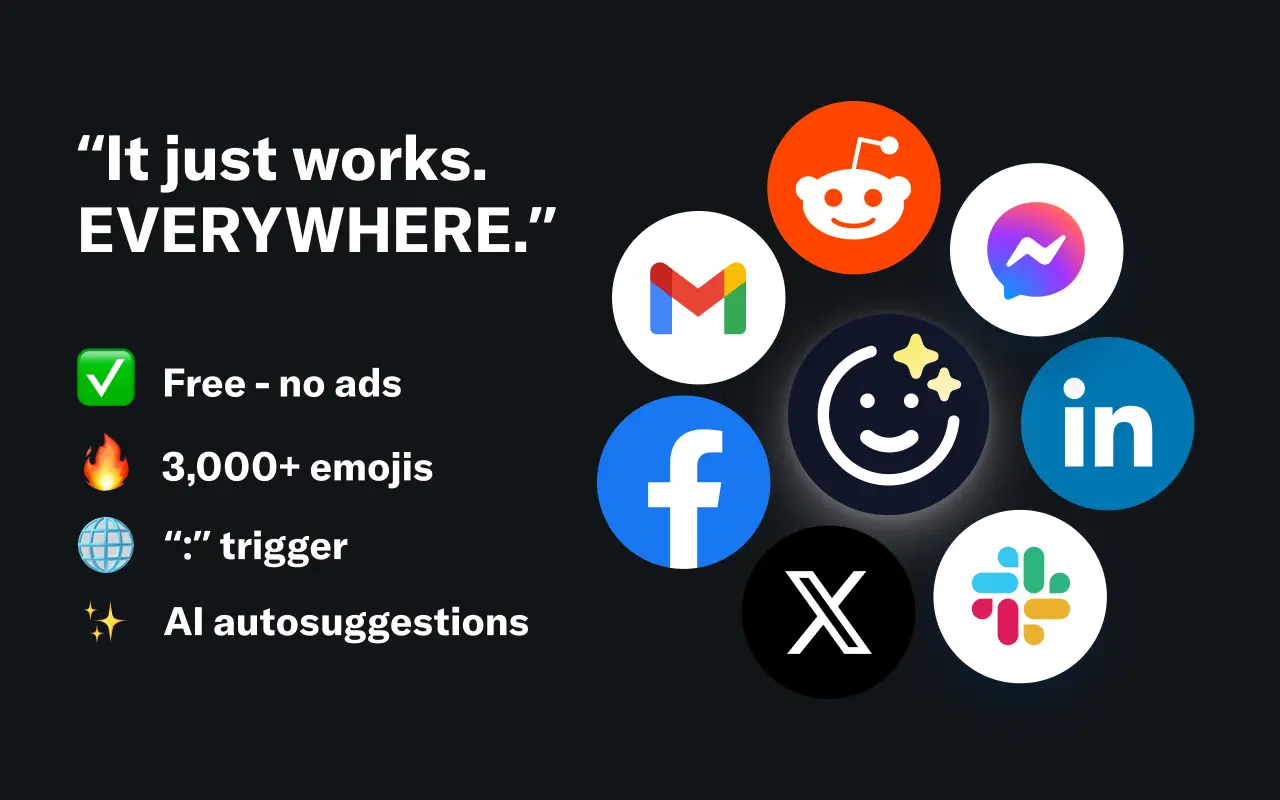
EmojAI
AI-powered emoji picker with smart, context-aware suggestions 🤖
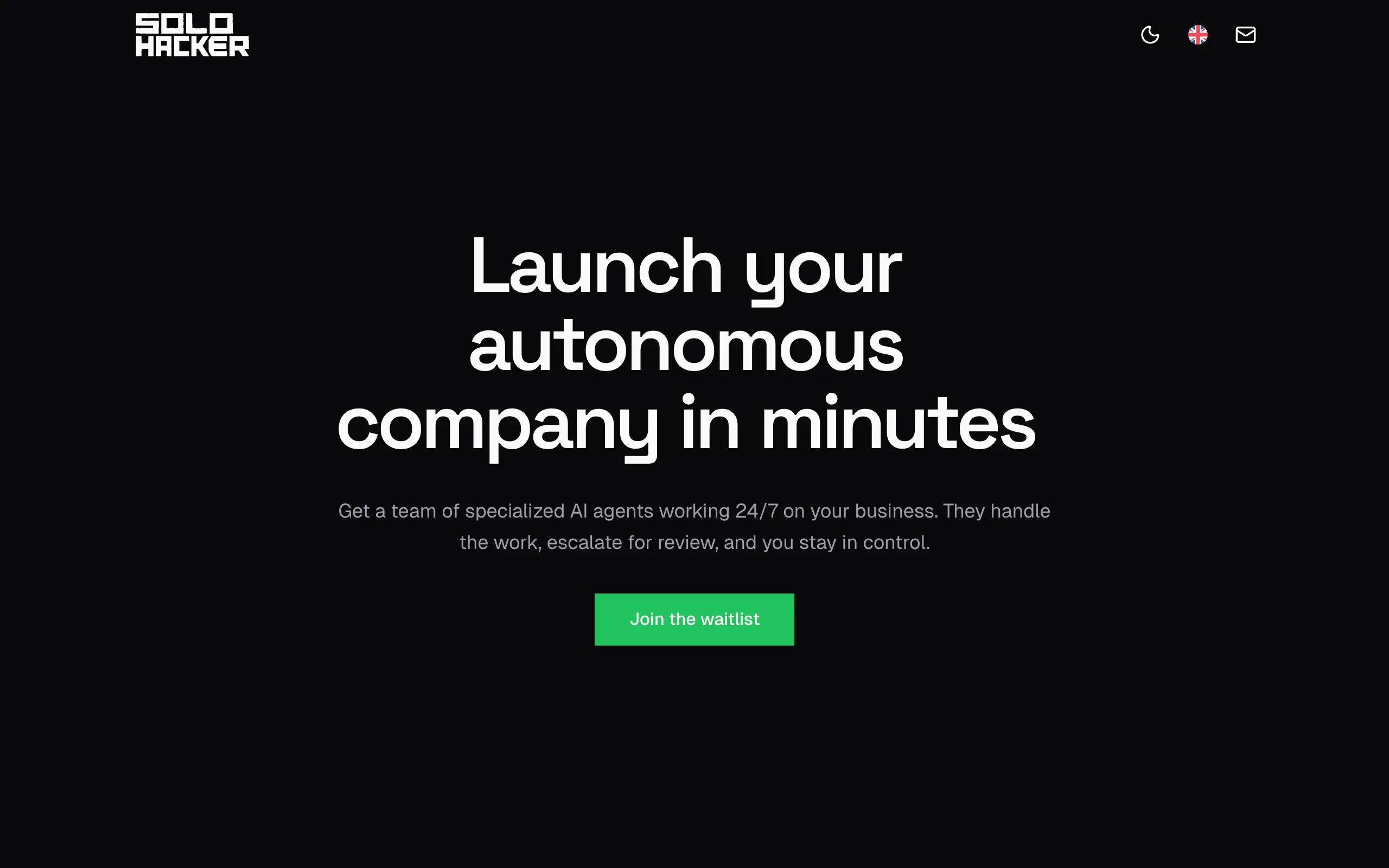
Solohacker
Autonomous company launcher - AI agents work 24/7, escalate what matters, and you stay in control 🤖
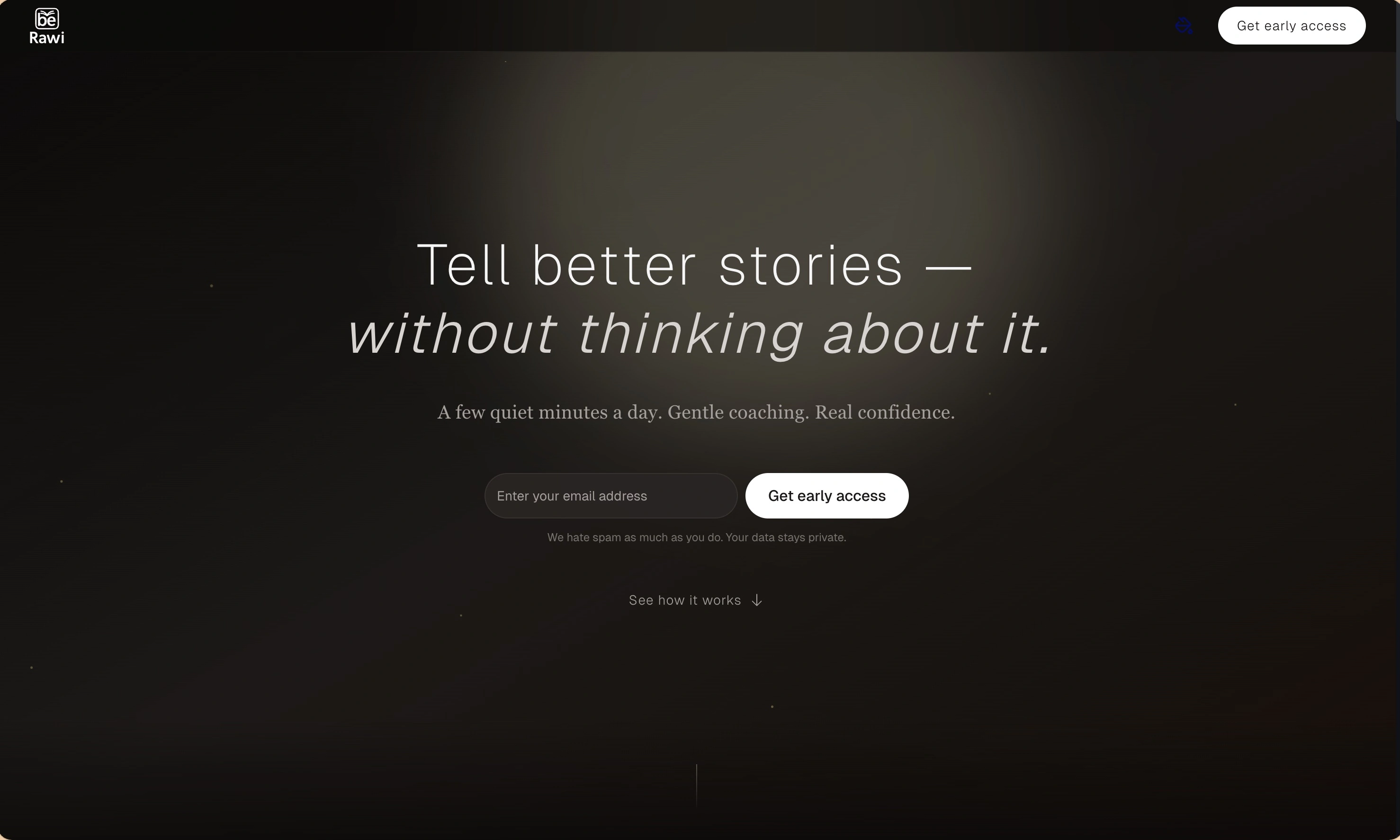
BeRawi: Storytelling Coach
Practice storytelling daily with instant feedback to sound clearer, more engaging, and confident 🎤
Omichat
Chat with 50+ AI models, including ChatGPT and Claude, in one place - switch models anytime without losing context 🤖
Claude Fast
Supercharge your Claude Code with 6x effective context window and specialized AI agents 🤖
EmojAI
AI-powered emoji picker with smart, context-aware suggestions 🤖
Solohacker
Autonomous company launcher - AI agents work 24/7, escalate what matters, and you stay in control 🤖
BeRawi: Storytelling Coach
Practice storytelling daily with instant feedback to sound clearer, more engaging, and confident 🎤
Omichat
Chat with 50+ AI models, including ChatGPT and Claude, in one place - switch models anytime without losing context 🤖
Claude Fast
Supercharge your Claude Code with 6x effective context window and specialized AI agents 🤖
EmojAI
AI-powered emoji picker with smart, context-aware suggestions 🤖
Solohacker
Autonomous company launcher - AI agents work 24/7, escalate what matters, and you stay in control 🤖
BeRawi: Storytelling Coach
Practice storytelling daily with instant feedback to sound clearer, more engaging, and confident 🎤
Omichat
Chat with 50+ AI models, including ChatGPT and Claude, in one place - switch models anytime without losing context 🤖
Claude Fast
Supercharge your Claude Code with 6x effective context window and specialized AI agents 🤖
EmojAI
AI-powered emoji picker with smart, context-aware suggestions 🤖
Solohacker
Autonomous company launcher - AI agents work 24/7, escalate what matters, and you stay in control 🤖
BeRawi: Storytelling Coach
Practice storytelling daily with instant feedback to sound clearer, more engaging, and confident 🎤

Connect with like-minded people
Join our community to get feedback, support, and grow together with 1,000+ builders on board, let's ship it!
Join usShip your startup everywhere. In minutes.
Don't burn tokens on setup and start building features on day one.