SmilePipeline
Sistema inteligente para clínicas dentales que convierte leads en pacientes mediante IA, recordatorios automatizados y agentes de voz que gestionan citas 24/7.
The opportunity behind an AI-powered dental lead conversion system
Dental clinics invest heavily in marketing—Google Ads, social media campaigns, SEO, local listings—yet a significant percentage of incoming leads never convert into actual patients. Missed calls, slow responses, manual follow-ups, and inefficient scheduling processes create friction at the most critical stage of the patient journey.
An intelligent dental lead conversion system like SmilePipeline addresses this exact gap: transforming inbound leads into booked appointments through AI-driven automation, 24/7 voice agents, and smart follow-up workflows.
This article provides a comprehensive, expert-level breakdown of the opportunity behind a B2B SaaS like SmilePipeline—covering market analysis, target audience, core features, tech stack, monetization, risks, and implementation strategy.
If you're evaluating this idea as a founder, product manager, investor, or SaaS strategist, this guide will help you validate and execute it properly.
Understanding the core problem: why dental clinics lose leads
The dental conversion bottleneck
Most dental clinics operate with:
- Limited front-desk staff
- High call volumes during peak hours
- No after-hours response system
- Manual appointment booking
- No structured lead nurturing
According to multiple industry reports (e.g., ADA and dental marketing platforms), a large portion of new patient inquiries happen:
- Outside business hours
- Via phone calls
- Via website forms or WhatsApp
- Through Google Business profile
When a clinic misses a call, there's a high probability the patient calls the next clinic on Google.
That means:
Speed to response directly impacts revenue.
Yet most clinics do not have the infrastructure to respond instantly 24/7.
What is SmilePipeline?
SmilePipeline is an AI-powered dental lead conversion system that:
- Captures leads from multiple channels
- Uses AI voice agents to answer calls 24/7
- Sends automated reminders and follow-ups
- Manages appointment scheduling
- Tracks conversion metrics
- Converts prospects into confirmed patients
In short:
It acts as a virtual front-desk team optimized for revenue growth.
Target audience analysis
Understanding the ideal customer profile (ICP) is critical for positioning SmilePipeline correctly.
Primary target: private dental clinics
Segment characteristics:
- 1–5 dentists
- 3–15 staff members
- Local marketing budget ($1k–$10k/month)
- High reliance on new patient flow
- Limited operational automation
Pain points:
- Missed calls during busy hours
- No response after 6pm
- Low lead-to-appointment conversion rate
- High no-show rate
- Staff overwhelmed with repetitive tasks
These clinics care about:
- Revenue growth
- Efficiency
- ROI clarity
- Ease of use
- Minimal disruption
Secondary target: multi-location dental groups (DSOs)
Dental Service Organizations (DSOs) manage multiple clinics and face additional complexity:
- Centralized marketing
- Decentralized appointment systems
- Inconsistent conversion performance
- Poor lead tracking across branches
For DSOs, SmilePipeline becomes:
- A centralized AI intake system
- A performance analytics layer
- A conversion standardization engine
Market opportunity and gap
Why this is a high-potential B2B SaaS niche
The dental industry is:
- Highly localized
- Marketing-dependent
- Revenue-sensitive
- Operationally outdated
While many CRMs and practice management systems exist, most:
- Focus on patient records, not lead conversion
- Do not offer AI voice automation
- Do not prioritize marketing ROI tracking
- Are not optimized for conversion workflows
This creates a gap:
Dental clinics have tools to manage patients, but not tools to convert leads efficiently.
Industry trends supporting SmilePipeline
Several macro trends validate this idea:
1. AI voice agents are becoming mainstream
Advancements in conversational AI and LLMs have made:
- Human-like voice bots
- Context-aware scheduling
- Multi-language support
- Emotional tone adaptation
More affordable and scalable.
2. Patients expect instant responses
Consumers are now accustomed to:
- Immediate booking
- Chat-based interactions
- 24/7 customer support
Clinics that fail to meet this expectation lose competitive advantage.
3. Healthcare digitization acceleration
Post-2020, healthcare businesses accelerated adoption of:
- Telehealth
- Automation
- Digital workflows
Dental clinics are still lagging behind, which means strong early-mover advantage.
Core features of SmilePipeline
To build a high-converting dental AI system, features must align directly with revenue impact.
1. AI voice agent (24/7 call handling)
Core capabilities:
- Answers inbound calls instantly
- Qualifies new patients
- Books appointments directly into calendar
- Handles FAQs (insurance, pricing range, procedures)
- Escalates complex cases to human staff
Key differentiator: The voice agent must feel natural, not robotic.
2. Smart lead routing
Incoming leads from:
- Website forms
- Facebook/Instagram ads
- Google Ads
- Google Business profile
Should be automatically:
- Classified
- Prioritized
- Assigned follow-up workflows
3. Automated follow-up sequences
Many leads don't book immediately. SmilePipeline should include:
- SMS reminders
- WhatsApp messages
- Email sequences
- Call retries
Example flow:
4. No-show reduction engine
Dental no-show rates can be significant.
Features:
- Multi-channel reminders
- AI confirmation requests
- Rescheduling automation
- Waitlist filling
This directly impacts revenue without increasing ad spend.
5. Conversion analytics dashboard
Clinics need visibility into:
- Lead volume
- Source performance
- Booking rate
- Cost per booked appointment
- Revenue attribution
This transforms SmilePipeline from a tool into a strategic growth platform.
Competitive landscape analysis
Let's compare SmilePipeline with typical alternatives.
| Feature | Traditional CRM | Call Center | Generic AI Bot | SmilePipeline | Manual Front Desk |
|---|---|---|---|---|---|
| 24/7 call handling | ❌ | ✅ | ❌ | ✅ | ❌ |
| Dental-specific workflows | ❌ | ❌ | ❌ | ✅ | ✅ |
Strategic positioning:
SmilePipeline should not compete as “another CRM.”
It should position as:
A revenue acceleration system for dental clinics.
Recommended tech stack (with trade-offs)
Choosing the right architecture determines scalability and cost control.
Frontend
Why:
- Fast development
- SEO-friendly dashboard pages
- Component-based architecture
Backend
Options:
Node.js (with NestJS)
- Great for real-time systems
- Strong WebSocket support
- Ideal for voice interaction pipelines
Python (with FastAPI)
- Strong AI ecosystem
- Easy ML integration
- Clean API development
AI & voice infrastructure
Possible stack:
- Speech-to-text engine
- LLM (contextual reasoning)
- Text-to-speech engine
- Telephony API provider
Critical considerations:
- Latency
- Call quality
- Cost per minute
- Language support
Database
- PostgreSQL (structured clinic data)
- Redis (real-time sessions)
Hosting
- Vercel (frontend)
- AWS / GCP (backend scaling)
Faster MVP launch
If speed matters, using a starter kit like TurboStarter can dramatically reduce:
- Authentication setup time
- Billing integration complexity
- SaaS architecture boilerplate
This accelerates time-to-market and lowers engineering overhead.
Monetization strategy
A B2B dental SaaS should align pricing with value delivered.
Option 1: Tiered subscription
- Starter – Small clinics
- Growth – Higher lead volume
- Enterprise – DSOs
Pricing anchor: based on ROI.
If the system helps book 20 additional patients/month and average treatment value is $500:
→ $10,000 revenue impact
Charging $299–$799/month becomes reasonable.
Option 2: Hybrid pricing
- Base subscription
-
- usage-based voice minutes
-
- SMS credits
Pros:
- Scales with clinic growth
- Protects margins
Cons:
- More complex billing
Option 3: Performance-based model
- Lower base fee
- Bonus per booked patient
High-risk, high-reward model.
Key risks and mitigation strategies
AI reliability risk
Voice AI must be extremely accurate. Misunderstood appointments damage trust.
Risk 1: AI errors
Mitigation:
- Human fallback routing
- Continuous training loops
- Real-call quality audits
Risk 2: Integration with practice management software
Clinics use different systems.
Mitigation:
- API-first architecture
- Zapier compatibility
- Calendar-based booking fallback
Risk 3: Resistance from staff
Front-desk employees may fear replacement.
Mitigation:
- Position as assistant, not replacement
- Focus on workload reduction
- Provide onboarding training
Unique selling proposition (USP)
SmilePipeline stands out because it:
- Specializes exclusively in dental workflows
- Combines AI voice + lead nurturing + analytics
- Focuses on revenue conversion, not data storage
- Operates 24/7
- Provides measurable ROI
This niche specialization builds defensibility.
Go-to-market strategy
Step 1: Niche positioning
Target:
- Cosmetic dentistry clinics
- Implant-focused practices
- High-ticket procedures
These clinics value each lead more.
Step 2: ROI-driven messaging
Instead of saying:
“AI appointment booking software”
Say:
“Turn missed calls into $10,000/month in additional revenue.”
Step 3: Strategic partnerships
- Dental marketing agencies
- Practice growth consultants
- Dental CRM vendors
White-label opportunity exists.
Implementation roadmap
Example MVP architecture snippet
// Simplified voice handling flow (conceptual)

async function handleIncomingCall(callData) {
  const transcript = await speechToText(callData.audio);
  const intent = await analyzeIntent(transcript);

  if (intent === "book_appointment") {
    return scheduleAppointment(callData.patientInfo);
  }

  if (intent === "faq") {
    return generateResponse(transcript);
  }

  return transferToHuman();
}
This logic must be:
- Fast
- Context-aware
- Fail-safe
Financial projection model (example)
Assume:
- 100 clinics paying $499/month
- = $49,900 MRR
- = ~$600k ARR
With 500 clinics:
- $249,500 MRR
- ~$3M ARR
The dental market size allows thousands of potential customers globally.
Why SmilePipeline can become defensible
Moat-building strategies:
- Voice data optimization
- Proprietary dental conversation dataset
- Integration partnerships
- Strong brand authority in dental growth
Over time:
The AI becomes better specifically at dental intake than generic solutions.
Final execution framework
To build SmilePipeline successfully:
- Focus on conversion rate impact
- Obsess over voice experience quality
- Measure ROI clearly
- Keep onboarding friction minimal
- Build industry trust
Conclusion: is SmilePipeline worth building?
Yes—if executed correctly.
The combination of:
- AI voice agents
- Automated follow-ups
- Revenue analytics
- Dental specialization
Creates a powerful B2B SaaS opportunity.
Dental clinics don’t just need another CRM.
They need a patient acquisition engine.
If SmilePipeline delivers measurable booked-appointment growth, it becomes not just a tool—but a revenue partner.
Ready to build?
If you're planning to launch a SaaS like SmilePipeline, speed and architecture matter. Using a robust SaaS foundation such as TurboStarter can significantly reduce development time and allow you to focus on building your AI differentiation.
The future of dental growth is automated, intelligent, and always-on.
The question is: will your platform lead it?
More 🏢 B2B Application SaaS ideas
Discover more innovative b2b application SaaS ideas that are trending in 2026. Each idea is AI-generated with market validation and growth potential to help you find your next profitable venture faster than competitors.
Your competitors are building with TurboStarter
Below are some of the SaaS ideas that have been generated and built with our starter kit.
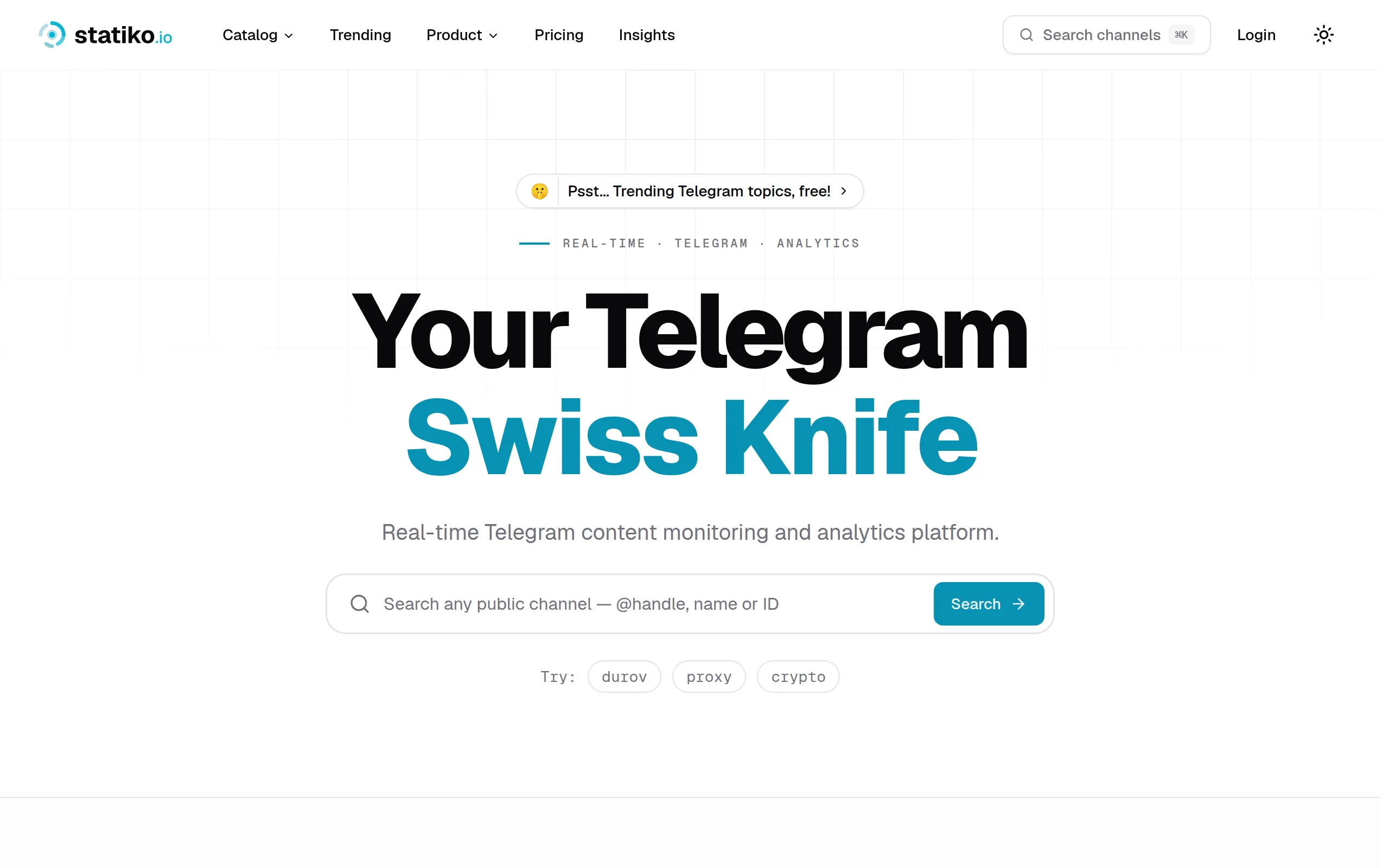
Statiko
Monitor any Telegram channel in real time - track posts, edits, deletions, and growth with AI recaps 📡
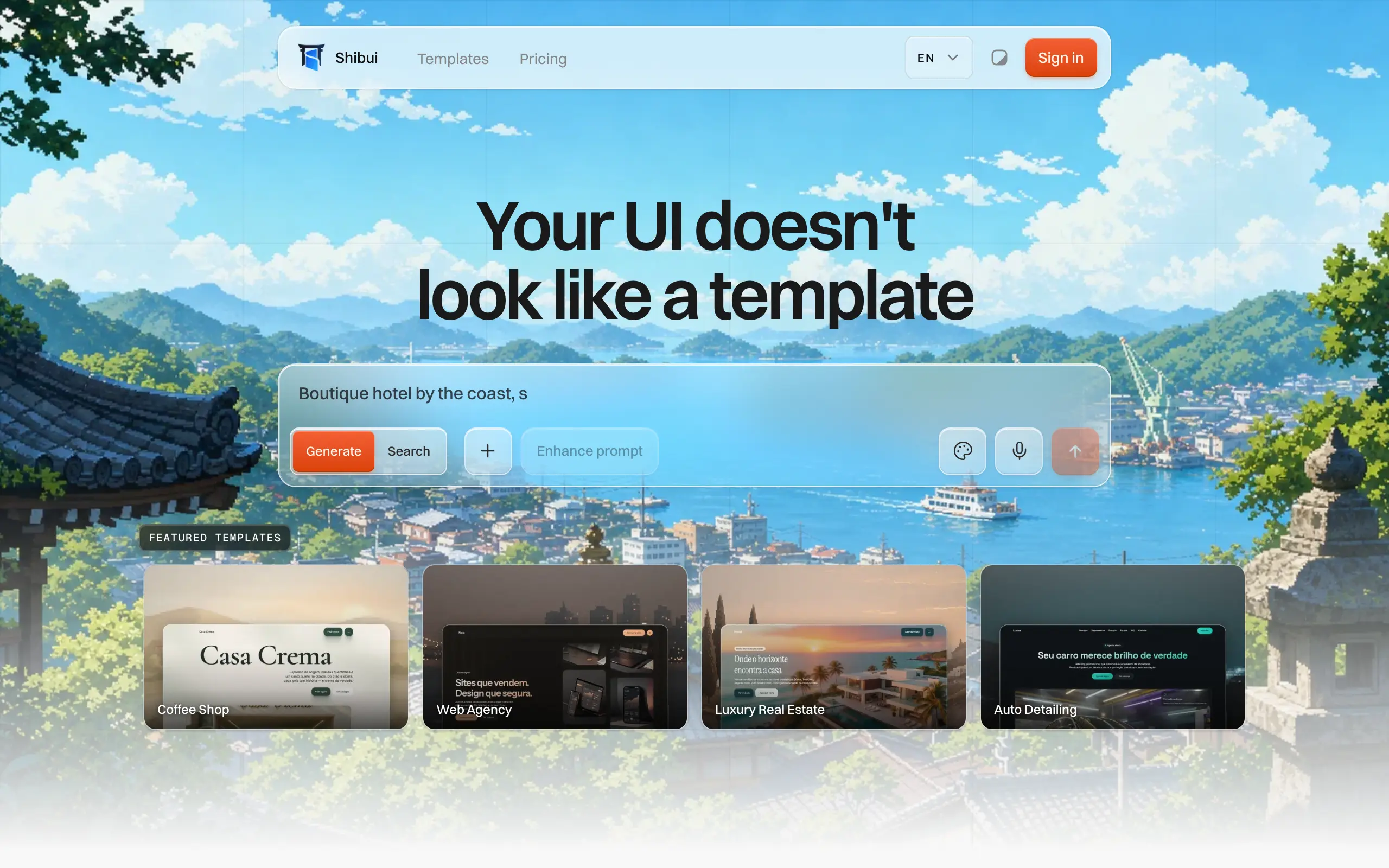
Shibui
AI website builder - describe your business, pick a niche template, edit by chatting, and publish instantly ✨
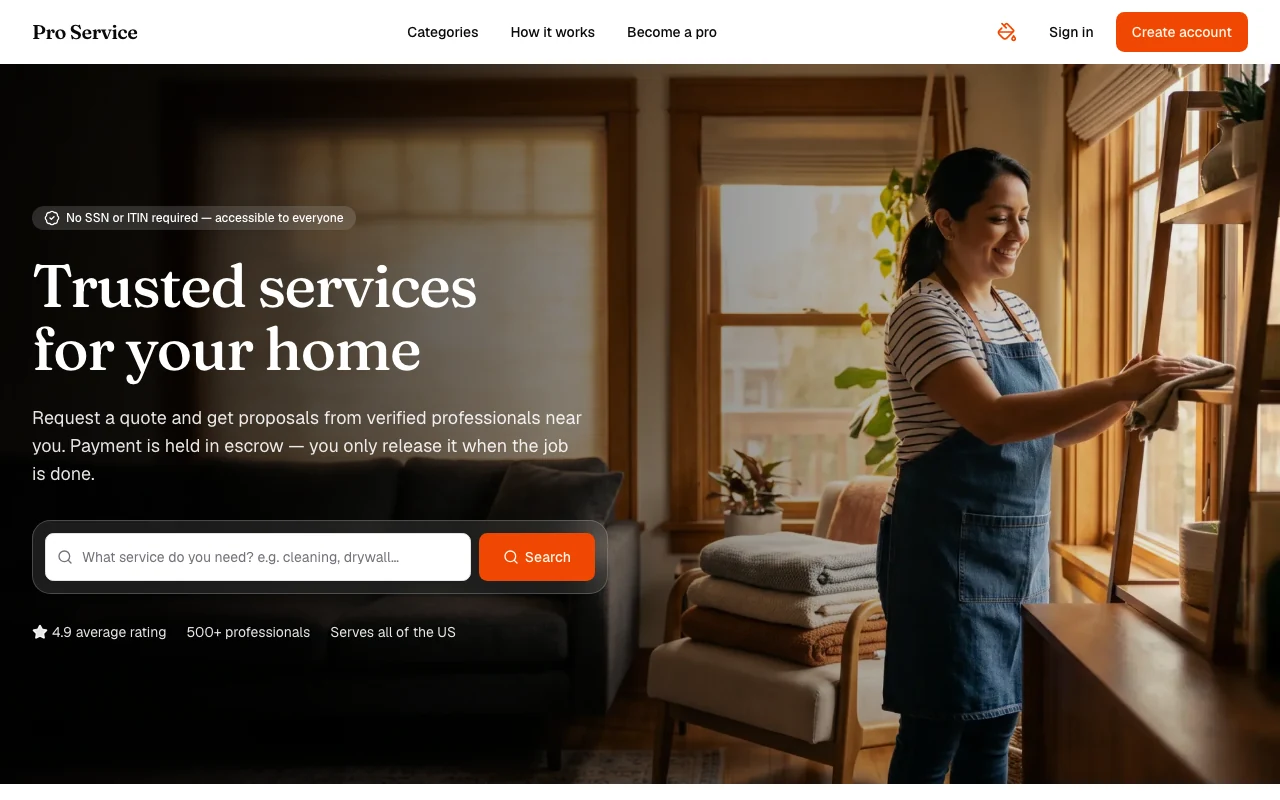
Pro Service
Find verified home service professionals, compare quotes, and pay securely through escrow - built for Brazilians across the US 🏠
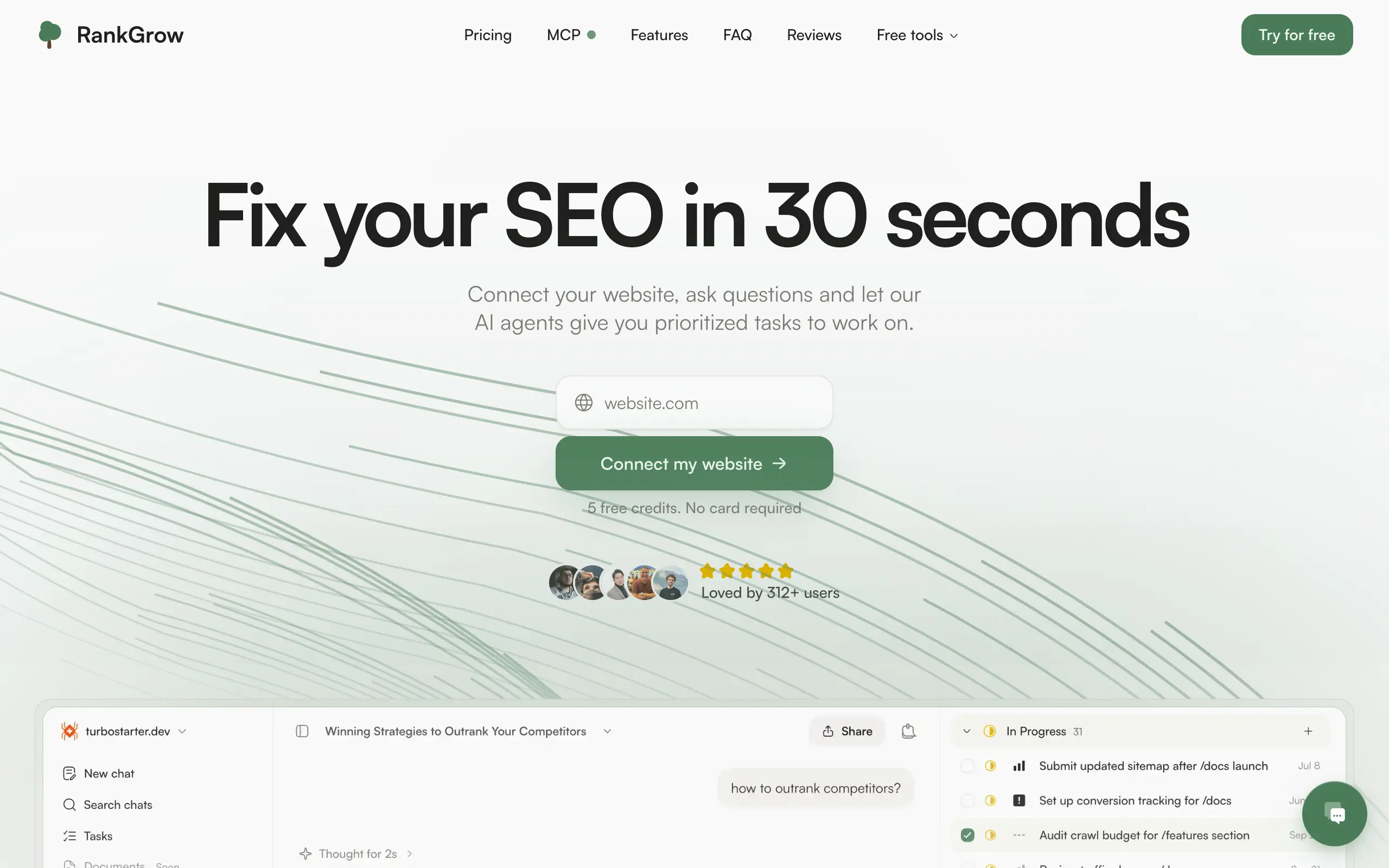
RankGrow
Fix your SEO with AI agents - connect Search Console, get prioritized tasks, and grow organic traffic 📈
SyncReads
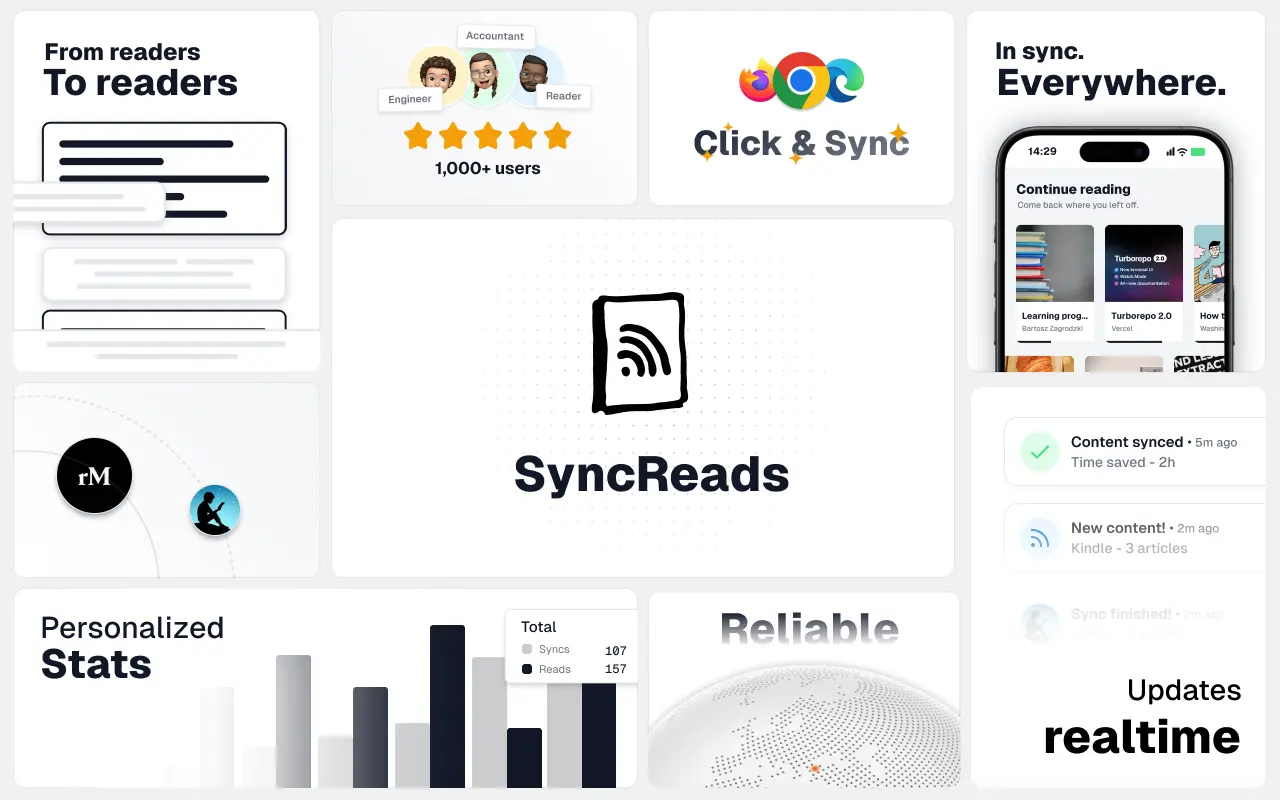
Sync your favorite content for distraction-free reading, save time and replace multiple apps. Anytime, anywhere 🔄
Socialcrawl
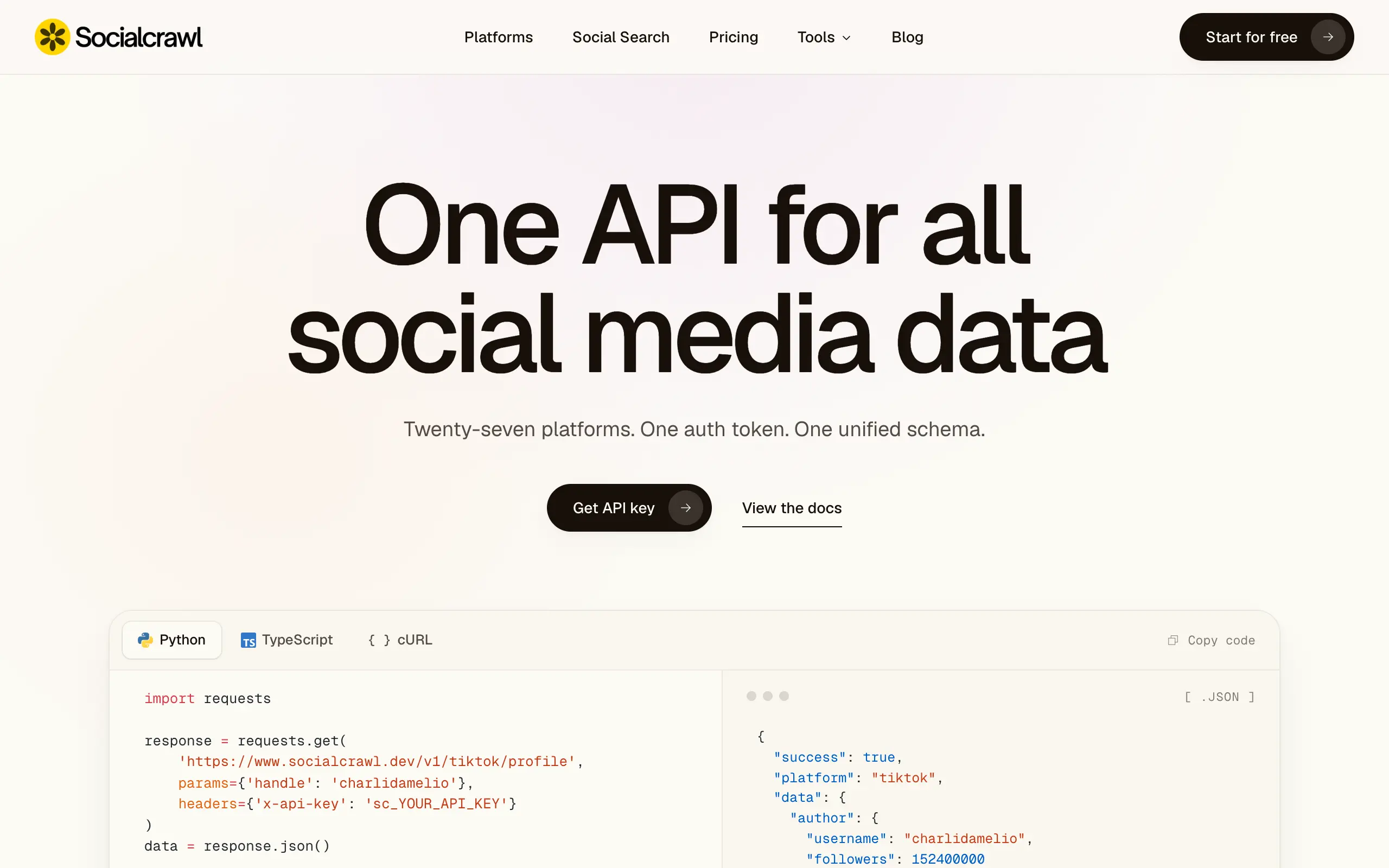
Get clean, structured data from 21 platforms like TikTok, Instagram, and YouTube with a single request 📊
Statiko
Monitor any Telegram channel in real time - track posts, edits, deletions, and growth with AI recaps 📡
Shibui
AI website builder - describe your business, pick a niche template, edit by chatting, and publish instantly ✨
Pro Service
Find verified home service professionals, compare quotes, and pay securely through escrow - built for Brazilians across the US 🏠
RankGrow
Fix your SEO with AI agents - connect Search Console, get prioritized tasks, and grow organic traffic 📈
SyncReads
Sync your favorite content for distraction-free reading, save time and replace multiple apps. Anytime, anywhere 🔄
Socialcrawl
Get clean, structured data from 21 platforms like TikTok, Instagram, and YouTube with a single request 📊
Statiko
Monitor any Telegram channel in real time - track posts, edits, deletions, and growth with AI recaps 📡
Shibui
AI website builder - describe your business, pick a niche template, edit by chatting, and publish instantly ✨
Pro Service
Find verified home service professionals, compare quotes, and pay securely through escrow - built for Brazilians across the US 🏠
RankGrow
Fix your SEO with AI agents - connect Search Console, get prioritized tasks, and grow organic traffic 📈
SyncReads
Sync your favorite content for distraction-free reading, save time and replace multiple apps. Anytime, anywhere 🔄
Socialcrawl
Get clean, structured data from 21 platforms like TikTok, Instagram, and YouTube with a single request 📊
Statiko
Monitor any Telegram channel in real time - track posts, edits, deletions, and growth with AI recaps 📡
Shibui
AI website builder - describe your business, pick a niche template, edit by chatting, and publish instantly ✨
Pro Service
Find verified home service professionals, compare quotes, and pay securely through escrow - built for Brazilians across the US 🏠
RankGrow
Fix your SEO with AI agents - connect Search Console, get prioritized tasks, and grow organic traffic 📈
SyncReads
Sync your favorite content for distraction-free reading, save time and replace multiple apps. Anytime, anywhere 🔄
Socialcrawl
Get clean, structured data from 21 platforms like TikTok, Instagram, and YouTube with a single request 📊
Dotallio
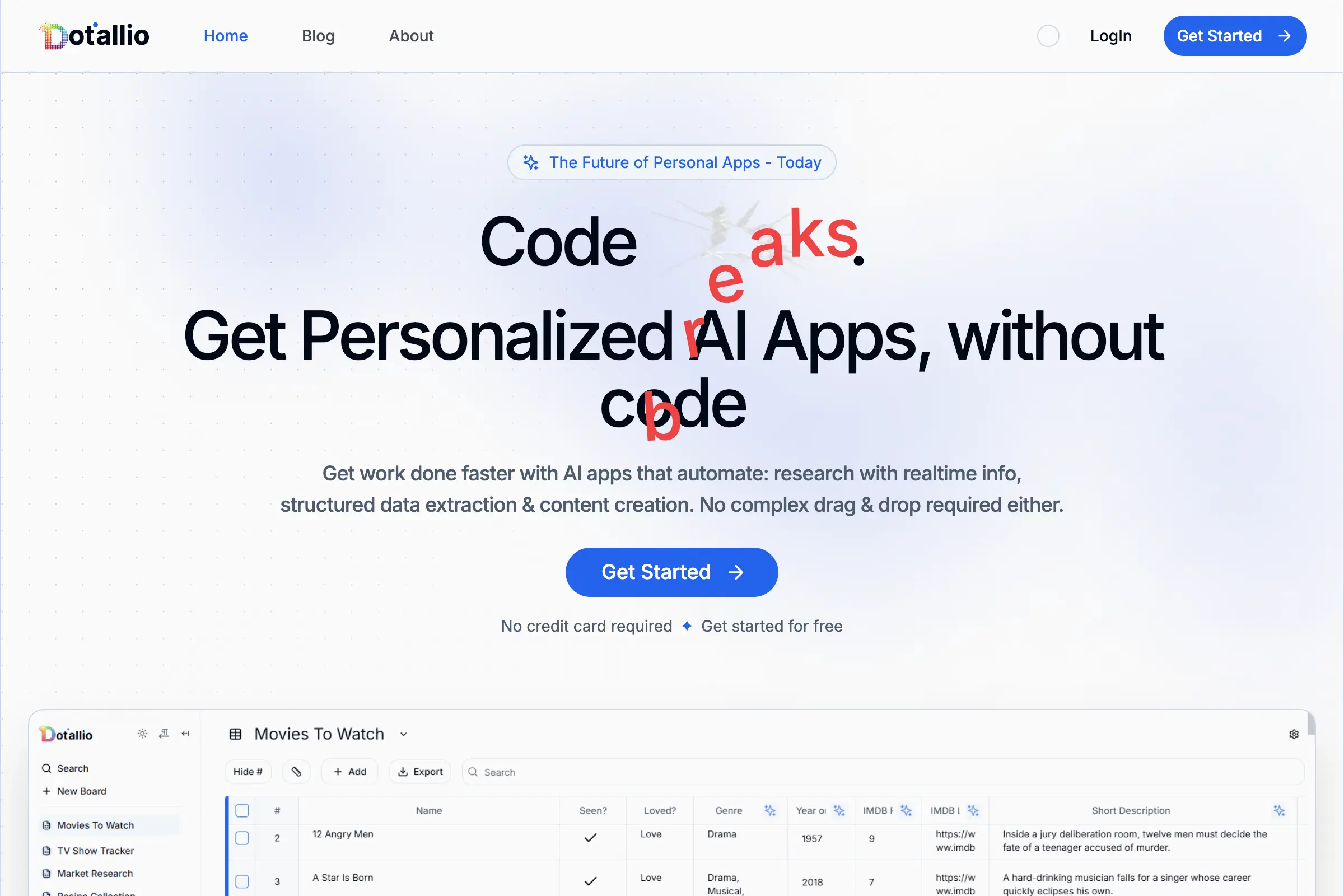
Personalized AI apps that automate research, data extraction, and content creation without code 🤖
Talk to Santa
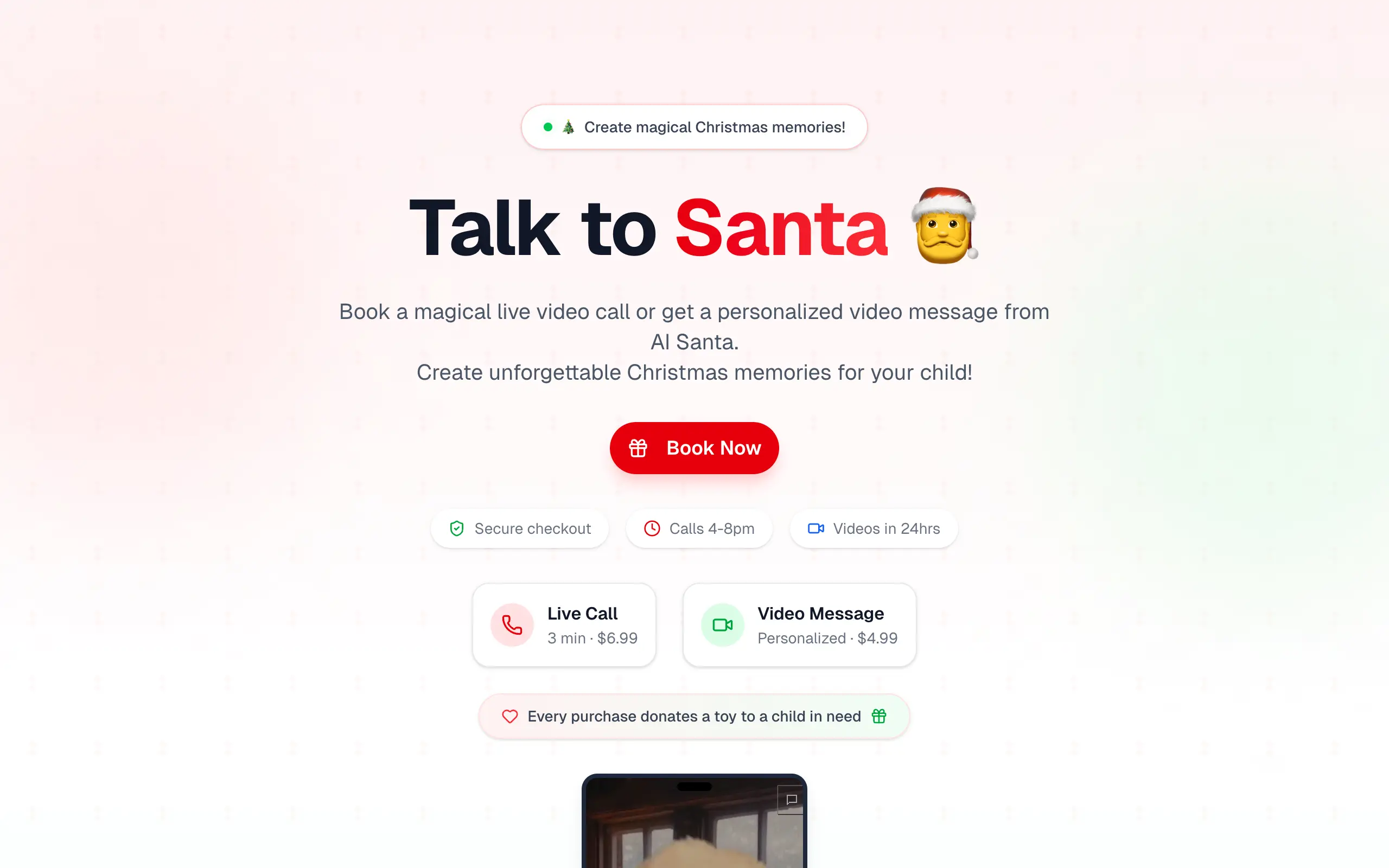
Enjoy a magical live video chat or receive a unique AI-generated video greeting from Santa Claus 🎅
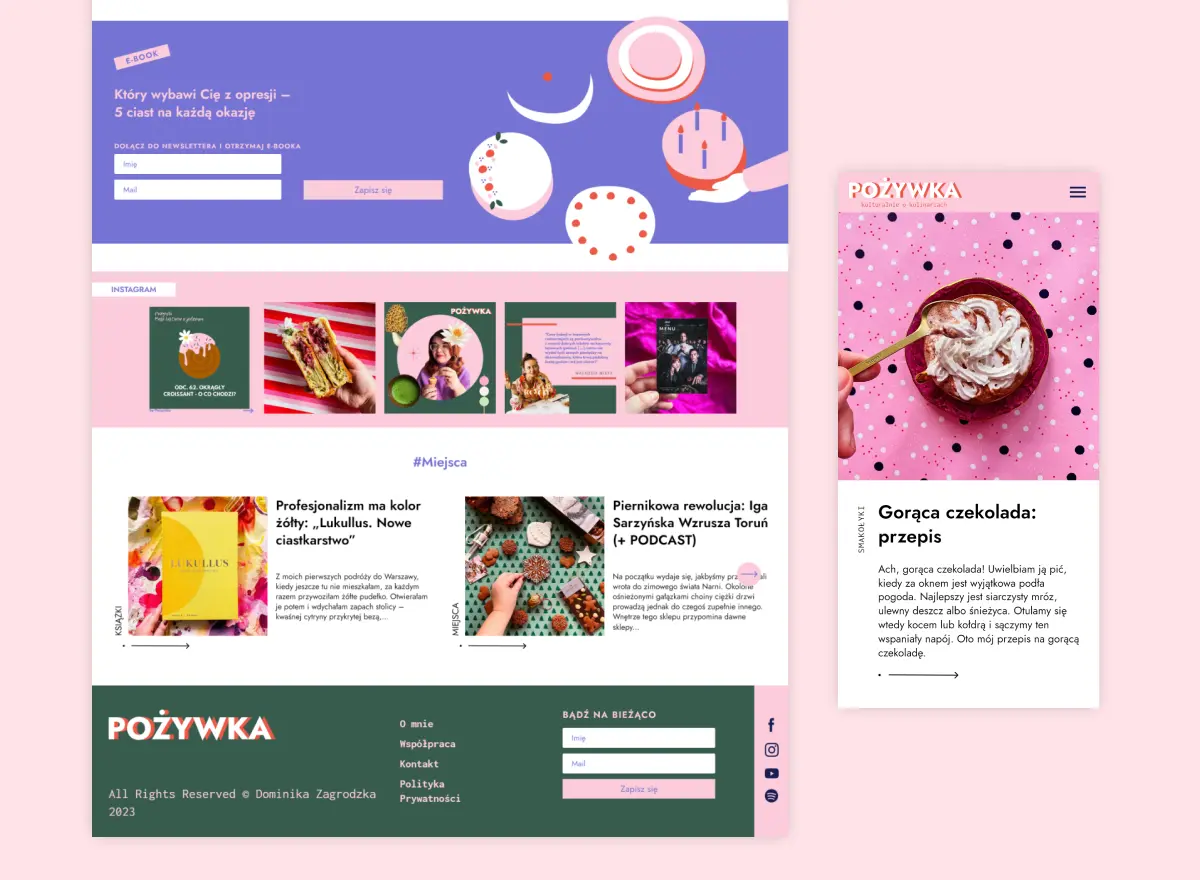
pozywka.pl
Scalable blog for food journalist, focused on performance and user experience 🌭
zagrodzki.me
Personal blog and portfolio of Bart Zagrodzki, where he shares his knowledge and work 💼
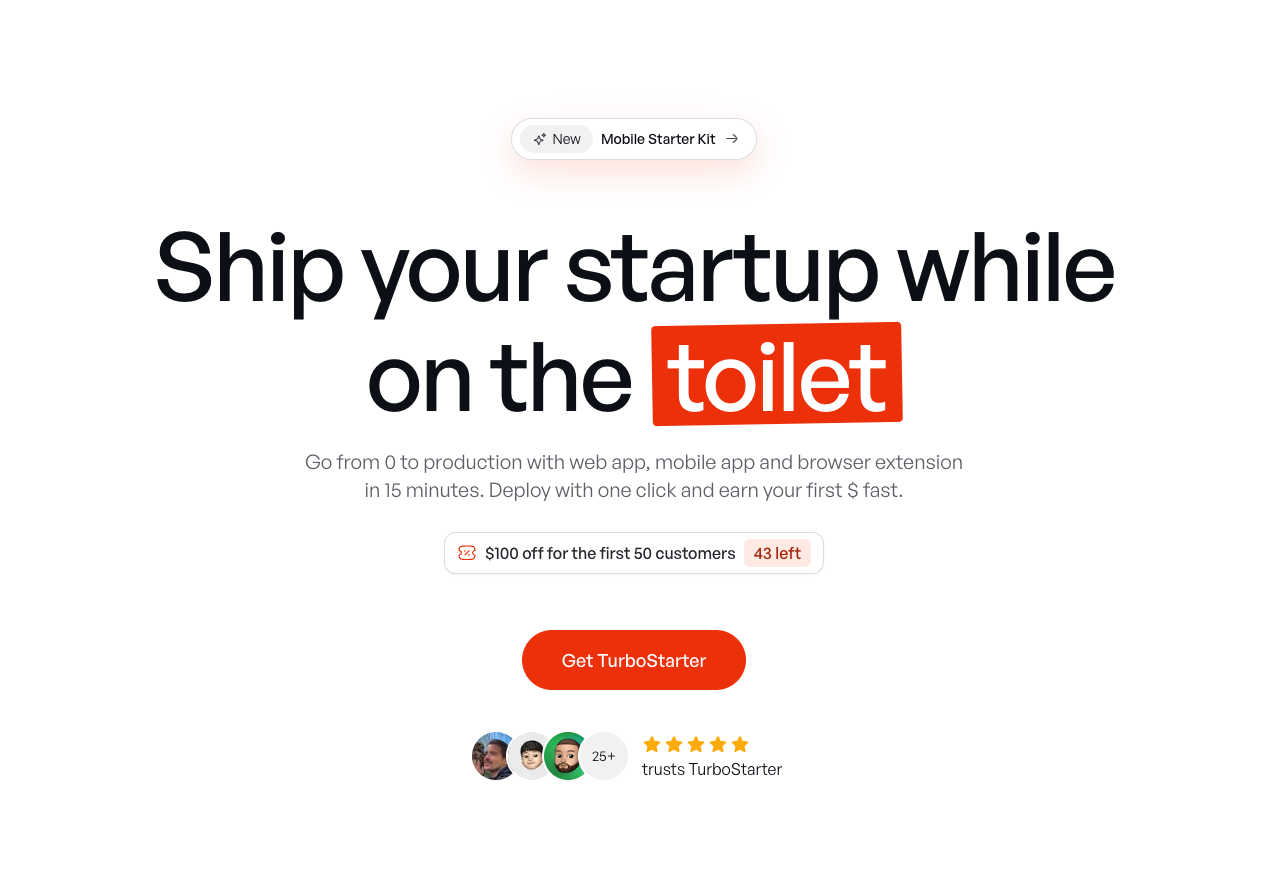
TurboStarter
Ship your startup everywhere. In minutes.
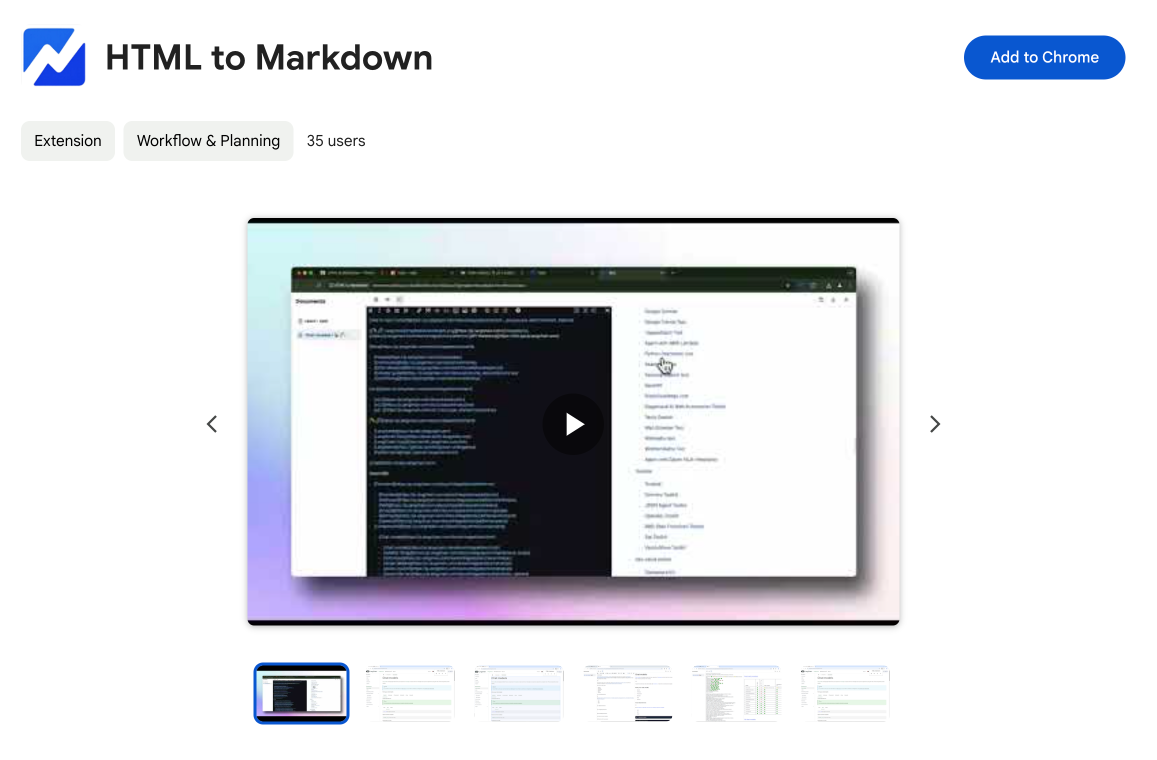
HTML to Markdown
Convert HTML to Markdown with ease, directly in your browser 📄
Dotallio
Personalized AI apps that automate research, data extraction, and content creation without code 🤖
Talk to Santa
Enjoy a magical live video chat or receive a unique AI-generated video greeting from Santa Claus 🎅
pozywka.pl
Scalable blog for food journalist, focused on performance and user experience 🌭
zagrodzki.me
Personal blog and portfolio of Bart Zagrodzki, where he shares his knowledge and work 💼
TurboStarter
Ship your startup everywhere. In minutes.
HTML to Markdown
Convert HTML to Markdown with ease, directly in your browser 📄
Dotallio
Personalized AI apps that automate research, data extraction, and content creation without code 🤖
Talk to Santa
Enjoy a magical live video chat or receive a unique AI-generated video greeting from Santa Claus 🎅
pozywka.pl
Scalable blog for food journalist, focused on performance and user experience 🌭
zagrodzki.me
Personal blog and portfolio of Bart Zagrodzki, where he shares his knowledge and work 💼
TurboStarter
Ship your startup everywhere. In minutes.
HTML to Markdown
Convert HTML to Markdown with ease, directly in your browser 📄
Dotallio
Personalized AI apps that automate research, data extraction, and content creation without code 🤖
Talk to Santa
Enjoy a magical live video chat or receive a unique AI-generated video greeting from Santa Claus 🎅
pozywka.pl
Scalable blog for food journalist, focused on performance and user experience 🌭
zagrodzki.me
Personal blog and portfolio of Bart Zagrodzki, where he shares his knowledge and work 💼
TurboStarter
Ship your startup everywhere. In minutes.
HTML to Markdown
Convert HTML to Markdown with ease, directly in your browser 📄
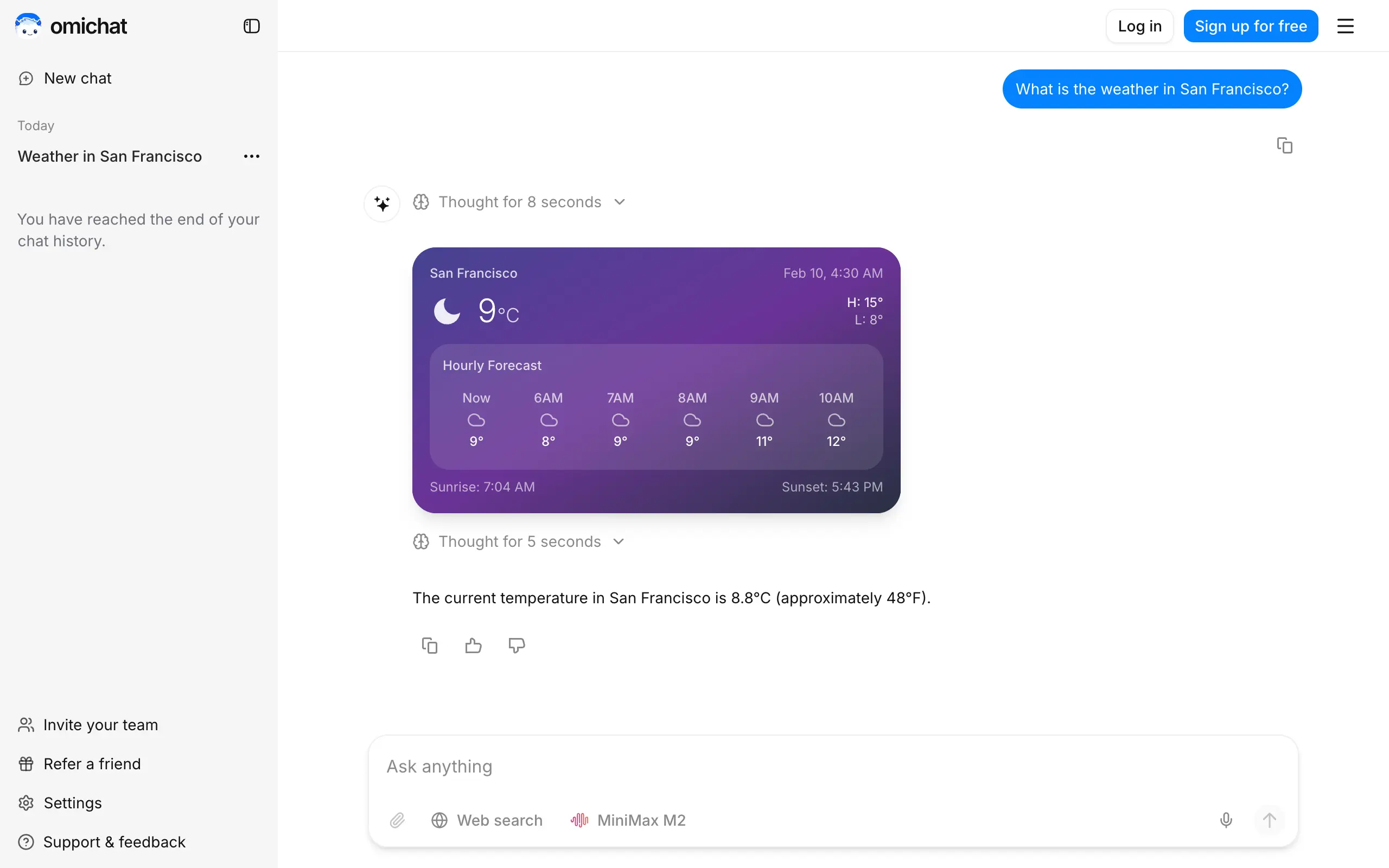
Omichat
Chat with 50+ AI models, including ChatGPT and Claude, in one place - switch models anytime without losing context 🤖
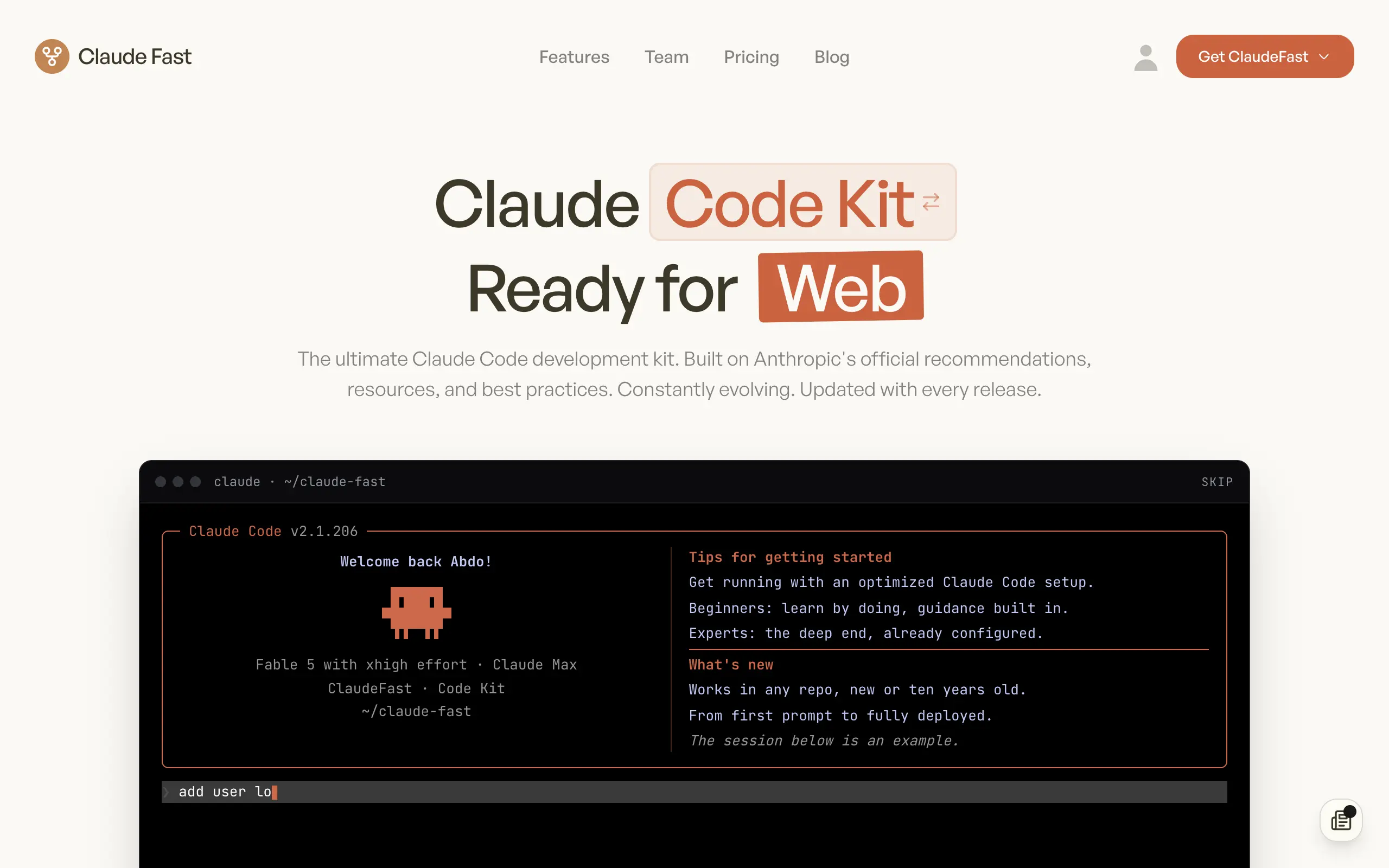
Claude Fast
Supercharge your Claude Code with 6x effective context window and specialized AI agents 🤖
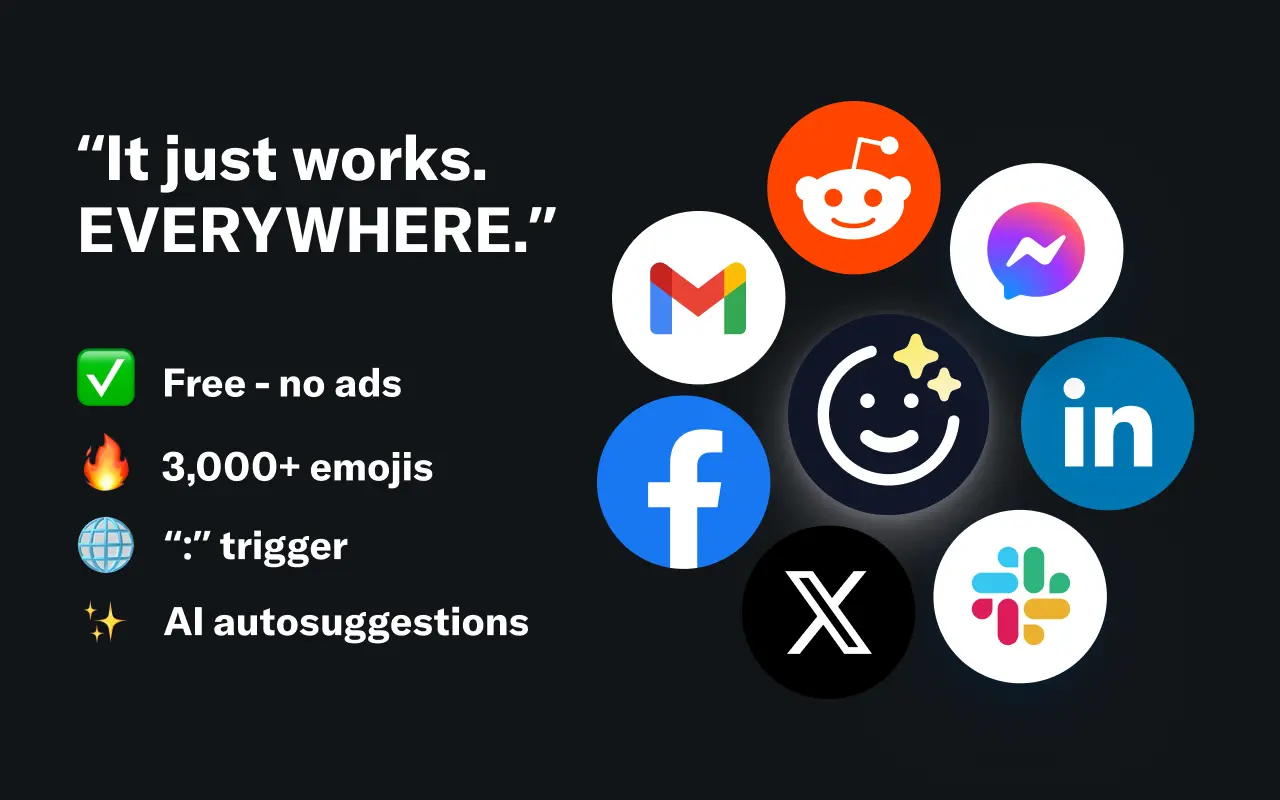
EmojAI
AI-powered emoji picker with smart, context-aware suggestions 🤖
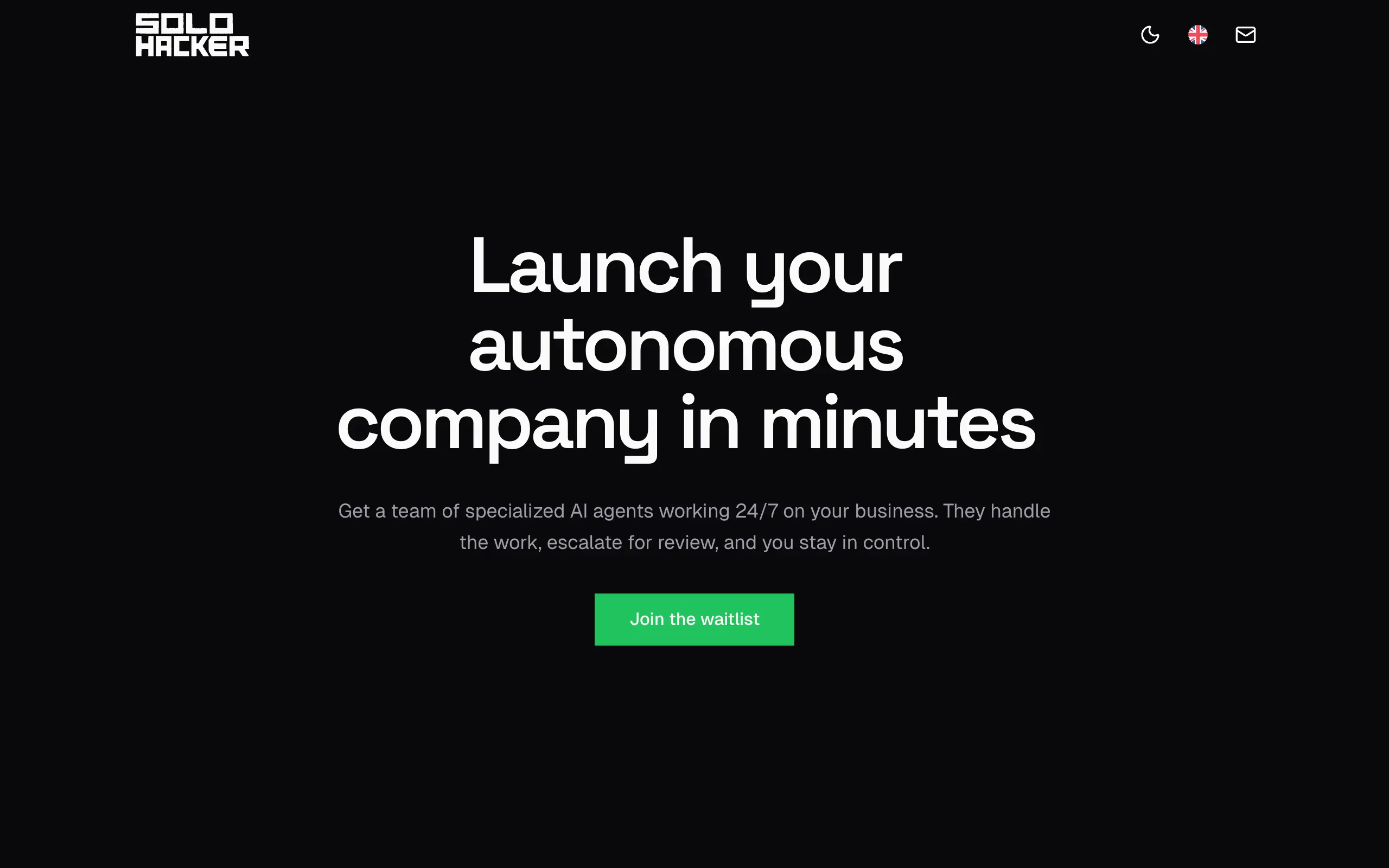
Solohacker
Autonomous company launcher - AI agents work 24/7, escalate what matters, and you stay in control 🤖
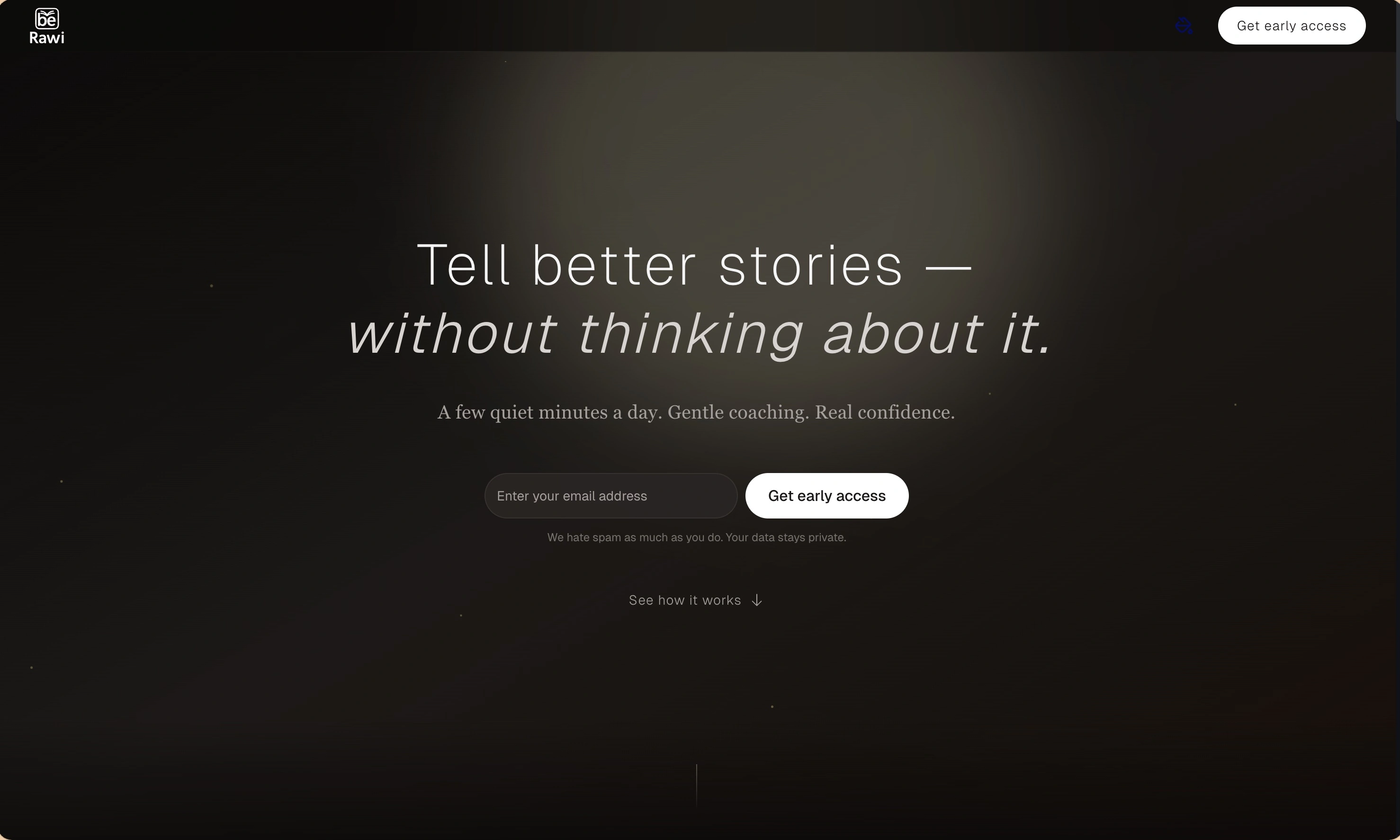
BeRawi: Storytelling Coach
Practice storytelling daily with instant feedback to sound clearer, more engaging, and confident 🎤
Omichat
Chat with 50+ AI models, including ChatGPT and Claude, in one place - switch models anytime without losing context 🤖
Claude Fast
Supercharge your Claude Code with 6x effective context window and specialized AI agents 🤖
EmojAI
AI-powered emoji picker with smart, context-aware suggestions 🤖
Solohacker
Autonomous company launcher - AI agents work 24/7, escalate what matters, and you stay in control 🤖
BeRawi: Storytelling Coach
Practice storytelling daily with instant feedback to sound clearer, more engaging, and confident 🎤
Omichat
Chat with 50+ AI models, including ChatGPT and Claude, in one place - switch models anytime without losing context 🤖
Claude Fast
Supercharge your Claude Code with 6x effective context window and specialized AI agents 🤖
EmojAI
AI-powered emoji picker with smart, context-aware suggestions 🤖
Solohacker
Autonomous company launcher - AI agents work 24/7, escalate what matters, and you stay in control 🤖
BeRawi: Storytelling Coach
Practice storytelling daily with instant feedback to sound clearer, more engaging, and confident 🎤
Omichat
Chat with 50+ AI models, including ChatGPT and Claude, in one place - switch models anytime without losing context 🤖
Claude Fast
Supercharge your Claude Code with 6x effective context window and specialized AI agents 🤖
EmojAI
AI-powered emoji picker with smart, context-aware suggestions 🤖
Solohacker
Autonomous company launcher - AI agents work 24/7, escalate what matters, and you stay in control 🤖
BeRawi: Storytelling Coach
Practice storytelling daily with instant feedback to sound clearer, more engaging, and confident 🎤

Connect with like-minded people
Join our community to get feedback, support, and grow together with 1,000+ builders on board, let's ship it!
Join usShip your startup everywhere. In minutes.
Don't burn tokens on setup and start building features on day one.