SourceSignal
Turn supplier quotes, freight rates, tariffs, and MOQ terms into a live landed-cost comparison. Catch margin risk before placing a purchase order.
Supplier prices rarely tell the full story. A quote that appears cheaper can become the more expensive option after freight, duties, tariffs, minimum order quantities, and other purchasing terms are included. When those details live in separate spreadsheets, emails, and supplier documents, buyers may commit to a purchase order without a reliable view of the final cost—or the margin at risk.
SourceSignal is a B2B SaaS concept for comparing supplier offers on a like-for-like landed-cost basis. It brings supplier quotes, freight rates, tariff assumptions, and MOQ terms into a live comparison, helping procurement and finance teams understand the real cost of sourcing before they place an order.
The core opportunity is not simply to digitize a spreadsheet. It is to give teams a shared, explainable view of how sourcing decisions affect unit economics, cash requirements, and gross margin.
What SourceSignal does
SourceSignal turns supplier and logistics inputs into a comparable view of estimated landed cost. A user could enter or upload quote details, add freight and tariff assumptions, normalize the offers to a common unit, and compare the resulting cost per unit or order.
A landed-cost comparison can include:
- Supplier unit price and currency
- Freight, insurance, and handling
- Tariffs, duties, and other import charges
- MOQ, order quantity, and price breaks
- Packaging, tooling, and one-time fees
- Payment terms and expected lead time
- Additional costs configured by the buyer
The product should make both the result and the reasoning behind it visible. A buyer needs to know which supplier has the lowest estimated cost, but also which assumptions produced that result and how the ranking changes when those assumptions change.
That distinction matters. An estimated landed cost is not necessarily an invoice-ready or customs-certified amount. SourceSignal should communicate whether each figure is confirmed, supplied by a user, imported from a document, or estimated using a configurable assumption.
The product promise
SourceSignal helps teams compare sourcing options using the costs and terms that influence the purchase decision—not just the unit price printed on a supplier quote.
Who SourceSignal is for
The strongest early customers are companies where procurement decisions involve multiple suppliers, international freight, variable order quantities, and meaningful margin exposure. These teams may already use spreadsheets, but their process becomes unreliable as quote volume and sourcing complexity grow.
Procurement and sourcing teams
Procurement teams gather quotes, negotiate terms, compare suppliers, and coordinate approvals. SourceSignal can help them move from manually copying quote details into a spreadsheet to maintaining a structured comparison that can be reviewed by colleagues.
Useful outcomes include:
- Faster quote comparison
- Fewer missed fees or order conditions
- Easier collaboration across procurement and finance
- A clearer record of why a supplier was selected
- A repeatable process for future sourcing decisions
Finance and accounting teams
Finance teams need to understand the cost assumptions behind purchasing plans. A unit price that appears acceptable in isolation may not support the expected gross margin once inbound freight, duties, and other costs are included.
SourceSignal can provide a shared estimate for planning and review. It should clearly distinguish a planning estimate from an actual accounting cost, then make it possible to reconcile the two after the shipment or invoice is received.
Operations and supply chain teams
Operations teams need to know whether a sourcing decision is practical, not just cheap. MOQ, lead time, shipment size, and supplier reliability can all affect inventory availability and working capital.
A useful comparison therefore presents cost alongside relevant operational terms. It should avoid hiding a long lead time or a large MOQ behind a single “lowest cost” label.
Importers, distributors, and product brands
Businesses that buy finished goods, components, or packaging across borders may find landed-cost analysis especially valuable. This can include:
- Consumer product brands
- Wholesale distributors
- Manufacturers sourcing components
- Retailers managing private-label products
- Importers working with multiple factories
- E-commerce businesses with international suppliers
The initial target market should be specific enough to support a focused product and sales message. For example, SourceSignal could begin with product brands comparing overseas manufacturing quotes, then expand into broader procurement workflows once it has learned which data and integrations matter most.
The market opportunity and the gap
Many companies already have tools that cover part of the sourcing process. They may use spreadsheets for quote comparison, an ERP for purchase orders, email for supplier communication, a freight forwarder’s portal for shipping estimates, and accounting software for invoices.
The opportunity is to connect the decision-making layer across those tools without requiring a business to replace its entire procurement or finance stack.
Why spreadsheets stop being enough
A spreadsheet is flexible and familiar. It is also easy to customize for a single buyer or sourcing event. The problem is that spreadsheet logic can be difficult to maintain when multiple people, currencies, suppliers, and cost assumptions are involved.
Common failure points include:
- Different buyers using different formulas
- Freight costs recorded in a separate file
- Tariff assumptions that are difficult to trace
- Quotes compared using different order quantities
- Currency conversions that are not dated or explained
- Repeated copy-and-paste work from PDFs and emails
- Several “final” versions circulating at the same time
- No clear history of who changed an assumption
A spreadsheet may remain a useful export format. SourceSignal’s value is to make the comparison structured, collaborative, and auditable before a decision is made.
Why a generic quote tool may not be enough
A generic quote-management tool may capture supplier names and prices but not model how order quantities, freight, duties, and other terms influence the final cost. A landed-cost comparison product can focus on normalizing those inputs and showing how they affect the purchase decision.
That focus should not lead to overclaiming. SourceSignal should not suggest that it replaces customs brokers, freight forwarders, legal advice, or an ERP. Its role is to make sourcing assumptions more visible and decisions easier to review.
The best early market wedge
The product should start with a workflow where the pain is frequent, costly, and easy to demonstrate. A promising wedge is multi-supplier quote comparison for a specific category of imported goods.
This gives the team a concrete problem to validate:
- A buyer receives quotes from several suppliers.
- The offers use different currencies, units, and order terms.
- The buyer estimates freight and import costs separately.
- The team compares total cost and operational trade-offs.
- A decision is approved and converted into a purchase order.
The first version does not need to automate every step. It needs to make this comparison faster, more consistent, and easier to trust.
Core features for a landed-cost comparison platform
A useful SourceSignal MVP should focus on the path from raw quote to decision-ready comparison. Avoid building a broad procurement suite before proving that buyers will use the comparison workflow repeatedly.
1. Quote intake and structured data capture
Users need a practical way to enter supplier information. Start with a structured form and a spreadsheet import. These approaches are easier to validate than trying to support every document format from day one.
A quote record might capture:
- Supplier and contact
- Product or SKU
- Quote date and expiration date
- Unit price and currency
- Quoted quantity and MOQ
- Price breaks
- Incoterm, if supplied
- Lead time
- Payment terms
- Tooling, setup, or packaging fees
- Source document or notes
Document extraction can be added later. If using AI to extract quote details from PDFs or email attachments, treat extraction as a suggestion, not as an unquestioned source of truth. Show the original source, identify uncertain fields, and let a person confirm important values.
2. Normalized supplier comparison
Supplier offers often differ in unit of measure, quoted quantity, currency, and included services. SourceSignal should normalize those differences before ranking offers.
For example, a comparison view could let users select a target order quantity and show:
- Unit price at the selected quantity
- Estimated total purchase cost
- Estimated landed cost per sellable unit
- MOQ and quantity shortfall
- Currency conversion assumptions
- Freight and duty components
- Lead time and payment terms
The product should also explain when it cannot make a fair comparison. If a quote does not include a required data point, mark it as missing instead of silently filling the gap.
3. Landed-cost calculator
The calculator is the heart of the product. It should support editable, documented assumptions rather than a single opaque formula.
A simplified model could be represented as:
estimated landed cost =
  product cost
  + freight
  + insurance
  + duty and tariffs
  + handling and other configured charges
The actual calculation can vary based on the buyer’s process, shipping terms, product classification, route, and other factors. SourceSignal should let an organization configure its cost categories and document the assumptions used for each comparison.
The result should be available at more than one level:
- Total estimated cost for the purchase
- Cost per unit
- Cost per sellable unit, when applicable
- Cost by supplier
- Cost by cost category
- Estimated gross margin impact, when a selling price is provided
4. Freight and tariff assumptions
Freight and tariff inputs can change the comparison significantly. In the MVP, users could enter these values manually or import them from a spreadsheet. Later, the product could explore integrations with logistics providers, customs data, or a company’s internal systems.
Every assumption should have context, such as:
- Amount and currency
- Applicable order or shipment
- Date entered or updated
- Source or owner
- Whether the value is confirmed or estimated
- Any notes about scope or exclusions
This lets a buyer distinguish a forwarder’s current quote from a rough planning estimate.
5. Scenario analysis
The lowest-cost supplier under one set of assumptions may not remain the lowest-cost option when order volume or freight changes. Scenario analysis can help users test those trade-offs before committing.
Useful scenarios include:
- Increasing or decreasing order quantity
- Changing the shipping method
- Adjusting freight estimates
- Comparing a new exchange-rate assumption
- Modeling a tariff or surcharge change
- Adding a one-time tooling cost
- Comparing the effect of a price break
Scenario analysis should not imply certainty about volatile inputs. It should show which variables were changed and how the estimate responds.
6. Margin and purchase-risk alerts
SourceSignal’s differentiator is not only calculating cost; it is helping users see the business consequences of the result.
Potential alerts include:
- Estimated landed cost exceeds a target
- Gross margin falls below a configured threshold
- MOQ requires buying more inventory than planned
- A quote is close to expiration
- Freight or tariff data is missing or stale
- A supplier’s lead time exceeds the required date
- A change in assumptions reverses the supplier ranking
Alerts should be transparent and configurable. Users should be able to inspect the rule that triggered an alert rather than receiving unexplained warnings.
7. Approval and audit history
Sourcing decisions often involve procurement, finance, and operations. A shared approval flow can help teams review assumptions before a purchase order is placed.
For each comparison, retain:
- The selected supplier and quantity
- The quotes and documents used
- The assumptions in effect
- Changes made during review
- Approver comments and decision status
- A timestamped decision history
This history can help a team understand later why a purchase was approved, especially when actual costs differ from the initial estimate.
Recommended product workflow
SourceSignal should make the user’s next action obvious. A focused workflow could look like this:
Create a sourcing event and add the product, target order quantity, destination, and any known cost assumptions.
Enter supplier quotes manually or import quote data from a supported spreadsheet template.
Review normalized quantities, currencies, MOQs, lead times, and terms. Confirm or correct extracted data before using it.
Add freight, tariff, and other relevant costs, recording the source and confidence level for each assumption.
Compare estimated landed cost, margin impact, and operational trade-offs across suppliers.
Share the comparison for review, record the decision, and export the approved data for the next step in the purchasing process.
The workflow should preserve user control. Users need to be able to change assumptions, see the impact, and understand why the system produced a particular result.
Competitive advantage and unique selling proposition
SourceSignal’s USP is live, explainable landed-cost comparison that connects supplier quote terms to margin risk before purchase-order commitment.
That positioning is narrower and more valuable than a broad promise to “manage procurement.” It focuses on a specific decision that is difficult to make consistently when relevant information is spread across tools.
| Product approach | Typical strength | Potential limitation | SourceSignal opportunity |
|---|---|---|---|
| Spreadsheets | Flexible and familiar | Formulas and assumptions can become fragmented | Provide structured, reusable comparisons with history |
| ERP or procurement system | Supports purchasing workflows and records | May not be the easiest place to model quote scenarios | Offer a focused comparison layer that can complement existing systems |
| Freight or customs tools | May provide logistics-specific estimates or services | May not compare supplier quote terms and margin together | Bring supplier, freight, and tariff assumptions into one decision view |
| Generic quote management | Organizes quote records | May focus on quote collection rather than full landed cost | Normalize cost, quantity, and terms for sourcing decisions |
| SourceSignal | Compares estimated total cost and purchasing terms | Must earn trust in its assumptions and integrations | Make the decision and its supporting evidence visible |
The comparison above describes product categories, not a claim that every product in a category works the same way. SourceSignal’s actual competitive positioning should be refined through customer interviews and hands-on reviews of the tools prospective buyers already use.
A defensible advantage could develop from:
- A well-designed data model for quotes and cost assumptions
- Reliable handling of units, currencies, quantities, and price breaks
- A history of how estimates change into actual costs
- Integrations with the systems customers already use
- Clear auditability and permission controls
- Workflows tailored to a defined sourcing segment
The data advantage should come from better customer workflows and permissioned records—not from assuming that customers will allow their supplier data to be used for unrelated purposes.
Recommended tech stack for SourceSignal
The stack should support a secure multi-tenant B2B application, dependable calculations, and integrations without slowing down early product learning.
Application and user interface
React is a strong choice for a data-heavy interface with editable tables, comparison views, and scenario controls. A React-based framework such as Next.js can support routing, server-side rendering where appropriate, and a unified application structure.
For styling, Tailwind CSS can help a small team build consistent forms, dashboards, and responsive layouts quickly. The trade-off is that teams need shared design conventions to prevent utility classes from becoming inconsistent across the product.
The interface should prioritize:
- Readable tables with clear units and currencies
- Inline validation for quantities and rates
- A visible distinction between confirmed and estimated values
- Keyboard-friendly data entry
- Accessible status and warning indicators
- Responsive layouts for review, even if detailed modeling is desktop-first
Backend and database
A relational database is a good fit because quotes, suppliers, sourcing events, assumptions, and approval records have explicit relationships. PostgreSQL is a common option for this type of application. Its official documentation is available at postgresql.org.
The data model should account for:
- Organizations and memberships
- Roles and permissions
- Suppliers and products
- Sourcing events
- Quote versions and line items
- Cost assumptions and their sources
- Scenario calculations
- Approvals and audit events
- Imported files and processing status
A managed backend platform can reduce infrastructure work, but the team should evaluate its data residency, access-control, backup, and migration characteristics before committing. The important choice is not a particular vendor; it is maintaining strict organization-level data isolation and reliable backups.
Calculation and integration services
Keep core cost calculations in a well-tested domain layer rather than embedding business logic solely in the user interface. That makes it easier to test formula changes, reuse calculations in imports and exports, and explain a result consistently.
External integrations should be modular. SourceSignal may eventually connect to accounting software, ERPs, freight systems, or document storage. Avoid coupling the core comparison model to one provider’s API. Use a queue or background worker for tasks such as large imports, document processing, and integration syncs.
Authentication and security
B2B customers may expect organization workspaces, invitations, role-based access, and single sign-on as the product matures. Start with secure authentication and clear tenant boundaries, then prioritize enterprise controls based on validated demand.
Security work should include:
- Encryption in transit and appropriate protection at rest
- Least-privilege access to files and records
- Audit logs for important changes
- Secure file upload and malware scanning
- Tested backup and recovery procedures
- Data retention and deletion controls
- A documented incident-response process
AI and document processing
AI can help extract supplier names, prices, currencies, quantities, and terms from unstructured quote documents. It should be introduced as an assistive feature with human confirmation, especially for fields that influence a purchase decision.
A reliable document workflow should:
- Preserve the original uploaded file.
- Extract fields with confidence indicators.
- Highlight uncertain or missing information.
- Let the user confirm or edit the values.
- Store the confirmed values and their source.
- Record the extraction method and processing status.
Do not claim that AI can determine customs obligations or produce authoritative tariff advice unless the product has a verified, appropriately scoped data source and qualified review process.
Monetization strategy options
SourceSignal can use a recurring SaaS model, but pricing should align with customer value and procurement behavior. The right metric depends on whether customers organize work by user, sourcing event, supplier, or organization.
Tiered subscription
A tiered plan can serve smaller teams first and charge more for collaboration, integrations, and controls.
Possible plan differences include:
- Number of users
- Number of active sourcing events
- Quote or document volume
- Scenario capabilities
- Approval workflows
- Export and integration options
- Audit history and advanced permissions
Avoid creating artificial limits that prevent a customer from evaluating a real sourcing event. A time-limited trial or guided pilot may be more useful than a narrow free tier.
Usage-based pricing
Usage-based pricing could be tied to document processing or active comparisons. This can align price with customer activity, but it may make bills harder to forecast.
If using a usage metric, show customers how usage is measured and provide notifications before limits are reached. The core comparison workflow should remain predictable.
Enterprise plans
Larger customers may pay for:
- Single sign-on
- Advanced roles and approval policies
- ERP or procurement integrations
- Custom retention or security controls
- Dedicated onboarding
- Support commitments
- Organization-wide reporting
Enterprise pricing should reflect implementation and support costs, not just feature access.
Paid pilots and onboarding
For early customers, a paid pilot can validate willingness to pay while giving the team a structured learning opportunity. A pilot should have a defined scope, such as comparing supplier quotes for a set of upcoming sourcing events and measuring time saved, data completeness, and decision confidence.
Implementation services can help customers import suppliers or configure cost categories. However, keep services from becoming a substitute for a product that is difficult to use. Track recurring setup requests and turn common needs into product capabilities.
Risks and how to mitigate them
A landed-cost tool handles estimates that can influence meaningful purchasing decisions. Trust, accuracy, and scope must be designed into the product.
Risk of inaccurate cost estimates
Freight, duties, exchange rates, and supplier terms can change. A result can be misleading if the product hides the date or source of an assumption.
Mitigation: Show assumptions beside results, record timestamps and sources, distinguish confirmed values from estimates, and provide sensitivity analysis. Make clear that calculations are planning tools and not a replacement for professional customs or tax advice.
Risk of inconsistent or incomplete supplier data
Quotes may use different units, currencies, packaging assumptions, or delivery terms. Automated imports may misread documents.
Mitigation: Validate required fields, display the original source, flag incomplete records, and let users confirm normalized values. Do not rank an offer as directly comparable when essential data is missing.
Risk of low adoption
Procurement teams may already have a spreadsheet process they trust. A new platform adds work if it requires duplicate entry without a clear benefit.
Mitigation: Support spreadsheet import and export, keep the first workflow narrow, and demonstrate value using the customer’s own sourcing event. Integrate with existing systems only after learning which handoffs are repeated.
Risk of scope creep
The product could expand into supplier discovery, purchase-order management, inventory planning, freight booking, and accounting. Trying to build all of these at once can weaken the core experience.
Mitigation: Use the sourcing comparison as the product’s center. Add adjacent features only when customer research shows they improve adoption or retention of that workflow.
Risk of legal and regulatory overreach
Tariffs, customs classifications, and import rules depend on product details and jurisdictions. A platform that presents an estimate as a definitive obligation could create serious customer risk.
Mitigation: Label sources and assumptions, clarify product scope, maintain change records, and seek qualified legal or trade-compliance guidance when defining regulatory features. Do not present a generalized calculation as professional advice.
Risk of sensitive supplier information exposure
Supplier quotes can include commercially sensitive pricing and business terms. Customers will expect strong access controls and clear data handling.
Mitigation: Enforce organization-level isolation, use role-based permissions, protect uploaded files, provide audit trails, and explain how customer data is stored and used. Do not use customer documents for unrelated model training without explicit authorization.
Risk of integration dependency
Third-party APIs and data providers may change, impose usage limits, or become unavailable.
Mitigation: Keep integrations replaceable, store relevant source metadata, handle sync failures gracefully, and let users enter or import essential data manually where practical.
How to validate the idea before building too much
The first product decision should be based on observed workflows, not assumptions about what procurement teams need.
Interview people who have recently compared supplier quotes. Ask them to walk through an actual sourcing decision, using a sanitized example if necessary. Useful questions include:
- Where did each quote arrive?
- Which details were difficult to compare?
- How did the team calculate freight and duties?
- Who reviewed the decision?
- What changed after the purchase order was placed?
- What information was missing from the final comparison?
- How often does this process occur?
- What happens when the estimate is wrong?
- Which system becomes the source of record?
Then test a lightweight prototype using real or representative data. Measure whether users can complete the comparison more quickly, whether they catch missing assumptions, and whether finance or operations stakeholders trust the output enough to use it in review.
A promising validation signal is not merely positive feedback. Look for evidence of repeat behavior: users bring a second sourcing event, invite a colleague, ask to export the result, or request that SourceSignal fit into an existing approval process.
Actionable implementation plan
A disciplined launch plan reduces the risk of building a complicated tool before confirming the core need.
Interview procurement, finance, and operations users in one narrowly defined customer segment. Document their current quote-comparison workflow and the cost categories they actually use.
Choose one initial use case, such as comparing multiple supplier quotes for a defined product category and target order quantity.
Create a clickable prototype showing quote intake, normalized supplier comparison, landed-cost assumptions, and margin-risk visibility.
Run a concierge pilot. Help a small number of design partners compare real sourcing events, while recording where manual work or confusion remains.
Build the MVP around structured quote records, editable cost assumptions, explainable calculations, comparison views, and exportable decision history.
Add security, tenant isolation, backups, and auditability before inviting customers to upload commercially sensitive documents.
Measure time to complete a comparison, missing-data rates, repeat usage, stakeholder participation, and willingness to pay.
Prioritize integrations and AI-assisted extraction only after the pilot shows which data sources create repeated friction and which errors users need help preventing.
For a faster starting point on the SaaS foundation, TurboStarter can help reduce setup work so a team can spend more time validating SourceSignal’s sourcing workflow and customer value.
The bottom line
SourceSignal addresses a specific and consequential problem: supplier unit prices are not enough to make a confident sourcing decision. Freight, tariffs, MOQs, order terms, and margin targets can change which supplier is actually the better choice.
The strongest version of the product is not a generic procurement platform or an opaque cost calculator. It is an explainable landed-cost comparison workspace that helps procurement, finance, and operations teams evaluate offers using consistent assumptions before a purchase order is placed.
Start with a narrow customer segment and a repeatable quote-comparison workflow. Make every assumption visible. Treat extracted data and calculated costs as reviewable inputs, not unquestionable facts. If SourceSignal can make sourcing decisions faster, more consistent, and easier to defend, it can earn a durable place in the purchasing process.
More 🏢 B2B Application SaaS ideas
Discover more innovative b2b application SaaS ideas that are trending in 2026. Each idea is AI-generated with market validation and growth potential to help you find your next profitable venture faster than competitors.
Your competitors are building with TurboStarter
Below are some of the SaaS ideas that have been generated and built with our starter kit.

Statiko
Monitor any Telegram channel in real time - track posts, edits, deletions, and growth with AI recaps 📡

Shibui
AI website builder - describe your business, pick a niche template, edit by chatting, and publish instantly ✨

Pro Service
Find verified home service professionals, compare quotes, and pay securely through escrow - built for Brazilians across the US 🏠
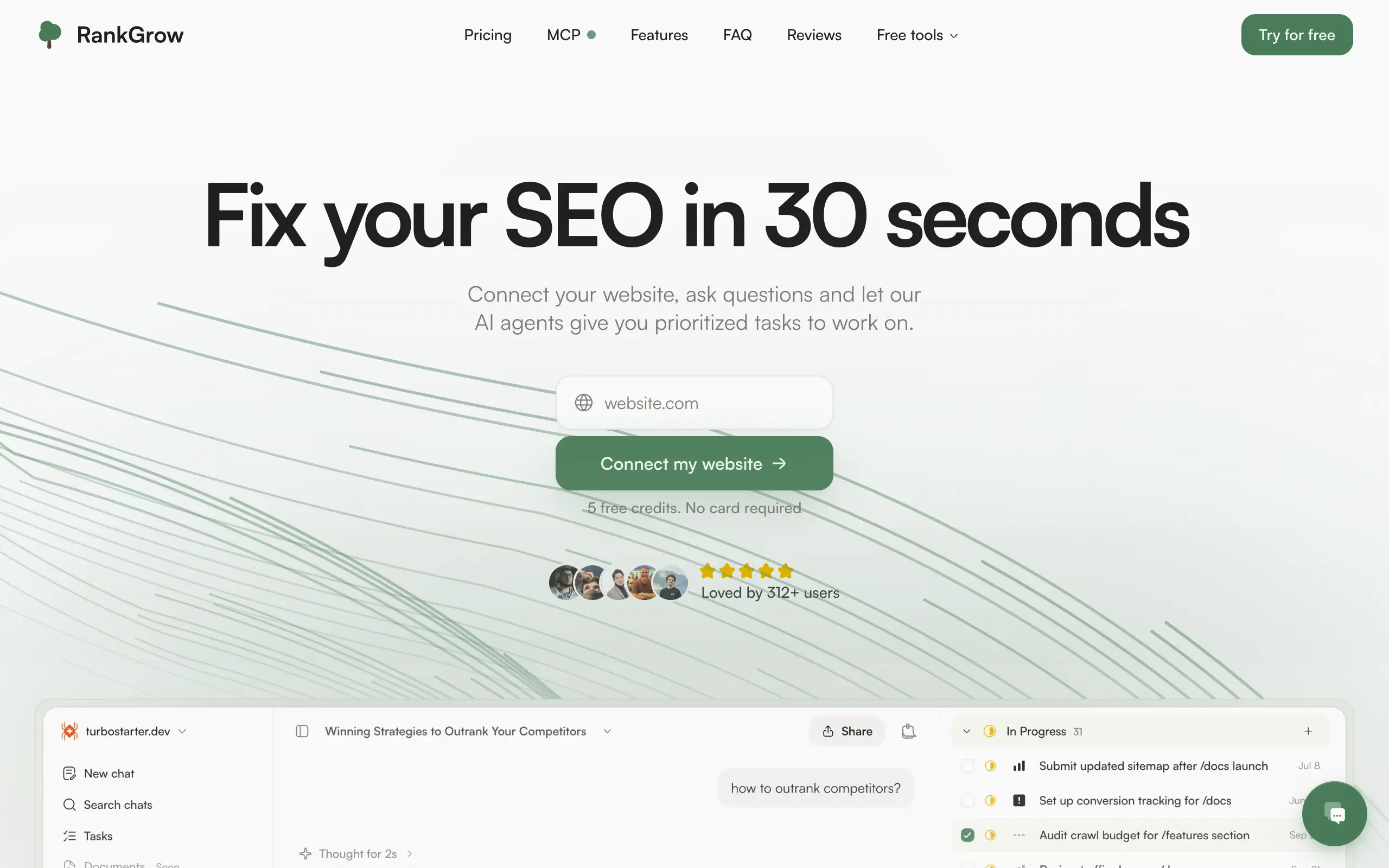
RankGrow
Fix your SEO with AI agents - connect Search Console, get prioritized tasks, and grow organic traffic 📈
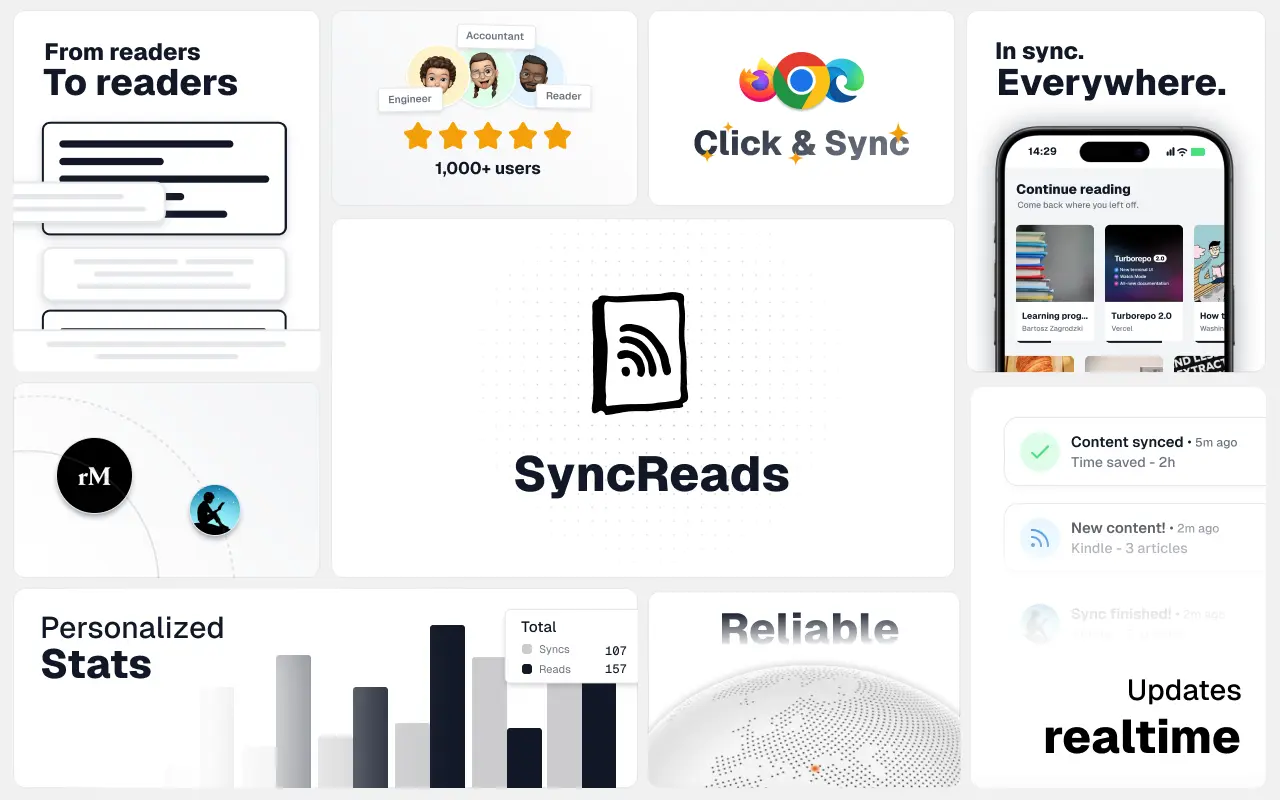
SyncReads
Sync your favorite content for distraction-free reading, save time and replace multiple apps. Anytime, anywhere 🔄
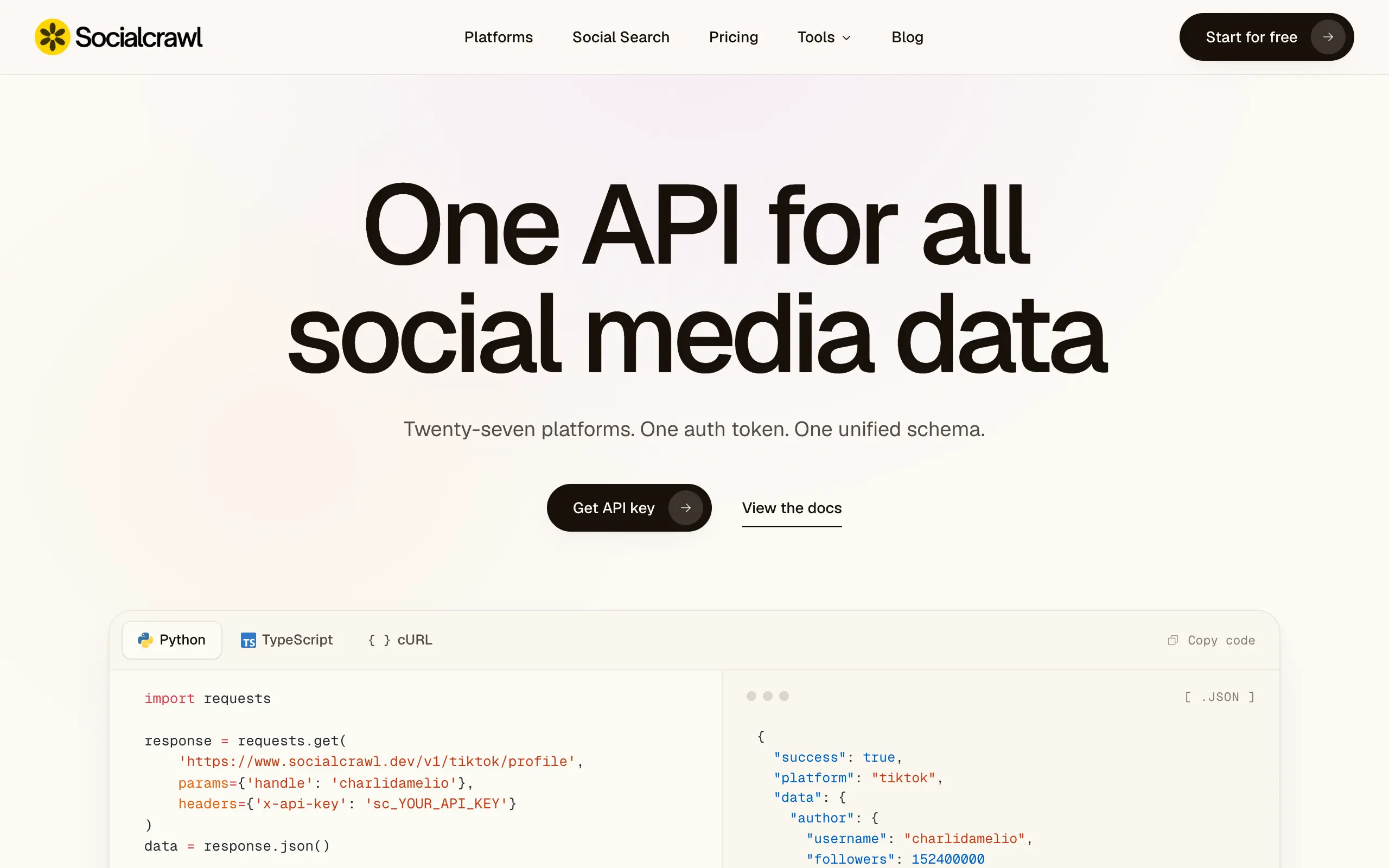
Socialcrawl
Get clean, structured data from 21 platforms like TikTok, Instagram, and YouTube with a single request 📊
Statiko
Monitor any Telegram channel in real time - track posts, edits, deletions, and growth with AI recaps 📡
Shibui
AI website builder - describe your business, pick a niche template, edit by chatting, and publish instantly ✨
Pro Service
Find verified home service professionals, compare quotes, and pay securely through escrow - built for Brazilians across the US 🏠
RankGrow
Fix your SEO with AI agents - connect Search Console, get prioritized tasks, and grow organic traffic 📈
SyncReads
Sync your favorite content for distraction-free reading, save time and replace multiple apps. Anytime, anywhere 🔄
Socialcrawl
Get clean, structured data from 21 platforms like TikTok, Instagram, and YouTube with a single request 📊
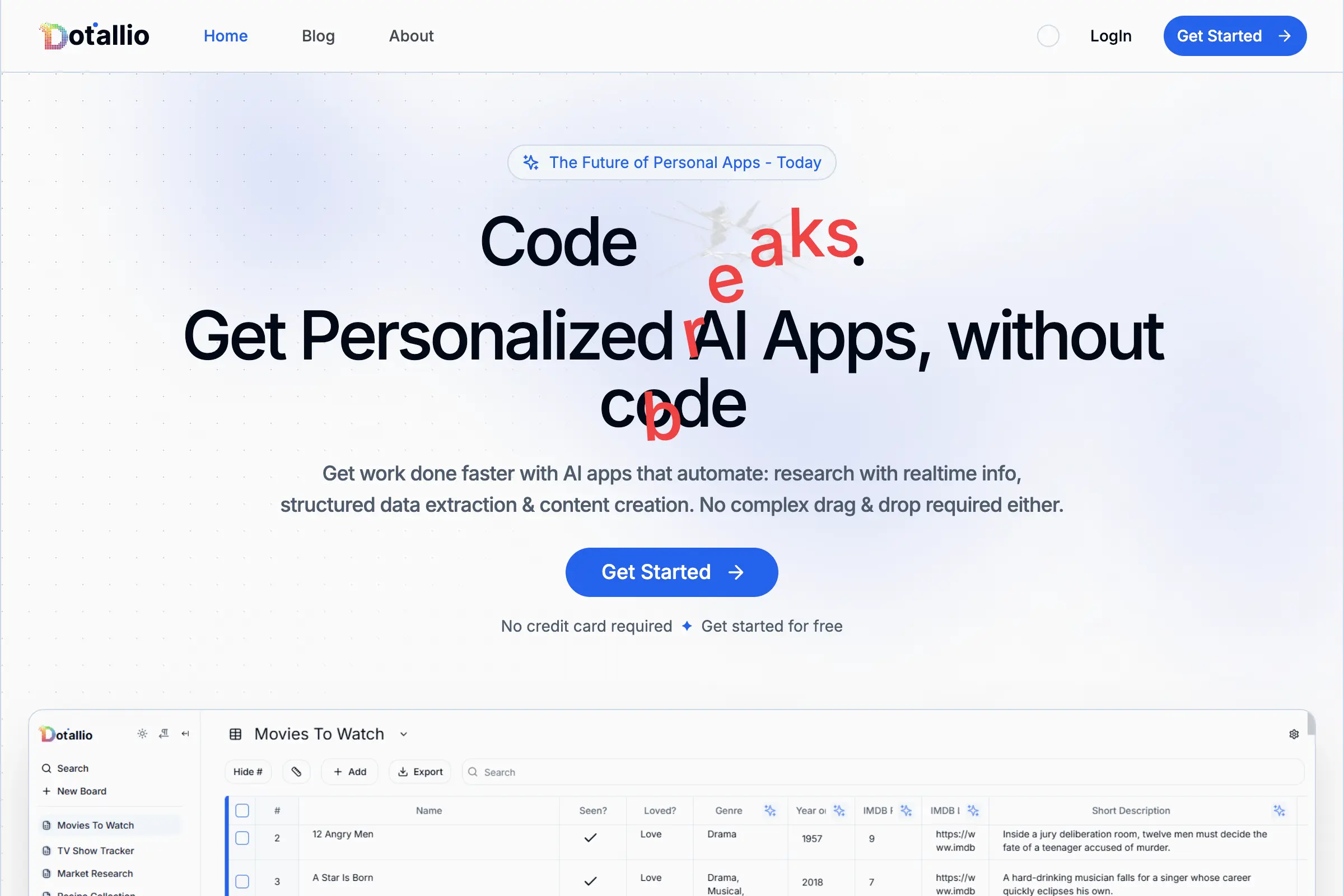
Dotallio
Personalized AI apps that automate research, data extraction, and content creation without code 🤖

Talk to Santa
Enjoy a magical live video chat or receive a unique AI-generated video greeting from Santa Claus 🎅

pozywka.pl
Scalable blog for food journalist, focused on performance and user experience 🌭
zagrodzki.me
Personal blog and portfolio of Bart Zagrodzki, where he shares his knowledge and work 💼

TurboStarter
Ship your startup everywhere. In minutes.
HTML to Markdown
Convert HTML to Markdown with ease, directly in your browser 📄
Dotallio
Personalized AI apps that automate research, data extraction, and content creation without code 🤖
Talk to Santa
Enjoy a magical live video chat or receive a unique AI-generated video greeting from Santa Claus 🎅
pozywka.pl
Scalable blog for food journalist, focused on performance and user experience 🌭
zagrodzki.me
Personal blog and portfolio of Bart Zagrodzki, where he shares his knowledge and work 💼
TurboStarter
Ship your startup everywhere. In minutes.
HTML to Markdown
Convert HTML to Markdown with ease, directly in your browser 📄
Omichat
Chat with 50+ AI models, including ChatGPT and Claude, in one place - switch models anytime without losing context 🤖
Claude Fast
Supercharge your Claude Code with 6x effective context window and specialized AI agents 🤖

EmojAI
AI-powered emoji picker with smart, context-aware suggestions 🤖

Solohacker
Autonomous company launcher - AI agents work 24/7, escalate what matters, and you stay in control 🤖

BeRawi: Storytelling Coach
Practice storytelling daily with instant feedback to sound clearer, more engaging, and confident 🎤
Omichat
Chat with 50+ AI models, including ChatGPT and Claude, in one place - switch models anytime without losing context 🤖
Claude Fast
Supercharge your Claude Code with 6x effective context window and specialized AI agents 🤖
EmojAI
AI-powered emoji picker with smart, context-aware suggestions 🤖
Solohacker
Autonomous company launcher - AI agents work 24/7, escalate what matters, and you stay in control 🤖
BeRawi: Storytelling Coach
Practice storytelling daily with instant feedback to sound clearer, more engaging, and confident 🎤

Connect with like-minded people
Join our community to get feedback, support, and grow together with 1,000+ builders on board, let's ship it!
Join usShip your startup everywhere. In minutes.
Don't burn tokens on setup and start building features on day one.