SpecRelay
Give small food brands one reliable place to share current ingredient, packaging, and allergen specs with co-packers. Reduce costly production mistakes.
What is SpecRelay?
SpecRelay is a B2B SaaS concept for small food brands that need to share current ingredient, packaging, and allergen specifications with co-packers. It gives brand teams and manufacturing partners one reliable place to find the latest approved documents, understand what changed, and confirm they are working from the correct version.
The problem is familiar to growing food businesses: a critical specification lives in an email attachment, a shared drive, a spreadsheet, or someone’s inbox. A co-packer may unknowingly use an outdated ingredient statement or packaging file. The result can be production delays, relabeling, wasted materials, customer complaints, or a food-safety issue.
SpecRelay’s core promise is straightforward: make product specifications easier to share, keep current, and verify across company boundaries. It is not simply a file-storage tool. Its opportunity is to connect documents to the products, suppliers, partners, approvals, and change history that give those documents meaning.
For founders evaluating the idea, the most important question is not whether food companies have specification documents. They do. The question is whether a focused, easy-to-adopt workflow can solve the handoff problem better than email, shared drives, and large enterprise platforms.
The problem with food specification management
Small food brands often work with a lean team. One person may oversee product development, supplier communications, packaging, quality documentation, and coordination with a co-packer. As the product line grows, that person’s informal system becomes harder to maintain.
Common problems include:
- Conflicting versions: A manufacturer receives a file that looks current but has been superseded.
- Unclear ownership: Teams do not know who can approve a change or who is responsible for notifying production partners.
- Scattered records: Specifications, ingredient statements, allergen details, and packaging files are stored in different places.
- Slow handoffs: Teams spend time asking for documents they have already received, then confirming whether those documents are still valid.
- Limited traceability: After a change, it can be difficult to establish which partner received which version and when.
- Manual follow-up: Brand employees repeatedly send reminders, verify receipt, and track approvals in email or spreadsheets.
These weaknesses become more consequential when a brand adds products, changes suppliers, updates a label, or brings on another co-packer. Each new relationship adds another path through which an outdated or incomplete file can travel.
SpecRelay should focus on improving the specification handoff, rather than promising to solve every quality, compliance, or manufacturing challenge. Clear positioning matters. A tool that helps teams distribute and confirm current approved specifications is easier to understand and validate than an all-purpose “food compliance platform.”
Who should use SpecRelay?
The strongest initial customers are food businesses that have enough operational complexity to feel the pain, but not enough resources to implement a large enterprise quality-management system.
Small and growing food brands
These companies may sell packaged snacks, sauces, beverages, frozen products, supplements, or other goods made by external manufacturing partners. They often need to coordinate specifications across a small internal team and one or more co-packers.
Their buying triggers may include:
- Adding a new product or product variant
- Switching an ingredient or packaging supplier
- Starting production with a new co-packer
- Hiring a quality or operations lead who needs a more controlled process
- Discovering that teams are circulating multiple versions of the same document
Co-packers and contract manufacturers
Co-packers are an important user group and a potential distribution channel. They may receive specifications from many brands, each with a different naming convention, file format, and communication process. A consistent portal could make it easier to find the approved documents for a product and see whether a revision is pending.
However, SpecRelay should avoid assuming that every co-packer will adopt a new system immediately. Some may prefer email, have internal systems already, or be cautious about accessing a customer-controlled platform. The product should make participation simple, including secure sharing that does not require a complicated onboarding process.
Quality and regulatory consultants
Consultants who support small food brands may help create, review, or maintain specifications. They can become influential users and referral partners if SpecRelay makes collaboration easier without taking ownership away from the brand.
Suppliers and packaging vendors
Suppliers may need to provide ingredient or packaging information, but they are likely to be secondary users at first. A practical launch strategy is to make it easy for the brand to request and attach supplier documentation, then expand into supplier collaboration only when customer workflows demonstrate the need.
The best initial customer profile
A useful starting profile is a brand with:
- A small internal team
- Several products or product variants
- At least one external manufacturing partner
- Recurring specification changes
- A quality or operations owner who feels the cost of manual coordination
- A willingness to standardize document handling
This profile narrows product discovery. It also helps avoid building for very different customers—such as a single-product startup and a global manufacturer—with conflicting requirements.
Market opportunity and the gap in existing workflows
SpecRelay sits at the intersection of document management, quality operations, and supplier collaboration. The opportunity is not necessarily that no software exists in these categories. The opportunity is that small food brands may find existing approaches either too informal or too demanding.
At the informal end, teams use email, cloud folders, spreadsheets, and project-management tools. These are familiar and inexpensive, but they are not necessarily designed to associate a document with a specific product, approval status, partner, or effective date.
At the enterprise end, quality-management and product-lifecycle platforms can support extensive workflows. They may also require more configuration, training, budget, and internal ownership than a small brand can justify. That creates room for a focused product with a faster path to value.
The likely product gap
SpecRelay can target the gap between “a folder of files” and “a full enterprise system.” Its defining workflow could let a brand:
- Create a product record.
- Attach its current ingredient, packaging, and allergen specifications.
- Approve a version and identify when it takes effect.
- Share that version with selected manufacturing partners.
- Notify recipients when a new version is published.
- See who accessed or acknowledged the update.
The product’s value increases when it reduces uncertainty at the point of handoff. A file repository alone may not be compelling enough to justify a subscription. A simple, trustworthy workflow for publishing and confirming approved specifications is more differentiated.
How to validate the market
Before building a broad platform, conduct structured interviews with brand operators, quality managers, and co-packers. Ask about recent, concrete incidents rather than asking whether they like the concept.
Useful questions include:
- “Tell me about the last time you sent an updated specification to a manufacturer.”
- “How did you know the recipient used the right version?”
- “What happened the last time a document was missing or outdated?”
- “Where do you store approved documents today?”
- “Who can approve changes, and how is approval recorded?”
- “What tools would your co-packer refuse or be unwilling to use?”
- “What would make you pay for a dedicated tool instead of using your current drive?”
Look for evidence of repeated pain, workarounds, and measurable consequences. A few enthusiastic reactions are not enough. Stronger signals include a prospect sharing a current process, asking to pilot with a real co-packer, or agreeing to pay for a narrow version of the product.
For market sizing, avoid presenting an unsupported total addressable market as fact. Build a bottom-up estimate using a clearly stated method: identify the number of target brands in selected segments, estimate the realistic share with outsourced production and recurring specification needs, and test willingness to pay through customer conversations. Any published industry counts or market figures should be cited to their original source, with the date and definition of the category stated.
Core product features for a specification management SaaS
The first version should make the core handoff reliable. Every feature should support a clear outcome: helping a user identify, approve, share, or verify a current specification.
1. Product-centered specification records
Organize documents around products and variants rather than relying only on folders. A product record might include:
- Product name and internal identifier
- Product category and status
- Associated ingredient and packaging specifications
- Allergen information
- Manufacturing partner
- Document owner
- Current approved version
- Effective date and change notes
A product-centered structure helps users answer a practical question quickly: “What is the approved information for this product?”
2. Version control and change history
Version control should be foundational, not a later enhancement. Users need to understand which version is current, what changed, who made the change, and when it was approved.
A useful version history includes:
- Version number or revision label
- Upload and approval timestamps
- Person who submitted the change
- Person who approved it
- Summary of the change
- Previous versions, retained as historical records
- A clear status such as draft, in review, approved, or superseded
SpecRelay should never silently overwrite a previously approved file. If a file is replaced, the system should preserve the earlier version and make its status clear.
3. Controlled sharing with co-packers
Sharing should be straightforward and secure. A brand should be able to grant a co-packer access to relevant product records without exposing unrelated documents.
Useful controls may include:
- Partner-specific access
- Product-level permissions
- Read-only access for external users
- Expiring or revocable links where appropriate
- A record of who viewed or downloaded a document
- A clear way to invite a recipient without requiring a long setup process
A good sharing experience can be a competitive advantage. If external users find the portal confusing, they will ask for email attachments instead—and the brand’s version-control problem returns.
4. Change notifications and acknowledgments
When an approved specification changes, affected users need to know. Notifications should be tied to the records and recipients involved, not sent as generic announcements.
Consider allowing the brand to:
- Select which partners receive an update
- Include a concise change summary
- Request an acknowledgment from relevant recipients
- See who has not yet acknowledged the update
- Send a reminder without rebuilding the distribution list
An acknowledgment is not proof that a recipient has followed every operational instruction. The product should describe it accurately as a record that a user confirmed receipt or review, not as a guarantee of compliance or production behavior.
5. Search and filtering
As the number of products and files grows, search becomes essential. Users should be able to search by product, document type, partner, status, date, and revision. Search should make the approved version easy to find while keeping superseded versions available for history.
6. Audit-friendly activity records
An activity log can help a brand reconstruct what happened during a specification change. It should capture meaningful events, such as uploads, approvals, shares, access, and acknowledgments.
The aim is not to claim that a software audit log automatically satisfies a particular regulatory requirement. Instead, it should provide a dependable operational history that a company can review alongside its own quality procedures.
7. Practical onboarding and migration
Most customers will begin with existing folders, spreadsheets, and email attachments. Importing everything without structure may simply recreate the current mess inside a new application.
A better onboarding flow can guide users to:
- Identify their active products
- Upload the latest approved files
- Mark uncertain or unverified documents for review
- Assign document owners
- Invite manufacturing partners
- Decide which old versions to retain
A migration checklist or assisted setup service could be more valuable than adding many advanced features early.
What should SpecRelay not build first?
A narrow product is easier to test, explain, and support. Several tempting capabilities may be better suited to later phases:
- Full recipe formulation and product development
- Regulatory interpretation or legal advice
- Supplier qualification and procurement
- End-to-end manufacturing execution
- Automatic approval of ingredient or allergen changes
- A complex compliance dashboard before customers have reliable records
These areas may eventually be adjacent opportunities. Initially, they risk blurring the product’s promise and creating expectations that a small team cannot safely meet.
Keep the promise precise
SpecRelay can organize, share, and track specification documents. It should not imply that document storage alone makes a product compliant, guarantees allergen safety, or replaces a company’s quality and regulatory review.
Recommended technology stack
The ideal stack depends on the founding team’s skills, expected customer requirements, and launch timeline. For an early B2B SaaS product, prioritize secure access control, reliable file handling, auditability, and a maintainable codebase over architectural complexity.
Front end
React is a practical choice for building a product dashboard with reusable interface components. A framework built on React can support server rendering, routing, and a clear application structure. Tailwind CSS can help a small team iterate quickly on a consistent interface, although it requires design discipline to avoid inconsistent utility-heavy markup.
The interface should work well for the most common tasks: finding an approved file, reviewing a change, inviting a partner, and checking acknowledgment status. These flows are more important than a highly customized dashboard in the first release.
Back end and data model
A relational database is a sensible default because SpecRelay’s data has clear relationships: companies have users, products have specifications, specifications have versions, and versions are shared with partners. PostgreSQL is a strong candidate for this type of structured data.
A first-pass data model might include:
- Organizations
- Users and organization memberships
- Products and product variants
- Documents and document versions
- Approval events
- Partner organizations
- Access grants
- Notifications and acknowledgments
- Audit events
Keep document metadata in the database and store the files in object storage. Avoid treating a filename as the source of truth. A document’s relationship to a product, version, owner, and approval state should be explicit.
Authentication and authorization
B2B access control needs more care than a single-user consumer application. SpecRelay should model organizations and partner relationships from the start, even if the initial interface is simple.
Authorization should enforce questions such as:
- Can this user access this organization?
- Is the user allowed to view this product?
- Is this file shared with their organization?
- Can they approve, edit, or only view the record?
Test these permissions at the server and data-access layers, not only by hiding buttons in the interface. A user who lacks permission should not be able to retrieve a protected file by guessing its URL.
File storage and security
Use private object storage with short-lived access mechanisms for downloads. Files may contain proprietary product information, supplier details, or operational records, so security should be part of the product’s initial design.
Important controls include:
- Encryption in transit and at rest
- Access checks before generating download links
- Malware scanning for uploaded files where feasible
- File type and size limits
- Secure backups and recovery procedures
- Administrative access logging
- A documented data-retention and deletion policy
Do not claim security certifications or compliance attestations unless they have actually been achieved and verified. Enterprise security features can become a sales requirement, but they should be pursued based on customer evidence and a realistic readiness plan.
Notifications and background work
Email notifications, reminders, and file processing are best handled through a dependable background job system rather than relying on a user keeping a browser tab open. Design notifications to be useful and restrained. A flood of low-value alerts encourages users to ignore the messages that matter.
Trade-offs to consider
| Decision | Benefits | Trade-offs |
|---|---|---|
| Relational database | Strong relationships, transactions, and querying | Requires thoughtful schema changes as workflows evolve |
| Object storage for files | Scalable and appropriate for large documents | Requires careful permission checks and lifecycle policies |
| Managed authentication | Faster implementation and fewer security tasks | Vendor dependence and plan limits may matter later |
| Multi-tenant architecture | Supports multiple organizations in one product | Tenant isolation must be designed and tested carefully |
| Custom workflow engine | Flexible for varied approval needs | Can add complexity before customer needs are understood |
For an early product, a managed platform can reduce infrastructure work, but the team must understand its limitations and keep critical business data portable. Choose based on the team’s experience and customer requirements, not on a fashionable architecture.
Monetization strategy
SpecRelay’s pricing should reflect the operational value of controlled sharing, not just the number of gigabytes stored. Customers are more likely to pay when the product prevents repeated coordination work or reduces uncertainty around production handoffs.
Subscription tiers
A tiered subscription can map to customer size and workflow complexity:
- Starter: A limited number of products, users, and partner invitations for small brands.
- Growth: More products, team members, change workflows, and activity history.
- Business: Advanced permissions, multiple facilities, enhanced support, and administrative controls.
Keep tier boundaries understandable. If a customer cannot predict which plan they need, pricing becomes a sales obstacle.
Pricing by organization, product, or partner
Several pricing models are plausible:
- Per organization: Easy for buyers to understand and supports collaboration.
- By active product: Ties price to the scale of a brand’s catalog.
- By partner or location: Reflects the number of external relationships being managed.
- Hybrid pricing: A base platform fee with usage limits for products or partners.
Avoid charging every external collaborator in a way that discourages the very sharing the product depends on. A brand should not hesitate to invite its co-packer because each additional viewer creates an unexpected bill.
Paid onboarding and migration
Some customers may value hands-on help to organize records and establish a clean starting point. Offer onboarding as a clearly scoped service, not as a hidden requirement for using the software. This can also generate early revenue while revealing common data-migration needs.
Future expansion revenue
After validating the core workflow, potential paid additions may include:
- Multiple sites or manufacturing locations
- Advanced approval policies
- Integrations with quality or product systems
- Extended audit-history retention
- Organization-wide reporting
- Single sign-on for larger customers
Do not charge for compliance guarantees or imply that premium features replace expert review. The software supports the customer’s process; the customer remains responsible for its product and operations.
Competitive advantage and positioning
SpecRelay’s competitive advantage should come from focus and usability, not a claim that no alternatives exist. Prospects already have substitutes: email, cloud storage, spreadsheets, document-management products, and quality platforms.
A useful positioning statement could be:
SpecRelay helps small food brands and their co-packers share current product specifications, track revisions, and confirm handoffs without adopting a heavyweight enterprise system.
How the alternatives compare
| Alternative | Easy to start | Version clarity | Partner-specific access | Change tracking | Food-spec workflow |
|---|---|---|---|---|---|
| Email attachments | ✅ | ❌ | ✅ | ❌ | ❌ |
| Shared cloud folders | ✅ | ⚠️ | ✅ | ⚠️ | ❌ |
| Spreadsheets and manual logs | ✅ | ⚠️ | ⚠️ | ⚠️ | ⚠️ |
| Enterprise quality platforms | ⚠️ | ✅ | ✅ | ✅ | ✅ |
| SpecRelay’s proposed focus | ✅ | ✅ | ✅ | ✅ | ✅ |
This comparison is directional, not a universal claim about every product in each category. Individual platforms vary, and a customer’s existing configuration may already solve some of these problems.
Potential sources of differentiation
- Fast setup: A brand should be able to create its first product record and share a document quickly.
- External-collaborator usability: Co-packers should be able to find relevant files without unnecessary friction.
- Clear version status: Current, draft, and superseded records should be visually distinct.
- Food-brand-specific language: The product should reflect how brands discuss ingredients, packaging, allergens, and manufacturing partners.
- Focused scope: A small team can learn the product without implementing a full enterprise quality system.
- Trustworthy history: Changes and acknowledgments should be understandable and exportable.
The strongest moat may develop through workflow fit, customer trust, and integrations—not through document storage alone. If customers repeatedly use SpecRelay as the shared record for product specifications, the product becomes more valuable as more of their collaborators participate.
Risks and how to mitigate them
Low willingness to adopt another system
Customers may agree the problem exists but continue using email because it is familiar.
Mitigation: Make sharing frictionless, allow email notifications that direct recipients to the approved record, and test the workflow with real co-packers before expanding feature scope.
Incorrect or incomplete source documents
A platform can make an incorrect specification easier to distribute. It cannot independently verify every ingredient statement, allergen declaration, or packaging claim.
Mitigation: Preserve approval ownership, show who approved each version, include review status, and make it clear that the brand is responsible for the accuracy of its records.
Confusion between receipt and compliance
A partner’s acknowledgment could be misinterpreted as proof that production used the correct information.
Mitigation: Use precise language such as “acknowledged receipt” rather than “compliant” or “verified.” Provide audit history without overstating what the data proves.
Security and confidentiality concerns
Product specifications may contain sensitive commercial information. A security incident could undermine customer trust.
Mitigation: Establish access controls, secure file handling, backup procedures, incident response, and clear policies early. Limit unnecessary data collection and review permissions regularly.
Complex customer workflows
Each brand or co-packer may have different approval steps and document conventions.
Mitigation: Begin with configurable but limited workflows. Interview customers to identify common patterns before building a general-purpose workflow engine.
Regulatory and legal expectations
Food businesses operate within regulatory and contractual environments that vary by product, market, and customer. A SaaS product may be asked to support audits or document controls without being a complete compliance solution.
Mitigation: Consult qualified food-safety and regulatory professionals when designing claims and workflows. For external research, cite the relevant official agency guidance or applicable standard directly, with a publication date and context. Do not convert general information into legal advice.
Long sales cycles and uneven budgets
Small brands may have urgent operational needs but limited software budgets. Larger customers may require security reviews, integrations, and procurement processes.
Mitigation: Start with a narrow customer segment, keep onboarding light, and test paid pilots. Track time-to-value and renewal intent, not just free sign-ups.
Metrics to measure product-market fit
Early metrics should show whether SpecRelay is changing behavior and becoming part of the handoff process.
Track:
- Time from account creation to first approved product record
- Percentage of active products with a current specification
- Number of external partners invited and activated
- Share of updates acknowledged within a defined period
- Frequency of users returning to retrieve or update records
- Number of outdated-document incidents reported by customers
- Customer-reported time spent coordinating specifications
- Trial-to-paid conversion and renewal rates
- Support requests related to access, file versions, or onboarding
Define each metric carefully. For example, a high acknowledgment rate is useful only if it represents the right recipients and the product’s acknowledgment meaning is clear.
Actionable implementation steps
Interview customers before building
Speak with a focused set of small food brands, co-packers, and consultants. Ask them to demonstrate their current process using a recent example. Document where files are stored, how approval works, and what happens when a version changes.
Choose a narrow first customer segment
Select a segment with recurring specification changes and a clear operational owner. Avoid trying to serve every food manufacturer, supplier, and brand at once.
Test the workflow with a concierge pilot
Before automating everything, help a few pilot customers organize product records and share current files. Observe whether partners use the shared workflow or revert to email. A manual pilot can expose adoption barriers more quickly than a large initial build.
Define the minimum viable product
Build product records, version history, approvals, partner permissions, notifications, and an activity log. Keep the first release focused on finding and sharing the current approved specification.
Establish security and data-handling practices
Decide how files are stored, who can access them, how changes are logged, and how customers can export or delete their data. Test organization boundaries and file permissions before inviting external users.
Pilot with real production partners
A brand-side user experience is not enough. Invite co-packers to test the actual sharing flow. Measure whether they can find the right document without coaching and whether the update process fits their habits.
Charge early and learn from objections
Introduce a paid pilot or transparent subscription once the product delivers repeatable value. Pricing conversations help reveal whether the problem is important enough to fund and which features matter most.
Expand only after the core handoff works
Consider integrations, advanced reporting, and broader quality workflows after customers consistently use the core specification-sharing process. Let repeated customer needs—not assumptions—set the roadmap.
A startup can accelerate the foundations of a SaaS application with TurboStarter, then spend more of its limited development time validating the food-specific workflows that make SpecRelay distinctive.
Frequently asked questions
SpecRelay can include document management, but its sharper positioning is specification sharing and version control between small food brands and manufacturing partners. A generic file repository would be easier to copy and harder to differentiate.
It can help reduce mistakes caused by unclear or outdated document handoffs. It cannot guarantee that a partner follows a specification, that a document is correct, or that a product meets every applicable requirement. The product should support—not replace—customer quality processes.
Not necessarily for every workflow. Test low-friction access options alongside full partner accounts. Account-based access can improve auditability and permissions, while overly complex onboarding may discourage participation.
Start with product-centered records, immutable version history, clear approval status, partner-specific sharing, and notifications. Those capabilities directly address the central problem of knowing which specification is current and who received it.
Measure whether customers and their partners consistently use the shared record for real handoffs. Track activation, external partner adoption, update acknowledgments, retention, and customer-reported reductions in manual coordination.
The opportunity for SpecRelay
SpecRelay has a credible opportunity if it solves a specific, recurring operational problem for small food brands: keeping ingredient, packaging, and allergen specifications current and accessible to the right co-packers. Its strongest initial product is not a broad compliance suite. It is a dependable shared workflow that makes it easier to publish an approved specification, communicate a revision, and see whether the intended partner received it.
The business will depend on execution as much as the concept. SpecRelay must earn trust with careful access controls, accurate version history, clear language, and an experience that external partners will actually use. It should validate willingness to pay with real customers, keep regulatory claims precise, and expand only when repeated workflows justify the added complexity.
A focused product that reduces confusion at the point of production handoff can stand out between improvised file sharing and heavyweight enterprise software. The next step is to interview target customers, observe their current process, and test the smallest version of the workflow with a real brand and co-packer.
More 🏢 B2B Application SaaS ideas
Discover more innovative b2b application SaaS ideas that are trending in 2026. Each idea is AI-generated with market validation and growth potential to help you find your next profitable venture faster than competitors.
Your competitors are building with TurboStarter
Below are some of the SaaS ideas that have been generated and built with our starter kit.
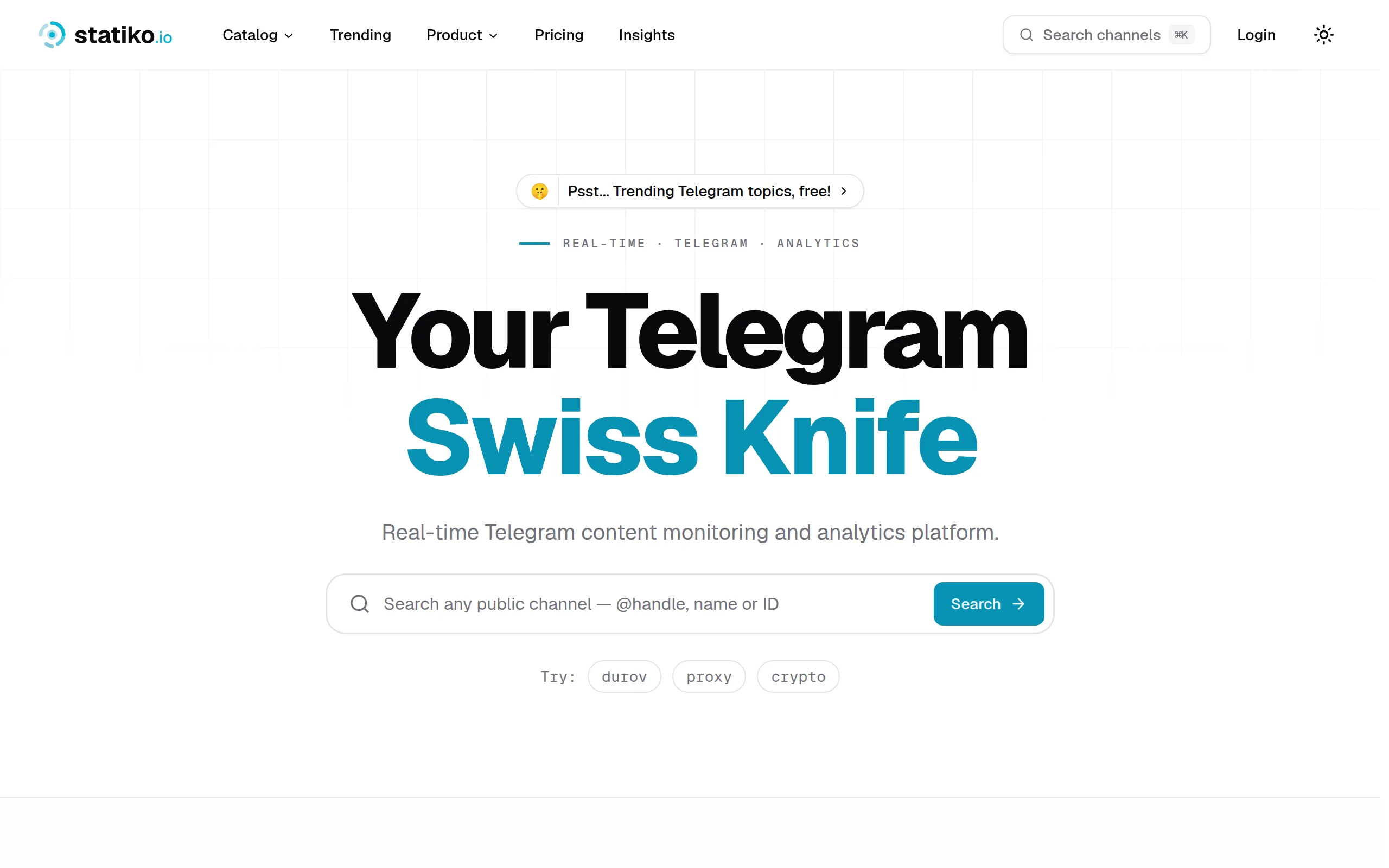
Statiko
Monitor any Telegram channel in real time - track posts, edits, deletions, and growth with AI recaps 📡

Shibui
AI website builder - describe your business, pick a niche template, edit by chatting, and publish instantly ✨

Pro Service
Find verified home service professionals, compare quotes, and pay securely through escrow - built for Brazilians across the US 🏠
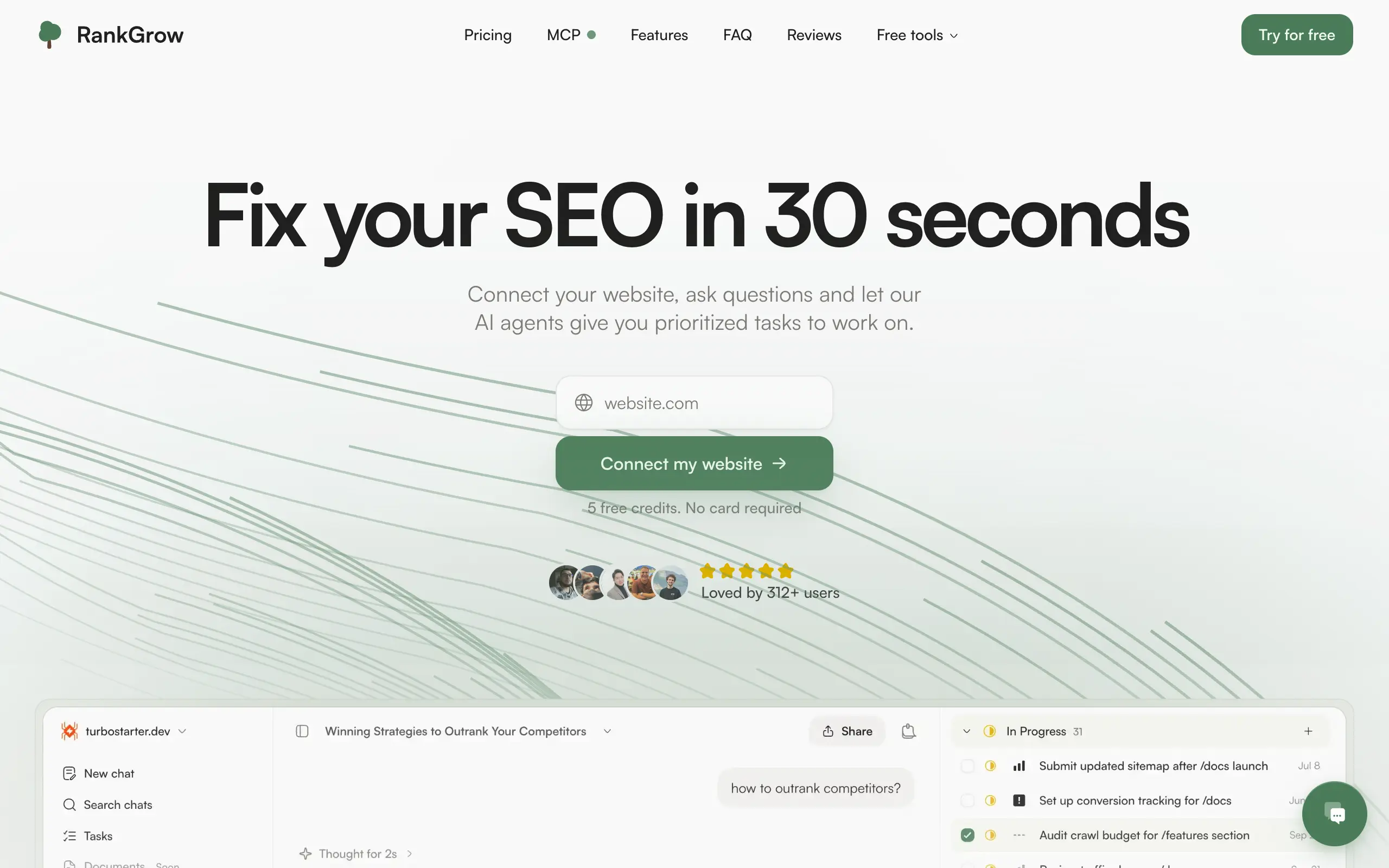
RankGrow
Fix your SEO with AI agents - connect Search Console, get prioritized tasks, and grow organic traffic 📈
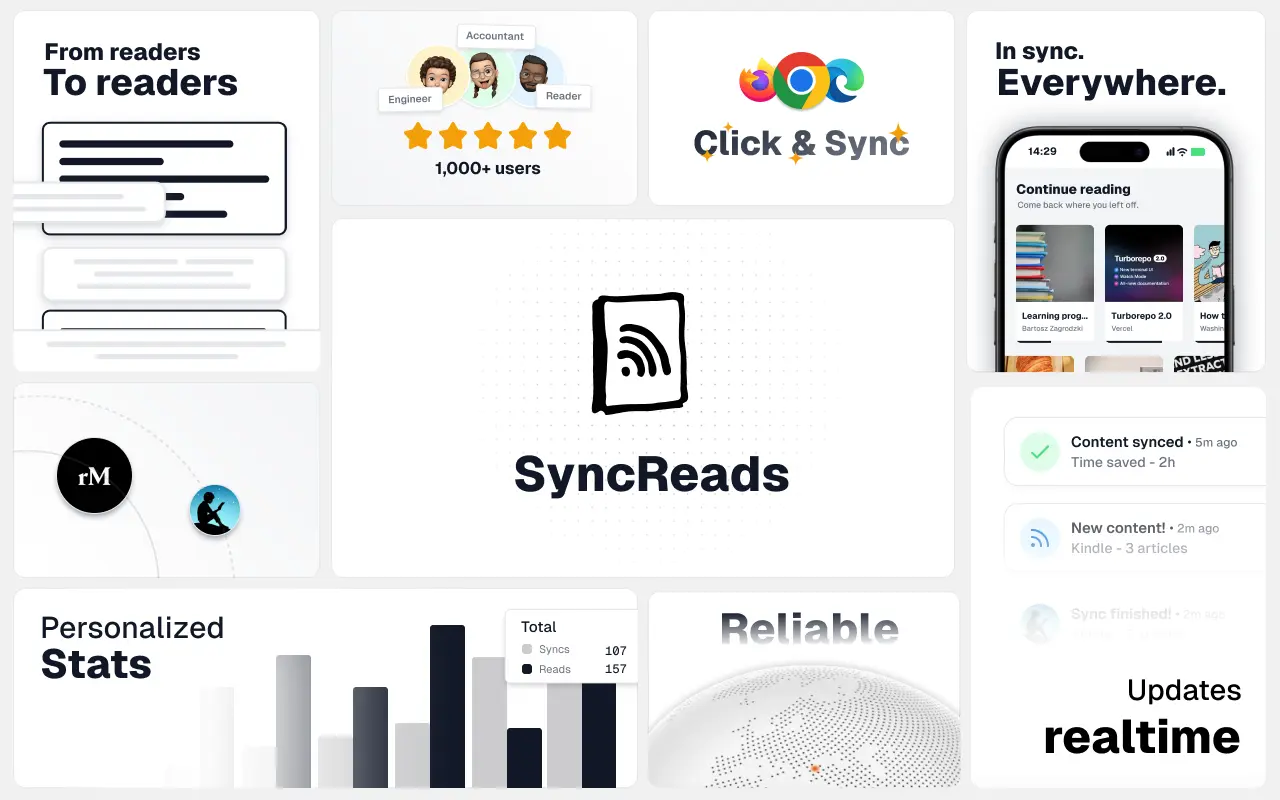
SyncReads
Sync your favorite content for distraction-free reading, save time and replace multiple apps. Anytime, anywhere 🔄
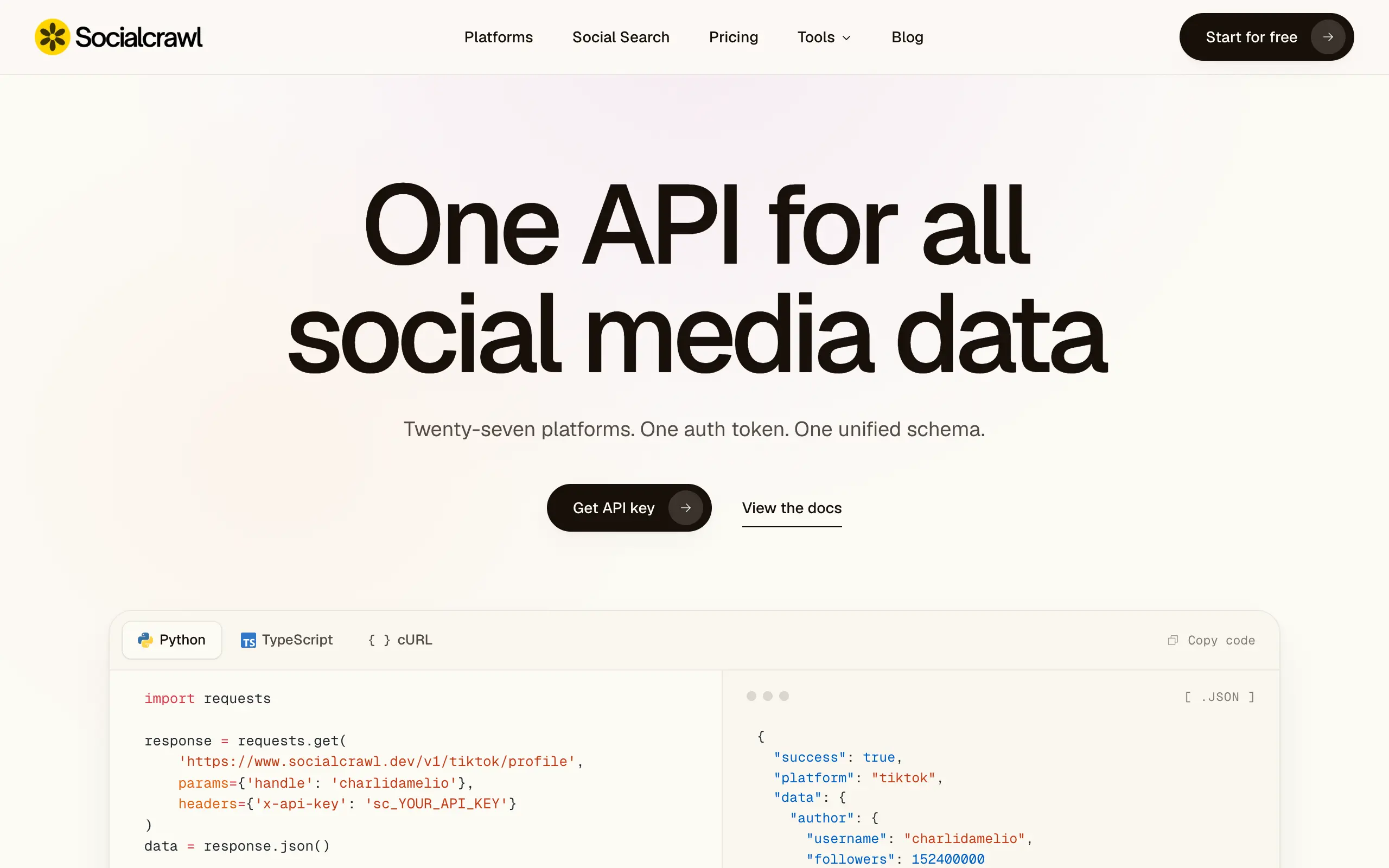
Socialcrawl
Get clean, structured data from 21 platforms like TikTok, Instagram, and YouTube with a single request 📊
Statiko
Monitor any Telegram channel in real time - track posts, edits, deletions, and growth with AI recaps 📡
Shibui
AI website builder - describe your business, pick a niche template, edit by chatting, and publish instantly ✨
Pro Service
Find verified home service professionals, compare quotes, and pay securely through escrow - built for Brazilians across the US 🏠
RankGrow
Fix your SEO with AI agents - connect Search Console, get prioritized tasks, and grow organic traffic 📈
SyncReads
Sync your favorite content for distraction-free reading, save time and replace multiple apps. Anytime, anywhere 🔄
Socialcrawl
Get clean, structured data from 21 platforms like TikTok, Instagram, and YouTube with a single request 📊
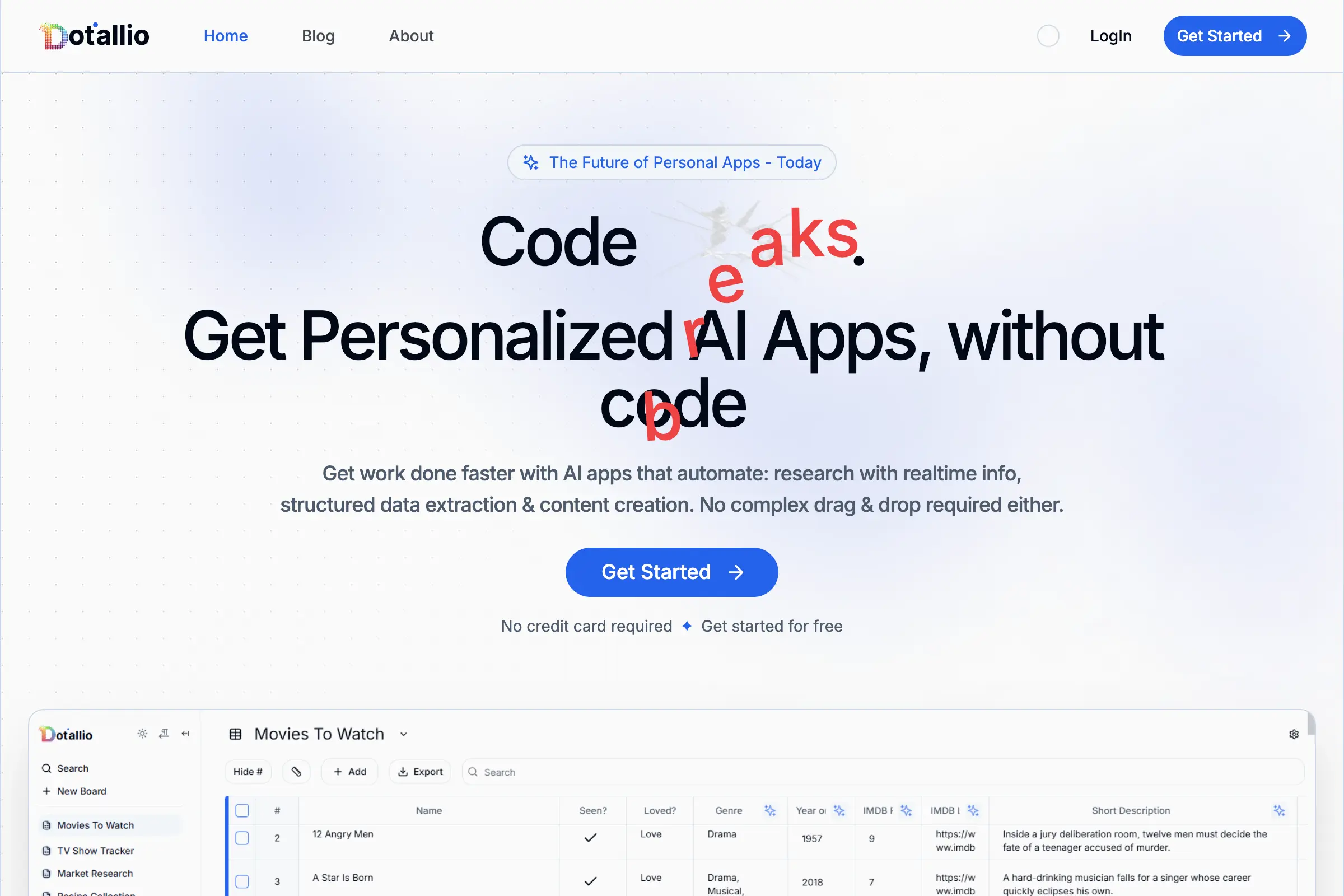
Dotallio
Personalized AI apps that automate research, data extraction, and content creation without code 🤖

Talk to Santa
Enjoy a magical live video chat or receive a unique AI-generated video greeting from Santa Claus 🎅

pozywka.pl
Scalable blog for food journalist, focused on performance and user experience 🌭
zagrodzki.me
Personal blog and portfolio of Bart Zagrodzki, where he shares his knowledge and work 💼
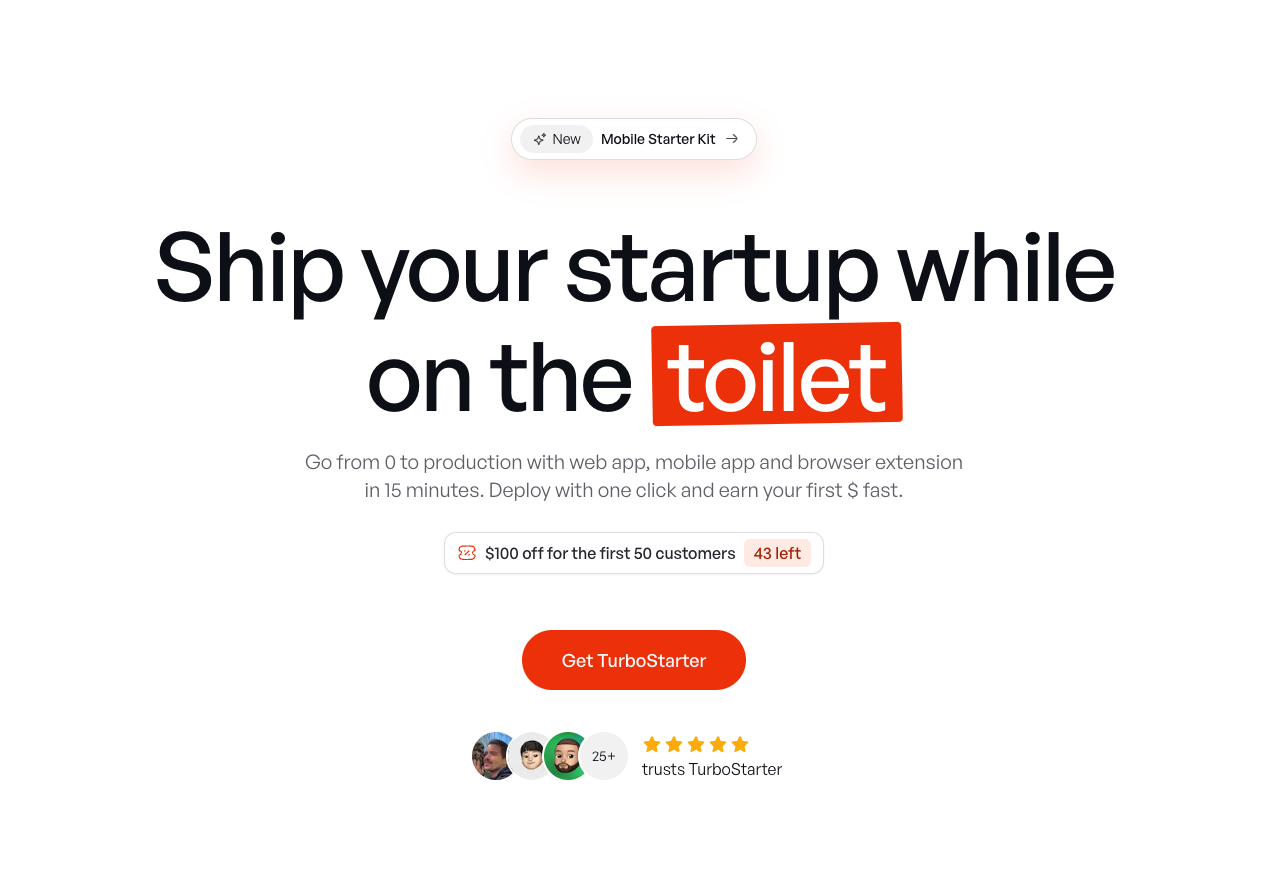
TurboStarter
Ship your startup everywhere. In minutes.
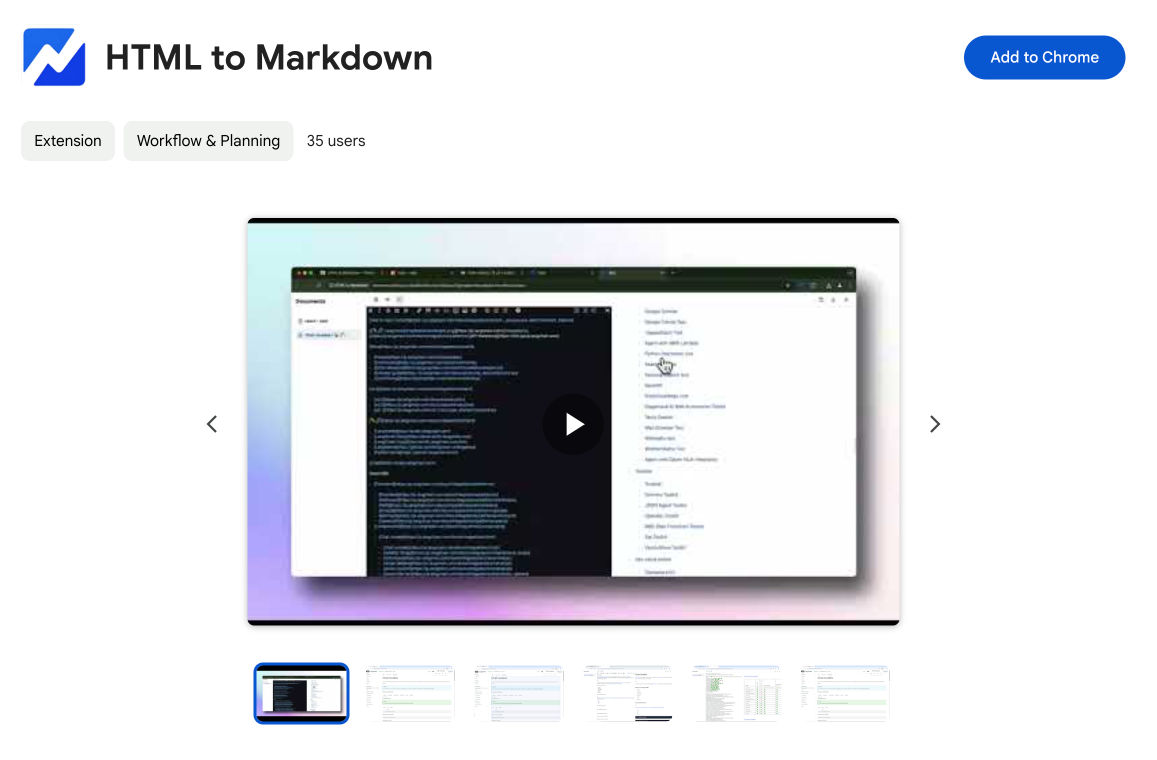
HTML to Markdown
Convert HTML to Markdown with ease, directly in your browser 📄
Dotallio
Personalized AI apps that automate research, data extraction, and content creation without code 🤖
Talk to Santa
Enjoy a magical live video chat or receive a unique AI-generated video greeting from Santa Claus 🎅
pozywka.pl
Scalable blog for food journalist, focused on performance and user experience 🌭
zagrodzki.me
Personal blog and portfolio of Bart Zagrodzki, where he shares his knowledge and work 💼
TurboStarter
Ship your startup everywhere. In minutes.
HTML to Markdown
Convert HTML to Markdown with ease, directly in your browser 📄
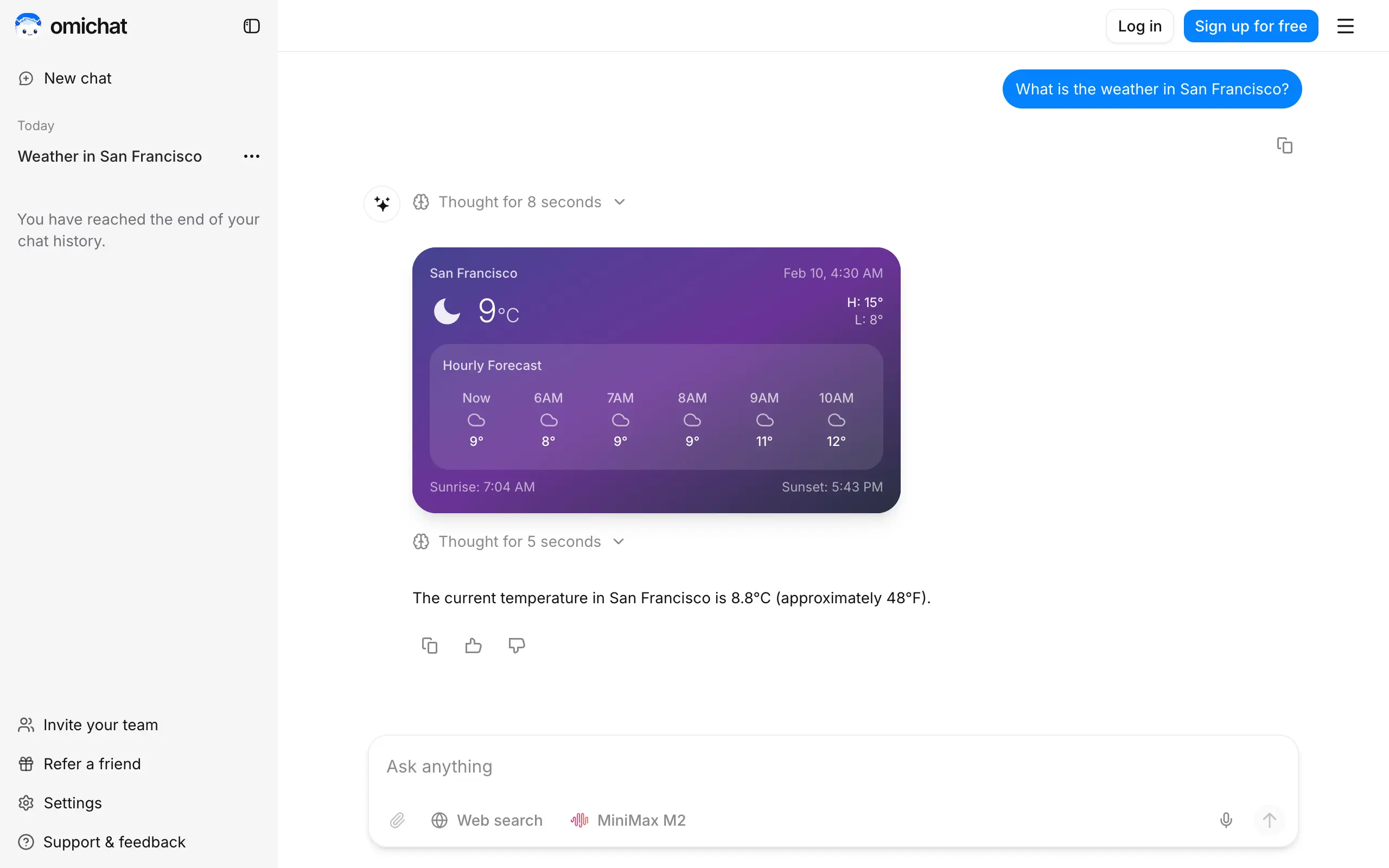
Omichat
Chat with 50+ AI models, including ChatGPT and Claude, in one place - switch models anytime without losing context 🤖
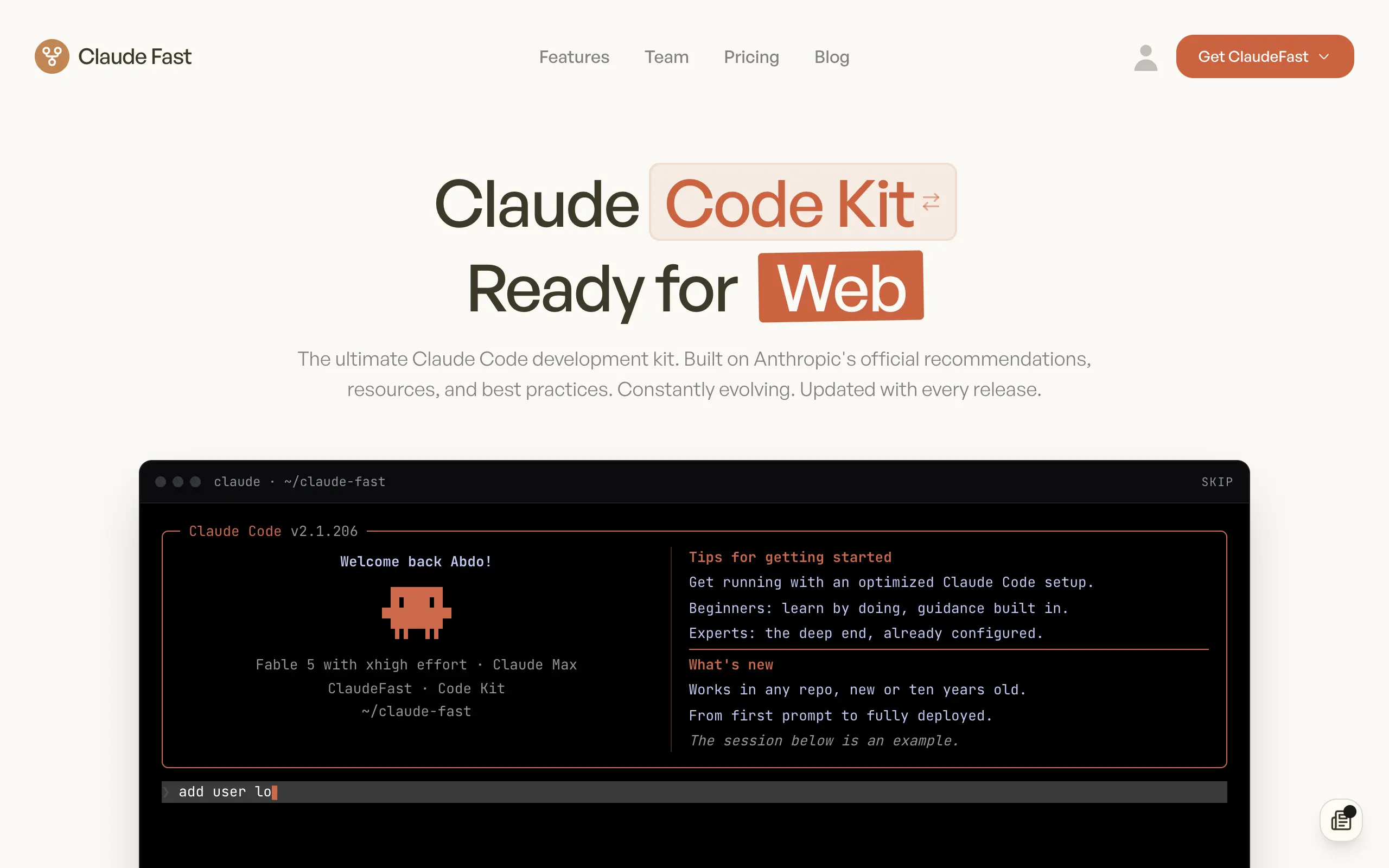
Claude Fast
Supercharge your Claude Code with 6x effective context window and specialized AI agents 🤖

EmojAI
AI-powered emoji picker with smart, context-aware suggestions 🤖

Solohacker
Autonomous company launcher - AI agents work 24/7, escalate what matters, and you stay in control 🤖

BeRawi: Storytelling Coach
Practice storytelling daily with instant feedback to sound clearer, more engaging, and confident 🎤
Omichat
Chat with 50+ AI models, including ChatGPT and Claude, in one place - switch models anytime without losing context 🤖
Claude Fast
Supercharge your Claude Code with 6x effective context window and specialized AI agents 🤖
EmojAI
AI-powered emoji picker with smart, context-aware suggestions 🤖
Solohacker
Autonomous company launcher - AI agents work 24/7, escalate what matters, and you stay in control 🤖
BeRawi: Storytelling Coach
Practice storytelling daily with instant feedback to sound clearer, more engaging, and confident 🎤

Connect with like-minded people
Join our community to get feedback, support, and grow together with 1,000+ builders on board, let's ship it!
Join usShip your startup everywhere. In minutes.
Don't burn tokens on setup and start building features on day one.