Stack & Stein
Help tech teams organize pub meetups with smart RSVPs, expense splitting, venue perks, and lightweight team-bonding insights.
Tech teams often say they value connection, yet the operational work behind a simple pub meetup is surprisingly fragmented. Someone creates a chat thread, another person tracks RSVPs, a third pays the bill, and nobody knows which venue can actually handle the group. The result is avoidable admin, unclear expenses, uneven attendance, and social events that feel harder to run than they should.
Stack & Stein is a B2B SaaS concept designed to make team pub meetups easier to plan, more inclusive to attend, and more useful to understand. It combines event coordination, smart RSVP workflows, expense splitting, venue perks, and lightweight team-bonding insights in one focused workspace.
The primary opportunity is not to compete broadly with generic event software. It is to become the purpose-built tech team meetup management software for engineering leaders, people teams, workplace managers, and team leads who want to build genuine in-person connection without adding another administrative burden.
Why tech team meetup management software matters now
Hybrid and distributed work have changed how teams build trust. Teams may collaborate effectively in issue trackers, chat tools, video calls, and documentation platforms, but informal connection is harder to recreate digitally. A well-run offsite, pub social, or recurring team gathering can help create the conversations that do not naturally occur inside sprint planning or standups.
However, many organizations still manage social events with a patchwork of tools:
- A Slack or Microsoft Teams message for initial interest
- A spreadsheet for attendance tracking
- A calendar event for reminders
- A finance tool or personal card for payment
- A payment app for expense repayment
- A survey form for feedback
- A manually maintained list of preferred venues
This workflow works for one small event. It breaks down when an organization runs recurring socials across departments, offices, or cities.
Stack & Stein addresses a practical operational problem: how can a team organize enjoyable, accountable, and measurable meetup experiences without turning social connection into HR bureaucracy?
The product should feel lightweight enough for a developer advocate organizing a monthly social, while offering the governance and reporting controls that a People Operations or Finance team needs.
The product positioning
Stack & Stein should position itself as team connection infrastructure, not just event planning software. Its value is the reliable coordination of recurring social experiences, including attendance, spending, venue relationships, and opt-in team insights.
The target audience for Stack & Stein
A successful B2B SaaS product needs a clear initial buyer, daily user, and beneficiary. For Stack & Stein, these groups overlap, but they do not have identical motivations.
Primary users: engineering managers and team leads
Engineering managers often want stronger team cohesion, especially when teams are hybrid or have recently grown through hiring. Yet they rarely want to spend an hour managing a dinner reservation, chasing dietary requirements, or reconciling receipts.
Their priorities include:
- Reducing administrative overhead
- Encouraging participation without pressuring employees
- Finding venues that work for different group sizes and accessibility needs
- Keeping social budgets predictable
- Making events feel inclusive for remote, new, and quieter team members
- Understanding whether recurring activities are actually valuable
For this audience, the best product message is simple: organize team socials in minutes, not chat threads and spreadsheets.
Secondary users: people operations and workplace teams
People Operations, Employee Experience, and Workplace teams often own culture budgets, team events, and engagement programming. They need consistency across teams, particularly in organizations with multiple offices.
Their concerns are broader:
- Policy compliance
- Budget allocation
- Inclusion and accessibility
- Spending approval workflows
- Vendor and venue management
- Reliable reporting for leadership
- Avoiding alcohol-centric experiences that exclude employees
Stack & Stein can provide a structured system without forcing every event into a formal corporate process.
Economic buyers: HR leaders, operations leaders, and finance teams
The buyer may be a Head of People, COO, VP of Engineering, or finance leader, depending on company size. They will evaluate Stack & Stein based on risk reduction, time savings, employee experience, and visibility into discretionary spend.
They need answers to questions such as:
- Are team social budgets being used fairly?
- Which events have strong participation?
- Are managers overspending or paying out of pocket?
- Can the organization standardize reimbursement?
- Do teams have access to inclusive alternatives?
- Can venue partnerships create measurable savings?
Beneficiaries: employees and venue partners
Employees benefit when participation is easy, preferences are respected, and they do not have to front costs or navigate awkward repayment requests.
Venue partners benefit from more predictable group bookings, repeat business, clearer headcounts, and opportunities to offer tailored perks to local tech communities.
That two-sided value is important. Stack & Stein can begin as a team management product, then build a durable venue network that makes the platform more useful over time.
The market gap: generic event tools do not solve the full workflow
Generic event platforms are good at ticketing, registrations, and public event discovery. Calendar tools are good at scheduling. Expense tools are good at reimbursement. Engagement platforms are good at surveys.
The gap exists between these categories.
A team social is not a conference, and it is not simply an expense claim. It is a recurring internal ritual with a few unique constraints:
- Attendance can change close to the event
- People may bring different dietary, accessibility, and social preferences
- The organizer needs a reliable headcount
- Group spending must be split fairly
- Reimbursement may require documentation and approval
- The team may prefer a casual experience, not a formal engagement survey
- Venue suitability matters beyond location and price
- Company policy may restrict alcohol reimbursement or require non-alcoholic options
Most teams assemble these capabilities manually. Stack & Stein can consolidate the workflow into a single, opinionated product.
The strongest wedge is recurring local meetups
The initial product should not try to manage every category of corporate event. A focused wedge is more credible and easier to sell.
Start with recurring local meetups for teams of roughly 5 to 75 people:
- Monthly engineering socials
- New hire welcome gatherings
- Office-day pub or café meetups
- Cross-functional team dinners
- Developer community gatherings sponsored by a company
- Team milestone celebrations
- Customer advisory dinners for technical SaaS businesses
This segment has frequent usage, familiar pain points, and measurable operational value. It also creates the repeat behavior needed for SaaS retention.
How Stack & Stein can differentiate
The unique selling proposition is clear: Stack & Stein is the meetup operations platform built for modern tech teams, combining social planning, RSVP intelligence, expense workflows, venue benefits, and privacy-conscious connection insights.
This is stronger than positioning the product as “an event app for pubs.” The pub-oriented brand gives the product warmth and personality, but the core product must support inclusive venues and alcohol-free formats.
| Capability | Chat and spreadsheets | Generic event tools | Expense tools | Stack & Stein |
|---|---|---|---|---|
| Smart RSVP coordination | Manual | Partial | No | Built in |
| Group expense allocation | Manual | No | Partial | Built in |
| Venue suitability and perks | Informal knowledge | Limited | No | Core workflow |
| Team-bonding insights | No | Limited | No | Privacy conscious |
Core features for a high-value MVP
The first version should solve the organizer’s immediate pain without overbuilding a full corporate events suite. Every feature should reduce coordination time, prevent a common failure, or create a reason to return for the next meetup.
Smart RSVP and attendance management
RSVPs are the center of the workflow. A basic “yes” or “no” is insufficient because an organizer usually needs more context.
A strong RSVP system should support:
- Attendance states including attending, maybe, declined, and waitlisted
- Configurable RSVP deadlines
- Automatic reminders for non-responders
- One-click calendar additions
- Dietary and accessibility preferences
- Guest policies
- Arrival-time estimates when useful
- Capacity limits and waitlist promotion
- Optional anonymous preference collection
- A live attendance forecast rather than a static headcount
The attendance forecast is particularly valuable. Instead of treating “maybe” responses as either yes or no, Stack & Stein can estimate likely attendance using historical behavior at the aggregate level. This should be transparent and presented as a planning estimate, not an employee performance signal.
For example, an organizer could see that 34 people responded, while the expected turnout range is 22 to 27. That helps them reserve the right number of seats and avoid food waste.
Venue discovery, suitability profiles, and perks
Venue selection should be more than a map search. A team needs to know whether a location is appropriate for the actual group.
Each venue profile could include:
- Group capacity and reservable spaces
- Noise level and seating layout
- Accessibility information
- Food and non-alcoholic drink options
- Dietary accommodation support
- Typical spend per person
- Wi-Fi availability for casual demos or presentations
- Payment and invoicing support
- Booking lead times
- Team ratings after verified visits
- Available Stack & Stein partner perks
The product should avoid implying that every event must take place in a pub. The “Stein” brand can remain distinctive while the venue catalog includes breweries, cafés, restaurants, food halls, activity venues, and alcohol-free social spaces.
Venue perks can be a compelling network advantage. Examples include reserved group areas, discounted food packages, a free non-alcoholic option, faster invoice processing, or flexible cancellation terms. The platform can earn referral revenue only when this is disclosed clearly to customers and does not distort venue recommendations.
Expense splitting and reimbursement workflows
Expense management is where social events become operationally frustrating. A manager may pay a large tab, then spend days requesting repayments or submitting paperwork.
Stack & Stein should simplify the process through:
- Receipt capture and itemized bill upload
- Equal split, attendance-based split, and custom allocation options
- Company-funded versus employee-funded line items
- Configurable alcohol reimbursement policies
- Tax and service charge handling
- Digital reimbursement exports
- Budget owner approval flows
- Event-level cost centers
- Per-person spending visibility
- Downloadable finance records
The product does not need to replace a full expense management platform on day one. Instead, it should integrate with established systems or export clean data for finance teams.
For early integrations, prioritize systems commonly used by technology companies, such as Slack, Google Calendar, and Microsoft Teams. Later, explore expense and accounting integrations based on customer demand.
Lightweight team-bonding insights
This feature has meaningful potential and meaningful risk. The product should never frame social participation as a measure of loyalty, culture fit, or individual performance.
The right approach is opt-in, aggregated, and action-oriented insight.
Useful insight examples include:
- RSVP conversion by event format
- Aggregate satisfaction by venue type
- Common reasons people decline
- Preferred days and times
- Budget use by team or region
- Repeat attendance patterns at the group level
- New hire participation trends
- Inclusive option availability across events
A short post-event check-in can gather feedback with low friction:
type MeetupFeedback = {
  overallExperience: 1 | 2 | 3 | 4 | 5;
  venueFit: 1 | 2 | 3 | 4 | 5;
  wouldAttendAgain: boolean;
  anonymousComment?: string;
};

const feedbackPrompt = {
  question: "How well did this meetup work for you?",
  responses: ["Not well", "Okay", "Well", "Very well"],
};
The key is product governance. Employers should not be able to use individual attendance records as an engagement score. Stack & Stein should prominently state this in product documentation, privacy controls, and customer contracts.
Avoid surveillance features
Do not build individual “social participation scores,” manager rankings based on attendance, or hidden behavioral profiling. These features undermine trust, create legal exposure, and conflict with the product’s purpose of making connection easier.
Recurring event templates and automation
Recurring events create retention. When teams can clone a successful format, update the venue, and send a new RSVP prompt in minutes, Stack & Stein becomes part of their operating rhythm.
Templates might include:
- Monthly team social
- New starter welcome meetup
- Quarterly cross-team mixer
- Office day lunch
- Engineering demo night
- Community meetup sponsorship
Automation should include reminder timing, waitlist management, budget alerts, post-event feedback prompts, and recurring event creation.
Workspace administration and policy controls
B2B buyers will expect sensible administrative controls, especially as the product moves upmarket.
Include:
- Workspace and department structure
- Role-based access controls
- Approval thresholds
- Spending policy templates
- Single sign-on for enterprise plans
- Data retention settings
- Audit logs
- Regional privacy controls
- Venue partner management permissions
Product experience: make organizing feel effortless
The best user experience is not the one with the most settings. It is the one that anticipates the organizer’s next question.
A simple creation flow could be:
The flow should serve two user types. The occasional organizer should be able to set up an event in under five minutes. The operations professional should be able to configure policies and reporting without relying on engineering support.
Recommended tech stack for Stack & Stein
Stack & Stein is a workflow-heavy B2B SaaS application. It needs a responsive interface, secure multi-tenant data model, notification reliability, integrations, and room to support analytics without creating unnecessary complexity.
A pragmatic stack can prioritize speed to market while preserving enterprise readiness.
Frontend architecture
Use React with Next.js for the web application. Next.js supports server rendering, routing, API capabilities, and strong deployment options, making it suitable for a SaaS dashboard plus public venue pages.
Use TypeScript from the beginning. The product has many connected concepts such as events, RSVPs, expense allocations, policies, organizations, and permissions. Strong typing reduces the risk of subtle workflow errors.
For styling, Tailwind CSS is a productive choice for building consistent dashboards and responsive event pages quickly.
Recommended frontend components include:
- Event creation and editing wizard
- RSVP landing page
- Venue profile and search interface
- Expense allocation review screen
- Insights dashboard
- Administrative policy controls
- Slack and Teams installation flows
Backend and database choices
For an early-stage SaaS, a TypeScript-based backend can reduce context switching. Use Next.js server-side capabilities for simple workflows, then introduce a dedicated API layer if event volume and integration complexity require it.
For the primary database, PostgreSQL is an excellent fit because the domain is relational:
- Organizations contain teams
- Teams create events
- Events have RSVP records
- Events contain expenses
- Expenses have allocations
- Venues have contracts, perks, and reviews
- Users have roles and policy permissions
An ORM such as Prisma can improve development speed and schema clarity. The trade-off is that complex reporting queries may eventually require carefully optimized SQL or a dedicated analytics pipeline. That is a reasonable trade-off for an MVP.
Authentication, payments, and notifications
Use a mature identity provider or an established authentication implementation with support for social login, magic links, and enterprise SSO. For payments, Stripe is a strong option for subscriptions, invoicing, and potentially venue-related payouts later.
For notifications, use transactional email plus Slack and Teams messaging. Email remains essential for external invitees, while chat notifications will drive adoption inside tech organizations.
Notification logic should be event-driven. RSVP reminders, waitlist promotions, approval requests, and post-event feedback prompts should run through a durable job queue rather than relying on a single server process.
Analytics and privacy architecture
Keep operational data and analytics data conceptually separate. Product analytics should help improve the experience, but employee-sensitive data needs explicit safeguards.
Use these principles:
- Minimize personal data collection
- Aggregate insight views by default
- Use clear retention rules
- Allow workspace administrators to configure exports
- Record consent where required
- Separate venue-facing data from employer-facing data
- Never expose individual feedback without clear permission
For guidance, product teams should consult applicable privacy regulations and obtain qualified legal review. If making compliance claims, reference official regulatory sources or legal counsel rather than relying on marketing language.
Build fast without sacrificing foundations
A SaaS starter kit can accelerate the non-differentiating work: authentication, billing, organizations, dashboards, email, and deployment. TurboStarter can be a practical foundation for validating Stack & Stein faster, allowing the team to focus on RSVP intelligence, expense allocation, venue workflows, and trust-centered insights.
Monetization strategies for Stack & Stein
The strongest revenue model is a B2B subscription with optional transaction and partner revenue. Subscription revenue aligns the product with customer outcomes: more reliable, better-managed team meetups.
Tiered SaaS pricing
A pricing model could be based on active employees, active organizers, monthly events, or workspace features. Avoid charging per RSVP if possible, because it can discourage broad participation.
Possible plans include:
Starter
For small teams running occasional meetups, with event templates, RSVPs, and basic expense exports.
Team
For growing organizations needing recurring events, budgets, Slack workflows, venue recommendations, and aggregate insights.
Business
For multi-team companies requiring approvals, SSO, advanced analytics, policy controls, and priority support.
Enterprise
For large organizations needing custom data retention, procurement support, integrations, and regional controls.
A free trial is likely more effective than a permanently free plan. The core experience becomes valuable after an organization runs multiple events, but a well-designed trial can demonstrate immediate organizer time savings.
Venue partner revenue
Venue partnerships can create an additional revenue stream through booking referral fees, premium placement, or venue management subscriptions.
This model has trade-offs:
- It can improve customer value with real perks.
- It can strengthen marketplace defensibility.
- It can create perceived conflicts of interest.
Mitigate this by clearly labeling sponsored placements and preserving transparent sorting criteria. Customers should be able to filter venues based on capacity, accessibility, price, and amenities rather than being forced toward commercial partners.
Financial workflow revenue
Later-stage opportunities may include reimbursement workflow fees, corporate card integrations, or payment processing. These can be valuable, but they introduce financial compliance, support, and reconciliation complexity.
The recommended sequence is:
- Build exports and approval workflows.
- Add integrations with finance systems.
- Validate customer demand for embedded payments.
- Only then consider handling money directly.
Competitive advantage and defensibility
A polished RSVP form alone is easy to copy. Stack & Stein’s defensibility comes from combining workflow depth, trusted operational data, and a repeatable venue ecosystem.
Workflow lock-in through recurring rituals
Once a company runs recurring team events through Stack & Stein, it accumulates templates, venue preferences, budget patterns, policy rules, and attendance norms. This makes the product more valuable over time.
The goal is not to create switching friction for its own sake. The goal is to make the historical context genuinely useful:
- Which formats work best for this team?
- What spend range produces good satisfaction?
- Which venues are reliably accessible?
- Which reminders improve RSVP completion?
- Which event cadence fits different offices?
A trusted venue data layer
Generic maps can identify nearby places. Stack & Stein can identify venues that work for a 24-person engineering meetup with vegetarian options, quiet conversation space, an invoice, and a flexible headcount policy.
This structured venue suitability data becomes stronger with every verified event and venue partner relationship.
Trust as a product feature
Many employee experience platforms risk becoming measurement systems that employees distrust. Stack & Stein can differentiate by explicitly limiting what it measures and how those measurements are used.
Trust-building practices should include:
- Clear privacy explanations
- Visible data collection choices
- Aggregate reporting defaults
- Anonymous feedback options
- Inclusive event guidance
- No punitive attendance analytics
- Strong administrative audit trails
This approach may limit certain invasive data opportunities, but it creates a more durable brand and reduces enterprise risk.
Risks and mitigation strategies
The idea has real potential, but it also touches sensitive operational and cultural areas. Addressing these risks early will improve the product and its sales narrative.
A pub-focused brand can unintentionally signal that drinking is expected. Mitigate this by supporting cafés, restaurants, activity venues, and alcohol-free social formats from day one. Product copy should consistently describe “team meetups” rather than treating alcohol as the point of the event.
Attendance and feedback data can be sensitive. Use opt-in collection, aggregation thresholds, explicit privacy controls, and strict limits on individual-level reporting. Ensure customers understand that participation should not be used for performance management.
Expense splitting involves taxes, tips, reimbursements, company policies, and regional rules. Start with receipt capture and exports before introducing payment flows. Test the workflow with finance teams and document policy assumptions.
Venue hours, group policies, capacity, and perks change regularly. Use venue self-service updates, verification timestamps, organizer feedback, and scheduled revalidation for partner listings.
A one-off event planner is not a durable SaaS product. Drive recurring use with templates, recurring schedules, saved venue lists, budget reporting, and a clear post-event workflow that naturally leads to the next meetup.
Go-to-market strategy for early validation
The fastest path to product-market fit is to validate the organizer workflow with a narrow audience before building a broad venue marketplace.
Start with design partners
Recruit 10 to 20 design partners that regularly organize team meetups. Ideal early customers include:
- Hybrid software companies with 30 to 300 employees
- Developer tooling companies with active community teams
- Coworking operators with member events
- Technology consultancies with distributed client teams
- Scale-ups with dedicated People Operations teams
Interview both the event organizer and a finance or People Operations stakeholder. Their needs will reveal whether the initial product should lead with time savings, budget control, inclusion, or employee experience.
Validate the workflow before automation
Before building complex integrations, test whether people will use a centralized meetup workflow. A concierge MVP can validate the hardest assumptions:
- Will organizers create events in a dedicated tool?
- Will employees RSVP through it?
- Do expense exports solve a meaningful pain?
- Will venues offer perks for repeat group business?
- Do aggregate insights influence future event planning?
Early customer conversations should capture actual examples of recent team events, including the time spent, tools used, unexpected costs, and participation challenges.
Create high-intent SEO content
SEO can support the go-to-market motion by targeting people actively searching for solutions and guidance.
Relevant content clusters include:
- Tech team meetup management software
- Team social event planning tools
- How to organize a team pub meetup
- Employee engagement event ideas for hybrid teams
- Corporate event expense splitting
- Inclusive team social ideas
- Engineering team bonding activities
- Venue checklist for company meetups
- Slack RSVP tools for team events
Content should provide useful templates, checklists, and frameworks rather than merely promoting the product. For statistics about hybrid work, employee engagement, or workplace belonging, cite reputable primary sources or established research organizations in the published version.
Actionable implementation roadmap
The best initial launch plan is disciplined and feature-focused.
Phase one: validate the organizer experience
Build:
- Workspace creation
- Team and member management
- Event creation
- RSVP pages
- Calendar links
- RSVP reminders
- Venue notes and saved locations
- Basic receipt upload
- CSV expense export
- Post-event feedback prompt
Success metric: an organizer can run a complete team meetup without reverting to a spreadsheet.
Phase two: build operational depth
Add:
- Slack and Microsoft Teams workflows
- Recurring event templates
- Waitlists and attendance forecasting
- Budget approval workflows
- Expense allocation rules
- Venue profiles
- Aggregate insights dashboard
- Team-level roles and permissions
Success metric: customers run recurring events through Stack & Stein and invite additional teams into the workspace.
Phase three: create marketplace leverage
Add:
- Verified venue partner profiles
- Perks and booking requests
- Venue availability workflows
- Multi-office reporting
- SSO and enterprise controls
- Finance system integrations
- Advanced policy settings
Success metric: venue data and partner benefits become a clear reason to choose Stack & Stein over generic event tools.
Final takeaways
Stack & Stein can win by treating team meetups as an important operational workflow rather than an informal afterthought. The opportunity is especially strong for hybrid tech teams that want more human connection but lack a consistent, inclusive, and financially accountable way to organize it.
The product should lead with practical utility:
- Smart RSVPs that produce reliable headcounts
- Expense splitting that removes awkward admin
- Venue intelligence that improves event quality
- Repeatable templates that drive retention
- Aggregate insights that help teams improve without surveilling employees
Its long-term advantage comes from the combination of recurring team workflow data, trusted venue relationships, and a privacy-first approach to employee experience. Build the lean organizer workflow first, validate it with real teams, and expand into integrations and venue partnerships only after the core meetup management experience becomes indispensable.
More 🏢 B2B Application SaaS ideas
Discover more innovative b2b application SaaS ideas that are trending in 2026. Each idea is AI-generated with market validation and growth potential to help you find your next profitable venture faster than competitors.
Your competitors are building with TurboStarter
Below are some of the SaaS ideas that have been generated and built with our starter kit.
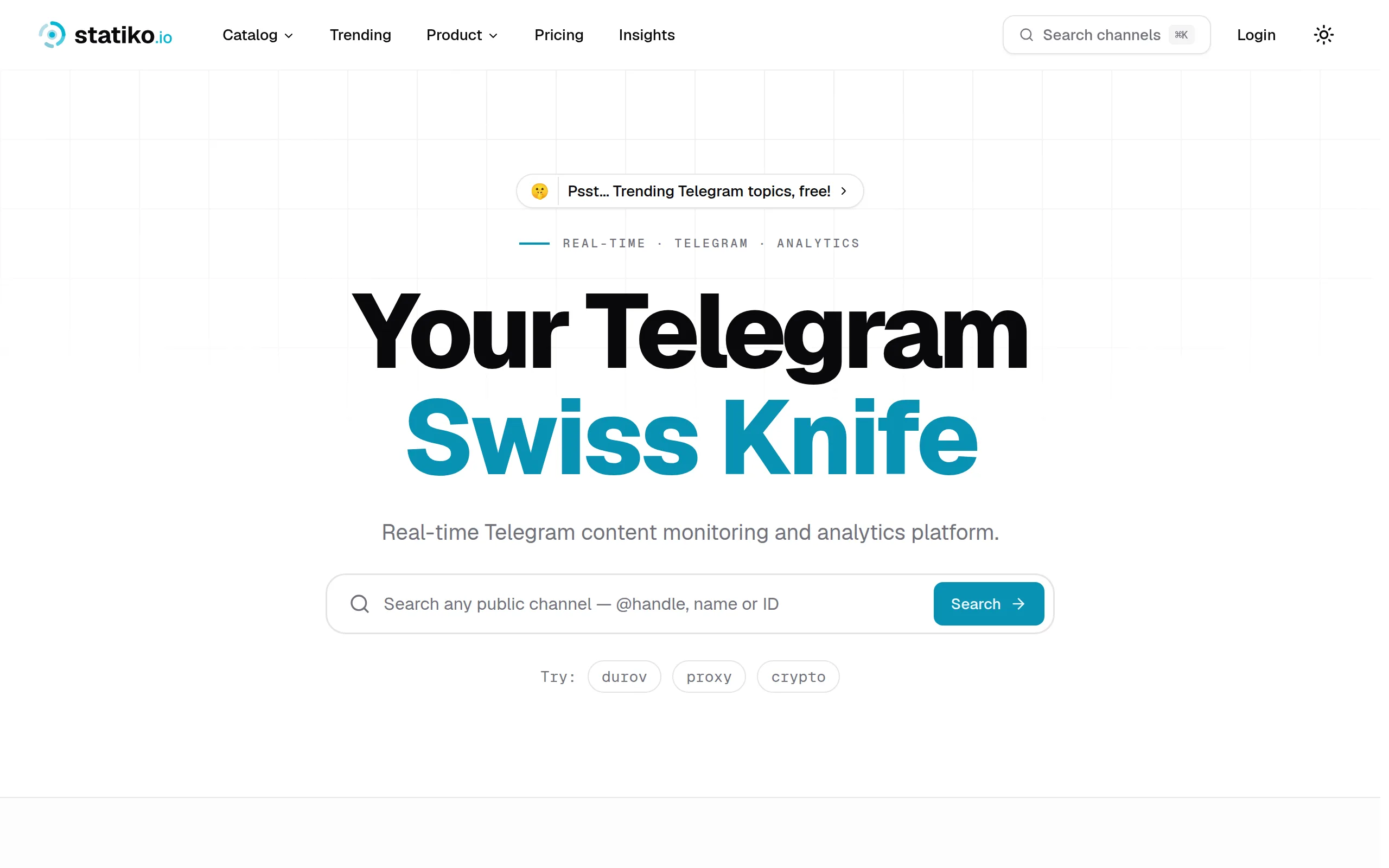
Statiko
Monitor any Telegram channel in real time - track posts, edits, deletions, and growth with AI recaps 📡
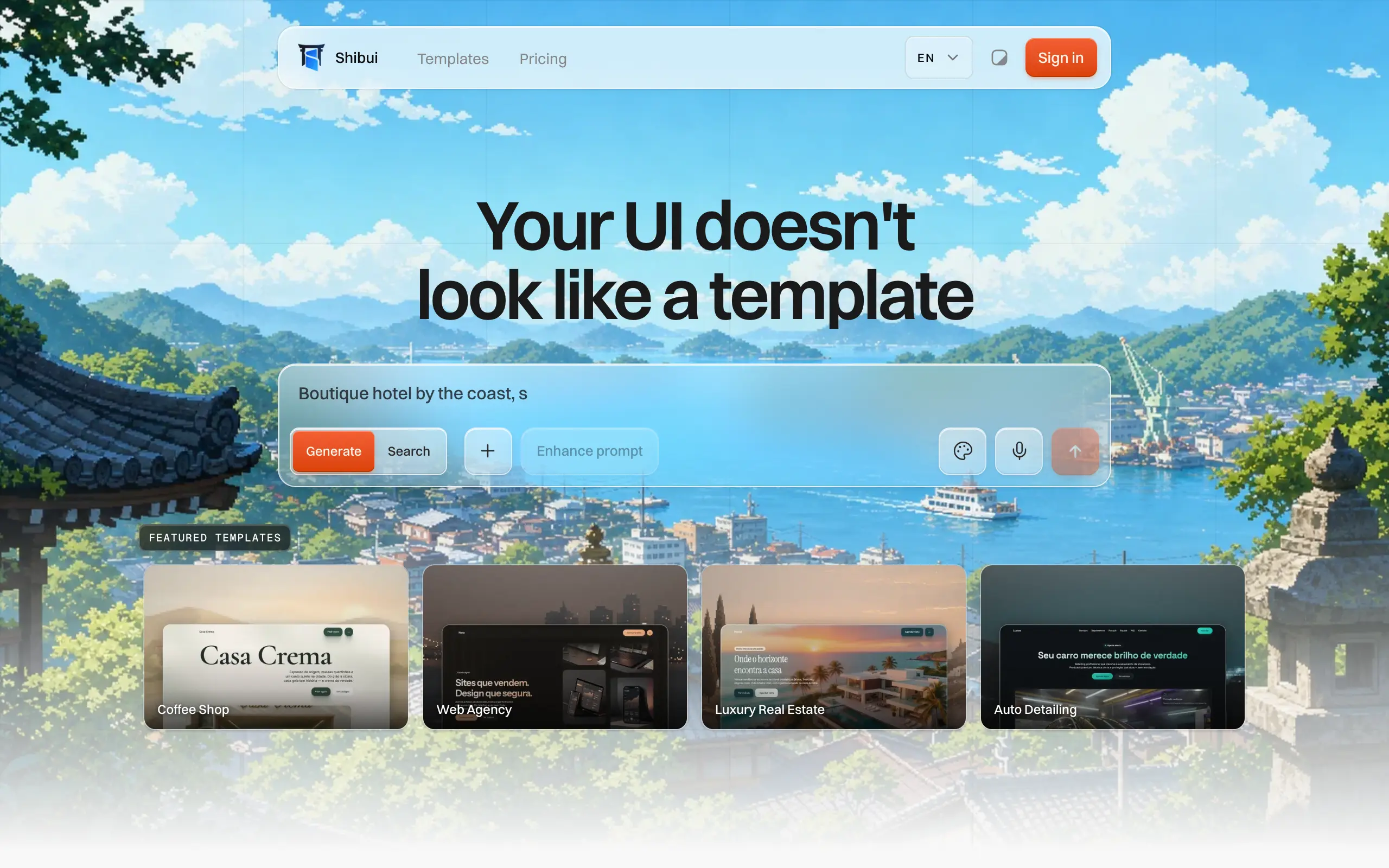
Shibui
AI website builder - describe your business, pick a niche template, edit by chatting, and publish instantly ✨

Pro Service
Find verified home service professionals, compare quotes, and pay securely through escrow - built for Brazilians across the US 🏠
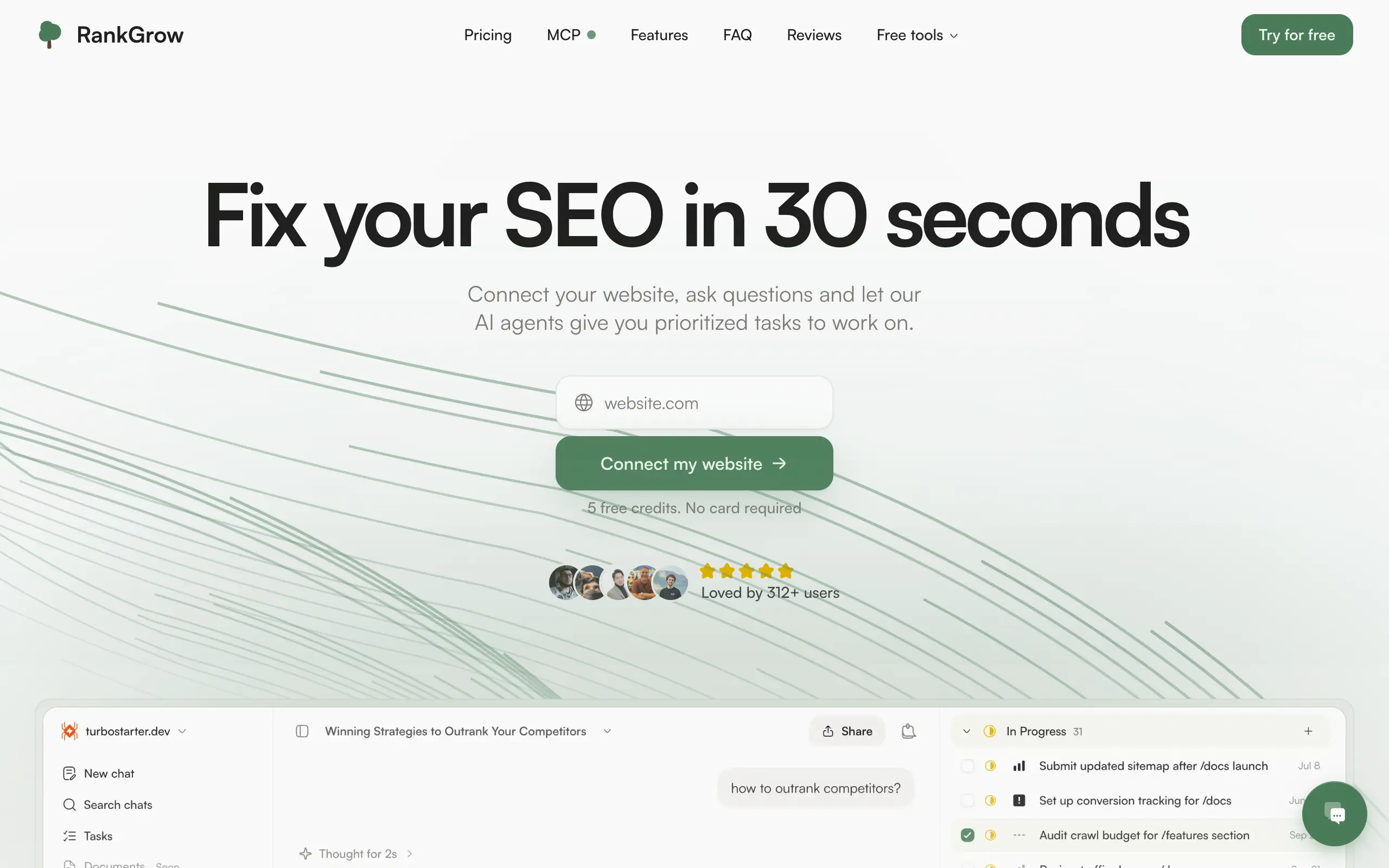
RankGrow
Fix your SEO with AI agents - connect Search Console, get prioritized tasks, and grow organic traffic 📈
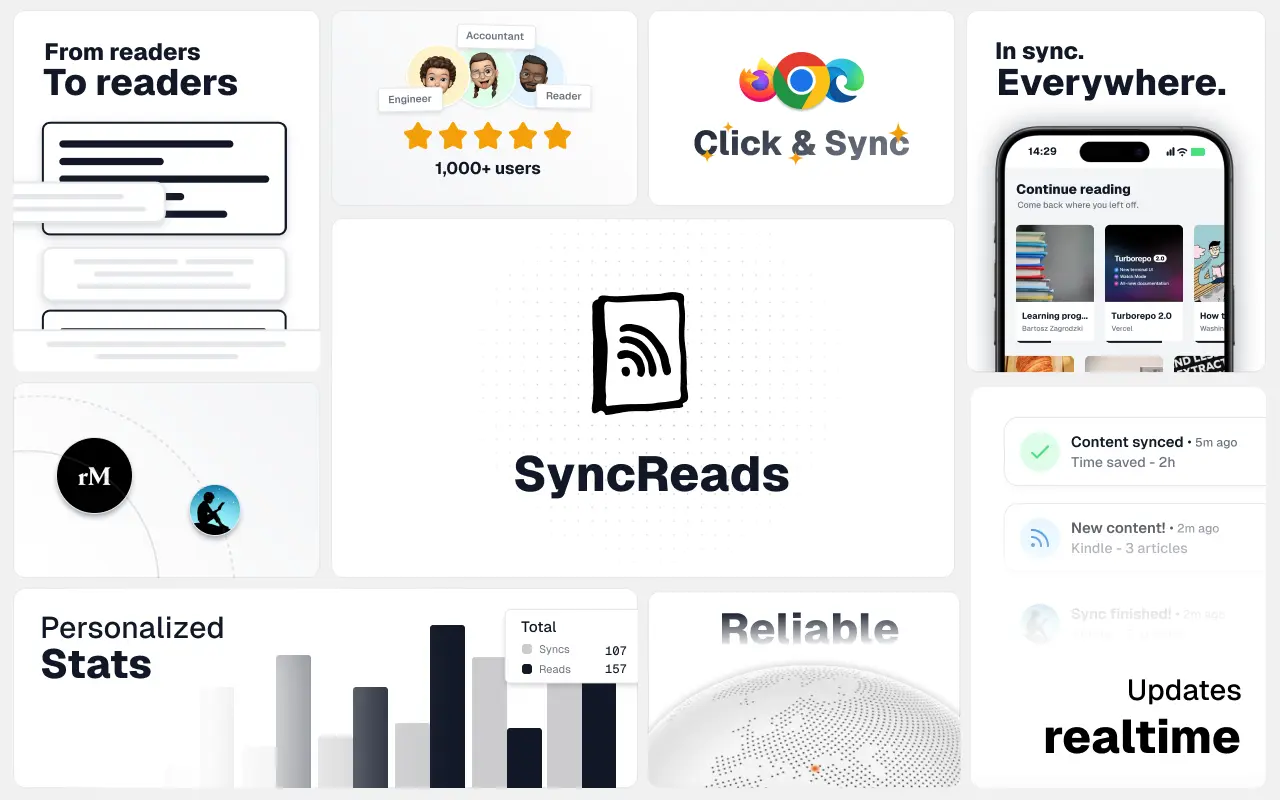
SyncReads
Sync your favorite content for distraction-free reading, save time and replace multiple apps. Anytime, anywhere 🔄
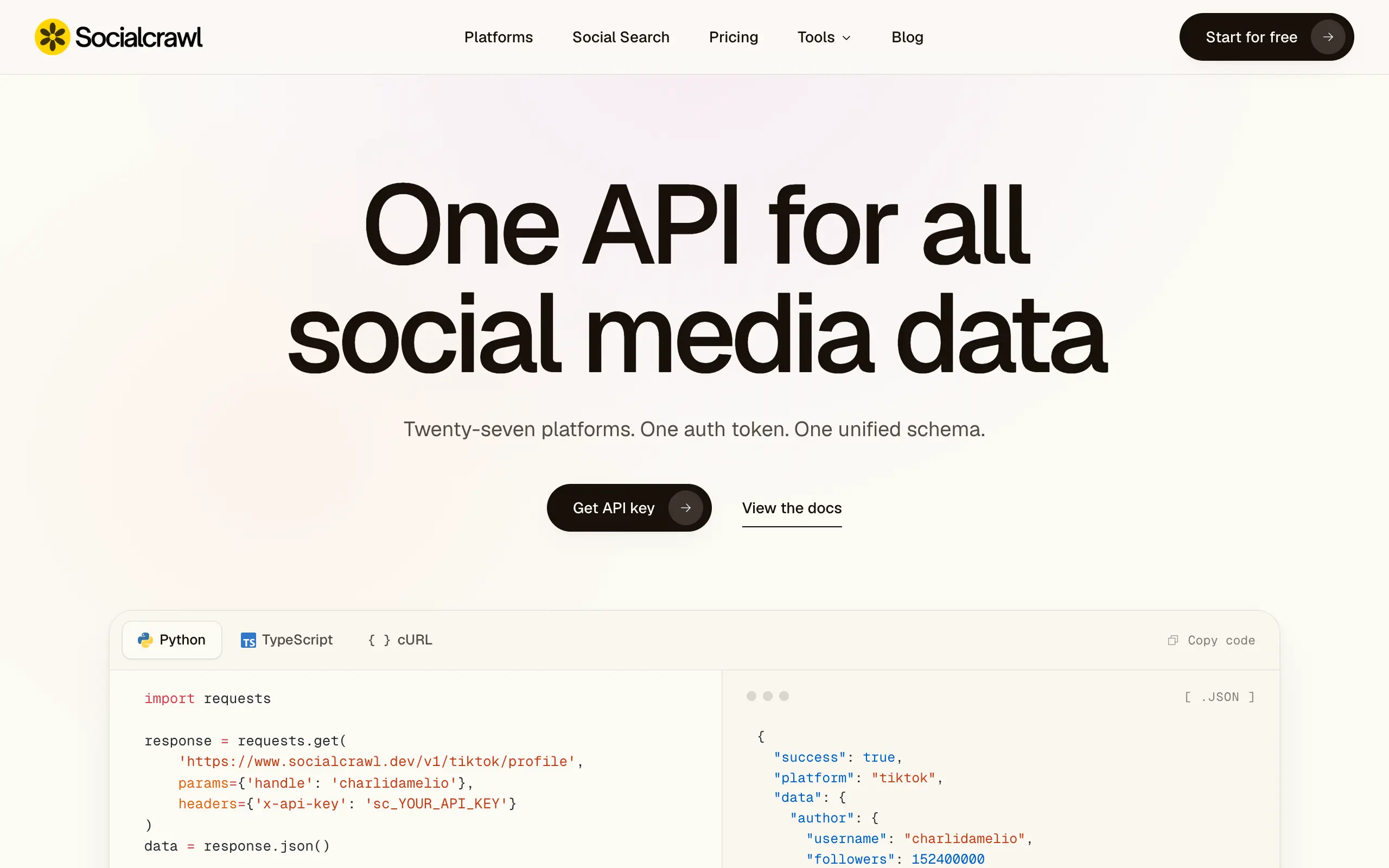
Socialcrawl
Get clean, structured data from 21 platforms like TikTok, Instagram, and YouTube with a single request 📊
Statiko
Monitor any Telegram channel in real time - track posts, edits, deletions, and growth with AI recaps 📡
Shibui
AI website builder - describe your business, pick a niche template, edit by chatting, and publish instantly ✨
Pro Service
Find verified home service professionals, compare quotes, and pay securely through escrow - built for Brazilians across the US 🏠
RankGrow
Fix your SEO with AI agents - connect Search Console, get prioritized tasks, and grow organic traffic 📈
SyncReads
Sync your favorite content for distraction-free reading, save time and replace multiple apps. Anytime, anywhere 🔄
Socialcrawl
Get clean, structured data from 21 platforms like TikTok, Instagram, and YouTube with a single request 📊
Statiko
Monitor any Telegram channel in real time - track posts, edits, deletions, and growth with AI recaps 📡
Shibui
AI website builder - describe your business, pick a niche template, edit by chatting, and publish instantly ✨
Pro Service
Find verified home service professionals, compare quotes, and pay securely through escrow - built for Brazilians across the US 🏠
RankGrow
Fix your SEO with AI agents - connect Search Console, get prioritized tasks, and grow organic traffic 📈
SyncReads
Sync your favorite content for distraction-free reading, save time and replace multiple apps. Anytime, anywhere 🔄
Socialcrawl
Get clean, structured data from 21 platforms like TikTok, Instagram, and YouTube with a single request 📊
Statiko
Monitor any Telegram channel in real time - track posts, edits, deletions, and growth with AI recaps 📡
Shibui
AI website builder - describe your business, pick a niche template, edit by chatting, and publish instantly ✨
Pro Service
Find verified home service professionals, compare quotes, and pay securely through escrow - built for Brazilians across the US 🏠
RankGrow
Fix your SEO with AI agents - connect Search Console, get prioritized tasks, and grow organic traffic 📈
SyncReads
Sync your favorite content for distraction-free reading, save time and replace multiple apps. Anytime, anywhere 🔄
Socialcrawl
Get clean, structured data from 21 platforms like TikTok, Instagram, and YouTube with a single request 📊
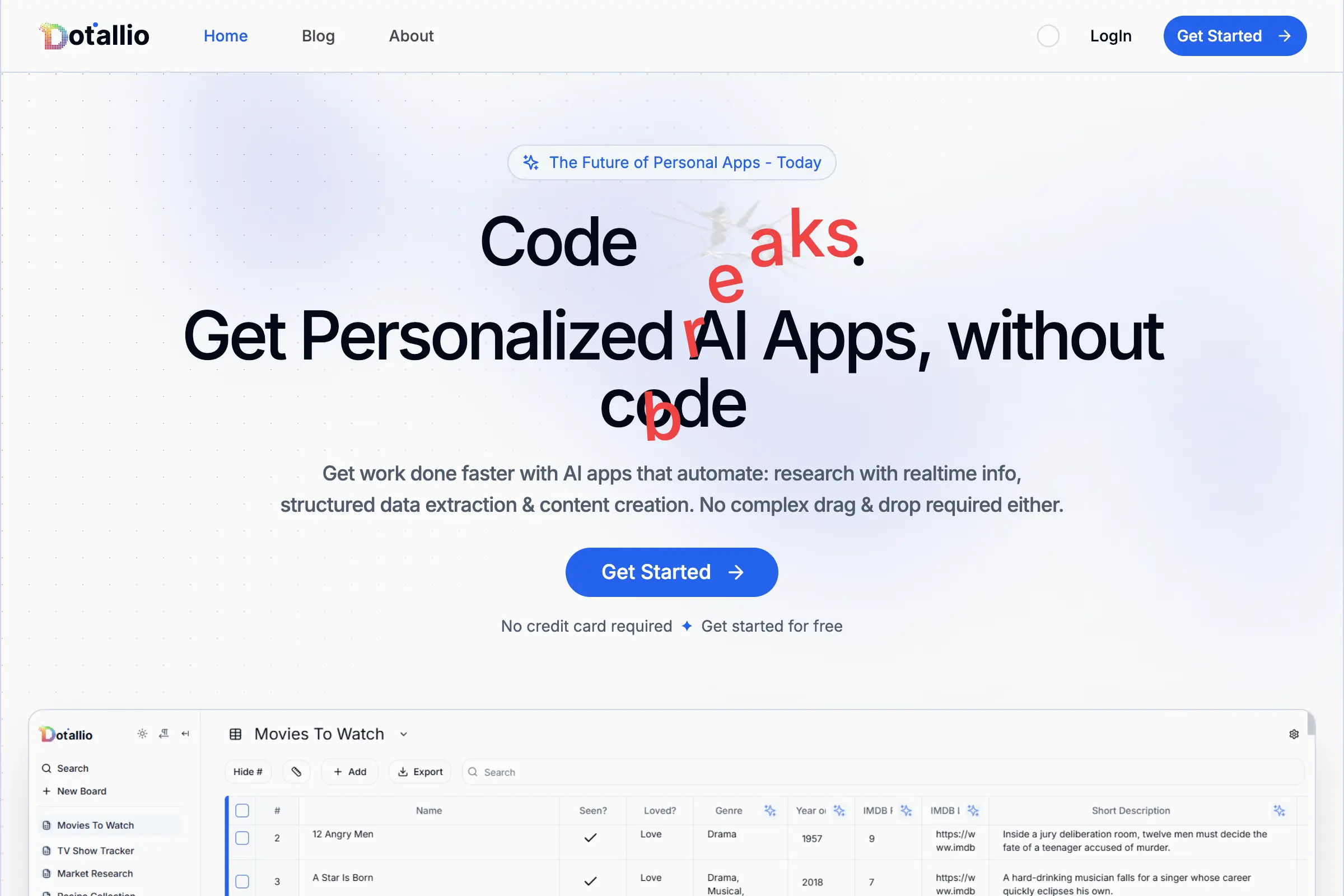
Dotallio
Personalized AI apps that automate research, data extraction, and content creation without code 🤖
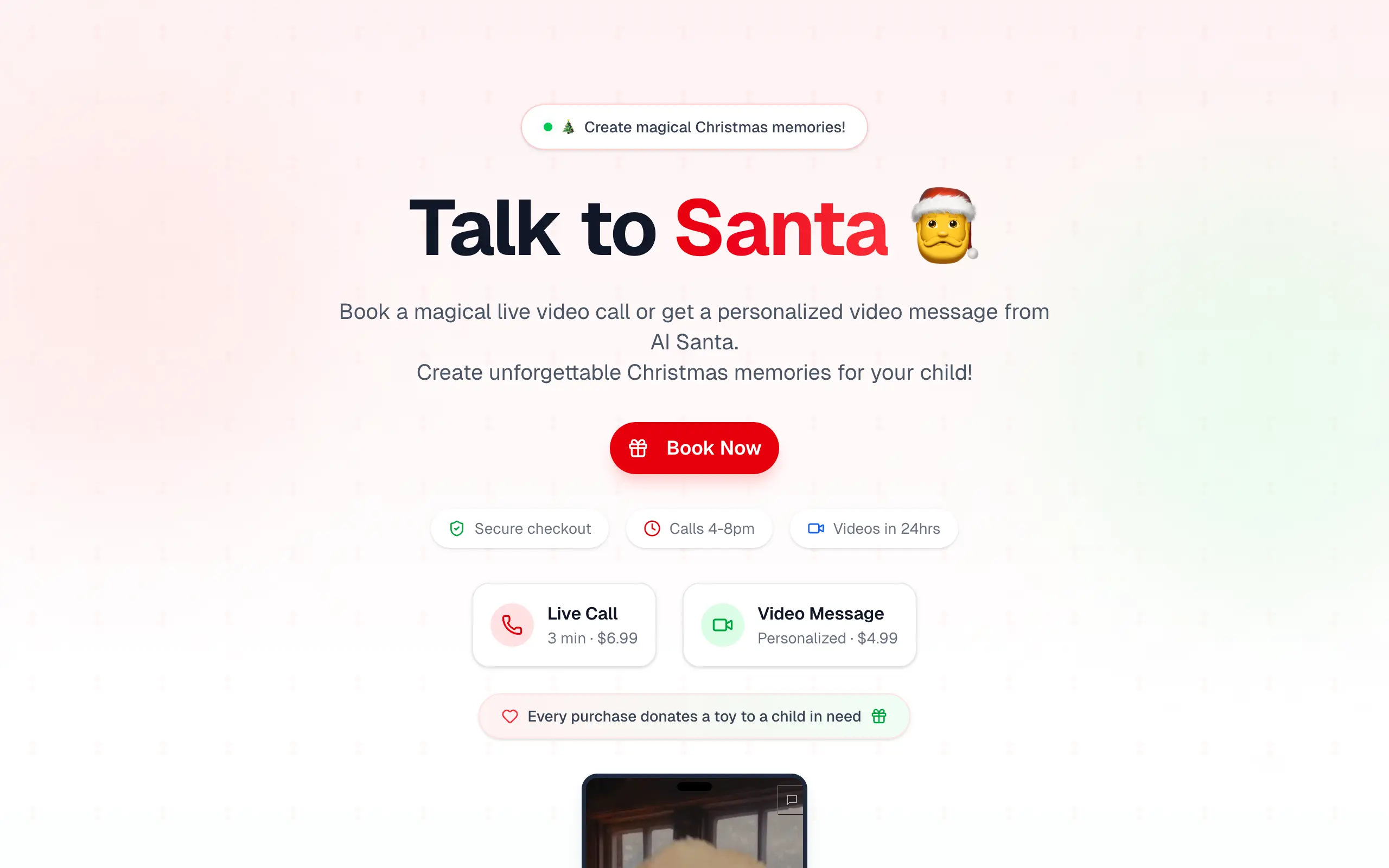
Talk to Santa
Enjoy a magical live video chat or receive a unique AI-generated video greeting from Santa Claus 🎅
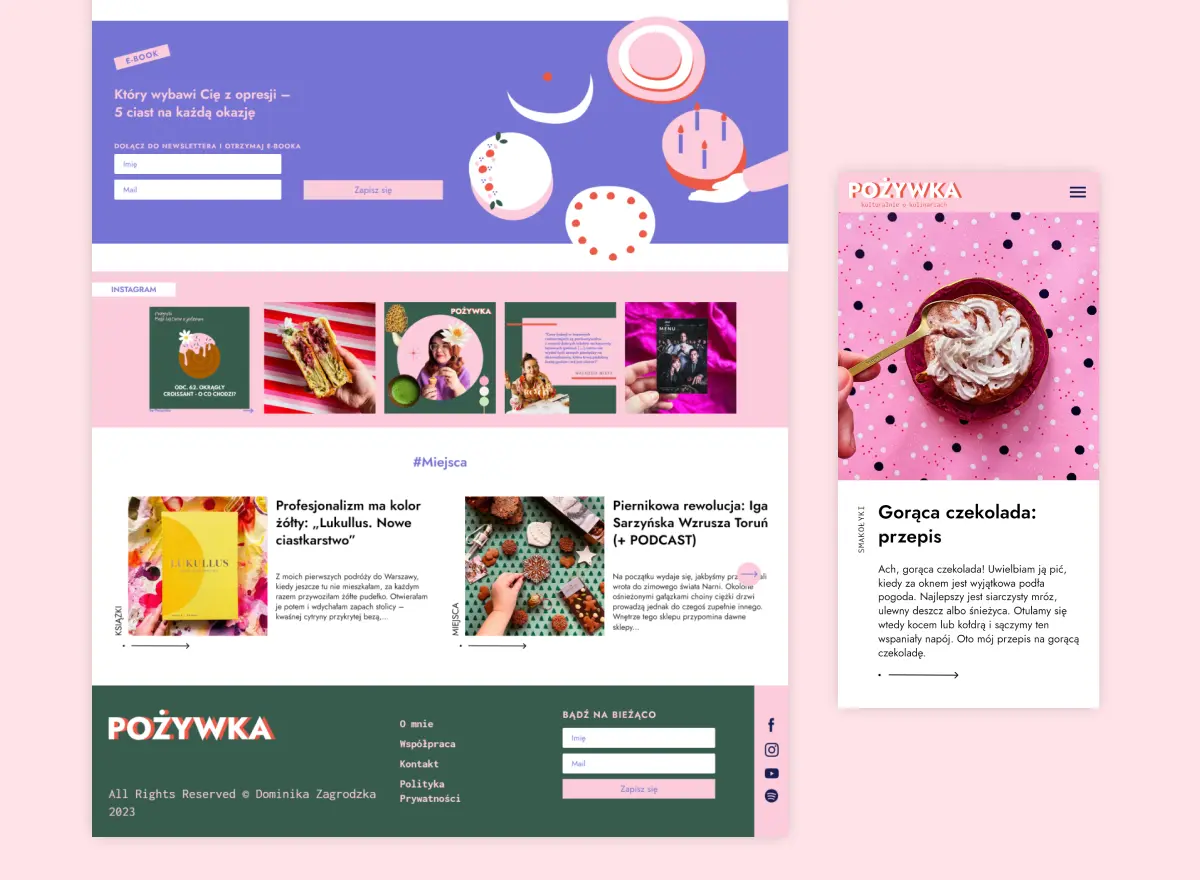
pozywka.pl
Scalable blog for food journalist, focused on performance and user experience 🌭
zagrodzki.me
Personal blog and portfolio of Bart Zagrodzki, where he shares his knowledge and work 💼
TurboStarter
Ship your startup everywhere. In minutes.
HTML to Markdown
Convert HTML to Markdown with ease, directly in your browser 📄
Dotallio
Personalized AI apps that automate research, data extraction, and content creation without code 🤖
Talk to Santa
Enjoy a magical live video chat or receive a unique AI-generated video greeting from Santa Claus 🎅
pozywka.pl
Scalable blog for food journalist, focused on performance and user experience 🌭
zagrodzki.me
Personal blog and portfolio of Bart Zagrodzki, where he shares his knowledge and work 💼
TurboStarter
Ship your startup everywhere. In minutes.
HTML to Markdown
Convert HTML to Markdown with ease, directly in your browser 📄
Dotallio
Personalized AI apps that automate research, data extraction, and content creation without code 🤖
Talk to Santa
Enjoy a magical live video chat or receive a unique AI-generated video greeting from Santa Claus 🎅
pozywka.pl
Scalable blog for food journalist, focused on performance and user experience 🌭
zagrodzki.me
Personal blog and portfolio of Bart Zagrodzki, where he shares his knowledge and work 💼
TurboStarter
Ship your startup everywhere. In minutes.
HTML to Markdown
Convert HTML to Markdown with ease, directly in your browser 📄
Dotallio
Personalized AI apps that automate research, data extraction, and content creation without code 🤖
Talk to Santa
Enjoy a magical live video chat or receive a unique AI-generated video greeting from Santa Claus 🎅
pozywka.pl
Scalable blog for food journalist, focused on performance and user experience 🌭
zagrodzki.me
Personal blog and portfolio of Bart Zagrodzki, where he shares his knowledge and work 💼
TurboStarter
Ship your startup everywhere. In minutes.
HTML to Markdown
Convert HTML to Markdown with ease, directly in your browser 📄
Omichat
Chat with 50+ AI models, including ChatGPT and Claude, in one place - switch models anytime without losing context 🤖
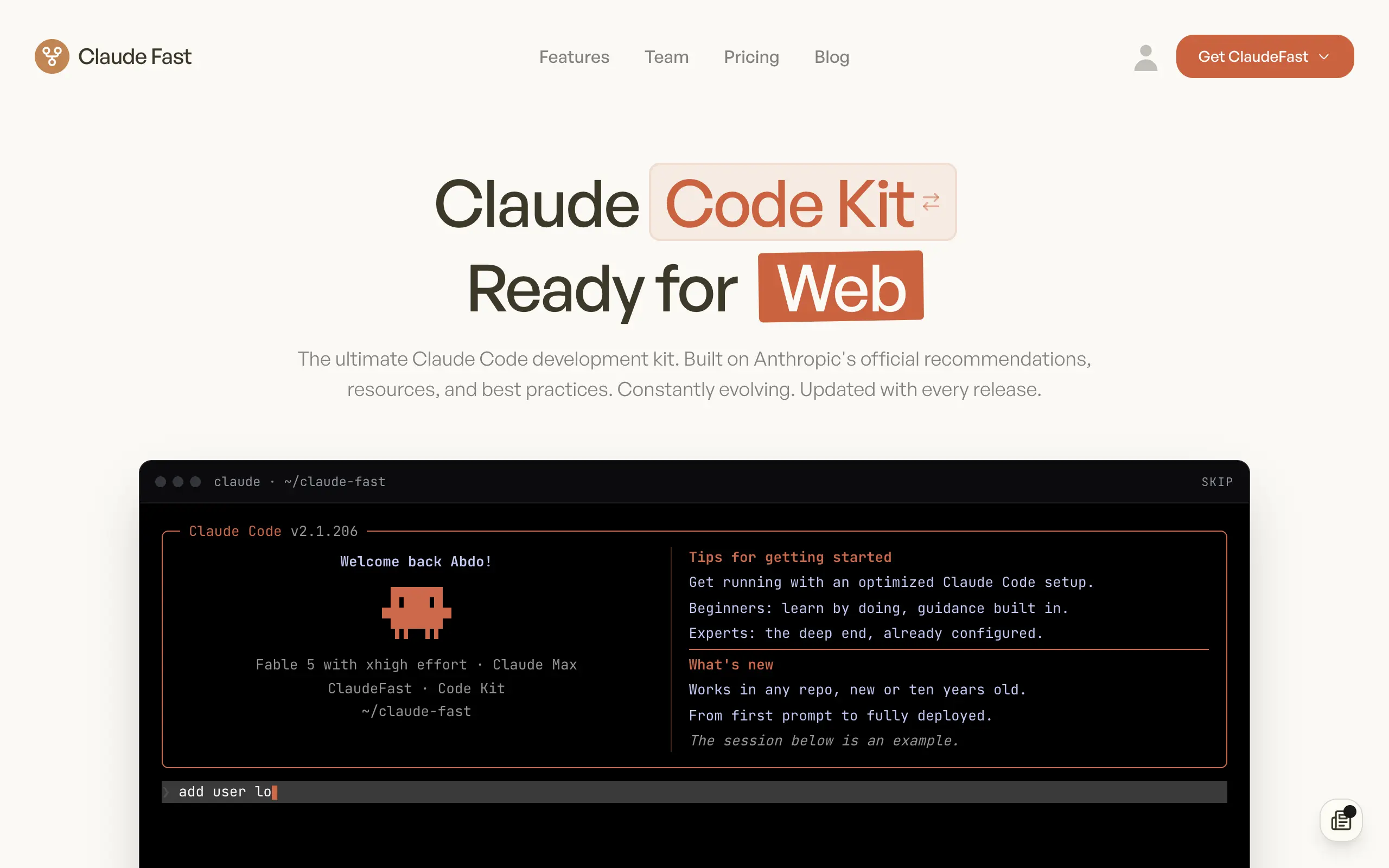
Claude Fast
Supercharge your Claude Code with 6x effective context window and specialized AI agents 🤖
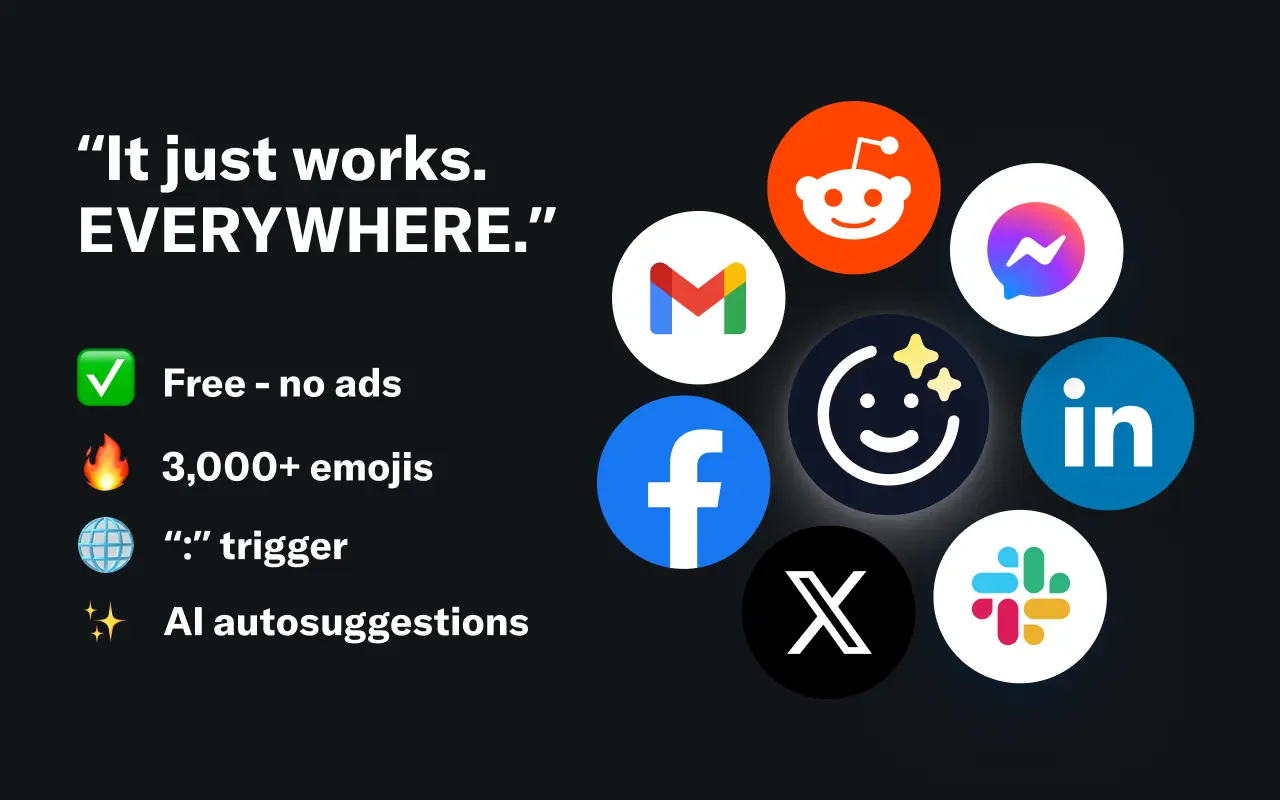
EmojAI
AI-powered emoji picker with smart, context-aware suggestions 🤖
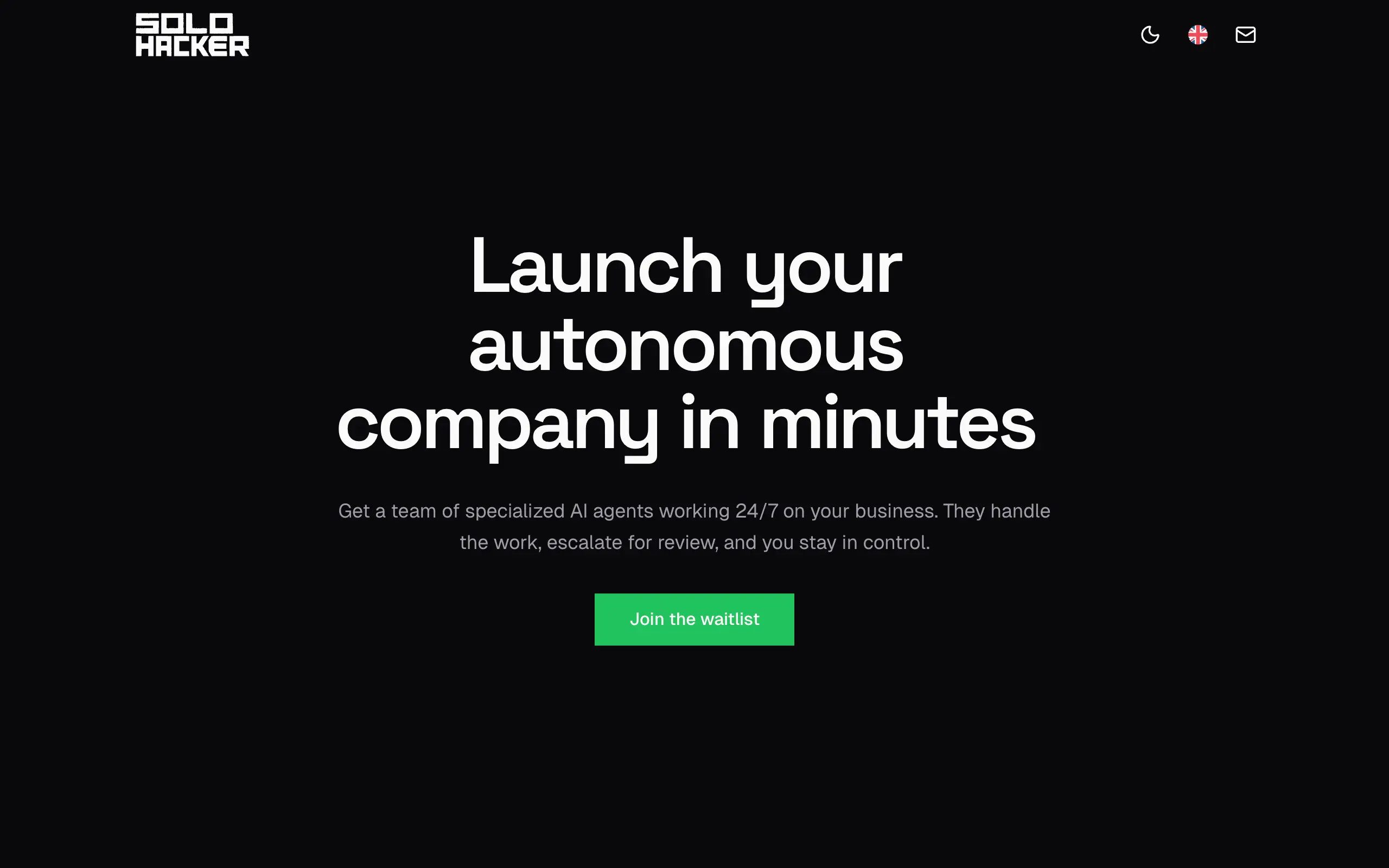
Solohacker
Autonomous company launcher - AI agents work 24/7, escalate what matters, and you stay in control 🤖
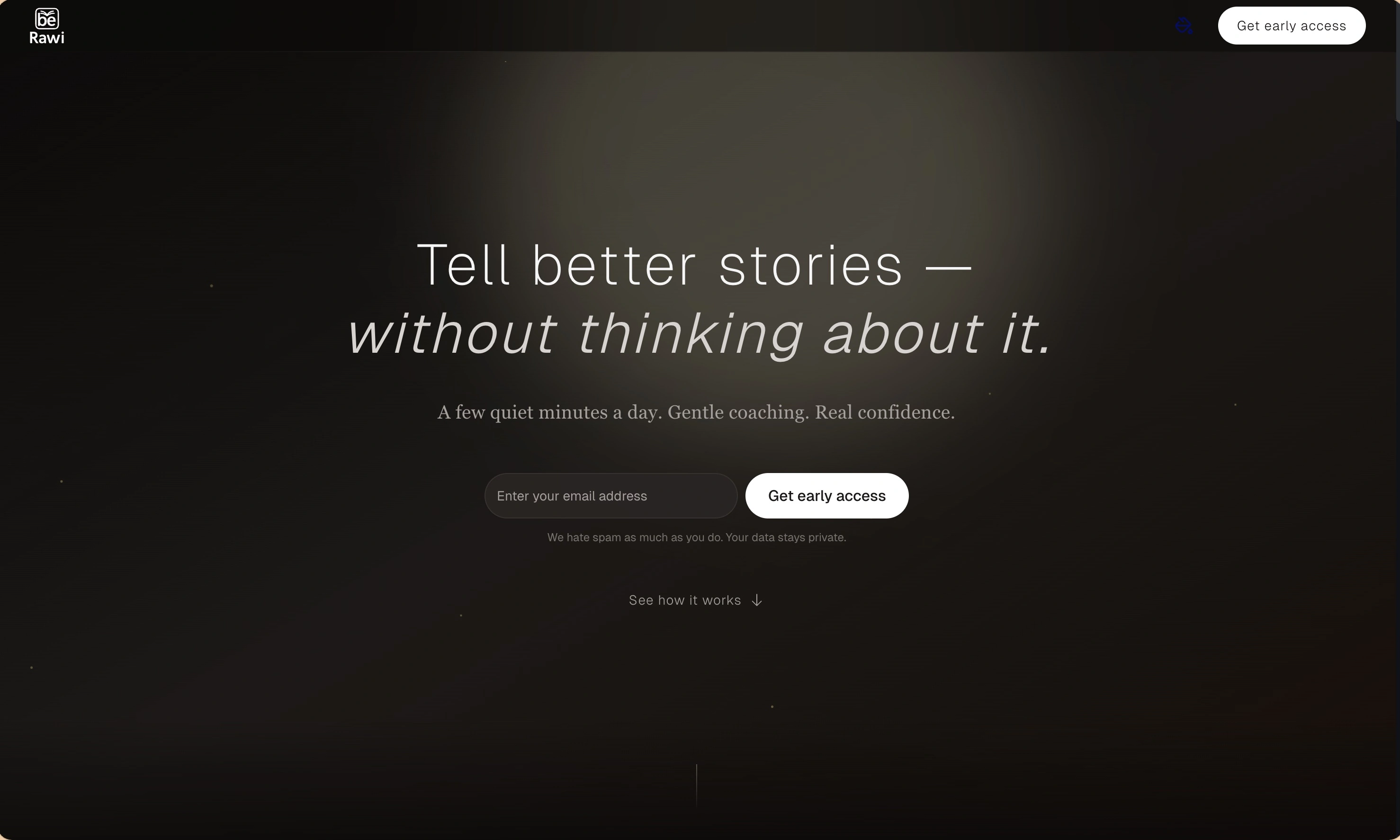
BeRawi: Storytelling Coach
Practice storytelling daily with instant feedback to sound clearer, more engaging, and confident 🎤
Omichat
Chat with 50+ AI models, including ChatGPT and Claude, in one place - switch models anytime without losing context 🤖
Claude Fast
Supercharge your Claude Code with 6x effective context window and specialized AI agents 🤖
EmojAI
AI-powered emoji picker with smart, context-aware suggestions 🤖
Solohacker
Autonomous company launcher - AI agents work 24/7, escalate what matters, and you stay in control 🤖
BeRawi: Storytelling Coach
Practice storytelling daily with instant feedback to sound clearer, more engaging, and confident 🎤
Omichat
Chat with 50+ AI models, including ChatGPT and Claude, in one place - switch models anytime without losing context 🤖
Claude Fast
Supercharge your Claude Code with 6x effective context window and specialized AI agents 🤖
EmojAI
AI-powered emoji picker with smart, context-aware suggestions 🤖
Solohacker
Autonomous company launcher - AI agents work 24/7, escalate what matters, and you stay in control 🤖
BeRawi: Storytelling Coach
Practice storytelling daily with instant feedback to sound clearer, more engaging, and confident 🎤
Omichat
Chat with 50+ AI models, including ChatGPT and Claude, in one place - switch models anytime without losing context 🤖
Claude Fast
Supercharge your Claude Code with 6x effective context window and specialized AI agents 🤖
EmojAI
AI-powered emoji picker with smart, context-aware suggestions 🤖
Solohacker
Autonomous company launcher - AI agents work 24/7, escalate what matters, and you stay in control 🤖
BeRawi: Storytelling Coach
Practice storytelling daily with instant feedback to sound clearer, more engaging, and confident 🎤

Connect with like-minded people
Join our community to get feedback, support, and grow together with 1,000+ builders on board, let's ship it!
Join usShip your startup everywhere. In minutes.
Don't burn tokens on setup and start building features on day one.