StockPromise
Connect wholesale quotes and retailer forecasts to inventory and factory lead times. Know which deals you can fulfill—and when—before committing.
StockPromise is a B2B software concept for connecting wholesale quotes, retailer forecasts, available inventory, and factory lead times. Its purpose is straightforward: help sales and operations teams understand whether an order can be fulfilled—and when—before anyone makes a delivery promise.
For manufacturers, distributors, and wholesale brands, that answer is often harder to get than it should be. Demand is scattered across spreadsheets, stock data lives in an ERP, and lead-time estimates are buried in supplier emails or planning documents. A salesperson may quote a date using incomplete information, while operations discovers the conflict only after the customer places an order.
StockPromise addresses this gap with a shared view of demand and supply. It could help teams evaluate proposed deals against inventory, production capacity, and replenishment dates, then communicate a more reliable commitment to the retailer. The concept is not simply another inventory dashboard. Its value lies in linking a commercial decision—a quote or forecast—to the operational evidence behind a delivery promise.
What StockPromise does
StockPromise is best understood as a wholesale inventory commitment and lead-time planning platform. It helps a business answer questions such as:
- Can we fulfill this retailer’s requested quantity?
- Which inventory is already allocated to other customers?
- What date can we promise if current stock is insufficient?
- How would this deal affect existing forecasts and commitments?
- Which assumptions are driving the proposed delivery date?
- What needs to change if a supplier or factory lead time slips?
The key workflow begins before an order is finalized. A retailer shares a forecast, or a salesperson prepares a quote. StockPromise compares the potential demand with on-hand, reserved, and expected supply. It then presents a feasible quantity and date, along with the assumptions behind that recommendation.
This distinction matters. Traditional inventory systems are designed to record and control inventory. Sales tools are designed to manage customer relationships and opportunities. Planning software is designed to balance supply and demand. StockPromise’s proposed role is to connect those systems at the moment a commercial commitment is being considered.
The business problem behind the idea
Many wholesale businesses have a fragmented order-to-promise process:
- A retailer submits a forecast, request, or purchase order.
- Sales checks an inventory report or asks operations for availability.
- Operations compares the request with current stock, reservations, open purchase orders, and production plans.
- The team negotiates a quantity or date.
- Someone updates one or more systems and tells the customer what to expect.
Every manual handoff creates room for delays and inconsistent information. A stock report can be accurate when generated but outdated by the time a quote is approved. A supplier’s estimated arrival date may not include receiving, quality inspection, or internal processing time. A forecast may be treated as a commitment by one team and as an informal signal by another.
The result can be more than an inconvenient spreadsheet. Unreliable promises can lead to lost sales, rushed freight, production changes, customer escalations, and avoidable time spent reconciling conflicting records. StockPromise can reduce this friction by making the proposed promise visible alongside the supply evidence used to support it.
Who StockPromise is for
The strongest potential customers are businesses that sell physical products through wholesale, distribution, or retail channels and need to coordinate commercial demand with constrained supply.
Primary customer segments
- Manufacturers selling through retailers: They need to balance retailer forecasts, production schedules, raw materials, and finished-goods inventory.
- Wholesale distributors: They manage stock across warehouses and suppliers, often with customer-specific allocations and replenishment lead times.
- Consumer product brands: They may coordinate internal teams, contract manufacturers, and retail buyers across seasonal or promotional demand.
- Importers and private-label businesses: They rely on supplier estimates, shipping schedules, customs processing, and warehouse receipt dates.
- Multi-channel businesses: They must reconcile wholesale orders with direct-to-consumer demand, marketplaces, and other sales channels.
The ideal early customer is not necessarily the largest enterprise. A practical initial segment is a mid-market company with enough order volume and operational complexity to feel the pain, but with a small enough buying group to evaluate a focused solution. Businesses using spreadsheets alongside an ERP are especially useful discovery targets because the manual coordination problem is visible and measurable.
Core users and stakeholders
StockPromise would likely serve several roles, each with different needs:
- Sales representatives need to check availability and propose a credible date without waiting for repeated internal approvals.
- Sales operations teams need consistent rules for how quotes, forecasts, and customer priorities are evaluated.
- Demand planners need to understand which customer signals may become real orders and how those signals affect supply plans.
- Inventory managers need visibility into what is available, reserved, inbound, or at risk of delay.
- Supply chain leaders need to identify promise-date risks before they turn into service failures.
- Customer service teams need a reliable record of what was promised and why.
- Finance leaders may want to understand the commercial impact of constrained supply and allocation choices.
A successful product should not assume that every stakeholder wants the same dashboard. Sales wants a quick answer. Planning wants traceable assumptions. Leadership wants exceptions and trends. The product should provide one shared commitment record with role-appropriate views.
The market opportunity and product gap
The opportunity for StockPromise comes from the space between systems that hold relevant data. An ERP may contain orders, inventory, and purchasing records. A CRM may contain opportunities and account history. Planning software may model demand and supply. Yet teams still need to translate those records into a specific customer-facing answer: what can we promise, in what quantity, and by what date?
That gap is a product opportunity, but it is also a positioning challenge. StockPromise should not try to replace an ERP or a mature planning system at the outset. It can instead act as a focused decision and collaboration layer that connects existing tools and makes commitments easier to evaluate.
A useful product-market fit hypothesis is:
Wholesale teams will pay for a shared, explainable way to validate quote quantities and delivery dates against live or regularly refreshed supply data, especially when doing so reduces manual checking and preventable promise failures.
This hypothesis should be tested rather than assumed. In customer interviews, ask teams to walk through their last three difficult availability decisions. Find out which systems they checked, how long the decision took, who had to approve it, and what happened after the promise was made. Specific examples reveal whether the problem is urgent enough to support a dedicated product.
Where existing approaches fall short
Common alternatives include:
- Spreadsheets: Flexible and familiar, but difficult to keep synchronized across teams and source systems.
- ERP reports: Useful for operational records, but often not designed for fast, customer-facing scenario evaluation.
- CRM notes and opportunity fields: Helpful for sales context, but usually lack detailed supply and allocation logic.
- Planning platforms: Powerful for demand and supply planning, but may be too broad or operationally complex for a sales user checking one quote.
- Email and chat: Convenient for asking questions, but weak as a durable record of assumptions, approvals, and changes.
- Custom integrations and internal dashboards: Can solve a local problem, but may require ongoing engineering work and still lack a consistent workflow.
StockPromise’s differentiation should be its focus on pre-commitment decision-making. It should help teams reach an answer and preserve the reasoning behind it, rather than merely display inventory after the fact.
Core features and how they solve the problem
The product should begin with a narrow, high-value workflow: evaluate a quote or forecast against supply and create a commitment that teams can review and update.
1. Unified demand and supply view
StockPromise should bring together the supply information needed to evaluate a request:
- On-hand stock by location
- Reserved and allocated quantities
- Open purchase orders
- Expected receipts
- Factory or supplier lead times
- Customer forecasts and open quotes
- Existing customer commitments
- Relevant product, pack-size, and minimum-order rules
The first version does not need to ingest every possible data source. It needs enough information to produce a useful answer for a defined customer segment. A company that sells from one warehouse and uses one ERP has a very different integration challenge from a global manufacturer with multiple plants and distributors.
2. Quote and forecast validation
A user should be able to enter or import a product, quantity, requested date, and customer. StockPromise can then compare the request with supply and return a proposed outcome, such as:
- Available now
- Available in a partial quantity
- Available on a later date
- Requires production or replenishment
- Not currently supportable with known supply
The product should distinguish a calculated estimate from a confirmed commitment. That distinction prevents users from treating a preliminary scenario as an approved delivery promise.
3. Promise-date calculation
A delivery date should not be based on one lead-time number alone. Depending on the business, a useful calculation may need to account for:
- Current available-to-promise stock
- Expected supplier or factory receipt
- Receiving and quality-check time
- Warehouse processing and pick-pack time
- Transit time and delivery calendar
- Customer-specific shipping rules
- Existing allocations and priority policies
- Safety stock or operational buffers
StockPromise should expose the inputs and assumptions behind a proposed date. If a date changes because an inbound shipment moves, a user should be able to see what changed rather than receiving an unexplained new answer.
4. Allocation and prioritization controls
When supply is constrained, the platform needs to support decisions about who receives it. Allocation can depend on customer agreements, order status, strategic importance, contractual requirements, or first-come-first-served rules.
The software should make those rules explicit and auditable. It should not silently prioritize one account based on an opaque score. For the earliest version, simple configurable rules may be preferable to a complex optimization engine. The product can add more sophisticated allocation logic only when customers can explain the policies they need.
5. Scenario planning
Users should be able to test alternatives before making a commitment:
- What if the retailer accepts a split shipment?
- What if the factory moves the production date by two weeks?
- What if another customer’s forecast is reduced?
- What if we source from a second warehouse?
- What if a promotional order is added to the forecast?
Scenario planning helps teams compare options without changing the official supply plan every time someone asks a question. It can also help sales communicate trade-offs clearly, such as an earlier partial delivery versus a complete shipment later.
6. Collaboration, approvals, and audit history
A commitment workflow should capture:
- The requested quantity and date
- The proposed quantity and date
- The source data used in the calculation
- Any manual adjustment and the reason for it
- The user who reviewed or approved the promise
- Changes made after the original commitment
This creates a useful audit trail and reduces dependence on informal email history. Approval rules should be configurable. A low-risk quote may not need an approval, while a large order that consumes scarce stock may require planning or management review.
7. Alerts and exception management
The product should notify the right person when a commitment is at risk, not send an alert for every inventory movement. Useful exceptions could include:
- An inbound order slips beyond a customer’s promise date.
- A new order consumes stock reserved for an existing commitment.
- A forecast exceeds the available supply plan.
- A supplier has not confirmed a critical date.
- A proposed quote uses an outdated inventory snapshot.
Alert quality is a product feature. Teams should be able to tune thresholds, assign owners, and see the next action. An alert without context or an actionable path quickly becomes noise.
A practical MVP scope
A strong minimum viable product should prove that StockPromise can improve one high-frequency decision. Avoid building a broad supply-chain suite before learning how customers evaluate commitments.
A focused MVP could include:
- Product and customer records, imported from a spreadsheet or one common system.
- Inventory, open purchase orders, and lead-time data for a limited set of locations.
- A quote or forecast entry form.
- A basic available-to-promise calculation.
- A proposed delivery date with visible assumptions.
- A review or approval step for exceptions.
- A commitment history and exportable report.
Early users may accept scheduled data imports if the product clearly displays when data was last refreshed. Near-real-time integrations can follow once the team knows which records and events matter most.
The MVP should measure outcomes rather than feature usage alone. Relevant early indicators include time to answer an availability request, the share of requests handled without manual escalation, the frequency of promise-date changes, and user confidence in the displayed data.
Recommended technology stack
StockPromise is a data-heavy B2B application. Its technical design should prioritize data correctness, traceability, secure integrations, and a clear separation between source records and calculated commitments.
Application layer
A web application built with React can support responsive dashboards, quote workflows, and scenario views. A framework such as Next.js can provide routing, server rendering where appropriate, and a practical structure for a full-stack product.
For a small product team, a TypeScript-based stack can help keep data contracts consistent across the client and server. Strong typing does not eliminate business-logic errors, but it can make mismatched fields and unsupported states easier to detect during development.
Data and persistence
A relational database such as PostgreSQL is a sensible starting point because customers, products, locations, quotes, purchase orders, and commitments have clear relationships. Transaction support is also important when several users or integrations may update related records.
The application should preserve a distinction between:
- Source data: Imported inventory, orders, purchase orders, and lead times
- Calculated data: Availability results and estimated dates
- User decisions: Overrides, approvals, and final commitments
That separation helps teams explain how a recommendation was produced and investigate discrepancies. It also makes it easier to refresh source data without erasing a prior commitment’s decision history.
Integrations and background processing
Integrations should be designed around the systems customers actually use, rather than around assumptions about a single universal ERP. Start with file imports, APIs, or one targeted connector based on discovery. Add integrations only when they remove a demonstrated barrier to adoption.
Background jobs are useful for scheduled imports, recalculations, and notifications. The system should be resilient to duplicate events and temporary source-system outages. For every sync, track the last successful update, records processed, errors, and whether a user needs to take action.
Authentication and security
B2B customers need role-based access, organization-level data separation, secure credential handling, and audit logs. Use established identity and access-control practices rather than building custom authentication from scratch. Protect integration credentials, limit access to the minimum permissions required, and make data retention and deletion policies clear.
Security and compliance requirements should be validated with prospective customers. A startup should avoid claiming certifications or controls it has not implemented and independently verified.
Trade-offs to consider
| Decision area | Lean starting choice | Trade-off |
|---|---|---|
| Data ingestion | Scheduled imports or a small number of APIs | Faster to launch, but data may not be current enough for every workflow |
| Availability logic | Transparent deterministic rules | Easier to explain and audit, but less optimized for complex networks |
| Database | Relational database | Strong consistency and reporting, but may need thoughtful design as event volume grows |
| Integrations | One customer segment and a few target systems | Faster learning, but narrower initial addressable market |
| User interface | Quote-first workflow | Clear value for sales teams, but may need planning views as adoption expands |
A useful principle is to optimize for explainability before sophistication. If a customer cannot understand why the product proposed a date, adding a more advanced forecasting model is unlikely to build trust.
Monetization strategy
StockPromise could use a B2B subscription model, but pricing should reflect the business value and operational scope rather than relying only on a generic per-seat fee.
Possible pricing models
- Tiered SaaS subscription: Plans based on capabilities, locations, product volume, or integration needs.
- Usage-based pricing: Charges tied to quote checks, commitment calculations, or transaction volume.
- Platform fee plus modules: A core commitment workflow with paid integrations, analytics, or advanced allocation features.
- Enterprise contracts: Custom pricing for multi-entity businesses, complex security needs, and implementation support.
Per-seat pricing is easy to understand, but it can discourage adoption among sales, operations, and customer service teams—the very groups that need a shared record. A base platform fee combined with reasonable limits on locations or transaction volume may align better with collaborative usage.
How to establish pricing
The company should first quantify the cost of the current process with each prospect. Useful discovery questions include:
- How many availability requests does the team handle each week?
- How long does it take to resolve a typical request?
- How often are quotes changed after the supply team reviews them?
- What operational work follows a missed or revised promise?
- Which customers or products create the most difficult allocation decisions?
These questions do not automatically produce a pricing formula. They help the founder understand which outcome matters enough to support a budget. A pilot can then test whether StockPromise improves that outcome and identify which capabilities customers value most.
Competitive advantage and positioning
StockPromise should position itself as the layer that connects a sales promise to supply evidence. That is more specific—and easier to evaluate—than claiming to be a complete inventory, ERP, or supply-chain planning system.
| Alternative | Typical strength | Potential gap StockPromise can address |
|---|---|---|
| ERP inventory module | Operational system of record | May not provide a fast, sales-friendly quote validation workflow |
| CRM platform | Account and opportunity context | Often lacks detailed inventory, inbound supply, and lead-time reasoning |
| Planning software | Broad supply and demand planning | Can be complex for a user who needs to validate one customer request |
| Spreadsheet process | Flexible and inexpensive | Data freshness, ownership, and auditability can be difficult to manage |
| Email and chat | Quick human coordination | Decisions and assumptions are hard to track consistently |
The defensible advantage is not simply that StockPromise displays inventory. Competitors can add a stock widget. A stronger advantage could come from combining:
- A workflow designed around pre-commitment decisions
- Integrations that reflect the realities of a chosen wholesale niche
- Transparent promise-date logic
- A useful history of proposed, approved, and changed commitments
- Adoption across sales and operations rather than in one department
- Customer-specific rules for allocations and fulfillment
Over time, anonymized operational patterns may help the product improve its recommendations, but customer data should not be pooled or reused without a clear legal basis and explicit customer understanding. Trust is more valuable than a premature data-network claim.
Risks and mitigation
Incorrect or stale data
Risk: Users trust an availability result that relies on delayed or incomplete source records.
Mitigation: Show data freshness prominently, flag missing or conflicting fields, and distinguish estimates from confirmed commitments. Provide sync monitoring and a way to inspect the inputs behind a result.
Integration complexity
Risk: Every customer has a different ERP configuration, custom field, or planning process, making implementation expensive.
Mitigation: Start with a narrow customer segment and standardize the data model. Offer a structured import template before building custom connectors. Track implementation time and avoid accepting one-off integrations that do not support the product strategy.
Low user adoption
Risk: Sales continues to ask operations in chat because the new process feels slower or less trustworthy.
Mitigation: Make the common quote-checking workflow faster than the existing process. Involve sales and planners in design, and allow the product to fit into how quotes are already prepared.
Confusing recommendation with commitment
Risk: A user shares a preliminary date as if it were an approved promise.
Mitigation: Label statuses clearly, such as draft, needs review, approved, and at risk. Include a visible timestamp and the assumptions used for the calculation.
Overly complex allocation rules
Risk: Different teams disagree about priorities, and the software appears to make policy decisions without authority.
Mitigation: Make rules visible and configurable, start with simple policies, and preserve the ability for authorized users to explain an override.
Long B2B sales cycles
Risk: The product serves multiple departments, requires integrations, and takes a long time to purchase.
Mitigation: Sell a narrowly scoped pilot with defined data requirements and success measures. Begin with a single workflow and buyer who owns a measurable operational problem.
Overbuilding before validating demand
Risk: The team invests in sophisticated optimization, forecasting, and integrations before proving customers will use the core workflow.
Mitigation: Validate the problem with real examples, test a manual or semi-automated prototype, and use pilot results to prioritize product development.
Go-to-market strategy
StockPromise should lead with a clear operational outcome rather than a broad technology pitch. A practical message might be: “Check whether a wholesale quote is supportable before you promise the delivery date.”
Choose a beachhead market
Select one initial segment based on repeatable workflows, accessible buyers, and a manageable integration surface. For example, a team might focus on consumer-goods manufacturers selling to regional retailers, then expand to adjacent categories after learning which rules and integrations recur.
The ideal starting niche should have:
- Frequent quote or forecast decisions
- Meaningful consequences when a promise changes
- Existing digital records that can be accessed
- A clear owner for the process
- Similar enough workflows across prospects to support a repeatable product
Sell a measured pilot
A pilot should have an agreed starting point and outcome. It might track the time required to validate a quote, the number of requests escalated manually, or the proportion of commitments later changed because supply assumptions were wrong.
Avoid promising a specific reduction in stockouts or late deliveries without baseline data. Instead, agree with the customer on a measurement method and report what the pilot actually demonstrates.
Build trust through transparency
In a supply-chain workflow, a product that is technically impressive but hard to explain may be rejected. Demonstrate:
- Which source records were used
- When they were last updated
- Which rule produced the proposed date
- What changed since the previous calculation
- Who approved or overrode the recommendation
This transparency supports both user confidence and procurement conversations.
Actionable implementation steps
Interview users around real decisions
Speak with sales, planning, inventory, and customer service teams in the target segment. Ask them to reconstruct recent quote and allocation decisions. Document their systems, handoffs, exceptions, and consequences.
Define the first promise workflow
Choose one product category, customer type, and fulfillment path. Specify the exact inputs needed to evaluate a quote and agree on what counts as a proposed estimate versus an approved commitment.
Test the data model before building broad integrations
Collect sample inventory, order, purchase-order, and lead-time data from design partners. Create a canonical model and identify which fields are essential, optional, or unreliable.
Prototype the decision experience
Build a quote-checking prototype that returns a proposed quantity and date with a clear explanation. Test whether sales and operations users can understand and act on the result without extensive training.
Run a narrow pilot
Use a small set of products, customers, and locations. Measure the baseline process before launch, then compare decision time, escalation volume, and commitment changes during the pilot.
Productize what repeats
After several pilots, identify common rules, integration needs, and onboarding steps. Build reusable capabilities around those patterns rather than customizing the product for every prospect.
What success could look like
StockPromise is working when teams use it before communicating delivery expectations—not only after an order problem appears. Strong early signals include:
- Sales users checking quotes independently
- Operations spending less time answering repetitive availability questions
- Planners seeing future demand signals earlier
- Teams reviewing the same commitment record
- Users understanding why a delivery date was proposed
- Fewer avoidable changes caused by missing or inconsistent information
These indicators are more useful than raw login counts. A product can have many users and still fail to influence the decision that matters. The core question is whether StockPromise becomes a trusted part of the order-promise process.
For founders building the first version, a focused startup foundation can reduce setup work across authentication, billing, and common application infrastructure. TurboStarter is one option to consider while keeping the product team focused on validating the commitment workflow itself.
Frequently asked questions
StockPromise is better positioned as a commitment-planning layer than as a replacement inventory system. It would use inventory and supply records from existing tools to help teams assess quotes, forecasts, and delivery promises.
A strong first customer is a wholesale business with recurring availability decisions, measurable delays caused by manual coordination, and accessible data for inventory and inbound supply. Mid-market manufacturers and distributors can be useful discovery targets, but the best segment should be confirmed through interviews and pilots.
Not necessarily. A first version can use scheduled imports if the data is sufficiently fresh for the target workflow and freshness is clearly displayed. Real-time integration should be prioritized when customers demonstrate that delays in data updates prevent adoption or create material risk.
It should show assumptions and uncertainty rather than presenting an estimate as a guaranteed date. Teams should be able to distinguish supplier estimates from confirmed dates, add appropriate buffers, and identify which commitments depend on unconfirmed supply.
Its potential advantage is connecting wholesale quotes and retailer forecasts to inventory and factory lead times in one explainable pre-commitment workflow. The product can help teams understand what they can fulfill before making a customer-facing promise, while preserving the reasoning and approval history behind the decision.
The opportunity for StockPromise is not to replace every system involved in wholesale operations. It is to make one critical decision more reliable: whether a proposed customer commitment is supported by the supply the business actually expects to have. Start with one segment, one workflow, and a small set of measurable outcomes. If teams trust the answer and use it before making promises, StockPromise can earn a broader role across sales and operations.
More 🏢 B2B Application SaaS ideas
Discover more innovative b2b application SaaS ideas that are trending in 2026. Each idea is AI-generated with market validation and growth potential to help you find your next profitable venture faster than competitors.
Your competitors are building with TurboStarter
Below are some of the SaaS ideas that have been generated and built with our starter kit.
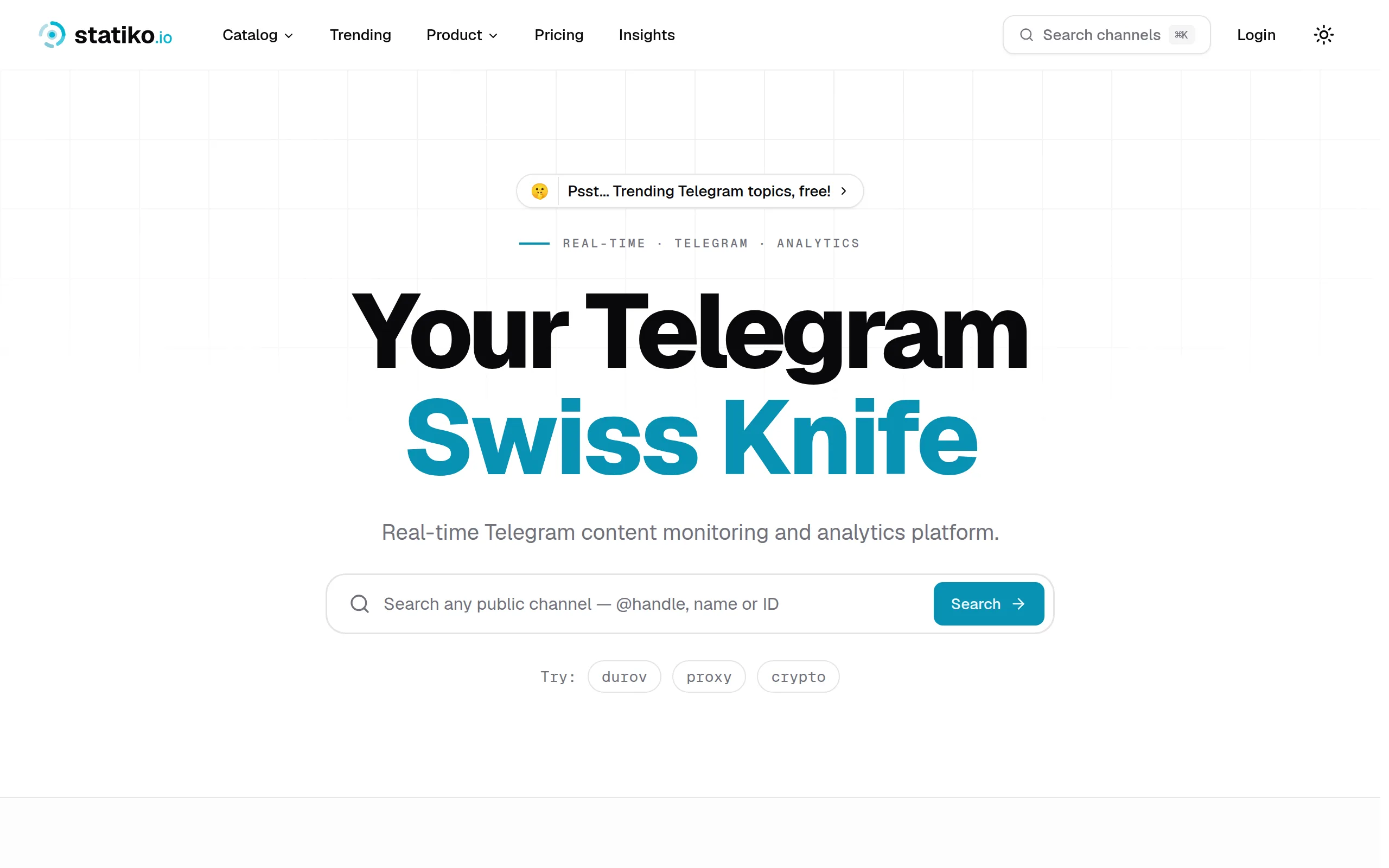
Statiko
Monitor any Telegram channel in real time - track posts, edits, deletions, and growth with AI recaps 📡

Shibui
AI website builder - describe your business, pick a niche template, edit by chatting, and publish instantly ✨

Pro Service
Find verified home service professionals, compare quotes, and pay securely through escrow - built for Brazilians across the US 🏠
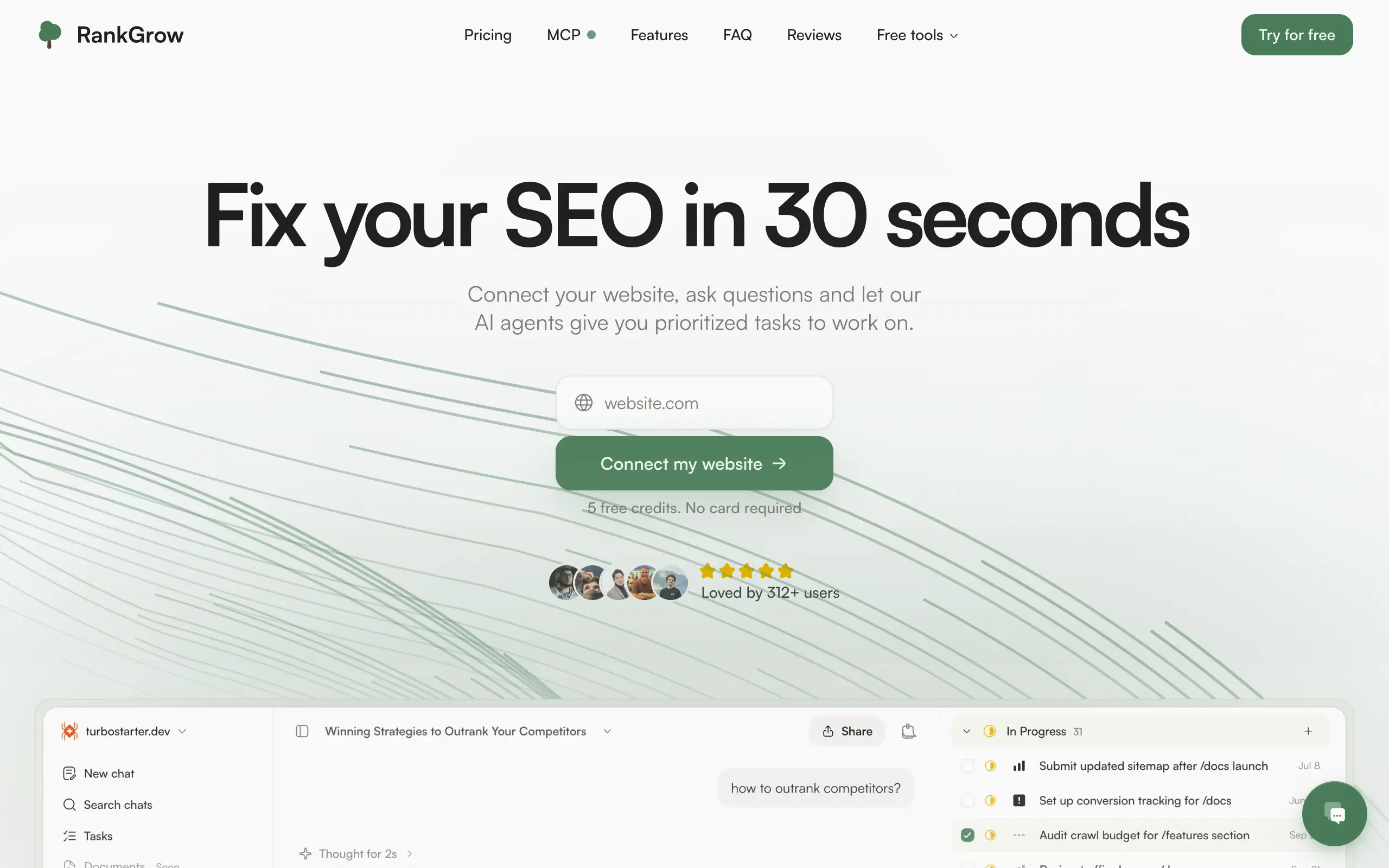
RankGrow
Fix your SEO with AI agents - connect Search Console, get prioritized tasks, and grow organic traffic 📈
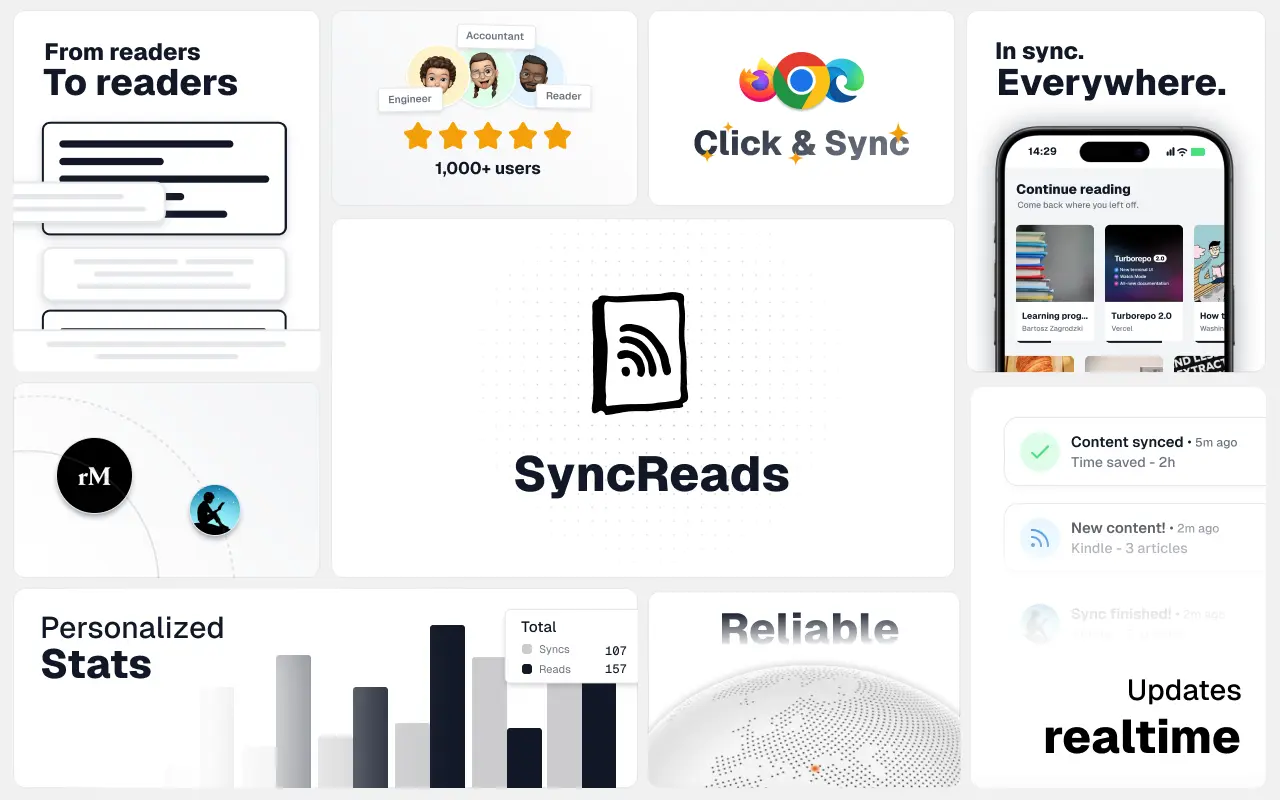
SyncReads
Sync your favorite content for distraction-free reading, save time and replace multiple apps. Anytime, anywhere 🔄
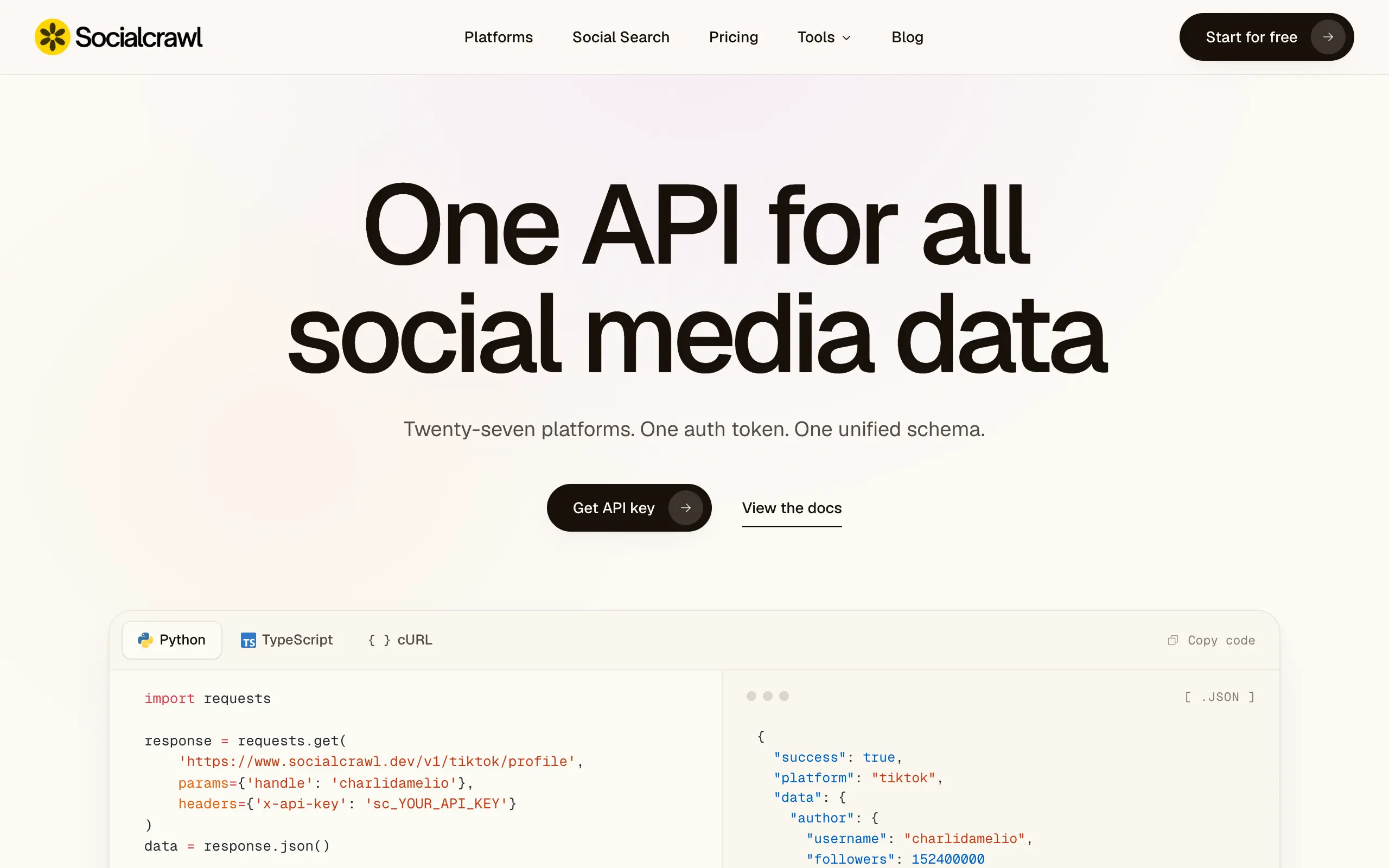
Socialcrawl
Get clean, structured data from 21 platforms like TikTok, Instagram, and YouTube with a single request 📊
Statiko
Monitor any Telegram channel in real time - track posts, edits, deletions, and growth with AI recaps 📡
Shibui
AI website builder - describe your business, pick a niche template, edit by chatting, and publish instantly ✨
Pro Service
Find verified home service professionals, compare quotes, and pay securely through escrow - built for Brazilians across the US 🏠
RankGrow
Fix your SEO with AI agents - connect Search Console, get prioritized tasks, and grow organic traffic 📈
SyncReads
Sync your favorite content for distraction-free reading, save time and replace multiple apps. Anytime, anywhere 🔄
Socialcrawl
Get clean, structured data from 21 platforms like TikTok, Instagram, and YouTube with a single request 📊
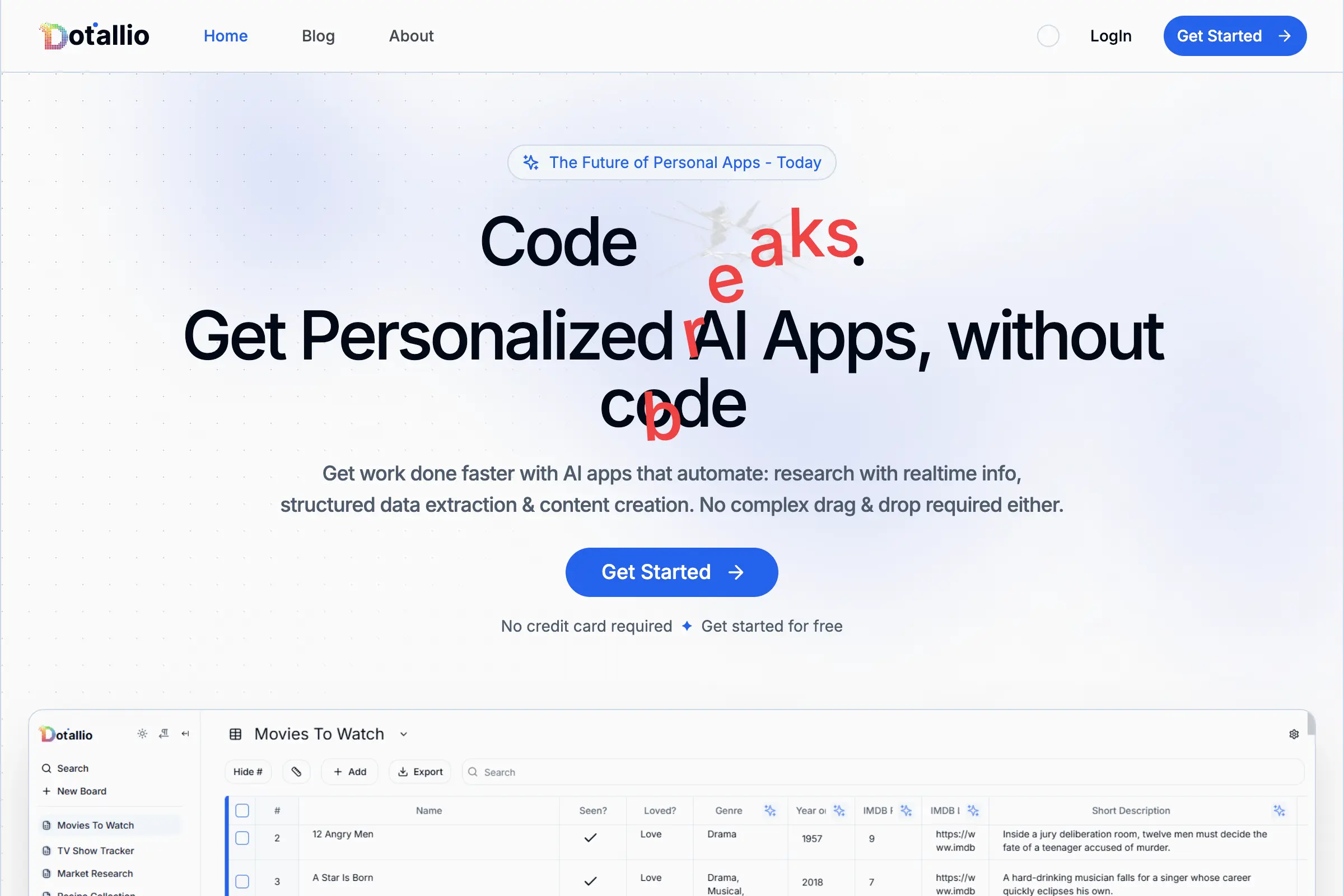
Dotallio
Personalized AI apps that automate research, data extraction, and content creation without code 🤖
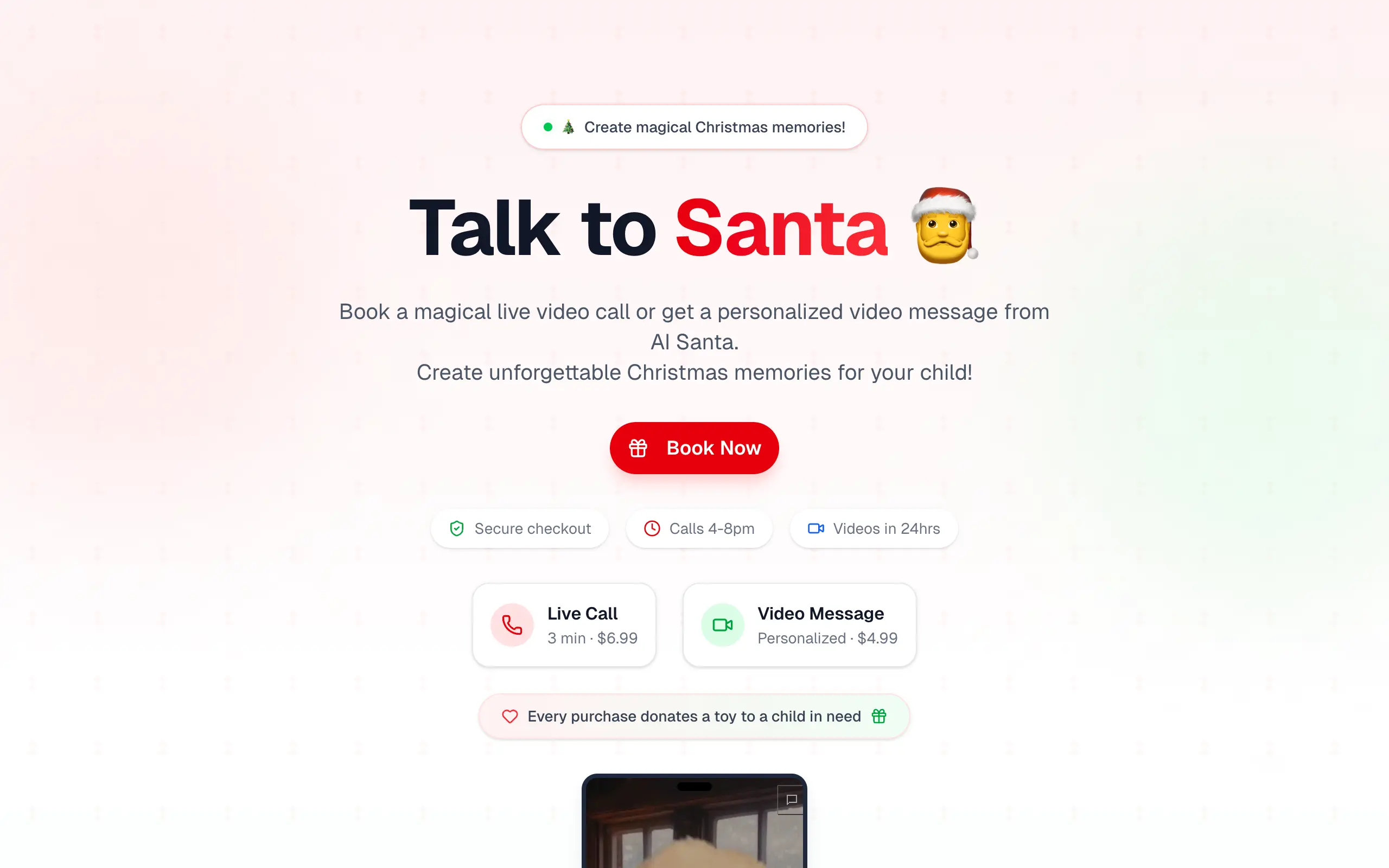
Talk to Santa
Enjoy a magical live video chat or receive a unique AI-generated video greeting from Santa Claus 🎅
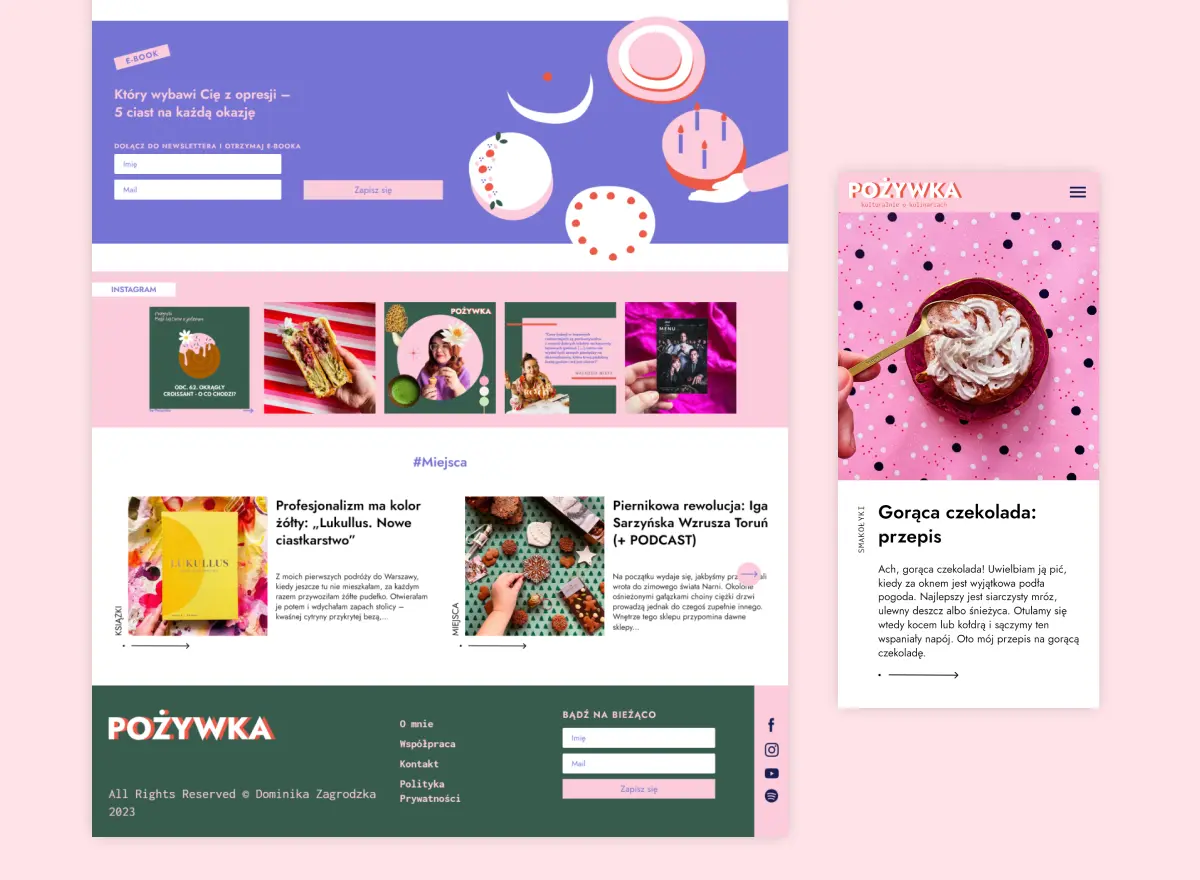
pozywka.pl
Scalable blog for food journalist, focused on performance and user experience 🌭
zagrodzki.me
Personal blog and portfolio of Bart Zagrodzki, where he shares his knowledge and work 💼
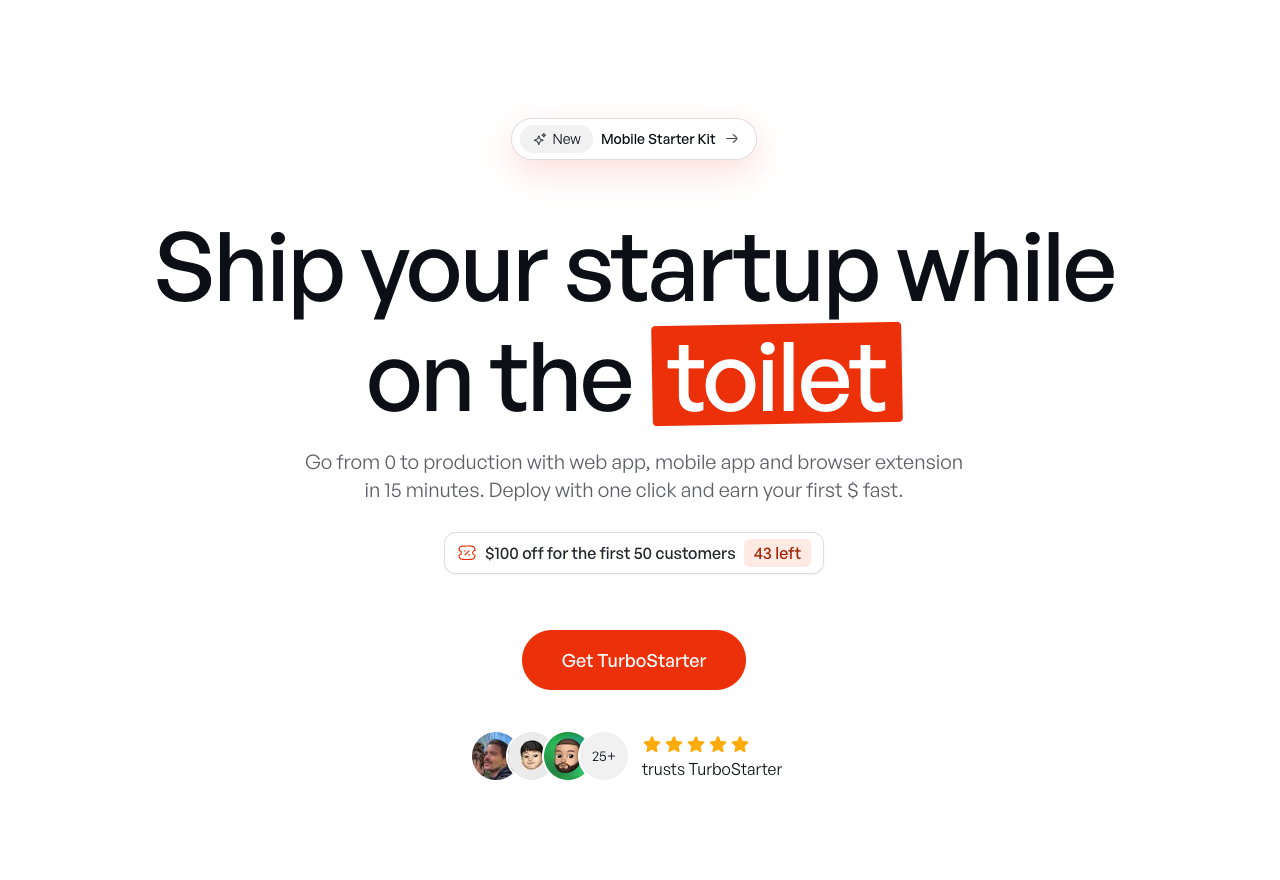
TurboStarter
Ship your startup everywhere. In minutes.
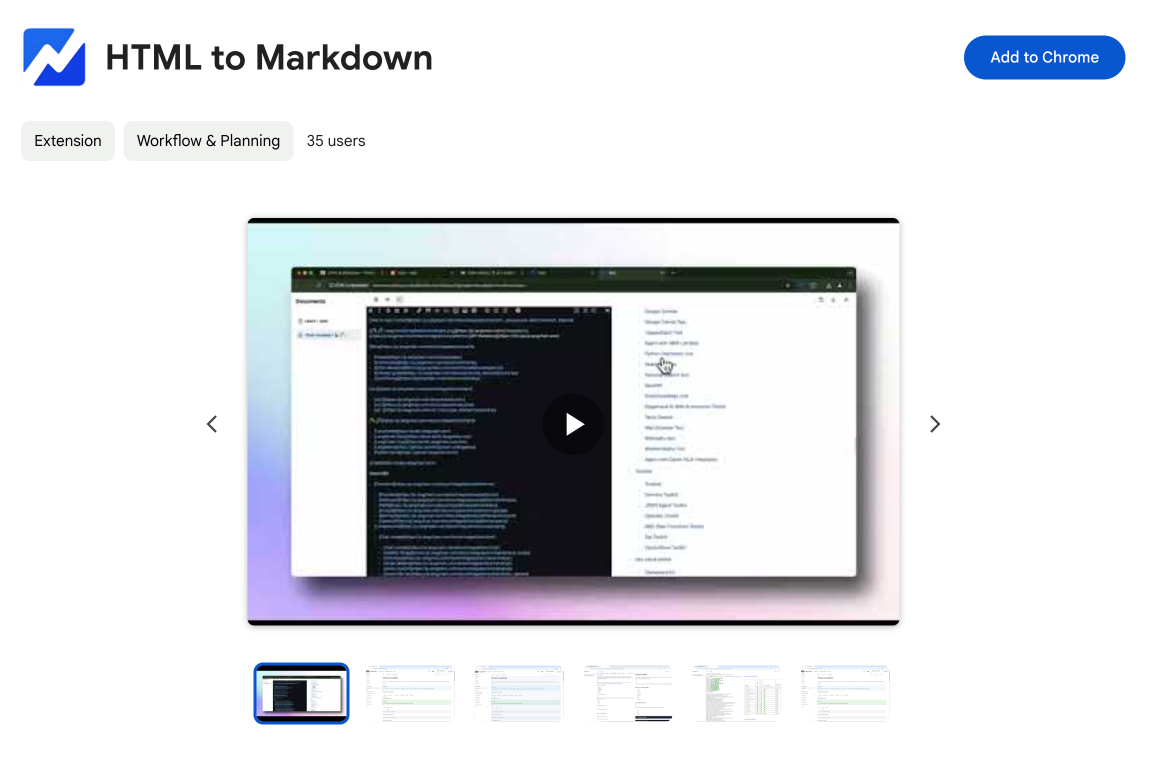
HTML to Markdown
Convert HTML to Markdown with ease, directly in your browser 📄
Dotallio
Personalized AI apps that automate research, data extraction, and content creation without code 🤖
Talk to Santa
Enjoy a magical live video chat or receive a unique AI-generated video greeting from Santa Claus 🎅
pozywka.pl
Scalable blog for food journalist, focused on performance and user experience 🌭
zagrodzki.me
Personal blog and portfolio of Bart Zagrodzki, where he shares his knowledge and work 💼
TurboStarter
Ship your startup everywhere. In minutes.
HTML to Markdown
Convert HTML to Markdown with ease, directly in your browser 📄
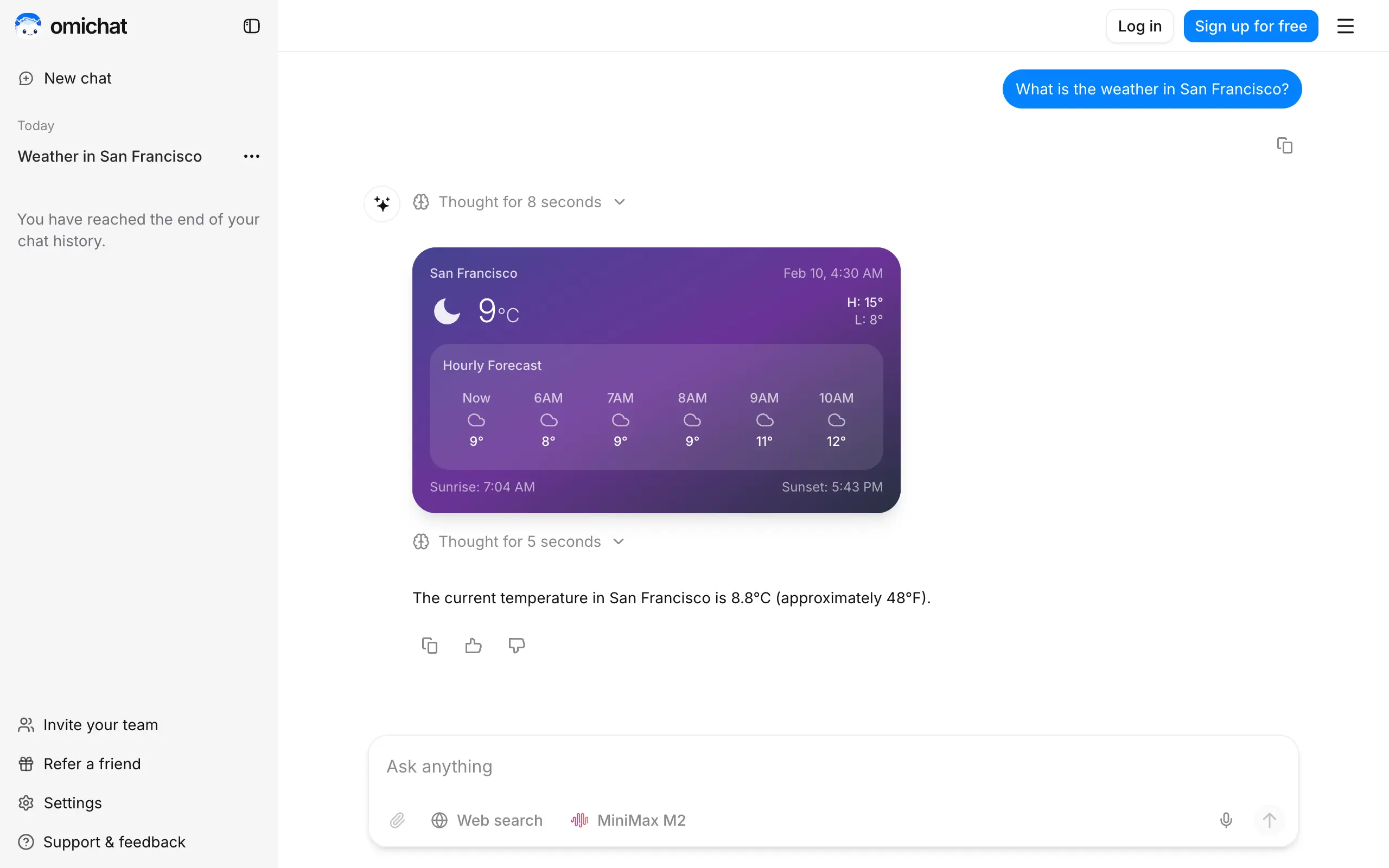
Omichat
Chat with 50+ AI models, including ChatGPT and Claude, in one place - switch models anytime without losing context 🤖
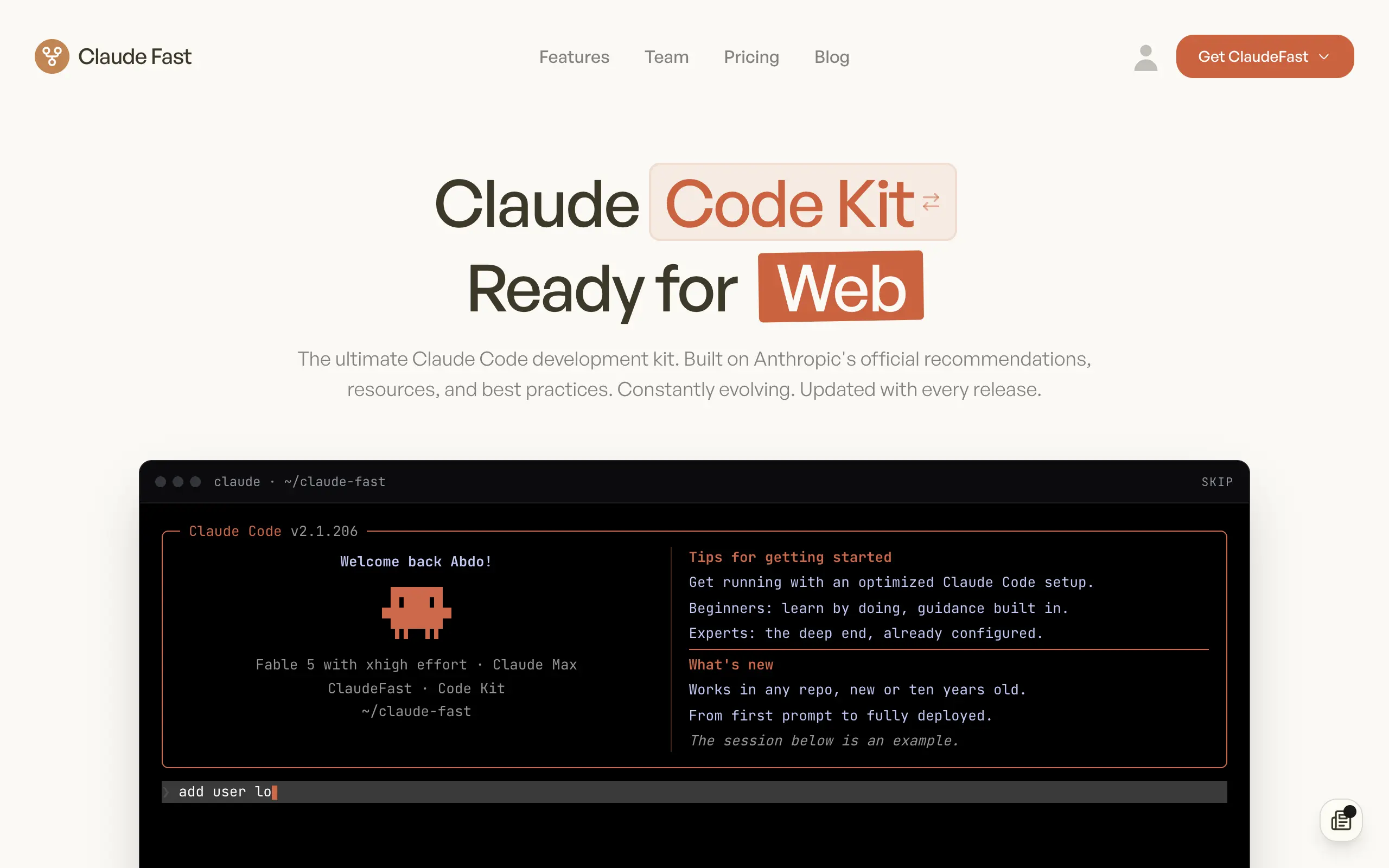
Claude Fast
Supercharge your Claude Code with 6x effective context window and specialized AI agents 🤖
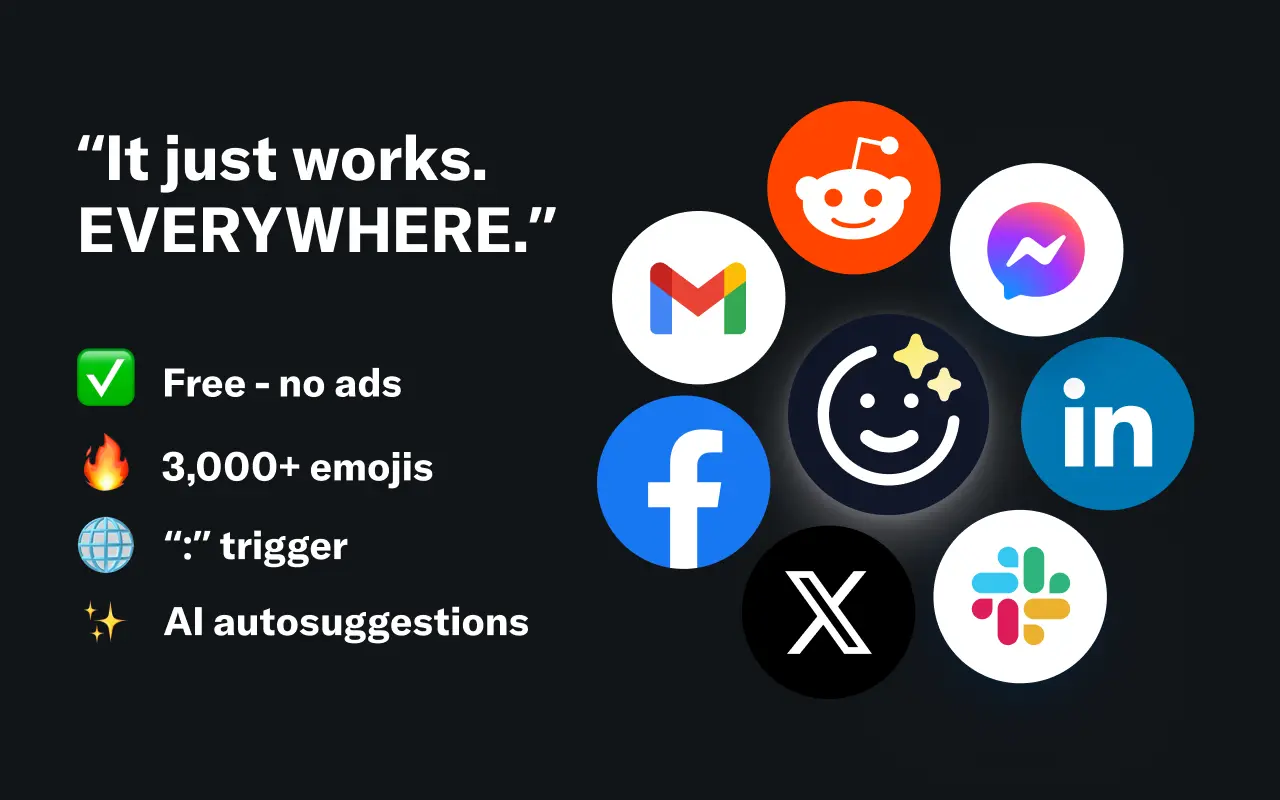
EmojAI
AI-powered emoji picker with smart, context-aware suggestions 🤖
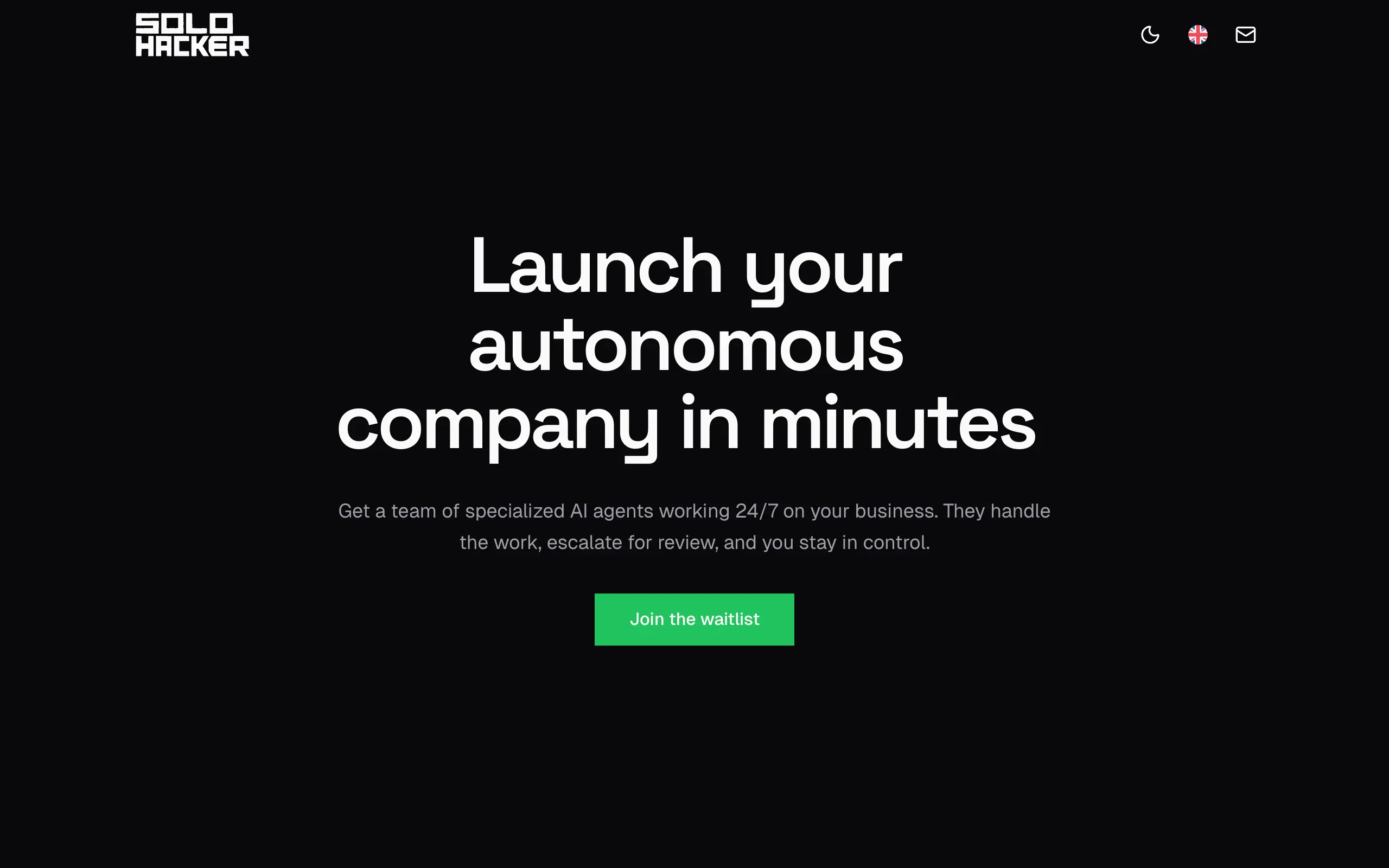
Solohacker
Autonomous company launcher - AI agents work 24/7, escalate what matters, and you stay in control 🤖
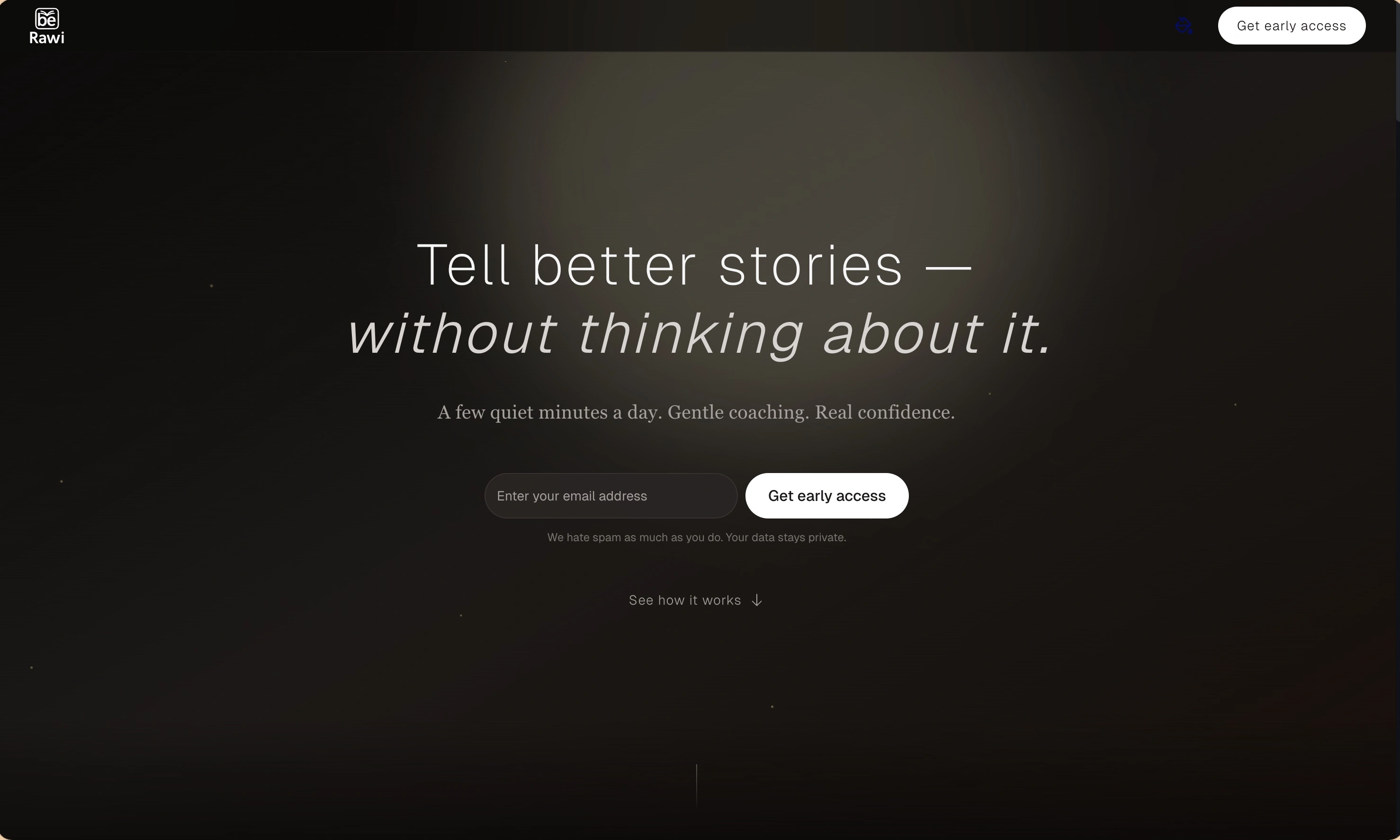
BeRawi: Storytelling Coach
Practice storytelling daily with instant feedback to sound clearer, more engaging, and confident 🎤
Omichat
Chat with 50+ AI models, including ChatGPT and Claude, in one place - switch models anytime without losing context 🤖
Claude Fast
Supercharge your Claude Code with 6x effective context window and specialized AI agents 🤖
EmojAI
AI-powered emoji picker with smart, context-aware suggestions 🤖
Solohacker
Autonomous company launcher - AI agents work 24/7, escalate what matters, and you stay in control 🤖
BeRawi: Storytelling Coach
Practice storytelling daily with instant feedback to sound clearer, more engaging, and confident 🎤

Connect with like-minded people
Join our community to get feedback, support, and grow together with 1,000+ builders on board, let's ship it!
Join usShip your startup everywhere. In minutes.
Don't burn tokens on setup and start building features on day one.