StreetWise Ops
An operations dashboard for public works departments that prioritizes road, signage, and infrastructure maintenance using service requests, asset age, and budget constraints.
Understanding the problem StreetWise Ops is solving for public works teams
Public works departments sit at the intersection of citizen expectations, aging infrastructure, and strict budget oversight. Roads deteriorate faster than they can be repaired. Signage fades or disappears. Sidewalks crack. Storm drains clog. At the same time, service requests from residents continue to rise, often through multiple disconnected channels like phone calls, emails, and 311-style apps.
The core challenge isn’t a lack of effort or expertise inside public works departments. It’s the absence of a centralized, data-driven operations dashboard that helps teams decide what to fix first, why, and how to justify those decisions to city leadership and taxpayers.
This is exactly where StreetWise Ops, a B2B SaaS platform for public works operations management, creates value.
StreetWise Ops is designed to prioritize road, signage, and infrastructure maintenance by combining:
- Citizen service requests
- Asset condition and age data
- Budget constraints and funding cycles
Instead of reactive maintenance and political guesswork, departments get a transparent, defensible, and optimized way to plan their work.
Target audience analysis: who StreetWise Ops is built for
Primary users inside municipal organizations
StreetWise Ops is a classic B2G (business-to-government) SaaS with multiple stakeholder personas. Understanding each one is critical for both product design and go-to-market success.
1. Public works directors and managers
These are the decision-makers responsible for:
- Annual and multi-year maintenance planning
- Budget proposals and spending justification
- Responding to complaints from city council or residents
Their core need is strategic visibility. They want to confidently answer questions like:
- Why are we repaving this road instead of that one?
- How do we prove our budget request is justified?
- What happens if our funding is cut by 10%?
2. Operations supervisors and field coordinators
These users care less about dashboards for presentation and more about execution clarity:
- What jobs should crews work on this week?
- Which assets are high-risk if ignored?
- How do service requests translate into actual work orders?
StreetWise Ops must be intuitive and practical for daily use, not just high-level reporting.
3. City administrators and finance teams
Finance departments and city managers care about:
- Cost forecasting
- Asset lifecycle management
- Risk mitigation and compliance
For them, StreetWise Ops is a decision-support system that connects infrastructure condition to long-term financial planning.
4. Indirect stakeholders: elected officials and citizens
While they may never log in, they benefit from:
- Faster response times
- More transparent prioritization
- Better communication around “why” decisions are made
This indirect value is crucial when selling into municipalities, where public trust matters.
Market opportunity and gap in public works operations software
The current landscape
Most municipalities today rely on a fragmented toolset:
- Legacy asset management systems
- Spreadsheets maintained by a few key employees
- 311 or service request platforms disconnected from planning tools
- GIS tools that are powerful but not operationally opinionated
These systems often answer what exists but not what should be done next.
The core market gap
The biggest gap StreetWise Ops addresses is prioritization under constraints.
Most tools do one of the following well:
- Track assets
- Log service requests
- Visualize data on a map
Very few combine all of them into a decision engine that explicitly accounts for:
- Asset age and degradation curves
- Volume and severity of citizen complaints
- Annual budget limits and funding rules
StreetWise Ops positions itself as the layer that turns raw municipal data into actionable priorities.
Why this market is ready now
Several macro trends make this an ideal time to build StreetWise Ops:
- Aging infrastructure across North America, with deferred maintenance accumulating risk
- Increased transparency expectations, where cities must justify decisions with data
- Federal and state infrastructure funding programs that require better reporting and planning
- Modernization pressure as experienced staff retire, taking institutional knowledge with them
StreetWise Ops isn’t replacing existing systems—it’s orchestrating them.
Core features and solution design of StreetWise Ops
Centralized operations dashboard for public works
At the heart of StreetWise Ops is a unified dashboard that aggregates multiple data streams into a single operational view.
Key dashboard elements include:
- Asset inventory with condition and age scoring
- Active and historical service requests
- Budget utilization and forecasts
- Priority rankings for maintenance tasks
The emphasis is not just on visualization, but on decision clarity.
Smart prioritization engine
This is the product’s most defensible feature.
StreetWise Ops calculates priority scores using weighted inputs such as:
- Asset age and expected lifespan
- Severity and frequency of service requests
- Safety risk (e.g., potholes on arterial roads)
- Regulatory or compliance requirements
- Available budget and crew capacity
Why prioritization matters
Public works teams are already prioritizing informally. StreetWise Ops simply makes that logic explicit, consistent, and defensible.
By making prioritization transparent, departments can explain decisions internally and externally.
Budget-aware maintenance planning
Unlike generic task management tools, StreetWise Ops is budget-first by design.
Capabilities include:
- Annual and multi-year budget scenarios
- “What-if” planning (e.g., 5% budget cut)
- Cost-per-asset and cost-per-service-request metrics
This allows leaders to see the real-world consequences of funding changes before they happen.
Service request integration
StreetWise Ops connects citizen-reported issues directly to assets.
Benefits include:
- Reducing duplicate or low-priority work
- Identifying systemic issues (e.g., the same road segment generating repeated complaints)
- Improving response time without chasing every request blindly
Service requests become signal, not noise.
Reporting and transparency tools
Built-in reporting helps teams:
- Generate council-ready summaries
- Share progress updates with city leadership
- Support grant applications and audits
Clear reporting is a major buying trigger in the public sector.
Competitive advantage analysis: how StreetWise Ops stands out
Differentiation versus legacy asset management systems
Legacy systems often:
- Are difficult to configure
- Require extensive training
- Focus on data storage rather than decision-making
StreetWise Ops differentiates by being:
- Opinionated about prioritization
- Simpler to adopt
- Operationally focused, not just archival
Differentiation versus 311 and service request platforms
Service request tools are citizen-facing and reactive. StreetWise Ops is inward-facing and strategic.
Here’s a simplified comparison:
| Feature | 311 tools | Asset systems | StreetWise Ops | Spreadsheets |
|---|---|---|---|---|
| Service request tracking | ✅ | ❌ | ✅ | ❌ |
| Asset lifecycle data | ❌ | ✅ | ✅ | ✅ |
| Budget-aware prioritization | ❌ | ❌ | ✅ | ❌ |
The unique selling proposition (USP)
StreetWise Ops’ USP is simple and powerful:
“We help public works departments decide what to fix first—and prove why.”
This clarity is rare in municipal software and resonates strongly with buyers.
Recommended tech stack for building StreetWise Ops
Frontend architecture
A modern, accessible frontend is critical for adoption across departments.
Recommended stack:
- React for component-based UI (React)
- TypeScript for safety and maintainability
- Tailwind CSS for rapid, consistent styling (TailwindCSS)
- Map visualization via GIS-compatible libraries
Trade-off: React’s flexibility comes with complexity. Strong design systems and documentation are essential.
Backend and data layer
StreetWise Ops is data-heavy and integration-heavy.
Suggested backend components:
- Node.js with a structured framework (e.g., NestJS)
- PostgreSQL for relational asset and budget data
- Background workers for scoring and prioritization calculations
- API-first architecture for integrations
Trade-off: Municipal data can be messy. Expect significant effort in data normalization.
Hosting, security, and compliance
Given the public-sector audience:
- Cloud hosting with strong compliance posture
- Role-based access control
- Audit logs and data lineage
- Regular security reviews
Trust is non-negotiable in govtech.
Monetization strategy options for StreetWise Ops
SaaS subscription by municipality size
The most straightforward model:
- Tiered pricing based on population size or asset count
- Annual contracts aligned with fiscal years
This aligns with how cities budget for software.
Module-based pricing
Offer core prioritization features with optional add-ons:
- Advanced reporting
- Scenario modeling
- Custom integrations
This reduces initial friction while allowing expansion revenue.
Professional services and onboarding
Many municipalities need help with:
- Data migration
- Configuration
- Training
Offering paid onboarding improves outcomes and reduces churn.
Avoid usage-based pricing
Usage-based models often clash with public-sector procurement and budgeting norms.
Risks and mitigation strategies
Long sales cycles
Municipal procurement is slow.
Mitigation:
- Focus on pilots or limited-scope deployments
- Build strong ROI narratives
- Align with budget cycles early
Data quality issues
Poor data can undermine trust in prioritization.
Mitigation:
- Transparent scoring logic
- Data confidence indicators
- Manual override capabilities
Change resistance
Staff may fear automation replacing judgment.
Mitigation:
- Position StreetWise Ops as decision support, not decision replacement
- Emphasize configurability and human oversight
Go-to-market strategy for StreetWise Ops
Initial market focus
Start with:
- Small to mid-sized cities
- Counties with centralized public works departments
- Regions with active infrastructure funding programs
These customers are often more agile and reference-friendly.
Sales motion
StreetWise Ops benefits from a consultative sales approach:
- Discovery-led demos
- Real-world prioritization scenarios
- Budget impact storytelling
Partnerships
Potential partners include:
- GIS vendors
- 311 platform providers
- Infrastructure consultants
Partnerships can shorten sales cycles and increase credibility.
Actionable implementation steps to bring StreetWise Ops to market
Building faster with the right foundation
Founders building StreetWise Ops can accelerate development by starting with a production-ready SaaS foundation like TurboStarter. This reduces time spent on authentication, billing, and infrastructure, allowing teams to focus on what truly differentiates the product: prioritization logic and municipal workflows.
Frequently asked questions about StreetWise Ops
No. StreetWise Ops complements existing systems by adding a decision layer on top of them.
Departments can adjust weights and criteria to reflect local policies and risk tolerance.
Yes. Smaller cities often see even faster ROI because they lack dedicated planning tools.
Why StreetWise Ops has long-term potential in govtech
StreetWise Ops addresses a persistent, high-stakes problem: deciding how to allocate limited resources across critical public infrastructure. By focusing on prioritization, transparency, and budget alignment, it creates value for every stakeholder involved.
As cities face increasing pressure to do more with less, tools like StreetWise Ops won’t be optional—they’ll be essential.
More 🏢 B2B Application SaaS ideas
Discover more innovative b2b application SaaS ideas that are trending in 2026. Each idea is AI-generated with market validation and growth potential to help you find your next profitable venture faster than competitors.
Your competitors are building with TurboStarter
Below are some of the SaaS ideas that have been generated and built with our starter kit.
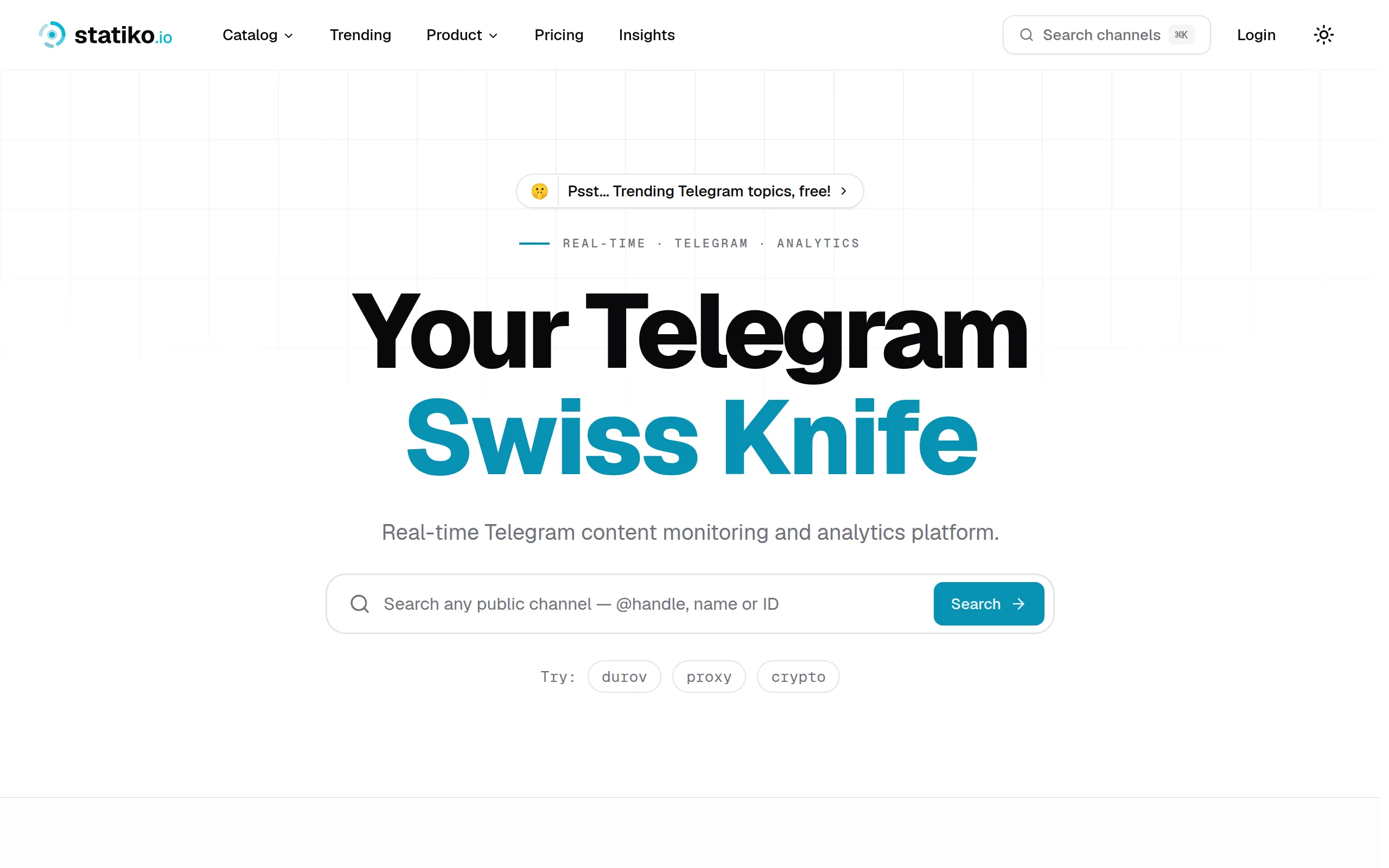
Statiko
Monitor any Telegram channel in real time - track posts, edits, deletions, and growth with AI recaps 📡

Shibui
AI website builder - describe your business, pick a niche template, edit by chatting, and publish instantly ✨

Pro Service
Find verified home service professionals, compare quotes, and pay securely through escrow - built for Brazilians across the US 🏠
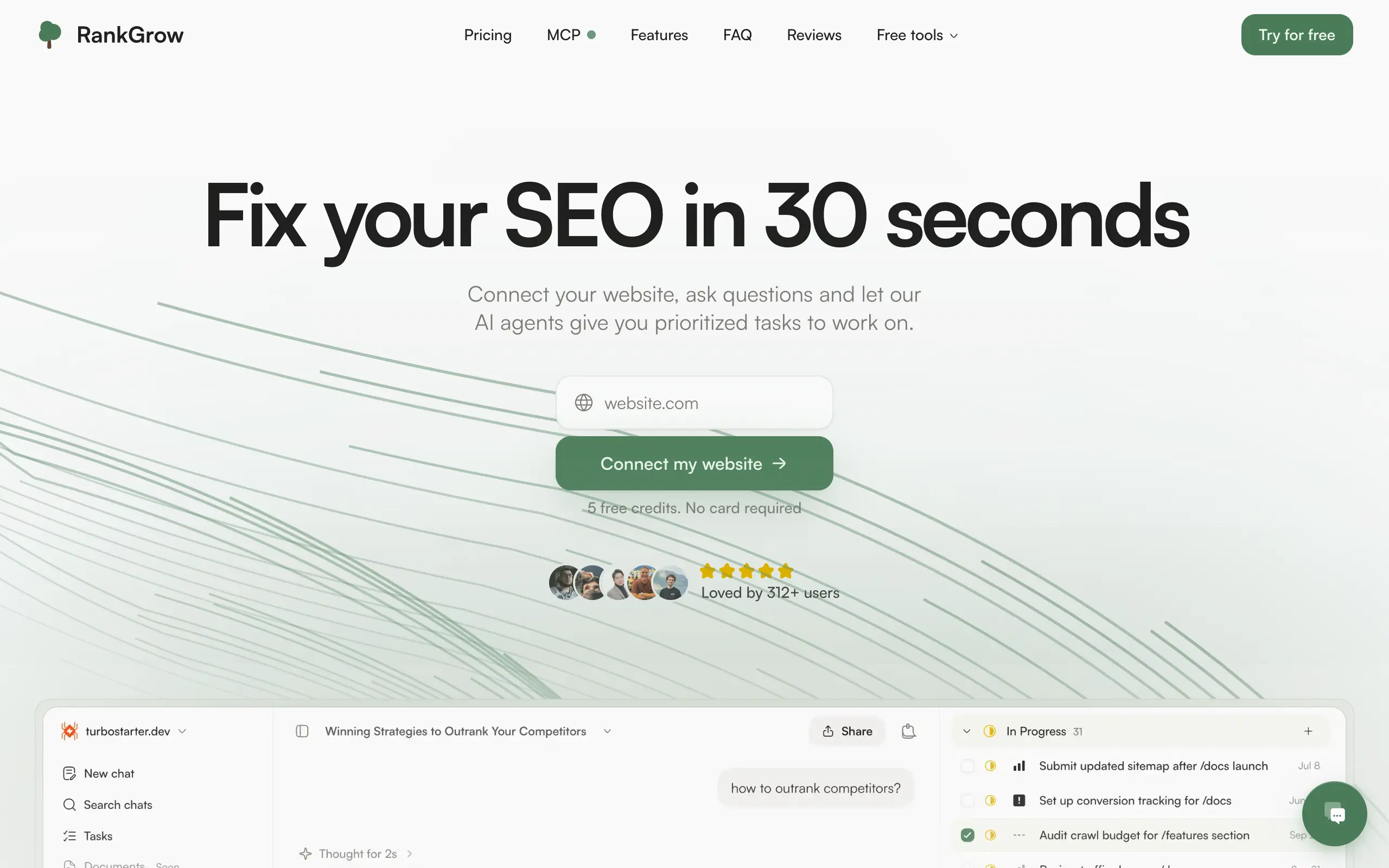
RankGrow
Fix your SEO with AI agents - connect Search Console, get prioritized tasks, and grow organic traffic 📈
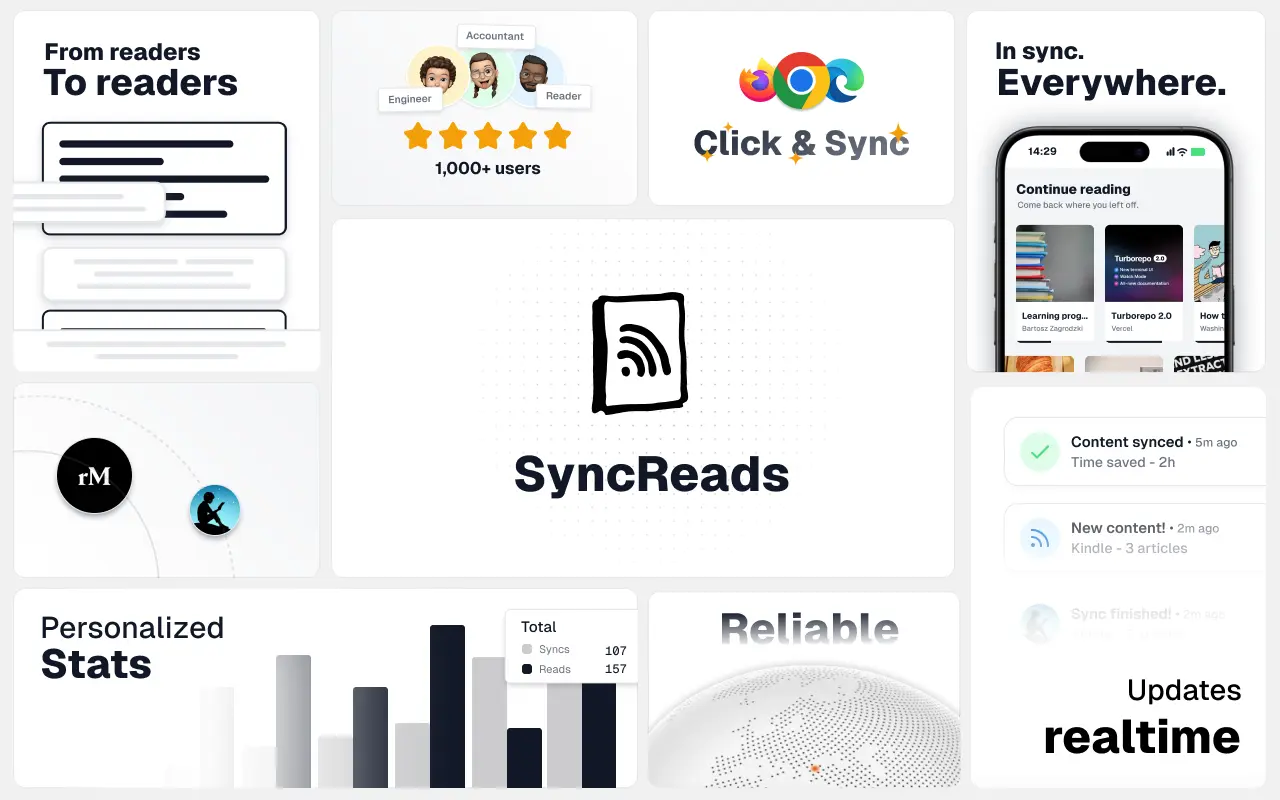
SyncReads
Sync your favorite content for distraction-free reading, save time and replace multiple apps. Anytime, anywhere 🔄
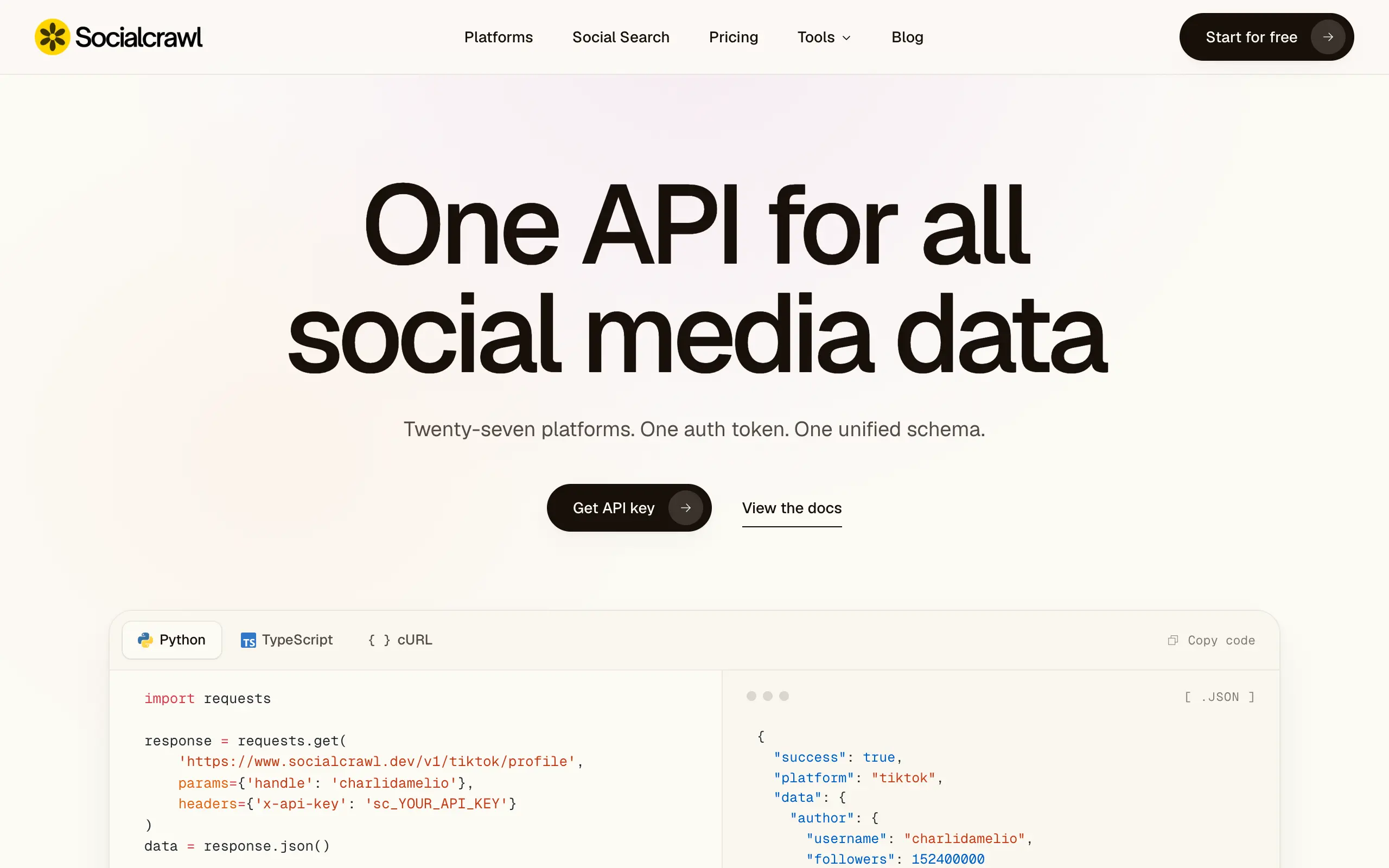
Socialcrawl
Get clean, structured data from 21 platforms like TikTok, Instagram, and YouTube with a single request 📊
Statiko
Monitor any Telegram channel in real time - track posts, edits, deletions, and growth with AI recaps 📡
Shibui
AI website builder - describe your business, pick a niche template, edit by chatting, and publish instantly ✨
Pro Service
Find verified home service professionals, compare quotes, and pay securely through escrow - built for Brazilians across the US 🏠
RankGrow
Fix your SEO with AI agents - connect Search Console, get prioritized tasks, and grow organic traffic 📈
SyncReads
Sync your favorite content for distraction-free reading, save time and replace multiple apps. Anytime, anywhere 🔄
Socialcrawl
Get clean, structured data from 21 platforms like TikTok, Instagram, and YouTube with a single request 📊
Statiko
Monitor any Telegram channel in real time - track posts, edits, deletions, and growth with AI recaps 📡
Shibui
AI website builder - describe your business, pick a niche template, edit by chatting, and publish instantly ✨
Pro Service
Find verified home service professionals, compare quotes, and pay securely through escrow - built for Brazilians across the US 🏠
RankGrow
Fix your SEO with AI agents - connect Search Console, get prioritized tasks, and grow organic traffic 📈
SyncReads
Sync your favorite content for distraction-free reading, save time and replace multiple apps. Anytime, anywhere 🔄
Socialcrawl
Get clean, structured data from 21 platforms like TikTok, Instagram, and YouTube with a single request 📊
Statiko
Monitor any Telegram channel in real time - track posts, edits, deletions, and growth with AI recaps 📡
Shibui
AI website builder - describe your business, pick a niche template, edit by chatting, and publish instantly ✨
Pro Service
Find verified home service professionals, compare quotes, and pay securely through escrow - built for Brazilians across the US 🏠
RankGrow
Fix your SEO with AI agents - connect Search Console, get prioritized tasks, and grow organic traffic 📈
SyncReads
Sync your favorite content for distraction-free reading, save time and replace multiple apps. Anytime, anywhere 🔄
Socialcrawl
Get clean, structured data from 21 platforms like TikTok, Instagram, and YouTube with a single request 📊
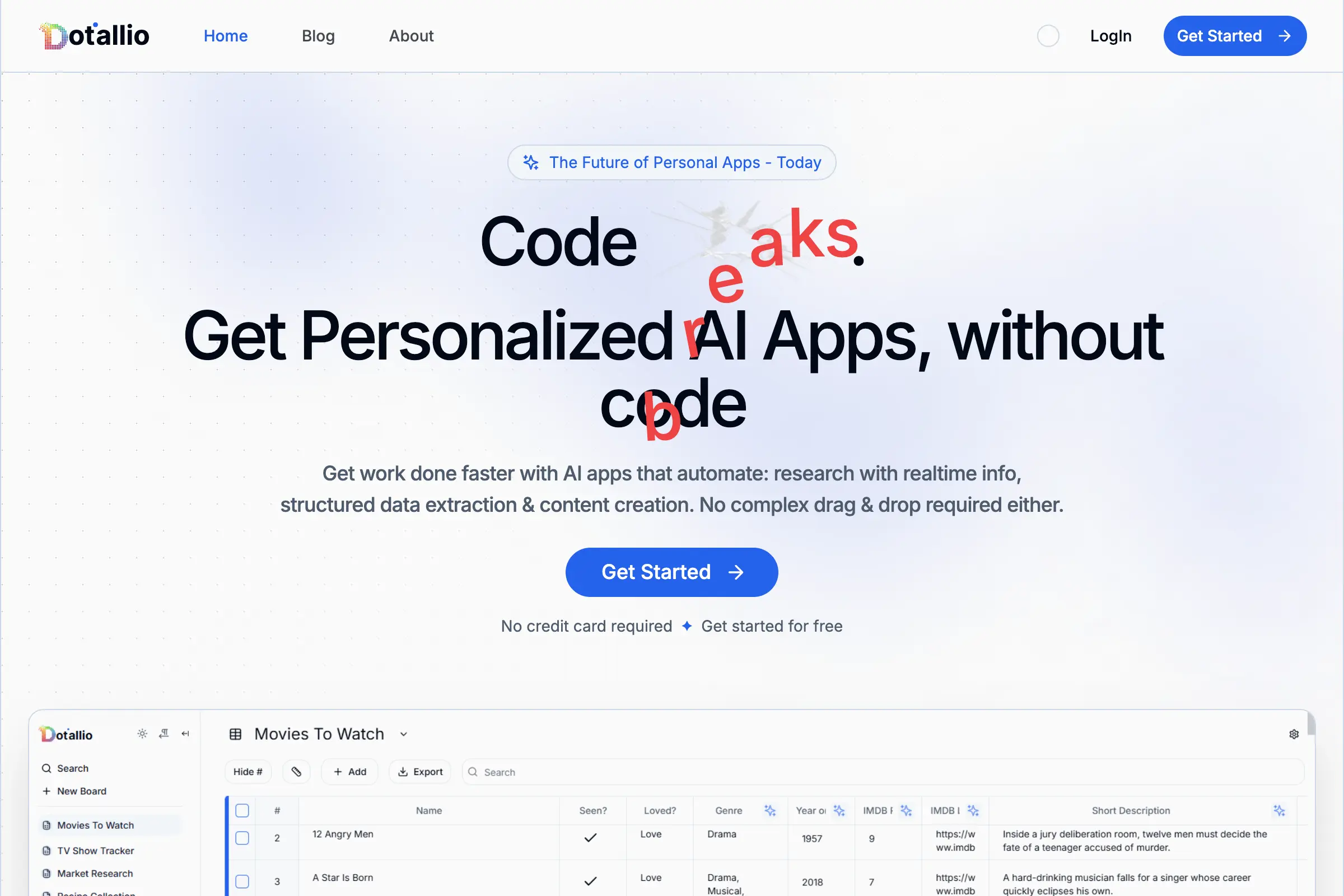
Dotallio
Personalized AI apps that automate research, data extraction, and content creation without code 🤖

Talk to Santa
Enjoy a magical live video chat or receive a unique AI-generated video greeting from Santa Claus 🎅

pozywka.pl
Scalable blog for food journalist, focused on performance and user experience 🌭
zagrodzki.me
Personal blog and portfolio of Bart Zagrodzki, where he shares his knowledge and work 💼
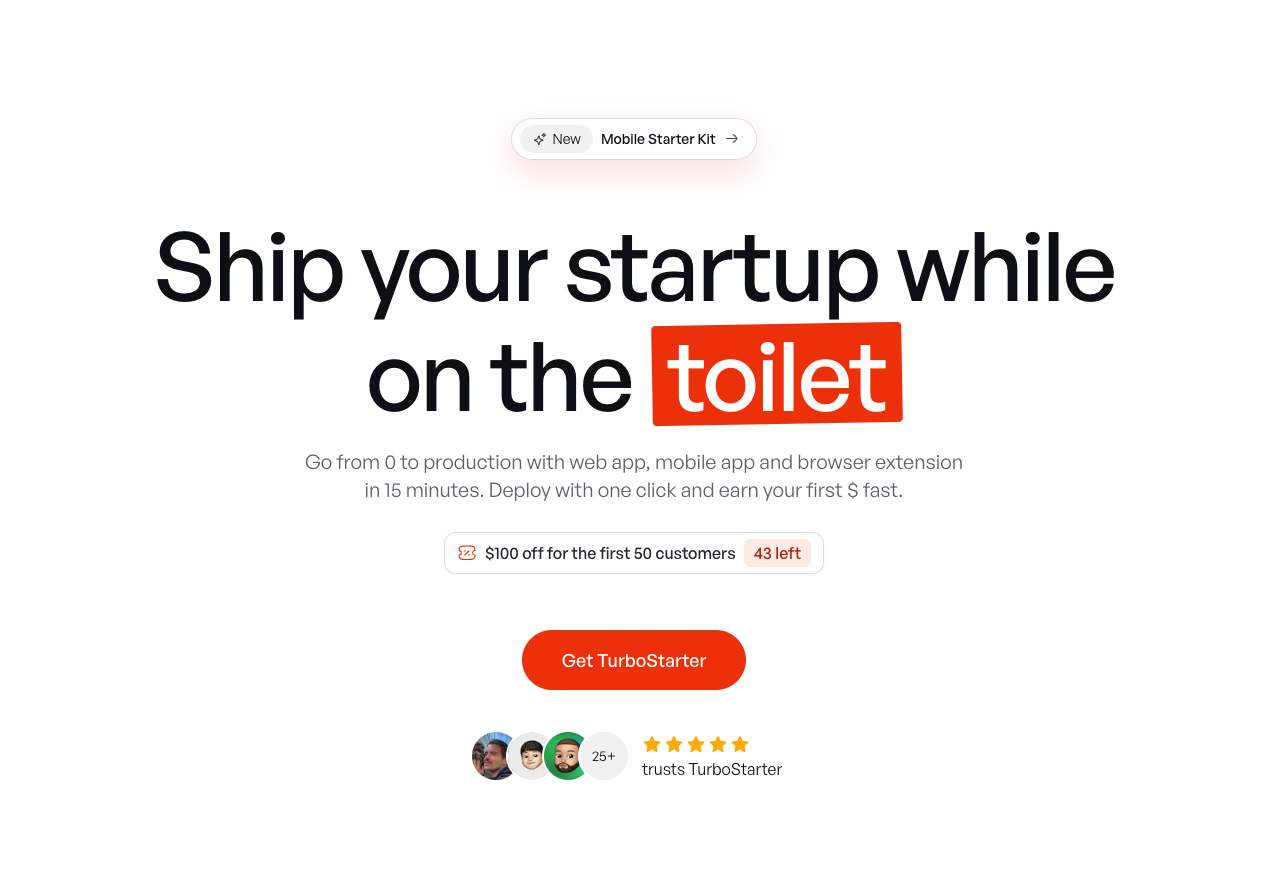
TurboStarter
Ship your startup everywhere. In minutes.
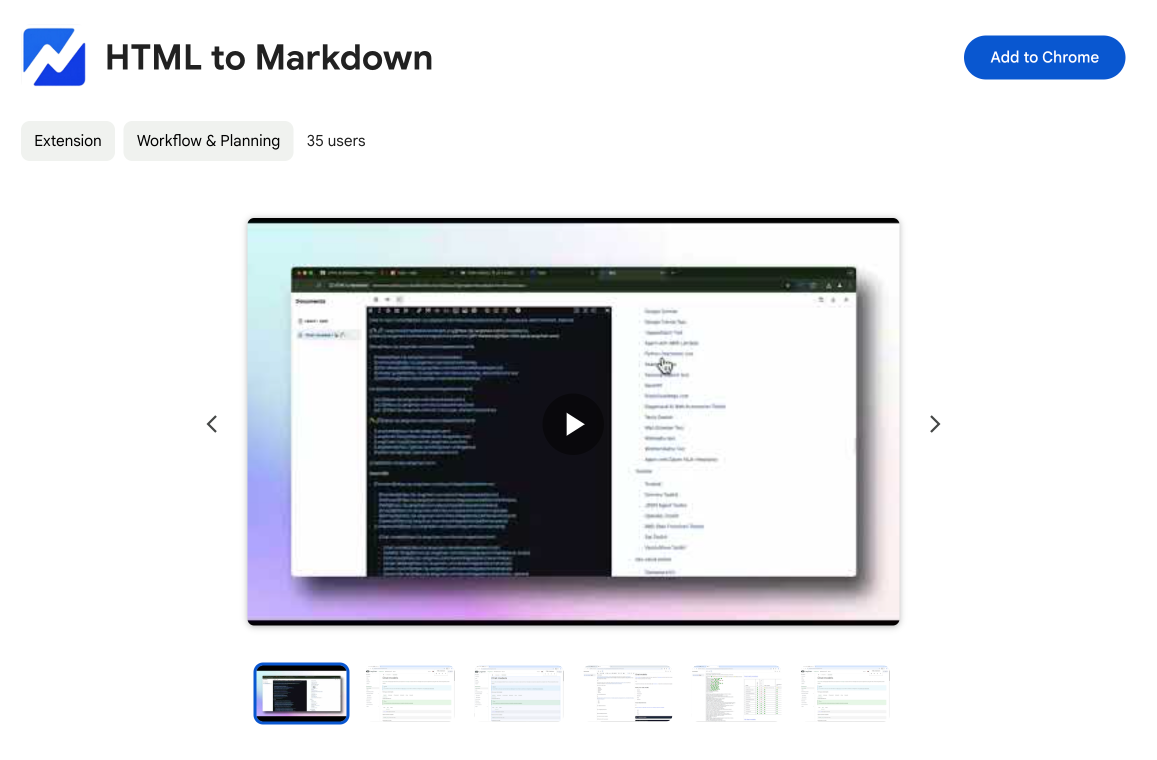
HTML to Markdown
Convert HTML to Markdown with ease, directly in your browser 📄
Dotallio
Personalized AI apps that automate research, data extraction, and content creation without code 🤖
Talk to Santa
Enjoy a magical live video chat or receive a unique AI-generated video greeting from Santa Claus 🎅
pozywka.pl
Scalable blog for food journalist, focused on performance and user experience 🌭
zagrodzki.me
Personal blog and portfolio of Bart Zagrodzki, where he shares his knowledge and work 💼
TurboStarter
Ship your startup everywhere. In minutes.
HTML to Markdown
Convert HTML to Markdown with ease, directly in your browser 📄
Dotallio
Personalized AI apps that automate research, data extraction, and content creation without code 🤖
Talk to Santa
Enjoy a magical live video chat or receive a unique AI-generated video greeting from Santa Claus 🎅
pozywka.pl
Scalable blog for food journalist, focused on performance and user experience 🌭
zagrodzki.me
Personal blog and portfolio of Bart Zagrodzki, where he shares his knowledge and work 💼
TurboStarter
Ship your startup everywhere. In minutes.
HTML to Markdown
Convert HTML to Markdown with ease, directly in your browser 📄
Dotallio
Personalized AI apps that automate research, data extraction, and content creation without code 🤖
Talk to Santa
Enjoy a magical live video chat or receive a unique AI-generated video greeting from Santa Claus 🎅
pozywka.pl
Scalable blog for food journalist, focused on performance and user experience 🌭
zagrodzki.me
Personal blog and portfolio of Bart Zagrodzki, where he shares his knowledge and work 💼
TurboStarter
Ship your startup everywhere. In minutes.
HTML to Markdown
Convert HTML to Markdown with ease, directly in your browser 📄
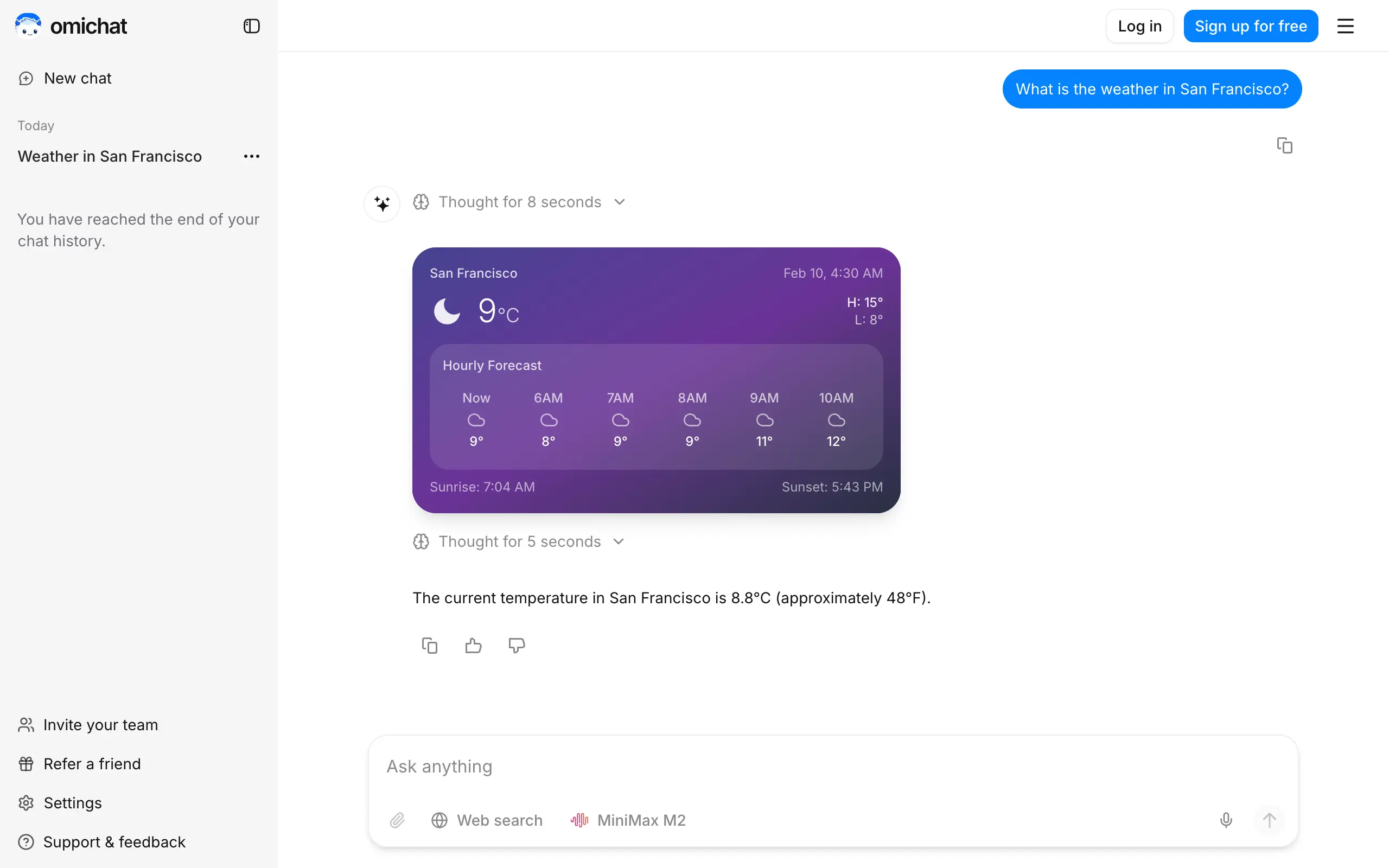
Omichat
Chat with 50+ AI models, including ChatGPT and Claude, in one place - switch models anytime without losing context 🤖
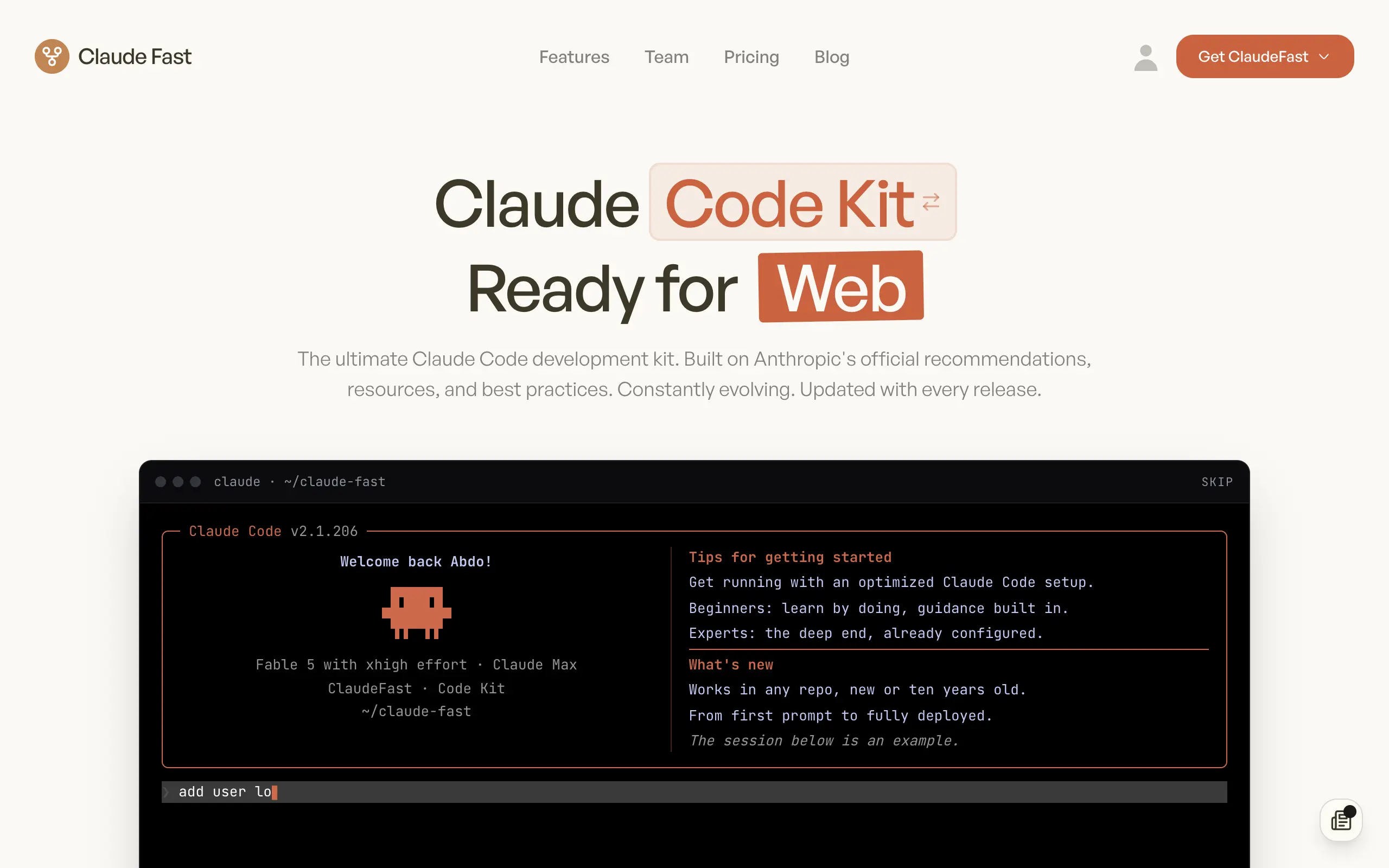
Claude Fast
Supercharge your Claude Code with 6x effective context window and specialized AI agents 🤖
EmojAI
AI-powered emoji picker with smart, context-aware suggestions 🤖
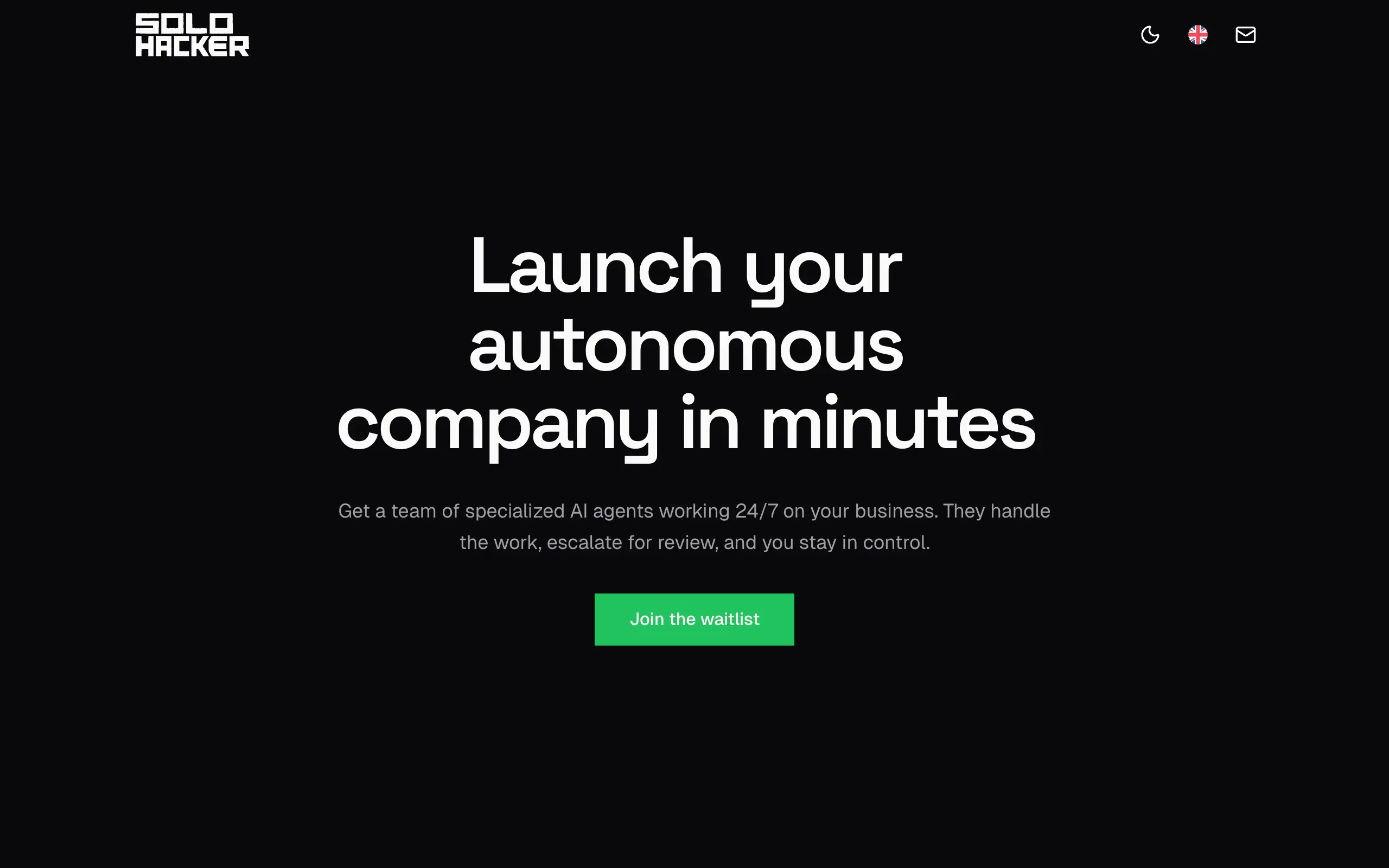
Solohacker
Autonomous company launcher - AI agents work 24/7, escalate what matters, and you stay in control 🤖

BeRawi: Storytelling Coach
Practice storytelling daily with instant feedback to sound clearer, more engaging, and confident 🎤
Omichat
Chat with 50+ AI models, including ChatGPT and Claude, in one place - switch models anytime without losing context 🤖
Claude Fast
Supercharge your Claude Code with 6x effective context window and specialized AI agents 🤖
EmojAI
AI-powered emoji picker with smart, context-aware suggestions 🤖
Solohacker
Autonomous company launcher - AI agents work 24/7, escalate what matters, and you stay in control 🤖
BeRawi: Storytelling Coach
Practice storytelling daily with instant feedback to sound clearer, more engaging, and confident 🎤
Omichat
Chat with 50+ AI models, including ChatGPT and Claude, in one place - switch models anytime without losing context 🤖
Claude Fast
Supercharge your Claude Code with 6x effective context window and specialized AI agents 🤖
EmojAI
AI-powered emoji picker with smart, context-aware suggestions 🤖
Solohacker
Autonomous company launcher - AI agents work 24/7, escalate what matters, and you stay in control 🤖
BeRawi: Storytelling Coach
Practice storytelling daily with instant feedback to sound clearer, more engaging, and confident 🎤
Omichat
Chat with 50+ AI models, including ChatGPT and Claude, in one place - switch models anytime without losing context 🤖
Claude Fast
Supercharge your Claude Code with 6x effective context window and specialized AI agents 🤖
EmojAI
AI-powered emoji picker with smart, context-aware suggestions 🤖
Solohacker
Autonomous company launcher - AI agents work 24/7, escalate what matters, and you stay in control 🤖
BeRawi: Storytelling Coach
Practice storytelling daily with instant feedback to sound clearer, more engaging, and confident 🎤

Connect with like-minded people
Join our community to get feedback, support, and grow together with 1,000+ builders on board, let's ship it!
Join usShip your startup everywhere. In minutes.
Don't burn tokens on setup and start building features on day one.