StudentTalent Bridge
Solution B2B permettant aux PME de sourcer, évaluer et recruter des étudiants qualifiés via des missions courtes, avec matching intelligent et gestion administrative intégrée.
Why the student talent marketplace is broken for SMEs
Small and medium-sized enterprises (SMEs) consistently struggle to attract and recruit qualified students for internships, short-term missions, or part-time roles. At the same time, students are actively seeking real-world experience to build their resumes and finance their studies.
Yet the process remains fragmented:
- SMEs post offers on generic job boards and receive low-quality applications.
- Students apply blindly without clear expectations.
- Administrative complexity (contracts, payroll, compliance) slows down hiring.
- Evaluation of skills is often superficial and based only on CVs.
StudentTalent Bridge addresses this gap with a B2B SaaS platform that enables SMEs to source, evaluate, and recruit qualified students through short missions—powered by intelligent matching and integrated administrative management.
This article provides a deep, expert-level breakdown of the business opportunity, market fit, product architecture, monetization strategy, risks, and implementation roadmap for building and scaling such a B2B SaaS platform.
Understanding user intent: who is searching for this solution?
Before diving into features or tech stack, it’s essential to understand who is searching for a solution like StudentTalent Bridge and why.
Typical search queries include:
- “How to recruit students for short-term missions”
- “Best platform to hire student talent”
- “SME student recruitment solution”
- “Manage student contracts and payroll easily”
- “AI matching platform for internships”
These users typically fall into two categories:
-
SME decision-makers (HR managers, founders, operations managers)
- Need fast access to qualified student talent.
- Want minimal administrative burden.
- Seek flexible workforce solutions.
-
Entrepreneurs or product builders
- Exploring how to build a student recruitment SaaS.
- Evaluating market viability and competitive landscape.
- Looking for monetization and tech stack guidance.
This article addresses both groups, with a strong focus on strategic validation and SaaS execution.
Market opportunity: why student talent matching is a growing B2B niche
1. The structural shift toward flexible work
The workforce is becoming increasingly project-based:
- Rise of gig economy models.
- Remote work normalization.
- SMEs seeking flexibility without long-term commitments.
Students are a natural fit for:
- Short digital missions.
- Research tasks.
- Marketing support.
- Development projects.
- Data entry and analysis.
- Campus ambassador programs.
However, existing platforms like general job boards or freelance marketplaces are not optimized for student hiring workflows.
2. Pain points SMEs face today
Let’s break down the main inefficiencies:
Fragmented sourcing
SMEs typically rely on:
- University job boards
- Email outreach
- Word of mouth
This leads to:
- Low response rates
- Unqualified applications
- High time spent screening
Poor skill evaluation
Traditional CV screening:
- Doesn’t validate real competencies.
- Overlooks soft skills.
- Fails to assess availability constraints.
Administrative friction
Hiring students involves:
- Internship agreements.
- Short-term contracts.
- Payroll compliance.
- Legal documentation.
- Insurance coverage.
For SMEs without HR departments, this is a major barrier.
3. Market gap
There is a clear opportunity for a vertical B2B SaaS platform dedicated to student short-term missions, combining:
- Intelligent matching.
- Skill-based evaluation.
- Contract and payroll automation.
- SME-centric workflows.
This niche positioning differentiates StudentTalent Bridge from:
- Generic job boards.
- Freelance platforms.
- Traditional ATS systems.
Target audience analysis
Primary target: SMEs (10–250 employees)
Segments:
- Tech startups needing temporary dev or marketing help.
- Agencies seeking junior support for campaigns.
- Retail businesses hiring seasonal student workers.
- Consulting firms outsourcing research tasks.
- Industrial SMEs requiring operational support.
Their key needs:
- Fast hiring (within days, not weeks).
- Reliable student profiles.
- Simplified admin.
- Predictable pricing.
- Risk reduction (legal compliance).
Secondary target: Universities & business schools
Potential partnerships include:
- Career centers.
- Alumni associations.
- Student entrepreneurship programs.
This creates a supply-side growth engine and strengthens platform credibility.
Core value proposition of StudentTalent Bridge
StudentTalent Bridge is not just a job board.
It is a full-stack B2B student talent operating system.
Core promises:
- ✅ Qualified student pool.
- ✅ AI-powered intelligent matching.
- ✅ Skill-based assessment.
- ✅ Automated administrative management.
- ✅ End-to-end mission lifecycle tracking.
Key product features
Below is a breakdown of essential features to deliver a strong product-market fit.
1. Intelligent matching engine
The matching algorithm should consider:
- Hard skills (e.g., Python, Excel, SEO).
- Soft skills (communication, autonomy).
- Availability (weekly hours, contract duration).
- Location or remote preference.
- Academic level and field of study.
- Previous mission ratings.
This goes beyond keyword matching and includes scoring logic.
Example conceptual matching logic:
function calculateMatchScore(student, mission) {
  const skillScore = matchSkills(student.skills, mission.requiredSkills);
  const availabilityScore = matchAvailability(student.availability, mission.duration);
  const experienceScore = normalize(student.previousRatings);

  return (skillScore * 0.5) + (availabilityScore * 0.3) + (experienceScore * 0.2);
}
2. Skill validation system
To increase trust and E-E-A-T:
- Micro-assessments (coding challenges, marketing case studies).
- University validation badges.
- Peer endorsements.
- Previous employer ratings.
This enhances platform credibility and reduces hiring risk.
3. Mission management dashboard
For SMEs:
- Post and manage missions.
- Review matched candidates.
- Track mission progress.
- Approve timesheets.
- Provide evaluations.
For students:
- Accept missions.
- Track tasks.
- Submit deliverables.
- Receive feedback.
4. Integrated administrative management
This is a major competitive differentiator.
Features include:
- Automated contract generation.
- Digital signatures.
- Compliance templates.
- Payment processing.
- Invoice generation.
- Payroll automation (if acting as employer of record).
Strategic differentiator
Administrative simplification is often more valuable than matching itself. SMEs are willing to pay for risk reduction and compliance peace of mind.
5. Performance and rating system
- SME rates student performance.
- Student rates SME experience.
- Builds trust and marketplace quality.
6. Analytics & reporting
For SMEs:
- Cost per mission.
- Average time-to-hire.
- Performance metrics.
- Repeat student engagement rate.
For platform:
- Matching success rate.
- Fill time.
- Retention rate.
Competitive landscape analysis
Main alternatives
- University career portals
- Indeed
- Freelance marketplaces (e.g., Upwork)
- Traditional staffing agencies
Differentiation matrix
| Feature | Freelance Platforms | Staffing Agencies | StudentTalent Bridge | |
|---|---|---|---|---|
| Student-focused pool | ❌ | ❌ | ❌ | ✅ |
| AI matching | Limited | Basic | Manual | ✅ Advanced |
| Admin automation | ❌ | Partial | ✅ | ✅ |
| Short mission optimized | ❌ | ✅ | ❌ | ✅ |
Unique selling proposition (USP)
StudentTalent Bridge combines:
- Vertical specialization (students only).
- Intelligent matching.
- Built-in compliance and admin.
- SME-centric UX.
That positioning creates defensibility.
Recommended tech stack
A modern, scalable architecture is critical.
Frontend
- React for dynamic UI.
- Next.js for SSR and SEO.
- TailwindCSS for fast UI development.
Backend
- Node.js (API layer).
- PostgreSQL (structured relational data).
- Redis (caching & queues).
- Background jobs for matching computation.
AI & matching
- Embedding-based skill similarity (OpenAI or open-source models).
- Rule-based + ML hybrid scoring.
Infrastructure
- Vercel (frontend hosting).
- AWS or GCP (backend & database).
- Stripe for payments.
Trade-offs
- Fully custom matching engine = flexibility but higher complexity.
- Using third-party HR/payroll APIs reduces compliance risk but increases cost.
Monetization strategies
Multiple revenue streams can coexist.
1. Commission per mission
- 10–20% platform fee.
- Simple and scalable.
- Aligns revenue with usage.
2. Subscription for SMEs
- Monthly plan:
- Access to talent pool.
- Advanced matching.
- Analytics.
- Admin automation.
3. Enterprise package
For larger SMEs or multi-entity groups:
- Custom SLAs.
- Dedicated support.
- API integration.
4. Payroll margin (if acting as employer of record)
High-margin but requires strong legal structure.
Risks and mitigation strategies
1. Marketplace liquidity problem
Risk: Not enough students or SMEs at launch.
Mitigation:
- Focus on one geography first.
- Partner with 2–3 universities.
- Target niche industries initially.
2. Legal and compliance complexity
Risk: Student employment regulations vary.
Mitigation:
- Start in one country.
- Work with employment lawyers.
- Use payroll API providers.
3. Disintermediation
SMEs and students may bypass platform.
Mitigation:
- Make admin tools valuable.
- Offer insurance.
- Include payment protection.
Go-to-market strategy
Phase 1: Niche focus
Example:
- Target digital marketing students in one city.
- Focus on startups and small agencies.
Phase 2: University partnerships
- Offer free workshops.
- Co-brand career programs.
- Provide exclusive access.
Phase 3: Content & SEO
Create authority content:
- “How SMEs can hire students efficiently”
- “Legal guide to student employment”
- “Short-term student mission templates”
This drives inbound traffic.
Implementation roadmap
MVP scope (lean but powerful)
Must-have:
- Student onboarding.
- Mission posting.
- Matching system (basic scoring).
- Messaging.
- Manual admin workflow.
Nice-to-have (phase 2):
- Automated contracts.
- Payroll.
- AI skill verification.
To accelerate development, using a SaaS starter kit like TurboStarter can significantly reduce time-to-market by handling authentication, billing, and base infrastructure.
Why timing is favorable in 2026
Several macro trends support this idea:
- Increased demand for flexible labor.
- Universities pushing employability metrics.
- AI improving skill-based matching.
- SMEs seeking cost-efficient hiring solutions.
The combination of vertical focus + AI + admin automation makes StudentTalent Bridge highly aligned with current market dynamics.
Final strategic recommendation
StudentTalent Bridge has strong potential because it solves:
- A real SME pain point.
- A structural inefficiency in student hiring.
- A growing demand for short-term flexible talent.
The key success factors are:
- Hyper-focus on one initial niche.
- Administrative simplification as core differentiator.
- High-quality matching to build trust.
- Strong university supply partnerships.
If executed with discipline, this B2B SaaS can evolve into:
- A regional leader in student talent matching.
- A workforce infrastructure platform.
- Or an acquisition target for HR tech companies.
The opportunity lies not in being another job board — but in becoming the operating system for student talent and SME flexibility.
More 🏢 B2B Application SaaS ideas
Discover more innovative b2b application SaaS ideas that are trending in 2026. Each idea is AI-generated with market validation and growth potential to help you find your next profitable venture faster than competitors.
Your competitors are building with TurboStarter
Below are some of the SaaS ideas that have been generated and built with our starter kit.
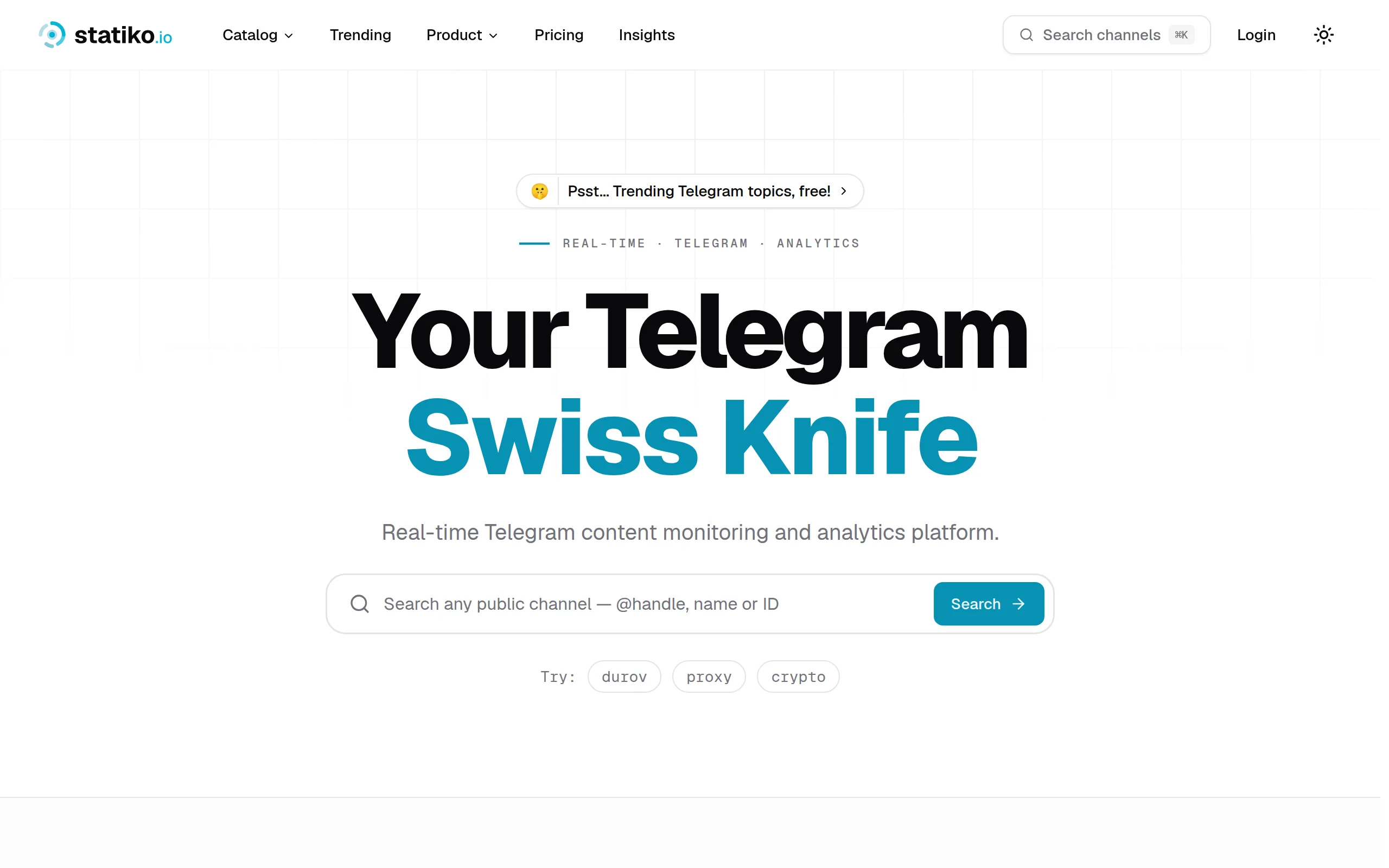
Statiko
Monitor any Telegram channel in real time - track posts, edits, deletions, and growth with AI recaps 📡

Shibui
AI website builder - describe your business, pick a niche template, edit by chatting, and publish instantly ✨

Pro Service
Find verified home service professionals, compare quotes, and pay securely through escrow - built for Brazilians across the US 🏠
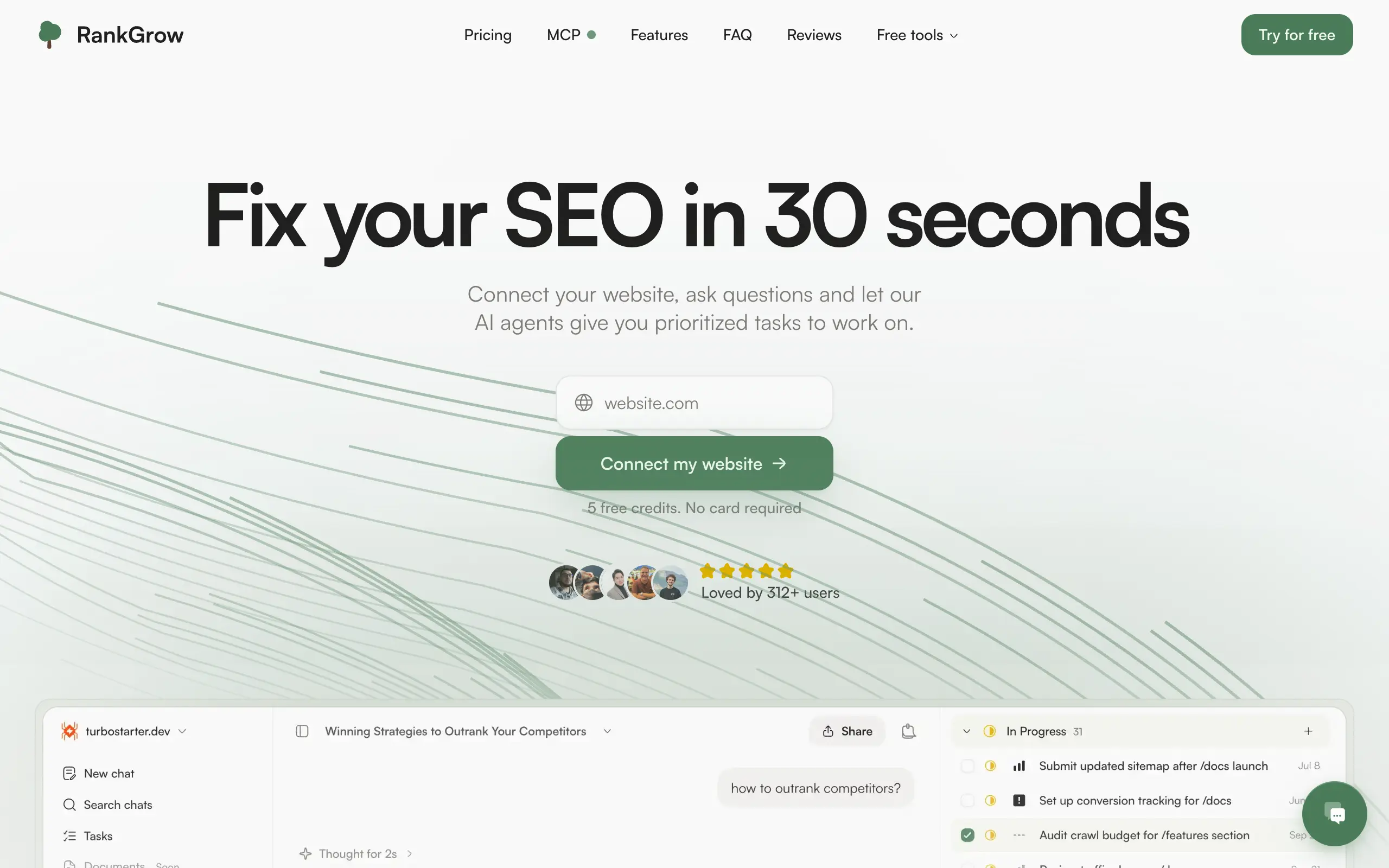
RankGrow
Fix your SEO with AI agents - connect Search Console, get prioritized tasks, and grow organic traffic 📈
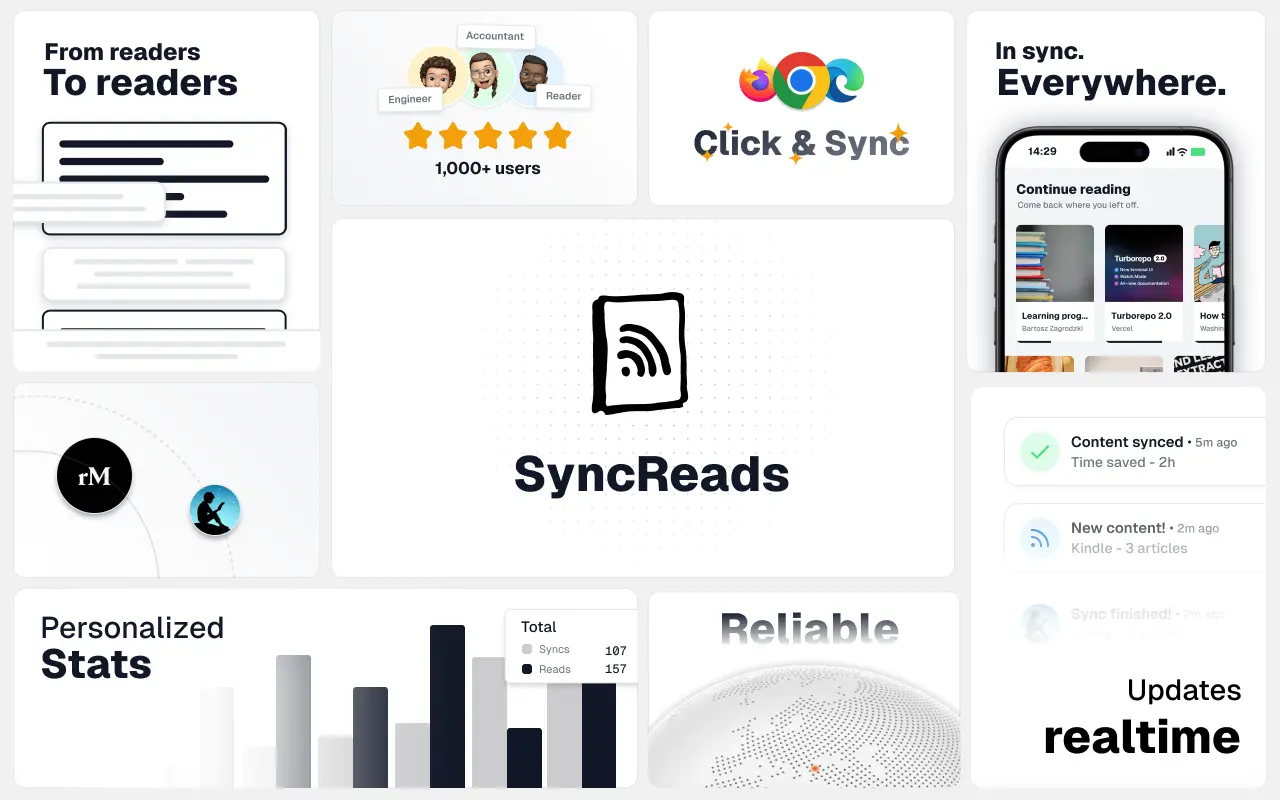
SyncReads
Sync your favorite content for distraction-free reading, save time and replace multiple apps. Anytime, anywhere 🔄
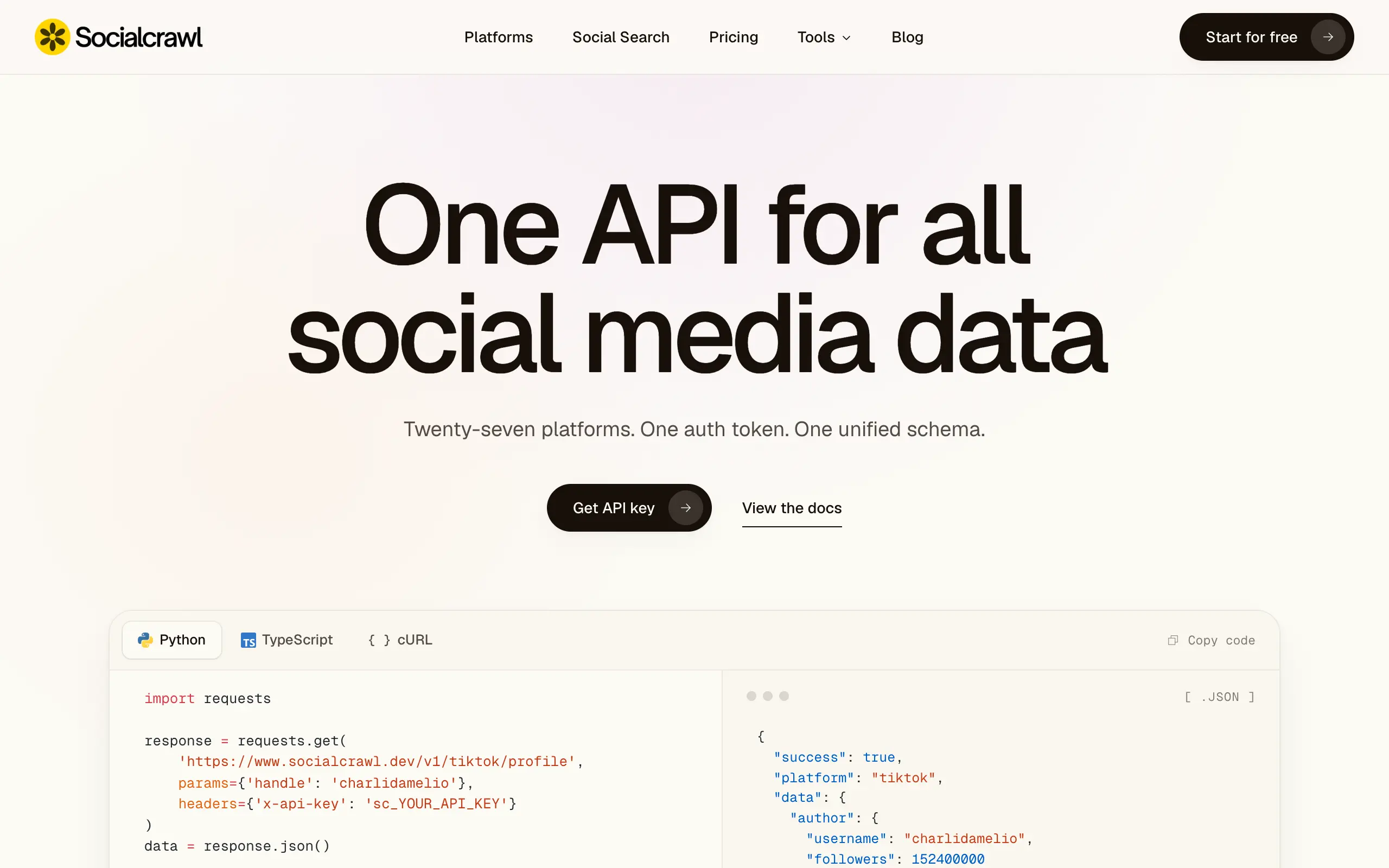
Socialcrawl
Get clean, structured data from 21 platforms like TikTok, Instagram, and YouTube with a single request 📊
Statiko
Monitor any Telegram channel in real time - track posts, edits, deletions, and growth with AI recaps 📡
Shibui
AI website builder - describe your business, pick a niche template, edit by chatting, and publish instantly ✨
Pro Service
Find verified home service professionals, compare quotes, and pay securely through escrow - built for Brazilians across the US 🏠
RankGrow
Fix your SEO with AI agents - connect Search Console, get prioritized tasks, and grow organic traffic 📈
SyncReads
Sync your favorite content for distraction-free reading, save time and replace multiple apps. Anytime, anywhere 🔄
Socialcrawl
Get clean, structured data from 21 platforms like TikTok, Instagram, and YouTube with a single request 📊
Statiko
Monitor any Telegram channel in real time - track posts, edits, deletions, and growth with AI recaps 📡
Shibui
AI website builder - describe your business, pick a niche template, edit by chatting, and publish instantly ✨
Pro Service
Find verified home service professionals, compare quotes, and pay securely through escrow - built for Brazilians across the US 🏠
RankGrow
Fix your SEO with AI agents - connect Search Console, get prioritized tasks, and grow organic traffic 📈
SyncReads
Sync your favorite content for distraction-free reading, save time and replace multiple apps. Anytime, anywhere 🔄
Socialcrawl
Get clean, structured data from 21 platforms like TikTok, Instagram, and YouTube with a single request 📊
Statiko
Monitor any Telegram channel in real time - track posts, edits, deletions, and growth with AI recaps 📡
Shibui
AI website builder - describe your business, pick a niche template, edit by chatting, and publish instantly ✨
Pro Service
Find verified home service professionals, compare quotes, and pay securely through escrow - built for Brazilians across the US 🏠
RankGrow
Fix your SEO with AI agents - connect Search Console, get prioritized tasks, and grow organic traffic 📈
SyncReads
Sync your favorite content for distraction-free reading, save time and replace multiple apps. Anytime, anywhere 🔄
Socialcrawl
Get clean, structured data from 21 platforms like TikTok, Instagram, and YouTube with a single request 📊
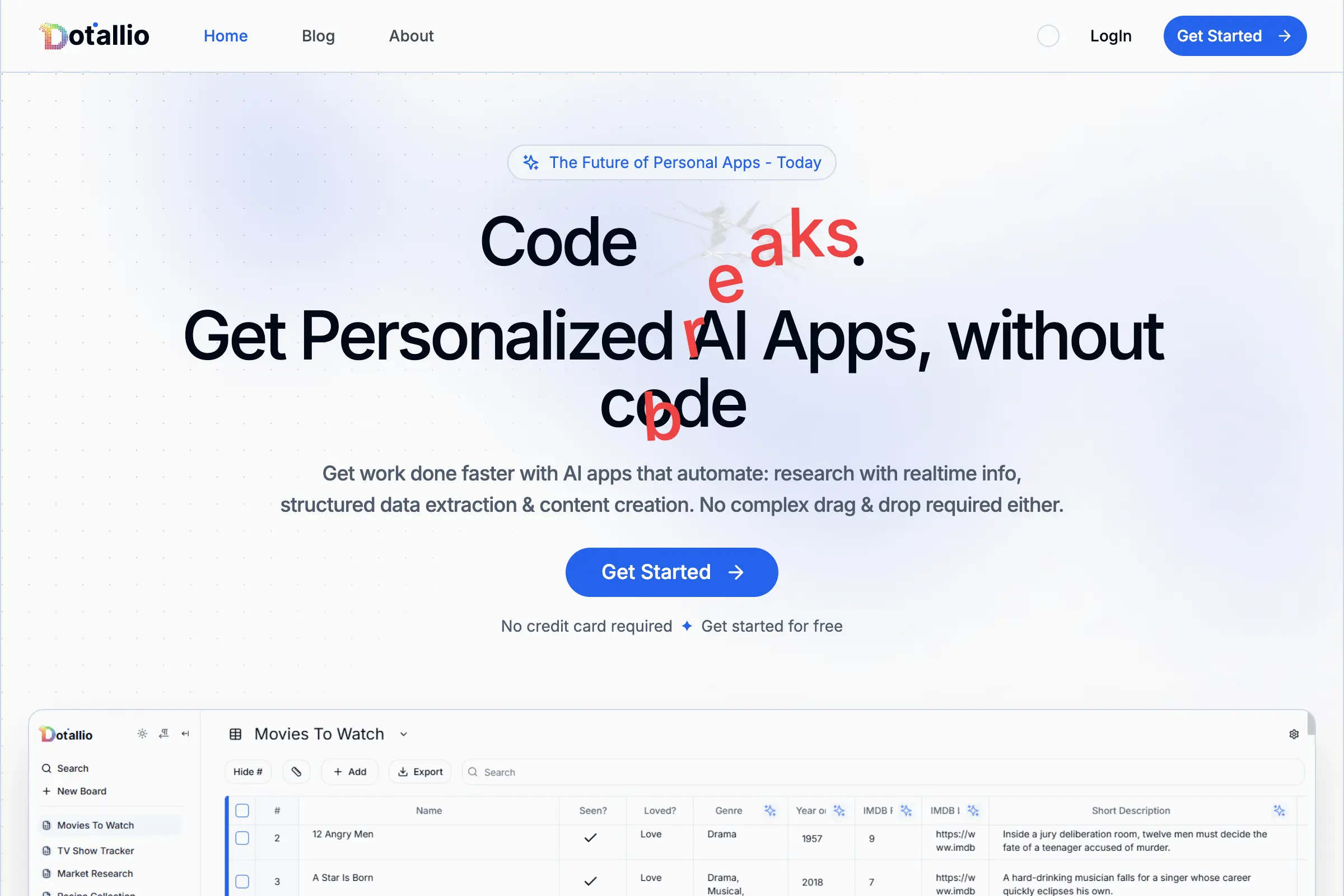
Dotallio
Personalized AI apps that automate research, data extraction, and content creation without code 🤖
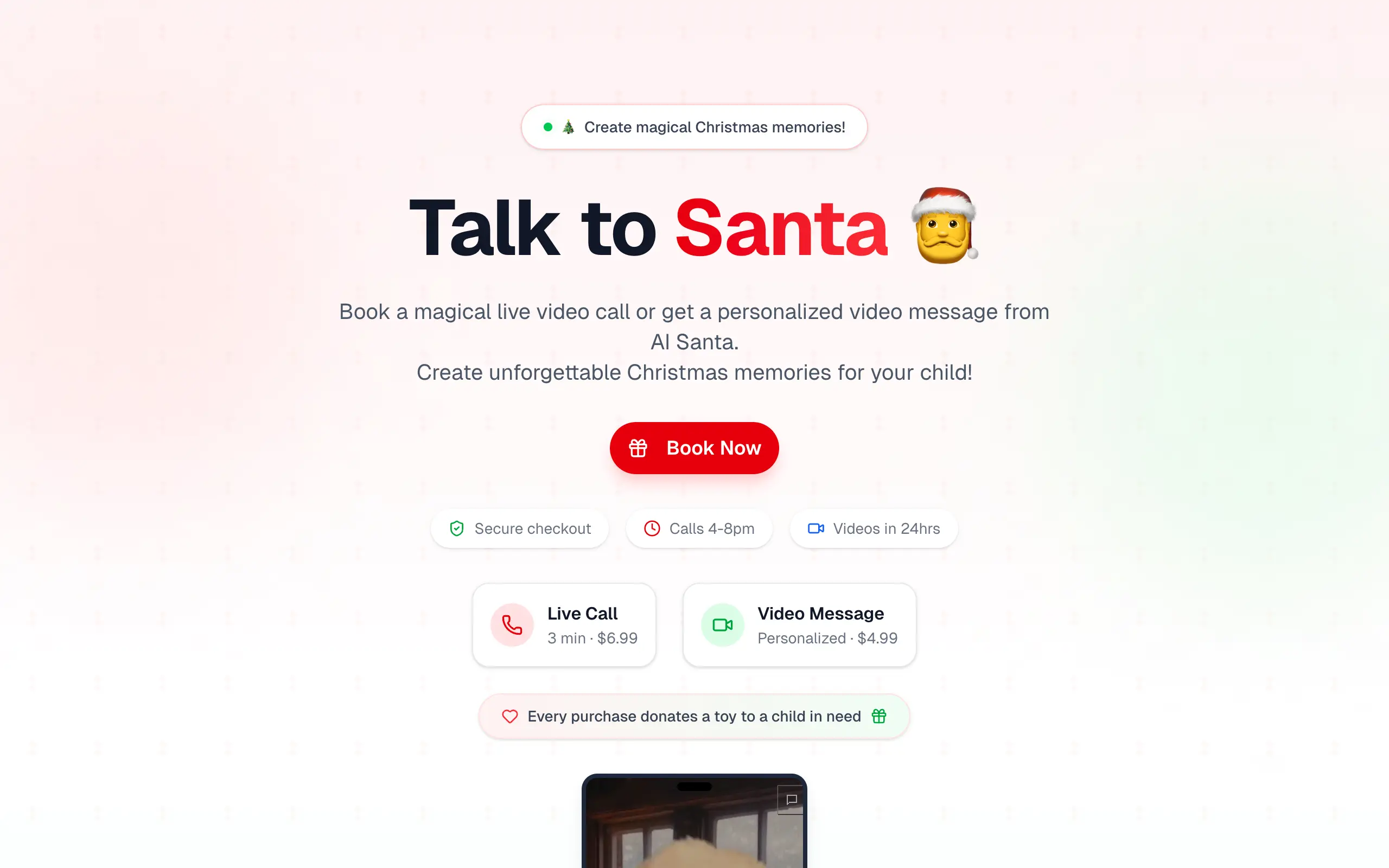
Talk to Santa
Enjoy a magical live video chat or receive a unique AI-generated video greeting from Santa Claus 🎅
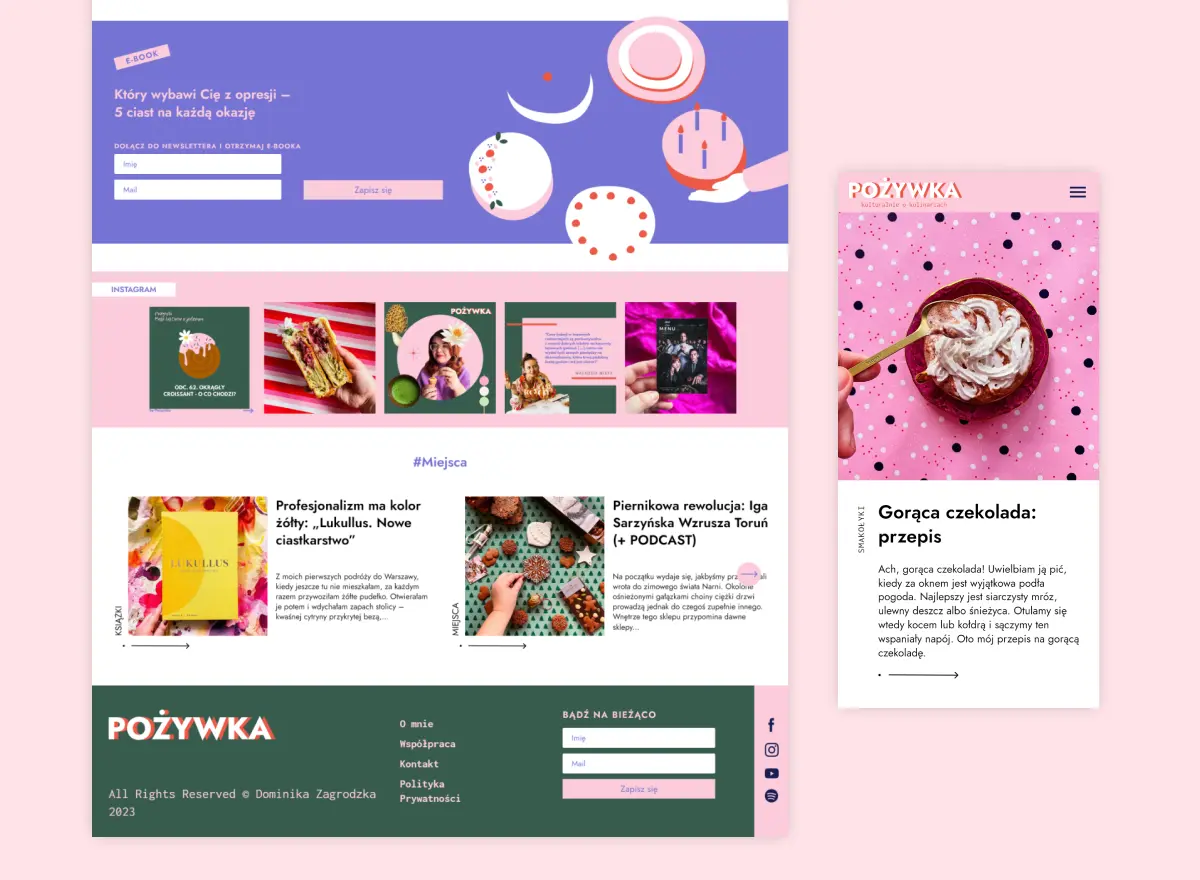
pozywka.pl
Scalable blog for food journalist, focused on performance and user experience 🌭
zagrodzki.me
Personal blog and portfolio of Bart Zagrodzki, where he shares his knowledge and work 💼
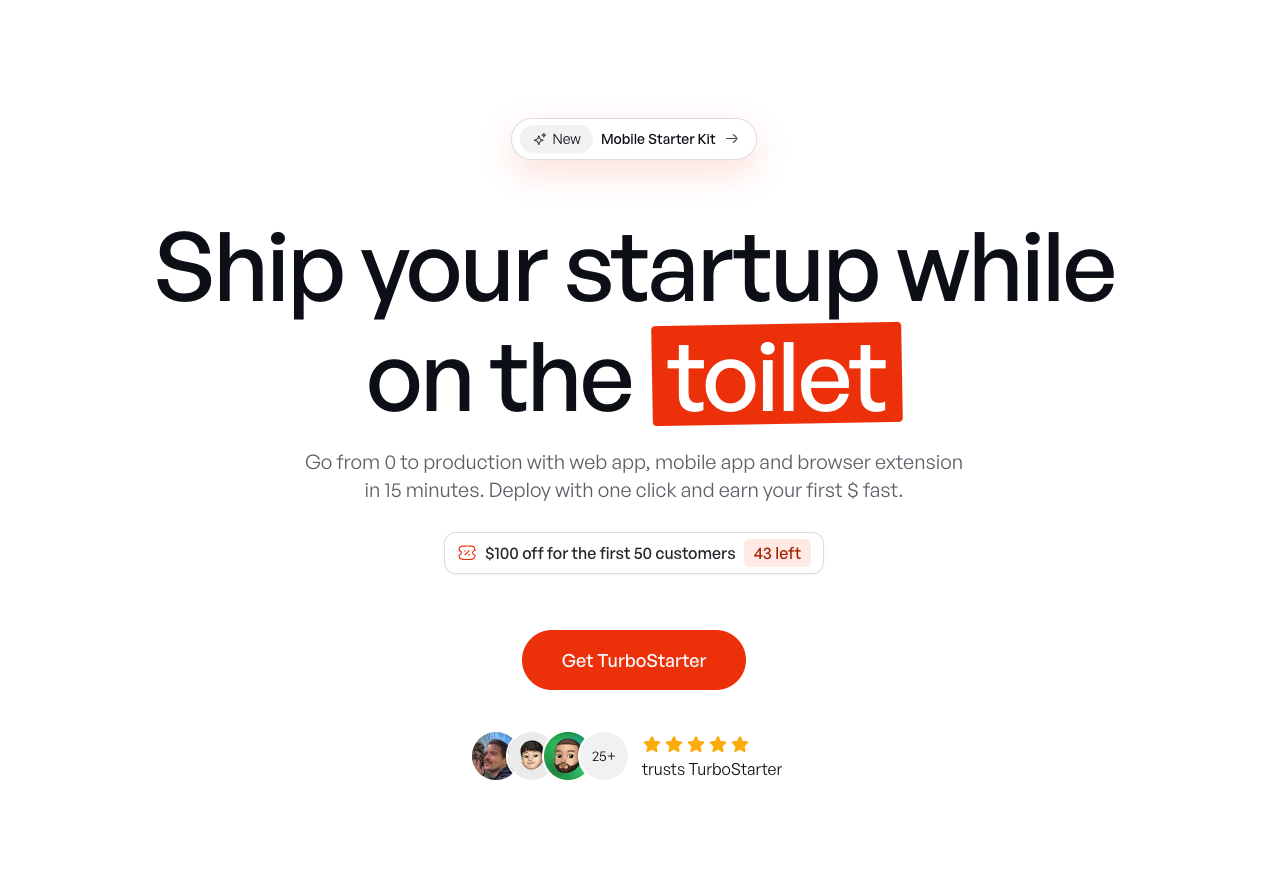
TurboStarter
Ship your startup everywhere. In minutes.
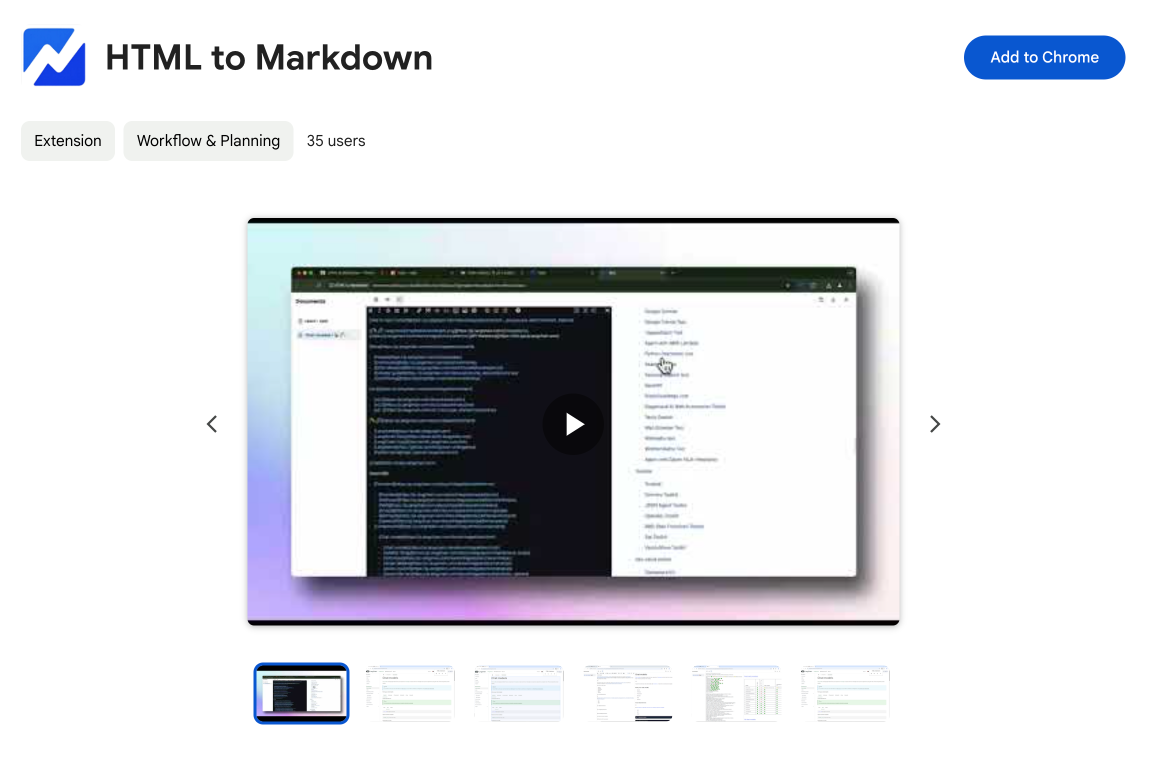
HTML to Markdown
Convert HTML to Markdown with ease, directly in your browser 📄
Dotallio
Personalized AI apps that automate research, data extraction, and content creation without code 🤖
Talk to Santa
Enjoy a magical live video chat or receive a unique AI-generated video greeting from Santa Claus 🎅
pozywka.pl
Scalable blog for food journalist, focused on performance and user experience 🌭
zagrodzki.me
Personal blog and portfolio of Bart Zagrodzki, where he shares his knowledge and work 💼
TurboStarter
Ship your startup everywhere. In minutes.
HTML to Markdown
Convert HTML to Markdown with ease, directly in your browser 📄
Dotallio
Personalized AI apps that automate research, data extraction, and content creation without code 🤖
Talk to Santa
Enjoy a magical live video chat or receive a unique AI-generated video greeting from Santa Claus 🎅
pozywka.pl
Scalable blog for food journalist, focused on performance and user experience 🌭
zagrodzki.me
Personal blog and portfolio of Bart Zagrodzki, where he shares his knowledge and work 💼
TurboStarter
Ship your startup everywhere. In minutes.
HTML to Markdown
Convert HTML to Markdown with ease, directly in your browser 📄
Dotallio
Personalized AI apps that automate research, data extraction, and content creation without code 🤖
Talk to Santa
Enjoy a magical live video chat or receive a unique AI-generated video greeting from Santa Claus 🎅
pozywka.pl
Scalable blog for food journalist, focused on performance and user experience 🌭
zagrodzki.me
Personal blog and portfolio of Bart Zagrodzki, where he shares his knowledge and work 💼
TurboStarter
Ship your startup everywhere. In minutes.
HTML to Markdown
Convert HTML to Markdown with ease, directly in your browser 📄
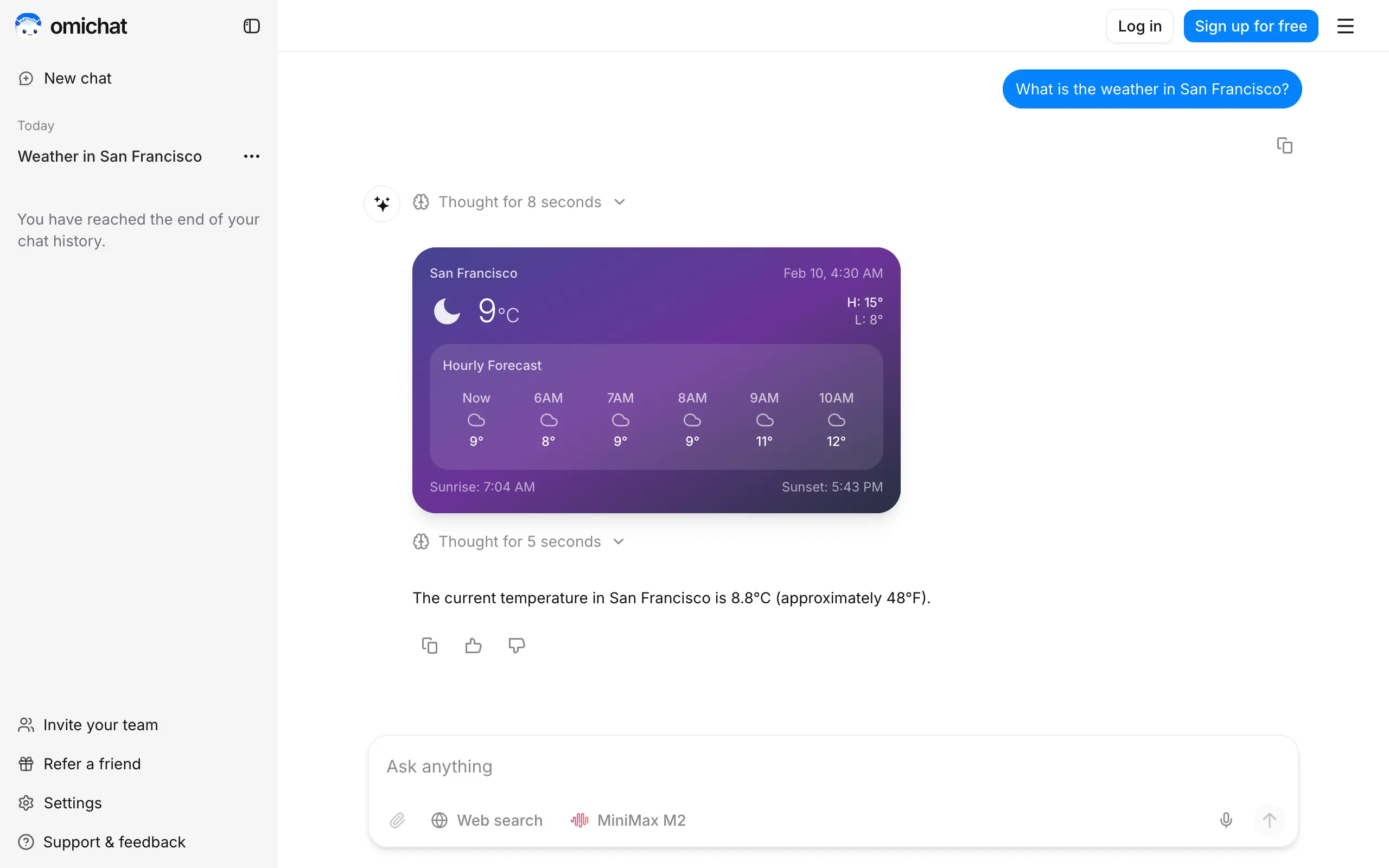
Omichat
Chat with 50+ AI models, including ChatGPT and Claude, in one place - switch models anytime without losing context 🤖
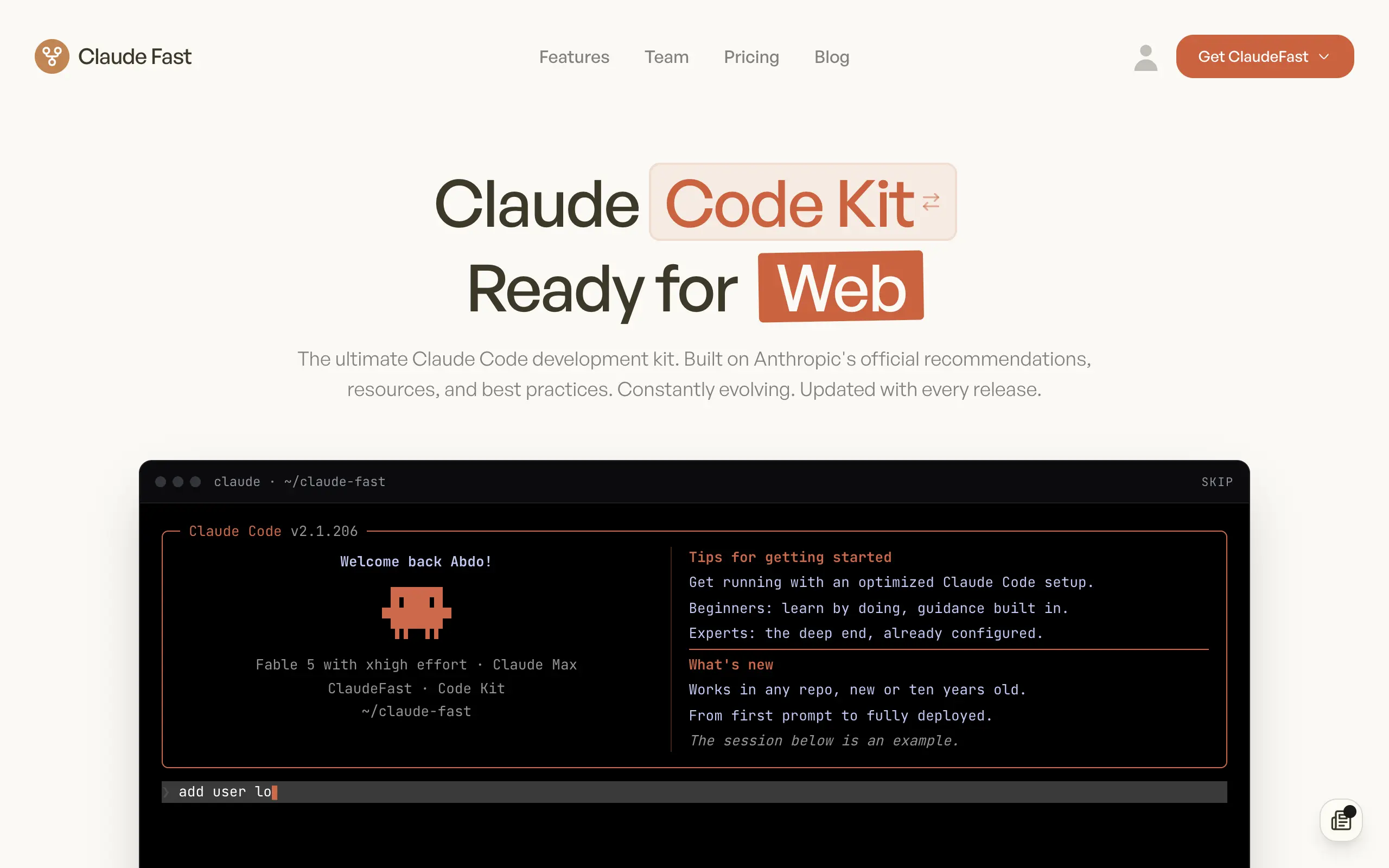
Claude Fast
Supercharge your Claude Code with 6x effective context window and specialized AI agents 🤖
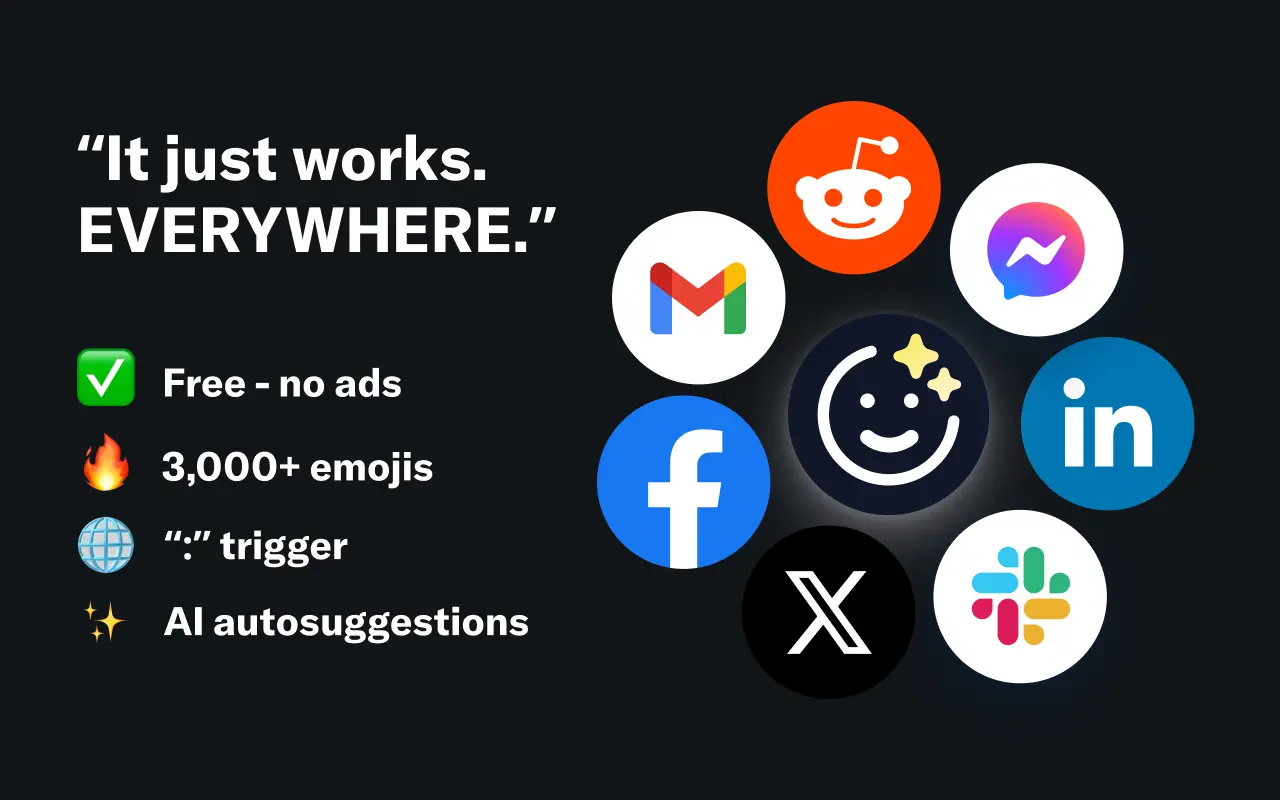
EmojAI
AI-powered emoji picker with smart, context-aware suggestions 🤖
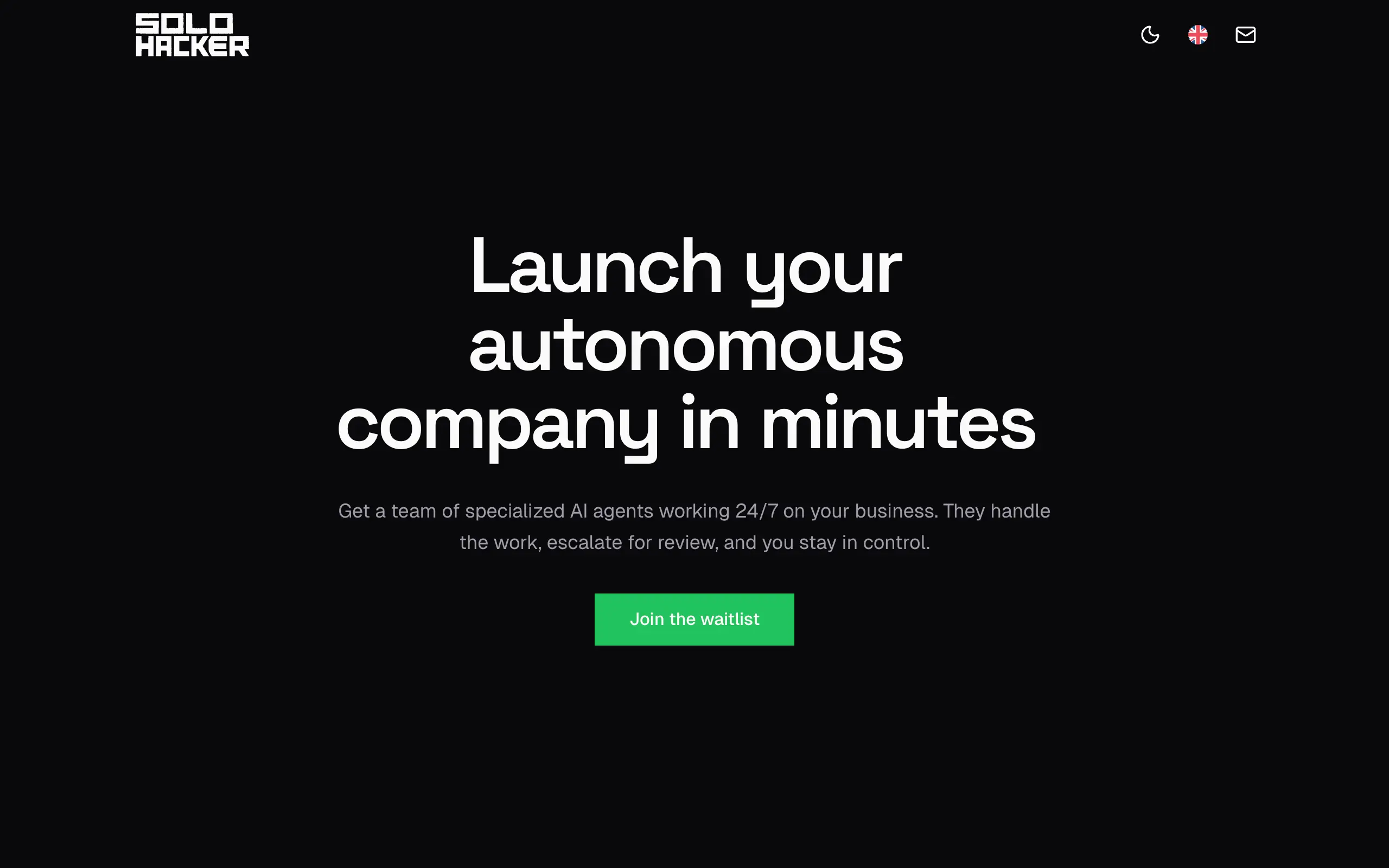
Solohacker
Autonomous company launcher - AI agents work 24/7, escalate what matters, and you stay in control 🤖
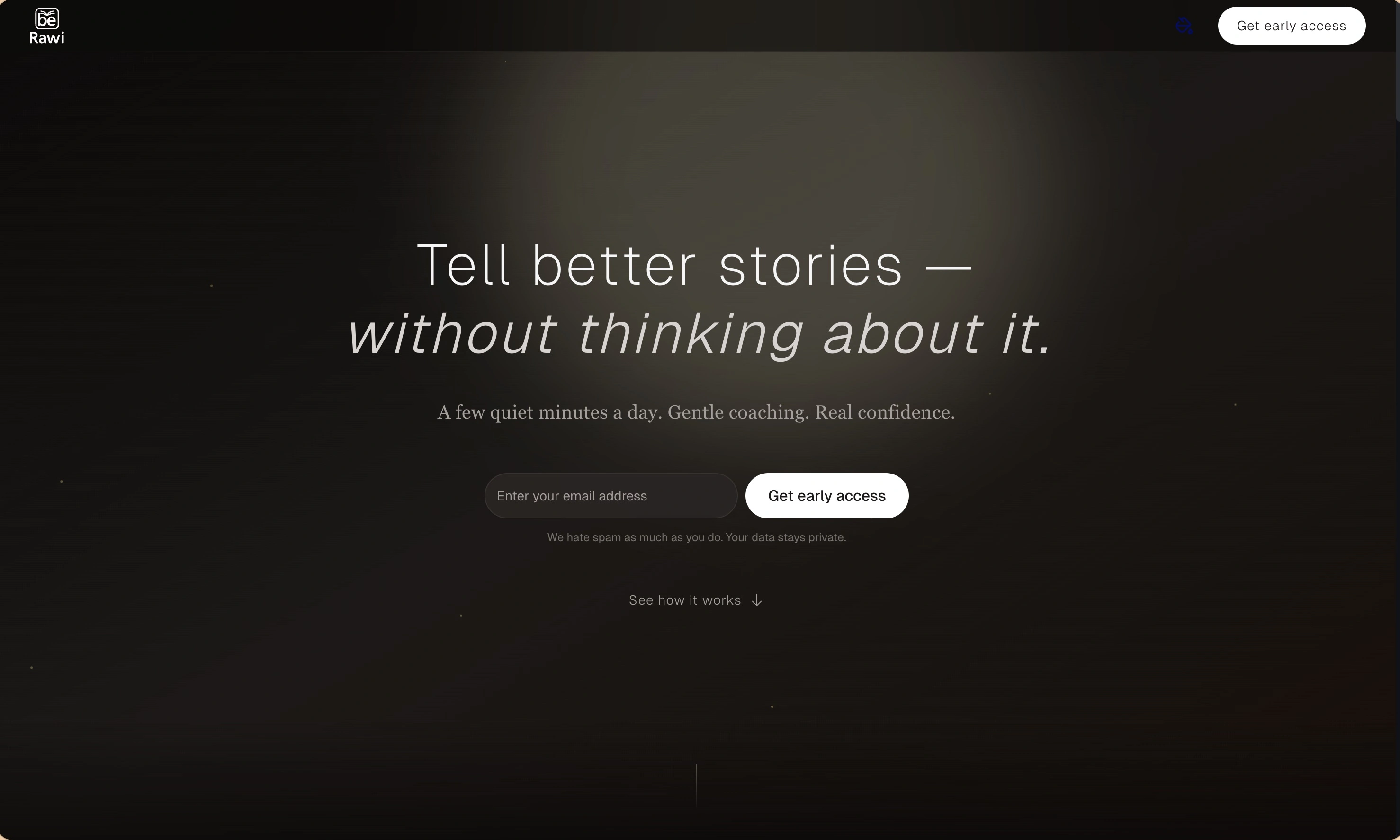
BeRawi: Storytelling Coach
Practice storytelling daily with instant feedback to sound clearer, more engaging, and confident 🎤
Omichat
Chat with 50+ AI models, including ChatGPT and Claude, in one place - switch models anytime without losing context 🤖
Claude Fast
Supercharge your Claude Code with 6x effective context window and specialized AI agents 🤖
EmojAI
AI-powered emoji picker with smart, context-aware suggestions 🤖
Solohacker
Autonomous company launcher - AI agents work 24/7, escalate what matters, and you stay in control 🤖
BeRawi: Storytelling Coach
Practice storytelling daily with instant feedback to sound clearer, more engaging, and confident 🎤
Omichat
Chat with 50+ AI models, including ChatGPT and Claude, in one place - switch models anytime without losing context 🤖
Claude Fast
Supercharge your Claude Code with 6x effective context window and specialized AI agents 🤖
EmojAI
AI-powered emoji picker with smart, context-aware suggestions 🤖
Solohacker
Autonomous company launcher - AI agents work 24/7, escalate what matters, and you stay in control 🤖
BeRawi: Storytelling Coach
Practice storytelling daily with instant feedback to sound clearer, more engaging, and confident 🎤
Omichat
Chat with 50+ AI models, including ChatGPT and Claude, in one place - switch models anytime without losing context 🤖
Claude Fast
Supercharge your Claude Code with 6x effective context window and specialized AI agents 🤖
EmojAI
AI-powered emoji picker with smart, context-aware suggestions 🤖
Solohacker
Autonomous company launcher - AI agents work 24/7, escalate what matters, and you stay in control 🤖
BeRawi: Storytelling Coach
Practice storytelling daily with instant feedback to sound clearer, more engaging, and confident 🎤

Connect with like-minded people
Join our community to get feedback, support, and grow together with 1,000+ builders on board, let's ship it!
Join usShip your startup everywhere. In minutes.
Don't burn tokens on setup and start building features on day one.