StudyLoot
A B2B rewards platform for educational institutions to gamify student engagement, offering branded challenges and digital rewards from partner companies.
Understanding the StudyLoot B2B rewards platform for educational institutions
The landscape of student engagement is rapidly evolving, with educational institutions seeking innovative ways to motivate learners and foster a culture of achievement. StudyLoot emerges as a B2B rewards platform designed specifically for schools, colleges, and universities to gamify student engagement. By offering branded challenges and digital rewards from partner companies, StudyLoot bridges the gap between academic motivation and real-world incentives.
In this comprehensive guide, we’ll explore the StudyLoot platform in depth—analyzing its target audience, market opportunity, core features, technology stack, monetization strategies, risks, and competitive advantages. Whether you’re an edtech entrepreneur, school administrator, or SaaS investor, this article will provide actionable insights and a clear roadmap for implementation.
Who is StudyLoot for? Target audience analysis
Understanding the primary users and stakeholders is crucial for any B2B SaaS platform. StudyLoot’s target audience includes:
- Educational institutions: K-12 schools, colleges, universities, and online learning platforms seeking to boost student engagement, retention, and performance.
- Administrators and educators: Decision-makers responsible for student success initiatives, engagement programs, and digital transformation.
- Corporate partners: Brands and companies interested in reaching the student demographic through sponsored rewards and challenges.
- Edtech integrators: Technology consultants and solution providers looking to enhance their offerings with gamification and rewards.
Key user personas
School administrators
Looking for scalable, data-driven ways to improve student participation and outcomes.
Teachers & faculty
Seeking tools to motivate students, track engagement, and recognize achievements.
Corporate partners
Brands aiming to build loyalty and awareness among students via digital rewards.
Edtech platforms
Integrators wanting to add gamified engagement layers to their existing solutions.
User intent and pain points
- Increasing student motivation: Traditional reward systems are often manual, inconsistent, or lack appeal for digital-native students.
- Streamlining engagement programs: Schools need automated, scalable solutions that reduce administrative overhead.
- Measuring impact: Institutions want data-driven insights into which engagement strategies work.
- Brand engagement: Companies seek authentic, value-driven ways to connect with students.
Identifying the market opportunity and gap
The global edtech market is projected to surpass $400 billion by 2025 (source: HolonIQ). Within this, student engagement and gamification are among the fastest-growing segments, driven by:
- The shift to hybrid and remote learning models.
- Increased competition among institutions for student retention.
- The proven effectiveness of gamification in boosting motivation and learning outcomes.
Current gaps in the market
- Fragmented solutions: Most existing platforms focus on either engagement tracking or rewards, but rarely both in an integrated, B2B-friendly way.
- Lack of branded, real-world rewards: Many school reward systems rely on generic badges or points, which may not resonate with students.
- Limited analytics: Few platforms offer actionable insights for administrators to optimize engagement strategies.
- Manual processes: Traditional reward programs are time-consuming and hard to scale.
Why now? Recent trends
- Digital transformation in education: Accelerated by the pandemic, schools are investing in SaaS tools to modernize student engagement.
- Corporate social responsibility: Brands are increasingly interested in supporting education and building goodwill with younger audiences.
- Personalization: Students expect tailored experiences and rewards that reflect their interests.
Core features and solution details
StudyLoot’s value proposition lies in its comprehensive, customizable platform that brings together gamification, branded challenges, and digital rewards.
Key features
1. Branded challenges and campaigns
- Institutions can create custom challenges (e.g., perfect attendance, top quiz scores, community service).
- Challenges can be sponsored or co-branded with partner companies.
- Flexible rules and reward triggers.
2. Digital rewards marketplace
- Curated catalog of digital rewards (gift cards, subscriptions, exclusive offers) from partner brands.
- Institutions can add their own rewards (e.g., school merchandise, event tickets).
- Secure, instant reward delivery.
3. Gamification engine
- Points, badges, leaderboards, and progress tracking.
- Configurable for different age groups and learning objectives.
- Social sharing and team-based challenges.
4. Analytics and reporting
- Real-time dashboards for administrators and educators.
- Engagement metrics, challenge participation, and reward redemption data.
- Exportable reports for impact assessment.
5. Seamless integrations
- Single sign-on (SSO) with popular LMS platforms (e.g., Canvas, Moodle, Google Classroom).
- API access for custom integrations.
6. Compliance and privacy
- FERPA and GDPR-compliant data handling.
- Parental consent workflows for minors.
Feature comparison table
| Branded Challenges | Generic Badges | Digital Rewards | Analytics | Integrations |
|---|---|---|---|---|
| ✅ | ❌ | ❌ | ✅ | ❌ |
| ✅ | ❌ | ✅ | ✅ | ❌ |
Recommended tech stack for StudyLoot
Choosing the right technology stack is critical for scalability, security, and rapid development. Here’s a recommended stack for a B2B rewards platform like StudyLoot:
Frontend
- React: Modern, component-based UI development.
- TailwindCSS: Utility-first CSS for rapid, responsive design.
- TypeScript: Type safety and maintainability.
Backend
- Node.js: Scalable, event-driven server-side logic.
- Express: Lightweight API framework.
- PostgreSQL: Robust, relational database for transactional data.
- Redis: Caching and real-time leaderboard support.
Integrations
- OAuth/SSO: Secure authentication with school systems.
- RESTful API: For third-party and LMS integrations.
Cloud & DevOps
- AWS or Google Cloud: Scalable hosting, managed databases, and security.
- Docker: Containerization for consistent deployments.
- CI/CD pipelines: Automated testing and deployment.
Trade-offs and considerations
- Serverless vs. traditional backend: Serverless (e.g., AWS Lambda) can reduce ops overhead but may complicate real-time features.
- NoSQL vs. SQL: NoSQL (e.g., MongoDB) offers flexibility but may lack strong transactional guarantees needed for rewards and redemptions.
Pro tip
For rapid prototyping and MVP launch, platforms like TurboStarter can accelerate SaaS development with pre-built authentication, billing, and admin dashboards.
Monetization strategy options
A sustainable business model is essential for B2B SaaS success. StudyLoot can explore several monetization avenues:
1. Subscription-based pricing
- Tiered plans for institutions based on student count, feature access, and support level.
- Annual or monthly billing cycles.
2. Transaction fees
- Percentage-based fee on each reward redemption or challenge sponsored by a corporate partner.
3. Sponsored challenges
- Brands pay to sponsor challenges or offer exclusive rewards, gaining exposure to the student audience.
4. White-label solutions
- Custom-branded portals for large institutions or edtech partners at a premium.
5. Data insights (with consent)
- Aggregated, anonymized engagement data offered to partners for market research (strictly opt-in and privacy-compliant).
Example monetization model
// Pseudocode for tiered subscription logic
const plans = [
  { name: "Starter", students: 500, price: 99 },
  { name: "Growth", students: 2000, price: 299 },
  { name: "Enterprise", students: "unlimited", price: 999 }
];

function getPlan(studentCount) {
  return plans.find(plan => studentCount <= plan.students || plan.students === "unlimited");
}
Potential risks and mitigation strategies
Launching a B2B rewards platform in the education sector comes with unique challenges. Here’s how to address them:
1. Data privacy and compliance
- Risk: Handling student data, especially minors, requires strict adherence to regulations (FERPA, GDPR).
- Mitigation: Implement robust consent workflows, data encryption, and regular compliance audits.
2. Reward abuse or fraud
- Risk: Students or staff may attempt to game the system for unearned rewards.
- Mitigation: Use anti-fraud algorithms, audit logs, and manual review for suspicious activity.
3. Brand reputation
- Risk: Inappropriate or low-quality rewards could harm the institution’s or platform’s reputation.
- Mitigation: Curate partner brands carefully and allow institutions to approve all rewards.
4. Integration complexity
- Risk: Schools use a variety of LMS and SIS platforms, making integration challenging.
- Mitigation: Offer robust APIs, pre-built connectors, and dedicated onboarding support.
5. Engagement fatigue
- Risk: Over-gamification can lead to student disengagement or “reward fatigue.”
- Mitigation: Allow educators to customize challenge frequency and reward types, and use analytics to optimize engagement.
StudyLoot is designed with privacy by default, using end-to-end encryption, role-based access controls, and compliance with FERPA and GDPR. Parental consent is required for minors, and all data is stored securely in the cloud.
The platform includes anti-fraud detection, audit trails, and manual review options. Institutions can set custom rules and thresholds to minimize abuse.
Competitive advantage analysis
To stand out in the crowded edtech and engagement platform market, StudyLoot must leverage its unique strengths:
Unique selling propositions (USPs)
- Integrated branded challenges and digital rewards: Unlike generic badge systems, StudyLoot connects students with real-world incentives from trusted brands.
- B2B-first design: Built for institutional needs, with robust admin controls, analytics, and compliance.
- Customizable gamification: Flexible enough for K-12, higher ed, and online learning environments.
- Seamless integrations: API-first approach for easy connection to existing school systems.
- Data-driven insights: Actionable analytics for continuous improvement.
How StudyLoot compares to alternatives
- Vs. traditional reward programs: Automates and scales engagement, reducing manual work.
- Vs. generic gamification tools: Offers real, branded rewards and deeper analytics.
- Vs. direct-to-consumer apps: Focuses on institutional adoption and B2B monetization.
Actionable implementation steps
Ready to bring StudyLoot to life? Here’s a step-by-step roadmap for launching a B2B rewards platform for educational institutions:
Conclusion: Why StudyLoot is the future of student engagement
StudyLoot addresses a critical need in education: making student engagement meaningful, measurable, and motivating. By combining gamified challenges with real-world, branded rewards, it empowers institutions to drive better outcomes while offering brands a unique channel to connect with the next generation.
With a robust B2B SaaS model, compliance-first design, and a focus on actionable analytics, StudyLoot is well-positioned to lead the next wave of edtech innovation. For founders and institutions ready to transform student motivation, the time to act is now.
Frequently asked questions
Yes, StudyLoot is designed with API-first principles and offers pre-built connectors for popular LMS platforms like Canvas, Moodle, and Google Classroom.
Rewards are curated from partner brands and delivered digitally via secure codes or links. Institutions can also add their own custom rewards.
Absolutely. StudyLoot’s gamification engine and reward catalog are fully customizable for different age groups and learning environments.
Dedicated onboarding specialists and comprehensive documentation ensure a smooth rollout for institutions and partners.
Further reading and resources
- React - Official documentation for building modern UIs.
- TailwindCSS - Utility-first CSS framework.
- TurboStarter - Accelerate SaaS MVP development.
- For edtech market statistics, see HolonIQ or EdSurge (search for latest reports).
By following this guide, you’ll be well-equipped to validate, build, and scale a B2B rewards platform like StudyLoot—delivering measurable value to educational institutions and their students.
More 🏢 B2B Application SaaS ideas
Discover more innovative b2b application SaaS ideas that are trending in 2026. Each idea is AI-generated with market validation and growth potential to help you find your next profitable venture faster than competitors.
Your competitors are building with TurboStarter
Below are some of the SaaS ideas that have been generated and built with our starter kit.
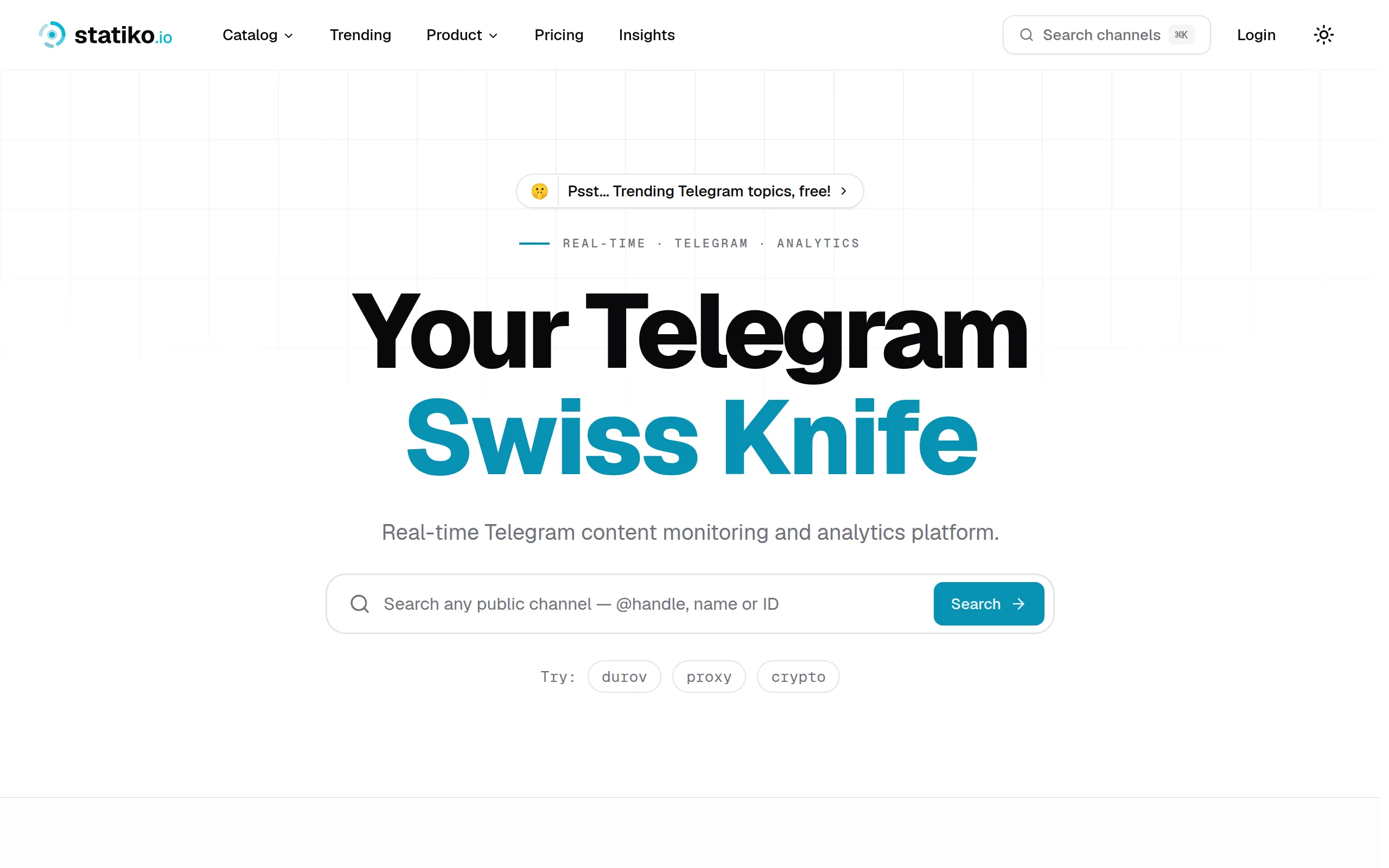
Statiko
Monitor any Telegram channel in real time - track posts, edits, deletions, and growth with AI recaps 📡

Shibui
AI website builder - describe your business, pick a niche template, edit by chatting, and publish instantly ✨

Pro Service
Find verified home service professionals, compare quotes, and pay securely through escrow - built for Brazilians across the US 🏠
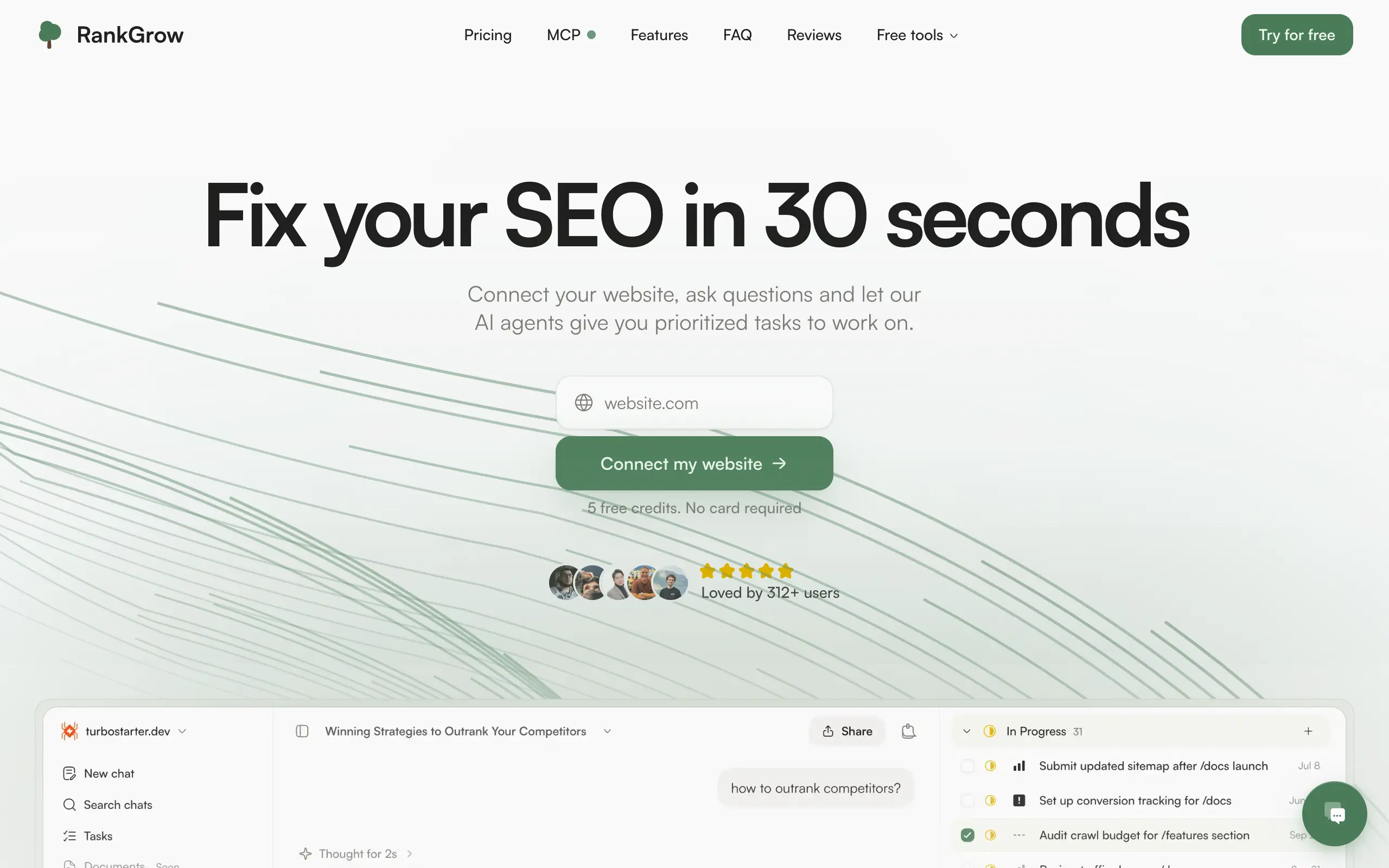
RankGrow
Fix your SEO with AI agents - connect Search Console, get prioritized tasks, and grow organic traffic 📈
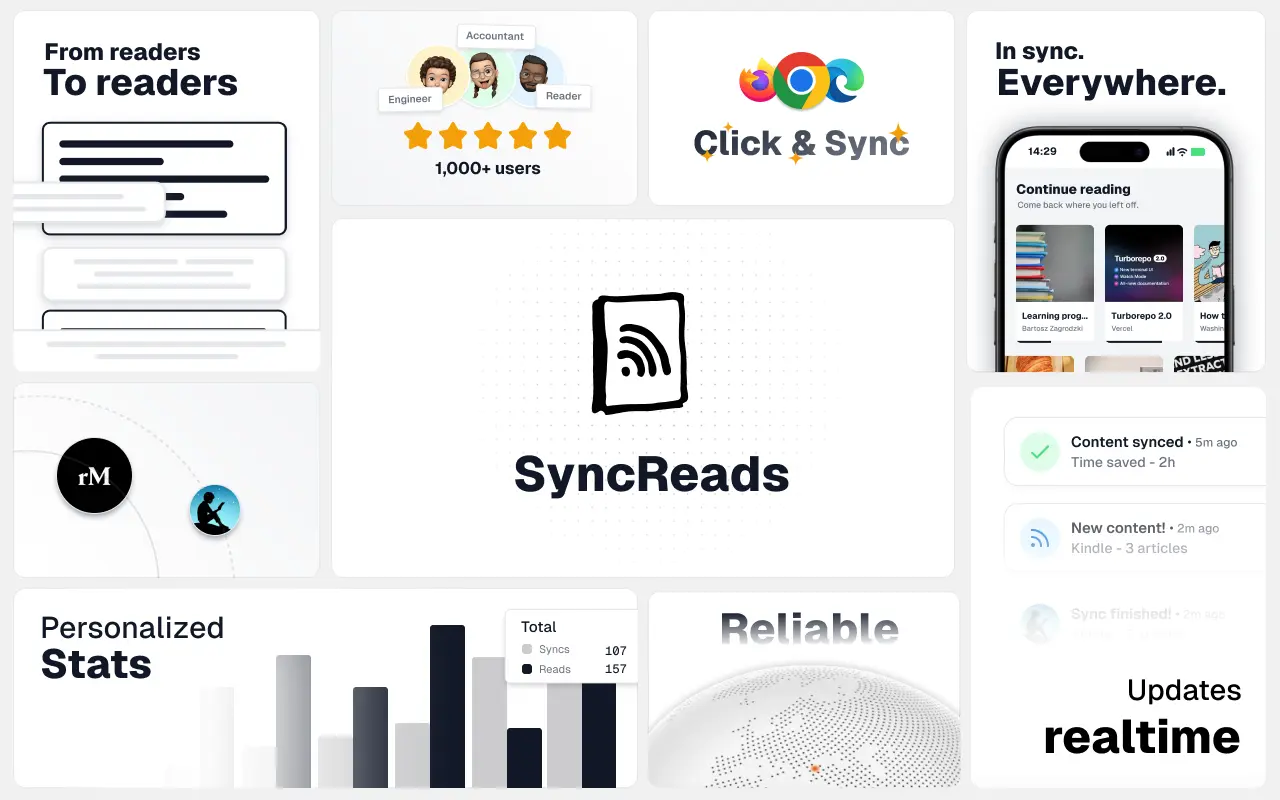
SyncReads
Sync your favorite content for distraction-free reading, save time and replace multiple apps. Anytime, anywhere 🔄
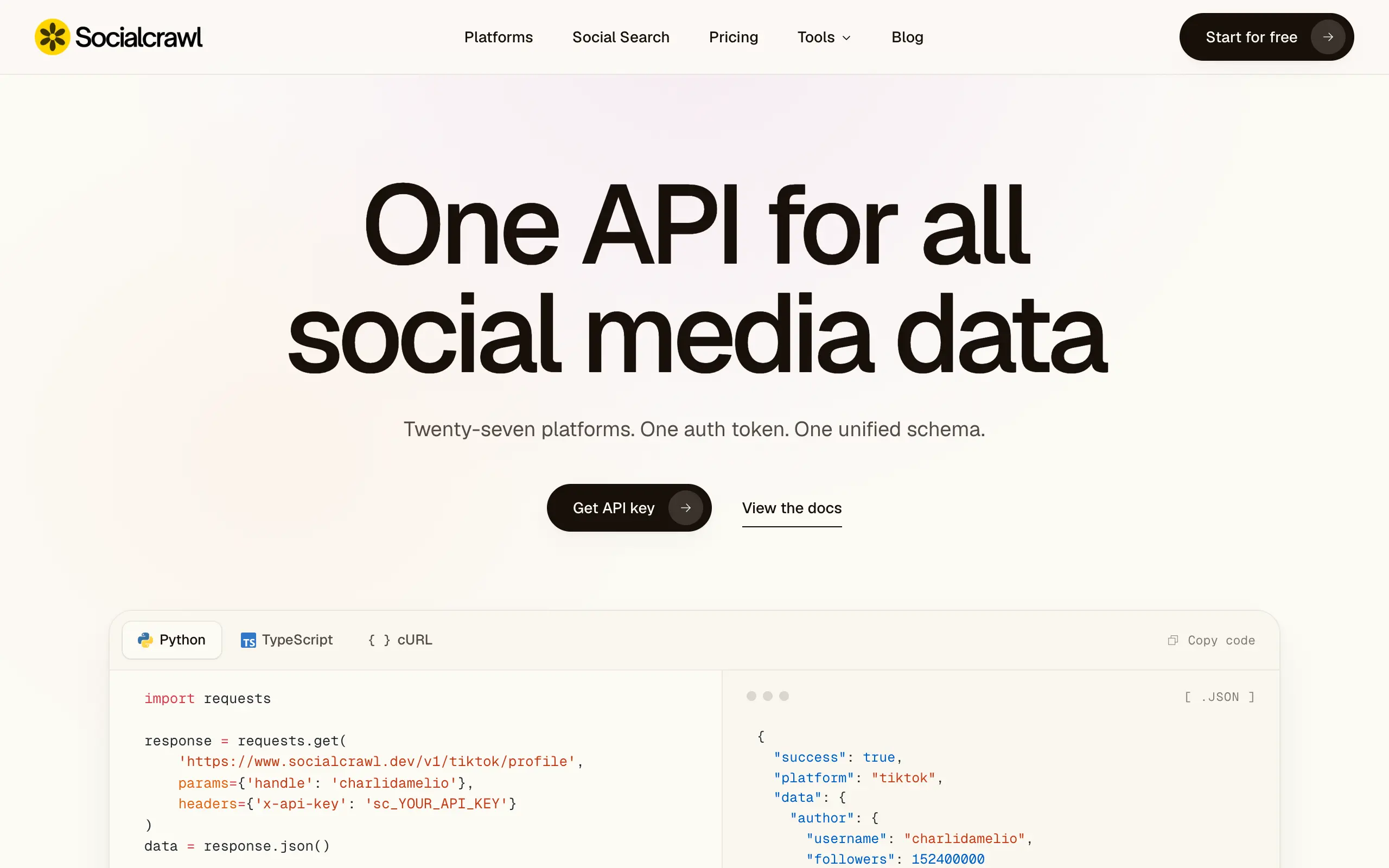
Socialcrawl
Get clean, structured data from 21 platforms like TikTok, Instagram, and YouTube with a single request 📊
Statiko
Monitor any Telegram channel in real time - track posts, edits, deletions, and growth with AI recaps 📡
Shibui
AI website builder - describe your business, pick a niche template, edit by chatting, and publish instantly ✨
Pro Service
Find verified home service professionals, compare quotes, and pay securely through escrow - built for Brazilians across the US 🏠
RankGrow
Fix your SEO with AI agents - connect Search Console, get prioritized tasks, and grow organic traffic 📈
SyncReads
Sync your favorite content for distraction-free reading, save time and replace multiple apps. Anytime, anywhere 🔄
Socialcrawl
Get clean, structured data from 21 platforms like TikTok, Instagram, and YouTube with a single request 📊
Statiko
Monitor any Telegram channel in real time - track posts, edits, deletions, and growth with AI recaps 📡
Shibui
AI website builder - describe your business, pick a niche template, edit by chatting, and publish instantly ✨
Pro Service
Find verified home service professionals, compare quotes, and pay securely through escrow - built for Brazilians across the US 🏠
RankGrow
Fix your SEO with AI agents - connect Search Console, get prioritized tasks, and grow organic traffic 📈
SyncReads
Sync your favorite content for distraction-free reading, save time and replace multiple apps. Anytime, anywhere 🔄
Socialcrawl
Get clean, structured data from 21 platforms like TikTok, Instagram, and YouTube with a single request 📊
Statiko
Monitor any Telegram channel in real time - track posts, edits, deletions, and growth with AI recaps 📡
Shibui
AI website builder - describe your business, pick a niche template, edit by chatting, and publish instantly ✨
Pro Service
Find verified home service professionals, compare quotes, and pay securely through escrow - built for Brazilians across the US 🏠
RankGrow
Fix your SEO with AI agents - connect Search Console, get prioritized tasks, and grow organic traffic 📈
SyncReads
Sync your favorite content for distraction-free reading, save time and replace multiple apps. Anytime, anywhere 🔄
Socialcrawl
Get clean, structured data from 21 platforms like TikTok, Instagram, and YouTube with a single request 📊
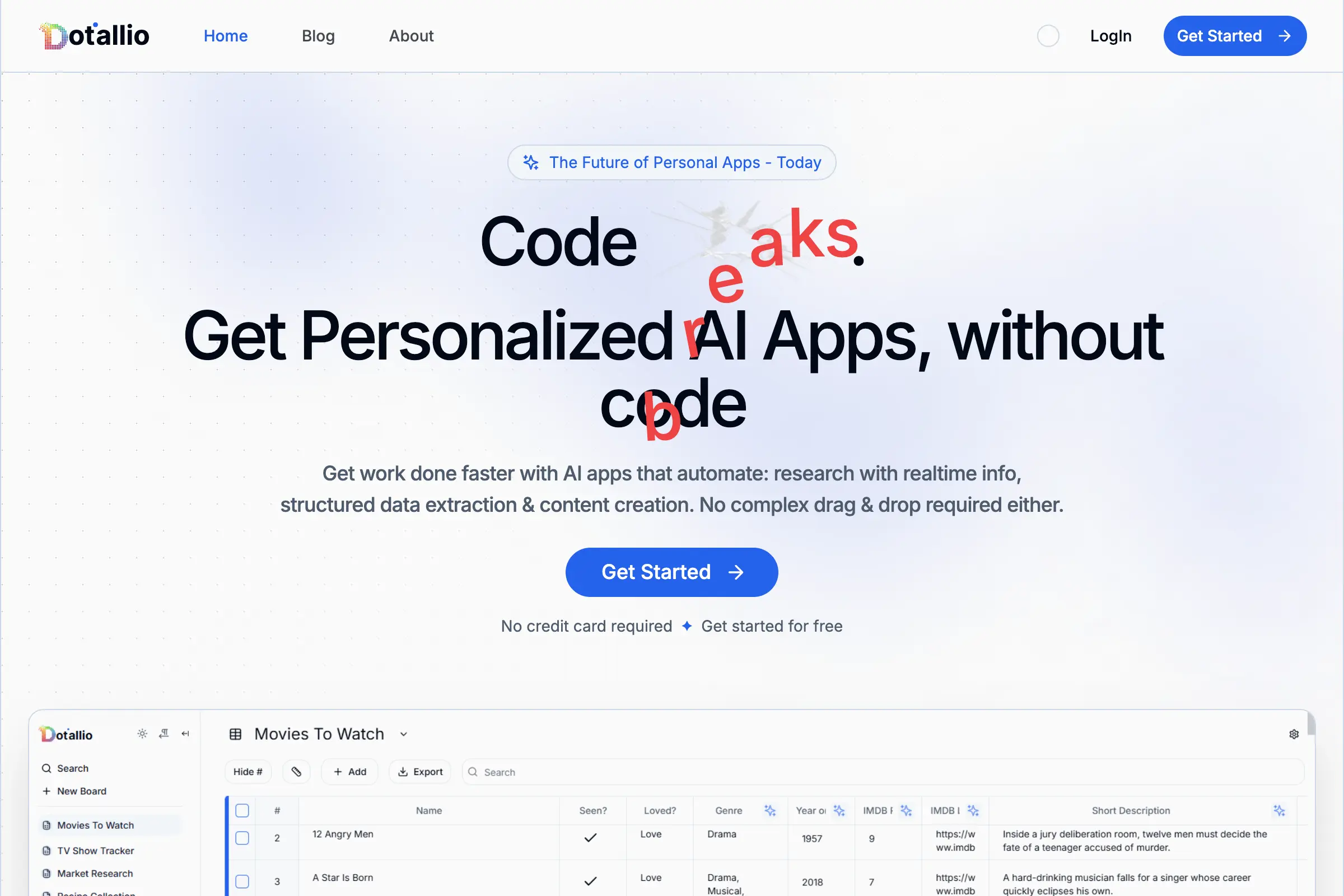
Dotallio
Personalized AI apps that automate research, data extraction, and content creation without code 🤖
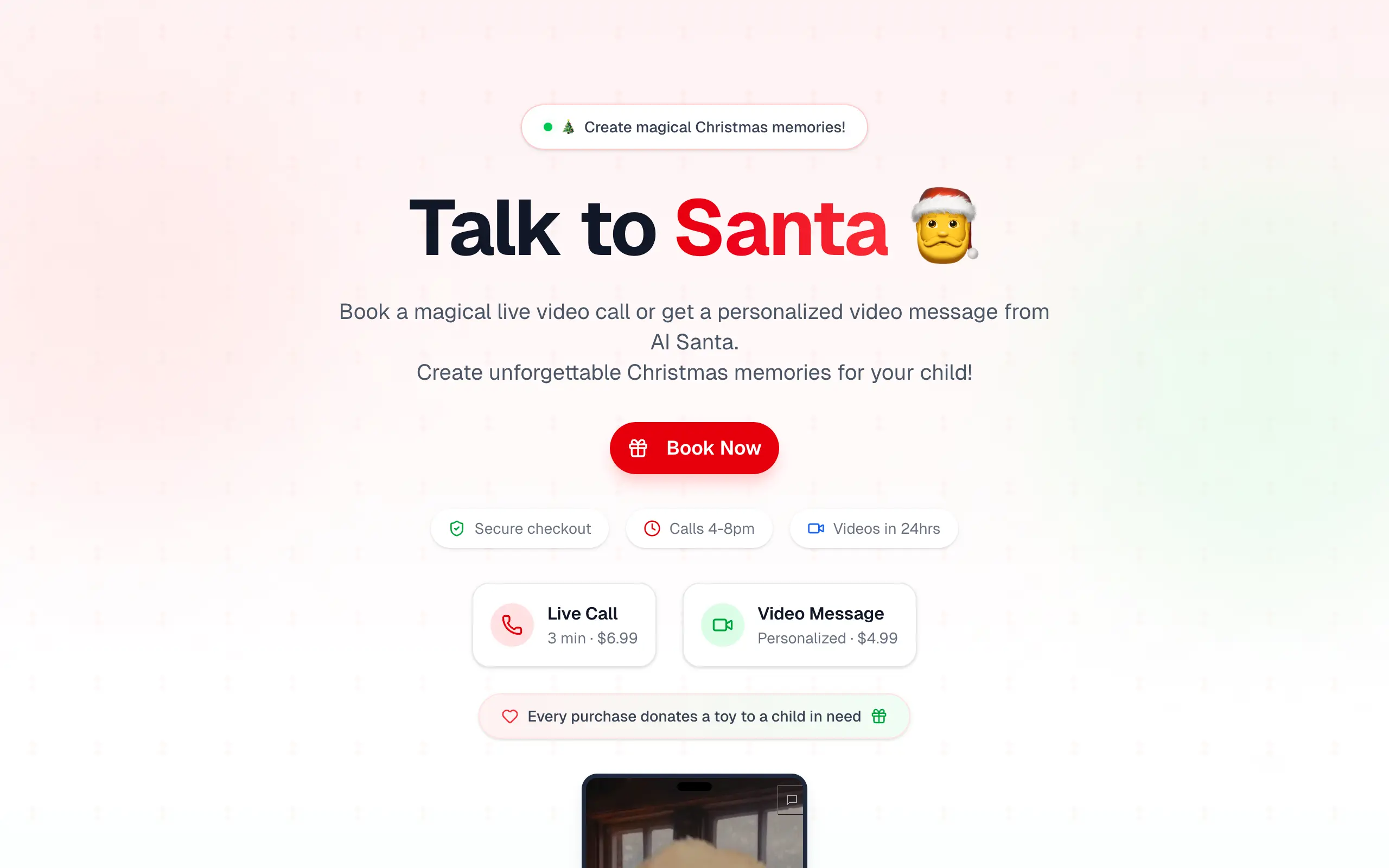
Talk to Santa
Enjoy a magical live video chat or receive a unique AI-generated video greeting from Santa Claus 🎅
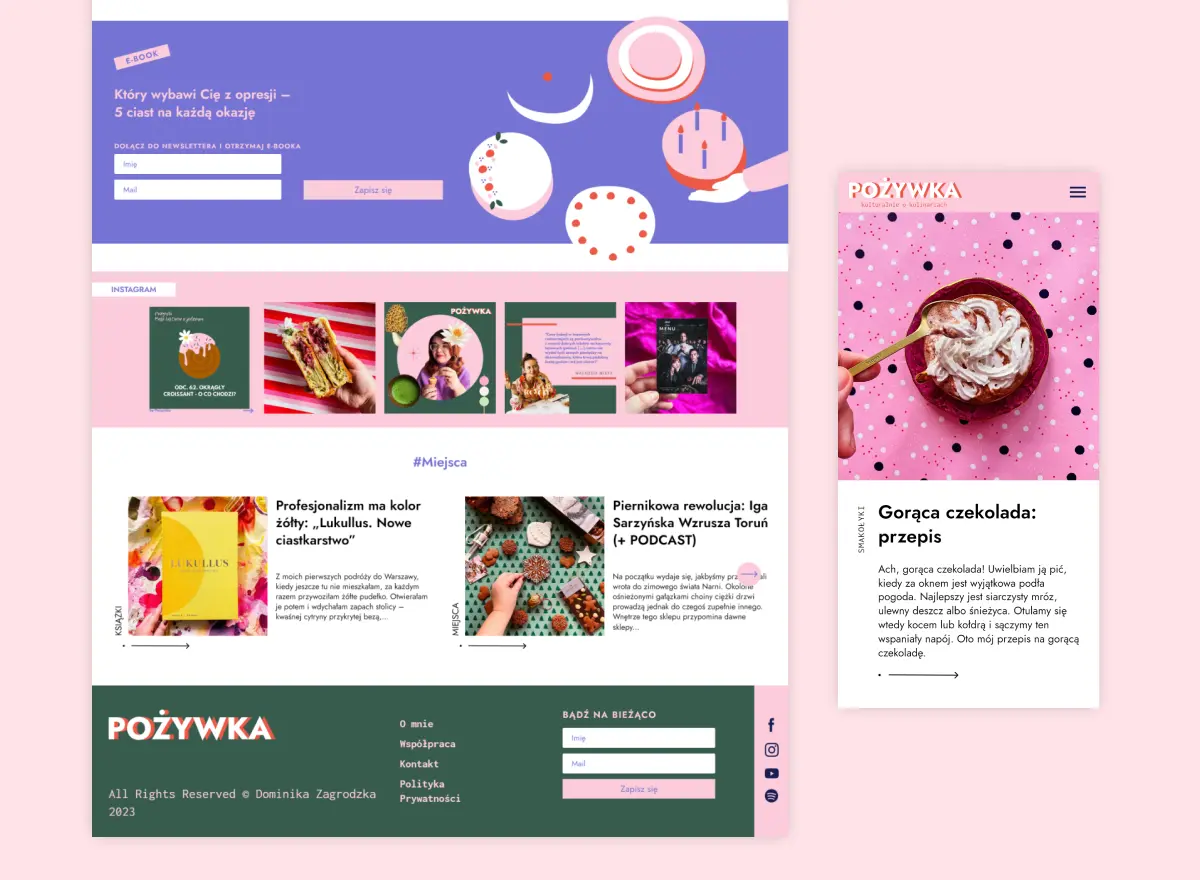
pozywka.pl
Scalable blog for food journalist, focused on performance and user experience 🌭
zagrodzki.me
Personal blog and portfolio of Bart Zagrodzki, where he shares his knowledge and work 💼
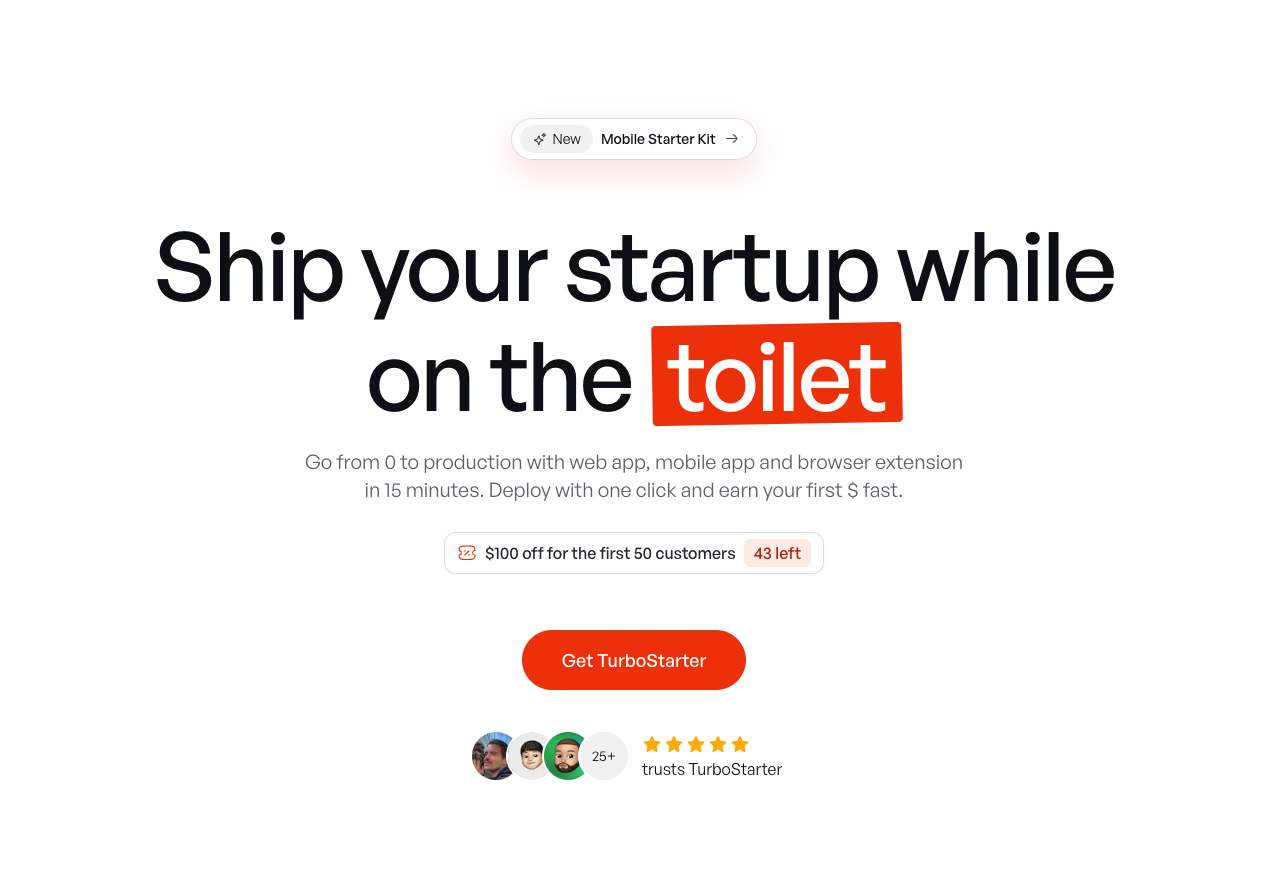
TurboStarter
Ship your startup everywhere. In minutes.
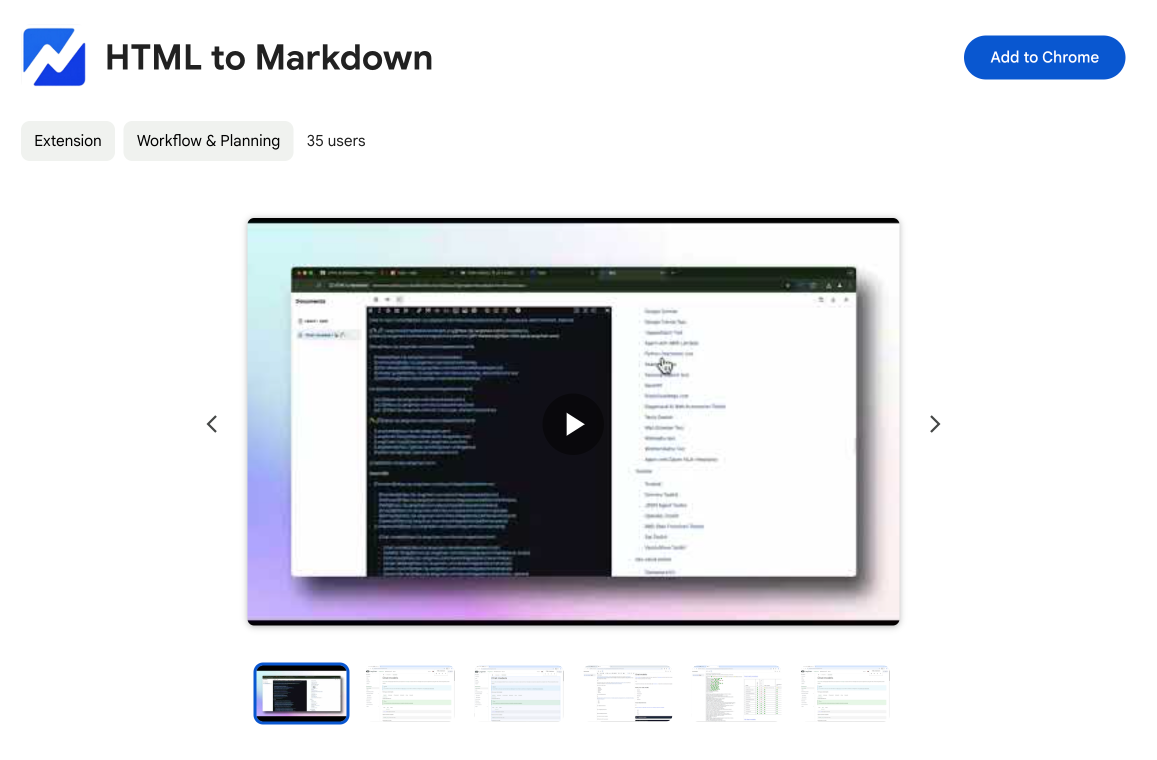
HTML to Markdown
Convert HTML to Markdown with ease, directly in your browser 📄
Dotallio
Personalized AI apps that automate research, data extraction, and content creation without code 🤖
Talk to Santa
Enjoy a magical live video chat or receive a unique AI-generated video greeting from Santa Claus 🎅
pozywka.pl
Scalable blog for food journalist, focused on performance and user experience 🌭
zagrodzki.me
Personal blog and portfolio of Bart Zagrodzki, where he shares his knowledge and work 💼
TurboStarter
Ship your startup everywhere. In minutes.
HTML to Markdown
Convert HTML to Markdown with ease, directly in your browser 📄
Dotallio
Personalized AI apps that automate research, data extraction, and content creation without code 🤖
Talk to Santa
Enjoy a magical live video chat or receive a unique AI-generated video greeting from Santa Claus 🎅
pozywka.pl
Scalable blog for food journalist, focused on performance and user experience 🌭
zagrodzki.me
Personal blog and portfolio of Bart Zagrodzki, where he shares his knowledge and work 💼
TurboStarter
Ship your startup everywhere. In minutes.
HTML to Markdown
Convert HTML to Markdown with ease, directly in your browser 📄
Dotallio
Personalized AI apps that automate research, data extraction, and content creation without code 🤖
Talk to Santa
Enjoy a magical live video chat or receive a unique AI-generated video greeting from Santa Claus 🎅
pozywka.pl
Scalable blog for food journalist, focused on performance and user experience 🌭
zagrodzki.me
Personal blog and portfolio of Bart Zagrodzki, where he shares his knowledge and work 💼
TurboStarter
Ship your startup everywhere. In minutes.
HTML to Markdown
Convert HTML to Markdown with ease, directly in your browser 📄
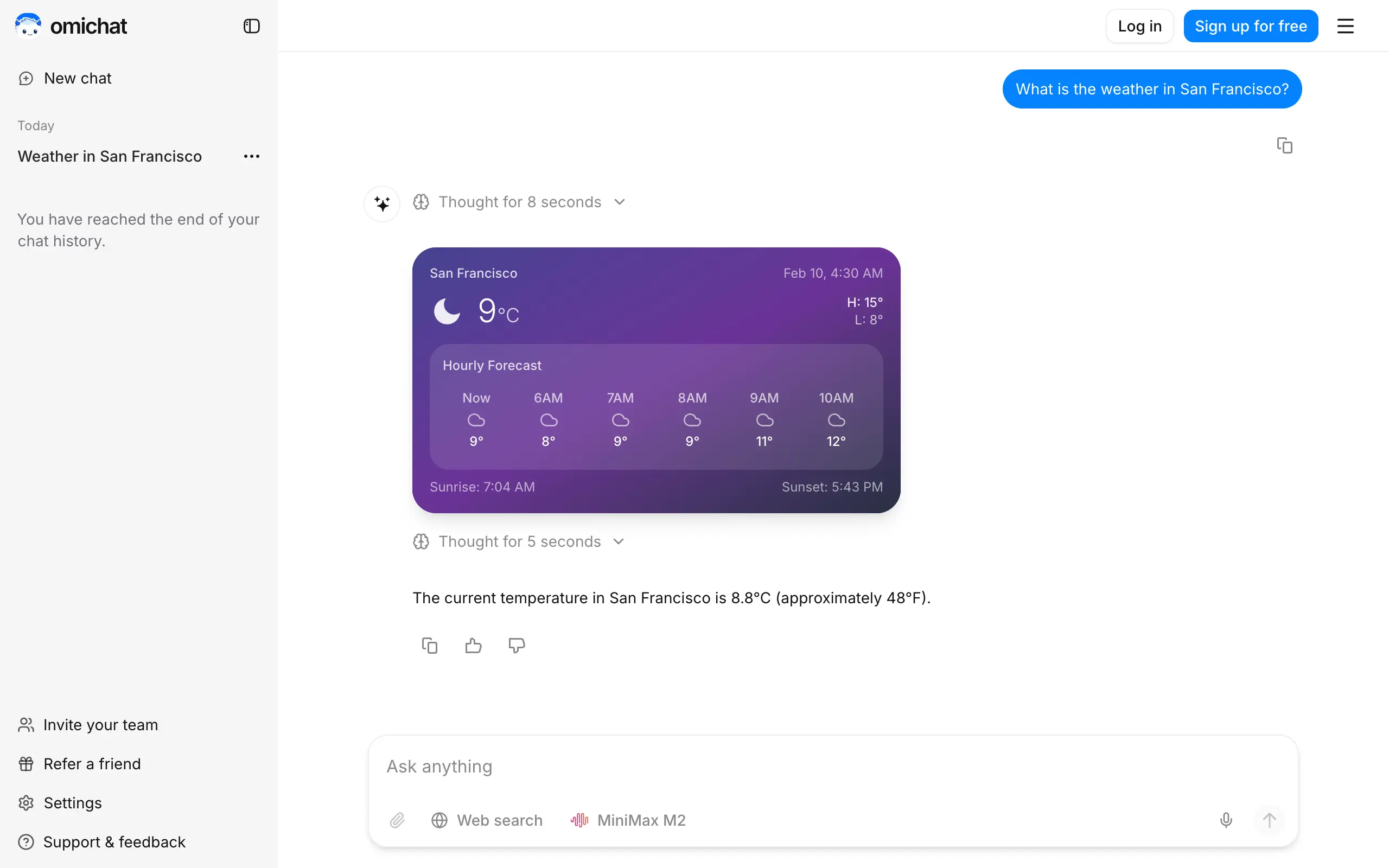
Omichat
Chat with 50+ AI models, including ChatGPT and Claude, in one place - switch models anytime without losing context 🤖
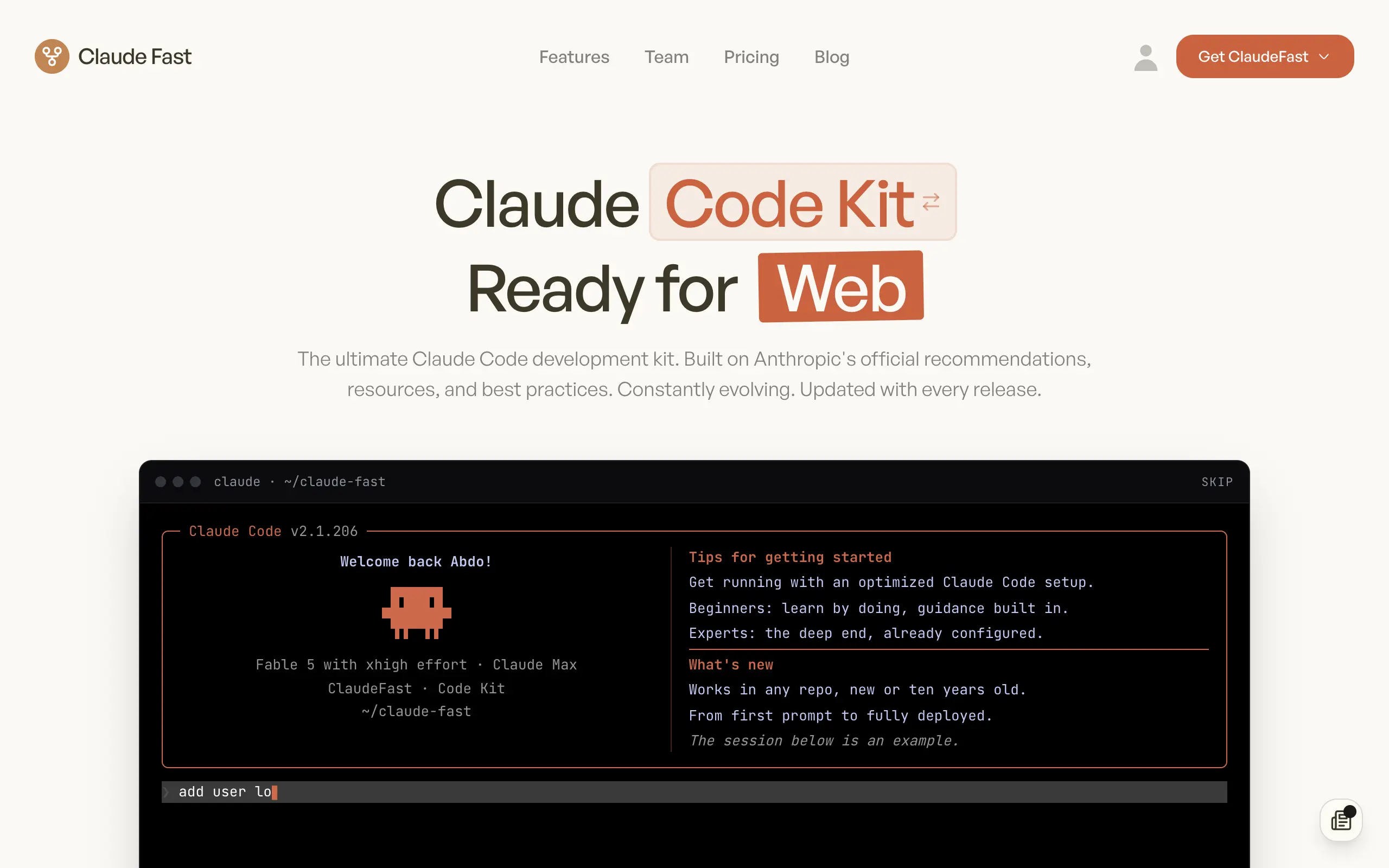
Claude Fast
Supercharge your Claude Code with 6x effective context window and specialized AI agents 🤖
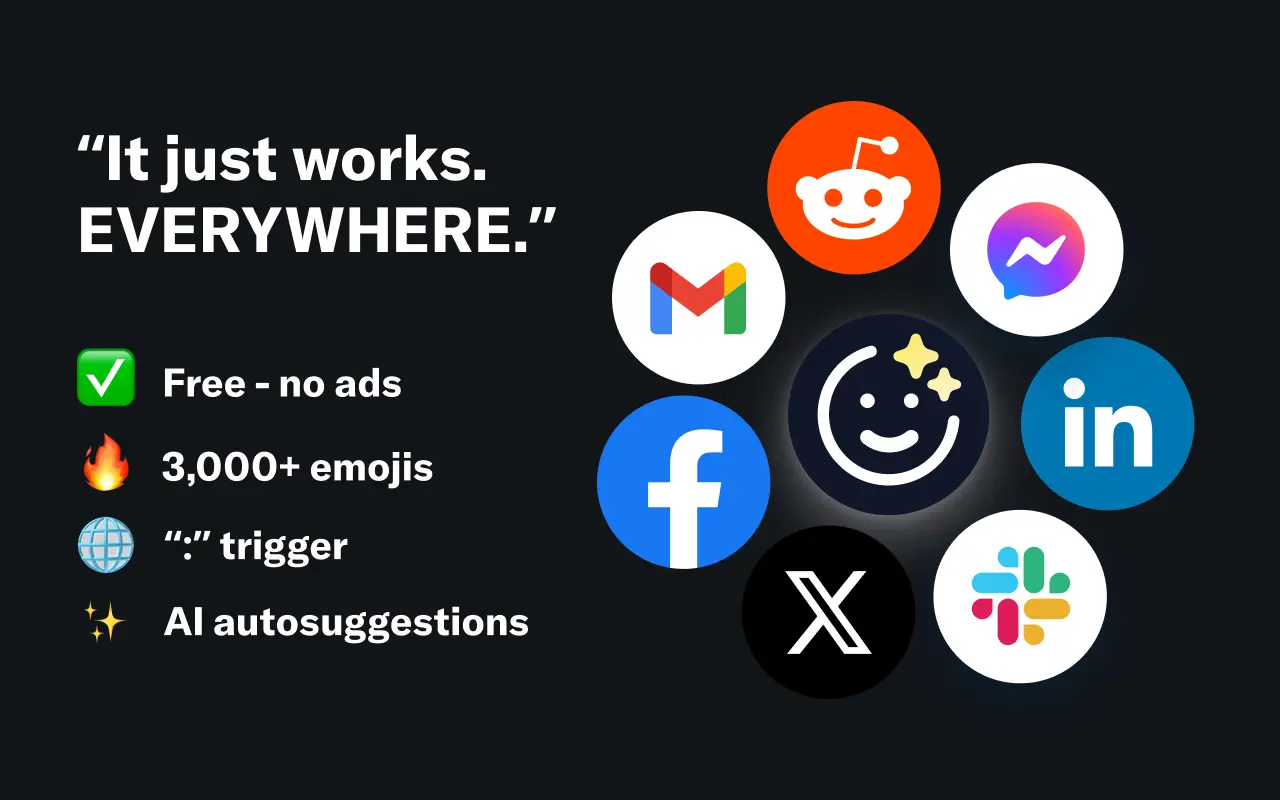
EmojAI
AI-powered emoji picker with smart, context-aware suggestions 🤖
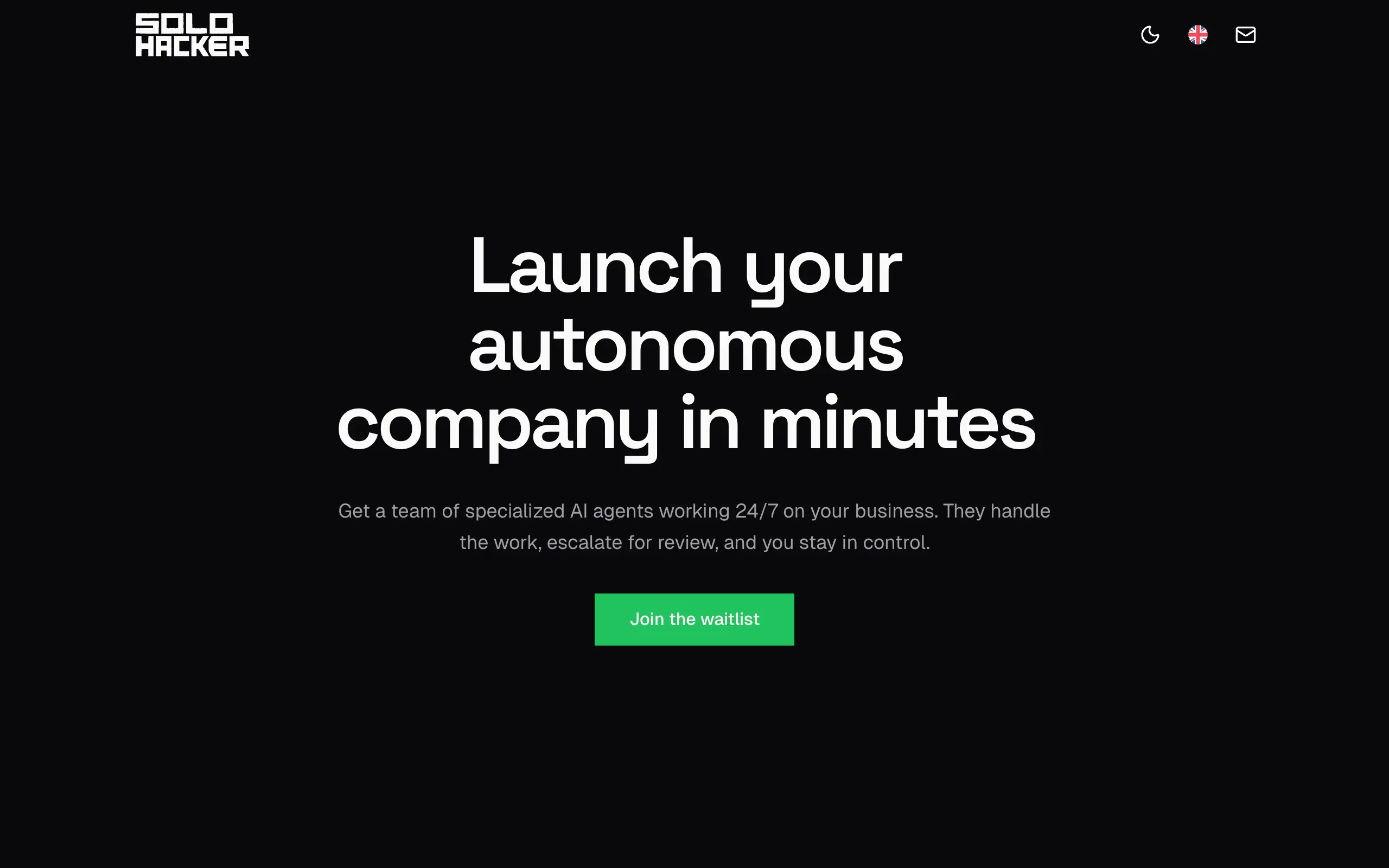
Solohacker
Autonomous company launcher - AI agents work 24/7, escalate what matters, and you stay in control 🤖
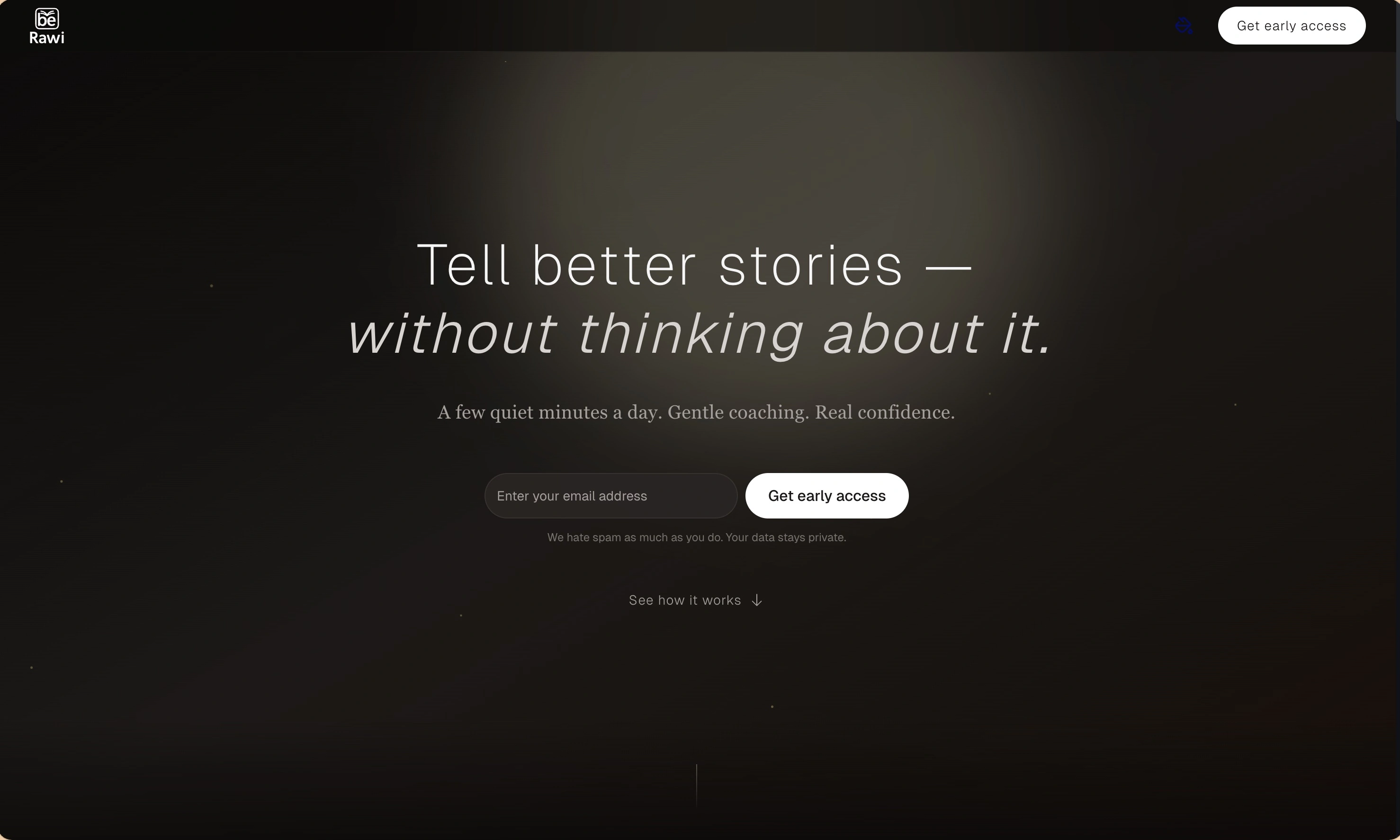
BeRawi: Storytelling Coach
Practice storytelling daily with instant feedback to sound clearer, more engaging, and confident 🎤
Omichat
Chat with 50+ AI models, including ChatGPT and Claude, in one place - switch models anytime without losing context 🤖
Claude Fast
Supercharge your Claude Code with 6x effective context window and specialized AI agents 🤖
EmojAI
AI-powered emoji picker with smart, context-aware suggestions 🤖
Solohacker
Autonomous company launcher - AI agents work 24/7, escalate what matters, and you stay in control 🤖
BeRawi: Storytelling Coach
Practice storytelling daily with instant feedback to sound clearer, more engaging, and confident 🎤
Omichat
Chat with 50+ AI models, including ChatGPT and Claude, in one place - switch models anytime without losing context 🤖
Claude Fast
Supercharge your Claude Code with 6x effective context window and specialized AI agents 🤖
EmojAI
AI-powered emoji picker with smart, context-aware suggestions 🤖
Solohacker
Autonomous company launcher - AI agents work 24/7, escalate what matters, and you stay in control 🤖
BeRawi: Storytelling Coach
Practice storytelling daily with instant feedback to sound clearer, more engaging, and confident 🎤
Omichat
Chat with 50+ AI models, including ChatGPT and Claude, in one place - switch models anytime without losing context 🤖
Claude Fast
Supercharge your Claude Code with 6x effective context window and specialized AI agents 🤖
EmojAI
AI-powered emoji picker with smart, context-aware suggestions 🤖
Solohacker
Autonomous company launcher - AI agents work 24/7, escalate what matters, and you stay in control 🤖
BeRawi: Storytelling Coach
Practice storytelling daily with instant feedback to sound clearer, more engaging, and confident 🎤

Connect with like-minded people
Join our community to get feedback, support, and grow together with 1,000+ builders on board, let's ship it!
Join usShip your startup everywhere. In minutes.
Don't burn tokens on setup and start building features on day one.