SupplierGuard
Real-time supplier risk monitoring tool for ecommerce brands that tracks delays, quality issues, and compliance risks across global vendors.
what is a real-time supplier risk monitoring tool and why it matters
Modern ecommerce brands are no longer just marketing machines—they are deeply dependent on complex, global supply chains. Whether you're sourcing from China, Vietnam, India, or Eastern Europe, your business is only as strong as your weakest supplier.
This is where a real-time supplier risk monitoring tool like SupplierGuard becomes essential.
SupplierGuard is designed to help ecommerce brands proactively detect and mitigate risks across their vendor network. Instead of reacting to delays, compliance violations, or quality failures after they happen, businesses can monitor, predict, and act in real time.
The shift from reactive to proactive supply chain management is not just a trend—it's becoming a competitive necessity.
Why this matters now
Global supply chains have become more volatile due to geopolitical tensions, climate disruptions, and stricter compliance regulations. Tools that provide real-time visibility are quickly moving from "nice-to-have" to "mission-critical."
understanding the target audience
SupplierGuard is a B2B SaaS product, and its success hinges on solving real, high-stakes problems for specific users.
primary audience segments
- "Ecommerce brands": DTC brands, Amazon sellers, Shopify merchants scaling globally
- "Operations managers": responsible for supplier relationships and logistics
- "Supply chain analysts": data-driven professionals tracking performance and risk
- "Procurement teams": decision-makers selecting and managing vendors
- "Compliance officers": ensuring adherence to regulations like ESG, labor laws, and product standards
secondary audience
- "3PL providers": logistics companies managing supplier networks
- "Enterprise retailers": with complex multi-supplier ecosystems
- "Private label brands": heavily dependent on overseas manufacturing
key pain points
- Lack of visibility into supplier performance
- Delays that impact inventory and revenue
- Poor quality control leading to returns and brand damage
- Compliance risks (e.g., labor violations, environmental regulations)
- Fragmented data across spreadsheets, emails, and ERPs
SupplierGuard addresses these by offering centralized, real-time intelligence.
market opportunity and gap analysis
The supply chain SaaS market is growing rapidly, driven by digitization and risk awareness.
market trends driving demand
- Increased global sourcing complexity
- Rise of ESG and compliance requirements
- Demand for real-time data visibility
- AI adoption in predictive analytics
- Post-pandemic supply chain resilience focus
According to industry reports (e.g., Gartner, McKinsey), companies are investing heavily in supply chain risk management tools, but many solutions are still:
- Enterprise-focused and expensive
- Not tailored to ecommerce workflows
- Lacking real-time capabilities
- Difficult to integrate with modern stacks
the gap SupplierGuard fills
SupplierGuard positions itself at the intersection of:
- affordability (SMB-friendly SaaS pricing)
- real-time monitoring (not just reporting)
- ecommerce-native integrations
- predictive risk intelligence
Existing tools
Complex, expensive, and often built for large enterprises with long onboarding cycles.
SupplierGuard advantage
Lightweight, real-time, and purpose-built for ecommerce brands needing fast insights and actionability.
core features of SupplierGuard
To truly deliver value, SupplierGuard must go beyond dashboards and provide actionable intelligence.
1. real-time supplier risk scoring
Each supplier is continuously evaluated based on multiple data inputs:
- delivery timelines
- defect rates
- communication responsiveness
- geopolitical risk signals
- compliance alerts
These inputs feed into a dynamic risk score that updates in real time.
2. delay and disruption tracking
SupplierGuard monitors:
- shipping delays
- port congestion
- customs issues
- weather disruptions
Integration with logistics APIs enables early warnings.
3. quality issue detection
- track return rates by supplier
- monitor defect reports
- analyze customer feedback patterns
AI can flag anomalies before they escalate.
4. compliance monitoring
- labor law violations
- environmental compliance
- certification expirations
- regulatory changes
This is especially critical for brands selling in regulated markets like the EU or US.
5. supplier performance dashboards
A unified dashboard showing:
- KPIs per supplier
- historical trends
- risk heatmaps
- benchmarking across vendors
6. alerting and automation
- real-time alerts via Slack, email, or SMS
- automated workflows (e.g., switch supplier if risk exceeds threshold)
7. integration ecosystem
SupplierGuard integrates with:
- ecommerce platforms like Shopify
- ERPs
- logistics providers
- communication tools
how SupplierGuard works: system overview
SupplierGuard collects data from multiple sources:
- APIs from ecommerce platforms
- logistics providers
- supplier systems
- public risk databases
Data is processed using:
- machine learning models
- rule-based risk engines
- anomaly detection algorithms
Outputs include:
- dashboards
- alerts
- predictive insights
- automated actions
recommended tech stack
Building SupplierGuard requires a balance between scalability, speed, and reliability.
frontend
- React for dynamic UI
- TailwindCSS for rapid styling
- Charting libraries for data visualization
backend
- Node.js (fast, scalable APIs)
- Python (for ML models and analytics)
- GraphQL for flexible data querying
data layer
- PostgreSQL for structured data
- Redis for real-time caching
- Data warehouse (e.g., BigQuery or Snowflake)
integrations
- REST APIs for external systems
- Webhooks for real-time updates
infrastructure
- AWS or GCP
- Kubernetes for orchestration
- Serverless functions for event-driven tasks
example risk scoring logic
function calculateRiskScore(supplier) {
  const delayWeight = 0.3;
  const qualityWeight = 0.3;
  const complianceWeight = 0.4;

  return (
    supplier.delayRate * delayWeight +
    supplier.defectRate * qualityWeight +
    supplier.complianceIssues * complianceWeight
  );
}
trade-offs to consider
- Real-time processing vs cost efficiency
- Data accuracy vs speed
- Customization vs simplicity
monetization strategy
SupplierGuard can adopt multiple revenue models depending on target customers.
subscription tiers
- "Starter": basic monitoring for small brands
- "Growth": advanced analytics and alerts
- "Enterprise": full automation and integrations
usage-based pricing
- charged per supplier monitored
- or per data event processed
add-ons
- compliance intelligence modules
- predictive analytics
- API access
enterprise contracts
- custom pricing
- dedicated support
- SLAs
competitive landscape
The supplier risk monitoring space includes several players, but none fully dominate the ecommerce niche.
| Feature | Traditional tools | ERP systems | Generic analytics tools | SupplierGuard |
|---|---|---|---|---|
| Real-time monitoring | ❌ | ❌ | ❌ | ✅ |
| Ecommerce integrations | ❌ | ✅ | ❌ | ✅ |
| Risk scoring | ✅ | ❌ | ❌ | ✅ |
| Ease of use | ❌ | ❌ | ✅ | ✅ |
unique selling proposition (USP)
SupplierGuard stands out by combining:
- real-time monitoring (not just reporting)
- ecommerce-native integrations
- predictive risk intelligence
- affordability for SMBs
This combination makes it highly attractive to modern ecommerce operators who need speed and clarity.
potential risks and mitigation strategies
data reliability
Risk: inaccurate or incomplete supplier data
Mitigation:
- use multiple data sources
- implement validation layers
integration complexity
Risk: difficult onboarding
Mitigation:
- provide plug-and-play integrations
- strong API documentation
user adoption
Risk: teams may resist new tools
Mitigation:
- intuitive UX
- clear ROI demonstration
competition
Risk: larger players entering the space
Mitigation:
- focus on niche (ecommerce)
- move fast and iterate
Key challenge
The biggest challenge is not building the tool—it's ensuring consistent, high-quality data across fragmented global systems.
SEO strategy for SupplierGuard
To rank effectively, content should target keywords like:
- supplier risk monitoring tool
- supply chain risk management software
- ecommerce supplier management
- supplier risk analytics
- vendor risk monitoring SaaS
content ideas
- "How to reduce supplier risk in ecommerce"
- "Top supply chain risks in 2026"
- "Best supplier management tools for Shopify brands"
on-page optimization
- keyword-rich headings
- internal linking
- structured data
authority building
- publish case studies
- collaborate with industry experts
- reference credible data sources (e.g., McKinsey, Deloitte)
step-by-step implementation plan
go-to-market strategy
initial traction
- target Shopify and Amazon seller communities
- partnerships with 3PL providers
- content marketing
growth channels
- SEO-driven blog content
- LinkedIn outreach to operations leaders
- webinars and case studies
sales strategy
- product-led growth (PLG)
- freemium entry point
- upsell advanced features
future opportunities
SupplierGuard can expand into:
- AI-powered supplier recommendations
- automated supplier switching
- financial risk modeling
- ESG scoring and reporting
frequently asked questions
Yes, especially with tiered pricing. SMBs benefit the most from early risk detection.
No, it complements them by adding real-time intelligence and risk monitoring.
Accuracy improves over time with more data and refined models.
building faster with the right foundation
Launching a SaaS product like SupplierGuard requires speed and efficiency. Instead of building everything from scratch, using a proven starter kit can significantly accelerate development.
TurboStarter provides a production-ready foundation for SaaS apps, including authentication, billing, and scalable architecture—allowing you to focus on core features like risk monitoring and analytics.
final thoughts
SupplierGuard addresses a critical and growing need in the ecommerce ecosystem: real-time supplier risk visibility.
As global supply chains become more complex and fragile, businesses that proactively manage risk will outperform those that react too late.
By focusing on:
- real-time insights
- ecommerce-native design
- actionable intelligence
SupplierGuard has the potential to become an essential tool for modern ecommerce operations.
The opportunity is clear. The technology is ready. The market is waiting.
More 🏢 B2B Application SaaS ideas
Discover more innovative b2b application SaaS ideas that are trending in 2026. Each idea is AI-generated with market validation and growth potential to help you find your next profitable venture faster than competitors.
Your competitors are building with TurboStarter
Below are some of the SaaS ideas that have been generated and built with our starter kit.
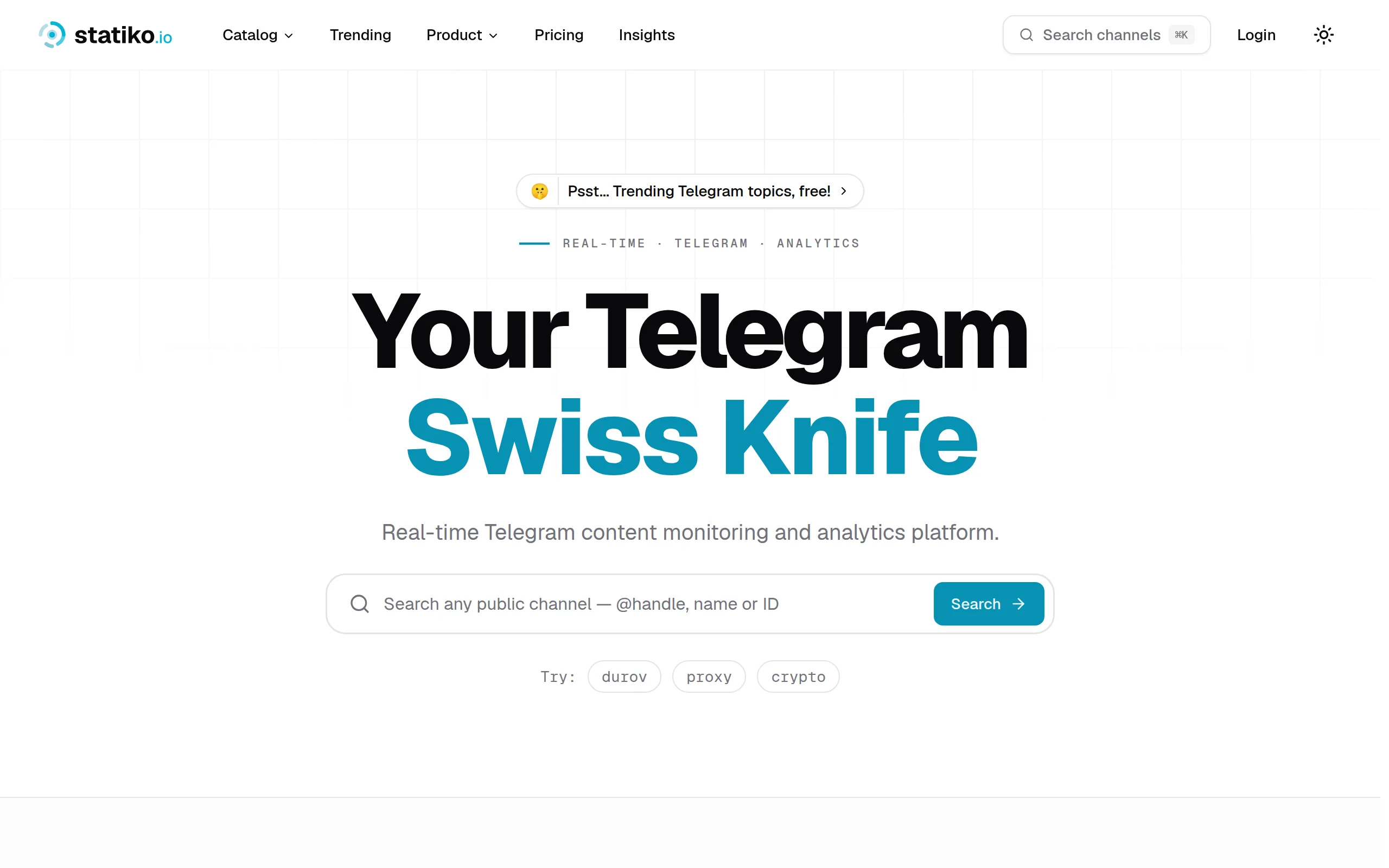
Statiko
Monitor any Telegram channel in real time - track posts, edits, deletions, and growth with AI recaps 📡

Shibui
AI website builder - describe your business, pick a niche template, edit by chatting, and publish instantly ✨

Pro Service
Find verified home service professionals, compare quotes, and pay securely through escrow - built for Brazilians across the US 🏠
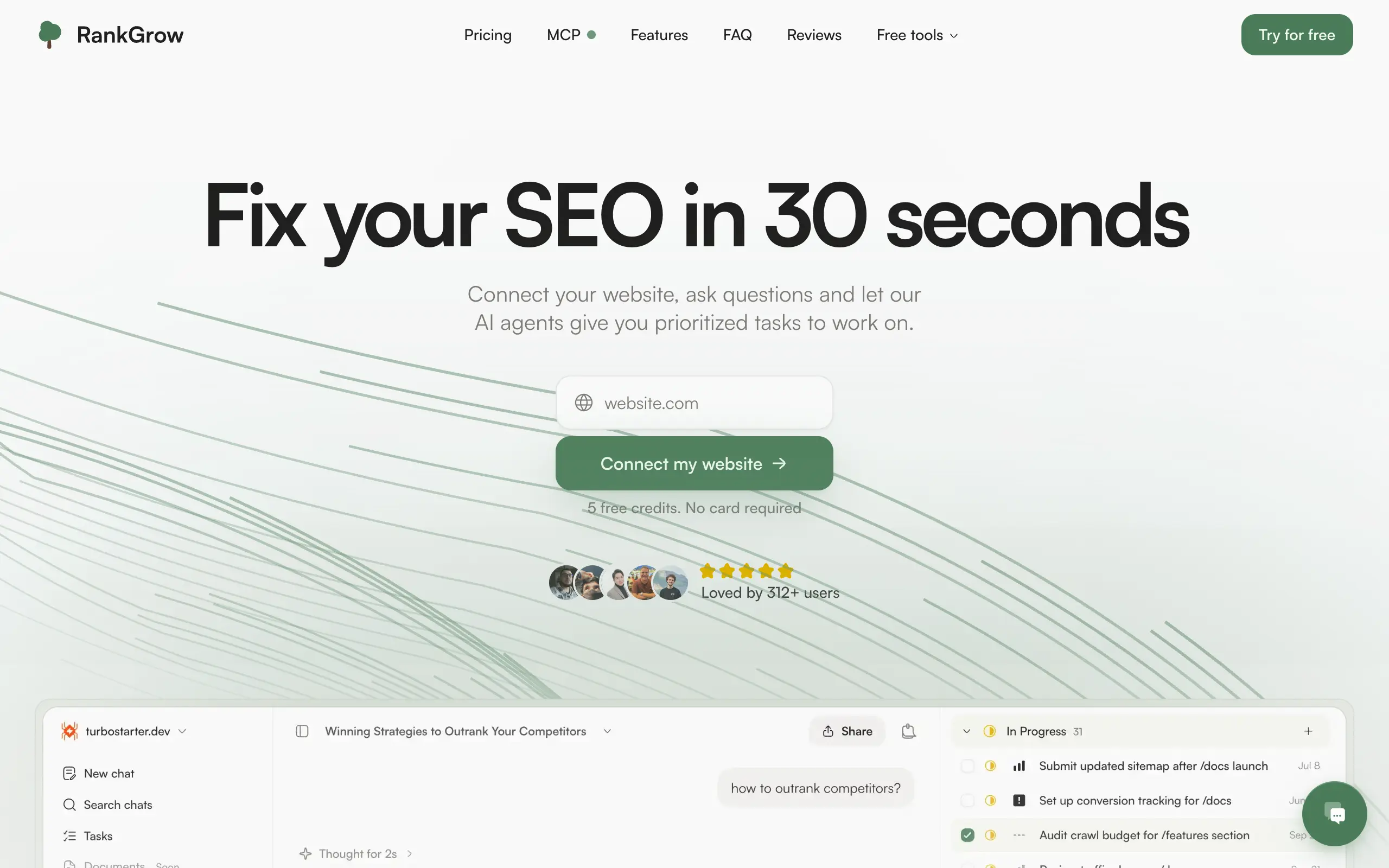
RankGrow
Fix your SEO with AI agents - connect Search Console, get prioritized tasks, and grow organic traffic 📈
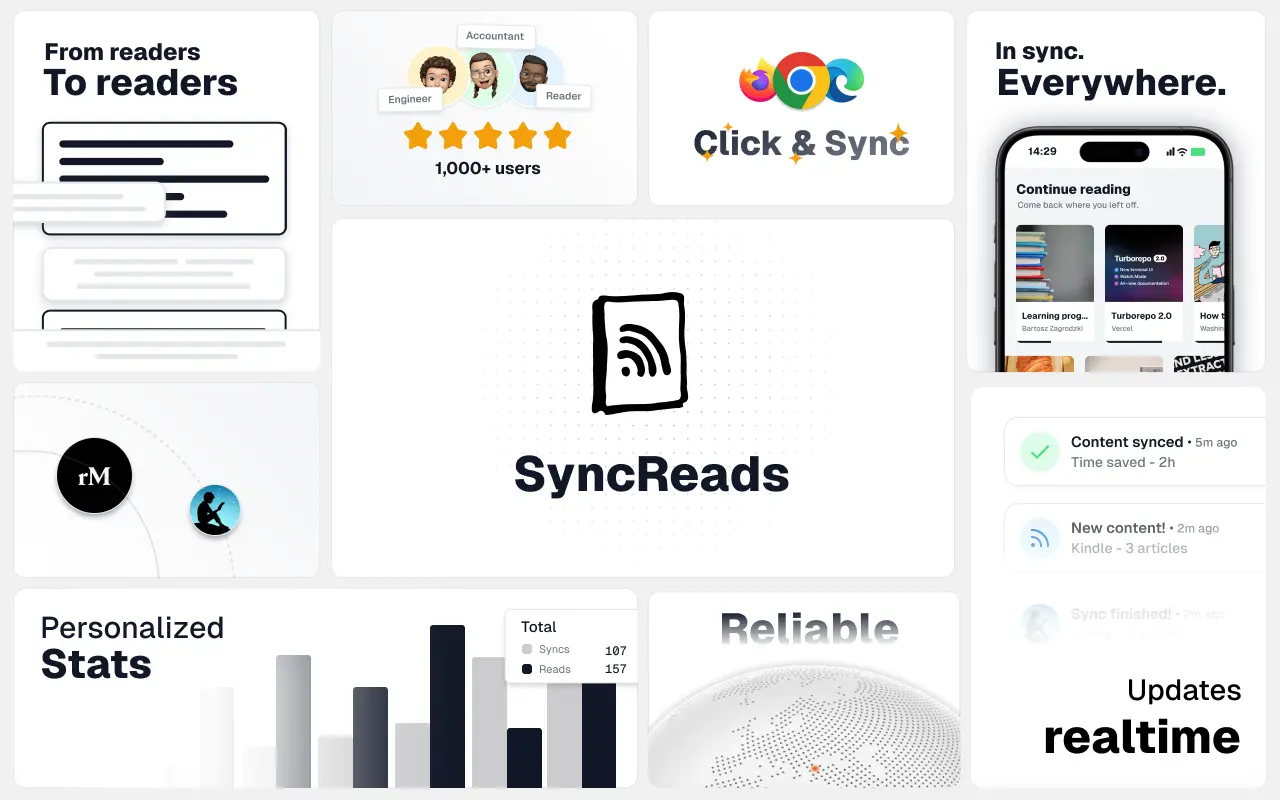
SyncReads
Sync your favorite content for distraction-free reading, save time and replace multiple apps. Anytime, anywhere 🔄
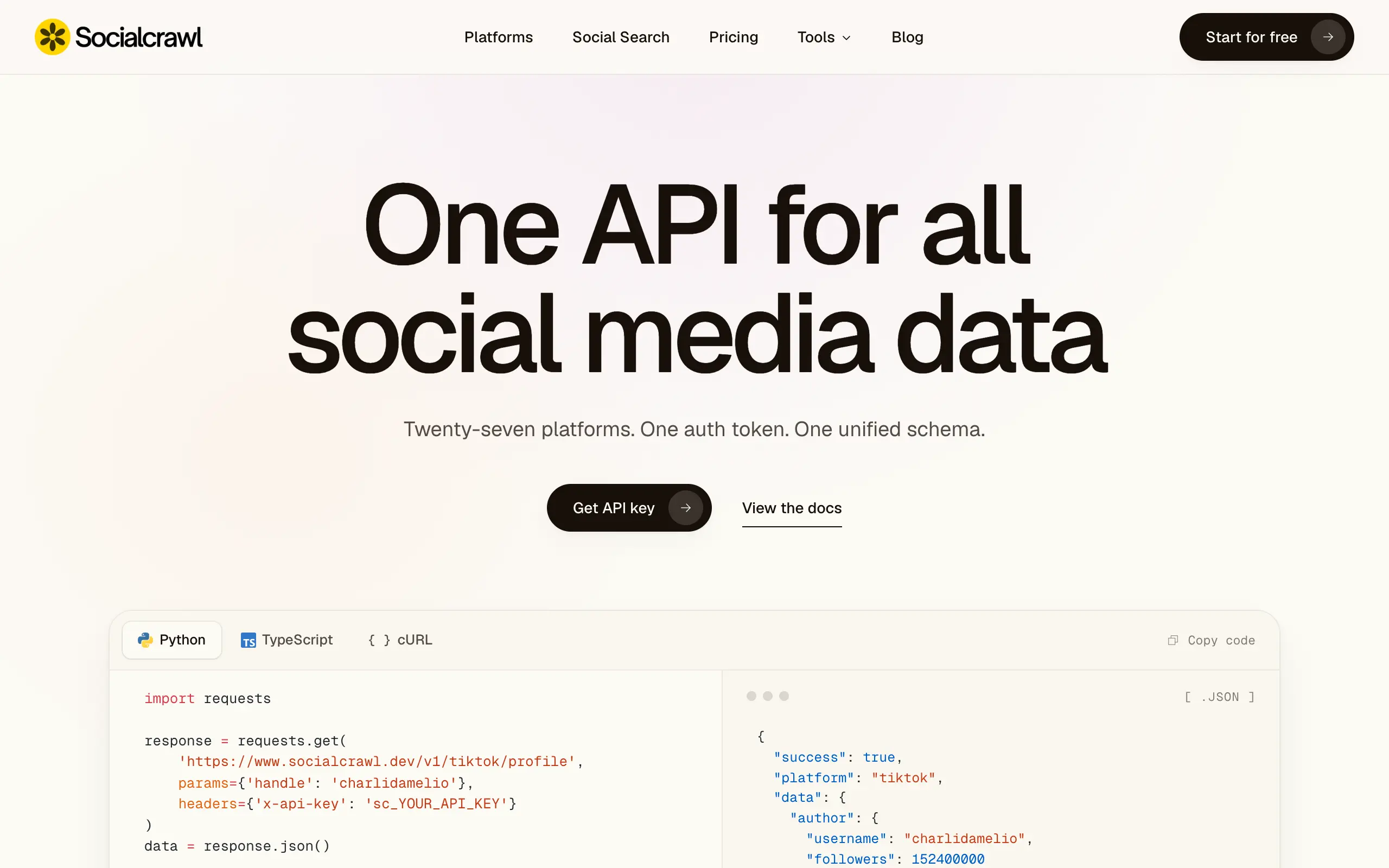
Socialcrawl
Get clean, structured data from 21 platforms like TikTok, Instagram, and YouTube with a single request 📊
Statiko
Monitor any Telegram channel in real time - track posts, edits, deletions, and growth with AI recaps 📡
Shibui
AI website builder - describe your business, pick a niche template, edit by chatting, and publish instantly ✨
Pro Service
Find verified home service professionals, compare quotes, and pay securely through escrow - built for Brazilians across the US 🏠
RankGrow
Fix your SEO with AI agents - connect Search Console, get prioritized tasks, and grow organic traffic 📈
SyncReads
Sync your favorite content for distraction-free reading, save time and replace multiple apps. Anytime, anywhere 🔄
Socialcrawl
Get clean, structured data from 21 platforms like TikTok, Instagram, and YouTube with a single request 📊
Statiko
Monitor any Telegram channel in real time - track posts, edits, deletions, and growth with AI recaps 📡
Shibui
AI website builder - describe your business, pick a niche template, edit by chatting, and publish instantly ✨
Pro Service
Find verified home service professionals, compare quotes, and pay securely through escrow - built for Brazilians across the US 🏠
RankGrow
Fix your SEO with AI agents - connect Search Console, get prioritized tasks, and grow organic traffic 📈
SyncReads
Sync your favorite content for distraction-free reading, save time and replace multiple apps. Anytime, anywhere 🔄
Socialcrawl
Get clean, structured data from 21 platforms like TikTok, Instagram, and YouTube with a single request 📊
Statiko
Monitor any Telegram channel in real time - track posts, edits, deletions, and growth with AI recaps 📡
Shibui
AI website builder - describe your business, pick a niche template, edit by chatting, and publish instantly ✨
Pro Service
Find verified home service professionals, compare quotes, and pay securely through escrow - built for Brazilians across the US 🏠
RankGrow
Fix your SEO with AI agents - connect Search Console, get prioritized tasks, and grow organic traffic 📈
SyncReads
Sync your favorite content for distraction-free reading, save time and replace multiple apps. Anytime, anywhere 🔄
Socialcrawl
Get clean, structured data from 21 platforms like TikTok, Instagram, and YouTube with a single request 📊
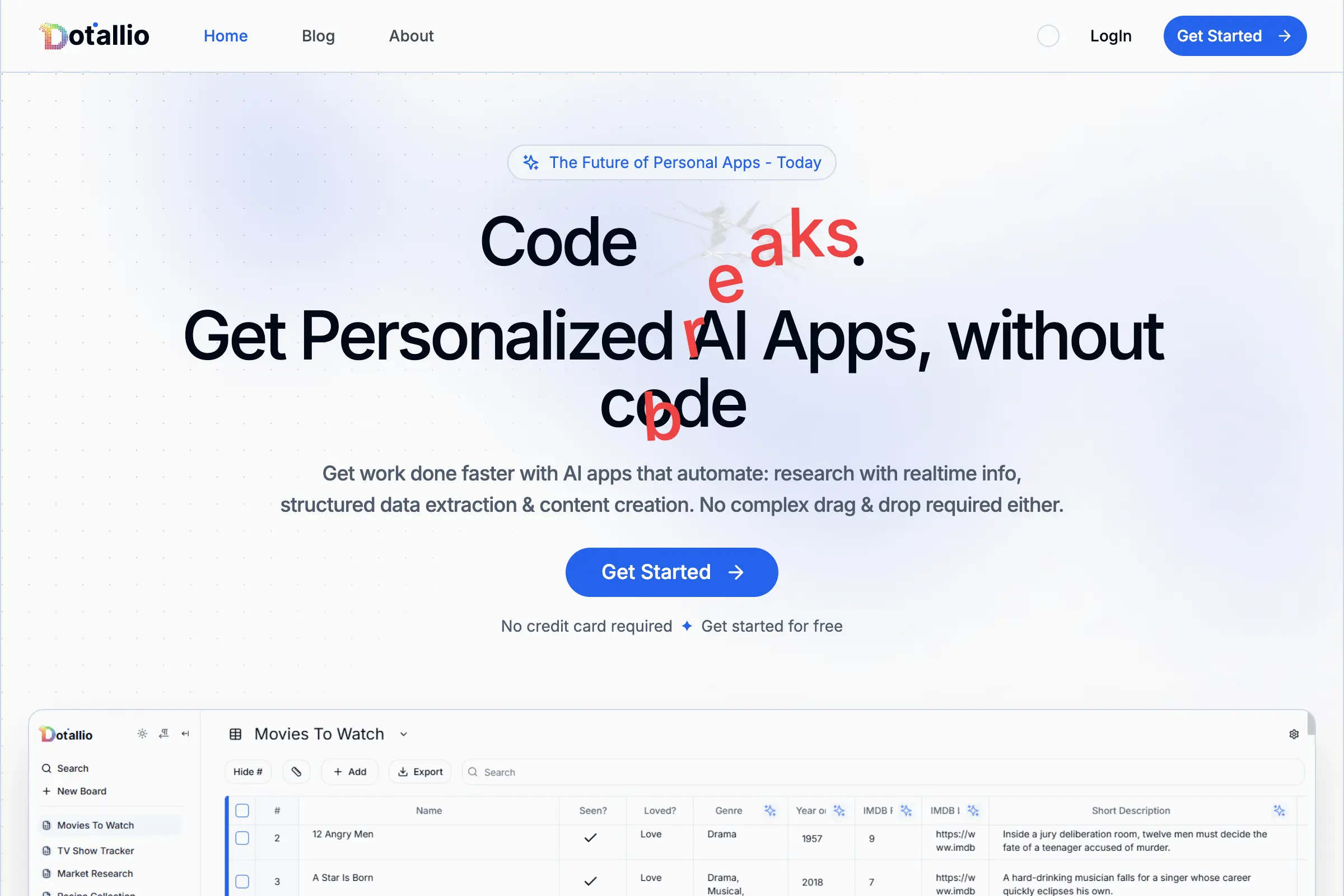
Dotallio
Personalized AI apps that automate research, data extraction, and content creation without code 🤖

Talk to Santa
Enjoy a magical live video chat or receive a unique AI-generated video greeting from Santa Claus 🎅

pozywka.pl
Scalable blog for food journalist, focused on performance and user experience 🌭
zagrodzki.me
Personal blog and portfolio of Bart Zagrodzki, where he shares his knowledge and work 💼
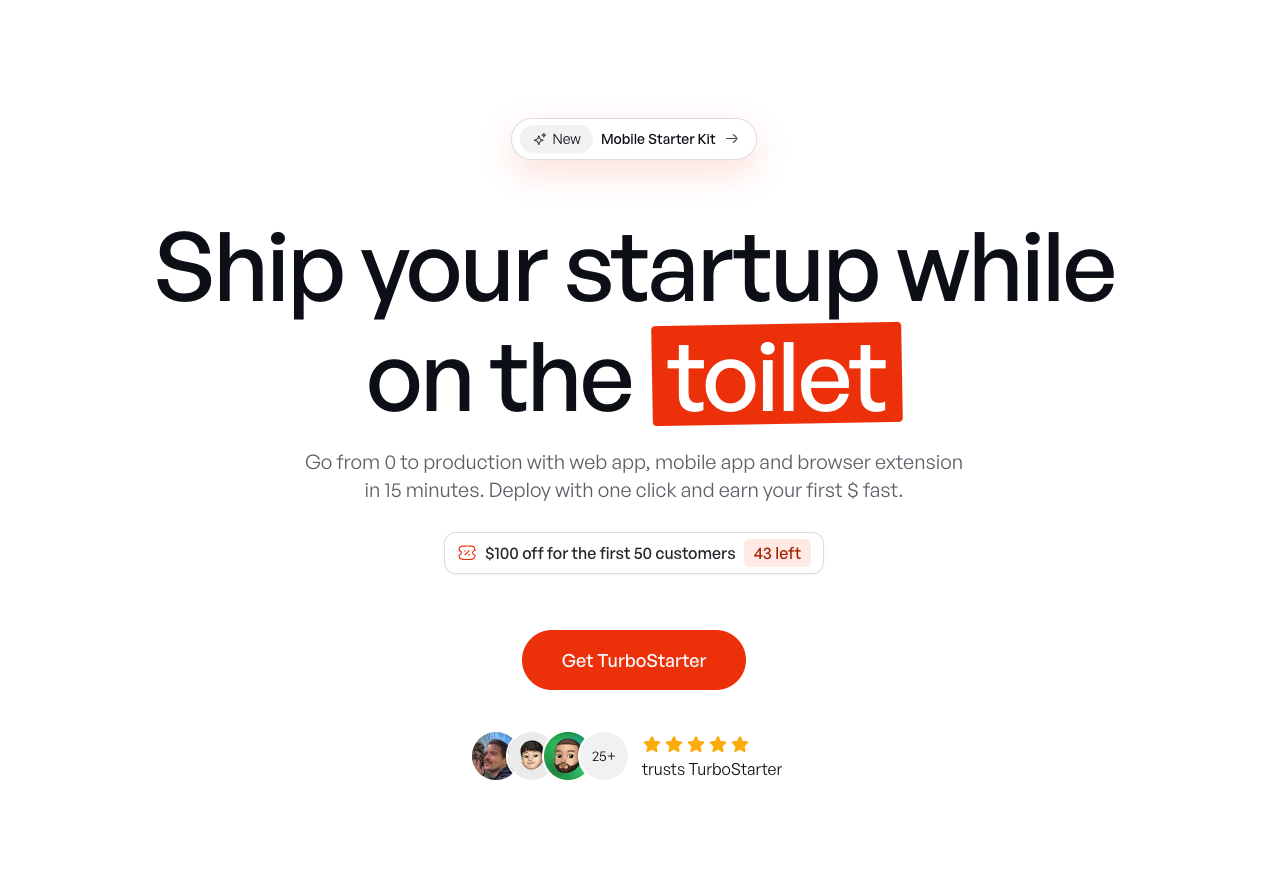
TurboStarter
Ship your startup everywhere. In minutes.
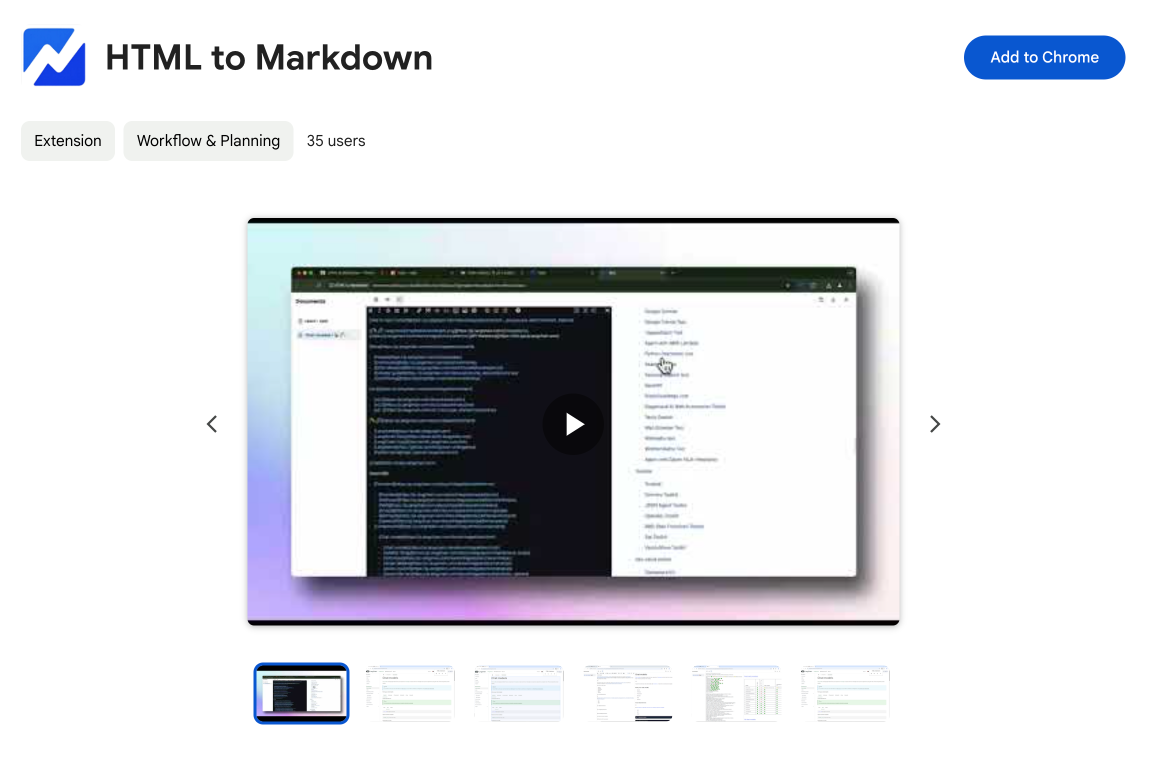
HTML to Markdown
Convert HTML to Markdown with ease, directly in your browser 📄
Dotallio
Personalized AI apps that automate research, data extraction, and content creation without code 🤖
Talk to Santa
Enjoy a magical live video chat or receive a unique AI-generated video greeting from Santa Claus 🎅
pozywka.pl
Scalable blog for food journalist, focused on performance and user experience 🌭
zagrodzki.me
Personal blog and portfolio of Bart Zagrodzki, where he shares his knowledge and work 💼
TurboStarter
Ship your startup everywhere. In minutes.
HTML to Markdown
Convert HTML to Markdown with ease, directly in your browser 📄
Dotallio
Personalized AI apps that automate research, data extraction, and content creation without code 🤖
Talk to Santa
Enjoy a magical live video chat or receive a unique AI-generated video greeting from Santa Claus 🎅
pozywka.pl
Scalable blog for food journalist, focused on performance and user experience 🌭
zagrodzki.me
Personal blog and portfolio of Bart Zagrodzki, where he shares his knowledge and work 💼
TurboStarter
Ship your startup everywhere. In minutes.
HTML to Markdown
Convert HTML to Markdown with ease, directly in your browser 📄
Dotallio
Personalized AI apps that automate research, data extraction, and content creation without code 🤖
Talk to Santa
Enjoy a magical live video chat or receive a unique AI-generated video greeting from Santa Claus 🎅
pozywka.pl
Scalable blog for food journalist, focused on performance and user experience 🌭
zagrodzki.me
Personal blog and portfolio of Bart Zagrodzki, where he shares his knowledge and work 💼
TurboStarter
Ship your startup everywhere. In minutes.
HTML to Markdown
Convert HTML to Markdown with ease, directly in your browser 📄
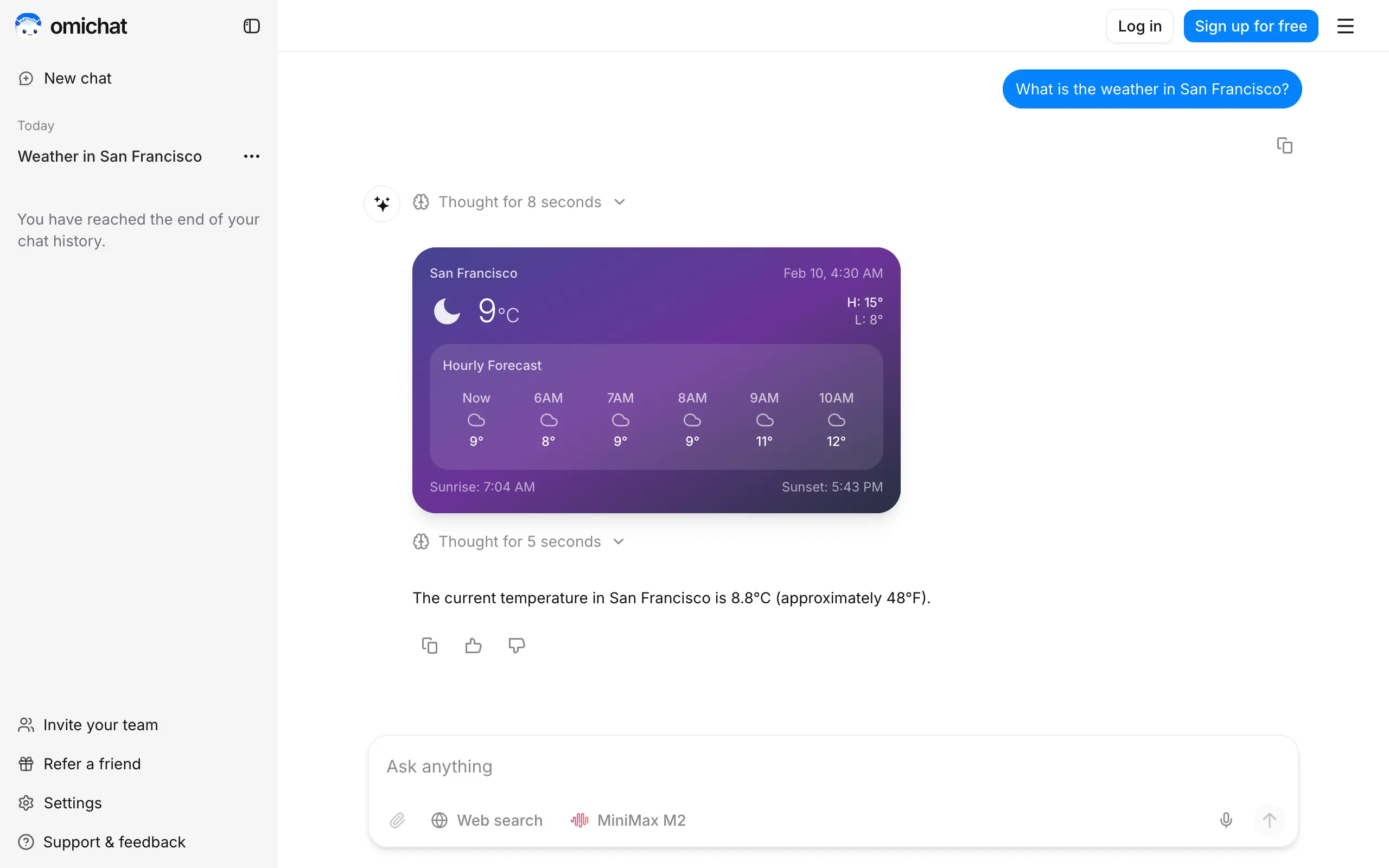
Omichat
Chat with 50+ AI models, including ChatGPT and Claude, in one place - switch models anytime without losing context 🤖
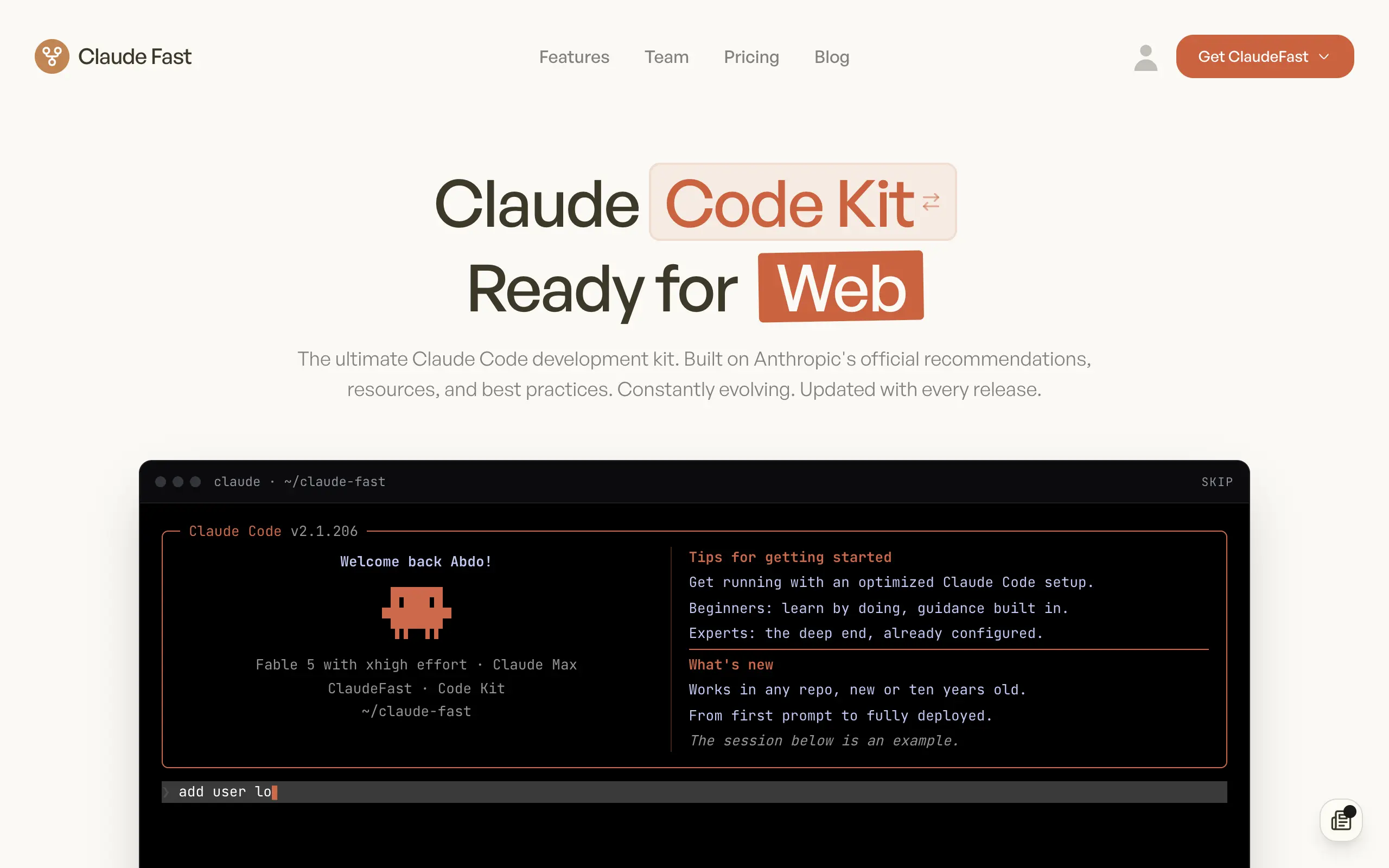
Claude Fast
Supercharge your Claude Code with 6x effective context window and specialized AI agents 🤖

EmojAI
AI-powered emoji picker with smart, context-aware suggestions 🤖

Solohacker
Autonomous company launcher - AI agents work 24/7, escalate what matters, and you stay in control 🤖

BeRawi: Storytelling Coach
Practice storytelling daily with instant feedback to sound clearer, more engaging, and confident 🎤
Omichat
Chat with 50+ AI models, including ChatGPT and Claude, in one place - switch models anytime without losing context 🤖
Claude Fast
Supercharge your Claude Code with 6x effective context window and specialized AI agents 🤖
EmojAI
AI-powered emoji picker with smart, context-aware suggestions 🤖
Solohacker
Autonomous company launcher - AI agents work 24/7, escalate what matters, and you stay in control 🤖
BeRawi: Storytelling Coach
Practice storytelling daily with instant feedback to sound clearer, more engaging, and confident 🎤
Omichat
Chat with 50+ AI models, including ChatGPT and Claude, in one place - switch models anytime without losing context 🤖
Claude Fast
Supercharge your Claude Code with 6x effective context window and specialized AI agents 🤖
EmojAI
AI-powered emoji picker with smart, context-aware suggestions 🤖
Solohacker
Autonomous company launcher - AI agents work 24/7, escalate what matters, and you stay in control 🤖
BeRawi: Storytelling Coach
Practice storytelling daily with instant feedback to sound clearer, more engaging, and confident 🎤
Omichat
Chat with 50+ AI models, including ChatGPT and Claude, in one place - switch models anytime without losing context 🤖
Claude Fast
Supercharge your Claude Code with 6x effective context window and specialized AI agents 🤖
EmojAI
AI-powered emoji picker with smart, context-aware suggestions 🤖
Solohacker
Autonomous company launcher - AI agents work 24/7, escalate what matters, and you stay in control 🤖
BeRawi: Storytelling Coach
Practice storytelling daily with instant feedback to sound clearer, more engaging, and confident 🎤

Connect with like-minded people
Join our community to get feedback, support, and grow together with 1,000+ builders on board, let's ship it!
Join usShip your startup everywhere. In minutes.
Don't burn tokens on setup and start building features on day one.