SupplyChainAg
A cloud-based tool that streamlines agri-supply chain operations, enabling farmers and suppliers to effortlessly track inventory, manage logistics, and automate compliance.
Understanding SupplyChainAg: Optimizing the agri-supply chain for modern businesses
The agribusiness sector, from independent farmers to multinational suppliers, increasingly faces operational complexity: tracking fluctuating inventory, managing distributed logistics, and keeping up with rigorous compliance requirements. SupplyChainAg, a cloud-based B2B solution, addresses these pain points by enabling seamless inventory tracking, logistics management, and automated compliance — all in one unified platform.
This comprehensive guide explores the key features, market needs, technological considerations, and actionable strategies for building and scaling a robust agri-supply chain SaaS like SupplyChainAg. Whether you’re evaluating market fit, planning your MVP, or researching the next breakthrough tool, this article delivers research-backed insights with an expert lens.
Target audience analysis for agri-supply chain SaaS
Understanding the right users ensures your SaaS aligns with the true needs of the sector. With SupplyChainAg, the primary audience includes:
-
Farmers and agricultural producers
These users need to accurately track inventory (seed, fertilizer, feed, crop yields) and navigate evolving regulatory requirements, often with limited technical staff. -
Agri-suppliers and distributors
Responsible for moving products across diverse geographies; must optimize routes, reduce spoilage, and integrate with a complex network of stakeholders. -
Cooperatives and agribusiness aggregators
Manage logistics on behalf of multiple producers, streamlining supply to processors and markets, requiring advanced coordination and reporting. -
Logistics providers specializing in agrifood
Freight, cold-chain, and last-mile solutions seeking to synchronize with the producer side for just-in-time delivery. -
Compliance managers in agriculture and food safety
Facing mounting documentation and audit demands in a highly regulated environment.
Key pain points driving adoption
- Manual tracking via spreadsheets and paper
- Fragmented software that cannot scale
- Regulatory overhead and audit anxiety
- Wasted produce due to logistics inefficiency
- Limited insight into inventory movement and losses
User intent is often solution-driven: these organizations are searching for ways to automate, integrate, and simplify their operations for real savings and compliance peace-of-mind.
Identifying the market opportunity and gap
The global agri-supply chain market is massive — valued in the trillions — yet digital transformation remains nascent for many stakeholders. Traditional ERP and logistics solutions are often too generic or prohibitively complex (and expensive) for smaller producers and suppliers.
Current trends & statistics
- Cloud adoption in agriculture is surging, with precision agri-software projected to grow 15%+ CAGR in the early 2020s ([see reference suggestion: MarketsandMarkets 2024 Agri-Software Report]).
- Food traceability regulation (such as the FDA’s FSMA Rule 204 and EU Farm-to-Fork) is tightening, pushing more companies to automate compliance.
- Consumer demand for transparency and sustainability is rising, pressuring the entire chain to deliver trusted, auditable data.
Gap: There is a shortage of affordable, sector-specialized solutions that combine real-time inventory management, logistics, and compliance — designed specifically for the unique realities of agri-supply chains.
Core features and solution details: What makes SupplyChainAg stand out
SupplyChainAg differentiates itself by providing true end-to-end visibility, automation, and sector-relevant intelligence. Below are the essential pillars:
Centralized inventory tracking
- Unified dashboard for inputs (seeds, feed, etc.) and outputs (harvest, packaged goods)
- Barcode/RFID support to streamline scanning and reduce manual errors
- Mobile-friendly interfaces for in-field inventory updates
Logistics and route optimization
- Integrated shipment scheduler with live tracking for trucks and cold-chain assets
- AI-powered route suggestions to minimize spoilage, considering traffic/weather data
- Automated notifications for arrivals, delays, and stockouts
Automated compliance and document management
- Regulatory workflow templates (FDA, EPA, EU, etc.) already mapped; customizable by region
- Digital document vault for instant retrieval during audits
- Auto-generation of reports for traceability and certifications
Real-time analytics and dashboards
- Yield forecasting and loss tracking
- Alerts on inventory levels or anomalies
- Exportable charts and CSVs for external analysis
Secure access and multi-user support
- Role-based permissions suitable for teams, contract workers, and external inspectors
- Audit trails to support accountability
Seamless integration with third-party tools
- RESTful API and webhooks for plugging into existing accounting or fleet management platforms
- OpenData compatibility for public or regulatory data feeds
Unified platform
Eliminate siloed systems by bringing inventory, logistics, and compliance into a single cloud dashboard.
Designed for agri-specific workflows
Tailored templates and workflows for real agricultural supply chain needs, not just generic ERP tools.
Mobile and offline access
Empower teams in remote or rural areas to update and access critical data, even without perfect connectivity.
Automated compliance
Maintain up-to-date documentation and export required forms with one click for common regulations.
In-depth tech stack recommendations and trade-offs
SupplyChainAg’s success depends on the right technology foundation for scalability, reliability, and flexibility.
Frontend options
- React
Highly popular framework for interactive, scalable UIs. With React Native, extending into mobile is streamlined. - TailwindCSS
For efficient, maintainable styling and rapid prototyping. - Progressive Web App (PWA) features
Enable offline support for rural and in-field use cases.
Backend and infrastructure
- Node.js
Asynchronous, scalable event-driven backend suitable for real-time data flows. - PostgreSQL
Robust, open-source relational database that’s ideal for transactional integrity and analytics. - Redis
For real-time caching of inventory and logistics data. - Cloud hosting:
Consider AWS, Google Cloud, or Azure for best-in-class uptime, managed databases, and global scaling.
IoT and data ingestion
- MQTT protocol for lightweight IoT data ingestion from sensors/RFID readers.
- Apache Kafka for handling high-volume event streams and integrating diverse data sources.
Security and compliance
- OAuth 2.0/OpenID Connect for secure user authentication.
- Data encryption at rest and in transit
- Audit logging and role-based access control
Trade-offs to consider
- Full cloud vs. hybrid deployment:
Cloud offers simplicity, but local hybrid servers may benefit areas with intermittent connectivity. - Build-in analytics vs. integration-first:
Deep analytics increase scope, but integration hooks allow users to extend with their preferred BI tools.
Consider building both! A responsive web PWA works across devices, but field users often appreciate native mobile apps for offline data capture, image uploads, and push notifications. React Native enables shared codebases to minimize overhead.
Monetization strategies for agri-supply chain SaaS
Designing a sustainable business model means aligning pricing with the unique structure and cash flow of the agricultural sector.
Common monetization models:
- Tiered SaaS subscriptions:
Scale pricing by number of users, storage volume, or feature access — e.g., Free, Standard, Professional, Enterprise. - Pay-per-use logistics modules:
Usage-based billing for high-frequency logistics tracking (pay as you go per shipment). - Transaction/brokerage fee:
Charge a small fee for inventory trades or marketplace facilitation (if providing direct buying/selling). - Premium integrations:
Charge extra for integrations with advanced BI, government databases, or premium IoT devices. - White-labeling for cooperatives:
Enable larger operations to rebrand and resell under their own umbrella.
| Tier | Target | Features | Pricing model | Notes |
|---|---|---|---|---|
| Starter | Individual farmer | Basic inventory, mobile app | Freemium | Limits on records |
| Pro | Supplier/co-op | Logistics, compliance | Monthly/Annually | Best for scaling |
| Enterprise | Aggregator/corporate | Custom workflows, API | Custom quote | Dedicated support |
Competitive landscape and unique advantage
How does SupplyChainAg compare?
Most competitors either offer narrow inventory apps, standalone logistics platforms, or complex ERPs designed for general manufacturing rather than agri-supply chains.
Competitive advantages of SupplyChainAg
- Purpose-built for agriculture — Not a generic ERP; embraces farm-to-market workflows, supporting seasonal cycles and decentralized users.
- Strong focus on compliance automation — While some tools offer reporting, SupplyChainAg makes compliance proactive through templates, reminders, and audit support by default.
- Mobile and offline-first design — Empowers field usage where signals and bandwidth are weak — a major gap in incumbent offerings.
- Modular integration and open APIs — Supports a variety of external devices and services, future-proofing workflows as users grow.
| Platform | Agriculture-first | Compliance automation | Mobile/offline | Open integration | Transparent pricing |
|---|---|---|---|---|---|
| SupplyChainAg | ✅ | ✅ | ✅ | ✅ | ✅ |
| Large ERP (SAP, etc.) | ❌ | ❌ | ❌ | ✅ | ❌ |
| Inventory apps | ✅ | ❌ | ✅ | ❌ | ✅ |
| Logistics only SaaS | ❌ | ❌ | ✅ | ✅ | ✅ |
Key risks and mitigation strategies
Building a SaaS platform for the agri-supply chain sector is not without challenges. Being aware of the primary risks — and preparing well — maximizes your chances of sustainable growth.
Potential risks:
- Data privacy and security:
Sensitive operational data is a target for cyberattacks. - Regulatory changes:
Evolving food safety and traceability laws may demand frequent updates. - Low digital literacy:
Rural/older user populations may find new tools intimidating. - Connectivity issues:
Poor/unstable rural internet hampers cloud adoption and real-time syncing. - Seasonal revenue cycles:
Many clients have cyclical income, affecting renewals and upgrades.
Mitigation strategies:
- Implement role-based access controls, regular security audits, encrypted storage, and clear data retention policies.
- Automate software compliance rules and leverage regular auto-updates to meet changing regulations.
- Deliver strong onboarding, a minimalistic UI, video resources, and support in local languages.
- Use PWA and sync-to-local approaches to mitigate connectivity gaps.
- Allow monthly, as well as annual, pricing; provide financing options for larger agreements.
Don't overlook security
Data security is fundamental, especially with compliance-sensitive data. Invest in rigorous encryption, regular penetration testing, and clear, user-friendly privacy policies.
Actionable implementation steps: From concept to launch
Translating the SupplyChainAg vision into a working SaaS starts with focused, incremental steps:
Bringing it all together: Your roadmap for SupplyChainAg success
SupplyChainAg offers a targeted response to agriculture's uniquely fragmented, compliance-heavy supply chain environment. By combining inventory management, logistics, and automated compliance into a cloud-first, mobile-ready SaaS, it solves pain points no generic solution truly addresses. The rising tide of tech adoption, regulatory change, and demand for transparency means market forces are strongly in its favor.
Summary of advantages:
- Purpose-built for agri-supply chains
- Offline/mobile native for rural use
- Proactive compliance and reporting automation
- Modular integration future-proofs workflows
- Multiple monetization options adapted to seasonal/ag sector realities
For founders, product managers, and supply chain professionals seeking to digitize and future-proof their agri-operations, SupplyChainAg is a compelling direction. Platforms like TurboStarter can be invaluable for accelerating SaaS MVP development, providing a proven framework and industry-grade best practices from day one.
Frequently asked questions about agri-supply chain SaaS
Yes, cloud-based SaaS is increasingly viable as mobile internet coverage grows. However, features like offline sync and native mobile apps (React Native) ensure operations keep running even if connectivity temporarily drops.
The software includes region-tailored workflows and document templates, auto-generates the right reports, and offers scheduled reminders so nothing slips through the cracks — saving time and reducing audit risk.
SupplyChainAg provides webhook and API endpoints for connecting with ERP, BI, logistics, and accounting software, as well as support for IoT/RFID data.
Next steps
- Deep-dive your user personas and regulatory environment.
- Map out a phased MVP launch with fast iterations.
- Leverage proven tools like TurboStarter to speed up infrastructure and focus on agri-focused differentiation.
If you’re ready to future-proof agri-supply chain operations and lead the next generation of smart farming logistics, SupplyChainAg is your ideal template for innovation.
More 🏢 B2B Application SaaS ideas
Discover more innovative b2b application SaaS ideas that are trending in 2026. Each idea is AI-generated with market validation and growth potential to help you find your next profitable venture faster than competitors.
Your competitors are building with TurboStarter
Below are some of the SaaS ideas that have been generated and built with our starter kit.

Statiko
Monitor any Telegram channel in real time - track posts, edits, deletions, and growth with AI recaps 📡

Shibui
AI website builder - describe your business, pick a niche template, edit by chatting, and publish instantly ✨

Pro Service
Find verified home service professionals, compare quotes, and pay securely through escrow - built for Brazilians across the US 🏠
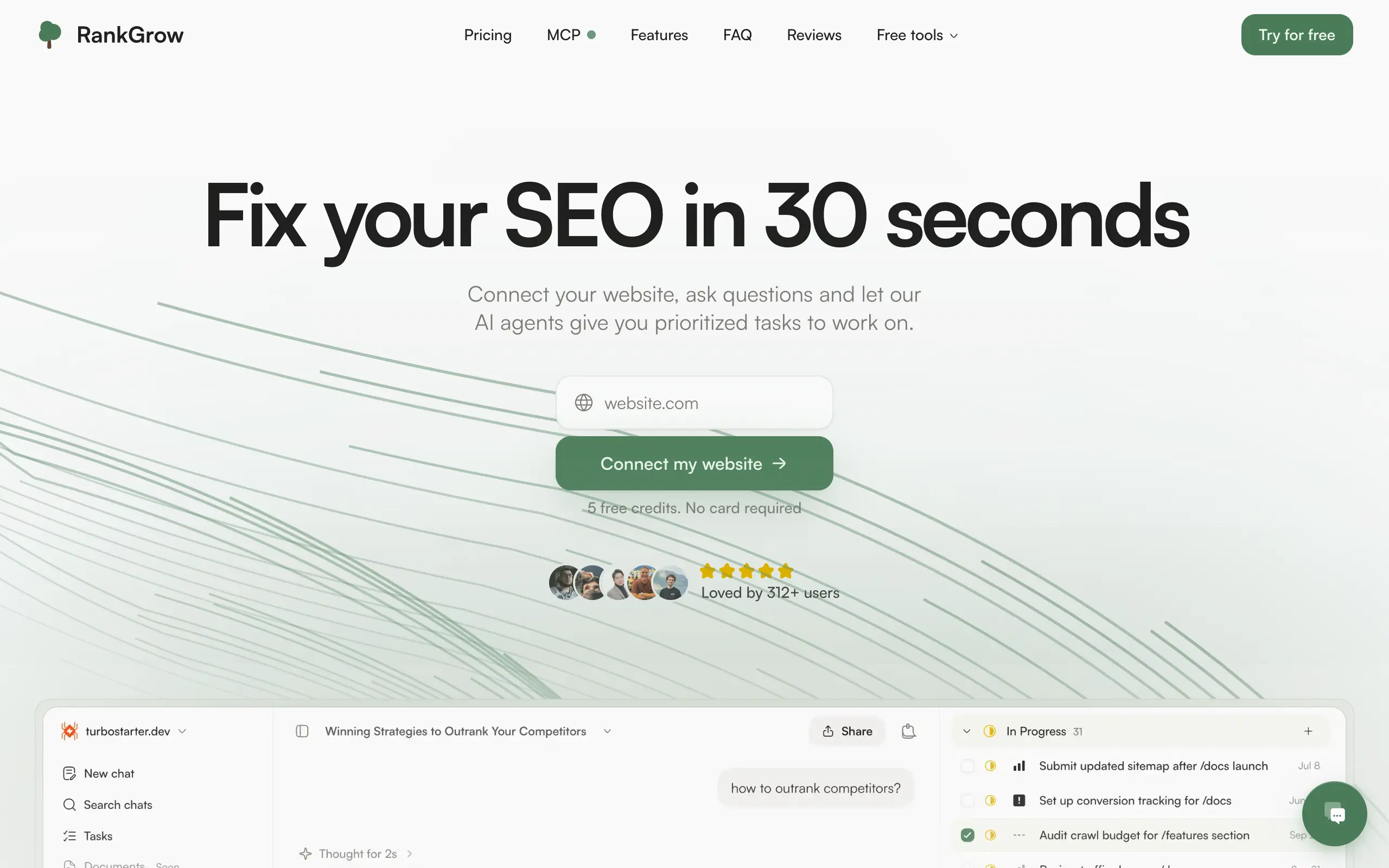
RankGrow
Fix your SEO with AI agents - connect Search Console, get prioritized tasks, and grow organic traffic 📈
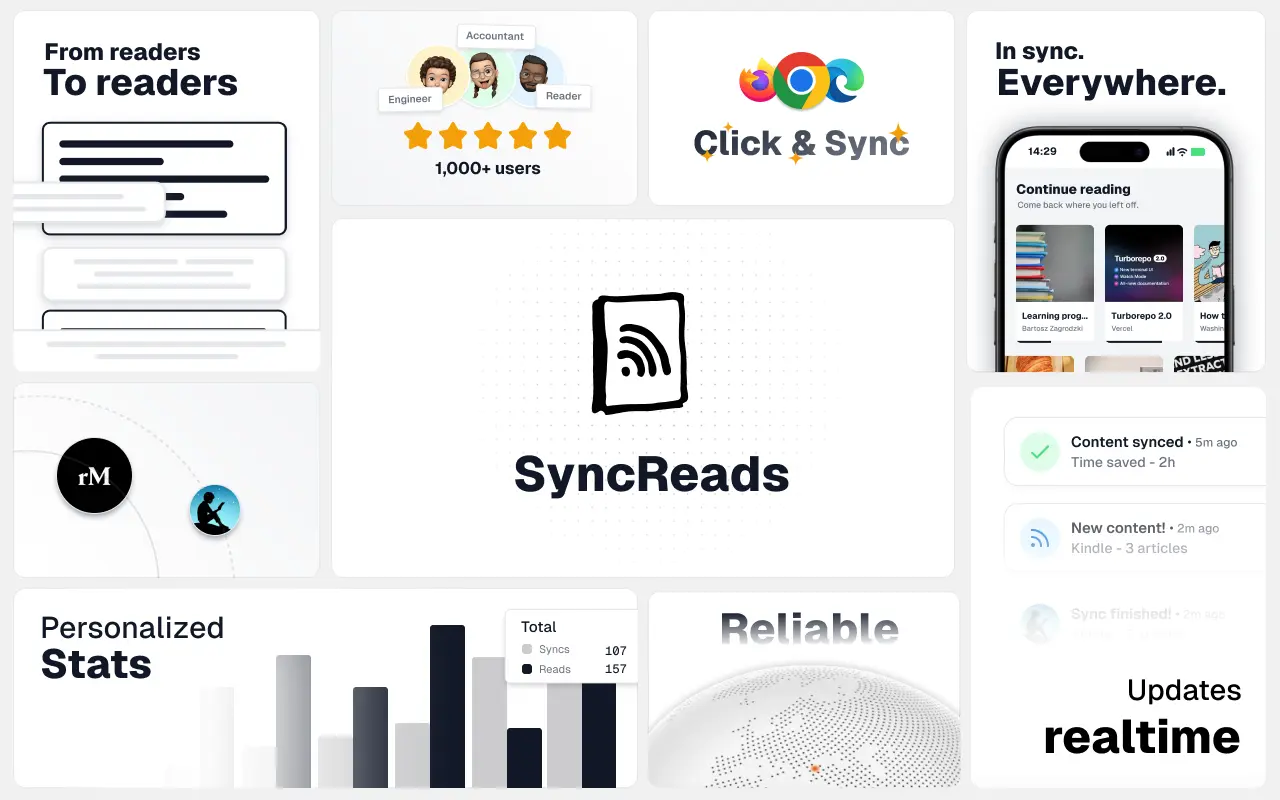
SyncReads
Sync your favorite content for distraction-free reading, save time and replace multiple apps. Anytime, anywhere 🔄
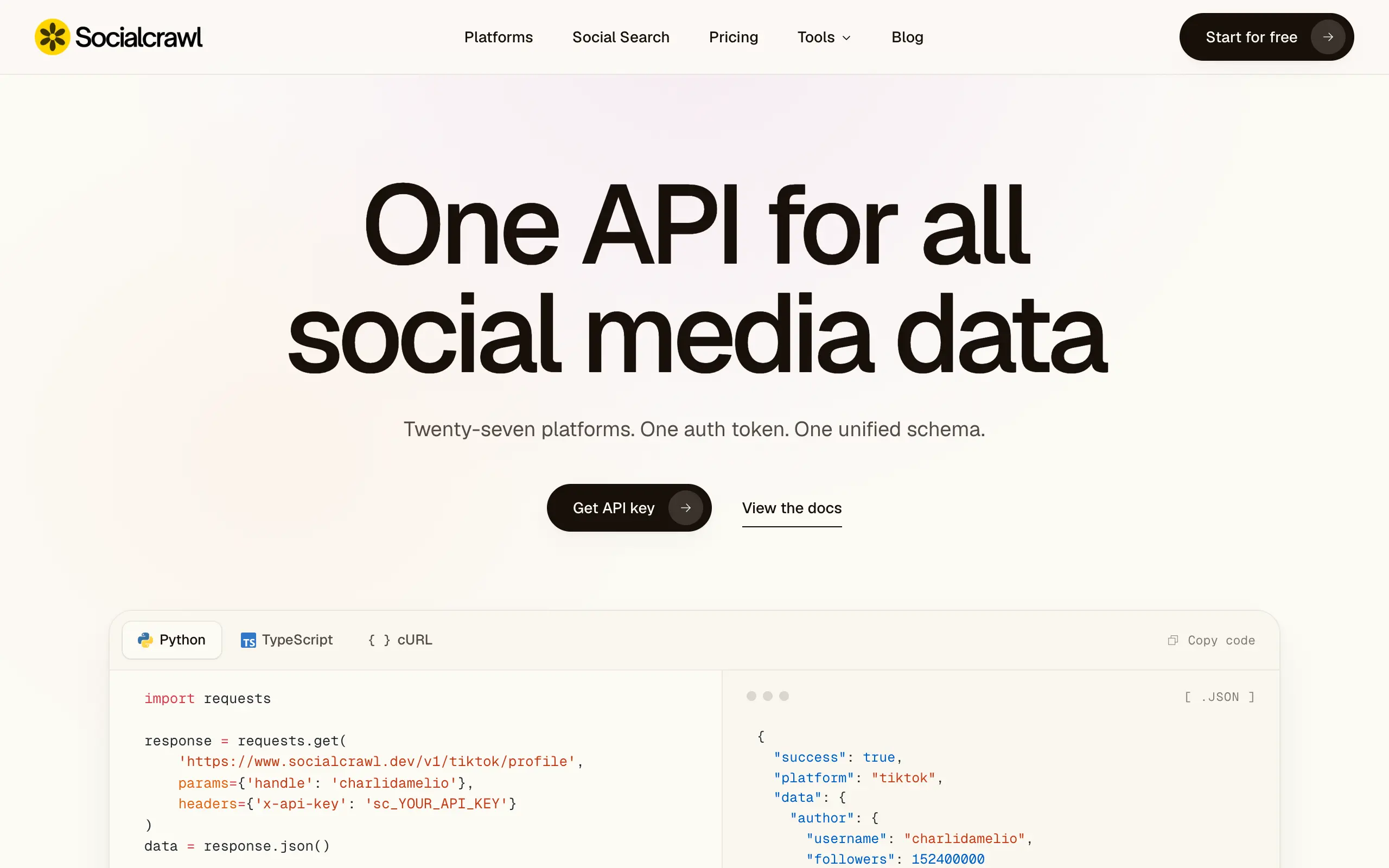
Socialcrawl
Get clean, structured data from 21 platforms like TikTok, Instagram, and YouTube with a single request 📊
Statiko
Monitor any Telegram channel in real time - track posts, edits, deletions, and growth with AI recaps 📡
Shibui
AI website builder - describe your business, pick a niche template, edit by chatting, and publish instantly ✨
Pro Service
Find verified home service professionals, compare quotes, and pay securely through escrow - built for Brazilians across the US 🏠
RankGrow
Fix your SEO with AI agents - connect Search Console, get prioritized tasks, and grow organic traffic 📈
SyncReads
Sync your favorite content for distraction-free reading, save time and replace multiple apps. Anytime, anywhere 🔄
Socialcrawl
Get clean, structured data from 21 platforms like TikTok, Instagram, and YouTube with a single request 📊
Statiko
Monitor any Telegram channel in real time - track posts, edits, deletions, and growth with AI recaps 📡
Shibui
AI website builder - describe your business, pick a niche template, edit by chatting, and publish instantly ✨
Pro Service
Find verified home service professionals, compare quotes, and pay securely through escrow - built for Brazilians across the US 🏠
RankGrow
Fix your SEO with AI agents - connect Search Console, get prioritized tasks, and grow organic traffic 📈
SyncReads
Sync your favorite content for distraction-free reading, save time and replace multiple apps. Anytime, anywhere 🔄
Socialcrawl
Get clean, structured data from 21 platforms like TikTok, Instagram, and YouTube with a single request 📊
Statiko
Monitor any Telegram channel in real time - track posts, edits, deletions, and growth with AI recaps 📡
Shibui
AI website builder - describe your business, pick a niche template, edit by chatting, and publish instantly ✨
Pro Service
Find verified home service professionals, compare quotes, and pay securely through escrow - built for Brazilians across the US 🏠
RankGrow
Fix your SEO with AI agents - connect Search Console, get prioritized tasks, and grow organic traffic 📈
SyncReads
Sync your favorite content for distraction-free reading, save time and replace multiple apps. Anytime, anywhere 🔄
Socialcrawl
Get clean, structured data from 21 platforms like TikTok, Instagram, and YouTube with a single request 📊
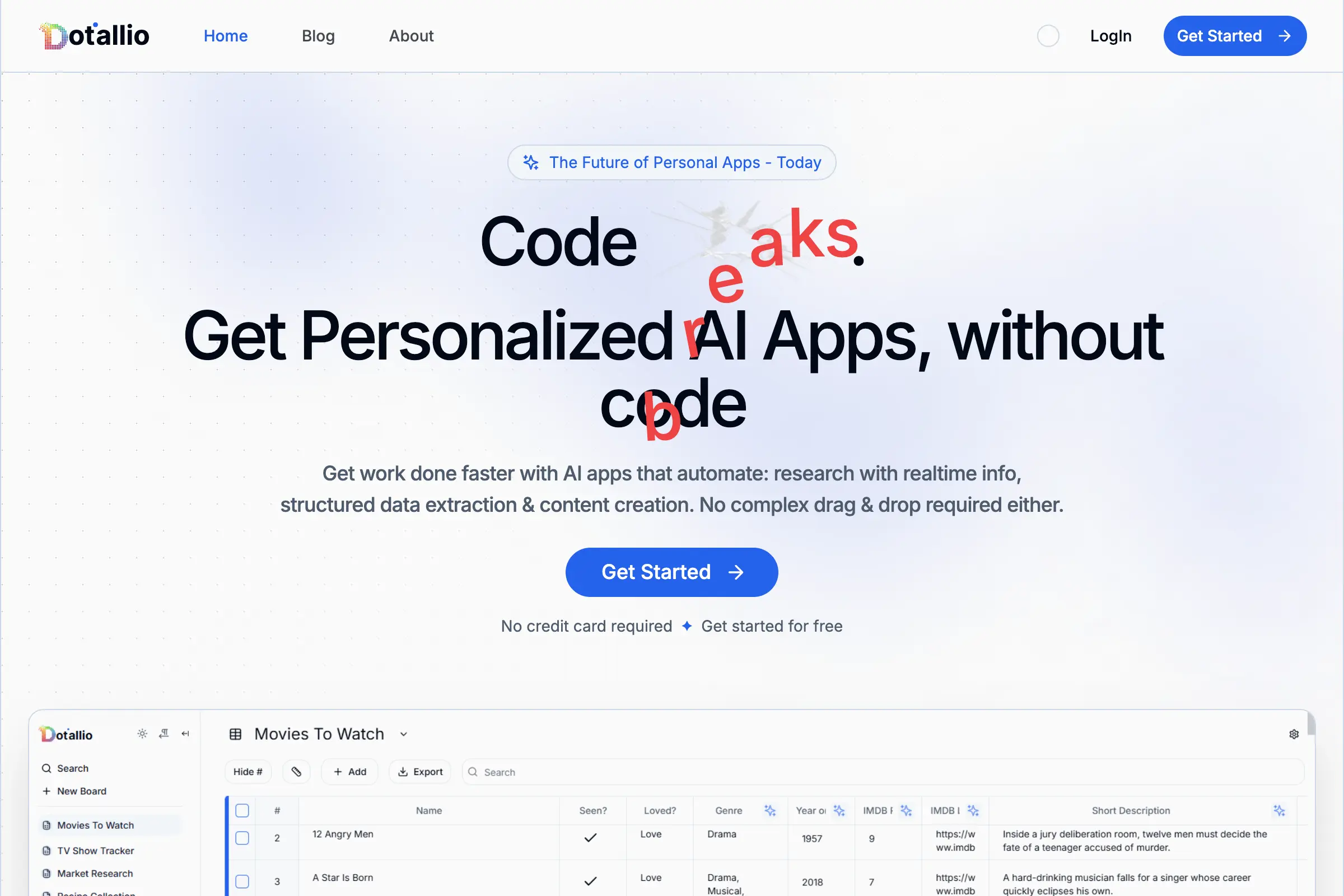
Dotallio
Personalized AI apps that automate research, data extraction, and content creation without code 🤖

Talk to Santa
Enjoy a magical live video chat or receive a unique AI-generated video greeting from Santa Claus 🎅

pozywka.pl
Scalable blog for food journalist, focused on performance and user experience 🌭
zagrodzki.me
Personal blog and portfolio of Bart Zagrodzki, where he shares his knowledge and work 💼
TurboStarter
Ship your startup everywhere. In minutes.
HTML to Markdown
Convert HTML to Markdown with ease, directly in your browser 📄
Dotallio
Personalized AI apps that automate research, data extraction, and content creation without code 🤖
Talk to Santa
Enjoy a magical live video chat or receive a unique AI-generated video greeting from Santa Claus 🎅
pozywka.pl
Scalable blog for food journalist, focused on performance and user experience 🌭
zagrodzki.me
Personal blog and portfolio of Bart Zagrodzki, where he shares his knowledge and work 💼
TurboStarter
Ship your startup everywhere. In minutes.
HTML to Markdown
Convert HTML to Markdown with ease, directly in your browser 📄
Dotallio
Personalized AI apps that automate research, data extraction, and content creation without code 🤖
Talk to Santa
Enjoy a magical live video chat or receive a unique AI-generated video greeting from Santa Claus 🎅
pozywka.pl
Scalable blog for food journalist, focused on performance and user experience 🌭
zagrodzki.me
Personal blog and portfolio of Bart Zagrodzki, where he shares his knowledge and work 💼
TurboStarter
Ship your startup everywhere. In minutes.
HTML to Markdown
Convert HTML to Markdown with ease, directly in your browser 📄
Dotallio
Personalized AI apps that automate research, data extraction, and content creation without code 🤖
Talk to Santa
Enjoy a magical live video chat or receive a unique AI-generated video greeting from Santa Claus 🎅
pozywka.pl
Scalable blog for food journalist, focused on performance and user experience 🌭
zagrodzki.me
Personal blog and portfolio of Bart Zagrodzki, where he shares his knowledge and work 💼
TurboStarter
Ship your startup everywhere. In minutes.
HTML to Markdown
Convert HTML to Markdown with ease, directly in your browser 📄
Omichat
Chat with 50+ AI models, including ChatGPT and Claude, in one place - switch models anytime without losing context 🤖
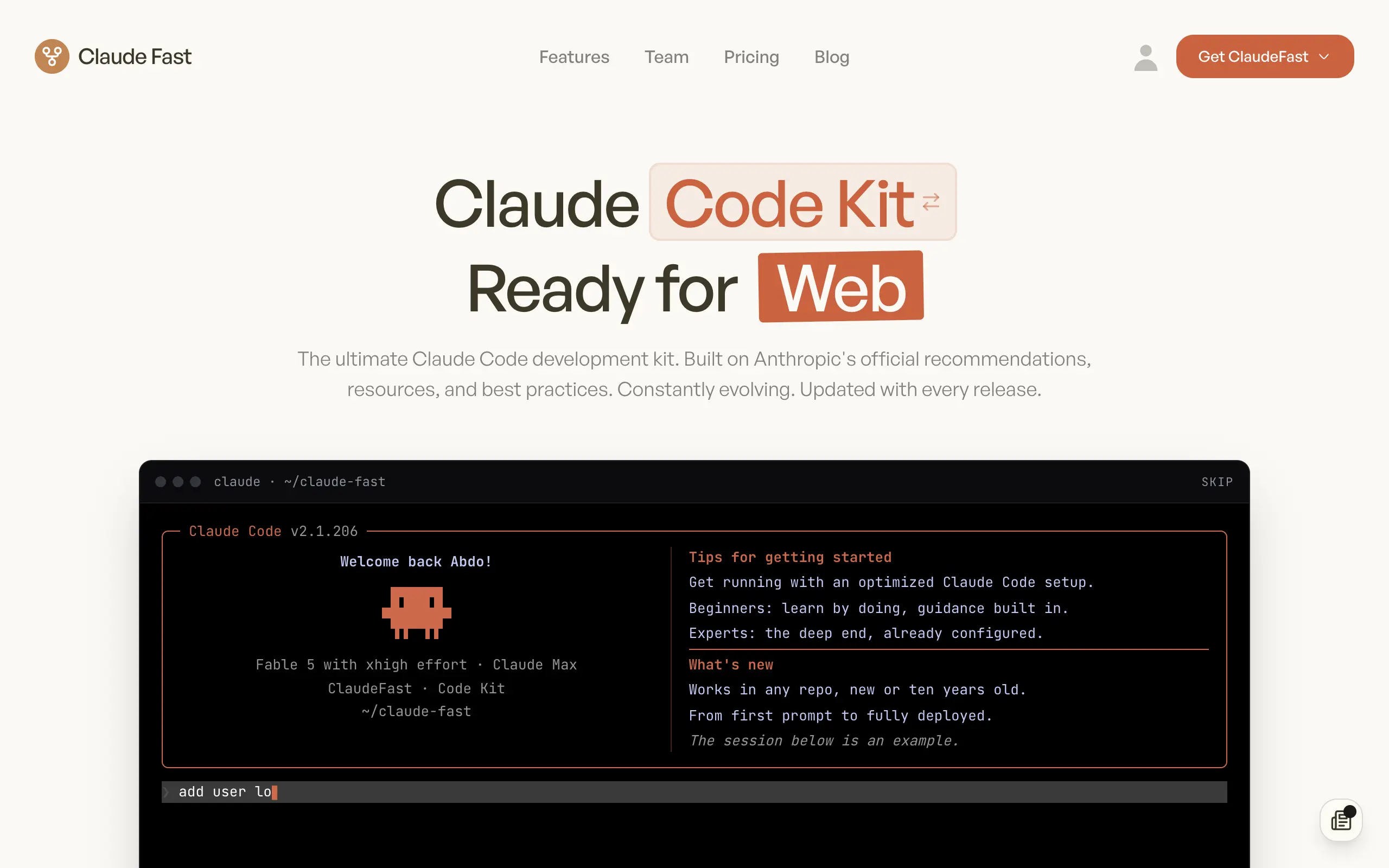
Claude Fast
Supercharge your Claude Code with 6x effective context window and specialized AI agents 🤖

EmojAI
AI-powered emoji picker with smart, context-aware suggestions 🤖
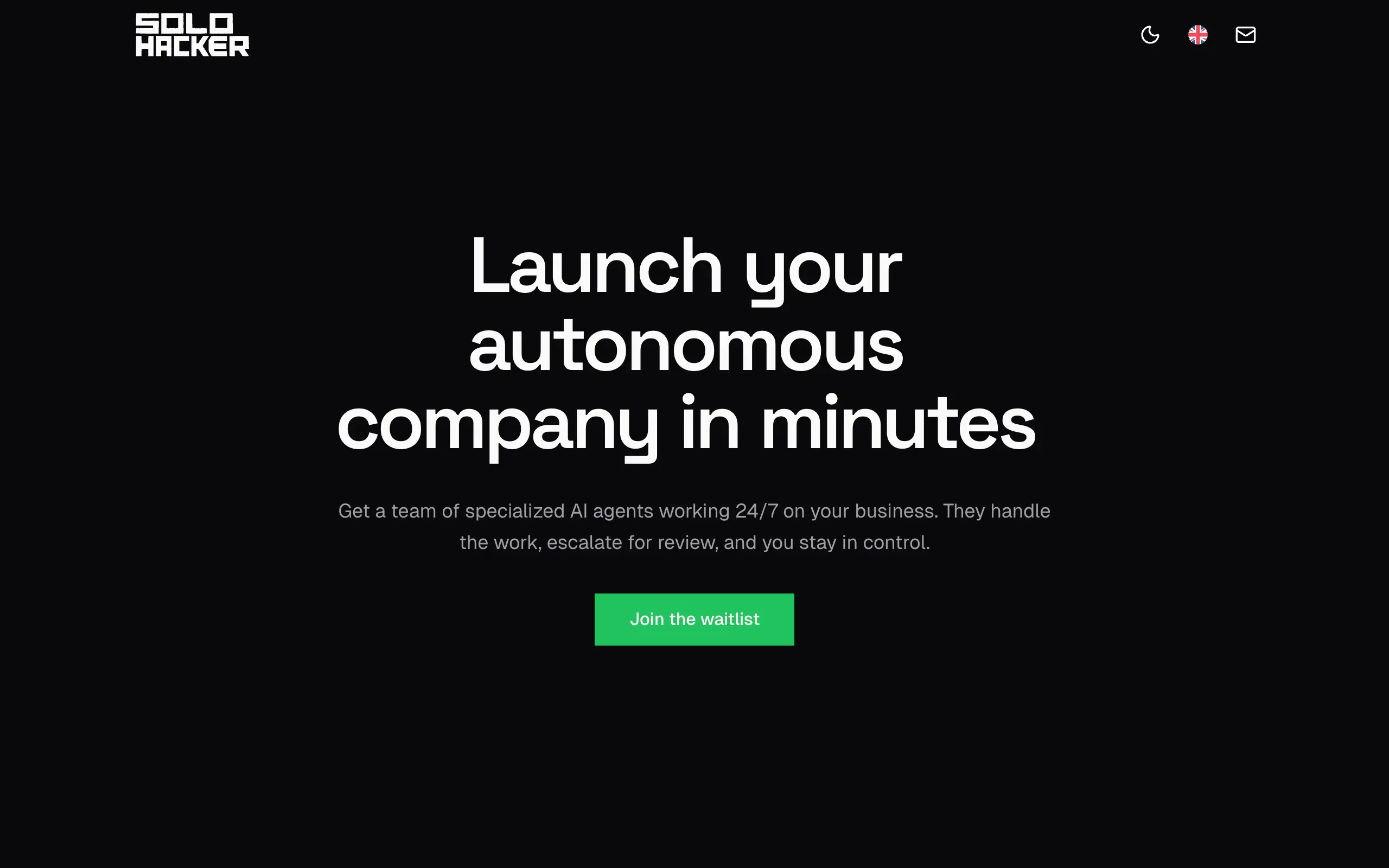
Solohacker
Autonomous company launcher - AI agents work 24/7, escalate what matters, and you stay in control 🤖

BeRawi: Storytelling Coach
Practice storytelling daily with instant feedback to sound clearer, more engaging, and confident 🎤
Omichat
Chat with 50+ AI models, including ChatGPT and Claude, in one place - switch models anytime without losing context 🤖
Claude Fast
Supercharge your Claude Code with 6x effective context window and specialized AI agents 🤖
EmojAI
AI-powered emoji picker with smart, context-aware suggestions 🤖
Solohacker
Autonomous company launcher - AI agents work 24/7, escalate what matters, and you stay in control 🤖
BeRawi: Storytelling Coach
Practice storytelling daily with instant feedback to sound clearer, more engaging, and confident 🎤
Omichat
Chat with 50+ AI models, including ChatGPT and Claude, in one place - switch models anytime without losing context 🤖
Claude Fast
Supercharge your Claude Code with 6x effective context window and specialized AI agents 🤖
EmojAI
AI-powered emoji picker with smart, context-aware suggestions 🤖
Solohacker
Autonomous company launcher - AI agents work 24/7, escalate what matters, and you stay in control 🤖
BeRawi: Storytelling Coach
Practice storytelling daily with instant feedback to sound clearer, more engaging, and confident 🎤
Omichat
Chat with 50+ AI models, including ChatGPT and Claude, in one place - switch models anytime without losing context 🤖
Claude Fast
Supercharge your Claude Code with 6x effective context window and specialized AI agents 🤖
EmojAI
AI-powered emoji picker with smart, context-aware suggestions 🤖
Solohacker
Autonomous company launcher - AI agents work 24/7, escalate what matters, and you stay in control 🤖
BeRawi: Storytelling Coach
Practice storytelling daily with instant feedback to sound clearer, more engaging, and confident 🎤

Connect with like-minded people
Join our community to get feedback, support, and grow together with 1,000+ builders on board, let's ship it!
Join usShip your startup everywhere. In minutes.
Don't burn tokens on setup and start building features on day one.