SweetSpot Quality
Quality intelligence software for enterprise produce buyers to monitor watermelon ripeness, sugar levels, and compliance using IoT and AI grading tools.
The future of quality intelligence in fresh produce procurement
Enterprise produce buyers operate in one of the most complex supply chains in the world. Watermelons — like many fresh produce items — are highly perishable, seasonal, and variable in quality. Yet retailers, distributors, and foodservice operators are expected to deliver consistent sweetness, texture, and safety to millions of consumers every week.
SweetSpot Quality is a B2B quality intelligence platform designed specifically for enterprise produce buyers. It leverages IoT sensors, AI-based grading tools, and predictive analytics to monitor watermelon ripeness, sugar levels (Brix), and compliance across the supply chain.
This article provides a comprehensive, expert-level breakdown of:
- The market gap in produce quality management
- Target users and decision-makers
- Core features and technical architecture
- Competitive landscape and differentiation
- Monetization strategy
- Risks and mitigation
- Actionable implementation steps
If you're exploring building or investing in a produce quality intelligence SaaS platform, this guide addresses validation, technical feasibility, and go-to-market strategy in depth.
Understanding the problem: why watermelon quality is so hard to standardize
Watermelons may seem simple — but from a procurement standpoint, they’re notoriously difficult to control.
1. Variability in sweetness and ripeness
The sweetness of watermelon is typically measured using Brix levels, indicating sugar concentration. However:
- Brix varies by cultivar, soil condition, climate, irrigation patterns, and harvest timing.
- Visual inspection is unreliable.
- Random sampling only represents a small percentage of shipment volume.
The result? Inconsistent consumer experience.
2. Supply chain opacity
Enterprise buyers often source from:
- Multiple farms across regions
- Third-party packhouses
- Importers and exporters
- Cold storage operators
Quality data is fragmented across emails, spreadsheets, PDFs, and siloed ERP systems.
3. Compliance and food safety pressure
Buyers must track:
- USDA grade compliance
- Pesticide residue testing
- Traceability documentation
- Recall readiness
Manual tracking increases risk exposure.
4. Financial impact of quality issues
Poor quality produce leads to:
- Rejected loads
- Shrink and spoilage
- Retail markdowns
- Brand damage
- Lost supplier trust
According to industry research frequently cited by supply chain analysts (see FAO and USDA reports for current data), food waste across supply chains can exceed 20–30% in some produce categories. Even modest improvements in quality monitoring can produce multimillion-dollar impact for enterprise retailers.
Target audience analysis: who SweetSpot Quality is built for
SweetSpot Quality is a B2B enterprise SaaS platform. The primary user personas include:
1. Enterprise produce buyers
Titles:
- Director of Produce Procurement
- Category Manager (Watermelon / Melons)
- VP of Fresh Sourcing
Pain points:
- Inconsistent supplier quality
- Limited real-time data
- Post-delivery disputes
- Reactive quality control
Motivation:
- Improve margins
- Reduce shrink
- Strengthen supplier performance
2. Quality assurance (QA) managers
Titles:
- Food Safety Manager
- QA Director
- Compliance Officer
Pain points:
- Manual inspections
- Lack of digital traceability
- Audit preparation stress
Motivation:
- Reduce compliance risk
- Streamline audits
- Improve data integrity
3. Supply chain and operations leaders
Pain points:
- Cold chain inefficiencies
- Spoilage during transport
- Lack of predictive analytics
Motivation:
- Optimize inventory turns
- Reduce waste
- Improve forecast accuracy
Market opportunity and industry trends
The convergence of several macro trends creates strong validation for SweetSpot Quality:
1. Growth of agtech and foodtech
Precision agriculture, IoT sensors, and AI-driven crop analytics are expanding rapidly. Investors continue funding:
- Farm-level sensor companies
- AI grading systems
- Supply chain visibility platforms
However, few platforms focus specifically on enterprise buyer-side quality intelligence for specific produce categories like watermelon.
2. Increasing retailer accountability
Retailers face:
- Higher consumer expectations for flavor consistency
- Growing transparency demands
- ESG and sustainability reporting requirements
A quality intelligence layer improves:
- Waste tracking
- Carbon footprint optimization
- Supplier accountability
3. IoT hardware cost decline
IoT temperature and humidity sensors have become more affordable, enabling scalable deployment across:
- Packing houses
- Trucks
- Distribution centers
4. AI maturity in image grading
Computer vision models now reliably detect:
- Surface defects
- Shape irregularities
- Ripeness indicators
Using frameworks like TensorFlow or PyTorch, high-accuracy grading models can be trained with farm-specific calibration.
Core features of SweetSpot Quality
The platform should integrate hardware data, AI analytics, and enterprise reporting in one unified dashboard.
IoT-based ripeness monitoring
Collect real-time environmental and temperature data from farms, trucks, and distribution centers.
AI sugar level prediction
Predict Brix levels using non-invasive scanning and machine learning models.
Compliance and traceability dashboard
Centralized documentation and supplier audit tracking.
Supplier performance intelligence
Rank suppliers by consistency, rejection rates, and sweetness metrics.
Let’s explore each in depth.
IoT-based ripeness and transport monitoring
Hardware components
- Temperature sensors
- Humidity sensors
- GPS tracking
- Optional NIR (near-infrared) spectroscopy devices
Data pipeline architecture
- Sensor collects data
- Edge device transmits via cellular or LoRaWAN
- Data ingested into cloud API
- Processed via real-time analytics engine
- Displayed in buyer dashboard
A simplified ingestion endpoint:
// Example: Node.js ingestion endpoint (Express)
import express from "express";

const app = express();
app.use(express.json());

app.post("/api/sensor-data", async (req, res) => {
  const { deviceId, temperature, humidity, timestamp } = req.body;

  // Validate and store in database
  // Trigger anomaly detection pipeline

  res.status(200).json({ status: "Data received" });
});

app.listen(3000, () => {
  console.log("IoT ingestion server running on port 3000");
});
AI grading and Brix prediction
Traditional Brix testing requires cutting the fruit and using a refractometer — destructive and time-consuming.
SweetSpot Quality can integrate:
- Near-infrared scanning
- Computer vision defect detection
- Predictive ML models trained on historical Brix data
Model inputs
- Spectral readings
- Surface texture imaging
- Environmental growing data
- Harvest timing
Model outputs
- Predicted Brix score
- Ripeness classification (underripe, optimal, overripe)
- Expected shelf life
Compliance and traceability dashboard
Enterprise buyers need a single source of truth.
Key compliance features
- Digital COAs (Certificates of Analysis)
- USDA grade documentation tracking
- Automated audit logs
- Recall simulation capability
Trust-building feature
Audit-ready exports and immutable logs increase trust with regulators and enterprise retailers.
Competitive landscape analysis
The produce tech space includes:
- Farm management platforms
- Supply chain visibility tools
- Food safety compliance software
However, few platforms combine:
- IoT data
- AI sweetness prediction
- Enterprise buyer dashboards
- Supplier performance benchmarking
Below is a simplified comparison:
| Feature | Farm Mgmt Tools | Generic IoT Platforms | Food Safety SaaS | SweetSpot Quality | ERP Systems |
|---|---|---|---|---|---|
| AI Brix prediction | ❌ | ❌ | ❌ | ✅ | ❌ |
| Supplier benchmarking | ❌ | ❌ | ✅ | ✅ | ❌ |
Unique selling proposition (USP)
SweetSpot Quality is the first watermelon-specific quality intelligence SaaS for enterprise buyers, combining predictive sweetness analytics with compliance intelligence.
This vertical specialization increases defensibility and domain authority.
Recommended tech stack
A modern SaaS stack should balance scalability, speed, and security.
Frontend
- React for dynamic dashboards
- TailwindCSS for rapid UI styling
- Charting libraries (e.g., Recharts or similar)
Backend
- Node.js (Express or Fastify)
- Python microservices for ML models
- REST or GraphQL API
Database
- PostgreSQL for relational supplier data
- Time-series database (e.g., TimescaleDB) for IoT telemetry
Cloud infrastructure
- AWS or GCP
- S3-compatible storage for compliance docs
- Managed Kubernetes for scaling
Trade-offs
| Option | Advantage | Risk |
|---|---|---|
| Full microservices | Scalable | Complex early stage |
| Monolith first | Faster MVP | Harder scaling later |
For MVP, start monolithic + modular architecture.
Monetization strategy
SweetSpot Quality targets enterprise clients. Monetization should reflect high ROI.
1. SaaS subscription tiers
- Tier 1: Dashboard + supplier analytics
- Tier 2: IoT integration + alerts
- Tier 3: AI Brix prediction + advanced compliance
Pricing range: $3,000–$15,000+ per month depending on volume.
2. Hardware markup
Bundle IoT sensors with:
- Upfront device cost
- Monthly connectivity fee
3. Data intelligence add-ons
Offer:
- Supplier performance benchmarking reports
- Predictive seasonality forecasting
- API access for ERP integration
Risks and mitigation strategies
Mitigation: Partner with established IoT manufacturers and use pre-certified devices.
Mitigation: Train models using diverse regional datasets and continuously retrain with feedback loops.
Mitigation: Start with pilot programs and proof-of-value contracts.
Mitigation: Provide transparent data ownership policies and supplier dashboards.
Competitive advantage strategy
To maintain long-term defensibility:
- Build proprietary Brix prediction dataset
- Create supplier benchmarking network effects
- Integrate deeply into enterprise ERP workflows
- Focus on watermelon first, then expand to melons and high-variability produce
Vertical dominance creates brand authority.
Implementation roadmap
For rapid SaaS development, leveraging a production-ready foundation like TurboStarter can significantly accelerate authentication, billing, and infrastructure setup.
Go-to-market strategy
Phase 1: Beachhead market
Target:
- Regional grocery chains
- Large distributors specializing in watermelon imports
Phase 2: Industry credibility
- Publish whitepapers on Brix optimization
- Present at produce trade expos
- Co-market with top-performing farms
Phase 3: Data network effect
As more buyers use SweetSpot Quality:
- Supplier ranking database strengthens
- Predictive models improve
- Switching costs increase
Long-term expansion opportunities
Once validated, expand to:
- Cantaloupe
- Honeydew
- Pineapple
- Avocado (ripeness monitoring synergy)
This transforms SweetSpot Quality from a watermelon tool into a fresh produce intelligence platform.
Why SweetSpot Quality stands out
Most agtech focuses upstream (farmers). SweetSpot Quality focuses downstream — the enterprise buyer.
This positioning:
- Aligns with higher budgets
- Reduces churn risk
- Drives measurable ROI
- Creates defensible data moats
It is not just an IoT platform. It is a quality intelligence layer for fresh produce procurement.
Final thoughts and actionable next steps
Enterprise produce procurement is ripe for digital transformation. Watermelon — due to sweetness variability and perishability — presents a focused, high-impact entry point.
If you’re building SweetSpot Quality:
- Start with buyer validation.
- Prioritize measurable ROI (reduced shrink, fewer rejections).
- Develop defensible AI models.
- Build strong compliance tooling for enterprise trust.
- Focus deeply on watermelon before expanding horizontally.
The opportunity lies in transforming subjective produce grading into predictive, data-driven intelligence.
By combining IoT, AI grading, and compliance analytics, SweetSpot Quality can become the definitive platform for enterprise watermelon quality management — and eventually, the operating system for fresh produce intelligence.
More 🏢 B2B Application SaaS ideas
Discover more innovative b2b application SaaS ideas that are trending in 2026. Each idea is AI-generated with market validation and growth potential to help you find your next profitable venture faster than competitors.
Your competitors are building with TurboStarter
Below are some of the SaaS ideas that have been generated and built with our starter kit.
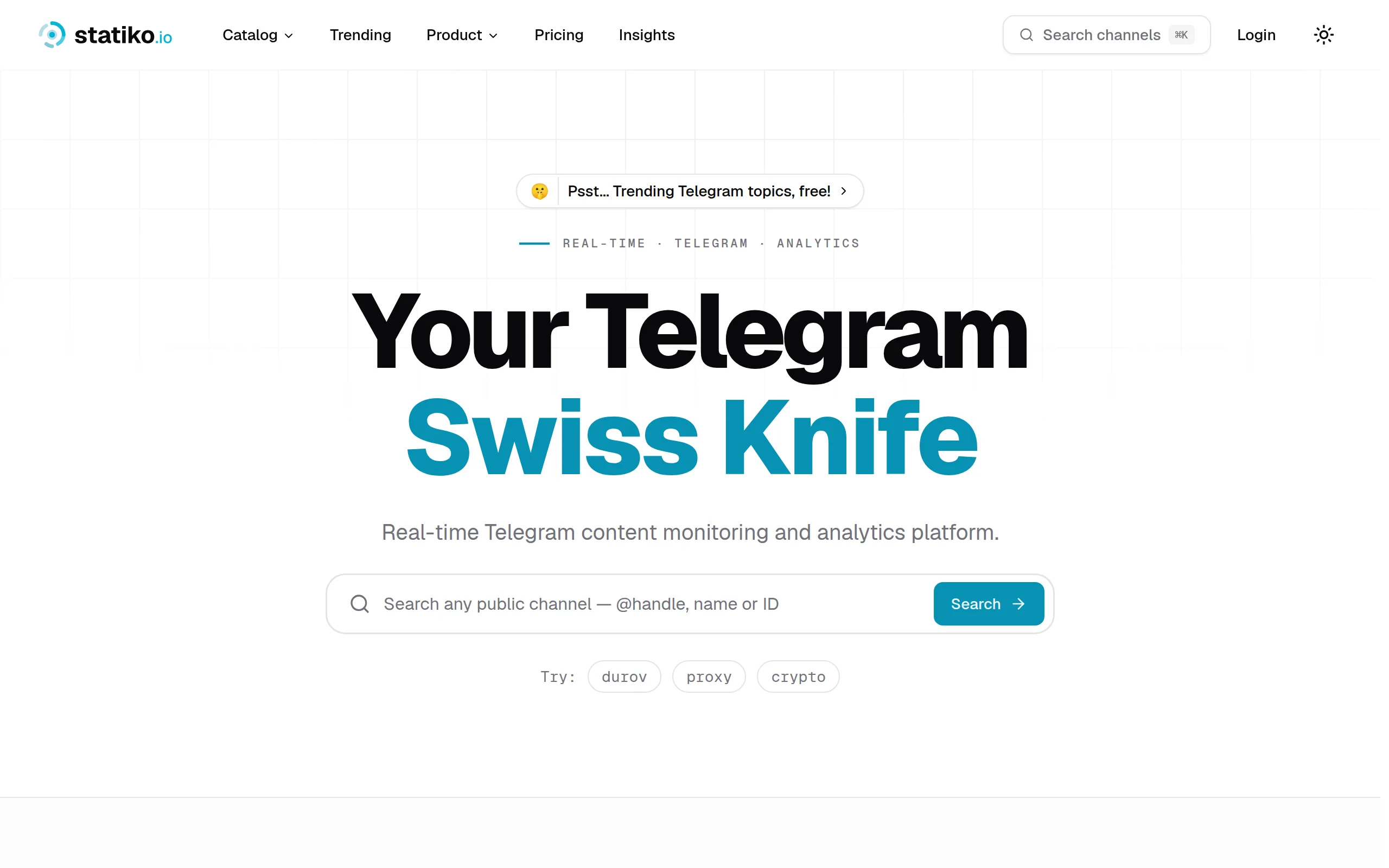
Statiko
Monitor any Telegram channel in real time - track posts, edits, deletions, and growth with AI recaps 📡

Shibui
AI website builder - describe your business, pick a niche template, edit by chatting, and publish instantly ✨

Pro Service
Find verified home service professionals, compare quotes, and pay securely through escrow - built for Brazilians across the US 🏠
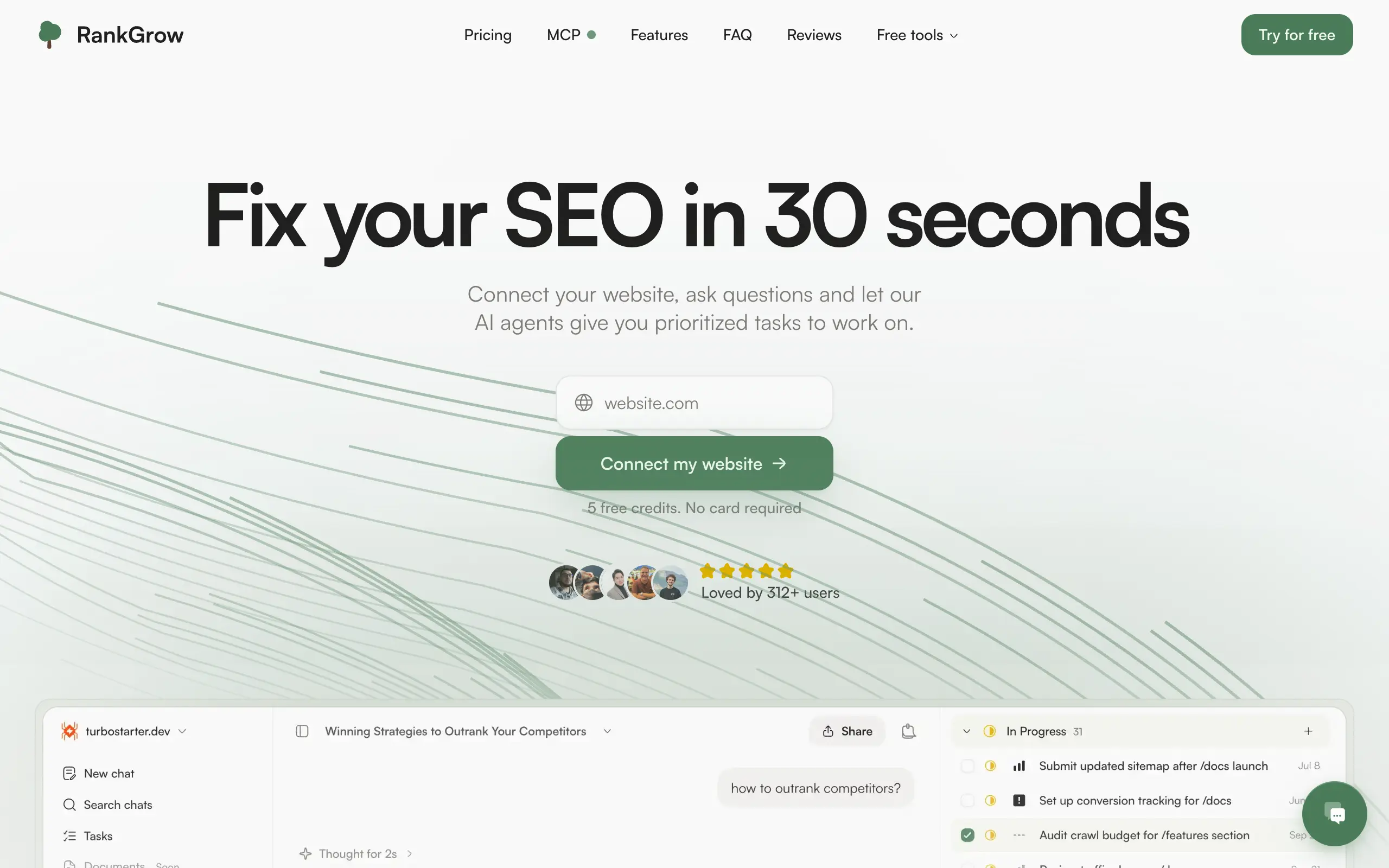
RankGrow
Fix your SEO with AI agents - connect Search Console, get prioritized tasks, and grow organic traffic 📈
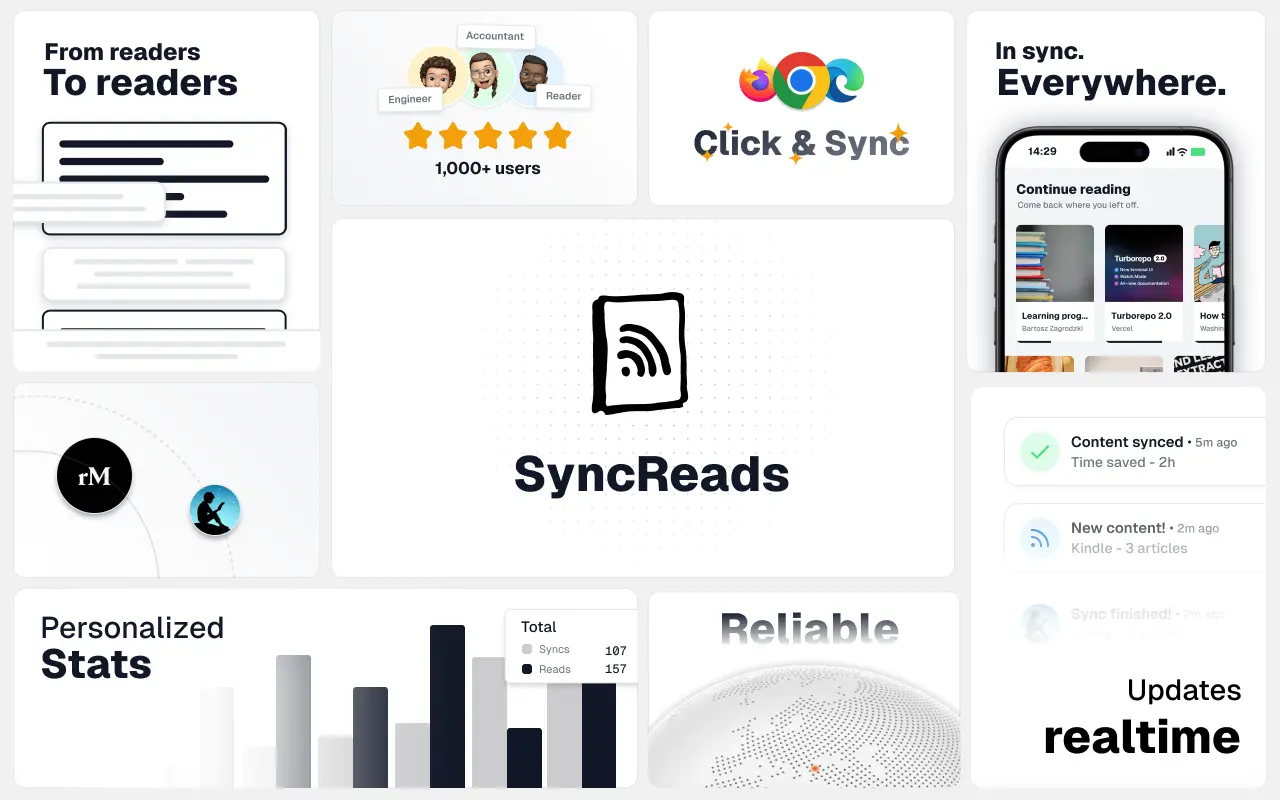
SyncReads
Sync your favorite content for distraction-free reading, save time and replace multiple apps. Anytime, anywhere 🔄
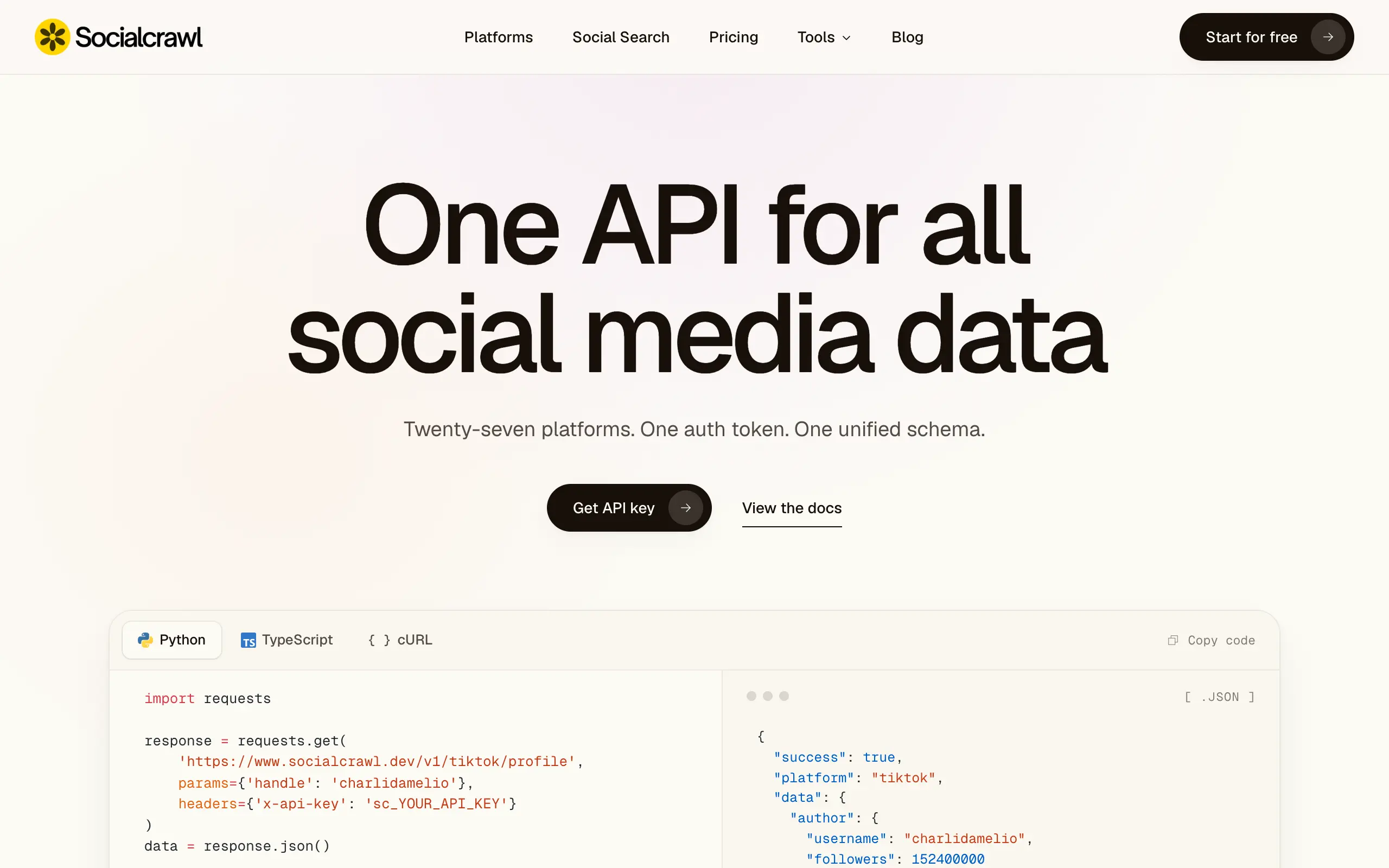
Socialcrawl
Get clean, structured data from 21 platforms like TikTok, Instagram, and YouTube with a single request 📊
Statiko
Monitor any Telegram channel in real time - track posts, edits, deletions, and growth with AI recaps 📡
Shibui
AI website builder - describe your business, pick a niche template, edit by chatting, and publish instantly ✨
Pro Service
Find verified home service professionals, compare quotes, and pay securely through escrow - built for Brazilians across the US 🏠
RankGrow
Fix your SEO with AI agents - connect Search Console, get prioritized tasks, and grow organic traffic 📈
SyncReads
Sync your favorite content for distraction-free reading, save time and replace multiple apps. Anytime, anywhere 🔄
Socialcrawl
Get clean, structured data from 21 platforms like TikTok, Instagram, and YouTube with a single request 📊
Statiko
Monitor any Telegram channel in real time - track posts, edits, deletions, and growth with AI recaps 📡
Shibui
AI website builder - describe your business, pick a niche template, edit by chatting, and publish instantly ✨
Pro Service
Find verified home service professionals, compare quotes, and pay securely through escrow - built for Brazilians across the US 🏠
RankGrow
Fix your SEO with AI agents - connect Search Console, get prioritized tasks, and grow organic traffic 📈
SyncReads
Sync your favorite content for distraction-free reading, save time and replace multiple apps. Anytime, anywhere 🔄
Socialcrawl
Get clean, structured data from 21 platforms like TikTok, Instagram, and YouTube with a single request 📊
Statiko
Monitor any Telegram channel in real time - track posts, edits, deletions, and growth with AI recaps 📡
Shibui
AI website builder - describe your business, pick a niche template, edit by chatting, and publish instantly ✨
Pro Service
Find verified home service professionals, compare quotes, and pay securely through escrow - built for Brazilians across the US 🏠
RankGrow
Fix your SEO with AI agents - connect Search Console, get prioritized tasks, and grow organic traffic 📈
SyncReads
Sync your favorite content for distraction-free reading, save time and replace multiple apps. Anytime, anywhere 🔄
Socialcrawl
Get clean, structured data from 21 platforms like TikTok, Instagram, and YouTube with a single request 📊
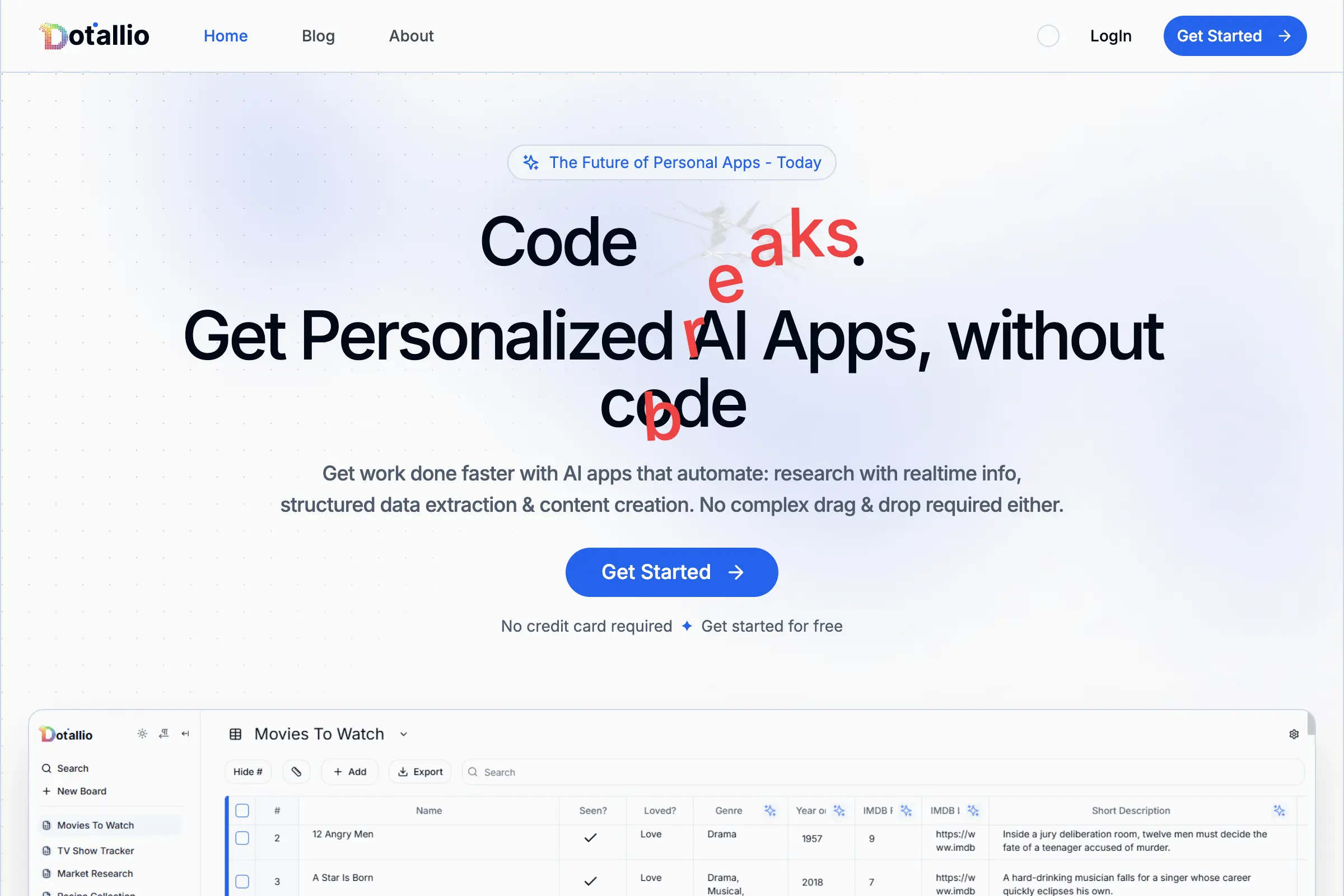
Dotallio
Personalized AI apps that automate research, data extraction, and content creation without code 🤖

Talk to Santa
Enjoy a magical live video chat or receive a unique AI-generated video greeting from Santa Claus 🎅

pozywka.pl
Scalable blog for food journalist, focused on performance and user experience 🌭
zagrodzki.me
Personal blog and portfolio of Bart Zagrodzki, where he shares his knowledge and work 💼
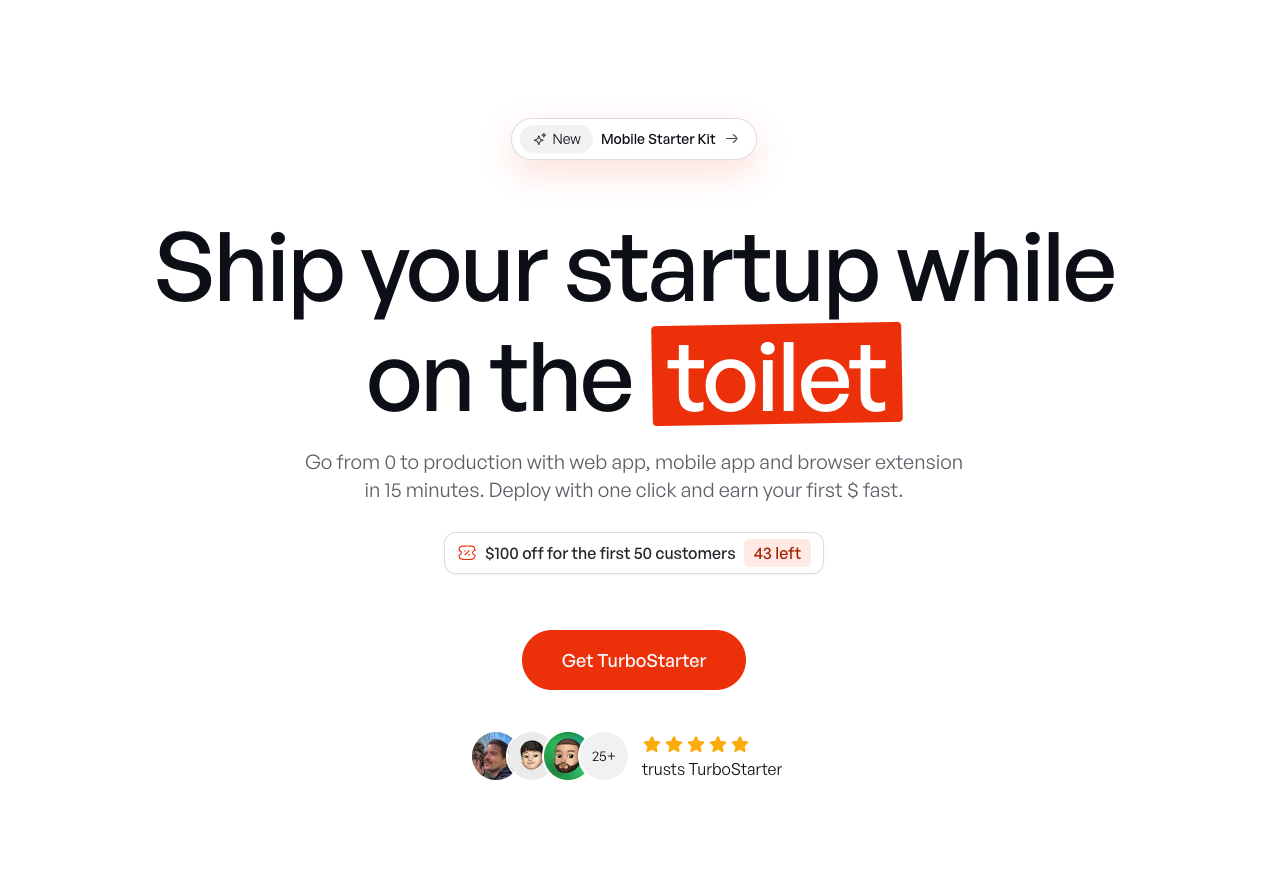
TurboStarter
Ship your startup everywhere. In minutes.
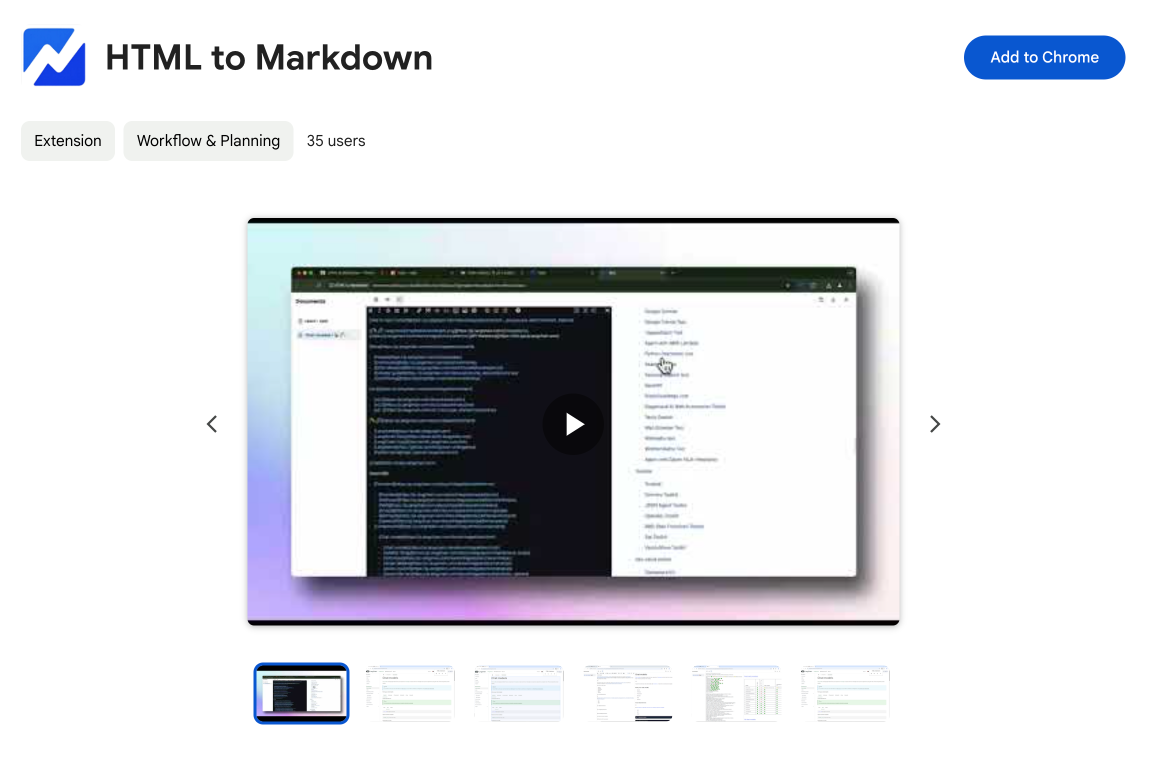
HTML to Markdown
Convert HTML to Markdown with ease, directly in your browser 📄
Dotallio
Personalized AI apps that automate research, data extraction, and content creation without code 🤖
Talk to Santa
Enjoy a magical live video chat or receive a unique AI-generated video greeting from Santa Claus 🎅
pozywka.pl
Scalable blog for food journalist, focused on performance and user experience 🌭
zagrodzki.me
Personal blog and portfolio of Bart Zagrodzki, where he shares his knowledge and work 💼
TurboStarter
Ship your startup everywhere. In minutes.
HTML to Markdown
Convert HTML to Markdown with ease, directly in your browser 📄
Dotallio
Personalized AI apps that automate research, data extraction, and content creation without code 🤖
Talk to Santa
Enjoy a magical live video chat or receive a unique AI-generated video greeting from Santa Claus 🎅
pozywka.pl
Scalable blog for food journalist, focused on performance and user experience 🌭
zagrodzki.me
Personal blog and portfolio of Bart Zagrodzki, where he shares his knowledge and work 💼
TurboStarter
Ship your startup everywhere. In minutes.
HTML to Markdown
Convert HTML to Markdown with ease, directly in your browser 📄
Dotallio
Personalized AI apps that automate research, data extraction, and content creation without code 🤖
Talk to Santa
Enjoy a magical live video chat or receive a unique AI-generated video greeting from Santa Claus 🎅
pozywka.pl
Scalable blog for food journalist, focused on performance and user experience 🌭
zagrodzki.me
Personal blog and portfolio of Bart Zagrodzki, where he shares his knowledge and work 💼
TurboStarter
Ship your startup everywhere. In minutes.
HTML to Markdown
Convert HTML to Markdown with ease, directly in your browser 📄
Omichat
Chat with 50+ AI models, including ChatGPT and Claude, in one place - switch models anytime without losing context 🤖
Claude Fast
Supercharge your Claude Code with 6x effective context window and specialized AI agents 🤖
EmojAI
AI-powered emoji picker with smart, context-aware suggestions 🤖

Solohacker
Autonomous company launcher - AI agents work 24/7, escalate what matters, and you stay in control 🤖

BeRawi: Storytelling Coach
Practice storytelling daily with instant feedback to sound clearer, more engaging, and confident 🎤
Omichat
Chat with 50+ AI models, including ChatGPT and Claude, in one place - switch models anytime without losing context 🤖
Claude Fast
Supercharge your Claude Code with 6x effective context window and specialized AI agents 🤖
EmojAI
AI-powered emoji picker with smart, context-aware suggestions 🤖
Solohacker
Autonomous company launcher - AI agents work 24/7, escalate what matters, and you stay in control 🤖
BeRawi: Storytelling Coach
Practice storytelling daily with instant feedback to sound clearer, more engaging, and confident 🎤
Omichat
Chat with 50+ AI models, including ChatGPT and Claude, in one place - switch models anytime without losing context 🤖
Claude Fast
Supercharge your Claude Code with 6x effective context window and specialized AI agents 🤖
EmojAI
AI-powered emoji picker with smart, context-aware suggestions 🤖
Solohacker
Autonomous company launcher - AI agents work 24/7, escalate what matters, and you stay in control 🤖
BeRawi: Storytelling Coach
Practice storytelling daily with instant feedback to sound clearer, more engaging, and confident 🎤
Omichat
Chat with 50+ AI models, including ChatGPT and Claude, in one place - switch models anytime without losing context 🤖
Claude Fast
Supercharge your Claude Code with 6x effective context window and specialized AI agents 🤖
EmojAI
AI-powered emoji picker with smart, context-aware suggestions 🤖
Solohacker
Autonomous company launcher - AI agents work 24/7, escalate what matters, and you stay in control 🤖
BeRawi: Storytelling Coach
Practice storytelling daily with instant feedback to sound clearer, more engaging, and confident 🎤

Connect with like-minded people
Join our community to get feedback, support, and grow together with 1,000+ builders on board, let's ship it!
Join usShip your startup everywhere. In minutes.
Don't burn tokens on setup and start building features on day one.